
Sanatan Dharma, The Univeral Truth. Shri Krishna Bhakt 🦚 British 🇬🇧 Gujarati, Indian genes. 🇮🇳#HindusMatter - All lives matter!
Joined March 2018
- Tweets 82,096
- Following 260
- Followers 63,548
- Likes 185,413
10,016 Photos and videos















The costume designer for F1 could have picked literally any luxury brand in the world.
Instead, Brad Pitt wore a shirt made using Tangaliya, a 700-year-old weaving technique from Gujarat. That's the kind of thing that gets my attention.
Every tiny dot on that shirt is hand-twisted into the weave, and the people behind it didn't hide the process, they built it into the product.
Most brands sell a story. In a world chasing fast fashion, this Make in India brand proves that craftsmanship, transparency, and patience still have a place on the global stage.
7
21
303
Guys, there is something fishy going on. They have been spraying the London skyline from multiple angles with a large number of aircraft all day.
Any ideas what the Government is up to? #Chemtrails “”#Geoengineering
5
3
16
1,692
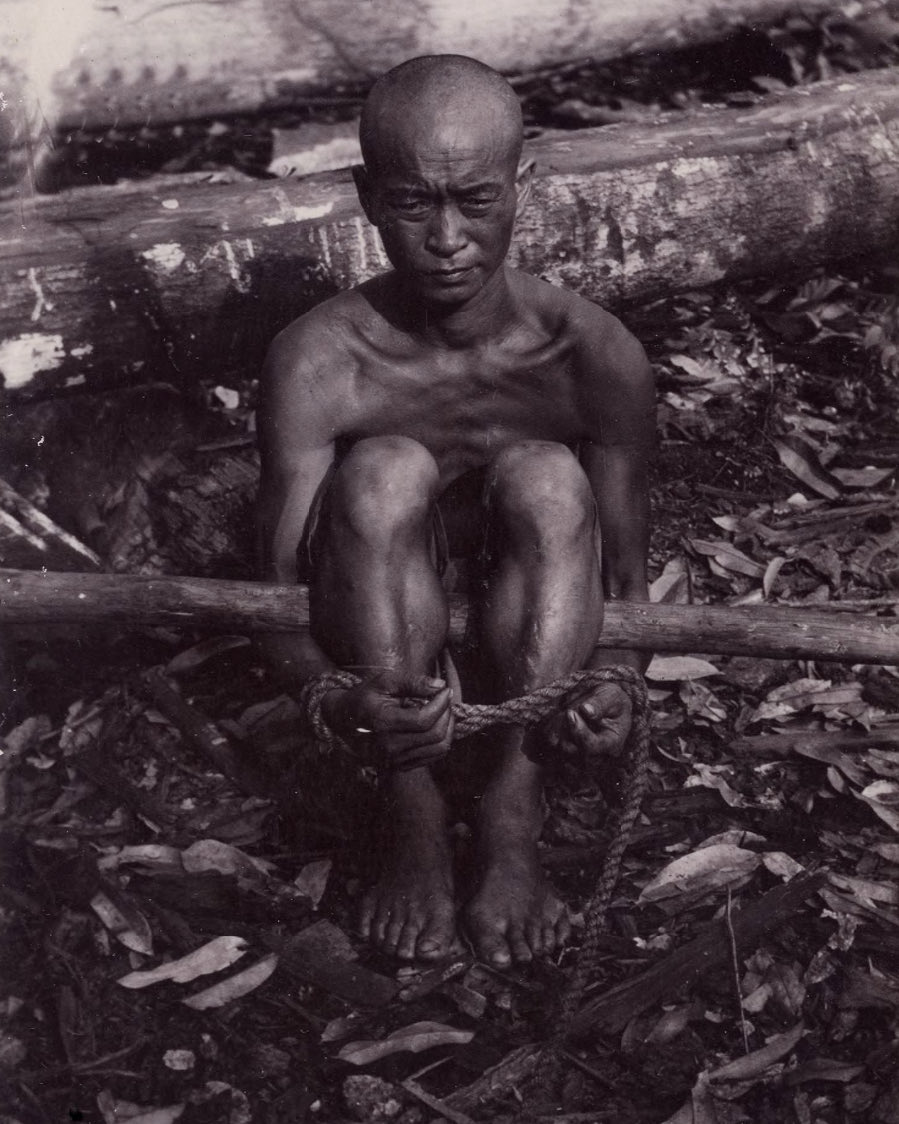
During Dutch colonial rule in Indonesia, many laborers were bound by systems of indenture that closely resembled coercive labor, especially on plantations producing sugar, tobacco, and rubber.
Workers were often recruited under contracts that limited their freedom, imposed harsh working conditions, and tied them to employers through debt and strict regulations. A key mechanism of control was the penal sanction (Dutch: poenale sanctie), which allowed employers to punish laborers who were deemed to have misbehaved, such as by leaving work, refusing orders, or breaking contracts, through fines, imprisonment, or forced labor, effectively criminalizing resistance.
In colonial records, these workers were frequently referred to as “coolies” (indentured laborers), a derogatory colonial term used to racialize and dehumanize Asian workers while normalizing their exploitation.
Today, historians critically reassess both the labor system and the language used to describe it, emphasizing the inequality and coercion that defined this period.
1
16
45
1,034
Did you know that Indian judges still use a legal framework built by a man who never set foot in India? James Mill wrote his massive History of British India in 1817.
He could not read Sanskrit or any Indian language (Persian is not an Indian language) and had never spoken to an Indian scholar. Yet his book became required reading for every British officer governing India. He called Hindu law barbaric and said traditional Indian courts were irrational. He invented the division of Indian history into Hindu, Muslim, and British periods, not as scholarship but as a tool to break civilisational continuity.
What should disturb you is that after independence, India kept the colonial legal infrastructure almost completely intact (thanks to British agent Ambedkar).
Watch to learn more👇🏻
7
118
200
3,443
I swear Gujaratis have a superpower! They can turn besan (Gram floor) into things the rest of India could not see coming.
Let's make Cheeba Dhokri from Gujarat. A steamed besan-and-cabbage snack - the batter spooned straight onto a hot muslin cloth, no tin and no mould, and steamed soft.
Finished with chilli oib rander
Vidhi's grandmother's recipe, from Mangrol. Every Gujarati home has their own version.
Ever seen a snack steamed on a cloth?
9
47
301
27,095
Nalanda University , the renowned ancient Mahavihara in Bihar, India, was destroyed by fire around 1193-1200 CE, an event largely attributed to Turkic invader Bakhtiyar Khilji. The destruction occurred during Khilji's military campaigns in the region, aimed at consolidating power. The assault saw the university's massive library, known as Dharmaganja (comprising three large multi-story buildings named Ratnasagara, Ratnodadhi, and Ratnaranjaka), set ablaze.
Reports, including those referencing the Persian historian Minhaj-i-Siraj in Tabaqat-i Nasiri, suggest the library housed millions of precious manuscripts covering philosophy, astronomy, medicine, and Buddhist studies. The library reportedly burned for several months, with thick smoke hanging over the region for days, destroying irreplaceable knowledge.
Alongside the library, monks and scholars were massacred, and the monastery buildings were demolished, dealing a massive blow to Buddhist education in India.
While this was not the first time Nalanda faced destruction-earlier damages occurred in the 5th and 7th centuries - the late 12th-century invasion resulted in its final, irreversible decline, turning the flourishing international intellectual hub into ruins.
The site remained largely forgotten until its excavation.
2
111
234
3,148