Space exploration aficionado and occasional NASA image processor.

Joined January 2010
17,792 Photos and videos
Jason Major retweeted
13 Jun 2025
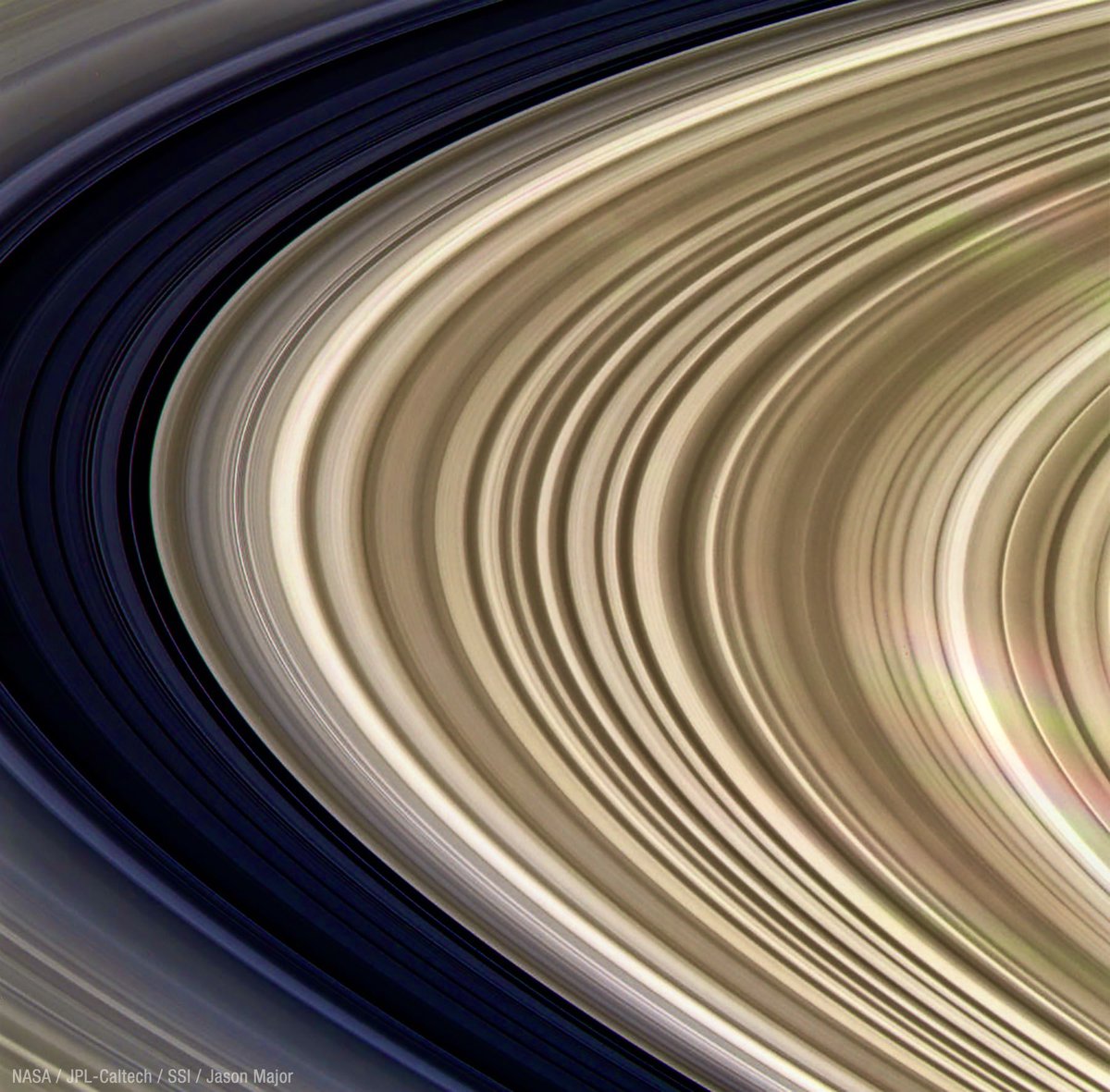
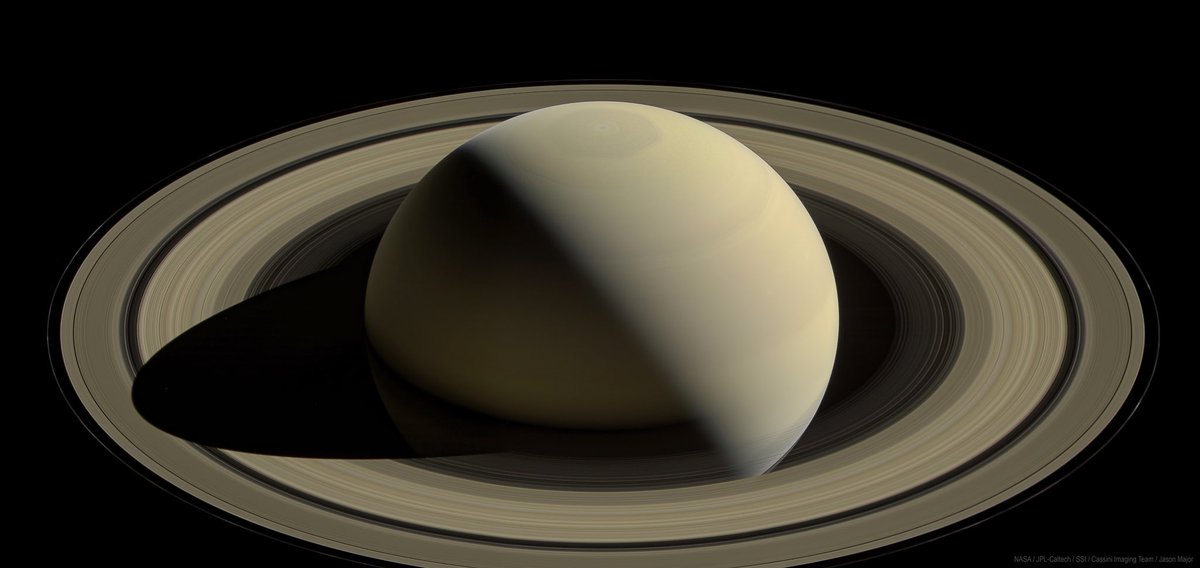
Saturn imaged by NASA's Cassini spacecraft on June 12, 2016 🪐
2
7
59
2,072
Jason Major retweeted
19 Nov 2025
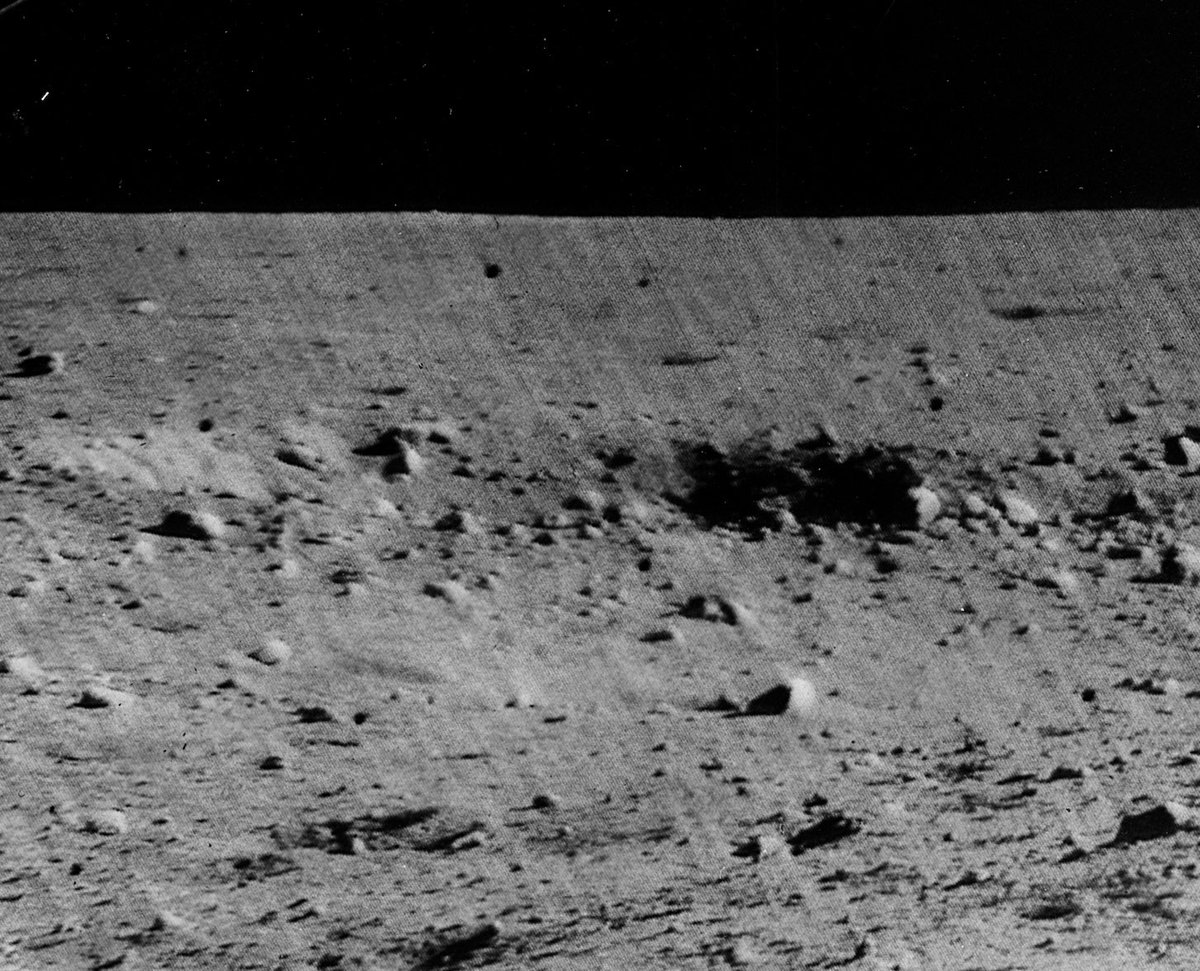
View of a rock-strewn lunar crater captured by NASA’s Surveyor 1 lander on June 12, 1966
4
16
119
3,164
Jason Major retweeted
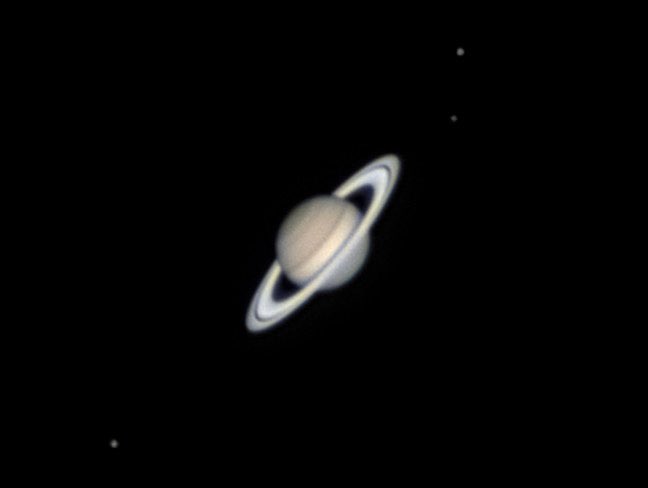
Saturn, through my telescope! Follow to see more of my astrophotography :)
9
69
1,077
Jason Major retweeted
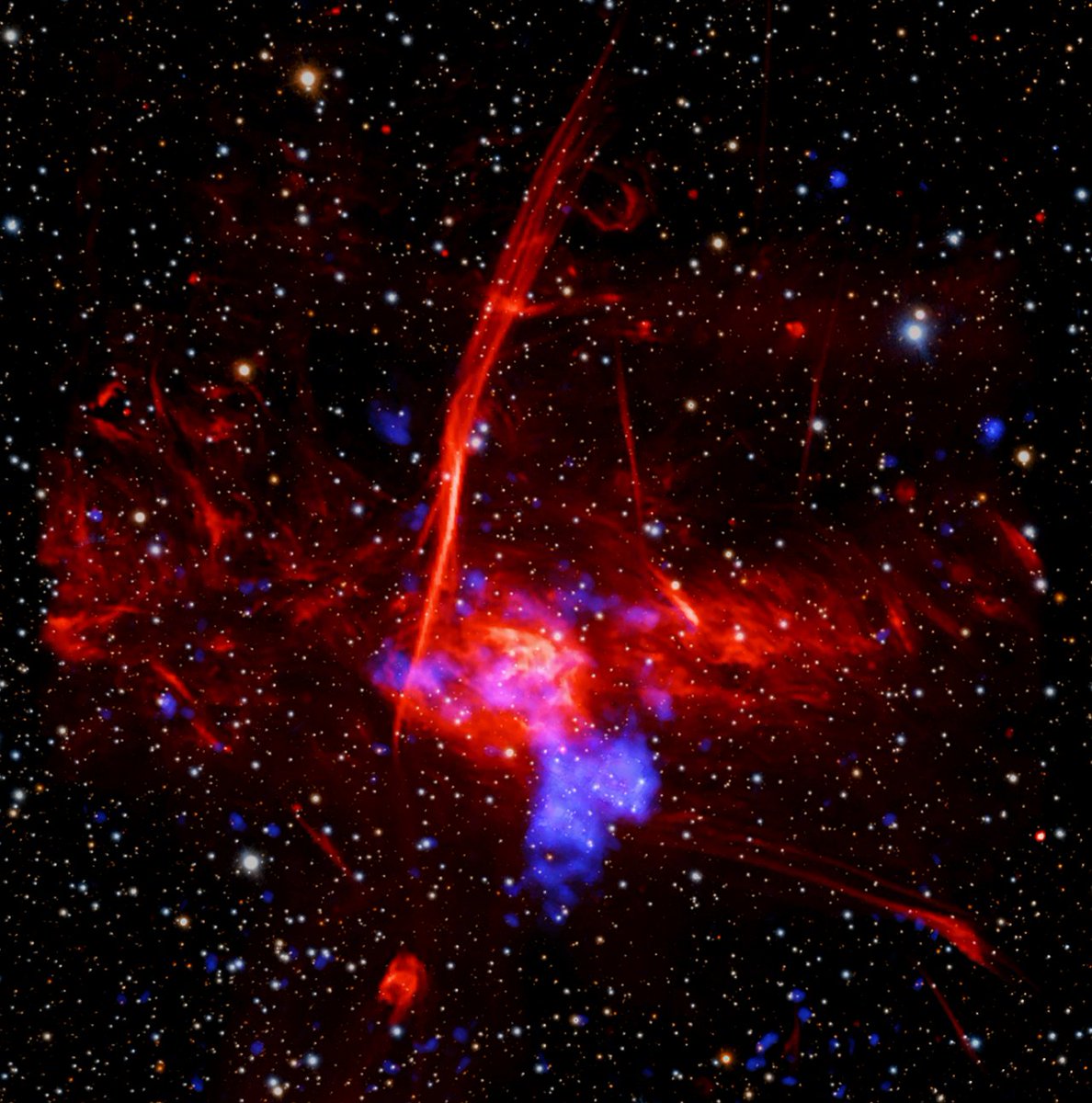
Astronomers may have found one of the closest supernova remnants to the supermassive black hole at the center of our Milky Way galaxy. It's expanding at about 3.2 million kilometers per hour (2 million mph) and is at least 1,700 years old. 💥More: s.si.edu/sgrc26
14
268
1,110
26,589
Jason Major retweeted
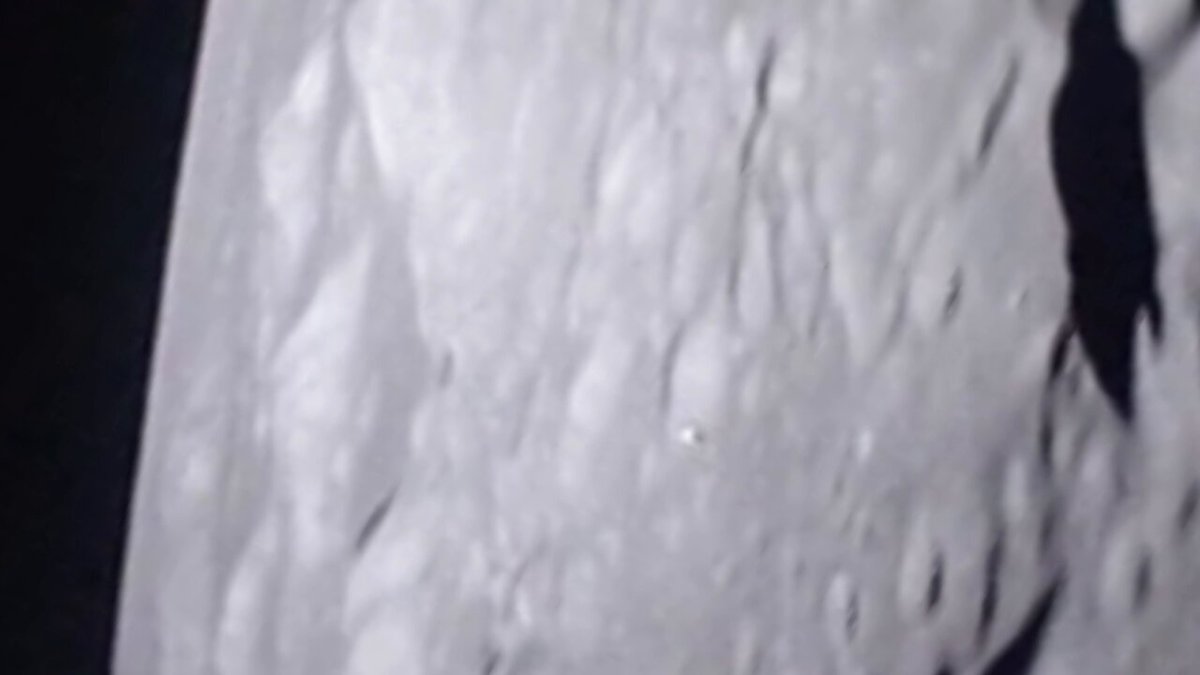
The final images from KAGUYA (SELENE) before it impacted the Moon 17 years ago

ALT Around Drygalski P (Diameter: about 30 km) At 3:14 a.m. on June 11, 2009 (JST) (Altitude at 20.7 km) The last clear still image taken by the KAGUYA's HDTV (Teltephoto) when it went into the shaded area from the sunshine area. You can clearly see the rough surface inside the crater as the sun shone from the back left hand side in the polar area. https://global.jaxa.jp/press/2009/06/20090619_kaguya_hdtv_e.html

7
89
2,070
Jason Major retweeted
13 Feb 2024
This video pans across the surface of Saturn's moon Phoebe, imaged by NASA's Cassini spacecraft on June 11, 2004. It shows hills, craters, valleys, landslides, and boulders on the irregularly-shaped, 213 km-wide moon, which orbits Saturn "backwards" and may be a captured centaur.
9
79
274
12,499
Jason Major retweeted
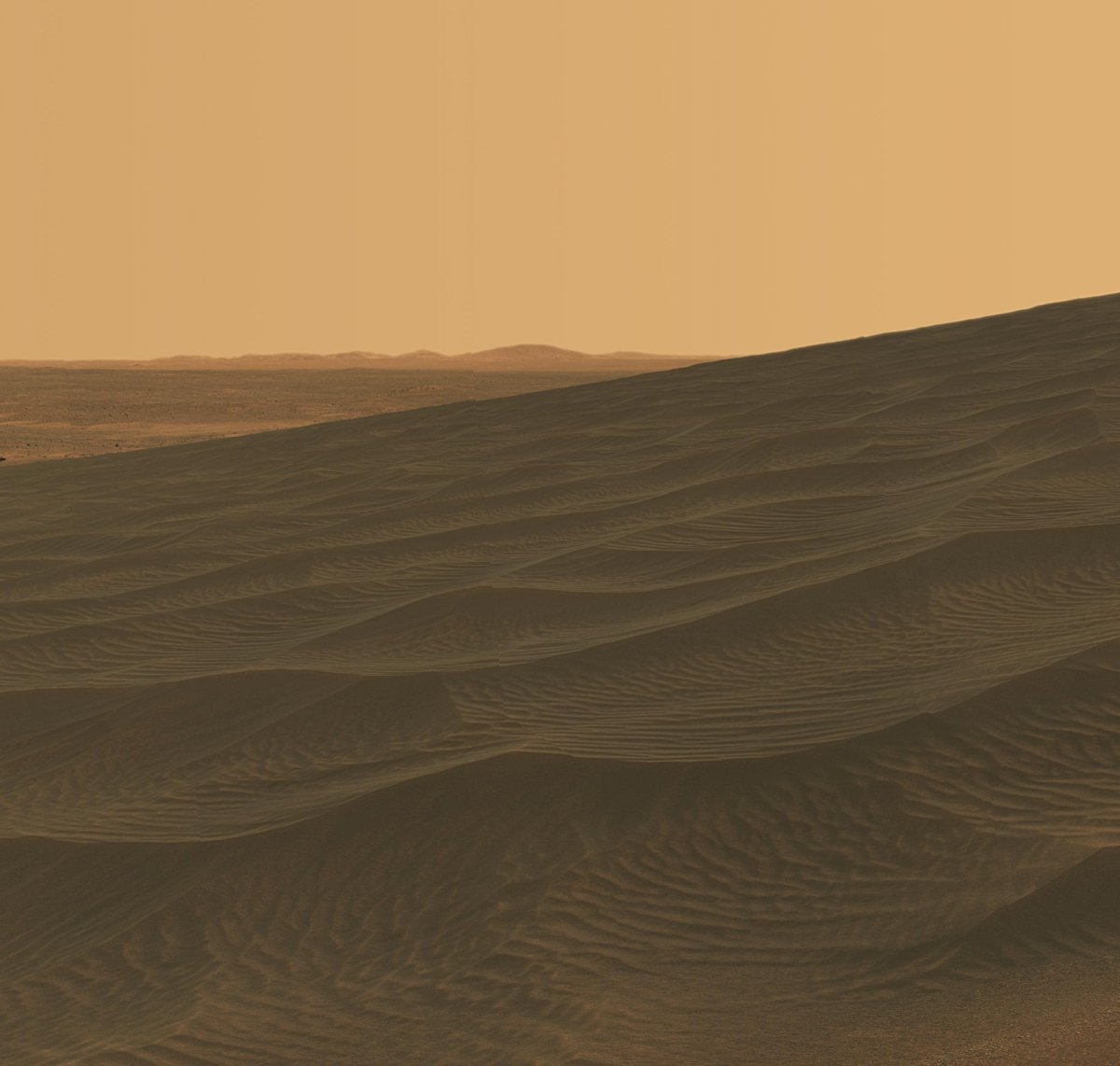
The Spirit rover (Mars Exploration Rover A) left our planet to begin the journey to its new home OTD in 2003. This view captured 20 years ago at the beginning of 2006 shows rippled sand deposits of the "El Dorado" ripple field in Gusev Crater on Mars. Designed for a 90-day mission, Spirit operated for more than 6 years on Mars. It's twin, Opportunity, operated for almost 15 years.
41
267
1,450
41,981
Jason Major retweeted
Jun 9
LIVE: Meet the crew of our next Artemis mission. We're sharing the latest updates on Artemis III: x.com/i/broadcasts/1DxleekBr…
487
2,070
7,373
1,226,353
Jason Major retweeted
Jun 9
UPDATE: The Artemis III event will start at 11:30am ET (1530 UTC) on Tuesday, June 9!
Jun 7
Coming soon: one of history’s most complex missions Tune in on Tuesday, June 9, at 11am ET, to meet the astronauts flying aboard Artemis III, the mission that will test docking capabilities with commercial landers in low Earth orbit — an important step to crewed lunar landings.
473
2,424
12,626
1,946,292
Jason Major retweeted
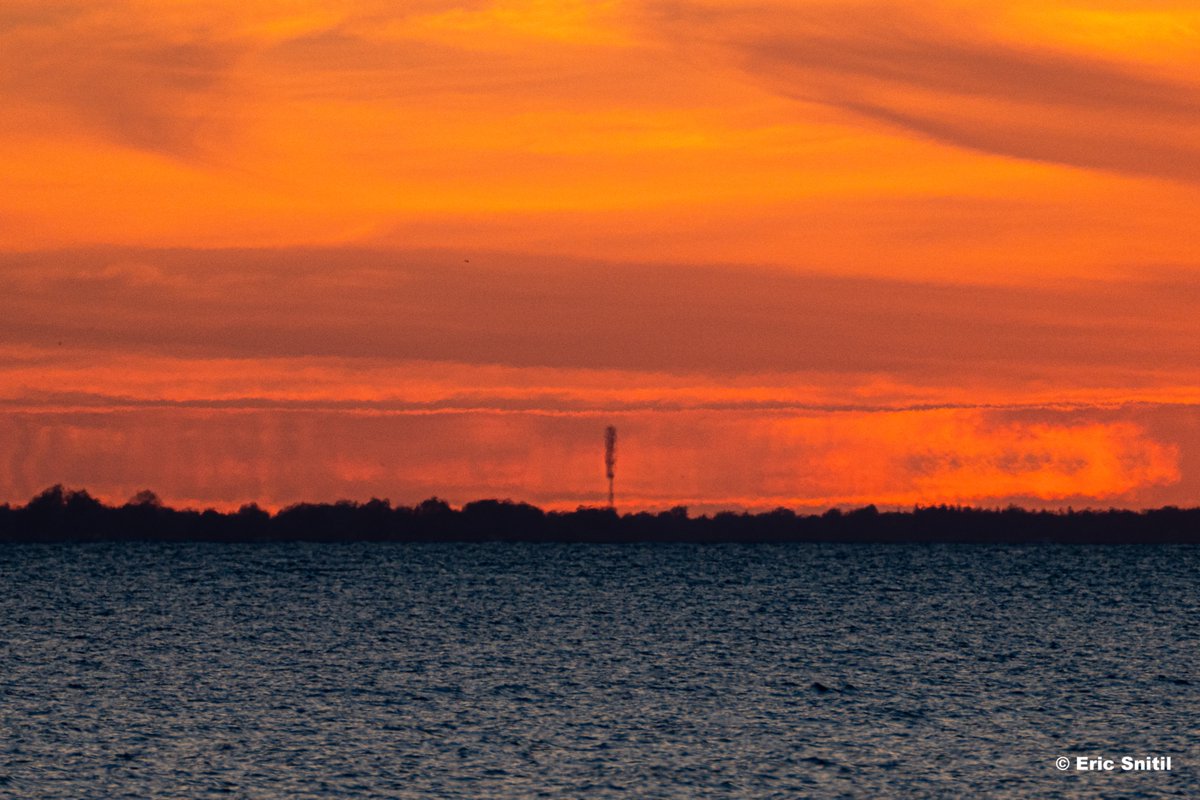
WHOA! You've got to see this. This is the view looking northwest from Rochester, New York this evening. See that needle in the distance? That's not supposed to be there. But it is. You're looking at the CN Tower in Toronto, Canada over 100 miles away. The 1,815 foot observation tower should not be visible at this great distance. But under certain conditions, the bending of light can make it seem like it's right in front of you. This is a spectacular example of a mirage. Layers of cool vs. warm air bend and warp light. It can distort objects, enlarge them, even make them feel like they're right in your backyard. Note how wonky the even sky looks adjacent to the CN Tower in this image. The mirage is affecting the clouds and sky as a whole. I've seen some strange mirages through the years and this is the most pronounced cases of the CN Tower I've captured.
96
466
3,682
158,680
Jason Major retweeted
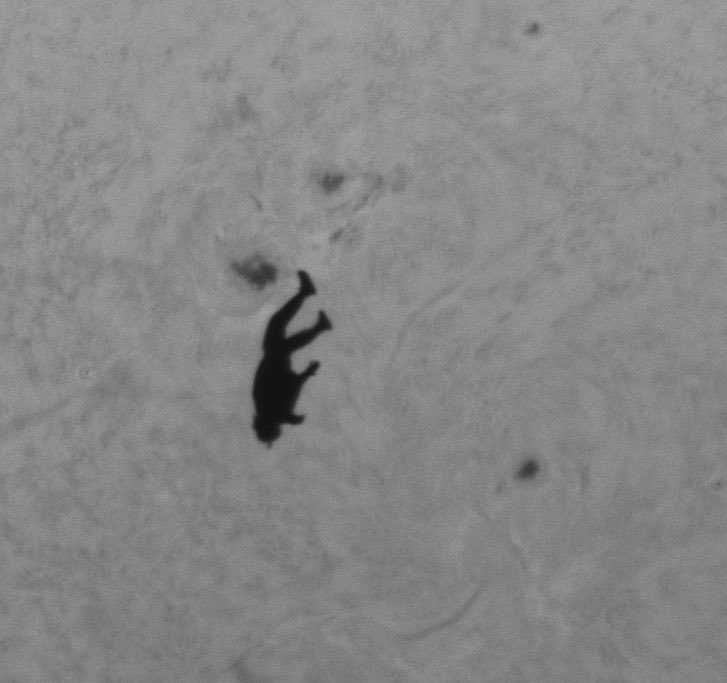
In case you missed it, here’s a raw from “The Fall of Icarus” It was captured in monochrome due to the narrow bandpass needed to get atmospheric details on the sun I can’t describe the feeling the moment I saw this on the screen.
96
234
7,122
718,040
Jason Major retweeted
Planets form in swirling, dusty disks around newborn stars. It's not just a theory--we can watch it happening! These images show the rotating disk around star AB Aurigae, 520 light years from Earth. They were taking over 4 years at Paranal Observatory. eso.org/public/videos/potw26…
4
73
291
20,170
Jason Major retweeted
8 Jun 2022
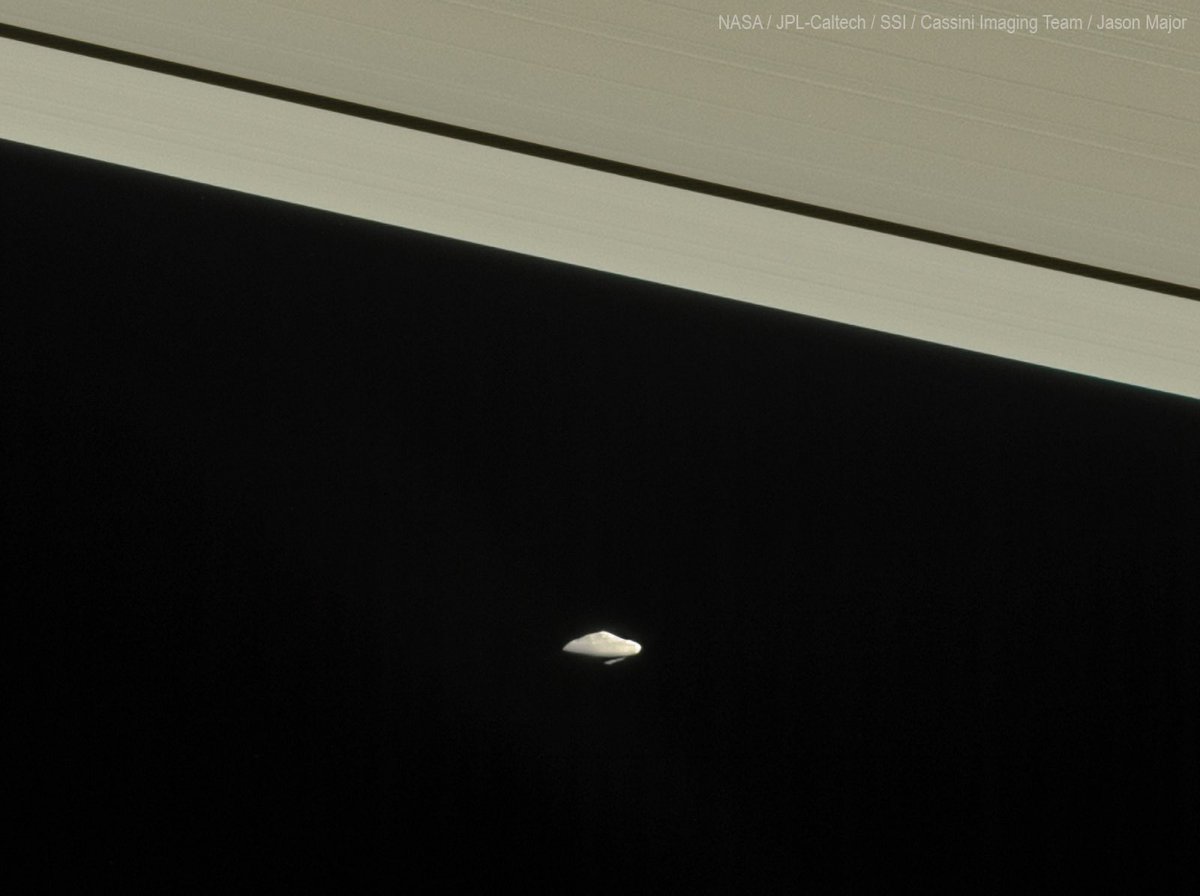
A view of Saturn’s 1950s-flying-saucer-shaped moon Atlas, composited from @CassiniSaturn images captured June 8, 2005 #OTD. The outer edge of the A ring is visible along the top; the F ring is off frame at the bottom left. Saturn itself is ↗️
8
36
165
Jason Major retweeted
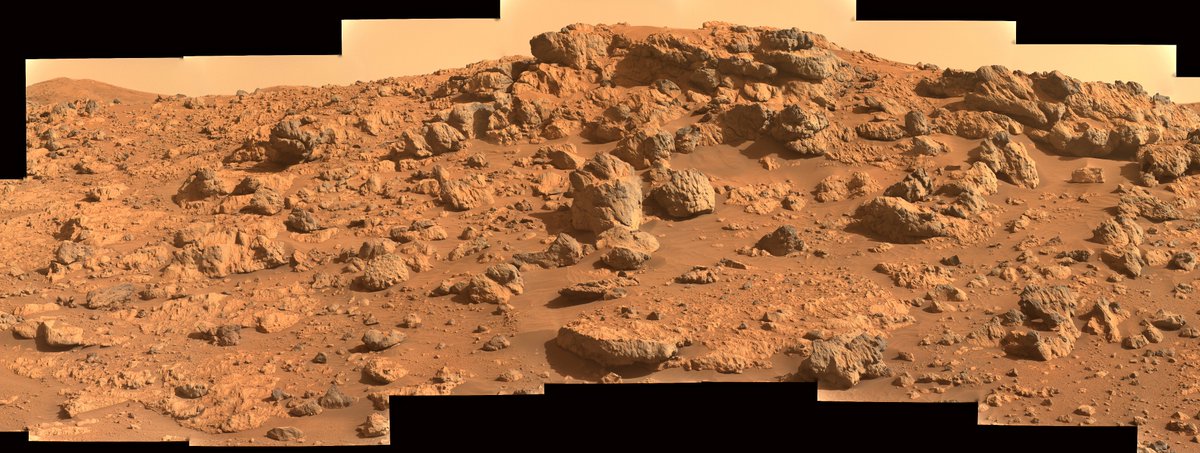
I was going to chop this new Perseverance panorama up into smaller pieces but I think the whole thing deserves to be seen in all its glory, so take a look... there's a LOT of geology to drool over here... Image Credit: NASA/JPL-Caltech/ASU/S Atkinson
7
35
939
Be sure to roll that r
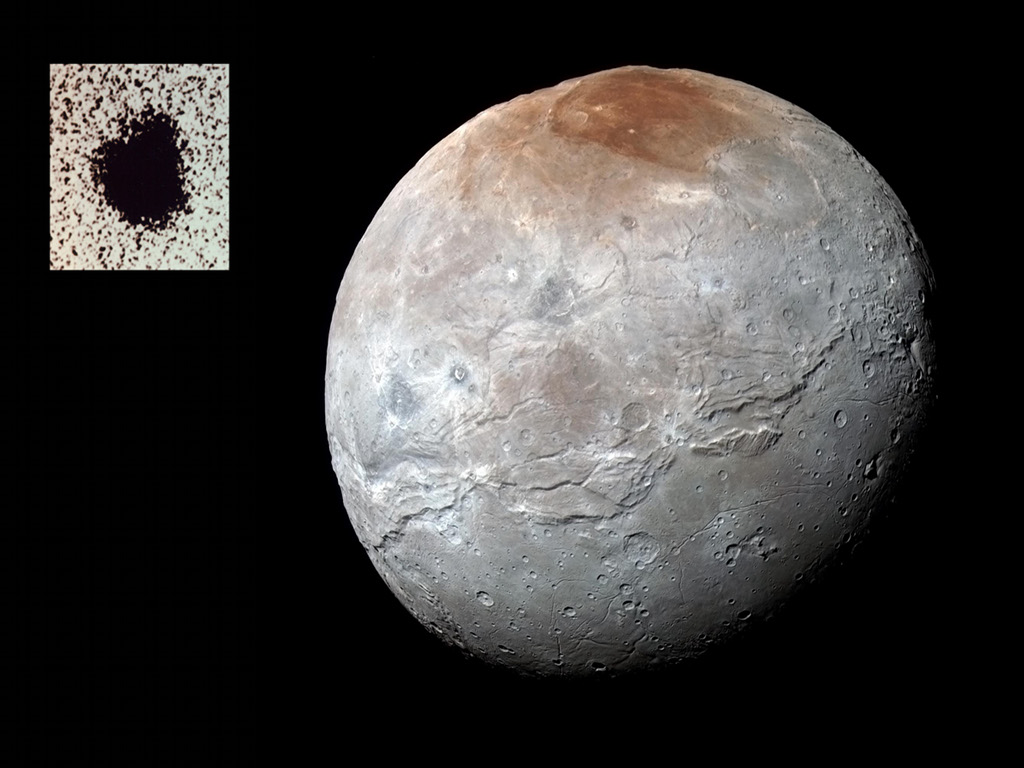
A darkened and mysterious north polar region known to some as Mordor Macula caps this premier view of Charon, Pluto's largest moon. The high-resolution image was captured by the interplanetary space probe New Horizons near its closest approach to distant Pluto on July 14, 2015. The combined blue, red, and infrared image data was processed to enhance colors and follow variations in Charon's surface properties with a resolution of about 2.9 kilometers (1.8 miles). A stunning image of Charon's Pluto-facing hemisphere, it also features a clear view of an apparently moon-girdling belt of fractures and canyons that seems to separate smooth southern plains from varied northern terrain. Charon is 1,214 kilometers (754 miles) across. That's about 1/10th the size of planet Earth but a whopping 1/2 the diameter of Pluto itself, and makes it the largest satellite relative to its parent body in the Solar System. Still, the moon appears as a small bump at about the 1 o'clock position on Pluto's disk in the grainy, negative, telescopic picture inset at upper left. That image was used by James Christy and Robert Harrington at the U.S. Naval Observatory in Flagstaff to discover Charon in June of 1978. Image Credit: NASA, Johns Hopkins Univ./APL, Southwest Research Institute, U.S. Naval Observatory
1
8
688
Jason Major retweeted
A darkened and mysterious north polar region known to some as Mordor Macula caps this premier view of Charon, Pluto's largest moon. The high-resolution image was captured by the interplanetary space probe New Horizons near its closest approach to distant Pluto on July 14, 2015. The combined blue, red, and infrared image data was processed to enhance colors and follow variations in Charon's surface properties with a resolution of about 2.9 kilometers (1.8 miles). A stunning image of Charon's Pluto-facing hemisphere, it also features a clear view of an apparently moon-girdling belt of fractures and canyons that seems to separate smooth southern plains from varied northern terrain. Charon is 1,214 kilometers (754 miles) across. That's about 1/10th the size of planet Earth but a whopping 1/2 the diameter of Pluto itself, and makes it the largest satellite relative to its parent body in the Solar System. Still, the moon appears as a small bump at about the 1 o'clock position on Pluto's disk in the grainy, negative, telescopic picture inset at upper left. That image was used by James Christy and Robert Harrington at the U.S. Naval Observatory in Flagstaff to discover Charon in June of 1978. Image Credit: NASA, Johns Hopkins Univ./APL, Southwest Research Institute, U.S. Naval Observatory
16
86
409
21,655
Jason Major retweeted
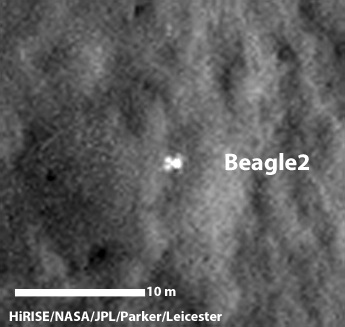
In January 2015, it was announced that @NASA’s Mars Reconnaissance Orbiter had located the lander within the expected landing area of Isidis Planitia, confirming that Beagle 2 had landed safely on Mars. 🔴
4
9
66
2,678
Jason Major retweeted
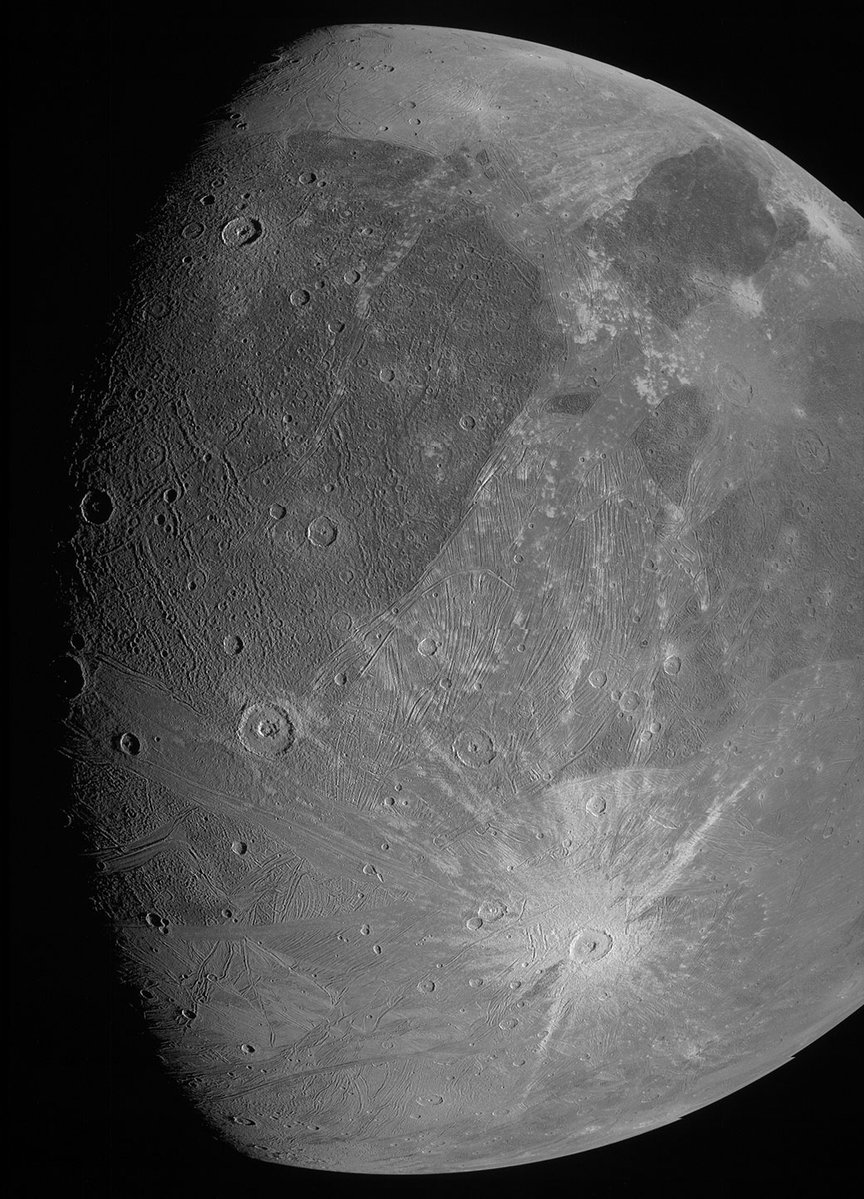
A closeup of Ganymede 📸 5 years ago today, NASA's Juno spacecraft flew within 645 miles of Jupiter's moon Ganymede. This flyby was the closest we had gotten to the largest moon in our solar system since a flyby by the Galileo spacecraft in 2000.
6
58
389
8,909
Jason Major retweeted
Replying to @Dugi144 @JPMajor
Here are my videos documenting the motion of Polaris, including precession and proper motion, using my own telescope. youtu.be/mktrOnIOtWQ youtu.be/MhSIGT29Ec4
1
6
1,955
Jason Major retweeted
6 Jun 2017
Sunlight shines through the solar panels of the ISS in this photo taken by an Expedition 31 crew member on June 6, 2012 (ISS031-E-112645)
5
28