
Married w/ 6 kids. Ex Valuewalk CEO. Currently @HedgeFundAlpha & Machine Learning and Claude obsessed newbie and Luddite. MENA & WW2 expertz DMs open (no sales)
Joined April 2012
- Tweets 12,388
- Following 1,576
- Followers 6,793
- Likes 160,085
473 Photos and videos

Pinned Tweet

23 Dec 2025
Some people need to look to sports or actors for heroes, I was lucky that mine practically lived in my house
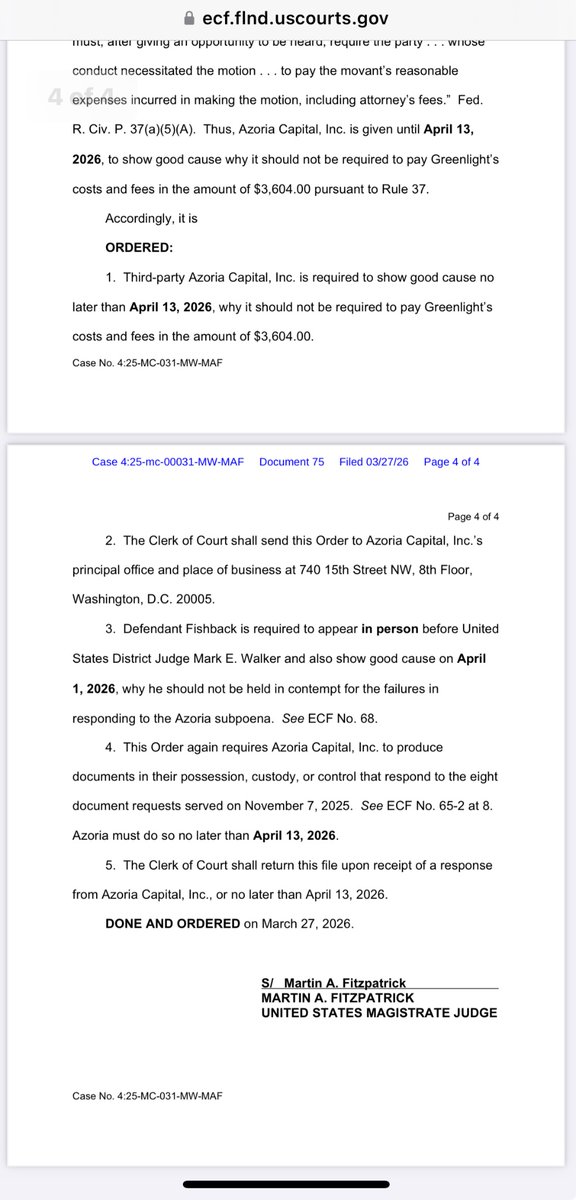
My first substack ever on my grandfather’s journey from 1939-1946 from the Gulag to the Red Army
2
7
1,952
jacob Wolinsky retweeted

In March 2025, the last surviving pilot of the Battle of Britain died at the age of 105.
He had been shot down four times. He survived a burning cockpit, the sea, a parachute that snagged in a tree, and a fall behind enemy lines.
When he died, the last of Churchill's "Few" was gone forever.
This is the story of Paddy Hemingway..🧵1/6

37
635
3,595
78,841
jacob Wolinsky retweeted

Jun 12
There is no such thing as gender in the Talmud. There are two biological sexes, male and female, and six categories of physical genetic mutations are discussed as to whether they are considered male or female.
An inaccurate Talmud infographic. Shocking, I know.
Jun 11

Facts.
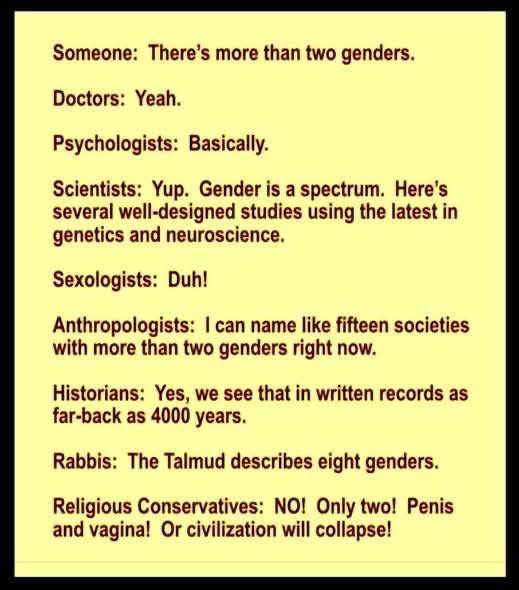
ALT Someone: There's more than two genders. Doctors: Yeah. Psychologists: Basically. Scientists: Yup. Gender is a spectrum. Here's several well-designed studies using the latest in genetics and neuroscience. Sexologists: Duh! Anthropologists: I can name like fifteen societies with more than two genders right now. Historians: Yes, we see that in written records as far-back as 4000 years. Rabbis: The Talmud describes eight genders. Religious Conservatives: NO! Only two! Penis and vagina! Or civilization will collapse!
7
3
123
4,430
Jun 12
I'm sure the shares were verified on the blockchain or something like that. I don't know the company or what happened, but it all sounds very funny.
Jun 12

Update on the SpaceX IPO Subscription
Due to xStocks’ inability to deliver the underlying assets, no SpaceX allocations were received. As a result, subscribed users will not receive SpaceX allocations.
100% of subscription funds will be automatically refunded to your original funding account.
No action is required.
Refund details will be available on the IPO Express page.
As a thank you for your patience and support, eligible participants will also receive an additional reward based on a 10% APR over a fixed 4-day period, credited automatically to their accounts.
We apologize for the inconvenience and appreciate your understanding. For assistance, please contact Customer Support.
1
399
Jun 11
Yes, he definitely got a decent amount of luck, but I see too many people who spent their years reading Ben Graham, Buffett and 10-Ks of random microcaps in Uzbekistan seem to harbor irrational jealousy towards Leopold.
Jun 11

BREAKING: A 24-year-old former OpenAI researcher just became one of the largest hedge fund managers on Wall Street.
He has ZERO professional investing experience.
Yet he's up 270% this year.
And he is about to make ONE very big bet...
He left OpenAI's Superalignment team in 2024, raised $225 million from Nat Friedman, Daniel Gross, and the Collison brothers, and launched Situational Awareness LP.
He had never managed money professionally.
His entire thesis came from a 165-page essay arguing AI was bottlenecked by physical limits, not algorithms.
Today his fund manages over $20 billion. Same size range as Bill Ackman's Pershing Square and Dan Loeb's Third Point.
The Wall Street Journal reported it Monday:
The fund is up 270% after fees in 2026 through May, and up more than 1,000% since launch less than two years ago.
Jane Street, one of the most selective trading firms on earth, just became an investor.
The interesting part is what he's shorting.
In his Q1 2026 13F filing, Situational Awareness disclosed $8.46 billion in notional put options against the AI chip stocks every retail investor in America is buying.
$1.6 billion in puts against Nvidia.
$2 billion in puts against the VanEck Semiconductor ETF.
Plus put positions on Broadcom, Oracle, AMD, Taiwan Semiconductor, Micron, ASML, Intel, and Corning.
Read that again.
The most successful AI investor on Wall Street, a guy who actually worked inside OpenAI, is paying billions to bet against the exact stocks retail piled into this year.
And his trade is already paying.
Last Friday, June 5th, the AI chip sector lost roughly $1 trillion in market value in a single session.
Marvell dropped 17%. AMD dropped 11%. Nvidia dropped 6%.
Aschenbrenner's puts gained value on every single one of those drops.
His thesis, in plain language:
AI's real bottleneck isn't model quality.
It's power, compute, and memory. The companies that win are the ones selling the inputs AI absolutely needs.
The companies at risk are the ones whose entire valuation assumes infinite demand from buyers who are themselves losing money.
So he went long the inputs.
And he hedged the assemblers.
This is the difference retail investors almost never see.
Retail picks a narrative and rides it forever.
Aschenbrenner picks a thesis and structures around it.
Same belief in AI. Completely different position.
Automated, rules-based strategies that don't marry a narrative.
That rebalance when the math changes. That don't care if Nvidia is at all-time highs or down 6% on a Friday.
That's the approach Surmount was built around.
When the smartest insider in AI is hedging the trade everyone else is doubling down on, the right move isn't to guess which side wins.
It's to run a system that doesn't have to:
1
2
659
Jun 11
TBF maybe I am not jealous bdc I don't read enough Graham, Buffett and 10ks of random Uzbek microcaps
117
jacob Wolinsky retweeted

Jun 11
I Investigated New York's "Jewish Invasion"
Must watch!
youtu.be/WGJipjwpkUo?is=KdQy…
1
4
14
1,023
Jun 11
When product secrecy is one of the only things that protects your moat, doesnt a business targeting enterprise (Anthropic) have an advantage over one focusing on consumers (OpenAI)?
1
1
167
Jun 11
Also policy-wise, I would think the one that targets enterprise would be less concerned with the general well-being of the public and any rising income inequality, because their end customers are most likely gaining wealth.
1
162
Jun 11
As I have stated before, the Nuremberg trials did not represent some new epoch in humanity. The vast majority of perpetrators, even high-level ones responsible for murdering thousands of children, got off the hook scot-free.
Jun 11

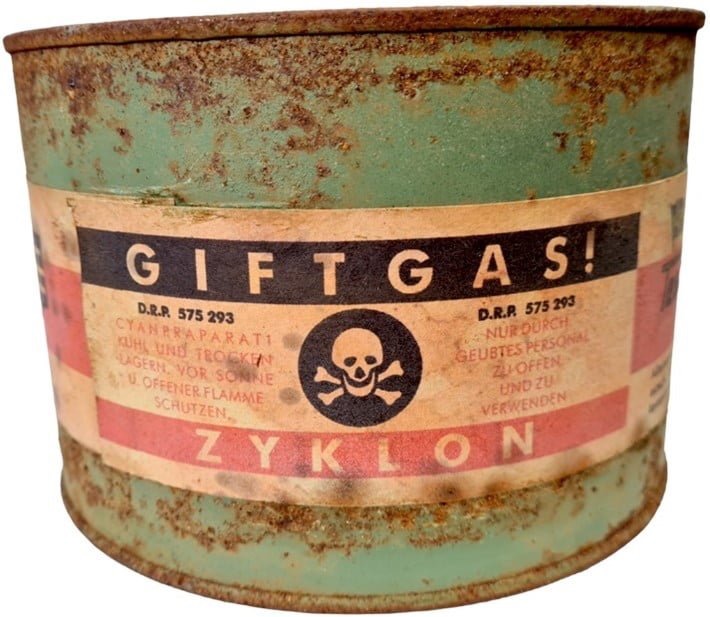
This day (June 11) in 1948, corporate Germany got a slap on the wrist for the Holocaust.
The Nuremberg tribunal delivered its verdict on 24 top executives of I.G. Farben — the chemical conglomerate that turned industrialized mass murder into a profitable business.
I.G. Farben didn’t just profit from the Holocaust. They built it.
- They manufactured Zyklon B, the cyanide pellets used to gas more than 1 million Jews, mostly at Auschwitz.
- They constructed and operated Auschwitz III-Monowitz (Buna), a slave labor camp where tens of thousands of Jews were literally worked to death producing synthetic rubber and chemicals for the Reich.
- They “rented” more than 100,000 concentration camp prisoners from the SS across their empire, paying pennies a day. Those too weak to work were shipped back to Birkenau for extermination.
- They looted factories and resources across occupied Europe with ruthless efficiency.
The charges: planning aggressive war, war crimes, crimes against humanity, and participation in the SS.
The punishment?
13 executives were convicted.
10 were fully acquitted.
Sentences ranged from 18 months to just 8 years — with generous credit for time already served. Most were free within a few years.
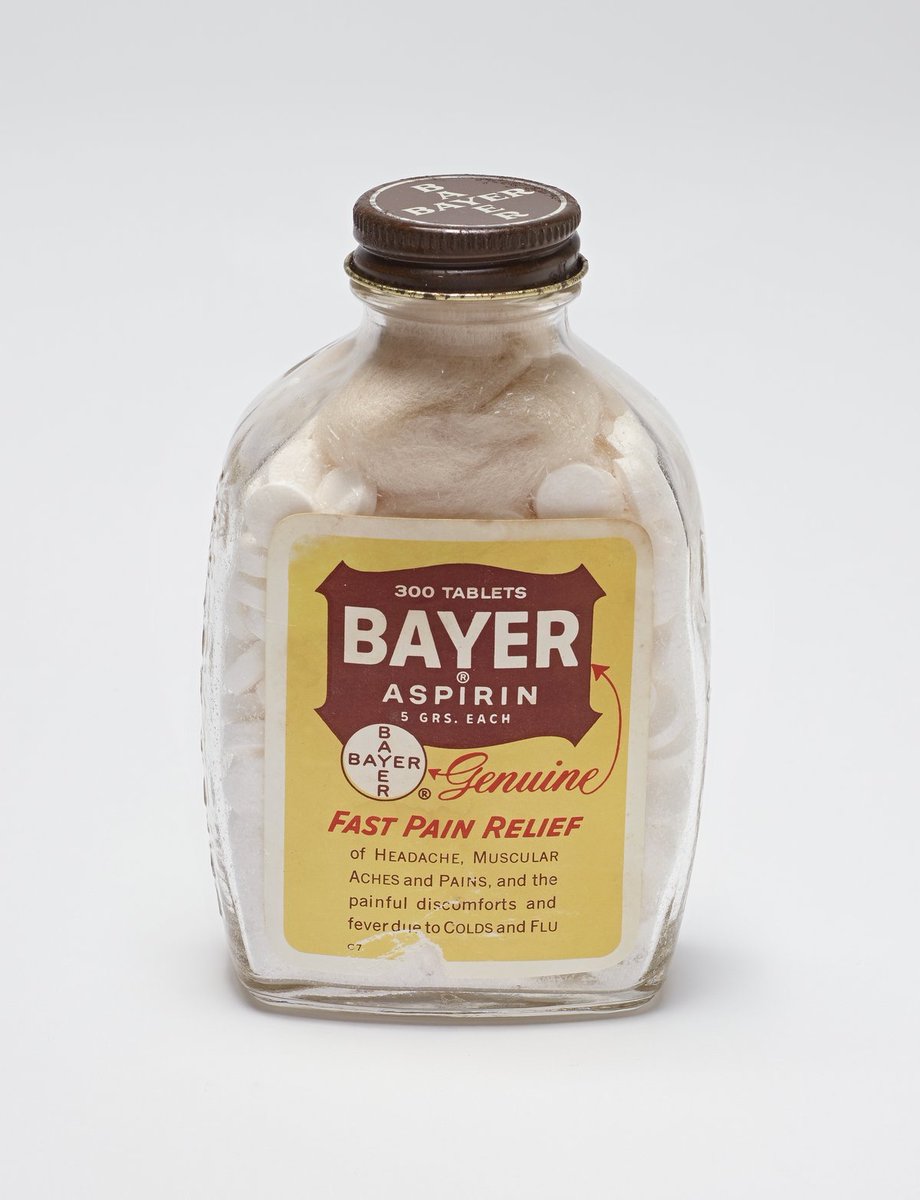
Take Fritz ter Meer, one of the most senior executives and a key figure behind the Auschwitz plant. Sentenced to 7 years. Released early in 1950. By 1956, he was Chairman of Bayer’s supervisory board — one of the companies I.G. Farben was broken into.
Today, you still use products from the corporate successors of I.G. Farben: Bayer (aspirin, pharmaceuticals), BASF (chemicals, plastics), and Sanofi (from Hoechst).
The men who helped make the Holocaust logistically possible didn’t just walk free — their companies thrived.
While low-level SS guards were sometimes hanged, the businessmen who designed the factories of death, counted the profits, and shook hands with the SS mostly went home to comfortable lives.
This was justice in 1948: hang a few sadists, slap the industrial machine on the wrist, and let the money keep flowing.
The Holocaust wasn’t carried out only by fanatics in black uniforms.
It was enabled by men in suits with briefcases and balance sheets.
144
jacob Wolinsky retweeted

Jun 11
Lmao would anyone even notice this in SF?
I want to hear more about wireflow honestly…
118
457
12,815
1,299,039
Jun 10
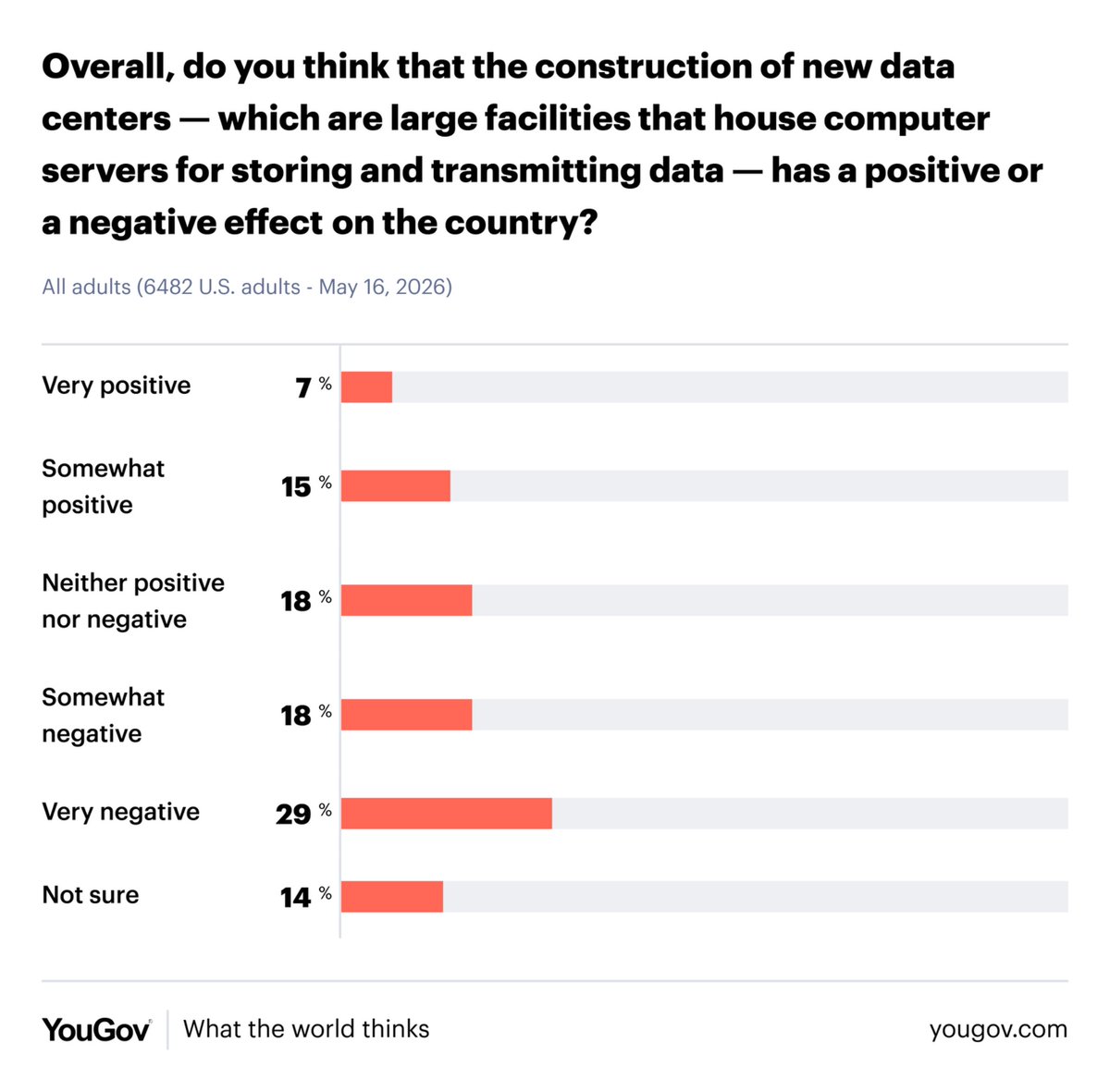
This could be 100% true, and at the same time, AI companies and people like Elon need to make a compelling case for why data centers will help average Americans.
Unfortunately, they have done the opposite.
Laying it on China is a losing strategy.
Jun 10

*OPENAI SAYS CHINA-LINKED ACCOUNTS FUEL US DATA CENTER PUSHBACK
1
189
jacob Wolinsky retweeted

Jun 10
Are hedge fund analysts even bigger AI addicts than programmers?

49
36
653
125,239
jacob Wolinsky retweeted

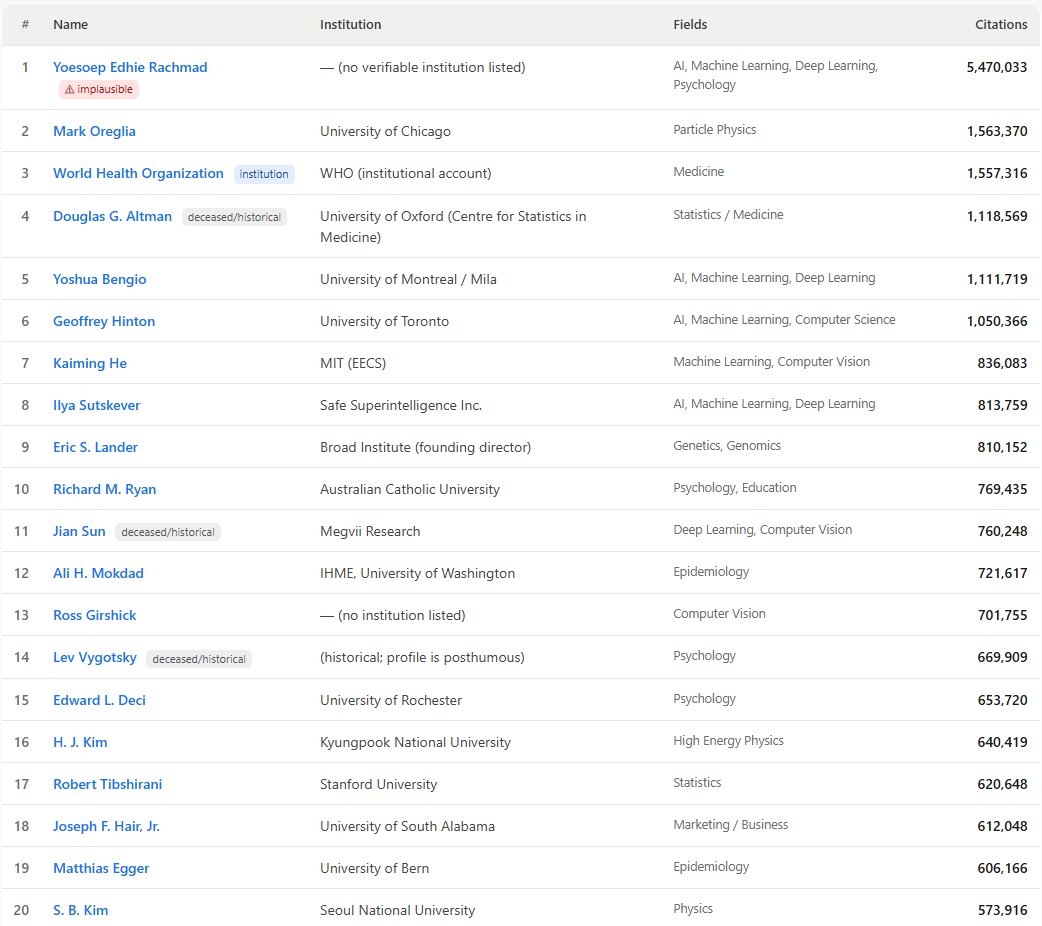
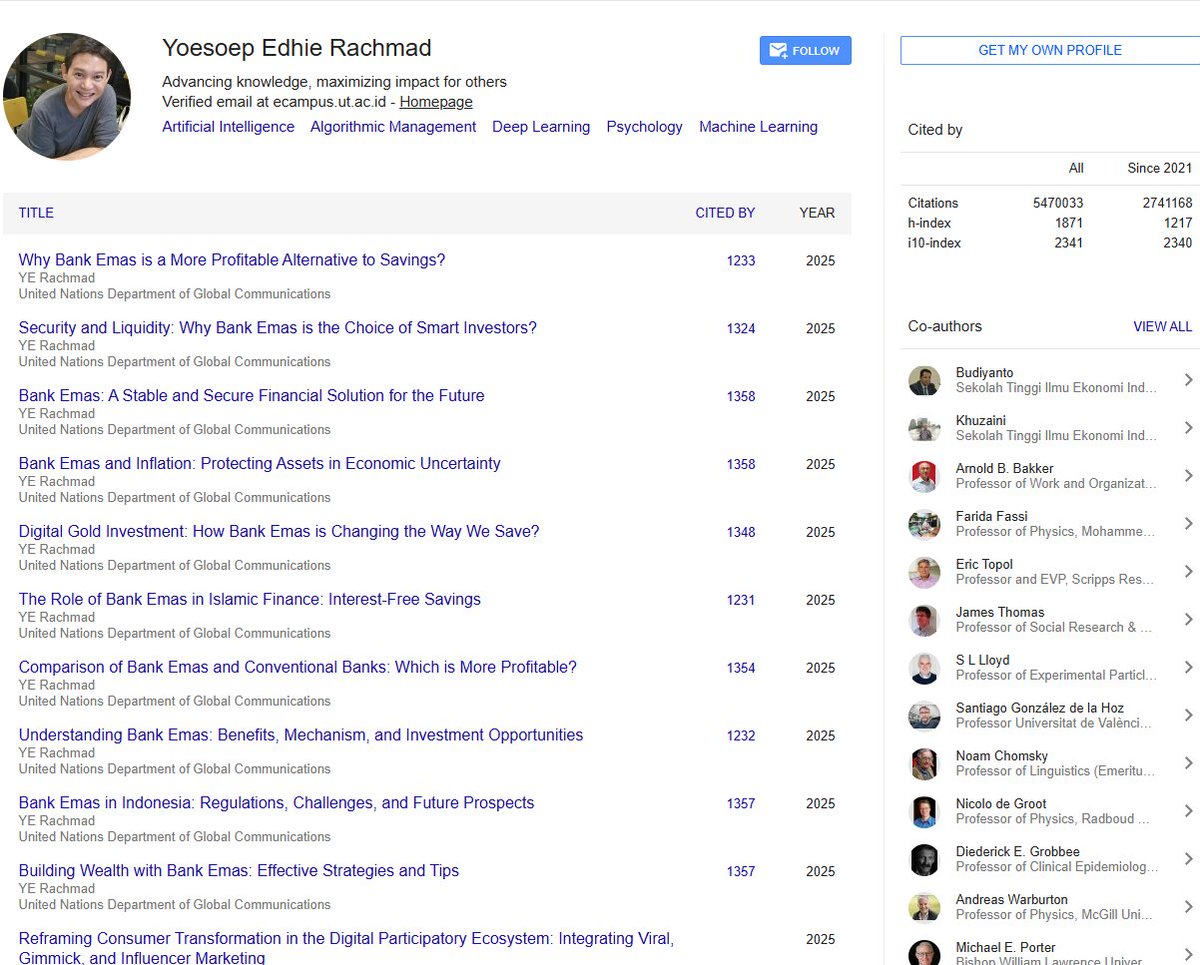
Who is the greatest scientist of all time (in terms of Google Scholar citations)? Is it Einstein? Or Bengio or Hinton?
No.
It is a humble servant of knowledge, Mr. Rachmad of Indonesia, who has had a rather productive publishing period after the launch of ChatGPT
84
363
2,965
647,044
jacob Wolinsky retweeted

If you zoom out, we are still so early
Alex Sacerdote has spent twenty years studying S-curves
He says AI is the biggest one, and it has barely started:
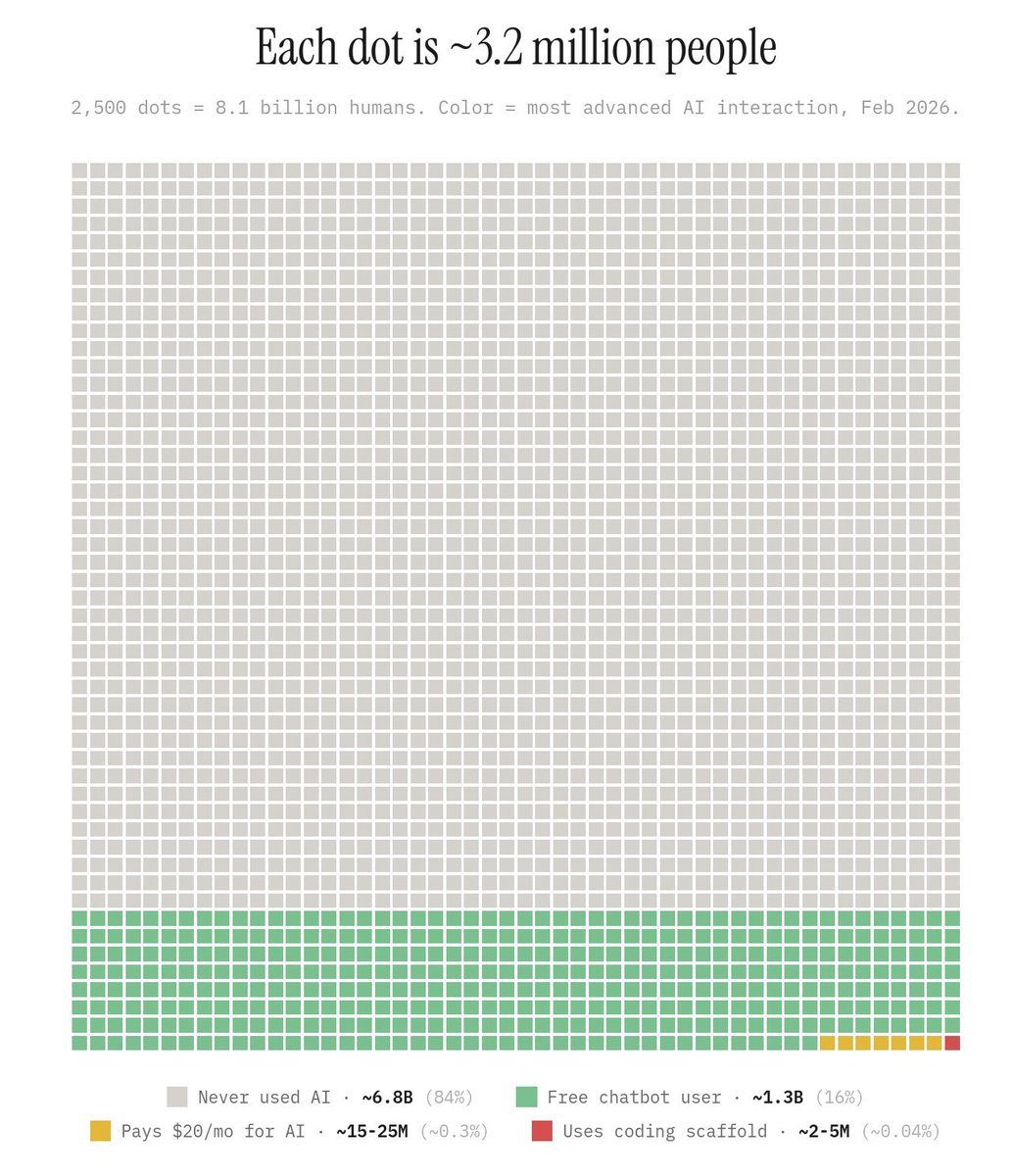
- "Hundreds of millions of people are using AI. They're just using AI 1.0, which is like a search engine on steroids."
- "Sundar Pichai said it's ten bips (.1%) of the knowledge workers of the world."
- "The enterprise application AI market is less than 1% penetrated."
- "So it's classic S curve where these are the tinkerers, and then it's gonna go to the early adopters, then it's gonna go to the early mainstream.
- "You're going to go from .1% to 1% to 5% to 15% percent in the next four years."
- "We're at ten basis points of people really using AI, and there's not enough compute in the world.
- "We have this infrastructure layer S-curve, which we think is 10% penetrated. We think it's still one of the best ways to play AI."
- "Marc Andreessen (@pmarca) said in the next four years, one thing he's sure of is there's not gonna be enough compute."
- "We've been lucky that we've had Internet 1.0, mobile, cloud, e-commerce, and now AI, which we can confidently say is the biggest, and all these things build upon one another."
- "The rewards are the highest, because we're talking about a market in the trillions –– we now think three to five."
- "But what's amazing about AI is you just, at least with consumers or even business, you just open up the browser and it's there.
- "We talk about S curves, we call this a backward L curve, just straight up."
image source: @damianplayer

My conversation with Alex Sacerdote, founder of Whale Rock Capital Management.
Alex runs more than $17B and has been one of the best performing tech investors for years, though he keeps a low public profile.
As you'll hear, he is singular in how he thinks about investing through technology cycles.
For over 25 years, he has built his entire investment framework around a single idea, the S-curve.
We discuss:
- The AI L-Curve
- When to buy into an S-curve and when to sell out
- The de-commoditization of data center hardware
- Why he went net short software
- His two models for tech adoption
- Finding alpha
Enjoy!
Timestamps
0:00 Intro
9:55 AI's L-Curve
19:31 Whale Rock's S-Curve Playbook
26:14 Spotting Inflection Points
32:02 Finding AI Winners
40:04 AI vs Software
48:13 The Hardware Renaissance
58:04 Why Investors Miss AI
1:05:18 Whale Rock's Research Machine
27
70
555
113,683
jacob Wolinsky retweeted

Jun 9
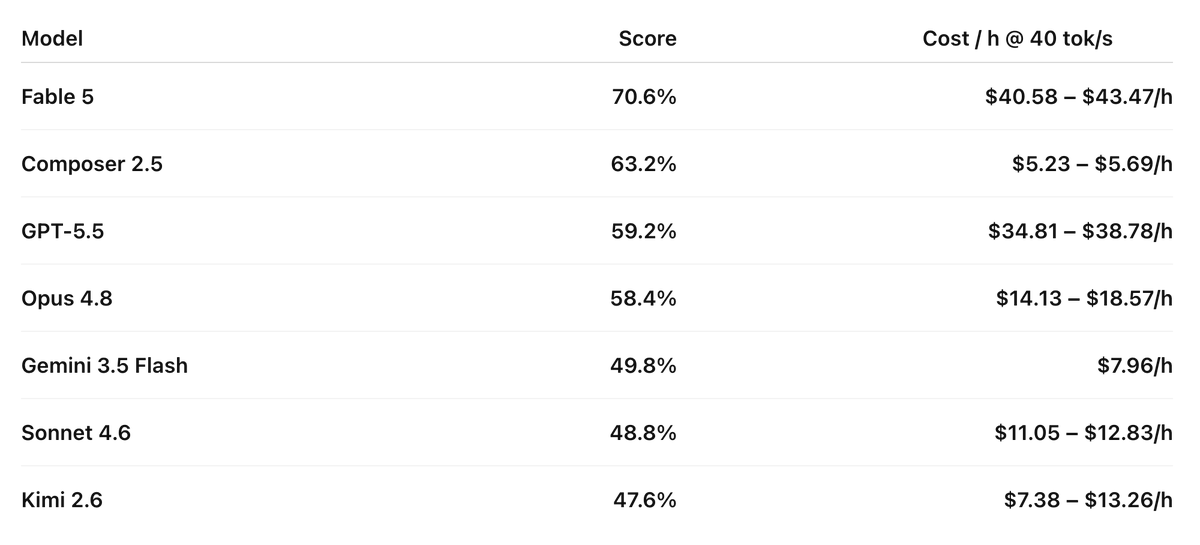
Bad news, Claude Fable 5 earns more per hour than you. Your window to escape permanent underclass just closed
194
307
6,603
764,220
Jun 10
I just spoke to a very top-tier data rights attorney who specializes in working with lot of top-tier data vendors and asset managers.
He told me that a lot of the data being sold to the big LLMs is being paid for at a much lower rate than you would expect
1
1
220
Jun 10
Data that could get me above-average returns in trading is worth e price, up to the data cost and any cost of implementations.
If I place a $100,000,000 bet based on data that gives me a 30% annualized return versus an average of 8%, that is $22,000,000 of extra profit.
1
95
Jun 10
So, if I am being charged $500,000 for that data and it will cost $1,000,000 to implement it, it’s a bargain
Very few other scenarios would this be the same
92