
The military history of the Jacobite risings and the wider Jacobite period from the Revolution of 1688 to Culloden in 1746 and beyond. Tweets by @NeilRitchie86
Joined May 2021
- Tweets 604
- Following 23
- Followers 270
- Likes 35
266 Photos and videos
Jacobite Wars retweeted

28 Dec 2023
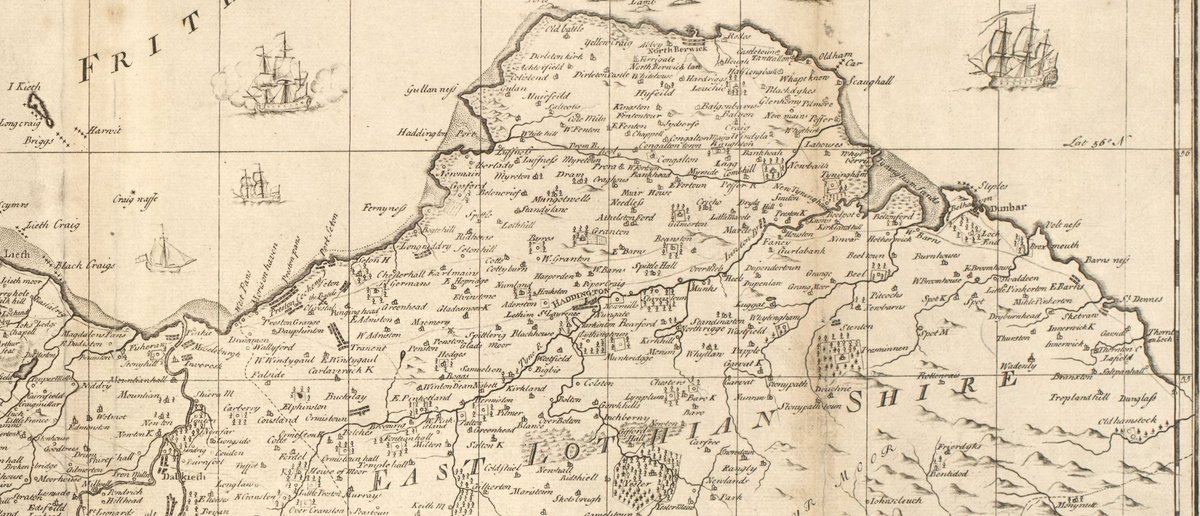
28 December 1745: Field Marshal Wade dispatched eight infantry battalions from Newcastle to reinforce Edinburgh after receiving a copy of the resolutions of the Council of War held by Lieutenant-General Joshua Guest at Edinburgh Castle on Christmas Day. RA CP/MAIN/8 f.143-143b
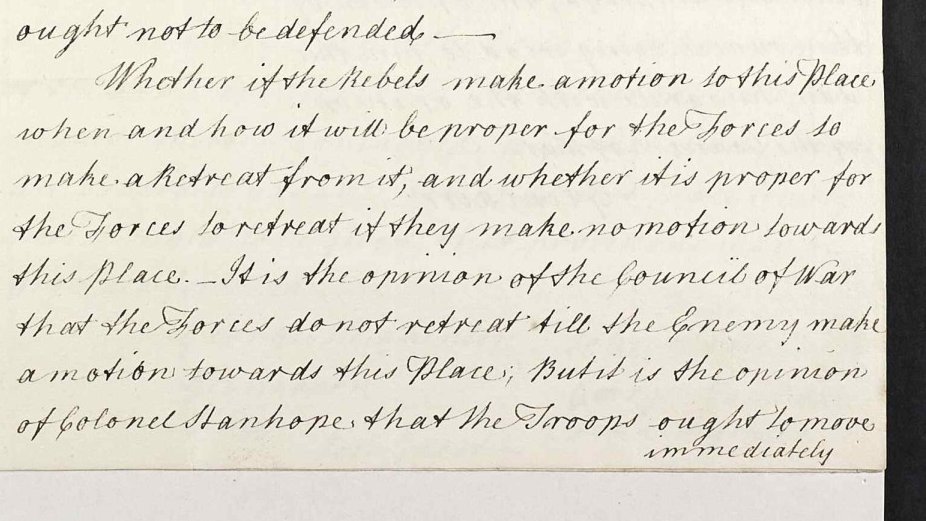
ALT RA CP/MAIN/8 f.143-143b
2
4
568
Jacobite Wars retweeted
28 Dec 2023
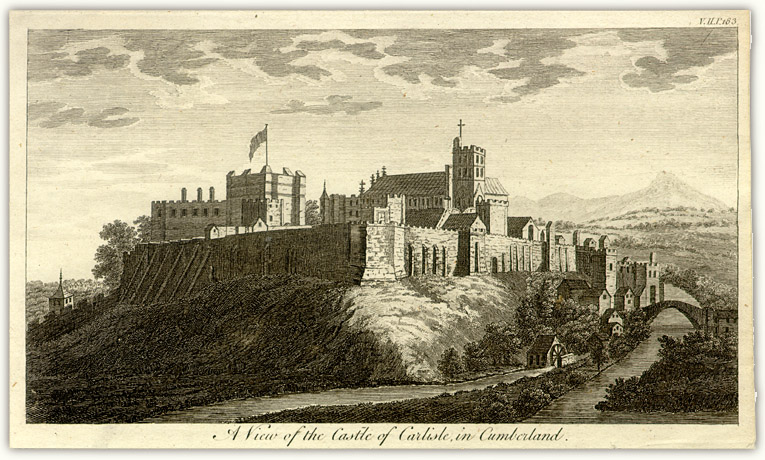
28 December 1745: Six 18-pounder guns began the bombardment of Carlisle Castle under the direction of Major William Belford. Cumberland reported to Marshal Wade that the foundry of Whitehaven could not keep up the supply of shot as fast as they were using them.
1
9
447
Jacobite Wars retweeted
24 Dec 2023
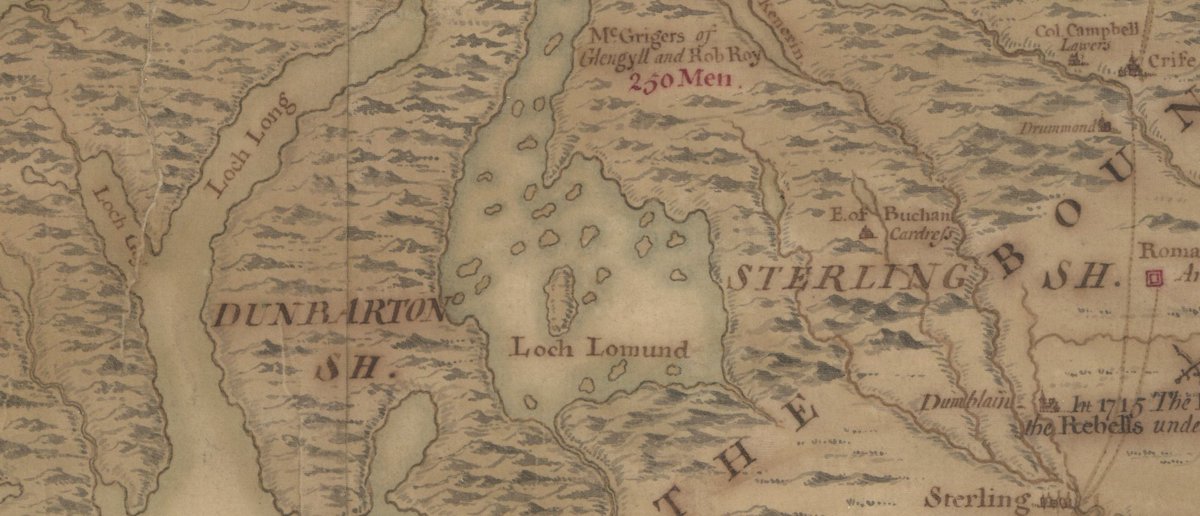
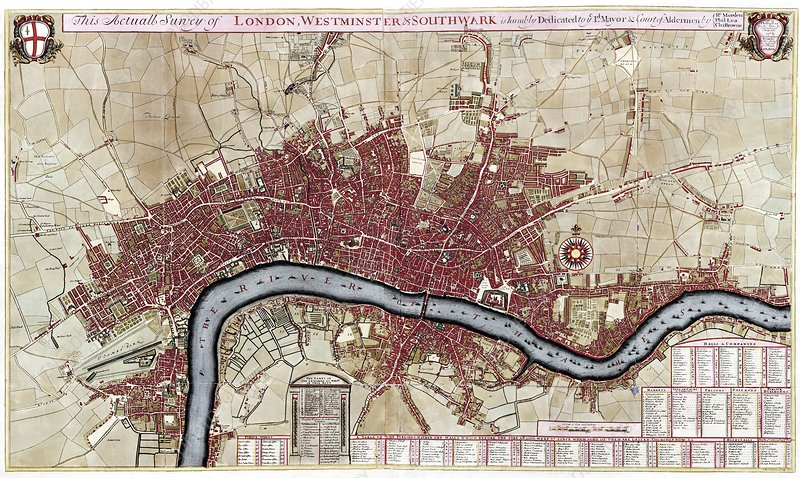
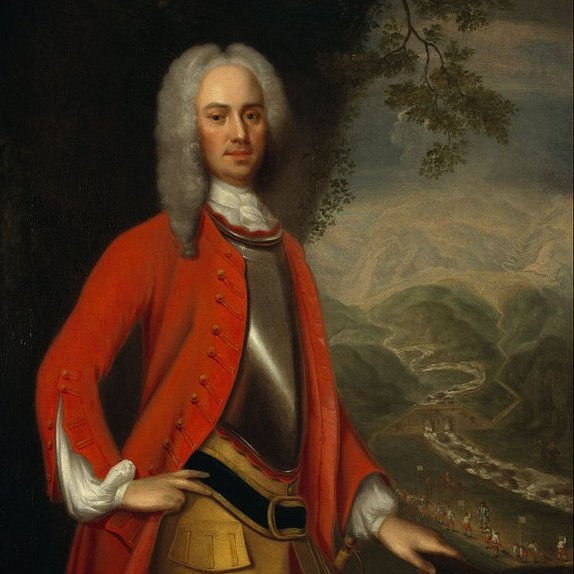
On 24 December 1724, Westmeath-born Major-General George Wade, MP for Bath, was appointed Commander-in-Chief, Scotland following his investigation and intelligence report on the situation in the Highlands. He took over from Lieutenant-General George Carpenter.
3
7
629
Jacobite Wars retweeted
23 Dec 2023
23 December 1745: Government highlanders commanded by Norman MacLeod of Dunvegan were defeated by a numerically superior Jacobite force led by Lord Lewis Gordon at Inverurie. Gordon's Jacobite force was predominantly lowlanders along with regular soldiers from the Royal Ecossais.
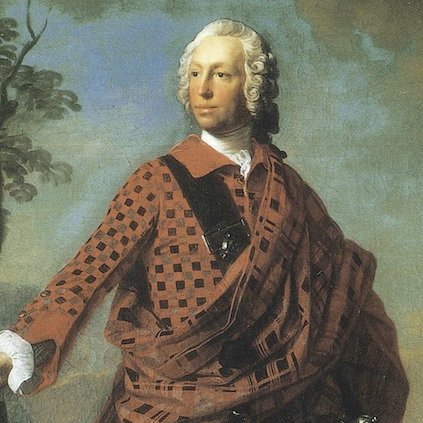
ALT Norman MacLeod of Dunvegan
4
5
584
Jacobite Wars retweeted
20 Dec 2023
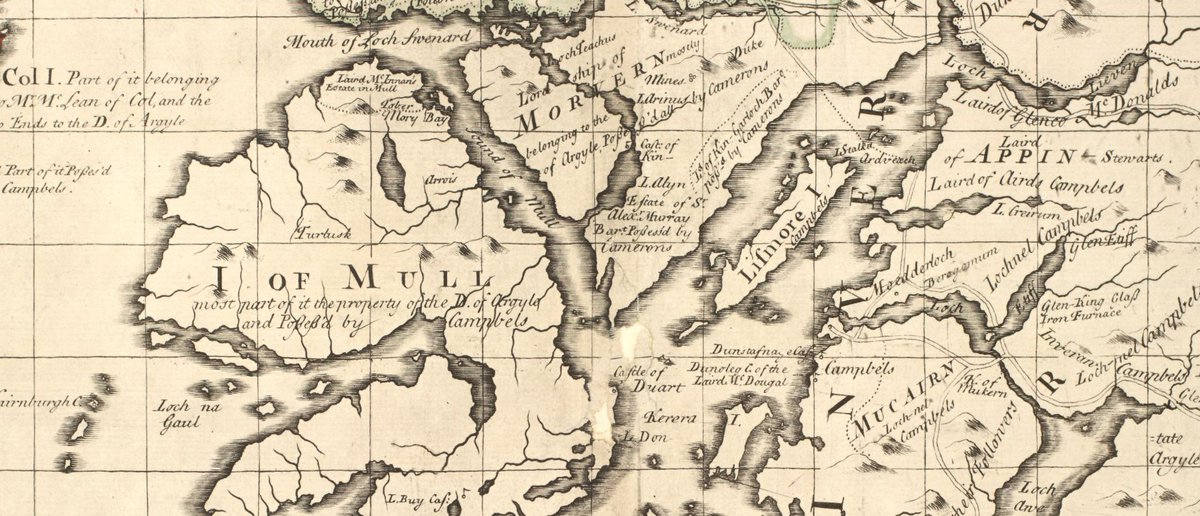
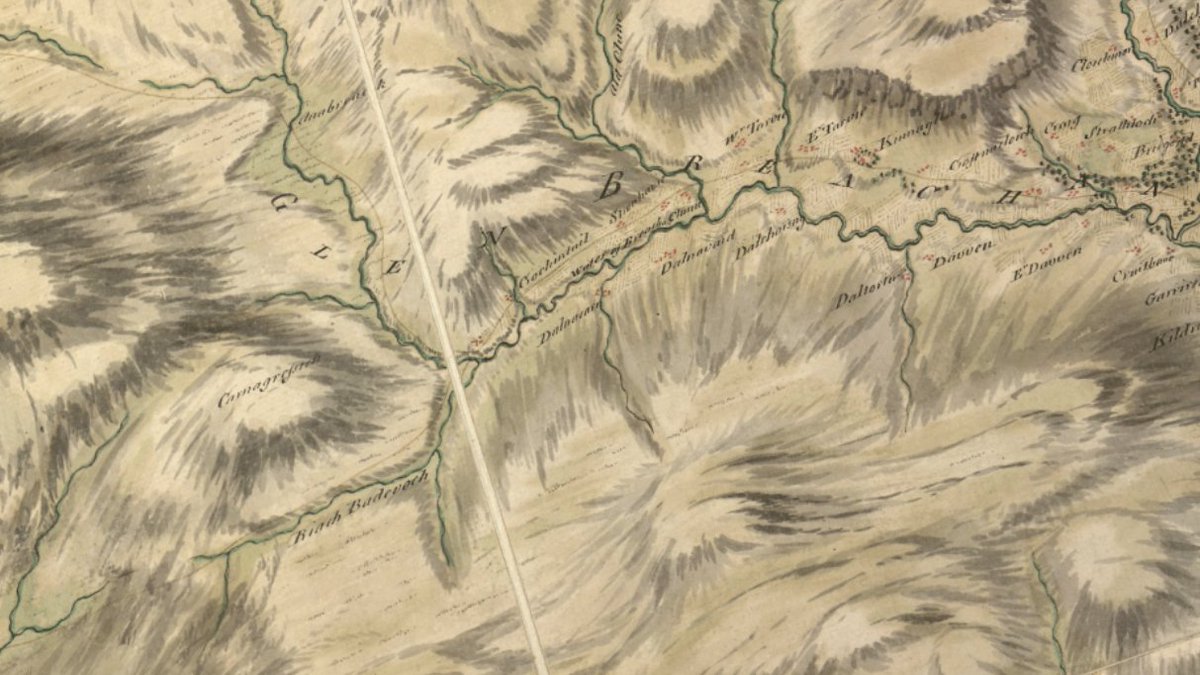
20 December 1745: The Earl of Loudoun dispatched a force of pro-Hanoverian highlanders from Inverness under Norman MacLeod of Dunvegan, George Munro of Culcairn, and James Grant of Grant to confront Lord Lewis Gordon and his Jacobite forces at Aberdeen.
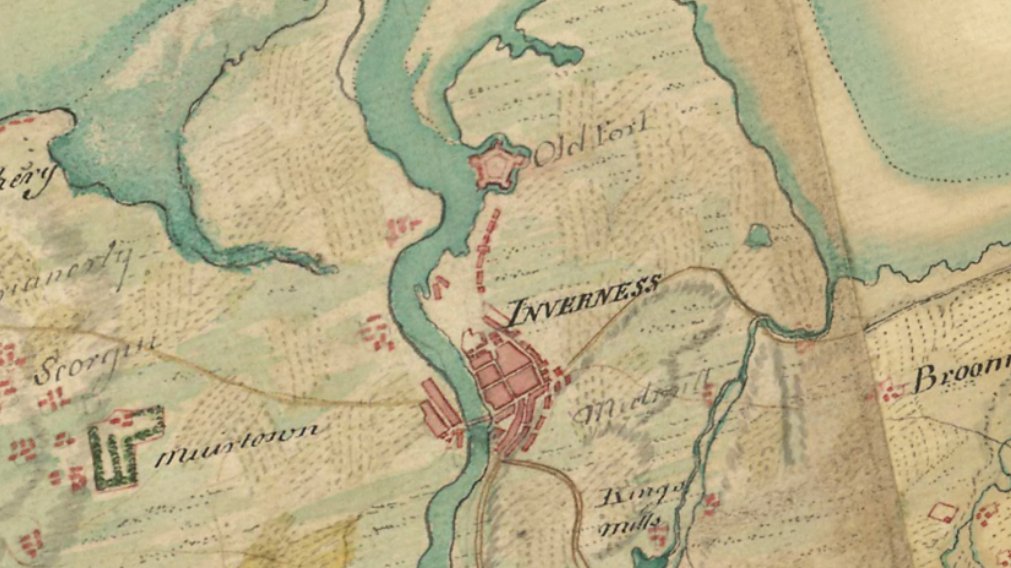
ALT https://maps.nls.uk/roy/
3
4
584
Jacobite Wars retweeted
18 Dec 2023
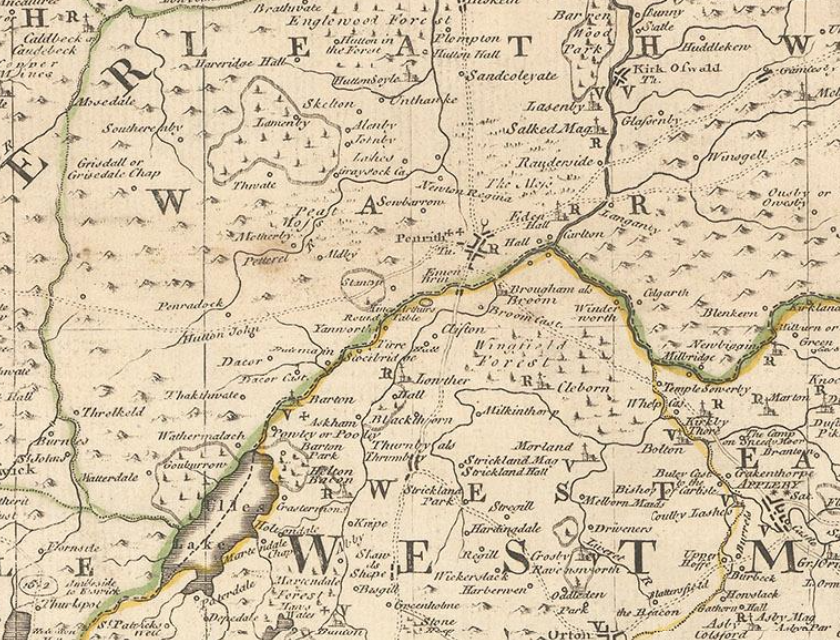
18 December 1745: As Charles Edward Stuart's army continued its withdrawal back to Scotland, Jacobite forces under Lord George Murray fought a rearguard action against pursuing government dragoons commanded by Lieutenant-Colonel Philip Honeywood at Clifton, south of Penrith.
3
4
419
Jacobite Wars retweeted
16 Dec 2023
16 December 1745: Lieutenant-General John Murray, Earl of Dunmore commanding British and British-paid troops in Flanders was informed by William Stanhope, Earl of Harrington that the hired Hessian force of 6,000 would sail to Scotland and that transport ships were being readied.
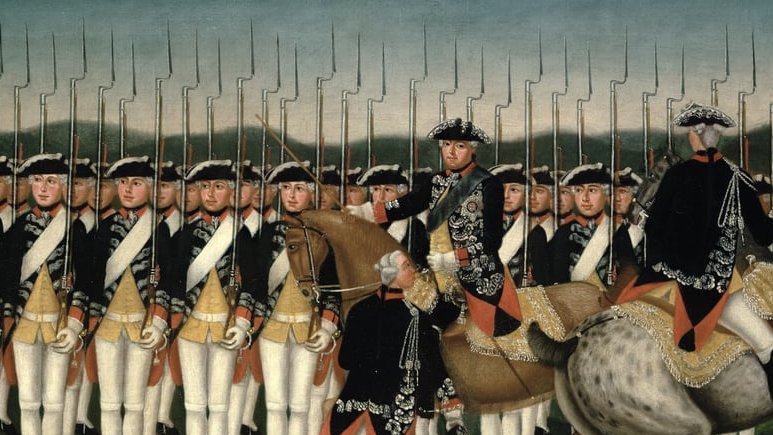
ALT Friedrich II of Hesse-Kassel with the Hesse Guard Regiment
2
4
348
Jacobite Wars retweeted
8 Dec 2023
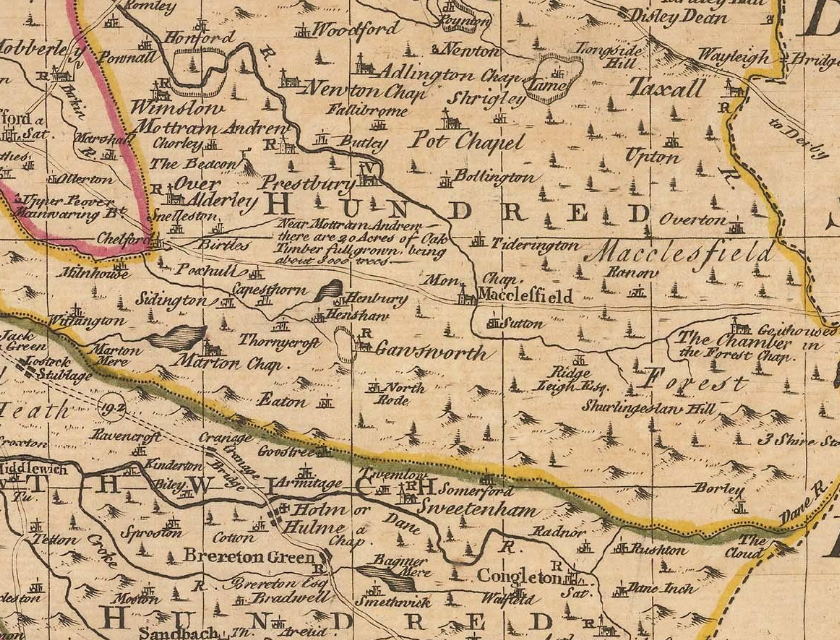
8 December 1745: The Jacobite army marched from Leek to Macclesfield. From Meriden Common, the Duke of Cumberland set off in pursuit with Bland's Dragoons, Lord Mark Kerr's Dragoons, Cobham's Dragoons, Ligonier's Horse, Kingston's Horse, and 1000 mounted infantry.
3
10
433
Jacobite Wars retweeted
5 Dec 2023
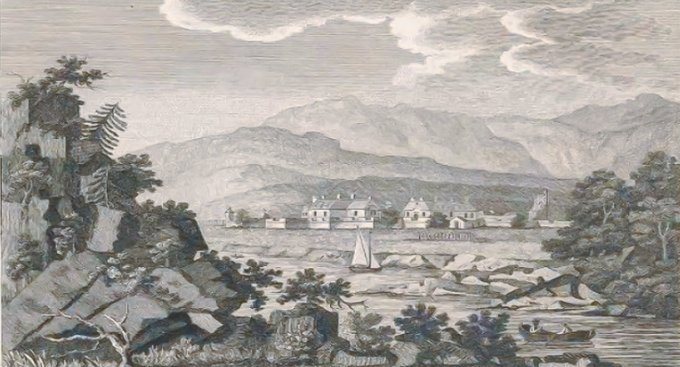
In early December 1745, the Earl of Loudoun marched from Inverness with a force of pro-Hanoverian highlanders to relieve Fort Augustus which was blockaded by the Jacobites. By December, Loudoun commanded around 1,300 pro-Hanoverian clansmen raised by Duncan Forbes of Culloden.
3
8
560
Jacobite Wars retweeted
5 Dec 2023
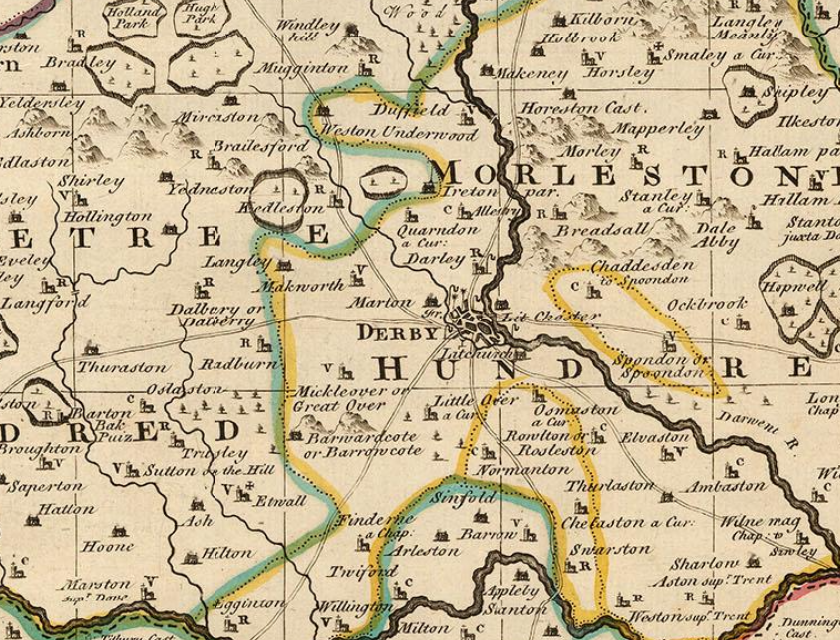
5 December 1745: The Jacobites held a council of war at Derby. With Cumberland's army at Lichfield, Marshal Wade's army at Wetherby, and the Earl of Stair assembling a force to defend London, where King George himself took the field, it was decided to withdraw back to Scotland.
3
7
324
Jacobite Wars retweeted
3 Dec 2023
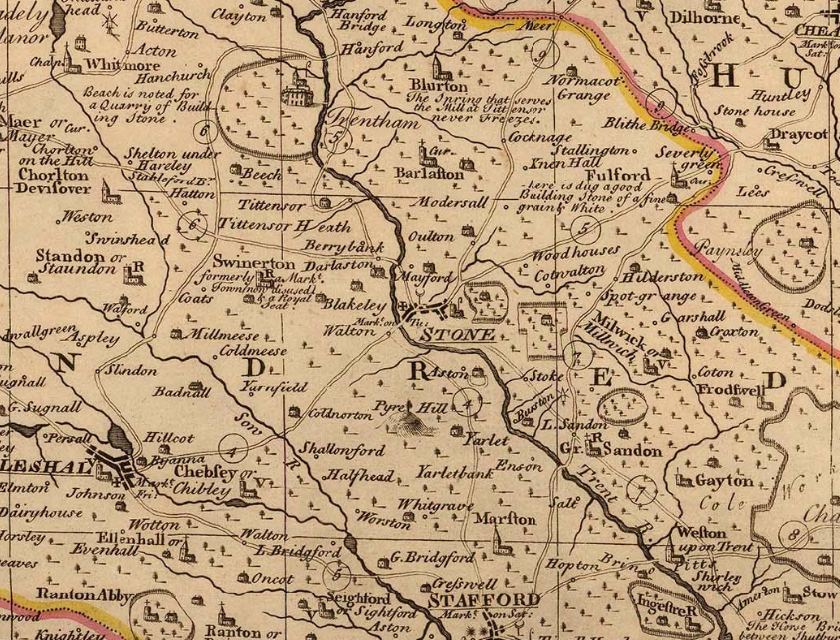
3 December 1745: The Jacobites marched from Macclesfield to Leek. As heavy snow continued to fall, the Duke of Cumberland deployed 11 battalions of foot and 6 regiments of horse and dragoons north of Stone, anticipating a clash with the Jacobite army. None was to come.
3
6
499
Jacobite Wars retweeted
2 Dec 2023
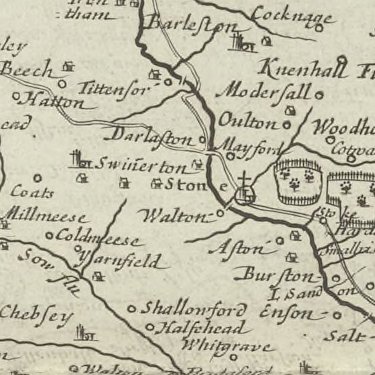
2 December 1745: As the Jacobites rested in Macclesfield, the Duke of Cumberland began to concentrate his forces on the snowy fields north of Stone. With heavy snow falling one soldier stated that it was the most "extreme cold Atmosphere that ever I felt".
4
5
512
Jacobite Wars retweeted
1 Dec 2023
1 December 1745: The Duke of Newcastle informed the Duke of Cumberland that Dudley Bradstreet, a government agent with the alias of Oliver Williams, was soon to infiltrate the Jacobite army to ascertain the "motions and design of the rebels". RA CP/MAIN/7 f.238-238aM.
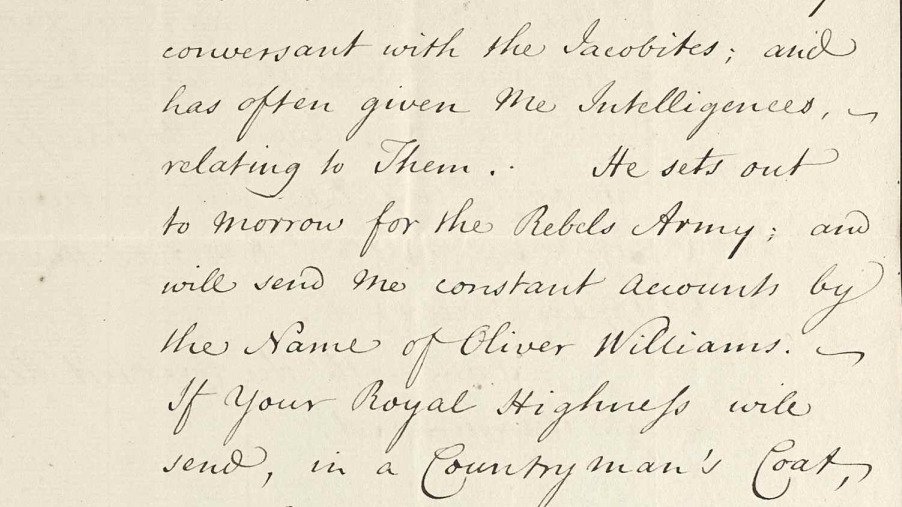
ALT RA CP/MAIN/7 f.238-238a M
1
1
217
Jacobite Wars retweeted
27 Nov 2023
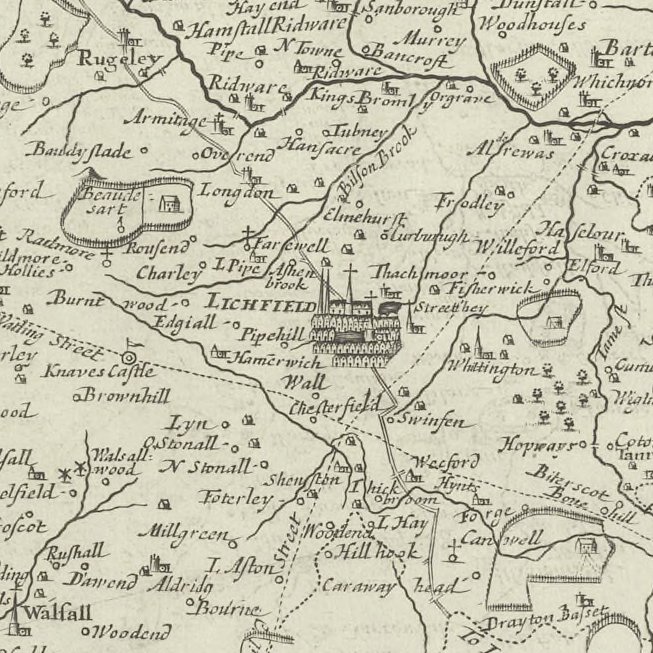
27 November 1745: While the Jacobite army rested at Preston, Prince William Augustus, Duke of Cumberland and Captain-General of the British Army arrived at Lichfield to take command of the government forces in Staffordshire, taking over from Lieutenant-General Sir John Ligonier.
4
7
585
Jacobite Wars retweeted
25 Nov 2023
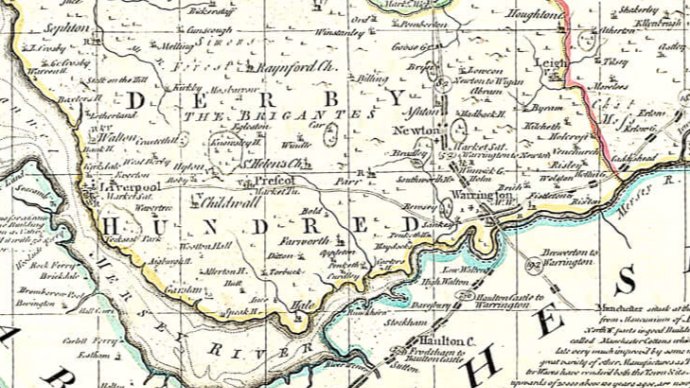
25 November 1745: The vanguard of the Jacobite army marched from Garstang to Preston. Field Marshal Wade set off with his army from Newcastle towards Durham while Brigadier-General William Douglas and the Liverpool Blues demolished part of the Warrington Bridge over the Mersey.
3
3
368
Jacobite Wars retweeted
19 Nov 2023
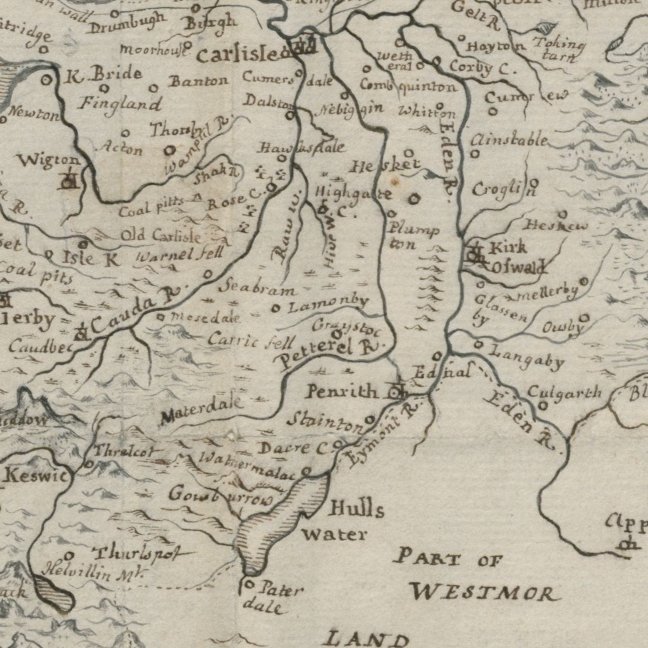
19 November 1745: From Hexham, Marshal Wade informed the Duke of Newcastle that advance parties of the Jacobites were moving to Penrith and that he would return to Newcastle due to severe weather, lack of supplies, insufficient forces, difficult terrain and sick soldiers.
1
2
284
Jacobite Wars retweeted
18 Nov 2023
18 November 1745: Lieutenant-Colonel James Durand sent his report of the fall of Carlisle to Lieutenant-General John Folliot. In it, he blamed the Cumberland, Westmoreland and Carlisle militia for "having absolutely, to a man" refused to defend the place. RA CP/MAIN/7 f.44-44c
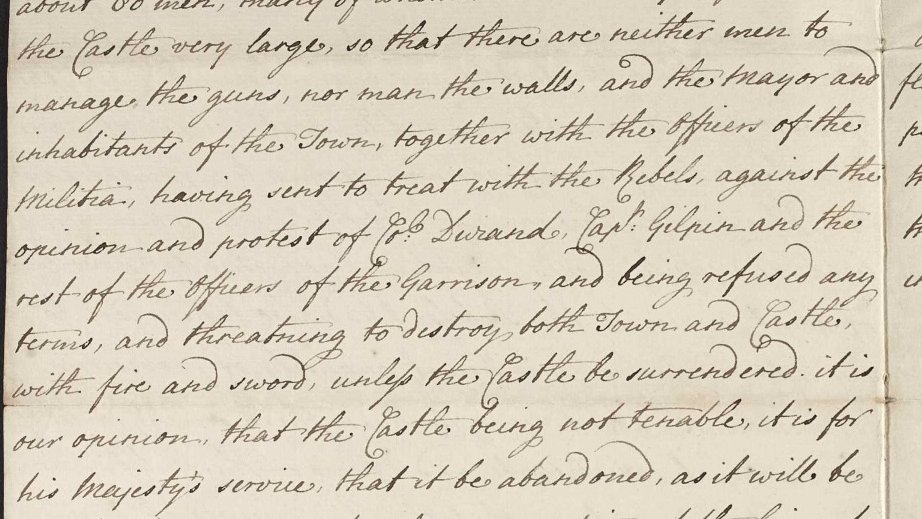
ALT RA CP/MAIN/7 f.44-44c
1
1
255
Jacobite Wars retweeted
18 Nov 2023
18 November 1745: The Jacobites held a council of war at Carlisle to discuss the next move. Some favoured a withdrawal back to Scotland, others wanted to hold their position for a while to see what Marshal Wade intended, but a march south into Lancashire was the final decision.
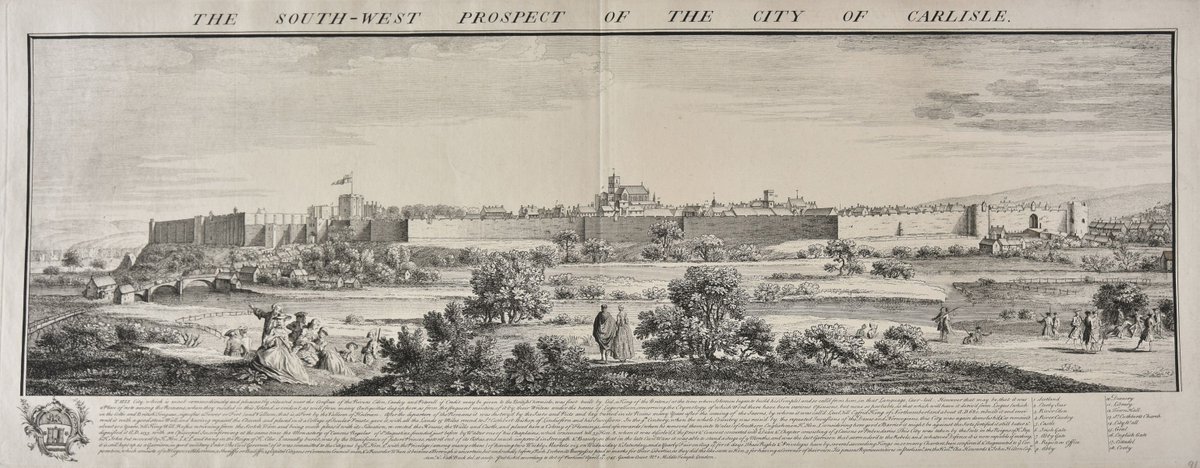
2
5
365
Jacobite Wars retweeted
17 Nov 2023
At midnight on 17 November 1745, Field Marshal Wade and the leading elements of his army arrived at Hexham. Wade received news that Carlisle had fallen to the Jacobites. Sickness was rampant in his army and Wade remained at Hexham until the 19th before heading back to Newcastle.
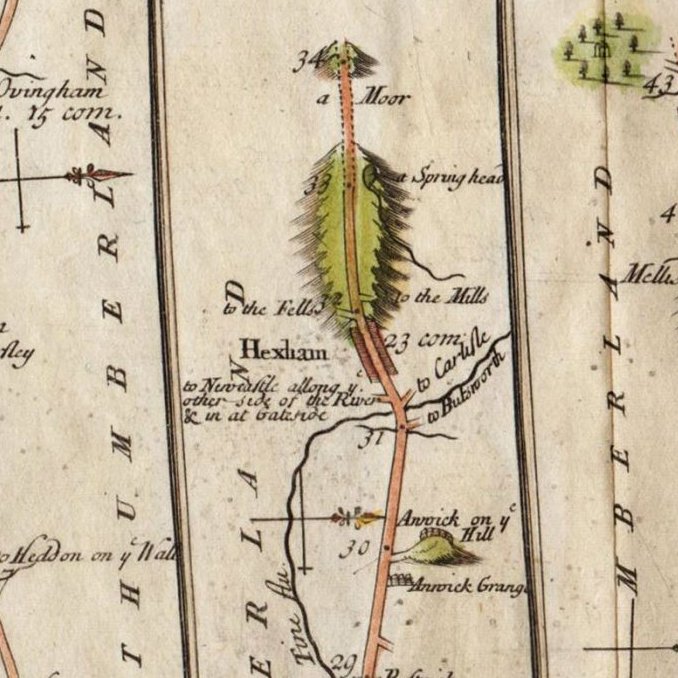
1
6
550
Jacobite Wars retweeted
16 Nov 2023
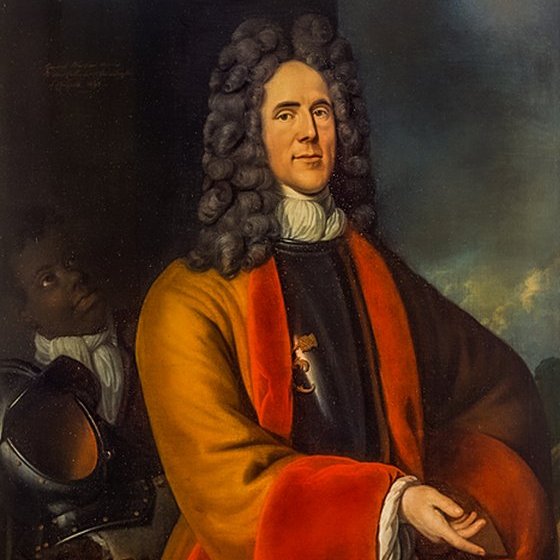
16 November 1745: Marshal Wade marched his British, Dutch and Swiss troops out from camp at Newcastle with the intention of marching via the Tyne Gap to intercept the Jacobites. Bad weather and poor roads would hamper the march, the Tyne Gap having snow drifts as high as 12ft.
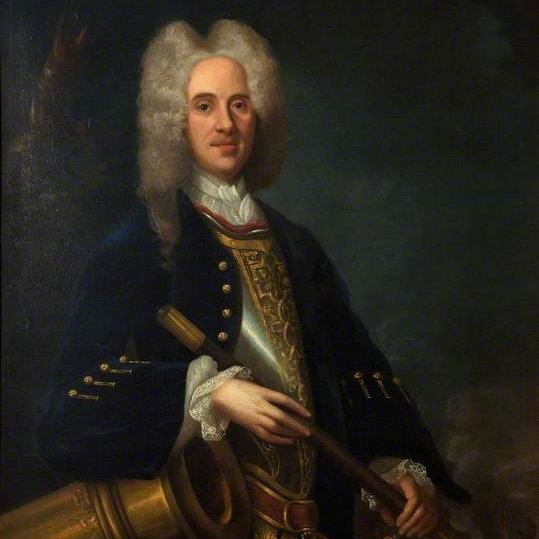
ALT Field Marshal George Wade (1673–1748) by Johan van Diest (1695–1757)
1
9
514