
2023-2024 HRS Postdoctoral fellow @UUtah @uusci Studying #CardiacModeling, and #ECGImaging. Manager of edgar.sci.utah.edu database. He/Him
Joined February 2020
- Tweets 137
- Following 111
- Followers 174
- Likes 229
28 Photos and videos


Pinned Tweet

23 May 2023
I was honored to receive a Kenneth M. Rosen fellowship award from @HRSonline at #HRS2023 supporting my research at @UUtah @NEH_CVRTI @uusci @UtahBME . I look forward to #HRS2024 where I will present the results of the research this fellowship will support. #CardioTwitter #EPeeps
5
10
50
4,539
26 Sep 2023
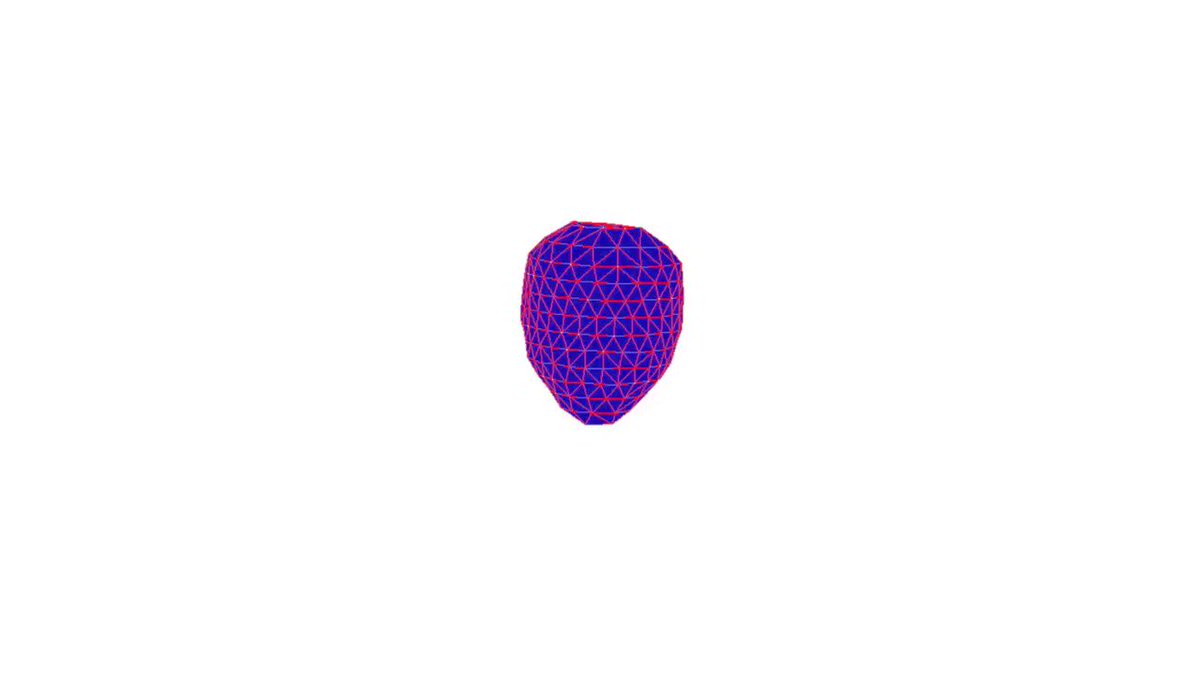
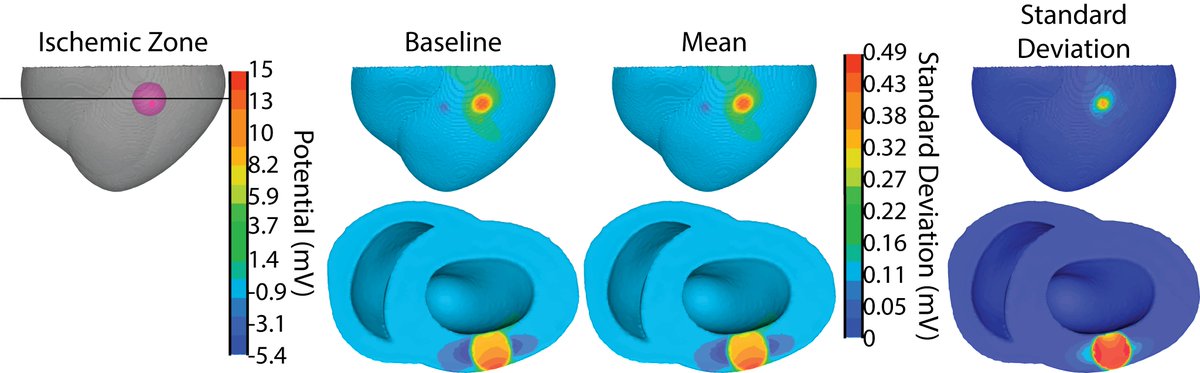
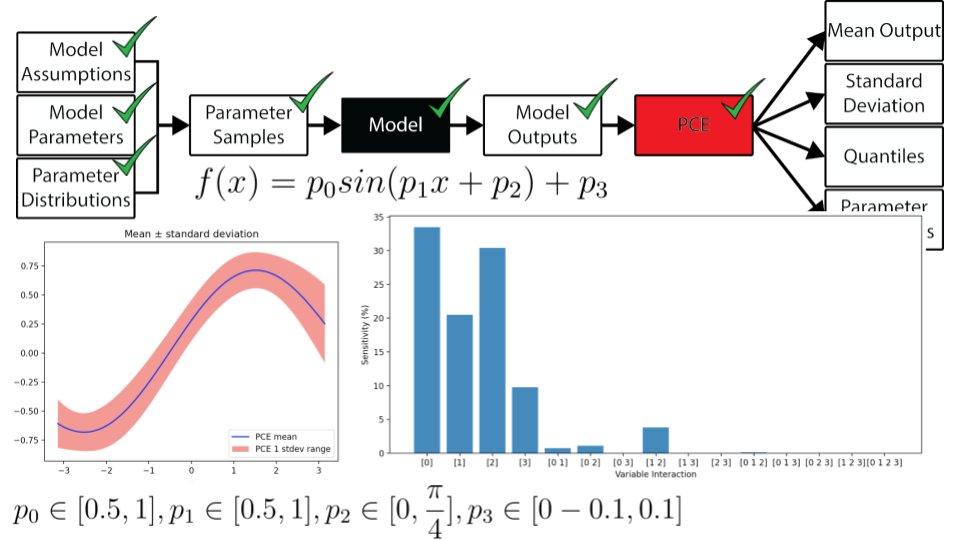
Excited to have our manuscript describing Uncertainty Quantification in #ECGI accepted at the Journal of Physiological Measurement! We explore techniques to apply UQ to ECGI using variability in heart position as a test case.#EPeeps #CardioTwitter
iopscience.iop.org/article/1…
2
14
642
Jake Bergquist, PhD retweeted

23 Jun 2023
📢 Only 1 week left to submit abstracts for the ECGI Summit! 📝 Don't miss this opportunity to showcase your research and contribute to the advancement of ECGI. Submit your abstract now and be part of this exciting scientific gathering in Valencia #ECGI #CallForAbstracts

11
13
1,046
Jake Bergquist, PhD retweeted
5 May 2023
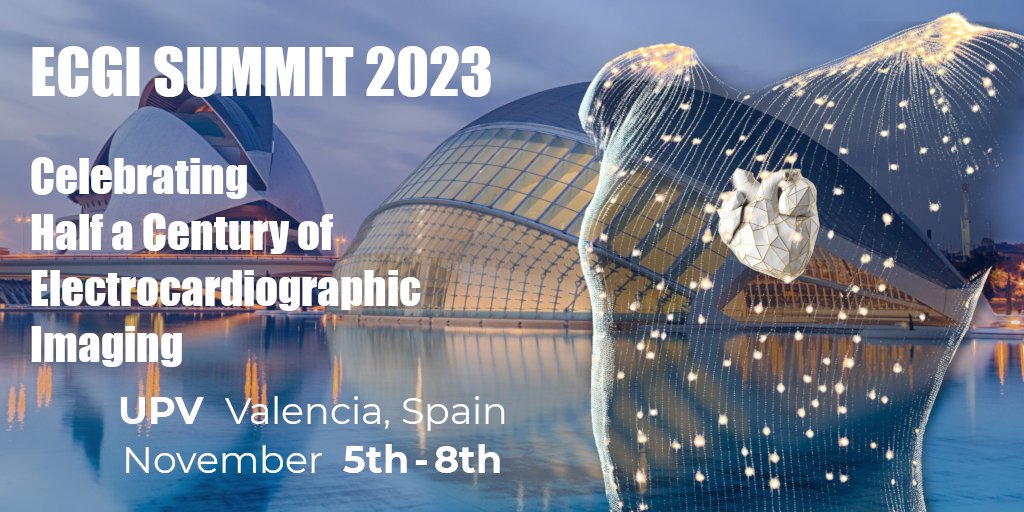
🚀 Launching the #ECGISummit2023 in Valencia, Spain! Join us to explore last Electrocardiographic Imaging ECGI advances & forge connections in the #ECGI community from 5th to 8th of November. Abstract submissions are now OPEN! Deadline June 30th! #CardioTwitter #EPeeps
1
18
22
2,953
Jake Bergquist, PhD retweeted

12 Oct 2022
Say hello to Anna Busatto! Anna is a runner, and this interest is what led to her fascination with the #heart and how its characteristics/behaviors can change between individuals.

1
2
9

🎉 Congratulations to #UtahBME 's,
@JakeBergquist on his talks at
@CinC2022! Keep up the great work Jake!
📖 Read more: bme.utah.edu/2022/09/16/ubme…
1
4
Jake Bergquist, PhD retweeted

8 Sep 2022
Amazing @EcgImaging meeting! @RobMacLeod10: "ECGI=Physics Signal processing=>Clinical applications"
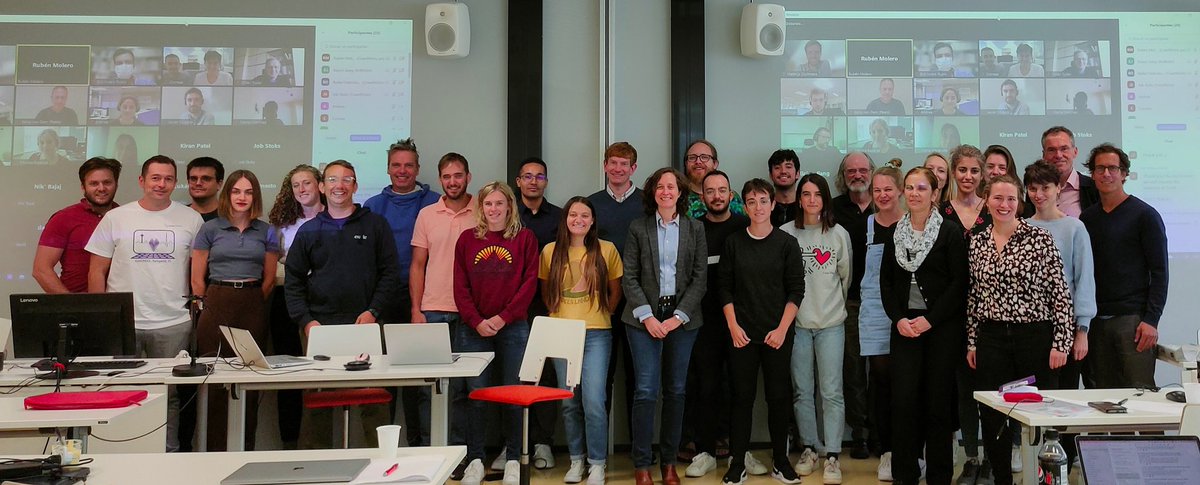

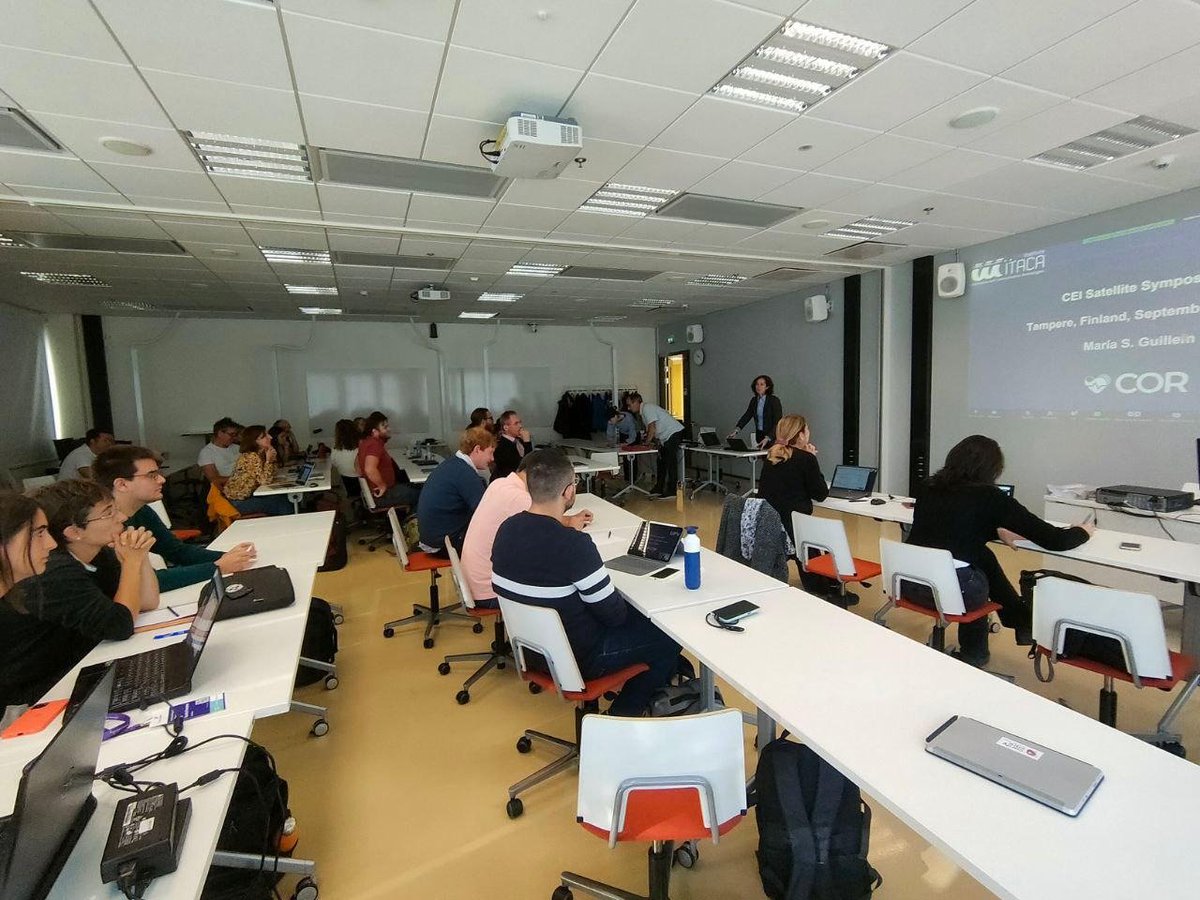
Our Satellite Symposium is live! We are enjoying interesting talks by many #ECGI speakers both in Tampere, Finland, and virtually! Amazing how many researchers work WITH and ON #ECGI, and hopefully our meeting will further promote new and existing collaborations!
10
21
6 Sep 2022
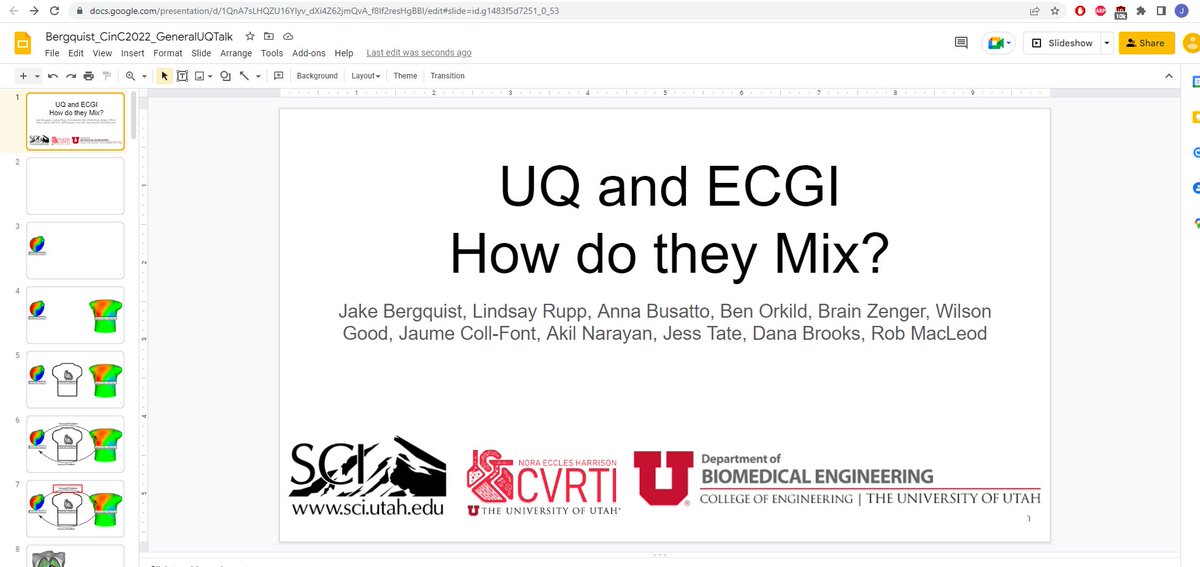
Putting the last touches on my talk for the @CinC2022 UQ special session talk. Never too late to make those final improvements! #epeeps #ecgi #cardiotwitter #conferences
4
19
5 Sep 2022
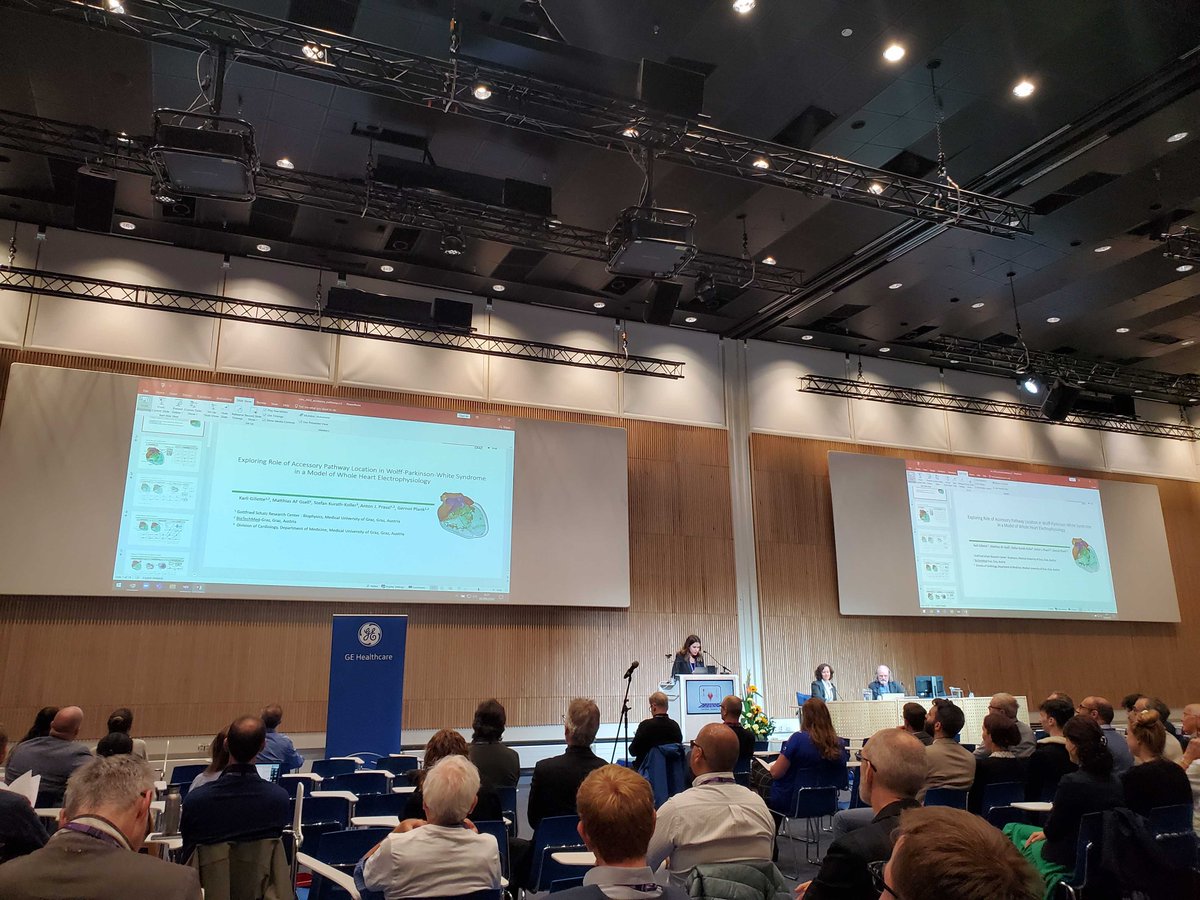
Karli Gillette kicking off the #CinC2022 young investigator competition. Great start to a great conference! #Cardiotwitter #EPeeps
4
14
Jake Bergquist, PhD retweeted

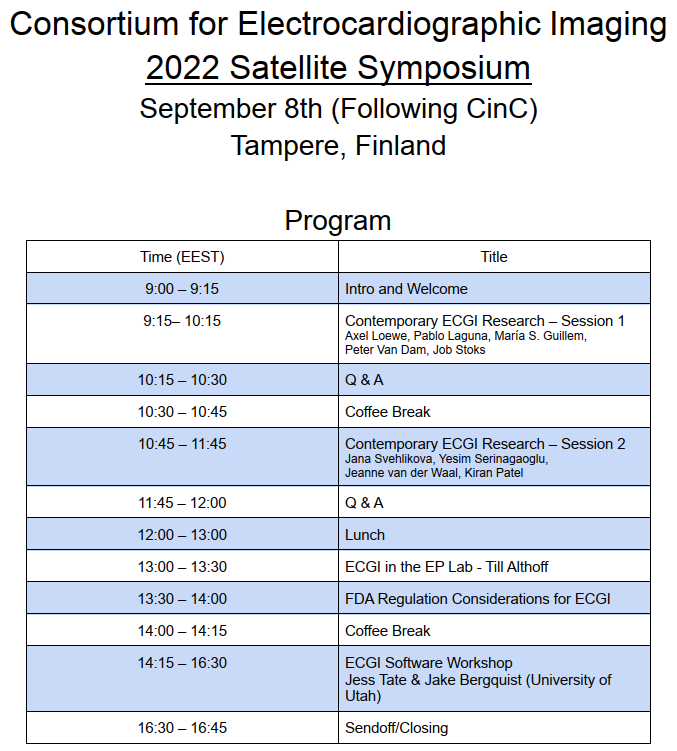
We are looking forward to not only #CinC2022, but also the Satellite symposium in Tampère the day after (Sept 8)! ECGI experts will showcase their most contemporary research, alongside a software workshop! Online attendance also possible, register through shorturl.at/aehTY
1
9
11
Jake Bergquist, PhD retweeted
Registration is now open for the #CEI2022SatelliteEvent
Link to register:forms.gle/XNUe9PcE9q4ZsttP6
Join us on September 8th for a day of talks from ECGI experts as well as a workshop from members of @uusci on using ECGI software.
More info:ecg-imaging.org/announcement…
#epeeps @CinC2022
1
12
11
Jake Bergquist, PhD retweeted
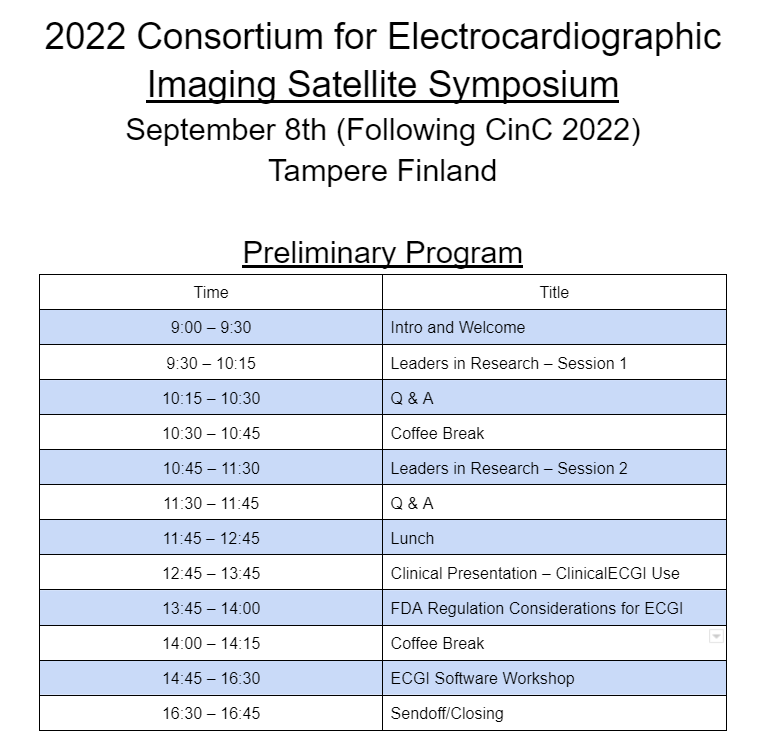
Get excited, here's the preliminary program for the 2022 CEI satellite meeting! Sep 8 following @CinC2022 in Tampere Finland.We'll hear from experts across the world with updates on their progress and challenges in developing, implementing, and using ECGI. #EPeeps #CardioTwitter
8
7
29 Jun 2022
I am very excited and honored to give a talk at the 2022 @ihu_liryc #summerschool on #Cardiac #Electrophysiology! My talk will focus on the practical realities of computational model generation. Just finishing up my slides (and live demos!) now. #CardioTwitter #EPeeps
5
19
Jake Bergquist, PhD retweeted
Announcing the second CEI seminar of our 2022 seminar series. Featuring talks from @NTrayanova, Dr. Steven Niederer, and Dr. Marina Strocchi. 3:00 pm -- 4:00 pm GMT on May 31st. More info at: ecg-imaging.org/announcement… #EPeeps #CardioTwitter #AcademicTwitter
13
12
Jake Bergquist, PhD retweeted

13 Apr 2022
Thank you to all of my amazing mentors and supporters throughout this process! @RobSCI1 @uusci @NEH_CVRTI @rranjanMD @FrankBSachse @timminslab @ba_steinberg @TJaredBunch

🎉Congratulations to Brian Zenger! 🎉His Ph.D. dissertation, "Experimental Examination of Partial Occlusion Acute Myocardial Ischemia" was chosen as the College of Engineering Outstanding Dissertation for 2021!
👀Read more here: bme.utah.edu/2022/04/13/coll…
1
4
33

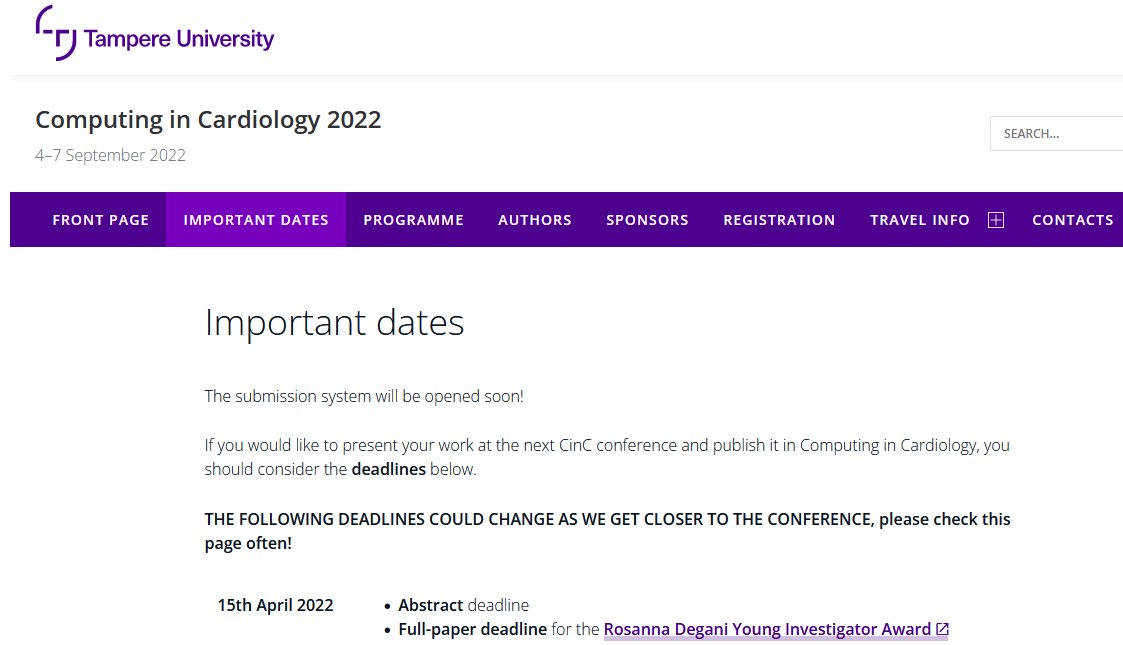
Reminder: CinC2022 abstract submission deadline is in two weeks, on April 15th.
@CinC_tweets @HyttinenLabCBIG @TampereUniMET @TampereUni @tamperetalo
1
8
10
Jake Bergquist, PhD retweeted
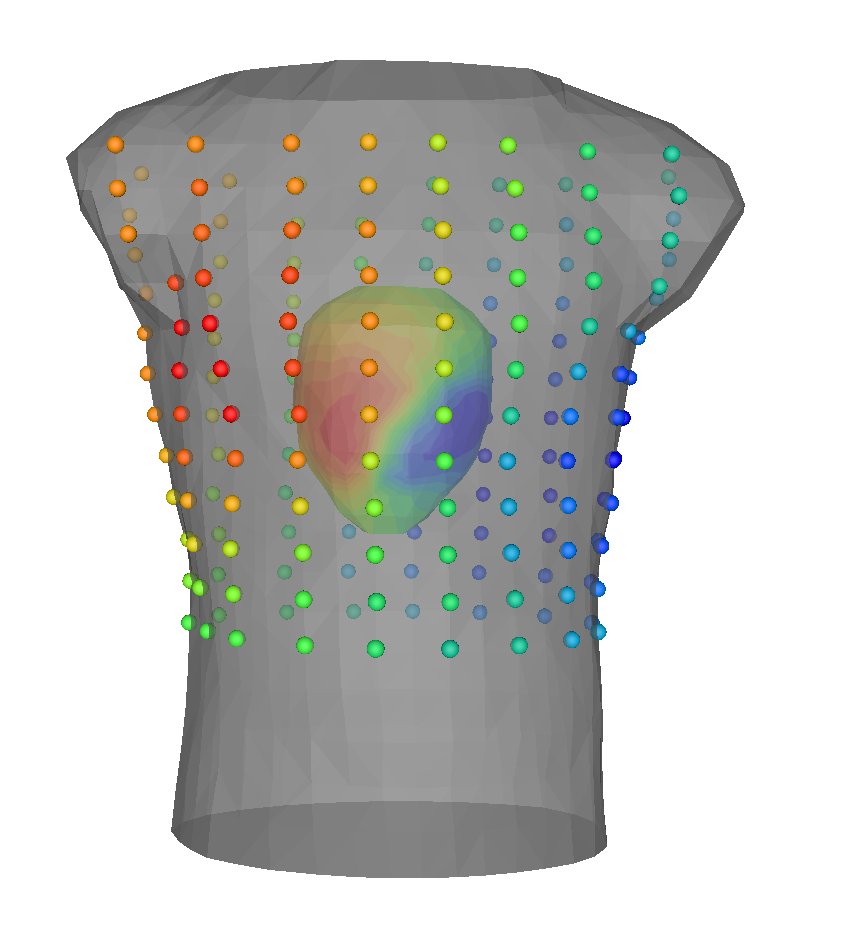
Announcing a new dataset on #EDGAR with utility for #ECGI. This torso tank dataset developed at @NEH_CVRTI uses pericardiac cage and torso electrode arrays to record simultaneously during sinus and ventricular paced beats. #EPEEPS #Cardiotwitter edgar.sci.utah.edu/torso-tan…
1
8
25
Jake Bergquist, PhD retweeted
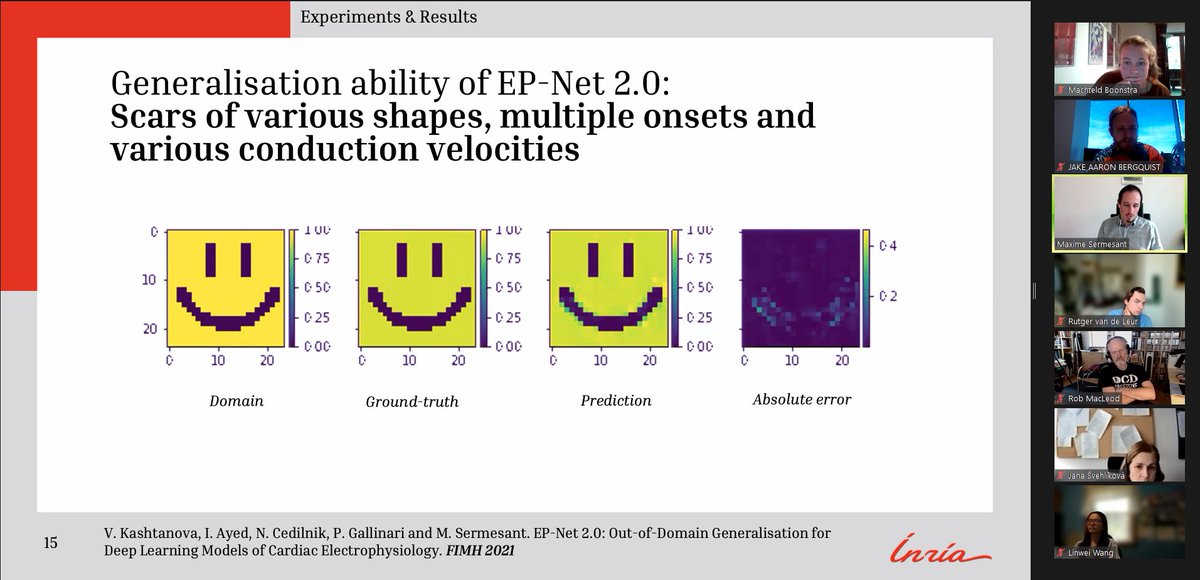
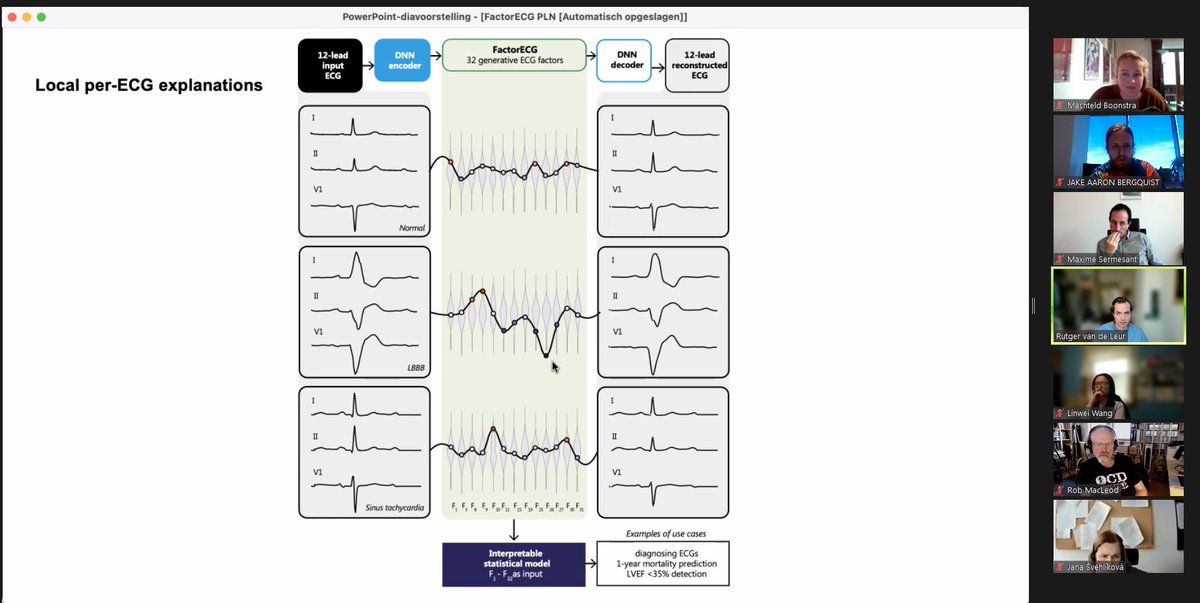
Just finished up the first #CEI2022Seminar, topic: AI/ML in electrophysiology. Thanks to @MaximeSermesant and Rutger van de Leur as our first speakers! Keep an eye out for the recordings. #CardioTwitter #EPeeps #AcademicTwitter
4
11
20 Jan 2022
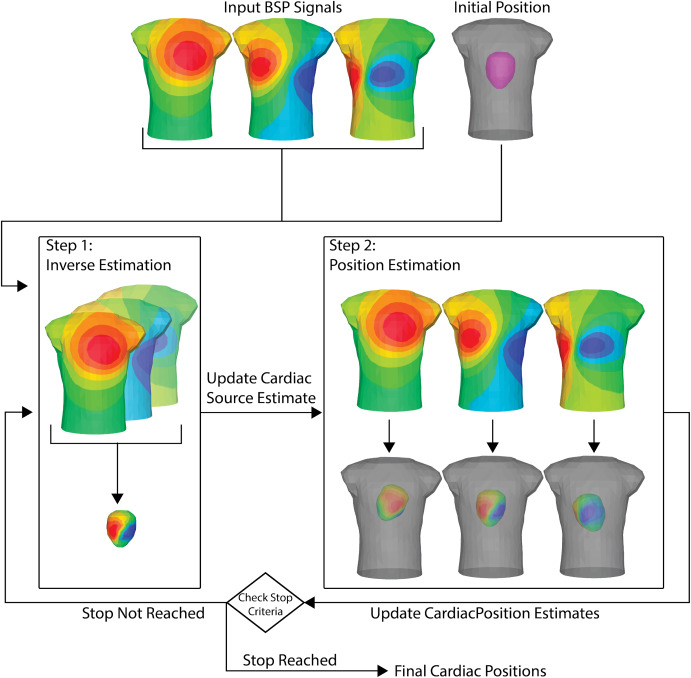
Our research localizing cardiac position using #ECGI has been published in Computers in Biology and Medicine. We were able to locate the cardiac geometry using only body surface potentials.
Read it: authors.elsevier.com/a/1eRxq…
Thanks to all my collaborators! #EPeeps #CardioTwitter
2
8
28
20 Jan 2022
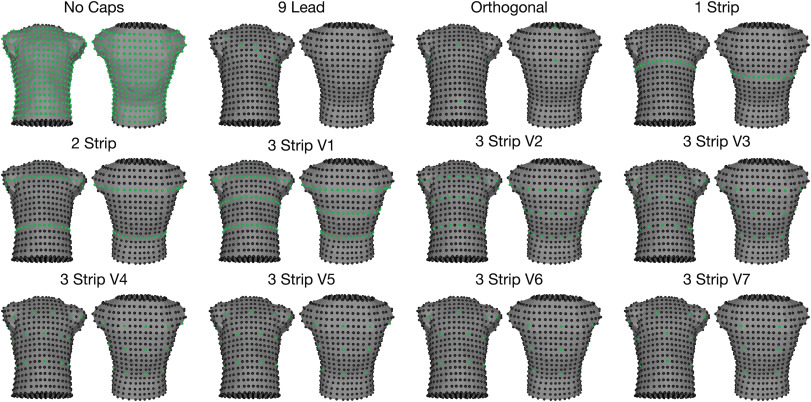
We tested the ability to localize the heart using a range of BSP leadsets. We found that even with as few as 3 lead sets we could still see improved cardiac position estimates. In particular, the 3 strip leadsets shown below performed in many cases as well as the full lead set.
2
3
20 Jan 2022
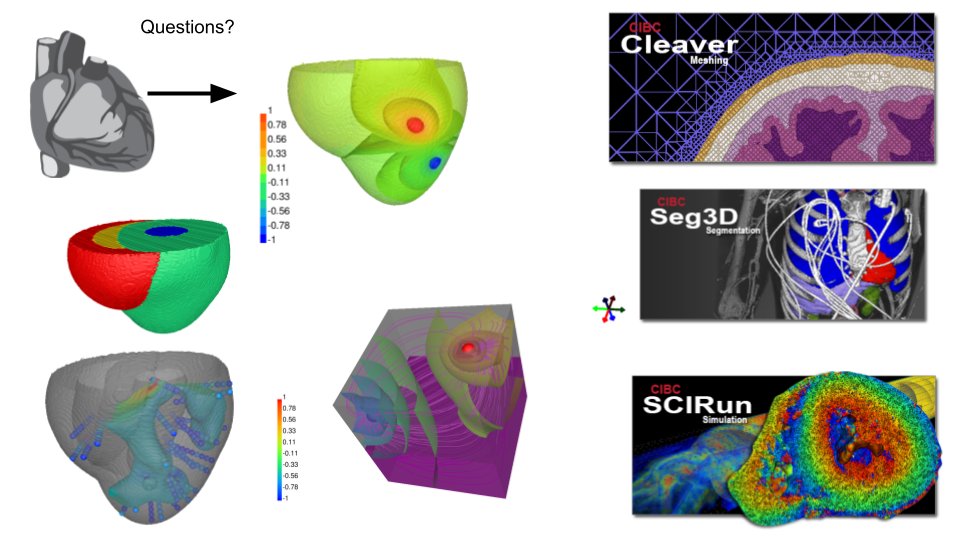
This figure shows an algorithm summary. BSP sigs from multiple heartbeats are sue to iteratively estimate a single inverse solution and then a set of cardiac position parameters allowing for correction of cardiac position over a group of heartbeats, each with their own position.
4
7