
Father, Husband, Startup Builder / Founding Engineer @ Recess . #HackCincy Organizer, Prev @hearty_xyz @ahalogy #StartupCincy
Joined January 2009
- Tweets 17,193
- Following 2,292
- Followers 2,186
- Likes 11,453
702 Photos and videos












May 26
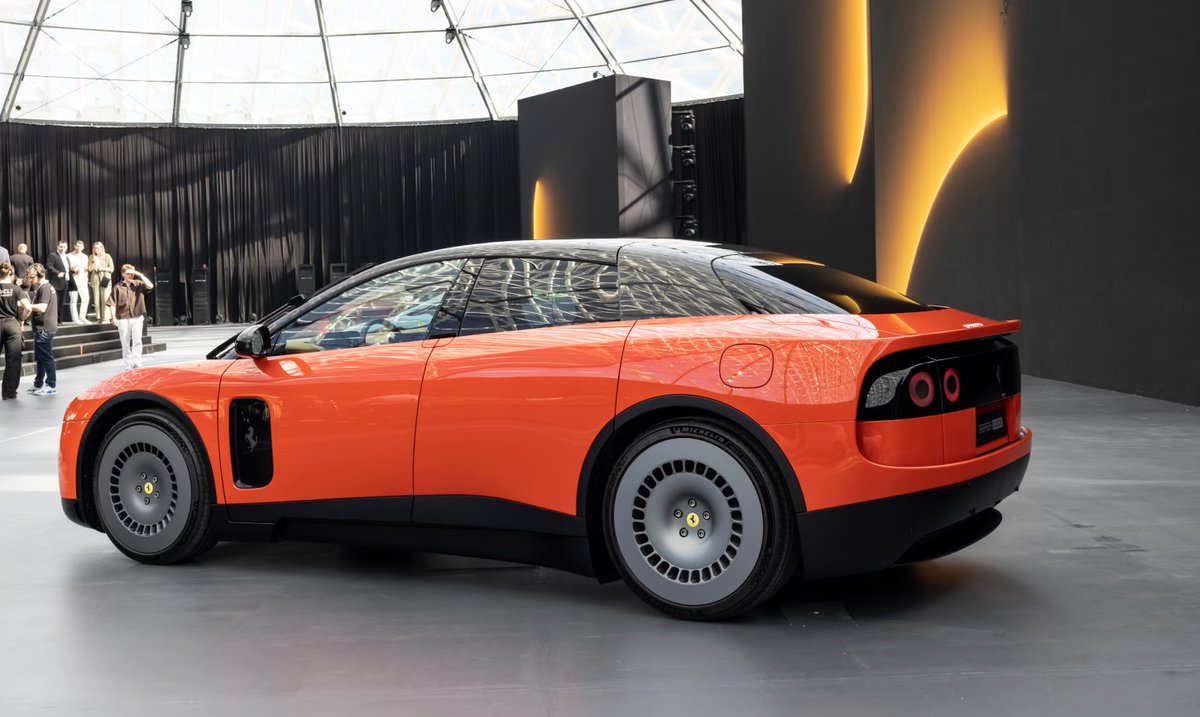
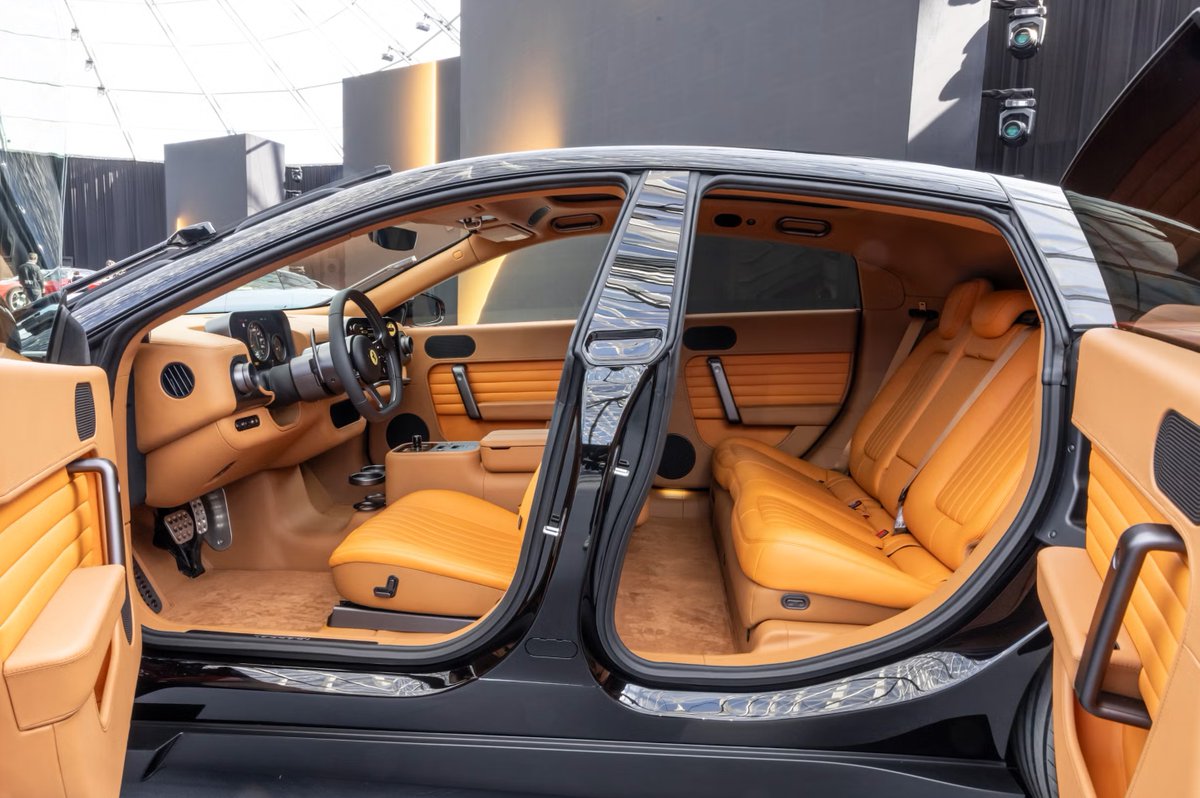
It’s an okay design for 50k. For 640k there is no way in hell anyone buys this.
May 25

Never thought I'd say this about a Ferrari, but this is one of the ugliest EV designs ever, and it can be all yours for $640,000 lol


1
41
May 19
Woah
May 19

Personal update: I've joined Anthropic. I think the next few years at the frontier of LLMs will be especially formative. I am very excited to join the team here and get back to R&D. I remain deeply passionate about education and plan to resume my work on it in time.
2
95
Apr 13
Idk seems pretty human like to me. Thats what would happen if I tried to run a marathon 🤷🏻♂️
Apr 12

The 2nd Robot Marathon has officially begun in Beijing.
This year feels different.
1. Around 40% of teams are running fully autonomous, no remote control.
2. Top robots are already hitting ~10s per 100 meter, getting surprisingly close to human sprint limits.
3. You can also see much better safety design upfront. Way more structured than last year’s chaos.
4. Still, failures happen. Marathon distance pushes motors, structure, and control to the limit. What works in short demos breaks down over longer runs.
Overall, a big step forward, but also a reminder that real-world robotics is still far from the polished demo videos you get fed from companies.
2
1
101
Apr 7
Well it was fun while it lasted.

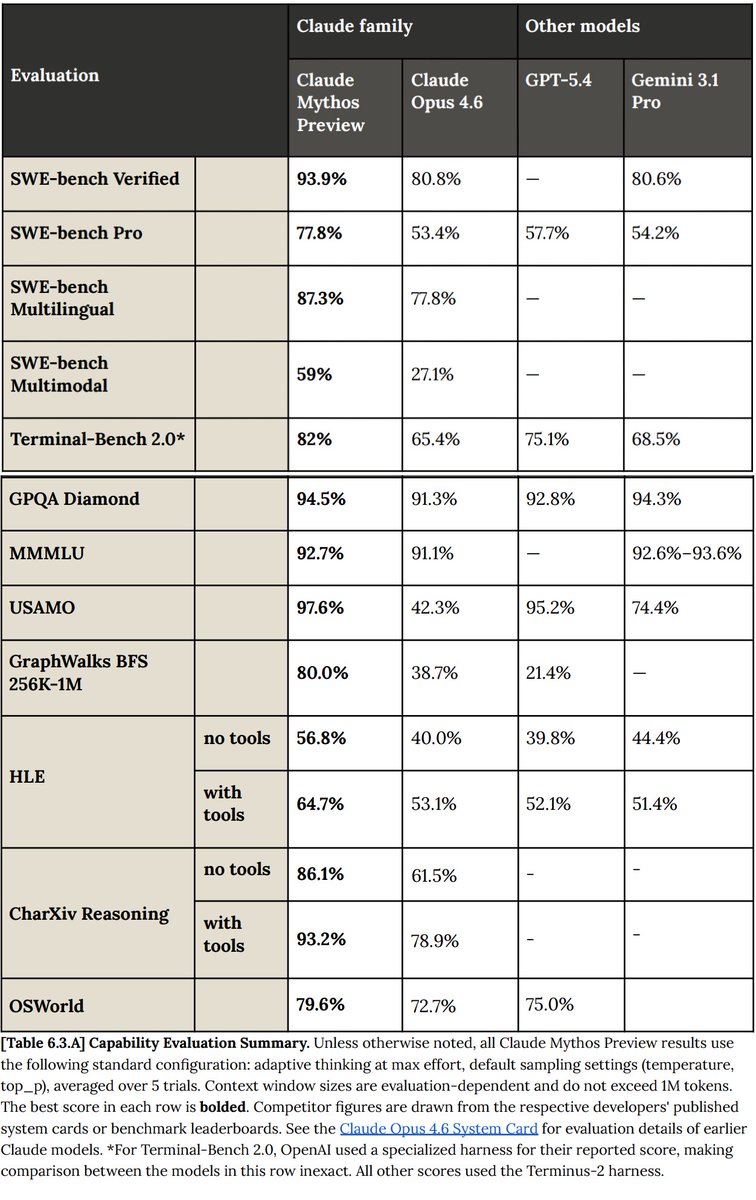
Claude Mythos just obliterated every single benchmark in AI. I can't believe what I'm reading.
1
56
Apr 6
Well. Something happened. Don’t like this.
Apr 6

🚨🚨@sama tells me he feels such URGENCY about the power of coming AI models that @OpenAI is unveiling a New Deal for superintelligence - ideas to wake up DC
He says AI will soon be so mindbending that we need a new social contract
👇Altman's top 6 ideas axios.com/2026/04/06/behind-…
74
Jake Boyles retweeted

Apr 5
Here is the donation link for those who are interested.
gofund.me/bd8df82a6
28
142
1,091
111,594
Apr 2
This kid rocks.

Dudes only want one thing and it’s to go back to the fricken moon
32
Apr 1
The April Fools day stuff is insufferable and annoying. When everyone does it, it just becomes annoying.
1
26
Mar 26
wtf is going on. Why are we getting promo launch videos from the fucking white house.

1
150
Mar 23
Welp it’s been real.
Mar 23

BREAKING: NVIDIA CEO announces “we’ve achieved AGI”
69
Mar 18
Would.
Mar 18

Polymarket opens the world's first sports bar — but for situation monitoring.
Opening in D.C. this Friday, it includes live 𝕏 feeds, flight radars, Bloomberg terminals, and Polymarket feeds.
1
102
Mar 16
This may be the commercial ever made.
Mar 15

NEW: Disney Cruise Line debuted a new ad titled “Midnight Magic” during the Academy Awards on ABC, and it’s a tearjerker.
The spot follows a father and son sharing a quiet tradition aboard a Disney ship, a ritual that carries their relationship from childhood into adulthood.
1
61
Mar 11
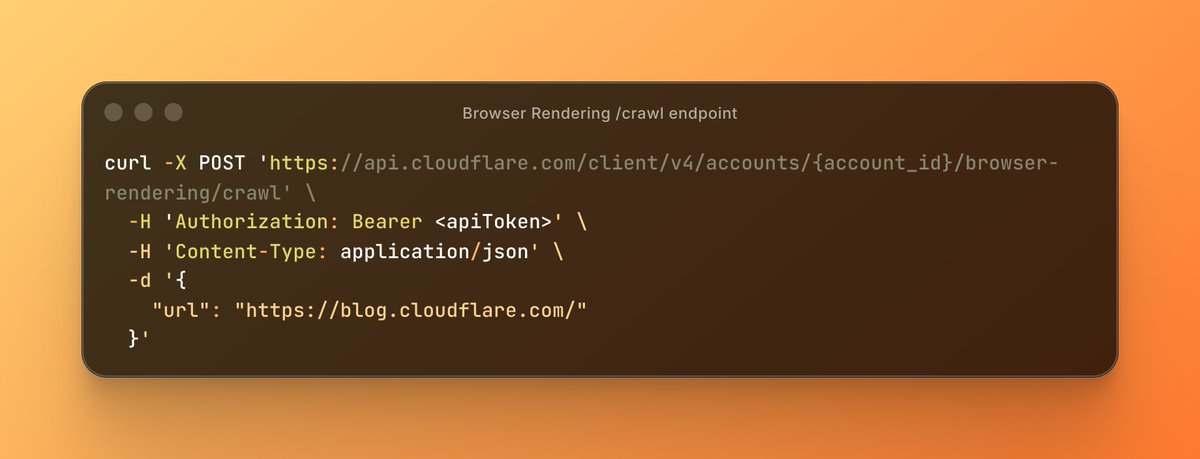
Wait…. Isn’t this exactly why people use cloudflare or am i missing something.

Introducing the new /crawl endpoint - one API call and an entire site crawled.
No scripts. No browser management. Just the content in HTML, Markdown, or JSON.
102
Jake Boyles retweeted

Mar 9
We’re excited to announce that Pudgy World, our free to play browser-based game, is now live.
Explore 12 unique towns across The Berg, help Pengu find Polly, and play mini-games, all on @PudgyWorld_.
Play now: PudgyWorld.com
984
1,611
14,131
6,520,857





Mar 8
The AI moment we’re living through today feels a lot like the early days of electricity.
When electricity was first introduced in the late 1800s, people knew it was powerful. They knew it would change things. But most of the early uses simply replaced existing tools.
Factories swapped steam engines for electric motors. Cities replaced gas lamps with electric lights.
The real transformation didn’t happen immediately.
It took time before people realized electricity wasn’t just a better version of old technology — it was an entirely new foundation to build on.
Once factories redesigned their entire layouts around electric power instead of central steam engines, productivity exploded. New industries emerged. Entire economic systems shifted.
AI feels very similar right now.
Today, many companies are using AI to write emails, generate marketing copy, summarize meetings, or assist with coding. Useful improvements, but mostly incremental.
The deeper shift will happen when organizations redesign their workflows, products, and even company structures around AI-native capabilities.
Just like electricity did enabled assembly lines and modern manufacturing, AI may enable entirely new kinds of companies, products, and productivity.
We’re still in the “electric lightbulb” stage.
The real revolution comes when people stop trying to replace old tools—and start redesigning the world around the new power source.
1
2
26
Mar 8
So in 2 years we’re totally gonna be digging up dead people so we can make fun videos aren’t we.

79