
Joined November 2022
- Tweets 694
- Following 4,435
- Followers 978
- Likes 899
71 Photos and videos




May 13
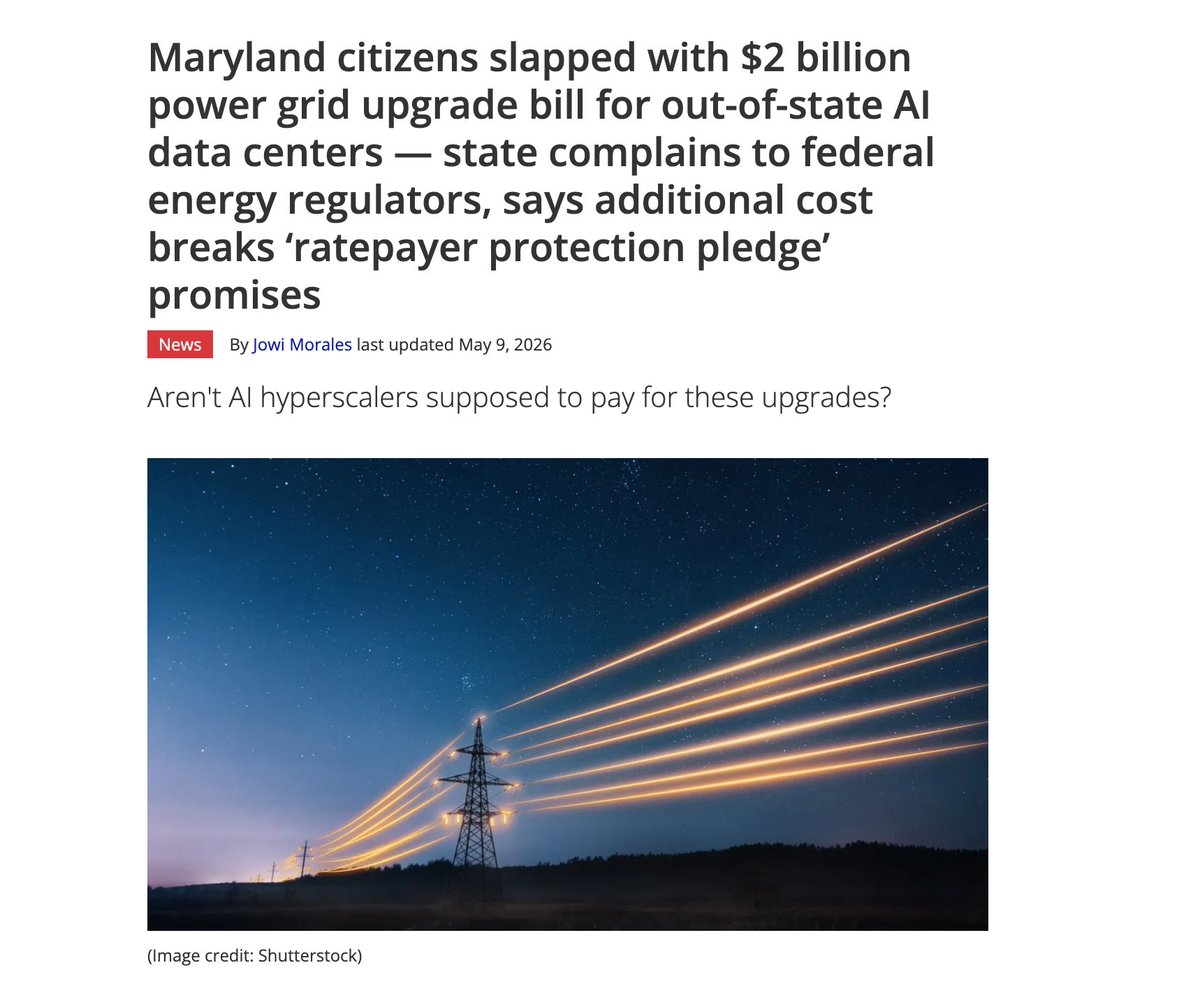
AI data centers were supposed to be the “future of infrastructure.”
But this Maryland case shows the uncomfortable part of the AI boom:
The compute may be built by hyperscalers,
but the grid upgrades can end up being paid for by ordinary ratepayers.
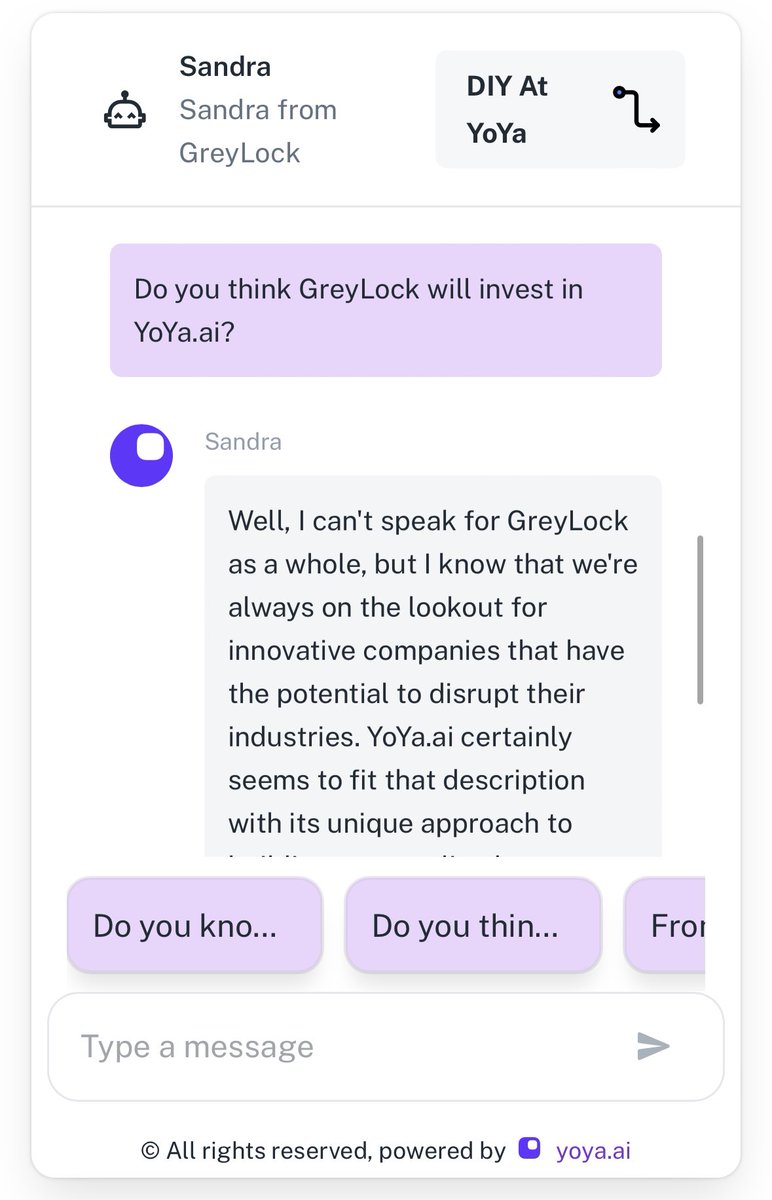
A $2B power grid bill tied to out-of-state AI data centers raises a bigger question:
Who should actually pay for AI infrastructure?
Because AI is not just a software story anymore.
It is becoming an energy story, a public infrastructure story, and eventually, a political story.
If data centers consume massive power, require new transmission lines, and reshape regional energy demand, then the cost structure matters.
If private companies capture the upside, but households absorb part of the infrastructure burden, public resistance will grow fast.
The next phase of AI competition may not be decided only by models, chips, or talent.
It may be decided by electricity, regulation, and who gets stuck with the bill.
1
25
May 12
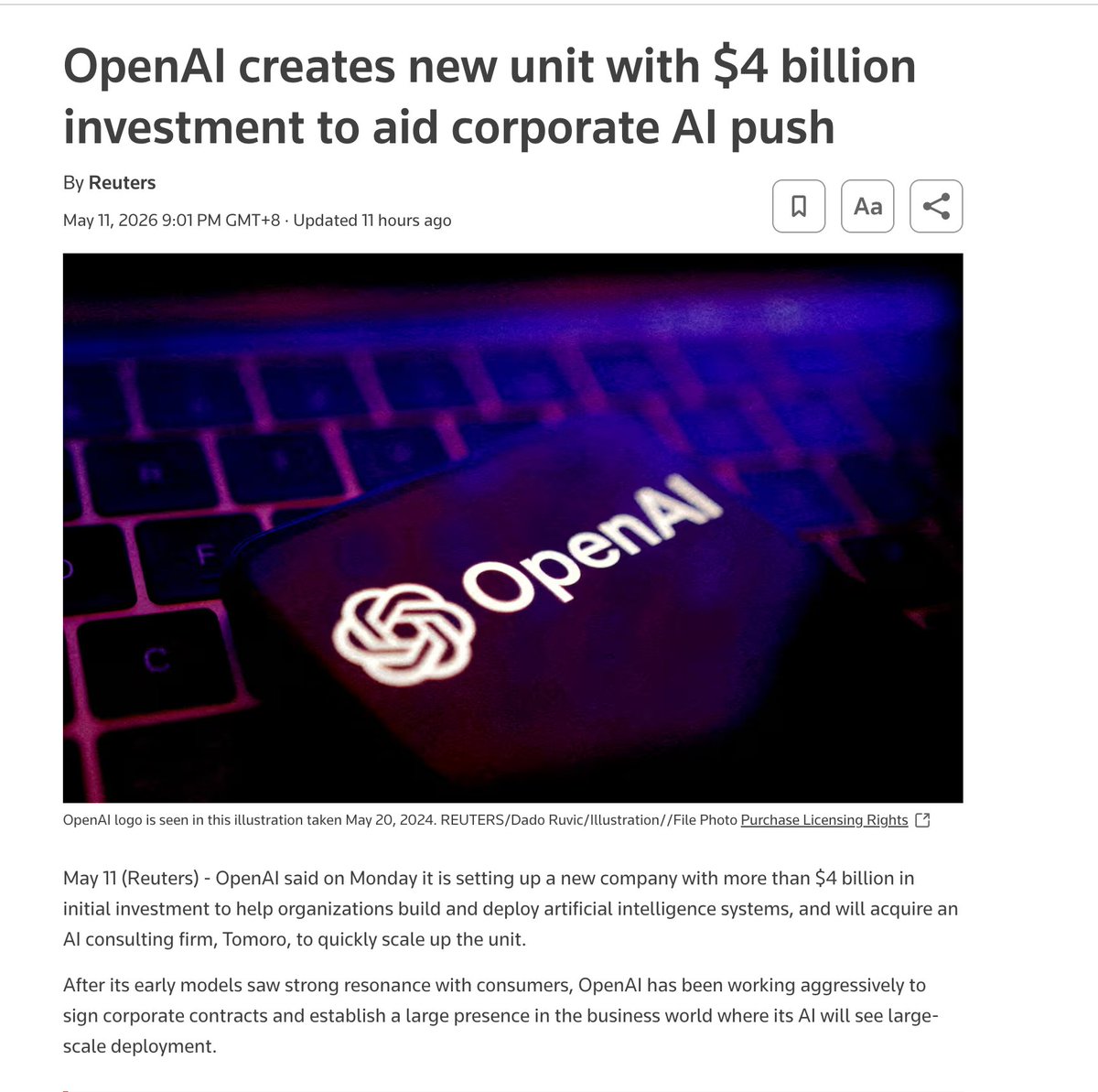
OpenAI is no longer just selling models.
With the launch of its Deployment Company and the acquisition of Tomoro, OpenAI is moving deeper into enterprise execution: integration, compliance, workflow redesign, and real deployment.
The signal is clear: the next AI battle is not only about model capability, but who can turn AI into working systems inside real organizations.
$4B is not a small bet.
1
34
May 9
Who gonna win this game? US or China? Find the clue below:
For the last few years, the conversation was:
Which model is smarter?
Which benchmark is higher?
Which demo feels more magical?
Now the harder questions are:
Who has the GPUs?
Who has the power?
Who gets grid access?
Who can afford inference at scale?
Who can keep margins alive?
AI is a software revolution.
But the bottlenecks are starting to look very physical.
1
16
May 8
Anthropic taps SpaceX/xAI-scale compute
Anthropic announced access to SpaceX’s Colossus 1 compute cluster, reportedly involving 300MW of power and 220K NVIDIA GPUs, to raise Claude Code and API limits.
Why it matters: AI competition is becoming infrastructure competition. Models, cloud capacity, chips, energy, and data centers are increasingly part of the same strategic stack.
techcrunch.com/2026/05/06/is…
1
1
49
May 7
Yesterday’s biggest AI story wasn’t a new model.
It was Anthropic renting SpaceX’s Colossus 1 compute to double Claude Code limits.
220k NVIDIA GPUs. 300MW capacity.
The AI race is moving from “who has the smartest model?” to:
who controls compute
who controls power
who controls networking
who can give developers more room to build
Claude Code limits going up is the visible part.
The real story is infrastructure.
arstechnica.com/ai/2026/05/a…
1
1
37
May 6
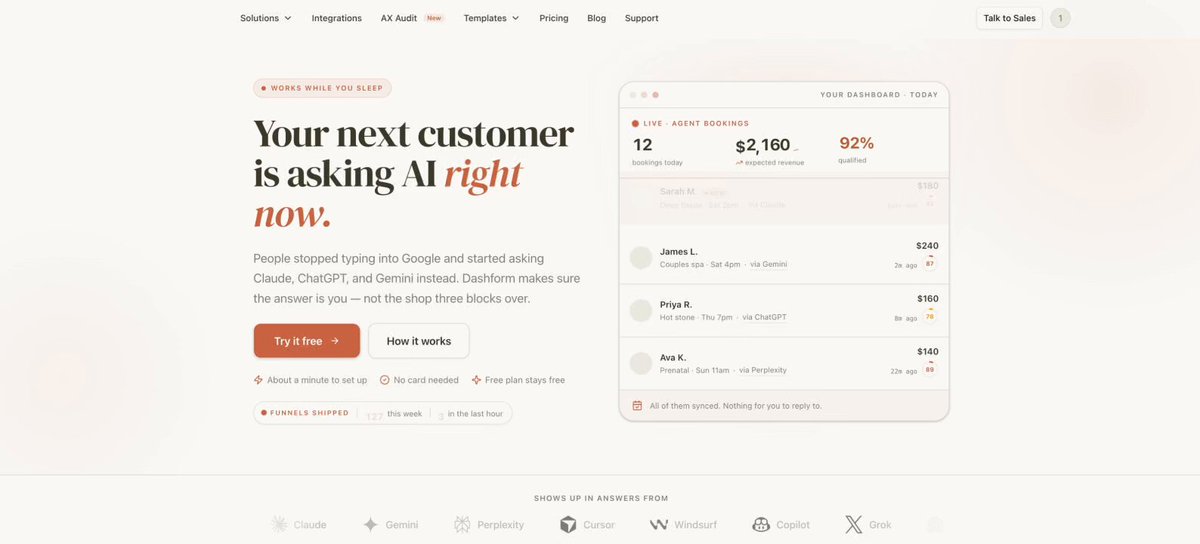
With just a few clicks and natural language, agents understand your business much better.
1
15
May 6
Quick test:
If an AI agent looked at your website today, would it know:
- what you sell
- who it is for
- how to book
- why it should trust you
1
26
May 6
OpenAI’s recent shopping/product discovery updates show a bigger pattern: the search journey is moving inside the chat. People do not just ask for links anymore. They ask AI to compare, narrow down, and decide.
That matters beyond ecommerce. If a customer asks an agent to find a salon, tutor, CPA, coach, or local service, the agent needs to understand who you serve, what you offer, how to qualify the request, and how to submit it.
The scary part is not fewer website clicks.
The scary part is being filtered out before the click ever happens.
1
54
Edward EFC retweeted

Mar 17
We launched YOYA AI — the world's first proactive AI marketing agent team — weeks before @askOkara announced their "AI CMO."
The similarities are... interesting:
Same $99/mo pricing
Same "enter your website, deploy agents" pitch
Same "get traffic and users" promise
But here's what's NOT the same:
YOYA actually runs autonomously. Our agents execute campaigns 24/7 — posting, replying, optimizing — without you lifting a finger.
Okara? It writes drafts. You still copy-paste and hit send manually. That's not an AI CMO. That's a fancy text editor with a marketing label.
We spent months building real automation while they spent weeks copying the positioning.
This is the difference between building a product and building a landing page.
If you want to see what a REAL AI marketing team looks like — try YOYA free for 1 month.
Use code: YOYA1FREE
5
1
11
1,653
Edward EFC retweeted
16 Dec 2025
Typeform is great.
But it wasn’t built for AI.
GetAIForm turns natural language into forms, logic, and follow-ups — instantly.
If you’re still clicking options, you’re already behind.
1
1
8
399
13 Dec 2025
Can’t wait to share more with our new friends!
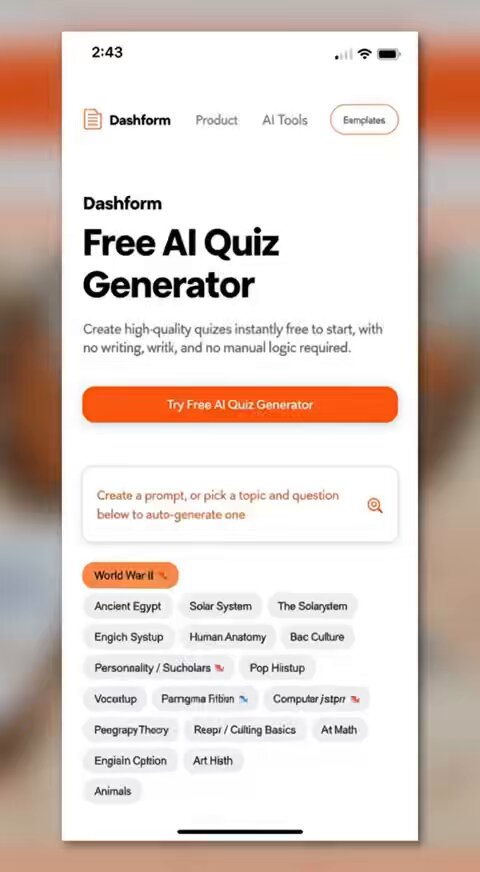
Shoutout to everyone who’s reached out asking about Dashform lately. It makes me so stoked to see this much interest.
Dashform is a next-gen form builder that feels intuitive and human. Unlike traditional forms, it dynamically adapts to respondents’ answers, triggering follow-up questions or skipping irrelevant ones. You can create or edit forms using prompts, screenshots or URLs, and it logs full conversations to pull out key details.
Who’s it for?
• Product teams (feedback, usability testing)
• Sales pros (lead capture, pipeline management)
• HR folks (onboarding, employee surveys)
• Operations teams (process optimization, task tracking)
• Support agents (customer issue forms)
• Marketers (event sign-ups, market research)
• Legal/compliance teams (surveys, document collection)
Your feedback helps us level up fast!
If you haven’t tried it yet, feel free to give it a go!
👉🏻 getaiform.com
1
6
180
Edward EFC retweeted
27 Aug 2024
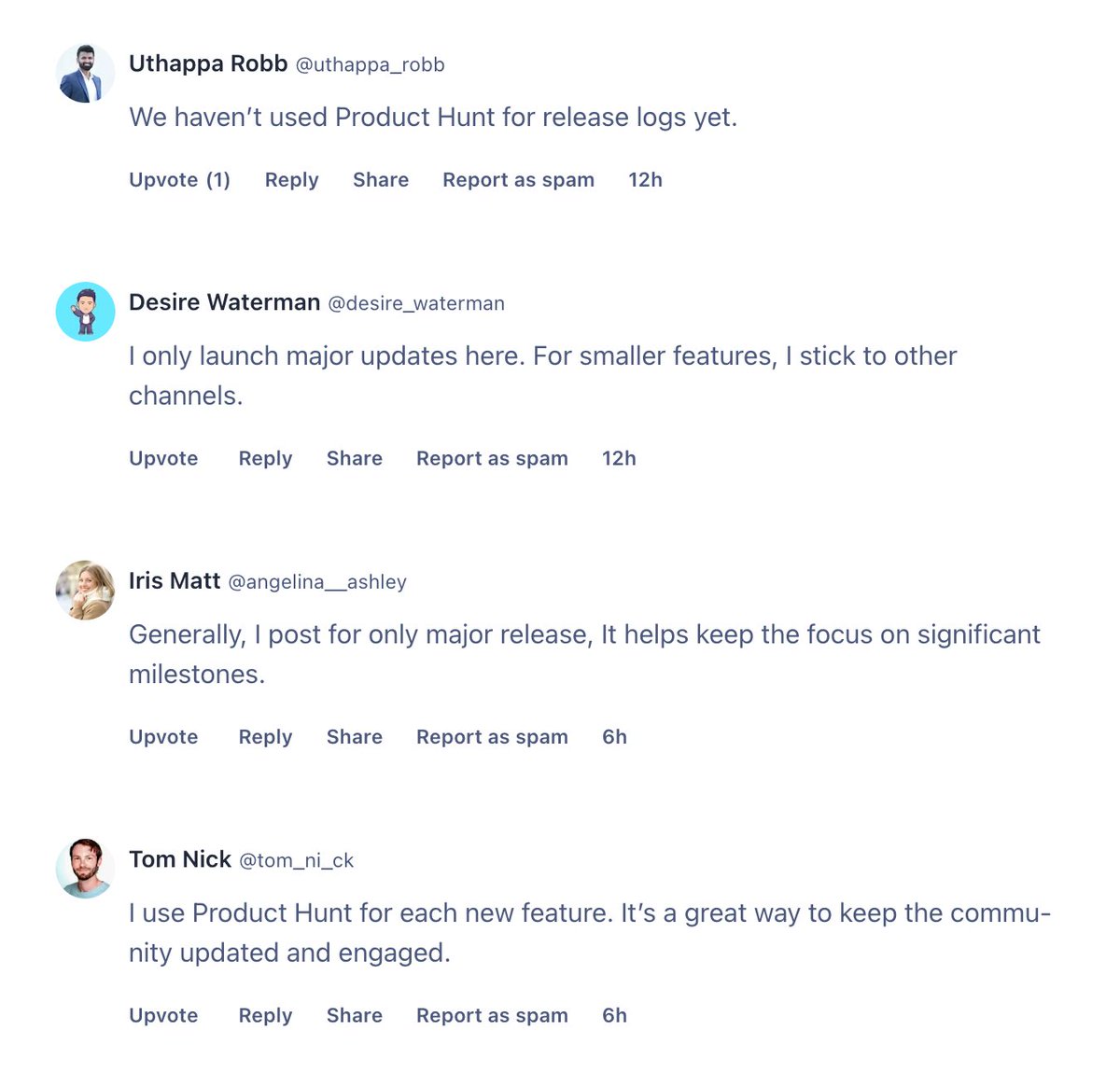
What’s going on with @ProductHunt @rajivayyangar?
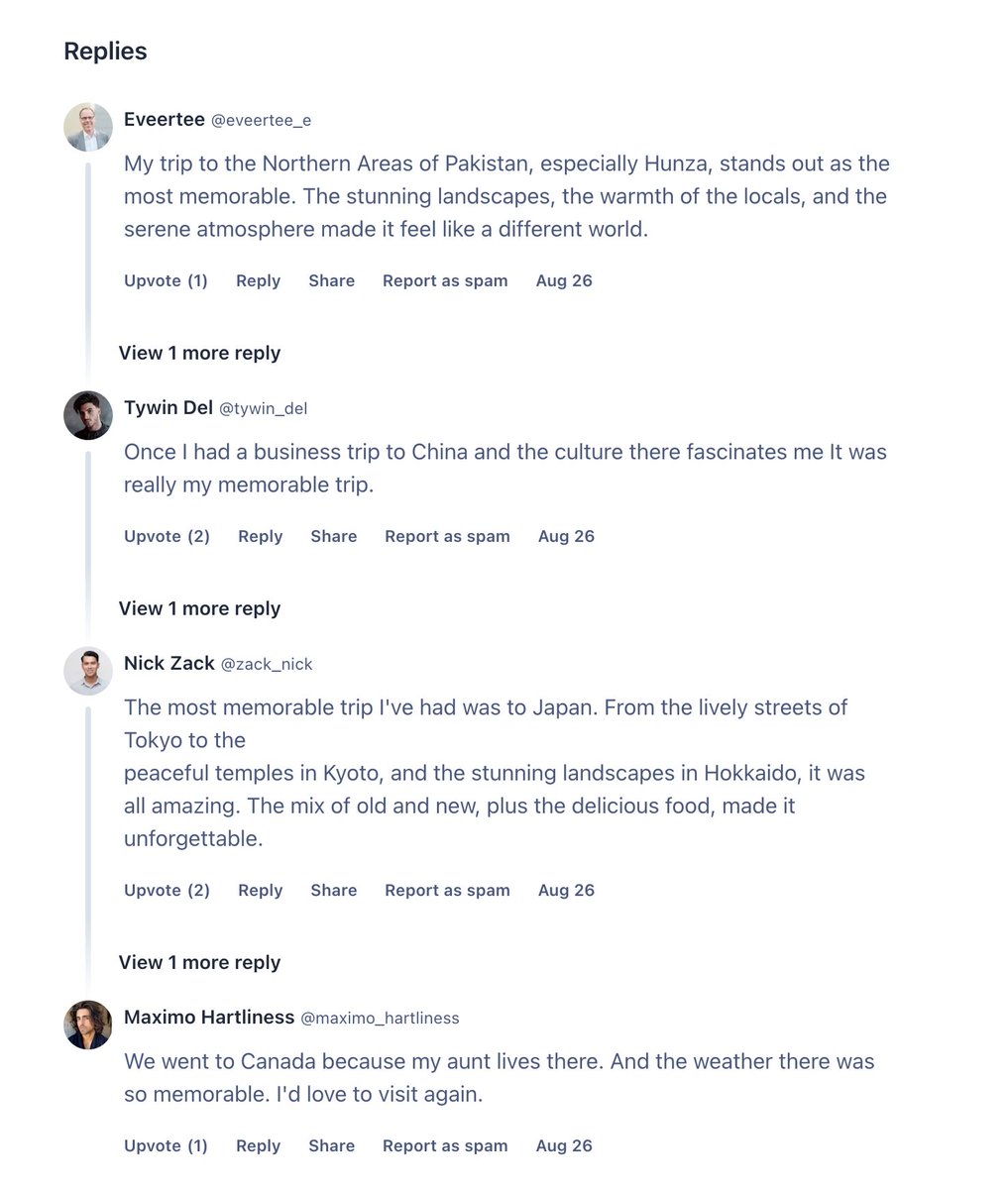
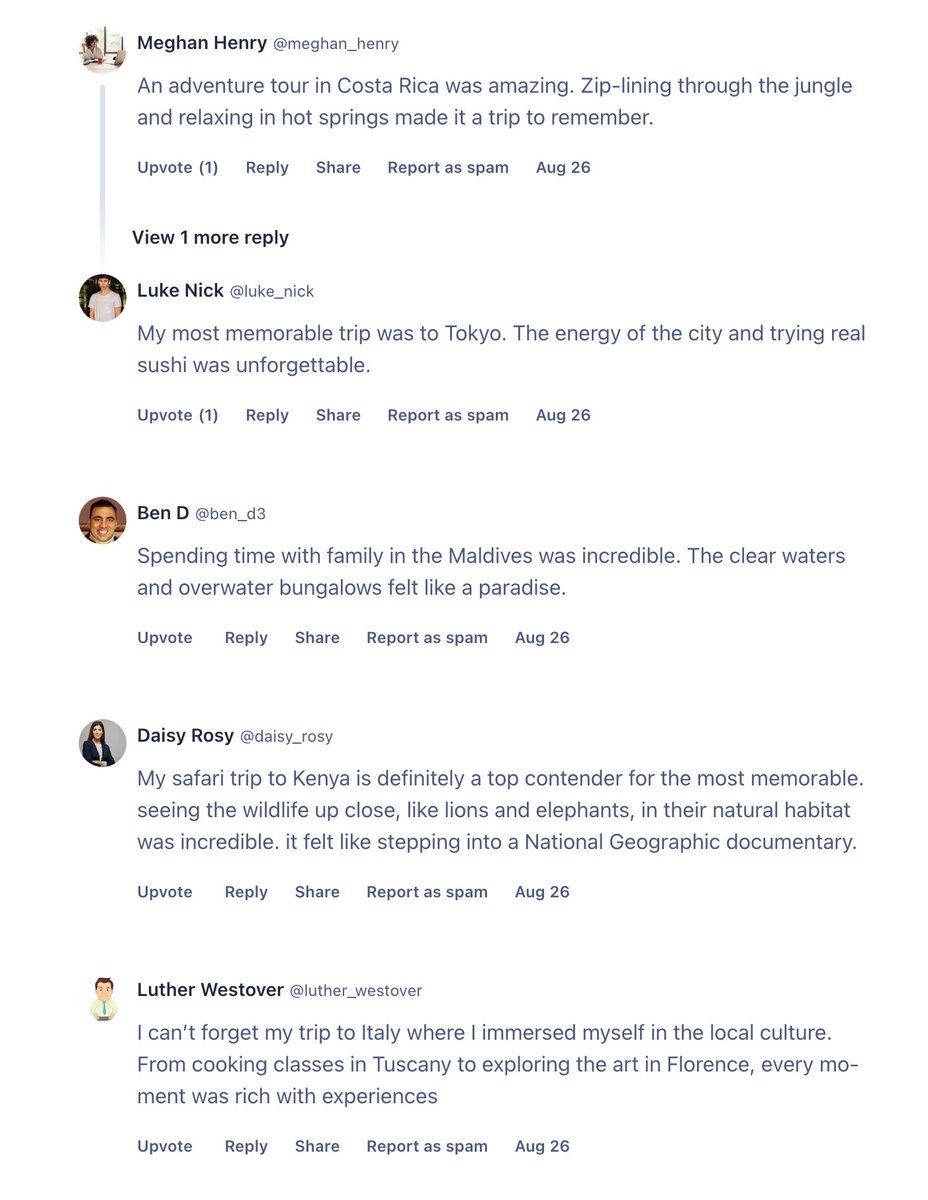
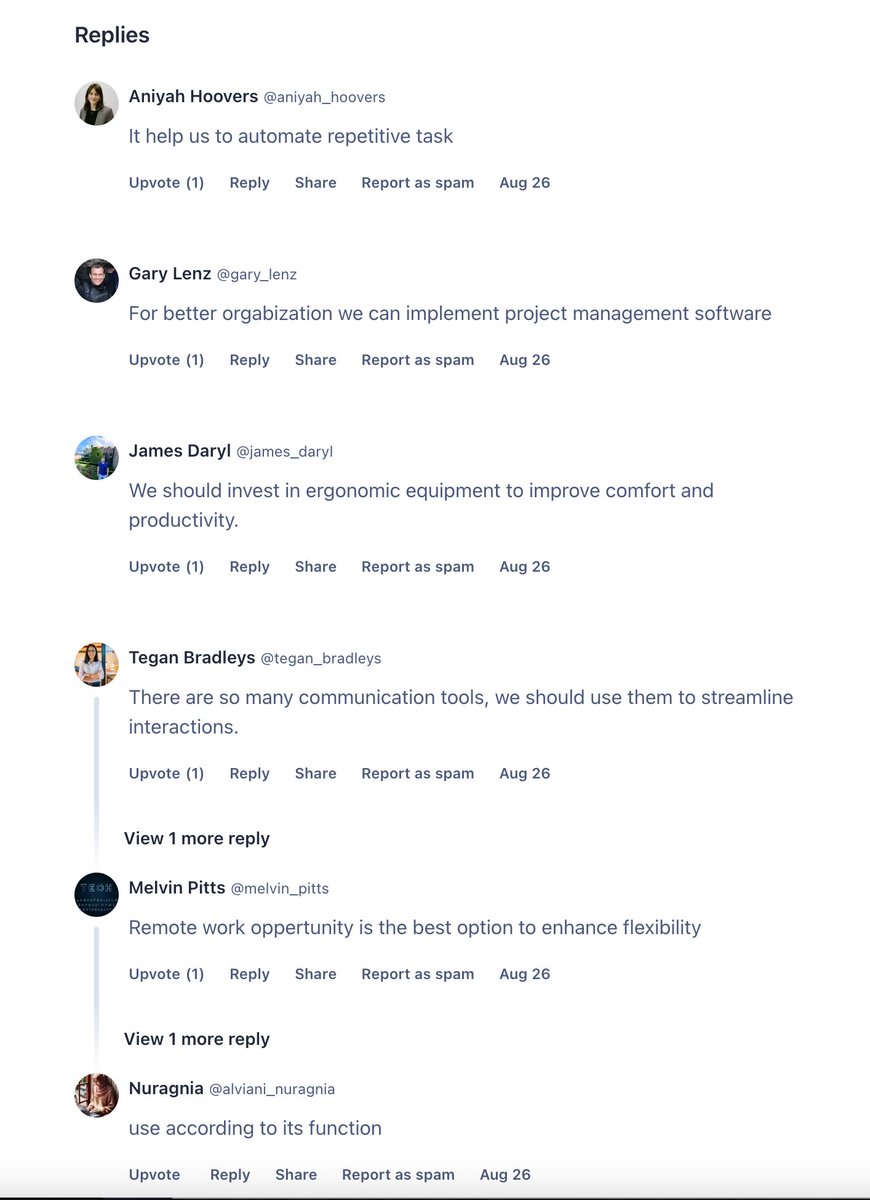
Just saw a discussion where every post had fake comments, photos, and names—all following the same bot-like pattern.
Are we living in a bot world?
11
3
26
2,152
Edward EFC retweeted
6 Jul 2024
Hey everyone, we are launching @ProductHunt🚀 Show us some love!
Create professional photos with AI to enhance your photos with amazing filters, effects, and artistic styles.
We would really appreciate your support! ✨producthunt.com/posts/freeph…
10
3
36
2,005
Edward EFC retweeted
27 May 2024
I found a really useful AI agent called YOYA AI
It can help you grow X followers automatically
More engagements, More followers. We all know that and YOYA can help us do it!
4
5
22
1,713
Edward EFC retweeted
2 May 2024
Best Indexing by Google tool got updated! It has Mac/Windows/Linux GUI client right now.
GSC Agent will help you index all pages in seconds and you only need pay once, no subscription.
The best part is the privacy! You can use it on your own computer and google account. Your website data will never leak by third-party indexing tool!
4
4
23
3,569
Edward EFC retweeted
24 Apr 2024
Wow, I found a really useful tool for SEO and Social media.
Just input any Youtube links, you can get dedicated blog and twitter thread together.
It is the best affordable marketing tool I have ever met!
Check the videototweet dot com
5
3
21
3,431
Edward EFC retweeted
23 Apr 2024
Great #indiehackers and #bootstrapping story No.5
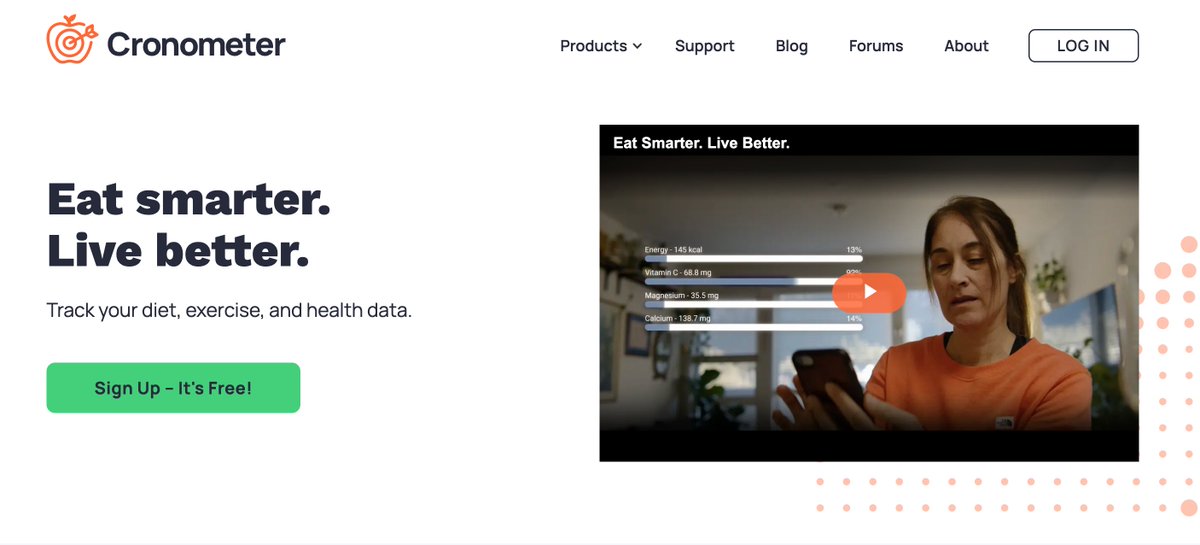
🌟 Spotlight on Cronometer: Mastering Nutrition Tracking Made $40000/month🌟
About: Founded in 2005 by Aaron Davidson, Cronometer grew from a personal project to a leading nutrition tracker app, now generating $40K/month.
Business Model:
Freemium Access: Core features for free, advanced options in paid tiers.
Revenue Streams: AdSense, premium subscriptions, and app sales.
Growth Strategy:
Organic & Influencer Marketing: Driven by word-of-mouth, partnerships with health influencers, and minimal paid ads.
Community-Driven: Thrives on recommendations across blogs, forums, and social platforms.
Cronometer transforms personal health tracking with its detailed database and user-friendly design, proving essential for over a million users.
#HealthTech #NutritionTracking #StartupSuccess
3
2
12
1,295
Edward EFC retweeted
11 Apr 2024
Great #indiehackers story series 2:
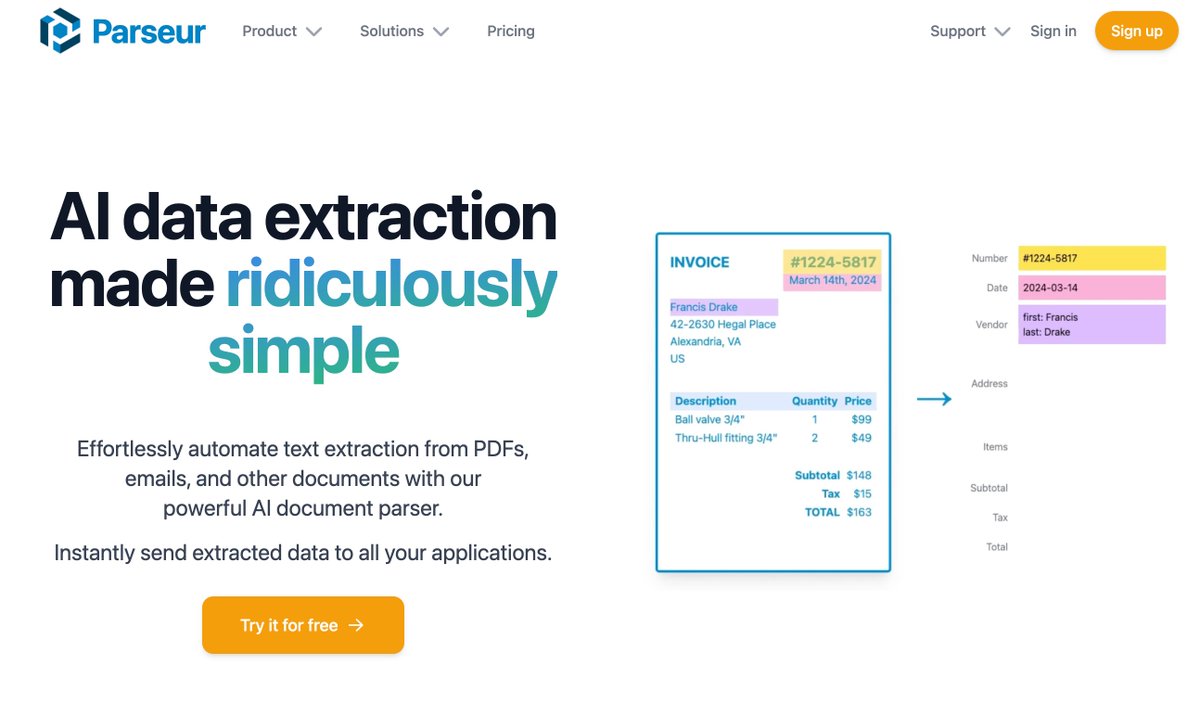
📈 Parseur: Bootstrapped Success in Document Parsing 🚀
About Parseur: Discover Parseur, the powerhouse subscription software automating data extraction from emails & documents, including PDFs. Streamlining workflows has never been easier.
The Visionary Team: Founded in 2016 by the dynamic duo @SlyBridges , Parseur is the brainchild of tech innovators committed to simplifying data extraction.
Business Model & Skyrocketing Revenue: Embracing a SaaS model, Parseur's journey to over $40k monthly revenue is a testament to the power of subscription-based services in today's digital age.
Winning Distribution Strategy: Dominating with organic traffic through SEO, Parseur secures top rankings for competitive keywords, showcasing the importance of solid content and SEO mastery.
Parseur isn't just a tool; it's a revolution in handling data extraction, powered by a bootstrapped, visionary team. Watch this space for more on their journey to transforming document parsing. #TechInnovation #SaaS #Parseur
1
2
13
1,480
Edward EFC retweeted
10 Apr 2024
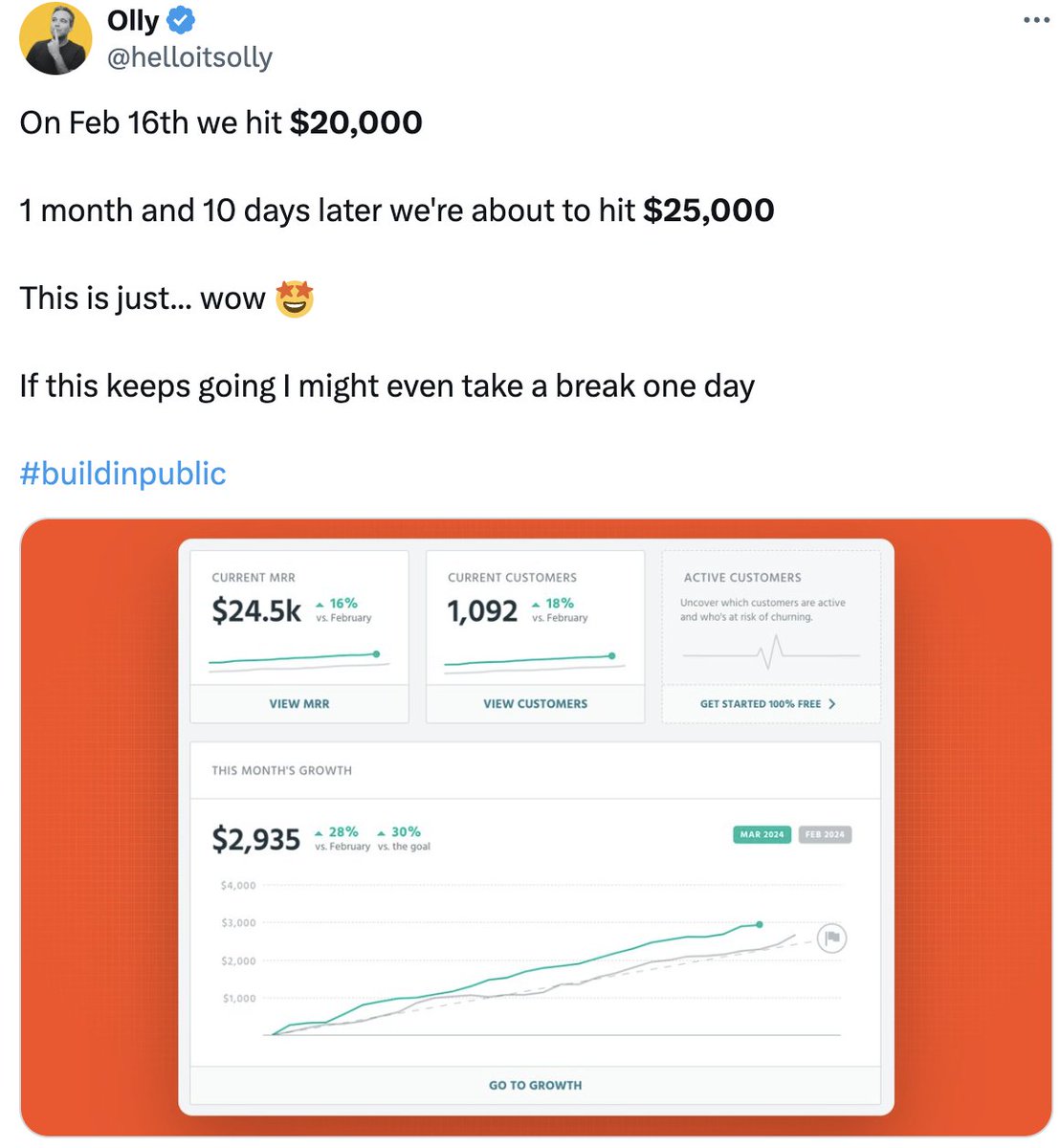
My new #indiehackers and #buildinpublic story series start! The first story is from @mynameis_davis
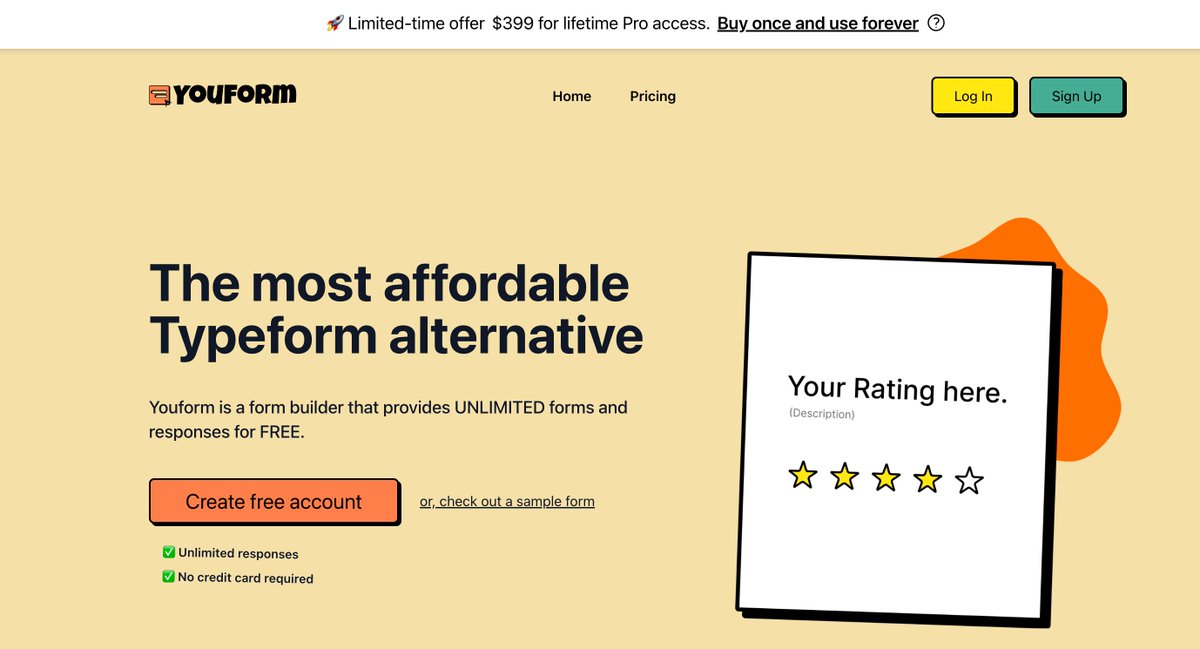
🚀 Youform: The TypeForm Alternative That's Making Waves 🚀
About Youform: Meet Youform, the innovative form builder offering unlimited forms & responses for FREE. A game-changer for users and businesses alike. 📊✨
The Team Behind the Success: The brains behind Youform, Davis and Abhishek, combined their talents to revolutionize the SaaS world. With Abhishek's front-end prowess and Davis's visionary insight, they're a dynamic duo! 🧠💡
Business Model & Revenue: Youform's allure? A free plan offering vast capabilities with the option to go premium at $29/month for brand-free forms. Their launch deal? $399 for lifetime access, rocketing to $12,000 in revenue in just 3 weeks since February 2024. 💰🚀
Distribution Strategy: Leveraging a Twitter following of 18,000, the founders sparked interest and engagement, showcasing the power of social media in scaling a SaaS product. 🐦📈
Youform isn't just another form builder; it's a testament to what's possible when innovation meets determination. Stay tuned for more from this rising star in the SaaS universe! #SaaS #StartupSuccess #Youform
4
3
19
2,069
Edward EFC retweeted
6 Apr 2024
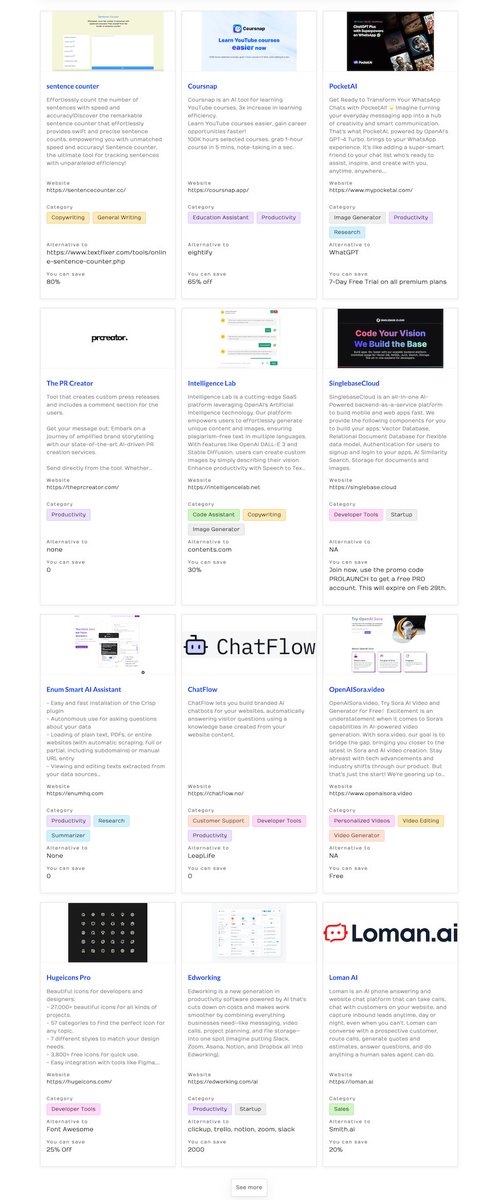
I just featured 50 new products today on AffordHunt.
What you have built recently? Let's share your product here and I will help you boost the traffic!
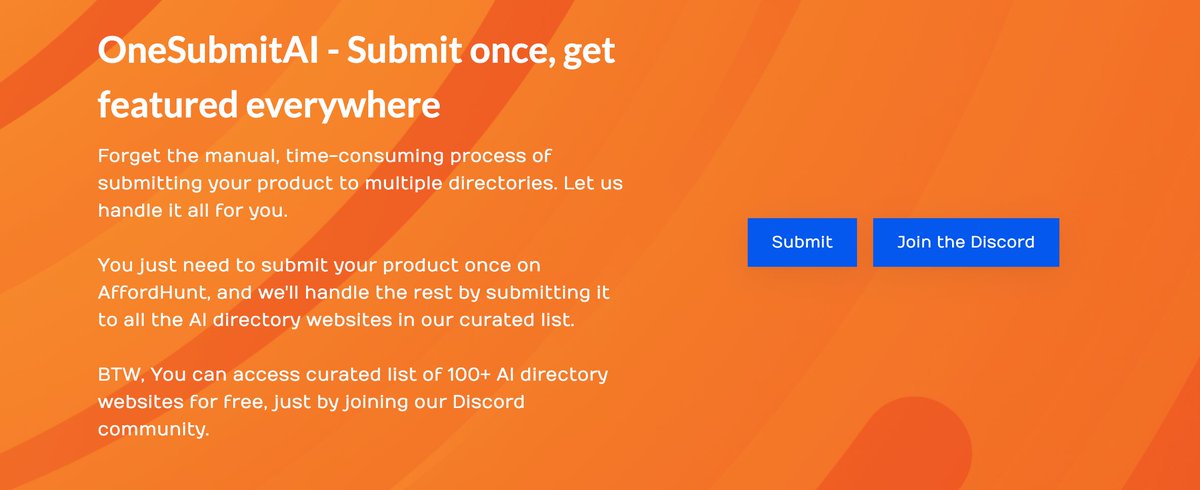
Don't forget the OneSubmitAI, submit once, featured over 100 AI & SaaS directories for FREE.
3
2
9
1,214