
Berlin correspondent @Telegraph covering Germany, Poland, the Baltics and Scandinavia. Previously in Jerusalem and London.
Joined June 2010
- Tweets 19,035
- Following 5,673
- Followers 13,721
- Likes 7,448
948 Photos and videos








Pinned Tweet

26 Feb 2022
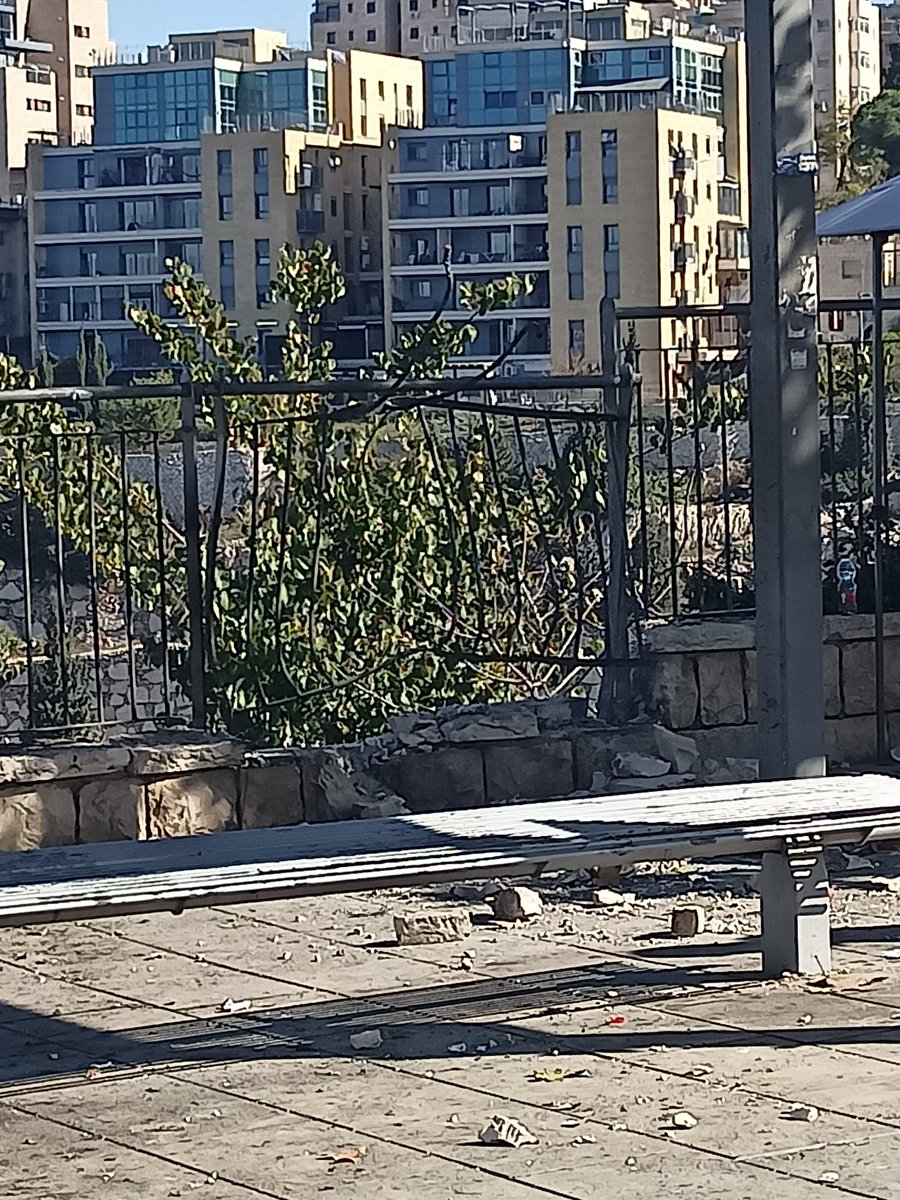
On the highway out of Kyiv - the Ukrainians have ripped down the road signs so the Russians get lost and put up another one that says "good luck"
967
13,538
163,625
Seriously good dispatch from our Defence Ed which uses a Nato exercise in Finland to illustrate one of the most pressing and divisive questions in rearmament, and which side the UK is leaning towards. Part 5 of our Europe Rearms series:
Jun 8

I’ve been in Finland watching a NATO drill as troops from across the alliance were worked on resisting a Russian invasion. But while there, the struggle of operating a tank in a 21st century battlefield was made very clear. Here’s an extract of my story:
Hidden in dense woodland 18 miles from the Russian border, Nato anti-tank teams lie in wait to ambush a Finnish column.
The scrape of metal tracks across a dirt road pierces the silent forest as the pack of German-made Leopard 2 tanks charges forward.
Without warning, camouflaged soldiers break cover from the treeline and unleash a volley of missiles at the heavily armoured vehicles before the Finnish conscripts have time to react.
Within seconds, three tanks are destroyedand their young crews, aged 19 and 20, are killed as the anti-tank teams quietly slip back into the wilderness.
Almost 300 miles to the south, in the lake-potted forests near Kouvola, another group of Leopard 2s is immobilised by drones and artillery strikes on the border, having bunched up too closely together on a track through pine trees.
Both attacks were simulated by Nato forces as part of a major military exercise called Northern Star involving 5,000 troops from seven nations, including Britain, in Finland’s heavily wooded eastern Kainuu region.
But the drills reveal what could be Nato’s reality in a future war against Russia if the alliance doesn’t move away from traditional arms such as tanks and towards modern warfare. Last week Latvia’s military chief warned that Moscow has gained an edge over Nato in drone warfare and could exploit Europe’s slow rearmament drive and invade the Baltics by 2028.
Nato commanders now face a looming crisis: learning how to fight on a 21st-century battlefield dominated by AI-assisted drones that can rapidly spot and target tanks and military vehicles from the skies.
The alliance must now keep up with the evolution of land warfare to be able to fight Russia, military chiefs told The Telegraph. If it doesn’t, there are fears we could see the fall of the Baltics to Moscow.
That will mean speeding up the procurement of drones and the development of factories to build them at scale, while pumping more money into developing the next generation of military vehicles with integrated autonomous systems.
Traditionally, the frontlines were ruled by tanks. Acting as armoured juggernauts, they were able to punch through enemy defences with firepower.
And while military planners still believe tanks have a place in war, some have questioned whether they are able to hold ground as they did in the past.
Full story: telegraph.co.uk/gift/2a31256…
1
3
1,144
Having a blast with this. The readers and I are discussing Chicken Run and what it can teach us about European defence planning, risks of appeasement etc. Join us:

Going below the line to discuss with our readers in the comments shortly.
1
435
Going below the line to discuss with our readers in the comments shortly.
How Britain fell behind Europe in race to prepare civilians for war - reporting from an army base in Poland for Part 3 of our Europe Rearms special series:
telegraph.co.uk/world-news/2…
3
2
4
7,327
Also features a video of me in a diabolically ill-fitting hat.
1
474
How Britain fell behind Europe in race to prepare civilians for war - reporting from an army base in Poland for Part 3 of our Europe Rearms special series:
telegraph.co.uk/world-news/2…
1
7,166
Part 2 of our special series on European rearmement with @Barnes_Joe:
Putin gains upper hand as Trump triggers European missile crisis telegraph.co.uk/world-news/2…
252
James Rothwell retweeted

May 21
Working for WaPo’s Middle East team was an honour. But I made the heartwrenching decision to leave the paper last month.
I’m still in Lebanon and open for new opportunities. If your newsroom is looking for narrative-driven accountability reporting (or other things!) do reach out
8
62
248
26,977
Got to respect his 100 per cent commitment to the bit
May 15

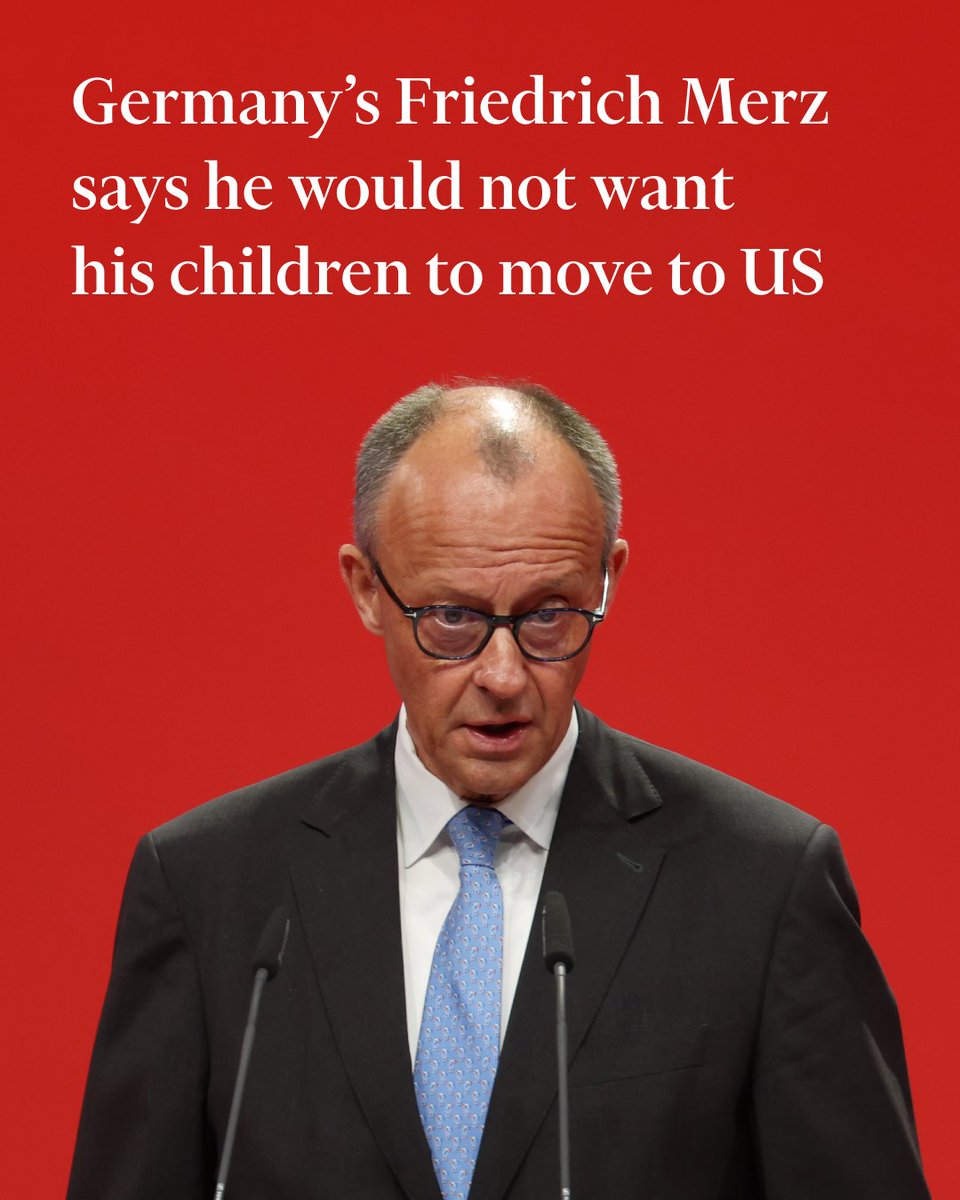
The German chancellor said he would dissuade his children from moving to the US given the 'social climate developing there'. Friedrich Merz added: 'I am a big admirer of the US. But my admiration is currently not growing.' ft.trib.al/fZrGGs9
1
606
James Rothwell retweeted

May 11
"While the company might be best known in Britain for the MP5, featured in dozens of special forces action films and video games, it is also about to enter the air defence sector with an automatic grenade launcher that shoots down drones" - top read from @JamesERothwell
Reporting from Heckler & Koch's gun factory on Germany's massive rearmament drive:
telegraph.co.uk/world-news/2…
1
2
1
1,115
Reporting from Heckler & Koch's gun factory on Germany's massive rearmament drive:
telegraph.co.uk/world-news/2…
2
1,439
Friedrich Merz arrived at full throttle, but one year into his term he is hamstrung by restive coalition partners, the Iran war and - as he sees it - an electorate that loves to complain all day about Germany but fiercely resists doing anything to fix it
telegraph.co.uk/world-news/2…
457
The Baltic ballad of Timmy the stranded whale draws to an (in)glorious finale, as he is dumped in the North Sea to gleefully swim to freedom/die in peace
telegraph.co.uk/world-news/2…
446
Donald Tusk warns NATO is disintegrating as Trump pulls 5,000 troops from Germany in revenge for criticism of Iran war strategy
telegraph.co.uk/world-news/2…
1
300
“I am looking for the big one. I am looking for Chonkers."
telegraph.co.uk/world-news/2…
371
The rollercoaster bromance between Trump and Merz has come to an end. Many Germans will be relieved, as it hinged on their leader sitting in meek silence while the US President laid into his closest allies:
telegraph.co.uk/world-news/2…
2
287
Why NATO isn't worried by Trump's latest threats to withdraw troops from Germany:
telegraph.co.uk/world-news/2…
245
Are YOU following the Warsaw boar war? Latest with Pawel Kwiecien on the story of the summer - gift link:
telegraph.co.uk/gift/64f9ec0…
278
James Rothwell retweeted

Apr 10
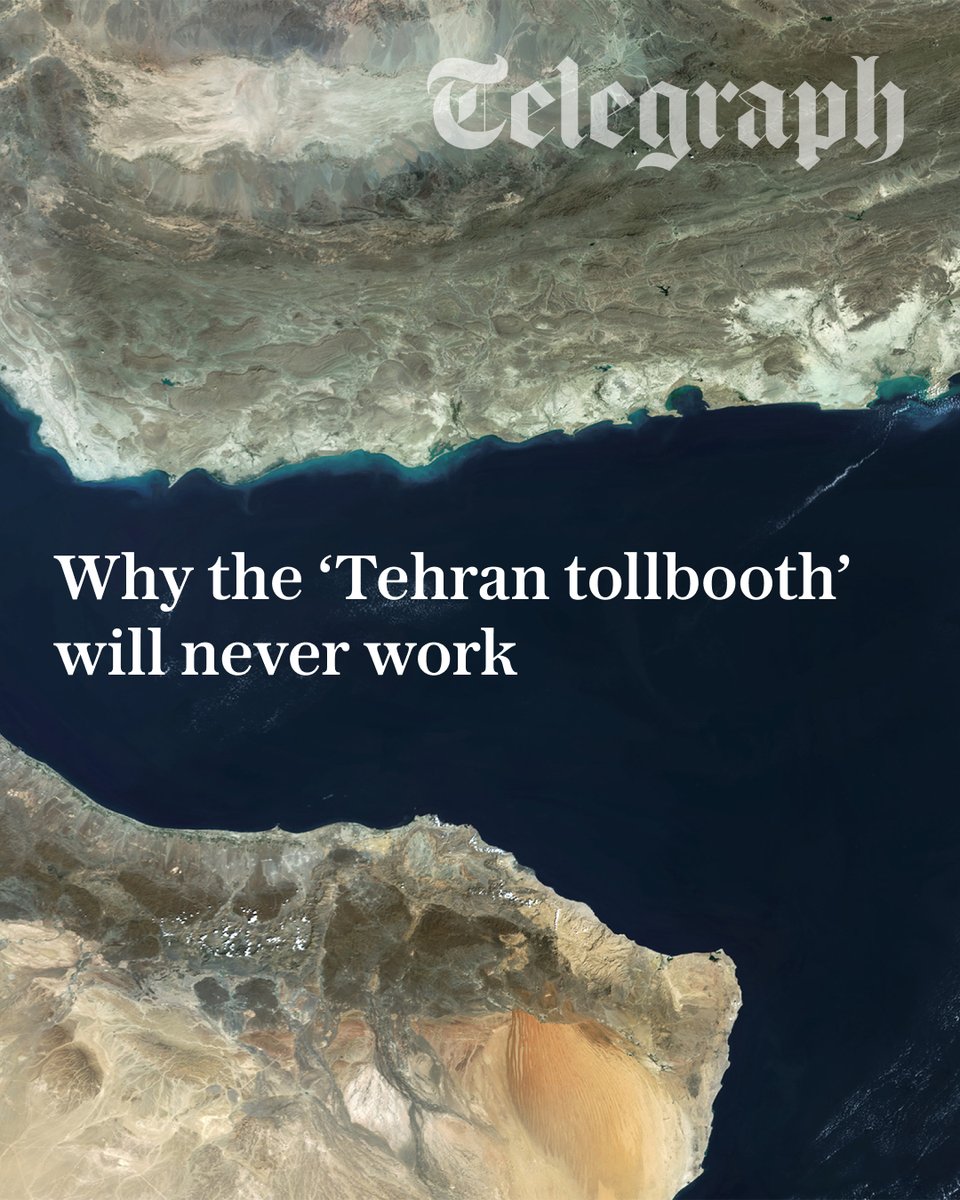
🔴 Iran’s plan risks a boycott from ship owners that could effectively shut the Strait of Hormuz
🔗:telegraph.co.uk/business/202…
77
52
154
292,803
Memphis goes inside the jawbone market making a mint off the Gulf crisis - where oil traders "peer into the future like sweaty, creatine-pumped fortune-tellers"

My piece on the 'jawbone' war telegraph.co.uk/world-news/2…
2
2
588
James Rothwell retweeted

Apr 1
Amazing.
- Merz says 80% of Syrians should leave Germany in the next three years
- amid confusion and irritation, Merz says he was merely quoting a figure mentioned by al-Sharaa
- al-Sharaa says he did not use the figure and that it came from Merz

Der syrische Präsident bestreitet bei einer Veranstaltung in London die eindeutige Aussage, wonach 80 Prozent der Syrer innerhalb von drei Jahren zurückkehren sollen.
„In Wahrheit ist diese Aussage etwas übertrieben. Nicht ich habe sie gesagt, sondern sie wurde mir zugeschrieben“, sagt Al-Scharaa. „Es war der Herr Kanzler, der diese Worte gesagt hat.“
Die Zahl sei zwar womöglich erreichbar, aber nur unter Bedingungen. Al-Scharaa betonte: "Der Geflüchtete hat das Recht, mit Freiheit und eigenem Willen zurückzukehren." Zuerst berichtet vom @derspiegel
27
357
2,869
111,141