Thurman belongs in the Hall of Fame. That’s it, thats the Tweet.
Joined March 2011
- Tweets 3,482
- Following 976
- Followers 846
- Likes 10,754
259 Photos and videos




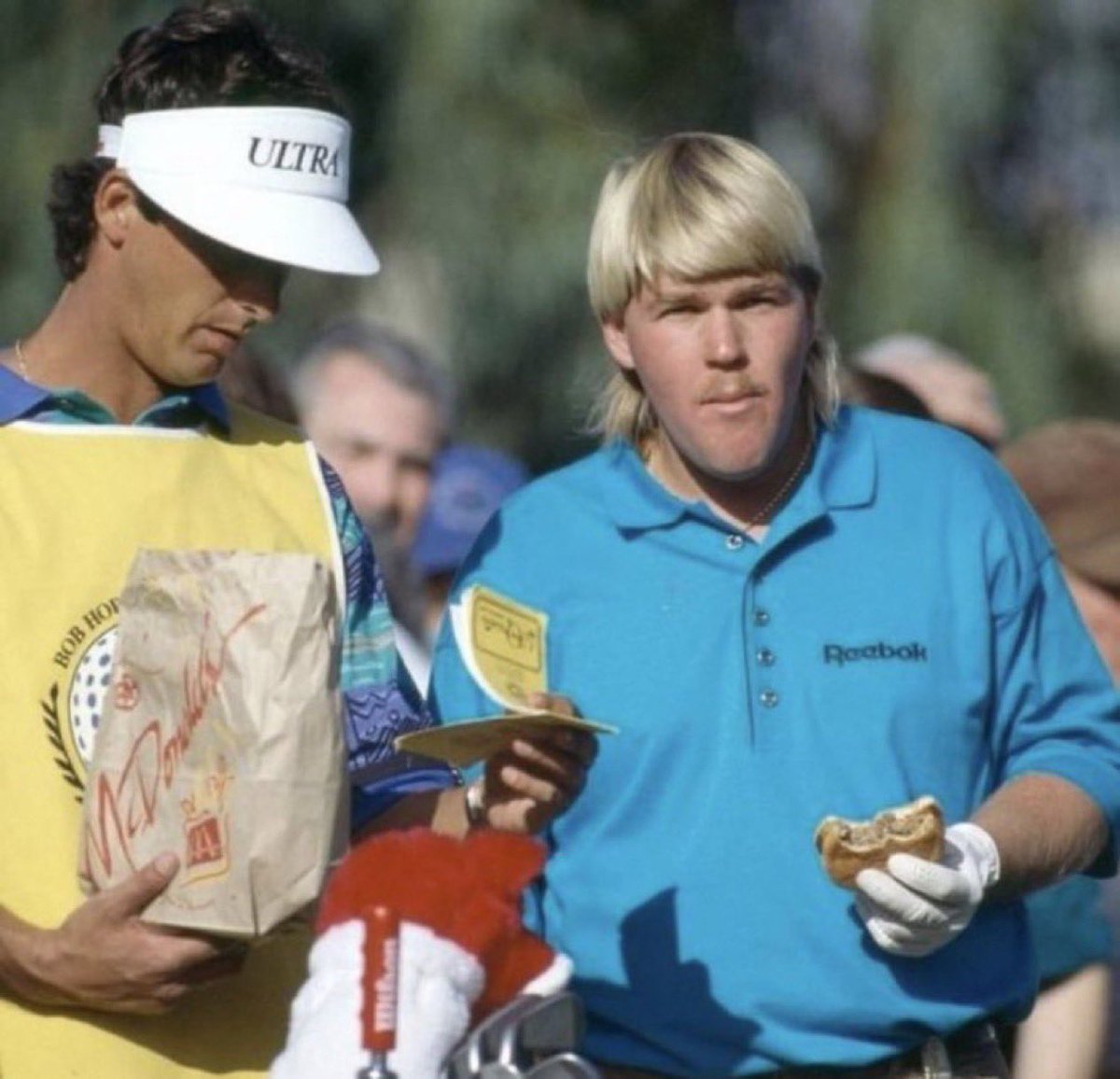
Tweet of the day right here….

“What’ve we got?”
“200 over the water, 220 to the front, 235 to the pin.”
“Hand me the Quarter Pounder.”
1
196
Jim DeSantis 🇺🇸 retweeted

Jun 12
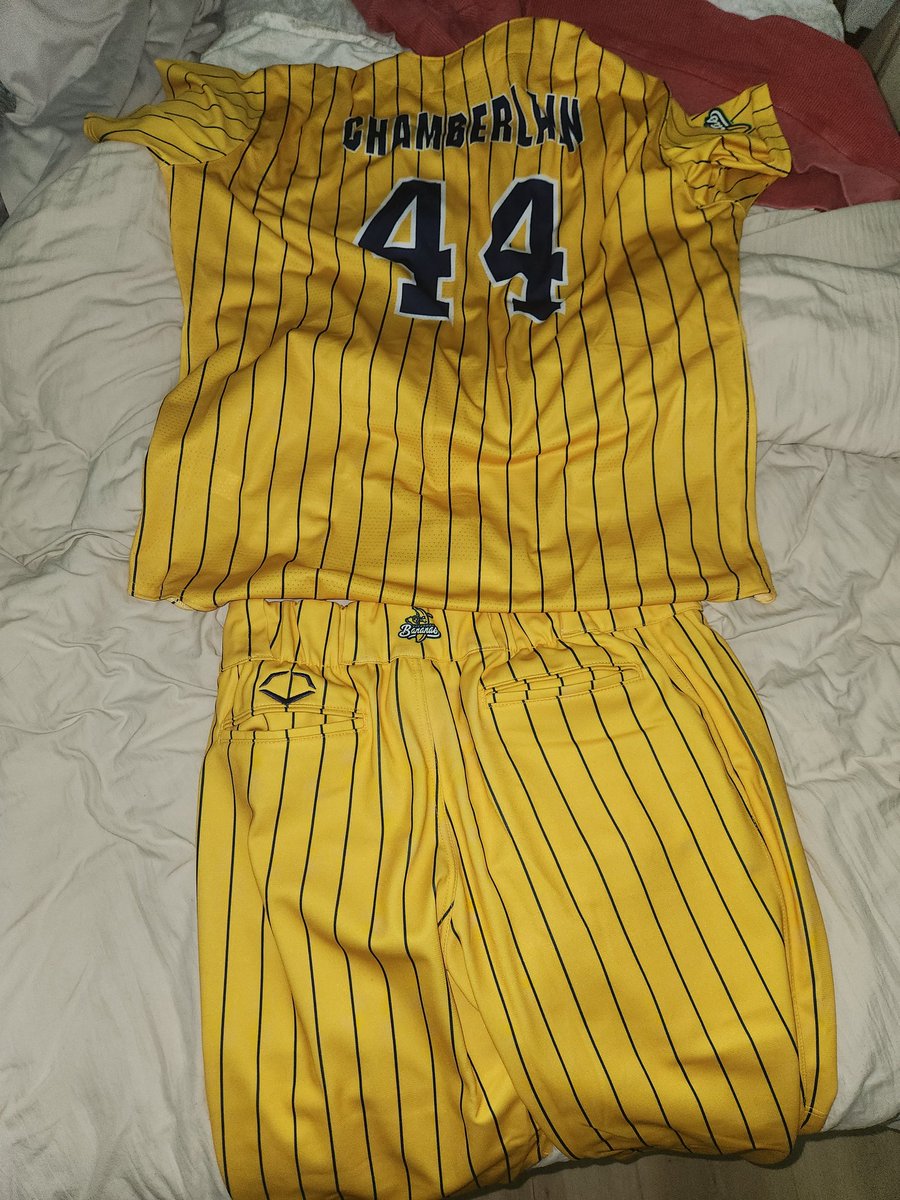
I can't put into words what this meant to me. Some may think it is stupid but it made a fat kid from lincoln nebraska know what love and joy is. Thank you so much @coachviro @TheSavBananas
53
44
1,578
51,386
Jim DeSantis 🇺🇸 retweeted

Throwback to July 18, 1999, when David Cone threw the 16th flawless game in MLB history against the Expos on Yogi Berra Day.
12
49
550
28,044
Jim DeSantis 🇺🇸 retweeted

Jun 11
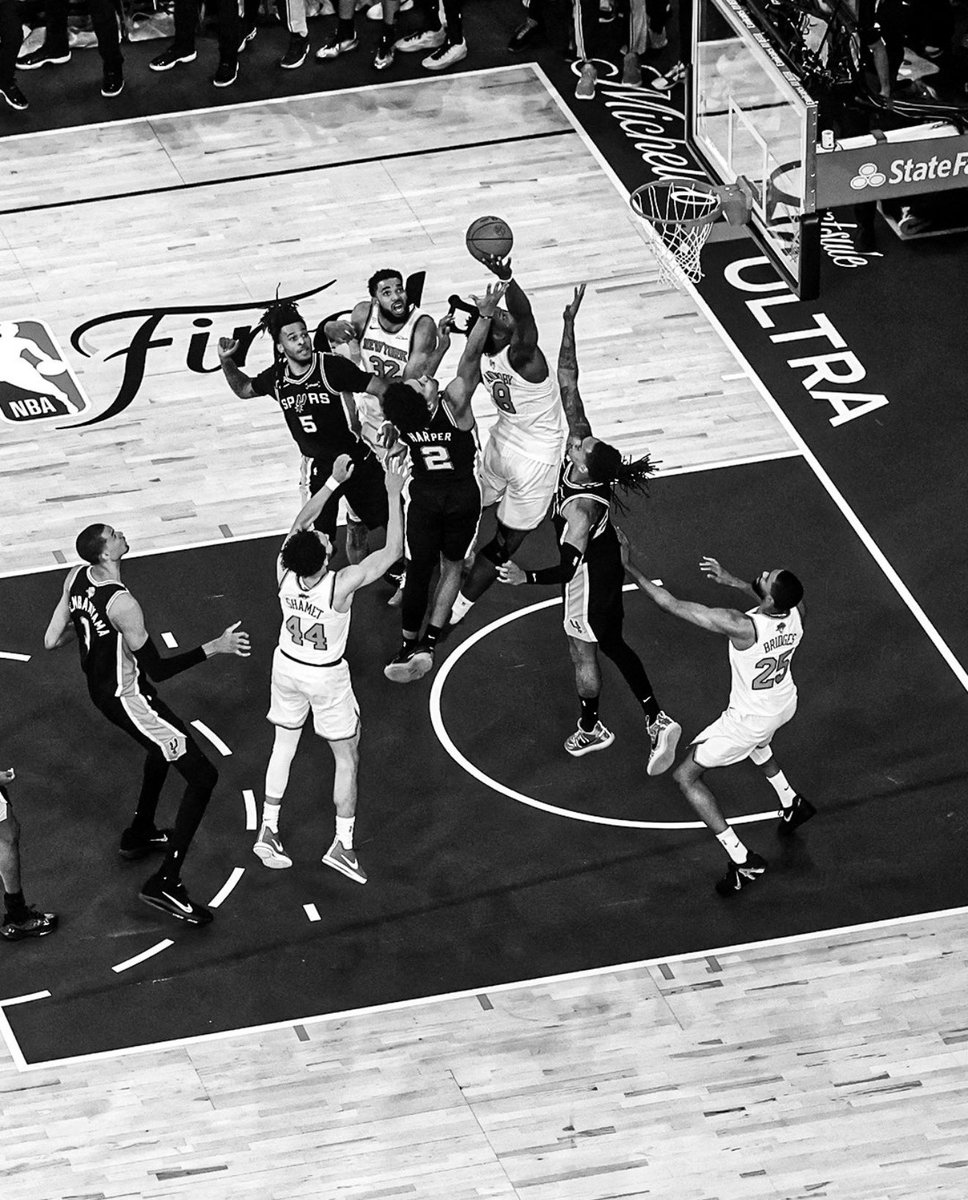
Joe Murphy of the @NBA photography crew was the one who captured this image.
A life changing moment for Joe. 📸
I will be in heavy pursuit of this image signed by Joe. The photographers are artists. The image will be on the walls of thousands of fans.
The photographers work is what creates a lasting impact in our head. Congratulations to Joe. 👏
9
141
1,185
30,521

Jun 12
This…
Jun 11

Jalen Brunson post Game 4: "Before we start…
My thoughts & prayers are with a friend of mine I got to meet last week. Jonathan from North Carolina. From Make a Wish Foundation
They asked me to make a video. But something told me to Facetime…
I got the pleasure to do so…Quick call but well worth it.
My thoughts and prayers are with him and his family…
May God rest his soul"
(Reporter asks question)
Jalen (can't answer): "Sorry…"
1
3
135
Jim DeSantis 🇺🇸 retweeted

Jun 11
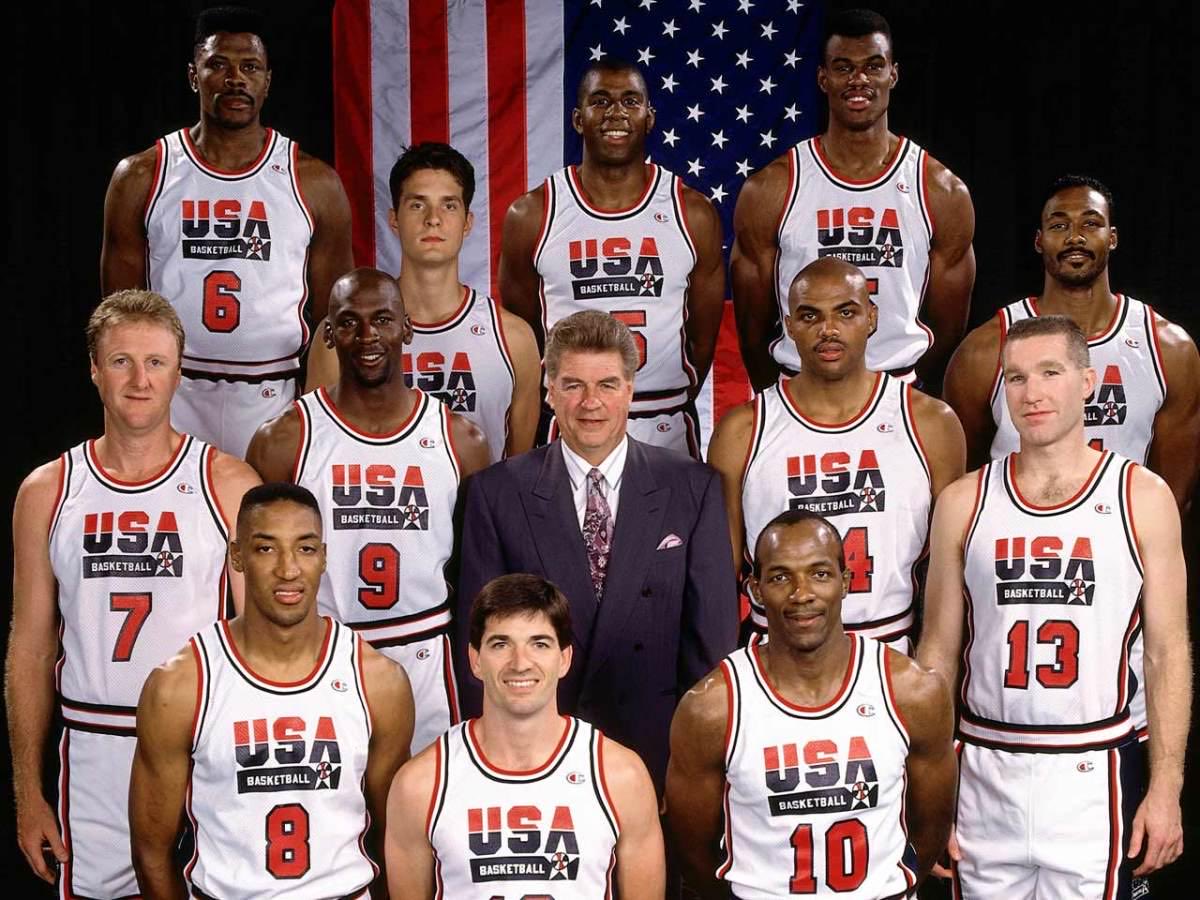
The Knicks after Wu-Tang Clan performed at halftime
57
1,937
18,331
498,393
Jim DeSantis 🇺🇸 retweeted

Jun 11
This video will be engraved in Knicks fans’ heads for years
322
1,534
25,750
2,372,557
Jim DeSantis 🇺🇸 retweeted

Jun 10
Muhammad Ali dodges 21 punches in 10 seconds (1977)
254
1,217
14,433
3,018,209
Jim DeSantis 🇺🇸 retweeted

Jun 9
Here's why Hee Haw is the greatest show in American television history.
Johnny Bench singing "You Don't Mess Around With Jim."
111
341
3,031
210,307
Jim DeSantis 🇺🇸 retweeted

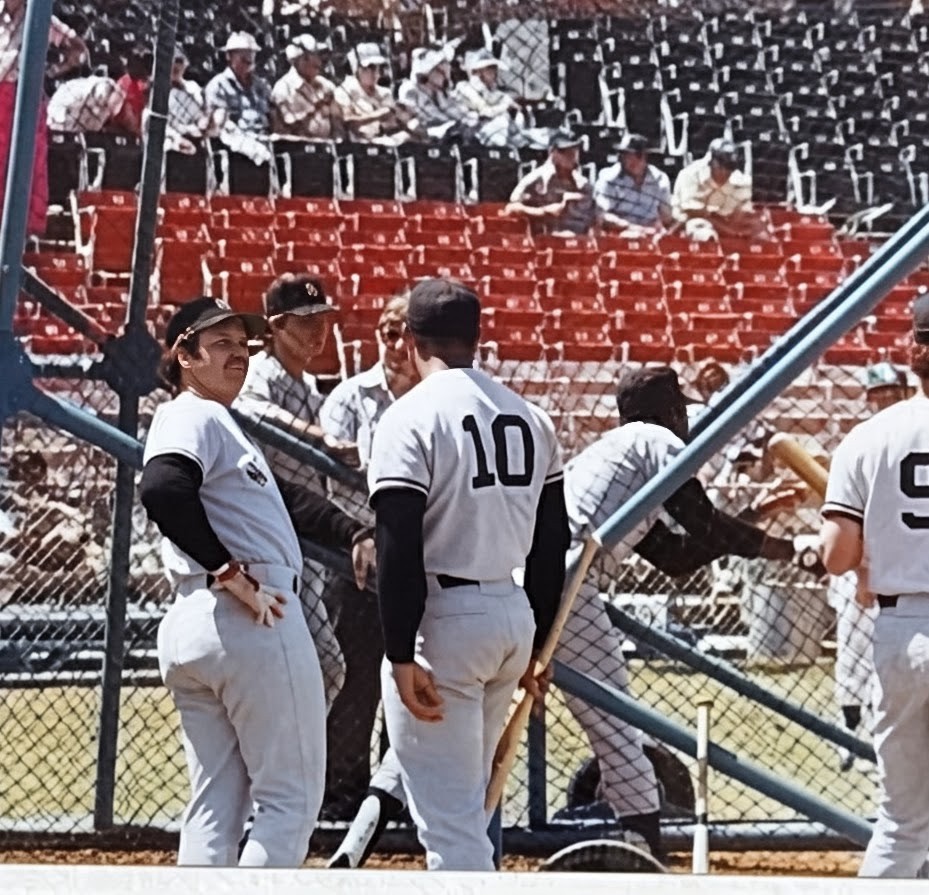
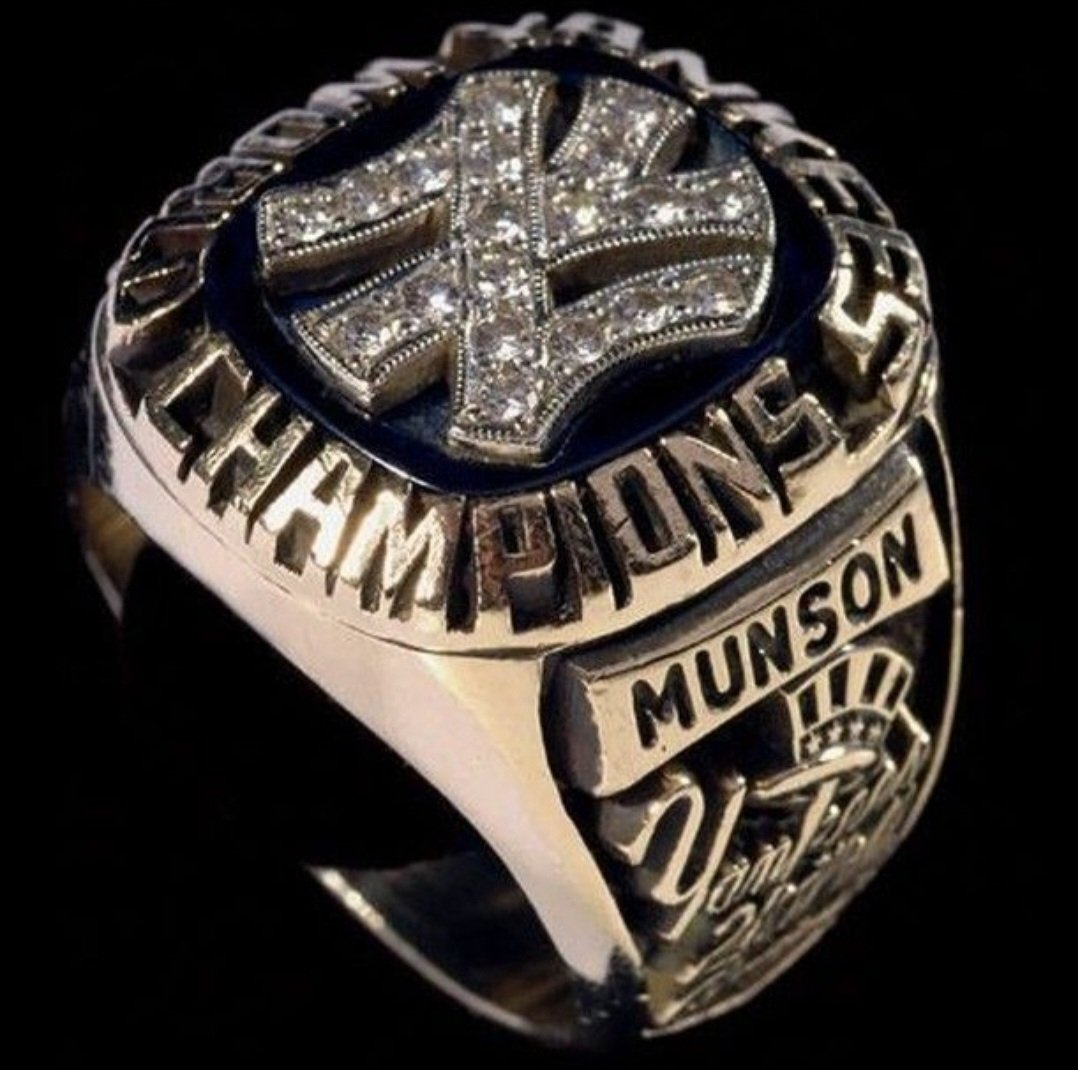
70s Yankees
Munson, Chambliss, Nettles,
Rivers in the cage
8
127
1,042
Jim DeSantis 🇺🇸 retweeted

Jun 9
Caitlin Clark game-winner as seen on phantom 👻🎻🎼
600
1,958
31,987
2,413,682
Jim DeSantis 🇺🇸 retweeted

The A-Team saves the day.
388
4,721
26,438
2,673,290
Jim DeSantis 🇺🇸 retweeted

Jun 2
“I might have been given a bad break, but I’ve got an awful lot to live for.” - Lou Gehrig
Today we honor the life and legacy of The Iron Horse as we continue the fight against ALS. #LouGehrigDay
To donate and learn more, visit MLB.com/4ALS
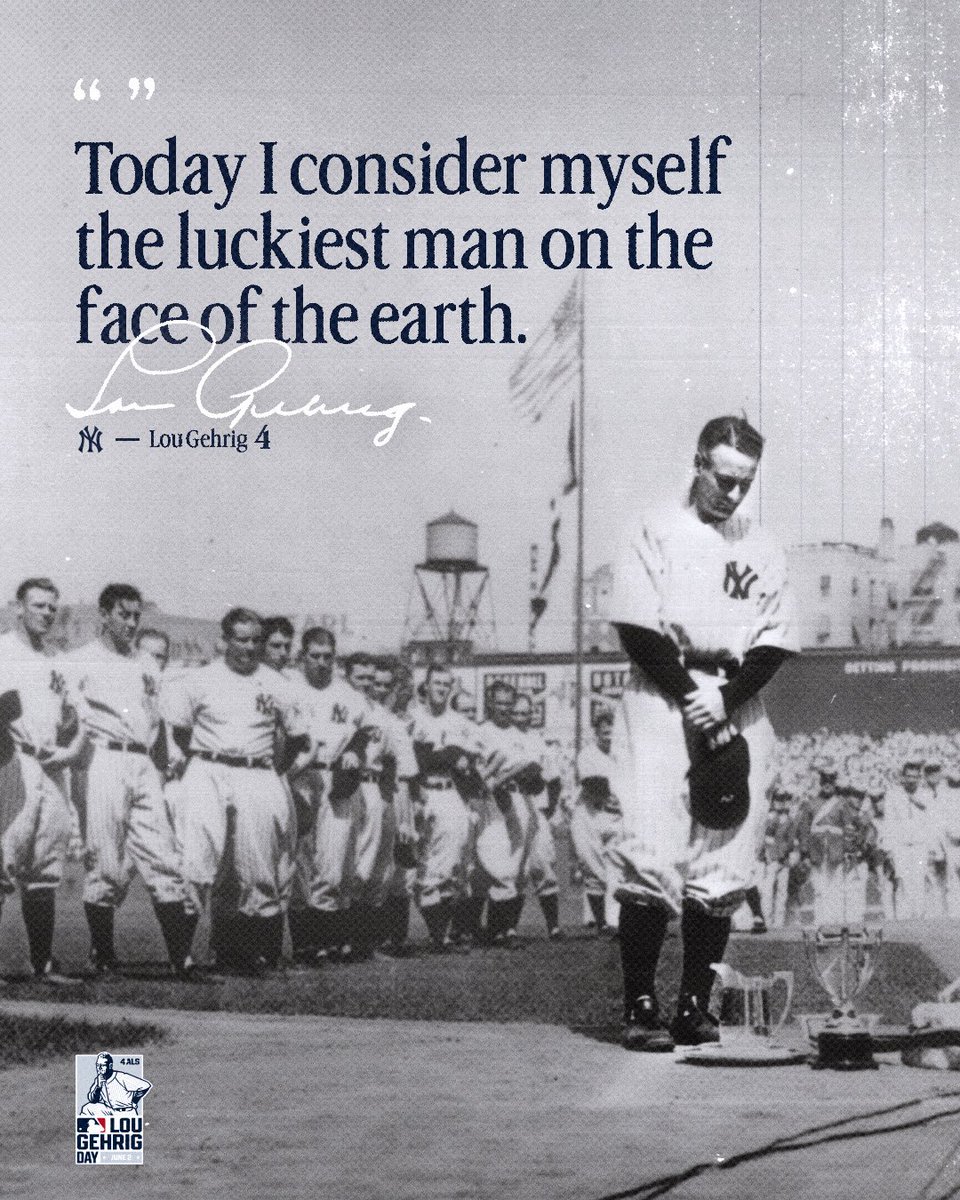
ALT “Today I consider myself the luckiest man on the face of the earth” - Lou Gehrig #4 Lou Gehrig Day
39
821
4,441
118,650
Jim DeSantis 🇺🇸 retweeted

May 31
I’m going to say this as calmly as possible:
Watching Caitlin Clark in the WNBA has become genuinely hard to stomach.
Not because she struggles sometimes. Not because she makes mistakes. Not because she gets criticized. That comes with being great.
It’s hard to stomach because it has become obvious that the league, the officials, the media, the players, and even her own organization have all decided that the most important thing is not letting Caitlin Clark become too big.
And that is insane.
This league was handed the most marketable, electric, revenue-generating player women’s basketball has ever seen, and instead of building around the moment, too many people seem obsessed with humbling her.
She gets fouled. Held. Hit. Cheap-shotted. Mocked. Targeted. Then when she reacts like a normal competitor, suddenly everyone wants to analyze her attitude.
No.
Her attitude is not the story.
The story is that a generational player is being treated like a problem by the very league she helped drag into mainstream relevance.
This reminds me of the worst kind of youth coach... the one who sees a special player, feels threatened by her talent, and slowly drains the joy out of her in the name of “teaching humility.”
That is what this looks like.
The freedom she played with at Iowa is disappearing. The fire is still there, but the joy looks damaged. The confidence looks weighed down. She looks like someone constantly fighting the refs, opponents, narratives, coaching decisions, jealousy, and a league culture that should be protecting its golden opportunity instead of resenting it.
And let’s be honest: Stephanie White has not helped.
Benching Caitlin Clark randomly when she is controlling the game tempo, or having your best shooter off the floor in critical game ending minutes when a victory is within reach is basketball malpractice. Limiting her rhythm, downplaying her greatness, benching momentum, and treating her like just another piece instead of the engine is absurd.
You do not take a player who changed the economics of your sport and manage her like you’re afraid her greatness might offend the room.
Nike deserves criticism too. Other players get signature shoes rolled out with urgency, while the biggest draw in women’s basketball is somehow still waiting on that signature shoe. That is not confusing. That is revealing.
Fans are not stupid.
They see the fouls.
They see the double standards.
They see the jealousy.
They see the media resentment.
They see the league benefiting from her popularity while refusing to fully embrace her.
And here is the part the WNBA better understand quickly:
People are not tuning in to watch Caitlin Clark be humbled.
They are tuning in to watch Caitlin Clark be great.
If she walked away tomorrow, the fans would follow her. The sponsors would follow her. The energy would follow her. The high salaries and the charter jets would follow her. And the league would be forced to confront the uncomfortable truth it keeps trying to avoid:
Caitlin Clark did not need the WNBA nearly as much as the WNBA needed Caitlin Clark.
At some point, her family, her agent, and her team need to ask a hard question:
How much longer do you let a league profit from her while allowing the culture around her to beat the spirit out of her?
Because from the outside looking in, this does not look like normal adversity anymore. It looks like abuse.
It looks like a league trying to break the very player who made millions of people care.
x.com/i/status/2060921884666…

1,535
2,746
15,153
1,357,555
Jim DeSantis 🇺🇸 retweeted

May 28
Most Americans have no idea the U.S. won World War 2 with help from the Mafia.
The real story is wilder than any movie Hollywood ever made about it.
It started in 1938, before America was even in the war.
The German-American Bund was holding Nazi rallies in New York. Thousands of brownshirts. Swastikas hanging next to American flags inside Madison Square Garden. Jewish leaders wanted the rallies stopped but had no legal way to do it.
So a New York State judge named Nathan Perlman quietly picked up the phone and called Meyer Lansky.
He asked Lansky to send gangsters to break up the rallies. Lansky agreed on one condition: no money. He would do it for free, but he refused to take orders not to kill anyone. They compromised. Arms could break. Skulls could crack. No deaths.
For the next year, Jewish mobsters in New York, Newark, Chicago, Minneapolis, and Los Angeles raided Bund meetings, threw Hitler portraits into the street, and beat brownshirts unconscious. Lansky himself led a raid on a rally in Yorkville on April 20, 1938, Hitler's birthday.
Around the same time, Bugsy Siegel boarded a ship to Rome.
He was traveling with Countess Dorothy di Frasso, trying to sell Mussolini a new explosive called atomite that was supposedly more powerful than dynamite. The demonstration flopped. While he was there, Siegel sat at a dinner table across from Hermann Göring and Joseph Goebbels. He was Jewish. He spent the rest of his life saying he should have killed Göring right there at the table.
Then came February 9, 1942.
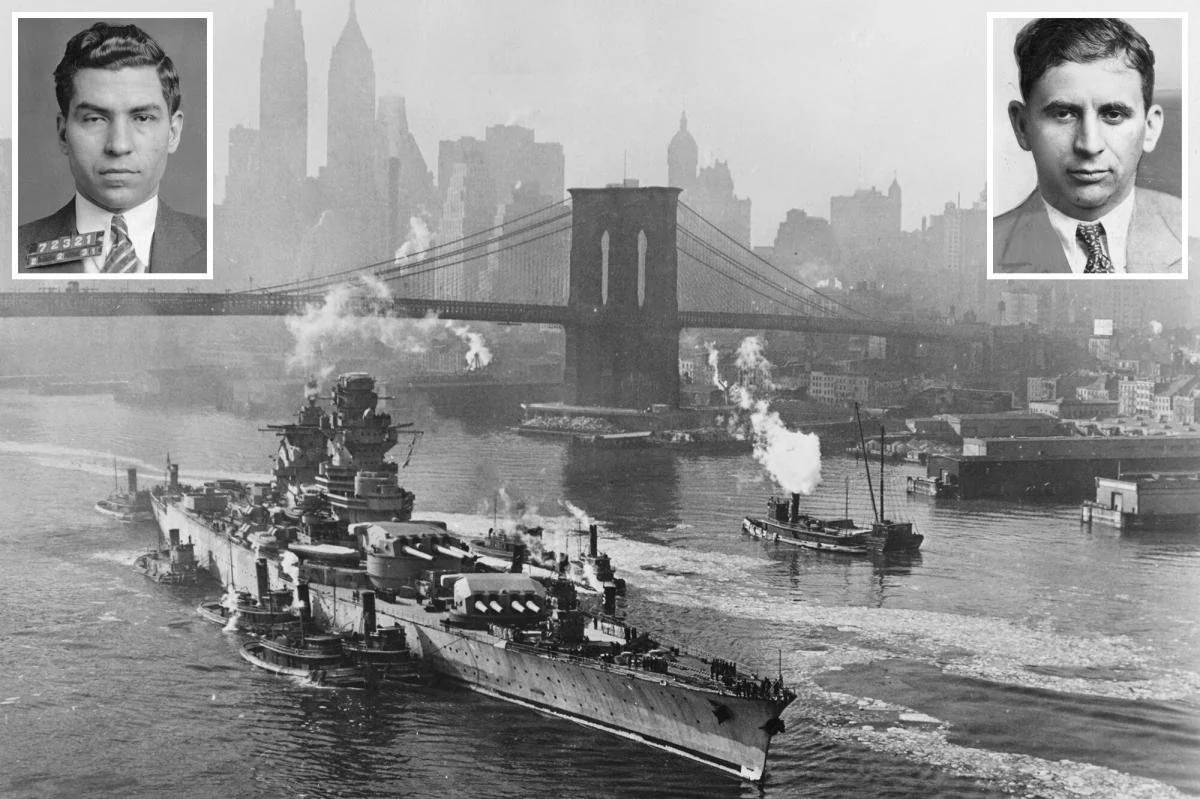
The SS Normandie, a captured French luxury liner being converted into a U.S. troopship, burst into flames at a Manhattan pier and capsized into the Hudson. The official cause was a welder's torch hitting a stack of life preservers. The mob told a different story. Albert Anastasia, head of Murder Inc., and his brother Anthony Anastasio, who ran the longshoremen's union, later claimed they had set the fire on purpose as leverage.
Their offer to the U.S. Navy: free Lucky Luciano, and the entire East Coast waterfront becomes untouchable.
Naval Intelligence took the meeting.
Luciano was six years into a 50-year sentence at Clinton Correctional, a remote prison near the Canadian border. On May 12, 1942, the Navy quietly transferred him to Great Meadow Prison, much closer to New York City, so they could meet him face to face.
Over the next three years, Naval Intelligence officers visited his cell more than 20 times. Meyer Lansky carried the messages in and out. Luciano gave orders from inside the prison walls. Every dock, every fish market, every union local, every fishing boat off Long Island was put under mob protection.
Not a single Allied ship was lost to sabotage on the East Coast for the rest of the war.
Then it got stranger.
When the U.S. planned the invasion of Sicily in 1943, Luciano's network handed over the names of trusted locals on the island. American paratroopers landed carrying yellow silk handkerchiefs with the letter L stitched into them, supposedly so Sicilian mafiosi loyal to Luciano would know they were friendlies. Whether that detail is real or legend is still debated. The handover of names is not.
At the exact same moment, another American mobster was already inside Italy on the other side.
Vito Genovese had fled to Italy in 1937 to escape a murder charge in New York. He cozied up to Mussolini, donated to fascist buildings, and was awarded an Italian knighthood by the dictator himself. From his villa in Italy, in January 1943, Genovese gave the order to assassinate Carlo Tresca, an anti-fascist newspaper editor, on a Manhattan street corner as a personal favor to Mussolini.
Six months later, Mussolini fell. Genovese flipped overnight.
He walked into the American military government in Naples, offered his services as an interpreter, and was hired on the spot. He then used his official AMG position to run the largest black market truck convoy operation in southern Italy, hauling stolen U.S. Army flour, sugar, and olive oil into starving cities. Several U.S. Army officers were on his payroll. He was caught in August 1944 by a single dogged Army CID sergeant named Orange Dickey, who had to fight his own chain of command to get Genovese extradited.
The war ended.
On January 3, 1946, Governor Thomas Dewey, the same prosecutor who had personally put Luciano in prison a decade earlier, signed his clemency papers. Luciano was driven to Pier 7 in Brooklyn, walked up the gangplank of a freighter called the Laura Keene, and shipped to Italy. He was never allowed to set foot in the United States again.
In 1954, Dewey commissioned a state investigator named William Herlands to write a full report on what the Mafia had actually done for the war effort. The 2,600-page report confirmed the entire operation. The Navy then begged Dewey not to release it, on the grounds that admitting any of it would humiliate the United States government.
Dewey agreed. He locked the report in a vault.
It stayed sealed for the next 23 years.
The American public did not learn the full scope of Operation Underworld until 1977, after Dewey was dead, when a writer named Rodney Campbell pried the report loose and published "The Luciano Project."
The U.S. government has still never officially admitted how much of WW2 was won by the men it spent the next 50 years trying to put back in prison.
6
33
142
4,953
Jim DeSantis 🇺🇸 retweeted

May 28
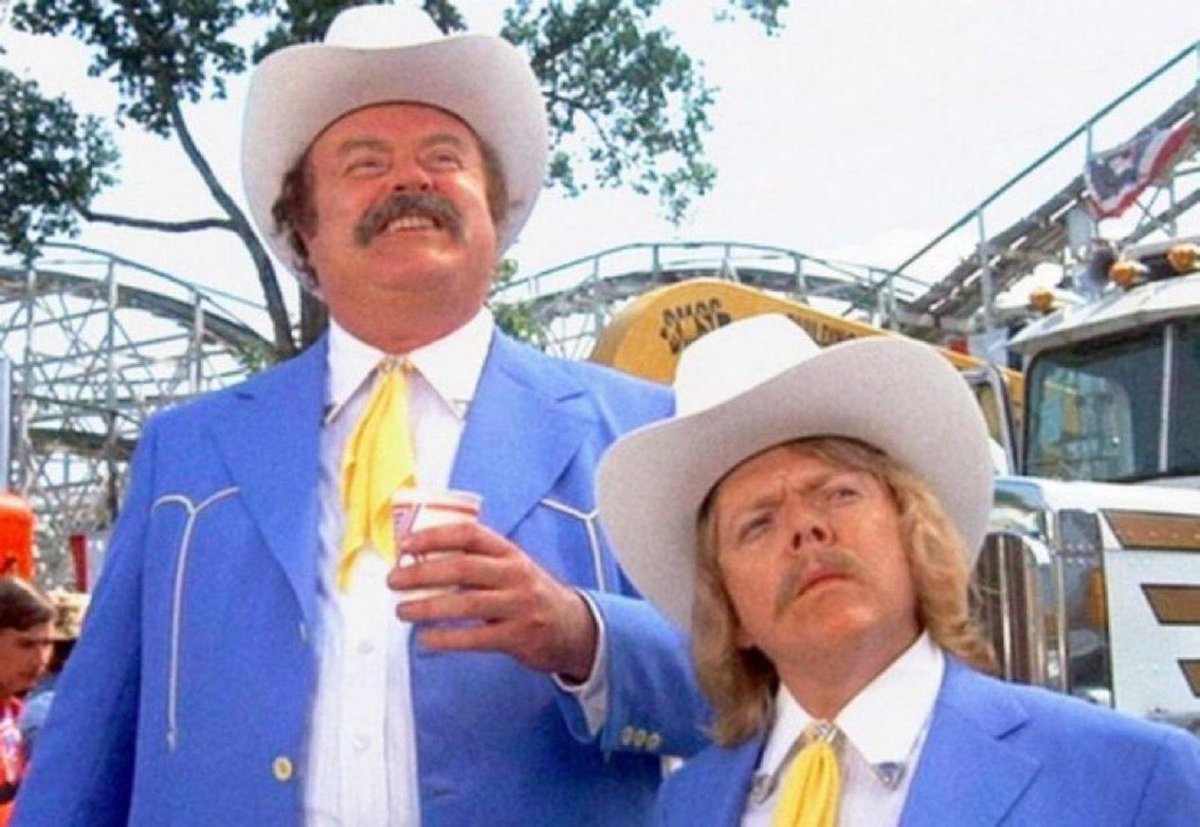
Two cultured men of refined taste who appreciated an ice cold Coors.
131
264
4,360
115,172

Jim DeSantis 🇺🇸 retweeted

May 23
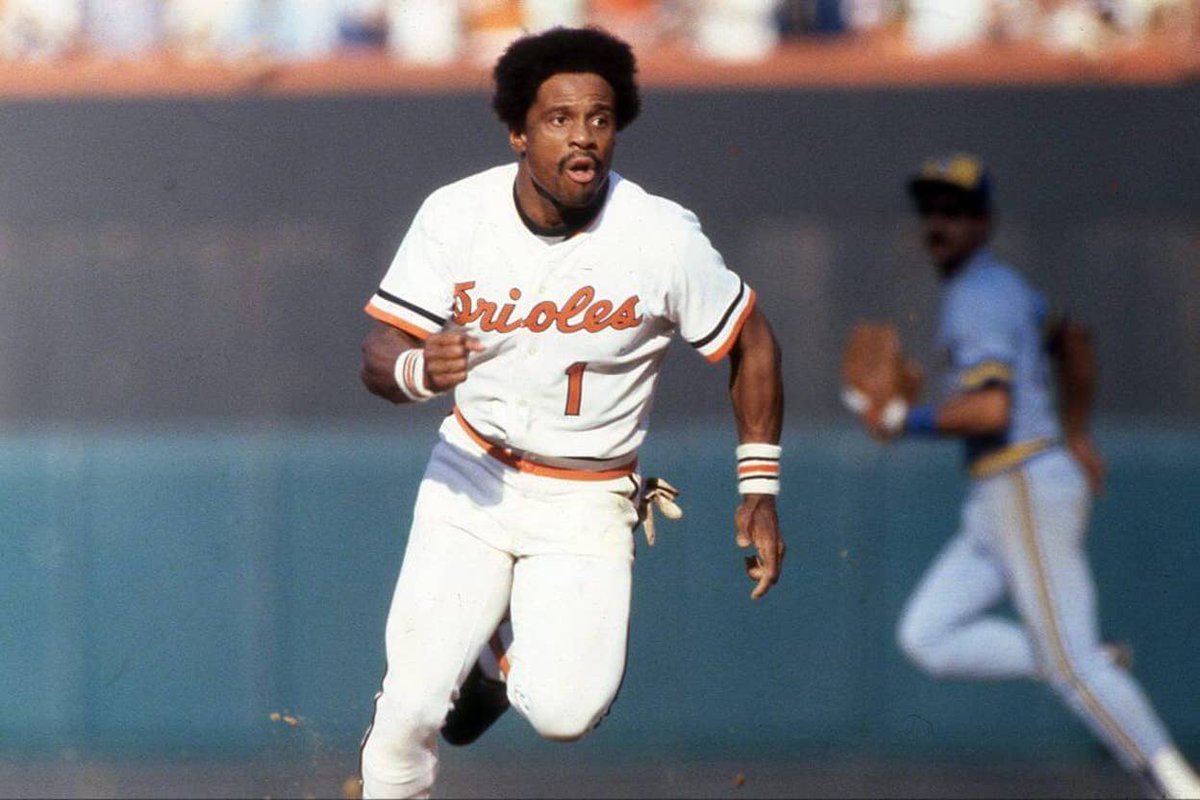
Former Baltimore Orioles star Al Bumbry received a Bronze Star for his service in Vietnam. Let's honor this American hero.
45
307
3,367
37,651