
Joined December 2010
- Tweets 27,902
- Following 1,350
- Followers 1,423
- Likes 43,179
5,354 Photos and videos









Pinned Tweet

Mar 28
BECOME A FOUNDING MEMBER OF KONTEXT NETWORK:
1. LIFE TIME 50% OFF OF THE PRO PACKAGE (SUHWEET !!)
2. LIFE TIME ACCESS TO THE KONTEXT NATIVE FOUNDER'S COMMUNITY
3. LIFE TIME ACCESS TO THE KONTEXT FOUNDER'S GROUP IN KTX MESSENGER
4. ACCESS TO ALL MODULES (INCLUDING THE PREMIUM BUSINESS AUTOMATION ONE)
5. PREMIUM PRIORITY FOR ALL HELPDESK SUPPORT
6. FIRST DIBS ON ALL NEW FEATURES
9. 10,000 $KTX TOKEN HEADSTART ON EVERYONE ELSE (NOT SETTLED ON THE AMOUNT YET)
10. 1-1 ACCESS FROM THE TEAM AS WE GROW TO LARGER NUMBERS WE REMAIN A TIGHT KNIT GROUP
11. CLOSE INVOLVEMENT WITH THE GROWTH & DIRECTION OF THE PLATFORM
12. YOU WILL BE A MEMBER OF THE KONTEXT FOUNDER'S DAO (COMING SOON....)
13. WILL GET AUTOMATIC ACCESS TO THE KONTEXT ACCELLERATOR PROGRAM WHEN IT LAUNCHES $250-500 VALUE
JOIN THE FOUNDER'S PROGRAM TODAY !
founders.kontext.build
founders.kontext.build
1
5
15
1,075
Muggzie retweeted

1
3
10
160
Muggzie retweeted

Crypto Connect
📍 Detroit, Michigan
🗓 Thursday, 6/18, 6:00 PM
This is a mixer designed to make it easy to meet people, start conversations, and plug into Michigan’s growing tech & crypto ecosystem.
luma.com/fa10e6q7
1
2
4
93
Muggzie retweeted

Jun 12
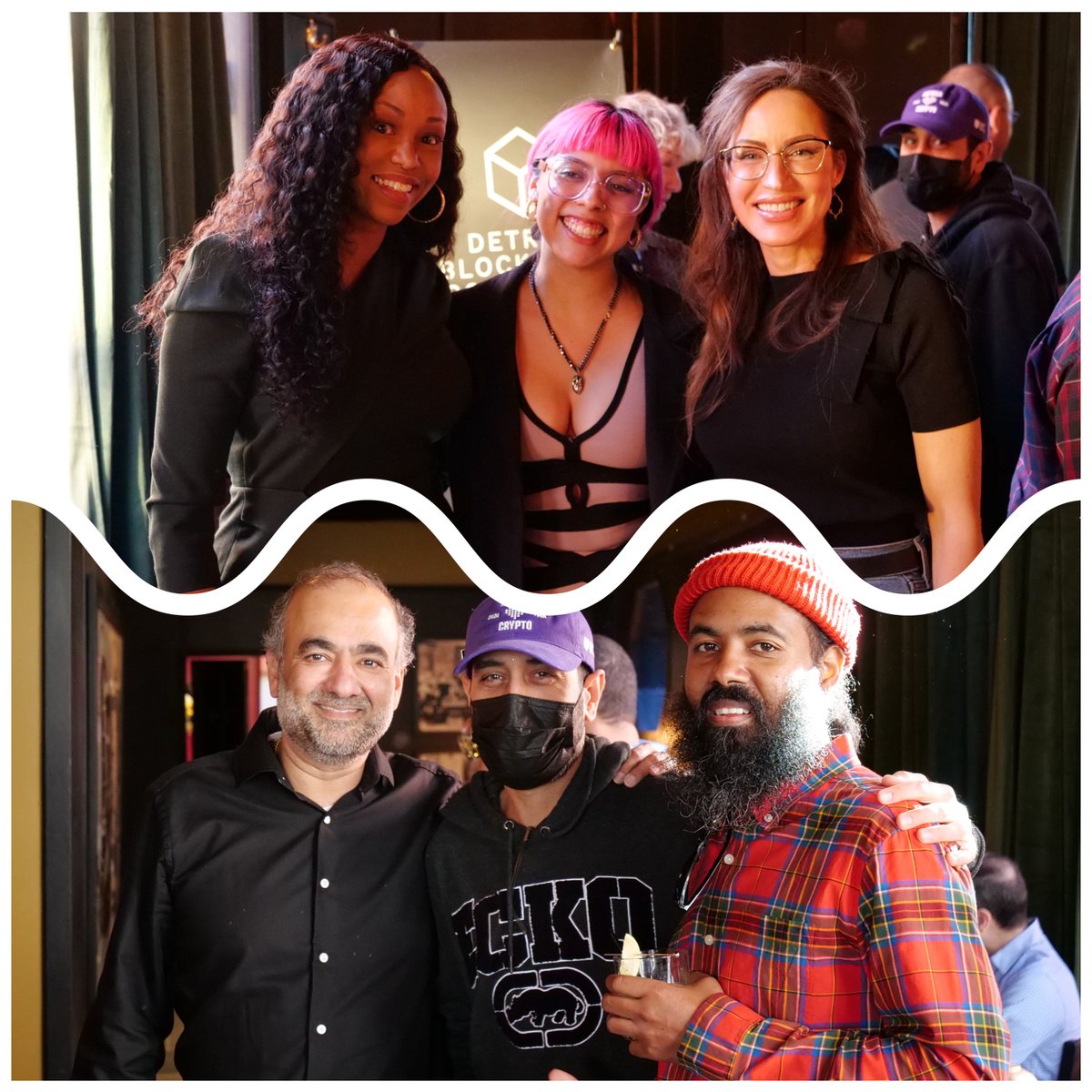
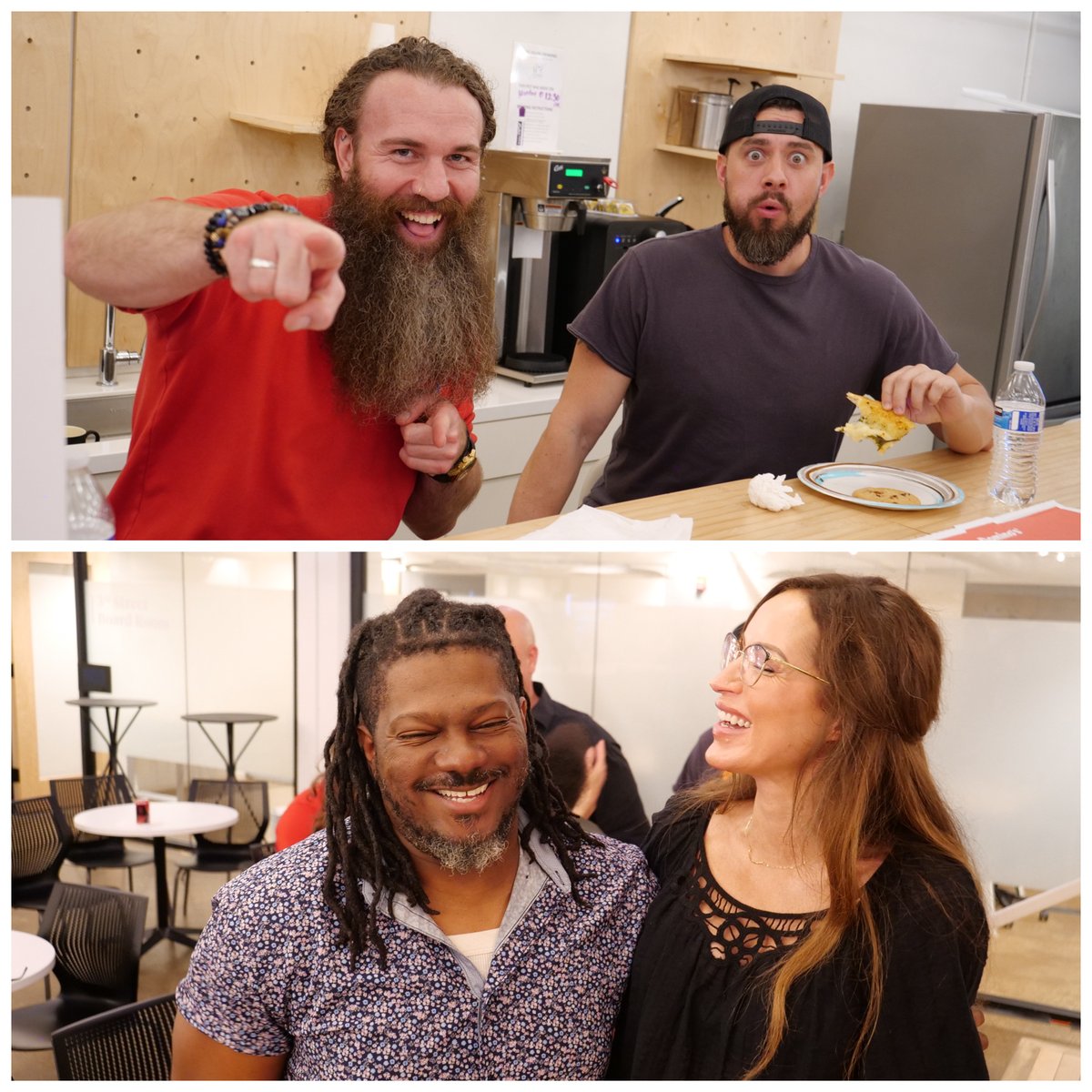
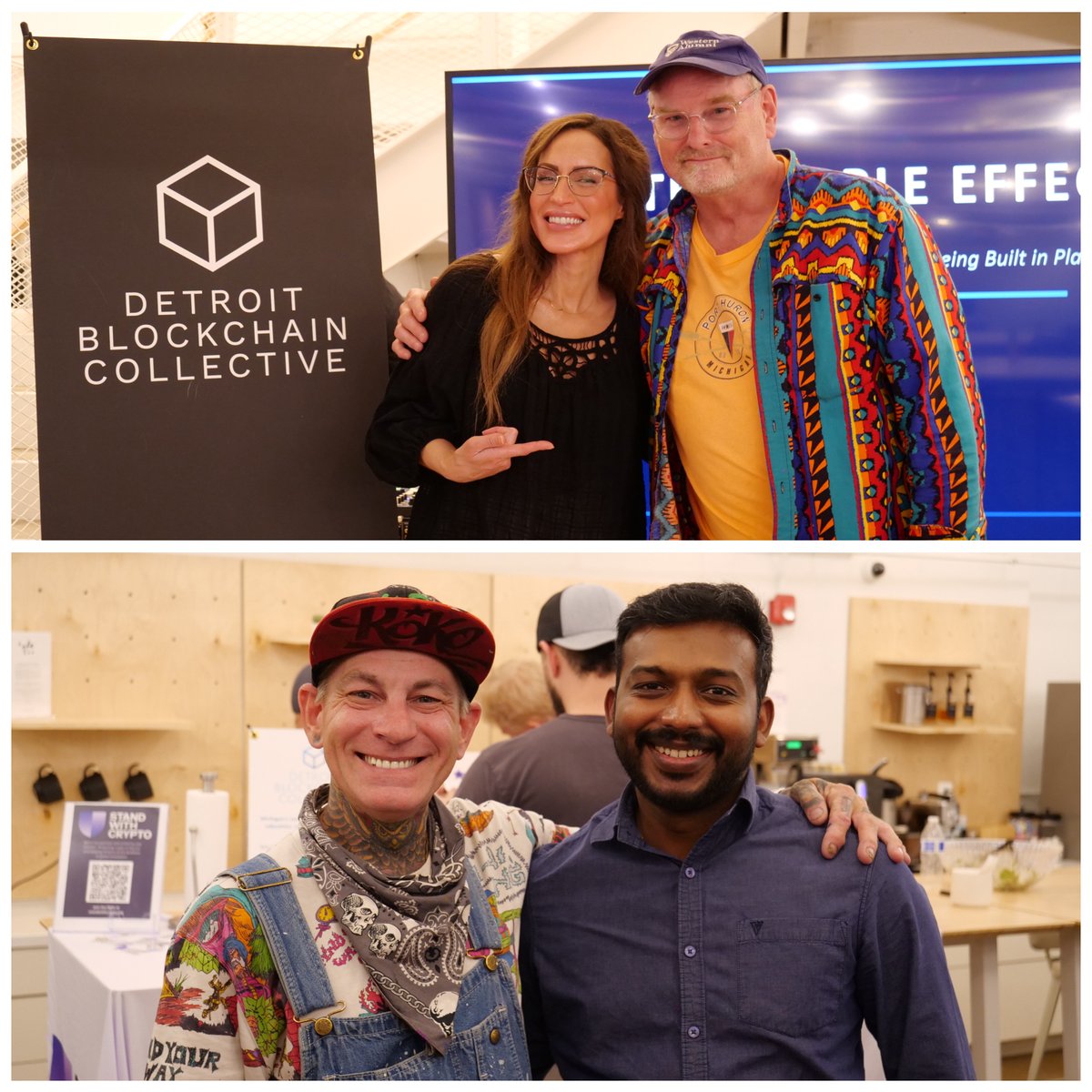
Networking that doesn’t feel like networking. 🖤
Ky was happy once again coming out to the #StandWithCrypto event—lost in the purple cap! 🧢
Shoutout to @KingDabTech for capturing the madness. Big thanks to @ElizabethHa and the whole crew. 🧭
#DetroitBlockchainCollective
#Ky

Networking that doesn't feel like networking. Who else has made awesome friends through Detroit Blockchain Collective? 🖤
📸 photos thanks to the one & only @KingDabTech

1
2
3
225
Jun 11
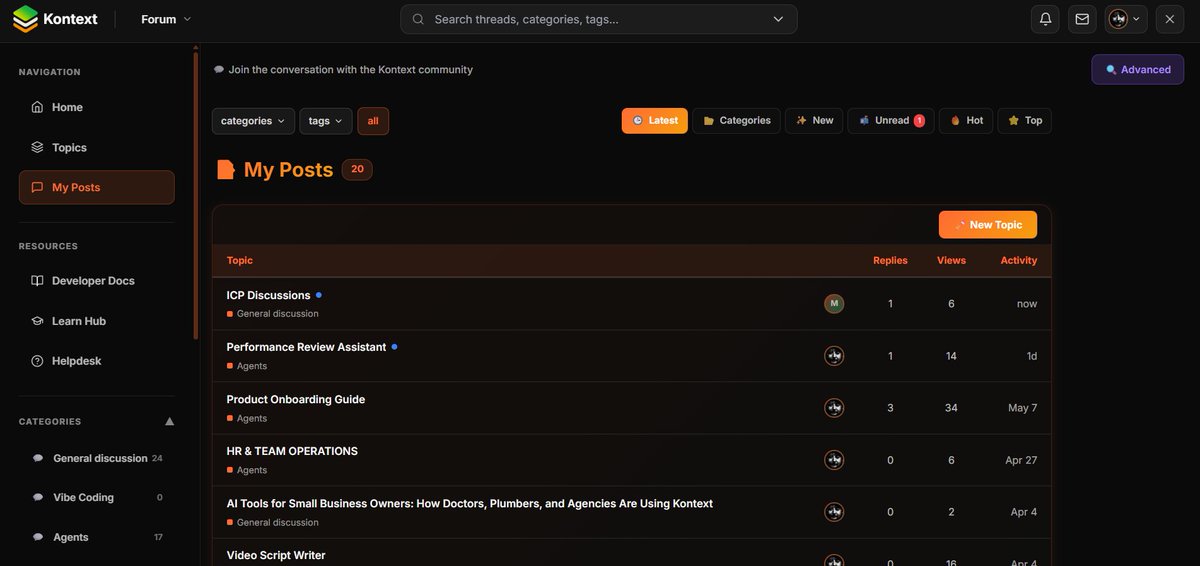
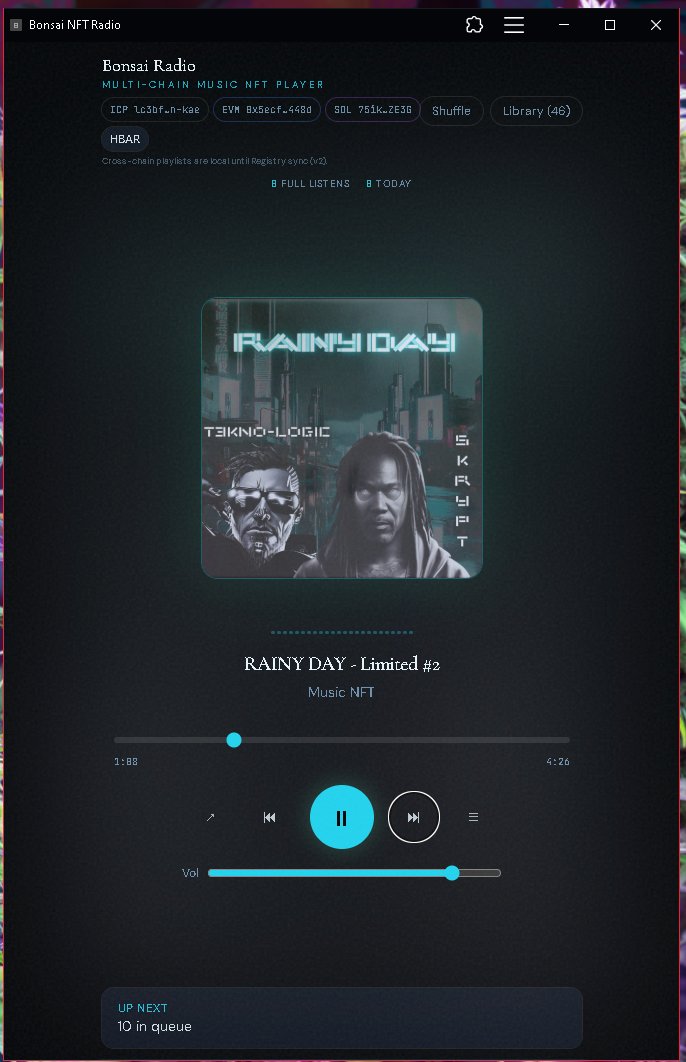
Did You Know we had a Built in Forum as well
💬 Join the conversation with the Kontext community
@KontextLabs
kontext.build/forum
1
5
96
Jun 11
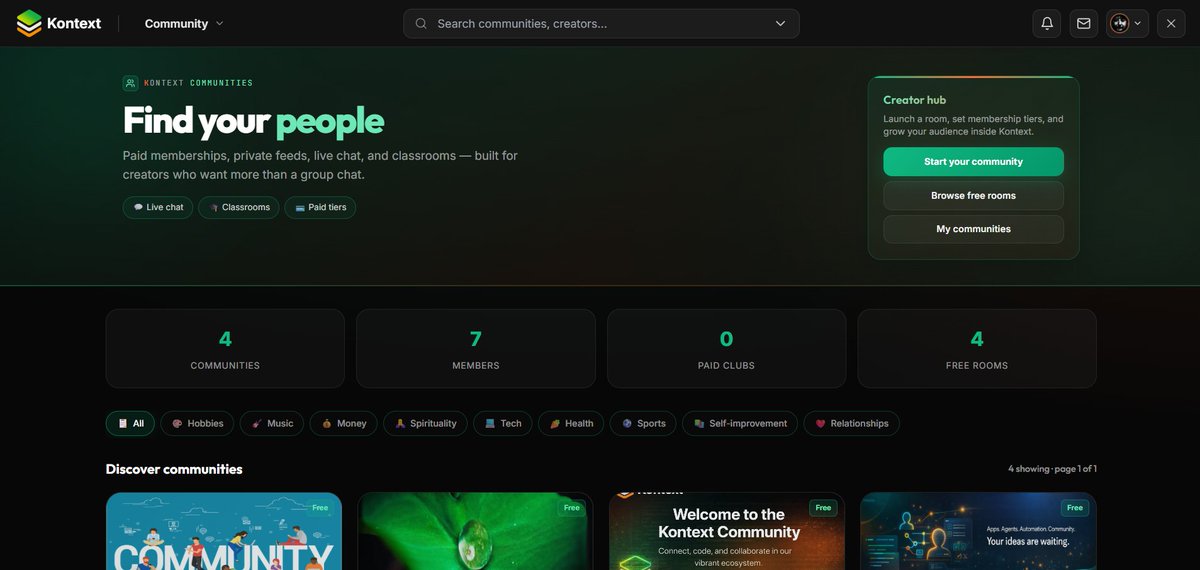
🚨🚨🚨🚨🚨🚨 CLOSE ALL THOSE EXTRA TABS !!
Build a Community around your Application
Monetize your Training Courses
Get out of the Deep waters of the Saturated Markets on SKOOL and Patreon !
Build everything in One Place
Paid memberships, private feeds, live chat, and classrooms — built for creators who want more than a group chat.
kontext.build/community
2
4
63
Jun 10
The Agentic AI Revolution: Why 2026 Changes Everything for Developers
Muggzie·April 17, 2026·Ai
AgentsVibeCoding2026Web3
As of Q1 2026, the AI development sector has moved definitively beyond "assisted coding"
— LLM-integrated IDEs that suggest lines of code
— into the era of agentic autonomy.
The market has transitioned from tools that suggest lines of code to agents that execute full-stack tasks, manage state, and handle deployments.
Within this shift, "Vibe Coding"
— the ability to convert natural language into live, production-ready applications while watching them build in real-time
— has emerged as the dominant UX paradigm for the next generation of creators.
Kontext positions itself as a technical and economic disruptor in this space. While competitors focus on increasing the "intelligence" of the agent, Kontext targets the infrastructure bottleneck by leveraging decentralized canisters to provide a full-lifecycle development-to-deployment loop in under 60 seconds.
The 2026 competitive landscape is stratified into three distinct categories:
▸
Autonomous Agents: Cloud-native platforms like Devin and OpenHands
that prioritize end-to-end task completion and high-level project management.
▸
Integrated Development Environments (IDEs): Desktop-based editors like Cursor and Windsurf that emphasize a tight feedback loop between the developer and the agentic "composer."
▸
Ecosystem-Native Tools: High-friction, high-convenience tools locked into existing clouds, such as Replit Agent, GitHub Copilot Workspace, and Amazon Q.
Kontext is the only platform that spans all three layers while adding a fourth: decentralized infrastructure ownership.
kontext.build/blog/Agentic%2…
4
120
Muggzie retweeted
The gatekeepers just lost their grip. 🌐
By launching The Bonsai Registry on the ICP mainnet, search data is now permanently on-chain—free from corporate algorithms and censorship.
Web speed. Zero gas. 100% decentralized.
👉 u2jsa-baaaa-aaaau-aghea-cai.…
#ICP #Web3 #SEO #Crypto
2
7
30
1,116
Jun 10
I have no idea what I'm looking at @TrapDefi 😂
this is a pack of Pokemon I got from @TheBitcoinConf .. let's see what we got .
7
14
3,588


Jun 9
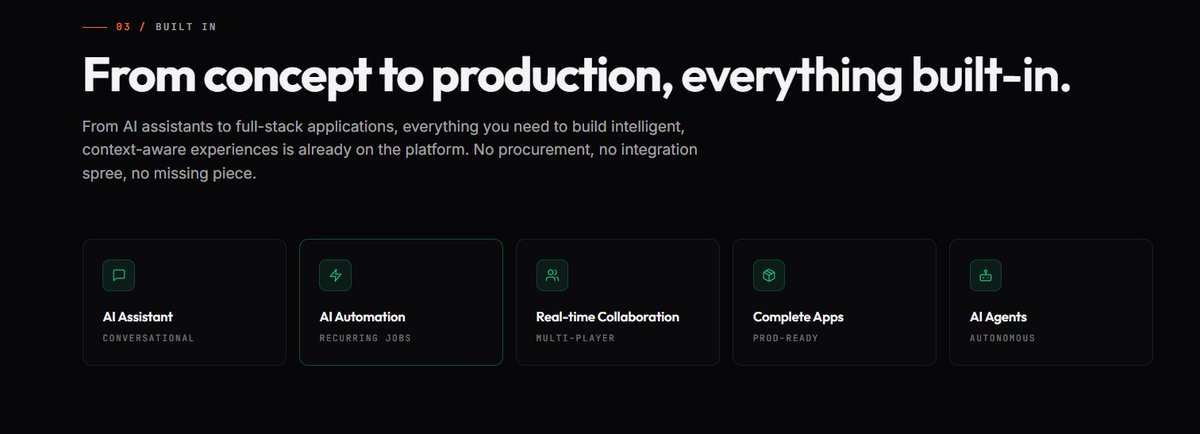
The #Kontext Stack: from zero to apps you can monetize, grow, and expose.
Each layer is another rung on the climb — from first vibe-coded version to something you can charge for, automate, list in the marketplace, and put in front of an audience. Build, run, earn, and get seen in one stack — not a scavenger hunt across AWS, Azure, or Google Cloud.
kontext.build/partner/onboar…
2
7
139
Muggzie retweeted
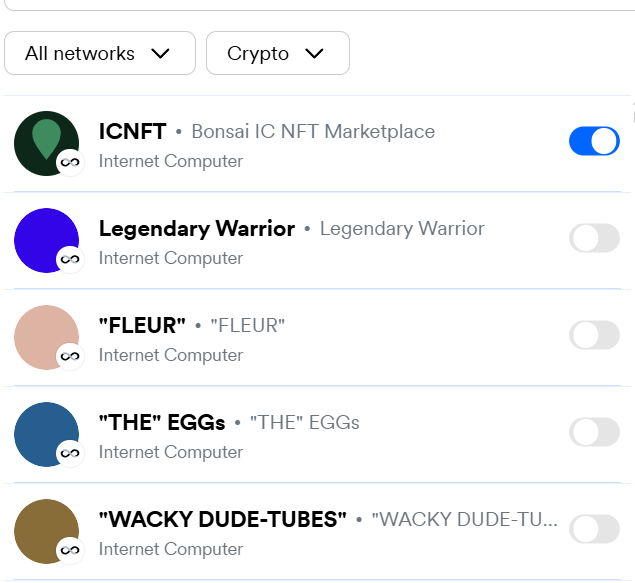
The $ICP Community only cares when they're not mentioned. I dropped these NFTs coinciding with Dfinity's announcement years ago. Shortly after, Bob & Co broke this collection with their "migration" and never fixed it.
Let's get real. Stop pretending to care now.
4
9
273
Jun 8
If you Combined every possibility into ONE App on #ICP
You Get Kontext.Build
#Social Networking
App Building
Business #Management
Blockchain Security
#Life Management
Full #Agent Control and Use
Full A.i. Integration for the True Security you want in your Life !

2
1
9
160
Jun 4
Kontext Labs Features A.i. Coding Secure CLAWBOT SAFE ! Instant App Depl... youtu.be/NQ_HFBi6Po8?si=hg1Y… via @YouTube
2
52