Survivor America
Joined November 2021
- Tweets 16,263
- Following 293
- Followers 598
- Likes 7,656
2,527 Photos and videos






WokeReich retweeted

Jun 9
To the USS Liberty Veterans,
Dear Veterans,
Last and final thoughts for June 8, 2026, the 59th anniversary of the USS Liberty attack.
From Phagan family oral history, my father, may his soul rest in peace, told me that when he went to the Georgia archives office in the late 1960s to learn more about the Leo Frank trial transcript, he was informed that the original shorthand records of the trial had gone missing.
According to what he was told, one of the archivists he spoke with said he believed Leonard Dinnerstein or Harry Golden may have removed the record. Both men were studying the Leo Frank case during the middle years of the 1960s. Golden published his book on the case around 1964 to 1965. Dinnerstein completed his PhD dissertation for the political science department at Columbia University in 1966, and later published his book on the case in 1968.
Both men had an incentive to benefit from missing records. In my view, both engaged in academic fraud in their treatments of the case. They obfuscated the evidence, promoted hate-crime hoaxes, and mutated the trial record to support a predetermined narrative. The original shorthand questions and answers would have been a serious obstacle to that project. If those records disappeared forever, their version of the case became easier to sell. And now they are gone. Destroyed. A piece of American legal history vanished.
This is my final message to the survivors of the USS Liberty: do everything you can to preserve the recordings, testimony, photographs, video interviews, documents, correspondence, military records, and every scrap of evidence connected to what happened on June 8, 1967.
The same kind of ideological partisans who helped obscure the 1913 Leo Frank trial record in the 1960s will have their counterparts in later generations. They will try to minimize, confuse, reinterpret, and purge the incriminating evidence of the USS Liberty attack so they can manufacture doubt in the future.
They do not have to convince people of innocence. They only have to create enough doubt.
That is what happened with the Leo Frank case. Few people who seriously study the primary sources come away believing Leo Frank was innocent. But his defenders honeycombed the academy, the press, the publishing world, and popular culture with advocacy articles, books, Broadway treatments, documentaries, films, videos, and other media designed to create doubt about Frank’s guilt and promote Leo Frank apologetics.
Beware of that process. Preserve the USS Liberty record as widely as possible. Keep writing books. Keep writing articles. Keep doing interviews. Keep appearing on podcasts. Keep telling the story until your final days and your final breaths.
History can be stolen when the record is scattered, hidden, softened, or destroyed. But when the record is copied, shared, preserved, and repeated, it becomes much harder to bury.
Sincerely,
Mary Phagan Kean
Georgia, USA
June 8th 2026
2
8
18
395

Jun 2
I mean, yeah the jews did communism
Its not even a question
You , like Christians , worship a jew
1
2
196
WokeReich retweeted

Apr 16
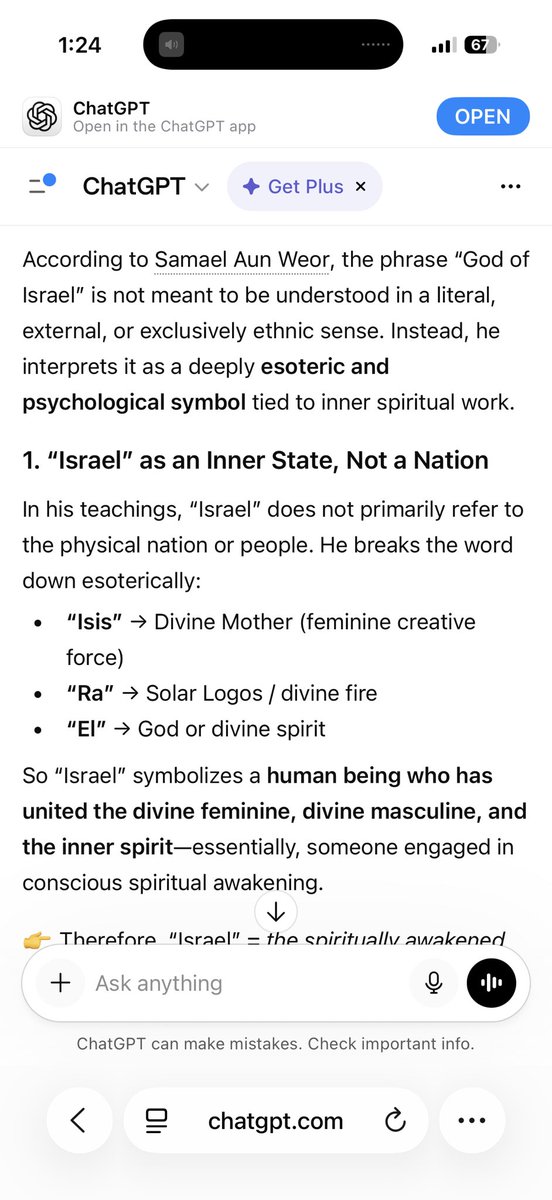
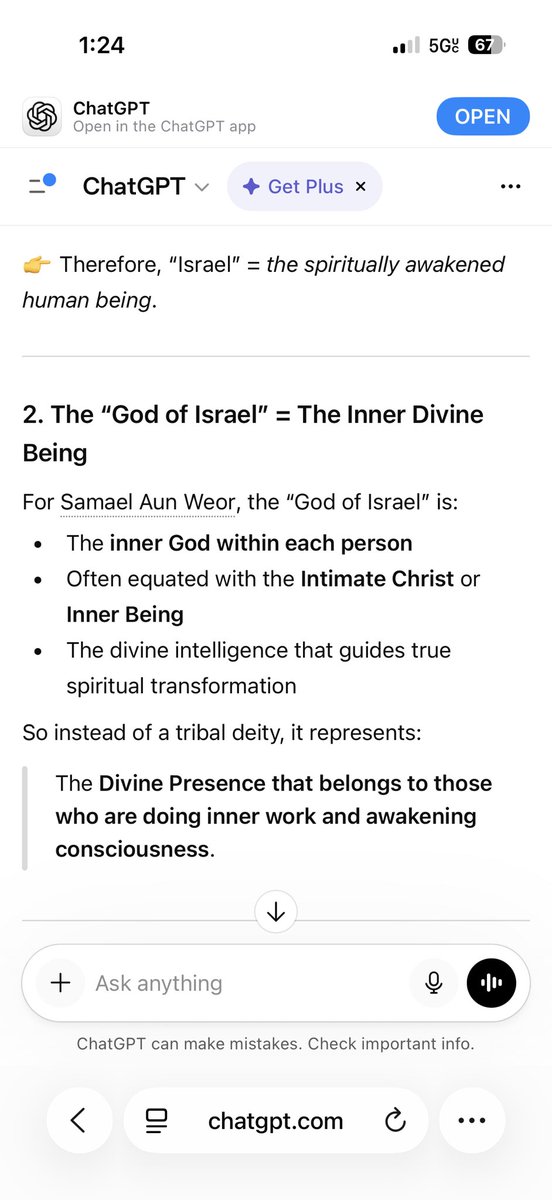
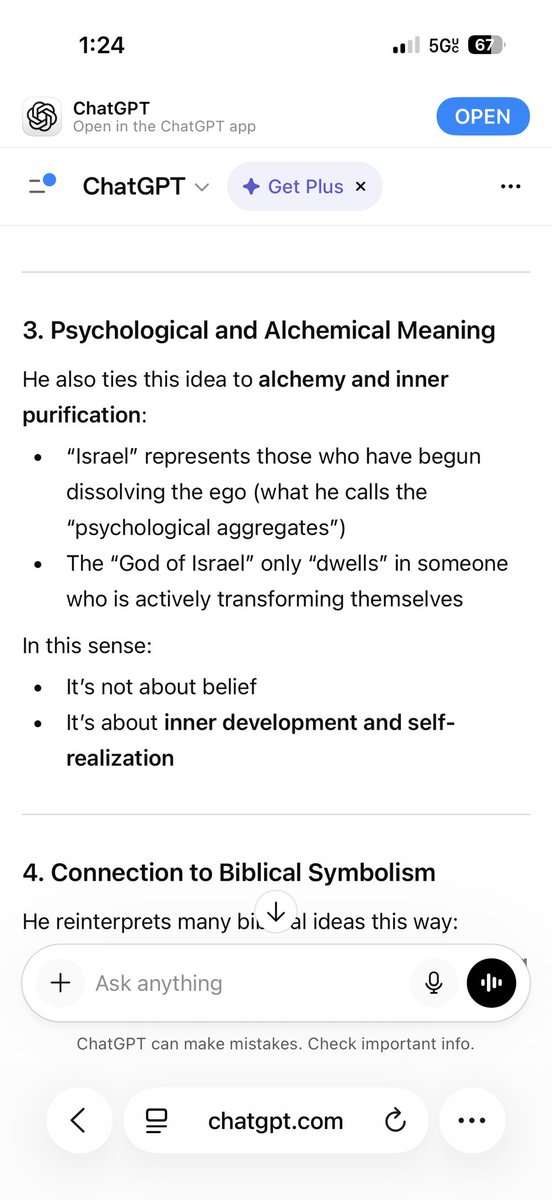
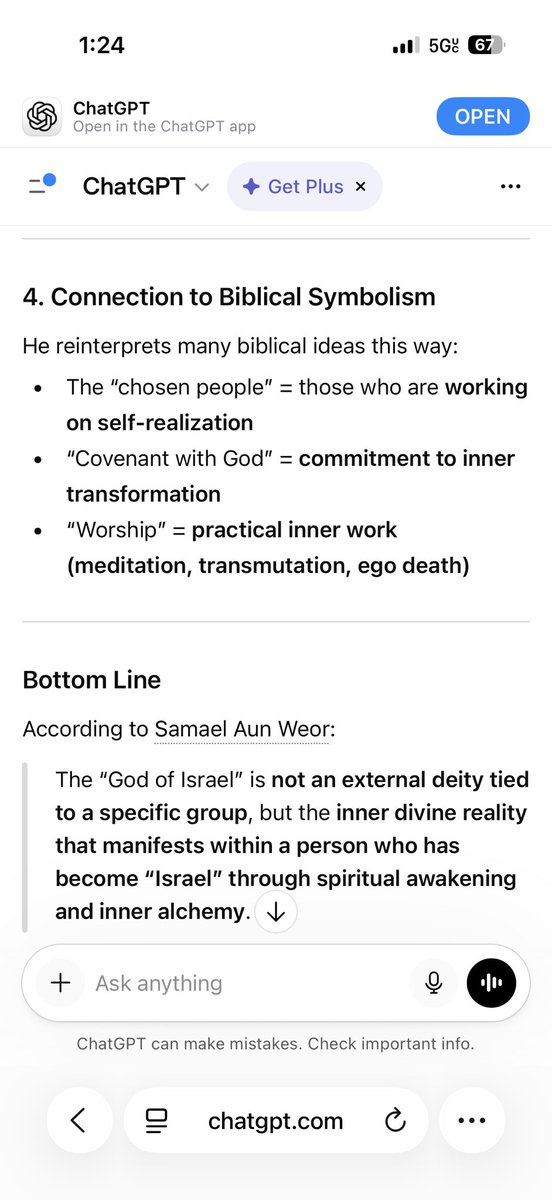
It’s symbolic. It’s NOT talking about the country Israel. Is (Feminine) Ra (The Solar Masculine) El (God)- is the balance and integration of the Divine Masculine & Feminine, and there the Holy Trinity within. But I know metaphysical symbolism is over your head. 🤡
4
2
9
1,731
WokeReich retweeted

Apr 9
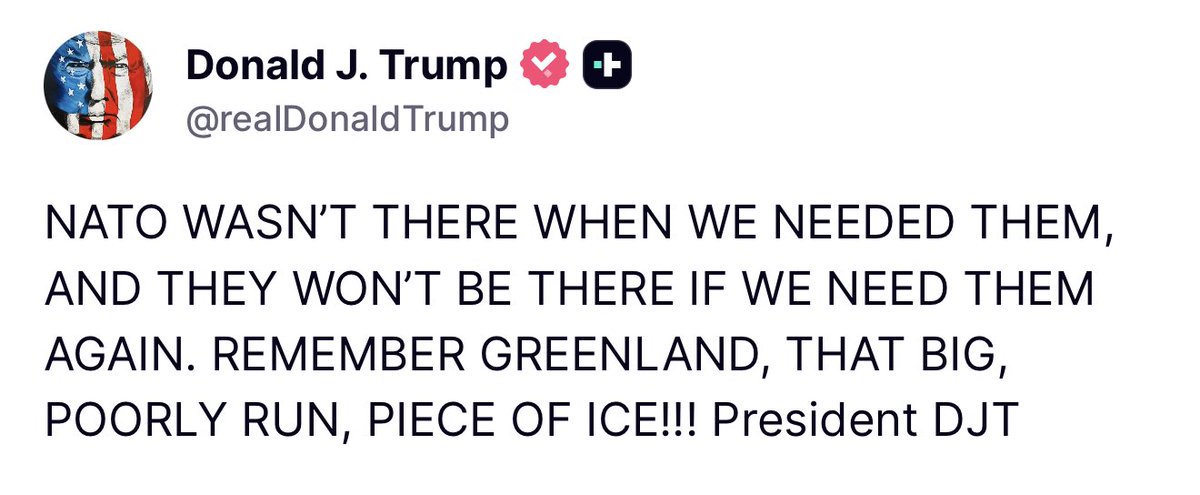
Unfortunately leaving NATO won’t be to avoid foreign entanglements, we’ll be leaving NATO so we can side with Israel when Turkey & Israel eventually clash in Syria.
This is after we helped topple the secular Syrian gov & installed a former AQ/ISIS leader as president.
Time to stop playing arsonist & fireman in the Middle East, it’s just not worth it.

2,678
19,558
82,642
5,014,876
WokeReich retweeted

Mar 31
THE TRUTH ABOUT AMERICA'S SO-CALLED "JUDEO-CHRISTIAN" FOUNDING
@BasedMikeLee claims America was founded on "judeo-Christianity"
Let's Investigate:
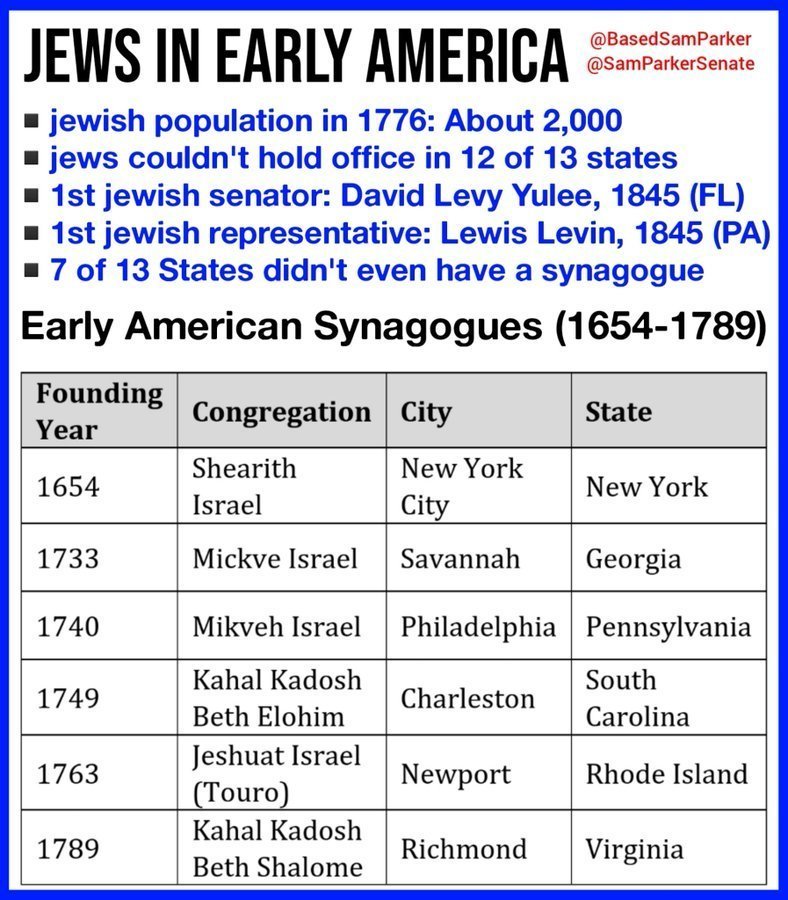
▪️When America was founded in 1776, 12/13 states forbade jews from holding public office
▪️In 1791, when they passed the 1st Amendment, 11/14 states still forbade jews from holding public office
▪️The first jewish congressmen weren't elected until 1845 (partly on the momentum of the Philadelphia Bible riots they personally helped foment between the Protestants & Catholic immigrants)
▪️In 1790, the U.S. White (citizen) population was ~3.2 million, and around 99% Christian. There were about 2,000 jews in 6 synagogues, found in 6 cities central to the slave trade. The vast majority of Americans didn't even know or ever even encounter a jew. Let's look at those synagogues.
▪️Synagogues:
1. Shearith Israel (1654): New York City, NY
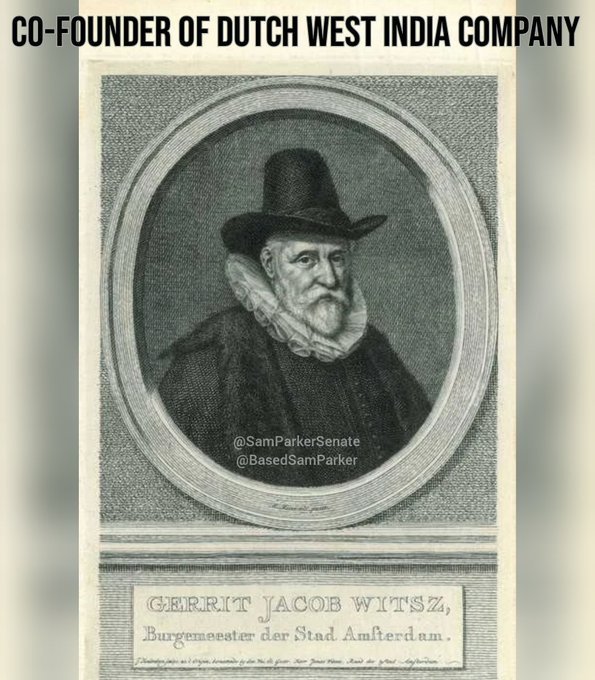
An early entry point for the slave trade, which began here under the Dutch West India Company, founded by the jewish merchant Gerrit Jacobwitsz. At least 3,500 Africans landed 1751-1775; a municipal slave-market operated at Wall & Pearl Streets (1711-1762).
2. Mickve Israel (1733): Savannah. GA
After Georgia legalized slavery in 1750, Savannah handled a growing share of Carolina/GA slave shipments. By 1771, 86% of enslaved arrivals in the port came directly from Africa.
3. Mikveh Israel (1740): Philadelphia, PA
Ships outfitted in the Delaware River port carried captive Africans; the trade linked Philadelphia to the Atlantic economy even after Pennsylvania began gradual abolition in 1780.
4. Beth Elohim (1749): Charleston, SC
Principal US point of entry: 150, 000-200,000 Africans arrived through Charleston in nearly 1,000 voyages.
5. Jeshuat Israel/Touro (1763): Newport, RI
Largest slave-trade port in North America in mid-1700s. Rhode Island jewish merchants financed voyages that trafficked ~111,000 Africans.
6. Beth Shalome (1789): Richmond, VA
Not a trans-Atlantic hub, but from 1830-1860, Richmond’s river docks became the largest export market in the domestic slave trade, channeling tens of thousands of slaves southward.
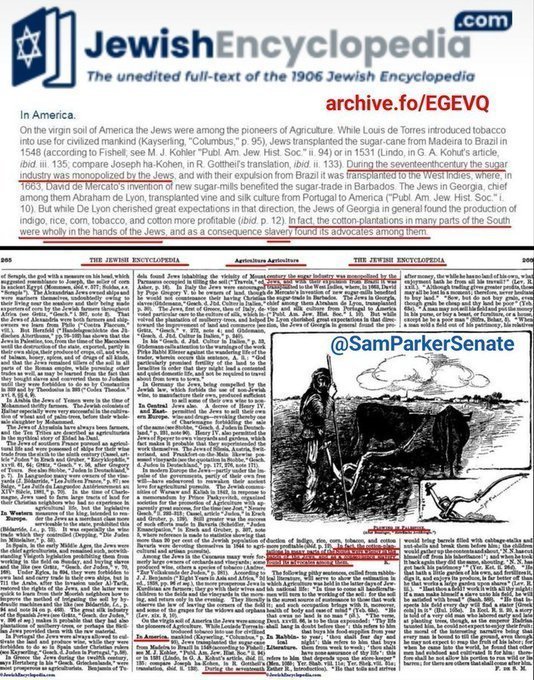
▪️Finally, according to the 1906 jewish Encyclopedia:
"During the seventeenth century, the sugar industry was MONOPOLIZED by the jews, and...the cotton-plantations in many parts of the South were WHOLLY in the hands of the jews, and as a consequence slavery found its advocates among them."
CONCLUSION:
The major "judeo" contribution to America was slavery. It fell to White American Christians to first outlaw the transatlantic slave trade, and then to abolish slavery altogether via the brutal Civil War.
It should be noted that there was no greater champion of the South's pro-slavery cause than the jew, Judah P. Benjamin, who served as the Confederacy's Secretary of State, Secretary of War, and Attorney General. It was Benjamin who helped secure a critical $15 million loan from a French banker who'd worked for the Rothschilds.
This is the "judeo" legacy of America's founding. But Senator Mike Lee won't tell you about any of this—if he even knows.
America was founded by White European Christians on Christian & European values, ideas, theories, blood & sacrifice.
BONUS: Benedict Arnold's business partners when he tried to betray West Point to the British were the "International" Franks Family: Moses (London), Jacob (NY), David (Philadelphia), David Salisbury (Montreal), and Isaac (West Point Quartermaster!). Lol. Every Single Time. That'll be a fun rabbit hole for all y'all to go down.
Mar 31

Electrons have existed as long as the universe itself
And yet the word “electron” didn’t exit until 1891
Obviously, that means electrons didn’t exist until then
160
1,674
4,491
232,936
WokeReich retweeted

Mar 28
Here is my apology for criticizing Israel. I've voiced criticisms in videos recently and I now realize I was wrong. I am sorry.
2,365
6,745
37,694
3,893,685
WokeReich retweeted
Mar 24
Dear Xinchai Chen (@hartsea82),
You stated: "Uh huh. Yet Leo Frank was not given the chance to explain his side of story."
Here is the Complete Chronology of Adverse Legal Rulings in the Leo Frank Case
Every Denied Motion, Refused Writ, and Adverse Ruling, October 1913 through June 1915
Prepared for students and researchers of the Mary Phagan case.
Leo Frank testified in his own defense on August 18, 1913, and the trial record preserves his account in detail. An audiobook of that testimony is available for readers who wish to hear it in full.
Before the Trial
Coroner’s Inquest
Before Leo Frank ever stood trial, his case was examined in a coroner’s inquest presided over by Fulton County Coroner Paul V. Donehoo and a six-man jury. The inquest opened on Wednesday, April 30, 1913, and over the course of nine days heard testimony from more than 160 witnesses under oath. Leo Frank also testified during this inquest.
On the evening of Thursday, May 8, 1913, the inquest body, consisting of Coroner Donehoo and six jurors, voted 7 to 0 that Mary Phagan had died from strangulation and recommended that Leo Frank be held for further investigation by the Fulton County grand jury.
Grand Jury
A Fulton County grand jury, which included Jewish members among its twenty-one voting members, then voted unanimously, 21 to 0, to indict Frank for the murder of 13-year-old Mary Phagan on Saturday, May 24, 1913.
Those two separate bodies, including a grand jury with Jewish members, examined the evidence and concluded that there was sufficient cause to proceed. The combined unanimous vote total across the inquest and grand jury was 28 to 0.
The Trial and Conviction
After a trial lasting nearly a month, the jury in the Fulton County Superior Court convicted Leo Frank of the murder of Mary Phagan on August 25, 1913. Presiding Judge Leonard S. Roan affirmed the verdict the following morning, August 26, 1913, and sentenced Frank to death by hanging.
Post-Trial Chronology
The following chronology records the adverse legal and executive rulings in the Leo Frank case from the initial denial of a new trial motion in October 1913 through the Georgia Prison Commission’s rejection of Frank’s clemency application in June 1915.
In total, Frank lost fifteen separate proceedings across five distinct judicial and executive bodies: the Fulton County Superior Court, the Georgia Supreme Court, the United States District Court for the Northern District of Georgia, the United States Supreme Court, and the Georgia Prison Commission. Across the state and federal courts, majority rulings upheld the conviction and rejected Frank’s challenges to the proceedings. Four judges dissented on some ground during that process, but none of those dissents asserted Frank’s innocence.
October 31, 1913, Fulton County Superior Court. Trial Judge Leonard S. Roan denied Frank’s motion for a new trial, leaving the guilty verdict in place.
February 17, 1914, Georgia Supreme Court. On the first appeal, the court affirmed the conviction by a vote of 4 to 2, holding that the evidence was sufficient to sustain the verdict. Chief Justice Fish and Justice Beck dissented on a narrower evidentiary issue involving the admissibility of certain testimony from Jim Conley. Their dissent did not dispute the sufficiency of the evidence or declare Frank innocent.
February 25, 1914, Georgia Supreme Court. The court unanimously denied Frank’s motion for rehearing.
March 7, 1914, Fulton County Superior Court. Frank was resentenced to death, with the execution date set for April 17, 1914.
April 22, 1914, Fulton County Superior Court. Judge B. H. Hill, who had succeeded Judge Roan, denied an extraordinary motion for a new trial filed by the defense.
October 14, 1914, Georgia Supreme Court. On the second appeal, the court again ruled against Frank.
November 14, 1914, Georgia Supreme Court. On the third appeal, the court held that Frank’s absence from the courtroom when the verdict was read did not violate due process.
November 18, 1914, Georgia Supreme Court. The court refused a writ of error, exhausting Frank’s remaining state-level remedies.
November 23, 1914, United States Supreme Court, Justice Lamar. Justice Joseph Rucker Lamar refused a writ of error, agreeing that the issue had been raised too late.
November 25, 1914, United States Supreme Court, Justice Holmes. Justice Oliver Wendell Holmes likewise refused a writ of error on procedural grounds.
December 7, 1914, United States Supreme Court, full Court. The full Court refused to grant a writ of error.
December 9, 1914, Fulton County Superior Court. Frank was again resentenced to death after his writ applications had been exhausted.
December 21, 1914, United States District Court for the Northern District of Georgia. Judge W. T. Newman denied Frank’s petition for habeas corpus.
April 19, 1915, United States Supreme Court, full Court. In Frank v. Mangum, the Court ruled 7 to 2 that Frank’s constitutional right to due process had not been violated and that the state appellate process had been adequate to address the allegations of disorder and mob influence. Holmes and Hughes dissented.
June 9, 1915, Georgia Prison Commission. The Commission rejected Frank’s application for commutation by a vote of 2 to 1.
Summary of the Case
Frank’s defense pursued a lengthy and high-profile appellate campaign that extended across multiple state and federal tribunals. Majority rulings in the Georgia courts and the United States Supreme Court upheld the conviction and rejected the defense’s challenges to the proceedings. At no point did any court set aside the guilty verdict.
The only break in that sequence came at the executive level. The Georgia Prison Commission rejected Frank’s clemency application by a vote of 2 to 1, and Governor John M. Slaton later commuted the sentence to life imprisonment on June 21, 1915. That commutation was an executive act, not a judicial exoneration or a reversal of the conviction.
It is also worth noting that Slaton was associated with the same law firm as Luther Rosser, Frank’s lead defense attorney, a relationship that later ADL educational materials have not always described accurately or consistently.
A Note on the Holmes-Hughes Dissent
Advocates for Leo Frank’s innocence often cite the dissent of Justices Oliver Wendell Holmes and Charles Evans Hughes in Frank v. Mangum as proof that the trial was unfair. That claim requires careful qualification.
The Holmes-Hughes dissent did not assert Frank’s innocence, they also did not find, state evidence or assert that mob domination had occurred. It treated the allegation of mob domination as a serious constitutional claim, and Holmes famously wrote that “mob law does not become due process of law by securing the assent of a terrorized jury.” But neither Holmes nor Hughes made an independent factual finding that Frank’s jury had in fact been terrorized.
Their position was that, if such domination had occurred, federal habeas relief should be available because the state corrective process had been inadequate. The seven-justice majority disagreed, held the state review sufficient, and left the conviction undisturbed.
Readers should therefore distinguish between three separate questions: whether Holmes and Hughes thought mob domination, if proved, would violate due process; whether they found that domination as a matter of fact in Frank’s case; and whether any court ever declared Frank innocent. Those are not the same thing.
Sources
Frank v. State, 141 Ga. 243 (1914); Frank v. State, 142 Ga. 617 (1914); Frank v. State, 142 Ga. 741 (1914).
Frank v. Mangum, 237 U.S. 309 (1915).
Appellate decisions in the Leo Frank case. Famous Trials.
Leo Frank case. New Georgia Encyclopedia.
The coroner’s inquest of the Mary Phagan murder mystery. Leo Frank Case Archive.
Grand jury indictment of Leo M. Frank, May 24, 1913. Leo Frank Case Archive.
Leo Frank court appeals, August 27, 1913 to April 1915. Leo Frank Case Archive.
*end of references*
Here is my own summation on the ADL post of March 11, 2026 x.com/PhaganKean/status/2035…
Mar 24

Uh huh.
Yet Leo Frank was not given the chance to explain his side of story.
4
9
23
1,103
WokeReich retweeted

Mar 24
You have this wrong. Ivermectin was harmless, but also highly effective—as the pandemic architects knew it would be. How’d they know? Because it’s effective across RNA viruses. The studies that “proved” it was ineffective were built to fail, yet even THEIR data says it worked.
91
430
8,039
125,880
WokeReich retweeted

Mar 21
Joe Kent is a traitor to Israel. He colluded with America against Israel’s interests
410
1,350
15,430
260,658
WokeReich retweeted
Do you realize the thin ice people like Nick Fuentes (America First), Eric Aarvoll (Return To The Land) & Thomas Rousseau (Patriot Front) stand on?
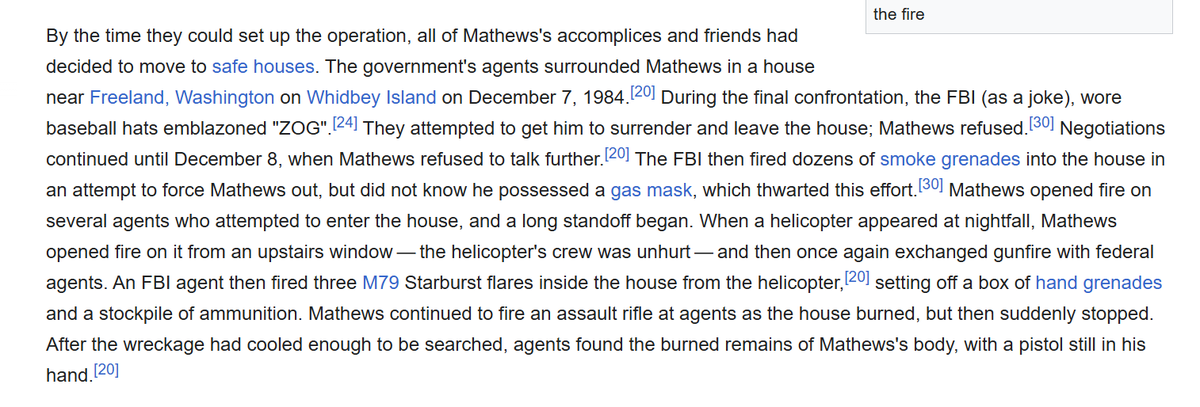
Have you heard of "The Order?" it was a White separatist organization founded in the Pacific Northwest in 1983. When Bob Mathews and The Order were killed in 1983/84 by the FBI wearing literal Z0G hats as told below by @ShieldsClips, The Order's goal was a homeland for White people.
The Order believed America to be controlled by a cabal of jews with internationalist and jewish-racial loyalties, rather than loyalty to the American nation.
When The Order was founded in 1983, it was only a short 15 years after jews had used their power to get the "Fair Housing Act of 1968" passed, make it illegal for White people to have their own spaces in the country White people founded & built.
And it was only 18 years after jewish organizations helped open America's borders with the Hart-Celler Immigration Act of 1965, to flood us with non-White people and destroy our White Christian foundations.
For hundreds of years until 1965-68, America had been a homeland for White Christian Americans, but it was taken away against our wishes & without our consent. The 1965 act was opposed by Americans 2.4 to 1, but enabled by the JFK assassination. And the Fair Housing Act of 1968 had failed 3 times in congress before it was quickly passed on the 4th attempt after the assassination of MLK Jr and the resulting violent riots in 100 cities across America.
Members of The Order watched in real time as the country they grew up in began to be destroyed right before their very eyes. They lived through this "Z0G" regime dismantling their private property rights. They watched as the jewish cabal they described used tribal organizing, activism, violence & assassination to achieve its political goals.
The Order saw the "jewnited States of America" under Z0G as hopelessly corrupt, and planned an insurgent-style battle strategy to win their freedom from Z0G. The Federal Government, with Z0G hats and all, quickly acted to destroy them.
You might find their methods wrong, bad or evil (or maybe you don't)—but is there any doubt anymore that they were absolutely correct in their assessment of the occupation of our country and government by jewish power? And is there any doubt "Z0G" used terrorism and violence to achieve its control over America? And were members of The Order wrong to want to have their old America back and a homeland for White people?
As you watch Palestine & Iran be the latest casualties of "Z0G" violence to overthrow their nations and self-determination because they resist Z0Gcupation, just remember that our Z0G here in America won't hesitate to Gaza you for resisting, either.
Just ask Randy Weaver who, a few years later in 1992, also found out at Ruby Ridge, Idaho, what happens when you set out to oppose Z0G. (Watch my video (linked below to learn more about that)
When Nick Fuentes, Eric Aarvol, Thomas Rousseau, and now even Tucker Carlson, talk about America's White identity & history, and whether White people should have the right to their own spaces and freedom of association, and organize in various ways for those ends, please remember the historical context and dangers of even having these conversations, much less engaging in actual activism (even the non-violent kind). This context should also help you understand why there's disagreement & trepidation amongst these men & their followings as to the best way forward for pro-White activism. Z0G tends to get violent about that.
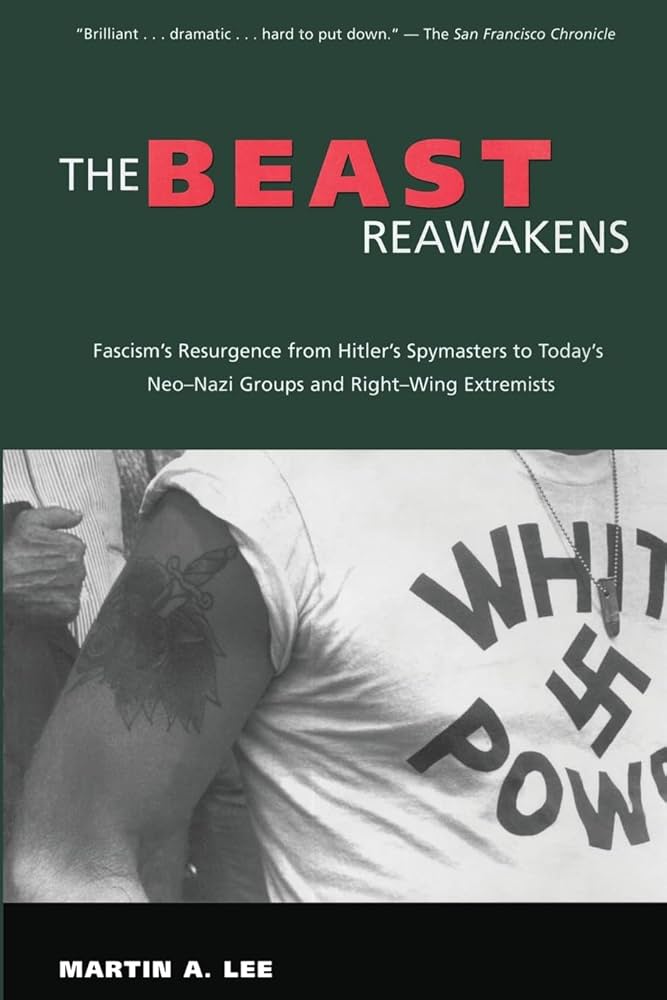
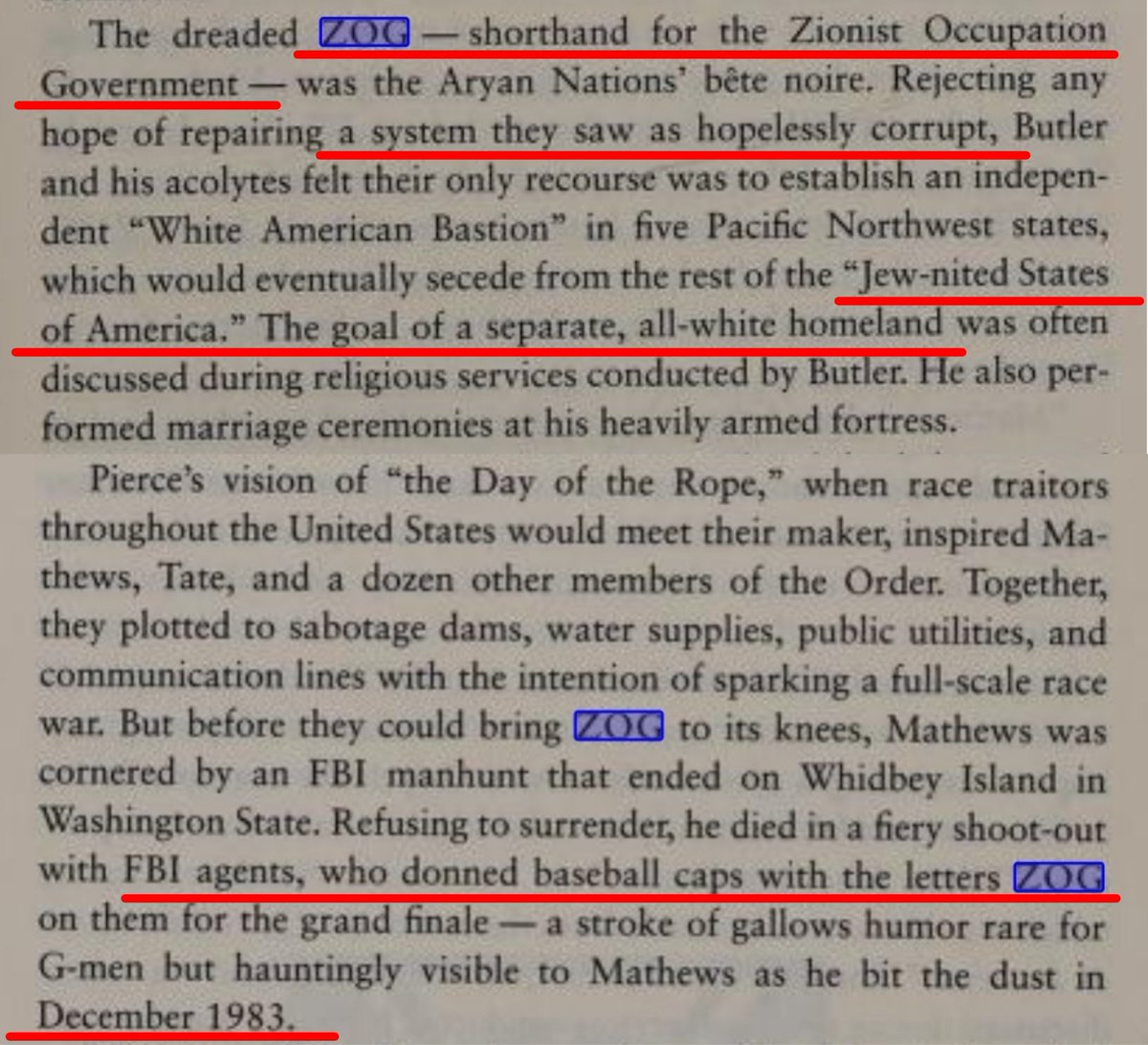
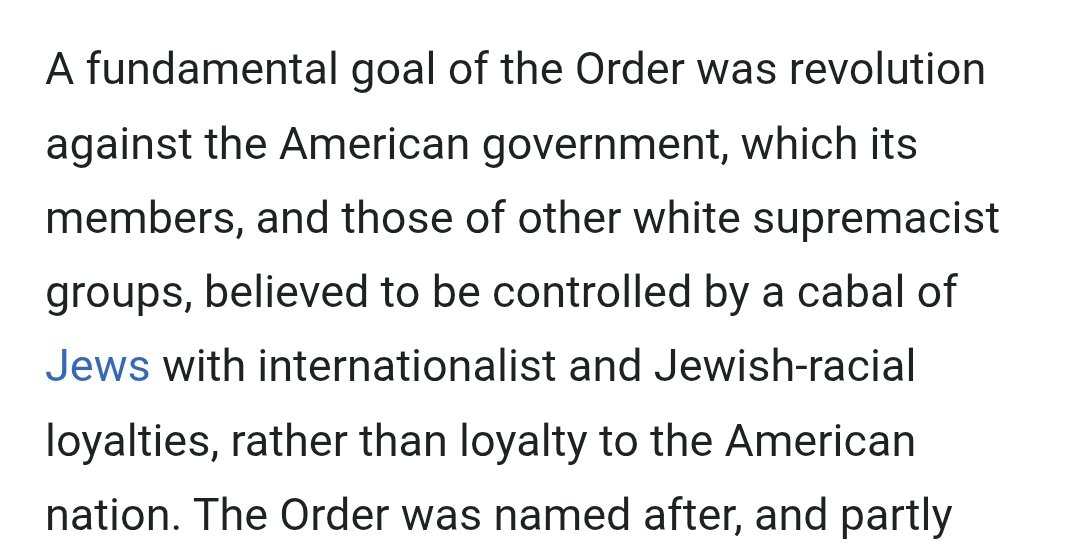
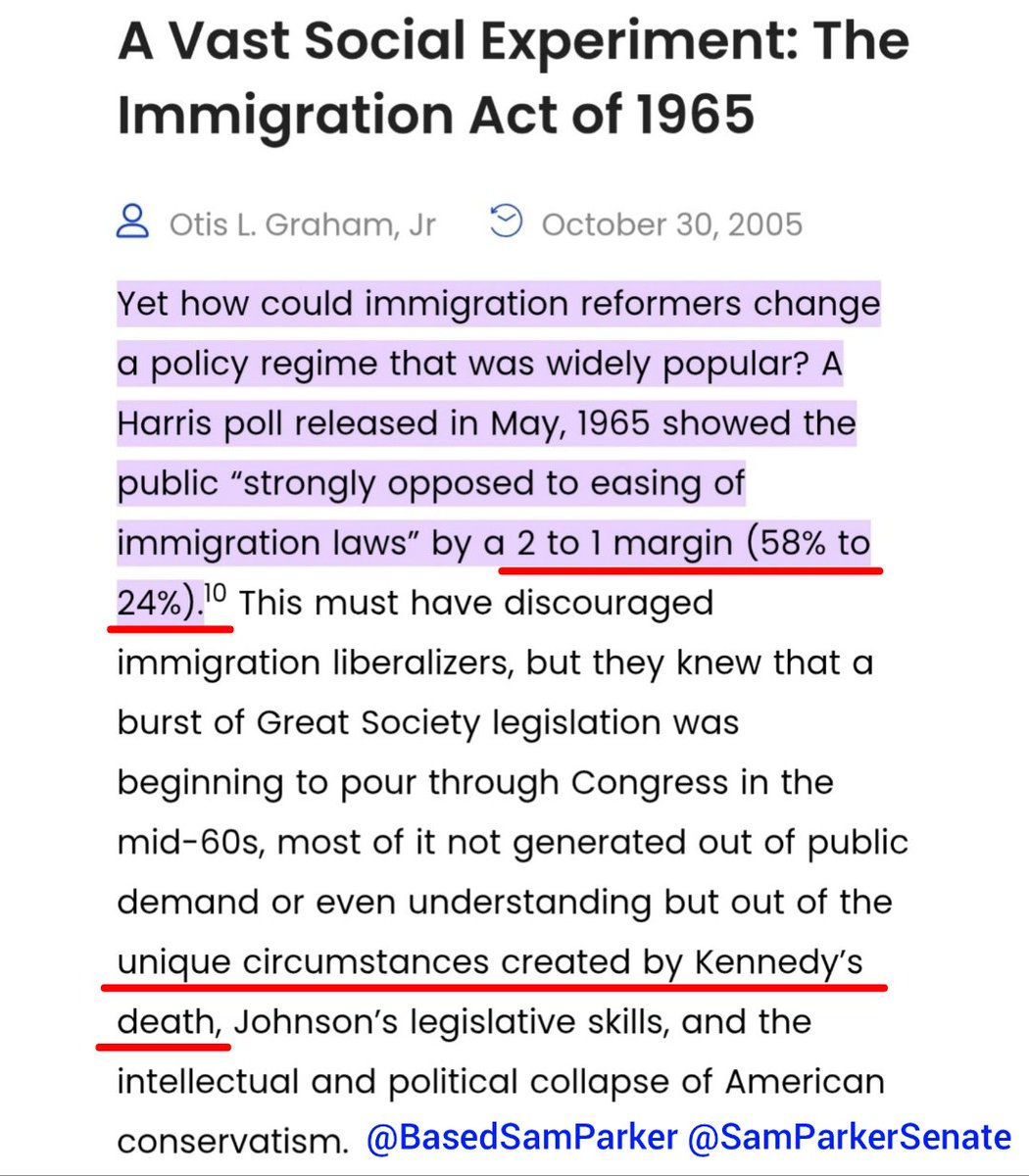

Did you know in 1984, the FBI killed a man named Robert Jay Mathews in his home by burning him alive, while wearing hats that said ZOG?
86
478
2,195
111,260
WokeReich retweeted
27 Aug 2025
Book Launch Announcement: The Truth About the Leo Frank Case
Uncovering a Century-Old Injustice that Lingers
In 1913, Leo M. Frank, an Atlanta factory manager, was convicted on August 25, 1913, of the brutal murder of 13-year-old Mary Phagan, a young employee. Despite overwhelming evidence, including his guilty verdicts upheld by multiple appellate tribunals and failed attempts to frame two innocent Black men, powerful forces are now pushing to rewrite history. The Anti-Defamation League of B'nai B'rith (ADL), backed by significant resources and a global network of ethnoreligious advocates, agitators and activists, seeks to overturn Frank’s conviction and portray him as a victim of anti-Semitism. Frank, a high-ranking B’nai B’rith official, was sentenced to death but lynched after a controversial executive commutation.
This book, The Murder of Little Mary Phagan (2025), reveals the shocking truth through meticulous research and primary documents contextualized with new eyes. Written by Mary Phagan-Kean (b. June 5, 1954), the great-niece and namesake of the victim, "little" Mary Anne Phagan, this expanded edition, more than doubles the size of the 1987 original, and includes extensive footnotes, references, context, hoax busting, and historical records. It represents a lifetime of dedication to uncovering the facts and honoring the true victim, Mary Phagan (1899 - 1913).
About the Author
Mary Phagan-Kean, a retired Education Program Specialist for Visual Impairment from Ellijay, Georgia, has spent decades researching the Leo Frank case. Committed to preserving her great-aunt’s legacy, she is available for media interviews and speaking engagements. Contact her via littlemaryphagan.com or by mail at P.O. Box 2573, 801 Industrial Blvd., Ellijay, GA 30540-9998.
Coming Soon
Stay tuned for the release of this definitive account, a labor of love exposing a century-long campaign to distort justice.
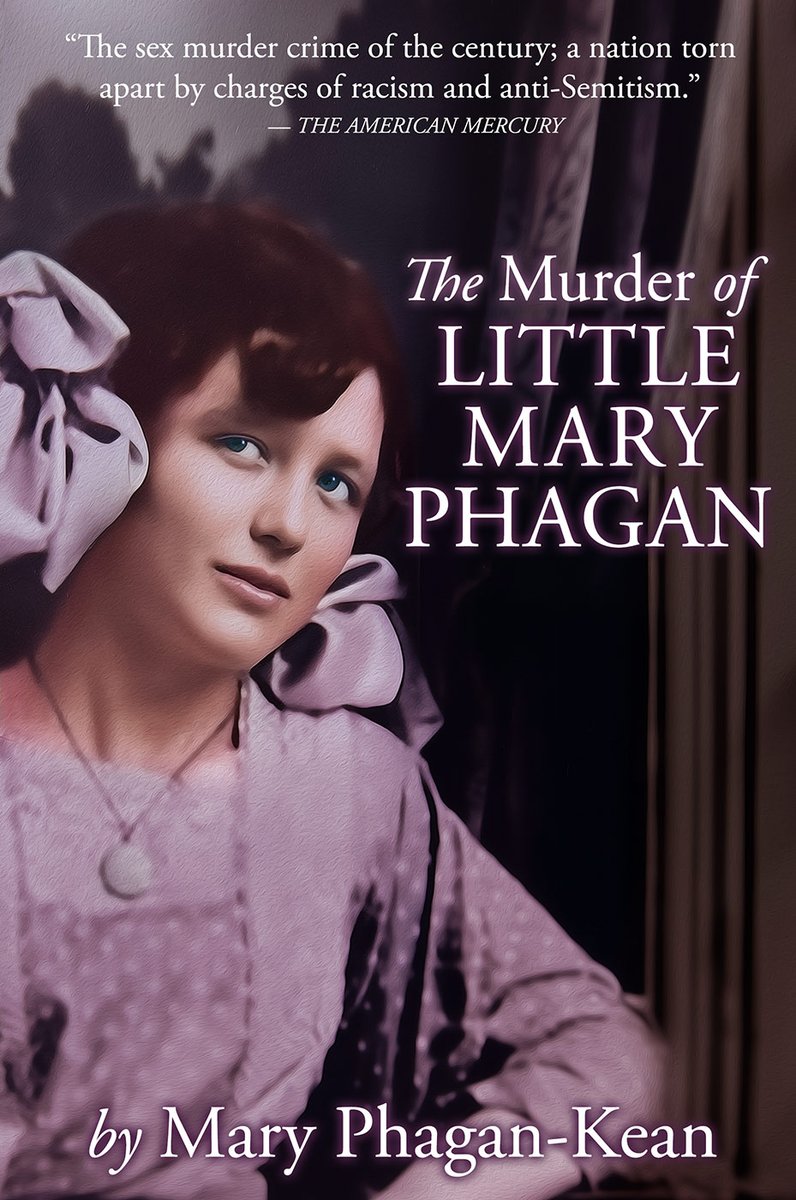
27 Aug 2025

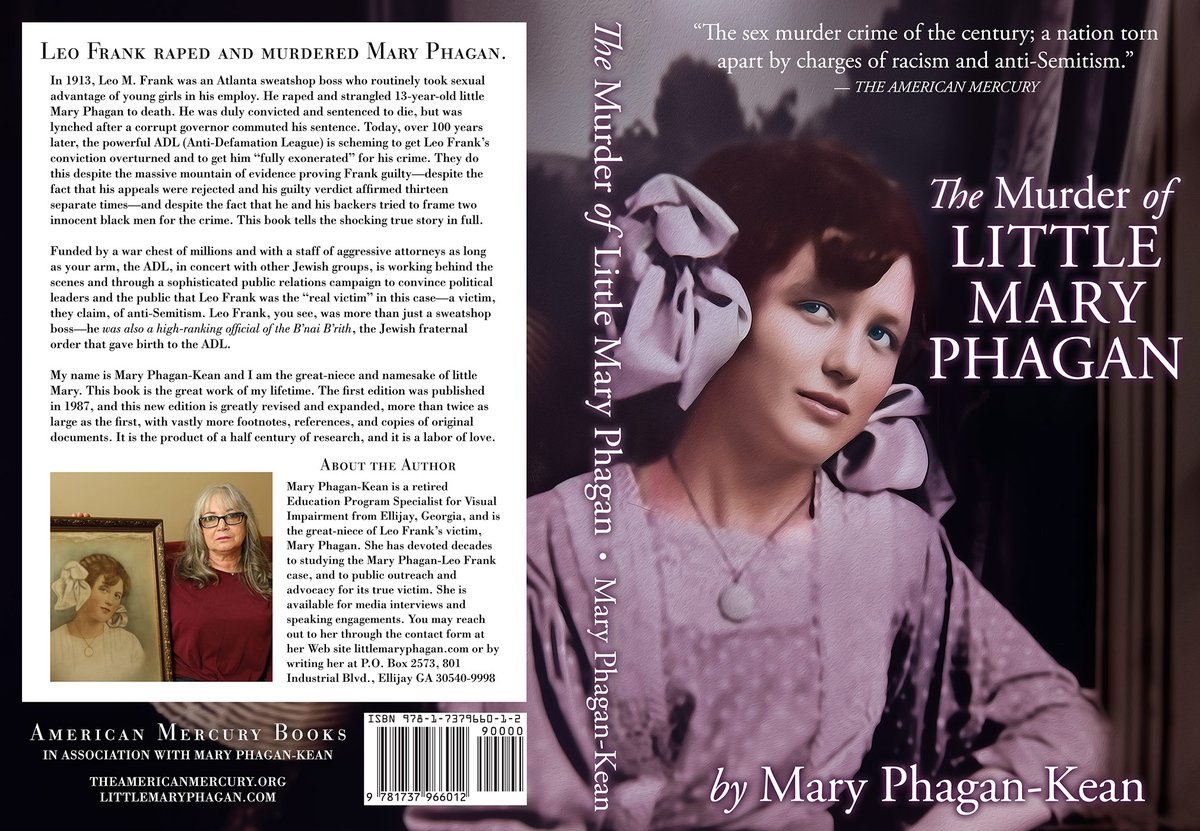
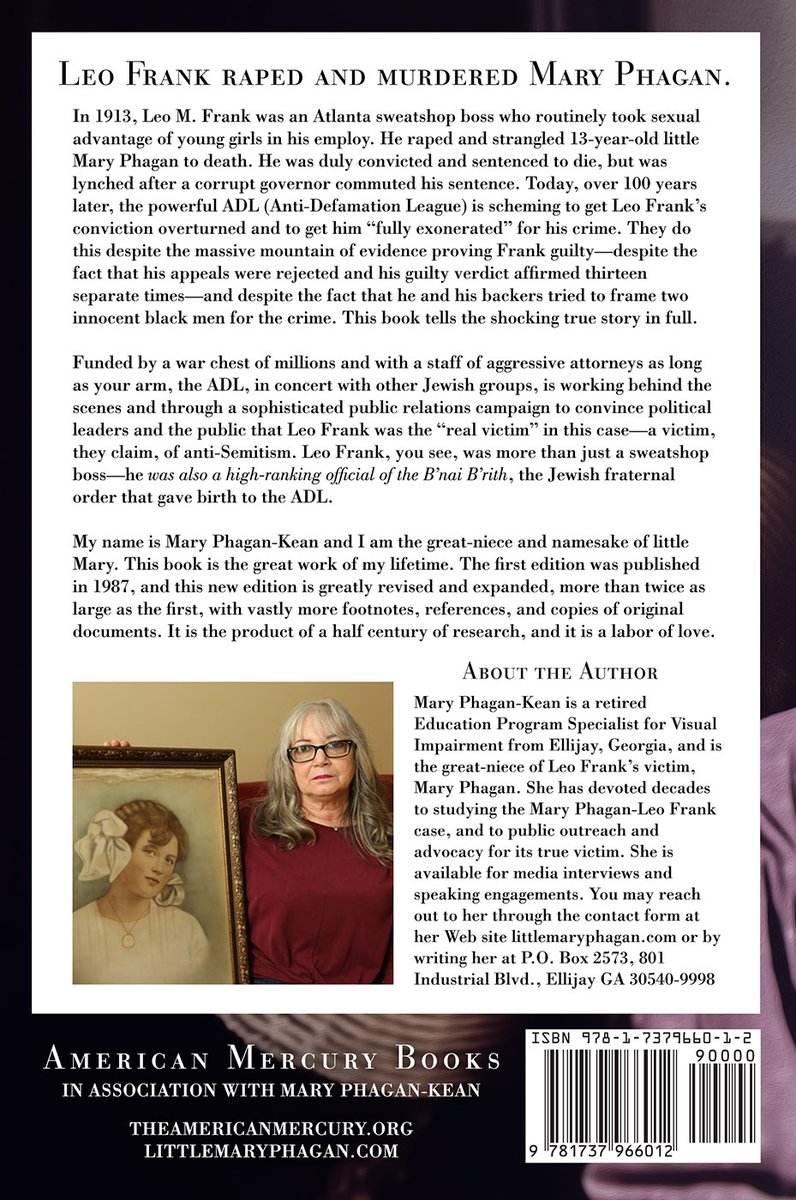
BACKCOVER OF MY NEW BOOK LAUNCH APPROACHING SOON:
Leo Frank raped and murdered Mary Phagan: In 1913, Leo M. Frank was an Atlanta sweatshop boss who routinely took sexual advantage of young girls in his employ. He raped and strangled 13-year-old little Mary Phagan to death. He was duly convicted and sentenced to die, but was lynched after a corrupt governor commuted his sentence. Today, over 100 years later, the powerful ADL (Anti-Defamation League) is scheming to get Leo Frank’s conviction overturned and to get him “fully exonerated” for his crime. They do this despite the massive mountain of evidence proving Frank guilty—despite the fact that his appeals were rejected and his guilty verdict affirmed thirteen separate times—and despite the fact that he and his backers tried to frame two innocent black men for the crime. This book tells the shocking true story in full.
My name is Mary Phagan-Kean and I am the great-niece and namesake of little Mary. This book is the great work of my lifetime. The first edition was published in 1987, and this new edition is greatly revised and expanded, more than twice as large as the first, with vastly more footnotes, references, and copies of original documents. It is the product of a half century of research, and it is a labor of love.Funded by a war chest of millions and with a staff of aggressive attorneys as long as your arm, the ADL, in concert with other Jewish groups, is working behind the scenes and through a sophisticated public relations campaign to convince political leaders and the public that Leo Frank was the “real victim” in this case—a victim, they claim, of anti-Semitism. Leo Frank, you see, was more than just a sweatshop boss—he was also a high-ranking official of the B’nai B’rith, the Jewish fraternal order that gave birth to the ADL.
About the Author: Mary Phagan-Kean is a retired Education Program Specialist for Visual Impairment from Ellijay, Georgia, and is the great-niece of Leo Frank’s victim, Mary Phagan. She has devoted decades to studying the Mary Phagan-Leo Frank case, and to public outreach and advocacy for its true victim. She is available for media interviews and speaking engagements. You may reach out to her through the contact form at her Web site littlemaryphagan.com or by writing her at P.O. Box 2573, 801 Industrial Blvd., Ellijay GA 30540-9998
48
434
1,235
212,443
WokeReich retweeted

Feb 13
He’s done it again folks.

36
119
1,466
98,671
WokeReich retweeted

22 Oct 2024
If you don't have time or interest in reading my book, here are some clues. Wexner has been training "young leaders" that now run AIPAC and top figures in Israel's government since the 1980s, Wexner took control of the Iran-Contra drug smuggling airline SAT at a time when Epstein was meeting w the Clinton White House specifically figures there who helped facilitate arms smuggling into the US from China and the sending of secret US military tech to China ( no one covers that scandal except conservatives and they leave these parts out bc Israel was involved ), Wexner's tax attorney was shot in the face in broad daylight the day before he was due to testify to the IRS about tax evasion and a local police report blamed Wexner and Wexner's mob ties, Wexner got the report censored and was never investigated or charged. Epstein was not the brains of the op, he was just the manager. The fact that no one will go after Wexner should tell you all you need to know about how politicians and influencers cherrypick aspects of the case for often partisan benefits.
136
2,312
6,957
288,147
WokeReich retweeted

Feb 5
Michael Tracey (AKA, Mikey) has touted the government propaganda by maintaining that Epstein's network of twisted pedophiles didn't exist and also by excoriating Epstein victims and also the journalists who have stood up for victims. He's been particularly vicious to Epstein victim Virginia Giuffre, who committed suicide. Finally, Mikey has been outed as a supreme knucklehead, and he's losing his allies, like Glenn Glenn Greenwald, on the garbage he peddled about Epstein. I was on The Chris Hedges Show in July and that episode now has over 3 million views. Mikey emailed Hedges and his producer, stating that I was progenitor of“blatant distortions, egregious misrepresentations, and outright falsehoods” throughout the interview. In response, I wrote "Mikey and Me: A Love Story," which will hopefully be a source of growth for Mikey. nickbryantnyc.com/blog/f/mik…
58
128
856
39,574
Feb 4
7 Nov 2024

Well, Bret, unlike you - I didn't wait until Trump was out of office to criticize the government's nefarious and terrible Covid policies.
Unlike you, I didn't ignore the fact that Trump's VP pick, major donor Musk and major ally Vivek are all deeply invested in GMO biotech and genetically modified vaccines and that Trump's first term saw a massive regulation of GMOs under the guise of strengthening "biotech innovation." I also didn't give Trump a pass for still to this day refusing to reject his mRNA, military-designed Covid-19 injections.
Unlike you, I think it is a troubling sign that the Trump campaign has said that RFK Jr (who I have my own gripes with) will have no leadership role at HHS at all but merely access to "vaccine data" but no real authority to do anything w that data, despite the public campaign that the opposite would happen.
Unlike you, I think it is troubling that people tied to CIA contractor Palantir, which distributed the dramatically undertested Covid vaccines to minorities first and hoarded Americans' health data under Covid, are very involved in the incoming Trump administration. They also basically run a CDC office that will declare the "next pandemic" "before it happens."
Palantir also profiles Americans to be put on domestic terror watchlists based on their online activity and powers the "war on domestic terror" no matter what party is in the White House. JD Vance's career-long benefactor and Palantir co-founder Peter Thiel (many of his allies like Musk, Lonsdale and Sacks backed Trump heavily and are involved w his transition team) funded the facial recognition firm that brags about sending January 6th protestors to prison. Thiel is not a libretarian, as he claims, and openly says he hates free market competition.
So, I'm afraid you're blinded by your strong emotional feelings about this election cycle, just like you were blinded by fear during early Covid when you showed everyone how you wear your mask. I'd appreciate a response, but I suspect you'll block me just like your brother (who spent many years working for Thiel).
2
442
WokeReich retweeted
Feb 4
1
1
242
WokeReich retweeted

I might get killed for posting this, the least you could do is watch it.
6,362
59,851
159,259
22,169,691
WokeReich retweeted

Jan 11
This video is not about politics. It’s not an immigration debate. And it’s not about whether you like or hate law enforcement.
It’s about one uncomfortable question that keeps getting buried:
Was this self-defense?
Full Video - 📽️: youtu.be/Wh3azU1-nao
When you strip away the outrage, the slogans, and the ideology, self-defense comes down to actions—not intent, not emotion, and not hindsight.
In this video, I break down:
Why interfering with a lawful arrest matters legally
How panic and adrenaline affect human behavior
Why intent does not control self-defense analysis
What a reasonable person would perceive in a split-second, high-risk situation
And why self-defense often exists in the space just before catastrophe
This isn’t a perfect scenario.
It’s not clean.
And it’s not something to celebrate.
A woman lost her life — and that matters.
But tragedy does not automatically equal injustice.
Sometimes tragedy is what happens when fear, panic, and bad decisions collide in seconds — and pretending otherwise doesn’t make us compassionate, it makes us dishonest about how violence and human behavior actually work.
This is the hard conversation.
Not the easy one.
The honest one.
👇 Drop your thoughts in the comments — but keep it factual.
447
301
1,720
82,059
WokeReich retweeted
8 Dec 2025
CHARLIE KIRK: ANCHORING THE PRE-ESTABLISHED NARRATIVE
Never forget that only hours after Charlie was killed—and long before Tyler Robinson was ever known—Trump, Netanyahu and others told us who did it & why: the "ultra-progressive" "radical Left."
Such narrative "pre-anchoring" is reminiscent of when the zionist media told us Osama Bin Laden & Islamic terrorism were responsible for the 9-11 attacks, ONLY MINUTES after they happened.
Don't you find it odd that they told us a narrative without having any facts whatsoever, right from the jump, that has never changed or been deviated from? There wasn't even a period of "Well, we don't have any facts, yet—but as soon as we have some, we'll let you know." Nope.
Instead, a day before Tyler Robinson serendipitously turned himself in, they already knew the Tyler Robinson narrative. Isn't that convenient?
Anchoring. Narrative management. The first story the public hears is the one it will retain. Tell me this wasn't a propaganda operation from the start. Go ahead. Convince me.
105
309
1,130
187,490
WokeReich retweeted
28 Nov 2025
Who did this? 🤣
325
3,735
14,091
309,184