
Author, Speaker, Host of The @JasonWHoyt Show, Founder & Host of The Liberty Restoration Society.
Joined August 2008
- Tweets 31,279
- Following 5,103
- Followers 4,799
- Likes 2,691
2,566 Photos and videos









Pinned Tweet

9 Aug 2023
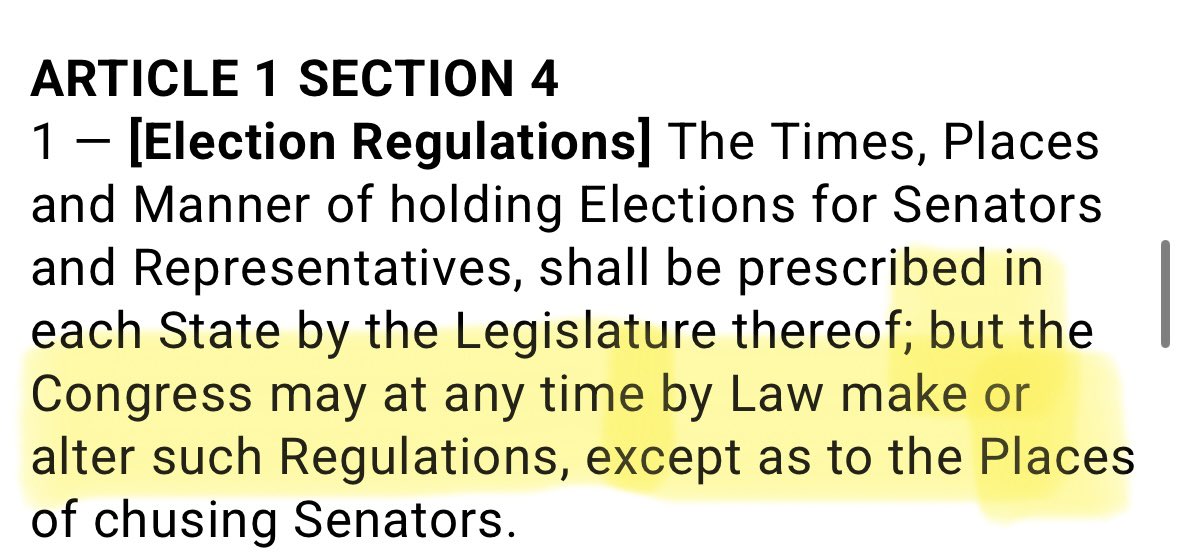
🇺🇸👉🏻 Paper ballots only. No machines whatsoever. Hand count AT THE precinct. 1000 voters per precinct. No transportation of ballots before counting. Absentee by verifiable limited circumstance application under penalty of perjury. #PaperBallots #ElectionFraud
50
104
274
25,082
Jason W Hoyt retweeted

Jun 3
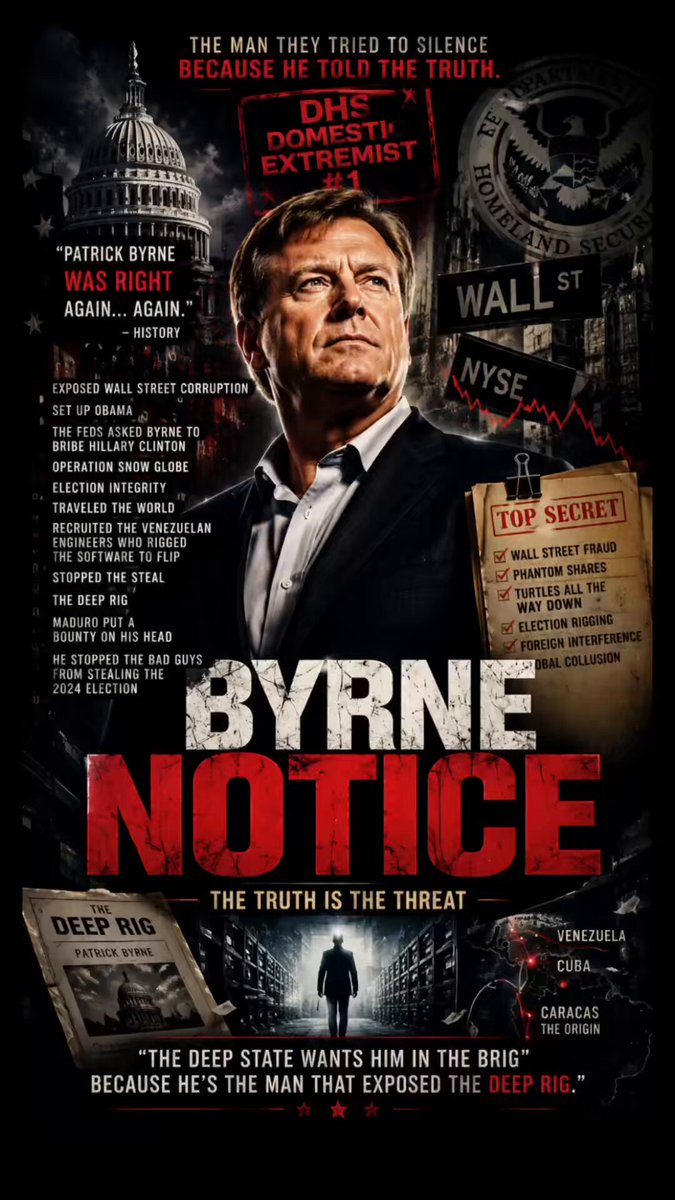
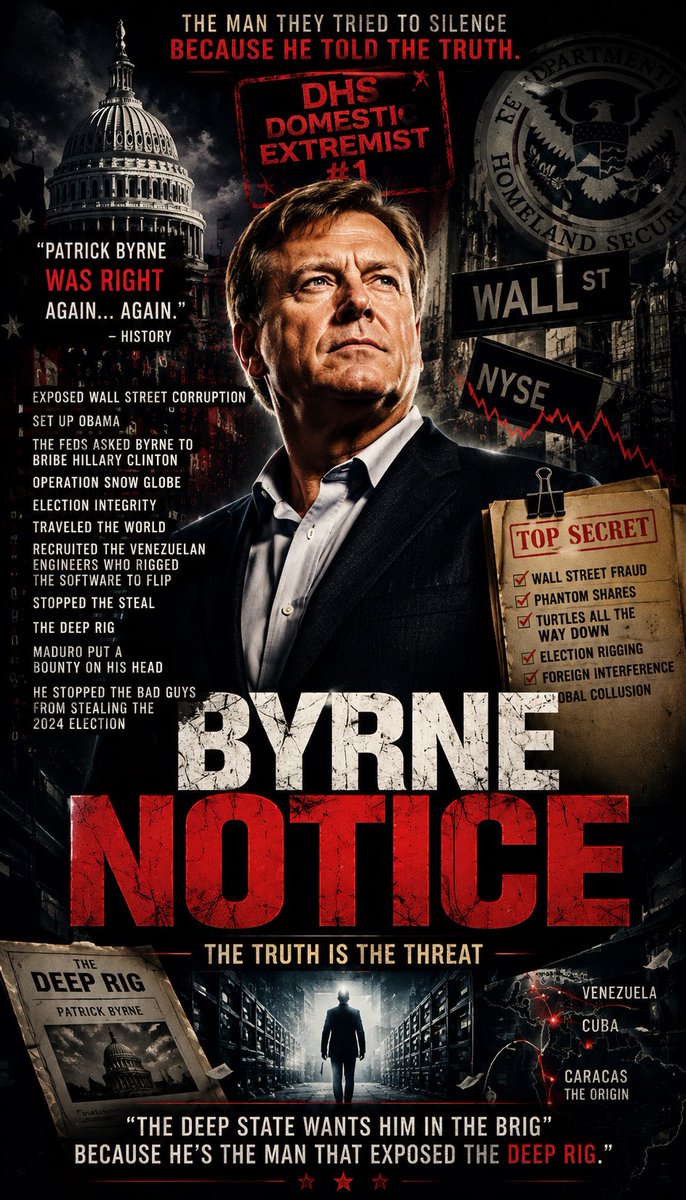
🚨 PATRICK BYRNE DROPS DETROIT ELECTION BOMBSHELL 🚨
@PatrickByrne says new findings out of Detroit raise major questions about mail-in ballots, envelopes, and election machine access.
According to Byrne, some precincts allegedly had more ballots than envelopes - while others had more envelopes than ballots.
He also claimed up to 33% of mail-in ballots in Detroit may have had no matching request on record.
“Mail-in ballots came in from people who had never asked for a mail-in ballot. What’s that sound like?”
Byrne also pointed to testimony from Michigan election official Jonathan Brater, who he says acknowledged VPN access into voting machines - raising the obvious question:
If there was VPN access, were the machines connected?
This is why transparency matters.
Paper ballots. Full audits. No black boxes.
15
383
1,037
20,683

Project Pinto was the 1979-83 Israeli code name for smuggling ~800 krytrons (nuclear weapon triggers) from US firm MILCO via Arnon Milchan's Heli Trading front. FBI files note Netanyahu worked at Heli then and met the US supplier (Richard Smyth, later indicted and fled).
NUMEC (Apollo) affair: 1965-80s, 200-600 lbs weapons-grade uranium unaccounted for at Pennsylvania plant run by Zalman Shapiro (strong Israel ties). Israeli intel (incl. Rafi Eitan) visited. AEC/FBI/CIA probes found no smoking gun due to classification but heavy circumstantial evidence of diversion to Dimona per declassified NSArchive docs and ex-officials.
2
10
16
266
Jason W Hoyt retweeted

One billionaire bankrolls the Senate Republicans blocking Trump — and the Tony Blair operation that tried to drag him into a forever war with Iran.
Meet Larry Ellison.
@BarbaraMBoyd connects the whole network. 🧵👇
189
3,894
9,567
237,703
Jason W Hoyt retweeted

Jun 1
Tina Peters is out.
However, note what this gets wrong: she was not charged with “voting machine tampering“ and one thing that was not allowed in the courtroom was any discussion of the voting machines lest it opened up what you found.
You cannot detest the press enough.
Jun 1

Tina Peters has been released from prison in Colorado after serving time for voting machine tampering cbsnews.com/colorado/news/ti…
Community note
Tina Peters was convicted of multiple charges including attempting to influence a public servant and conspiracy to commit criminal impersonation for a security breach of Mesa County election equipment, not for voting machine tampering.
electionfraud.heritage.org/case/201683 apnews.com/article/tina-p…
76
1,248
4,093
64,112
Jason W Hoyt retweeted

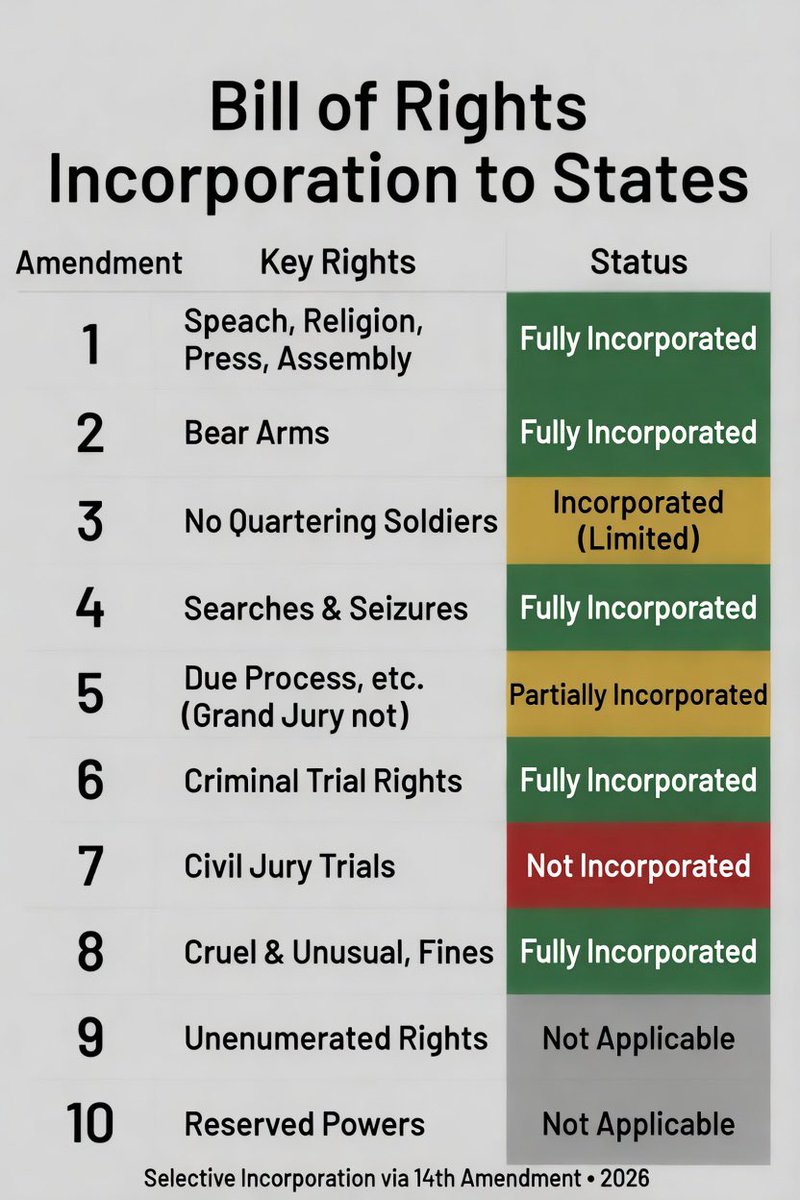
There’s a disturbing trend in Congress to grant immunity from state civil lawsuits to various products such as pharmaceuticals, data centers & pesticides.
I think this violates the 7th Amdt, but ironically the 7th is the only enumerated right not yet incorporated to the states.
364
2,897
10,583
152,320
Jason W Hoyt retweeted
Jun 1
On Friday, Michigan Director of Elections Jonathan Brater went into court and doubled-down on lies that we know are lies from emails and other depositions we have taken.
I’m no lawyer, but I believe that this resets the shot-clock on grand RICO conspiracy charges.
RTW
13
380
1,212
12,865
May 29
Thank you for your attention to the matter:
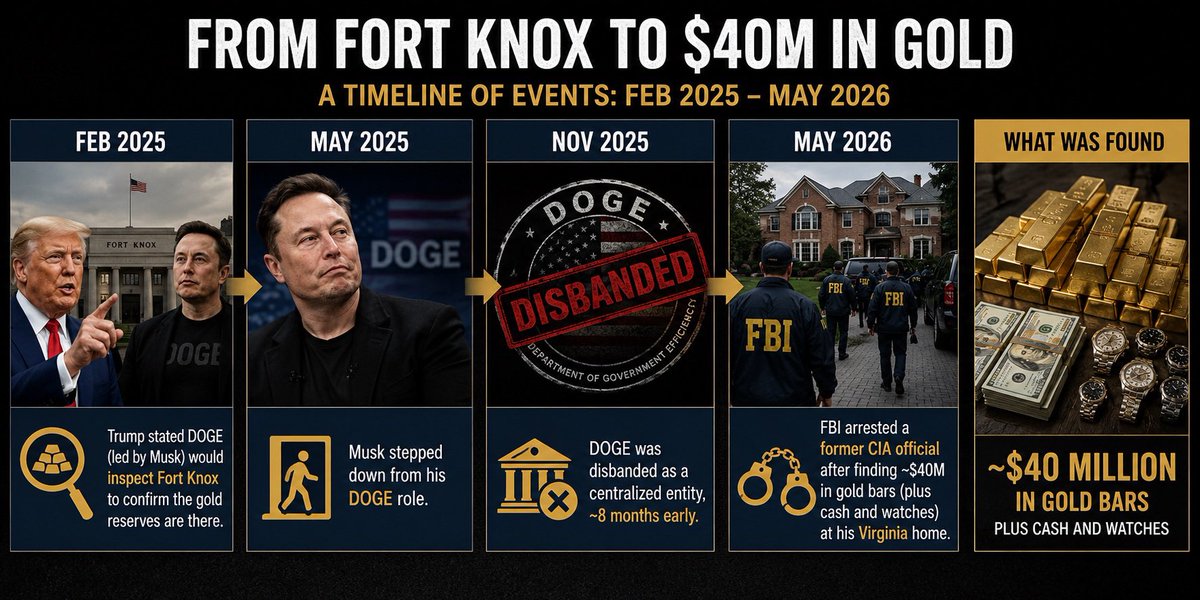
- Feb 2025: Trump stated DOGE (led by Musk) would inspect Fort Knox to confirm the gold reserves are there.
- May 2025: Musk stepped down from his DOGE role.
- Nov 2025: DOGE was disbanded as a centralized entity, ~8 months early.
- May 2026: FBI arrested a former CIA official after finding ~$40M in gold bars (plus cash and watches) at his Virginia home.
2
41
Jason W Hoyt retweeted

May 27
Meanwhile...
A Texas mother was arrested for warning her neighbors on Facebook about contaminated water, and many Americans are starting to wonder if this is where the country is headed next.
If residents begin speaking out about water shortages, pollution, or health concerns tied to massive AI infrastructure projects, will police eventually start treating those people like criminals too?
The most disturbing part is the city later admitted the water was unsafe to use, after officials had already threatened residents with felony charges for speaking publicly about it.
Jennifer Combs, a wife, mother, and first-time offender, was thrown in jail after posting that residents had reported getting sick from Trinidad’s brown water supply. Police called her post “false information” and charged her with felony false alarm, a statute normally reserved for fabricated emergencies and bomb threats.
Then the story took an even darker turn.
Just two weeks after police warned citizens they could face felony prosecution for discussing water concerns, the city itself issued a boil water notice telling residents not to drink, cook with, or wash dishes in the water without boiling it first.
Now critics are asking a question that would have sounded unbelievable just a few years ago: if Americans start reporting water problems connected to giant AI projects and data centers, could speaking up itself become grounds for arrest?
Watch @zeeemedia's full report before stories like this stop feeling shocking.
8
105
265
13,261
Jason W Hoyt retweeted
May 27
RED ALERT: Americans who question AI data centers are now being treated like potential terrorists under a disturbing new law enforcement category called “anti-tech extremism.”
Secret government documents suggest that parents, retirees, farmers, and ordinary Americans speaking out at county meetings are increasingly being viewed as potential threats, simply for raising concerns about giant AI projects reshaping their communities.
According to more than 1,000 unpublished DHS, FBI, and fusion center reports obtained by WIRED, authorities are monitoring citizens worried about water shortages, farmland destruction, skyrocketing electricity costs, noise pollution, and the unchecked expansion of AI infrastructure. Some reports even suggest that photography, observation, or speaking at public meetings may be treated as “pre-operational planning” tied to possible future violence.
Meanwhile, peaceful residents are being removed or arrested at town halls across multiple states.
Americans used to believe showing up at a local meeting and questioning powerful interests was part of democracy. Now some of those same people are being viewed through the lens of extremism.
See the leaked documents and disturbing examples for yourself in @zeeemedia's report before this becomes something Americans are afraid to do publicly.
329
2,744
4,193
189,995
Jason W Hoyt retweeted
May 26
Brennan’s Secret KGB Meetings: A 2014 Coup Uncovered?
Explosive allegations claim former CIA Director John Brennan secretly met with the Russian FSB in late 2014 while figures tied to Obama, Comey and Clinton allegedly worked behind the scenes to influence the next administration. The claims suggest a coordinated effort to maintain political control regardless of who won the presidency.
May 22

🚨EXCLUSIVE INTEL: The Rest Of The Epstein Documents/Tapes To Be Released Before 2026 Midterms, Sources Tell Former Deep State Insider Patrick Byrne!
"When The Rest Of The Epstein Stuff Comes Out, It's Going To Be A Stake Through The Heart Of The Democrat Party! It's Gonna Be The BAD Stuff!"
Topics Discussed In This FULL INTERVIEW:
•Trump's Chances Of Securing A Victory In Iran
•The Fall Of Venezuela & Regime Change In Cuba
•Kash Patel's Russiagate Investigation
•Tina Peters' Parole Hearing
•More Epstein Files To Be Released Before Midterms
•The Worldwide Election Fraud Network
& MUCH MORE!
THIS IS MUST-WATCH/SHARE INFO!
@PatrickByrne
@AJNlive
⬇️WATCH/SHARE THE LIVE X STREAM⬇️
x.com/i/broadcasts/1RKZzjaqr…
30
735
1,379
45,225
Jason W Hoyt retweeted

David’s right about the structure. Most people don’t actually hold their assets directly anymore. You hold a claim against a custodian, and that claim sits inside a system that can rehypothecate and repledge it.
Where I’d add to this: the reason that system was built that way isn’t just to make trading faster. It’s to create a centralized control system for capital flows.
When you don’t hold the asset directly, you also don’t have visibility. That’s how you end up with $21T of unaccounted federal money, off-balance-sheet entities, and transactions you can’t audit. If you can’t see it, you can’t govern it.
So the solution isn’t just direct registration, though that’s a good first step. It’s reclaiming transparency and control at the local level. If you can’t trace who owns what and where the money goes, you don’t have a free market. You have a managed system.
The good news is you can opt out, piece by piece. Start by knowing how your assets are held. Then look at where you bank, where you transact, and whether you’re building assets you actually control.
David’s work is important because it names the mechanism. My work is trying to show people what to do with that knowledge once you have it.
May 25

I know most of you didn’t go to law school, and you shouldn’t have to. But there’s something about how your savings and retirement accounts are held that I think you deserve to understand in plain English.
My name is David Rogers Webb. I ran a hedge fund for years. What I found in my retirement is that the legal rules for owning stocks and bonds changed quietly over the last 30 years. And those changes matter if things get bad in the financial system.
Let me explain it like I would to my own parents:
1. The stocks in your account may not be in your name
When you buy Apple or Pfizer through your broker or 401k, the paperwork usually says the shares are held by “Cede & Co.” That’s the nominee for the Depository Trust Company.
You’re called the “beneficial owner.” That means you have a promise from your broker that you own the shares. But legally, on the books, the shares belong to the system.
It’s like having a claim check for a coat at a coat check. You don’t hold the coat. You hold the ticket.
2. Your shares are mixed with everyone else’s
The law now treats all these shares as one big pool. Your 200 shares of Apple sit in the same pool as a million other people’s shares.
That pool can be pledged as collateral for loans and other financial deals. You didn’t sign off on that. But the rules allow it.
3. If there’s a crisis, other creditors get paid first
If a big bank or clearinghouse fails, the law says the people who made secured loans against that pool get paid before you do.
Your claim comes after theirs. That means your retirement savings could be used to stabilize the system, even if you had nothing to do with the problem.
4. This is legal, and it happened slowly
Nothing illegal is happening here. These rules were changed through updates to commercial law, starting in the 1990s. The idea was to make trading faster and cheaper.
The unintended effect is that direct ownership was replaced by a chain of claims.
Why I call it “The Taking”
I’m not saying someone is stealing from your account today. I’m saying the system is built so that in a severe crisis, the collateral in that pool can be redirected under existing law.
You would have no legal recourse, because you never had direct ownership to begin with.
What can you do?
The first step is awareness. Ask your broker or plan administrator how your shares are held.
If you want, you can request “direct registration.” That means the shares are registered in your name on the company’s books, not in the pooled system. It’s slower, but it’s yours.
You can also consider holding some assets outside the system entirely.
I’m not telling you what to buy or sell. I’m saying you should know what you actually own before you need to use it.
The bottom line:
Most people think they own the stocks in their account. In reality, they own a claim against a broker, and that claim sits inside a system designed to protect itself first.
Once you understand that, you can decide if you’re comfortable with it.
If you’d like, I can give you a simple checklist for how to call your broker and find out exactly how your shares are held.
17
234
812
83,047
May 26
RT @austin_fit76995: Heavenly Father, Sovereign over nations and King of kings, we humble ourselves before You. America stands at the cross…
3,426
Jason W Hoyt retweeted

May 25
Banking and development economist Richard Werner says the real reason we are seeing so many Data Centers being put up so quickly is because they are building the surveillance and digital currency network right now
“We are so close to the scariest, most dystopian system. This is what the drive to build all these thousands of data centers is about, to micromanage the world's population through the New Financial World Order. AI is really about that.
We're heading towards digital control systems where we have no more control over our liquid assets. It will be programmable, permission-based, so only what the central planners allow you to use your money for, at what time and place and location will be permitted.
And if you're in the wrong place, it's not going to work. And If you're buying the wrong book, it's not gonna work. Your money won't work outside a certain zone, whether it's 15-minute prison zone or whatever it may be. It is the totalitarian dictator's dream come true”
Here’s what he’s saying
Data centers as infrastructure for control
The data centers are essential for the massive computing power needed to track, analyze, and micromanage billions of transactions in real-time under a “New Financial World Order.”
This includes enforcing rules on what you can buy, where you can spend, and when “15-minute city” style geographic restrictions or blacklisting certain purchases
He’s saying AI isn’t just for chatbots or efficiency. It’s the perfect tool for the surveillance, predictive analytics, and an automated enforcement layer on top of digital money
I think he’s right. I also think it’s for the massive camera infrastructure being installed all over America with Flock
It’s all connected. This is the surveillance state being constructed
587
4,847
6,955
251,897
May 25
This Memorial Day: Honor the Fallen & Raise the Standard for War
jasonwhoyt.com/article/this-…
18
Jason W Hoyt retweeted

May 24
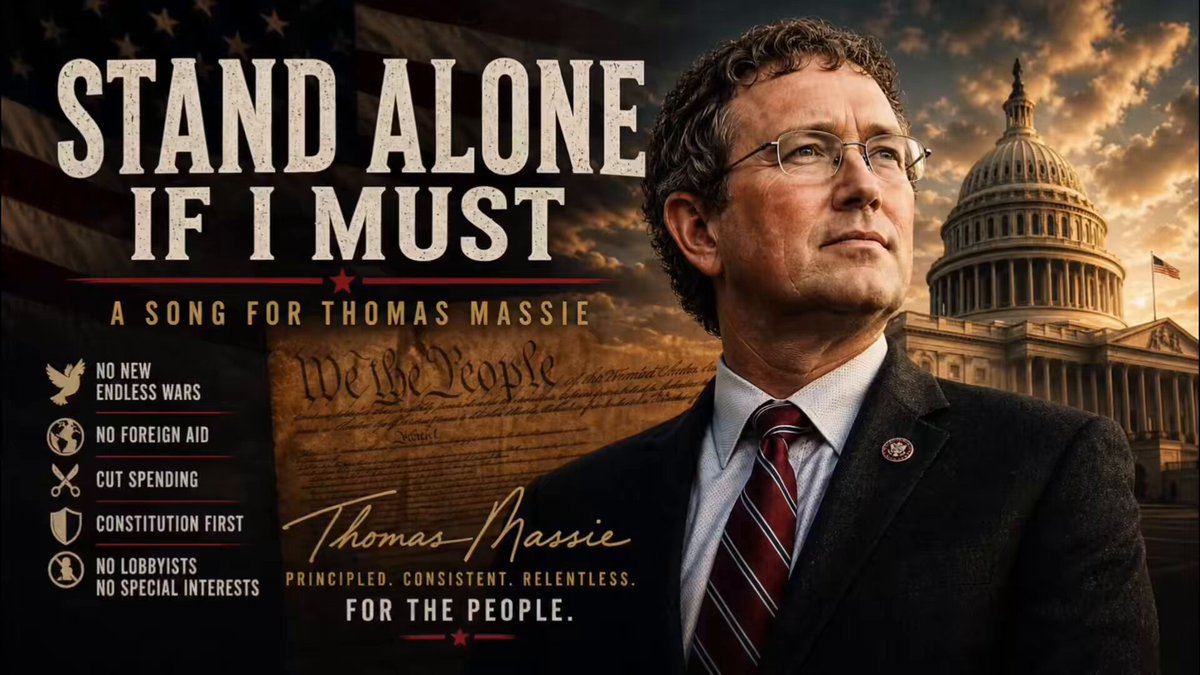
🚨 NOW: Rep. Thomas Massie fumes that Republicans "used artificial intelligence" to make it seem like he was cozying up to AOC and Ilhan Omar
"They used AI to create a life-like video showing me checking into a hotel room with AOC and Ilhan Omar and holding hands with them!"
"It was very effective on the boomers...the boomers are gonna, you know, leave this country to Gen X, Gen Z, Millennials. I won them. They don't get fooled by AI."
"They won this race by fooling voters."
3,534
595
2,602
667,146
May 24
The age of deception is upon us.
—> Endure! Discern! Persevere!
1
1
54
May 22
🚨 —> STOP FALLING FOR THE LIES!!
“He voted AGAINST the troops!”
Okay… what ELSE was in the bill?
That’s the game.
Washington stuffs giant omnibus bills with a mix of good policies and garbage, then pressures representatives to vote for the whole thing. If they vote NO because of the hidden poison pills, the attack ads begin.
That’s what this song is about.
You can make the greatest sandwich in the world… but if somebody slips a little turd in the middle, it’s still a crap sandwich. 😂
This acoustic protest song is funny, catchy, and painfully true:
🎶 “It’s a crap sandwich… and we ain’t eatin’ anymore…” 🎶
Maybe it’s time Americans demand:
✔ One bill
✔ One issue
✔ One vote
👉🏻 SINGLE ISSUE BILLS NOW!
No more hiding garbage inside thousand-page bills.
—> HoytMusic.com
#CrapSandwich #SingleIssueBills #RepresentativeGovernment #Liberty #GovernmentAccountability #WakeUp #Truth #Politics #Freedom #WeThePeople
1
98
Jason W Hoyt retweeted

May 22
x.com/i/status/2057882463230…
Lord, please heal @TulsiGabbard's husband from the clutches of cancer. Please be swift in action; keep their family strong and faithful. Father, allow for no more setbacks - further grant us strength as patriots of this country, to continue doing the hardwork that MUST be completed. All for the good of this nation, your people, and future. Amen.

1
1
75