
Joined November 2011
- Tweets 1,344
- Following 258
- Followers 2,098
- Likes 562
219 Photos and videos





20 Oct 2020
🎉🎉🎉

Splunk has acquired @JavaPlumbr and agreed to acquire @TeamRigor, two companies with deep expertise and intellectual property that extend our end-to-end observability solution to be the most comprehensive, practical and proven in the industry. Read on to learn more. #splunkconf20
6
20 Oct 2020
We are excited to share that Plumbr has been acquired by Splunk! Here's the announcement in our blog: plumbr.io/blog/acquired-by-s…
Additional context by Tim Tully, Splunk CTO: splunk.com/en_us/blog/conf-s…
1
6
16
5 Aug 2020
We just launched nodeJS support via integration with OpenTelemetry vendor-neutral instrumentation agent:
plumbr.io/blog/plumbr-blog/u…
4
2
22 Jul 2020
Looking forward to having virtual threads in the JDK. In addition to performance improvement, their performance will also be easier to monitor as they use existing Java abstractions (unlike RxJava, Reactor, etc).
20 Jul 2020

Networking performance improvements with Virtual Threads
#ProjectLoom
belaban.blogspot.com/2020/07…
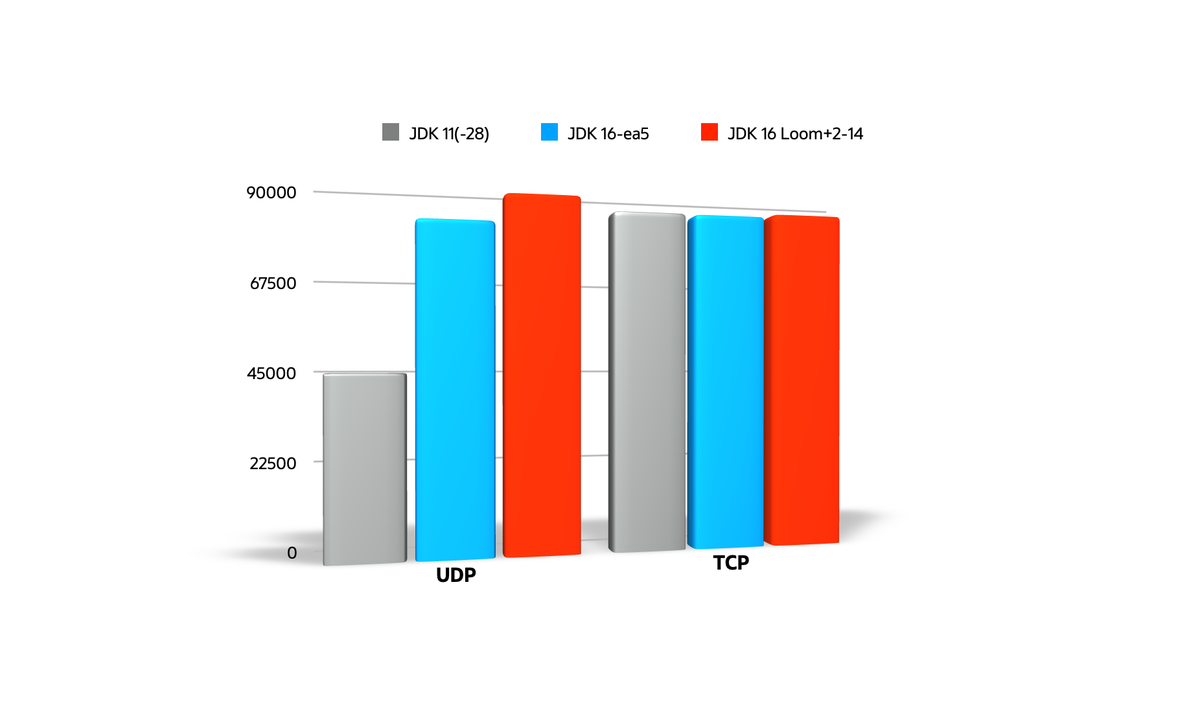
1
20 Jul 2020
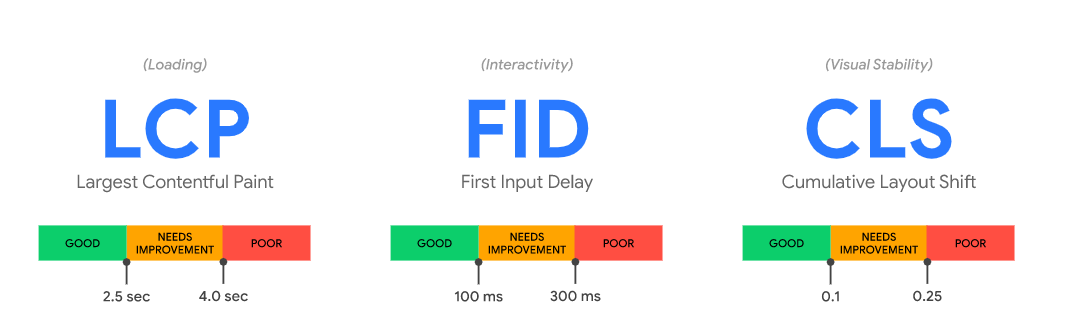
New UX metrics from browsers coming soon to Plumbr:
* Largest Contentful Paint
* First Input Delay
* Cumulative Layout Shift
Any other metrics that you would like to see? Let us know!
More info here:
plumbr.io/blog/performance-b…
1
3
16 Jul 2020
Yes. Especially in the second case.
15 Jul 2020

When hiring accountants, do you ask them if they do some extra accounting in their free time?
When hiring plumbers, do you ask whether they have some plumbing side-projects to demonstrate their passion for the job?
13 Jul 2020
The Plumbr Universal Agent got a significant update, and expands bottleneck coverage with slow HTTP requests: plumbr.io/blog/product-updat…
1
3
9 Jul 2020
What are the “three pillars of observability”?
–> Metrics, logs, and distributed traces
How do you achieve a holistic three-pillar monitoring solution with Plumbr?
–> plumbr.io/blog/java/linking-…
1
6 Jul 2020
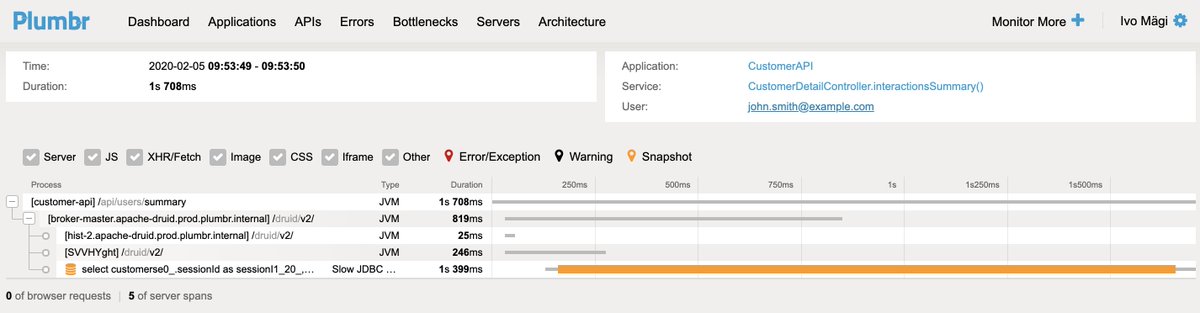
We have some exciting product news - Plumbr can now automatically explain *every* bottleneck in your Java code that makes your application or API slow: plumbr.io/blog/product-updat…
1
5
Plumbr retweeted

3 Mar 2020
I'm no expert in this area, but I've read a bunch of JVM GC tuning guides and I think @JavaPlumbr's Java GC handbook is easily the best: plumbr.io/java-garbage-colle…
6
15
6 May 2020
Have applications or APIs that are implemented in #python? Want to be notified when they have impactful errors or performance bottlenecks?
Plumbr can now also be used with Python applications: bit.ly/2YLiNF8
5
3 Mar 2020
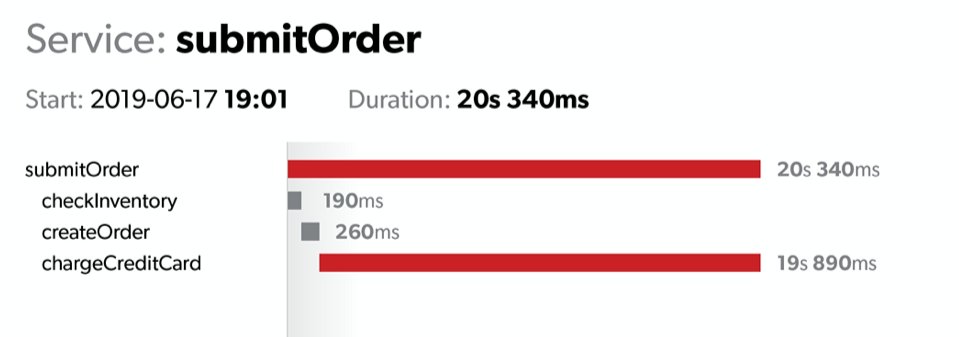
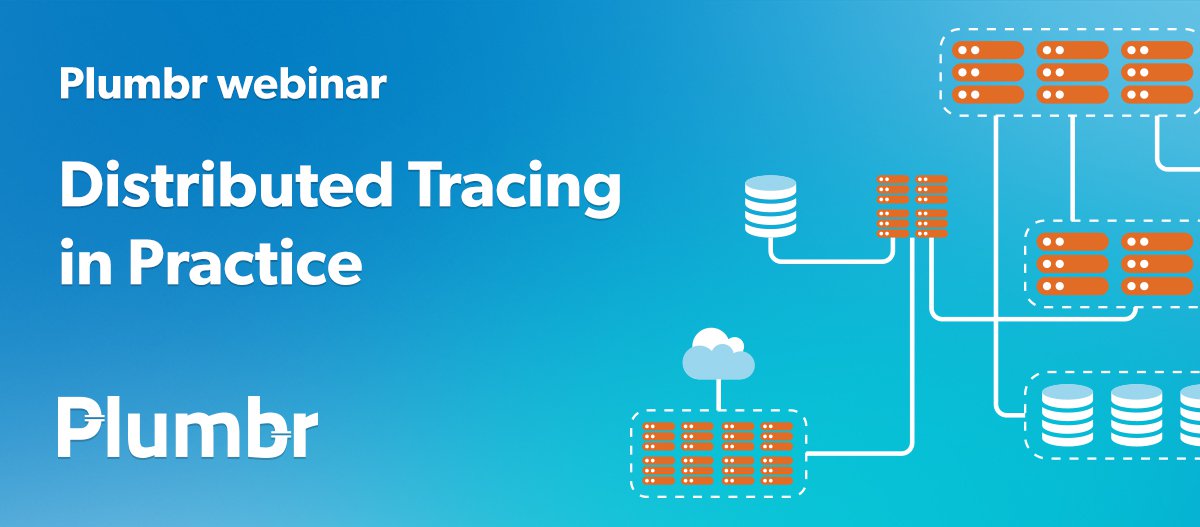
Distributed tracing in practice - responding to an incident: plumbr.io/blog/tracing/distr…
1
20 Feb 2020
Never found time to figure out how the distributed tracing works? Read our latest post covering the basics of tracing - plumbr.io/blog/monitoring/di…
1
2
19 Feb 2020
Tracing is an excellent means to gain observability to your application during runtime. We make adopting tracing as simple as possible - check it out via plumbr.io/tracing/instrument
1
19 Feb 2020
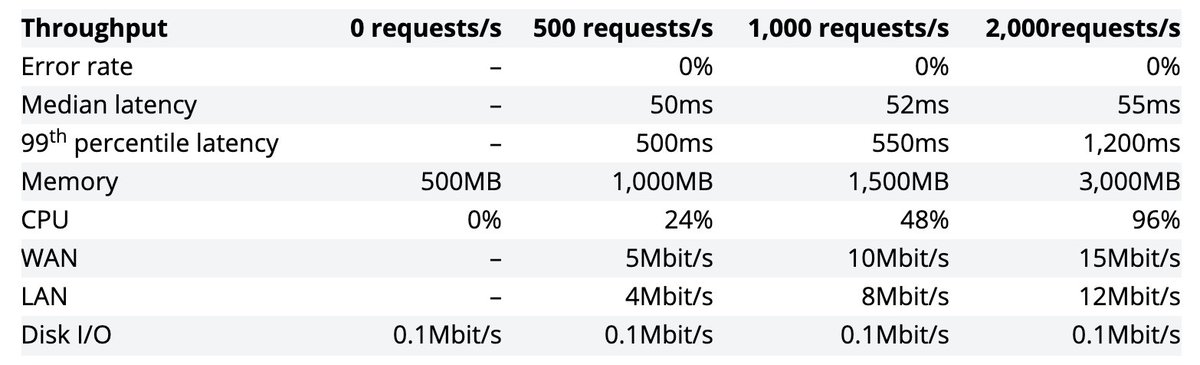
Throughput-based performance model predicting resource saturation for scaling: plumbr.io/blog/performance-b… #devops
2
3
18 Feb 2020
Performance modelling can be a daunting exercise. See a practical example how using system monitoring and tracing allowed to build and verify the model to be used in up- and downscaling the service - plumbr.io/blog/performance-b…
4
5
14 Feb 2020
Apparently there are usecases where poor performance is desirable - like "shadowbanning" users via deliberately adding sleep(5000) for the request processing from such users - news.ycombinator.com/item?id…
1
4
4
14 Feb 2020
Seems to have worked like a charm. So if you want to get rid of your users, do the same.
6 Jan 2020
Discover simple means to improve the signal quality for your alerting - plumbr.io/blog/monitoring/me…
1
1