
Joined January 2022
- Tweets 2,208
- Following 739
- Followers 58,820
- Likes 3,502
110 Photos and videos


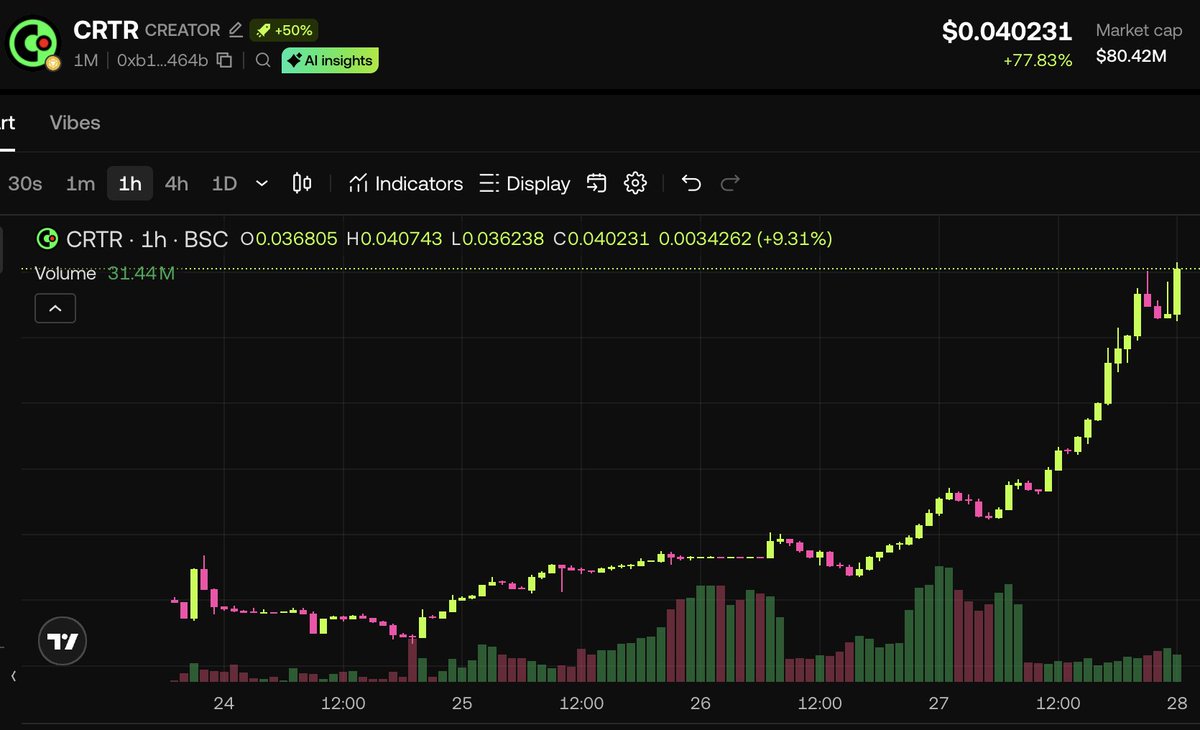

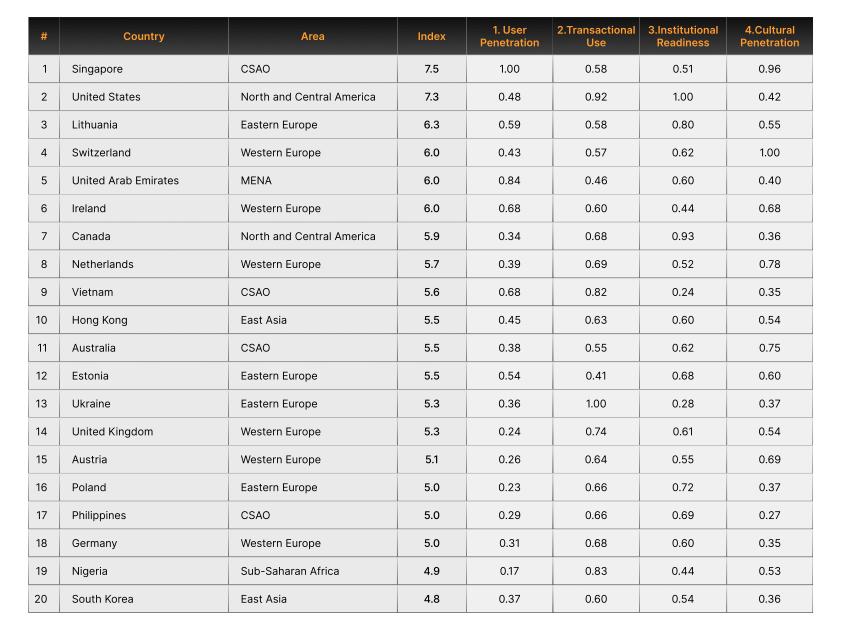
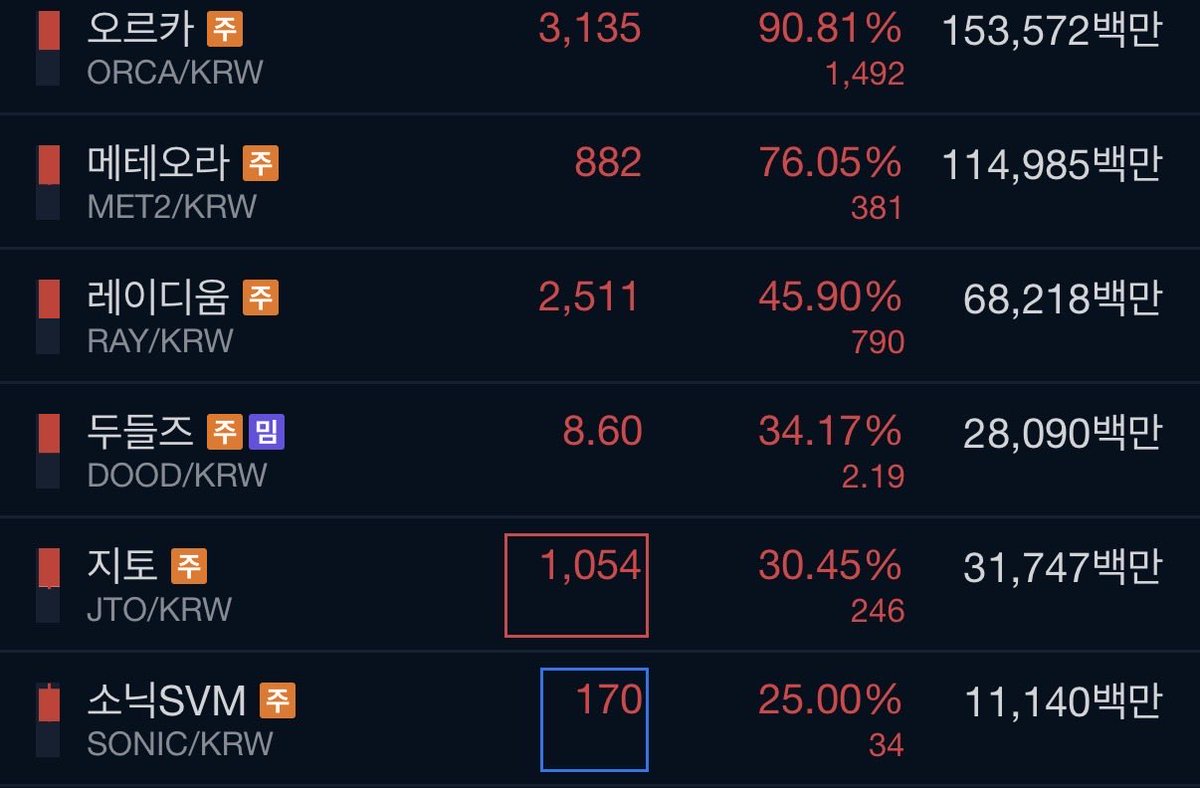

The best performing Korean campaigns use both tokens and stablecoins on purpose.
> Tokens = creator stakes, trades, uses the product
> Stables = creator gets paid for the time
Tokens earn user behavior. Stables earn consistent posting. Together, a creator uses your product AND keeps talking about it.
1
1
6
262

May 21
The campaign worked exactly as planned. Just not by you.

1
2
9
908
Jdot describes something in this clip most western teams underrate.
In fragmented cultures, attention scatters across subcultures. In Korea, attention converges. Two consequences a founder should know:
> The same person moves across verticals. The trader buying on your perp dex this month was into NFTs last month, and will be in something else soon.
> When the room turns toward a category, it turns as a group. When it turns away, it turns away as a group. The projects still holding attention afterward are the ones that built something the room remembers.
The question for any project looking at Korea isn't whether the wave exists. It's what you've built that survives the next one.
May 18

Always wondered what was behind all the excitement in Korea around crypto.
Was cool to get into the weeds on this on my recent conversation with @JdotHamilton from @HoloHive_ on Proof of Story on how Korean culture shapes crypto adoption.
Kinda similar to Brazil, people are naturally open to new opportunities, and when combined with a unified culture, it kinda spreads faster than other places.
Good reason to keep the focus there. Stay tuned for another IRL visit to Seoul.
Check out the full podcast now over on @ProofOfStory.
1
11
769
Jdot retweeted

May 18
Always wondered what was behind all the excitement in Korea around crypto.
Was cool to get into the weeds on this on my recent conversation with @JdotHamilton from @HoloHive_ on Proof of Story on how Korean culture shapes crypto adoption.
Kinda similar to Brazil, people are naturally open to new opportunities, and when combined with a unified culture, it kinda spreads faster than other places.
Good reason to keep the focus there. Stay tuned for another IRL visit to Seoul.
Check out the full podcast now over on @ProofOfStory.
13
11
111
6,528
There are three currencies in Korean market entry. Money, time, and effort.
1. Money buys coverage. Founders have this one.
2. Time buys presence. Founders agree with this in principle and don't spend it.
3. Effort buys trust. Founders don't know how to spend this at all.
Most failed Korean campaigns spent only money. The two missing currencies are what the audience actually reads.
A single-currency Korean strategy is a budget allocation. The market reads it that way too.
1
1
8
545
A project started running Korea with ~30 organic mentions across all Korean channels. Every one of them was price speculation or farming.
7 weeks later:
> 1200x mindshare increase in tier one Korean channels exchanges monitor
> Conversation moved from price talk to how the chain actually works
> KOLs holding tokens and using the product on-chain. Wallets are public. Go check.
> Client stopped asking how the launch was going. Started asking how to go deeper in Korea.
Those who decide what matters are now talking about this project.
Renting attention can't do this. Earning the right to be discussed can.
In markets where attention is bought, you can rent volume.
In markets where signal is private and loyalty is high, you have to earn the right to be discussed.
Korea is the second kind. More than any other market.
1
2
10
1,746
May 13
Me on the founder's call after they tell me they want to "just run kols and see what happens"
2
2
15
1,616
Big day for Venice. One of the most legitimate products in crypto for years now.
Congrats to the team. Well deserved.
May 12

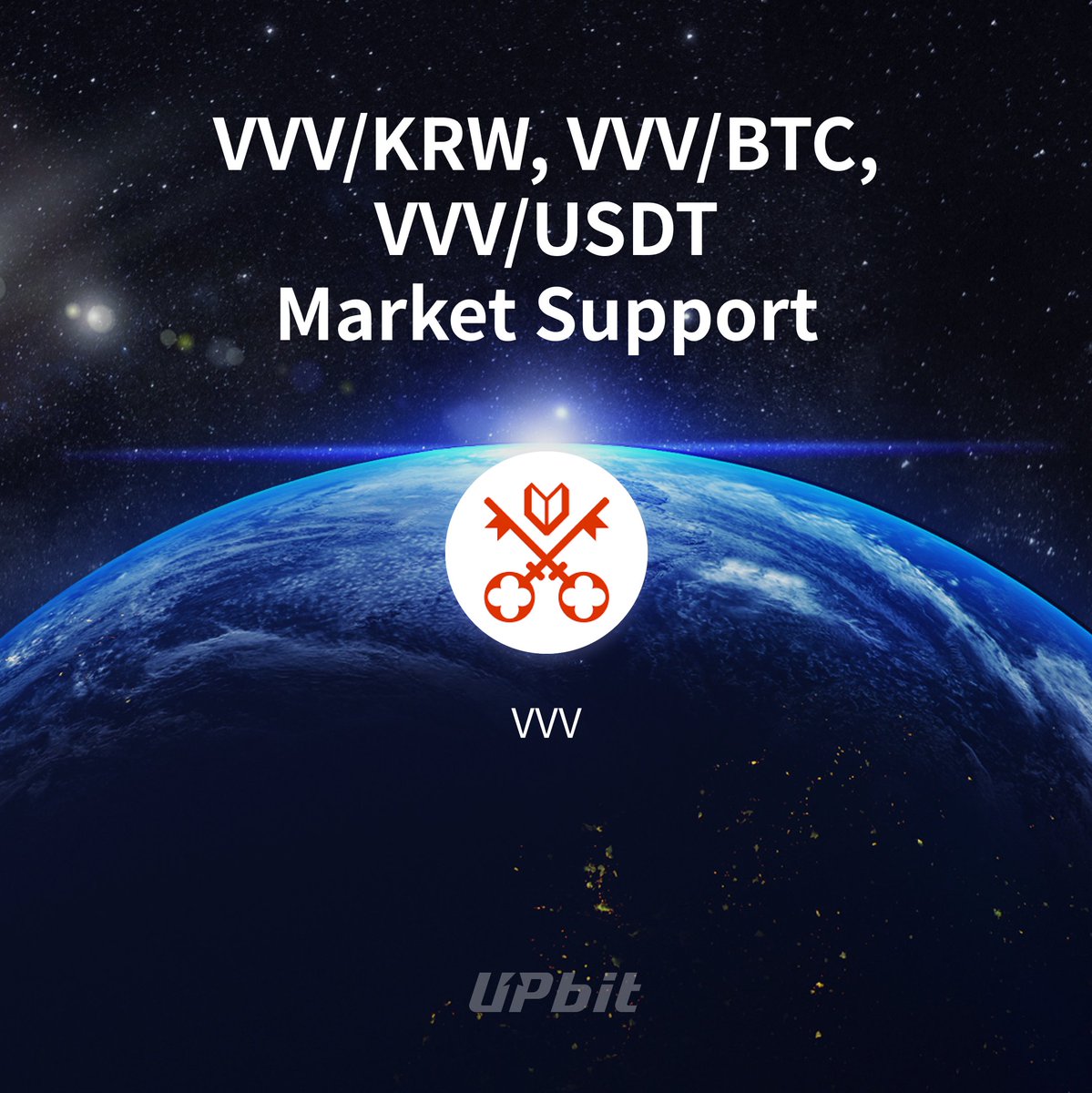
신규 디지털 자산 베니스토큰(VVV) 거래지원 안내
✅지원 마켓: KRW, BTC, USDT 마켓
📅 거래지원 개시 시점 : 2026-05-12 16:00 KST 예정
🔗공지 바로가기:
upbit.com/service_center/not…
#Upbit #VVV
@AskVenice
3
5
23
1,904
May 11
Most campaigns in Korea only reward the top traders. Leaderboard, payout, done.
Drive total participation by rewarding 4 different people:
> The Best Trader
> The Luckiest Entrant
> The Best Creator
> The Person Who Just Showed Up
Each pulls in someone the others miss.
Founders make the mistake of only pulling one psychological lever and wonder why participation stays shallow.
Pull all four:
1) Skill alone filters out 95% of your audience.
> Leaderboard only campaigns reward the top traders who would have shown up anyway. Everyone else opts out before they start.
2) Luck alone trains the wrong behavior.
> Pure raffles bring volume but no skill development, no UGC, no signal. The audience shows up, claims, and leaves.
3) Effort alone caps your top end.
> UGC contests bring quality but limit who participates. Most of the audience can't produce content worth submitting.
4
10
630
Most founders think Korean retail and crypto natives are the same. They're not.
That misunderstanding is one of the most common mistakes in Korean GTM.
For 3 reasons:
1) Korean retail (the exchange only crowd) doesn't read whitepapers, doesn't follow projects on X, and doesn't sit in Telegram channels.
> They buy what's listed in front of them. You can't reach them with content. You can only reach them through the listing itself.
2) Korean crypto natives are visible on X but the actual signal lives in private Telegram channels and semi-closed communities.
> When founders see X engagement and assume they reached the audience, they reached the public facing layer. The actual audience is somewhere else.
3) The two audiences require completely different strategies, completely different timelines, and completely different partners.
> Most projects spend their entire budget targeting one of them through channels designed for the other.
Before any Korea spend, ask which audience your goal actually depends on. If you can't answer that, you're probably not ready to start.
Most founders hear "Korea has massive trading volume" and assume there's a single audience to capture.
Korea isn't one market. It’s two completely different audiences.
1st = exchange-only crowd
2nd = korean crypto-native
1 ignores you until you're listed
2 influences a listing
4
2
28
4,483
May 4
Paying a creator for one post produces one post.
Giving a creator a token allocation with an ask to stake, trade, or use the product produces content based on real product experience.
The second type references specific features, mentions pain points, notices details a paid brief couldn't have included.
Audiences can tell the difference. They read dozens of these posts a month.
"Paid to say it" and "actually used it" produce different content shapes.
3
1
11
294
Apr 30
A project ran a 5 day burst with 12 creators 2 unqualified ambassadors.
> Audience absorbed the intro posts
> Never engaged with anything after
> Project's name became a meme
> Labeled "another farming play" inside 3 weeks
They did not recover.
All bad Korea partners do one of these:
> Leads with names before asking your goals
> Sells you short 1-week bursts
> Makes choices on follower counts
> Focuses on impressions as outcomes
> No opinion on creators to avoid
> Promises listings or volume KPIs
1
5
330
We activated 19 creators inside a 65 hour execution window.
> 8 invested their own money
> $65K into client's wallet
> 42% conversion rate
> Industry range = 10-15%.
> $5K used to kick off awareness, $65K returned
> 13X ROI side alone
> All within 6 days
11
6
47
3,773
Jdot retweeted

Apr 29
Why does crypto resonate so deeply in Korea?
@JdotHamilton from @HoloHive_ breaks it down:
It's within the culture. Openness to opportunity, amplified social proof, and a uniquely strong FOMO dynamic where financial trends spread fast through communities.
That created one of the most mature retail liquidity cultures in crypto.
Full episode below.
Apr 23

New episode with @RobertSagurton and @JdotHamilton
How KOL Accountability & Community Trust Shape Korea’s Crypto Market (Jdot of @HoloHive_)
Timestamps:
0:00 Intro
05:34 Entering Korea and Building Holo Hive
11:54 Mistakes Targeting Korea
17:39 KOL Accountability and Market Dynamics
23:05 Korea Regulations and Influencer Shift
28:35 Living in Seoul and Crypto IRL
2
13
751
Apr 28
This will change how you think about creator alignment.
> Perp DEX recently launched in Korea
> Token performed
> Many spent a lot in fees during qualifying
> Airdrop disappointed and those lost $
> 1 creator supported the project early
> Took heat for it from his own audience
> Addressed the situation publicly
> Project responded by reimbursing affected users
A Korean creator backing your project is carrying genuine reputational risk inside their own audience.
Creator alignment stops being a nice-to-have and becomes the actual thing you're paying for.
Authority figures with real skin in your project are the same ones who will defend it publicly, explain it when confusing, and hold their audience steady when there's noise.
Paid posts alone have no structure that makes any of that possible. Which is what everyone does.
1
1
8
777
Someone DMd me asking for an example, here it is:
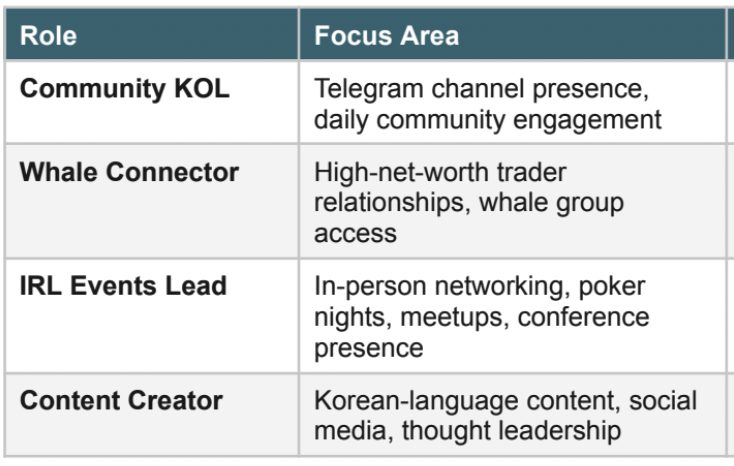
Most founders who want a human face for Korea reach first for the single dedicated lead at 80% of their time.
That instinct is understandable and almost always produces a worse outcome than the alternative
For 3 reasons:
1) People with real influence in Korea already run their own channels, content output, and businesses.
Asking anyone worth hiring for 80% of their time prices you out of the entire top tier of candidates.
A 20% commitment attracts the people who are already influential and already busy, which is exactly the group you need.
2) Execution overlap.
If you already have a partner handling strategy, reporting, and coordination, a full-time internal hire duplicates the work and you end up paying twice for the same output.
3) Korea's crypto community is segmented across channels with no algorithm to pull audiences across the walls between them.
One person covers one circle no matter how good that person is. Four people operating in four different circles, each serving a different function inside the ecosystem, cover four circles.
The math doesn't care how talented your one person is.
---
Spending on Korean campaigns is spending on access to audiences who don't let outsiders in without someone on the inside vouching for them.
The creator occupies the gate. The gate is what you're paying to cross.
1
1
5
899
Apr 24
Teams spend six figures trying to reach an audience I could have introduced them to in a week.
My cofounder wrote up why that keeps happening.
1
1
13
730
Apr 23
Been operating in Korean crypto for 5 years now and I still learn something new about this market almost every week.
Sat down and talked through the parts that most western teams never hear about.
The culture, the regulations, the creator accountability.
Apr 23
New episode with @RobertSagurton and @JdotHamilton
How KOL Accountability & Community Trust Shape Korea’s Crypto Market (Jdot of @HoloHive_)
Timestamps:
0:00 Intro
05:34 Entering Korea and Building Holo Hive
11:54 Mistakes Targeting Korea
17:39 KOL Accountability and Market Dynamics
23:05 Korea Regulations and Influencer Shift
28:35 Living in Seoul and Crypto IRL
2
2
16
1,183
Jdot retweeted
Apr 22
Just did a podcast on @proofofstory with @JdotHamilton digging into some of these nuances on Korea. So interesting. 🇰🇷
Stay tuned…
The fastest way to lose $100k in Korea is to activate some KOLs.
That phrase is the tell. It means the team has already decided how this works before they understand how Korea actually works.
Here's what they think they're buying:
> Access to creators
> Posts from those creators
> Engagement from those posts
> Signups from that engagement
Four clean steps.
Transactional, Measurable, Familiar.
None of it is how the market moves.
—
Korean market entry with KOLs has 𝟱 𝗺𝗼𝘃𝗶𝗻𝗴 𝗽𝗮𝗿𝘁𝘀:
> 𝗦𝗲𝗹𝗲𝗰𝘁𝗶𝗼𝗻 — which specific creators fit this specific project
> 𝗦𝗲𝗾𝘂𝗲𝗻𝗰𝗶𝗻𝗴 — the order coverage unfolds in over 6-8 weeks
> 𝗜𝗻𝗰𝗲𝗻𝘁𝗶𝘃𝗲 𝗱𝗲𝘀𝗶𝗴𝗻 — the structure that gets creators posting again without only being paid to (pay your creators)
> 𝗖𝘂𝗹𝘁𝘂𝗿𝗮𝗹 𝘁𝗿𝗮𝗻𝘀𝗹𝗮𝘁𝗶𝗼𝗻 — rebuilding positioning for a Korean audience instead of translating it
> 𝗠𝗮𝗰𝗿𝗼 𝗿𝗲𝗮𝗱𝗶𝗻𝗴 — tracking Korean market trends and conditions weekly to time every push
All 5 are required. Each one compensates for the blind spots of the others. Miss two and you stall. Miss three and nobody in Korea will care about you.
Most teams cover one of the 5. Sometimes two. Here's how they end up there.
—
𝗗𝗲𝗰𝗶𝘀𝗶𝗼𝗻 𝟭: 𝗛𝗶𝗿𝗲 𝗶𝗻-𝗵𝗼𝘂𝘀𝗲, 𝗼𝗿 𝗳𝗶𝗻𝗱 𝗮 𝘀𝗽𝗲𝗰𝗶𝗮𝗹𝗶𝘀𝘁.
The default move is an in-house hire. A Korean speaking ops person. Someone with KOL relationships.
One hire, One salary, Region covered.
That hire covers piece 1 of the 5 at best. No single person runs selection, sequencing, incentive design, cultural translation, and macro reading simultaneously.
𝗗𝗲𝗰𝗶𝘀𝗶𝗼𝗻 𝟮: 𝗪𝗵𝗶𝗰𝗵 𝘀𝗽𝗲𝗰𝗶𝗮𝗹𝗶𝘀𝘁.
Every service provider in this market works from roughly the same list of Korean KOLs sitting in a Google Drive somewhere:
> Some have direct relationships with the creators
> Some hired a research team that built the sheet last quarter
> Some have worked with specific creators before
> Most know 𝘴𝘰𝘮𝘦𝘰𝘯𝘦 𝘸𝘩𝘰 𝘬𝘯𝘰𝘸𝘴 the creators
The list isn't proprietary. Access to Korean KOLs is a commodity.
What's proprietary is operational depth across all 5 pieces of the stack. That's the entire ballgame.
—
Three of the 5 pieces almost nobody handles correctly:
𝟭. 𝗦𝗲𝗹𝗲𝗰𝘁𝗶𝗼𝗻
A tier-one DeFi creator covering a gaming project looks forced. A creator covering anything outside their focus reads as paid.
Korean audiences pattern-match creator-to-project fit within a post or two. Wrong fit turns your coverage into an advertisement instead of a discovery.
The right selection matches editorial voice to project, not follower count to budget.
𝟮. 𝗦𝗲𝗾𝘂𝗲𝗻𝗰𝗶𝗻𝗴
An 8-creator drop in one day is how teams convince themselves they ran a campaign. Audiences read it as a coordinated paid push and discount every post in the sequence.
Real sequencing looks boring:
> Creator one posts
> Time passes
> Creator two picks it up from a different angle
> Niche channels start forwarding both
> Creator three adds their take
Each post earns the amplification of the next. Your taget audience sees this unfold and reads it as organic diffusion vs some agency choreography.
𝟯. 𝗜𝗻𝗰𝗲𝗻𝘁𝗶𝘃𝗲 𝗱𝗲𝘀𝗶𝗴𝗻
A creator paid for one post produces one post.
A creator given tokens they have to stake, trade, or use on the platform produces content about real experiences. Features they tested, friction they hit, details no brief could have written for them.
𝗣𝗮𝗶𝗱 𝘁𝗼 𝘀𝗮𝘆 𝗶𝘁 𝗮𝗻𝗱 𝗮𝗰𝘁𝘂𝗮𝗹𝗹𝘆 𝘂𝘀𝗲𝗱 𝗶𝘁 𝗽𝗿𝗼𝗱𝘂𝗰𝗲 𝗱𝗶𝗳𝗳𝗲𝗿𝗲𝗻𝘁 𝗰𝗼𝗻𝘁𝗲𝗻𝘁 𝘀𝗵𝗮𝗽𝗲𝘀. 𝗞𝗼𝗿𝗲𝗮𝗻 𝗮𝘂𝗱𝗶𝗲𝗻𝗰𝗲𝘀 𝗰𝗮𝗻 𝘁𝗲𝗹𝗹 𝘄𝗶𝘁𝗵𝗶𝗻 𝘁𝘄𝗼 𝗽𝗼𝘀𝘁𝘀.
—
Here's the diagnostic that separates operators from access sellers.
If you're evaluating a service provider, or questioning whether your in-house hire is doing the work, skip "who do you have access to." Everyone has access in a way.
Ask this instead:
𝘞𝘢𝘭𝘬 𝘮𝘦 𝘵𝘩𝘳𝘰𝘶𝘨𝘩 𝘵𝘩𝘦 𝘤𝘳𝘦𝘢𝘵𝘰𝘳 𝘴𝘦𝘭𝘦𝘤𝘵𝘪𝘰𝘯 𝘢𝘯𝘥 8-𝘸𝘦𝘦𝘬 𝘤𝘰𝘷𝘦𝘳𝘢𝘨𝘦 𝘴𝘦𝘲𝘶𝘦𝘯𝘤𝘦 𝘺𝘰𝘶'𝘥 𝘳𝘶𝘯 𝘧𝘰𝘳 𝘢 𝘩𝘺𝘱𝘰𝘵𝘩𝘦𝘵𝘪𝘤𝘢𝘭 𝘱𝘳𝘰𝘫𝘦𝘤𝘵 𝘪𝘯 𝘮𝘺 𝘤𝘢𝘵𝘦𝘨𝘰𝘳𝘺.
Vague answer = access seller.
Specific answer with category-fit logic, sequencing reasoning, and incentive structure = operator.
Activating KOLs isn't a switch. It's a 5-part stack.
Budget the rest accordingly.
13
4
65
8,387