
3x founder | Author: High Five Energy 📖 | Host @H5EFounders podcast interviewing founders behind $200B in exits | 21 US Patents
Joined May 2011
- Tweets 70
- Following 9
- Followers 124
- Likes 10
53 Photos and videos
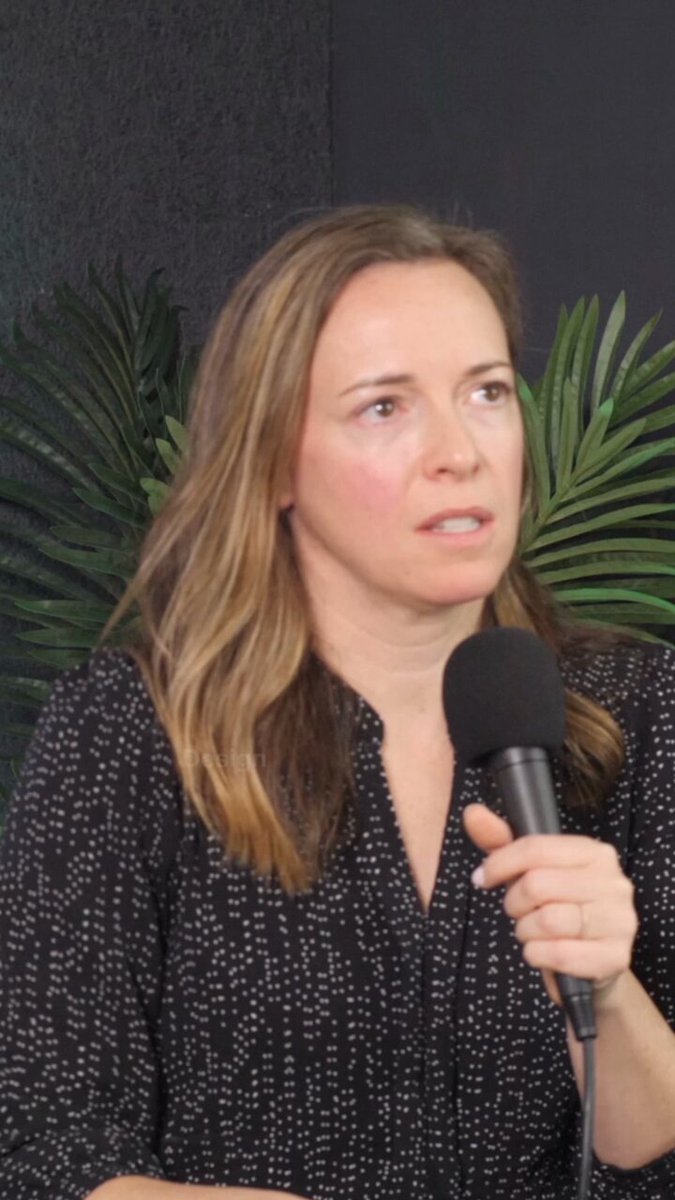
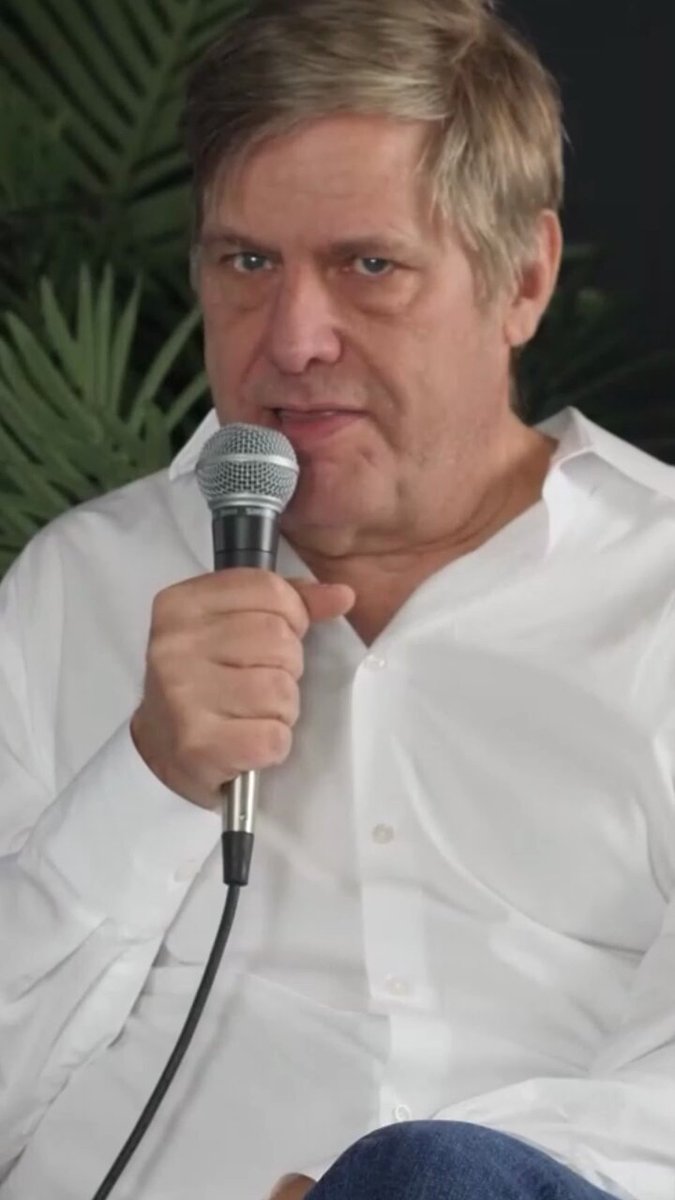
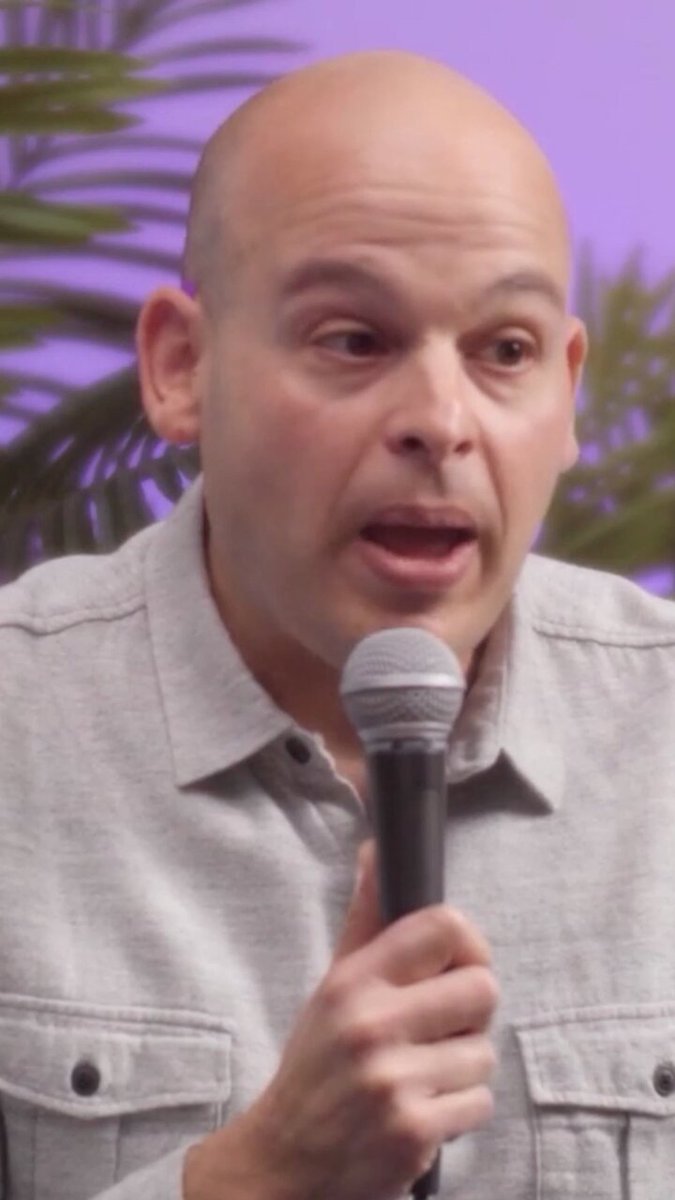
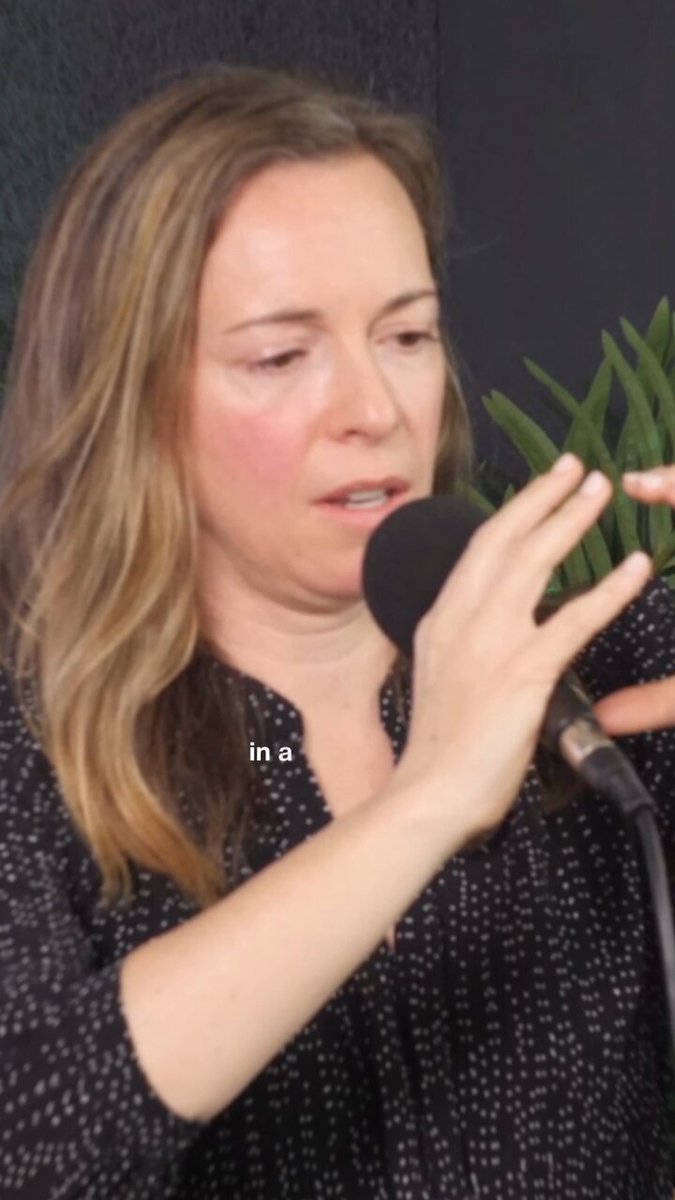

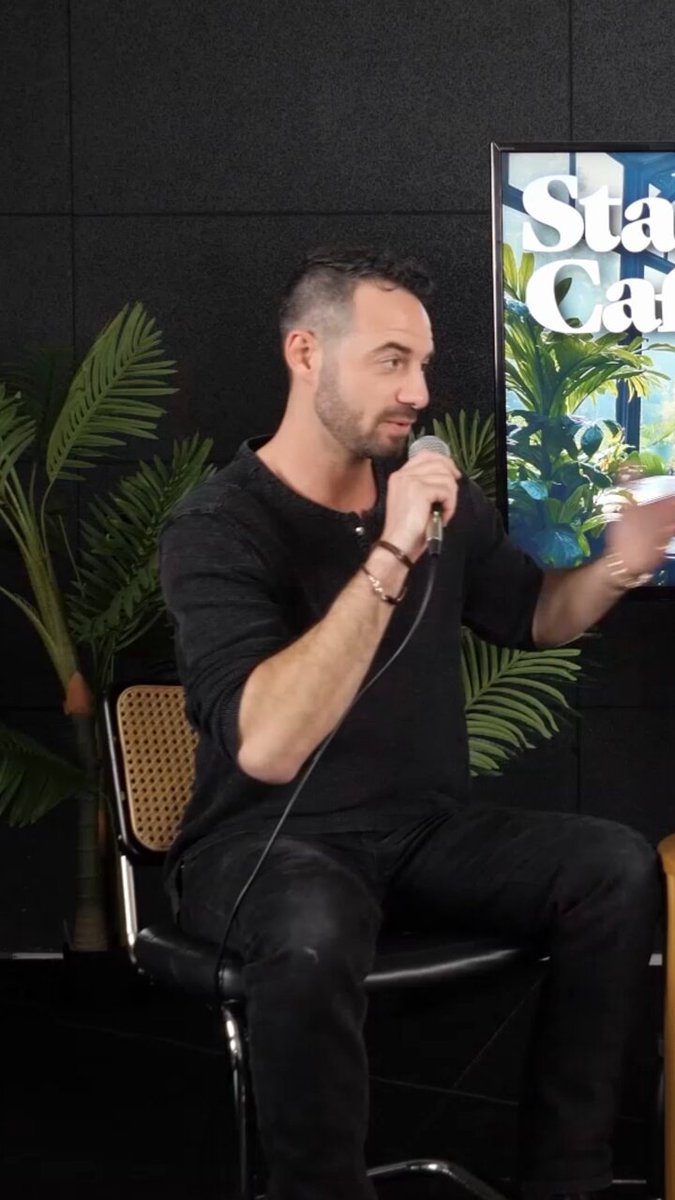
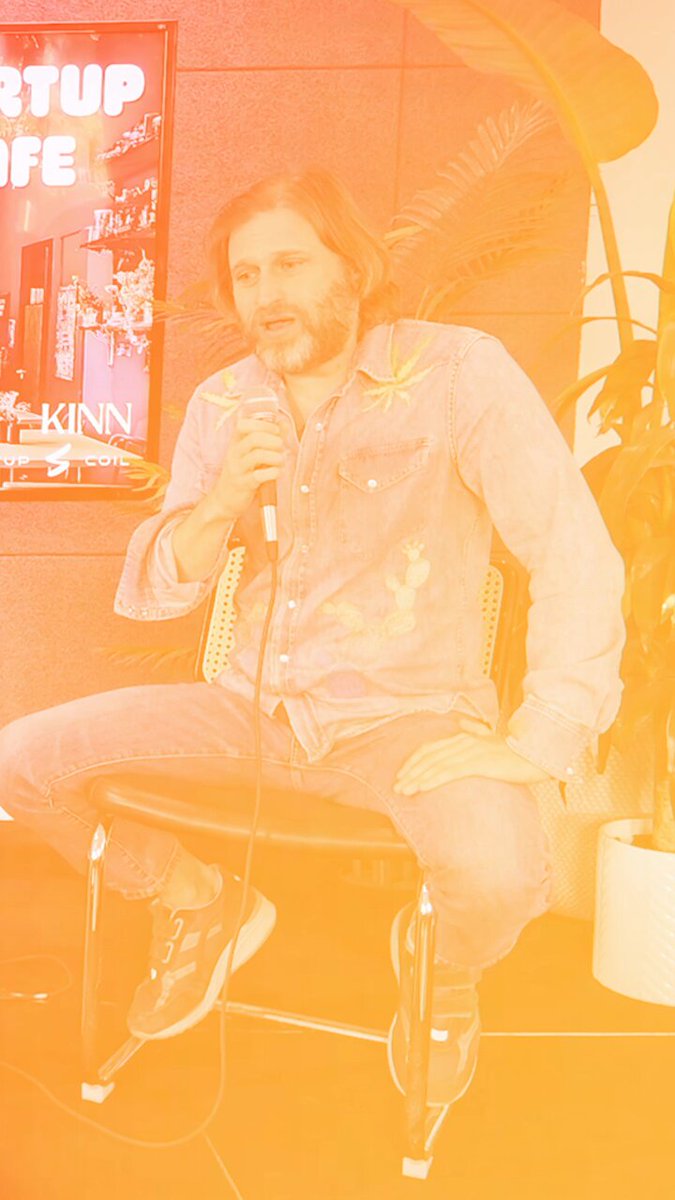
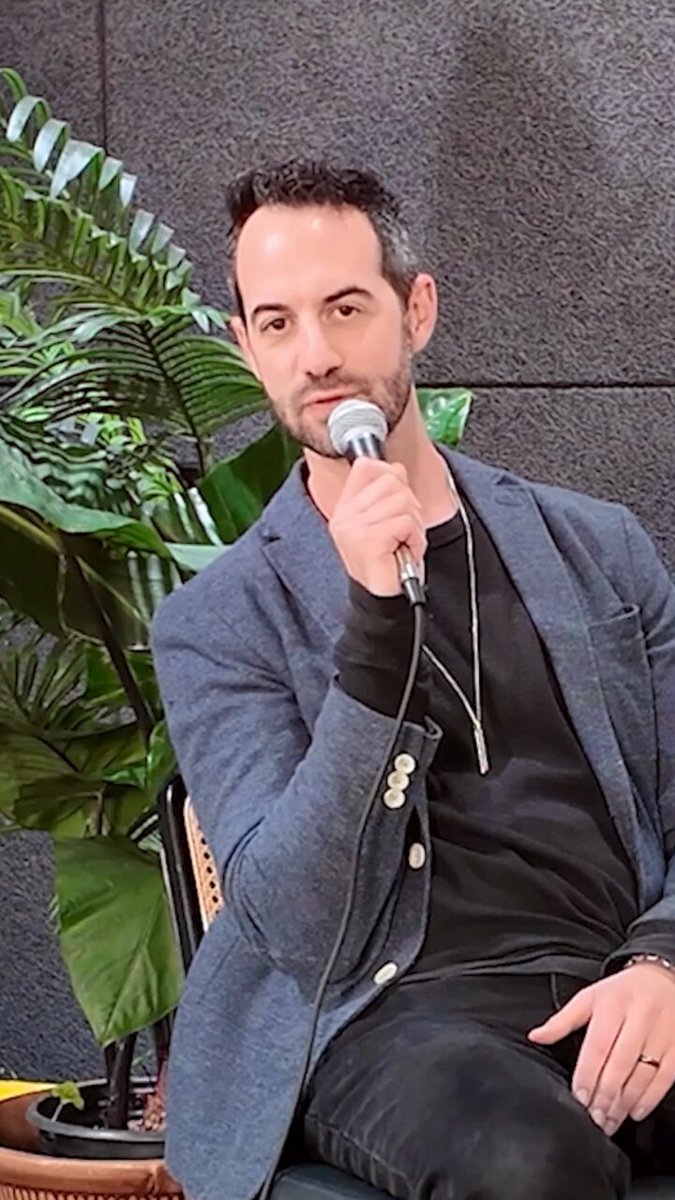

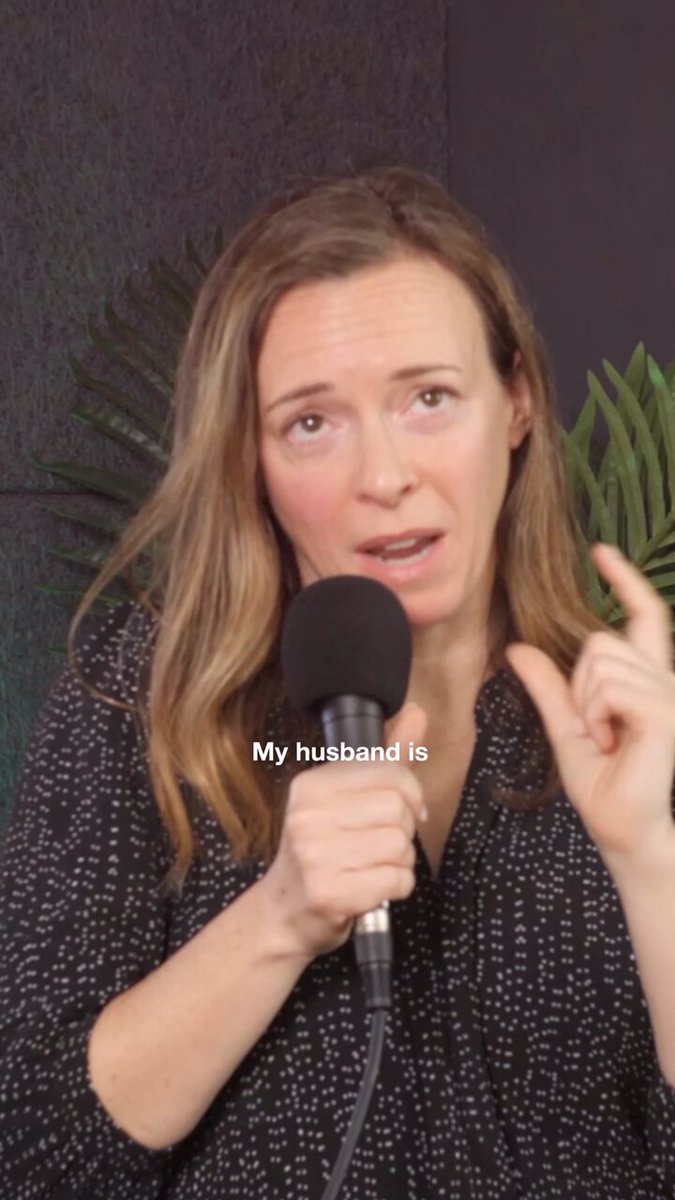
The venture world tells founders it has to be a unicorn or nothing.
The Kiva co-founder finds that a little ridiculous.
She started with $3,100 and 7 friends in Uganda. $3B in loans later — don't be embarrassed by tiny intentional beginnings.
→ Link in bio
23
Microsoft dropped Java support overnight.
Fred Krueger's entire company — gone. Investors fled. Nothing left.
His response to the team: "Go back to the office. I want everybody to look busy."
That composure turned into an acquisition conversation that saved everything.
Most founders panic when the floor drops out. Fred Krueger throws a dinner party.
1
23

Apr 30
I interviewed one of the most prolific founders in tech — 10 exits, $500M — and he told me most founders lose the deal before they say a word.
This is going to radically change the way you think about selling.
If you're a founder, you need to listen up.
You can have the best product in the room. If you're hesitant, they feel it. Investors, acquirers, customers — they all sense fear.
Fred Krueger told me: you have to believe it yourself first. That's the whole game.
I'm listening to him. Moving forward I'm doing the internal work before I walk into any room.
9
Apr 28
I interviewed the co-founder of TeleSign — $330M exit, built without a single inbound lead.
He told me the most dangerous thing a founder can say is "I'm going to sell to banks."
This is going to change how you think about your sales strategy. If you're an enterprise founder targeting regulated industries you need to hear this BUT most founders don't figure it out until they're already out of runway.
Darren told me healthcare is just as bad. Your sales cycle is three to four years. Your runway is six months.
Are you doing that math before you pick your market?
→ Link in bio
15
Apr 23
Some of the most impactful nonprofits in the world are dying because they can't tell their story.
The Kiva co-founder's fix — don't just ask for money. Ask for time. Ask for energy. Ask for ideas.
Build people in. The money follows.
→ Link in bio
10
Apr 21
The psychological cost of being a founder is real.
Loneliness. Anxiety. Depression.
A $330M founder told me a CEO friend of his took his own life.
Nobody is talking about this enough.
Get around other founders. You are not alone.
→ Link in bio
11
Apr 16
Scott Dudelson built Swag Bucks to a $1B exit.
He says he had no experience in anything.
The difference? He knew what he didn't know. Brought in people who'd built $500M companies and let them run.
Most founders guard the vision. He opened the door.
9
Apr 14
Most founders are playing checkers with a chess board.
Fred Krueger — 10 exits, $500M — says linear thinking is one of the biggest mistakes you can make.
Who's doing my Series A? Who's doing my Series B? Wrong question.
The weird thing that changes everything doesn't show up on your roadmap.
Build the radar. Not the plan.
1
45
Scott Dudelson built Swag Bucks to a $1B exit.
He's also invested in companies that failed.
The difference? The ones who failed were married to their idea. The data was screaming "pivot" and they wouldn't listen.
The ones who won followed the data, not their ego.
1
11
What's the chance of rolling a six on a dice 10 times in a row?
That's what people call luck when a founder has 10 exits and $500M in value.
Fred Krueger says it isn't luck. It's timing. And timing is something you can actually get better at.
The best exit has nothing to do with your product. Most founders don't want to hear that.
Timing the market is a skill. Most founders treat it like an afterthought.
29
Everyone said "nobody clicks on sponsored results."
Scott Dudelson looked at the data. 5% click every time. Like clockwork.
The question was never if it would make money. It was how much.
He survived long enough to find out. $1B exit. Zero VC money.
15
Every founder origin story follows the same pattern.
"I talked to this person. They introduced me to someone. That became the whole company."
Follow every breadcrumb. Say yes more than you say no. You just don't know where things lead.
12
I interviewed one of the most prolific founders in tech — 10 exits, $500M — and he told me founders are way too precious about their own startups.
This is going to radically change how you think about failure.
If you're a founder, you need to hear this.
You are not performing open heart surgery. Nobody is dying. The world does not care as much as you think it does.
Fred Krueger lost a million dollars in a day with his mom watching. His response: a shrug.
I'm listening to him. Moving forward I'm getting out of my own head faster.
12
Mar 31
I interviewed the co-founder of TeleSign — $230M exit, built without a single inbound lead.
He told me TeleSign made literally every mistake a startup can make.
This is going to change how you think about failure. If you're a founder afraid of making the wrong move you need to hear this BUT the fear of mistakes is what actually kills companies.
Darren told me the goal is to make mistakes and move on quickly. The founders who win make them faster than everyone else.
Are you moving fast enough through yours?
→ Link in comments
12
Mar 30
The Kiva co-founder's career advice: love the one you're with.
Pick something. Commit. Get good at it.
Most founders are still searching for the perfect idea. The ones who win just picked one.
→ Full interview link in bio
13
Mar 27
Scott Dudelson bootstrapped Swag Bucks to a $1B exit.
His one trait for entrepreneurs? Resilience.
You're gonna fail. Your product might fail. Your business might fail. But if you can get up the next day and keep going — you have what it takes.
5
Mar 26
The deals you think will change everything? They almost never do.
Scott Dudelson bootstrapped Swag Bucks to a $1B exit.
His advice: zero to one is brutally hard. But if you have data behind your belief, don't quit.
That's how you get from zero to one.
8
Mar 25
A 16x founder told me he can spot the ones who make it almost immediately.
You're setting out with a puzzle. You can see it. You're trying to find the words and people to bring it to life.
Those without a solid foundation fall off eventually. Every time.
→ Link in bio
11
Mar 24
Almost no VC has ever funded a deal that came in cold. 🤝
Jim Armstrong (Forbes Midas List 4x, $750M in returns, led PayPal's first round):
He asked every VC colleague he knows — have you ever funded something that came in unsolicited? The answer is almost always no.
The warm intro isn't a hack. It's just how the game works.
From Episode 2 → link in bio
#startups #founders #entrepreneurship #venturecapital #fundraising
13
Mar 23
The Kiva co-founder doesn't want her 5-year-old learning AI prompts.
She wants her kids to build their own muscles first.
AI is not in charge. We get to choose what we do with it.
→ Link in bio
17