
Husband, father of 2 girls, bartender on the Vegas Strip,all around fun guy. Work hard, play hard mentality.Opinions are all mine.Follow my shenanigans online!
Joined November 2022
- Tweets 8,578
- Following 2,195
- Followers 1,907
- Likes 27,164
3,026 Photos and videos








Jun 15
It lasted 1 day at snowman before hitting. Just like clockwork....👇
Jun 14

The second bank of Dragon Link machines are about to snowman. [18,888.88]. They usually hit within 1 week of making out. The last time a different bank maxed out at work, it hit 8 days later. I might toss a couple bucks in this week and see if I hit anything. #vegas
1
1
18
7,836
Jun 15
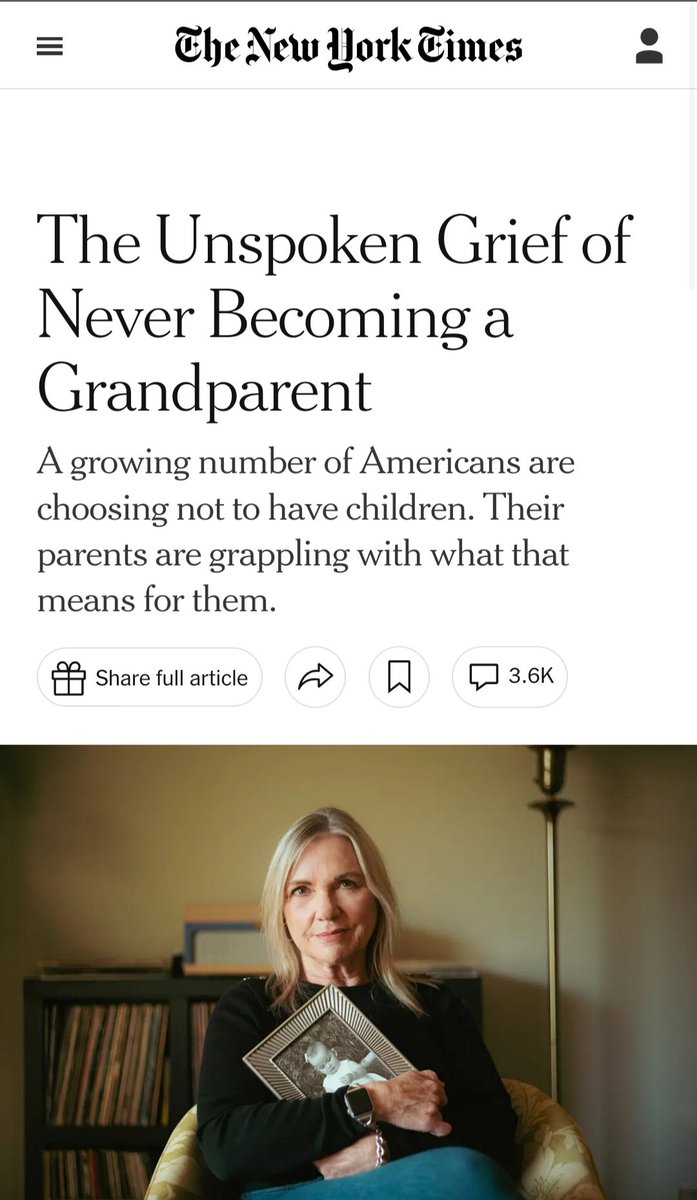
It's much more complicated than a single correlation between the smart phone and the ever declining birth rate, or TFR. Since one of my most favorite followers put up the batman sign, I must respond with a limited medium length post on this topic. The question asked -"Did the Iphone cause the collapse of the US birth rate."
It was a cause, but not the most important one directly. First off, the smart phone is a tool, nothing else. It allows access to the internet, and everything that the internet has to offer. It happen to rise into prominence at the same time as the 4th wave feminism hit, and the rise of the "uber-woke" era {2008-2024). People like to scapegoat the smart phone as the culprit of the downfall of babies being born, but many other factors were in play. I don't want to drift off into other areas of the modern dating scene, and the derivative of that, which is the declining birth rate, as the original question puritans to the smart phone only.
The smart phone wasn't even the true cause of the issue. It gave access to the internet, but the internet was still cumbersome and decentralized before 2008. The true villain, the true bad guy here, was the commercialization of the internet, and the "RISE OF THE APP". This is the key master thesis here. The app streamlined the internet, it made it easy to use, a key feature here, and allowed a massive scale of useful information to the user.
So what did this cause, in relationship to the decline of birth rates? The rise of both "social media, and dating apps" These two things "one-shotted" modern women, and accelerated the declining birth rate. I will add in here, this issue follows my much stated 80/20 rule. This might ruffle some feathers, but 80% of the modern dating issues are caused by women. 20% are caused by men.
Social media allowed people to see behind the curtain in how rich and powerful people lived. Before, it was People magazine, or TV that showed how the 'Jones" were living. Social media was like when crack cocaine hit the streets in the 80's. Everyone got hooked. Especially women, who are always trying to upgrade and live their best life. They saw first hand how the top tier people lived, and they collectively chased that lifestyle, even if it wasn't possible... they chased that high. Plus, women follow a hive mentality, and are more easily swayed by outside forces, that prey on their more emotional side. Social media tapped into this side of women, shaping their worldview. Social media pushed this idea of girl-boss, living your best life, hook up culture, while diminishing the idea of having a family. That became a "side quest", something to do in you 30s once you did everything else.
The modern dating apps were even worse. Worse than porn, worse than any other modern vice. It brought out the worst behavior in women, led by the modern hypergamy dynamic that has been forged in the last 10 years. Having unlimited male interaction via an app on your phone 24/7 has destroyed the modern dating scene, and the second order effect has been the collapsing TFR. I could write a full article just on this, so I'm just going to move on here.
In conclusion, the smartphone is not the bad guy here. it's just a tool like anything else. The fundamental issues that lie beyond the phone have to be fixed. As I said before, I could write a novel about this subject.
Follow @clickticious
Jun 12

The US birth rate has fallen 22% since the iPhone was introduced. Coincidence or cause? @JeremyRoss77
npr.org/2026/06/12/nx-s1-585…
1
2
465
Jun 14
Las Vegas has lost 5% total visitors since April 2025 because of the Canadian governments push on Canadian tourists not going to the USA to punish us on the tariffs that #Trump put into place last year. This video is dripping in hypocrisy, as the former Canadian PM is in the USA for the World Cup with his washed up pop star gf. Fuck TURD-OH. #Canada
Jun 13

Trudeau decided to go to the U.S. World Cup opener game instead of Canada’s.
Here he is cheering with Katy Perry when the U.S. scored their first goal.
Just a reminder I added his very own speech to Canadians regarding the U.S. over top of this video to highlight what an absolute hypocrite this man is.
4
15
1,744
Jun 14
This might be the most based election concession speech ever. As the young kids say, "it bangs". I'm pretty sure my followers have seen this already, but if you haven't, enjoy this masterclass in political ads. The edit team deserves a Oscar.

4
295
Jun 14
This video has it all. The white guy employing illegals to save a dollar and the clueless #boomer who loves immigrants. I was just waiting for him to say "get off my lawn." The police should of arrested the owner and tossed his ass in jail. This issue will not be solved until the owners/bosses do jail time.
Jun 13

Ryan Lamuga, owner of Rhino Roofing and Siding in Bemidji, Minnesota, had 23 of his 30 employees detained by ICE yesterday. The agents reportedly told him they would track him down afterward.
It is a federal crime to knowingly hire illegal aliens. Ryan should be charged and prosecuted to the fullest extent of the law.
1
4
510
Jun 14
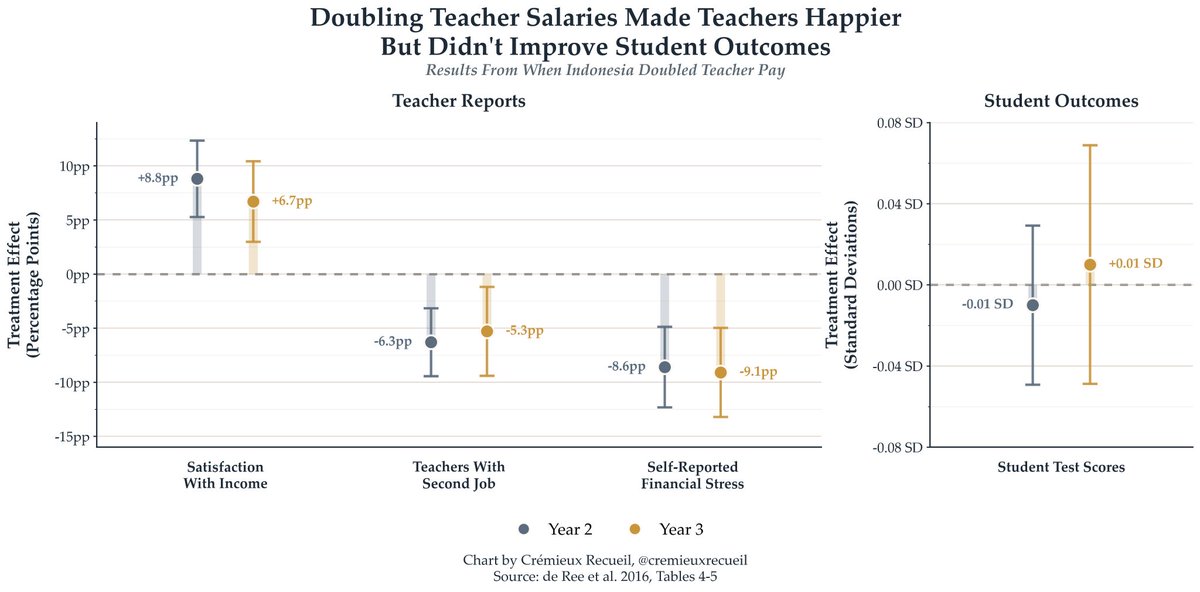
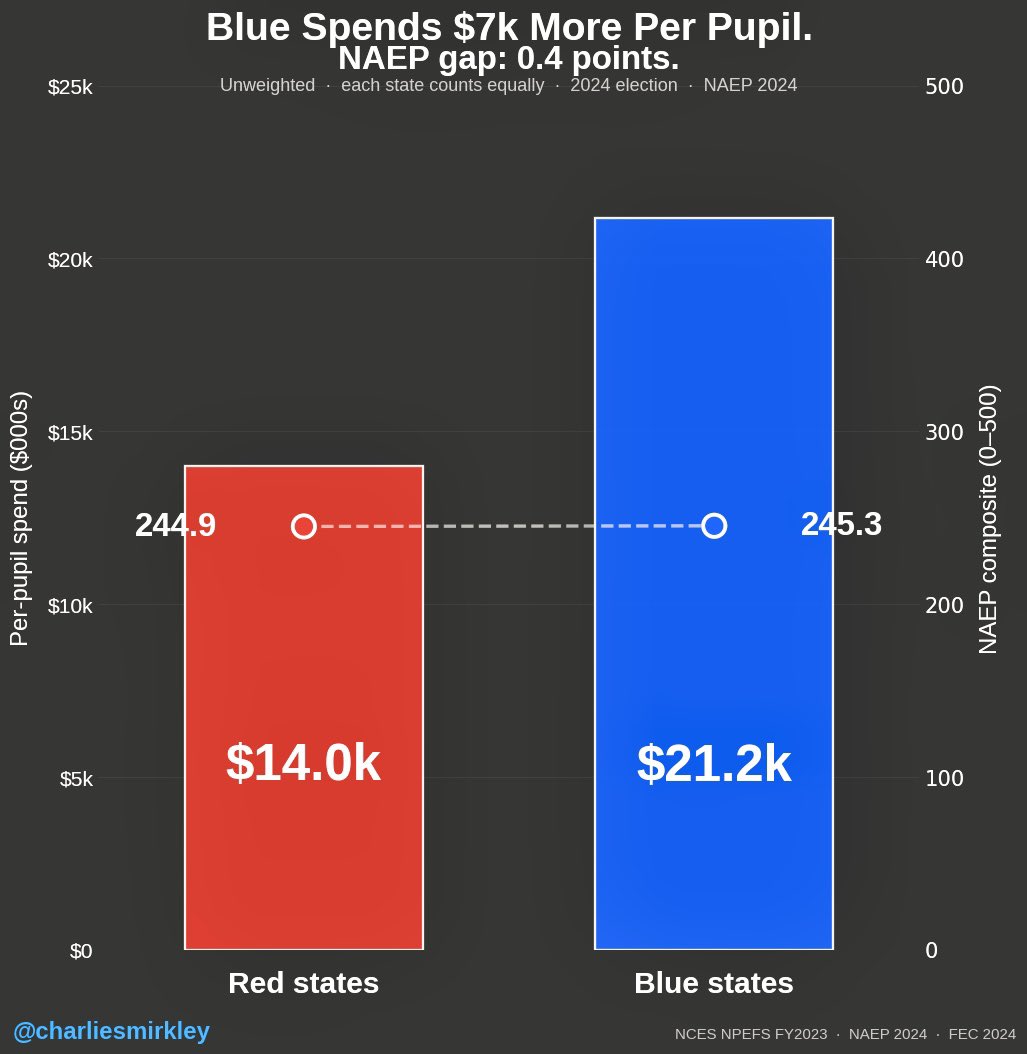
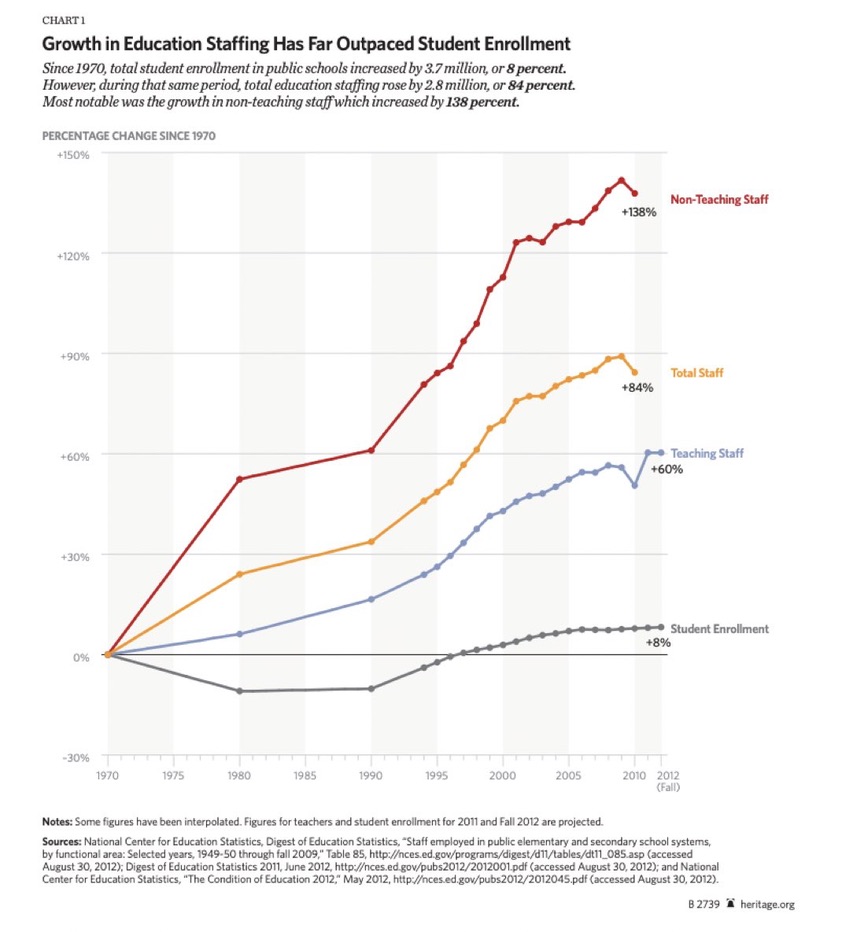
Someone should have @JoeLombardoNV read this report. Tossing money at schools is not the answer, as the test scores do not go up. The true black hole in the public school sector is the admin section of the school budget, which has exploded in size and cost while the test scores have gone down or held even.
The only way to improve schools and test scores is to separate the bottom 20% of students from the rest of the public school kids, so the teachers can focus on teaching and not babysitting the "bottom 20% of society". The top 5%, aka the G.A.T.E. kids, should be separated, and given accelerated classes in a very intense and challenging environment. #vegaslocals
Jun 13

Throwing more money at public schools, even doubling teacher salaries, has virtually no effect on student outcomes.

1
1
194
Jun 12
Does the US men's team do anything this cup? It's been nothing but failure for the USA since day 1. I understand our best athletes go into a host of other sports, but a country with 350 million people should be able to field a winning team. #FIFAWorldcup
Jun 12

Ready for day 2️⃣
#FIFAWorldCup
2
1
869
Jun 14
USMT looked great, especially in the first half. I was pleasantly surprised.
69
Jun 14
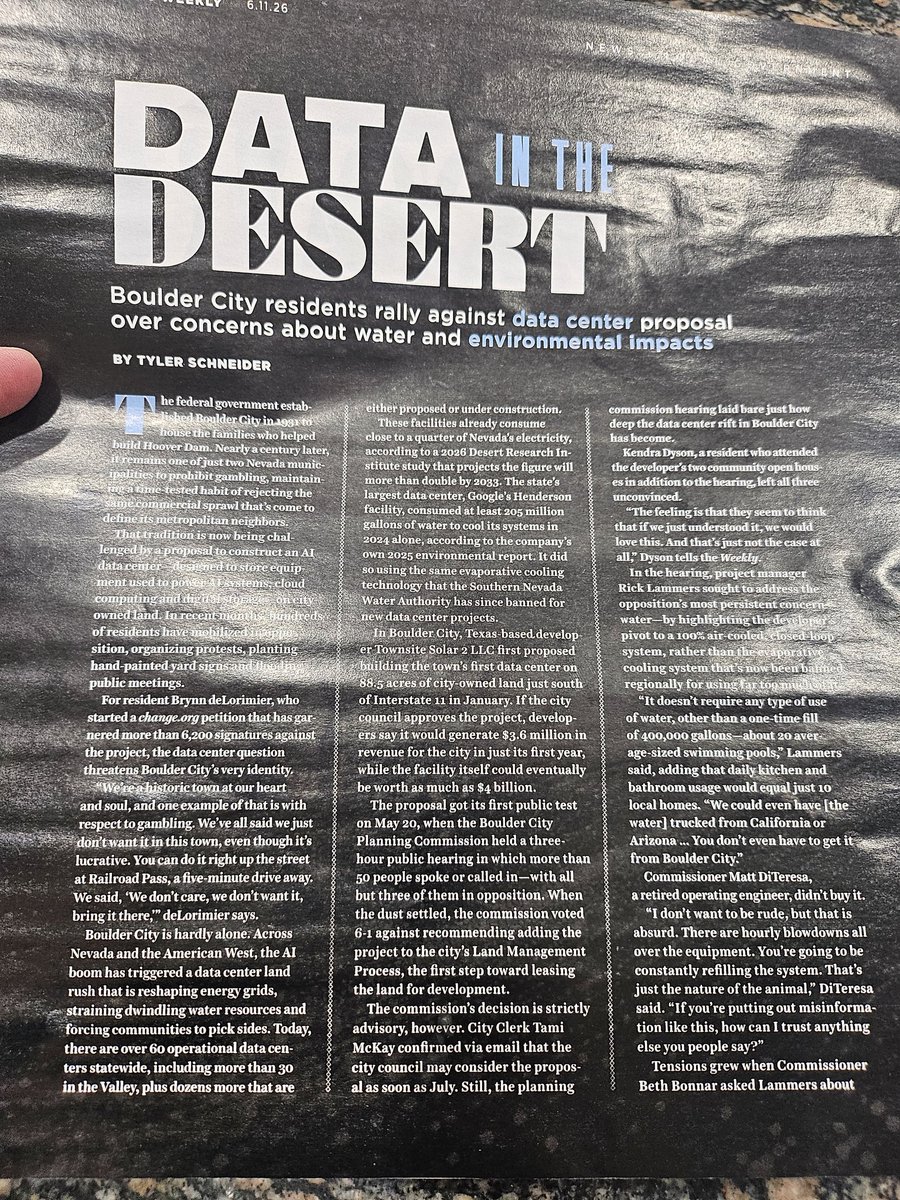
More data center nonsense happening in #Nevada. This new one is planned to be built in Boulder City. It seems like no one wants these monstrosities to be built, but yet they are still being built at an ever increasing rate.
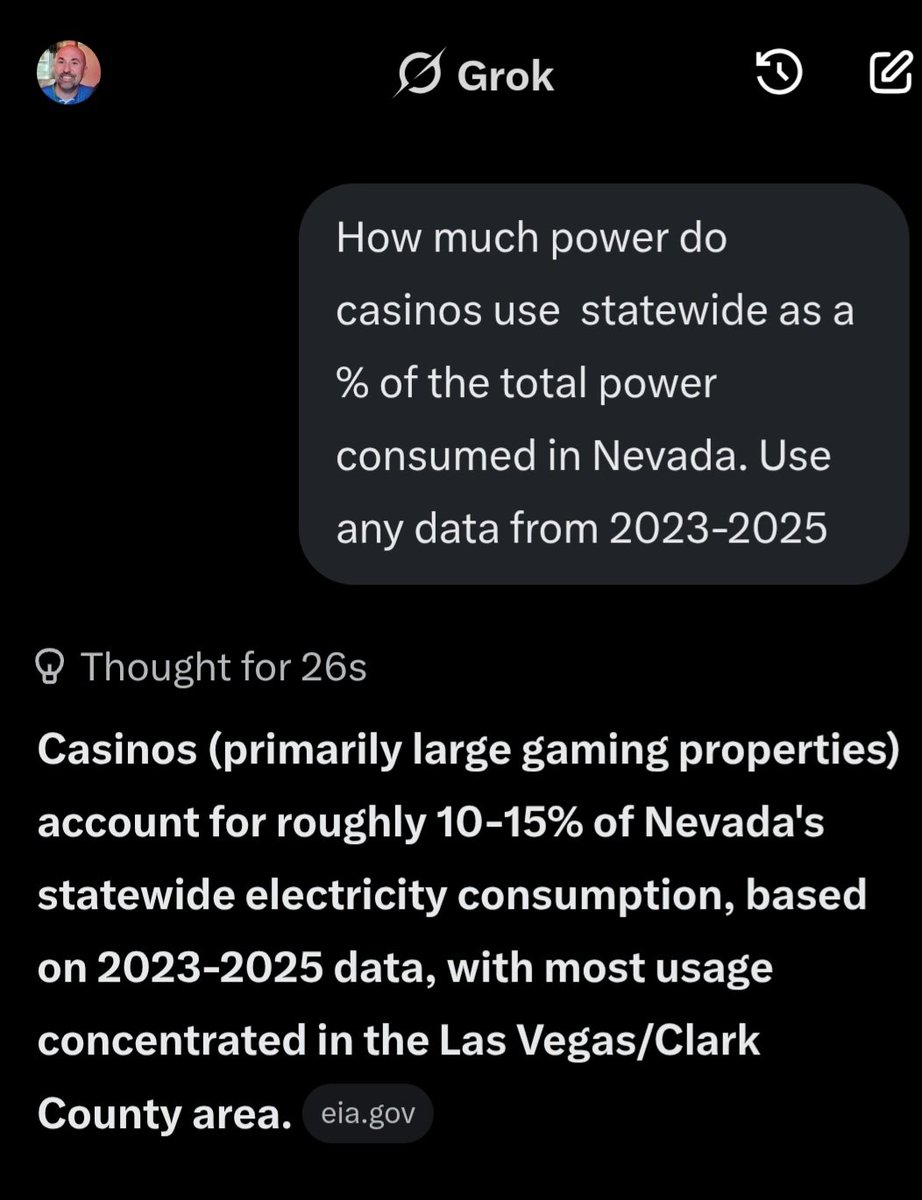
Via the article in the LV Weekly, 70% of Americans have a negative view of data centers and do not want them built. This is a rare "horseshoe" issue that unites both left and right against it, for different reasons. The left hate them because they are horrible for the environment, using vast amounts of water and energy. Data centers already use 25% of Nevadas power supply, with that number projected to hit 50% by 2033. They also use water to cool, and our arid climate climate doesn't have extra water to waste cooling CPUs.
Direct quote: "The state's largest data center, Google's Henderson facility, consumed at least 205 MILLION gallons of water to cool its systems in 2024 alone, according to the companies own 2025 environmental report. It did so using the same evaporation cooling technology that the [ @SNWA_H2O ] has since banned for new data center projects."
Next time the water authority asks you to conserve water, think about how much is wasted in Henderson by single data center.
The right doesn't want the data centers because of the data mining it does on citizens and the "minority report"/surveillance state that is being built. The future will entail autonomous machines being both programmed and ran by data centers via A.I. and the singularity.
I don't know many people that want these things other than "tech-bros", the military industrial complex, big government, and the #boomers . Foxnews put an idea in their head that if we don't build these things, ChINa wiLL WiN tHE A.I. RAce.🙄.
Any thoughts, followers? Is the A.I. slop and ChatGPT worth it?
#vegaslocals

1
2
6
1,050
Jun 14
The second bank of Dragon Link machines are about to snowman. [18,888.88]. They usually hit within 1 week of making out. The last time a different bank maxed out at work, it hit 8 days later. I might toss a couple bucks in this week and see if I hit anything. #vegas
2
25
17,247
Jun 14
x.com/i/status/2065664215030…
And talking about jackpots, we had the awesome one earlier in the week. This happened in Pit 4 around 1:45am in the morning. I was told Joanna was the cocktail server on the table. Pretty cool to see the progressives finally hit.

6
1,502
Jun 14
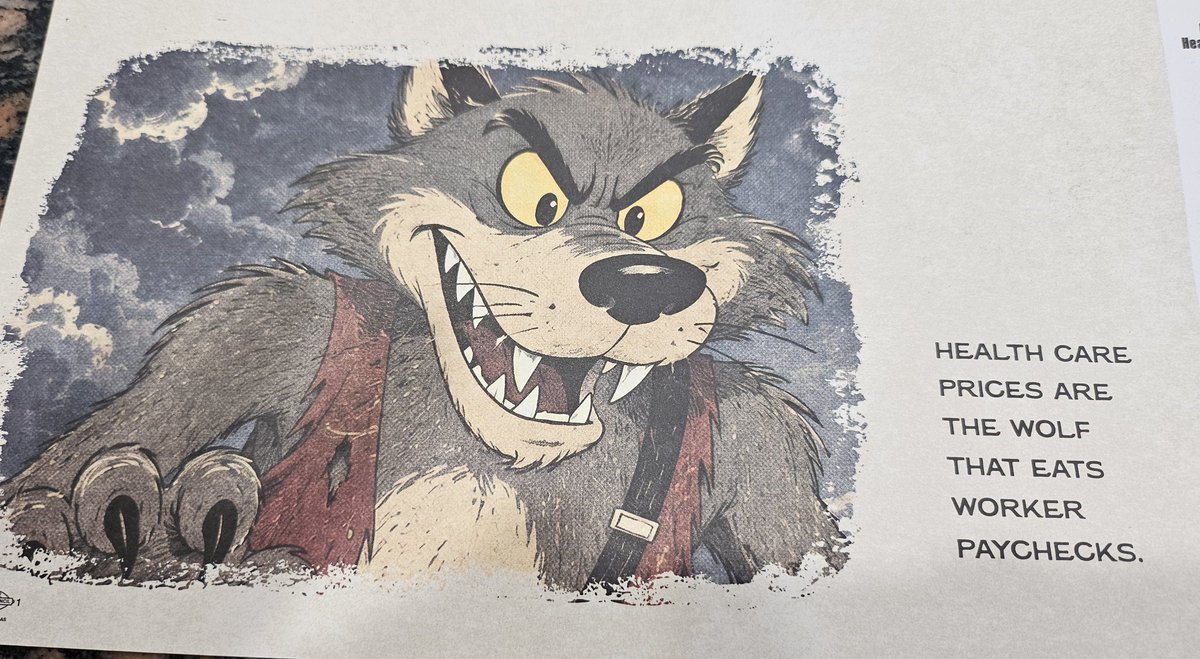
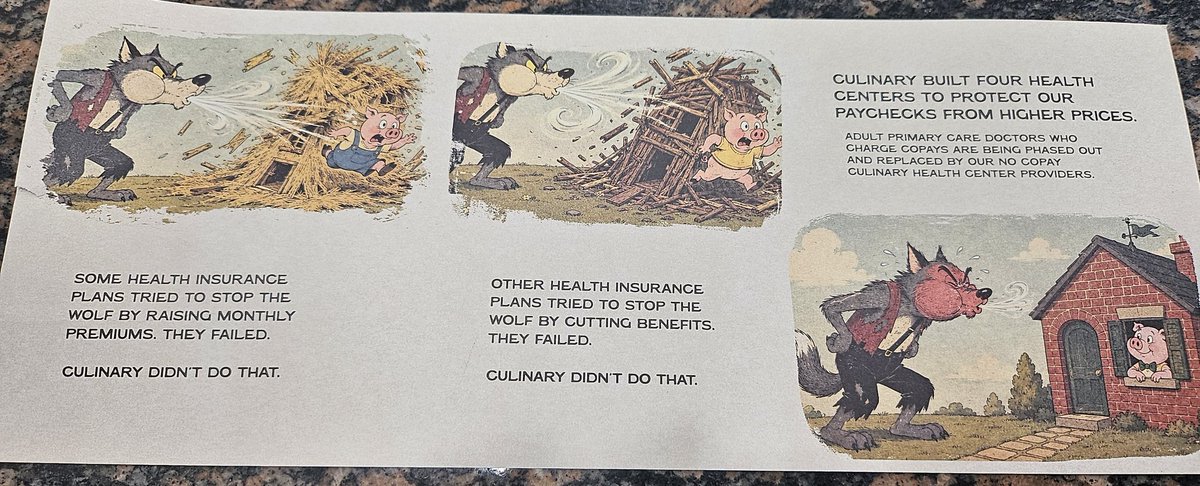
A short story from a flier I got in the mail.
In the 2010's, health care cost were skyrocketing across both Las Vegas and the USA, and were eating into the raises we [Culinary workers] were getting each year via the CBA. A few union leaders went to New York to see how another union was handling the same crisis. They had built their own health clinics, and ran the as a non-profit, to keep health care cost as low as possible. This was the genesis of how the now 4 clinics were designed and built in Las Vegas. Now that all four that were planned are built, the Culinary union will phase out doctors who charge a co-pay.
I rarely go to the doctor, but I did goto the clinic last month when I got sick. The experience was stellar as usual, I was in and out in 1 hour and 15 minutes, zero co-pay, and all 6 scrips I got were free as long as you use the in house pharmacy embedded in the clinic.
The health care sector in the USA has serious problems in how its ran. The Culinary Health Fund, and their four clinics are a masterclass in how to properly run a health fund for workers.
#vegaslocals
1
4
245
Jun 12
Another week of #WSOP poker is winding down for me today. The first and third weeks were good in tips, the second week, not so much. After the first week, you get the ebb and flow of the players, the break times, who drinks, and most importantly, who tips. Overall, the vast majority of players are good. I was told by several players that the WSOP changed some of the tournament event days, and spread out more of the lower buy in events, instead of front loading them like the last few years. For the bar staff, the low buy in/high turn out events like the $500 mystery bounty are our favorite.
I ran into one of my followers yesterday at the bar. That was cool. Just kind of grinding until my vacation starts in 5 weeks - got to stack that money while its there. Talking about stacking money, later this month there is another Caesars Rewards tier multiplier event running between Monday, June 22nd and Sunday, June 28th. This one is a 5x tier. It's always busy during these events. I'm still waiting for Caesars to fix their mistake from the last 10x tier event, as they gave out more tier than they should have. If they don't fix it by the 5x event, I will play to get to D as I'm only 1300 tier away now. That's it... good luck playing.... #Vegas
theirmistake
1
10
1,837
Jun 8
Read the comment - pure gold. Rarely do you get so many large accounts in complete agreement.
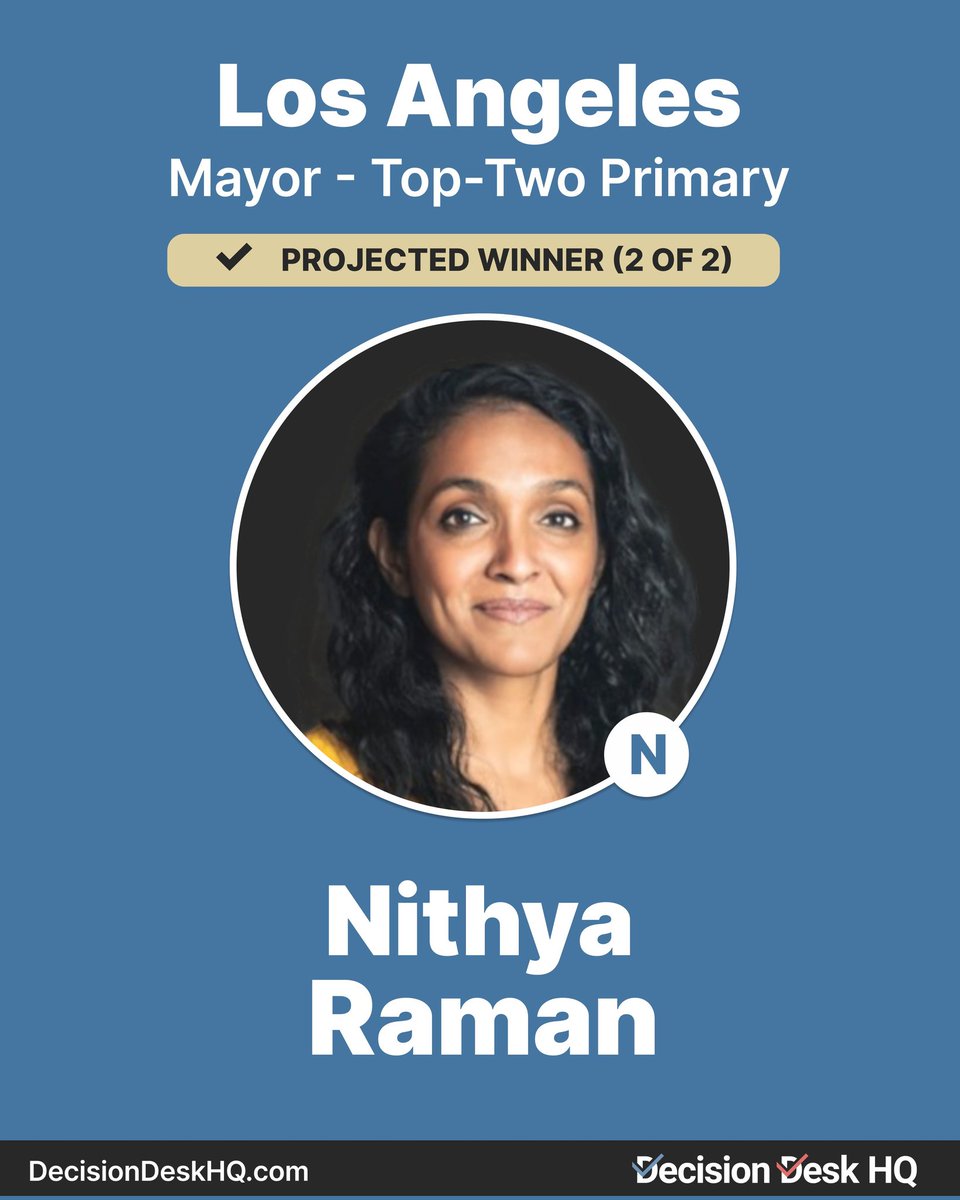
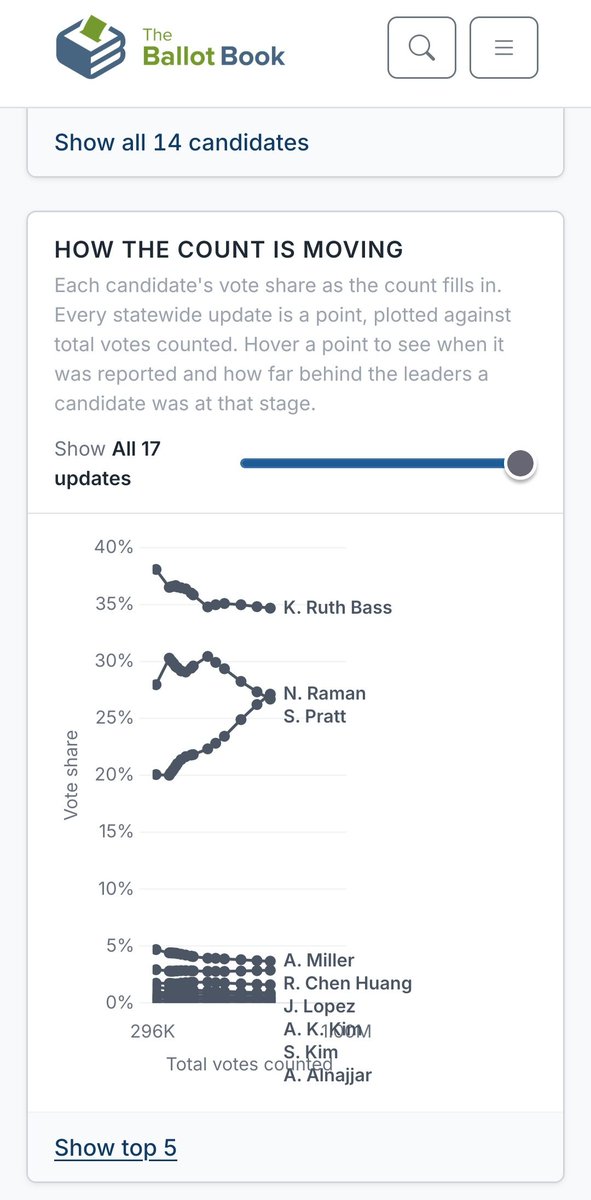
Something is fishy with the post election results. Statistically it's almost impossible for the votes to only break for one of the three candidates like it has. It smells like fraud.
Jun 8
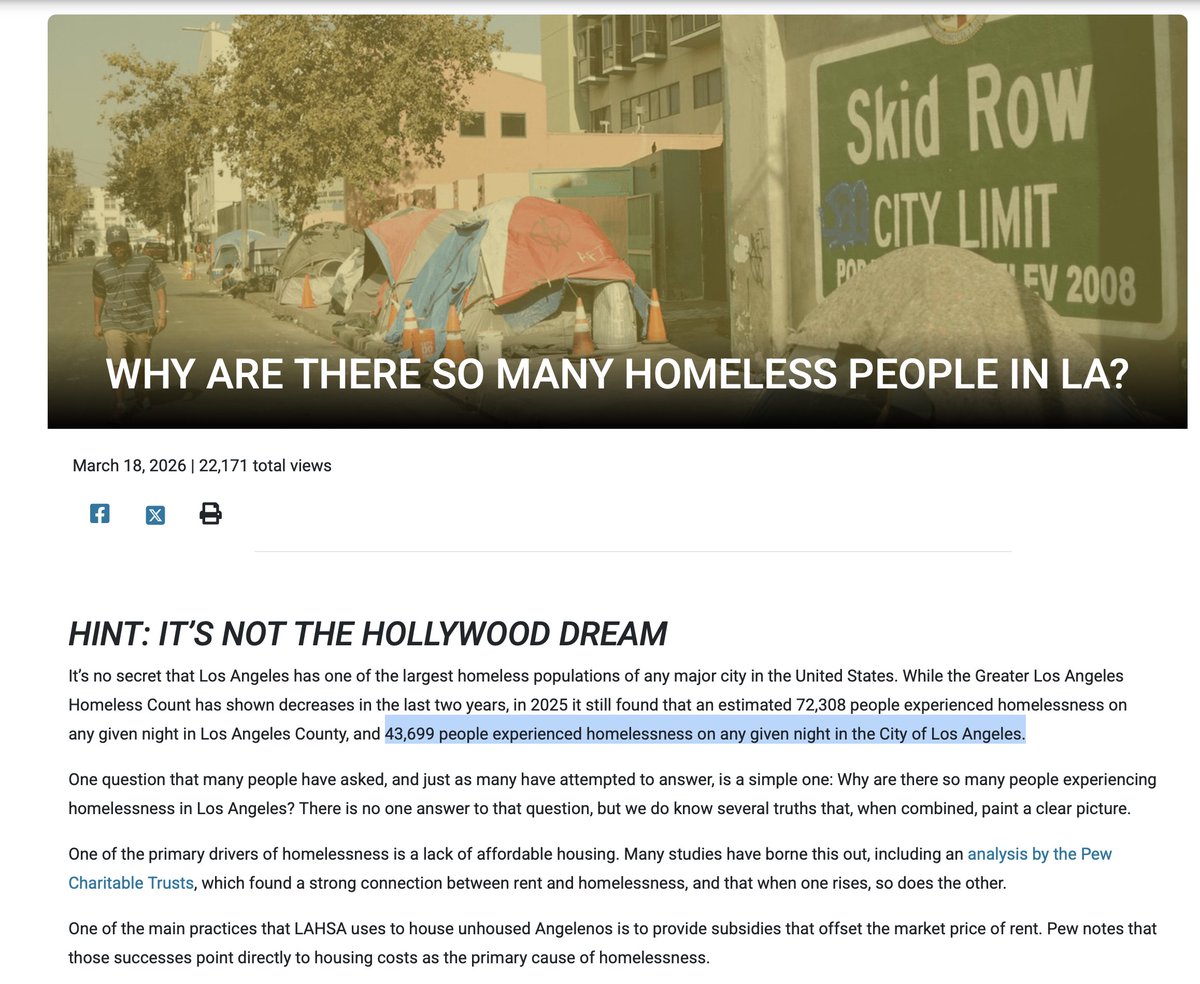
"A net swing of more than 43,000 votes since Tuesday.."
43,000, huh? Where have I seen that number before...?
Probably nothing. 🤷
3
1
783
Jun 8
Mark my words... they will have her win in November. She is the candidate they want in the Mayor's office, just like the commie mayor in New York.
162
Jun 8
I mean, this is totally normal for only 1 candidate to get the lionshare of the votes post election day... just enough to pass Pratt. Totally normal..... 🙄🙄🙄🙄🙄
241
Jun 8
x.com/i/status/2063794417282…
Banger right here....

I got the exclusive scoop inside one of the balloting centers for LA’s Mayor election
132
Jun 7
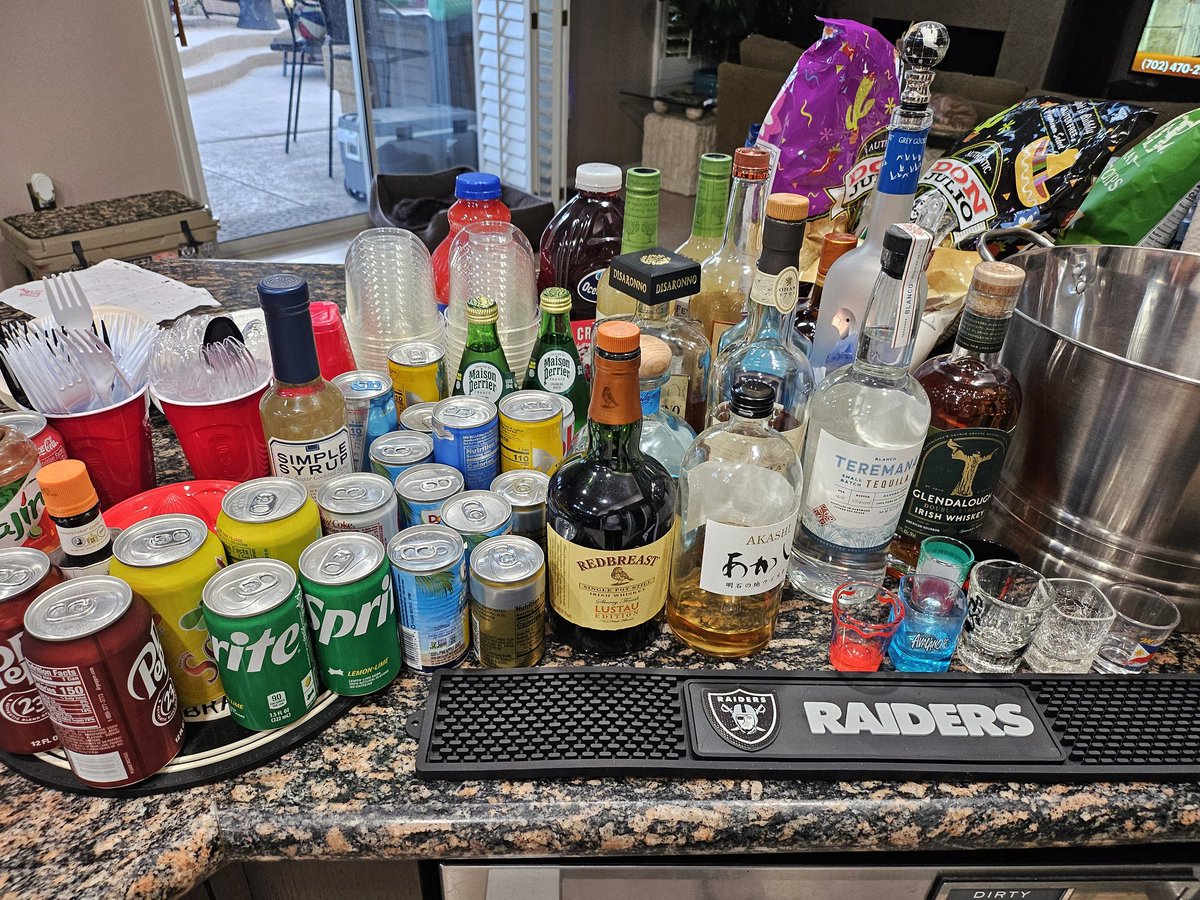
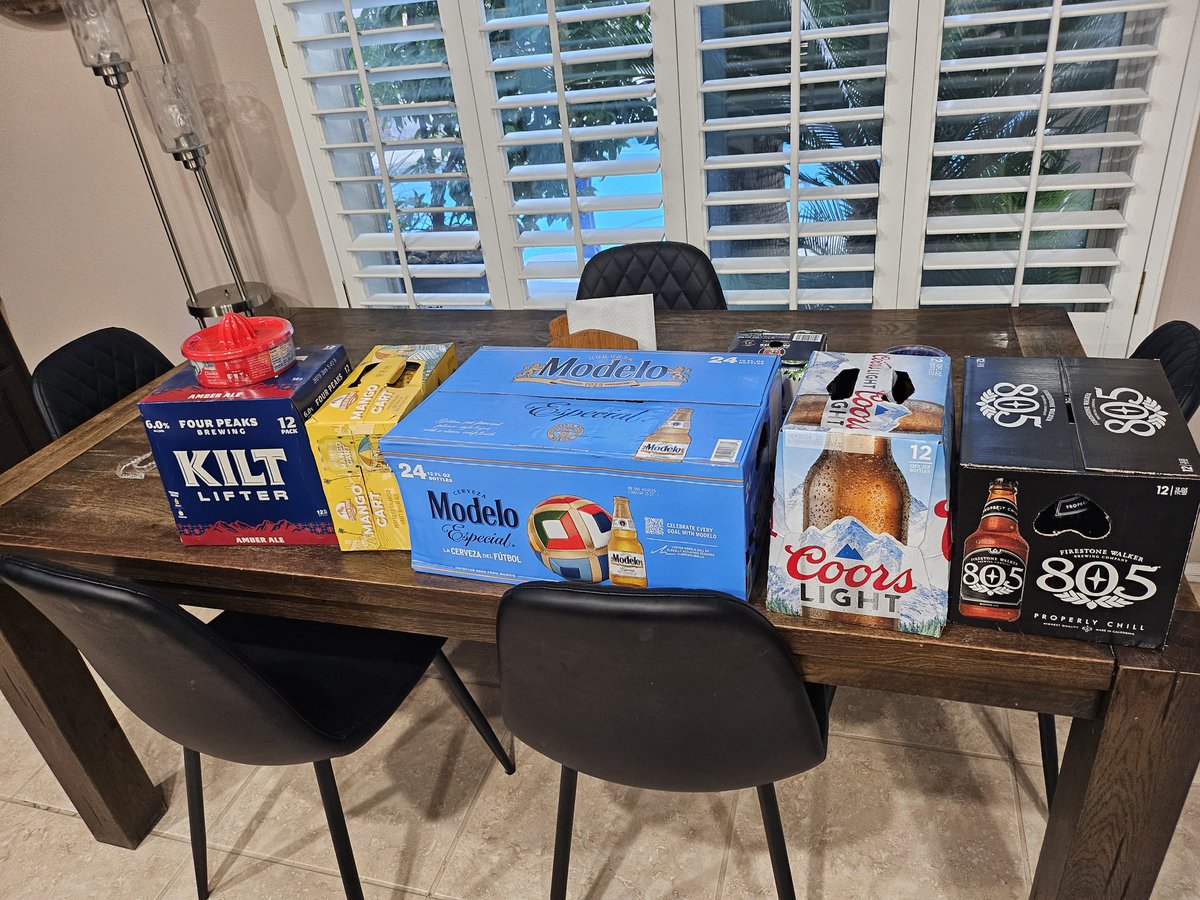
Today is the big day, my once a year pool party at the house. I spent all day yesterday cleaning and running errands. I have a few more hours of prep work, then it's party time! Weather should be good, a seasonal 100F, light breezes.
#vegaslocals
9
51
8,076
Jun 7
78lbs of ice to start off with... Jered is bringing more. I'm having tacos catered as I don't feel like cooking for 3 hours today... it I did make ceviche as I can't not make something. The pool is heated to 85F, as Kristin won't go in the pool unless it's at Cabo or Hawaii temps.

1
1
336
Jun 6
I have been thinking about the ongoing crisis regarding the total fertility rate in western counties, but primarily thinking about the USA's rate of 1.62 as of last year. Anything under 2.11 will produce a declining population over time, as long as no new immigration is allowed into the country. Governments have tried various plans to help couples have kids, and really nothing has worked, as the TFR in most second and first world countries are under the replacement rate and falling. My idea, my work around this sub replacement fertility crisis is to focus societies energy on couples who have already have two kids and want more, but can't have more due to what I have dubbed - the "Big Family Barrier". The barrier is at two kids. Everything becomes much more expensive to have three to six kids. The barrier can be overcome by money. And I really don't want the government to get involved, as most things ".gov" touches turns to shit. The money needs to come from families or organized religion. The three pillars of the big family barrier are:
Housing
Transportation
Daycare
Here is how we solve the problems. A short essay.
First off is housing. The American starter home is a three bedroom, 2 bath home, somewhere between 1100~1800 sqft. In this thought experiment, the couple already owns the home and has two kids. This is already difficult for many young couples as getting into their first home is expensive. But that's another issue for another post. Couples could have three or four kids in this house and have bunk beds, but most couples in 2026 want each kid to have their own room. The price point between a 3/2BDBA house and a 5/3BDBA house is almost double in cost. Most couples can not afford to get the bigger house on their own, and stop having kids at that point. The whole point of supporting families that want to have more kids is that these couples need to have a high enough kid count to offset the couples that have zero or one kid. This is where the extended family needs to come in and give the young couple the down payment to buy the bigger house. There has been studies done where its been shown that giving couples in their 20s 100K for their inheritance is vastly more important to having large families than 400K when they are in their 50s when their parent die.
Transportation is the second barrier. Most vehicles sold today fit 2 adults and 2 car seats. The days of the station wagons in the 1970s are over. The minivan is still around, even though its not as popular like the 90s. In 2026, the most popular vehicle for the "soccer mom" is the crossover SUV, which seats 2 2. One again, there is a cost issue in getting a larger vehicle to haul all the kids around in. The transportation barrier has a lower cost to fix versus housing, but their still is a barrier.
A baseline Honda civic costs 25K, while a Toyota minivan starts at 42K, and a Chevy Suburban starts at 68K. I'm not sure if saddling young couples with a $1000 a month vehicle payment for 72 to 84 months is the way to go here. Financial hep from the family can overcome this hurdle.
Lastly is the daycare issue. This is probably the most controversial of the three as it revolves around if the mother continues to work or not when the kids are between 6 months and kindergarten. When I had my kids in daycare, it ran $1000 per kid per month. Depending on the spacing of the children, you could have up to three kids in daycare at a time. My thoughts on this revolves around if the wife has a job or a career. A job is something that you can leave for 6 to 10 years, and then just fall right back into versus a career is something that will be forever altered if you leave the workforce. Also, in 2026, many wives are the breadwinner of the family, and they have to continue to work.
There is no correct answer here. If the extended family can watch the kids instead of paying for daycare, that helps out immensely. But not all families have that option. It becomes almost pointless for the wife to work if the money that she makes doesn't even cover the daycare cost, or she makes barely more. If the extended family can financially help the young couple and allow the wife to stay home, that is awesome, but most families do not have that sort of extra money.
That's it. Combined, this three areas are the roadblock to having lots of children. Unfortunately, only a small percentage of husbands make enough money to be able to slice through the barriers alone. Especially in 2026, where society has put such a premium on women in the workforce, and have diminished the roles of males in both the labor market and society in general. We need to reward couples who want to have big families and lots of kids. That should be priority #1 for society moving forward.
1
2
344