✝️ Just figuring life out one day at a time • Web3 Degen💲 • DAO Governance • Community Builder🏗️ Web Developer 🧑💻
Joined April 2024
- Tweets 14,209
- Following 6,165
- Followers 5,410
- Likes 15,780
359 Photos and videos








Pinned Tweet

6h
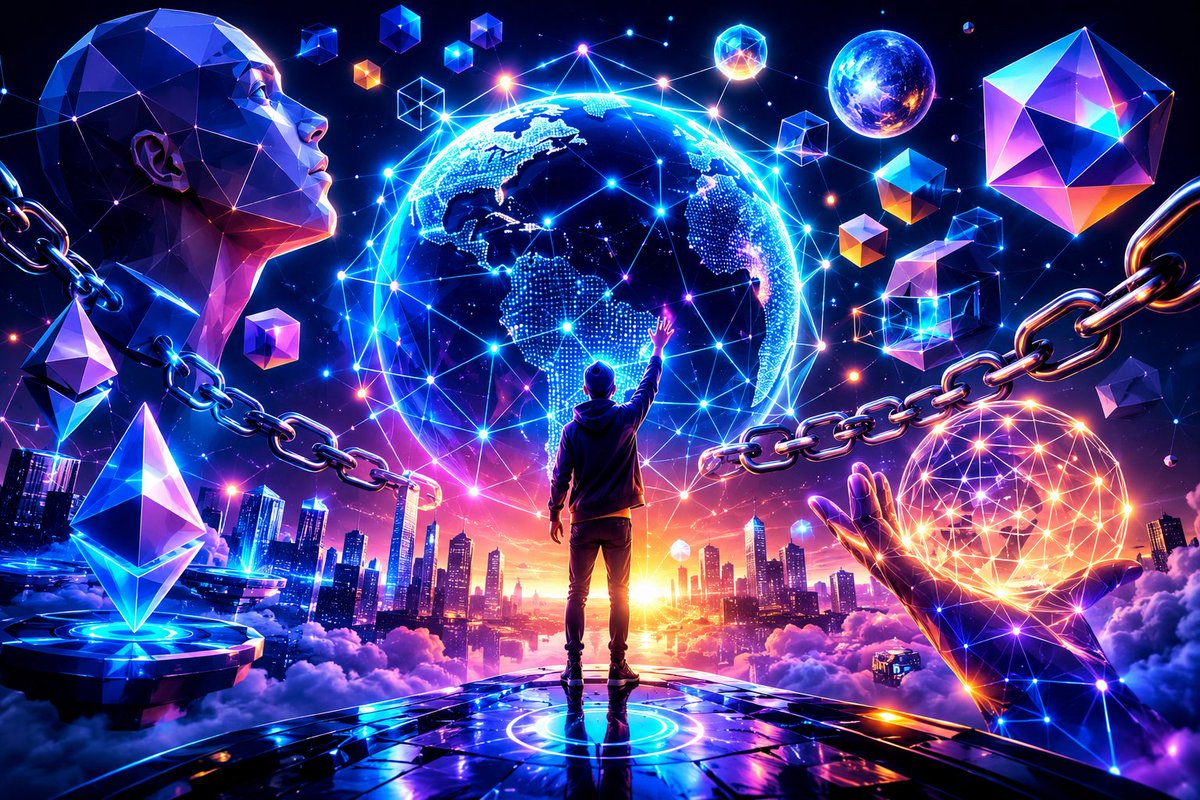
Web3: Why the Future of the Internet Belongs to Its Users
The internet has transformed the way we communicate, work, learn, and build communities. But despite all its benefits, one major question remains: Who truly owns the internet?
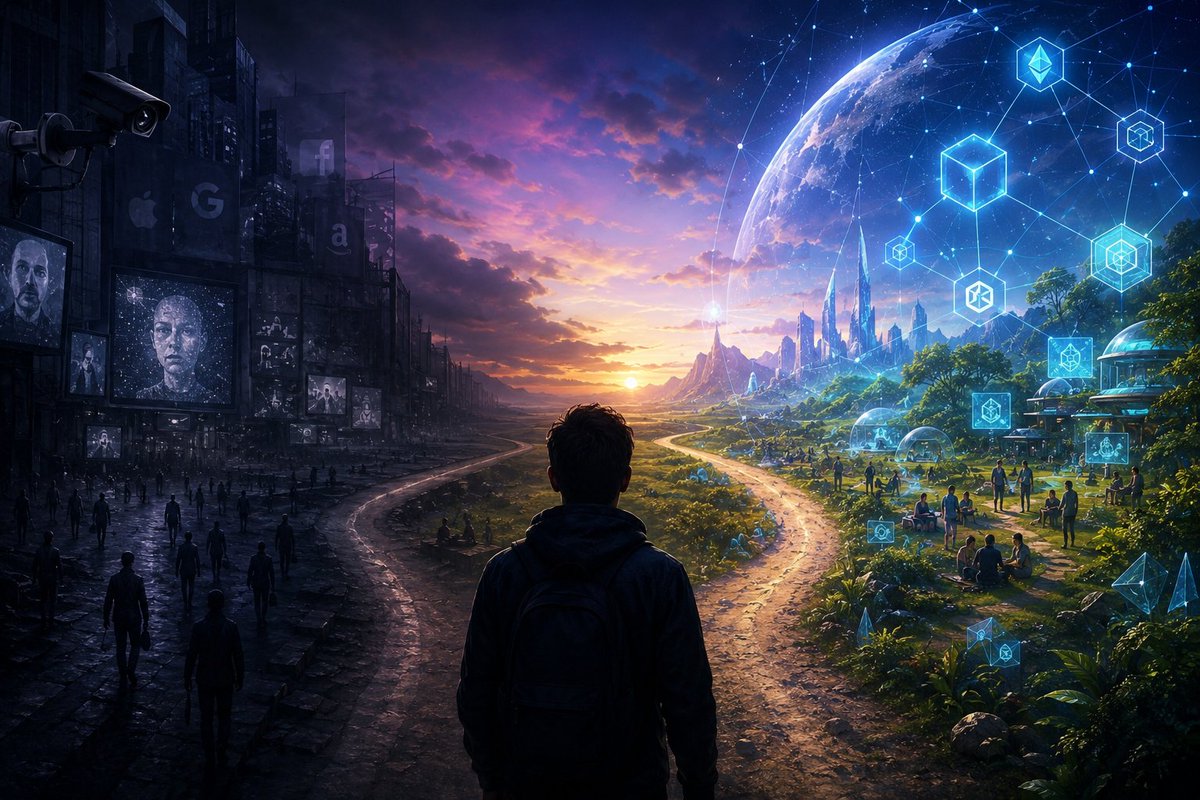
For years, a handful of large companies have controlled most of the platforms we use daily. They manage our data, determine platform rules, and often profit from the content we create. Web3 aims to change that.
What Exactly Is Web3?
Web3 is the next evolution of the internet powered by blockchain technology. Unlike today's internet, where centralized platforms act as gatekeepers, Web3 promotes a decentralized model where users have greater control over their digital lives.
In simple terms, Web3 is about creating an internet where:
- Users own their digital assets.
- Communities participate in governance.
- Transactions happen without unnecessary intermediaries.
- Transparency and security are built into the system.
Rather than relying solely on trust in corporations, Web3 uses technology to create trust through code.
From Web1 to Web3: Understanding the Evolution
Web1: Read-Only Internet
The early internet consisted mainly of static websites. Users could access information but had very limited interaction.
Web2: Read and Write Internet
Social media platforms, streaming services, and e-commerce revolutionized how we engage online. While Web2 increased connectivity, it also concentrated power and user data in the hands of a few major corporations.
Web3: Read, Write, and Own
Web3 introduces ownership into the digital experience. Through blockchain technology, users can hold digital assets, participate in decision-making, and interact directly with decentralized applications (dApps).
Why Web3 Matters
Digital Ownership
In traditional systems, you rarely own your digital identity or assets. Your accounts, content, and data are ultimately controlled by platforms.
Web3 changes this dynamic by allowing users to own assets through blockchain-based wallets. Whether it's cryptocurrency, digital collectibles, or online identities, ownership shifts back to individuals.
Financial Inclusion
Decentralized Finance (DeFi) enables people to access financial services without depending entirely on traditional institutions. This has the potential to expand opportunities for millions of people worldwide, particularly in regions with limited banking infrastructure.
Creator Empowerment
Artists, writers, musicians, and developers can monetize their work more directly. By reducing reliance on intermediaries, creators can build stronger relationships with their communities and retain a larger share of the value they generate.
Community-Led Governance
Web3 projects often use Decentralized Autonomous Organizations (DAOs), allowing community members to vote on important decisions. This creates a more participatory ecosystem where users have a voice in shaping the platforms they support.
Challenges on the Path Forward
While Web3 offers exciting possibilities, it is still an emerging space facing several challenges:
- Complex user experiences that can discourage newcomers.
- Scalability limitations as networks handle increasing demand.
- Security risks associated with poorly designed protocols.
- Regulatory uncertainty across different countries.
Addressing these challenges will be essential for broader adoption.
The Opportunity Ahead
Web3 is not just about cryptocurrency or blockchain speculation. At its core, it represents a vision for a more open, transparent, and user-owned internet.
The technology is still developing, and many questions remain unanswered. However, the underlying principles of decentralization, ownership, and community participation continue to inspire innovation across industries.
Whether you're a developer, entrepreneur, creator, or simply someone curious about the future of technology, understanding Web3 today could help you navigate the digital landscape of tomorrow.
4
1
9
768
9h
🌐 Web3 isn't just about technology
it's about ownership, transparency, and empowering communities.
We're moving from an internet where users are the product to one where users own their identity, assets, and contributions. Blockchain, decentralization, NFTs, DAOs, and DeFi are reshaping how we interact, build, and create value online.
The future of Web3 isn't about hype—it's about solving real problems, creating open ecosystems, and giving power back to the people who make the internet valuable.
Still early. Still building. The next generation of the web is being written right now. 🚀
Are you watching from the sidelines, or are you helping shape the future?
#Web3 #Blockchain #Crypto #DeFi #NFT #DAO #DigitalOwnership #BuildInPublic #FutureOfTheInternet |
9
4
11
362

Dear beloved sports-loving Nigerian youths,
After watching the performances of Davido, Burna Boy, and Rema at the opening of the 2026 World Cup—at a time when Nigeria, the giant of Africa, is absent—I felt a measure of consolation. This was reinforced by the fact that many Nigerians playing for clubs worldwide are representing other countries. Felix Nmecha, for instance, set a record by scoring the fastest goal at six minutes for Germany. I write to you therefore, knowing that this country belongs to you, the youth.
You are more of stakeholders in Nigeria’s future than I am. I am 64 years old; by God’s grace, much of my journey is behind me, while yours lies ahead.
It is therefore imperative that you rise to the challenge by obtaining your PVC, your most powerful tool for driving the change you desire.
In the last three years alone, over 15 million Nigerians have turned 18—enough to decide who becomes President, Governor, Senator, Member of the House, or Local Government Chairman. Indeed, enough to shape the nation’s future.
I know many of you are sceptical about politics and political parties. I understand why, but scepticism must not become surrender.
You do not need to belong to any party or wait for anyone to organise you. Organise yourselves in your streets, campuses, communities, workplaces, churches, mosques, and social groups. Mobilise, debate, demand accountability, and take part in choosing those you wish to entrust with leadership.
If you are organised and wish to hear directly from me, invite me. I will come and share my plans for you and our nation.
Do not sit on the sidelines while others decide your future.
I appeal to you to register and vote. Your vote can shape who becomes the next President of our country.
My young friends, this is your country. Take it back.
A New Nigeria is POssible. -PO

1,625
14,075
30,148
543,796
𝙅𝙚𝙧𝙧𝙮 retweeted

21h
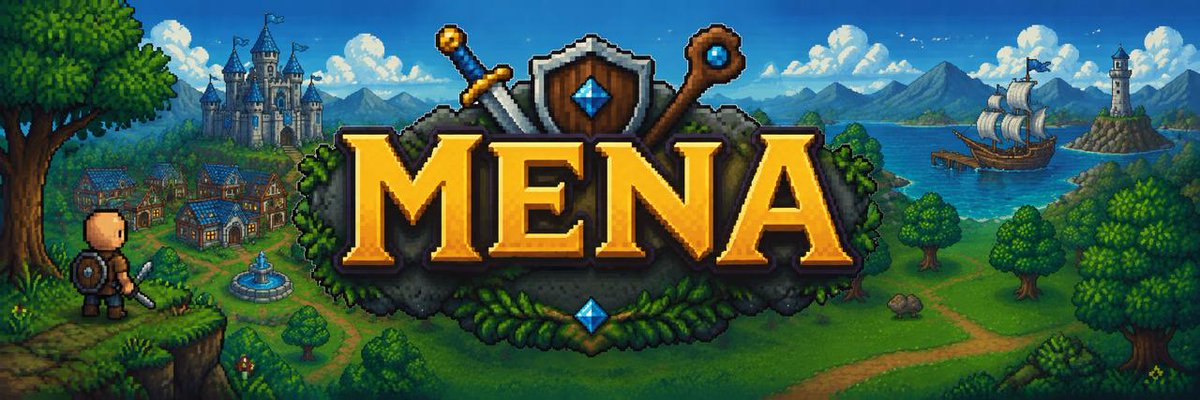
The world of @MenAonSol is expanding, and it’s more epic than you ever imagined. ⚔️💎
Mena isn’t just a game; it’s a living, breathing MMORPG ecosystem on #Solana where every action has real-world value.
Here is why $MENA is the token everyone is watching. 👇 (1/5) 🧵
24
34
55
4,140
𝙅𝙚𝙧𝙧𝙮 retweeted
Jun 14
Financial freedom is more than just a balance; it’s the right to keep your life private. 🛡️
In East Africa, we aren’t just users—we are builders of a secure, sovereign future for everyone. 🌍✨
@ZcashEastAfrica #ZcashEastAfrica #Zcash #Privacy
A thread 🧵
8
4
15
704
𝙅𝙚𝙧𝙧𝙮 retweeted
Jun 4
GM ☀️
A fresh day, a fresh chance to grow. 🚀
Appreciate everyone rocking with me daily. Let’s build, win, and vibe together.
GM fam 🤝💛
53
6
55
984
Jun 11
GM 🫡
Inactive for a few days.
Back active now. Let's make some noise today. 🔥
GM Web3 🌐
14
5
14
593
𝙅𝙚𝙧𝙧𝙮 retweeted
Jun 10
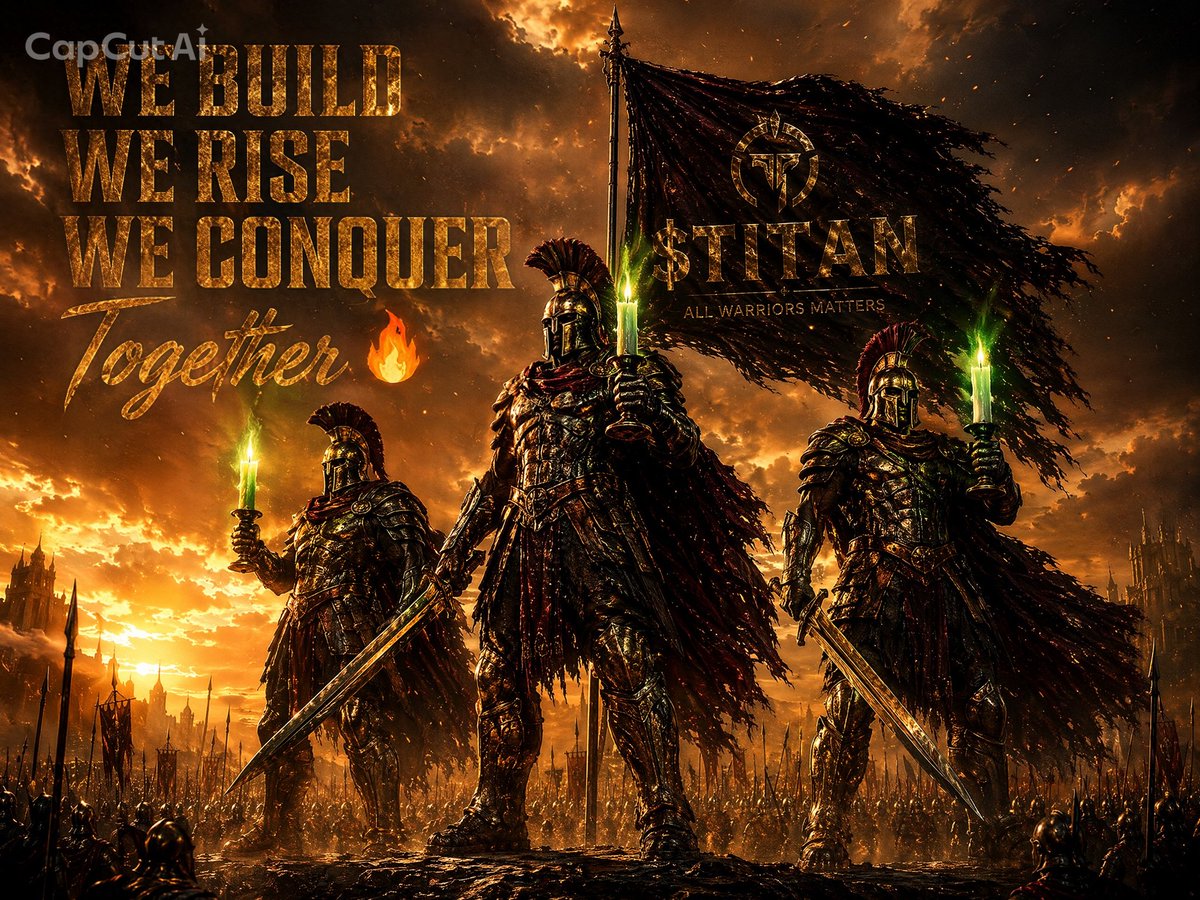
Just won 3rd place in the @RiseOfTitan1000 Meme Contest 0.2 SOL secured!
Massive thanks to the entire Titan Legion - the strongest, most united community on Solana.
This is just the beginning. We build, we rise, we conquer together!
The Legion is unstoppable. #Titanlegion #TheLegionRises @RiseOfTitan1000
11
6
15
287
Jun 9
Good morning
Good morning
Good morning
Good morning
Good morning
Good morning 🌞
2
4
140
Jun 8
Today was stressful, but thank God everything went well in the end. Good night. 🌙🙏
2
3
207
𝙅𝙚𝙧𝙧𝙮 retweeted
Jun 7
Gm CT✨️
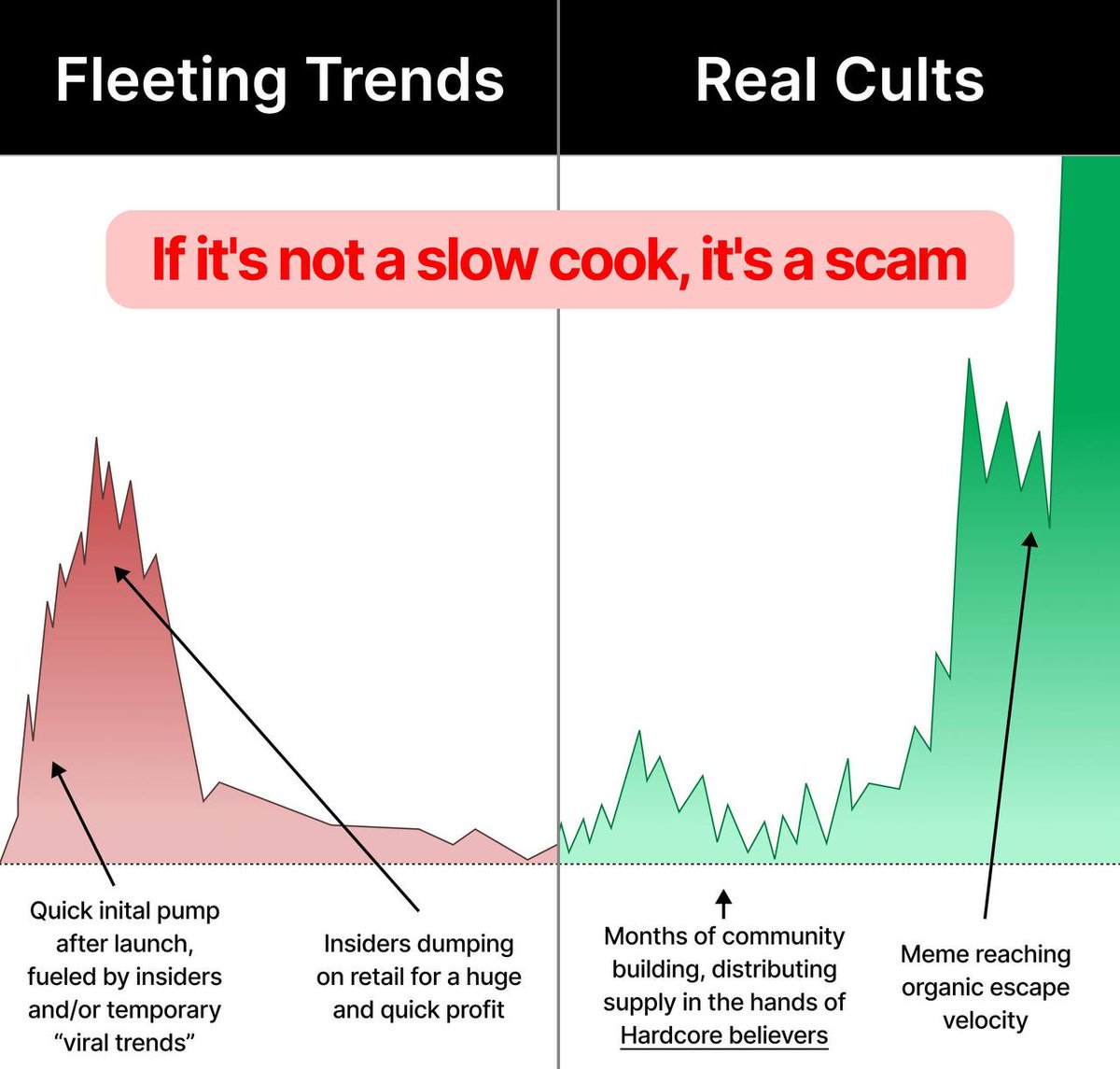
Every minute, a new project is born.
Most are just ghosts—here today, gone by lunch. 🥀
But you can’t fake the patience it takes to build something that lasts. True conviction is what keeps a community standing when the "easy money" has already moved on.
This is the clear difference between a FAKE and a REAL project.
Don’t look for the fastest pump. Look for the deepest roots. 🥘✨
#CryptoCommunity #Memecoins #Web3 #BuildInPublic #Conviction #DiamondHands #SlowCook
17
8
20
415
𝙅𝙚𝙧𝙧𝙮 retweeted
Jun 6
GM Fams🤍
&
Happy Weekend to you All ✊🏻
Say a GM back let be mutual🤍
14
8
17
388

34
15
40
564
𝙅𝙚𝙧𝙧𝙮 retweeted

Jun 6
Good Morning Everyone 🌾
Let the greenery around you fill your day with positivity and peace.

140
33
205
2,908
Jun 5
GM X
GM Ct
GM everyone
How's your night
Gimme some GM let be mutual
12
6
11
324
𝙅𝙚𝙧𝙧𝙮 retweeted

Good morning x fam
Have a good day
112
4
117
3,036