
Mass spectrometry for quantitative proteomics. The Olsen Group @jespervolsen at NNF-CPR @UCPH_CPR , University of Copenhagen. 🦋 jesperolsenlab.bsky.social
Joined October 2022
- Tweets 114
- Following 90
- Followers 1,362
- Likes 63
44 Photos and videos

New publication alert!📢
KPL collaborates w/ @JesperOlsenLab on the first systematic comparison of LysC enzymes for proteomics published in @JProteomeRes
A. lyticus LysC: >90% cleavage efficiency, >97% specificity
Read more: pubs.acs.org/doi/10.1021/acs…
#TeamMassSpec #proteomics
2
3
408

5 Sep 2025
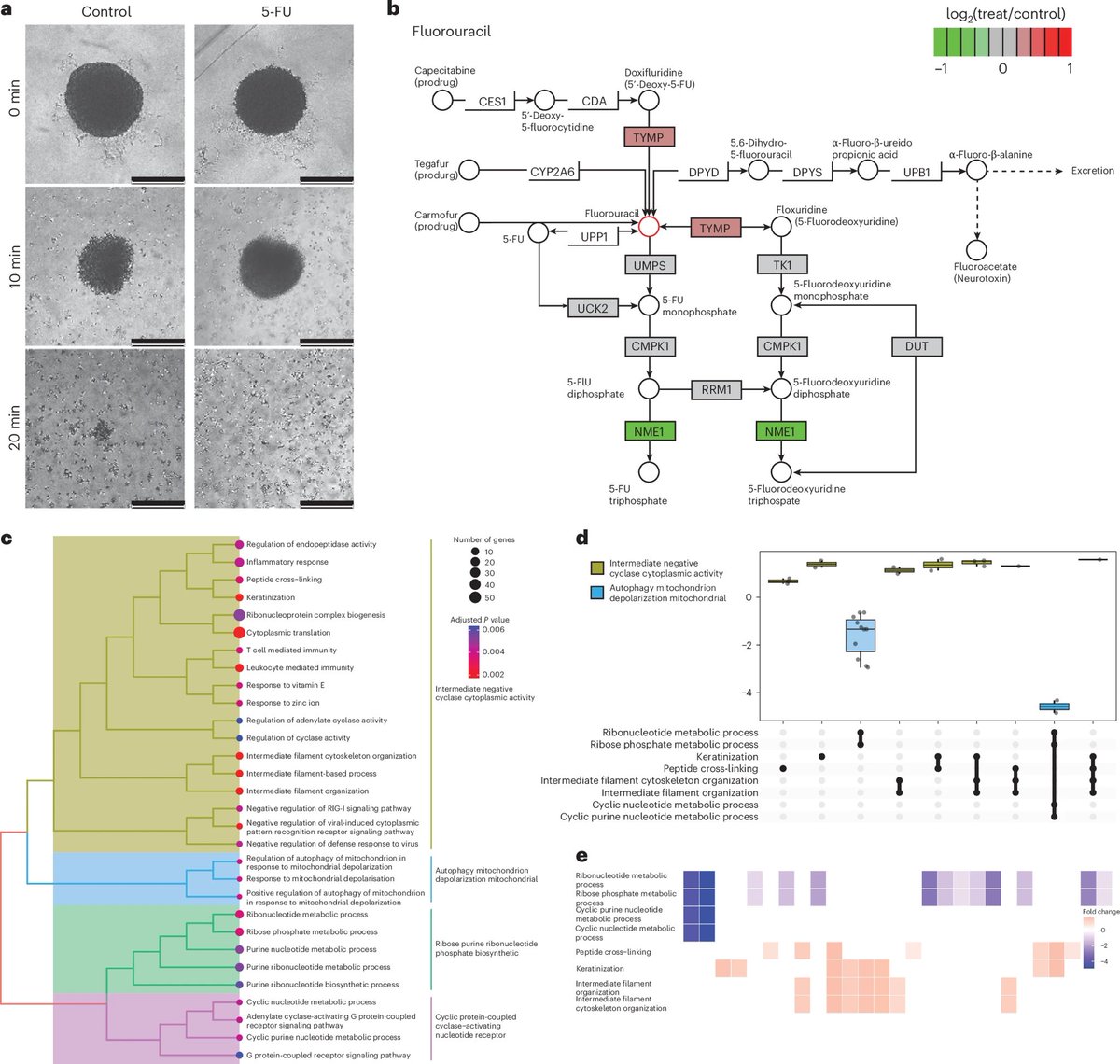
We present our collaborative project on “personalising clinical decisions in ovarian cancer through patient-derived in vitro models” for the #ERAPerMed video competition 🎬
Have a look at it 👇🏼 and don’t forget to suport us by putting like on Youtube 👍🏼
youtu.be/J4bc1MPqIqE?si=EkhR…
2
7
776
19 Jul 2025
🚀 Check out our preprint on the new Thermo Scientific Orbitrap Astral Zoom MS 💫👇🏼
biorxiv.org/content/10.1101/…
1
4
24
2,762
19 Jul 2025
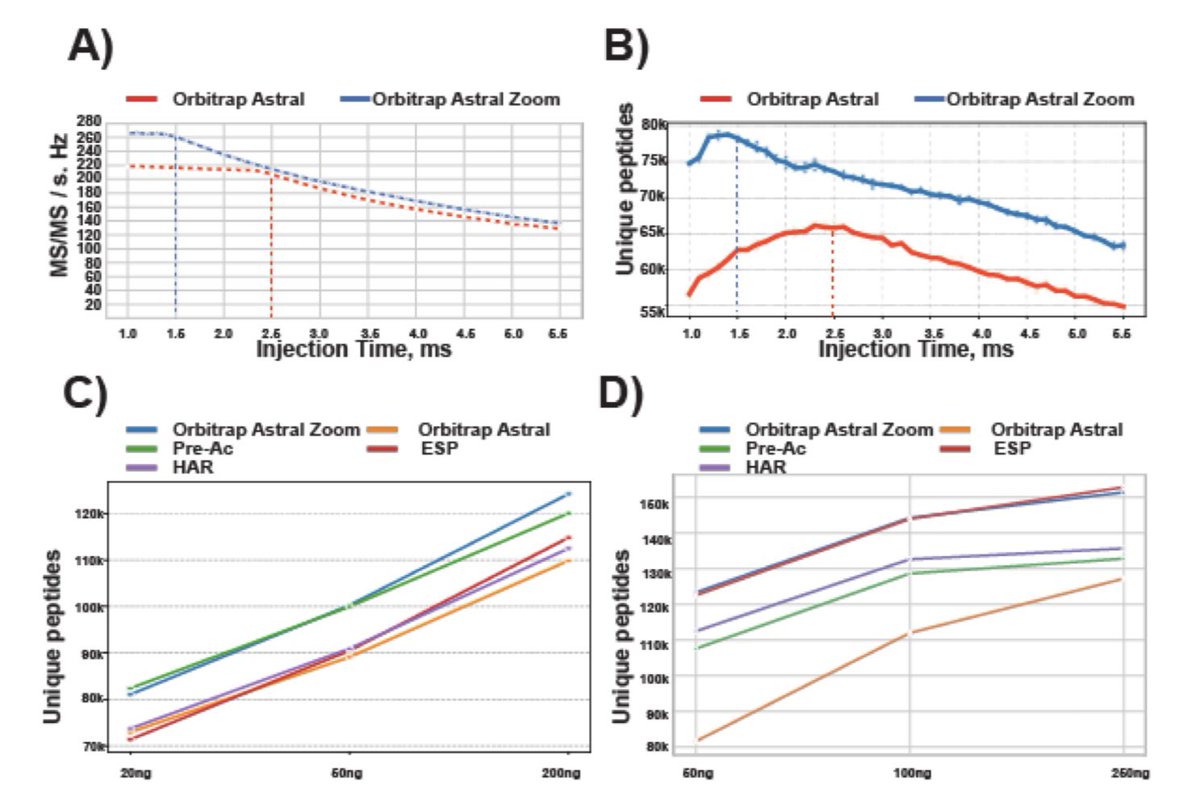
The new Astral Zoom MS overcomes previous MS limitations and is now achieving ultra-fast scans up to 270 Hz. It allows to identity > 100,000 peptides with short LC gradients.
2
1
309
19 Jul 2025
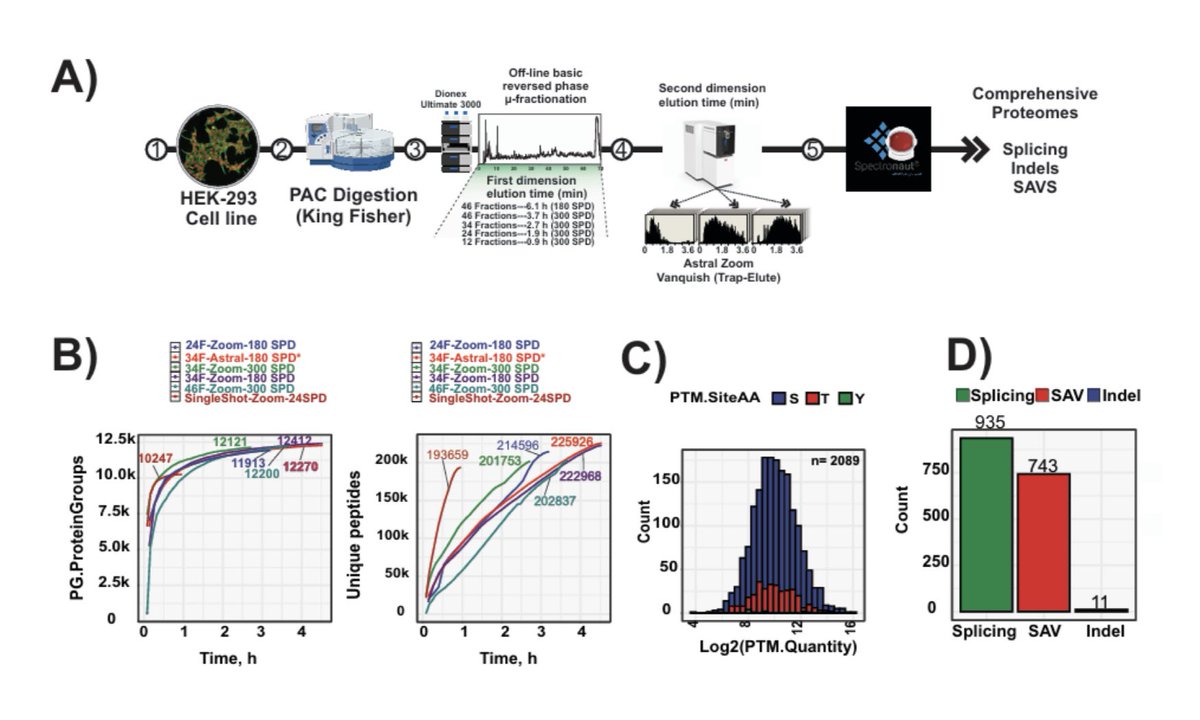
With a 40% reduction in analysis time and >12,000 proteins covered in 2.7 hours, it's setting new benchmarks for proteome studies.
2
199
25 Apr 2025
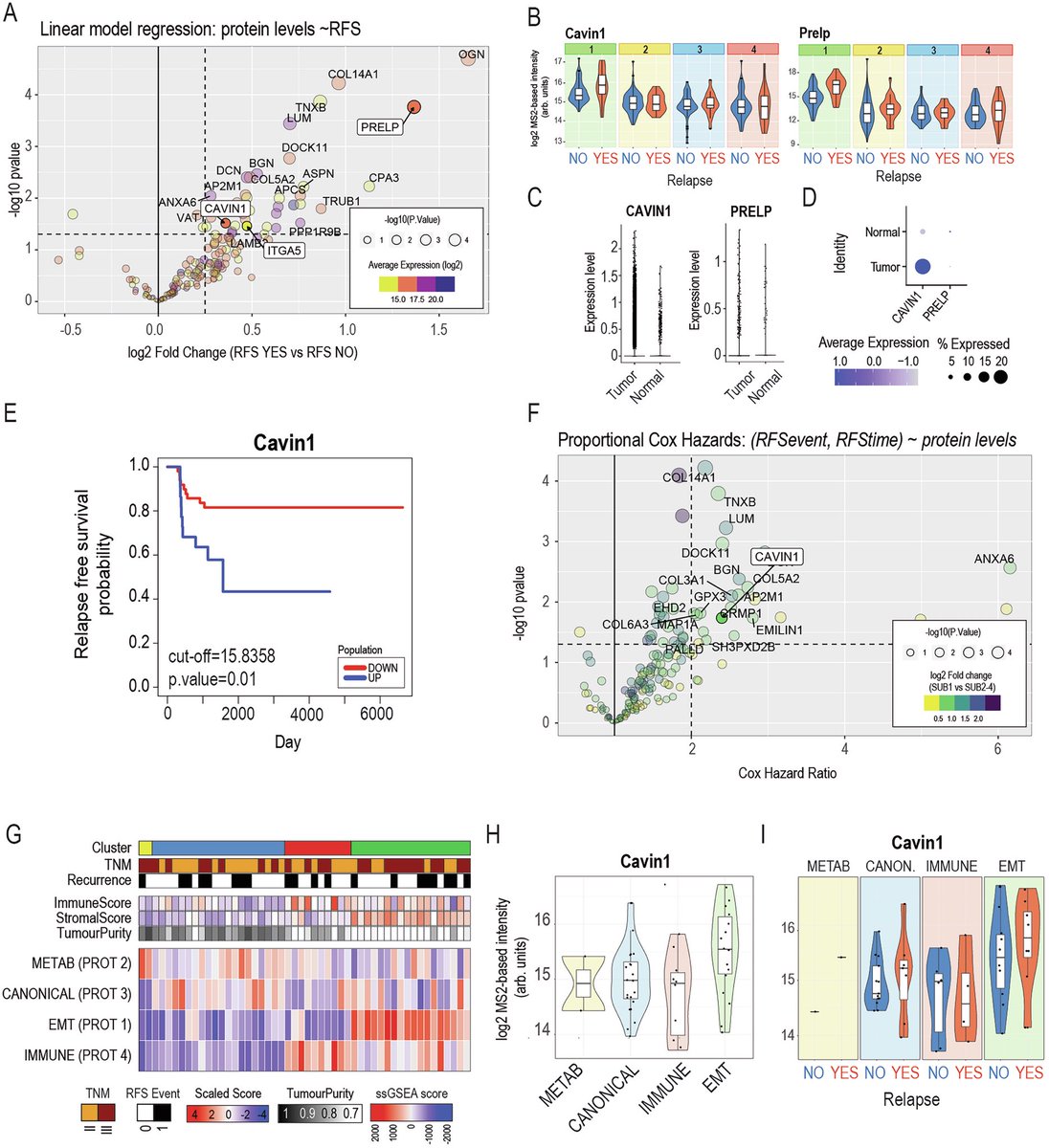
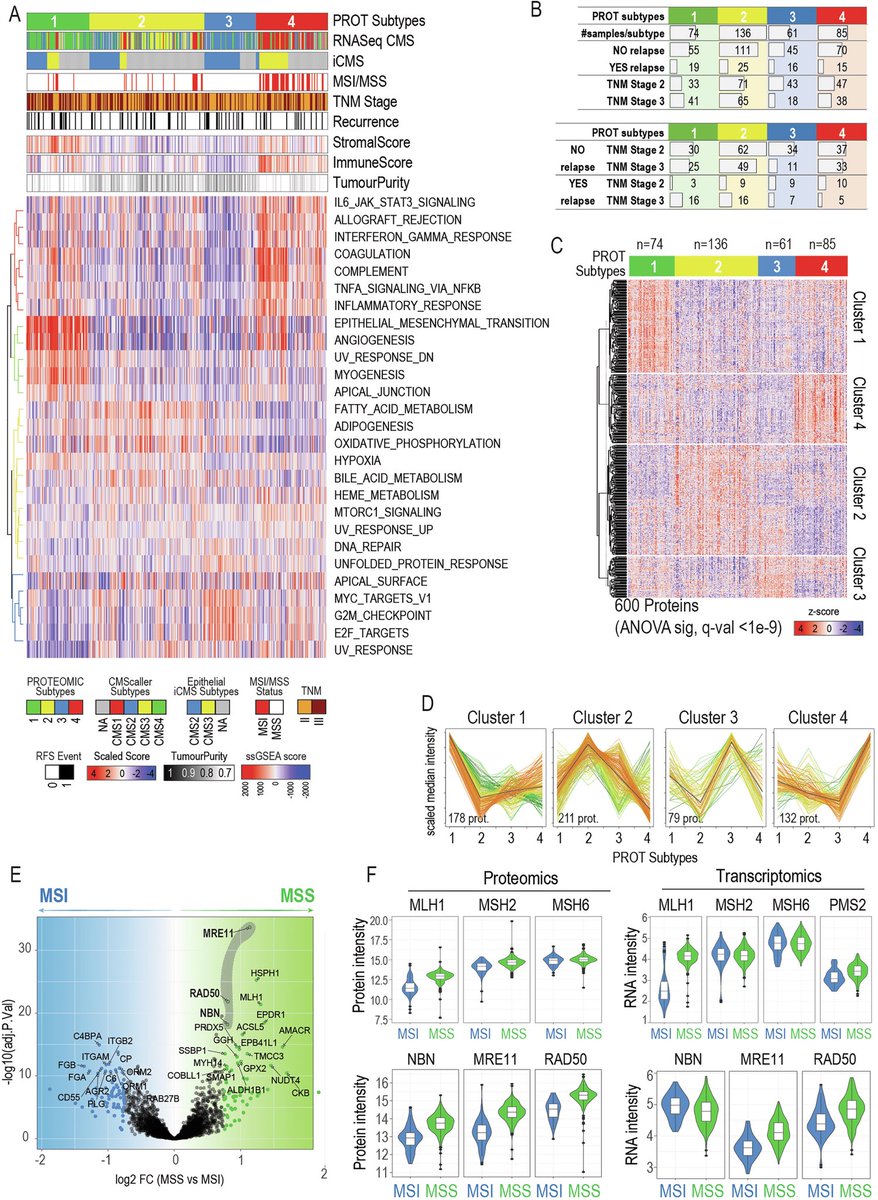
🚨 Check out our new study on proteomic profiling in premetastatic colorectal cancer! Accross 412 tumors, we define molecular subtypes with distinct functional landscapes and revealed CAVIN1 as novel biomarkers for relapse risk.
embopress.org/doi/full/10.10…
1
4
22
750
25 Apr 2025
The mesenchymal-like subtype was shown to be marked by increased CAVIN1 and PRELP. Higher CAVIN1 correlates with higher relapse risk in two independent cohorts. We confirmed this in a second cohort and were able to link this to Epithelial to Mesenchymal Transition.
1
2
249
25 Apr 2025
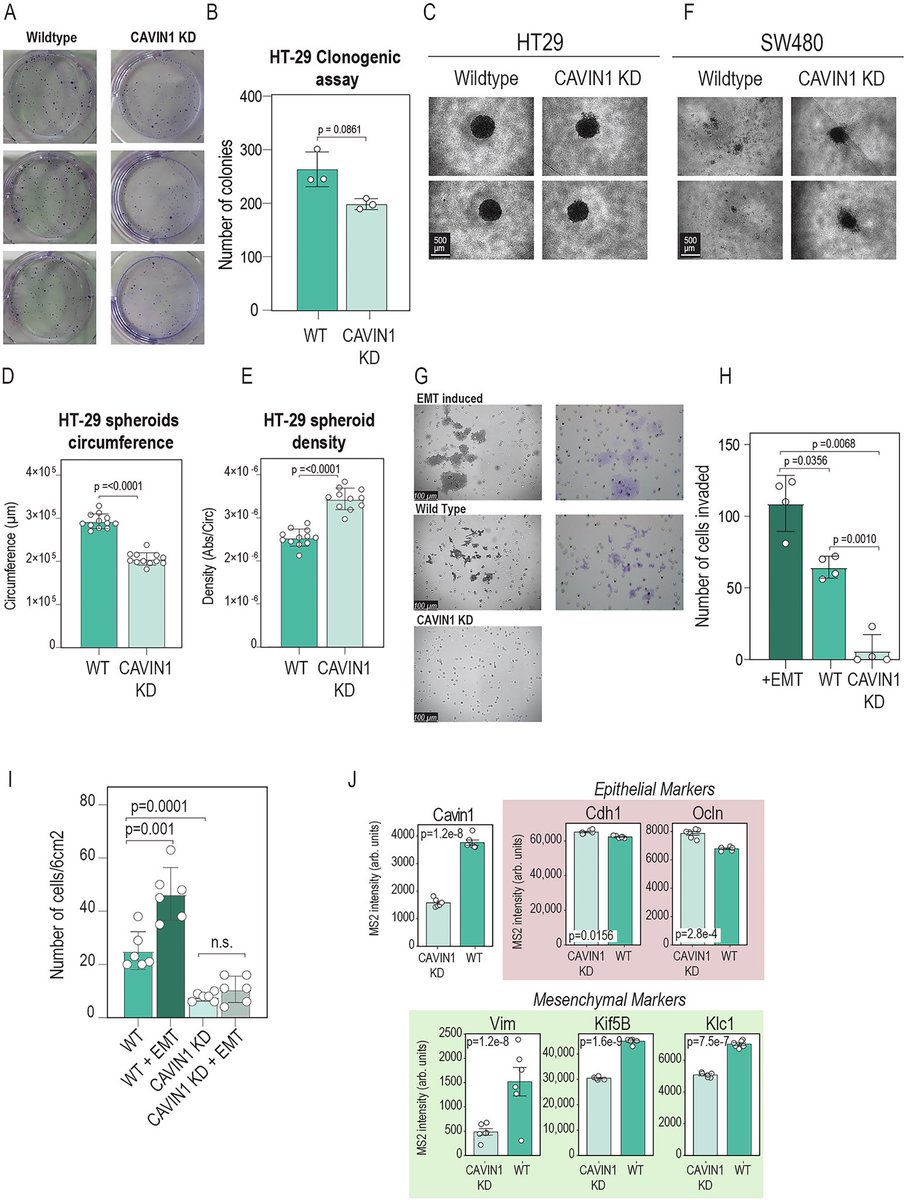
Knocking down CAVIN1 in a 3D model reveals its connection with tumour invasiveness. Hybrid-DIA based phosphoproteomics profiling reveals an intriguing link between mTOR-signalling and its potential association to CAVIN1.
2
220
31 Mar 2025
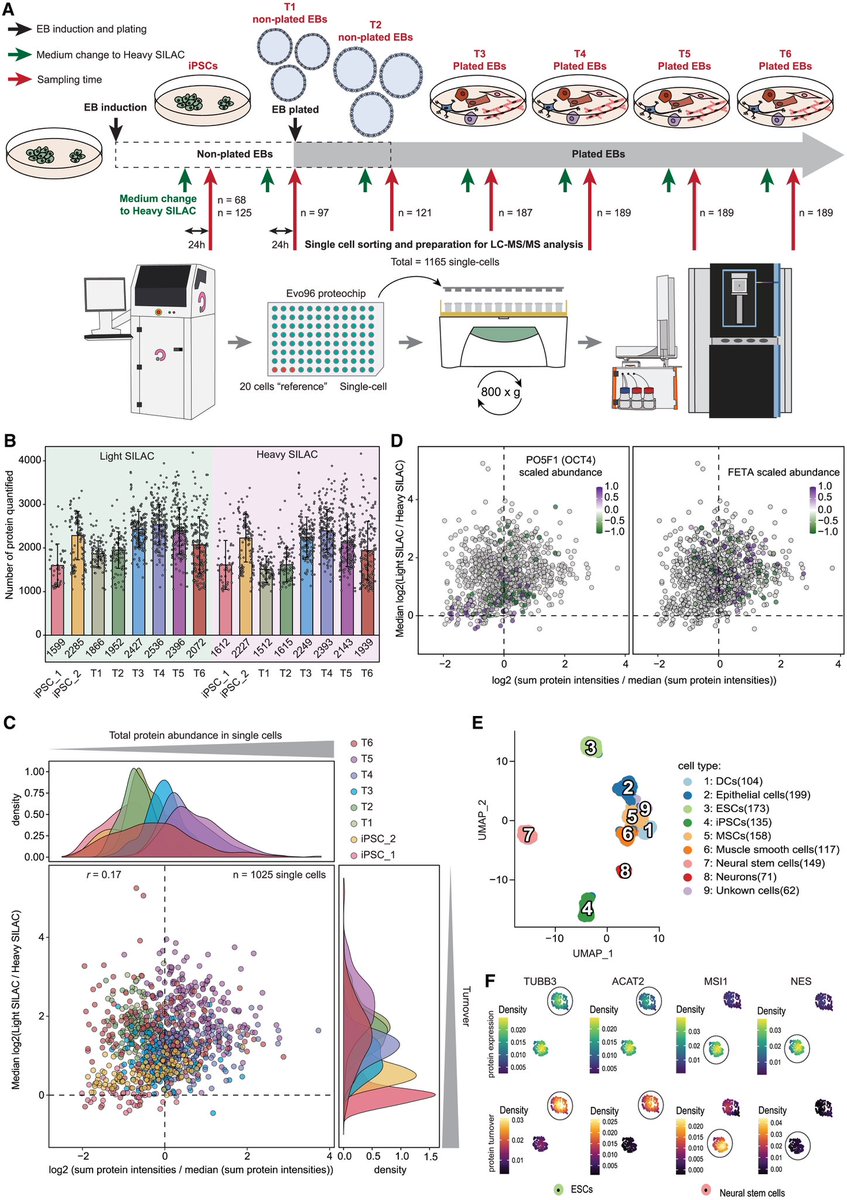
🚀 Excited to share our latest article in #singlecell proteomics published in Cell!
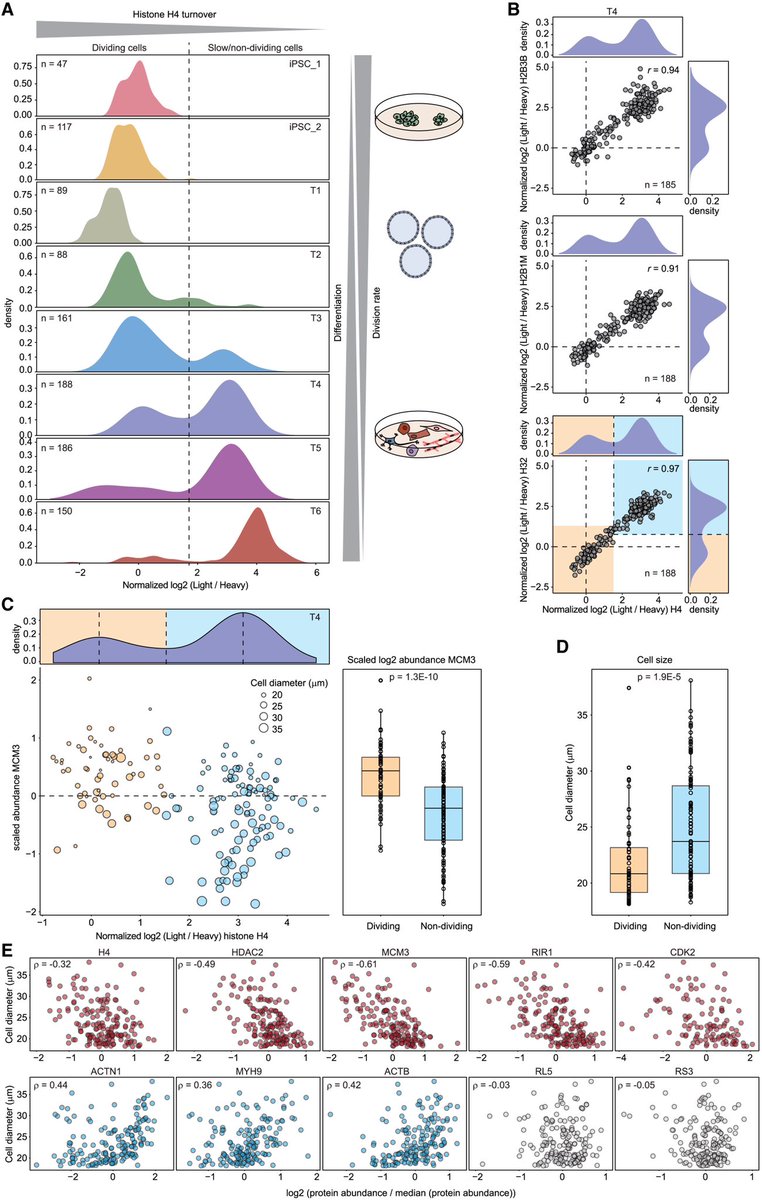
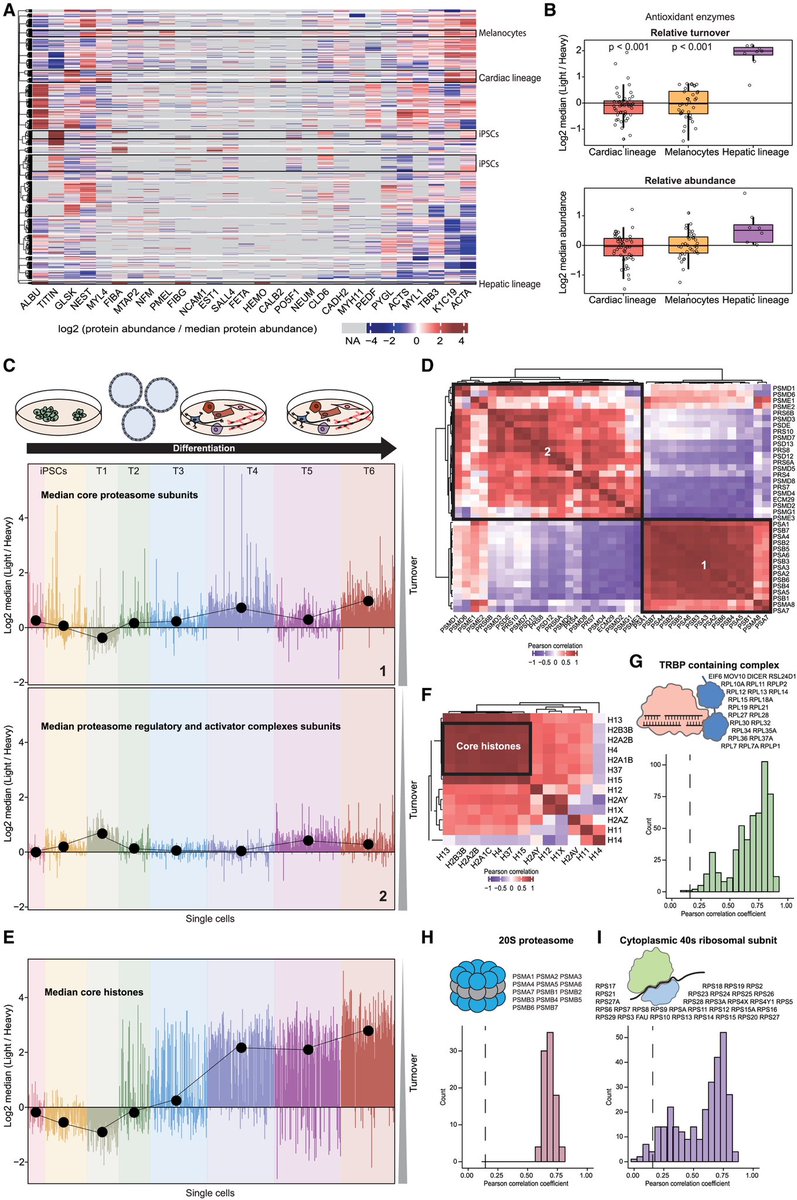
SC-pSILAC allows to simultaneously measure protein turnover and abundance in single cells, unlocking the first large-scale, 2D proteomic insights at single-cell resolution!
cell.com/cell/fulltext/S0092…
3
25
86
9,389
31 Mar 2025
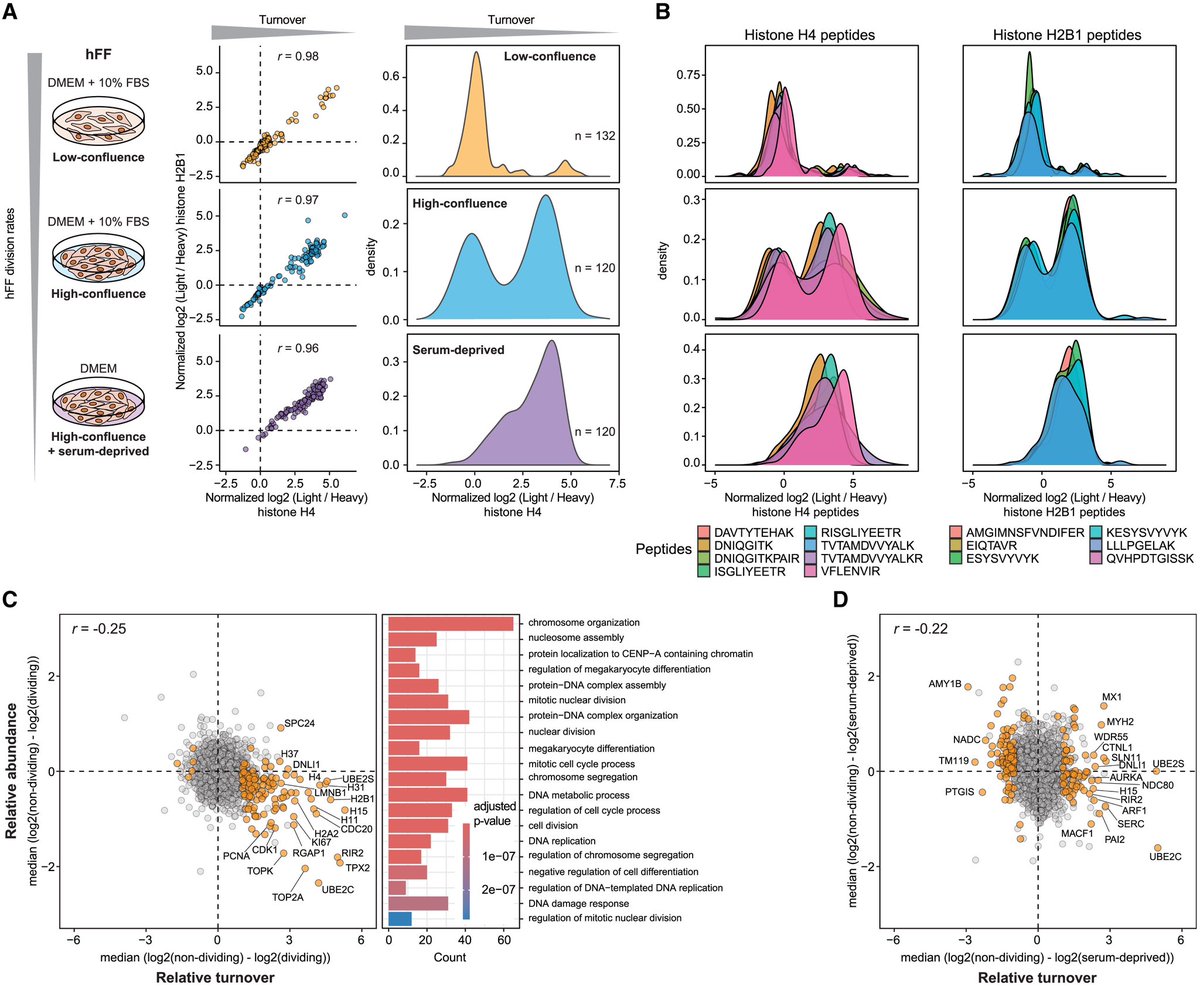
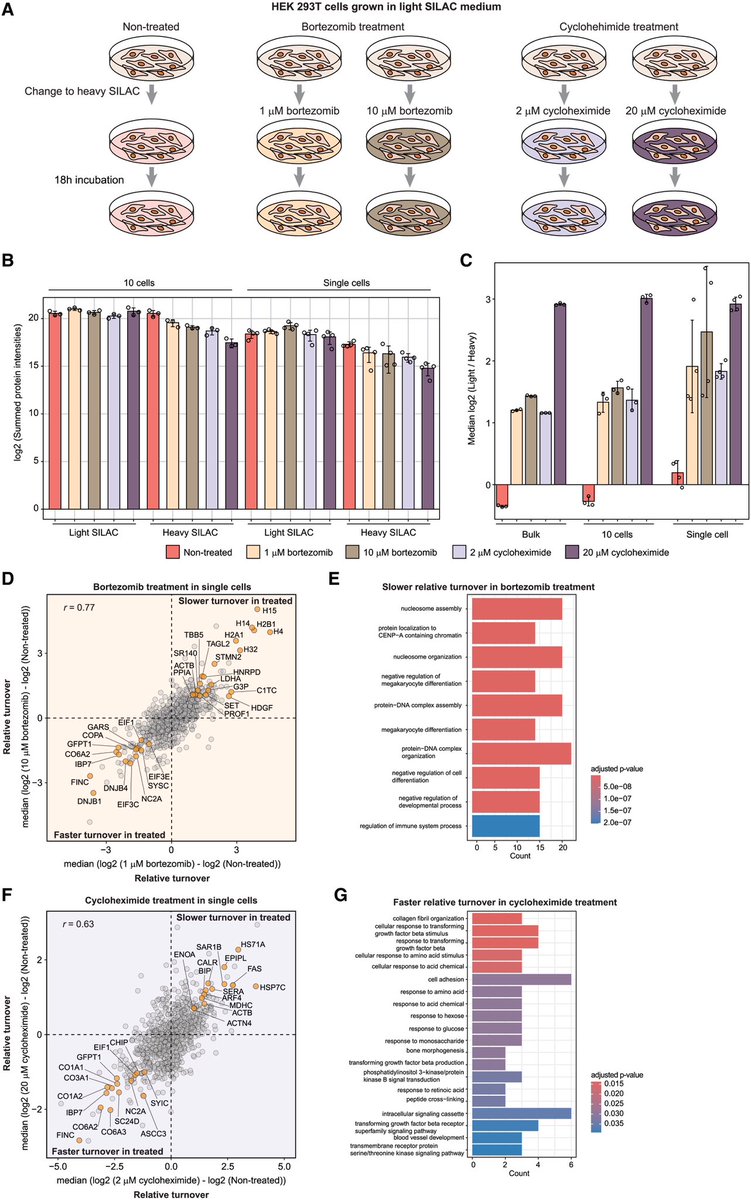
Histone turnover enables distinguishing between dividing cells from slow/non-dividing ones, due to the extremely slow core histone turnover in non-dividing cells.
1
3
352
31 Mar 2025
We confirmed this observation and exploited it to compare different modalities of cell division arrest in human foreskin fibroblasts.
2
1,436
JesperOlsenLab retweeted

7 Feb 2025
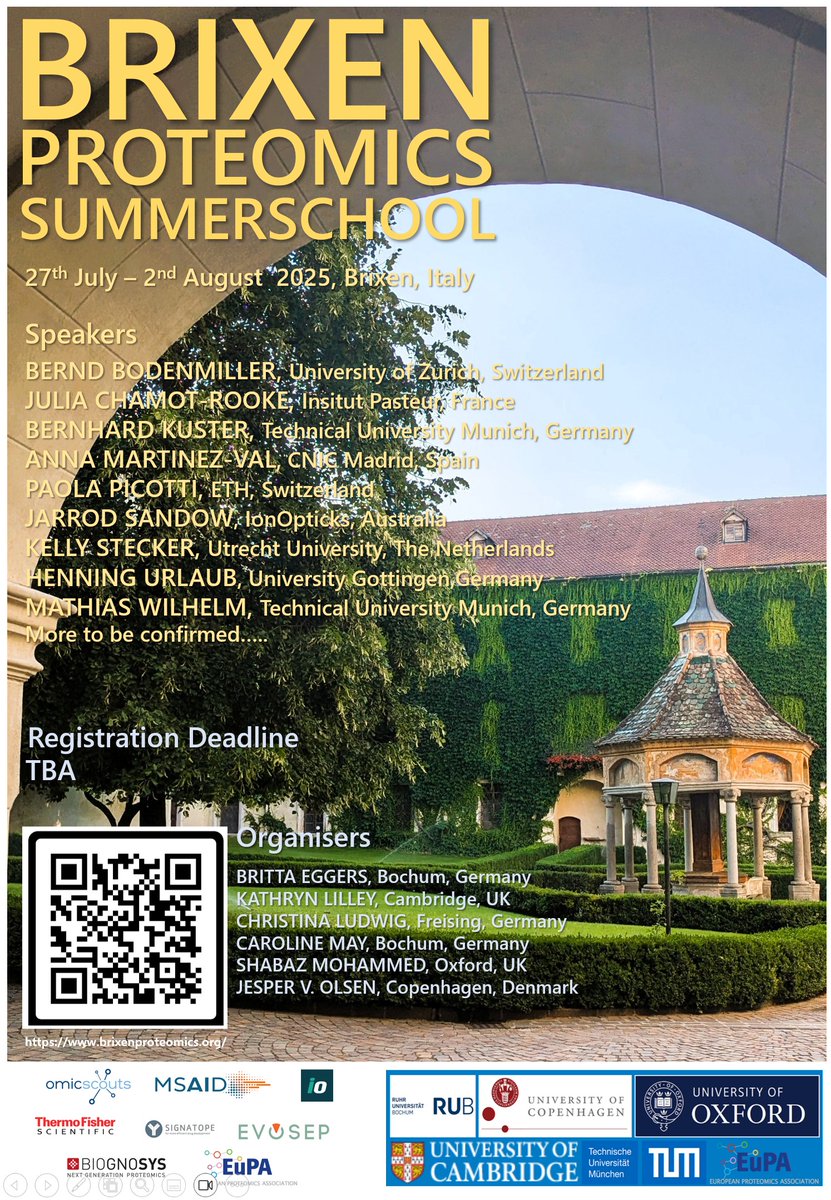
First announcement! The Brixen Summer School is back and is, as usual, building up a strong speaker list. Thank you @EuPAProteomics @msaid_de @thermofisher @biognosys @EvosepBio @SIGNATOPE_GmbH
5
9
730
4 Feb 2025
🚨 More research on single-cell proteomics! We evaluated how formaldehyde fixation preserve proteome state, drug response and cell integrity. Cell fixation can facilitate access to #singlecell by enabeling sample shiping and prolonged sorting 📦
pubs.acs.org/doi/10.1021/acs…
2
2
9
322
17 Jan 2025
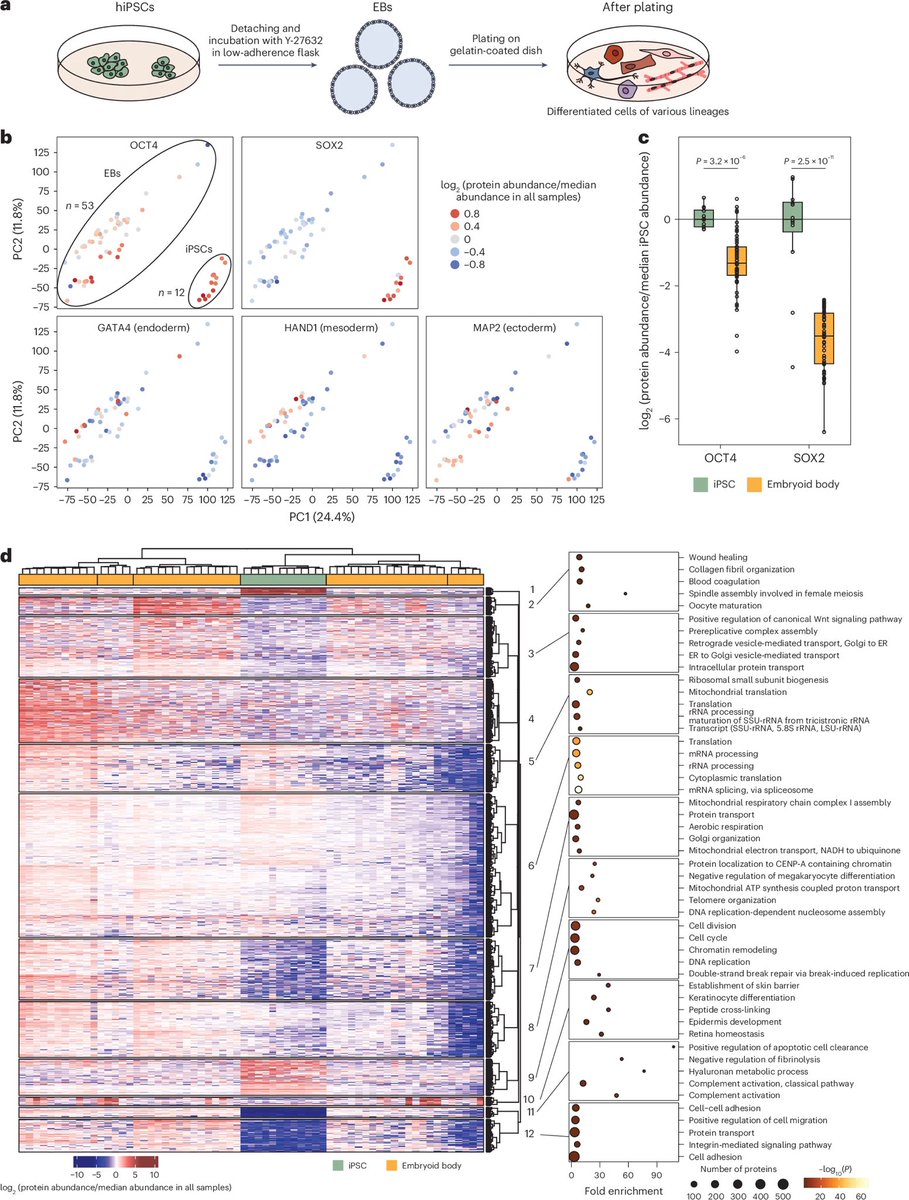
🚨 Our #singlecell article is out!
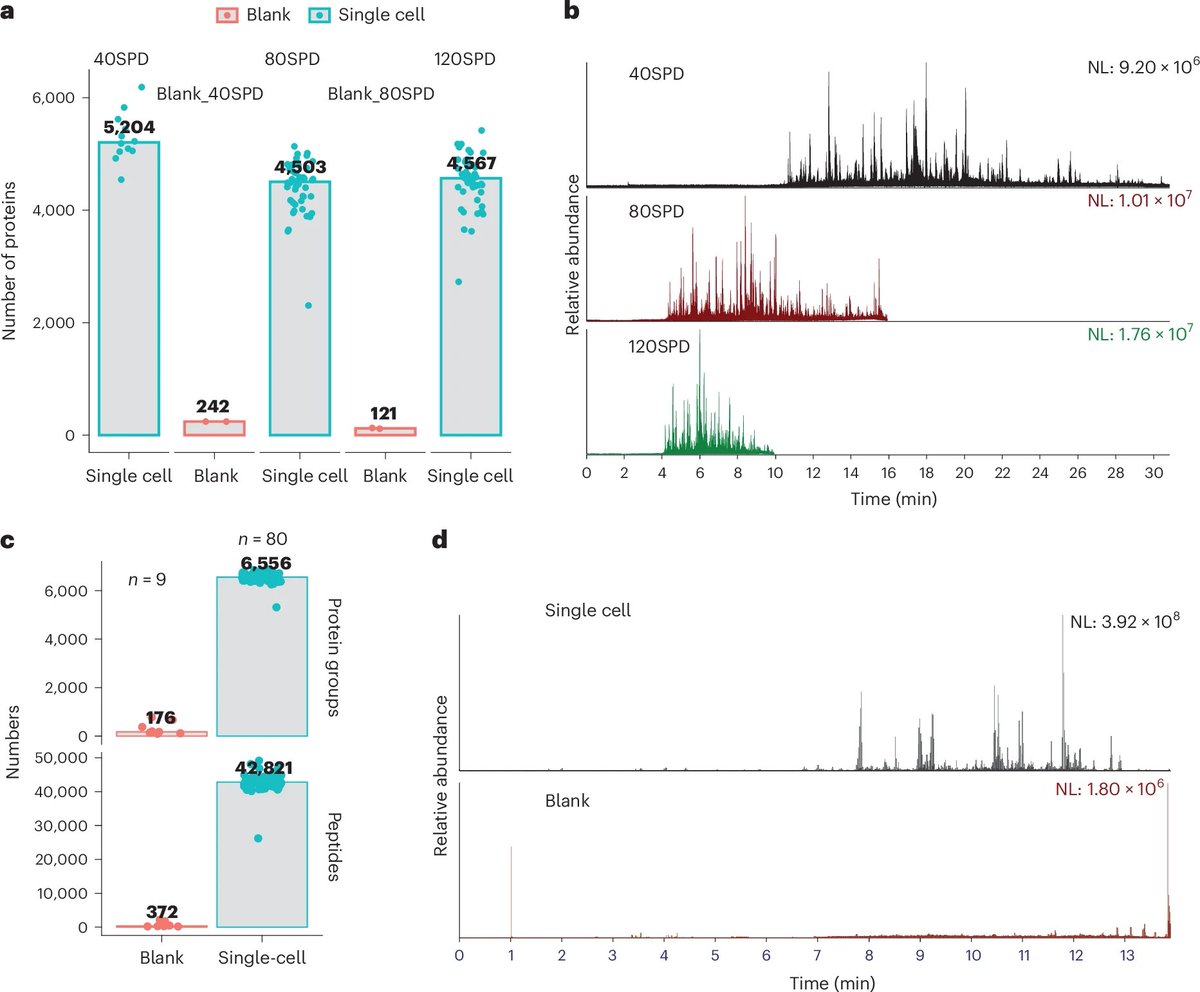
We describe the Chip-Tip label-free SCP workflow quantifying >5000 proteins in single HeLa cells. With high scalability, increased depth and throughput we can now envision large-scale LFQ-SCP biomedical studies!
nature.com/articles/s41592-0…
1
9
31
1,580
17 Jan 2025
Lastly we applied the workflow to analyse undirected stem cell differentiation enabling the accurate quantification of stem cells and lineage markers.
1
2
245