Archaeologist & writer. Senior Lecturer @UniOfYork. Prehistory. Books: The Story of Silbury Hill. The Remembered Land. New book #Footmarks. Agent: J.P. Marshall
Announcement 📣:
This is very exciting! #Footmarks will be out this June! It is a book about tracks and trackways, holloways and roads. A book about feet and shoes, wheels and boats. A book about putting one foot in front of the other, about crossing seas, pilgrims and migrants.
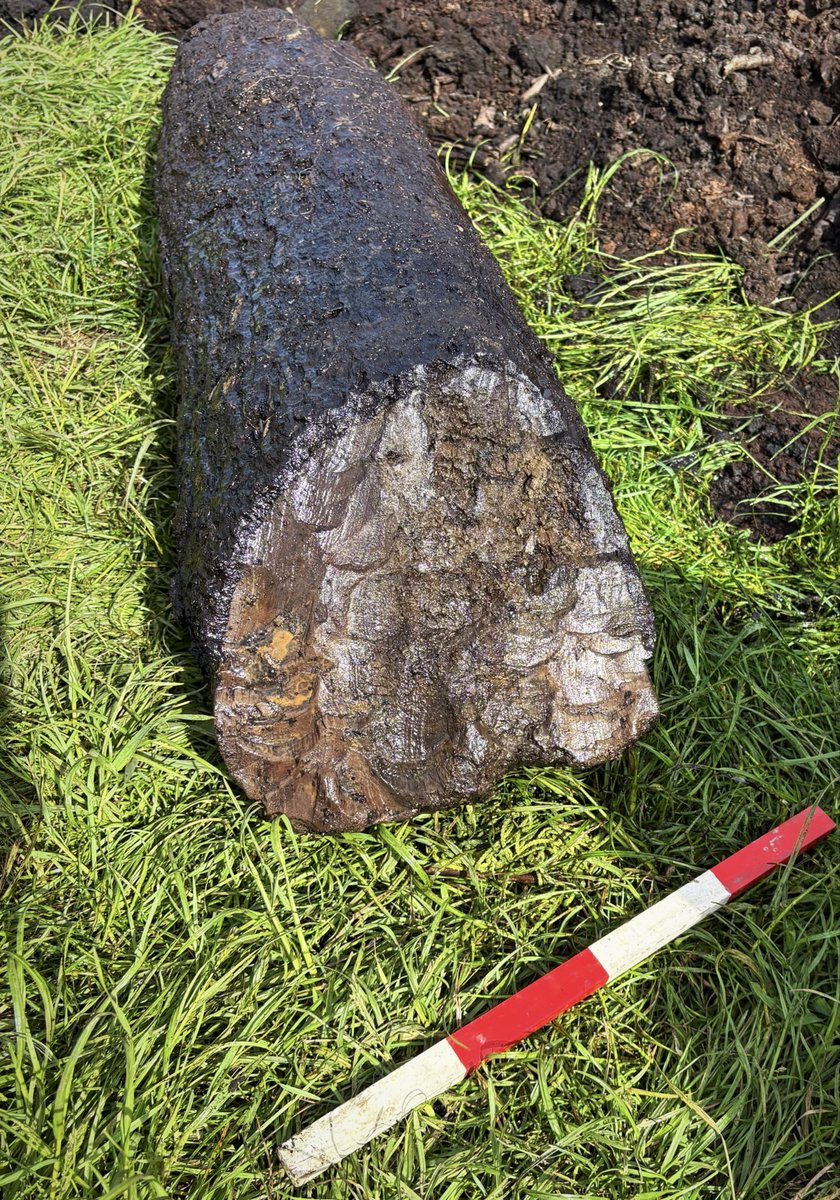
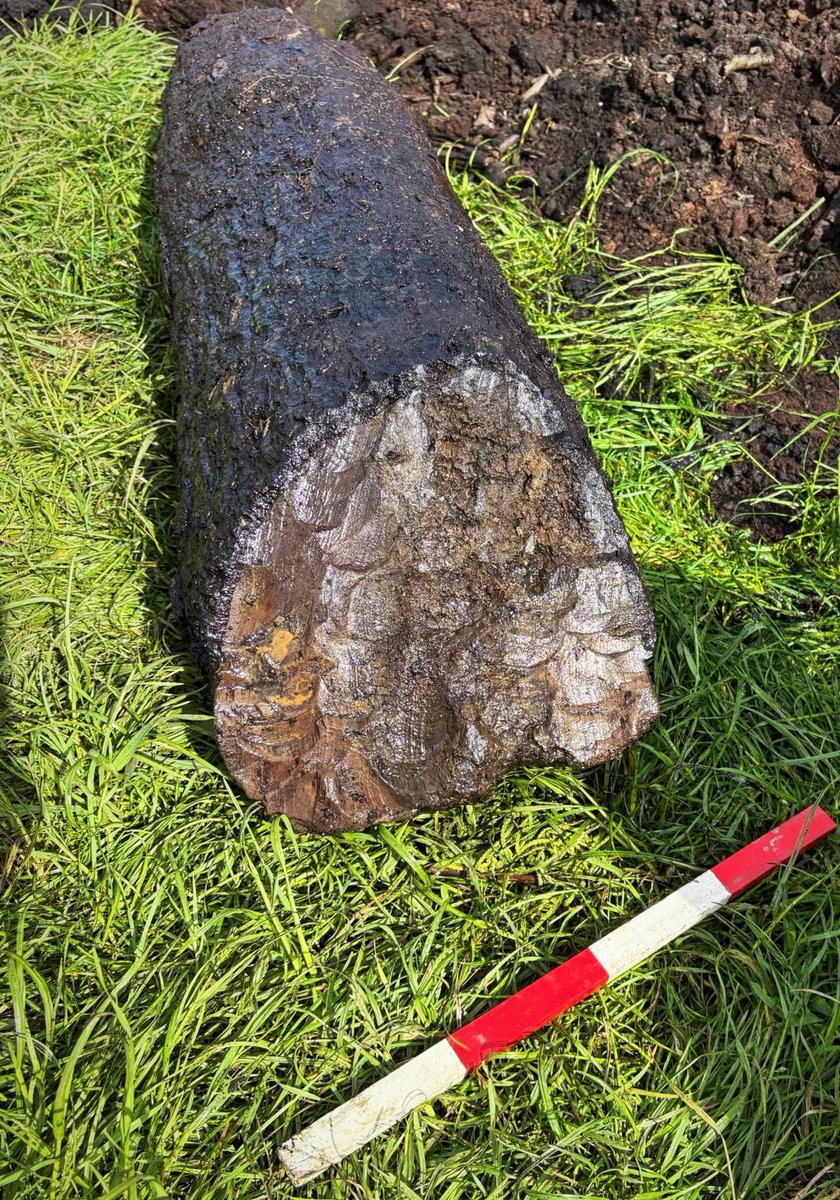
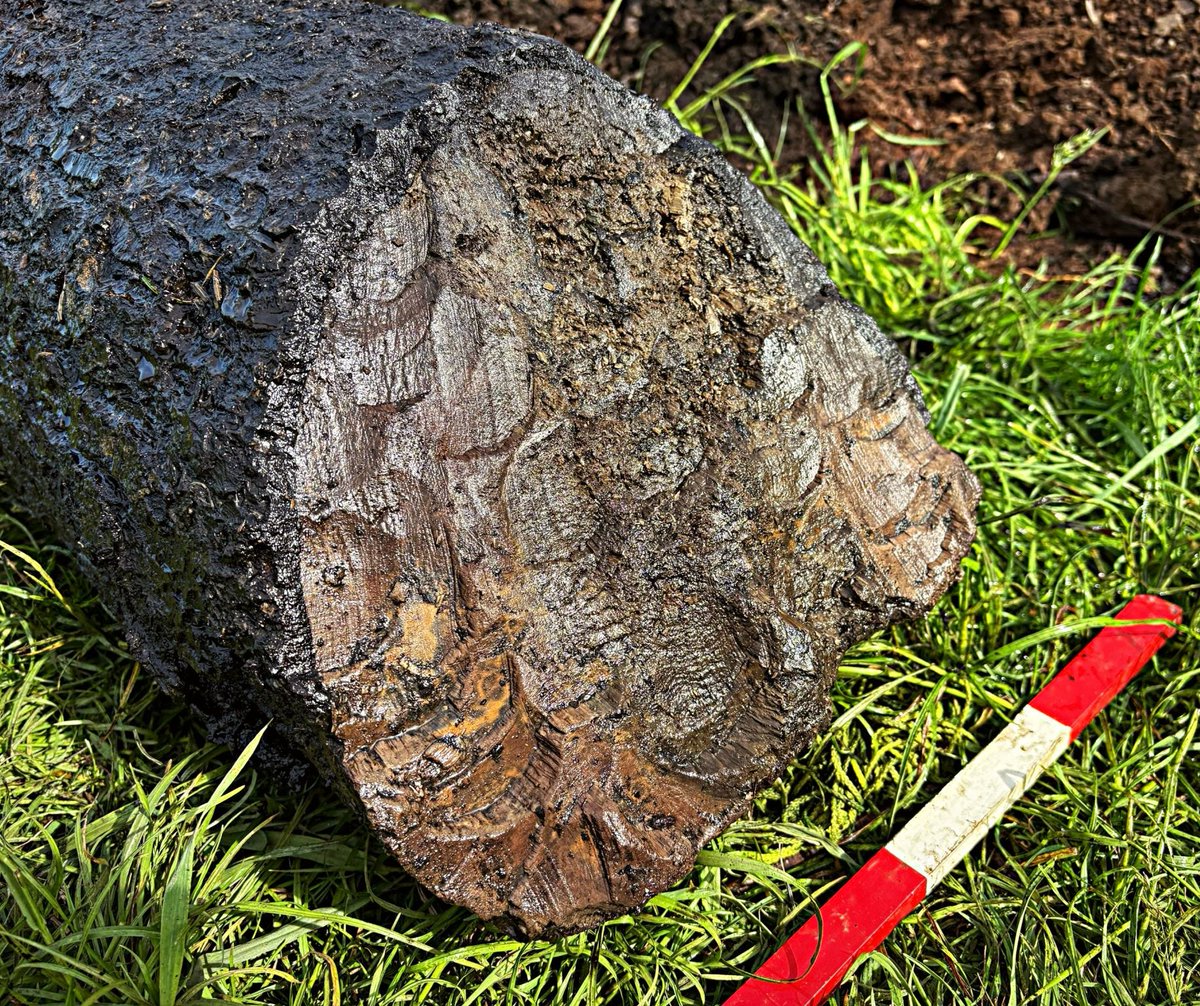
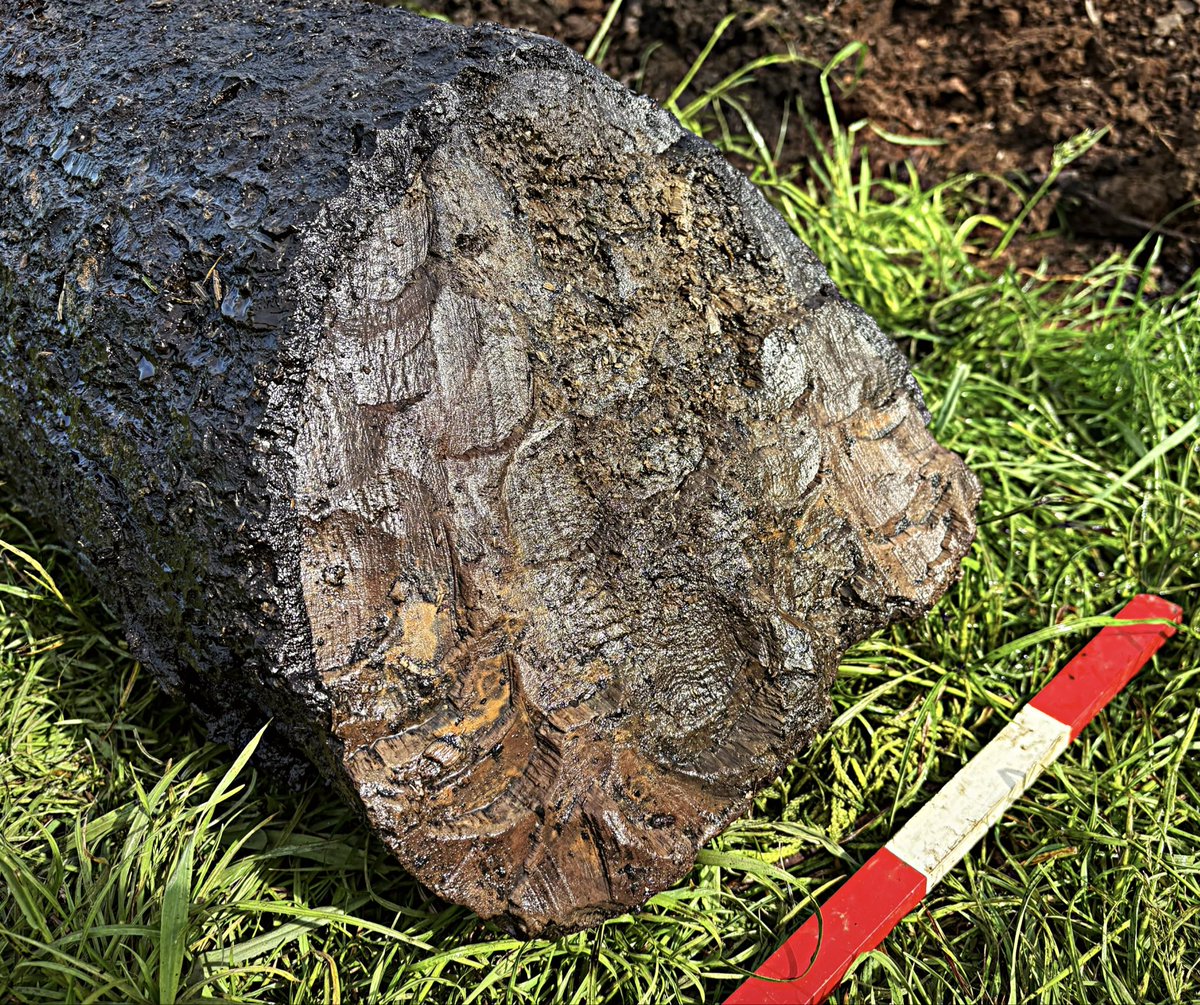
Chop, Chop! Axe-Marked Bronze Age Timber Found in Yorkshire 🪵🪓
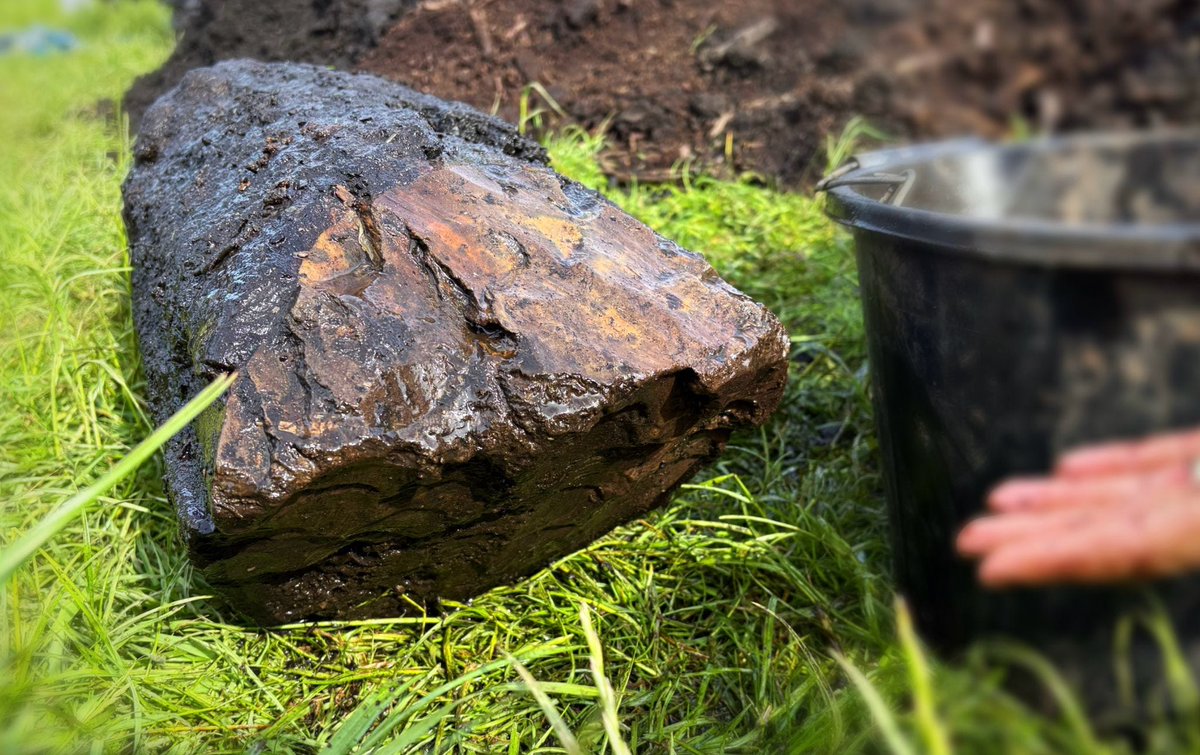
Archaeologists excavating at Skipsea in Yorkshire have discovered a Bronze Age timber that has preserved the marks of the sockered axe used to fell the tree!
Thanks, @Jim_Leary!
📰 AWLOH: open.substack.com/pub/histor…
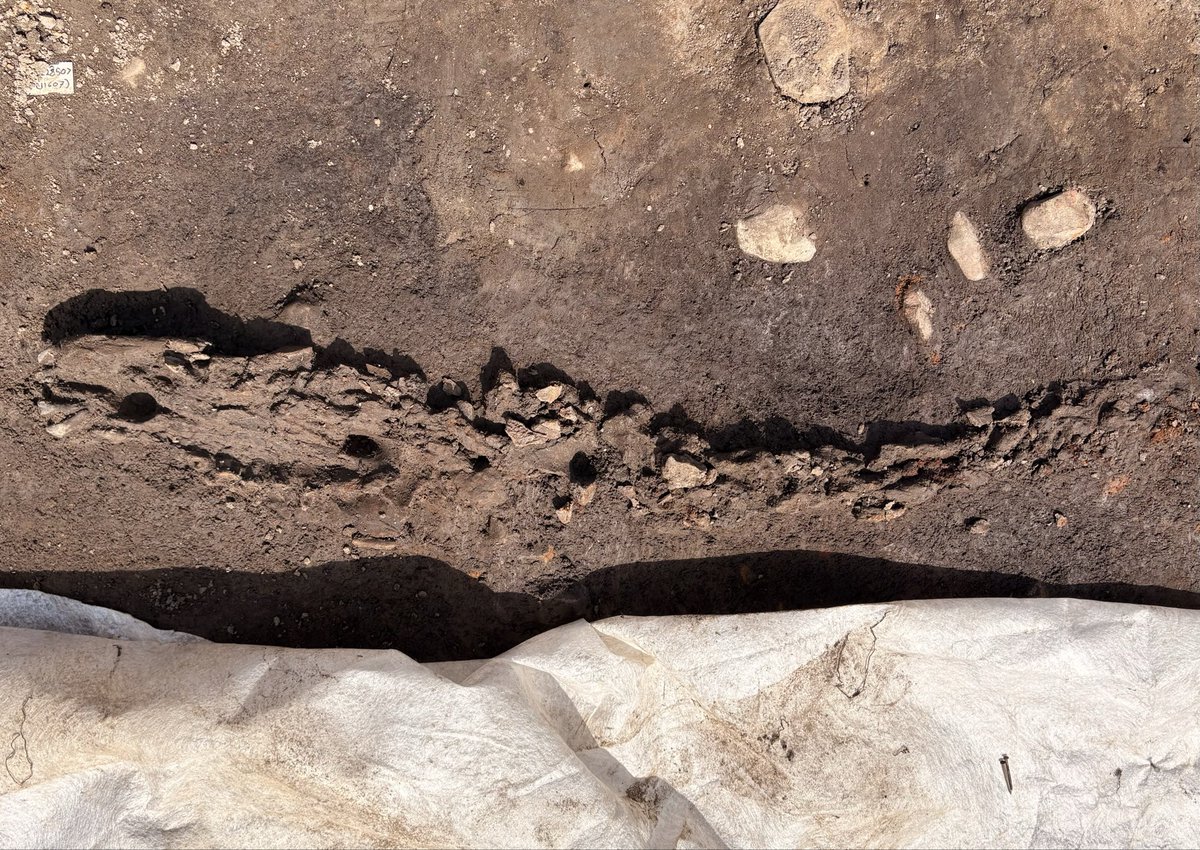
For #FindsFriday, I'm gifting you this fantastic Bronze Age felled tree we’ve just excavated from #Skipsea in Holderness. The marks of the socketed bronze axe are clearly visible, and the thud of the axe is almost audible. Used - we think - as a post, perhaps for a trackway.
ALT A photo of the end of a log showing hundreds of small, curved facets.
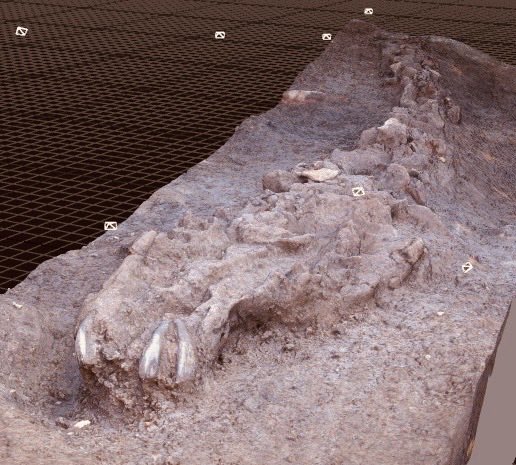
What have we found at #Skipsea this week? Well, on the edge of a small pond fed by springs and streams, we found this Iron Age horse’s head and neck. There is no body with it, and I can’t help thinking of it lying there with its large eyes closed and mane gently washed by water.
ALT A 3d scan of the horses skull.
ALT An overhead photo of the horses head and articulating neck.
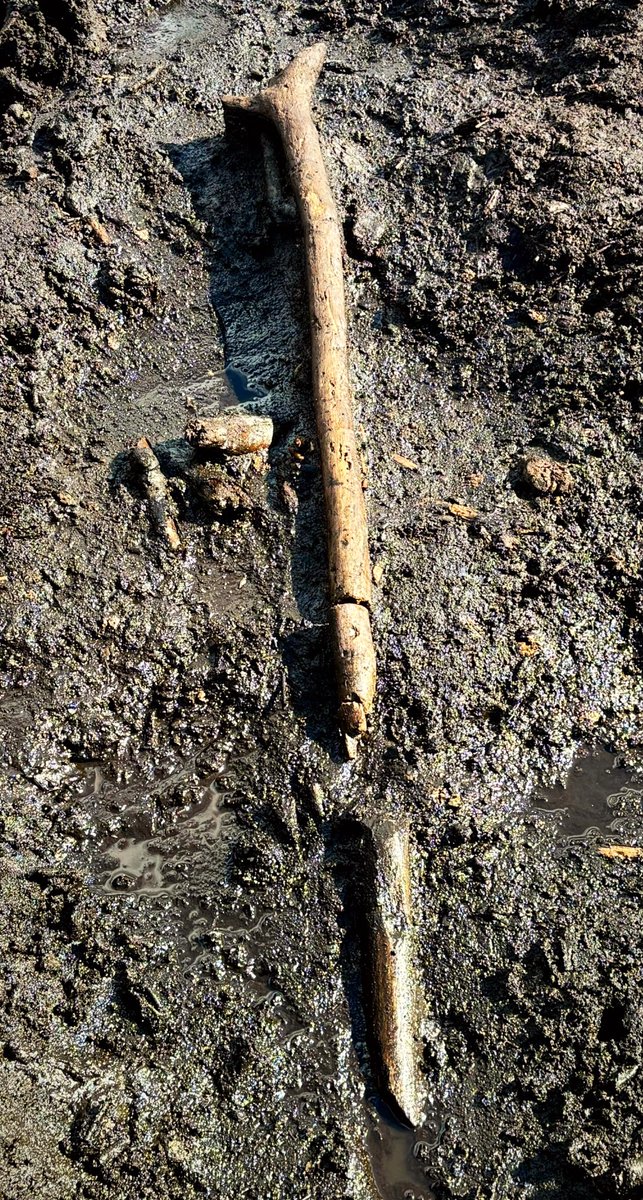
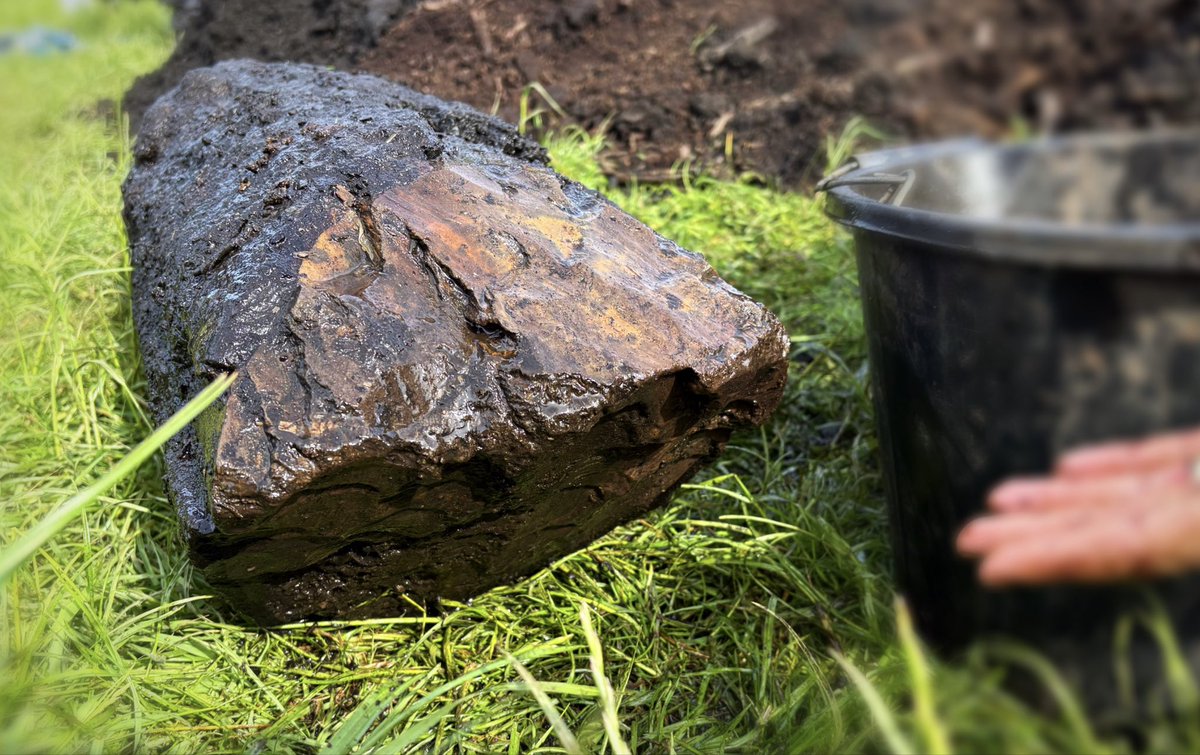
Well, this is a wonderful find from the ancient lake edge at #Skipsea - a 1.3m worked wooden pole. A digging stick, possibly Mesolithic, is our best on-site guess, but we’ll know more when it’s back at the labs and reviewed by our wood expert.
#WoodenWednesday#Prehistory#Peat
ALT A photo of a long stick lying on peaty mud. It has a W shape at one end and a point at the other.
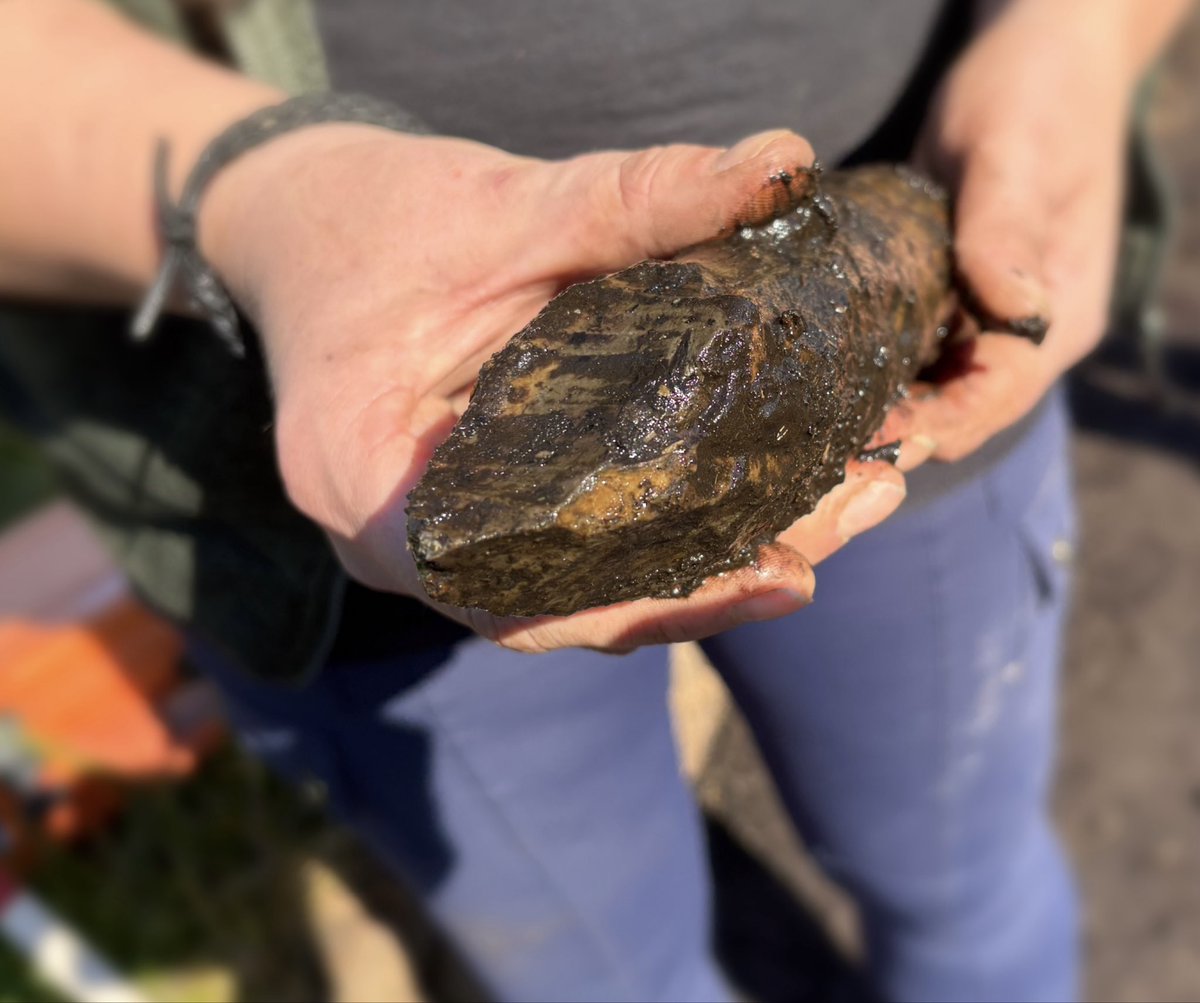
ALT The worked end of the stick showing multiple facets.
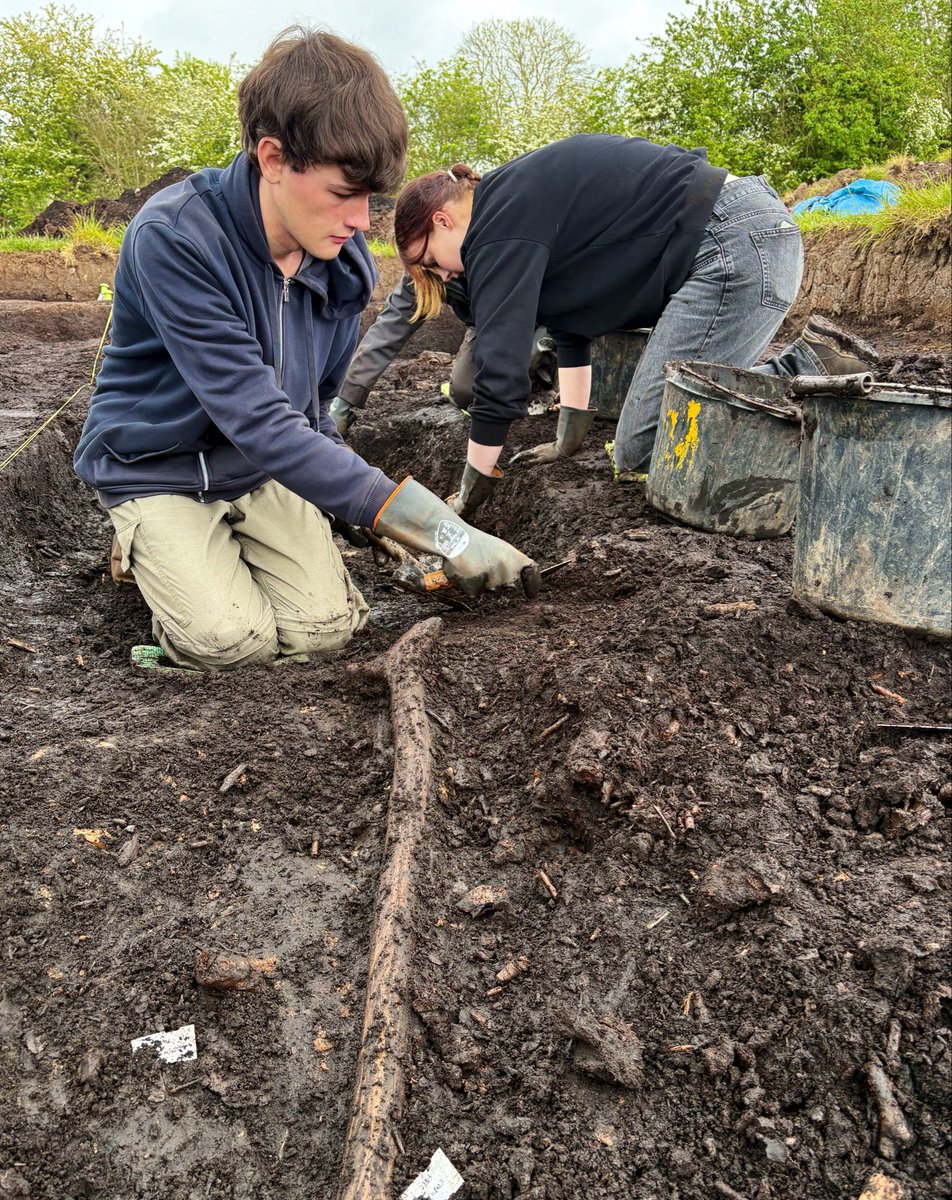
ALT Archaeologists on hands and knees excavating the stick from peat.
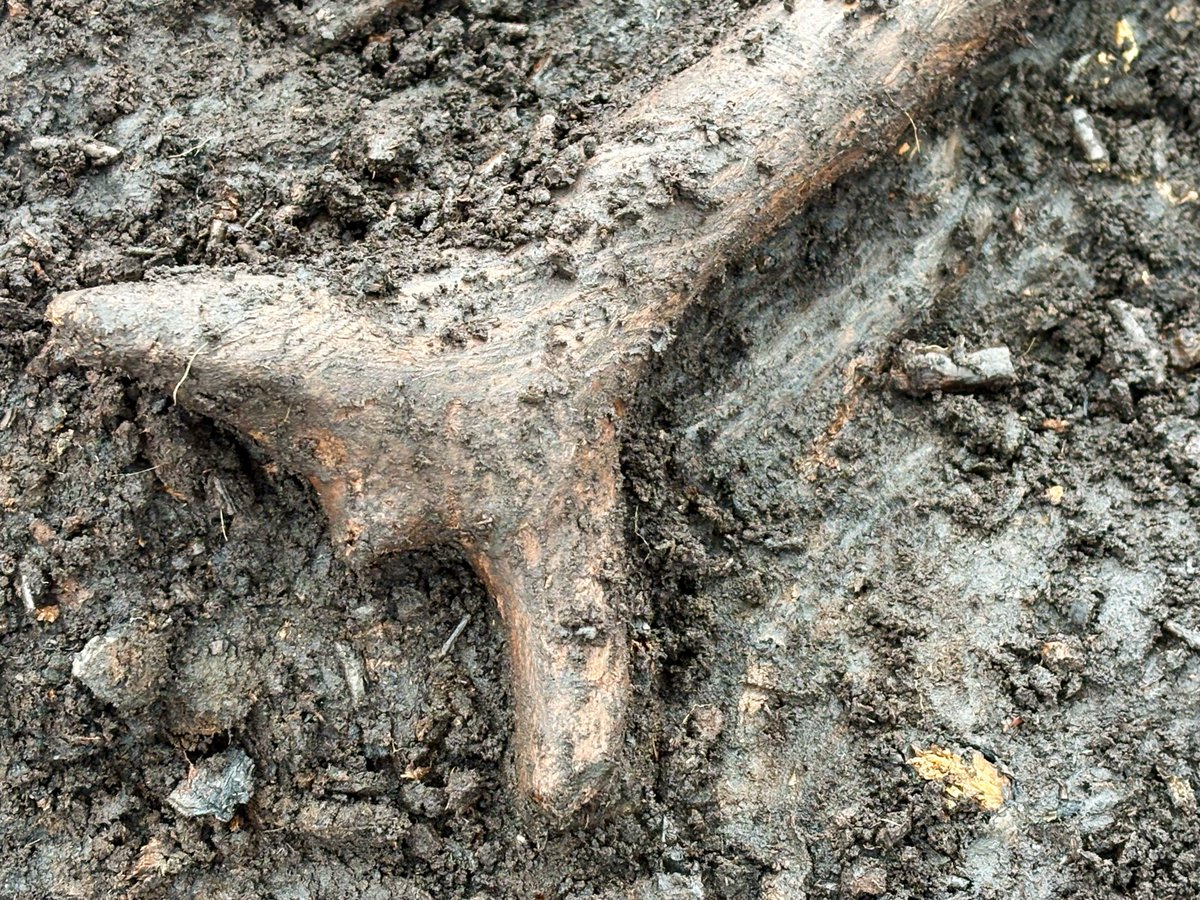
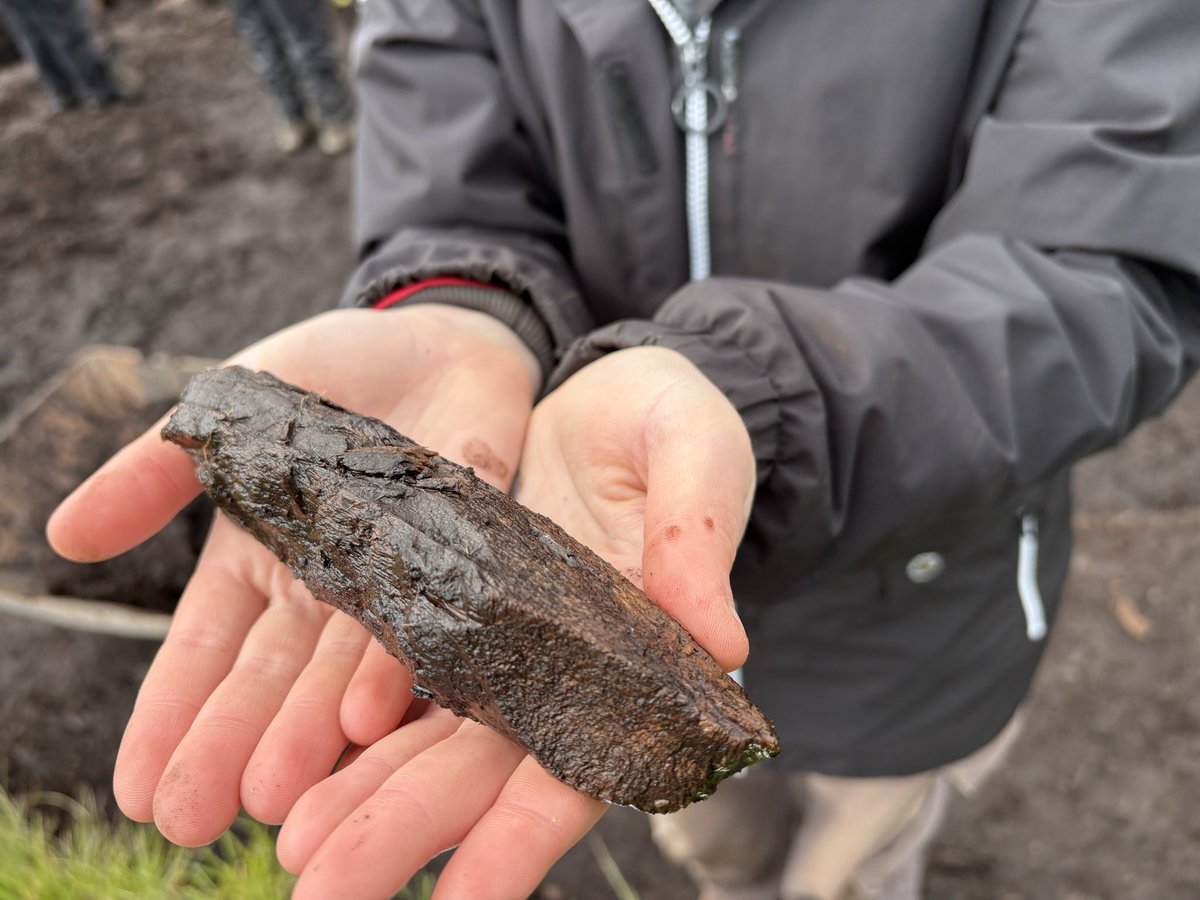
For #FindsFriday, we have this wonderful piece of worked wood from our trench on the edge of the palaeolake at #Skipsea. Our student, Lydia, found it in an area that was once alder carr. At the moment, we don’t know its date, but it is likely prehistoric.
ALT Two hands hold a waterlogged wooden stake with a worked end.
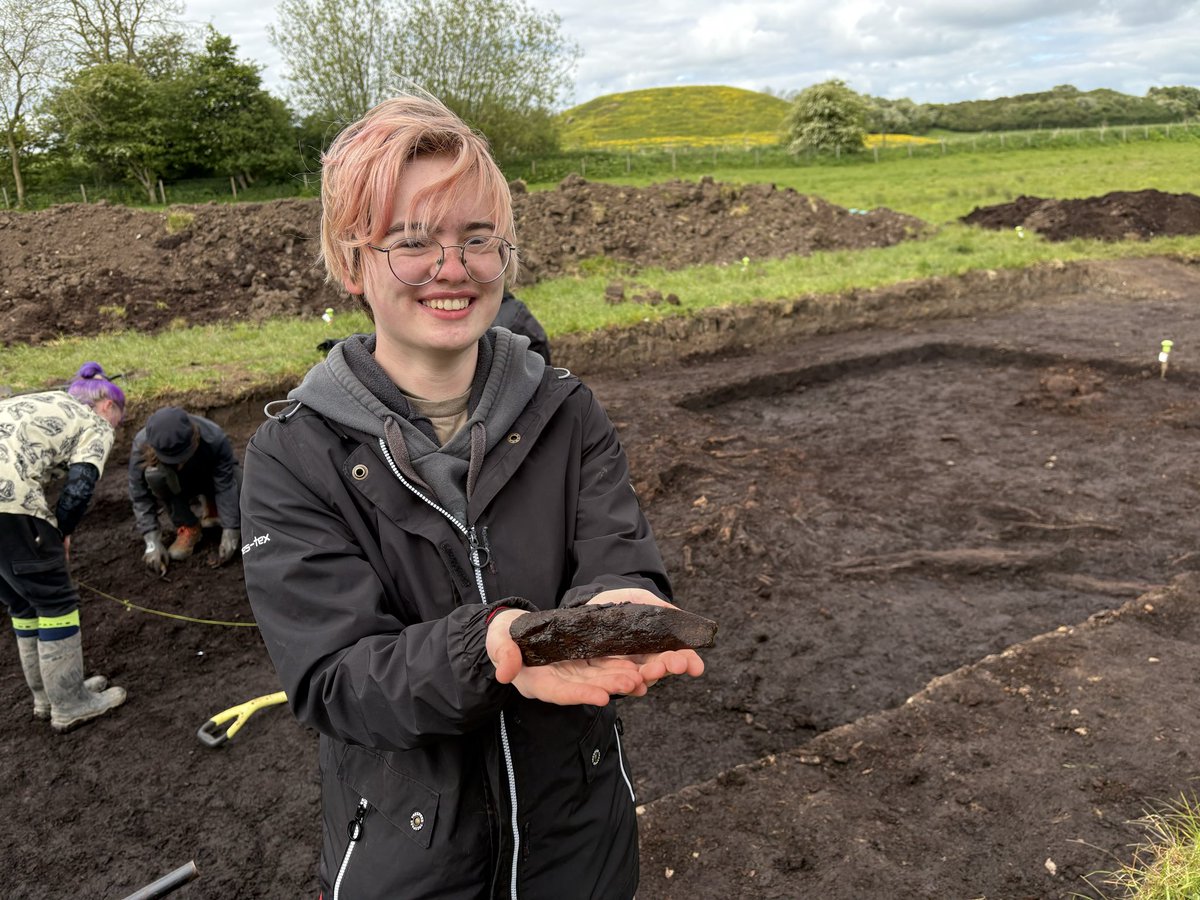
ALT A student holds a waterlogged wooden stake.
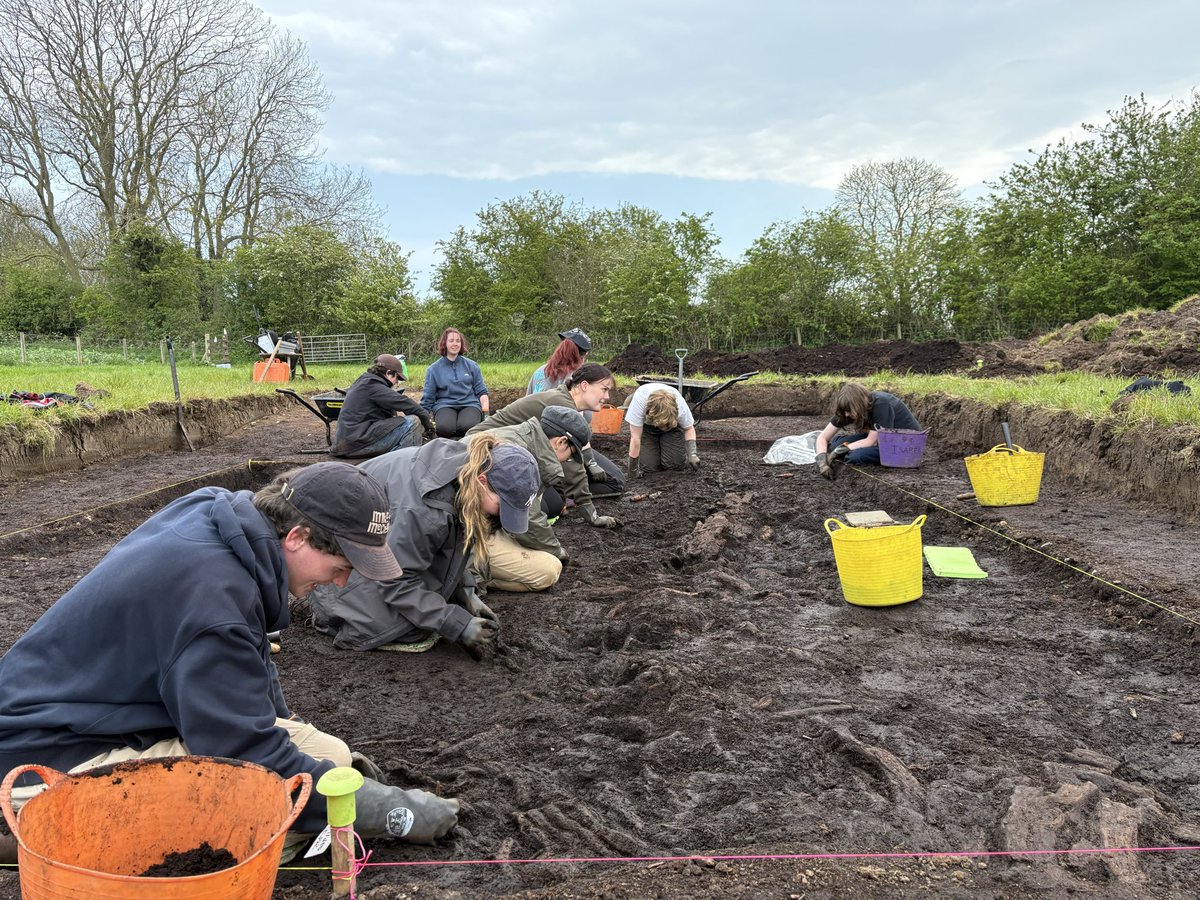
ALT Students on hands and knees excavating wood and peat.
For #FindsFriday I have the smallest of Small Finds for you - a titchy but beautiful Mesolithic shale bead. One of many that would have been strung on a necklace. Found out of context but not far from the edge of a lake at Skipsea in Holderness.
ALT A small, perforated, teardrop shaped piece of pink shale.
For #FindsFriday I have the smallest of Small Finds for you - a titchy but beautiful Mesolithic shale bead. One of many that would have been strung on a necklace. Found out of context but not far from the edge of a lake at Skipsea in Holderness.
ALT A small, perforated, teardrop shaped piece of pink shale.
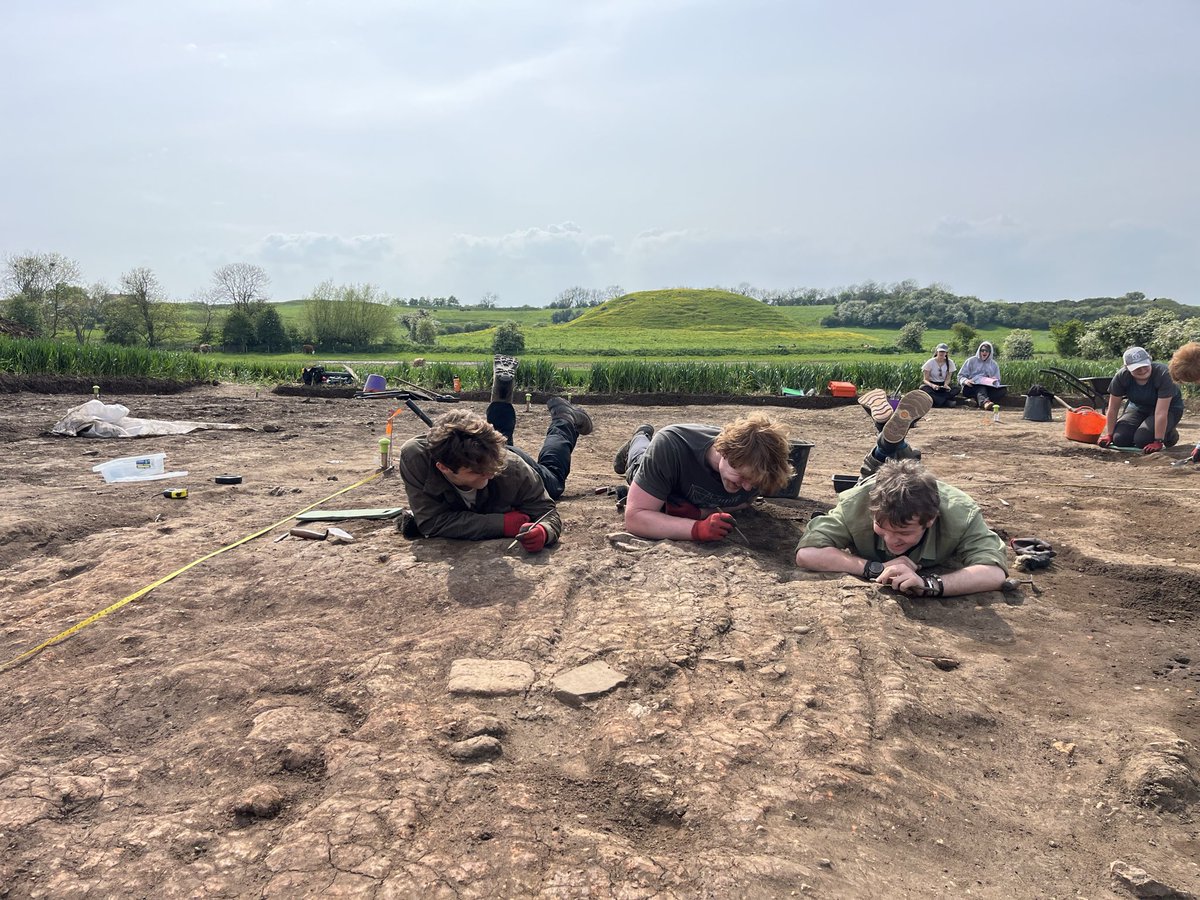
I love digging prehistoric peat - the way the ground bounces with every movement, the soft, sucking nature of it, and the anticipation of what we’ll find in it. Skipsea, Holderness, preparing trenches for the student field school.
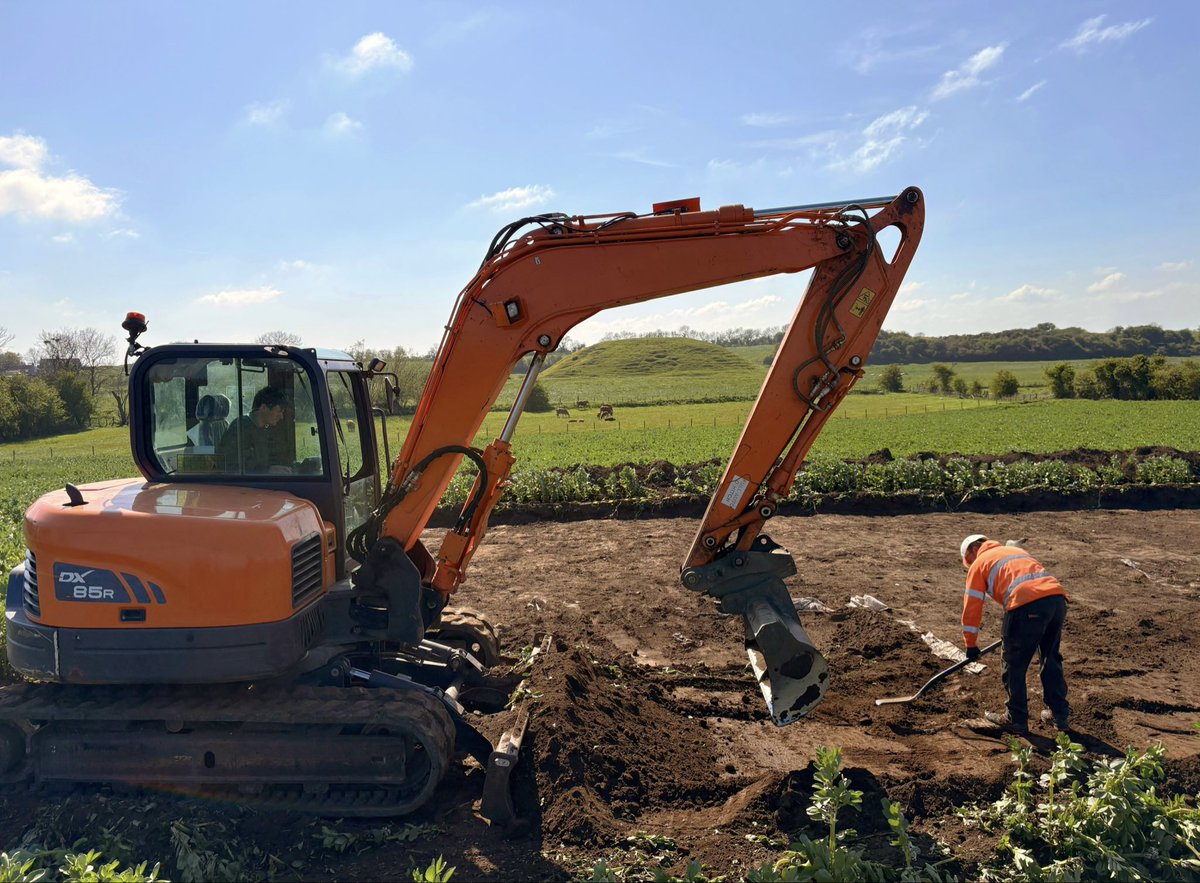
It’s that time of year again when swallows arrive and skim the fields, and archaeologists flock to Skipsea in Holderness to open trenches.
ALT A large orange mechanical digger digs soil@in the foreground, while an archaeologist in orange hi-vis shovels nearby. Skipsea castle mound in the background, visible through the arch of the diggger arm.
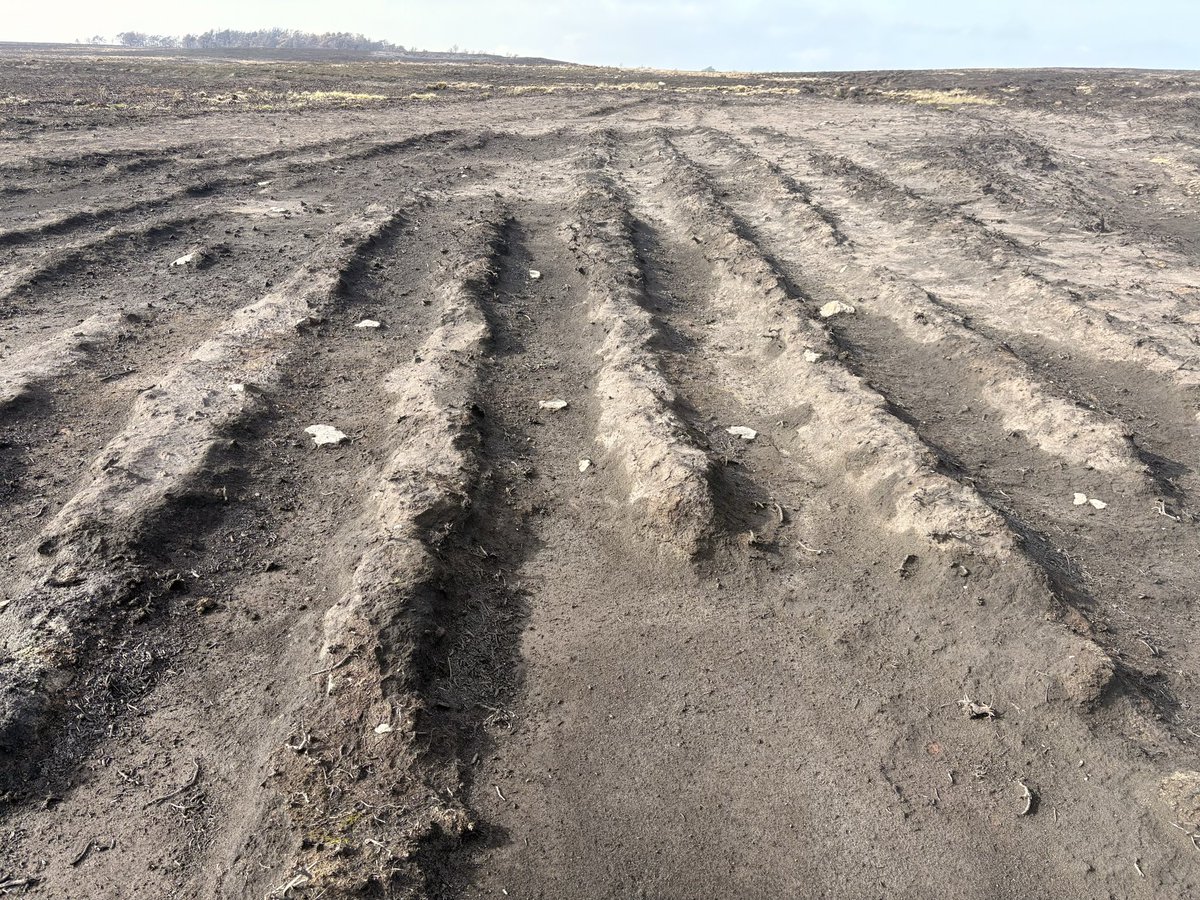
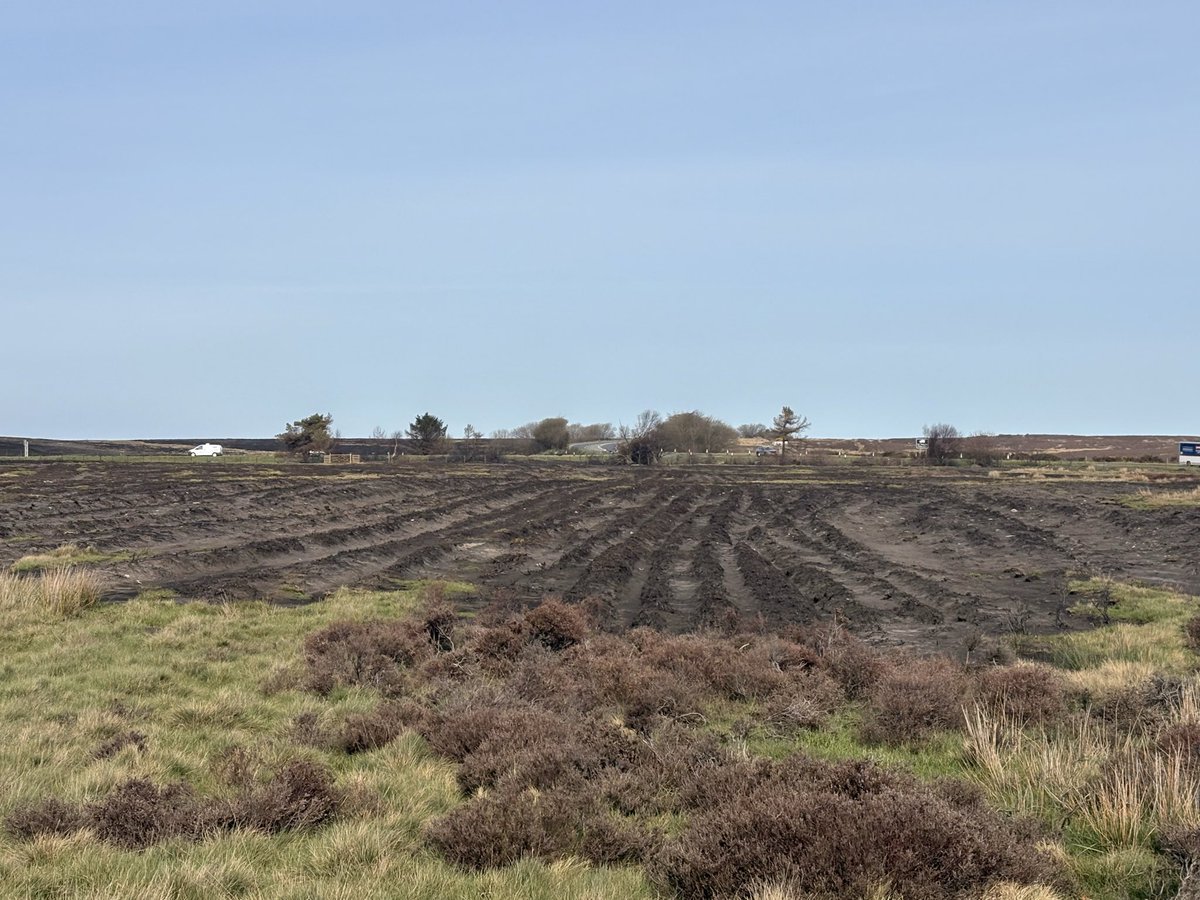
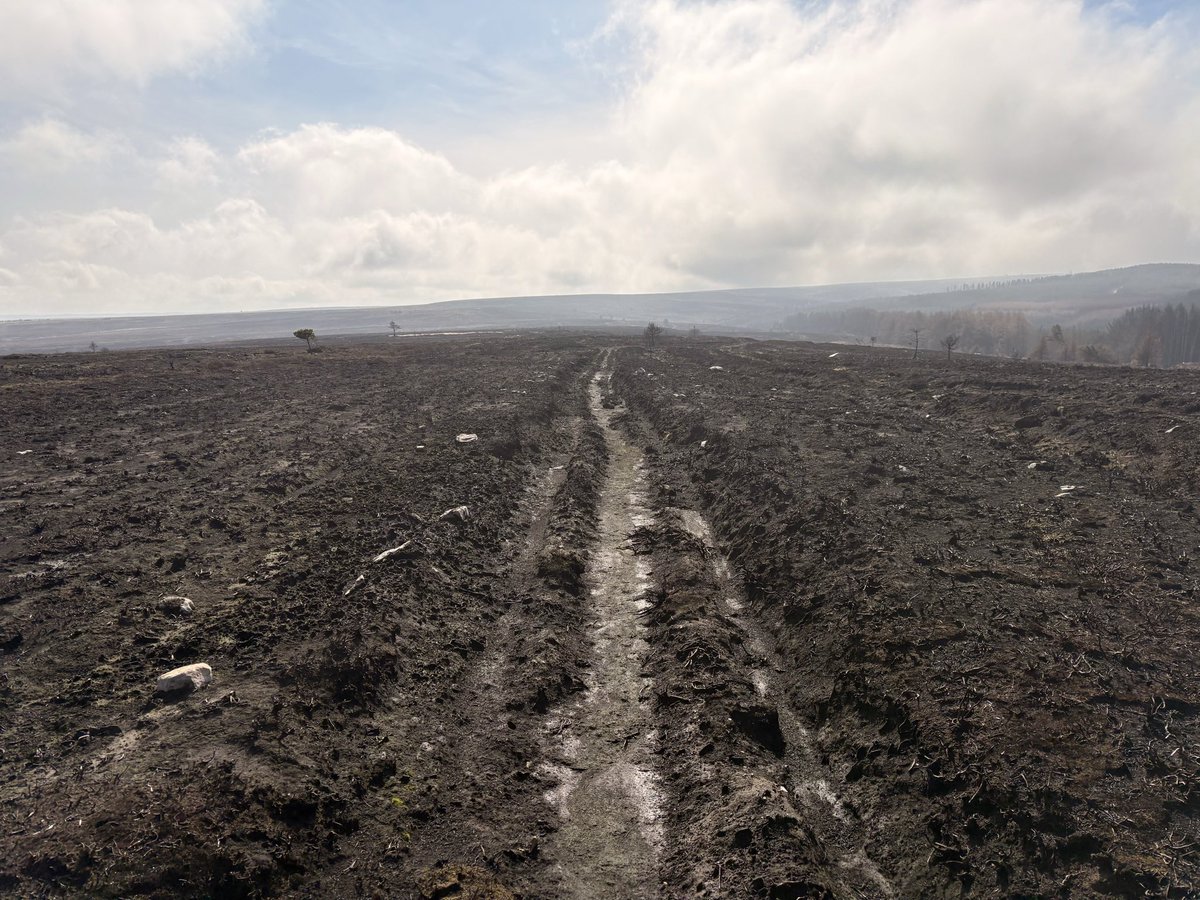
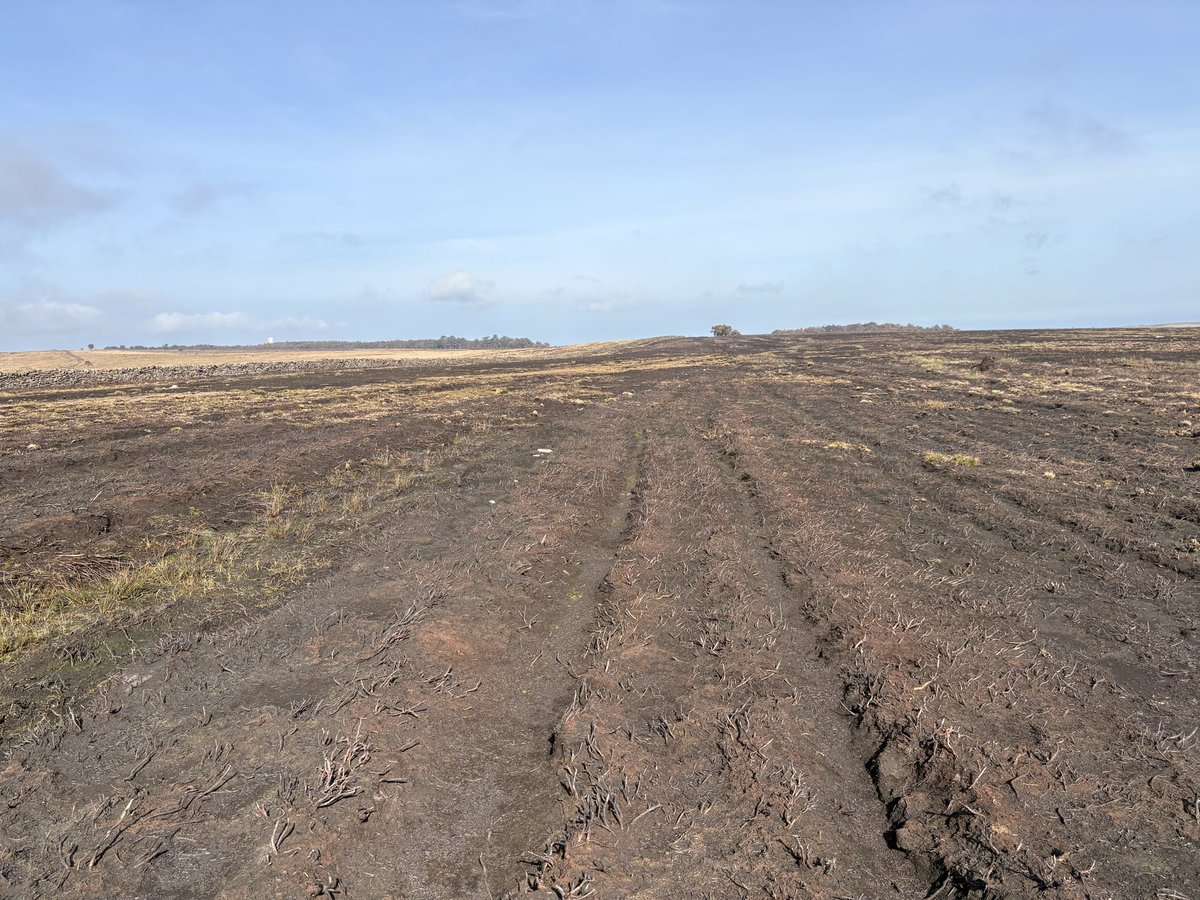
The cart tracks of the North York Moors. Last year’s devastating fire on Fylingdales Moor has revealed archaeology in graphic detail. Medieval holloways and seventeenth and eighteenth-century cart tracks are visible for the first time and look as fresh as the day they were made.
ALT Two parallel grooves run along burnt ground.
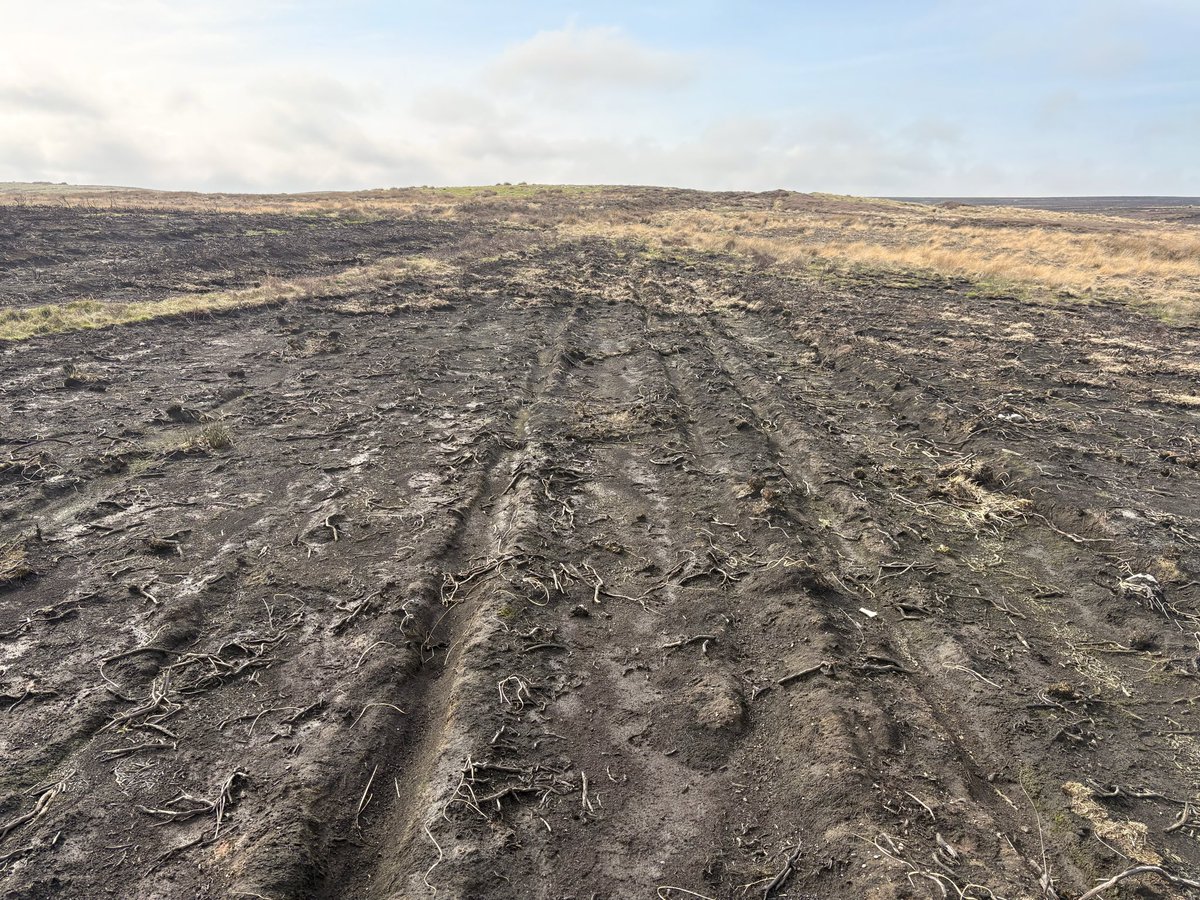
ALT A series of parallel grooves run along burnt ground.
The cart tracks of the North York Moors. Last year’s devastating fire on Fylingdales Moor has revealed archaeology in graphic detail. Medieval holloways and seventeenth and eighteenth-century cart tracks are visible for the first time and look as fresh as the day they were made.
ALT Two parallel grooves run along burnt ground.
ALT A series of parallel grooves run along burnt ground.
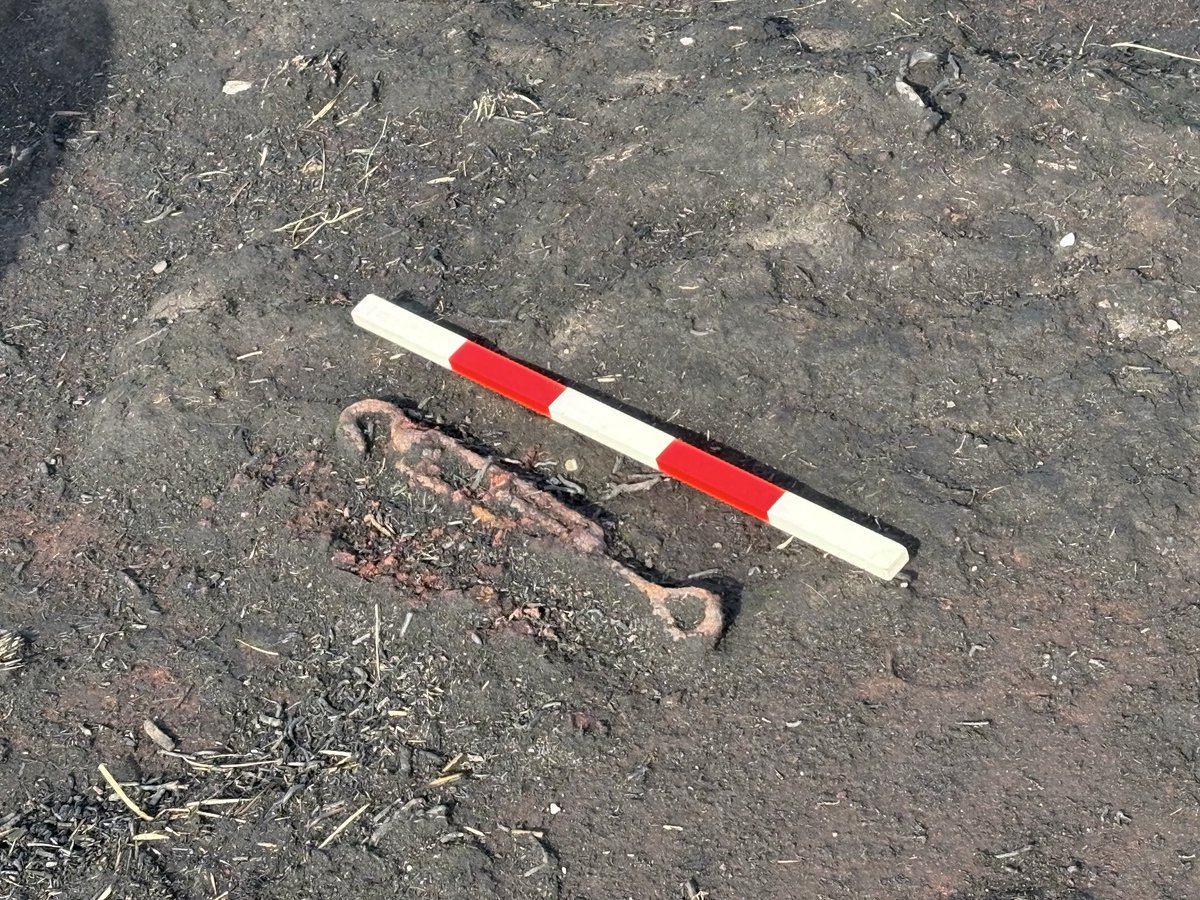
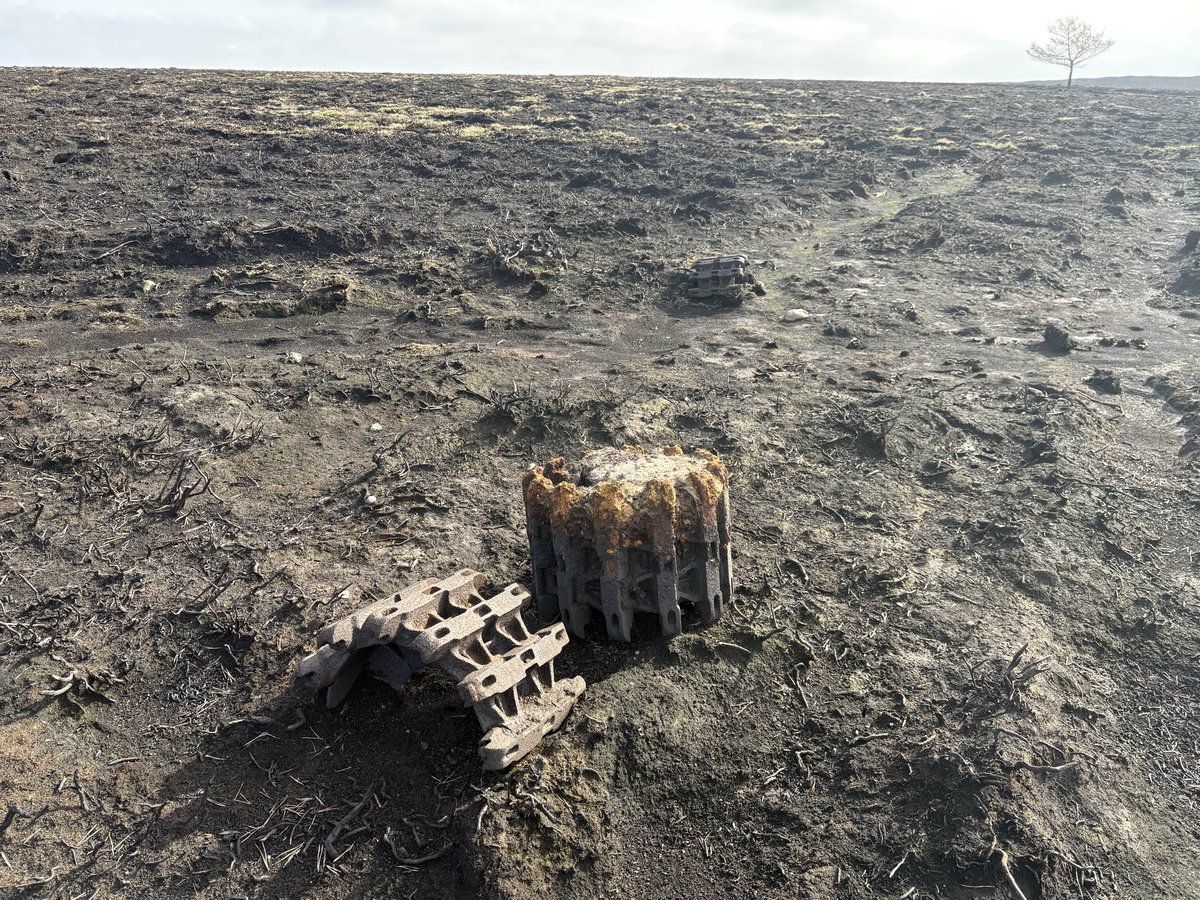
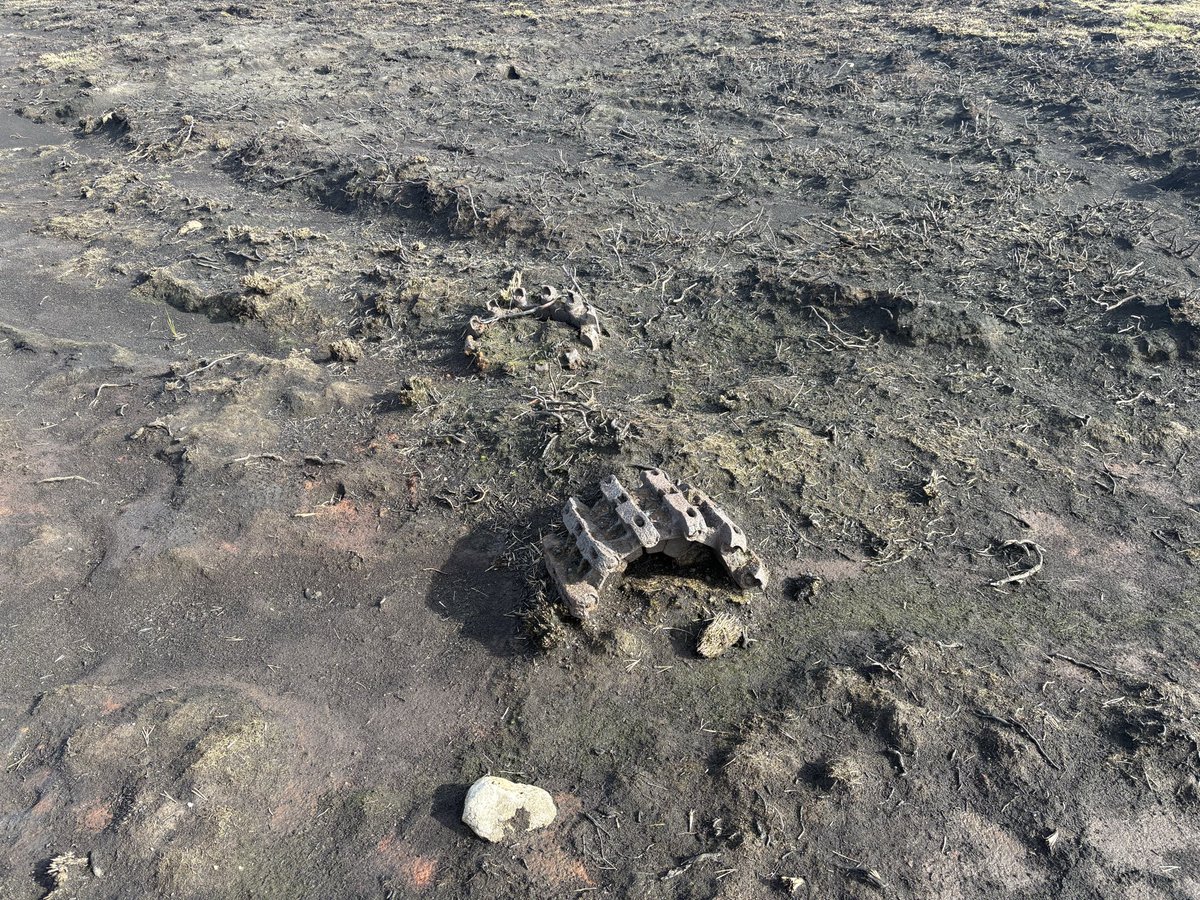
In places, Second World War tank tracks overwrite the cart tracks. Lying in one is even the rusted remains of a tank fire extinguisher. And in places, actual tank tracks have been reused as bollards.
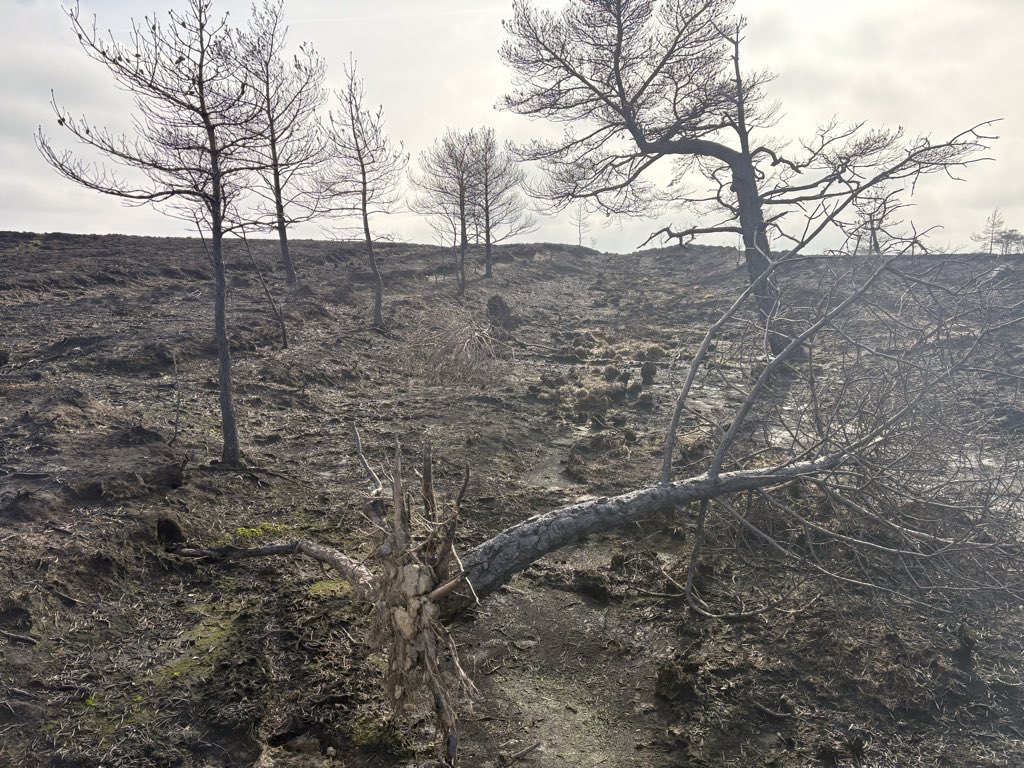
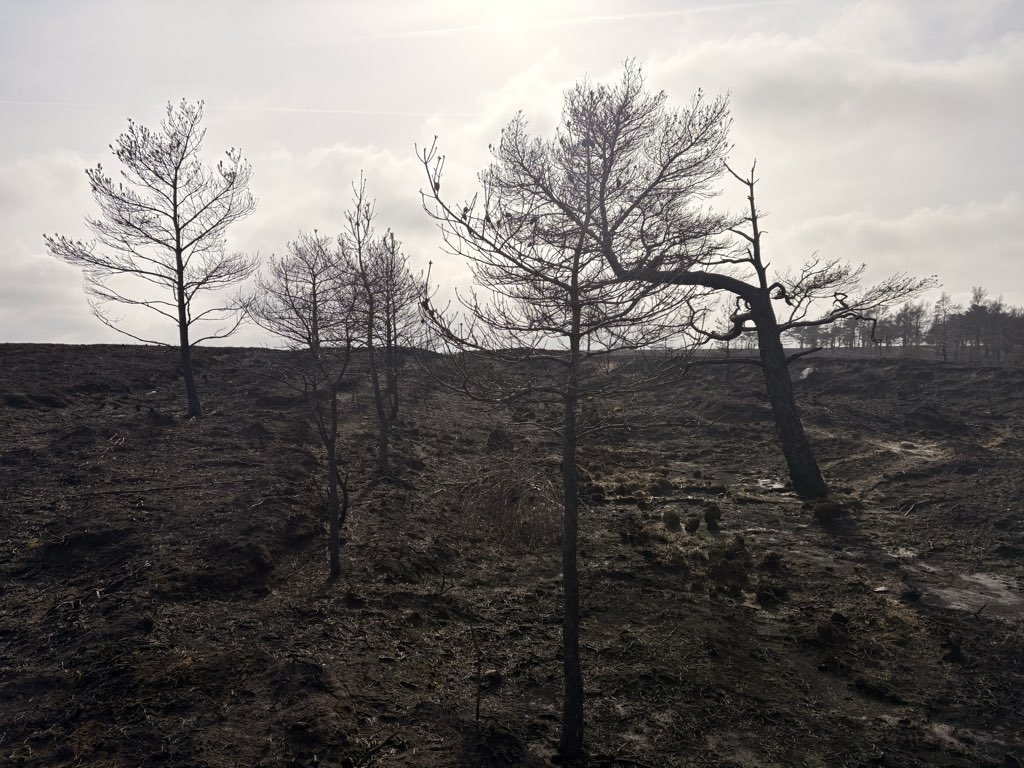
None of these would have been revealed without the fire. But the devastation is shocking - ecosystems, whole woodlands even, gone. It looks apocalyptic and will take decades to recover.