
Professional Historian | Specialist in the British Empire and the legacy of Christianity within it. Exploring power, belief, and the stories we inherit.
Joined May 2025
- Tweets 939
- Following 501
- Followers 735
- Likes 7,949
472 Photos and videos

Pinned Tweet

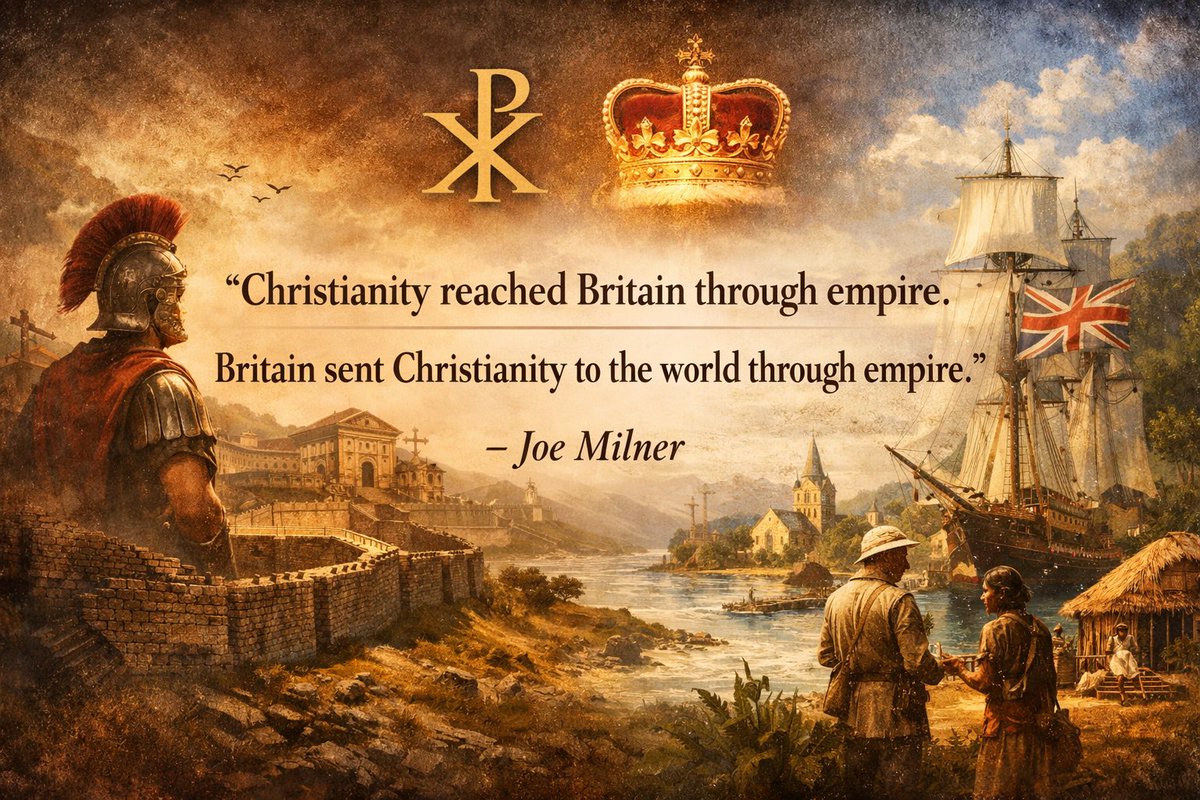
Christianity reached Britain through empire.
Britain sent Christianity to the world through empire.
25
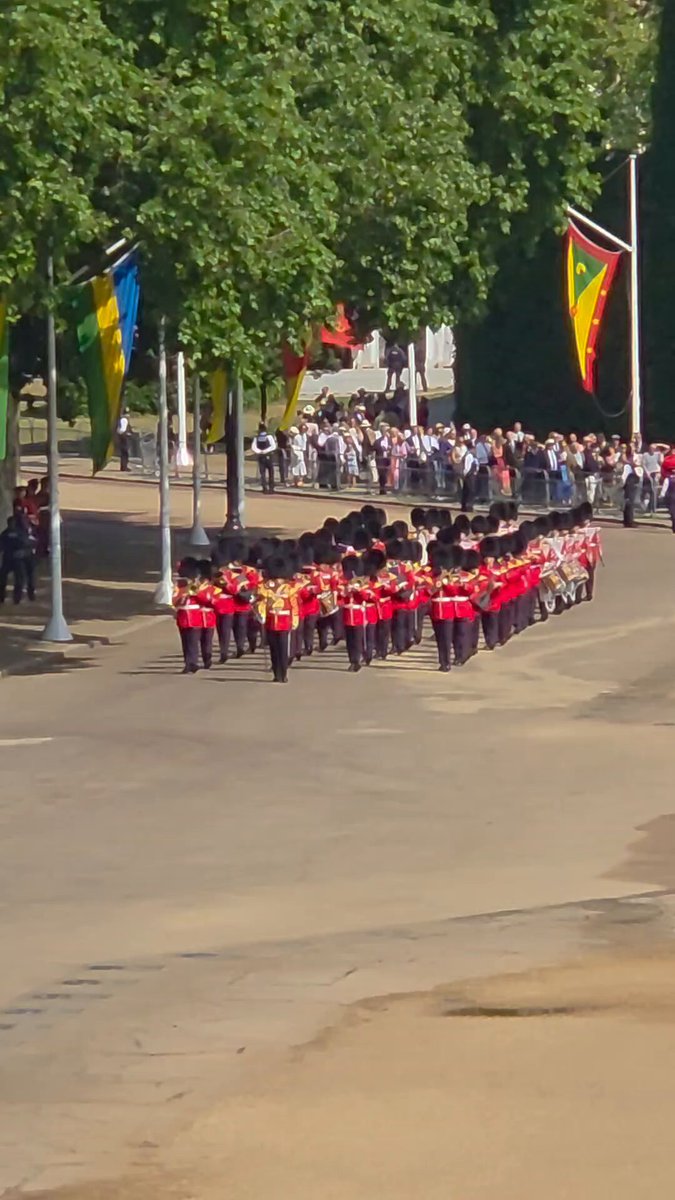
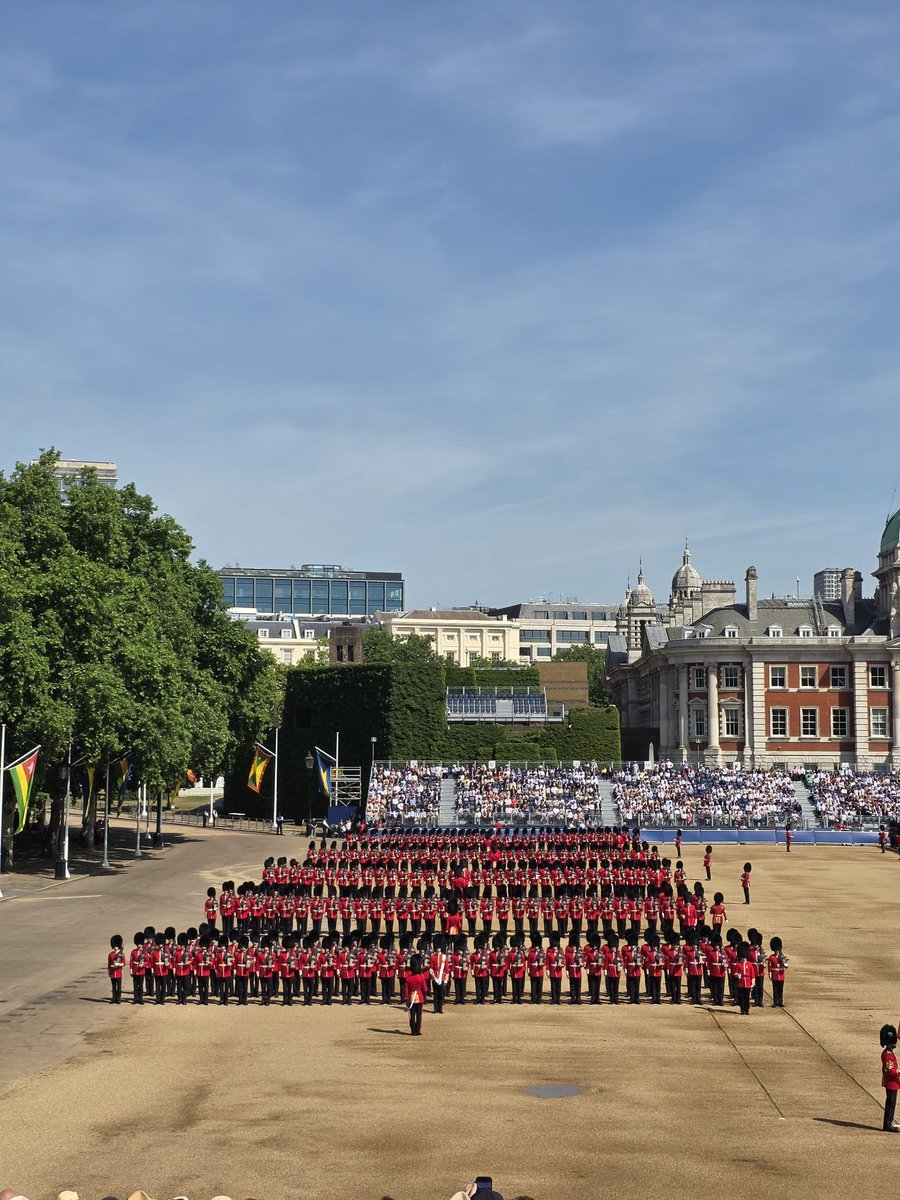
Trooping the Colour, the Bands of the Household Division. 💂🏼♂️🇬🇧
2
7
359
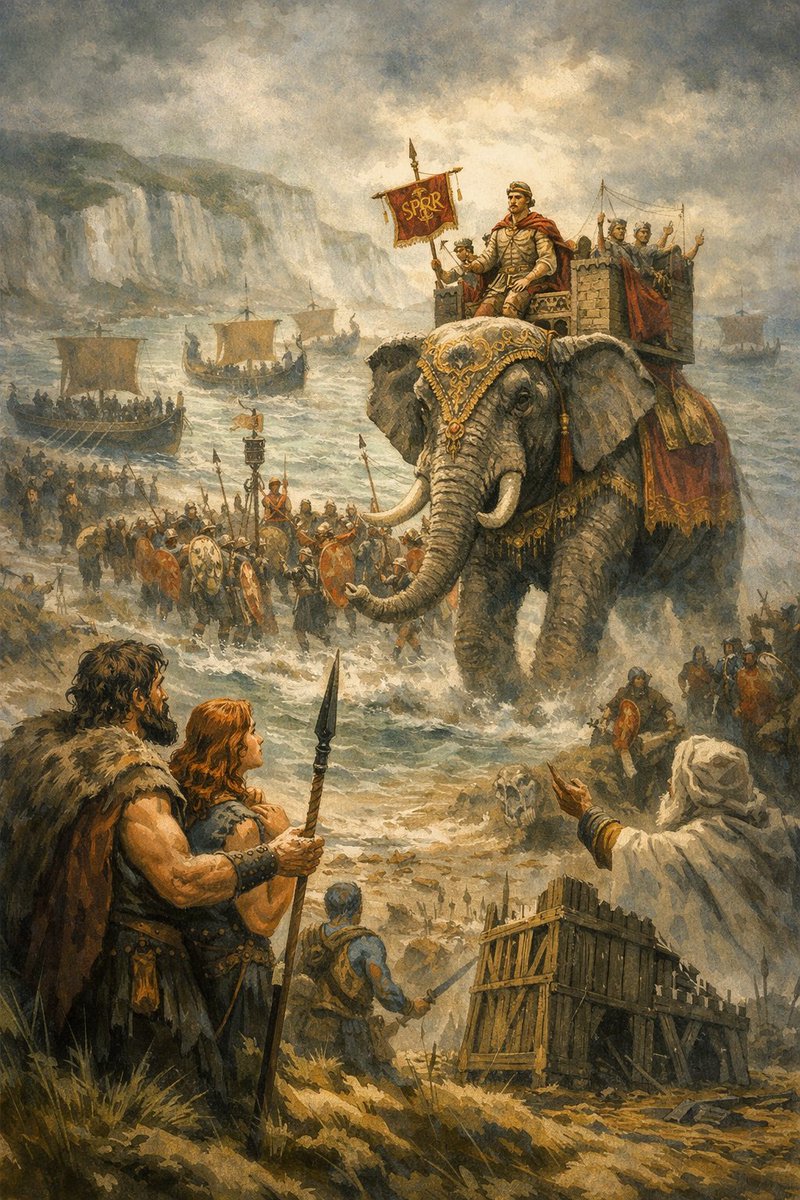
The story of an elephant crossing the Channel during Claudius’ invasion of Britain in AD 43 rests on a single ambiguous remark by Cassius Dio, who wrote nearly two centuries later and merely noted that “equipment, including elephants” had been assembled for the campaign. He never states that such animals boarded ships or reached Britain, and his comment appears within a general description of preparations rather than a record of what actually crossed the sea.
Modern historians increasingly doubt the literal reading. By the first century AD, elephants had no real military function in Roman warfare, and the Claudian expedition was a swift, tightly organised operation in which Claudius spent only sixteen days on British soil. The logistical burden of transporting and managing elephants makes their presence improbable, and no archaeological or textual evidence from Britain supports the idea. A more convincing explanation is that Dio was referring to a large siege engine nicknamed an “elephant,” a common practice in Roman military terminology. The later image of Britons confronting a living elephant is therefore best understood as a medieval and Victorian embellishment, an evocative myth rather than a historical event.
13
Wat Tyler and the Great Rising of 1381
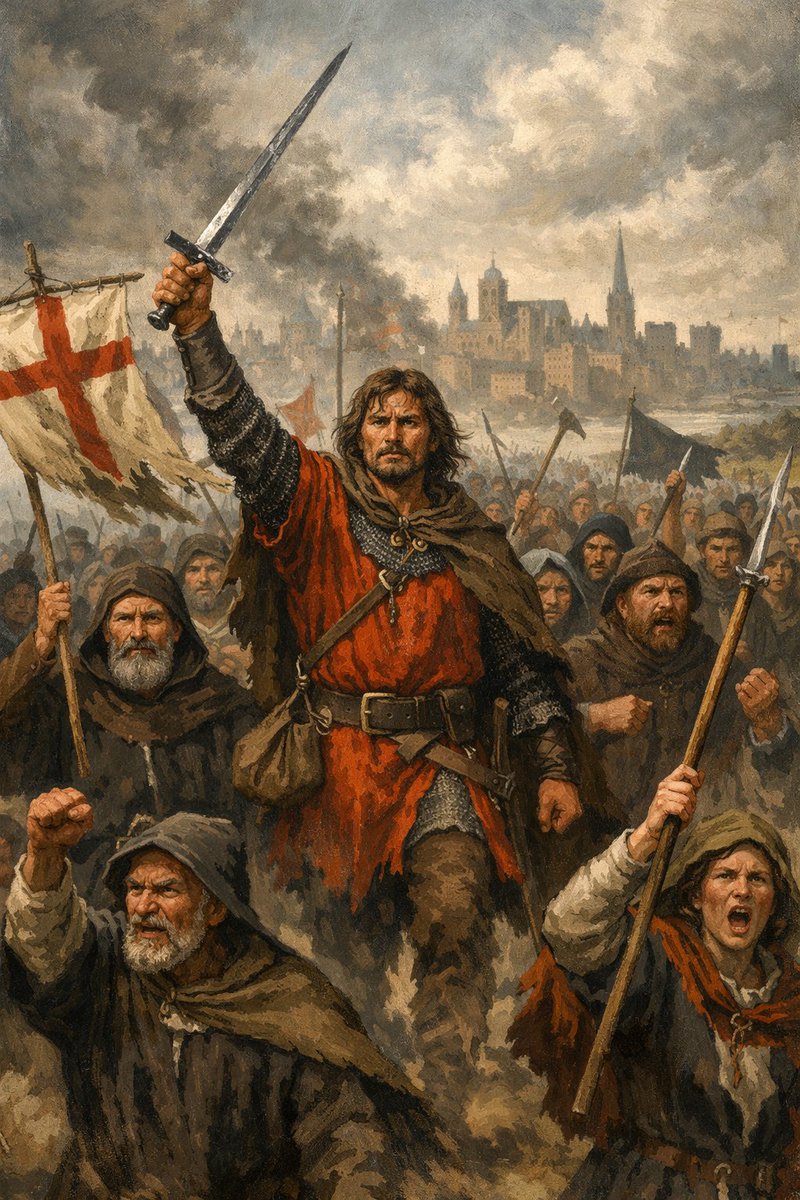
The summer of 1381 witnessed one of the most dramatic popular uprisings in English history: the Great Rising, later known as the Peasants’ Revolt. Sparked by resentment over repeated poll taxes and decades of economic pressure following the Black Death, the revolt began in late May when villagers in Fobbing, Essex, refused to pay the latest levy and drove off the king’s officials.
As unrest spread across the southeast, the rebels of Kent chose Wat Tyler as their leader on 7 June 1381. Under his command, thousands marched towards London in a coordinated movement that included not only peasants but also craftsmen, minor officials, and sympathetic clergy. Tyler’s discipline and charisma helped transform scattered riots into a formidable political force.
By 12 June, the rebels reached the capital. The following days saw dramatic scenes: the burning of John of Gaunt’s Savoy Palace, the storming of the Tower of London, and the execution of royal officials blamed for oppressive taxation. King Richard II, only fourteen years old, met the rebels at Mile End and promised reforms, but tensions remained high.
On 15 June, during a second meeting at Smithfield, Tyler presented sweeping demands, including the abolition of serfdom and the redistribution of church lands. A scuffle broke out, and Tyler was fatally wounded by the Lord Mayor of London, William Walworth. Leaderless, the movement collapsed, and royal forces quickly reasserted control.
Though the promises made to the rebels were revoked, the revolt left a lasting mark on English political consciousness. It exposed the fragility of the medieval social order and demonstrated, for the first time, the power of ordinary people to challenge the state.
51
I believe he didn't mean that God was literally dead, but that the idea of God is dead in the West. He believed we had moved on from the Bible, and he was right. People's morals have severely declined to the point where we have figures like Bonnie Blue.

What is your take on Nietzsche's quote 'God is dead'?
Discuss 👇

411
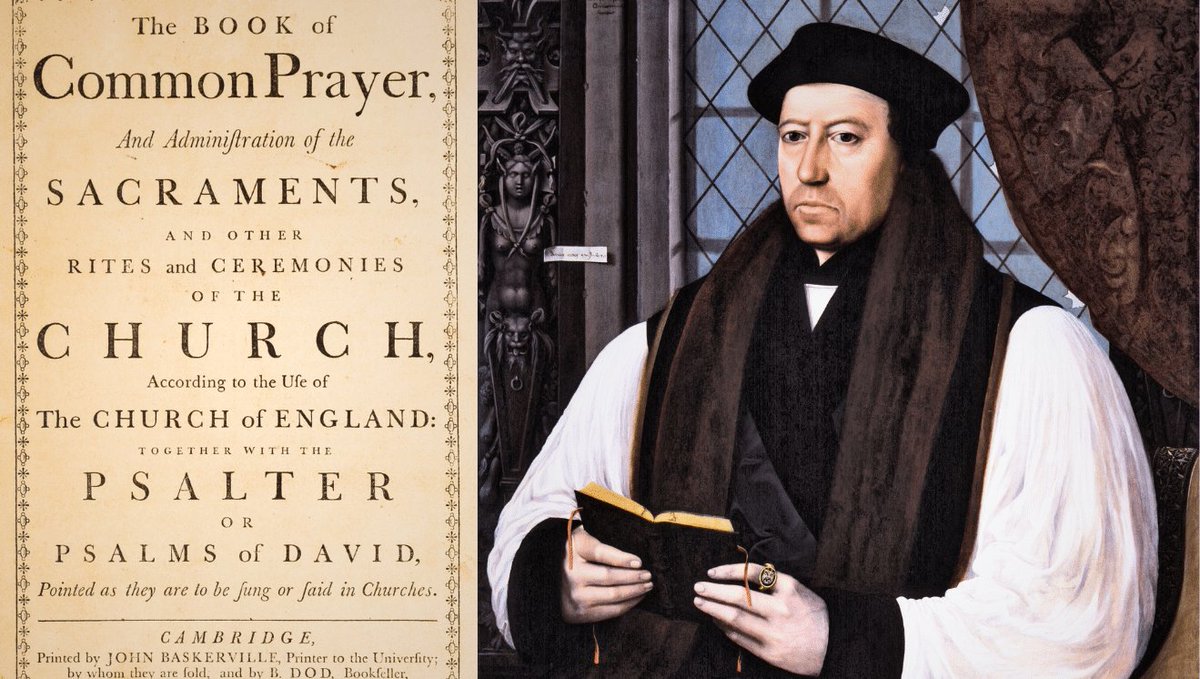
On this day in 1549, the Church of England entered a new era of worship as Thomas Cranmer’s Book of Common Prayer was formally implemented across the realm. Although authorised earlier by the Act of Uniformity, it was on Whitsunday (Pentecost), 9 June 1549, that the English people first heard their services conducted in a single, unified liturgy in their own tongue. Cranmer, serving as Archbishop of Canterbury, had spent years shaping the text, drawing upon the Sarum Rite, continental reformist ideas, and the deep cadences of English prose to craft a book that would define Anglican worship for centuries.
The introduction of the Prayer Book marked a decisive break from the medieval Latin Mass. It offered clarity, accessibility, and a distinctly English religious identity at a moment when the Reformation was reshaping Europe. Yet its arrival was not without turmoil. Resistance flared in the West Country, where many parishioners clung to traditional forms of worship, sparking the Prayer Book Rebellion later that summer. Even so, the 1549 book stands as a watershed moment: the day England’s liturgy first spoke with one voice, in one language, under Cranmer’s guiding hand.
1
40
Joe Milner | Historian retweeted

Jun 7
Always a thing for the credentialist class to keep in mind.

301
3,119
40,146
2,082,823
Sink the Bismarck!


21
Before the arrival of Christianity, Britain was a land of religious plurality. Indigenous Britons practiced a form of polytheism that venerated a wide array of local and tribal deities, often associated with natural features and ancestors.
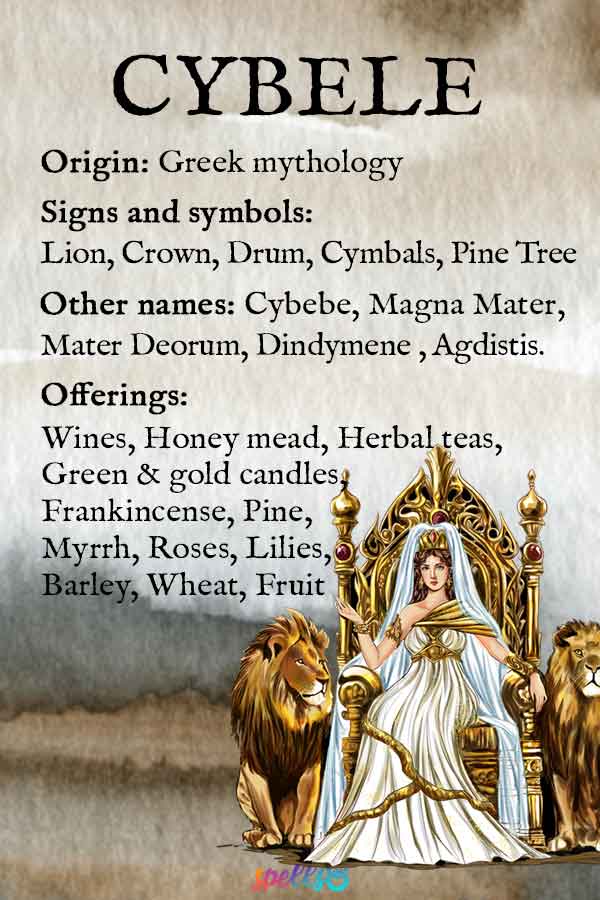
The Roman conquest in 43 CE introduced new religious forms, including the official Roman pantheon and a variety of eastern cults such as those of Isis, Mithras, and Cybele. These religions coexisted and often syncretized, resulting in a vibrant and diverse spiritual environment. The introduction of Christianity, with its monotheistic worldview, represented a significant departure from this prevailing religious ethos.
12
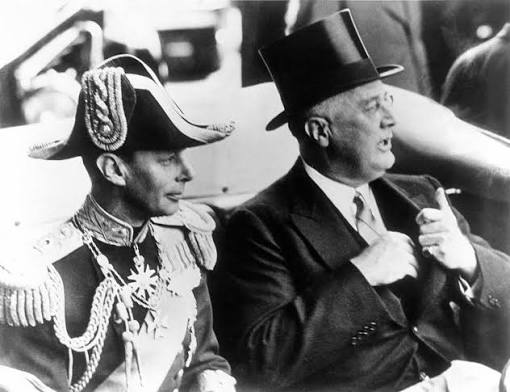
On this day in 1939, history was made as King George VI and Queen Elizabeth became the first reigning British monarchs to visit the United States.
Crossing the border at Niagara Falls, they began a six‑day tour that took them to Washington, D.C., New York City, and Hyde Park, a visit carefully orchestrated by President Franklin D. Roosevelt to strengthen Anglo‑American ties as Europe stood on the brink of war. Crowds lined the streets of the capital, state dinners were held at the White House, and the royal couple even enjoyed an informal picnic at Hyde Park, famously being served hot dogs, their first taste of the American classic.
53
On this day in 1546 The Treaty of Ardres brought an uneasy peace to Europe’s warring powers. Signed near Calais, the treaty ended the Italian War of 1542–1546, a sprawling conflict that had drawn France and the Ottoman Empire against the Holy Roman Empire and England. For Henry VIII, it also closed his costly campaigns against Scotland and Ireland, restoring a fragile calm after years of military exhaustion.
Negotiated between Francis I of France and Henry VIII of England, the peace reflected the shifting balance of Renaissance diplomacy, a world where alliances were temporary, faith and politics intertwined, and the ambitions of kings stretched from the Channel to the Mediterranean. Though the Treaty of Ardres offered only a brief respite before new wars erupted, it stands as a reminder of how even the most powerful monarchs were bound by the limits of fortune, finance, and faith.
22
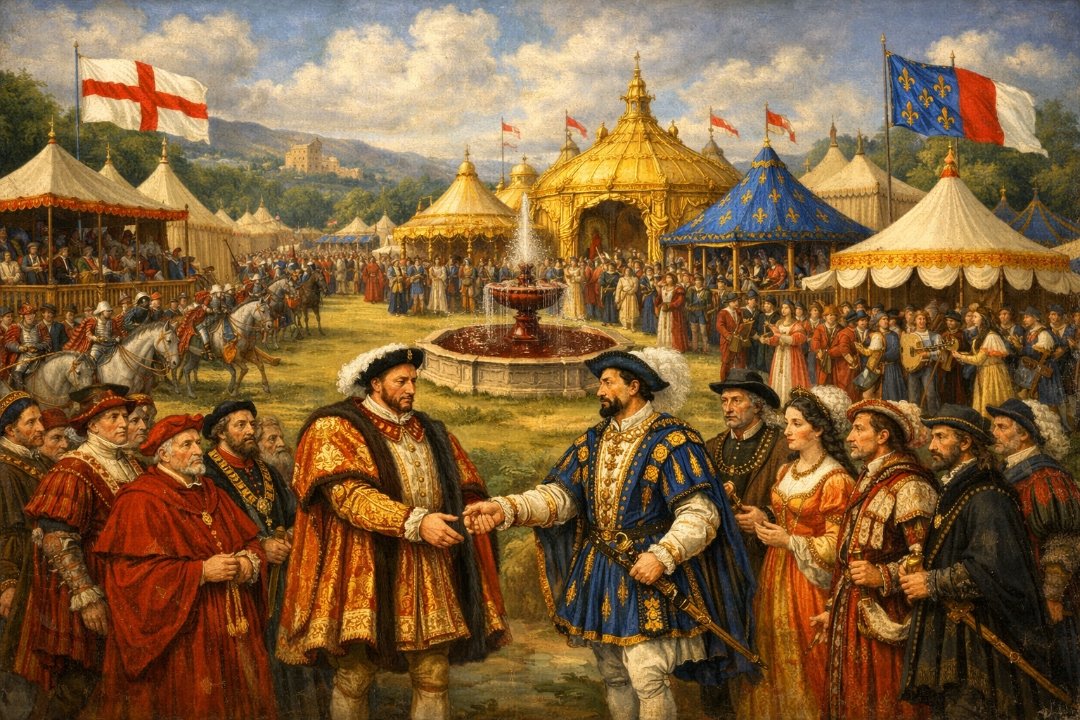
On this day in 1520, one of the most dazzling diplomatic spectacles of the Renaissance began: the Field of the Cloth of Gold.
In a shallow valley near Balinghem, between English Guînes and French Ardres, Henry VIII of England and Francis I of France met to inaugurate eighteen days of tournaments, feasting, music, and magnificent display. Conceived by Cardinal Wolsey to bind the two rival kingdoms in peace, the meeting became legendary for its opulence, glittering tents, temporary palaces, fountains running with wine, and pageantry on a scale Europe had rarely seen.
Though its political impact proved slight, the Field of the Cloth of Gold endures as a symbol of Tudor ambition, Franco‑English rivalry, and the theatrical splendour of Renaissance diplomacy.
52
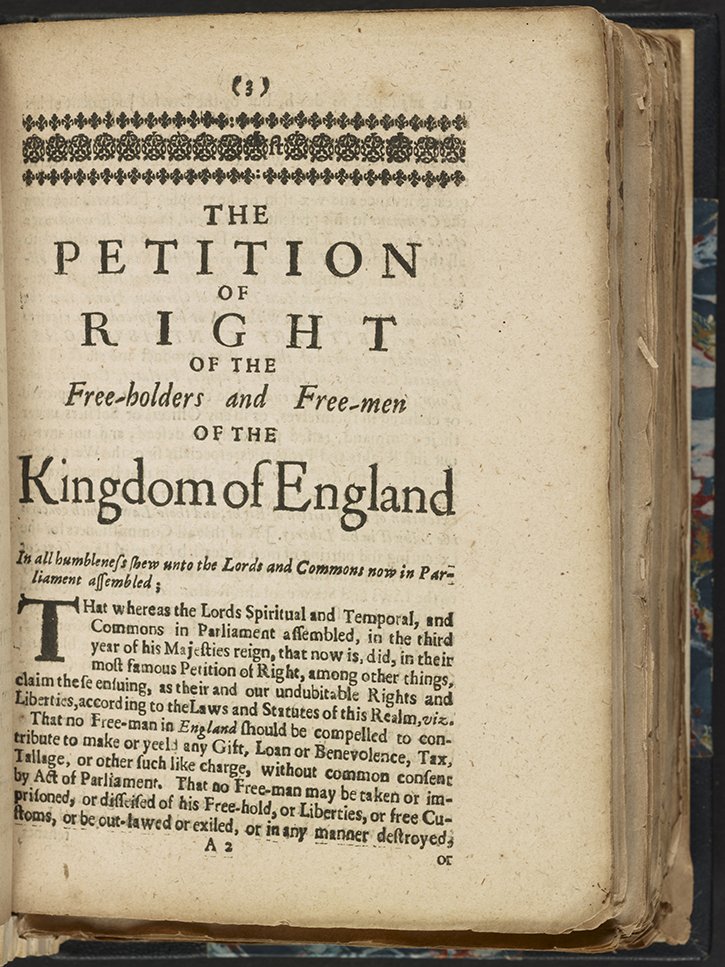
On this day in 1628 The Petition of Right received Royal Assent from Charles I, a landmark moment in the long struggle to define the limits of royal power. Drafted by Parliament and presented to a king already notorious for forced loans, arbitrary imprisonment, and the billeting of soldiers, the Petition set out the ancient liberties of the subject with new clarity and force.
It insisted that: No taxation could be levied without Parliament’s consent.
No subject could be imprisoned without stated cause.
No household could be compelled to quarter soldiers.
No martial law could be imposed in peace time.
In its insistence that the Crown was bound by law, the Petition of Right stands beside Magna Carta as one of the great constitutional texts of the English tradition, a precursor to the constitutional crises that would soon engulf Charles I’s reign.
25
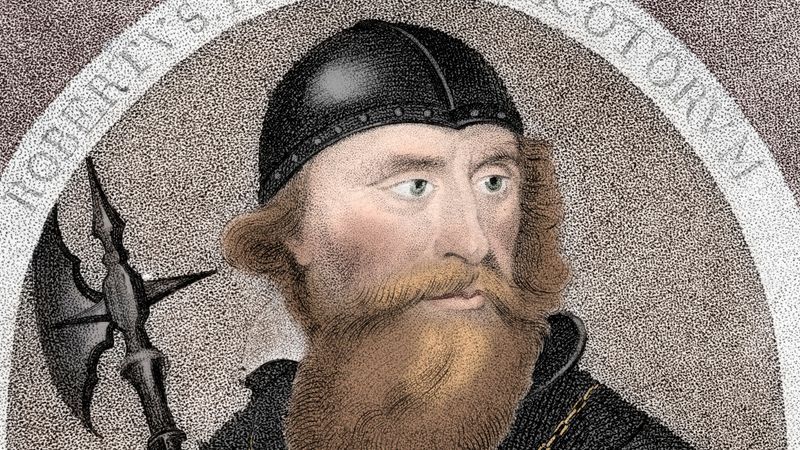
On this day, 7 June 1329, Robert the Bruce died, the warrior‑king who secured Scotland’s independence.
Robert I, King of Scots, closed his eyes at Cardross after a reign defined by resilience, statecraft, and a single, thunderous triumph: Bannockburn in 1314, where his outnumbered army shattered English power in Scotland and transformed him into a national legend.
His death marked the end of an age of heroic resistance, but the independence he fought for endured. In the centuries that followed, Bruce became more than a monarch, he became the embodiment of Scotland’s stubborn, unyielding spirit.
1
36
I don’t lack the fire of great men, only the hours they were free to burn.
10

Joe Milner | Historian retweeted

U.S. paratroopers of the 101st Airborne prepare for the Normandy invasion
Featuring the legendary "Filthy Thirteen" of the 506th PIR, with their signature Mohawks, face paint before jumping into occupied France.
8
83
1,023
41,461
Joe Milner | Historian retweeted

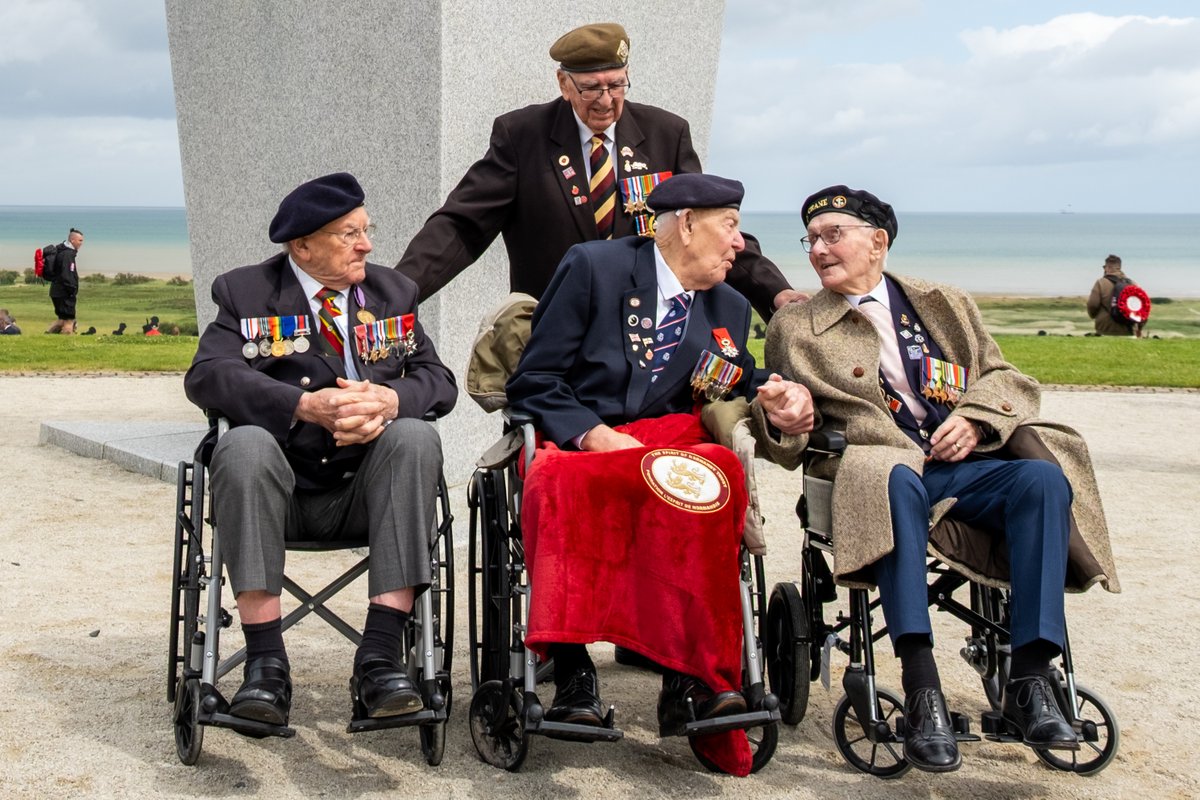
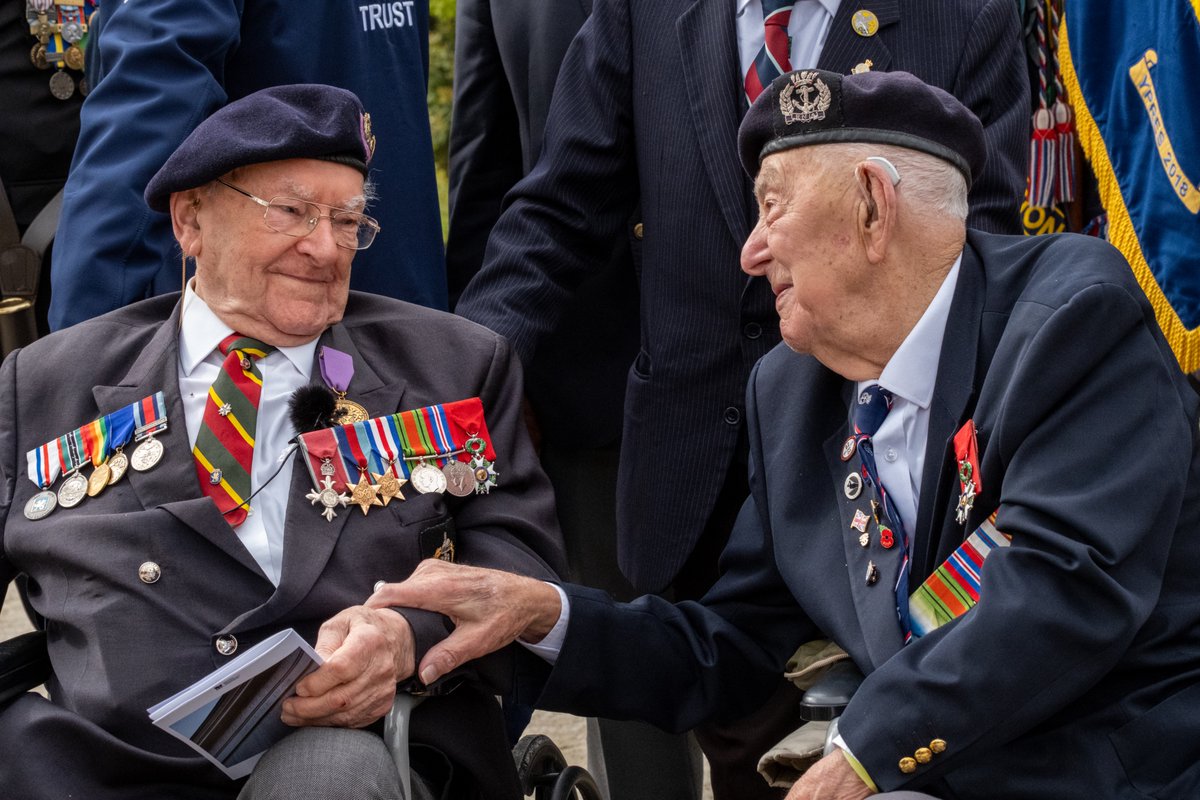
Veterans gather for #DDay82 Service of Remembrance at the Memorial today. ❤️


10
119
663
11,970