
21,914 Photos and videos











Joseph Spector retweeted

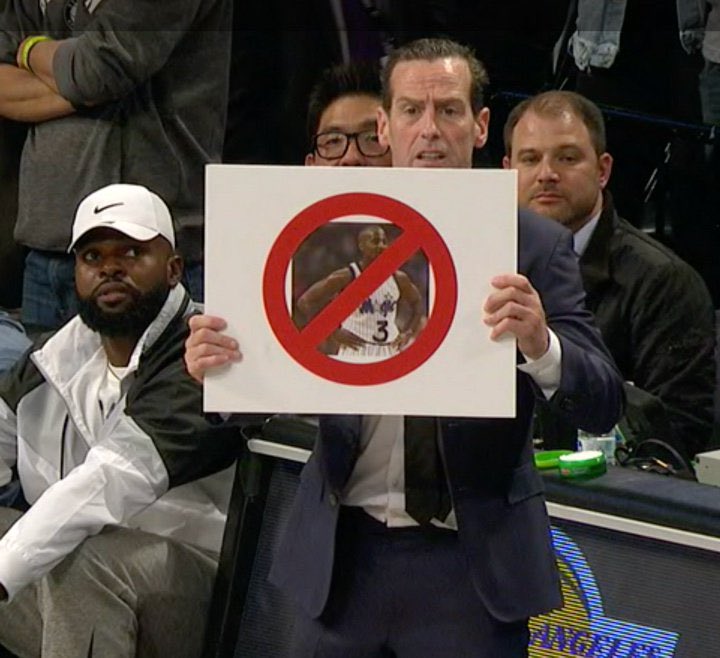
Pat Riley just faxed in his congratulations to the Knicks…
69
111
1,094
45,766

Joseph Spector retweeted

Jun 14
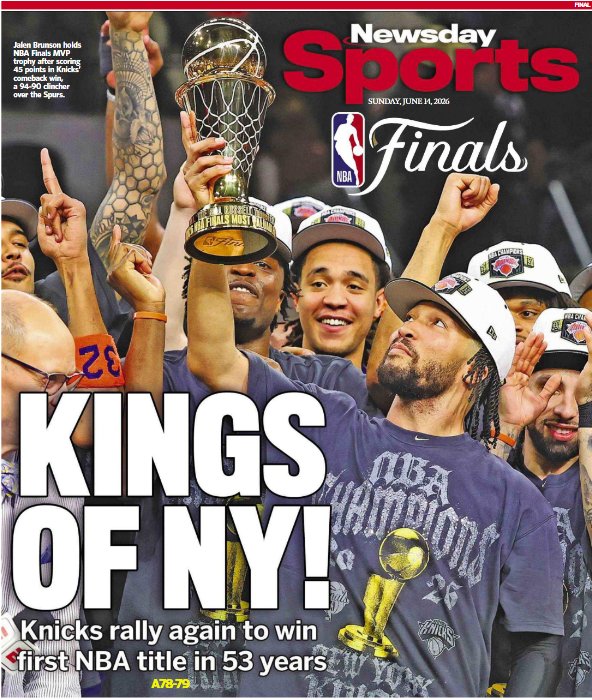
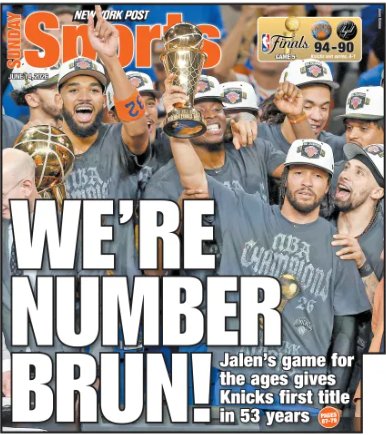
ICYMI, Column: basketball has been The City Game for generations, handed down across the years parent to child. The #Knicks have long been its most precious heirloom, and that wasn’t always a gift. One special team, one magical year, changed that forever. nypost.com/2026/06/14/sports…
6
5
57
3,581
Joseph Spector retweeted

Jun 14
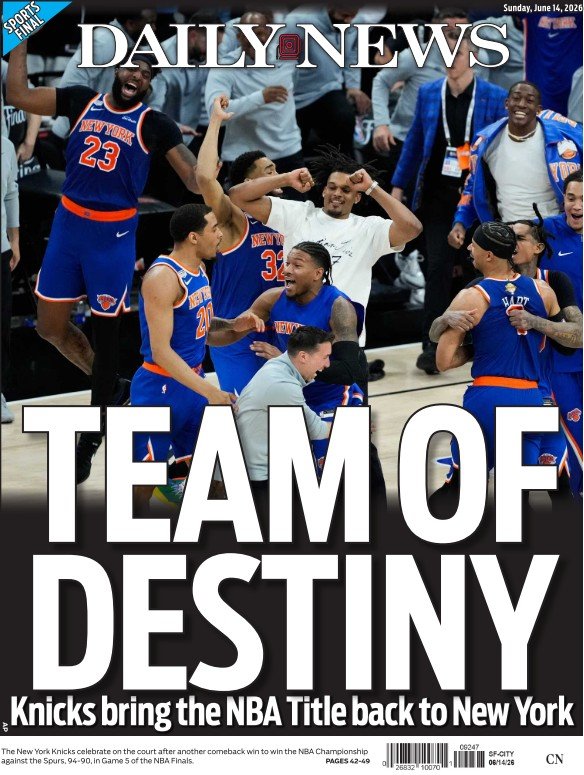
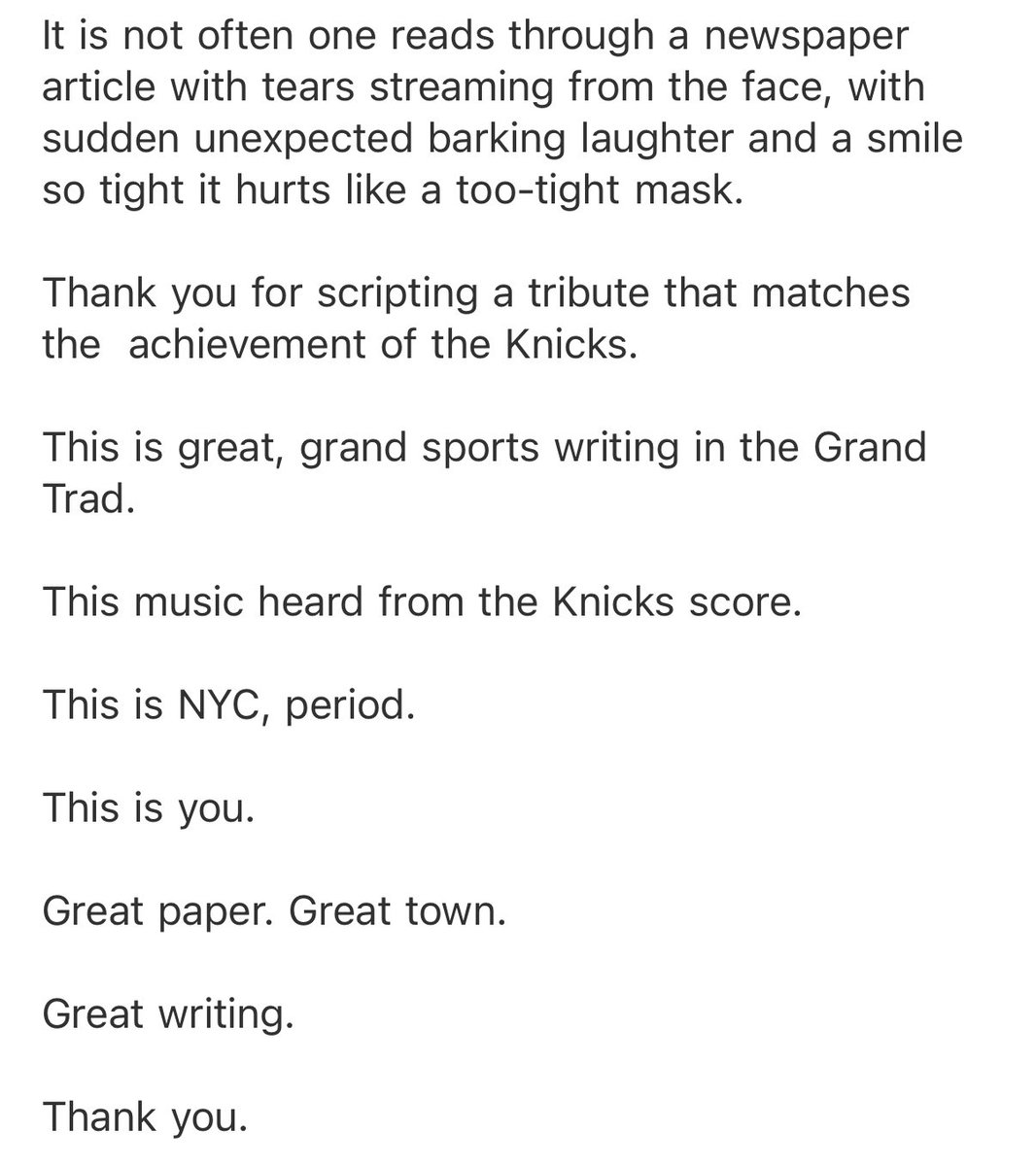
Brought me so much joy to write the piece for the newspaper I grew up reading, for the team I grew up watching, for the city that made me who I am. Honored to be part of history. Happy I could do the moment justice in ways only someone from this city can.
Jun 14

New York City, this is for you.
nydailynews.com/2026/06/13/n…
4
41
296
35,833
Joseph Spector retweeted

Jun 12
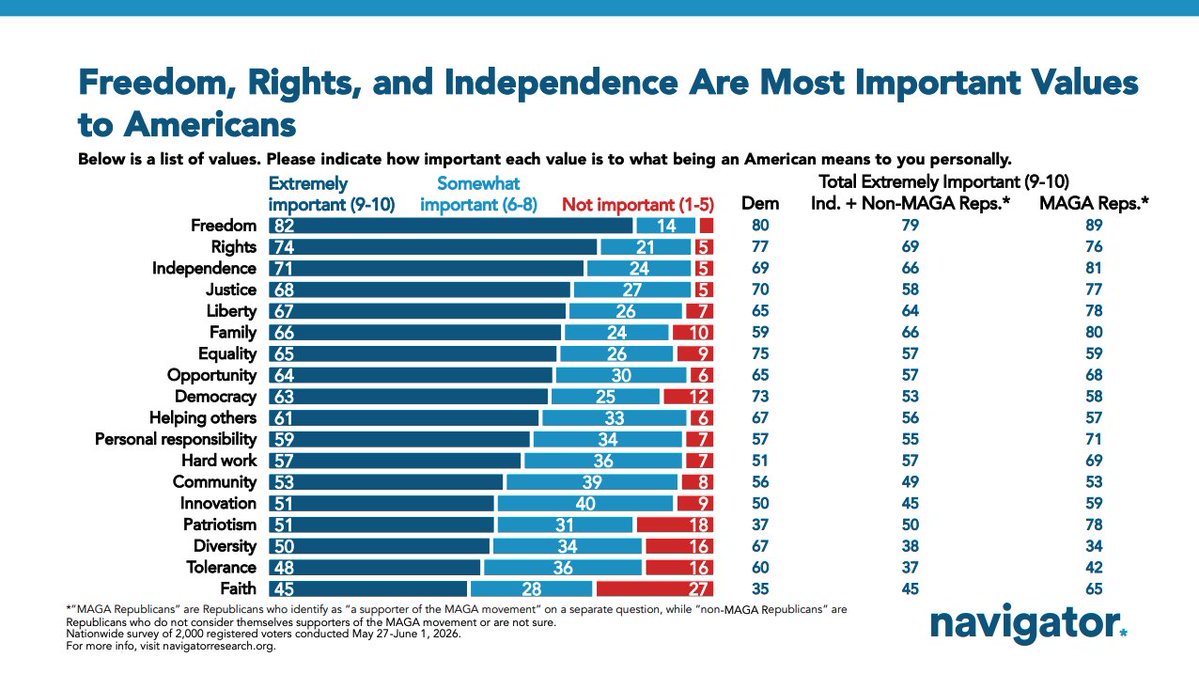
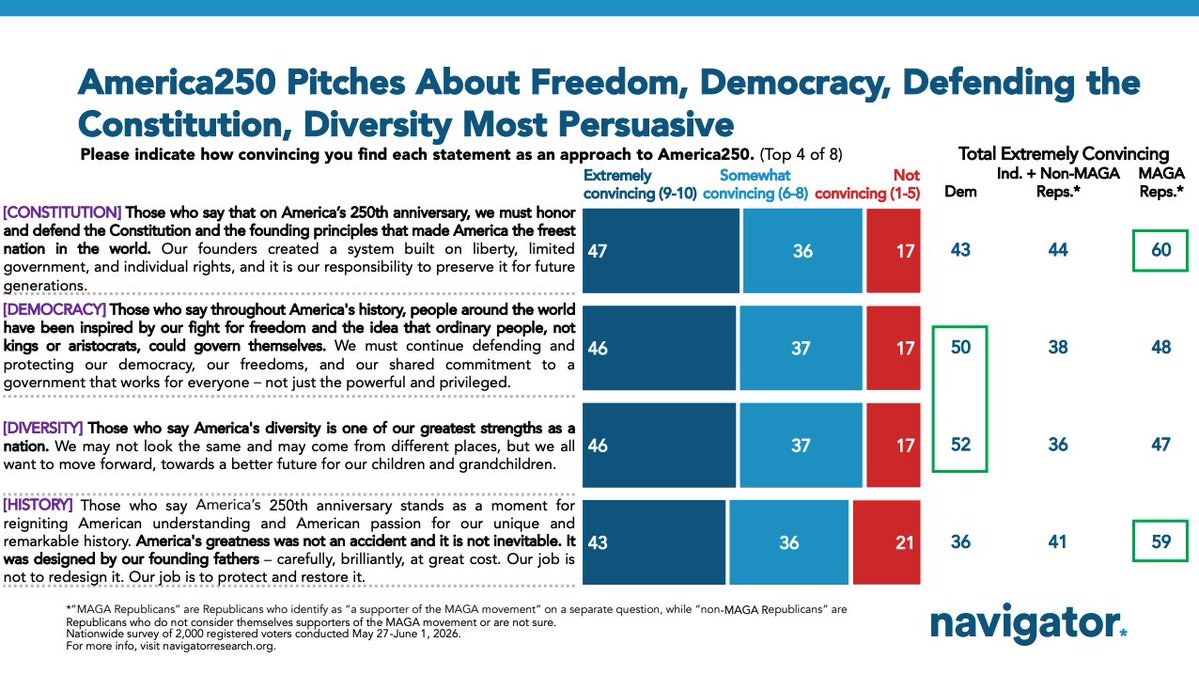
New data from @NavigatorSurvey:
Freedom is one of the core tenets of the American identity and a source of both pride and current anxiety. The strongest America250 messages celebrate that freedom, plus the Constitution, a government run by the people and not kings, and America’s diversity.
Read the full reports: navigatorresearch.org/americ… and navigatorresearch.org/the-st…
3
1
396
Joseph Spector retweeted

Jun 12
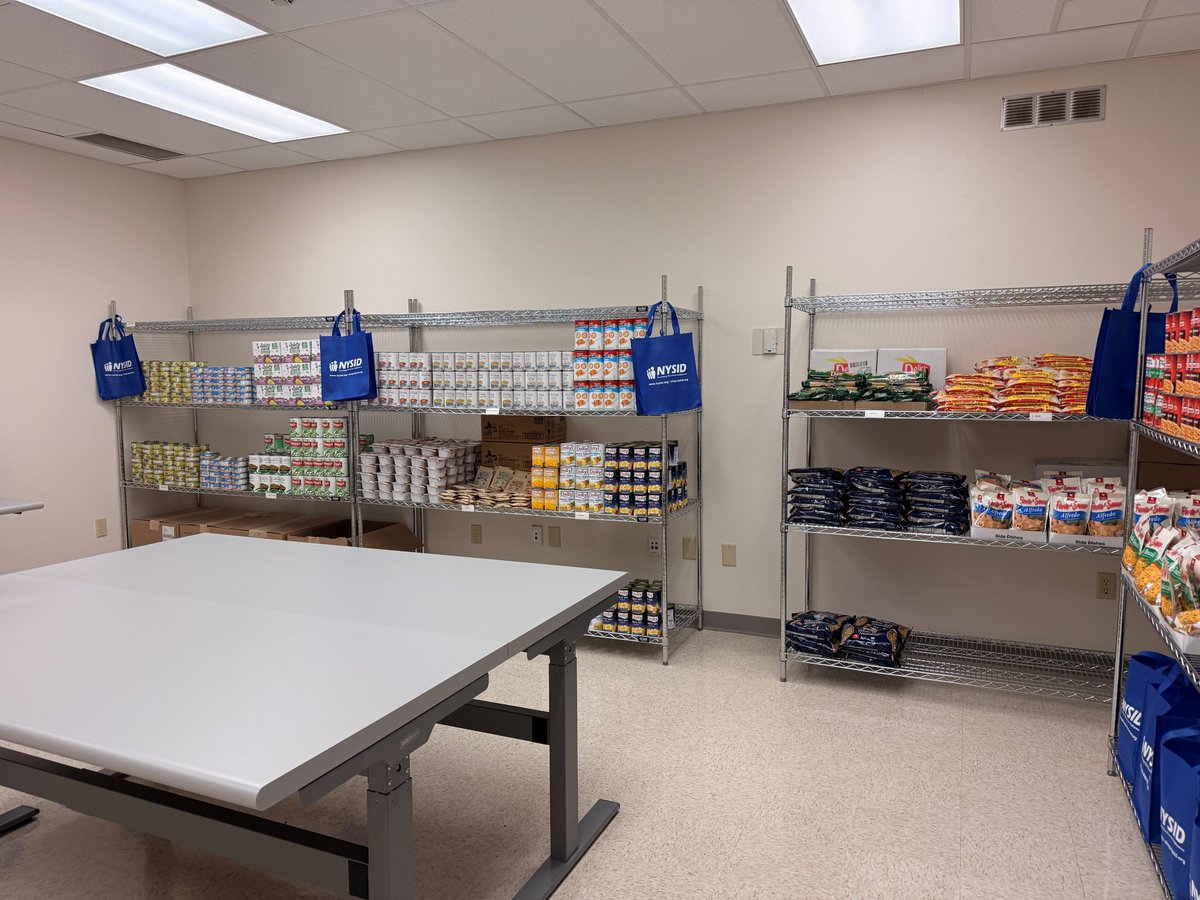
NYSID is proud to celebrate the launch of a new food pantry initiative at Member Agency @cfdsny, expanding access to essential resources for individuals with disabilities and staff while addressing food insecurity.
Made possible through a @cabrinihealthNY grant, the initiative will establish two non-public pantries in Albany (Center for Disability Services) and Rockland (@Jawonio) Counties.
In partnership with @FoodBankNENY and Northeast Grocery, Inc./@PriceChopper, the pantries will provide food and hygiene items to support individuals in both their work and daily lives.
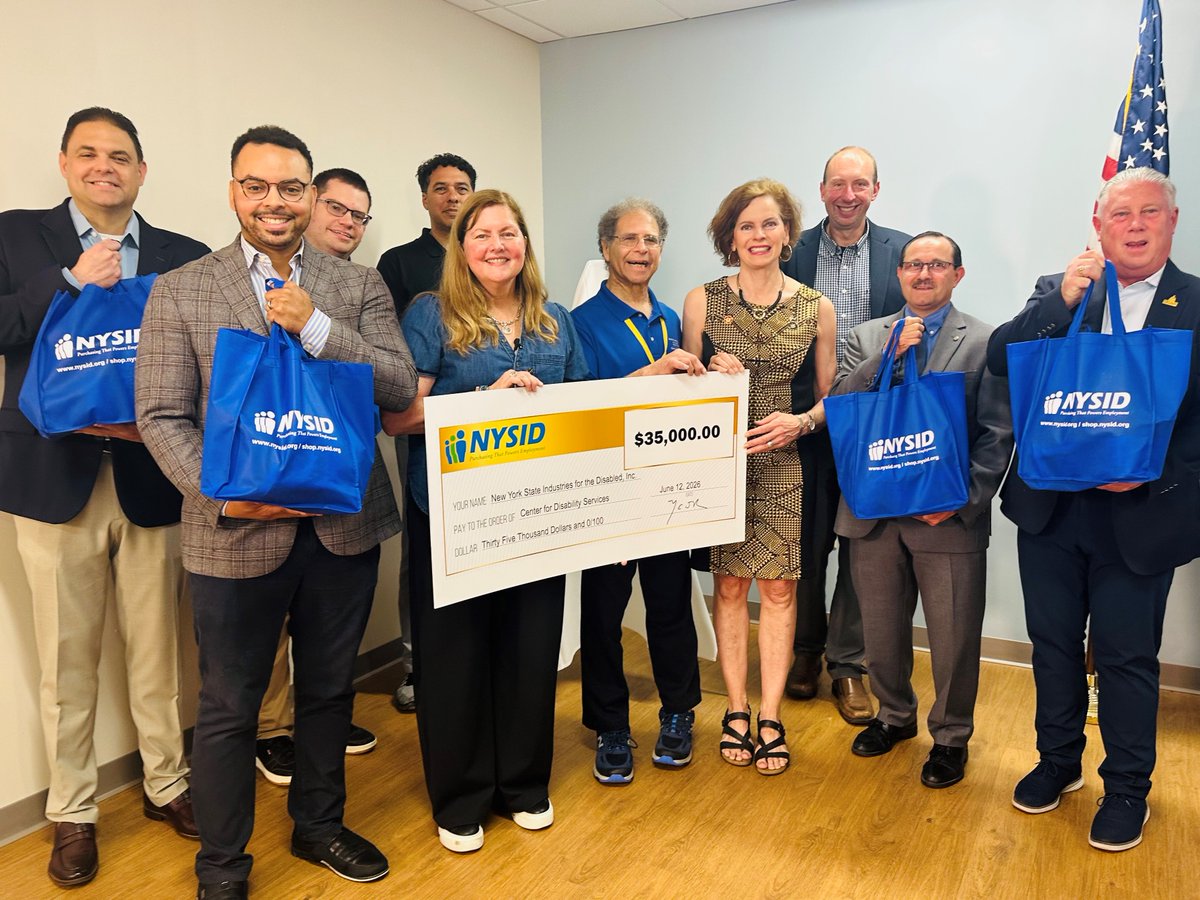
The event also highlighted a $35,000 NYSID Matching Grant to expand mail fulfillment operations at the Center for Disability Services, creating new employment opportunities for people with disabilities.
Pictured📷: Mike Miller, Executive Vice President & Chief Administrative Officer, Northeast Grocery, Inc.; Michael-Aaron Poindexter, Chief Programs Officer, Regional Food Bank; Alex Demitraszek, Assistant Director of Operations, The Mail Fulfillment Center at the Center for Disability Services; Maureen O'Brien, President & CEO, NYSID; Ethan Durham, Account Representative, NYSID; Mike Lizzi, Administrative Assistant, Center for Disability Services; @PatriciaFahy46@, Chris Schelin, Chief Operating Officer, Center for Disability Services; Greg Sorrentino, President & CEO, Center for Disability Services; @johnmcdonald108
#NYSID #DisabilityInclusion #CommunityImpact #InclusiveEmployment #FoodPantry
2
3
229

Jun 12
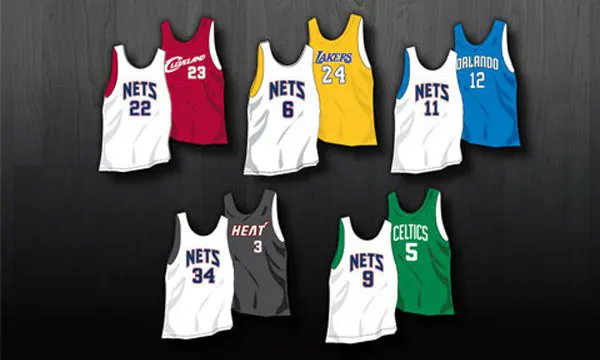
Favorite Net of JKidd era…
He could do it all on the court



373
Joseph Spector retweeted

Jun 11
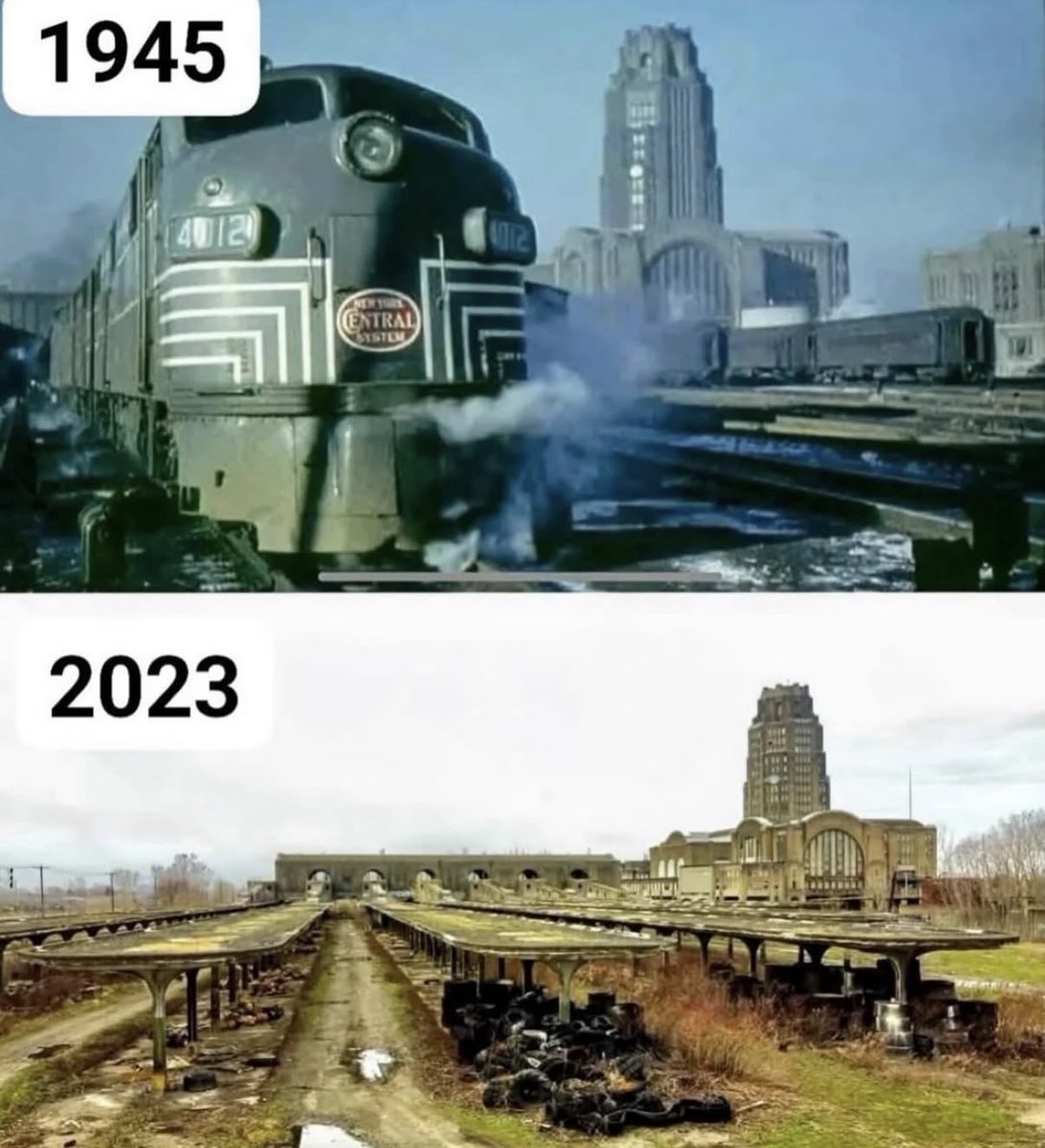
Buffalo Central Terminal Station, Then vs. Now
Buffalo Central Terminal was once among the most magnificent railroad stations in the United States. Opened in 1929 at a cost of approximately $14 million—equivalent to more than $250 million today—the sprawling Art Deco complex featured a 17-story office tower, vast waiting halls, restaurants, shops, and dozens of rail lines. During the golden age of rail travel, more than 200 trains passed through the terminal each day, connecting Buffalo to destinations across the country.
Its decline came far more quickly than anyone expected. After World War II, Americans increasingly embraced automobiles and commercial air travel, leading to a nationwide collapse in passenger rail service. By the 1950s and 1960s, the terminal was operating well below its intended capacity. Amtrak ultimately abandoned the station in 1979, and the once-thriving transportation hub became one of America’s most recognizable abandoned landmarks. Years of neglect, vandalism, and exposure to the elements took a heavy toll on the structure.
Today, however, Buffalo Central Terminal’s story is entering a new chapter. In 2024, a major redevelopment initiative officially advanced with plans to transform the terminal and surrounding area into a vibrant mixed-use district. Restoration efforts have already stabilized much of the building, while future plans include housing, commercial spaces, public gathering areas, and cultural attractions designed to breathe new life into the historic site.
Ironically, the station was originally built on a scale far larger than Buffalo actually needed. Railroad executives believed the city would continue growing into one of North America’s most important transportation centers. Instead, the Great Depression began only months after the terminal opened, and it never fully achieved the level of traffic its designers had envisioned.
40
219
2,004
144,450
Joseph Spector retweeted
Jun 9
New guidance indicates that the federal housing agency will only consider “animals trained to provide disability-related assistance” as an accommodation for people with disabilities under the Fair Housing Act.
disabilityscoop.com/2026/06/…
1
271
Joseph Spector retweeted

Jun 9
Earl the “ Pearl.”
He Gave It All to Help the Knicks Win in 1973. He’s Still in Pain Today. nytimes.com/2026/06/09/nyreg… via @NYTimes
1
1
255
Joseph Spector retweeted

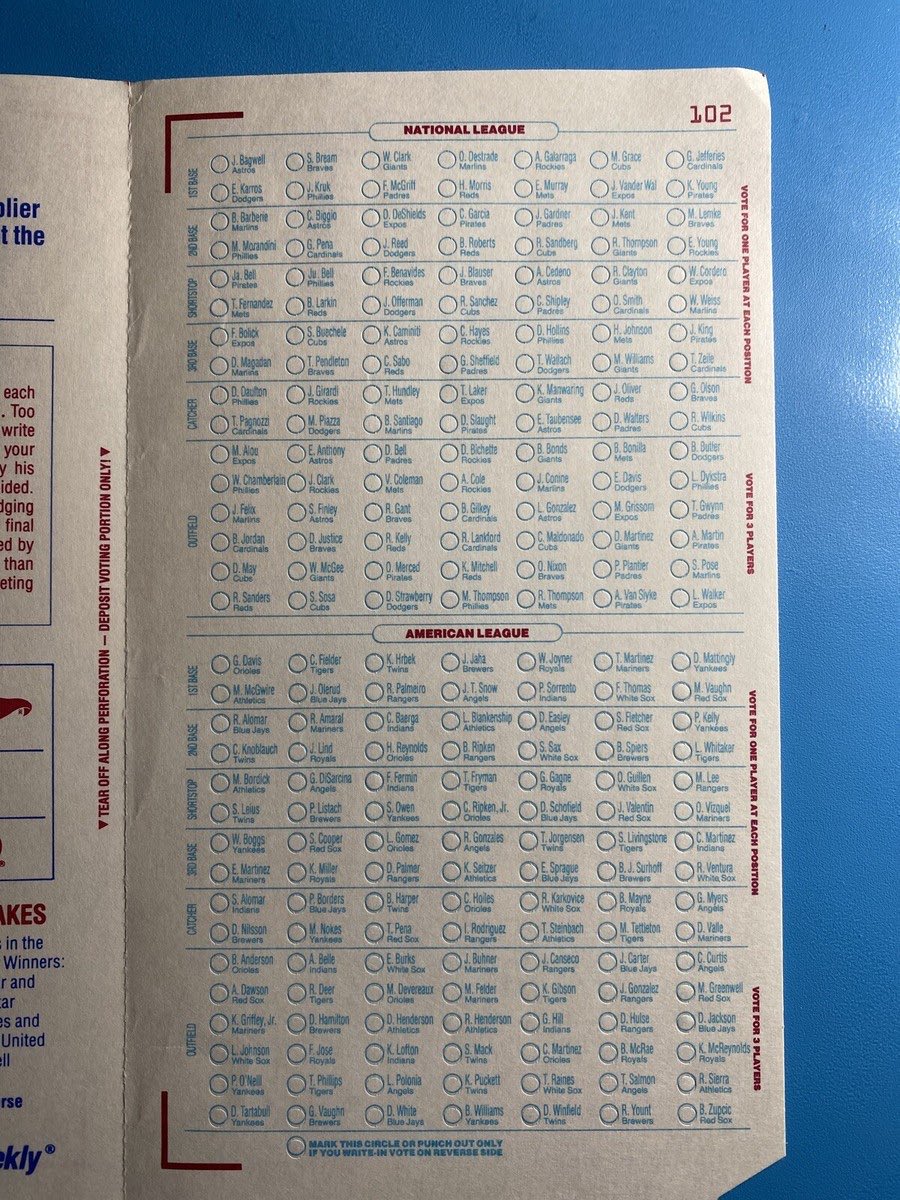
The kids will never experience the joy of having the all star ballot handed out at a baseball game
140
666
9,146
508,437
Joseph Spector retweeted

Jun 9
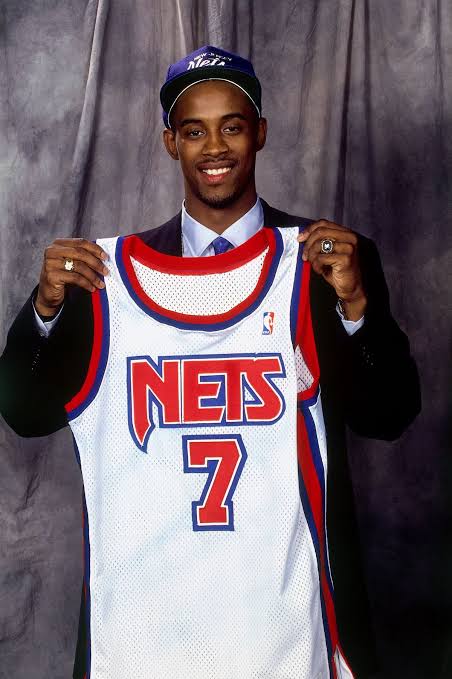
I will always be a New Jersey Net thats where I was drafted at #2 and I got to play with one of the greatest shooters that ever did it and he was a great teammate 🙌

9
16
366
5,802

Another major structure fire was reported at the main administration building of the former Hudson River Psychiatric Center on June 8, days after much of it was burnt down. lohud.com/story/news/local/2…
1
1
616
Joseph Spector retweeted

Will the MSG Jumbotron deliver a made-for-New York moment tonight? gothamist.com/news/eyes-on-t…
1
1
2
1,116
Joseph Spector retweeted

Big news: it’s my first day as an investigative reporter at @StarTribune. I am thrilled to be joining this incredible newsroom. I’ll be relocating to Minneapolis by the end of the month. Reach me at my new email emilie.munson@startribune.com or on signal at emiliemunson.68
8
11
84
10,512
Joseph Spector retweeted

Jun 4
Somewhere your town's elected tax assessor is recording a 30-second vertical video in newly purchased Knicks gear.
10
52
4,750

All timer
Jun 4

Finals lights are just too bright for these Knicks tonight.
Community note
The New York Knicks defeated the San Antonio Spurs 105-95 in Game 1 of the 2026 NBA Finals.
nba.com/playoffs/2026/…
espn.com/nba/story/_/id…
7
20
659
41,290
Joseph Spector retweeted
It was a strong showing last night for our clients and friends in Iowa, with three critical nominees are headed to the general election:
✅ @turek4iowa secured the Democratic nomination for U.S. Senate. A two-time Paralympic gold medalist, state representative, and lifelong advocate for people with disabilities, Turek brings a compelling story and a record of public service to one of the country's most closely watched Senate races.
✅ @RobSandIA heads to the general election to fill the open seat for Iowa’s Governor. As Iowa's Auditor and the only Democrat currently holding statewide office, Sand has built a reputation for accountability and government oversight that resonates across party lines.
✅ @SarahforIowa advances in Iowa's 3rd Congressional District. A state senator and Lutheran minister with a history of winning tough races—having previously flipped a Republican-held state senate seat—she is now well-positioned to compete in a key congressional pickup opportunity.
Congratulations to our partners on a successful primary night. Onwards!
3
8
623
Joseph Spector retweeted
Jun 3
Did You Know?
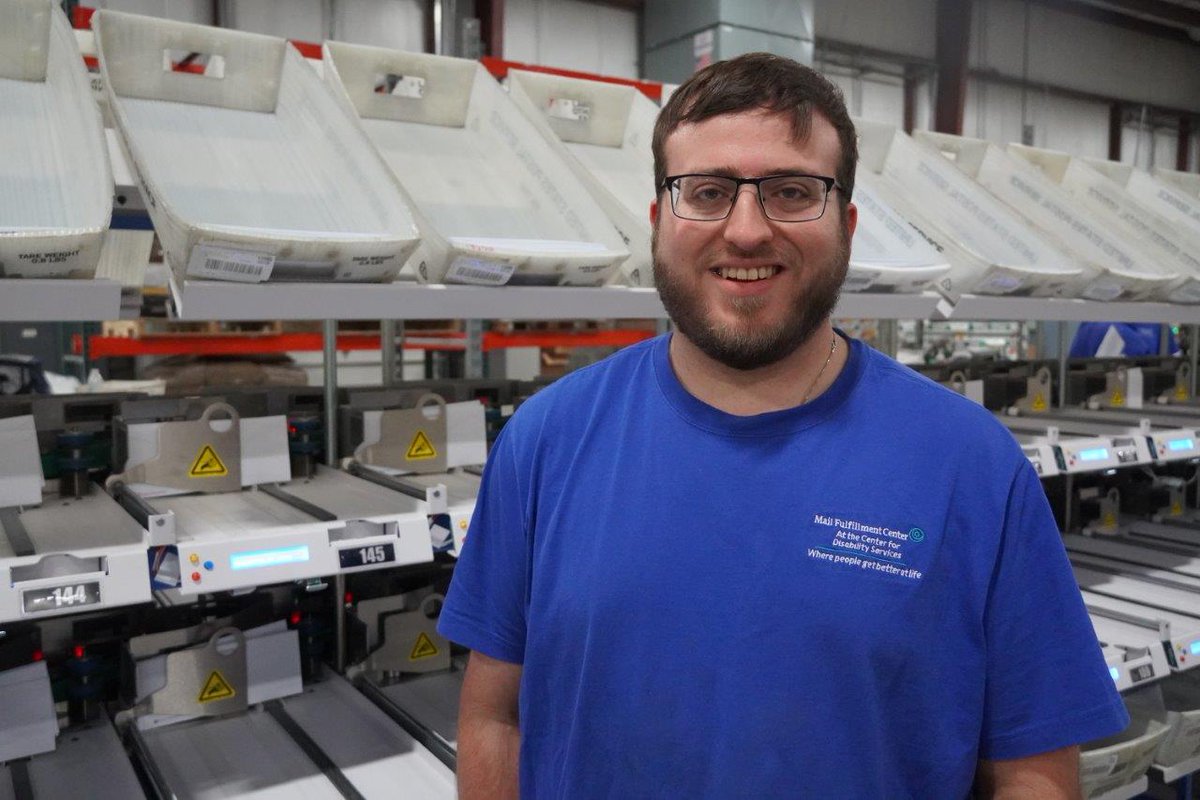
NYSID Member Agencies provide essential services to government and private sector customers throughout New York State — all while helping create meaningful employment opportunities for individuals with disabilities.
Services include:
• Janitorial
• Grounds Maintenance
• Mail Fulfillment
• Secure Document Destruction
• Temporary Staffing Services
• And More!
To explore all NYSID service and product offerings, visit shop.nysid.org 🛒
#DidYouKnow #DisabilityEmployment #ProcurementWithPurpose #NYSID #InclusiveWorkplaces
1
1
235

Bill was the sweetest curmudgeon and a great (rival) colleague when we were together on the campaign trail.

-30- to one of the best I’ve had the pleasure of knowing. Sleep warm, Bill.
newsday.com/long-island/obit…
1
5
1,997