
Joined December 2012
- Tweets 22,500
- Following 1,819
- Followers 1,560
- Likes 175,936
4,907 Photos and videos









Pinned Tweet

8 Sep 2024
There is peace to be found, if nae'body speaks whence upon the south-bound ..
.. call it, a 'Sunlight Sonata':


3
2
100
38,529
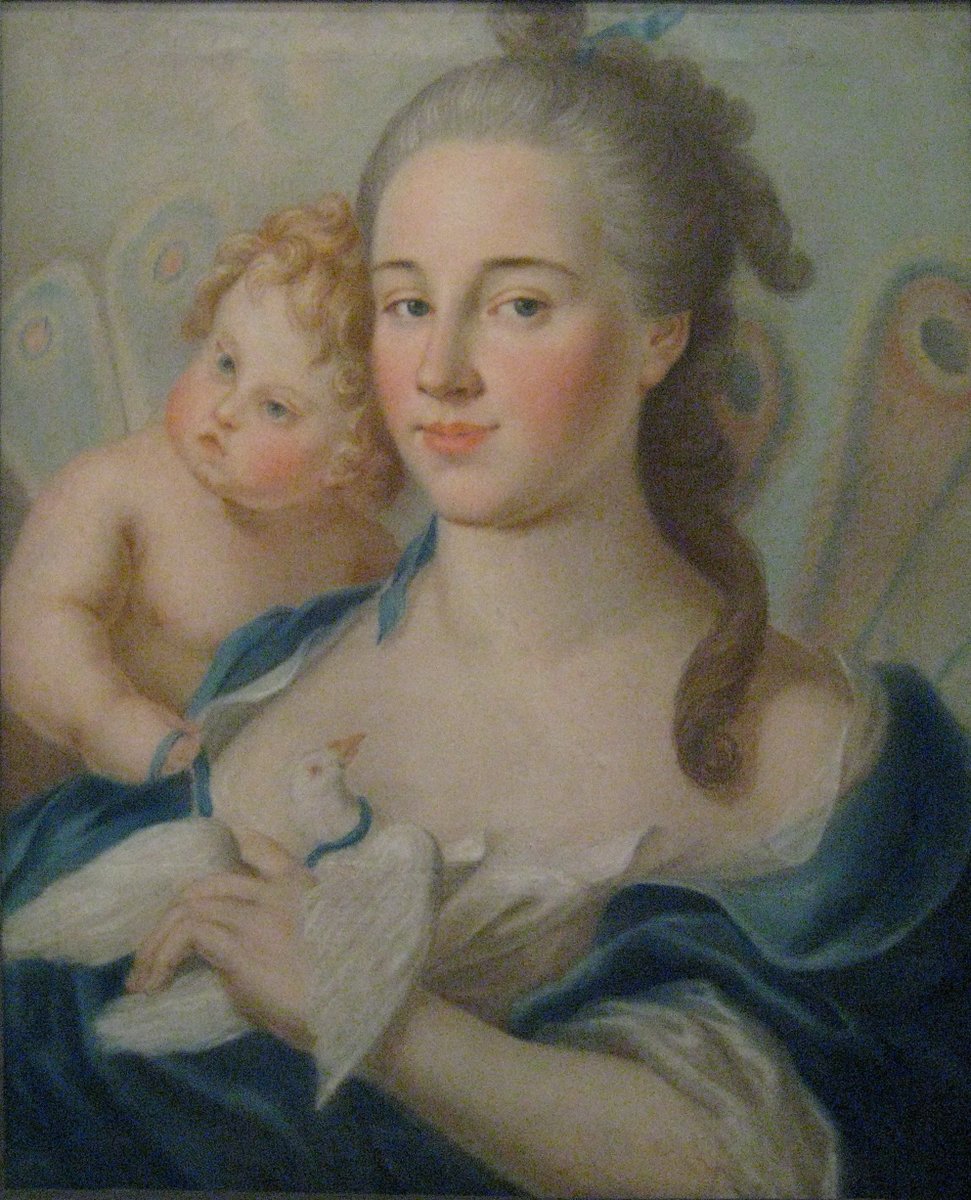
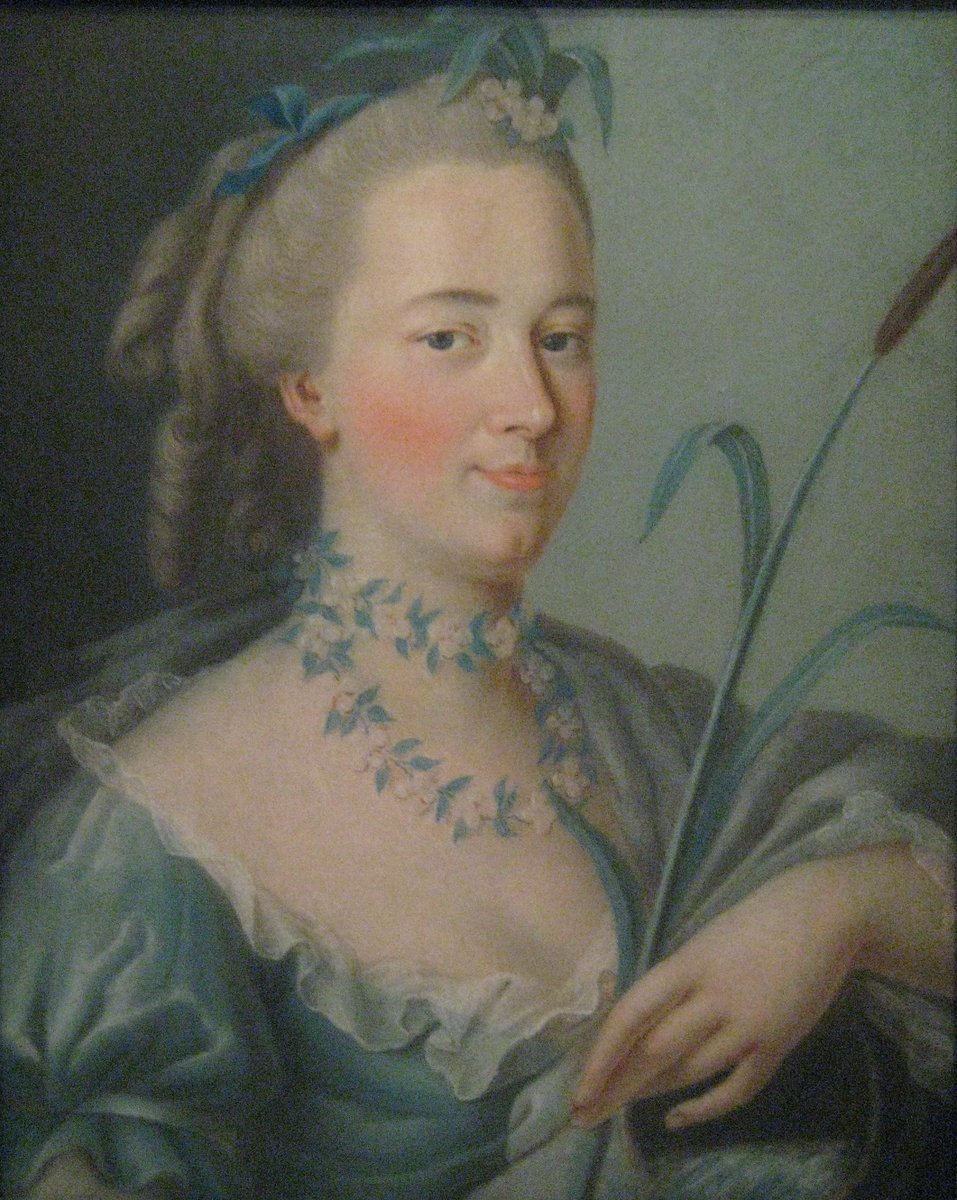
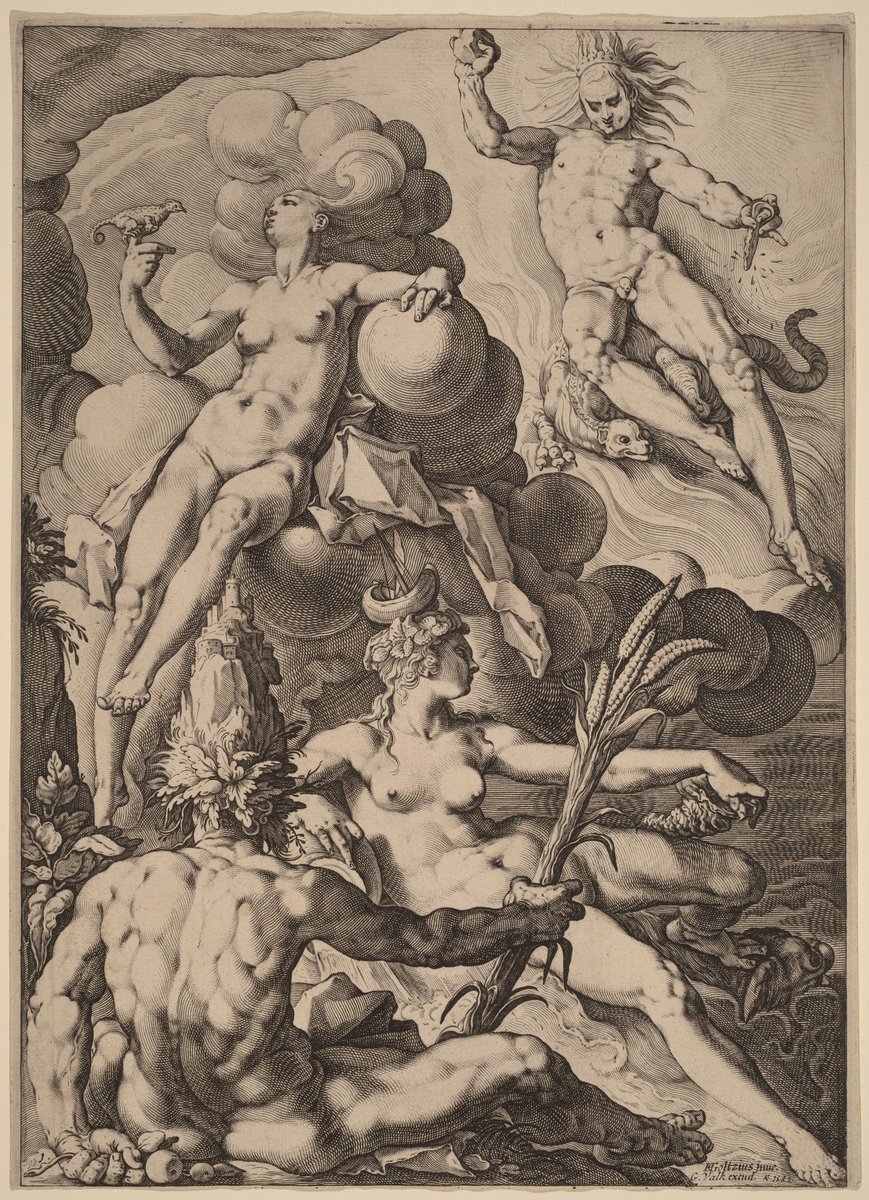
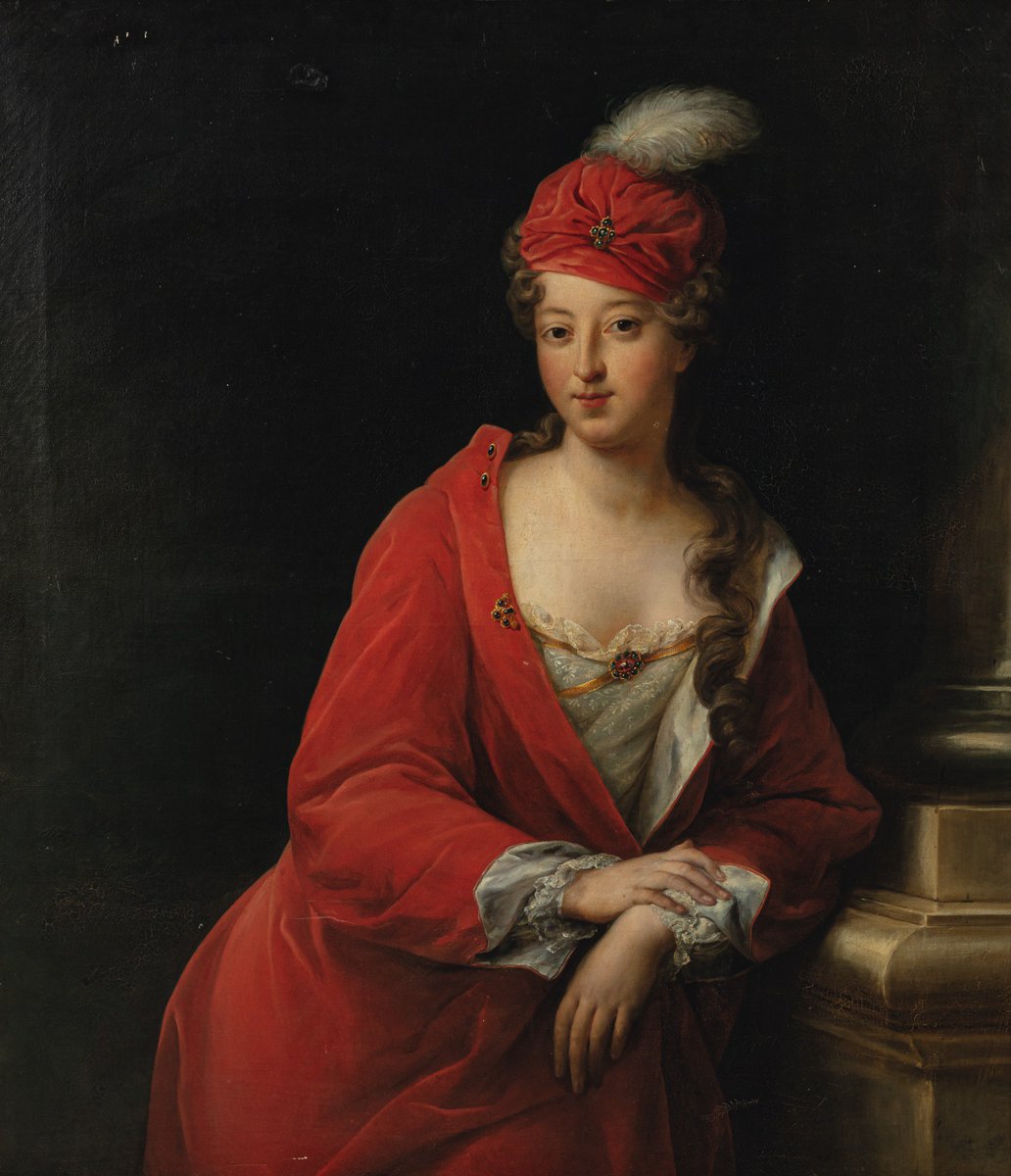
Two likenesses of two kinswomen, painted by Jean-François de Sompsois – to our left, Anna Niktichna (Rumyantseva) Naryshkina [21 Feb. 1730-20 Feb. 1820], as “air”; to our right, Praskov'ya Aleksandrovna (Rumyantseva) Bruce otherwise Bryus[ova] [7 Oct. 1729-7 Apr. 1786], “spring”:

1
55
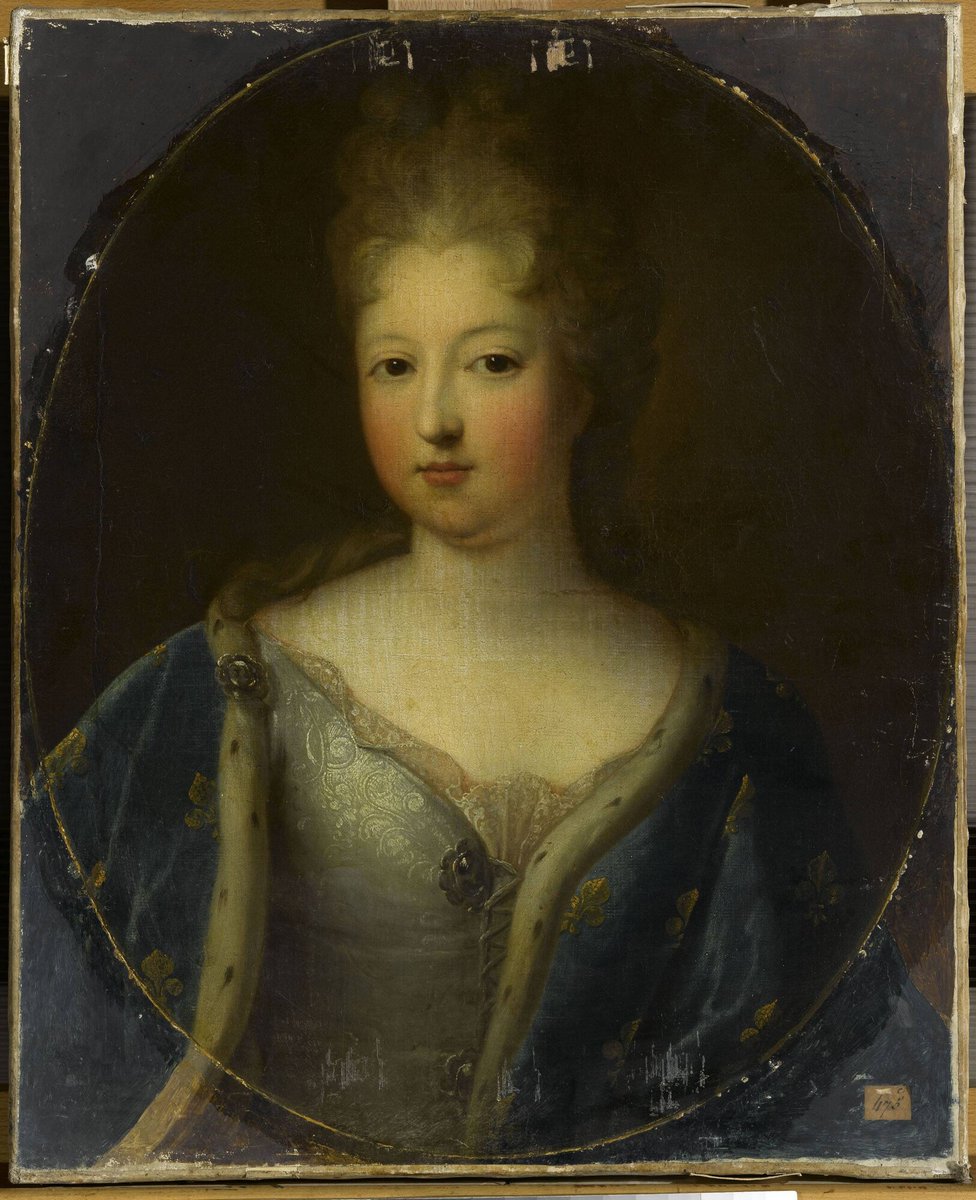
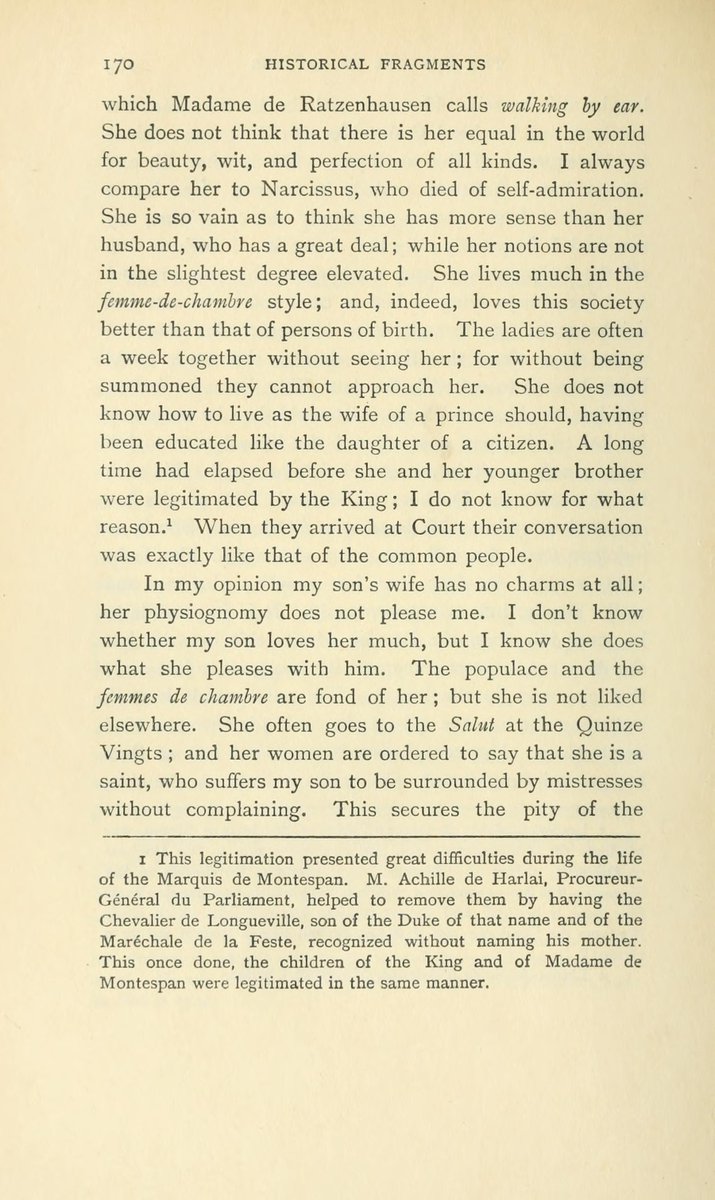
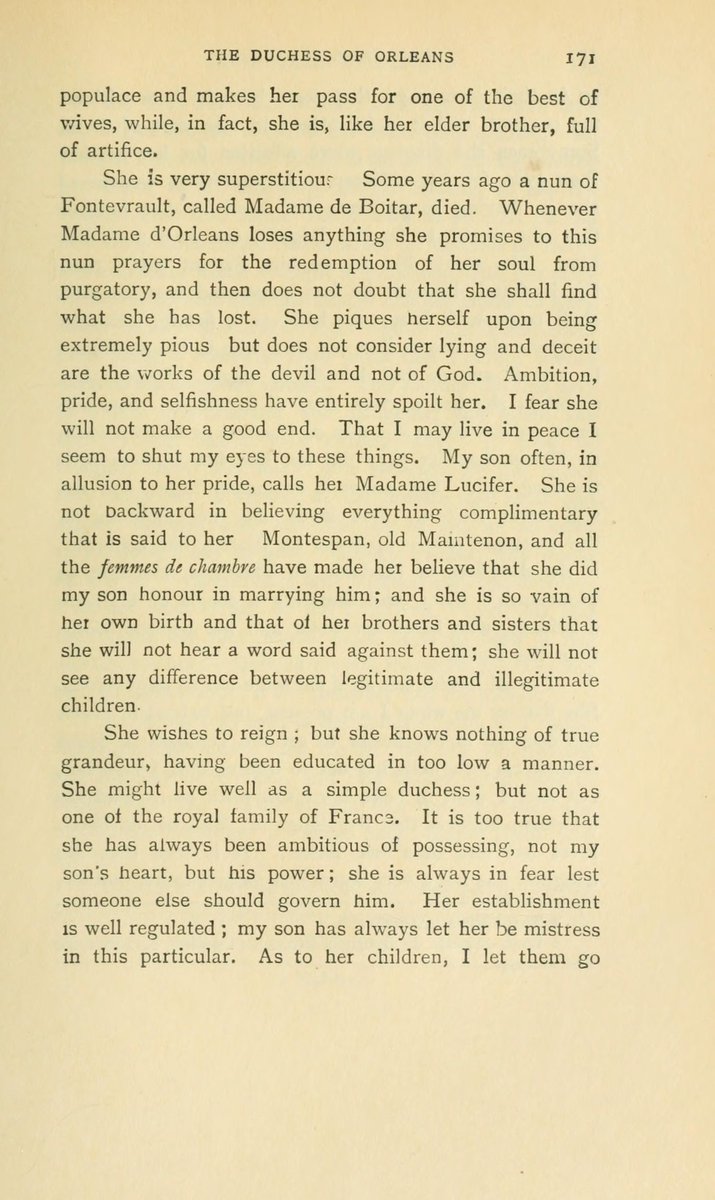
“… and her women [“femmes de chambre”, certain 'nuns'] are ordered to say that she is a saint, who suffers my son to be surrounded by mistresses without complaining. This secures the pity of the populace and makes her pass for one of the best of wives, while, in fact, she is, …

May 2

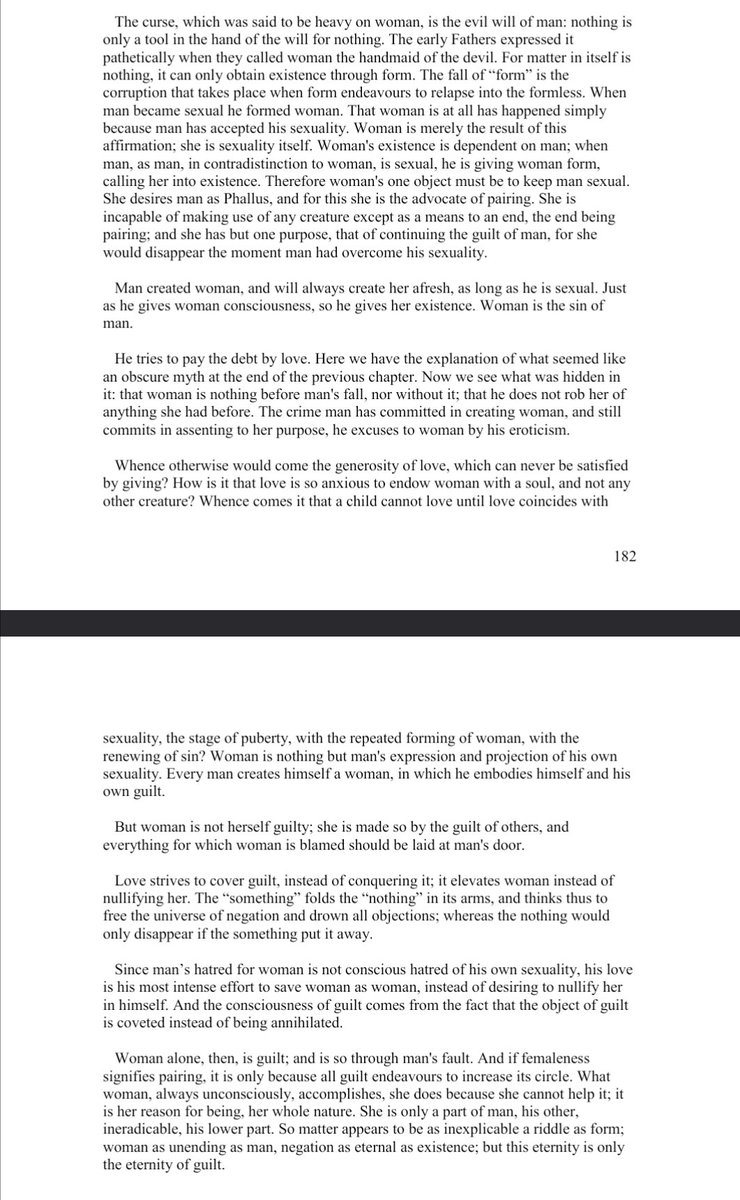
Otto Weininger's interaction with this concept is the most interesting. He acknowledges that women are made guilty for what's actually men's own lust. He also supposes that love is a desperate attempt of man to cover up for his sin of lust.
1
4
945
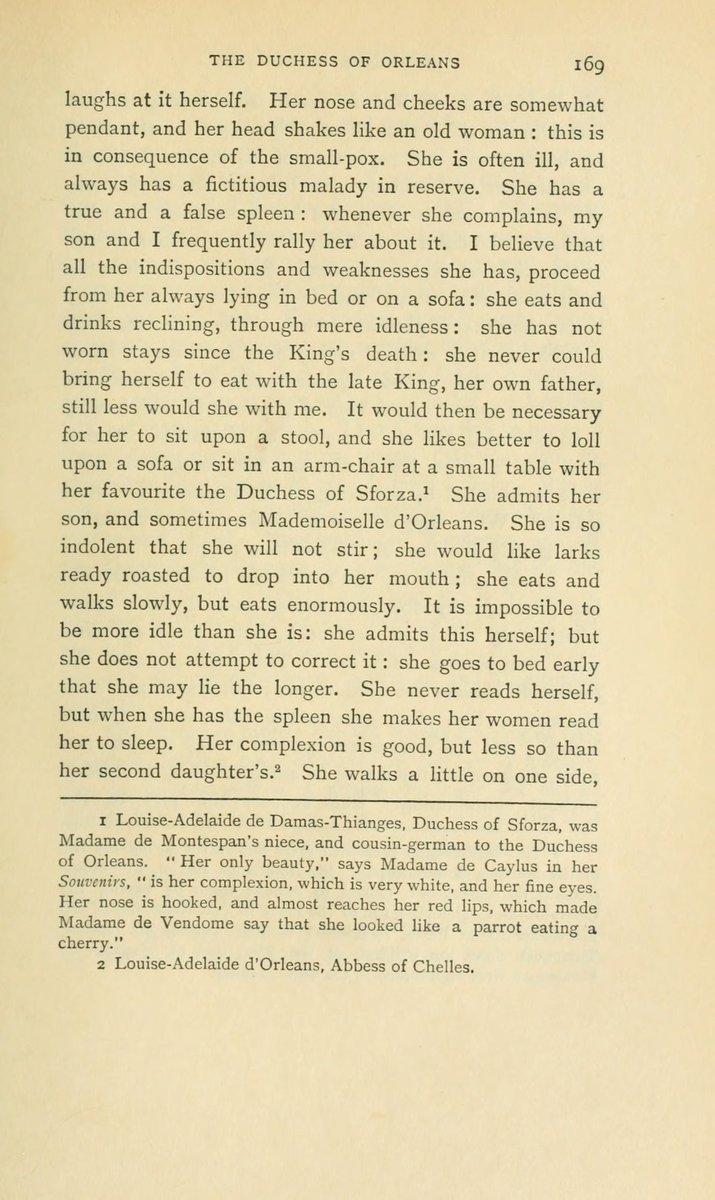
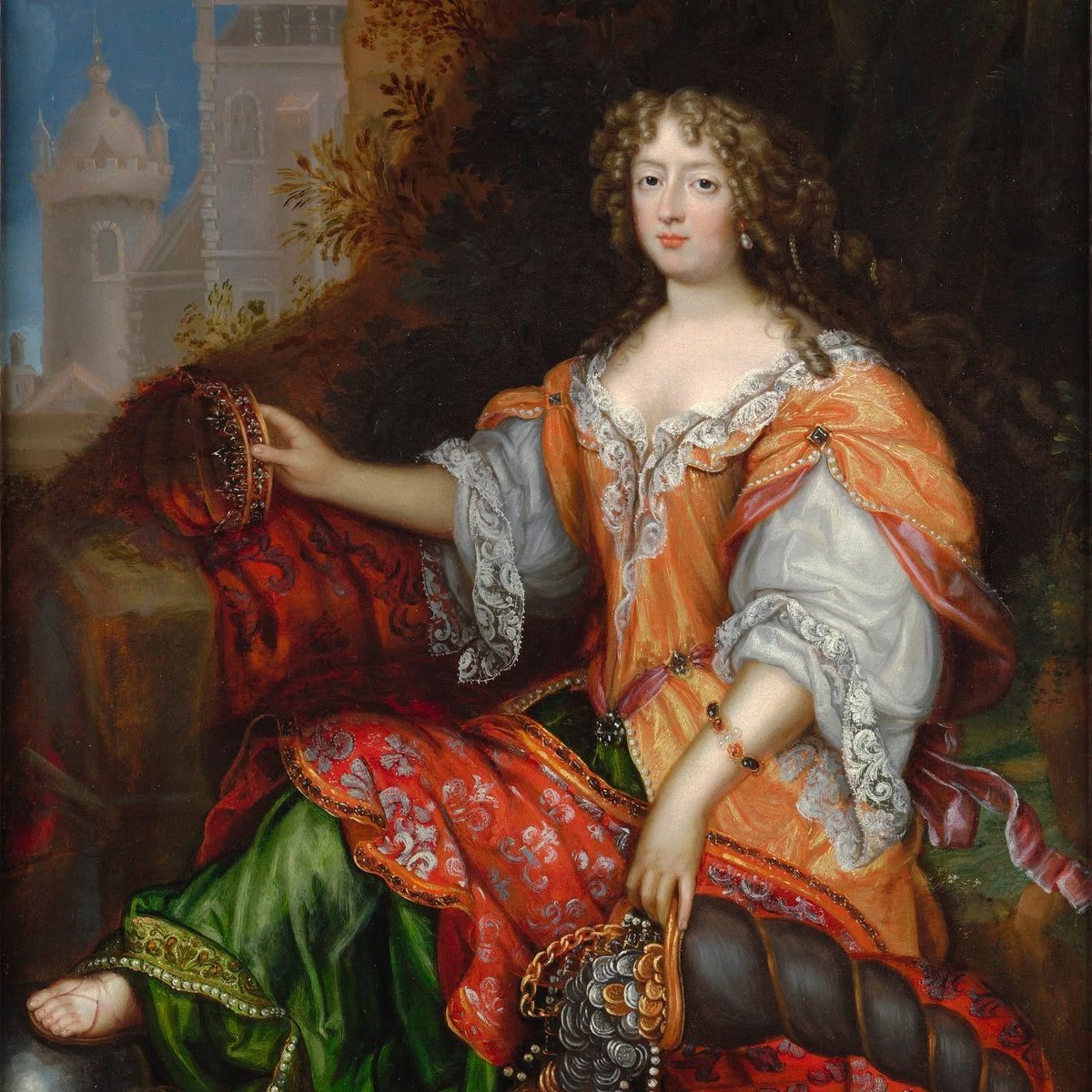
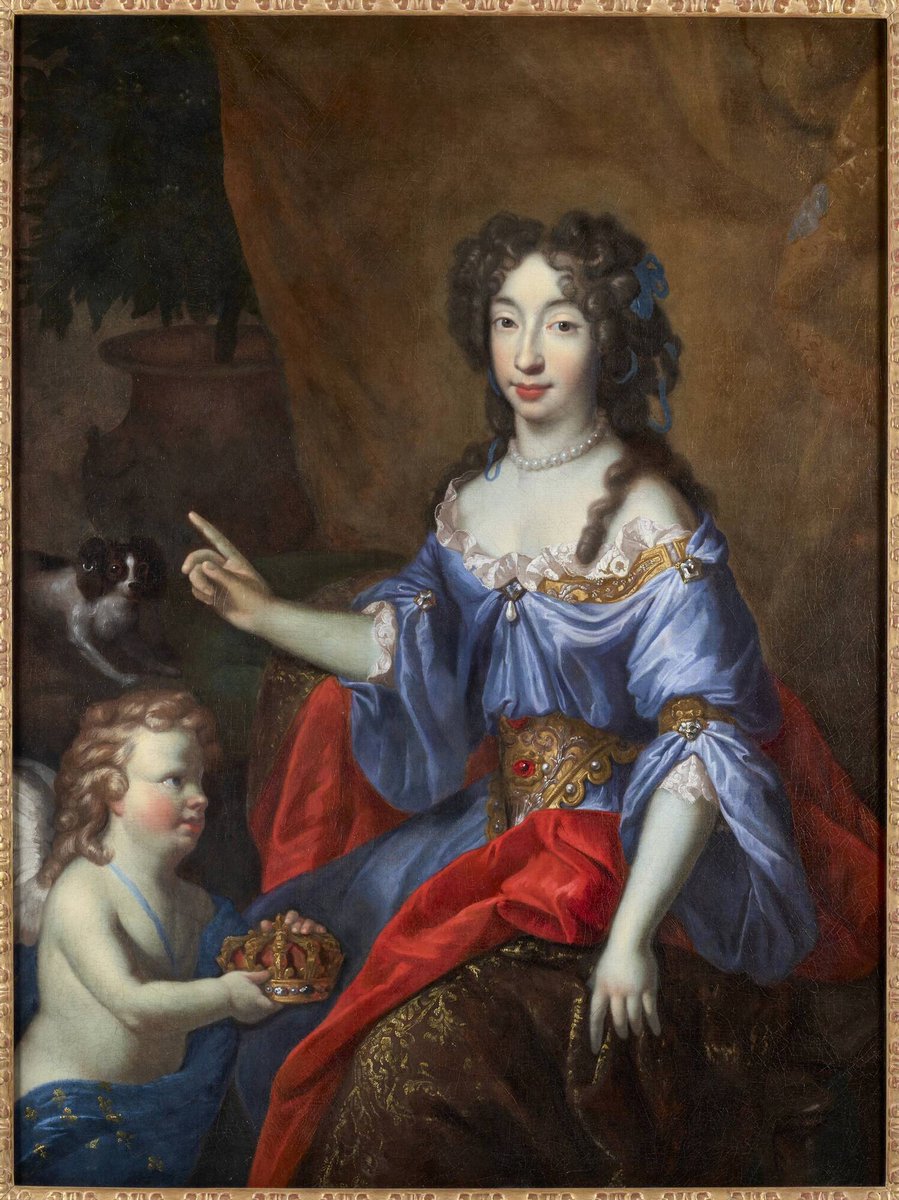
… like her elder brother, full of artifice.” – the ‘saintly self’ supposedly forged by Marie-Françoise de Bourbon [May 1677-Feb. 1749], Légitimée de France, during the era of her cousin, husband Phillippe II [Aug. 1674-Dec. 1723], Duc d’Orléans as Régent therein, from Sep. 1715:

1
1
462
To her mother-in-law, MF had founded summit of a public femininity 'on the libertine scandals of Orléans, the living sanctity of one "idle" and "indolent", "vain" indeed a "Narcissus", one "entirely spoilt" by her "Ambition, pride, and selfishness"; 'also: x.com/Joe_Highlands/status/2…

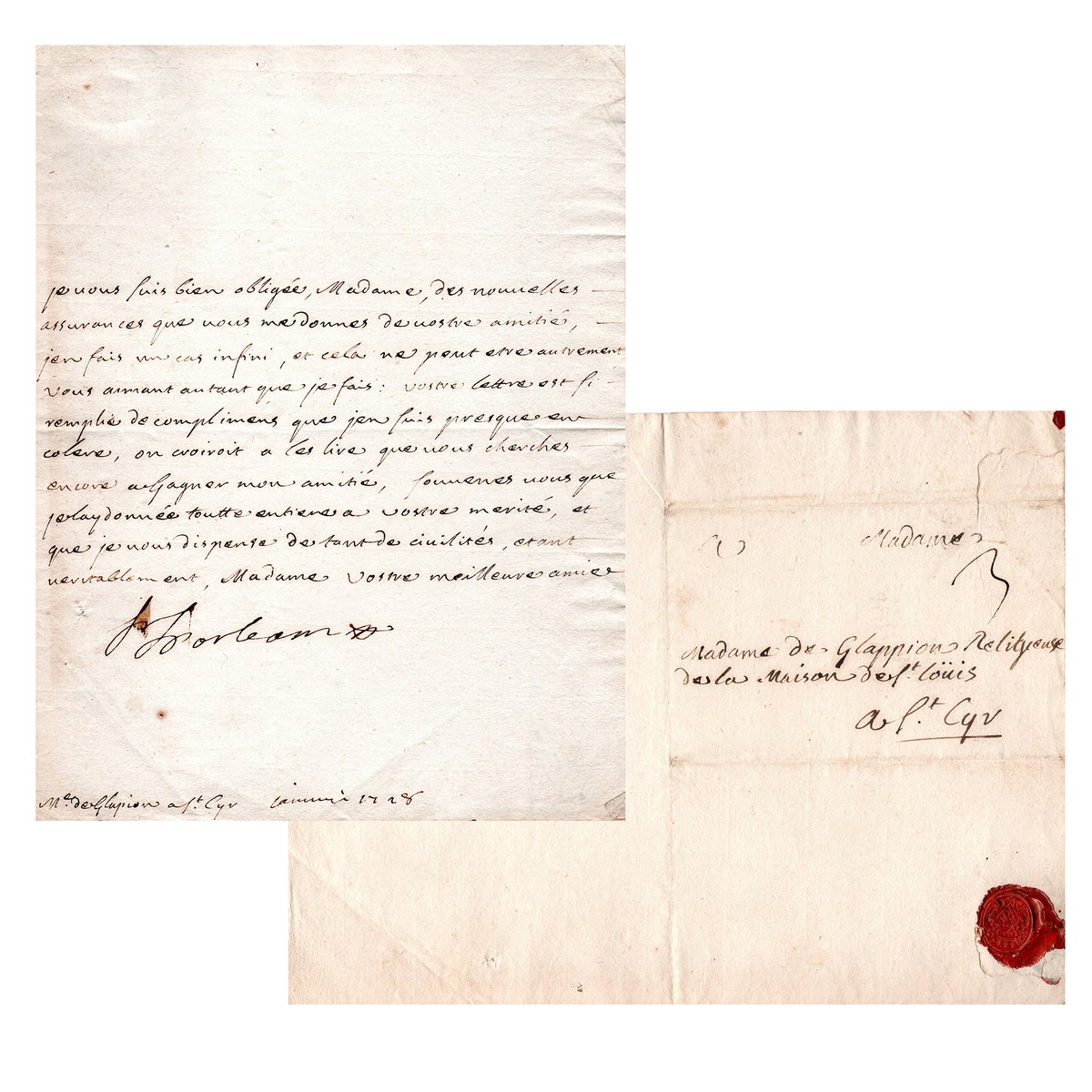
“Loving you as I am, your letter is so full of compliments that I am almost angry, it is as if I were reading it, that you are still trying to win my friendship, remember that I have given it all to your merit, and that I dispense you from so many civilities, being inevitably, …
1
127
“Loving you as I am, your letter is so full of compliments that I am almost angry, it is as if I were reading it, that you are still trying to win my friendship, remember that I have given it all to your merit, and that I dispense you from so many civilities, being inevitably, …
“… and her women [“femmes de chambre”, certain 'nuns'] are ordered to say that she is a saint, who suffers my son to be surrounded by mistresses without complaining. This secures the pity of the populace and makes her pass for one of the best of wives, while, in fact, she is, …
1
2
322
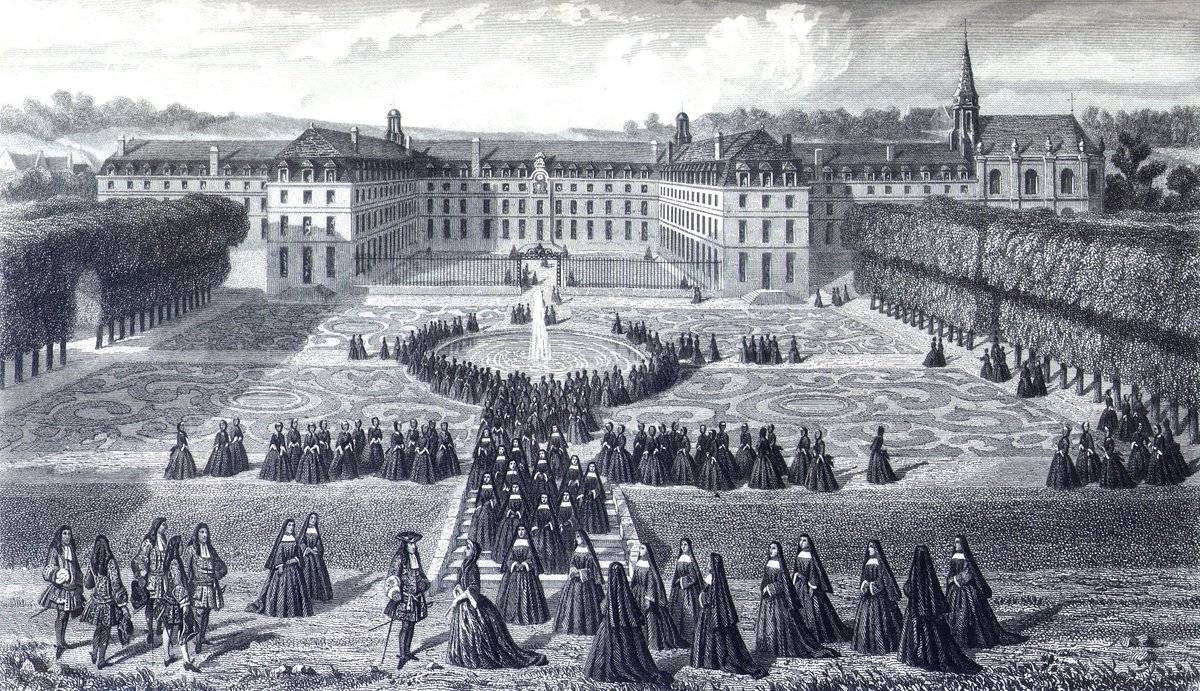
… Madam[e], your best friend.” – MF, Duchesse Douairière d’Orléans, writing circa Jan. 1728 and to one “Madame de Glappion”, a “religieuse” or nun at la Maison de Saint-Louis alias Saint-Cyr, an occupation typical of those about our Légitimée de France: x.com/Joe_Highlands/status/2…
… like her elder brother, full of artifice.” – the ‘saintly self’ supposedly forged by Marie-Françoise de Bourbon [May 1677-Feb. 1749], Légitimée de France, during the era of her cousin, husband Phillippe II [Aug. 1674-Dec. 1723], Duc d’Orléans as Régent therein, from Sep. 1715:
2
220
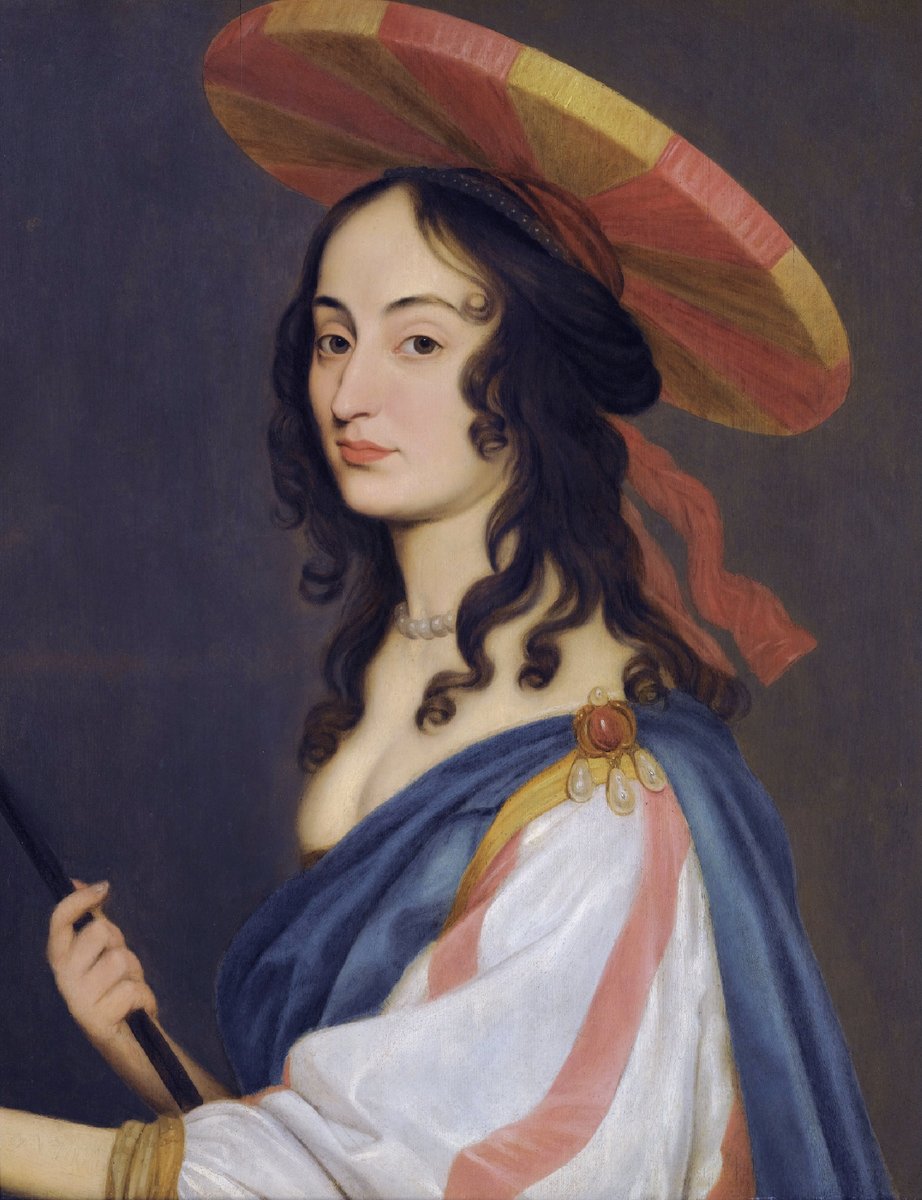
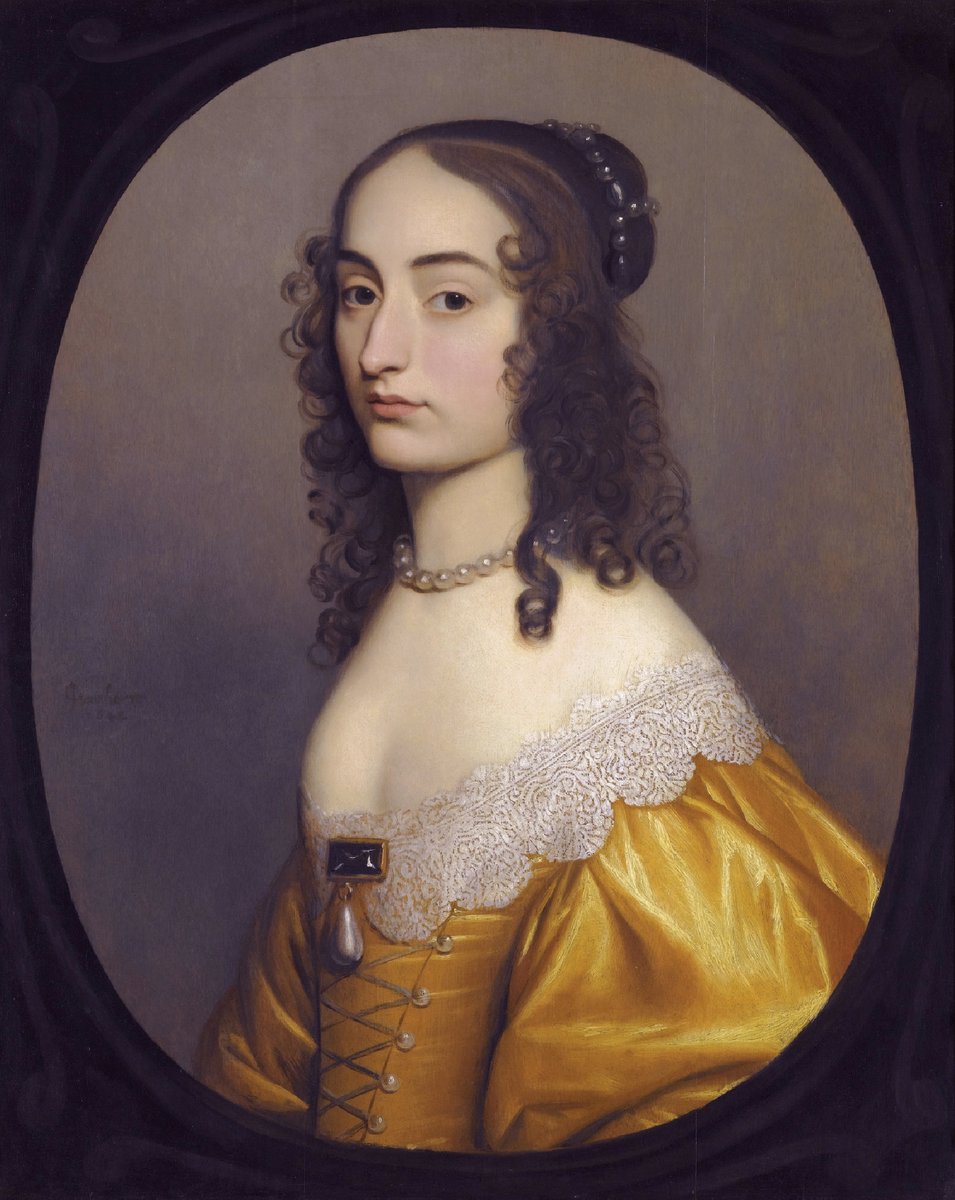
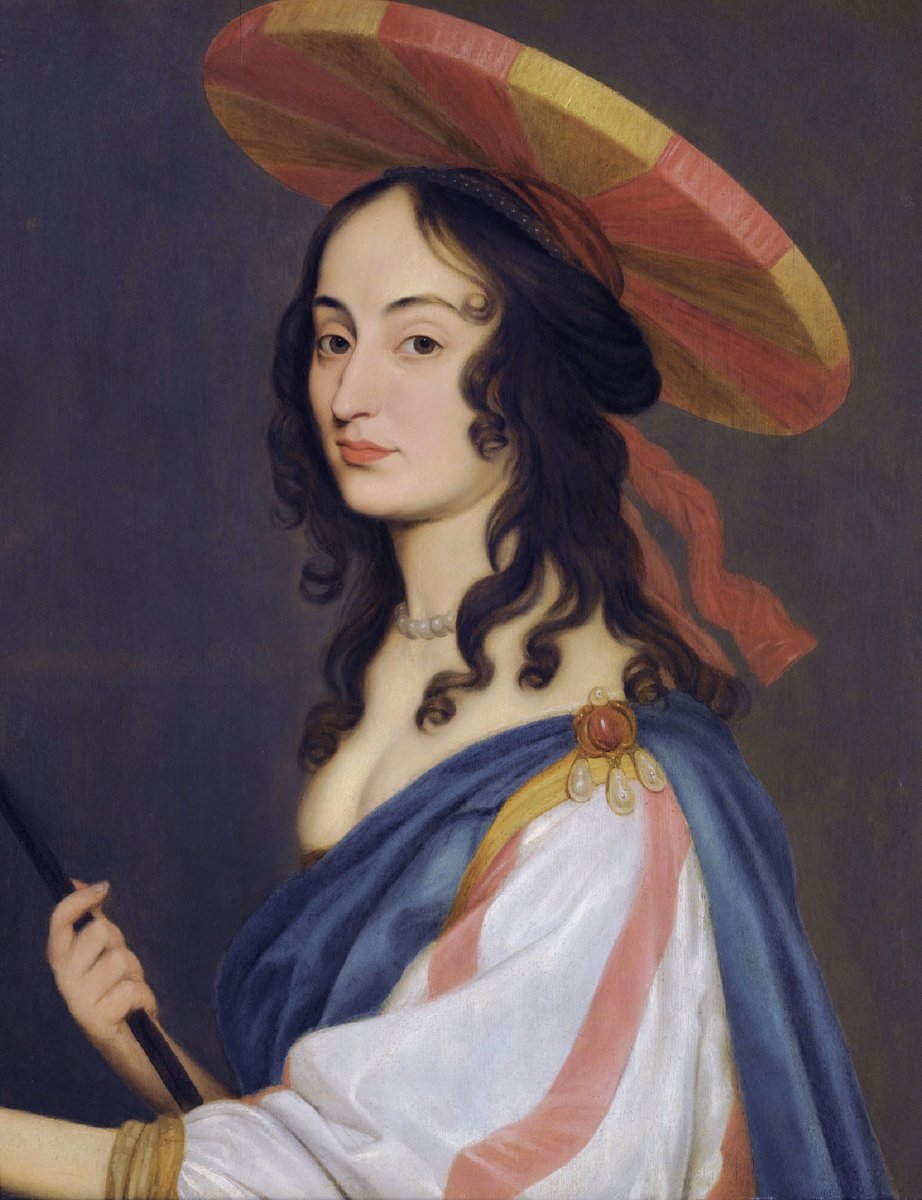
A self-portrait preceding a Gerrit alias Gerard van Honthorst, both of Louise Hollandine [18 Apr. 1622-11 Feb. 1709], Prinzessin von der Pfalz, Abbesse de Maubuisson; she who, wrote her niece, “has had so many bastards that she always used to swear by "This body which has borne fourteen children."”:

It sucks you can’t tithe your own cock and balls to the good lord. They’re the most valuable things I own.
2
250
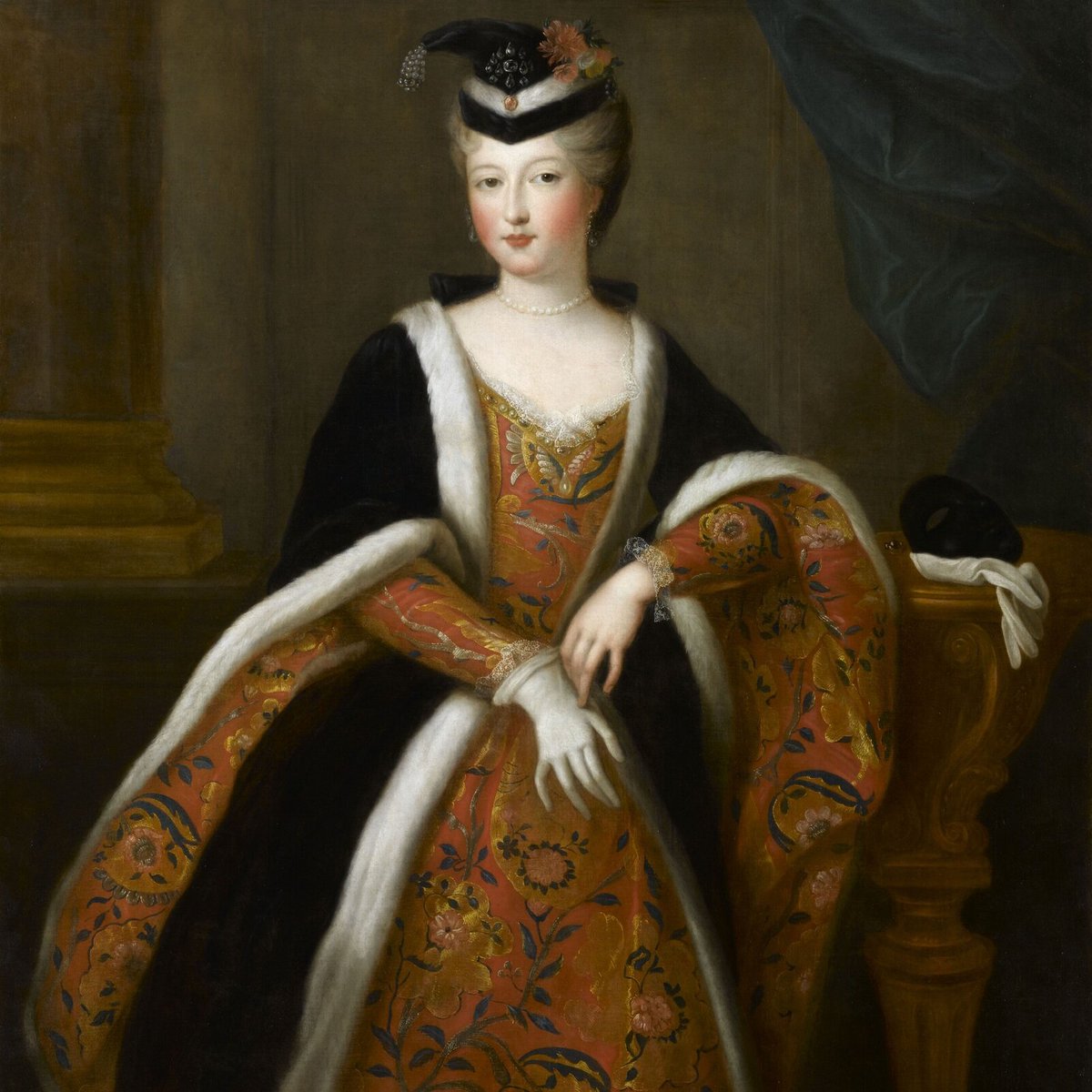
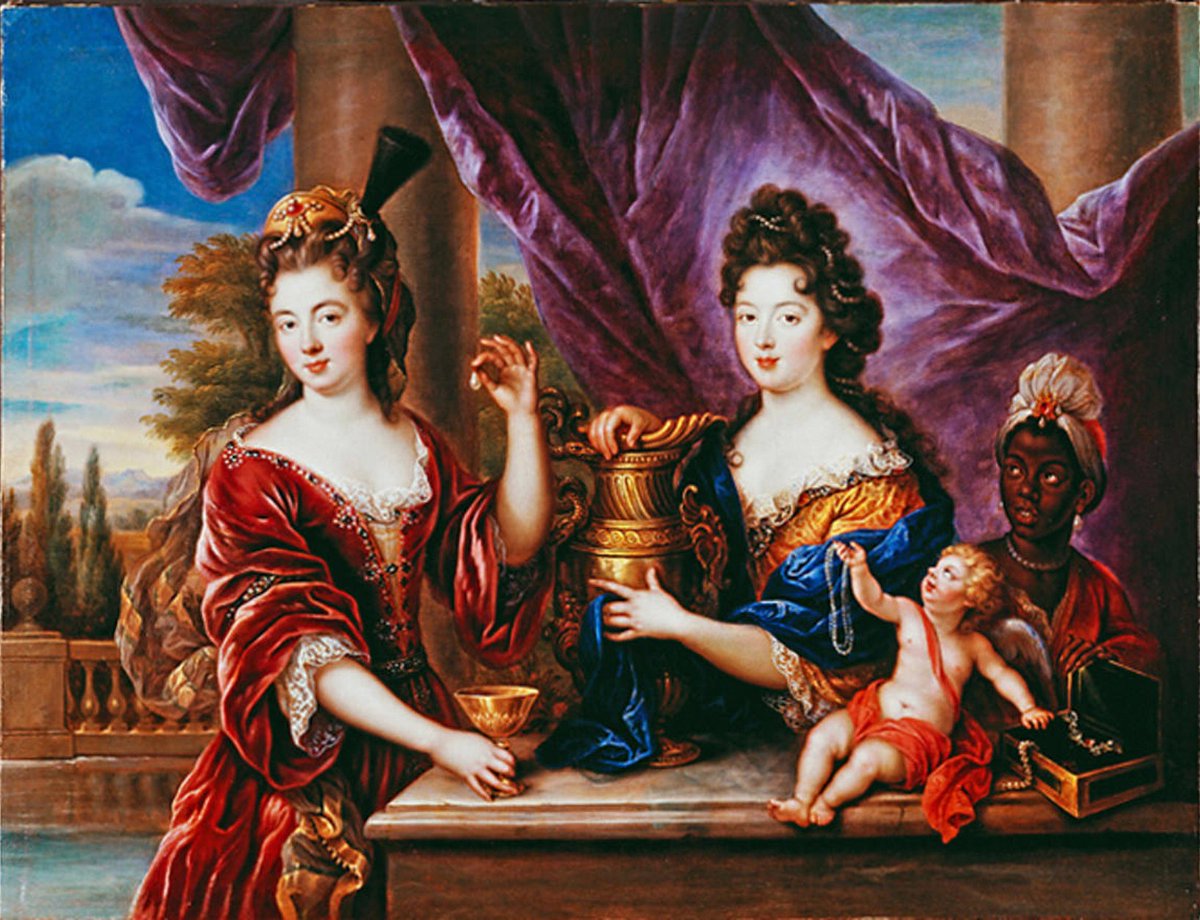
The best resolution one may, of two those sisters Bourbon-Condé - Louise-Bénédicte [8 Nov. 1676-23 Jan. 1753], Madame la Duchesse du Maine, and Marie-Thérèse [1 Feb. 1666-22 Feb. 1732], Madame l. Princesse d. Conti; the ‘dynamics’ of whose marriages, as opined upon, were opposed:
Jun 11

gorgeous beautiful girls are usually not super submissive
4
455
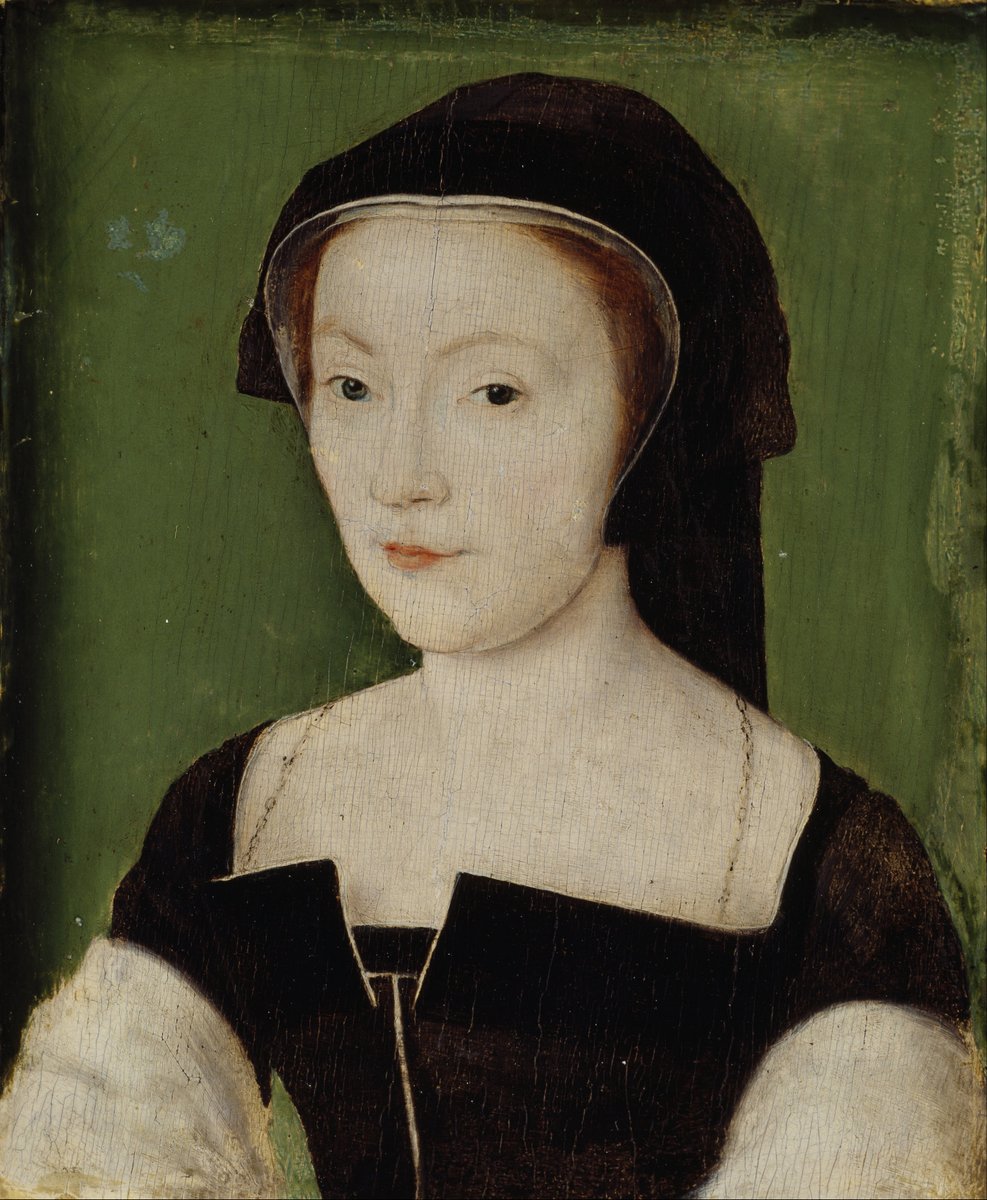
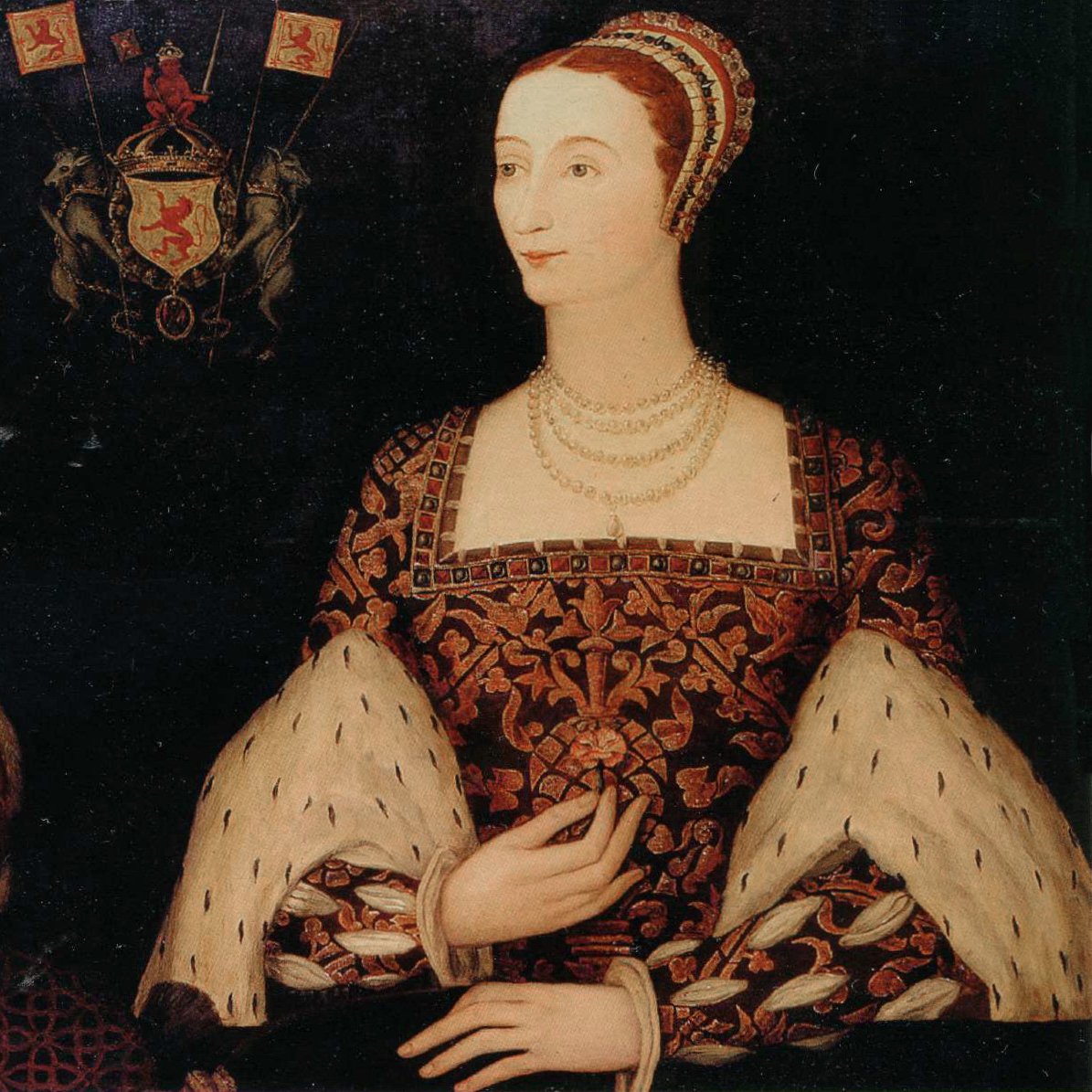
“Als sua I beseik your grace to be gud prenssis to the Spangyarttis and lat them cum again, for tha do [act] lyk noble men, and als suay the Mour. He is als scharp a man as rydis, besking your grace to be gud prenssis unto him …” – Maryon Halyburton, Ly Hume, w. 28 Mar. 1549, …

1
5
677
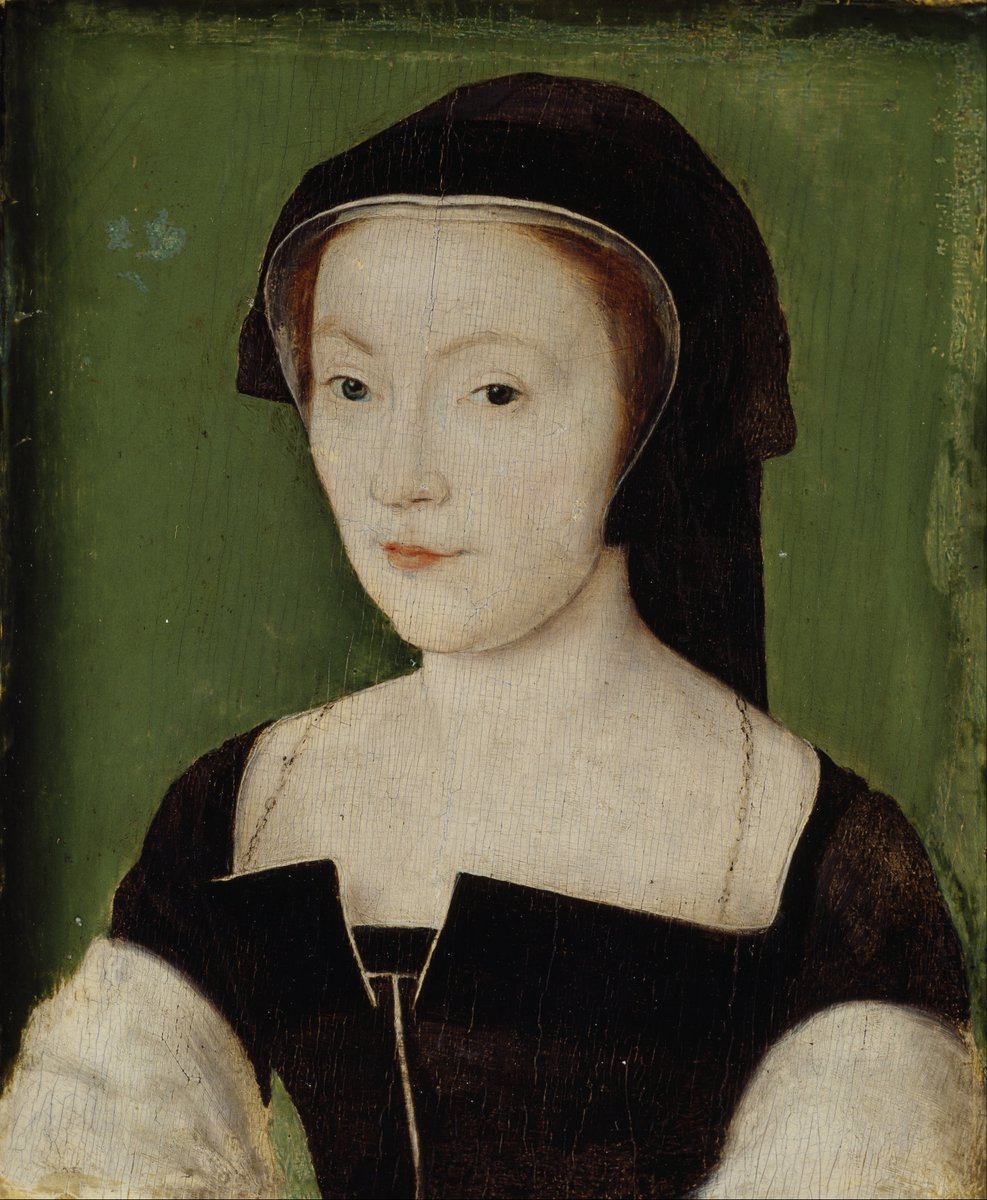
… 'at Hume Castle (the which'd been retaken by the Scots, 16 Dec. 1548), on behalf of mercenarios españoles – including, perhaps, Sir Pedro de Negro – enlisted by the English and by her secured, to Marie de Lorraine-Guise [Nov. 1515-Jun. 1560], Queen Dowager, Regent of Scotland:
1
1
316
*Mary alias Maryon otherwise Marion as well as Mariot[t(a)]; **secured, as in detained – both the afore-portraits, contemporary likenesses of Marie; here and from Google Images (from Hidden Scotland, to be particular), a heavily-restored Hume Castle, Berwickshire, Scotland: [3/3]

1
212
“We are two unhappy persons, but there is this difference between us : you endeavoured, as much as you could, to avoid coming here ; … I resolved to do so at all events. I have therefore deserved my misery more than you.” – a further speech of MACV, as remembered by EC; a [1/3]:
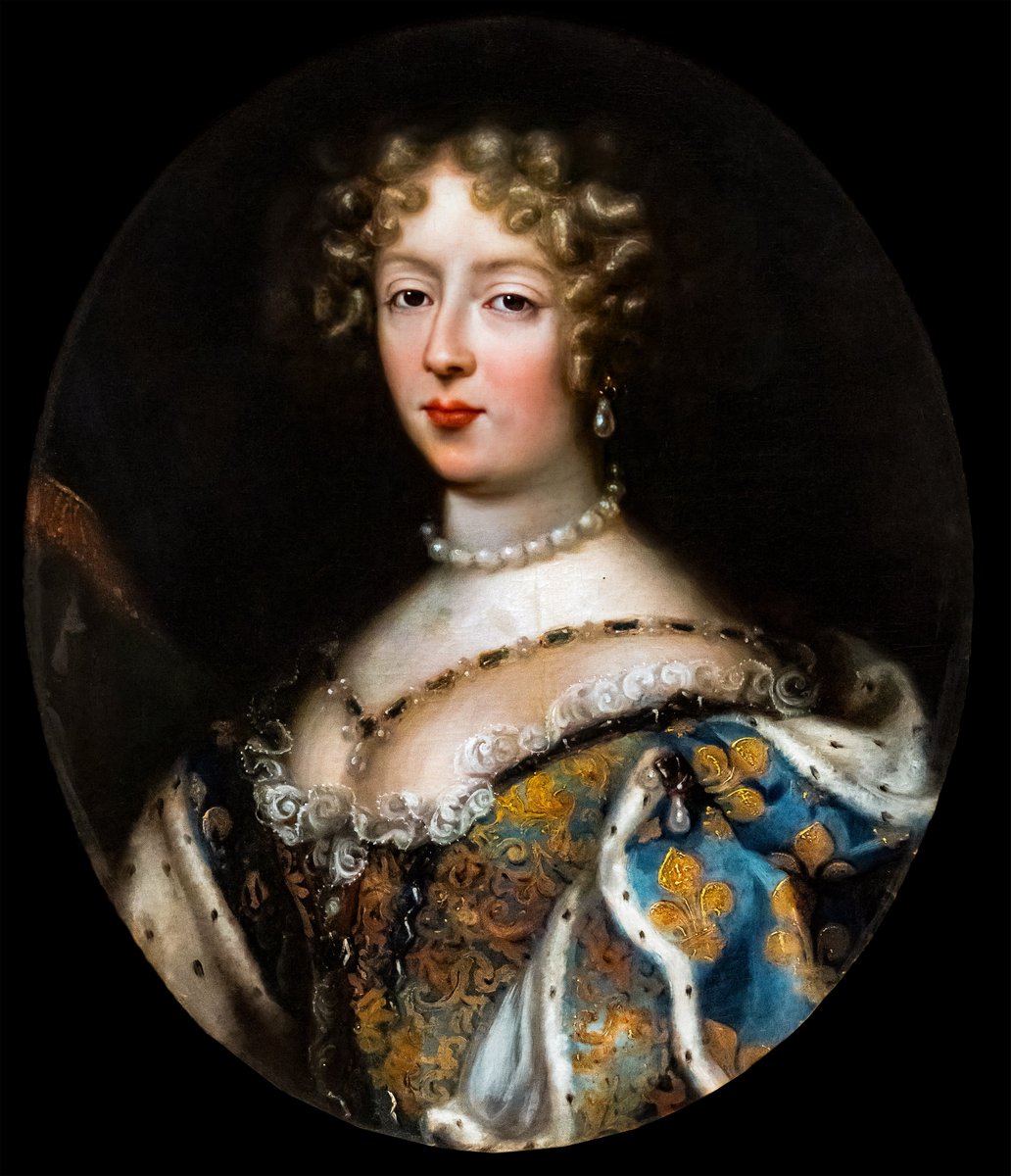
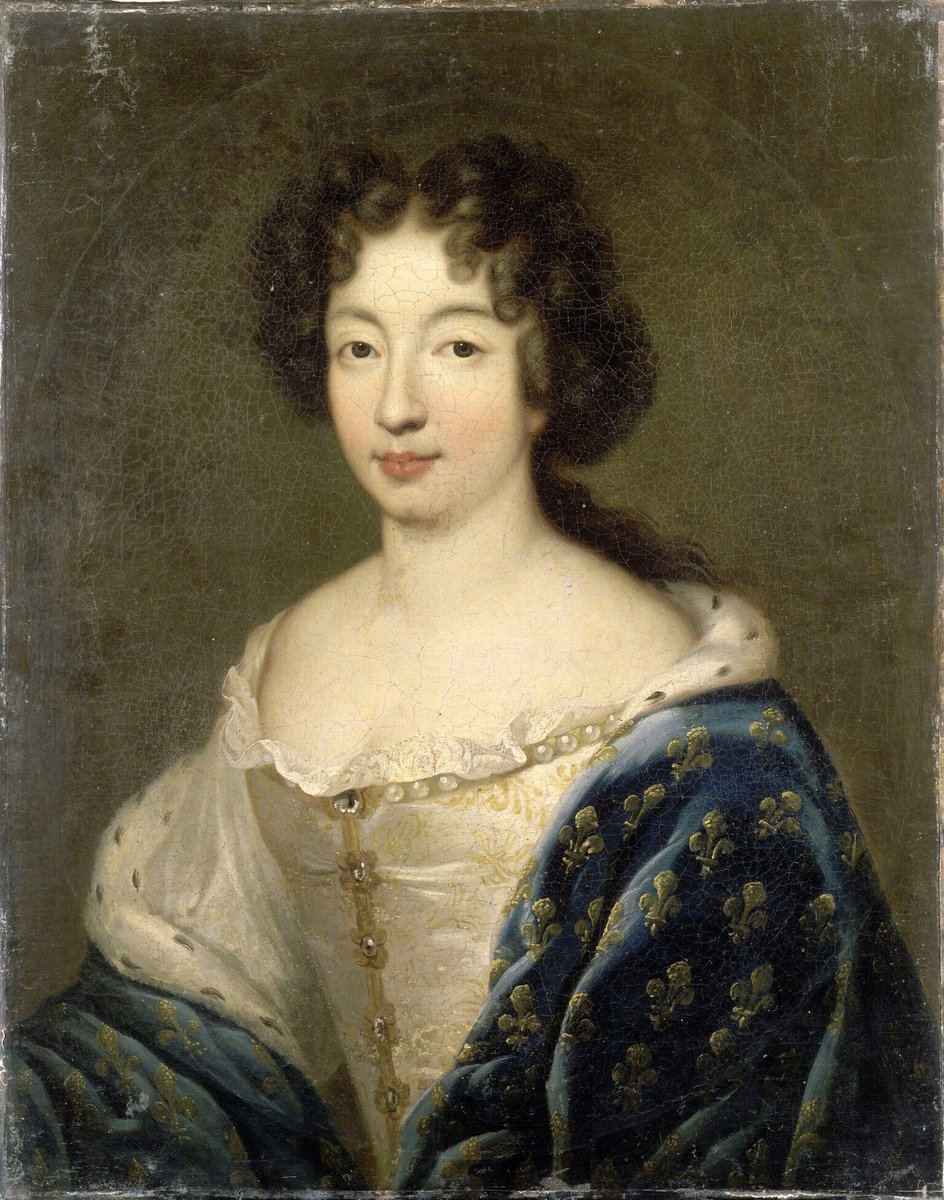
“The Dauphine [de France; or, Maria Anna Christina Victoria (Nov. 1660-Apr. 1690), Prinzessin von Bayern] had made her own marriage: she had hoped to be uncontrolled, … to become her own mistress ; …” - Elisabeth Charlotte, Prinzessin zu der Pfalz by (👶), Duchesse d’Orléans …
1
5
291
“Some hours before her death she said to me, "I shall convince them to-day that I was not mad in complaining of my sufferings. … I must die for my own justification. …" She died calmly and easily ; but she was as much put to death as if she had been killed by a pistol-shot.”
1
4
198
C. 1174-78, two charters would be proven, both as to land gifted by “Edulfus de Kilnesei” or Kilnsey, Yorks., to the abbey of Fountains, Yorks.: the first, p. by his liege in “Aaliz de Rumeli”, "domina" of the Honours of Skipton, Craven (Yorks., both bequeathed by her mother), …

Jun 7

Feminism is considered to have begun when Wollstonecraft wrote about how salty she was that there were no female religious vocations anymore, only marriage or menial work after the Reformation
Female religious vocations often being a viable source of wealth mobility too, because they could, with family’s investment, be abbesses and control monastery’s industry, agriculture, etc. Often in competition with local monasteries.
1
9
554
… plus that of Copeland (Cumbria, inherited from her father); the second, by her second husband in “Alexander filius Geroldi”. As the landed wife of a twelfth-century knight, these Honours would’ave been held b/w the two, as what I oft term a joint-tenure or an assured-dower; …

1
6
244
… such charters typically would’ave proven a sole document, with the name of Alexander FitzGerold preceding that of Alice de Rumilly, Romille. Imaged, the western-front plus the probable muniments-room – wherein, such texts were kept – at Fountains, comm. c. 1132-47, c. 1147-79:

2
163
“The Dauphine [de France; or, Maria Anna Christina Victoria (Nov. 1660-Apr. 1690), Prinzessin von Bayern] had made her own marriage: she had hoped to be uncontrolled, … to become her own mistress ; …” - Elisabeth Charlotte, Prinzessin zu der Pfalz by (👶), Duchesse d’Orléans …

In previous societies women could not own property and fathers with spinster daughters were ashamed at not having been able to arrange marriages for them. Men of means were the most able to arrange marriages for their daughters because such daughters were highly bid on by young men looking to marry into a family with means.
The situation today is that emancipated daughters demand the right to negotiate their own betrothals and are perfectly happy exercising their own property rights in sterile perpetuity if they can't find a man that gives them sufficient tingles. It's apples and oranges, and my advice to fathers is designed to ameliorate the downsides of our current situation by keeping the girls grounded enough not to think no man can ever give her the life her daddy could give her, which is basically what accounts for the Boomer daughter phenomenon.
1
7
1,289
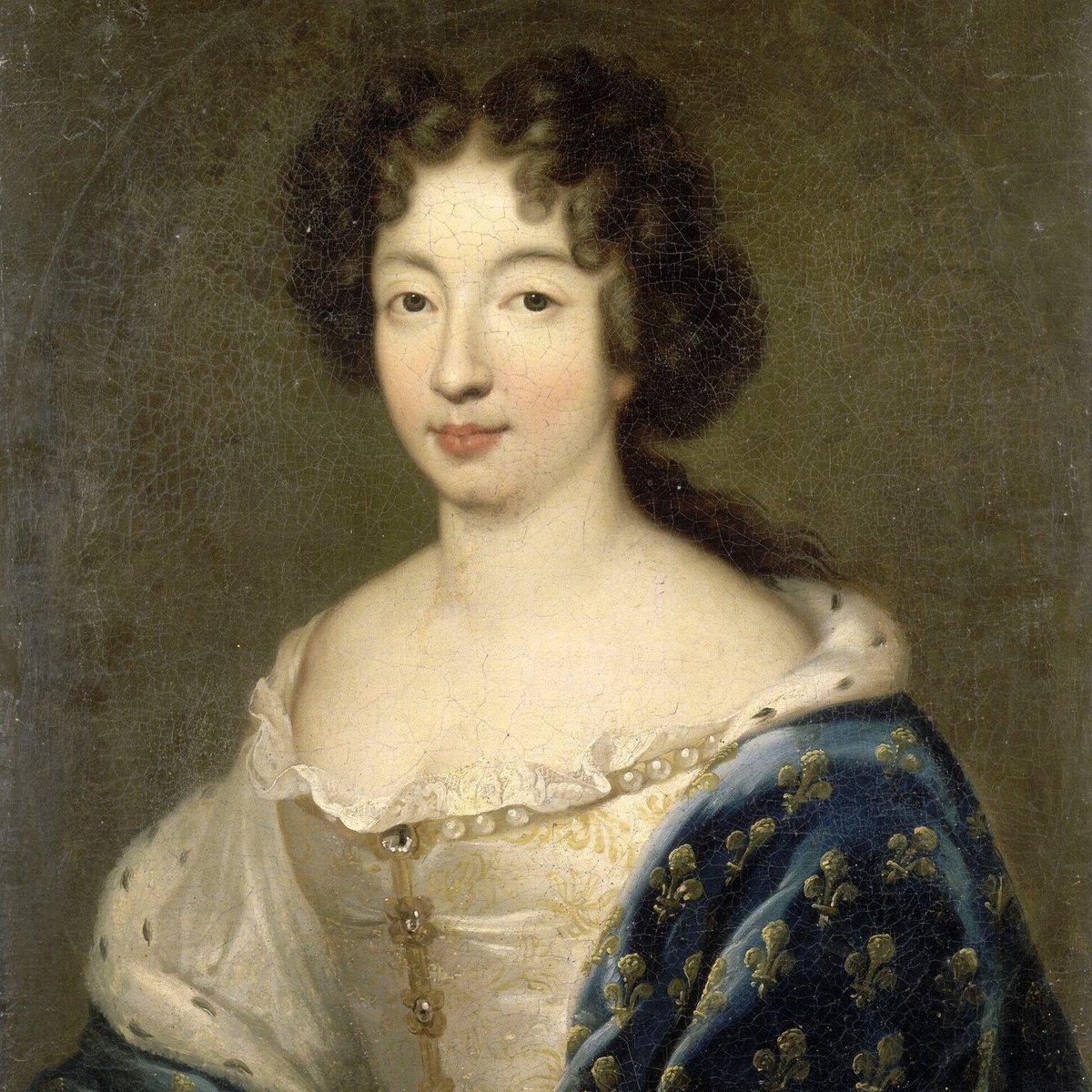
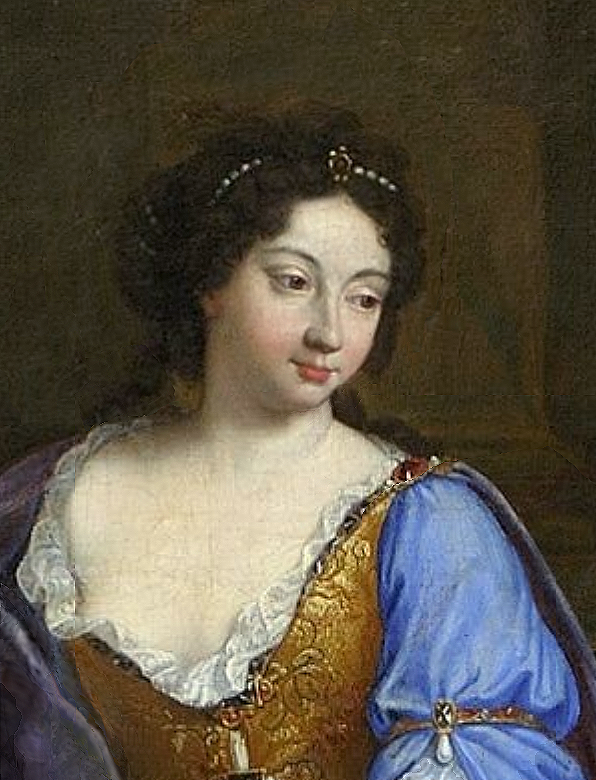
… by (👰); to the chagrin of her husband the Dauphin plus her father-in-law the Roi, MACV would seldom ever leave her apartments at Versailles, would oft ever speak in Deutsch or Italiano, and preferred the company of but two women – EC, et a femme de chambre in Barbara Bessola:
1
3
426
That MACV was able to leave EC “un diamant magnifique”, BB many “jewels and ready money”, would suggest that she had adhered to ‘the custom of Paris’ – as too would a then-year-old Mlle. de Conti, 'on a day to be similarly remarked upon by EC; see a [2/3]: x.com/Joe_Highlands/status/2…
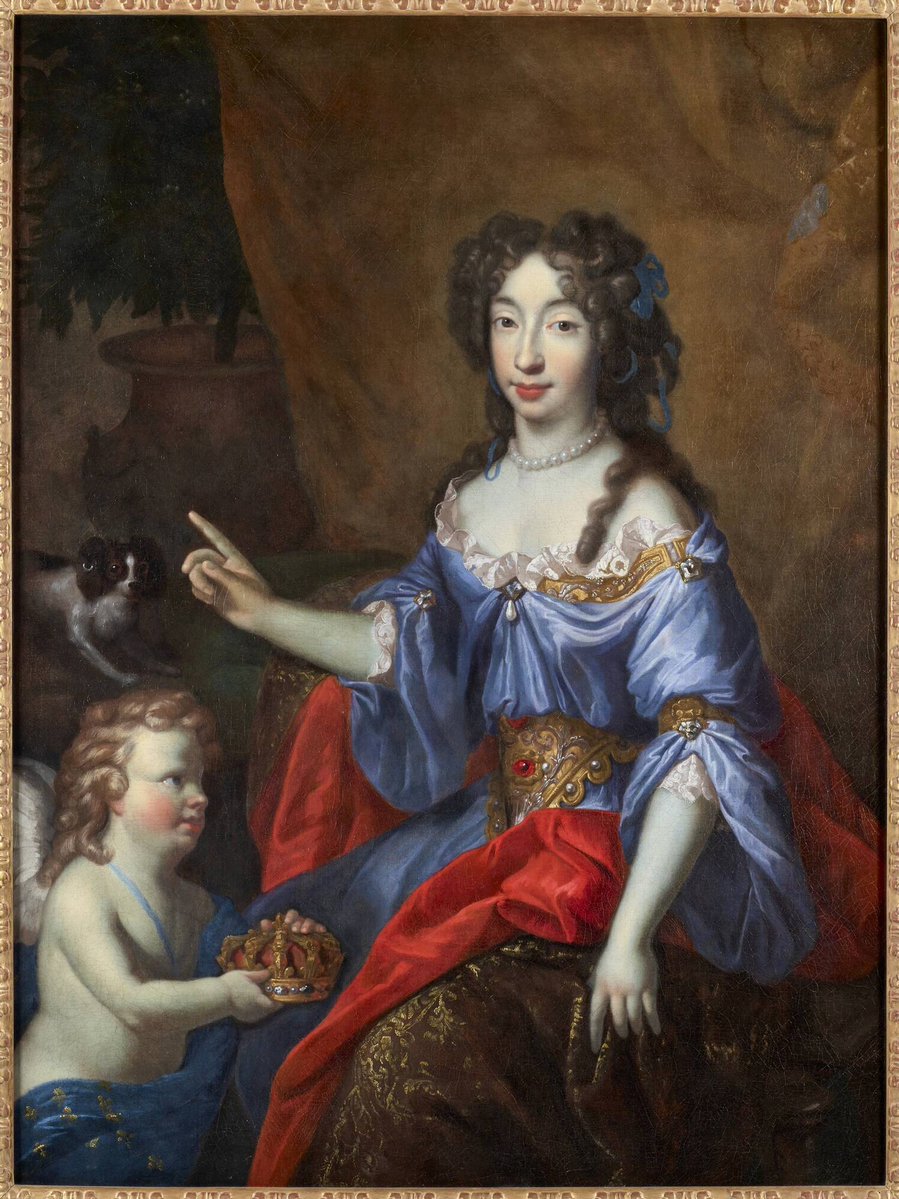
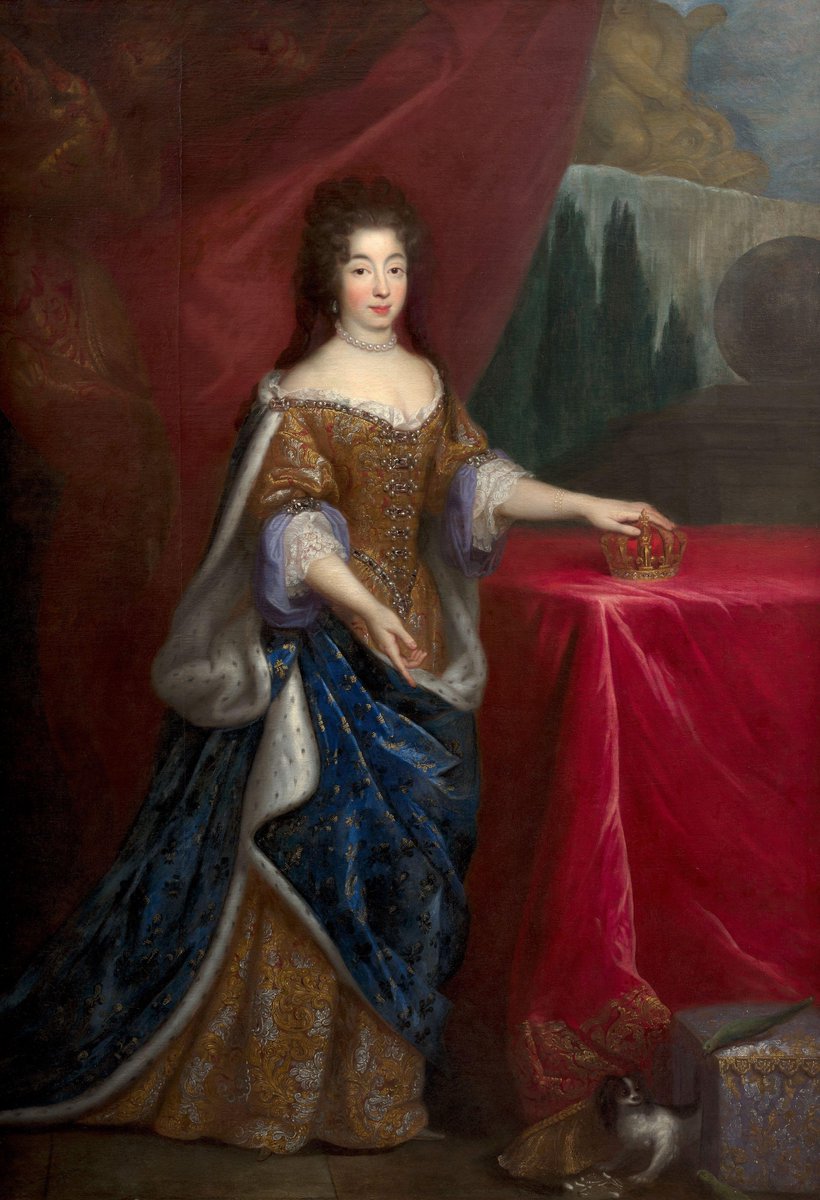
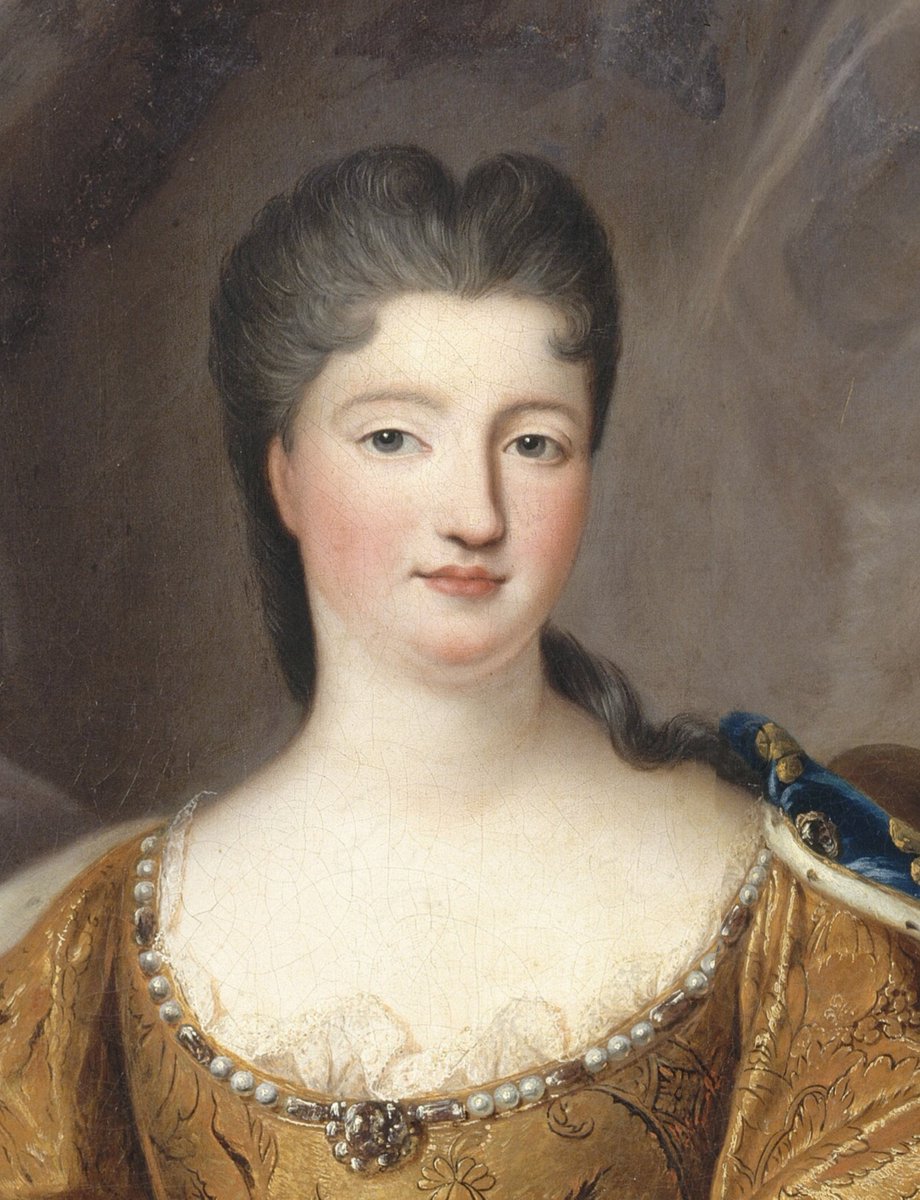
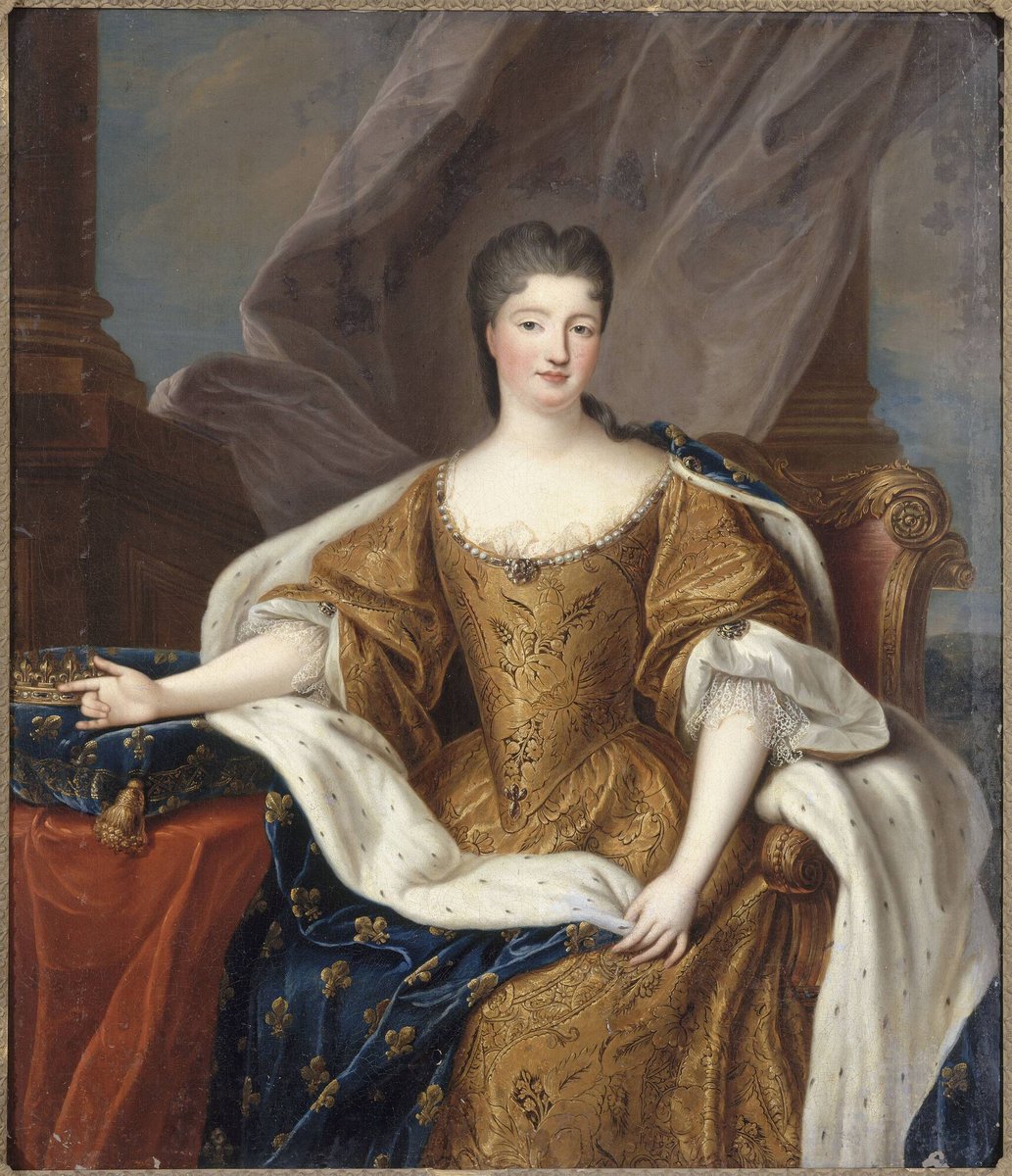
“The young Duchesse [de Bourbon, et Princesse de Condé – Marie-Anne de Bourbon-Conti; 18 Apr. 1689-21 Mar. 1720] died yesterday evening. The joy of le Duc [Louis-Henri] at the death of his wife was greatly diminished when he learned that she has bequeathed to her sister, Mlle. …
1
287
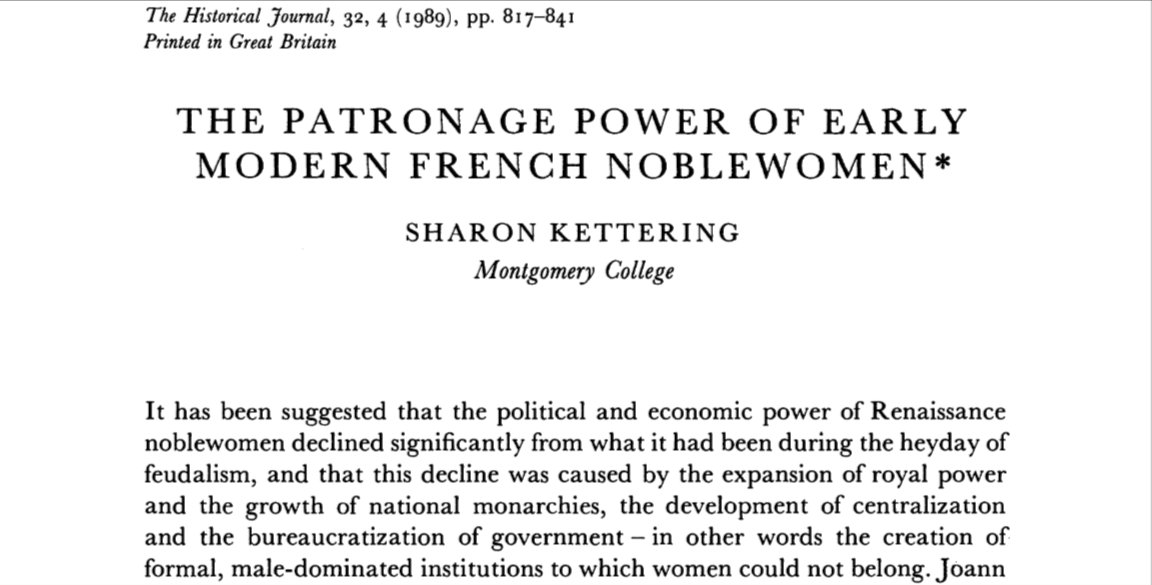
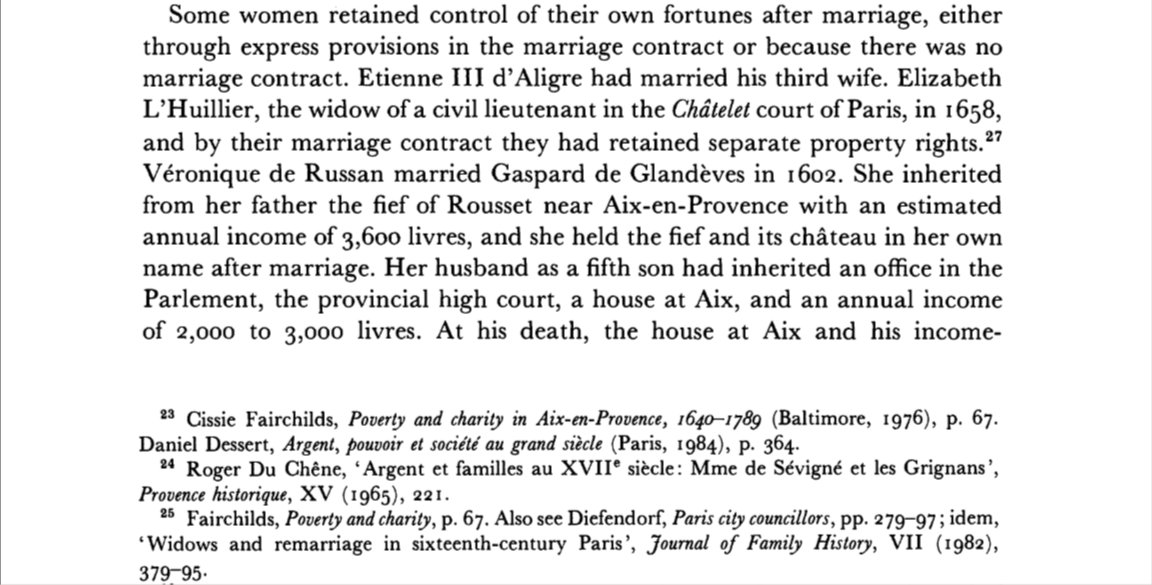
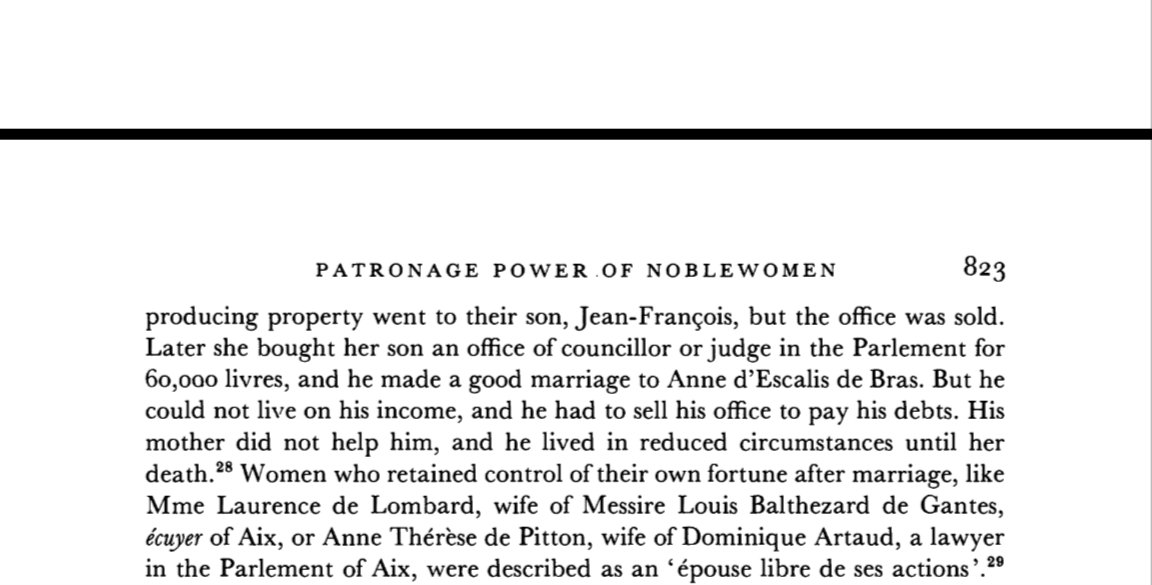
Acc. to Sharon Kettering (1989), the archives of “The Parlement of Aix” alias Provence, circa 1629-1789, note several “épouse[s] libre de ses actions” – wives who, whether thro' marriage-settlements or known custom, "retained control of their own fortunes after marriage": [1/2-3]
Jun 4

«Et si le patriarcat n’était pas un complot contre les femmes, mais un compromis pour la survie ?»
Les femmes ont-elles été un jour les égales voire les supérieures des hommes ? C’est ce qu’aiment à croire de nombreuses féministes, qui imaginent un âge d’or lointain où les femmes auraient été les maîtresses des sociétés, chassant le mammouth et maniant la sagaie aussi bien que leurs homologues masculins.
Cet imaginaire a profondément imprégné les mentalités. On ne compte plus les articles de vulgarisation évoquant les chasseresses de la préhistoire, les Lady sapiens toutes-puissantes ou les guerrières vikings qui, à en croire certaines séries Netflix, auraient figuré au premier rang du champ de bataille. On comprend la fonction idéologique d’un tel récit : se convaincre de l’existence d’un matriarcat primitif permet d’affirmer que le patriarcat n’est qu’un choix politique, une idéologie, une bifurcation malheureuse, donc arbitraire et réversible, sur laquelle l’humanité se serait malencontreusement engagée.
C’est pour contrer ce lieu commun du progressisme que Véra Nikolski et Nicolas Pichoff ont écrit Pourquoi les Amazones n’existent pas (Fayard).
Aucune société humaine connue n’a fait de la chasse ou de la guerre une activité féminine régulière. Partout dans le monde, pendant des centaines de milliers d’années, les deux sexes ont été affectés à des fonctions différentes : liées à la sphère domestique pour les femmes, à l’extérieur pour les hommes. Pourquoi ?
Au commencement était la différence biologique. L’homme engendre dans le corps d’autrui, la femme engendre dans son propre corps. De cette différence primordiale naît toute une série de conséquences. D’abord, la femme est immobilisée par la grossesse et devient, pendant plusieurs années, la principale source d’alimentation de l’enfant (le lait en poudre n’existant pas au paléolithique), ce qui limite son éloignement du foyer. Ensuite, le nombre d’enfants qu’une femme peut engendrer au cours de sa période de fertilité est strictement limité, quand un homme peut, en théorie, féconder un très grand nombre de femmes. Dans un groupe humain, la perte d’une femme en âge de procréer a donc des conséquences démographiques bien plus lourdes que celle d’un homme.
Dans un contexte de survie - contexte que nous avons largement oublié, nous autres Sapiens installés dans le confort et la sécurité -, la vie d’un homme avait ainsi une valeur moindre que celle d’une femme. Les deux auteurs modélisent l’hypothèse d’une société qui aurait confié les tâches les plus risquées - chasse, guerre, travaux physiques dangereux - aux femmes : celle-ci aurait mécaniquement vu sa population décroître. « Nous sommes probablement tous les descendants de groupes humains ayant choisi une organisation sociale dans laquelle les activités dangereuses sont l’apanage des hommes », écrivent-ils.
lefigaro.fr/vox/histoire/eug…
2
9
829
“The young Duchesse [de Bourbon, et Princesse de Condé – Marie-Anne de Bourbon-Conti; 18 Apr. 1689-21 Mar. 1720] died yesterday evening. The joy of le Duc [Louis-Henri] at the death of his wife was greatly diminished when he learned that she has bequeathed to her sister, Mlle. …
1
3
506
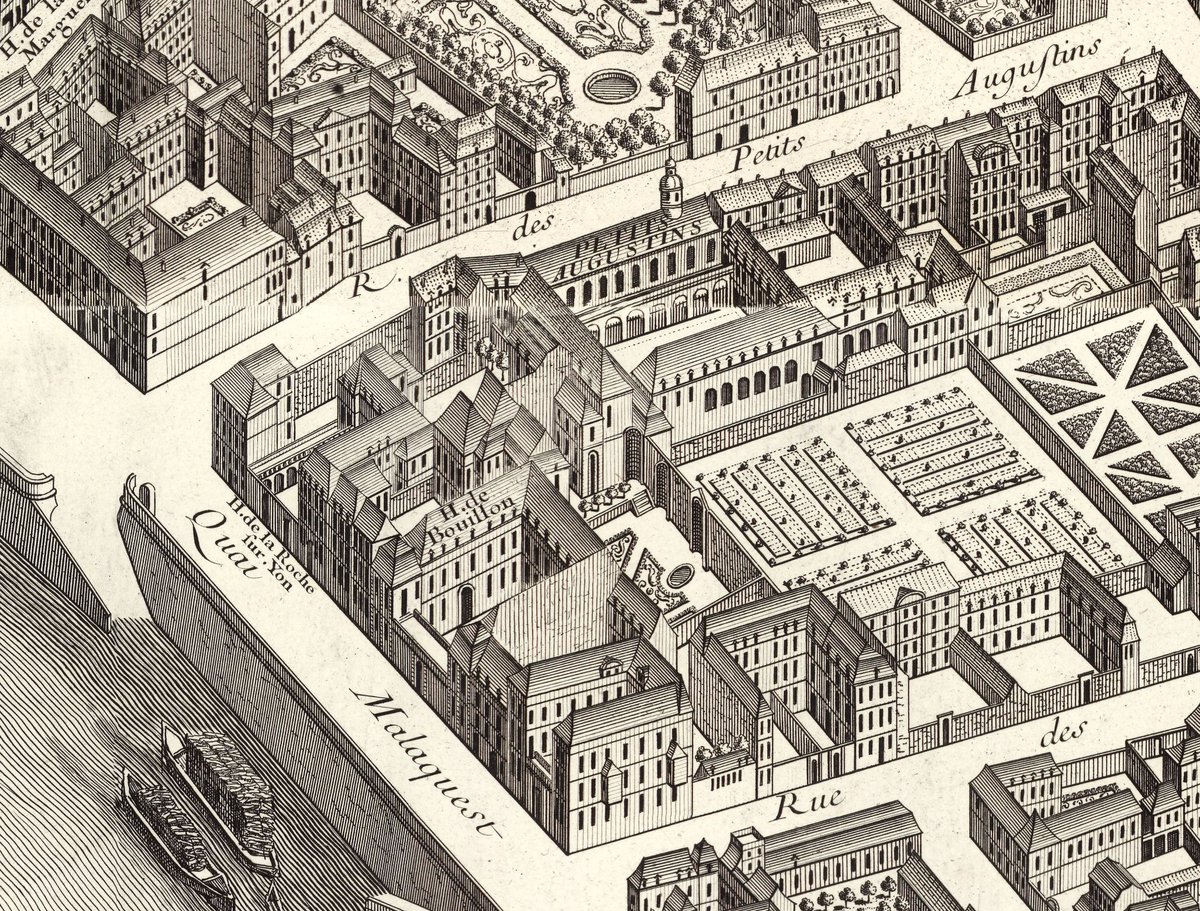
… de La Roche-sur-Yon [Louise-Adélaïde; cited], all her property; and as the couple lived in community according to the custom of Paris, the Duc will be obliged to repay half of all that which he has gained at the bank of [M'. John] Law.” x.com/Joe_Highlands/status/2…
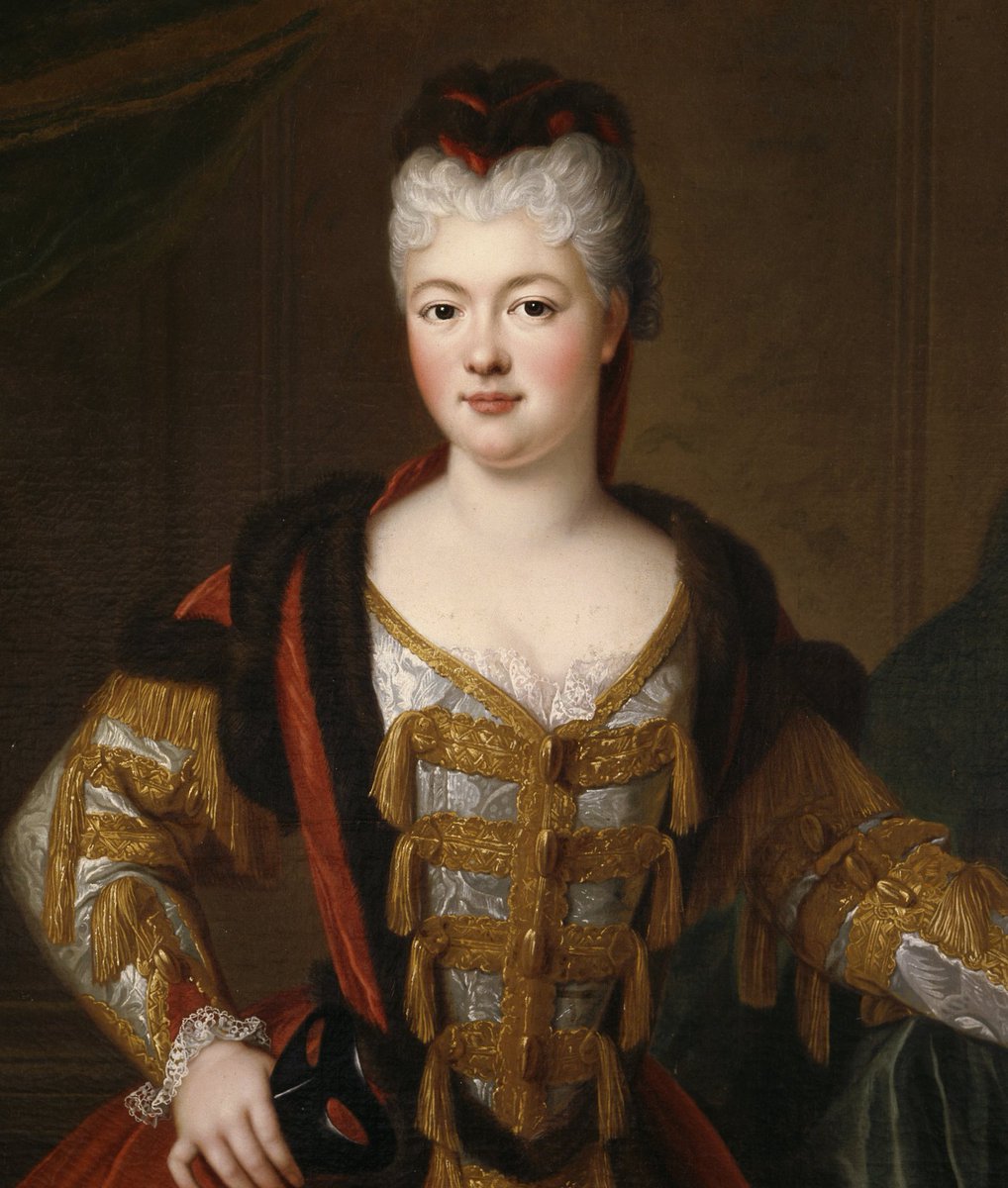
“Mademoiselle de La Roche-sur-Yon [Louise-Adélaïde de Bourbon-Conti; 2 Nov. 1696-20 Nov. 1750] died last night of [the] smallpox. She was a good princess, who leaves many bastards.” – that obituary offered by René-Louis de Voyer-Paulmy, Marquis d’Argenson: x.com/ChrisWillx/status/2052…
1
2
264
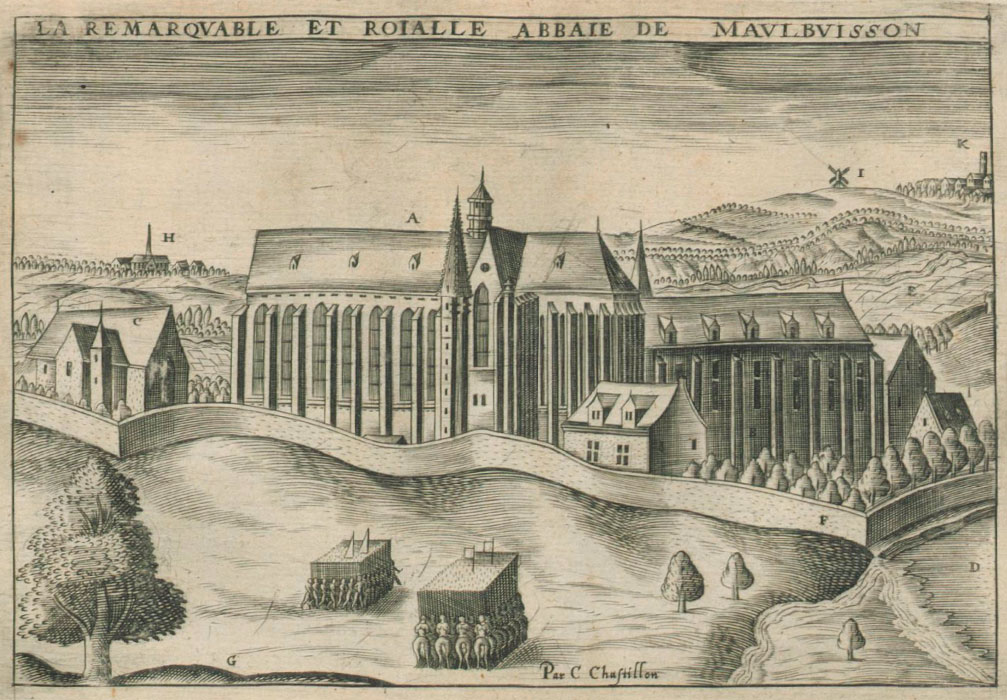
“The Abbesse de Maubuisson, Louise Hollandine [Prinzessin von der Pfalz – 18 Apr. 1622-11 Feb. 1709], … has had so many bastards that she always used to swear by "This body which has borne fourteen children."” – the obit. given by LH’s niece in Elisabeth Charlotte, 20 Feb. 1716:
1
5
524
“Mademoiselle de La Roche-sur-Yon [Louise-Adélaïde de Bourbon-Conti; 2 Nov. 1696-20 Nov. 1750] died last night of [the] smallpox. She was a good princess, who leaves many bastards.” – that obituary offered by René-Louis de Voyer-Paulmy, Marquis d’Argenson: x.com/ChrisWillx/status/2052…

486