
Unusual corpus callosum. Sapere aude (Dare to Google). @StJohnsOx Bylines: @techreview @reactionlife, @jewishchron, @thetimes, @wsc_magazine, &c. Africa &c.
Joined July 2009
- Tweets 17,244
- Following 4,713
- Followers 3,476
- Likes 20,248
3,773 Photos and videos



I think @JohnCleese should try to egg on some imaginative & energetic American & visiting fans to recreate this incredible moment in football history somewhere in the USA during The World Cup...
Whose up for it?
youtube.com/watch?v=-2gJamgu…
38
John Pollock retweeted
God Bless & Happy Birthday America!
I'm British; my very Scottish grandfather was awarded a Bronze Star; his son, my father, was a great admirer & friends with some of your distinguished veterans. And viz. @FreddyLA7, stationed in Germany alongside the Luftwaffe, he fell for that country hard, too. He loved that the "Brothers in Arms" who made this viral video were young Germans: youtube.com/watch?v=xq7s0Aap…
A child of the Second World War (and the subsequent rationing that ended in Great Britain only in 1954), he knew what The Marshall Plan meant.
America's generosity globally is sans pareil in human history.
My grandmother worked on @RockefellerFdn's Nigerian Yellow Fever project for three decades. (I still drink her American friends' egg nog recipe every Christmas).
We are cultural cousins and all the better for it.
I remember first visiting as a young teenager; we drove from Toronto to Boston and then Cape Cod.
Big Macs were a revelation. ("9 [?] million served"). A Holiday Inn was an entire adventure. Cape Cod another beach world. A bookstore in Boston the size of a department store a complete wonder for this bookworm! Every moment in the first Frankenstein reproduced in a huge hardback? For one dollar?! Even my pocket money could stretch to that. I've been back since, but doing more adult things: but children's eyes, naive eyes - these are kinder and in some ways wiser.
2027 is the Centenary of Max Ehrmann's exceptionally wise 'Desiderata'. Somehow it's unsurprising to learn that he was a first generation American of German origin. Although growing up, reading it usually on the door of the loo - 'bathroom' in American; the smallest room in the UK, I assumed it was some ancient, timeless thing:
"Go placidly amid the noise and the haste, and remember what peace there may be in silence. As far as possible, without surrender, be on good terms with all persons.
Speak your truth quietly and clearly; and listen to others, even to the dull and the ignorant; they too have their story.
Avoid loud and aggressive persons; they are vexatious to the spirit. If you compare yourself with others, you may become vain or bitter, for always there will be greater and lesser persons than yourself.
Enjoy your achievements as well as your plans. Keep interested in your own career, however humble; it is a real possession in the changing fortunes of time.
Exercise caution in your business affairs, for the world is full of trickery. But let this not blind you to what virtue there is; many persons strive for high ideals, and everywhere life is full of heroism.
Be yourself. Especially do not feign affection. Neither be cynical about love; for in the face of all aridity and disenchantment, it is as perennial as the grass.
Take kindly the counsel of the years, gracefully surrendering the things of youth.
Nurture strength of spirit to shield you in sudden misfortune. But do not distress yourself with dark imaginings. Many fears are born of fatigue and loneliness.
Beyond a wholesome discipline, be gentle with yourself. You are a child of the universe no less than the trees and the stars; you have a right to be here.
And whether or not it is clear to you, no doubt the universe is unfolding as it should. Therefore be at peace with God, whatever you conceive Him to be. And whatever your labors and aspirations, in the noisy confusion of life, keep peace in your soul. With all its sham, drudgery and broken dreams, it is still a beautiful world. Be cheerful. Strive to be happy."
In a messy world with too much darkness, these candles being lit up together, across America, are really rather beautiful.
"All the darkness in the world cannot put out the light of a single candle." Saint Francis of Assisi
1
1
3
723
John Pollock retweeted

Jun 13
Scotland fans in lifts in America for the World Cup😂
155
1,519
7,749
354,072
John Pollock retweeted

Jun 12
Can you imagine being so desperate that you try to fail?
In Afghanistan, a young girl tried to fail 5th grade just so she could repeat the year, because the Taliban bans girls' education after it. Despite her efforts to fail, her brilliance shone through and she passed with the 1st ranking.
Now, she’s a street vendor with no hope and dreams of a future.
A heartbreaking glimpse into how an entire nation’s human potential is being intentionally destroyed by Taliban 💔 #LetAfghanGirlsLearn #Afghanistan
3
154
438
12,407

Jun 12
*sighs*
I'm reminded of his badge: "End Bossiness Soon"
(He explained: "I was going to put 'End Bossiness Now,' but then I thought that is in itself too bossy. There's lots of bossy people around now...")
And one of my favourite Hockney stories: his evident delight that, when someone broke into his London flat - with walls covered in art worth many, many millions - they only stole a digital radio. Something about that says something about him.
One of Yorkshire's finest; and that's no mean thing.
Jun 12

We've lost one of the greats. Not only as an iconic artist of huge originality, but also a public figure with the courage to be a dissident. I once had the honour of chairing David Hockney on a panel. Yes, it was about the excessive Nanny statism about smoking. He made an eloquent case for choice & liberty. I was excessively star-struck. He was excessively modest. Ahh. Such a loss.
4
12
2,765
John Pollock retweeted

Jun 11
URGENT: Ask your MP to help stop the assisted dying Bill returning to Parliament
sendletter.dsrf-uk.org/

1
4
11
200
Jun 12
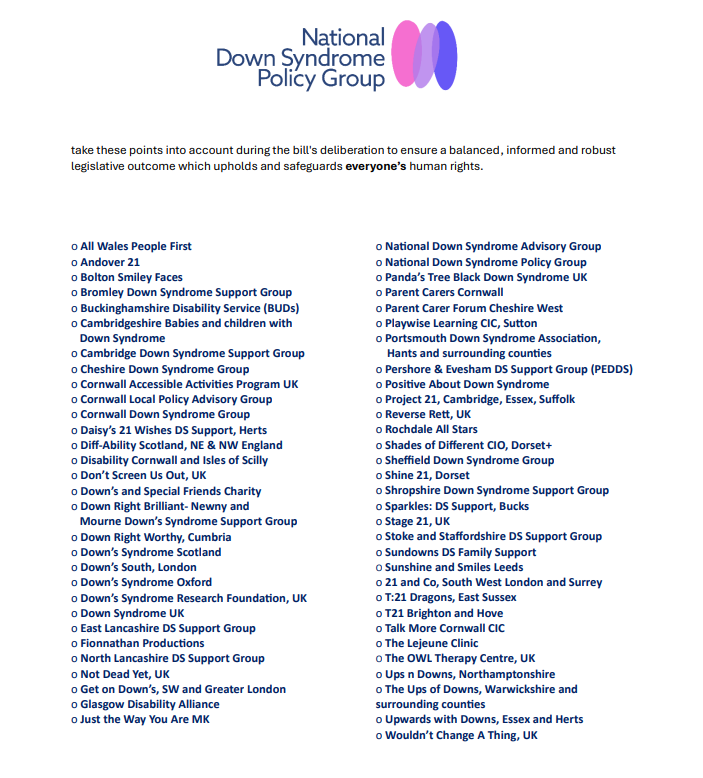
"61 organisations representing people with Down’s syndrome, learning disabilities and disabled people across the UK have identified specific safeguard gaps in the Bill. Their open letter set out practical issues around pressure, coercion, communication needs, capacity assessments, and whether people with Down’s syndrome and learning disabilities would have the right support to understand and participate in a process with life-ending consequences."
The level of deceit and malfeasance by this Government continues to shock me...
Jun 11

Kim Leadbeater’s Terminally Ill Adults (End of Life) Bill could be brought back through the Private Members’ Bill process, with MPs successful in the ballot due to present their chosen Bills on Wednesday 17th June 2026.
If this Bill returns and the Parliament Acts route is then used to pass it into law without the agreement of the House of Lords, as campaigners are proposing, it could have devastating consequences for people with Down’s syndrome and learning disabilities, as well as their families.
For the past 30 years, the Down Syndrome Research Foundation UK has worked to extend the life, health and wellbeing of people with Down’s syndrome through research and advocacy. We have serious concerns about any change in the law to legalise assisted dying on behalf of our community.
The problem with the Parliament Acts route is that the Bill would need to return in the same form as it left the Commons, with only very limited changes allowed. That means the Bill could be revived and become law without the normal opportunity for MPs to add safeguards that were raised in the House of Lords and highlighted by professional bodies and groups representing vulnerable people, including those advocating for people with Down’s syndrome, at a House of Lords Select Committee last autumn.
This matters because 61 organisations representing people with Down’s syndrome, learning disabilities and disabled people across the UK have identified specific safeguard gaps in the Bill. Their open letter set out practical issues around pressure, coercion, communication needs, capacity assessments, and whether people with Down’s syndrome and learning disabilities would have the right support to understand and participate in a process with life-ending consequences.
You can read the open letter here:
ndspg.org/wp-content/uploads…
These issues have not been resolved.
In the Lords, several amendments were tabled to strengthen practical safeguards for people with Down’s syndrome and learning disabilities. These included adding Down’s syndrome to the independent advocate provisions, requiring advocates to consult parents, carers or people appointed by the Court of Protection where appropriate, and strengthening support for people whose communication needs could affect their ability to take part properly in the process.
These are basic protections. They should not be treated as optional, and they should not be left out of legislation with life-ending consequences. But they are not in the Bill as it left the Commons.
If the same Bill is brought back and passed unchanged, as required if the Parliament Acts were to be invoked, MPs would not have a proper chance to add the safeguards that organisations working with and for people with Down’s syndrome and learning disabilities have emphasised are needed.
That is why we are asking supporters to act now.
2
2
102

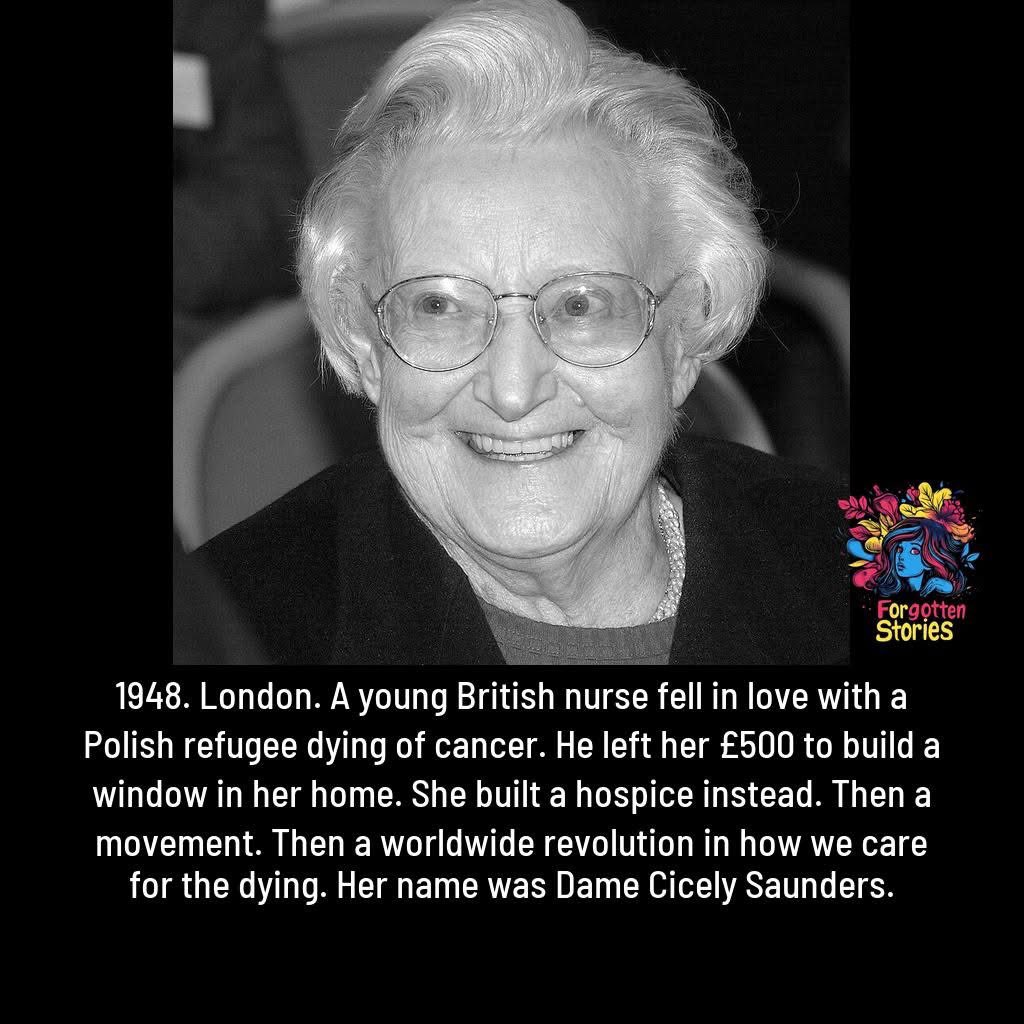
Cicely Saunders fell in love with a dying man.
London, 1948. David Tasma, a 40-year-old Polish Jew who escaped the Warsaw Ghetto, was dying of cancer in agonizing pain. Cicely, a 30-year-old medical social worker, sat with him for weeks. He told her there was no proper place for people like him to die with dignity.
Before he died, he gave her his life savings — £500 — and said:
“I’ll be a window in your home.”
She built that home.
Born June 22, 1918, in north London, Cicely trained as a nurse during WWII and witnessed hospitals abandon the dying — isolating them, leaving them in pain, treating death as failure.
After a back injury, she became a medical social worker, then, at 33, entered medical school on a doctor’s challenge. She qualified as a doctor in 1957.
At St Joseph’s Hospice, she pioneered regular morphine dosing to control pain without addiction or drowsiness, and developed the concept of “total pain” — addressing physical, emotional, social, and spiritual suffering.
In 1967, she opened St Christopher’s Hospice in Sydenham — the first modern hospice combining expert care, teaching, and research. David Tasma’s £500 seeded it; a plain window honors him.
She pioneered home care, outpatient services, and bereavement support. Her words:
“You matter because you are you, and you matter to the end of your life.”
Her model spread globally, birthing the modern hospice and palliative care movement.
Cicely married Polish painter Marian Bohusz-Szyszko in 1980. She worked at St Christopher’s into her late 80s and died there of breast cancer on July 14, 2005, at 87 — cared for by the principles she created.
Before Cicely, the dying were forgotten.
She turned love and grief into a revolution of dignity that has comforted millions.
Every hospice on Earth owes its light to her window for David Tasma.
30
336
1,153
16,824
John Pollock retweeted

No @TheatreSpoonie
Wind your neck in.
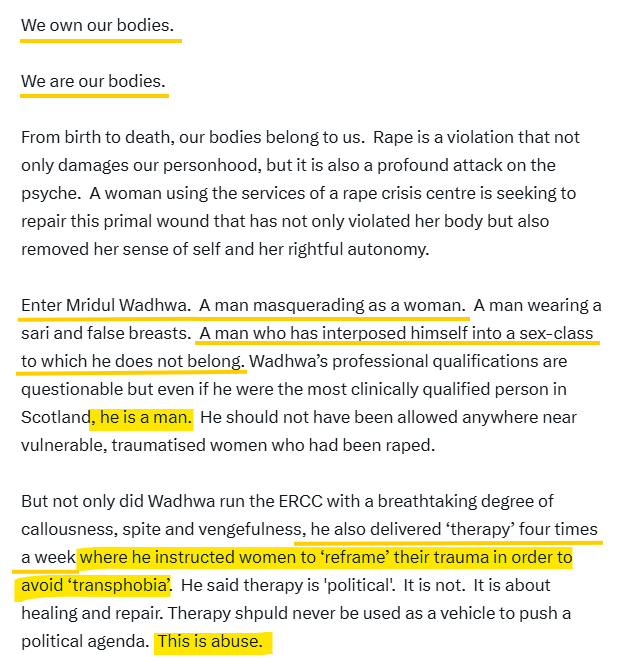
The ERCC allowed a psychopathic, transvestite, bully to insert himself into women's most profound experience of male violation.
The ERCC allowed an underqualified man in a sari to ask women if they had orgasmed whilst being raped.
The ERCC re-activated the agony of women seeking help, and very likely caused them incalculable levels of anguish and ongoing psychological trauma.
The EFCC profoundly failed women and, frankly, it should not longer even be in existence.
9
121
484
7,411
Jun 11
A remarkable people:
Jun 11

🚨 ANOTHER BRAND NEW VIDEO DIRECT FROM IRAN: The campaign has escalated to targeting regime mosques. The Iranian people want to be armed to fight back against a brutal regime, and the videos keep coming.
Ordinary citizens inside Iran are sending a steady stream of these videos directly to me, risking everything to break through the silence. This latest footage was sent to me straight from Kish Island in the Persian Gulf. Operating under the cover of night, the man in this video has escalated the campaign in a massive way. If you look closely at the building, he targeted a state-controlled mosque and a known hub for regime propaganda.
He isn't just holding up a handwritten manifesto declaring "Iranians demand arms for freedom" alongside the name of King Reza Pahlavi. You can hear him whisper "Javid Shah" (Long Live the King) into the dark as the camera reveals he has spray-painted the exact demand, "ARM US," directly onto the regime's infrastructure. Defacing a state religious building with a demand for weapons is an automatic death sentence, but he is doing it anyway.
For the millions they represent, arming themselves is now a tactical necessity for survival. Peaceful protest against live ammunition has proven impossible. They aren't asking for foreign boots on the ground; they are asking for the basic means to fight back against a systemic slaughter. And let’s be clear: the only viable path to effectively arming the Iranian people is through direct coordination with Prince Reza Pahlavi and his team.
He risked his life in the dark to deliver this proof straight from the ground. More people need to amplify their calls. Do not let the regime bury his bravery.
1
1
36
John Pollock retweeted

Jun 10
A mother hid in a closet with her two kids for six hours while Hamas went room to room. They heard the neighbors being executed. She texted goodbye to her husband. He was already dead.
THAT'S WHO YOU'RE DEFENDING.
THAT'S HAMAS.
100
364
2,031
17,751
Jun 11
Part of the ongoing catastrophe the current Government has allowed on its watch & egged on in Opposition.
Shame and disgust doesn't begin to get there.
Jun 10

🇬🇧Baruch, a Jewish NHS doctor, says he decided to move to Israel after repeatedly feeling unsafe in the UK.
He revealed that some doctors told him they would refuse to treat dying Israelis in Britain’s emergency rooms.
1
44

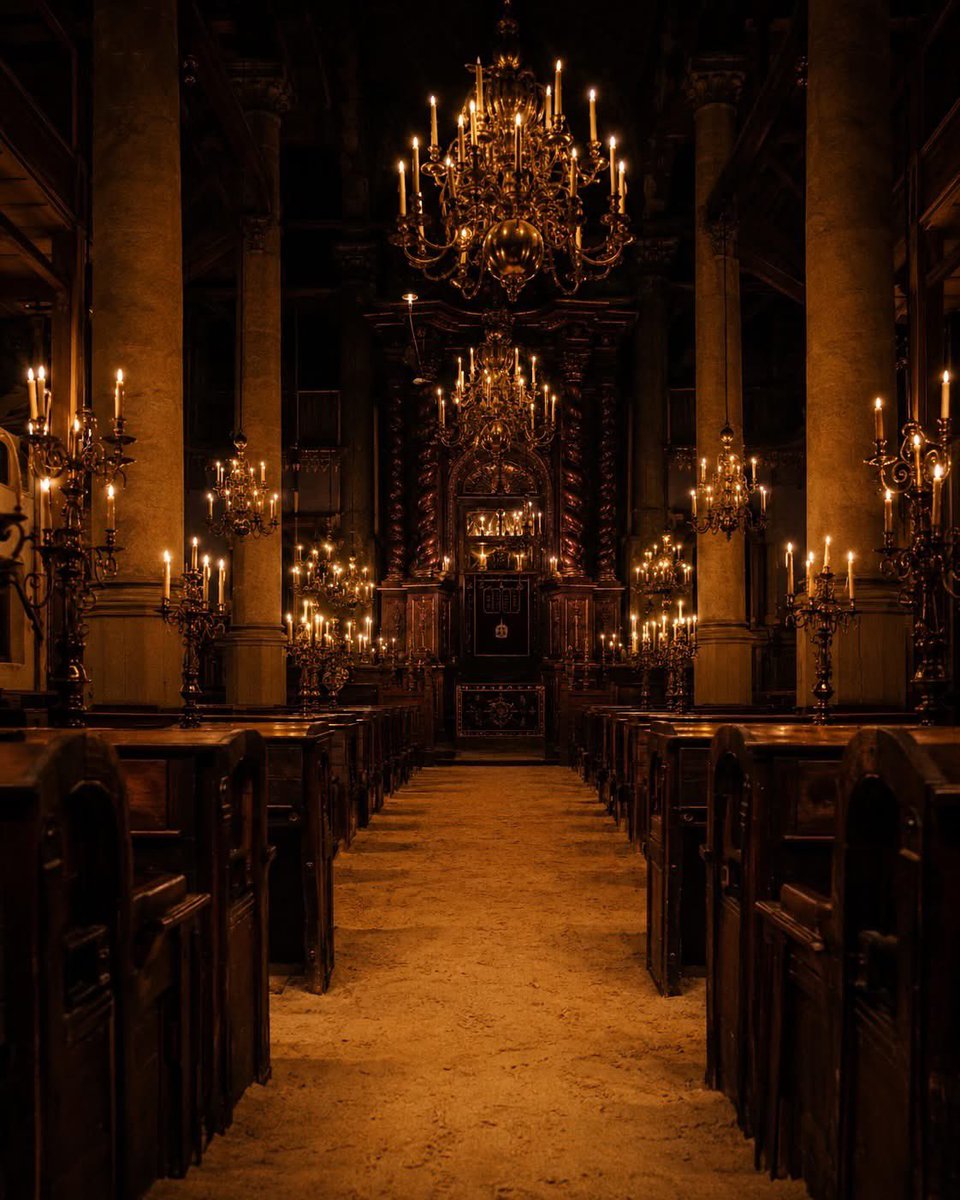
🕯️ Esta sinagoga no tiene electricidad. Nunca ha tenido electricidad. Cada viernes por la noche, el personal enciende más de mil velas a mano, y la habitación tiene exactamente como estaba en 1675.
La sinagoga portuguesa en Ámsterdam, conocida como Esnoga, fue construida por la comunidad judía sefardí que había huido de la Inquisición española y portuguesa y encontró refugio en los relativamente tolerantes Países Bajos. Cuando se completó en 1675, fue una de las sinagogas más grandes del mundo, y fue construida por una comunidad de personas que habían pasado generaciones escondiendo quiénes eran, obligadas a practicar su fe en secreto bajo amenaza de muerte.
El suelo de arena que cubre todo el interior es uno de sus rasgos más distintivos, y la razón de ello todavía se debate: algunos historiadores apuntan a la acústica, otros a las tradiciones de construcción holandesas de la época, y otros ven en ella una referencia a la errante del desierto Éxodo. Lo que no se debate es la luz. La decisión de nunca instalar electricidad fue deliberada, y el edificio sigue encendido hoy por 72 lámparas de aceite de latón y más de mil llamas de velas, tal como estaba el día en que se abrió. ✡️
Una comunidad que sobrevivió a la Inquisición escondiéndose construyó una de las sinagogas más magníficas del mundo en el momento en que fueron libres.
221
1,476
6,507
90,537
Jun 10
Not uninteresting...
Jun 10

Pourquoi est-ce que je passe mes nuits à écrire sur des philosophes morts et une idéologie de campus ?
Parce que l’enjeu final n’est pas le débat culturel. L’enjeu final, c’est l’Armageddon.
Et pour le comprendre, il faut passer par la thèse la plus vertigineuse de Peter Thiel, celle qui fait ricaner les commentateurs et qui est probablement la plus importante de notre époque.
Résumé des épisodes précédents : le communisme n’est pas mort en 1989, il a muté (la French Theory), déménagé (les campus américains), et conquis les institutions occidentales sous un nouveau nom.
Reste la question simple : et alors ?
Que se passe-t-il s’il gagne ?
C’est ici que Thiel entre en scène.
J’ai raconté comment René Girard, à Stanford, a façonné son esprit.
Depuis quelques années, Thiel donne des conférences sur un sujet qui fait sourire : l’Antéchrist. Quatre conférences à San Francisco l’automne dernier. Les gens rient. Ils ont tort. Que vous soyez croyant ou non, prenez ça comme la grille de lecture géopolitique la plus puissante disponible aujourd’hui.
Voici la thèse.
L’humanité moderne a deux cauchemars.
Le premier s’appelle Armageddon : la guerre totale, l’arme nucléaire, la technologie qui échappe.
Le second est plus subtil, et le génie de Thiel est de l’avoir nommé : l’Antéchrist.
Dans les textes, l’Antéchrist ne se présente pas comme un destructeur.
Il se présente comme un sauveur. Il arrive en promettant exactement ce que tout le monde veut entendre : « la paix et la sécurité ».
Et c’est au moment précis où le monde entier répète « paix et sécurité » que la destruction tombe.
Traduction moderne : la peur de l’Armageddon devient le prétexte de la tyrannie.
Pour nous protéger de la guerre, du climat, de l’IA, de la haine, on construit l’État mondial homogène : surveillance totale, régulation totale, redistribution totale, stagnation totale.
Thiel provoque en disant que l’Antéchrist de notre époque ne ressemblerait pas à un méchant de cinéma, mais à une activiste climatique ou à un régulateur humanitaire.
Relisez maintenant le programme du néo-communisme : sécurité émotionnelle, gouvernance globale, censure de la « haine » et de la « désinformation », décroissance, égalité finale des résultats. Mot pour mot : paix et sécurité.
Le néo-communisme ne viendra pas avec des chars.
Il viendra avec des conformity officers, et nous l’applaudirons.
Voilà la première branche du piège : si le wokisme gagne, nous obtenons la tyrannie douce planétaire. Le monde de 1984 avec le sourire de l’inclusion.
Mais il y a une seconde branche, et elle est pire.
Girard l’a enseignée à Thiel : quand la force qui retient s’effondre, la violence monte aux extrêmes. Les textes ont un mot pour cette force qui retient : le katechon.
Depuis 1945, le katechon a un nom et une adresse : l’Occident. Sa puissance militaire, sa prospérité, sa capacité à dire le vrai.
Or une civilisation qui a appris à se haïr ne retient plus rien. Les prédateurs l’ont compris avant nous : Moscou teste, Pékin patiente, l’islamisme avance.
Un monde sans croissance est un monde à somme nulle, et un monde à somme nulle finit toujours par la guerre.
Si le katechon tombe, la montée aux extrêmes reprend, avec des arsenaux que Clausewitz n’imaginait pas.
Armageddon ou Antéchrist. Le chaos total ou le contrôle total. Voilà les deux seules sorties d’un monde où le néo-communisme gagne.
C’est pour ça que ce combat n’est pas une « guerre culturelle ».
C’est un triage civilisationnel.
Et notez la coïncidence des dates, parce qu’elle n’en est pas une. Thiel date la grande stagnation du début des années 70 : l’énergie, les transports, la médecine, tout ralentit sauf les bits.
Exactement le moment où la déconstruction achève sa conquête des campus.
Nous avons marché sur la Lune en 1969, trois ans après le débarquement de la French Theory à Baltimore. Ensuite, une seule des deux courbes a continué de monter. Nous avons cessé de construire des fusées au moment où nous avons commencé à déconstruire des phrases.
Alors, la correction. Elle est simple à énoncer et exigeante à exécuter.
Nommer l’idéologie, partout où elle se cache.
Couper ses vivres : plus un euro public pour ce qui enseigne la haine de l’héritage.
Et reconstruire : l’énergie, l’espace, l’IA, l’école, le courage.
Le chemin entre les deux abîmes est étroit, et il porte le nom que cette série répète depuis le début : construire. La croissance n’est pas une option économique. C’est la seule issue de secours de l’espèce.
L’Occident n’est pas une civilisation parmi d’autres. C’est la force qui retient.
Et la bonne nouvelle, c’est qu’une force qui retient, ça se reconstruit.
Au travail.
1
67
Jun 10
And as Sir Bruce Forsyth would say, "Didn't he do well!?" facebook.com/watch/?v=101551…
Jun 10

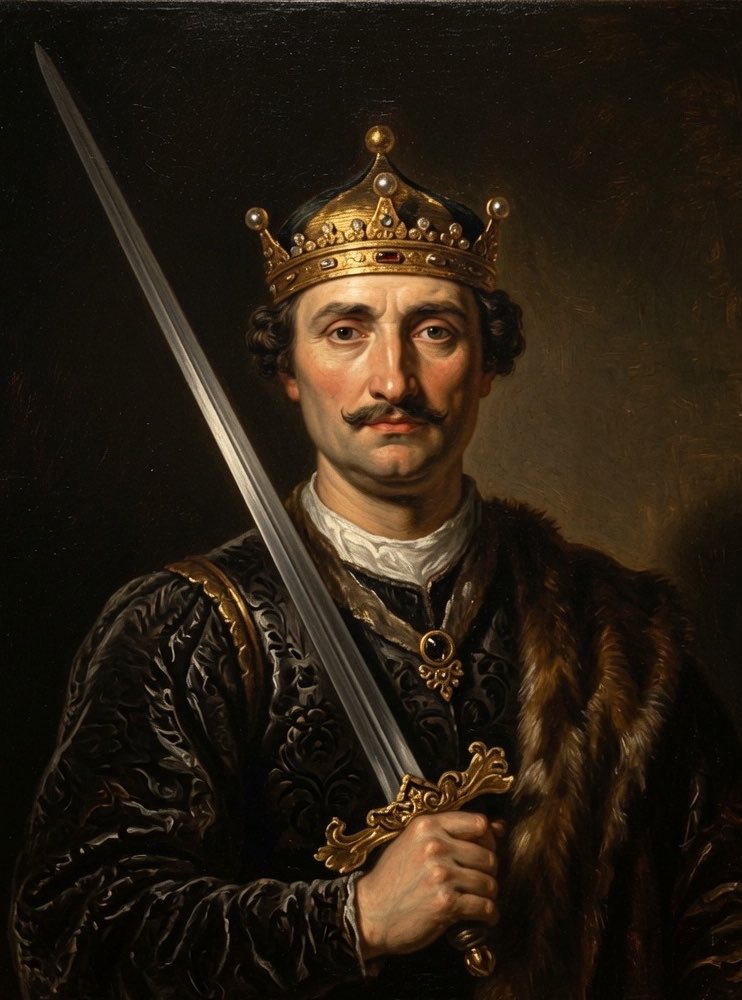
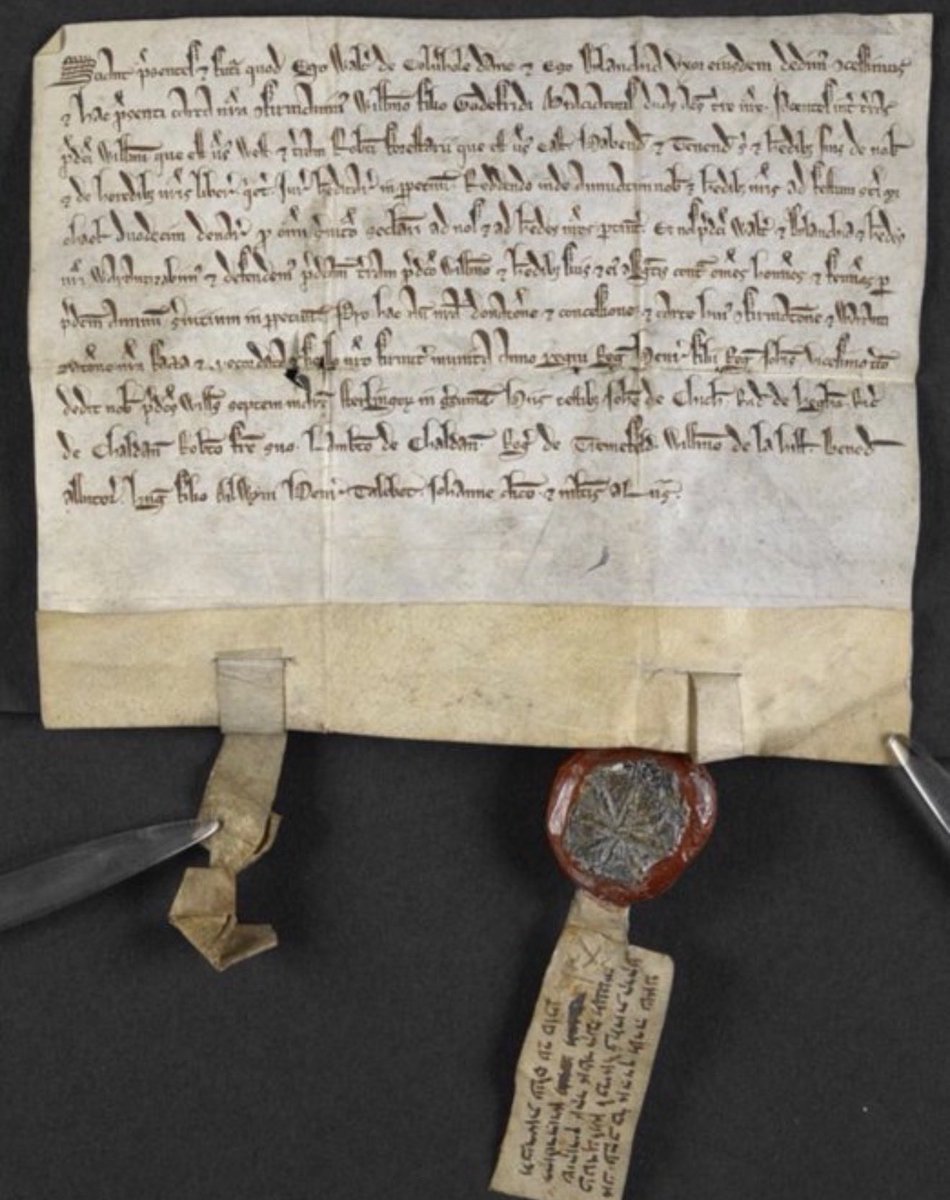
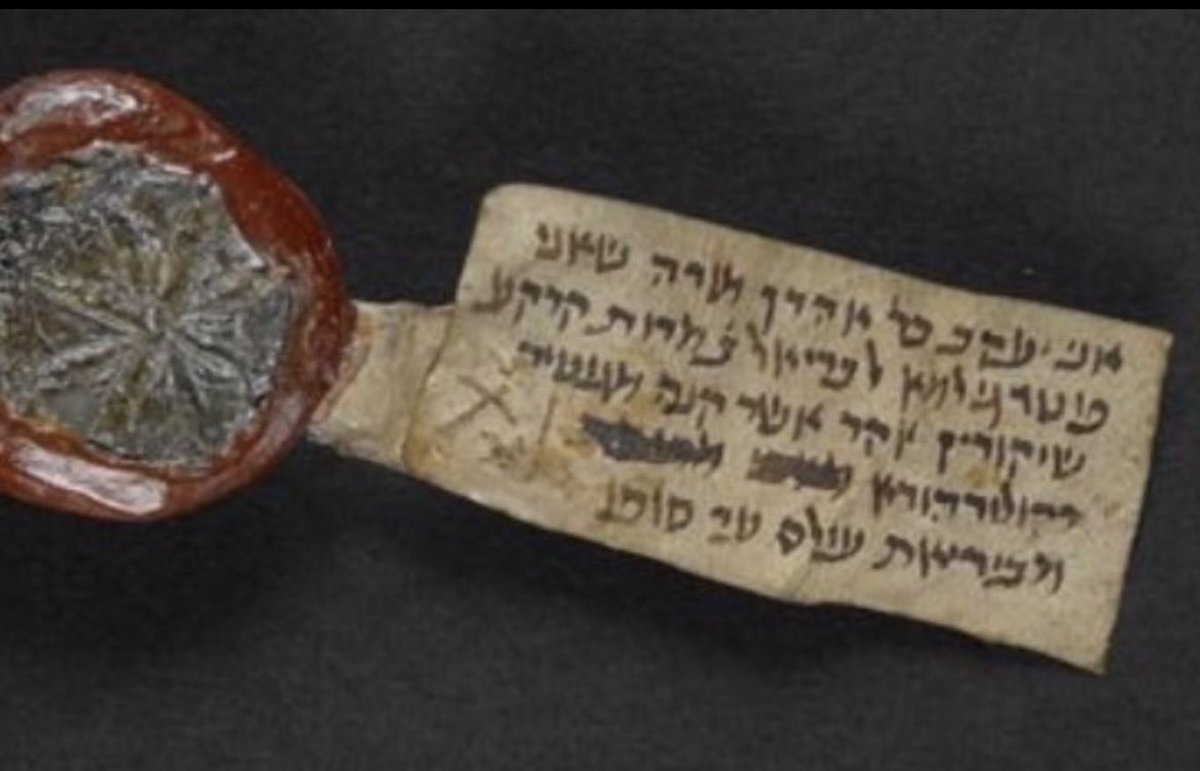
In approximately year 1070, to boost England’s economy, William the Conqueror invited Jewish merchants and artisans from Normandy to come to England. Below a document written in Hebrew and Latin, attest to Jewish business interactions in England prior to the 1290 expulsion.
44
Jun 10
"With all its sham, drudgery and broken dreams, it is still a beautiful world. Be cheerful. Strive to be happy."
Jun 10

This 13-year-old boy brought his new mom to tears when he told a judge how happy he was to get adopted
"They're the best thing I ever had". His sweet words will melt your heart.
50
Jun 10
"The imagination recoils from visualising the misery involved."
Jun 10

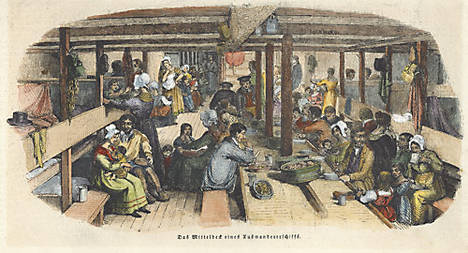
What was the cheapest ticket across the Atlantic in the late 19th and early 20th centuries? STEERAGE. For millions of emigrants it meant crushing overcrowding and appalling squalor—while luxury existed only a few decks higher on the great liners. Click: bit.ly/4dM9qM1 . #19thCentury #OceanLinerHistory #MaritimeHistory #VictorianEra #AgeOfSteam
1
34
Jun 10
And Jesus wept...
irishtimes.com/crime-law/cou…

The trial of the Algerian-born man accused of stabbing three children outside a Dublin crèche has begun.
The mother of a five year old victim has described her injuries:
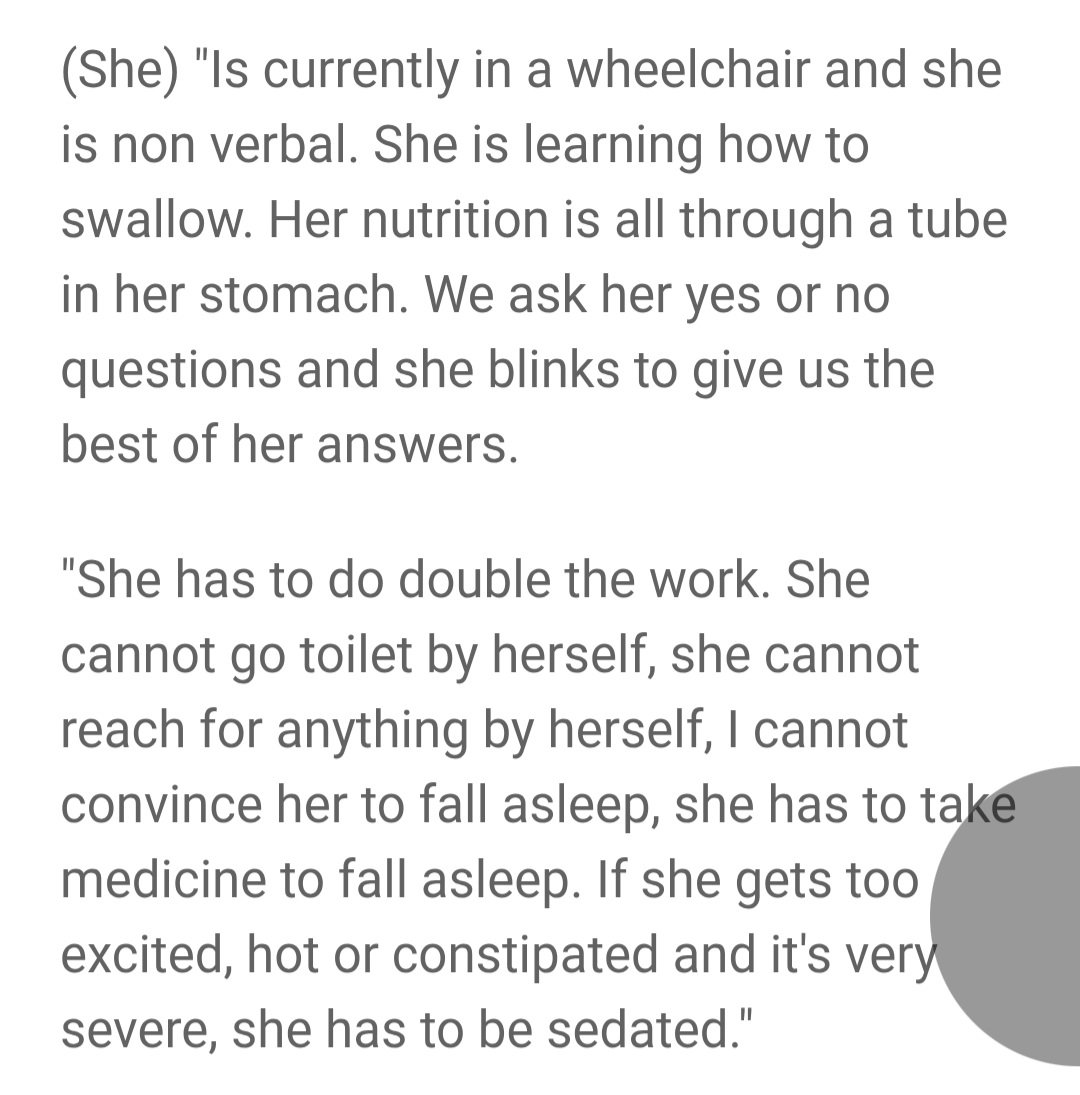
1
1
40
John Pollock retweeted

Jun 10
Just putting this out there: MUPPET DOCTOR WHO—in which everyone is a Muppet, except for The Doctor, who's Peter Hitchens.

The BBC is no longer going ahead with a #DoctorWho Christmas special this year and is seeking new production partners after Russell T Davies and Bad Wolf exited the sci-fi franchise.
“And so GOODBYE from me to Doctor Who but HELLO to a big new future for the show, as the BBC announces it’s putting the show out to tender," Davies wrote. "You’ll have to wait a bit longer for new Doctor Who… but you’ll be waiting for MORE Doctor Who than a one-off. So it’s worth it!” variety.com/2026/tv/global/d…
29
68
681
33,636
Jun 10
Really important; read & follow @Joanna__Hardy
Her Comment on the Sixteenth point should be wielded with verve.

David Lammy’s proposals to restrict the right to jury trial have been examined by the Justice Committee of the House of Commons.
And. Well. Um.
It’s *quite* the report.
I think it’s actually worse than politely scathing.
It’s embarrassing 👇🏼🪡🧵
30