
Lawyer; volunteer, ABA Death Penalty pro bono representation project; novelist, author of “Logos”
Joined June 2013
- Tweets 7,592
- Following 613
- Followers 367
- Likes 6,745
15 Photos and videos




Pinned Tweet

6 Jun 2024
5 Jun 2024

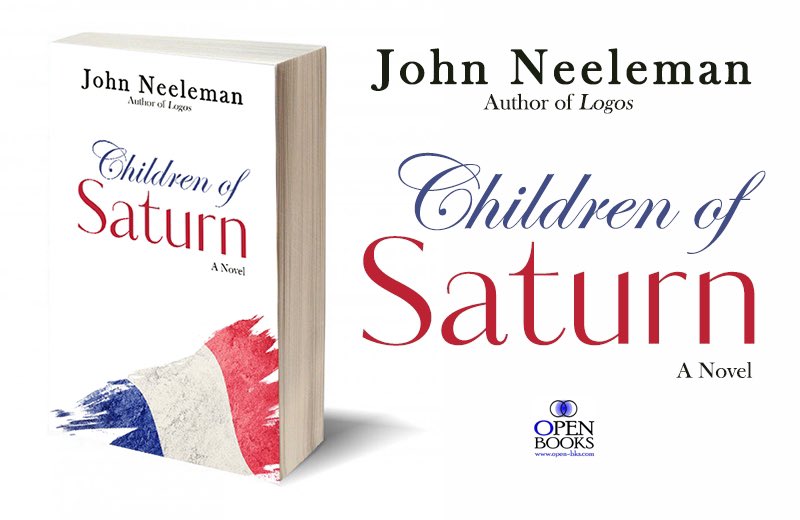
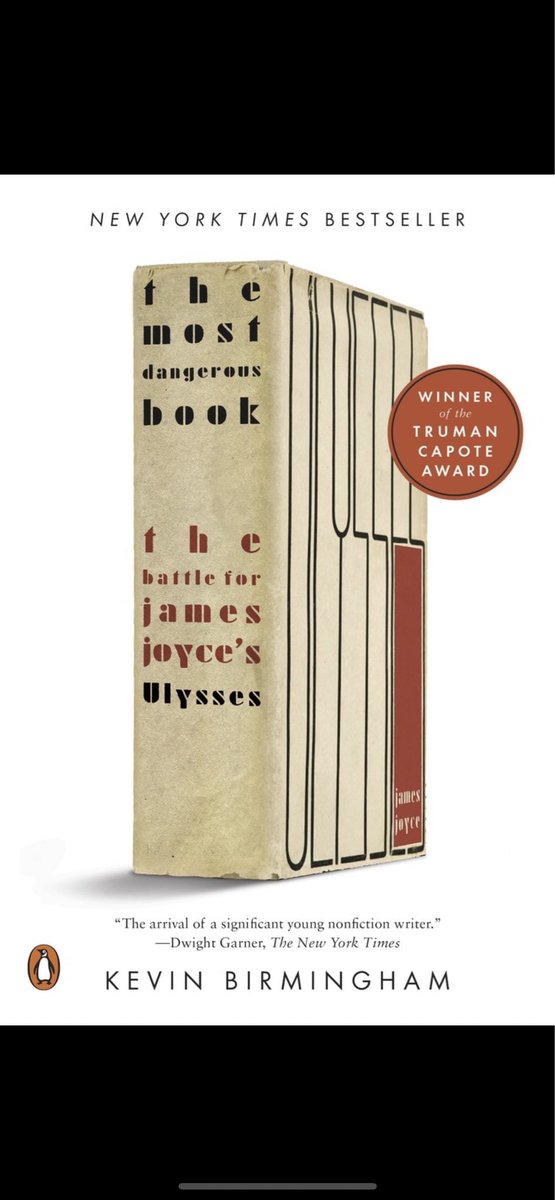
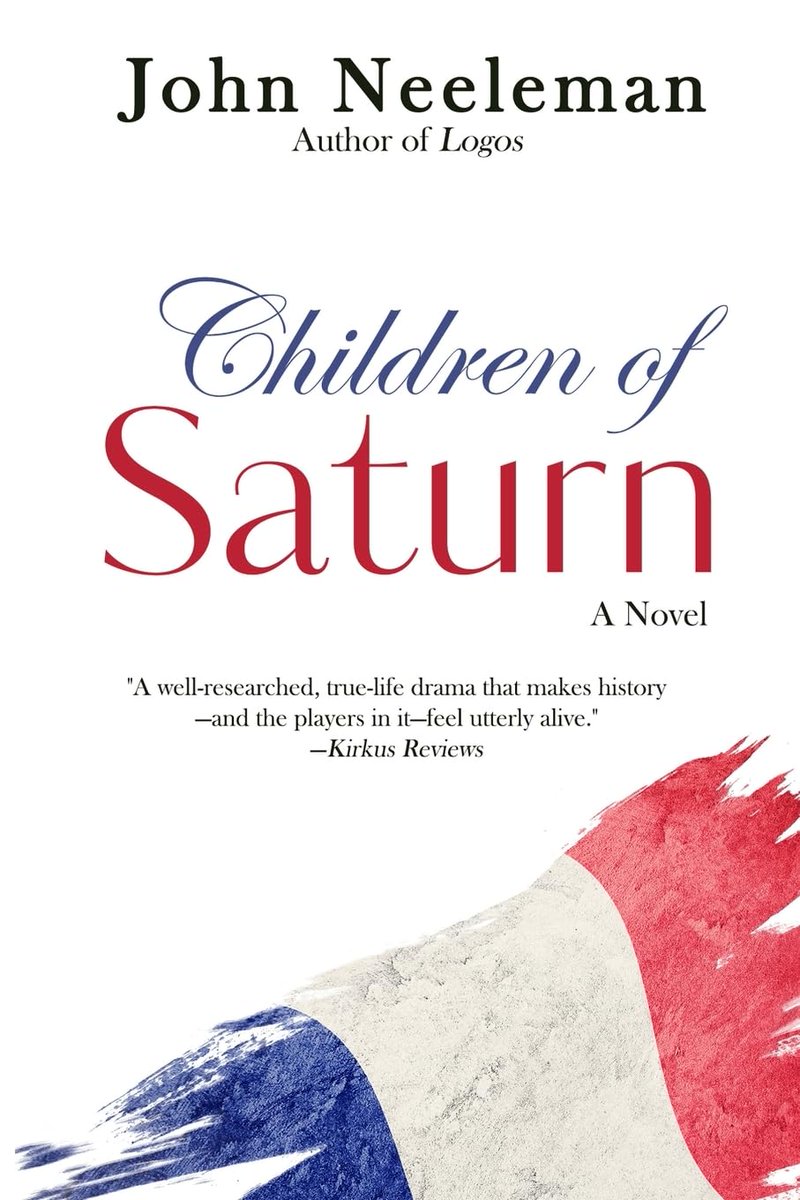
I'm delighted to announce the release of my second novel, CHILDREN OF SATURN, a tale of the French Revolution published by Open Books, a stellar literary press. I feel honored and fortunate to join the ranks of Open Books' outstanding authors of distinction.
Although a work of fiction, CHILDREN OF SATURN is rooted in the stranger-than-fiction truth of the French Revolution. The novel's background springs from the written historical record; everything actually happened or is plausible. The characters—women and men prominent in the French Revolution, including the English/American radical Thomas Paine—actually lived. The politically charged trials, the monumental scope of organized crime, the dystopian horror, and the rampant social injustice, all intermixed with romance and the highest humanist aspirations, speak to the important issues that challenge us today.
I am proud of my work and eagerly anticipate your journey into CHILDREN OF SATURN's world of political and personal tumult. I hope you join me on this complex and rewarding exploration of the French Revolution. Visit my publisher's website for more information and updates. open-bks.com/library/moderns… I would be grateful if you would pre-order CHILDREN OF SATURN.
Thank you,
John Neeleman, author of LOGOS
- 2016 Utah State Book Award, Fiction Book of The Year
- 2016 Gold Medal Winner, Independent Publisher Book Awards (for Religious Fiction)
- 2016 Foreword Review of Books Gold Medal Finalist for Book of the Year (for Religious, War, and Military Fiction)
1
2
24
5,790
John Neeleman retweeted

Mar 12
In order to be born, you needed:
2 parents
4 grandparents
8 great-grandparents
16 second great-grandparents
32 third great-grandparents
64 fourth great-grandparents
128 fifth great-grandparents
256 sixth great-grandparents
512 seventh great-grandparents
1,024 eighth great grandparents
2,048 ninth great-grandparents
For you to be born today from 12 previous generations, you needed a total of 4,094 ancestors over the last 400 years.
Think for a moment:
How many struggles?
How many battles?
How many difficulties?
How much sadness?
How much happiness?
How many love stories?
How many expressions of hope for the future? – did your ancestors have to undergo for you to exist in this present moment...
1,057
6,640
39,492
6,203,779
11 Dec 2025
My second novel, “Children of Saturn,” wrapped its award season with a strong showing:
IPPY Bronze – Audiobook: Mystery/Thriller
Hoffer Grand Prize Shortlist
Hoffer Montaigne Medal Shortlist
These are juried, competitive independent publisher awards. Like most major prizes—including the Pulitzer, NBA, and Booker—they require submission.
Past IPPY winners include Ferrante, Atwood, Eggers, McSweeney’s, Graywolf, and university presses like Stanford and Princeton. This year’s Montaigne winner came from University of Chicago Press; the Hoffer Grand Prize went to Rose Metal Press.
Bridesmaid, but in a very competitive wedding. The IPPYs have only three audiobook slots and no “historical” or “literary fiction” categories.
“Children of Saturn” didn’t win the Utah Book Award, as my debut “Logos” did, but Utah Humanities changed the rules to require in-state residency so we couldn’t enter it.
One twist: “Children of Saturn” made the Hoffer Grand Prize shortlist while the Montaigne Medal winners did not.
Grateful to Charles Leggett for voicing the audiobook with such depth and power.
The novel is set during the French Revolution and told through Thomas Paine, Camille Desmoulins, and Joseph Fouché—a story of idealism, betrayal, and how revolutions devour their children.
1
2
93
127,395
John Neeleman retweeted

4 Nov 2025
LOS ANGELES there’s still a few hours to get your brainfluid down to Stories in Echo Park to catch the hometown stop on @maxdaniellawton’s Schattenfroh tour

1
4
21
2,474
John Neeleman retweeted
1 Nov 2025
Blood Meridian (in a class by itself; lives alongside Moby Dick, the great American novel PERIOD)
The Crossing and Suttree (tie; also great in the rarified meaning of the word; closer to no. 1 than the challengers are to these two)
All the Pretty Horses (has his only compelling female characters except Stella Maris)
Stella Maris
The Road (besides Suttree his most hopeful novel, believe it or not; my favorite science fiction novel all-time)
Cities of the Plain (his tragedy--John Grady: honor is more important than life itself)
No Country for Old Men (McCarthy lite; compared to the foregoing novels, an entertainment; still, as such, among the all time great crime movies, and with postmodernism; blending genres like David Mitchell)
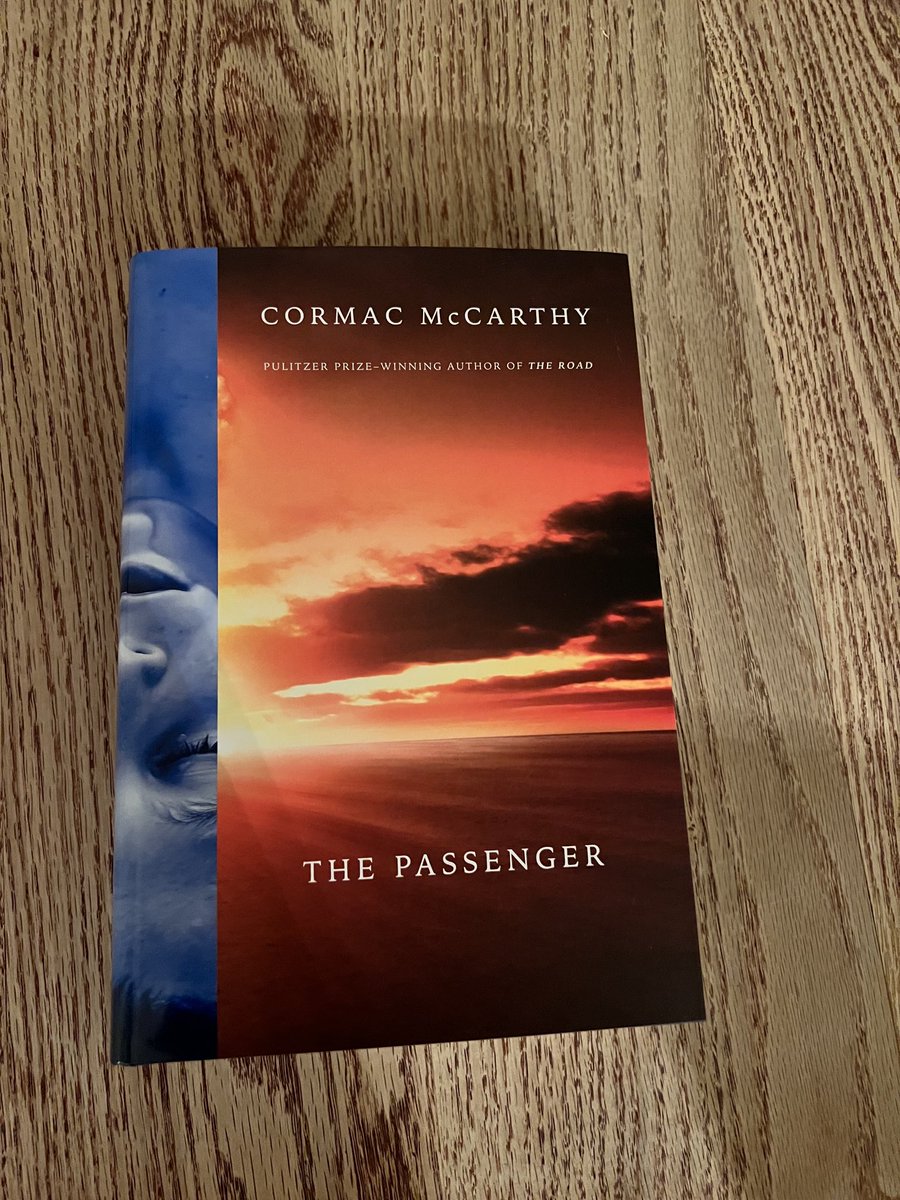
The Pasenger (great set pieces, and sets up the even greater work, Stella Maris)
1
1
202
14 Aug 2025
#TheBorderTrilogy The epilogue of Cities of the Plain is more uplifting than I recall. After the horrifying end before it, the comedy of Billy Parham and the other vagabond beneath the freeway overpass discussing the other man’s fantastic dreams is a relief—as is the realization that Billy has lived 78 years and had a life that he values. It’s striking that the trauma of his past that is most indelible is the death of his brother, Boyd, and he no longer thinks about John Grady.
Boyd was his brother and is the one Billy could not protect. The she-wolf he could not save. John Grady, in a way, was both — brother and creature of light — and his death, though cruel, was chosen.
So, Cities of the Plain has in many ways McCarthy’s happiest ending. What do these last lines mean (I’m sure the speculation has been endless)? "Well, Mr Parham, I know who you are. And I do know why. You go to sleep now. I’ll see you in the morning. Yes mam."
3
88
1 Jul 2025
#TheBorderTrilogy Rereading The Crossing after a dozen years I wondered if it would meet expectations. My memory and regard for the novel could not have been higher, so I had set a high bar. And, naturally, after about twelve years I had changed and read a lot of books I loved. This time, The Crossing did not disappoint. On the contrary. I got even more out of it.
McCarthy’s mature philosophical vision is displayed in the Crossing through nature, the cruelty of men punctuated by the kindness of women and sometimes men, and the myriad philosophers at every turn among the poor rural people. The vaqueros, the gypsies, the long suffering women, the ex-Mormon, the blind man, the sepulturero, and others.
Some call Suttree an autobiographical novel. I think there is also much of McCarthy in The Crossing. Seems to me that the two novels form the arc of his philosophical development.
Suttree, like McCarthy, walks away from a comfortable, upper-middle-class background. He lives on the fringes of Knoxville and sojourns in the Smoky Mountains, surviving among drunks, thieves, the dying — deliberately choosing the margins. But Suttree is wry, self-effacing, ironic, surrounded by grotesques, sort of a comic hell.
In the Crossing, Billy Parham bears witness, endures, grieves, and keeps moving. Avoids explaining himself; he is quiet, grave, and solitary, moved by moral instinct, not ideology, drawn to the mystery of the world, its harshness, beauty, and inscrutability.
Here we see the fruition of McCarthy’s obsessions: The silence of God, the structure of the universe, the failure of reason to grasp first principles, the hollowness of most forms of belief, yet the dignity of enduring anyway. McCarthy’s mature philosophical vision doesn’t arrive through system or doctrine, but through encounter — through the land, through suffering, through story, and especially through the voices of the humble and dispossessed.
Blood Meridian, Suttree, The Crossing—the Holy Trinity of McCarthy’s works.
1
6
117
1 Jul 2025
#TheBorderTrilogy The Crossing:
‘The corrido is the poor man’s history. It does not owe its allegiance to the truths of history but to the truths of men. It tells the tale of that solitary man who is all men.’
“The desolation of that place was a thing exquisite. . . . The little desert foxes barking. The old gods of that country tracing his progress over the darkened ground. Perhaps logging his name into their ancient daybook of vanities.”
5
92
John Neeleman retweeted

27 Jun 2025
RECOMMENDED: Children of Saturn by John Neeleman ... theusreview.com/reviews-1/Ch… #USReview
1
2
80
27 Jun 2025
#TheBorderTrilogy The Crossing's Blind Man's answer to the problem of evil:
“Lo que debemos entender,” said the blind man, “es que ultimamente todo es polvo. Todo lo que podemos tocar. Todo lo que podemos ver. En esto tenemos la evidencia más profunda de la justicia, de la misericordia. En esto vemos la bendición más grande de Dios.”
Translation:
“What we must understand,” said the blind man, “is that ultimately everything is dust. Everything we can touch. Everything we can see. In this we have the deepest evidence of justice, of mercy. In this we see the greatest blessing of God.”
The problem of evil is the price for life itself? Or, the blind man’s words echo Ecclesiastes — “All is vanity”. But That all passes away is a form of mercy: even suffering, even injustice, even grief — all are finite.
2
54
24 Jun 2025
#TheBorderTrilogy Prophetic. "That the suck and whiff at his ear had been the bullet passing and that he had seen it for one frozen moment before his eyes with the sun on the side of the small revolving core of metal, the lead wiped bright by the rifling of the bore."
1
2
86
24 Jun 2025
#TheBorderTrilogy I love this. An island of charity and kindness on a sea of cruelty, the contrast helping to make the moment sublime. Field hands appear out of nowhere in the bed of an old truck and save Billy Parham's brother from would be killers. "Blood was a condition of their lives and none asked what had befallen him or why. They called him él güerito and passed him up into the truck and wiped the blood from their hands on the front of their shirts. A lookout was standing with one hand on top of the cab watching the riders out on the plain."
2
74
24 Jun 2025
#TheBorderTrilogy In the Crossing the country is filled with philosophers. "The old man said that the ox was an animal close to God as all the world knew and that perhaps the silence and the rumination of the ox was something like the shadow of a greater silence, a deeper thought. He looked up. He smiled. He said that in any case the ox knew enough to work so as to keep from being killed and eaten and that was a useful thing to know."
1
2
88
24 Jun 2025
#TheBorderTrilogy McCarthy's meticulous and poetic portrayals of the beauty and skill of manual labor go hand in hand with the way he honors poor rural dwellers, often women who hold their fragile societies together, with his artistry. Here, in the Crossing: "The women knelt on the packed dirt and leaned over the coals and turned with their bare hands the tortillas off the hot sheetiron comals leaving along the unleavened edges like tallymarks fingerprints of black from where they’d fed the charcoal fire."
1
36
24 Jun 2025
#TheBorderTrilogy Billy Parham's revelation, so human and universal, yet here so poetically and originally put: "She bent and caught her falling hair in her arms and held it and she passed one hand over the surface of the water as if to bless it and he watched and as he watched he saw that the world which had always been before him everywhere had been veiled from his sight."
1
39
24 Jun 2025
#TheBorderTrilogy And in a short passage McCarthy turns a story about two young American brothers on a personal quest to recover their murdered father's stolen horses in Mexico into an epic spanning the ages: "The Tarahumara had watered here a thousand years and a good deal of what could be seen in the world had passed this way. Armored Spaniards and hunters and trappers and grandees and their women and slaves and fugitives and armies and revolutions and the dead and the dying."
4
50
John Neeleman retweeted

21 Jun 2025
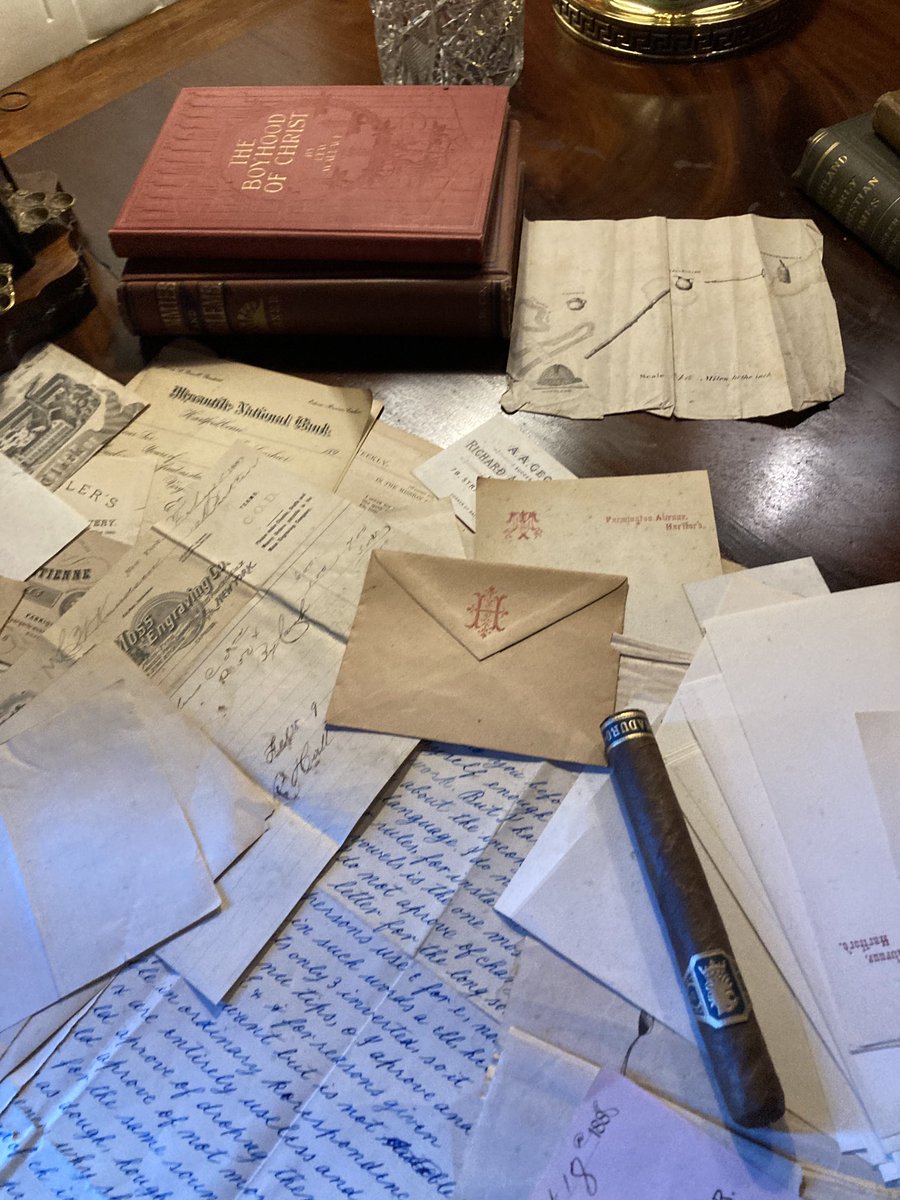
Mark Twain writing desk
7
43
467
10,061
John Neeleman retweeted
21 Jun 2025
Conservatory, Mark Twain House

15
47
679
11,236
21 Jun 2025
#TheBorderTrilogy The ex-Mormon’s sermon is the holy of holies in The Crossing, and among the most profound in all of Cormac McCarthy. In my opinion it rivals — and perhaps exceeds — Father Mapple’s in Moby-Dick. Where Father Mapple’s pulpit rises like the prow of a ship, the ex-Mormon preaches from ruin, apostasy, and blindness. His sermon is not grounded in scripture, but in dreams, sorrow, and metaphysical vertigo.
Here are some of my favorite passages:
Here are some of my favorite parts of the exMormon’s sermon:
Yet even so there is but one world and everything that is imaginable is necessary to it. For this world also which seems to us a thing of stone and flower and blood is not a thing at all but is a tale. And all in it is a tale and each tale the sum of all lesser tales and yet these also are the selfsame tale and contain as well all else within them. So everything is necessary. Every least thing. This is the hard lesson. Nothing can be dispensed with. Nothing despised. Because the seams are hid from us, you see. The joinery. The way in which the world is made. We have no way to know what could be taken away. What omitted. We have no way to tell what might stand and what might fall. And those seams that are hid from us are of course in the tale itself and the tale has no abode or place of being except in the telling only and there it lives and makes its home and therefore we can never be done with the telling. Of the telling there is no end. And whether in Caborca or in Huisiachepic or in whatever other place by whatever other name or by no name at all I say again all tales are one. Rightly heard all tales are one.
.Men do not turn from God so easily you see. Not so easily. Deep in each man is the knowledge that something knows of his existence. Something knows, and cannot be fled nor hid from. To imagine otherwise is to imagine the unspeakable. It was never that this man ceased to believe in God. No. It was rather that he came to believe terrible things of Him.
Who can dream of God? This man did. In his dreams God was much occupied. Spoken to He did not answer. Called to did not hear. The man could see Him bent at his work. As if through a glass. Seated solely in the light of his own presence. Weaving the world. In his hands it flowed out of nothing and in his hands it vanished into nothing once again. Endlessly. Endlessly. So. Here was a God to study. A God who seemed a slave to his own selfordinated duties. A God with a fathomless capacity to bend all to an inscrutable purpose. Not chaos itself lay outside of that matrix. And somewhere in that tapestry that was the world in its making and in its unmaking was a thread that was he and he woke weeping.
It seemed that what he wished, this man, was to strike some colindancia with his Maker. Assess boundaries and metes. See that lines were drawn and respected. Who could think such a reckoning possible? The boundaries of the world are those of God’s devising. With God there can be no reckoning. With what would one bargain?
He carried within himself a great reverence for the world, this priest. He heard the voice of the Deity in the murmur of the wind in the trees. Even the stones were sacred. He was a reasonable man and he believed that there was love in his heart. There was not. Nor does God whisper through the trees. His voice is not to be mistaken. When men hear it they fall to their knees and their souls are riven and they cry out to Him and there is no fear in them but only that wildness of heart that springs from such longing and they cry out to stay his presence for they know at once that while godless men may live well enough in their exile those to whom He has spoken can contemplate no life without Him but only darkness and despair. Trees and stones are no part of it.
1
4
79
21 Jun 2025
To see God everywhere is to see Him nowhere. We go from day to day, one day much like the next, and then on a certain day all unannounced we come upon a man or we see this man who is perhaps already known to us and is a man like all men but who makes a certain gesture of himself that is like the piling of one’s goods upon an altar and in this gesture we recognize that which is buried in our hearts and is never truly lost to us nor ever can be and it is this moment, you see. This same moment. It is this which we long for and are afraid to seek and which alone can save us.
Acts have their being in the witness. Without him who can speak of it? In the end one could even say that the act is nothing, the witness all. It may be that the old man saw certain contradictions in his position. If men were the drones he imagined them to be then had he not rather been appointed to take up his brief by the very Being against whom it was directed? As has been the case with many a philosopher that which at first seemed an insurmountable objection to his theories came gradually to be seen as a necessary component to them and finally the centerpiece itself.
23