
Husband, dad, grandad; Worship Leader; Recording Artist; adjunct professor at NW Seminary & College; founder of WorshipLeaderInstitute.org. Blue Jays fan
Joined August 2011
- Tweets 2,195
- Following 725
- Followers 498
- Likes 3,406
306 Photos and videos


Johnny Markin - WorshipLeaderInstitute.org retweeted

"Corporate worship is the divinely intended arena where God forms, nourishes, and gathers his people for his glory. Therefore, churches must help their members grasp the glorious privilege they have each Lord’s Day."
Read @RichPenix's article on @9Marks: 9marks.org/article/the-prior…
1
1
129
Johnny Markin - WorshipLeaderInstitute.org retweeted

May 28
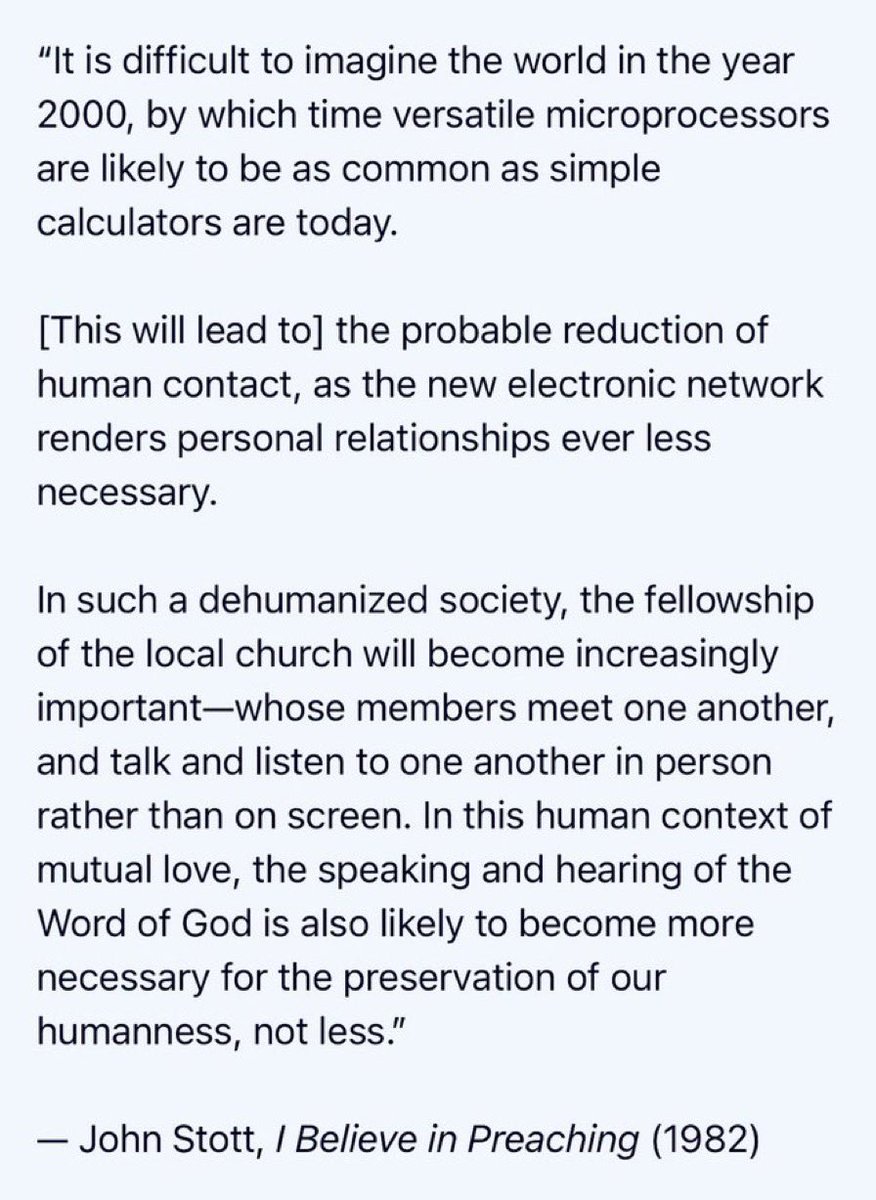
Goodness. What a prophetic quote from 44 years ago.
20
374
1,609
64,850
Johnny Markin - WorshipLeaderInstitute.org retweeted

Apr 25
Trade: Vikings are sending former Pro-Bowl LB Jonathan Greenard to the Philadelphia Eagles in exchange for a third-round pick tonight (No. 98) and a third-round pick next year, per me and @rapsheet.
Greenard and the Eagles reached agreement on a four-year, $100 milllion extension that includes $50 million fully guaranteed, per his agents Drew Rosenhaus and Robert Bailey.

962
2,654
15,625
7,805,373

Spending most of April in the company of dear family that live too far away. Can’t think of a better balm to an aching heart. #familymatters #grandkidsareanamazinggift
33
On this day of Holy Week took place The Last Supper of Jesus with his Disciples. Hope this piece, co-written with Dave Bell, helps you focus on the importance of Christ's sacrifice for us.
#holyweek #maundythursday
youtu.be/ZxbGgfjg9Eg?si=WAqS…

38

This is the most amazing thing you'll see today! 💯
Psalm 50 in Aramaic by Trio Mandili — the language of Jesus. Haunting Miserere (Psalm 51 in Western Bibles).
Grab tissues 🙏🏼
Translation from Aramaic down in the comments.
290
3,204
13,252
583,328
Is there more to St Patrick's Day than green beer and Celtic pipe bands? Written a couple of years ago, but still merits a quick read every March 17.
ca.thegospelcoalition.org/ar…
#stpatricksday #lifeofworship #Backstory
26
Johnny Markin - WorshipLeaderInstitute.org retweeted

Mar 12
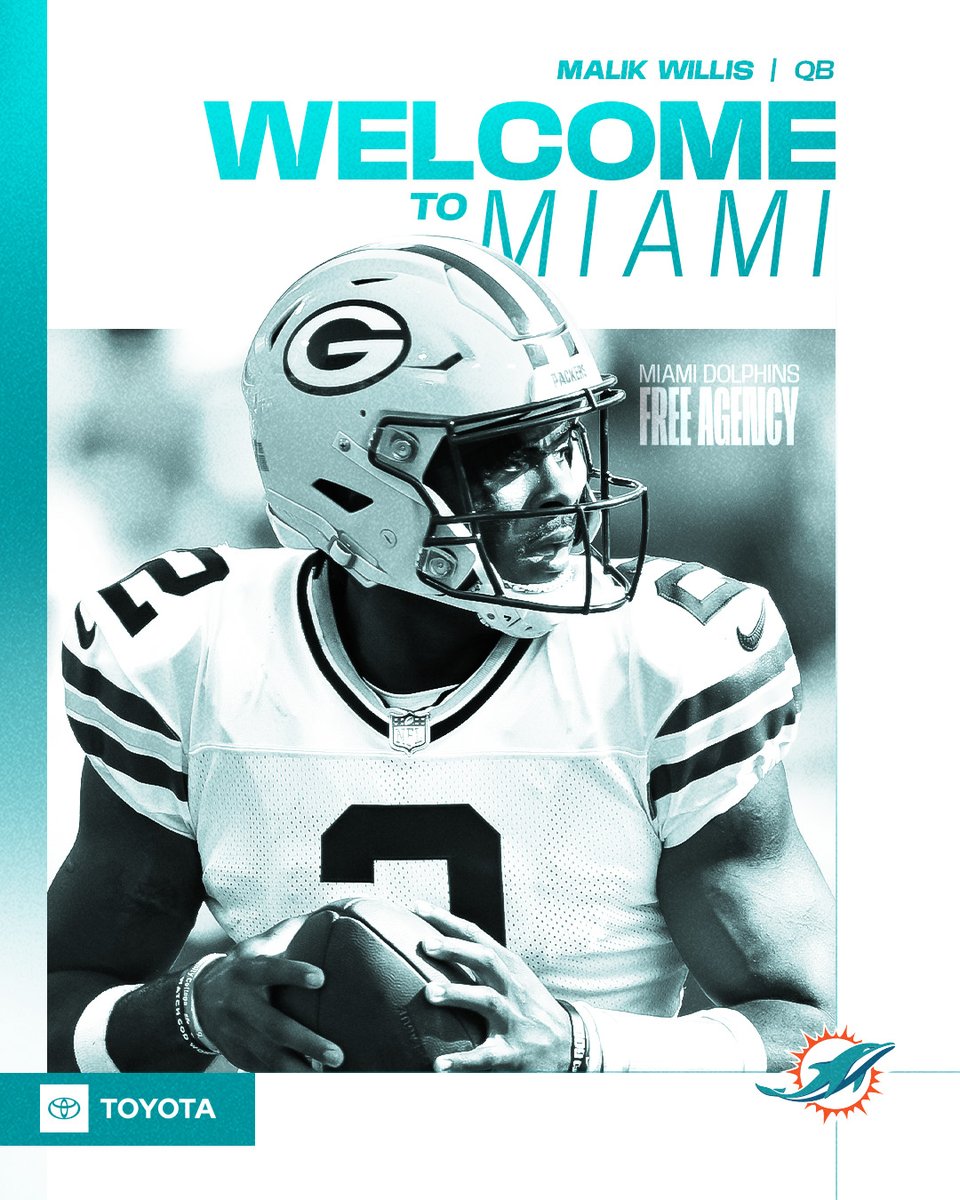
Malik in Miami ☀️🐬
We have signed QB Malik Willis.
199
738
7,389
390,811
Johnny Markin - WorshipLeaderInstitute.org retweeted

Feb 27
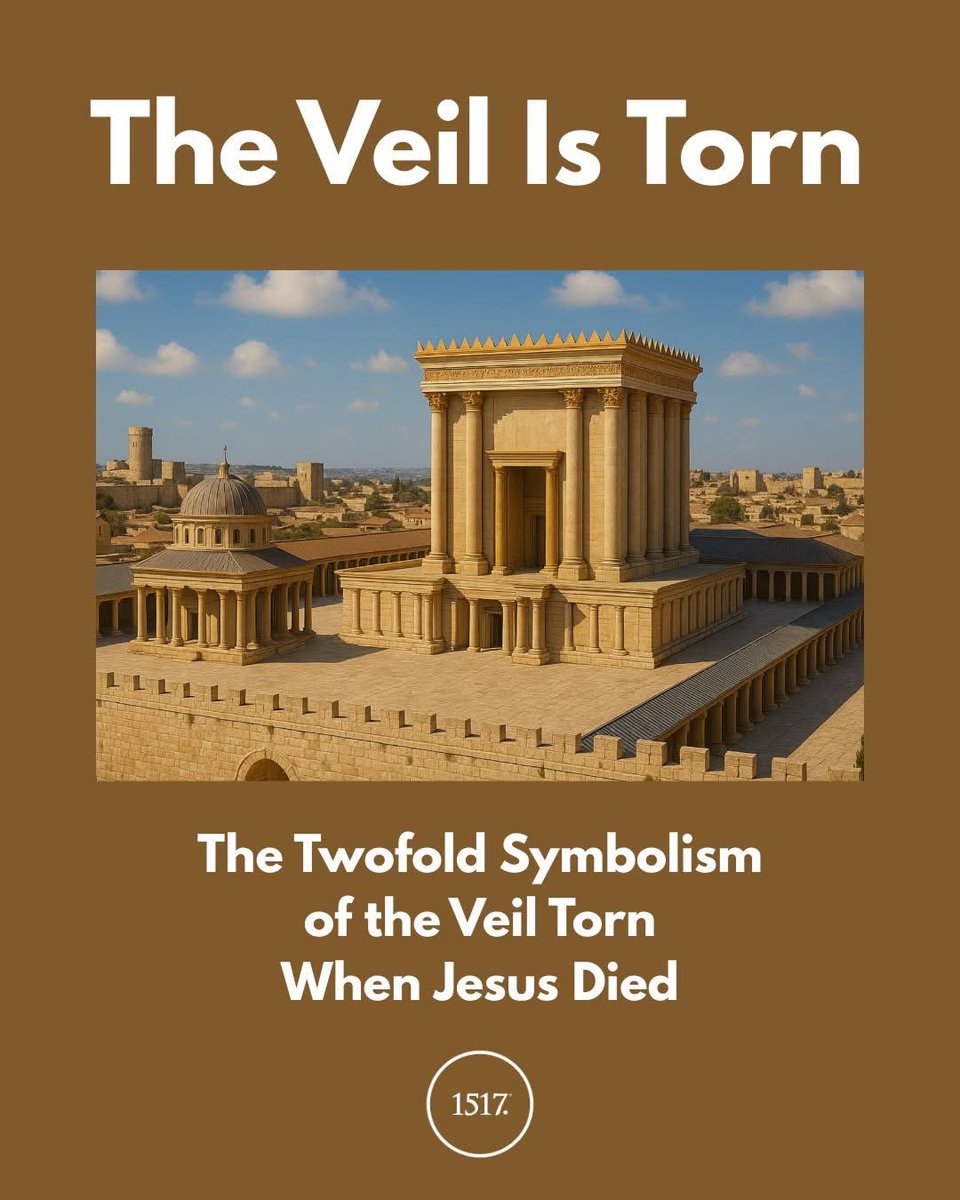
Between the Holy of Holies and the Holy Place hung a veil, both in the tabernacle and temple.
The NT presents two ways of understanding the veil's symbolism.
First, when “Jesus cried out again with a loud voice and yielded up his spirit… the curtain of the temple was torn in two, from top to bottom” (Matt. 27:50-51; cf. Mark 15:38; Luke 23:45).
This event signals the fulfillment and closure of the Day of Atonement (Leviticus 16). No longer would the high priest enter behind the veil with animal blood. Christ “entered once for all into the holy places… by means of his own blood, thus securing an eternal redemption” (Heb. 9:12).
The torn veil thus shows that access to God has been opened. We may now enter the Holy of Holies with confidence through the blood of Jesus (Heb. 10:19).
At the same time, it signals that God’s holiness is no longer confined to a single sacred space. Zechariah foresaw a day when ordinary objects would bear the inscription “Holy to the LORD,” indicating a spreading sanctification beyond the temple itself (Zech. 14:20-21). The tearing of the curtain marks the expansion of holiness outward.
The temple, though still standing for a time, had become an ex-sanctuary, its role fulfilled. In AD 70 it fell, and for Christians there remained only one true temple: Jesus the Messiah, whose resurrected body is our living sanctuary (John 2:19-21).
The second major way of understanding the veil comes from Hebrews. Believers have confidence to enter the holy places by the blood of Jesus, through the new and living way opened through the curtain, that is, his flesh (Heb. 10:19-22).
The OT veil marked the meeting place between God and humanity. In the incarnation, Jesus unites both sides of the curtain in his own person. His flesh becomes the place where God and humanity meet and the means by which we approach the Father.
The way is new because it belongs to the new covenant, and it is living because Jesus lives and gives life to those who come through him.
What was once a barrier has become a permanent entrance into God’s presence.
___
Adapted from my book, The Christ Key: Unlocking the Centrality of Christ in the OT. a.co/d/09ox0DlW
5
68
280
7,396
HAVE YOU LISTENED THROUGH THE ENTIRE ALBUM YET?? HERE'S WHY...
johnnymarkin.hearnow.com/aco…
#acoustichymnsproject2 #hymns #instrumentalmusic #acousticguitar #larriveeguitars #sacredspace
1
20
Are you on Apple Music? Find the new album here: music.lnk.to/Zxn4Ej
ENJOY!
#acoustichymnsproject2 #instrumentalmusic #newmusic #hymns #HowGreatThouArt #larriveeguitars #martinguitars
1
32
IT'S OUT!! STREAMING NOW ON ALL PLATFORMS!
The culmination of nearly 2 years of preparation, planning, practicing, recording, and all that goes into releasing a full album.
FIND THE FULL ALBUM VIA THIS LINK (copy or in bio): johnnymarkin.hearnow.com/aco…
#NewMusic #hymns #instrumental
19
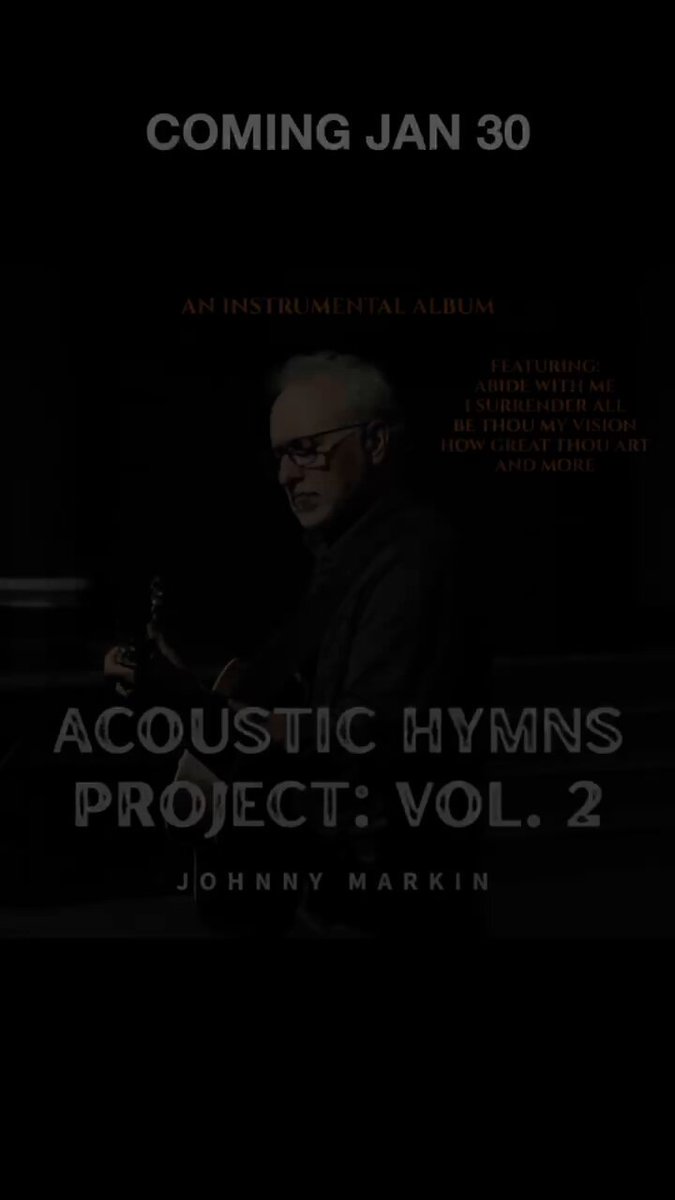
FULL ALBUM DROPS IN TWO DAYS TIME!!!
Don't forget to pre-save on Spotify here:
show.co/Ijj57Ez
#newmusic #acoustichymnsproject2 #hymns #instrumental
12
Hi everyone! If you're a #Spotify listener, you can help get this release moving by PRE-SAVING via the link below! The album will show up in your library as soon as it drops!!
Hoping you can help get these songs to new listeners! Thanks all!!
show.co/Ijj57Ez
#newmusic
24
ONE WEEK FROM TODAY!! SO EXCITED TO SHARE THIS ALBUM! #newmusic #acoustichymnsproject #hymns #instrumentalmusic
15
If you are on APPLE MUSIC, here's a link to my new single, "I Surrender All (Instrumental Version)", a contemplative arrangement of the classic and beloved hymn! Just me and my weathered and worn Martin D-35!
I hope you'll have a listen!
music.lnk.to/jGvRMN
#hymns #acoustic
1
47
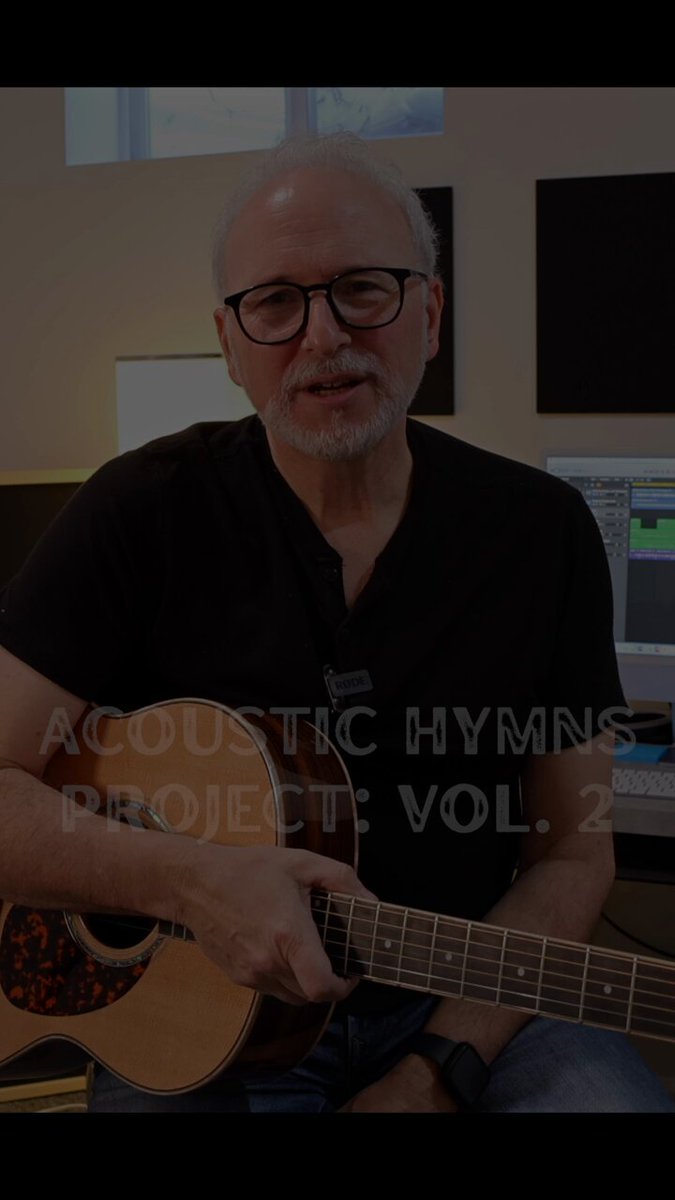
OUT TODAY ON ALL STREAMING PLATFORMS!!
THE 2ND SINGLE from ACOUSTIC HYMNS PROJECT: VOL. 2!
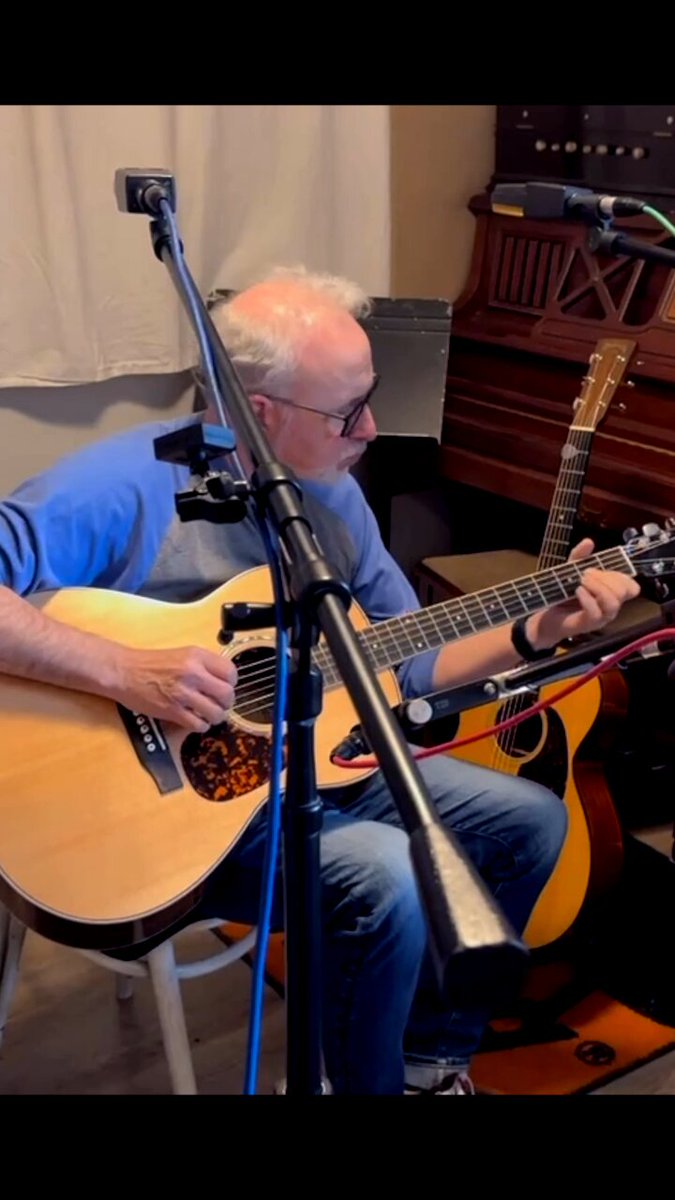
I hope you'll enjoy this peaceful arrangement! Incredible tones from my old and battered Martin D-35.
Hear it here: bit.ly/4q8LF4c
#hymns #instrumental #martinguitars #newmusic
1
1
35
EXCITED for you to hear this one! Great tones from my 1997 Martin D-35 with the engineering of the legendary Roy Salmond! Coming Friday Jan 2!!
#NewMusic #instrumentalmusic #hymns #acoustichymnsproject2
2
3
58
In case you've never heard my one and only Christmas song, co-penned with Chris Bowater and Steve Lawson. A song about that night long ago in Bethlehem and the wonder of the shepherds as they witness history
#christmasmusic #acousticmusic #tistheseason
youtu.be/7far0W1pYus?si=VNR7…
1
129
23