Nature, photography, science, data viz. Conservation Scientist at @RSPBScience with @CLR_Cambridge. Reluctant Twitter-er. Views expressed are my own.
Joined June 2009
- Tweets 429
- Following 247
- Followers 237
- Likes 455
68 Photos and videos

30 May 2025
🌊 We’re hiring! Join @RSPBScience on an exciting new project exploring marine management scenarios across the UK’s seas. Work with scientists & policy experts to help shape marine conservation🐋🦀🐟
Apply here 👉 app.vacancy-filler.co.uk/sal…
#ConservationJobs #MarineScience
45
13 Feb 2025
Our latest piece of research is out! 🎉
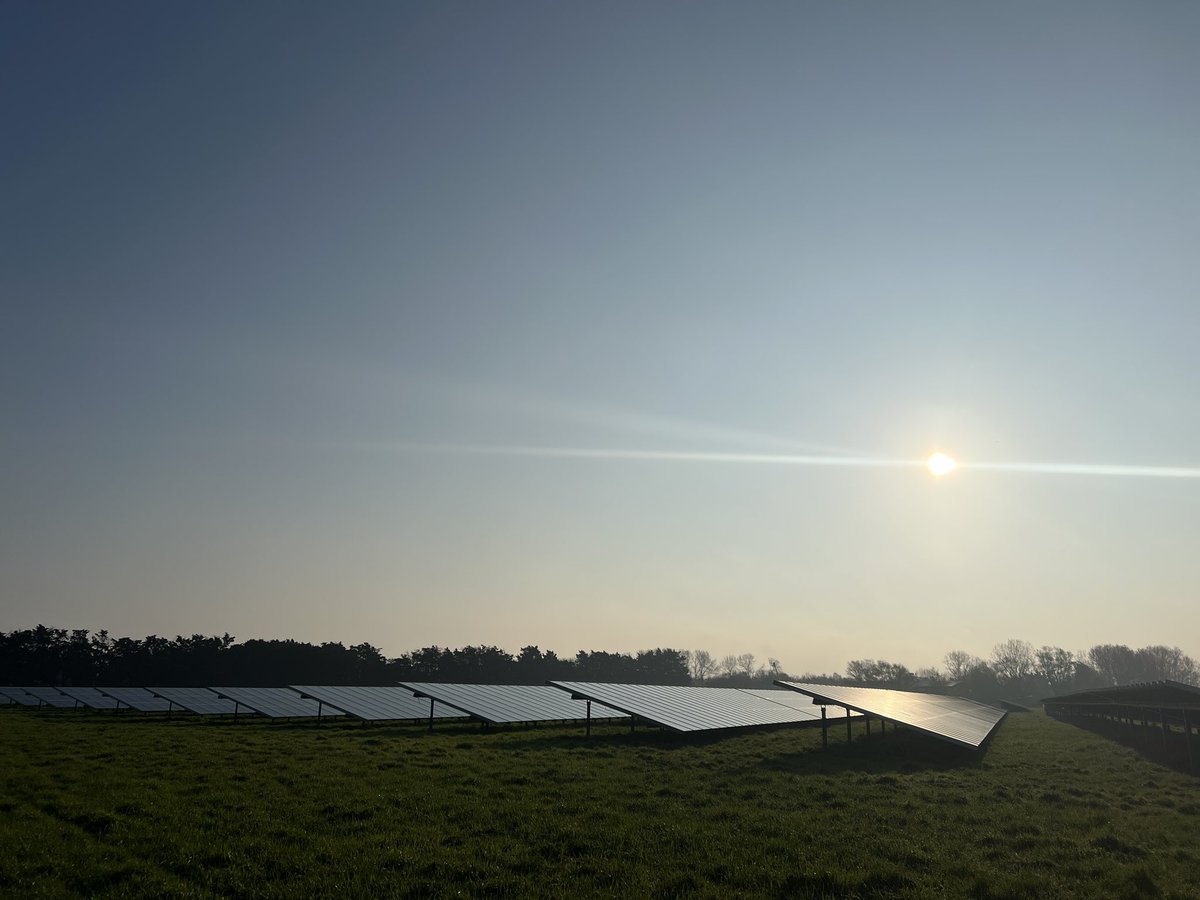
We found that -hectare for hectare- solar farms managed with nature in mind can support a greater number of bird species & individuals than surrounding intensively managed arable land 🐦
@RSPBScience @CLR_Cambridge
tandfonline.com/doi/full/10.…
66
24 Oct 2024
1/6 #BOUasm24 #SESH3 | Modelling the impact of onshore renewable expansion on nature, food, and carbon
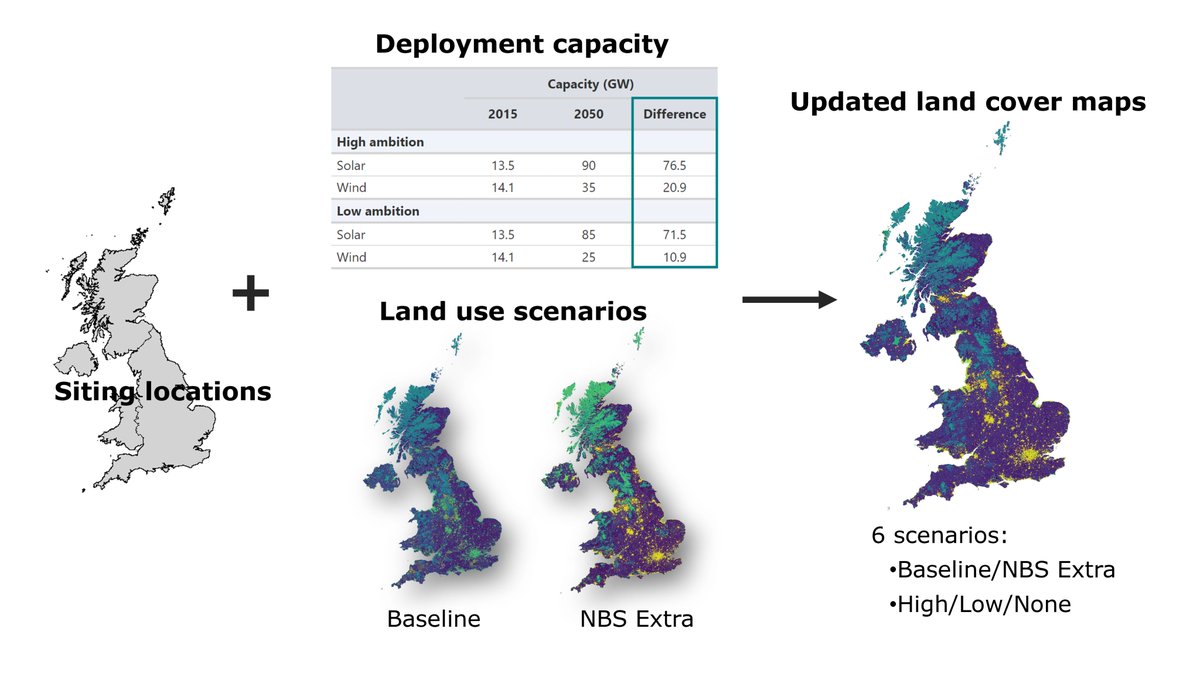
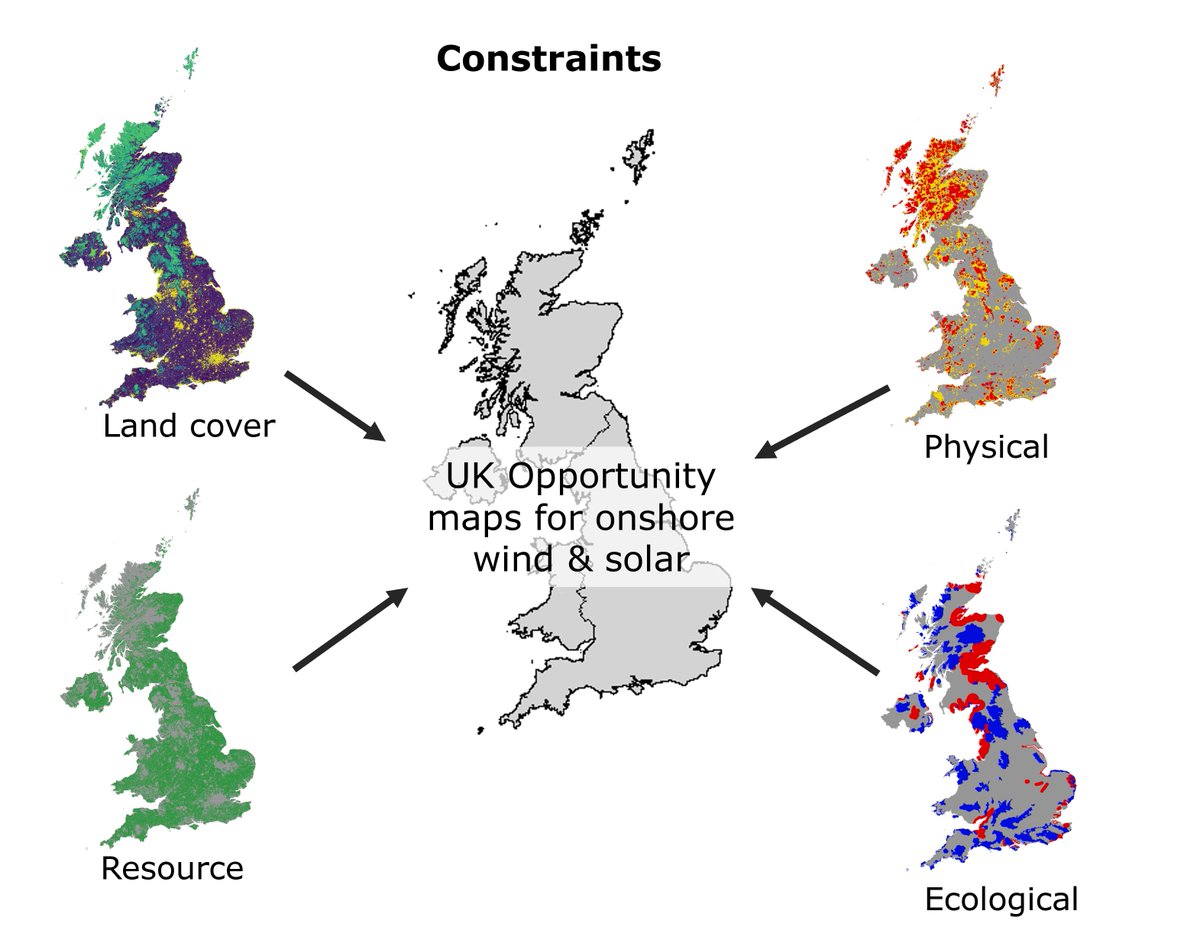
We assess the area of land needed for onshore renewable energy generation and explore co-benefits and trade-offs. Full details in our latest paper:
cell.com/cell-reports-sustai…
1
1
1
136
24 Oct 2024
5/6 #BOUasm24 #SESH3 | Results
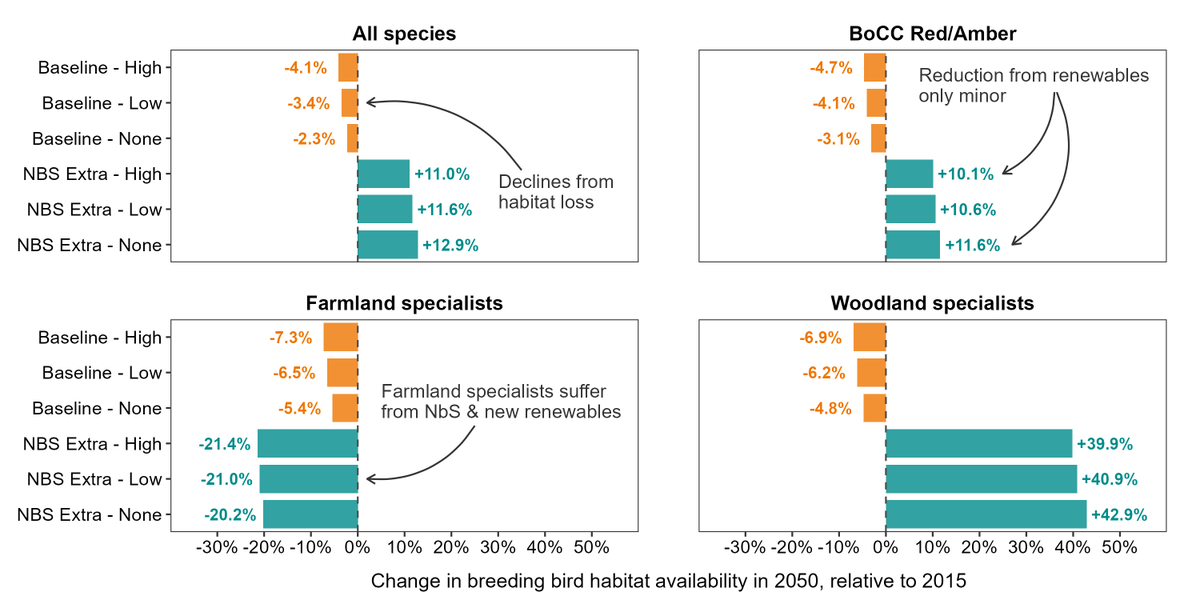
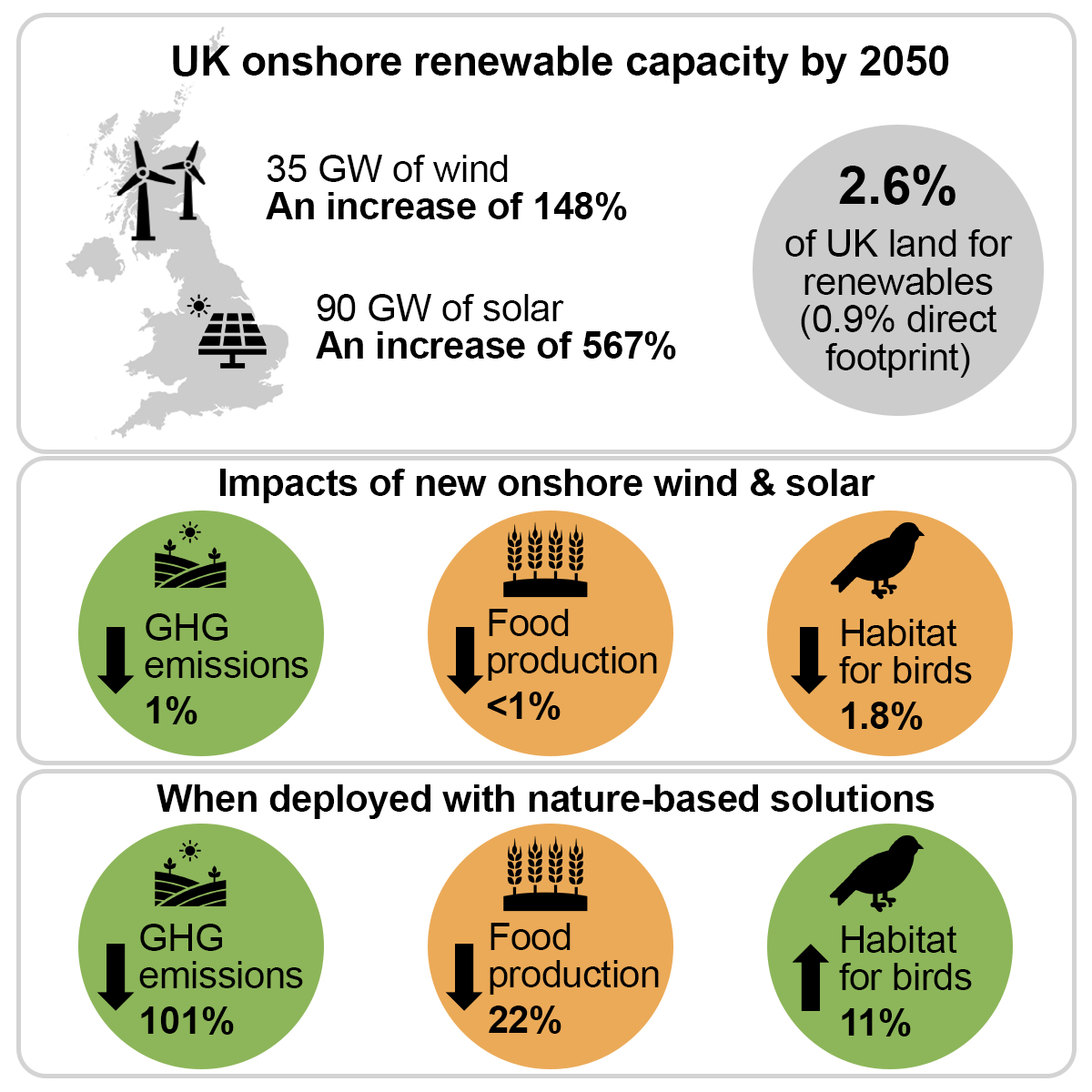
Onshore wind and solar had a small impact on bird habitat availability at the national scale because the footprint of infrastructure is small and the increases in habitat availability from NbS far outweigh the impact from renewable energy deployment
ALT Plots showing impacts of renewables on four bird groups. NbS has greatest impact with renewables accounting for around 1.8% lower habitat availability compared to scenarios without new renewables
1
1
58
24 Oct 2024
6/6 #BOUasm24 #SESH3 | Conclusions
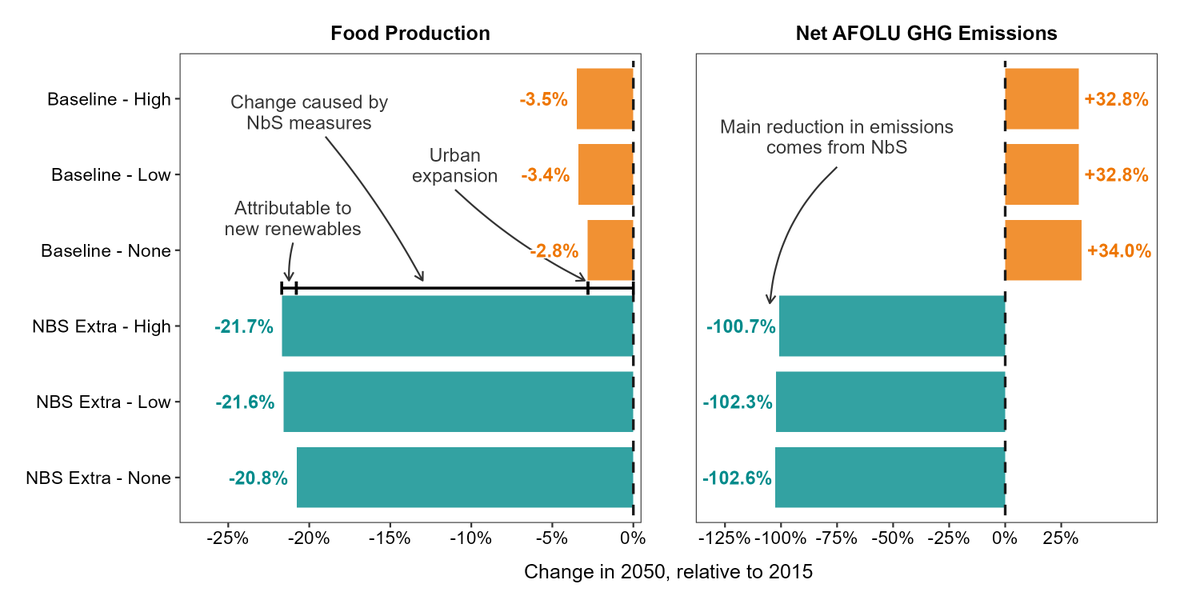
• Ambitious renewable deployment uses only a small fraction of land
• Little cost to food production, GHG sequestration & most terrestrial birds
• We could deploy more renewables without substantially contributing to future land challenges
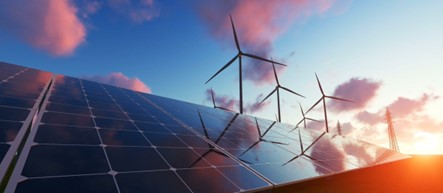
ALT Image of wind turbines and solar panels at sunset. Source: greensync.com
1
53

There has been a rapid expansion in growing crops to produce biomethane as cleaner alternative to fossil fuels to help reach #NetZero
But cultivating maize on drained peat emits 3x more #CO2 than it avoids by not using natural #gas says new @UK_CEH study:
ceh.ac.uk/press/growing-key-…
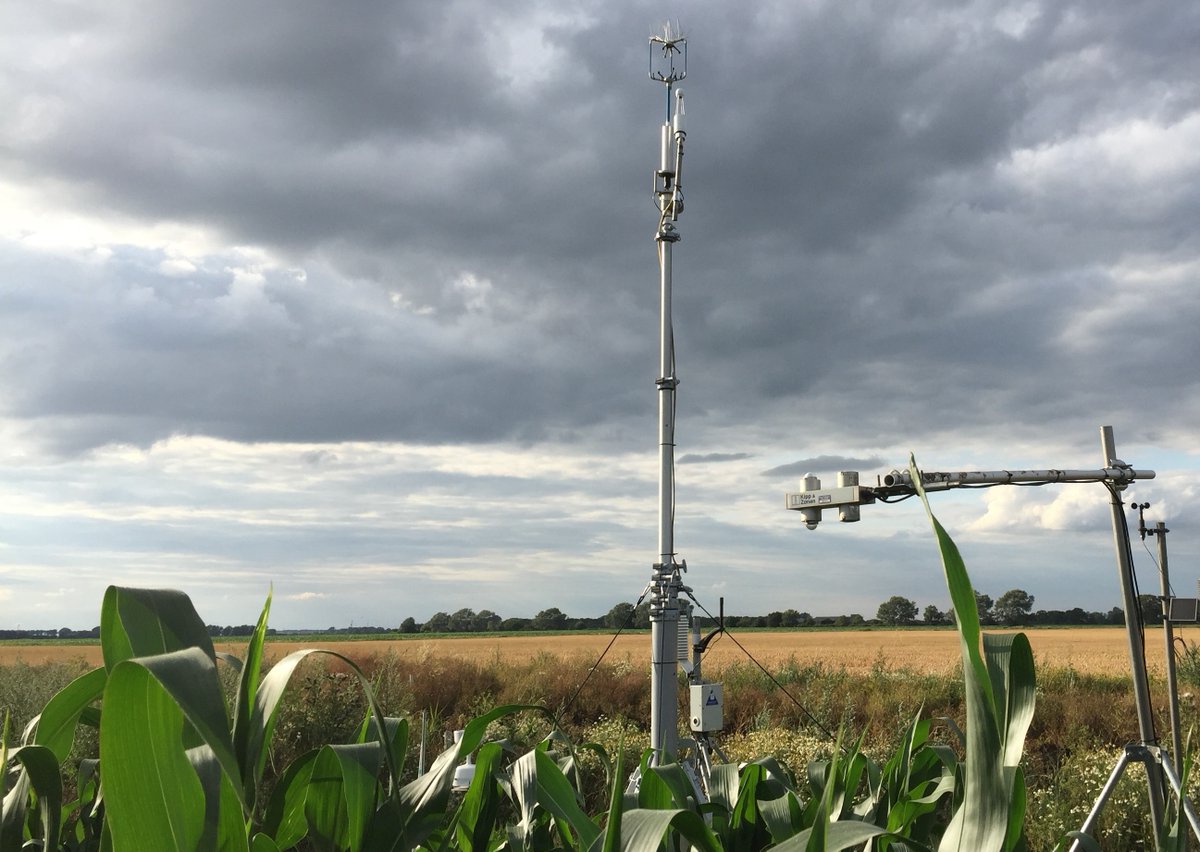
ALT Flux monitoring on fen
2
7
8
1,164
Joshua Copping retweeted

27 Aug 2024
ICYMI, we mapped opportunities for onshore renewables across the UK, and found that there's easily enough space to meet net zero energy targets without compromising other objectives from land: cell.com/cell-reports-sustai… Eagerly awaiting the government's Strategic Spatial Energy Plan
7
8
2,389
Joshua Copping retweeted
23 Aug 2024
Great to Josh's hard work pay off with a publication. We reckon there is ample space for onshore renewables to be deployed without meaningfully impact food or nature. So, no excuse for development in silly places. As with all land-use decisions, we need to be strategic.
23 Aug 2024

I’m pleased to share our newest paper: “Ambitious onshore renewable energy deployment does not exacerbate future UK land-use challenges”. cell.com/cell-reports-sustai… 1/8
2
4
532
Joshua Copping retweeted

23 Aug 2024
New research from @Natures_Voice shows there is room for greater ambition on onshore wind and solar #energy deployment to enable the UK to transition towards much higher levels of #renewable energy.
community.rspb.org.uk/ourwor…
2
2
282
23 Aug 2024
I’m pleased to share our newest paper: “Ambitious onshore renewable energy deployment does not exacerbate future UK land-use challenges”. cell.com/cell-reports-sustai… 1/8
1
2
7
1,115
23 Aug 2024
So, what does this mean? The relatively small percentage of land required for renewables means we can steer the deployment of onshore renewables towards lower-grade agricultural land and away from sensitive wildlife areas and national parks. 7/8
1
61
23 Aug 2024
In doing so, nature can be given suitable space to play a crucial role in our overall efforts to tackle climate change, underpin our food security through nature-friendly farming, and reach net zero emissions by 2050. 8/8
56