Joined April 2010
- Tweets 10,131
- Following 155
- Followers 170
- Likes 209,662
2,047 Photos and videos





John harris retweeted

Hawks are NOT fine on the perimeter. Not even close. We couldn't get a good shot in the half court for nothing in the world in the playoffs.
Transition and sets are fun in the regular season but when the game slows down you need guys who can get their own shot. Guys who can force help to come to open up the game for others.
Furthermore you can not win a championship with just one star unless that star is an MVP level guy. We don't have that so we gotta have 2.
While most fans including myself believe a rim protector will take this defense to the next level, fact is they like Okongwu who is 25 years old coming off of a career year.
Meanwhile one of our starting guards is an unrestricted free agent who will be 35 when next season starts. That's the bigger long term need.
If Trae were here we would have the luxury of drafting Mara without blinking. But by trading Trae and not getting a long term replacement back, we created another hole. That's made worse by the Risacher regression.
If Mara is the pick he is not starting next season. I doubt Quinn is cutting Okongwu's minutes much. He's playing 30/48 leaving Mara with 18.
A guard or wing could be the 6th man playing 25 mins. Gabe Vincent is a free agent too and terrible. I'd rather resign Joc Landale than him. If CJ bolts then that draft pick can start.
If we were able to swing a trade for Brown and somehow keep 8 while shipping out Okongwu, then we could make that pick.
Even if Wu is hsre, if somehow you could guarantee we move up from 23 and get Okorie, then I'd be cool with Mara. I also have Mara ranked higher than Flemmings.
I just can't pass on the upside of other guy's like Acuff Jr, Wagler and Brown Jr for Mara. One of these perimeter guys is going to be great. Our highly paid GM and scouts must find the right one.
#TrueToAtlanta

🤦🏽♂️ Hawks are fine with Guards we need a Front Court piece to rim protect and finish inside.
💁🏽 Build a Bear don’t move the deck chairs on the Titanic. So, fix the holes don’t repeat the holes.
10
24
3,331
John harris retweeted

Now “several teams” want him but he had no trade value in Atlanta? Anti Atlanta propaganda at its finest
1
1
3
151
John harris retweeted

Jun 15
« J’ai la dalle »
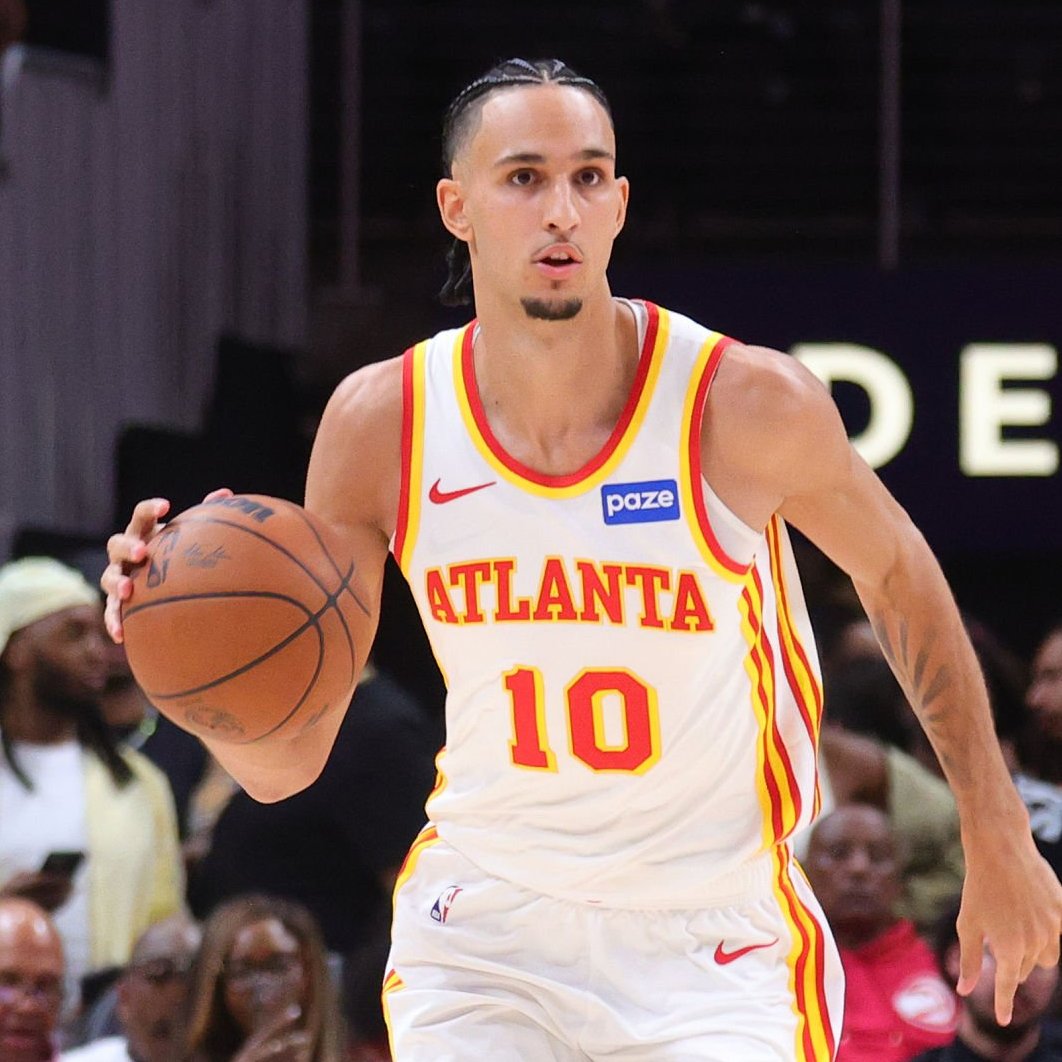
Zaccharie Risacher à propos de sa seconde saison en NBA :
« Saison assez frustrante. Assez frustrante parce que le temps de jeu que j’ai pu avoir n’a fait que se réduire au fil du temps. Au final, j’ai dû me concentrer davantage sur moi-même, faire en sorte de continuer à avancer malgré l’adversité.
J'arrive avec l'équipe de France en ayant hâte de pouvoir rejouer au basket, en ayant la dalle. Cet été cet été va être très important pour moi pour pouvoir travailler et continuer à devenir meilleur. »
Quant à sa rétrogradation dans la rotation, ça s’est fait progressivement, sans vraiment d’explication du coach.
Risacher : « Tu commences un peu à le sentir. C'est pas aussi clair que ce que j'aurais aimé, mais ce n’est pas pour autant qu'il faut faut baisser les bras, se morfondre. Et comme je le disais un peu avant, ce n'était pas parfait, mais j'essayais de rester concentré sur moi-même, malgré tout d'être un bon coéquipier.
J'ai appris que parfois, on pouvait tout faire comme comme il fallait, ça ne va pas toujours dans ton sens. J'ai appris que la NBA, c'est avant tout un business aussi. Et que c'est important, justement, dans ces moments durs de continuer à avancer, et de continuer à donner le meilleur de soi-même.
J’écoutais le discours de chaque joueur des Knicks, ils vont tous te dire qu'il y a eu des moments durs dans leur carrière et c'est ce qui fait la beauté du sport en général. Maintenant, tu les vois soulever le trophée, avoir leur bague, et c'est ce qui rend ces moments-là encore plus spéciaux. »
Via @nbaextra
7
6
115
64,472
John harris retweeted
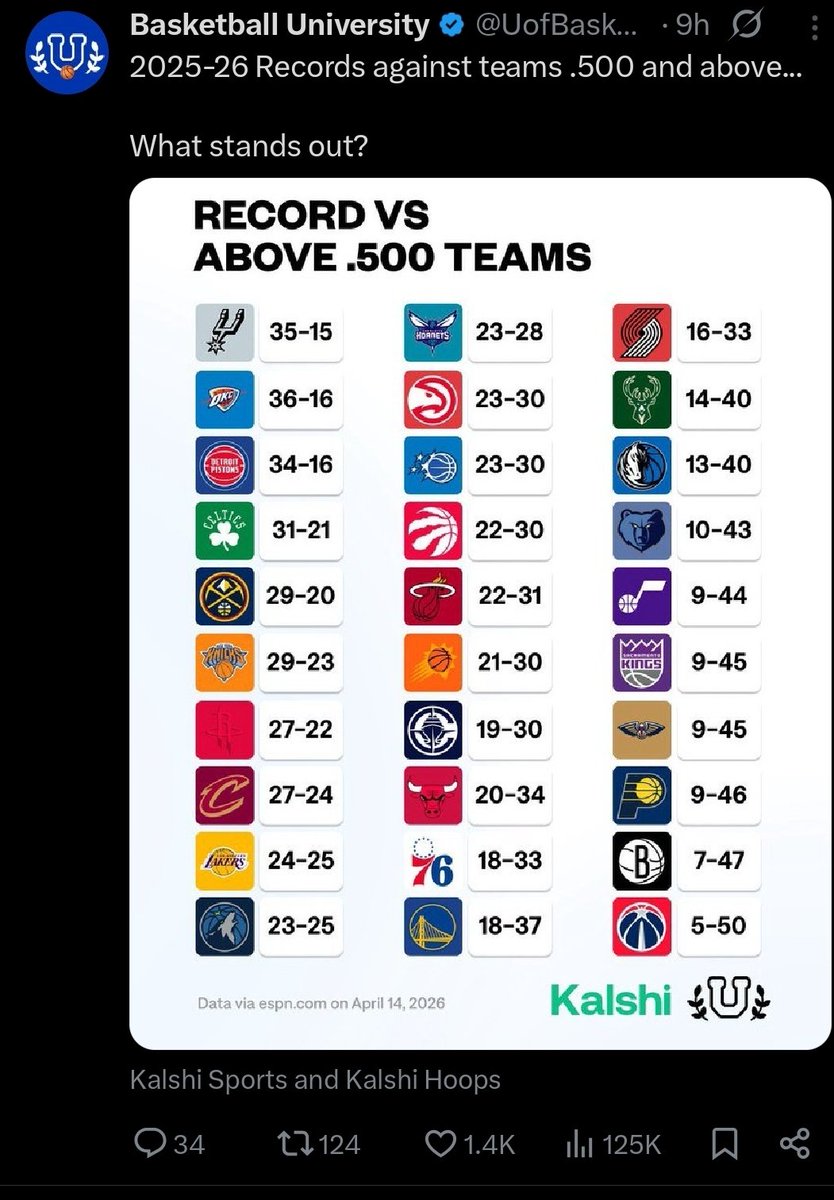
The issue here is the #1 guy for each team is an All NBA 1st team player. Top 5 in the league. One a 2X MVP.
Even then part of the young supporting talent is All NBA Jalen Williams, a lottery pick who they couldn't win the title without. Their 3rd best player is a #2 overall pick.
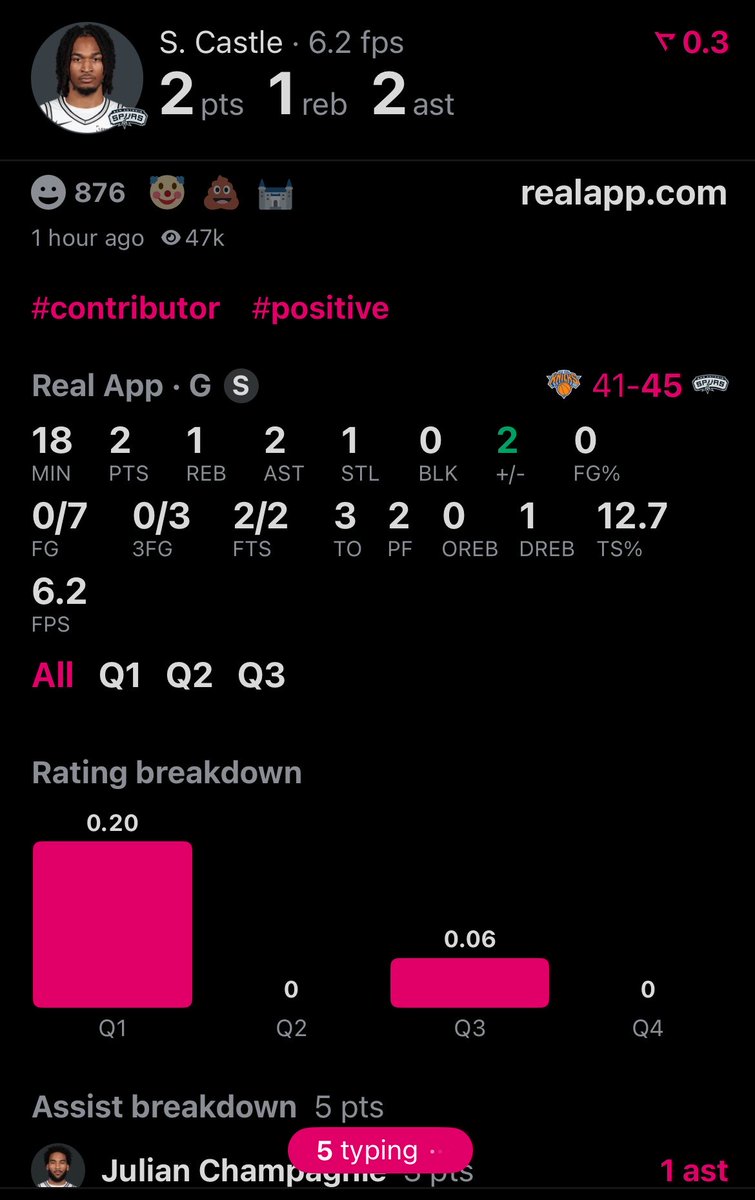
Spurs also have a Harper also a #2 pick and it's already easy to see he's one of them ones. They also have Castle a dogg that's a top 5 pick. 3 top 5s in a row is now banned.
JJ isn't a top 5 player. He's closer to Jalen Williams than SGA or Wemby. So his side kick needs to be better than theirs and his #3 as good.
With the current state of our franchise, how is Onsi supposed to add that type of talent while we're winning games? What are the odds of building a championship team through the draft without lottery picks?
#TrueToAtlanta
Jun 13

Get a superstar, surround him with young talent and depth… if Onsi is the GM/President everyone thinks he is with his nice new promotion then that’s the standard he’s gonna have to meet… he’s gonna have to Presti this deal if this is the way he’s gonna go
1
1
1
392

John harris retweeted

Jun 13
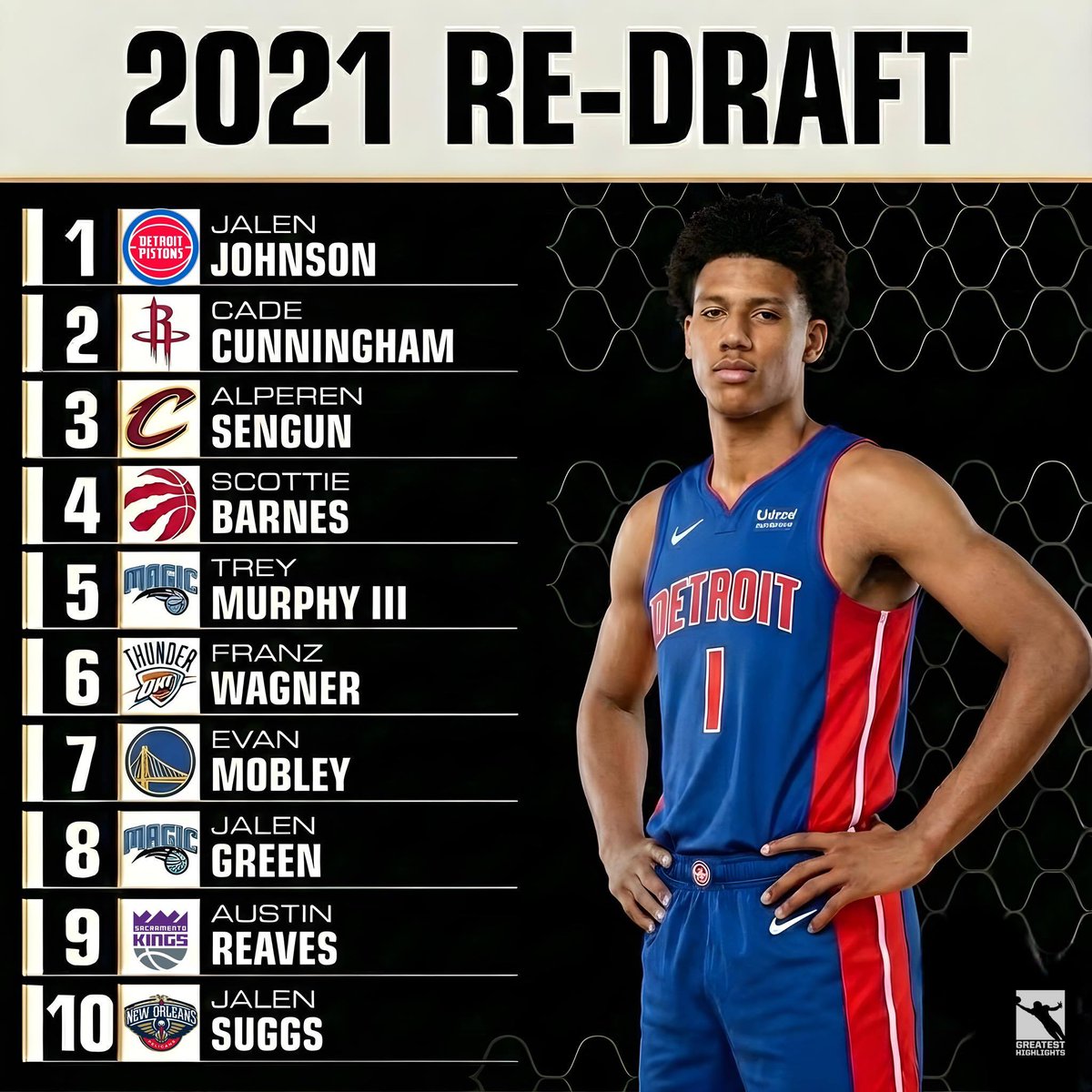
The 2021 re-draft
386
33
1,859
546,380
John harris retweeted

Jun 13
Could the plan be to get JB, hold him for two years and then do a sign and trade him for Antman while giving up minimum assets?
1
1
2
226
John harris retweeted

Jun 12
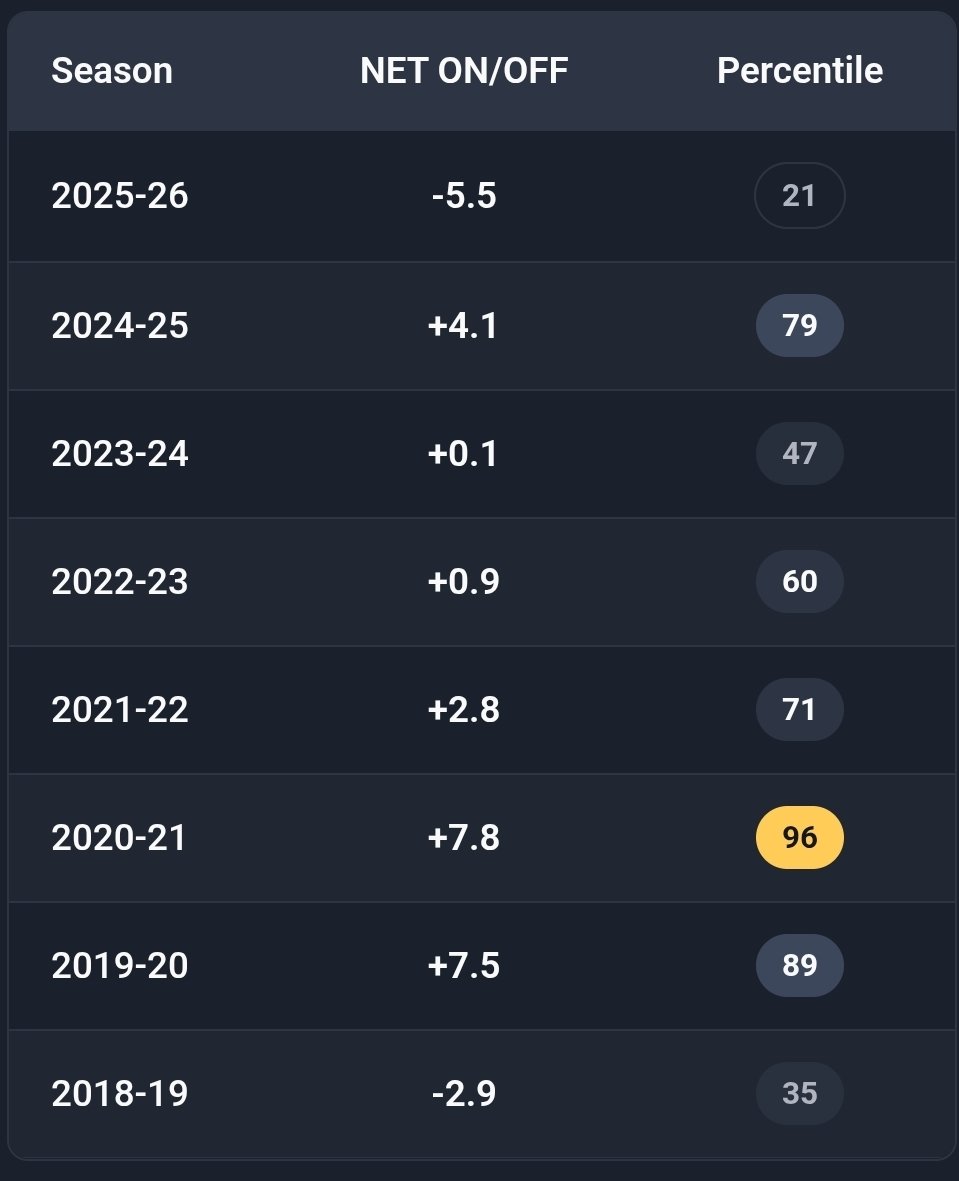
Folks hate Trae, but JJ plays 1st playoffs, play bad on off & def & ppl are happy we won 2 games in playoffs. Nobody wants to actually beat the Knicks, we didn't have enough with an All-NBA player, MIP, & All def player on team. JJ gave up 23pts in game 1 youtu.be/AC9n6DiGSsM?si=czyx…

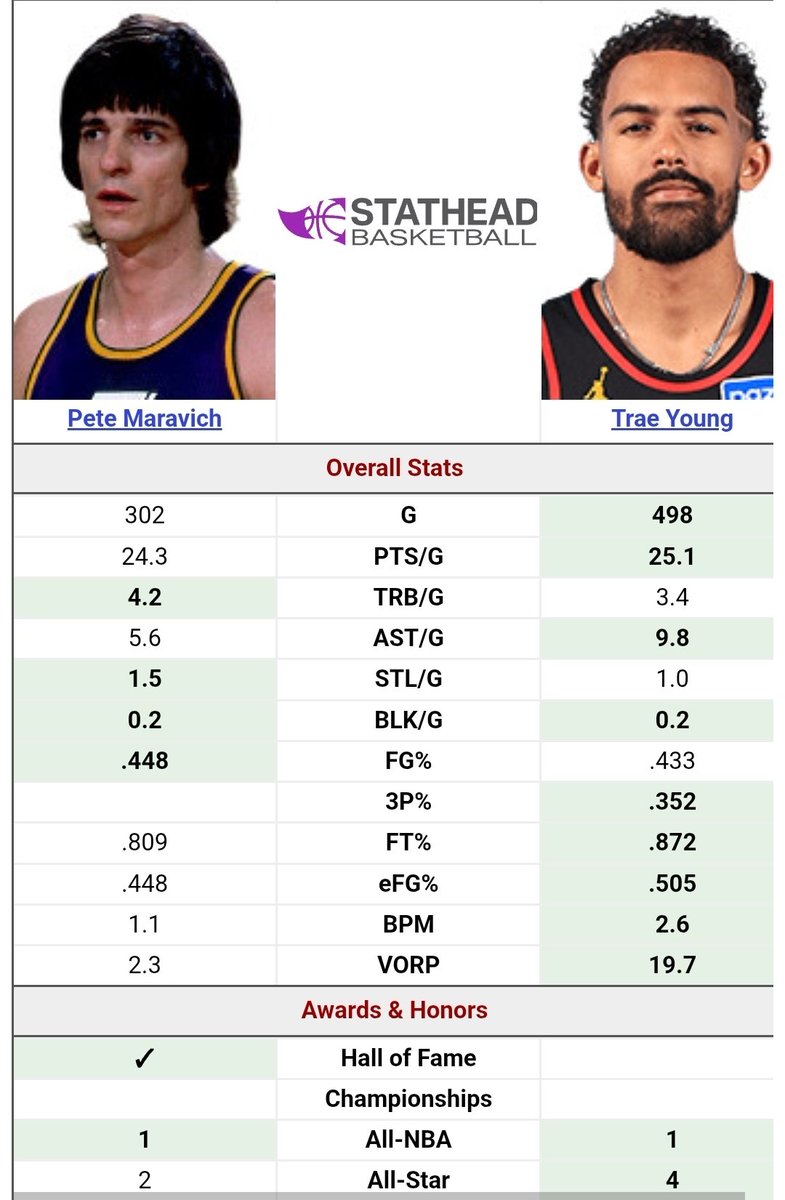
Y'all hate on Trae Young so bad. Hate him or not, he's the franchise's
All Time leader in Assists and 3s made. He's 3rd in PPG.
He's 3rd in playoff 3s made. Trae has the exact same PPG average as Nique in the playoffs and we had the most Ws in a single playoff run.
If Pistol Pete is up there Trae Young definitely should be.
2
1
3
346
John harris retweeted

Jun 11
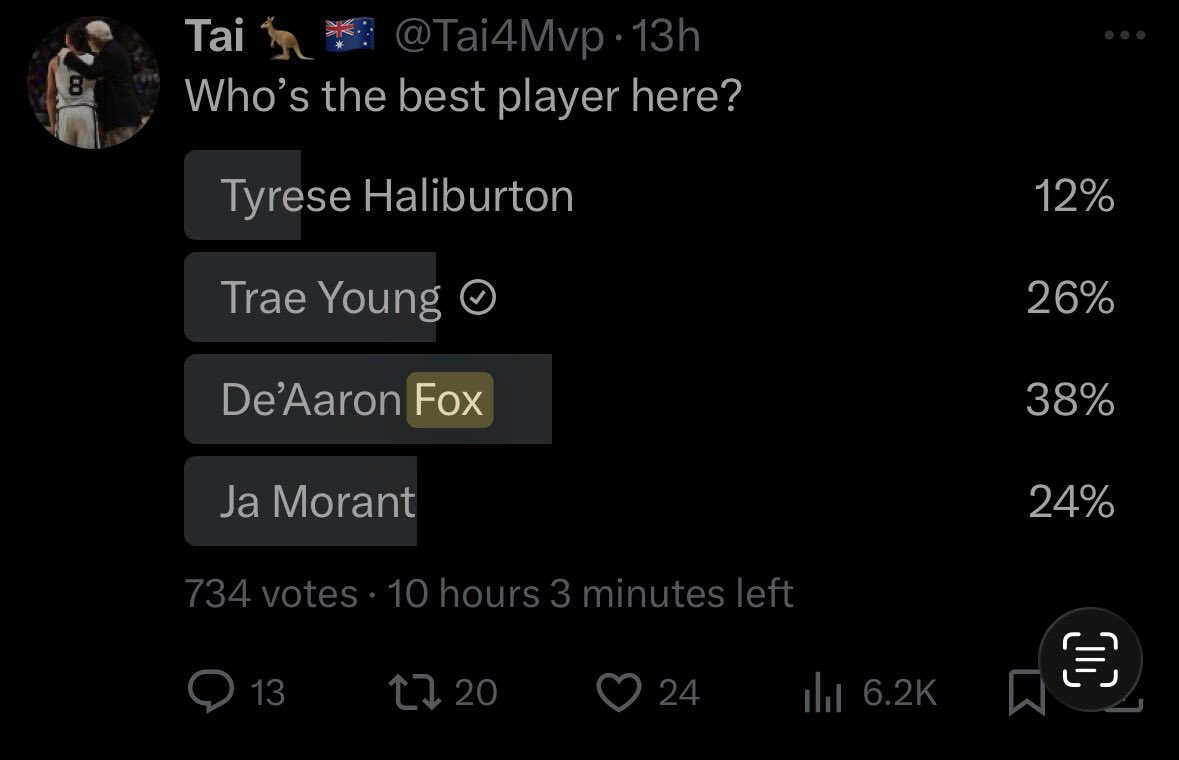
They really tried to say Hali and Fox were better than Trae smh. You can tell people don’t actually watch the games. 🤦♂️ #TrueToAtlanta

4
2
8
1,114
John harris retweeted

Jun 11
Spurs return in the Dejounte deal so far
- Carter Bryant
- moving up from pick 29 to pick 20 in ‘26 Draft
- unprotected ‘27 Hawks pick
Hawks return from their own Dejounte trade so far
- Dyson Daniels
- Jonathan Kuminga
- ‘27 worst of Pels/Bucks 1st (top 4 protected)
9
16
271
18,563
John harris retweeted

Jun 11
mfs who think Trae Young was the issue and not the Hawks FO has low human IQ forget basketball IQ. this city ASS as far as basketball goes. it took a stacked roster to make ECF in ‘16. Trae did it w niggas who barely on rosters now. i’d leave too if niggas tried to scapegoat me.

1
4
1,187
John harris retweeted

Jun 10
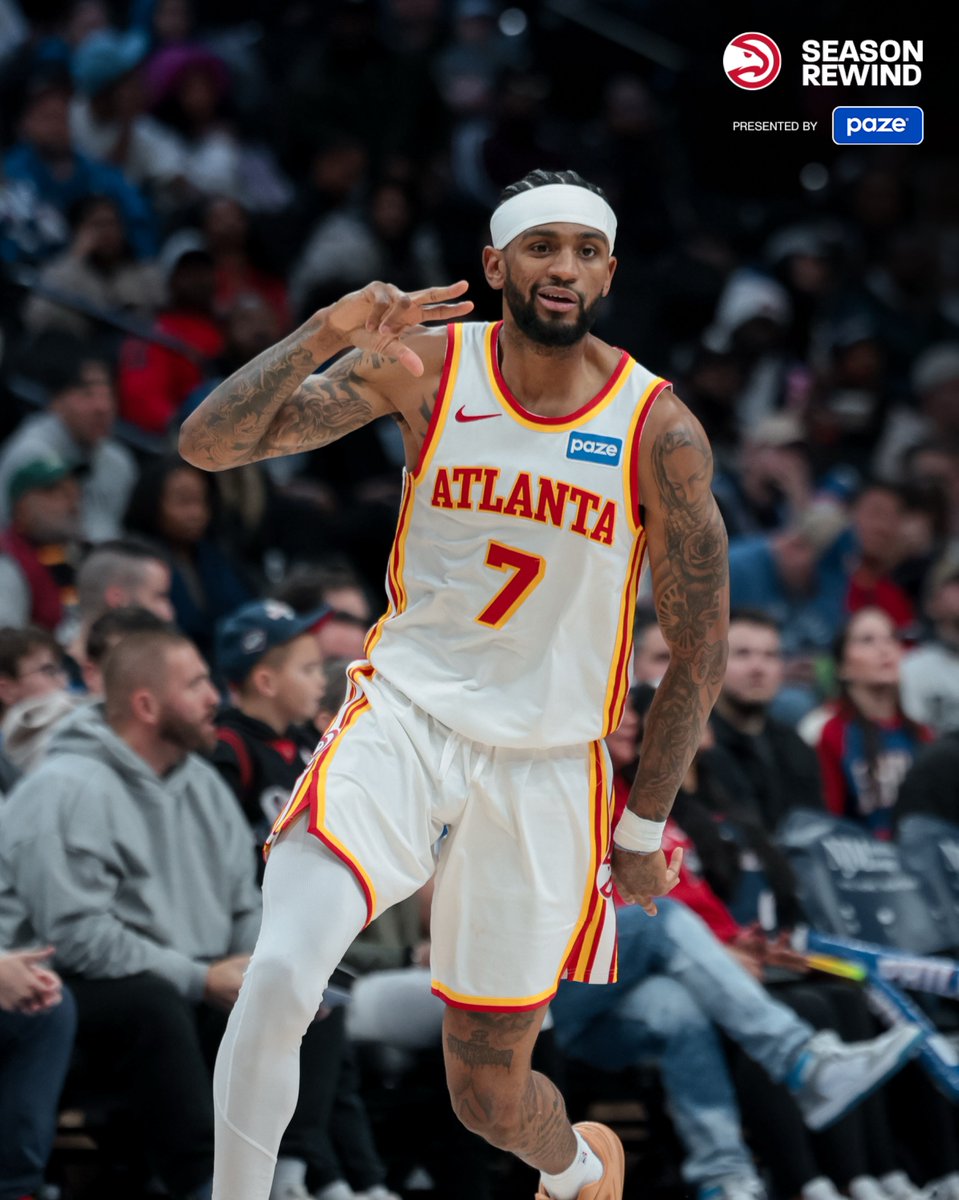
Nickeil Alexander-Walker:
First 6 seasons: This season:
8.6 PPG 20.8 PPG
41.4% FG 45.9% FG
36.0% 3P 39.9% 3P
Earned his MIP 🗣️
2
40
389
41,559
John harris retweeted

Jun 8
Se esse cidadão começar a jogar um basquete decente, pode protagonizar uma das maiores reviravoltas da história da NBA.
Estou na torcida para que isso aconteça. 🦅
11
1
36
8,527
John harris retweeted
👀 Looks like Zaccharie Risacher is putting in serious work this offseason.
The talent has always been there. The question now is: could this be the breakout season the Atlanta #Hawks have been waiting for? 🔥🦅🏀
25
20
270
57,473
John harris retweeted

Jun 8
27
9
193
1,324,834
John harris retweeted

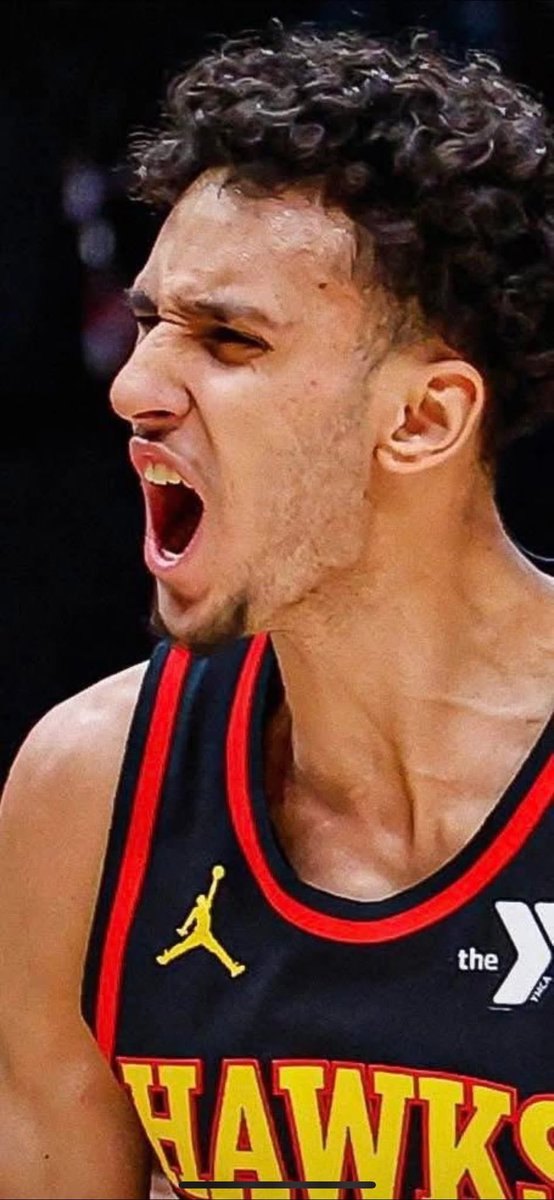
The 2025-2026 season was not a failure or a retreat from an otherwise stellar rookie season from the former #1 overall draft pick in the 2024 NBA draft. It was merely a “tactical withdrawal” for Zaccharie “The RZA Man” Risacher to reposition, regroup, assess the changing terrain of the NBA, strengthen his body, and return with a renewed strategic advantage.
Rookie Season (2024-25): Strong foundational 3&D emergence with late surge
Risacher played 75 games (73 starts), averaging 24.6 MPG, 12.6 PPG, 3.6 RPG, 1.2 APG, 0.7 SPG, 0.5 BPG, on 45.8% FG, 35.5% 3P (4.6 3PA), 71.1% FT. He finished 2nd in ROY voting and made All-Rookie First Team.
What he did very well (technical strengths):
• Catch-and-shoot/off-ball shooting (core skill): ~90% of 3PA were catch-and-shoot. He shot ~36.7% on these overall (improving to ~42.5% post-Jan 15). Strong from corners; above-the-break (ATB) threes were initially poor (~18% early) but rose to ~38% later. Shot quality was high (83rd percentile among movement shooters), with most looks wide-open due to smart selection and Hawks’ spacing. Quick release, high release point.
• Off-ball movement and cutting: Excellent timing/angling for cuts (45° or baseline), relocation, and screening actions. High assist rate on 2P makes (>70% assisted). Creative finisher in transition and at rim with either hand or mid-air changes. Floater development showed flashes.
• Defense and versatility: Solid perimeter defender for a 19-year-old rookie. Good lateral quickness, help defense, isolation defense (0.94 PPP allowed), low foul rate. Versatile switching (wings, some guards/forwards). Contributed blocks/steals for position; not a liability in team schemes despite advanced metrics reflecting rookie adjustment.
• Decision-making and efficiency surge: Slow start (first ~39 games: ~40/28/71, poor TS%). Post-adductor strain (second half, 36 games): 14.8 PPG on 51/42/71, Rookie of the Month (Feb/Mar). TS% jumped dramatically. Sound passer in drive-and-kick/spotting cutters (low volume but quality). Rebounding neutral-positive for role.
Areas of limitation in Year 1: Low creation/usage (~20-21% USG). Drive finishing weak (~42% on drives). Early inefficiency, especially ATB threes and rim/floater. Limited on-ball creation and strength in traffic.
Advanced context: Positive eFG% (~.537), but BPM/WS/48 reflected rookie variance and team context. High minutes/starter load for a young wing showed coach confidence.
Second Season (2025-26): Role compression but efficiency/versatility holds
67 games (46 starts), 22.4 MPG, 9.6 PPG, 3.8 RPG, 1.1 APG, 0.9 SPG, 0.5 BPG, on 45.5% FG, 36.8% 3P (3.9 3PA), 64.4% FT. Usage dropped (~17.7%), points per game fell with deeper Hawks roster, but efficiency was stable/slightly improved in spots amid fluctuating minutes/role.
Improvements/continuations:
• Slight 3P uptick and consistency: 36.8% on lower volume; maintained catch-and-shoot threat while adapting to shared spacing/creation.
• Defensive activity: Steals up to 0.9 SPG; continued versatility without major regression.
• Rebounding: Modest bump (3.8 RPG), showing physical/positional growth.
• Adaptability: Handled inconsistent role/minutes better than expected. TS% held near prior levels (~55-56%). Per-36 scoring dipped but with lower usage/load.
Challenges: Fewer opportunities in competitive lineup; FT% dip; overall “step back” narrative due to raw counting stats despite efficiency. Playoff minutes/role were limited in some series.
3
2
26
4,684
John harris retweeted

Jun 6
1
5
2,162

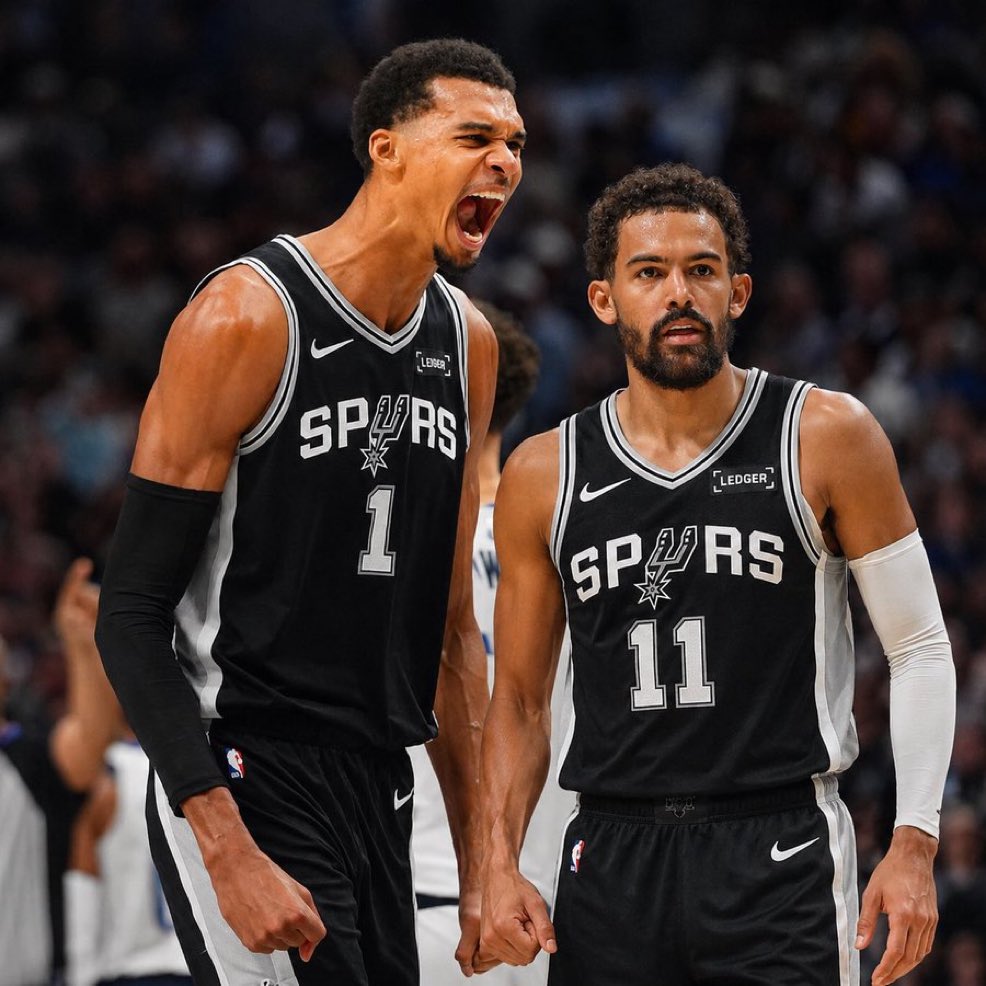

Damn. He should’ve told the GM to be better. Should’ve told them to pick better coaches, build a proper team and not throw another point guard at him ruining his time here in ATL. Maybe better signings? But nah he should’ve done more
Jun 5

Trauma like watching him shoot 8% in a playoff game.
Average 15 Ppg in a playoff series.
Oh and watch him play absolutely no defense while being the highest paid player on the team.
🤫🥱
1
3
958
Trae young trauma? You mean like making history in the organization that has never achieved prior to him in over 6 decades of existence in the city?
Jun 4
Time to heal from my Trae Young trauma and take one more good look at
Darius Acuff Jr
Kingston Flemings
Labaron Philon
Ebuka Okorie
Christian Anderson.
Y’all pray for me!!!
2
15
3,313