
Interested in the bizarre interaction between human nature and energy systems. Modeling geek and partner at Navius Research (my opinions are my own)
Joined October 2012
- Tweets 369
- Following 110
- Followers 120
- Likes 40
14 Photos and videos




Jotham Peters retweeted

12 Jul 2021
We wrote about a significant challenge we see ahead for Canada’s CCS industry - pipelines! Just as the automotive industry relies on road infrastructure, the CCS industry will rely on pipeline infrastructure to move CO2 from where it is captured to where it can be stored
3
3
Jotham Peters retweeted
13 Jul 2021
Our research suggests Canada's net zero economy will need CCS. But it could be a lack of CO2 pipelines that constrains development of a CCS industry. Early investment in shared pipeline infrastructure is critical to unlock this opportunity. Read more here: naviusresearch.com/publicati…
1
1
Jotham Peters retweeted
6 Jul 2021
Our research suggests Canada's net zero economy will need CCS. There is a significant CCS opportunity in Canada, and not only in western provinces. Our net zero scenarios see development of a CCS industry in Ontario and Quebec as well. For more, visit: naviusresearch.com/publicati…
1
2
Jotham Peters retweeted
5 Jul 2021
NEW RESEARCH! Our simulations consistently find that CCS will play an important role in helping Canada to achieve net zero emissions by 2050. For more, visit: naviusresearch.com/publicati…
2
4
Jotham Peters retweeted
8 Jun 2021
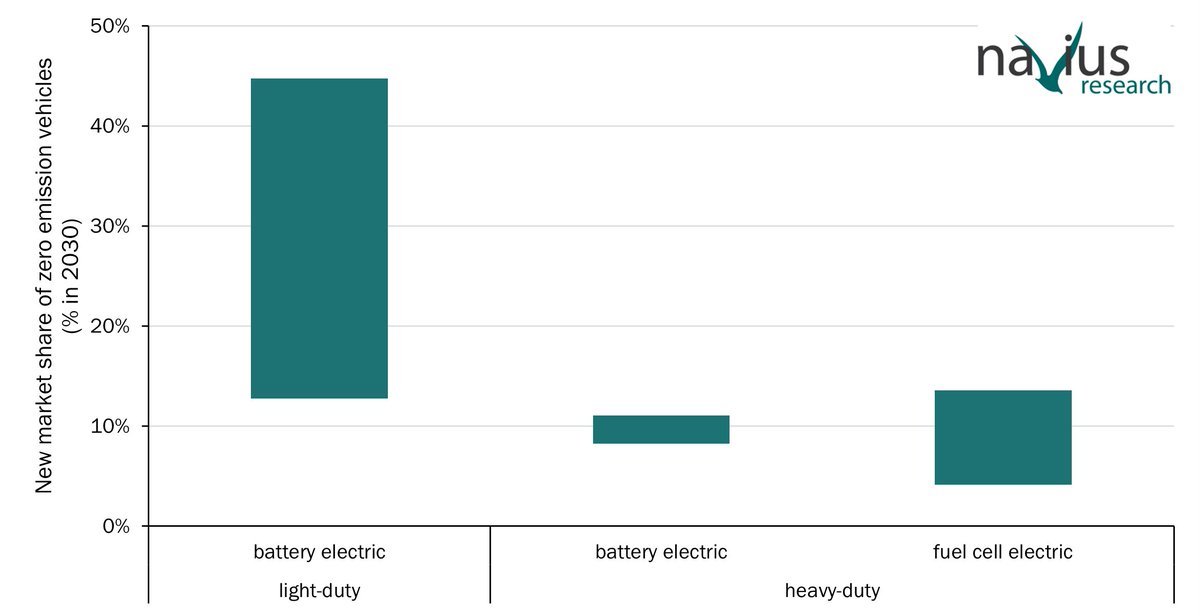
To achieve Canada’s new 2030 emissions target, new vehicle sales will be increasingly zero emission. By 2030, our simulations estimate up to 45% of new passenger vehicle sales will be battery electric, and up to 25% of new heavy-duty sales will be battery electric or H2 fuel cell
1
2
Jotham Peters retweeted
10 Jun 2021
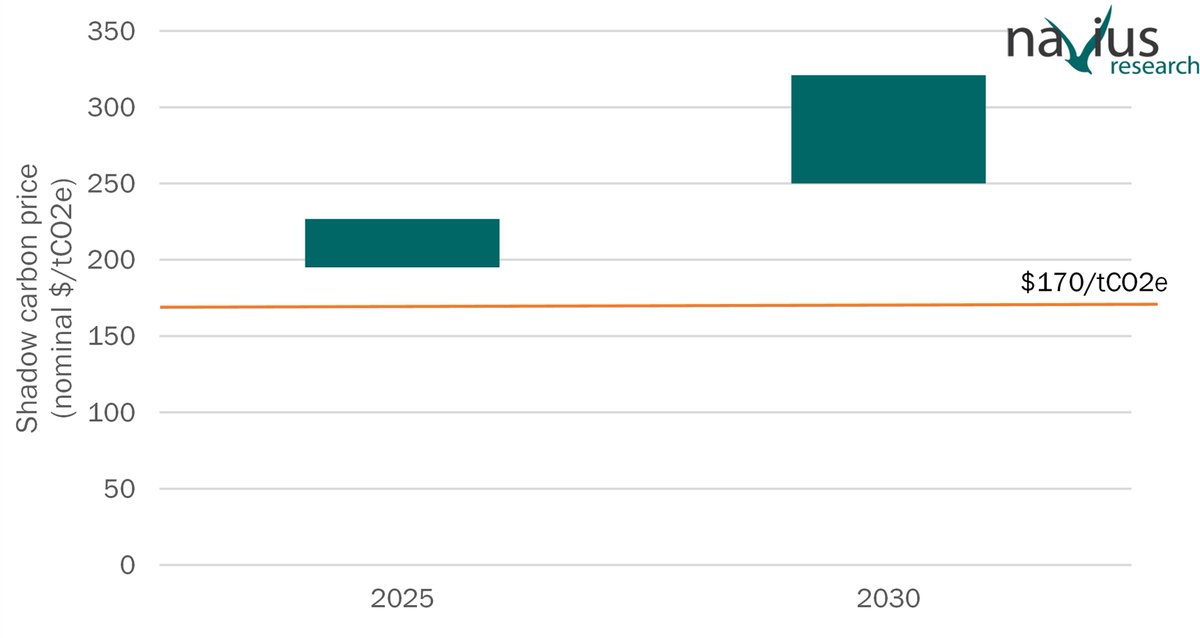
Across >100 scenarios we simulated of Canada's new 2030 emissions target, the carbon price to achieve this target ranges from $250-321/tCO2e in 2030. This suggests that policy additional to the current fed C tax schedule of $170/tCO2e by 2030 will be necessary to meet this target
1
2
Jotham Peters retweeted
7 Jun 2021
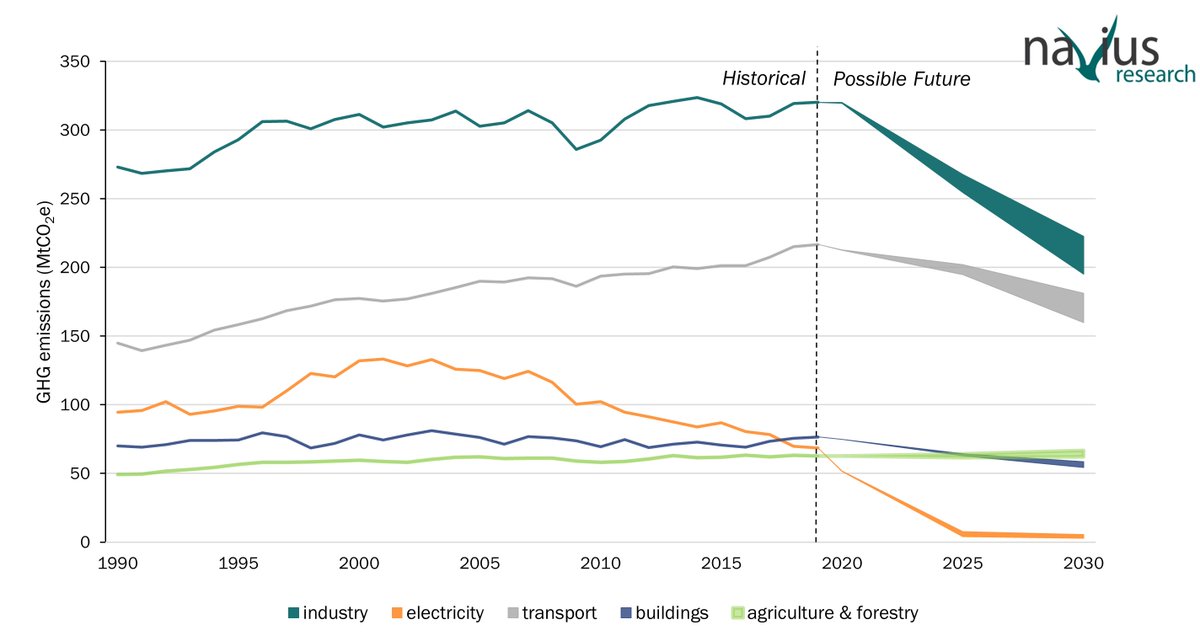
We simulated >100 scenarios of Canada's new 2030 emissions target. Our modeling suggests that we can achieve this target, but it won't be easy. All sectors will need to contribute
6
7
12
Jotham Peters retweeted
7 Jun 2021
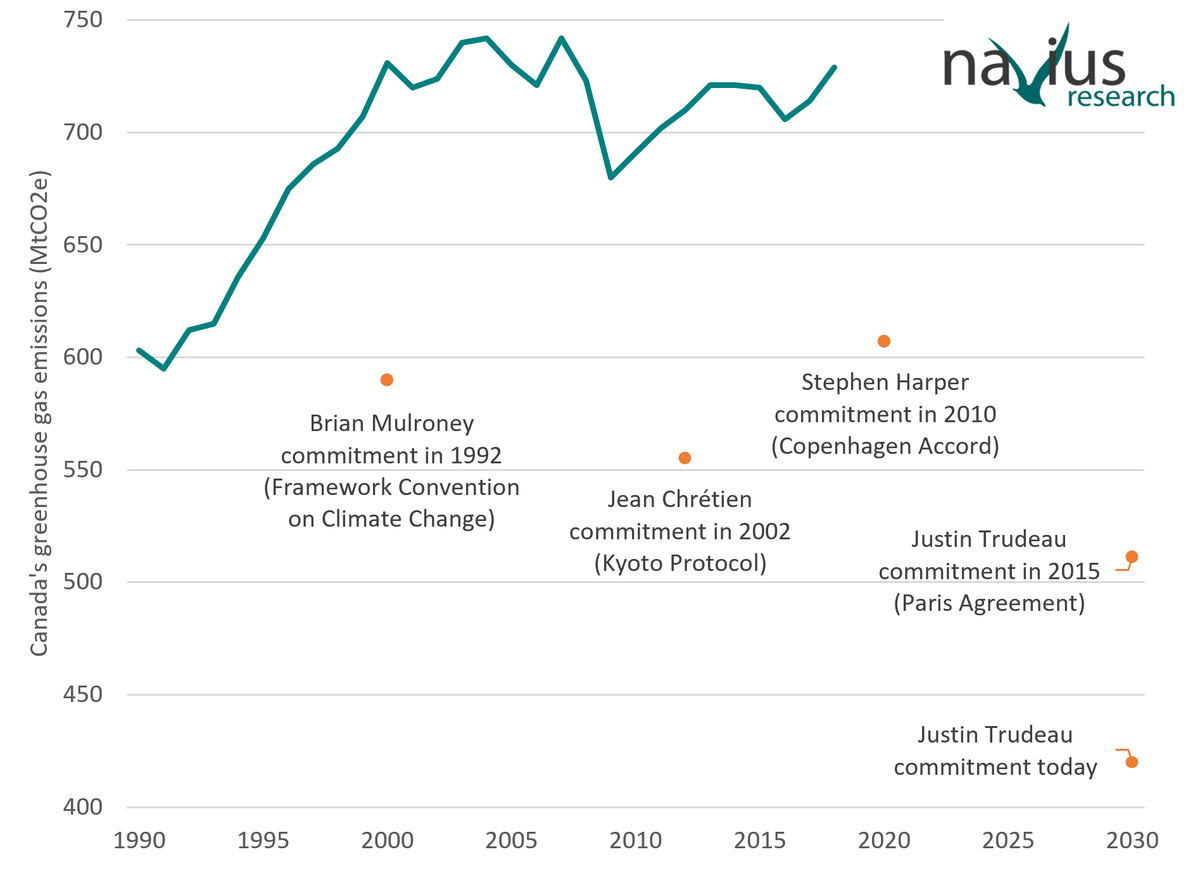
In April, Canada announced a new, more ambitious 2030 emissions target. We have a history of setting climate targets like this, but have yet to meet one. Our modeling suggests this target won't be an easy one to achieve, but can provide guidance on what's needed to get there
1
1
3
Jotham Peters retweeted
16 Feb 2021
We're hiring! If you think you’re a good fit for our team, learn how to apply for (1) Energy-Economy Modeler or (2) Energy Policy Project Manager here:
naviusresearch.com/wp-conten…
naviusresearch.com/wp-conten…

4
4
Jotham Peters retweeted
18 Dec 2020
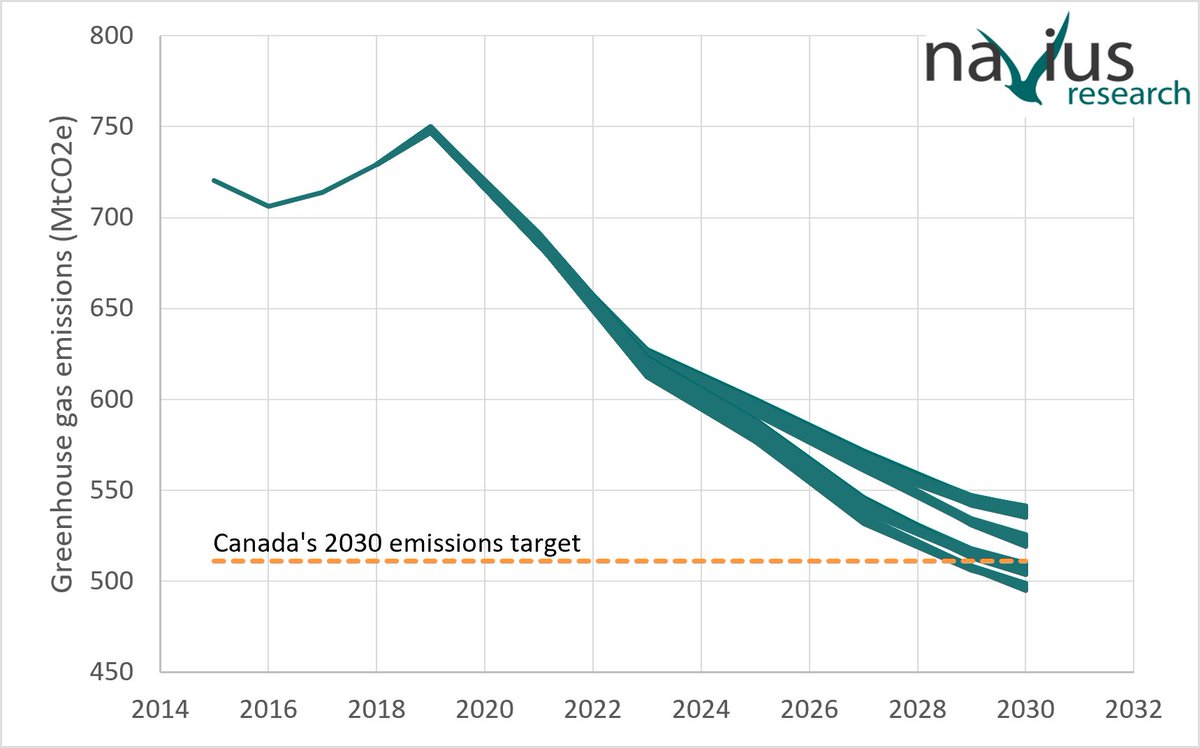
We simulated >200 scenarios of Canada's recently announced carbon price. In our assessment, this policy gets Canada on track to achieve (or exceed) its 2030 emissions target.
2
19
45
Jotham Peters retweeted
8 Jan 2021
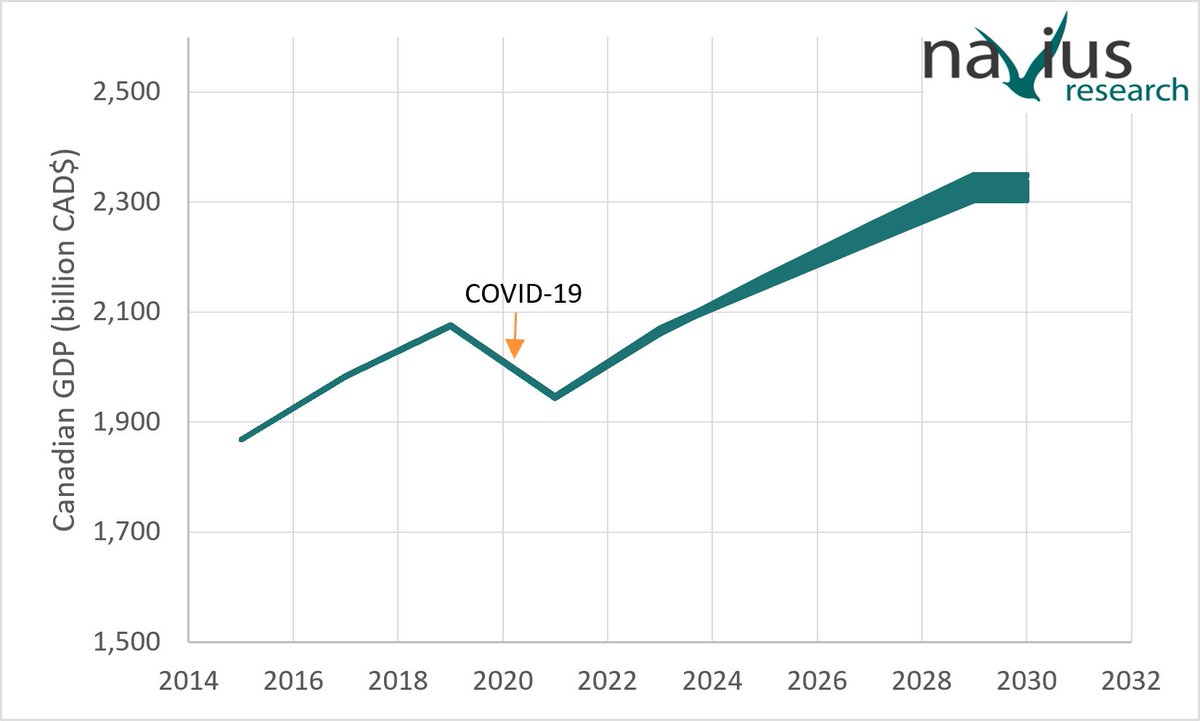
We did an analysis of Canada’s recently announced carbon price by simulating >200 scenarios with this policy. Our projections show Canada’s GDP will grow by 1.9% - 2.1% annually between now and 2030 under the new carbon price.
2
11
27
Jotham Peters retweeted
25 Jun 2020
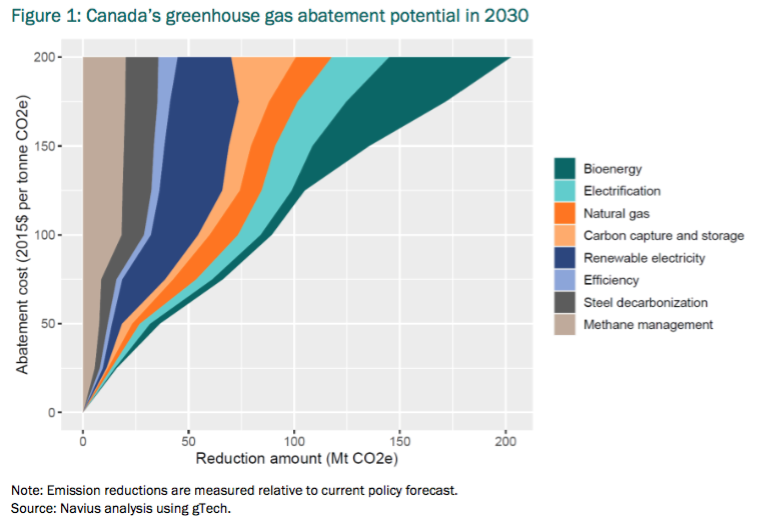
Canada needs to reduce emissions by an additional 134 Mt from current policy to achieve our 2030 climate target. Here is where we've identified these reductions can come from - and for the lowest cost naviusresearch.com/publicati…
1
2
Jotham Peters retweeted
23 May 2020
Our recent analysis of Canada's Clean Fuel Standard estimates the policy will achieve much less than 30 Mt of emission reductions for Canada #CdnPoli policyoptions.irpp.org/magaz…
1
2

17 Feb 2016
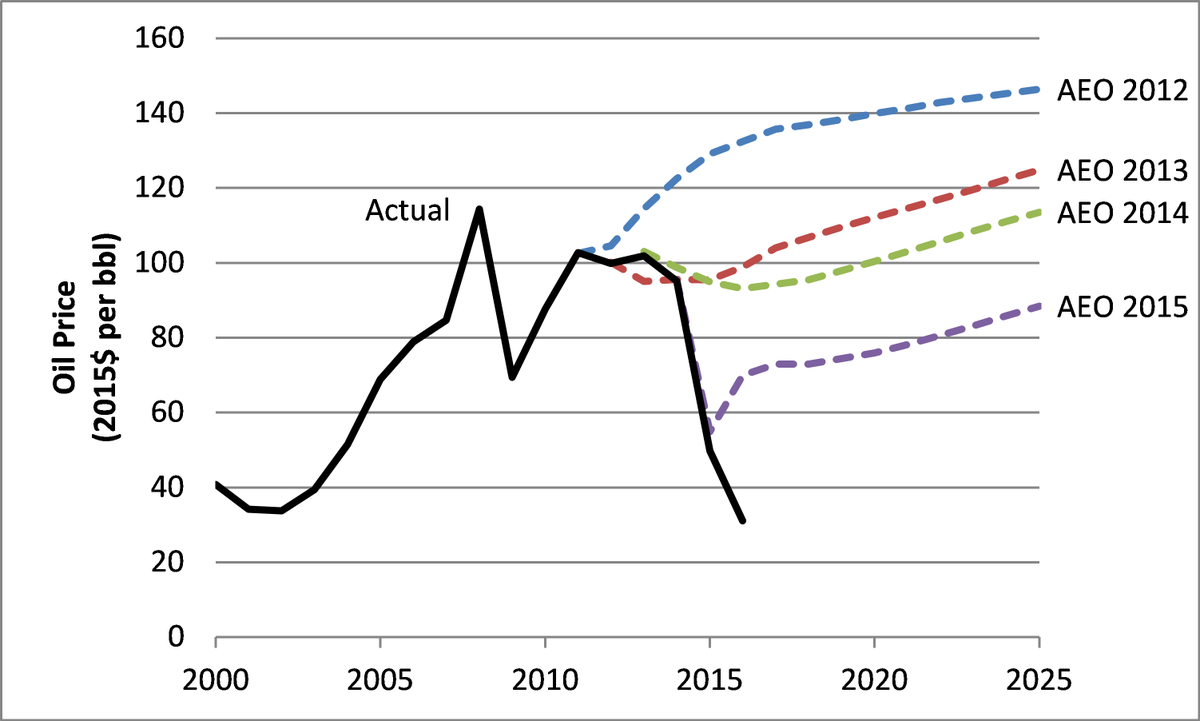
How good are oil price forecasters? Not very :) (Sorry @EIAgov, you are still the best at what you do!)
2
3
9 Feb 2015

CIEEDAC is now on twitter! Tweet us your energy ?'s @CIEEDAC & visit us at cieedac.sfu.ca
1
Jotham Peters retweeted

15 Jan 2015
#GHG impacts of EnergyEast by @JothamPeters for @OEBEnergyEast ontarioenergyboard.ca/html/o… 4Mt wheel to tank max no #KeystoneXL 1 Mt w KeyXL
1
14 Jan 2015
We have been examining the GHG impact of @EnergyEast for the @OntEnergyBoard. Here is a summary! bit.ly/1xZGZzu
1
10 Nov 2014
1