
Journal of Environmental Exposure Assessment welcomes quality work on human exposure; indexed in ESCI & Scopus (CiteScore 2.6) #exposure #chemical #contaminants
Joined July 2021
- Tweets 1,016
- Following 1,053
- Followers 378
- Likes 661
648 Photos and videos
Pinned Tweet

🎉 Great news! Journal of Environmental Exposure Assessment (JEEA) is now indexed in ESCI (Web of Science)! Thanks to our editors, authors, reviewers, and readers for making this milestone possible! Welcome to join! #EnvironmentalScience #ExposureAssessment #ResearchImpact
2
3
475
One poison, multiple victims: stop secondary exposure to wildlife.
#EnvironmentalExposure #EnvironmentalExposure
#WildlifeHealth #SecondaryPoisoning #OneHealth

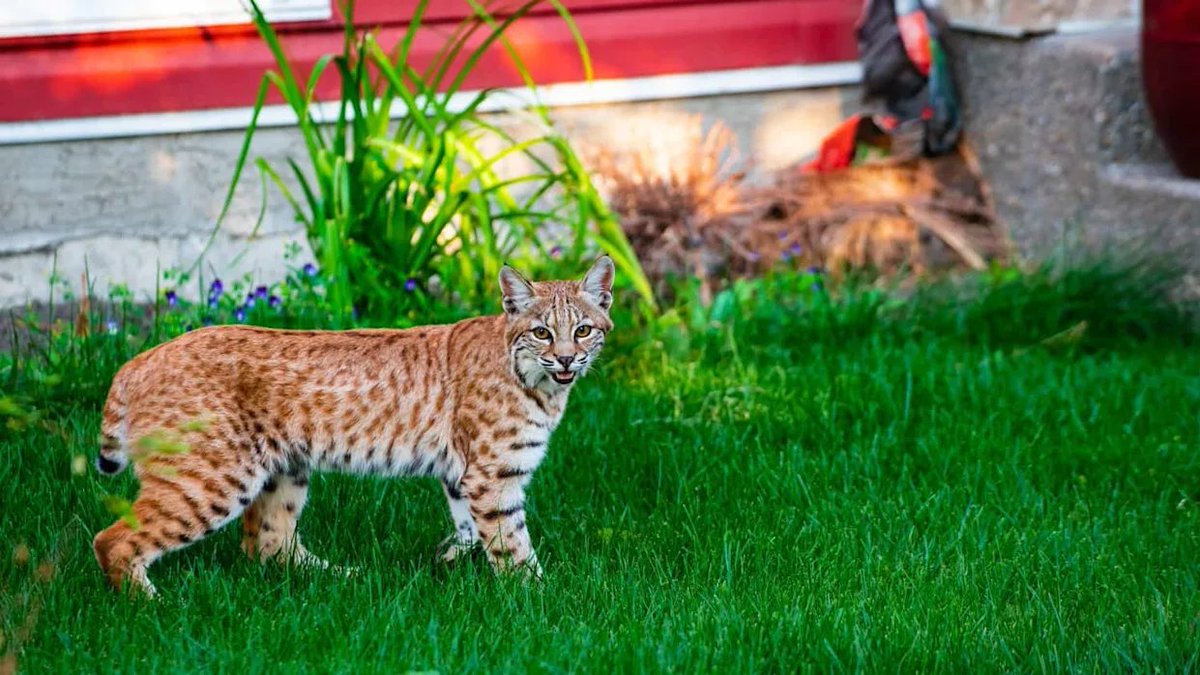
A bobcat eats hundreds of rats and mice a year, for free, and doesn't bill us for its service.
It won't bother you, either. It's about twice the size of a housecat, wants nothing to do with people, and you'll be lucky to ever lay eyes on one. What it wants is the mice in your yard, that's it.
But here's the sick part: in the mountains around Los Angeles, 88% of bobcats tested positive for rat poison. In one study, 31 of 39 dead bobcats had it in their bodies. They eat poisoned rodents, the anticoagulant tears down their immune system, mange takes hold, and they die slow.
We put poison out to kill rats, and the poison kills the bobcat.
If one turns up in your yard, you don't have a problem. You have the best pest control on the continent, on the house. Put the rodenticide away and let the bobcats cook.
1
6
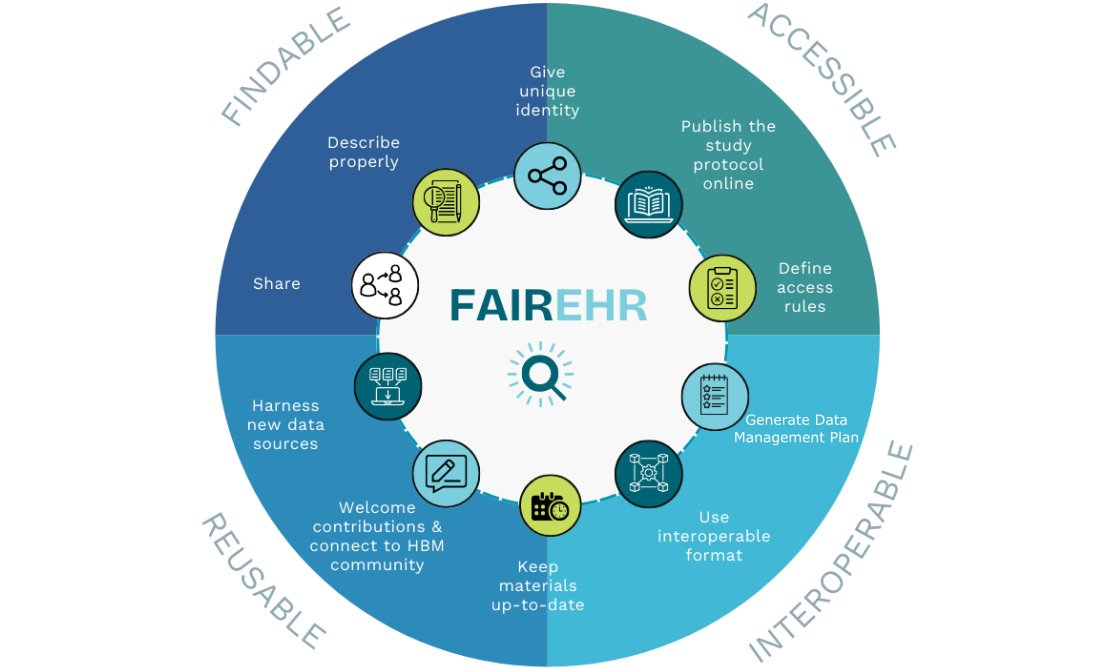
📚Review from Journal of Environmental Exposure Assessment:
FAIREHR: a novel online research registry platform to advance global environmental and occupational health research
Read more: oaepublish.com/articles/jeea…
#HumanExposure #MaternalHealth #EmergingContaminants #JEEA
1
9
Journal of Environmental Exposure Assessment retweeted

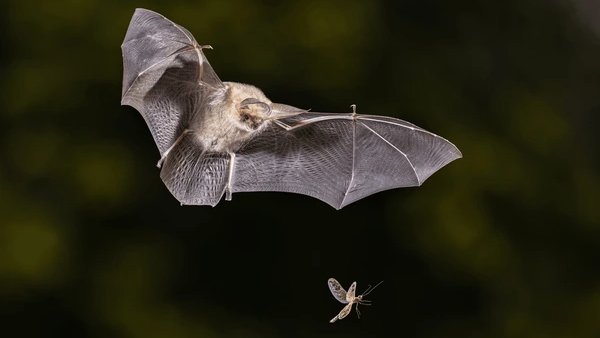
The insect-eating bats over American farmland are worth up to $53 billion a year, and despite that, bats are still among the most misunderstood and feared wildlife in America.
Bats are free pest control working the night shift over cropland, eating the moths and beetles whose larvae chew through corn, cotton, and orchards. A single colony of 150 big brown bats eats about 1.3 million insects a year. Scaled across US agriculture, one study's most likely figure landed near $22.9 billion in free pest control.
Then came white-nose syndrome. The fungal disease, first found in New York in 2006, has spread to 40 states and killed millions of bats, wiping out more than 70% of bats in the colonies it reaches.
What happened next is the part that will really blow you away. A 2024 study in Science by University of Chicago economist Eyal Frank compared counties where bats collapsed to counties where they didn't.
In the collapse counties, farmers made up the lost pest control with chemicals: insecticide use rose 31%. And in those same counties, infant mortality rose nearly 8%, which Frank estimates at 1,334 additional infant deaths between 2006 and 2017, after controlling for other factors that could affect infant mortality.
If you've got bats in a barn or under a bridge nearby, leave them. Don't seal them out in summer, when flightless pups are still inside. Skip the bug zapper and the broadcast yard spraying that hollows out their food.
11
238
825
14,327
Journal of Environmental Exposure Assessment retweeted
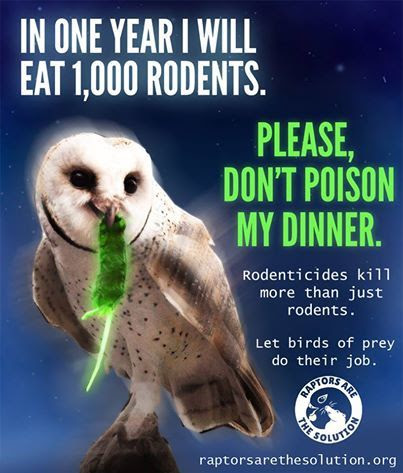
A poisoned rat doesn't die fast. It goes slowly and painfully.
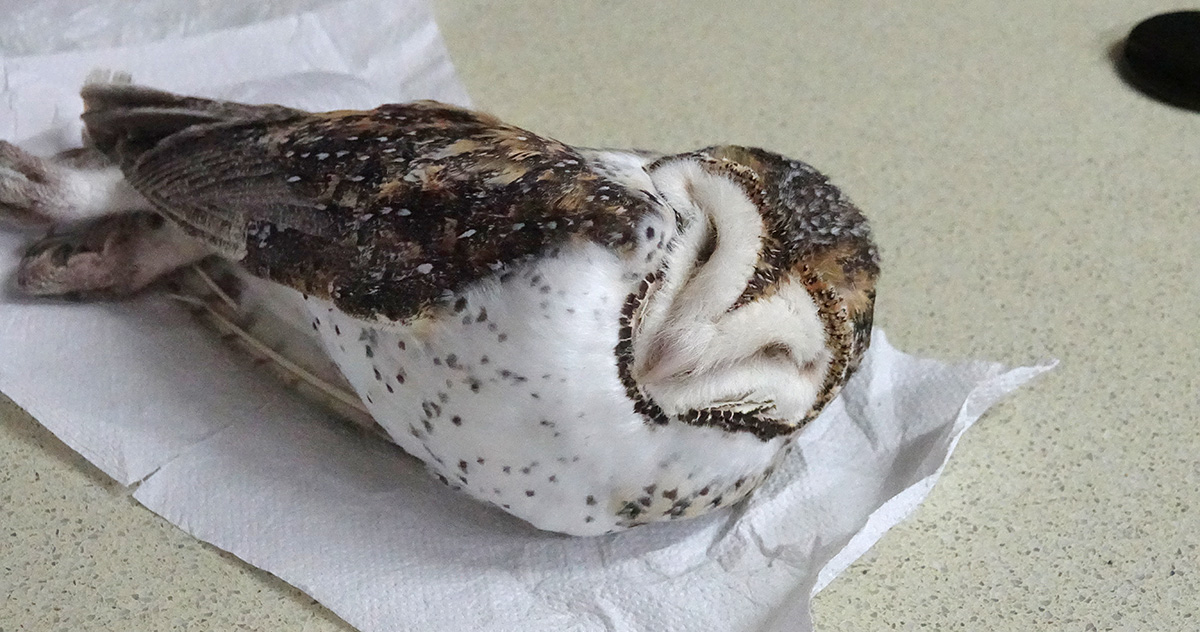
It clumsily wanders out in the open for a day or two, which makes it the easiest meal around for the owl, the hawk, the fox, or the snake that was already hunting your rodents for free.
They eat the dying rat and swallow the poison with it. Then it builds up in them.
The numbers are grim. At one Massachusetts wildlife clinic, 100% of the red-tailed hawks tested carried anticoagulant rat poison in their bodies.
In California, testing found it in 69% of endangered San Joaquin kit foxes. These second-generation poisons linger in tissue and pass from one animal to the next, killing by slow internal bleeding.
So you poison the rats, and you poison the exact predators that keep rats in check. The yard ends up with more rodents, not fewer.
Skip the bait. Seal the gaps where they get in, cut off their food, and use snap traps if you need them, indoors and away from kids and pets.
Then let the hawks and foxes handle the rest.
9
598
1,303
20,642
📚Short Communication from Journal of Environmental Exposure Assessment:
FAIREHR: a novel online research registry platform to advance global environmental and occupational health research
Read more: oaepublish.com/articles/jeea…
#HumanBiomonitoring #FAIRData #ExposureScience
1
25
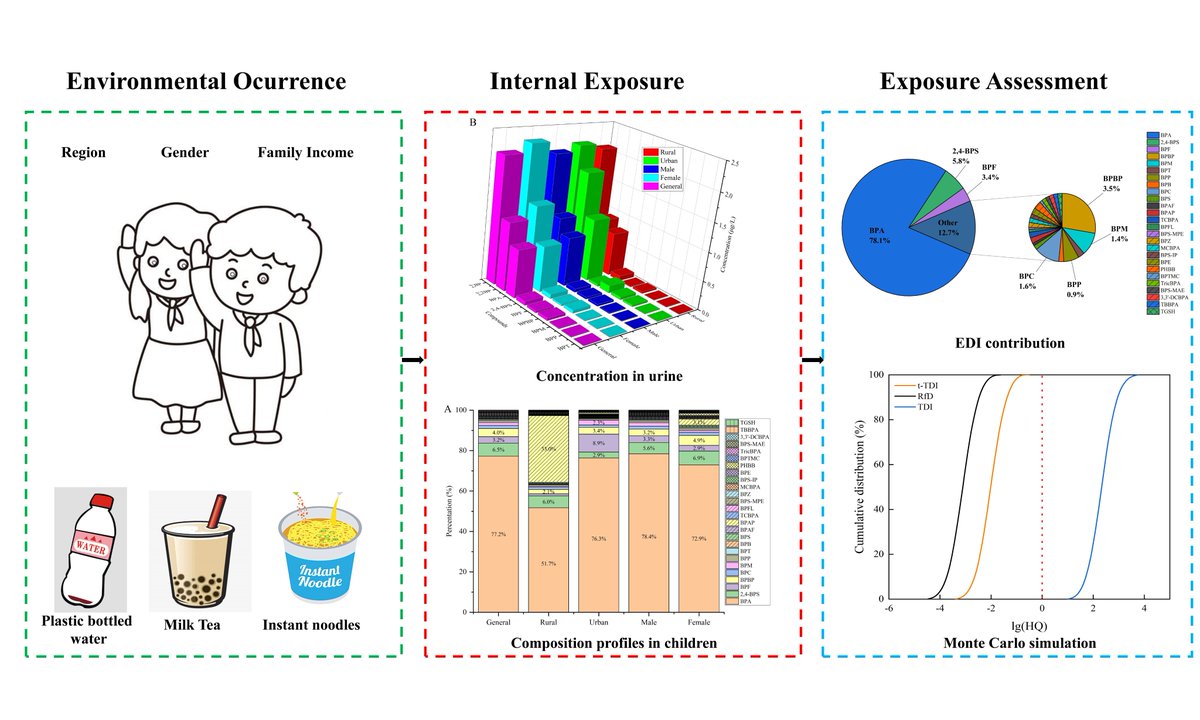
📚Research Article from Journal of Environmental Exposure Assessment:
Urinary concentrations of bisphenol analogues among school-aged children in South China: exposure characterization and risk assessment
Read more: oaepublish.com/articles/jeea…
#BisphenolA #ChildHealth #Biomonitoring
1
10
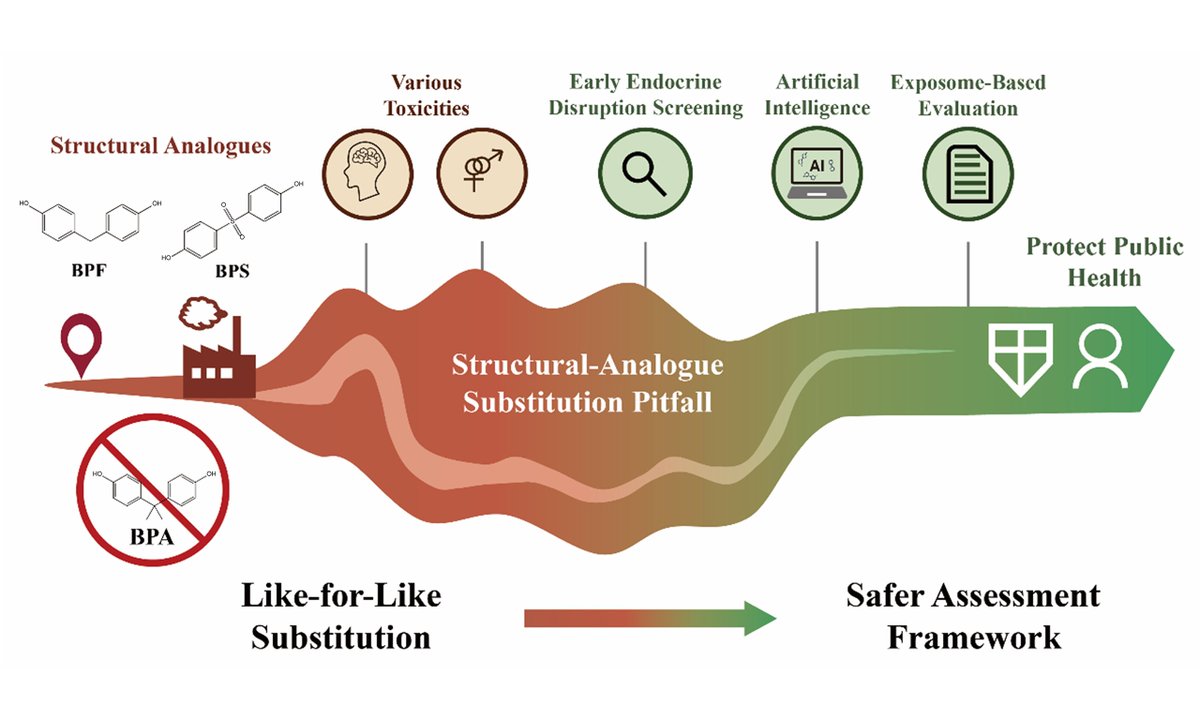
📚A Perspective from Journal of Environmental Exposure Assessment:
A health conundrum of bisphenol A and its alternatives: charting a path beyond the structural analogue substitution pitfall
Read more: oaepublish.com/articles/jeea…
#BisphenolA #EnvironmentalHealth #EndocrineDisruptors
19
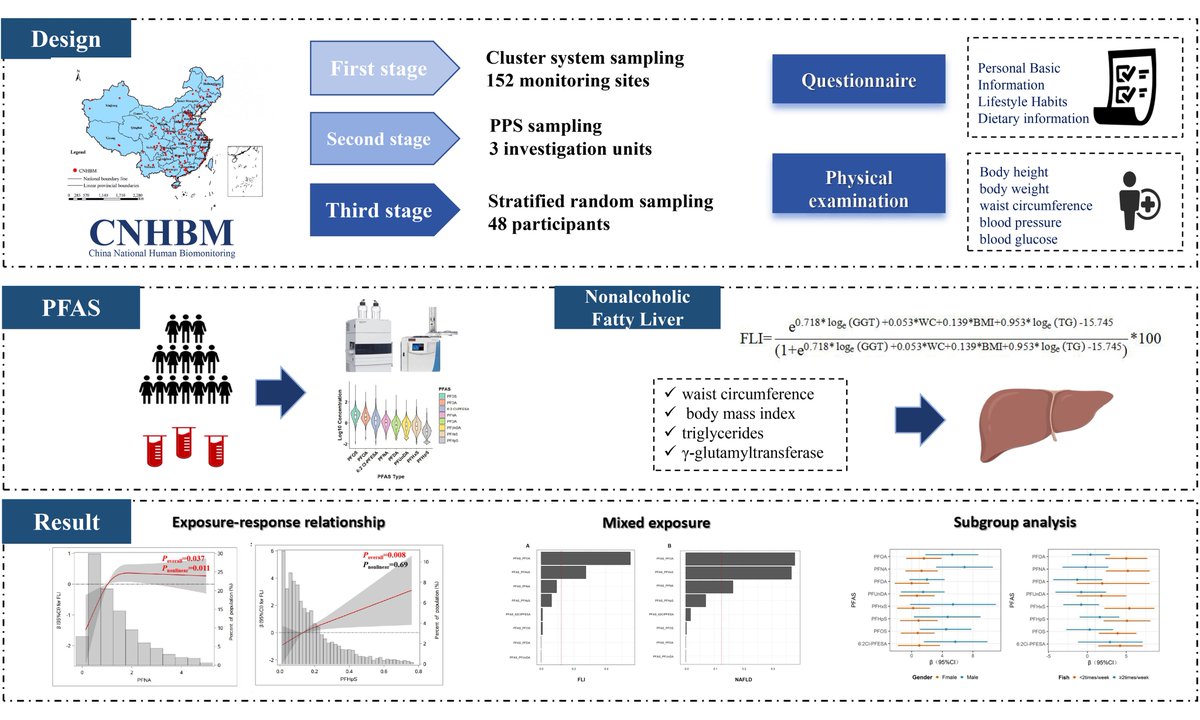
📚Research Article from Journal of Environmental Exposure Assessment:
Per- and polyfluoroalkyl substances may be a novel environmental etiology of nonalcoholic fatty liver: a national cross-sectional study
Read more: oaepublish.com/articles/jeea…
#PFAS #NAFLD #MixtureExposure
2
26
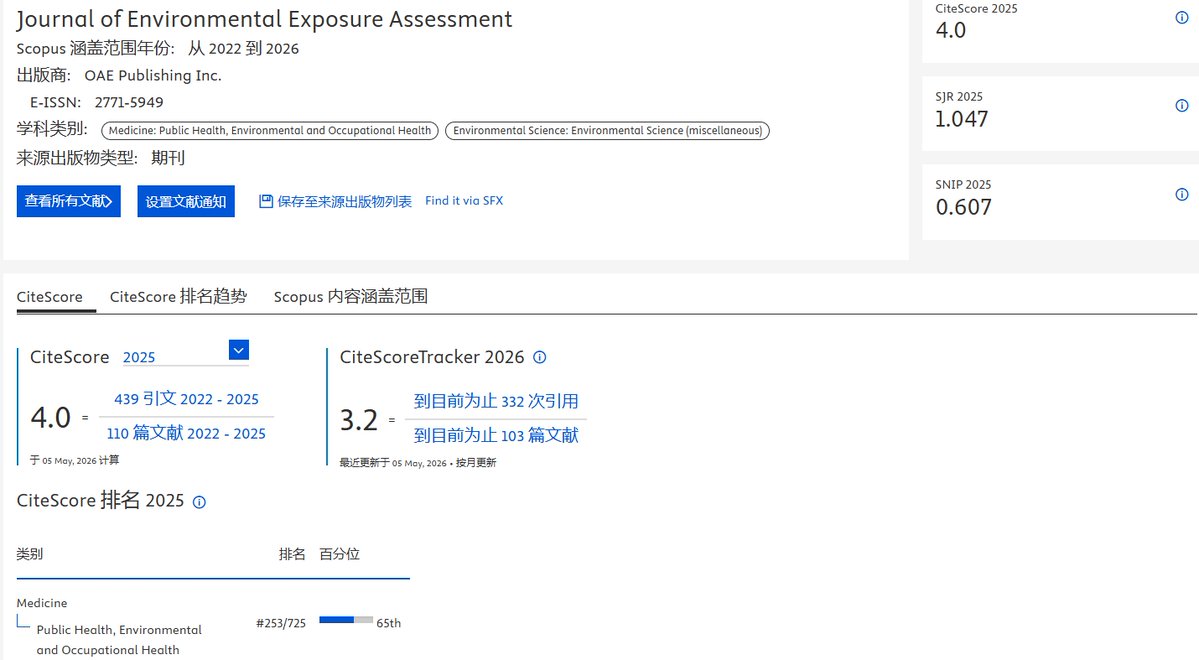
📈JEEA's 2025 CiteScore has risen to 4.0, up from 2.6 in 2024.🎉🎉🎉
This growth reflects the increasing visibility and impact of research published in Journal of Environmental Exposure Assessment.
Thanks to our authors, reviewers, editors, and readers for your continued support.
1
14
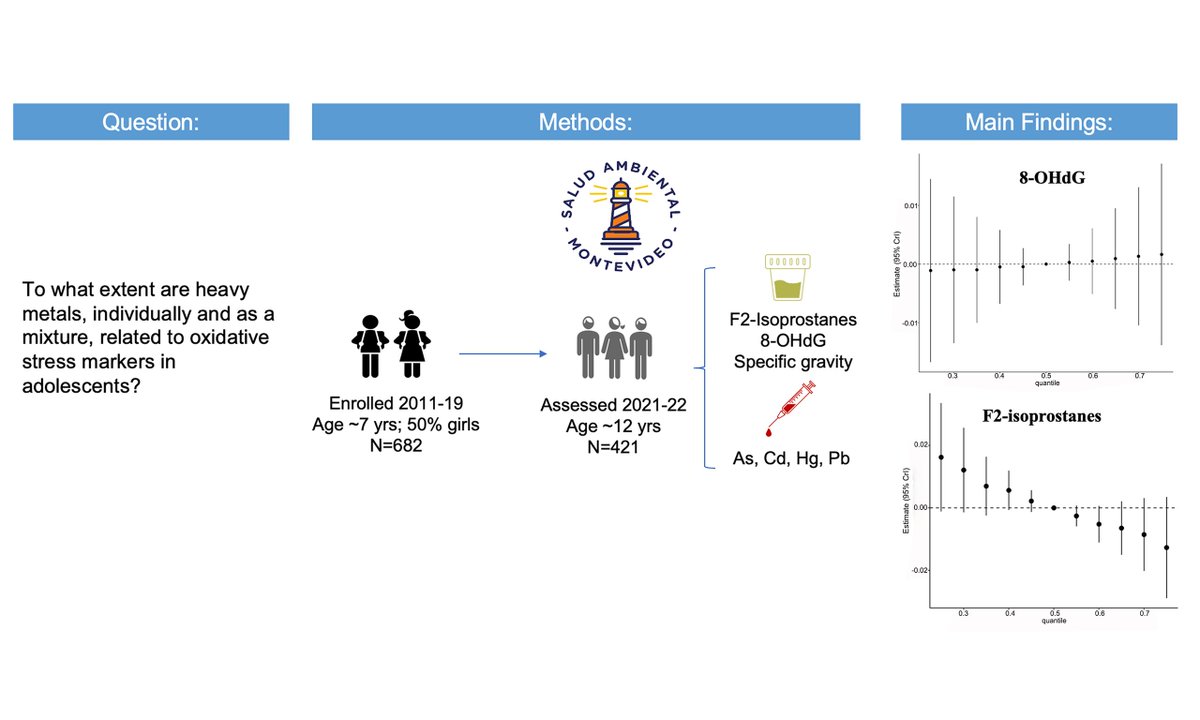
📚Research Article from Journal of Environmental Exposure Assessment:
Exposure to a mixture of four metals and associations with urinary oxidative stress biomarkers in Uruguayan adolescents
Read more: oaepublish.com/articles/jeea…
#EnvironmentalExposure #MetalMixtures #Biomonitoring
1
18
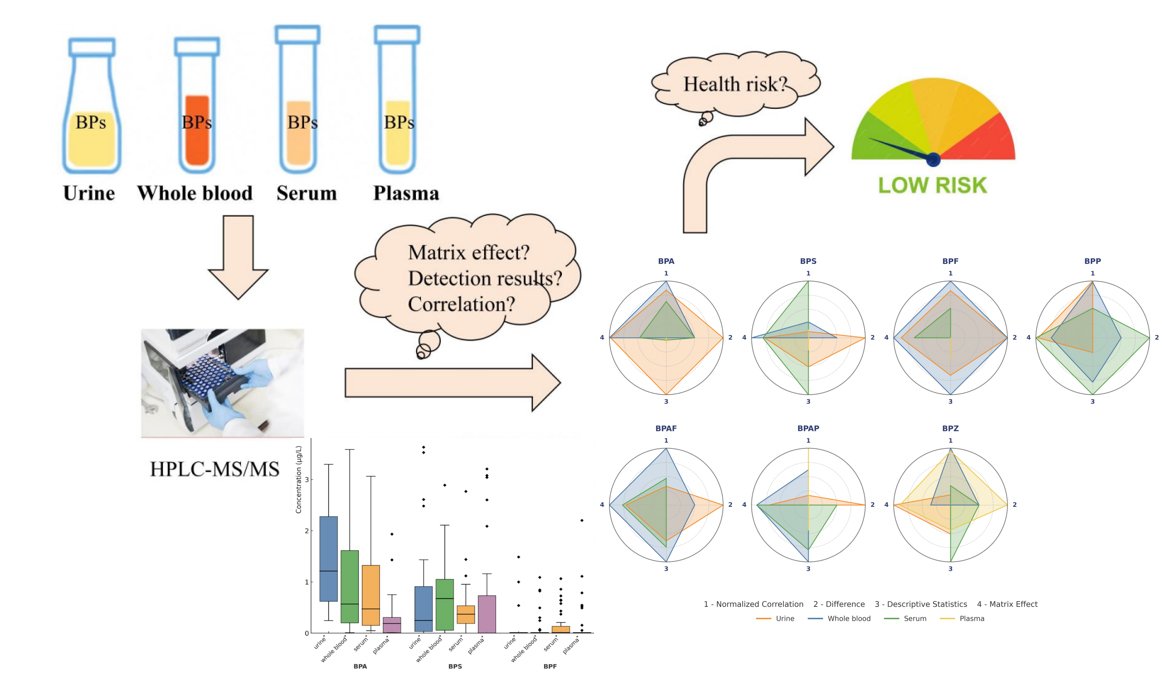
📚Research Article from Journal of Environmental Exposure Assessment:
Comparison of bisphenols in human urine, whole blood, serum and plasma: levels, optimal matrix identification and health risk
Read more: oaepublish.com/articles/jeea…
#BisphenolExposure #BiologicalMonitoring #JEEA
19
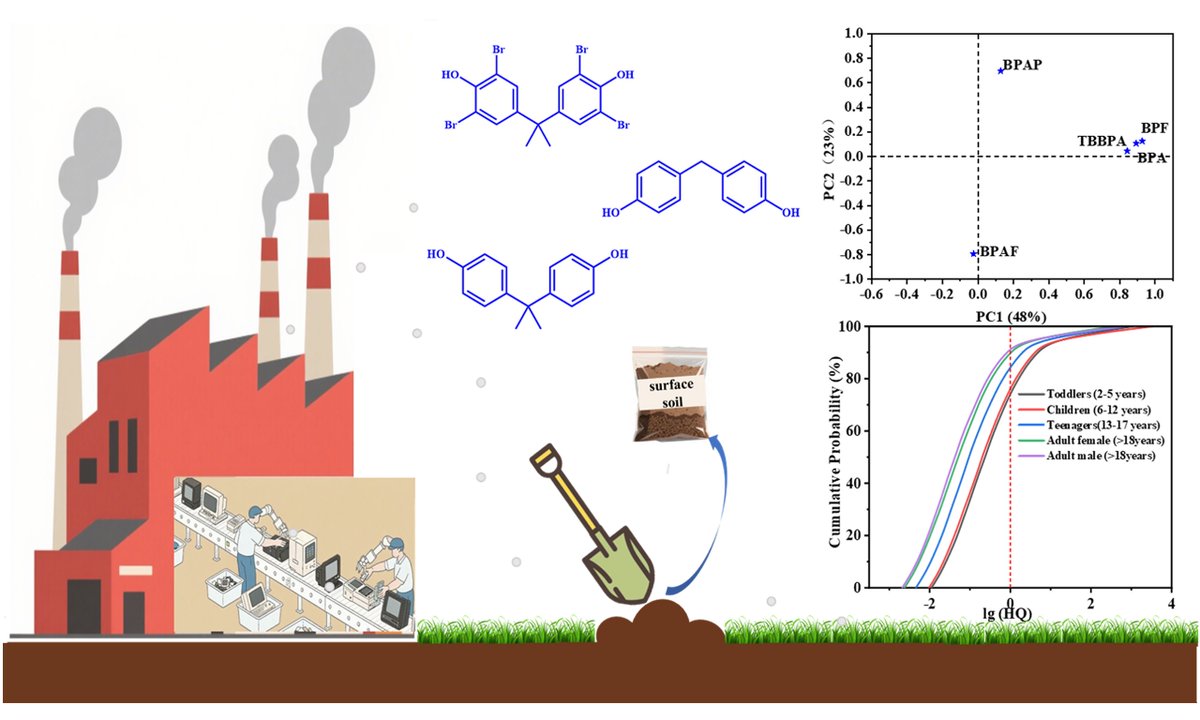
📚Research Article from Journal of Environmental Exposure Assessment:
Bisphenol analogues in soils from four circular economy E-waste dismantling parks: emission characteristics and health risks
Read more: oaepublish.com/articles/jeea…
#EWastePollution #BisphenolAnalogues #HealthRisk
1
14
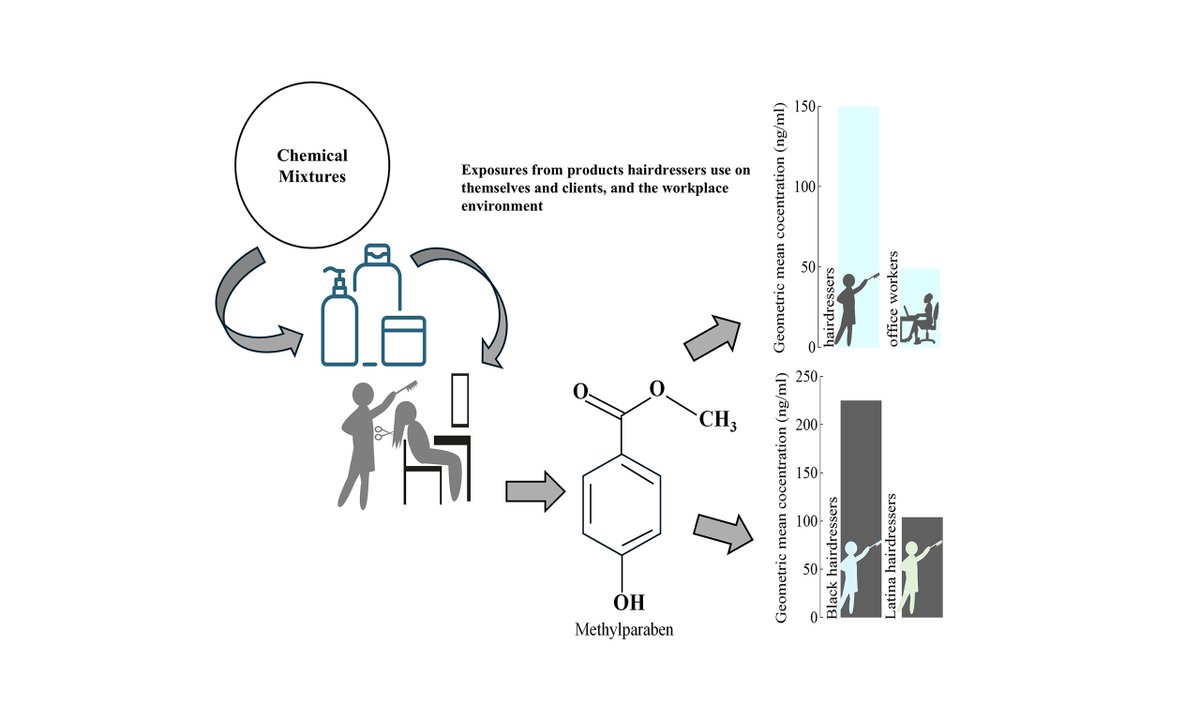
📚Research Article from Journal of Environmental Exposure Assessment:
Characterization of select salon chemical exposures among Black and Latina U.S. hairdressers serving women of color
Read more: oaepublish.com/articles/jeea…
#EnvironmentalHealth #ChemicalExposure #ExposureAssessment
1
26
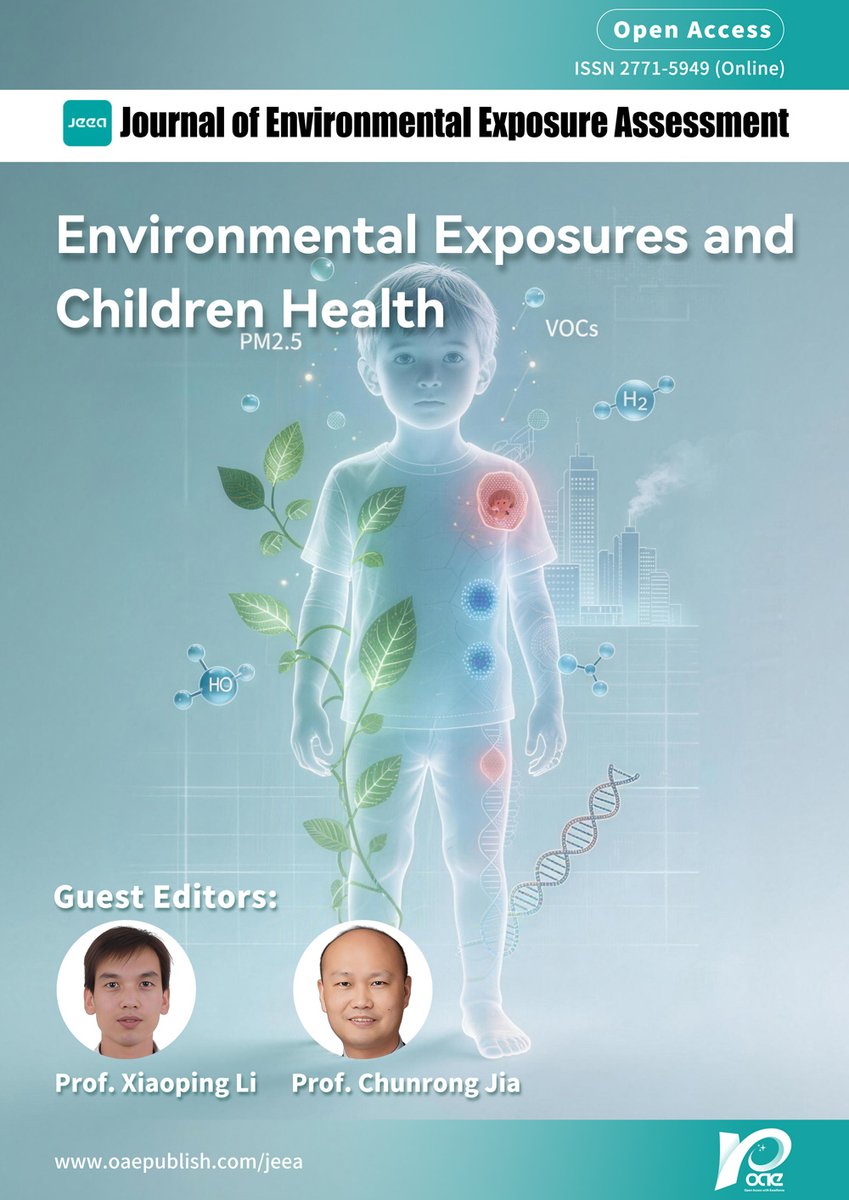
📢Call for Papers!
Topic: Environmental Exposures and Children Health
Guest Editors:
Prof. Xiaoping Li, Shaanxi Normal University, China
Prof. Chunrong Jia, The University of Memphis, USA
Deadline: 30 Nov 2026
More details: oaepublish.com/specials/jeea…
#Children #EnvironmentalExposure

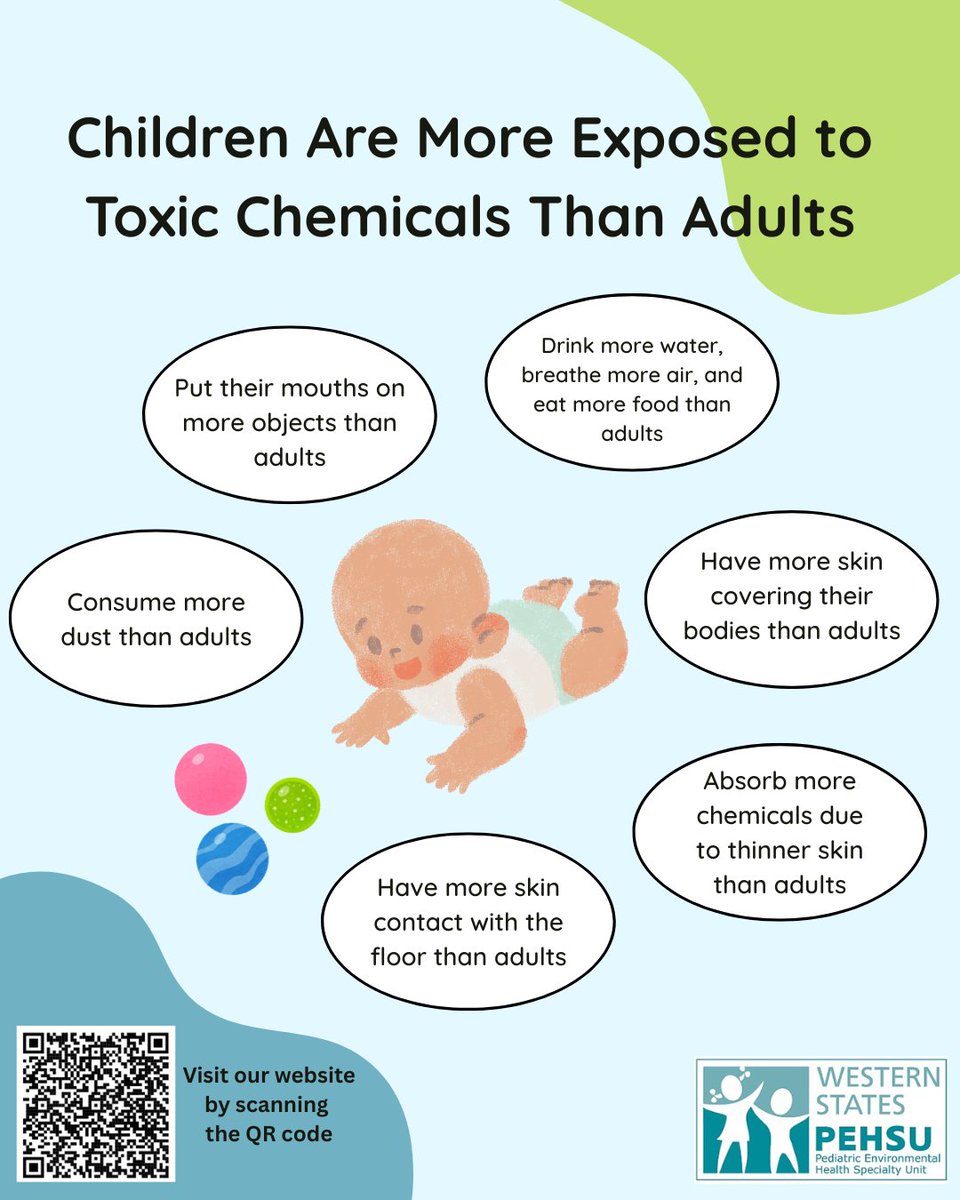
Kids are more vulnerable to chemical exposures because they eat, breathe, & mouth items more. Reduce risk: wash hands often, wet mop, use a HEPA vacuum, & clean toys/play areas with soap & water. Learn more: tinyurl.com/bdzfjd4w
1
50
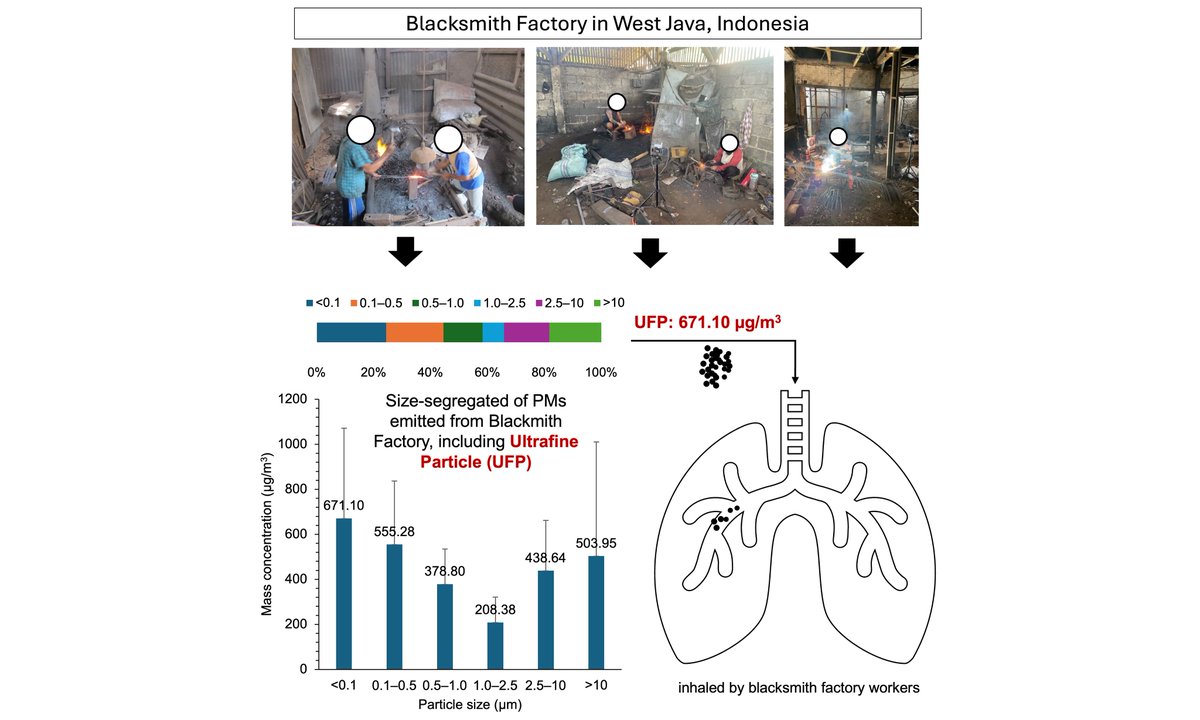
📚Research Article from JEEA:
Characterization of size-segregated PM down to UFP (PM0.1) and its trace and major elemental composition in blacksmith factories, Indonesia
Read more: oaepublish.com/articles/jeea…
#OccupationalExposure #OccupationalHealth #EnvironmentalHealth #IndoorAir
13
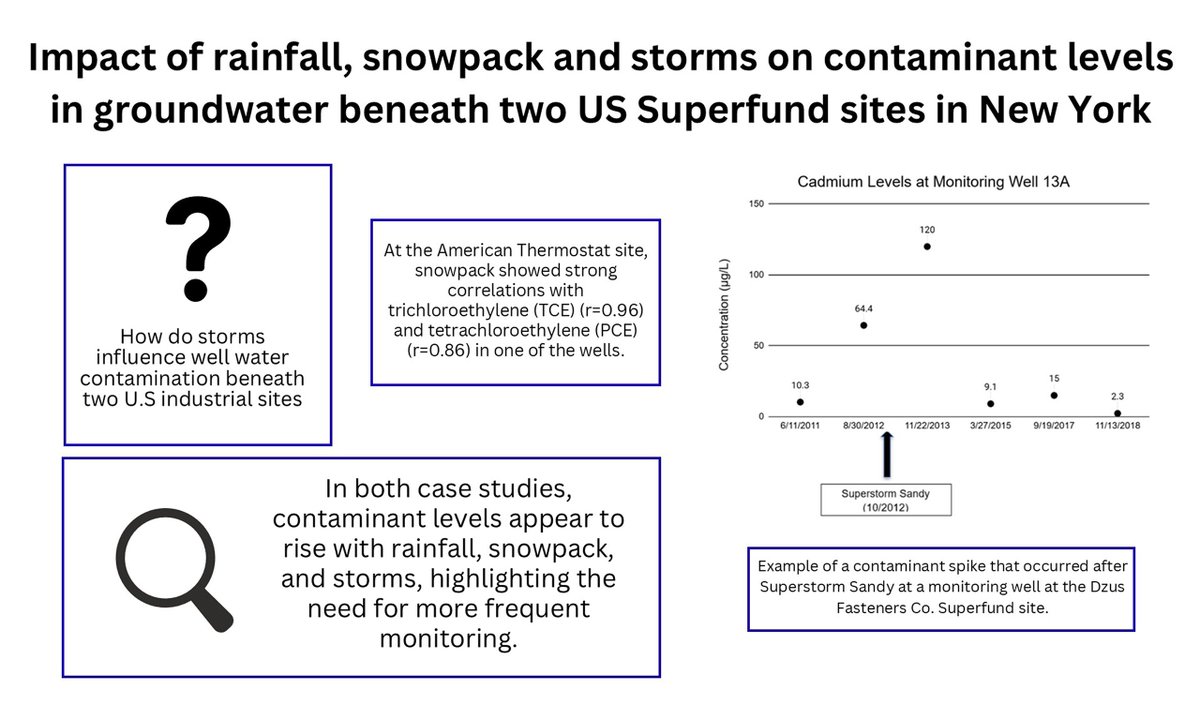
📚Research Article from Journal of Environmental Exposure Assessment:
Impact of rainfall, snowpack and storms on contaminant levels in groundwater beneath two U.S. Superfund sites in New York
Read more: oaepublish.com/articles/jeea…
#EnvironmentalHealth #ExtremeWeather #SuperfundSites
52
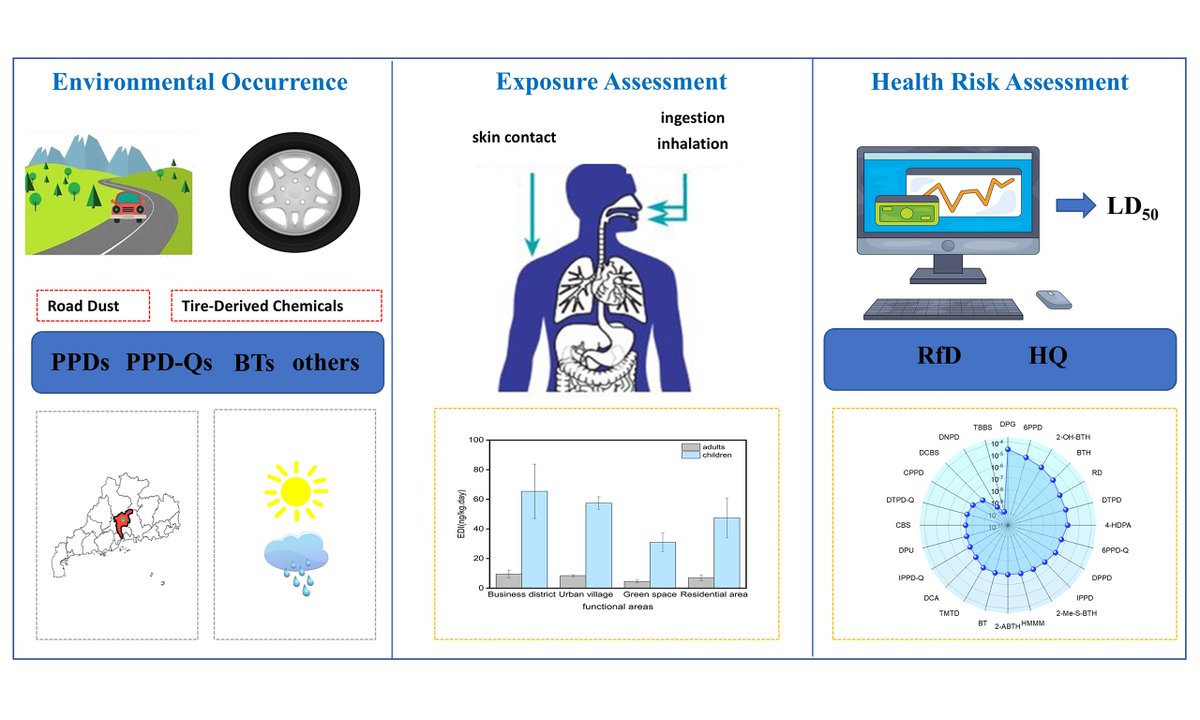
📚Research Article from Journal of Environmental Exposure Assessment:
Occurrence and health risks of tire-derived chemicals in urban road dust
Read more: oaepublish.com/articles/jeea…
#TDCs #6PPD #TrafficPollution #EnvironmentalExposure
17
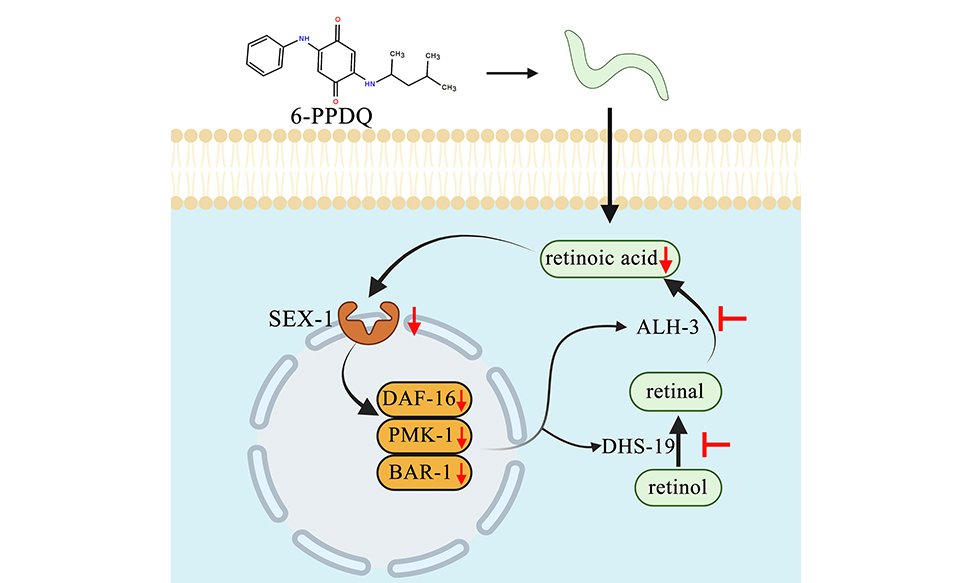
📚Research Article from JEEA:
6-PPD quinone-inhibited retinoic acid synthesis mediates toxicity through feedback loop between ALH-3/DHS-19-SEX-1 axis and intestinal signals in Caenorhabditis elegans
Read more: oaepublish.com/articles/jeea…
#6PPDQ #RetinoicAcid #EnvironmentalToxicology
25

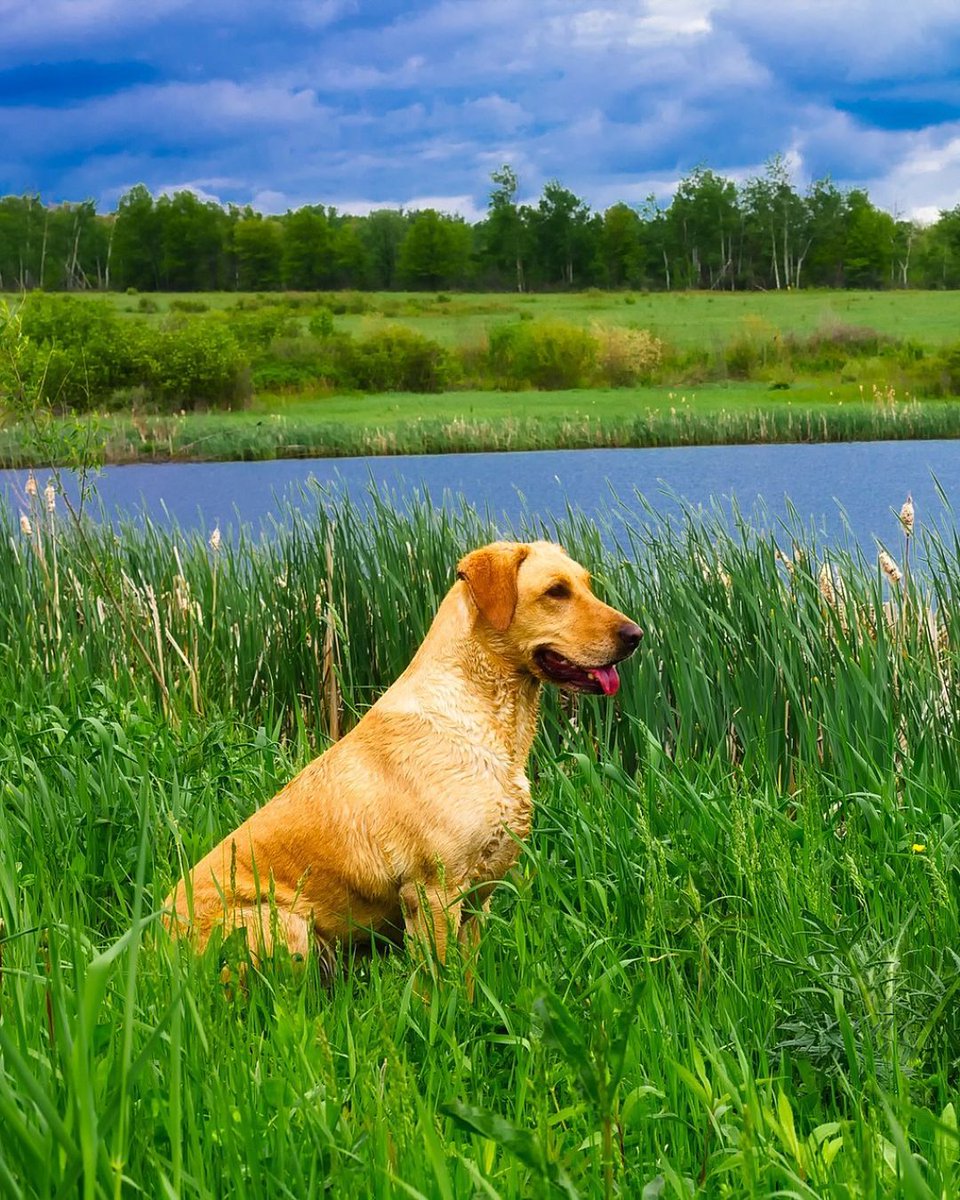
Flea treatments are polluting rivers and harming wildlife in the process.
When products designed to help our pets are damaging the natural world, something needs to change.
Matt Shardlow, ecological expert and environmental consultant, explores these themes in an independent review.
Read the blog here: wcl.org.uk/flea-treatment-po…
1
14
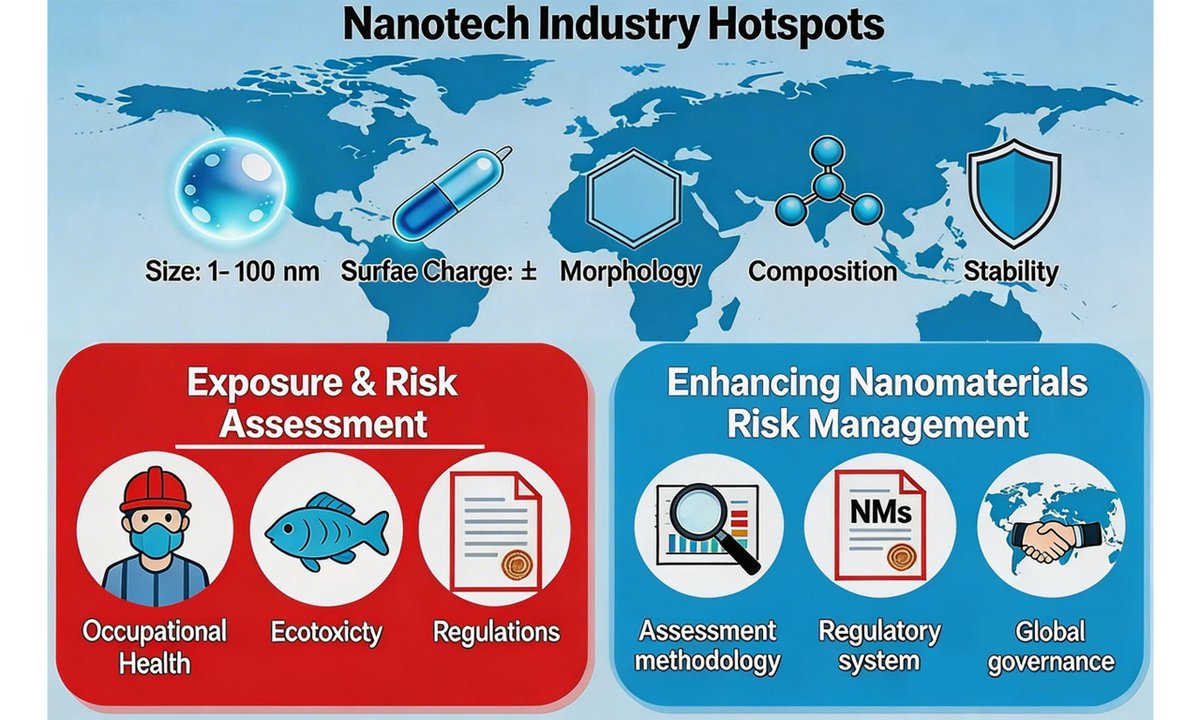
📚New Review Article from Journal of Environmental Exposure Assessment:
Exposure and risk assessment in the nanotechnology industry: health and environmental challenges from nanomaterial properties
Read more: oaepublish.com/articles/jeea…
#NanomaterialsSafety #OccupationalExposure
19