Joined November 2021
- Tweets 612
- Following 258
- Followers 153
- Likes 6,933
335 Photos and videos




🐕💕⭐️
The veterinary world has changed.
—
The dogs who do best don’t have perfect owners.
They have observant ones.
—
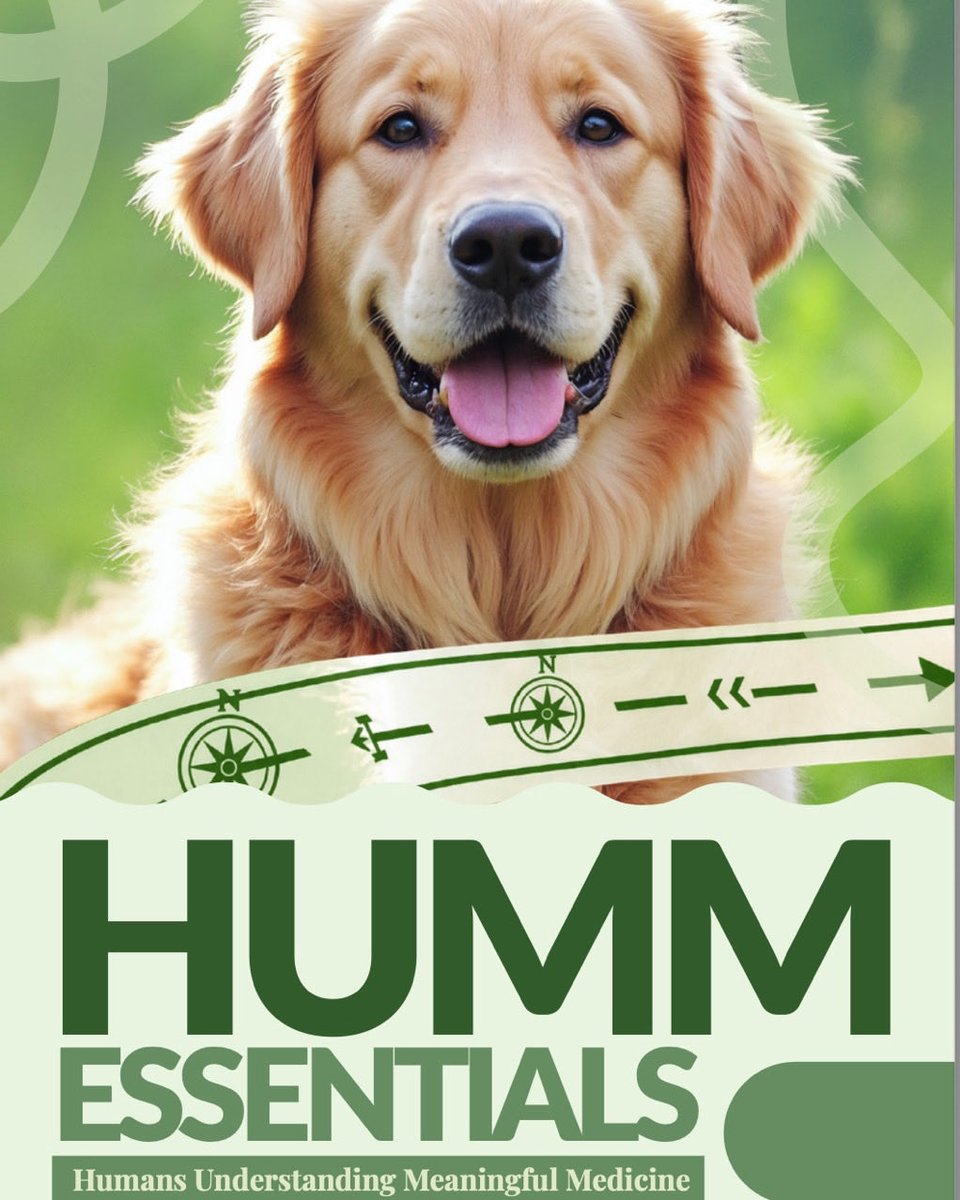
HUMM launches in 2 days.
It’s about helping you become the human your dog already believes you are.
Link in the bio🐕
58
Dr. Judith Samson-French retweeted

I was forced to train an intern. Spent 6 months teaching him everything I knew - every system, every client
quirk, every shortcut I'd learned over five years.
They made him my boss yesterday. Double my salary. Everyone in the conference room stared, waiting for a
reaction. I just smiled and congratulated him.
The next day, everyone froze when they opened my company-wide email. It said,
"Effective immediately, I
will no longer be providing training, guidance, or assistance to management. My role description does
not include mentoring supervisors."
HR called me into a meeting within an hour. My new boss looked panicked. He had no idea how to do half his job without me. Management tried to guilt me, saying I was being unprofessional and hurting the team.
But here's the thing. I'd been doing two jobs for years. Fixing everyone's mistakes. Staying late while others
went home. And for what? To watch someone I trained get the promotion I deserved?
Now, my boss keeps showing up at my desk with questions, and I redirect him to HR every single time. The tension is unbearable.
My coworkers are divided - some think I'm brave, others say I'm being petty.
I don't know what to do anymore. Was I wrong to draw this line? I'm exhausted from years of being taken advantage of, but now I'm wondering if I just made everything worse for myself.
I need honest advice because I feel like I'm drowning here, and I don't know if I should keep standing my
ground or find a way to fix this mess before it destroys my career completely.
7,856
1,838
32,065
3,175,370
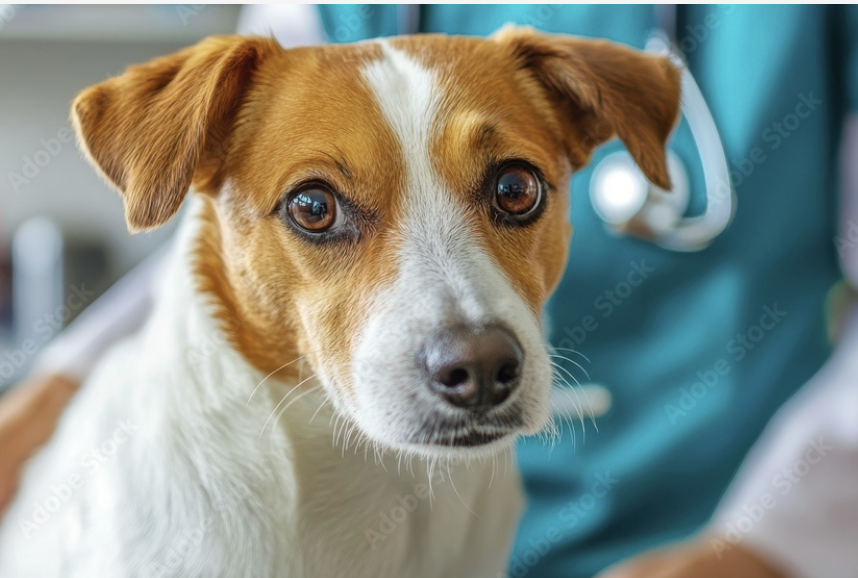
POV: You’re a dog walking into the vet clinic.
First hit?
Disinfectant.
💩 Pee/poop from 17 other animals.
A cocktail of stress pheromones.
Your nose is already in detective mode.
Then: A stranger greets you. Another stranger ushers you onto The Wall Scale of Doom. You sit in a waiting room full of animals you’re not allowed to interact with (rude).
Next, you’re put in a tiny room. Someone takes your temperature. Your heart rate. Your dignity.
No personal space. No context. No consent.
And THEN the vet shows up and the real fun begins: physical exam, cold stethoscope, maybe a trip to “the back” for bloodwork.
From your dog’s perspective? That’s 15 micro-stress events before anything even happens.
One fearful visit can get etched into their brain for years.
So yeah, some dogs love the vet.
Others are just trying to survive an escape room designed by humans.
Next post: how we can make this way less terrifying for them 🐾
PS: When a diagnosis is staring you in the face 🙂
#HUMM #dogmentalwellness
1
1
62
Your dog isn’t broken. The communication gap is!
After 30 years as a veterinarian, I keep seeing the same pattern repeat:
Anxious dogs develop digestive issues.
Bored dogs develop destructive behaviours that we often try to manage rather than truly understand.
This is what we get wrong about “bad behaviour”:
When your dog barks, digs, or chews, we call it a problem.
But from their perspective, it’s communication.
And reaching for SSRI drugs shouldn't be our first move.
Barking = “I’m anxious and need reassurance.”
Digging = “I’m under stimulated and need engagement.”
Chewing = “I’m stressed/bored and need an outlet.”
Mental health drives physical health in dogs, just like in us.
This is exactly why I’ve been building something called HUMM.
HUMM is about helping humans move from frustration to curiosity, from control to connection, and from “What’s wrong with my dog?” to “What does my dog need?”
Because training isn’t about dominance, it’s about translation.
The best question isn’t, “How do I stop this behavior?”
It’s, “What is my dog trying to tell me?”
Your dog is talking. Are you listening?
What’s one “problem behaviour” you’re dealing with right now? And how are you trying to solve it?
If you’re building something in the pet health space, or you believe mental wellness matters for our animals, let’s connect.
#PetHealth #AnimalWellness #HUMM #VeterinaryMedicine #StartupJourney
73

22 Dec 2025
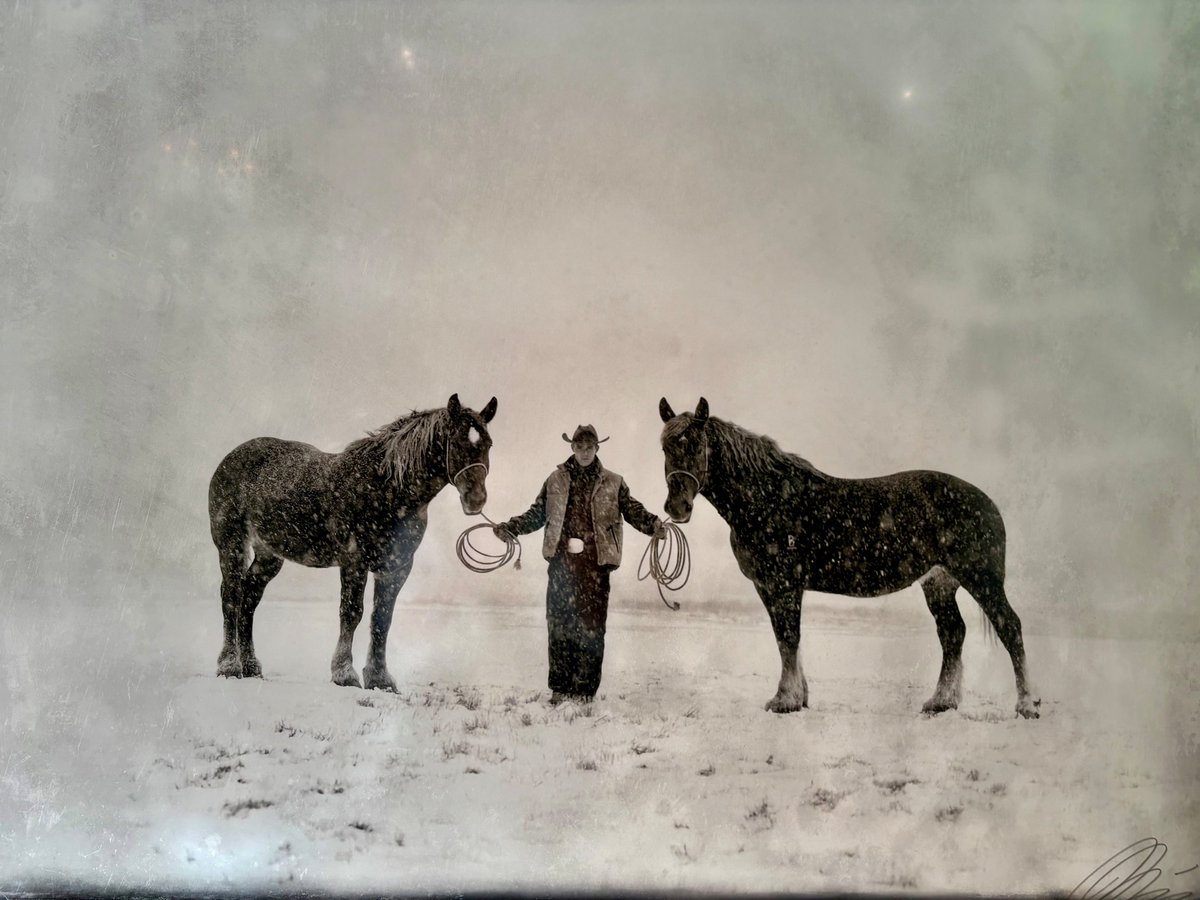
I walked through a Ralph Lauren store in Los Angeles, and this print made me stop.
A snowstorm.
A human, centered.
Two animals, connected.
Something about it grabbed me by the throat.
Maybe it was the stillness inside the chaos.
The way everything feels wild, yet nothing is rushed.
Just steady.
And sometimes, that’s the work.
Standing still in the snow.
Holding the lines that matter.
Letting the chaos rage around you, but not through you.
It got me thinking about this year.
Was I steady…
or just standing in the storm?
What I want more of in the year ahead:
More time in nature, the kind that grounds you.
Chasing more sunsets with my dog and donkeys, the animals who remind me why I chose this work.
More of that stillness when everything else is howling.
As this year closes, I’m asking myself:
Where did I leak energy?
And where did I find it again?
If you’re willing to reflect too:
⭐ What drained you this year?
⭐ What filled you back up?
Thank you for being here - for caring deeply about animals, for your wisdom, and for standing witness to lives that can’t speak for themselves.
I truly appreciate you. 🩵
41
8 Dec 2025
Your vet just quoted you $550 for bloodwork. Again.
And you’re thinking: Is this necessary… or overkill?
Welcome to the grey zone of vetmed.
What is the best business model for vetmed?
The one that puts patient welfare ahead of profit margins. Every time.
That means no upselling.
That means never selling anything that isn't genuinely in the best interest of the patient.
That's called integrity.
The best model for all healing professions is simple:
"I have a solution that is in YOUR best interest."
But veterinary medicine has unique structural challenges that make living up to this standard harder than it should be.
1️⃣ We prescribe AND we sell.
Yep. We get to diagnose the problem, prescribe the solution, and sell the thing - all before your parking meter expires.
Human medicine ditched that setup ages ago because it obviously creates conflicts of interest big enough to drive a horse trailer through.
This isn’t about “bad vets.”
It’s about bad incentives tied to a very outdated business model.
2️⃣ The “gold standard” vs “standard of care” grey zone.
Sure, the full senior panel with every bell, whistle, and boutique add-on is the gold standard.
But gold isn’t always wise.
Gold isn’t always necessary.
Gold is sometimes just… expensive.
Running 15 tests when 3 answer the question isn’t better medicine, it’s busier medicine. And sometimes “best practice” becomes code for “best margin.”
Again: this is an incentive problem, not a villain problem.
So here’s your power move as a pet guardian:
You know that feeling at the mechanic when they’re listing repairs and you’re silently Googling “Do I really need a new serpentine belt?”
That's you at the vet sometimes. And that's okay.
If you feel overwhelmed at the vet, ask this one question:
“I need to prioritize. What’s the ONE thing my dog absolutely needs today, and what’s ONE thing I can safely defer?”
Any vet worth their stethoscope can answer that clearly.
If they can’t , or won’t, well… that tells you something too.
Because confused clients say yes to everything... or no to everything.
N e i t h e r serves your pet.
What's the most confusing recommendation you've gotten?
#AskYourVet
#GreyZone
#IntegrityMatters
31
6 Dec 2025
We need to talk about the biggest secret in veterinary medicine.
We all say we recognize non-human animals as sentient beings.
The Canadian Veterinary Medical Association even states it outright: animals feel pleasure, pain, fear, distress.
Cool. Gold star for humanity.
BUT what we believe on paper and what we practice in real life live on two different planets.
If you’re a golden retriever with a limp?
You get orthopedic surgery, laser therapy, underwater treadmill sessions, and a custom pain-management plan.
If you’re a dairy cow with mastitis?
You get “economically justified treatment.”
Translation: only if you’re still profitable as in shape up or ship out.
We’ve mastered compassion for the animals who sleep on our couches.
We even argue against declawing cats after learning how to do it in vet school.
Meanwhile, we’ve become world-class experts at not looking too closely at the billions of animals living lives defined by confinement, pain, mutilation, and a slaughterhouse at the end.
We don’t like to say out loud:
Veterinary medicine has two tiers.
Tier 1: Dogs, cats, and some horses: where welfare, pain, and quality of life matter.
Tier 2: “Production animals”—where those same concerns are filtered through a single question: Does it affect yield ?
Horses sit in a tragic middle ground: cherished by some, disposed of by others, and quietly shipped to slaughter when they stop being “useful.”
So why are we still training vets to accept conditions for industrially farmed animals that we would never tolerate for a dog?
You can hot-brand a calf without anesthesia, it's standard practice.
But stub out a cigarette on a dog?
You'll be reported, prosecuted, and publicly shamed.
Same pain. Different species. Different rules.
Because our profession was built to serve two masters:
animal welfare and animal agriculture.
And when those interests collide, guess which one wins?
We teach first-year students that animals are sentient.
The next year, we send them into factory farms to learn how to keep animals “productive” in conditions we’d be reported for if we did the same to a Labrador.
We crusade against puppy mills for keeping dogs in cages.
Then we graduate vets to manage sow stalls where pigs can't even turn around.
We say animals deserve a life worth living.
We graduate vets who ensure animals survive just long enough to be profitable.
The cognitive dissonance isn’t subtle.
It’s massive.
I became a vet because I care about animals. All of them.
So why does my profession continue to teach me that some of them don't count?
2
71
2 Dec 2025
If your pet needs to go to emerg, here’s what most people don’t realize (but absolutely should):
In a packed ER, the mission is survival, not Sherlock Holmes.
If your pet is stable by morning, that’s a win.
Complicated diagnoses often need time, daylight, and a rested medical team.
You’ll hear about the “gold standard.” That doesn’t mean bronze is failure.
A good vet knows how to tailor care to your budget without compromising safety. Ask, “What’s the essential step here?” and “What’s optional?”
Tests often give information, not prophecy.
Bloodwork and X-rays don’t always hand us the answers, they may just narrow the suspects. Sometimes that’s enough; sometimes it isn’t.
And finally: Carry your pet’s Health Story like it’s their passport.
Past tests, meds, diagnoses, weird reactions - have it ready.
In an emergency, that little file can save you money, minutes, and the emotional equivalent of three sleepless nights (maybe four!).
Advocate for your pet. Always. 💎 🐾
#VetLife #PetHealth #PetEmergency
1
2
29
30 Nov 2025
Might makes right.
It’s the rule every species on Earth obeys… except we’ve rewritten it in our own image.
In nature, “might” is simple:
Strength. Speed. Hunger.
(or the 3Fs, feed, fight, and you can guess the 3rd f)
Predators eat prey. Prey evolve escape strategies.
Everyone plays their part, and the ecosystem stays (mostly) in balance.
But humans?
We didn’t just rise to the top, we reorganized every species beneath us to keep us there.
In the last four decades, industrial farming didn’t just change agriculture.
It changed the ENTIRE balance of power on the planet.
Animals aren’t individuals anymore, they’re units.
Land isn’t habitat, it’s “inputs.”
And veterinarians like me see the effects up close:
A system where efficiency replaced welfare, and “might makes right” became
“scale makes right.”
The strange irony is the more power we gained over animals, the less connected we became to them.
Being the apex predator was the easy part.
Being a decent one is the real test.
Advocate for animals. Always. 🩵
#ApexPredator #HumanImpact #RethinkAgriculture
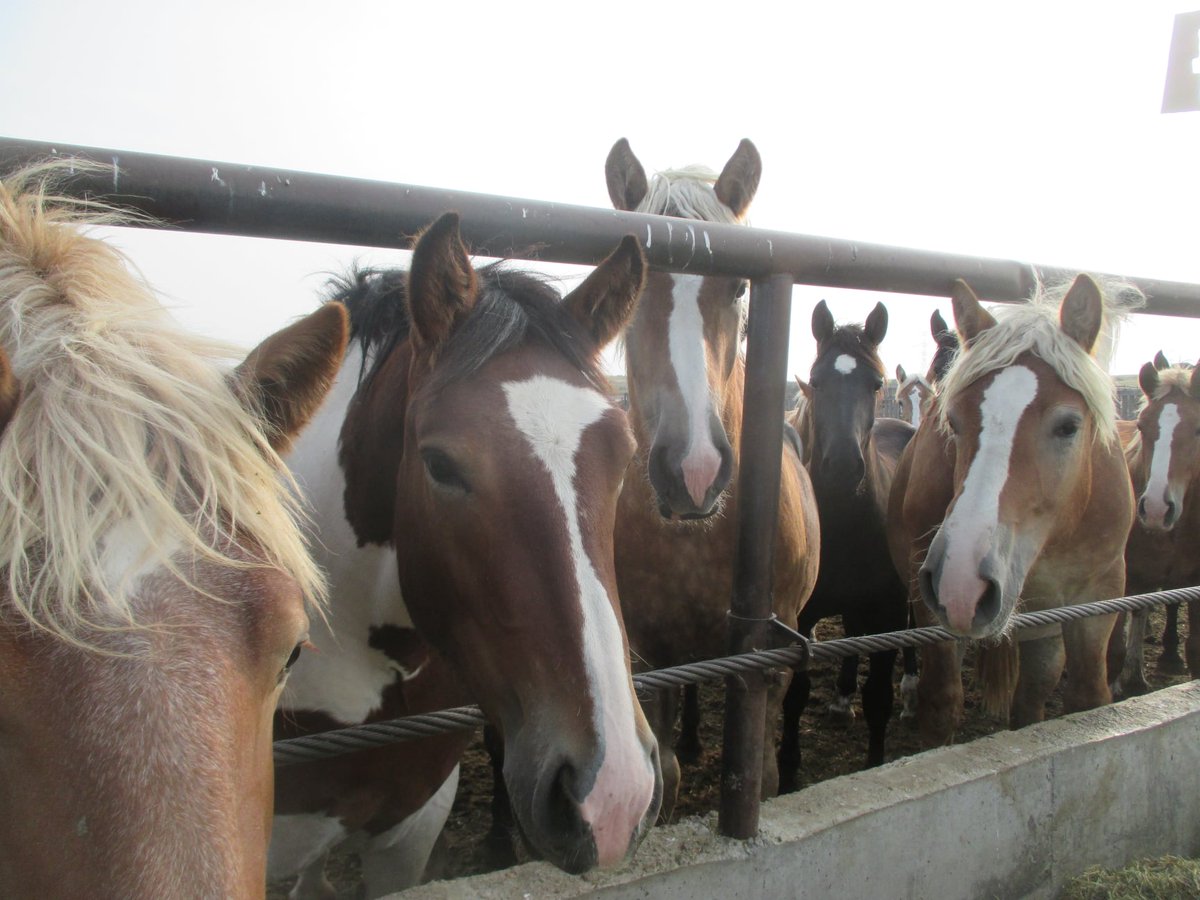
PS: In Alberta 🇨🇦, we even have feedlots for horses. Inhumane.
1
22
28 Nov 2025
I was standing under the Huntington Beach pier when it hit me:
This is exactly what aging feels like to our dogs.
Not the pier itself, the perspective.
When dogs start to lose hearing or vision, their world narrows just like this hallway of pilings.
What used to be a wide-open, full-colour, “I know what’s coming” life becomes a tighter tunnel of information.
So they stick closer.
Follow you from room to room. (especially right into the bathroom)
Park themselves in doorways like unpaid security guards.
Not because they’re needy.
Because you’re their remaining wide-angle lens.
Their last reliable radar.
Their “if I’m near you, I'm safe.”
Senior dogs aren’t fragile: they’re just operating with a smaller field of view.
Stick close to your old dogs.
Be the part of the world they can still trust. 🩵
2
97
27 Nov 2025
So applies to pet loss too !

1
2
21
9 Nov 2025
The CFIA Ostrich Massacre 🇨🇦
Last week, over 300 ostriches were shot to death at Universal Ostrich Farms in BC.
Professional marksmen.
Government oversight.
The execution took all night - 900 shots while the owners listened from outside.
The reason? Avian influenza detected in December 2024.
The last sick bird died in mid-January 2025.
The disease had already run its course.
Yet in November 2025, the Canadian Food Inspection Agency ordered the cull anyway. Infectious disease experts questioned whether it was even necessary.
Here's what keeps me up at night, a lot:
The CFIA's legal mandate is "humane handling of all animals."
This massacre - panicked birds shot through the night - was THEIR version of humane.
They had 10 months to plan this.
Professional marksmen.
Federal protocols.
Government veterinarians signing off.
This was their BEST effort.
Think about that.
When a federal agency has unlimited time, resources, and expertise, when the whole world is watching a farm in Edgewood, BC, this is what "humane" looks like!
900 shots in the darkness.
Hours of terror.
Birds running from the sound of gunfire.
If this is what happens under full scrutiny, with media attention and public accountability...
What happens when nobody's watching?
I'm a veterinarian. I've spent 20 years in animal agriculture.
I know what "industry standard" means.
I know what "humane certified" actually looks like behind closed doors.
And I know that when government agencies call something humane, they're not using the same definition you are.
The CFIA had every advantage to get this right:
-Time to plan
-Resources to execute properly
-Professional expertise
-Public scrutiny
They still chose firing squads in the night.
This wasn't a failure of execution.
This was the system working EXACTLY as designed.
Edgewood, BC is your wake-up call.
Not because this was exceptionally cruel.
But because this was officially APPROVED as humane.
As a vet who's seen inside this system: there is no such thing as humane slaughter at scale.This massacre just happened to be visible.
And please, don't ask me: Why don't you eat meat?
I can only respond: Why do you after this massacre?
#AnimalWelfare #Agriculture #FoodSafety #CFIA #Accountability
1
3
3
182
9 Nov 2025
The world’s getting louder, but dogs still speak in silence.
Every look, every pause, every breath shared - a reminder that connection doesn’t need words.
(Or Wi-Fi.)
Nurture that connection now. 🩵
Because when the time comes to make that final decision,
it can’t come only from charts, or tests, or vet advice.
It has to come from the heart.
That’s where peace lives.
The gentlest goodbyes I’ve witnessed always began long before that day.
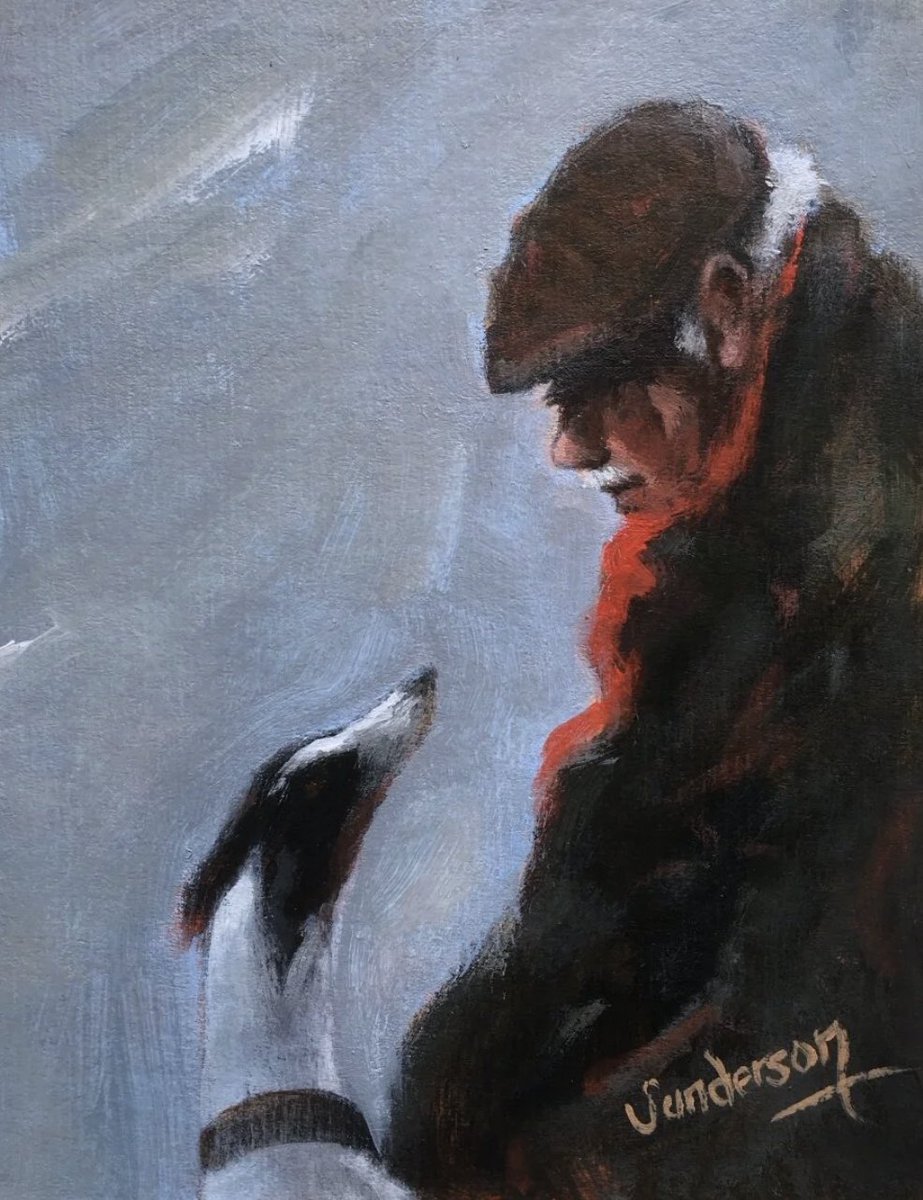
Watercolour by S. Sanderson
1
24
7 Nov 2025
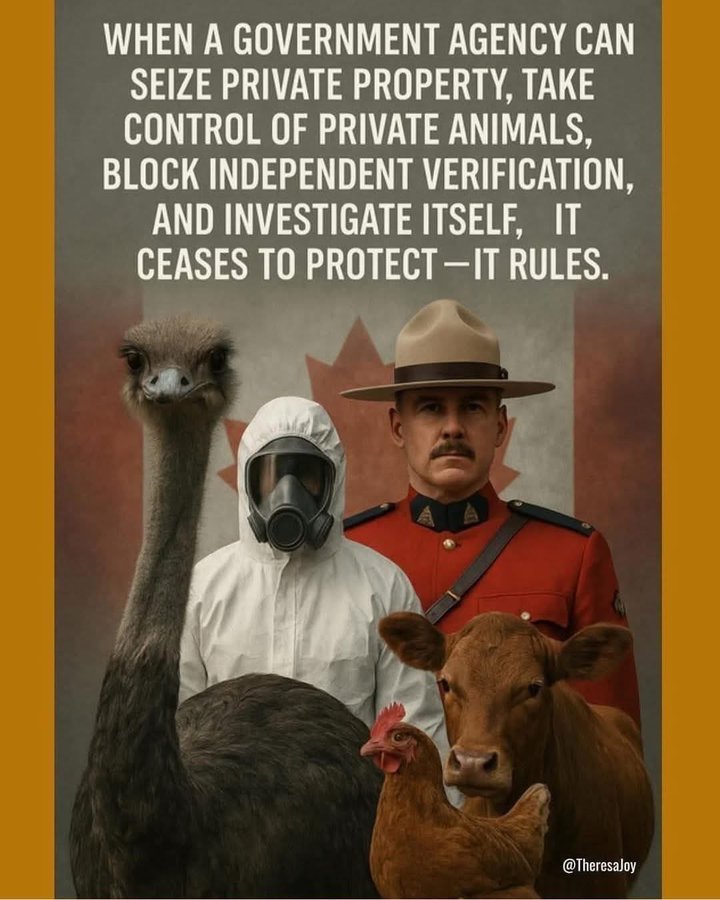
Imagine 300 dogs disappear into government custody.
You ask how many.
They won't say.
You ask to see them.
Access denied.
Over a month later, they're all dead.
And they won't tell you how they killed them. Top Secret.
That just happened with ostriches in Canada.
CFIA took custody, blocked all coverage, then culled them for "biosecurity."
We still don't have an accurate count.
When it's pets - empathy.
When it's livestock - efficiency.
When it's wild - expediency.
The system wasn't broken.
It was never built for all animals.
Vet med needs more than reform. It needs a moral compass.
As a Canadian and a veterinarian, I’m disgusted, but not surprised.
This isn’t protection.
It’s control.
And vet med needs more than reform - it needs a moral compass.
5
5
8
349
4 Nov 2025
Leaving the vet? Stop. 🛑
Do this in 30 seconds:
- Snap the invoice
- Text yourself a rating & notes
- Summarize the plan for your pet
Do it every visit.
You’ll stay in control, and your pet will get the care they deserve.
What’s your post-vet ritual?
Be honest… or I’ll assume chaos reigns 🙃
PS: Want to level up?
Create a contact in your phone under your pet’s name - send these texts to them! 🐾
1
1
26
3 Nov 2025
🐾 Can't decide if your BFF needs chest x-rays or an echocardiogram?
Welcome to the club - the answer’s often both.
When your dog sounds like they're auditioning for a kennel cough commercial, we vets play detective: Is this the heart or the lungs?
(Especially tricky if there's no heart murmur!)
Chest X-rays = Lung superstars. They'll show us pneumonia, tumours, fluid... the whole pulmonary party.
But ask them about heart function? Crickets.
❤️ Echocardiogram = The heart whisperer.
Shows us exactly what's happening inside those little cardiac chambers.
But lungs? Total blackout.
So here's our game plan:
Start with x-rays.
If we spot something funky in the lungs (say a tumour), mystery solved - we can skip the echo.
But if those lungs look squeaky clean?
Then your dog’s cough might be their heart being dramatic - time for the echo!
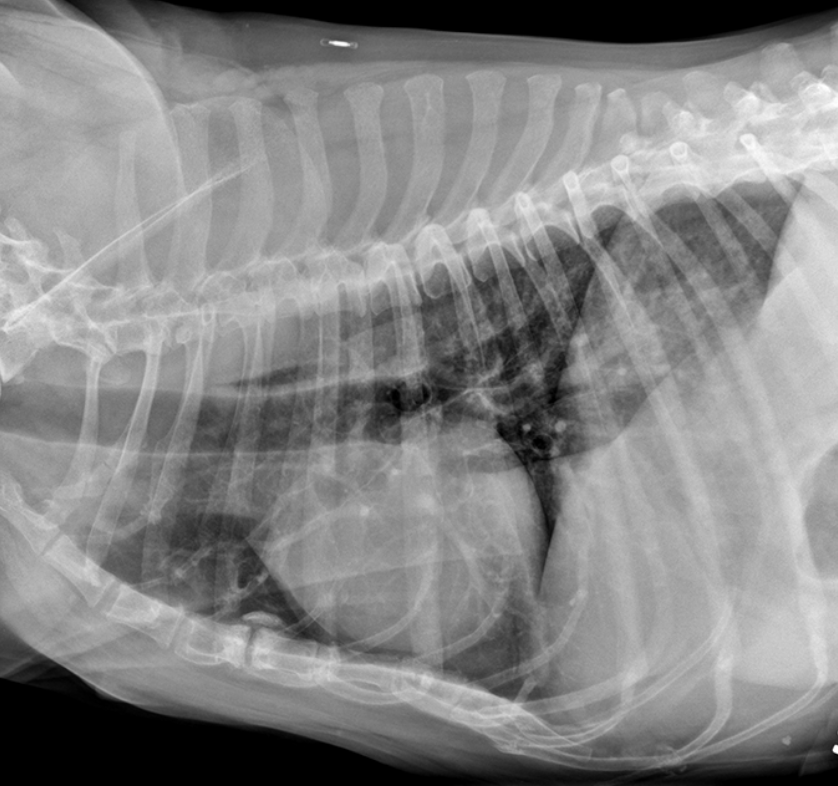
P.S. See this chest x-ray of an older Bulldog?
Plot twist: it's actually pretty darn normal!
Your move, Dr. House.
1
2
54
2 Nov 2025
Chasing sunsets is always a chance to reset.
This is Lincoln—a friend of our donkeys.
Our donkeys disagree.
Some connections take time. Some never happen. But Lincoln still shows up, calm and steady, exactly as he is.
Maybe that's the whole lesson: meeting others where they are, not where we wish they'd be.
Even if you're a horse. Especially if you're a donkey.
17
Dr. Judith Samson-French retweeted

31 Oct 2025
After ten years of saving lives, police dog Indy heard his name on the radio for the last time, and in the silence that followed, even the toughest officer broke down in tears.
1,525
11,933
118,031
4,365,349
30 Oct 2025
Most pet owners are making terrible medical decisions for their pets.
Not because they don’t care.
Because the system has trained them to be helpless.
You have been made to believe that “doing the right thing” means saying yes to everything - and drowning in guilt when you can’t afford it.
Here’s what nobody tells you:
⭐️ Economics IS medical ethics.
Loving your pet and having a $2,000 or $10,000 limit can coexist (which is not nearly enough $$$ to go full on with bone cancer, BUT there are options!)
That’s not neglect. That’s reality.
What you need isn’t more guilt.
It’s high agency.
→ Know your pet’s normal before crisis hits
→ Ask “What happens if we do nothing?”
→ KNOW your financial reality today
→ Find a vet you trust during wellness visits
→ Accept that “the right thing” depends on context
A 2-year-old with a broken leg isn't the same as a 14-year-old with cancer.
The goal isn’t perfect decisions.
It’s decisions you can defend to yourself at 3 AM, six months later.
That’s high agency.
Hard-won. Not handed to you.
But it beats being paralyzed by guilt while your pet suffers in the middle.
Go on, start building your high agency life with your BFF 💚
#HighAgencyLiving
#EthicalPetCare
#VetPerspective
22