
39 Photos and videos







Pinned Tweet

Jan 18
for 7 years as a PM, I've watched the same story repeat: ambitious product roadmaps vs. the reality of limited dev resources
eventually you just accept it. the feature ideas that never make it. the "maybe next quarter" that never comes
but I've also seen what's possible with high agency product teams (look at teams like Ramp)
they don’t see this invisible separation of responsibility. both the engineering team and product team share the same passion for one thing - shipping responsible product fast
so I've been building something
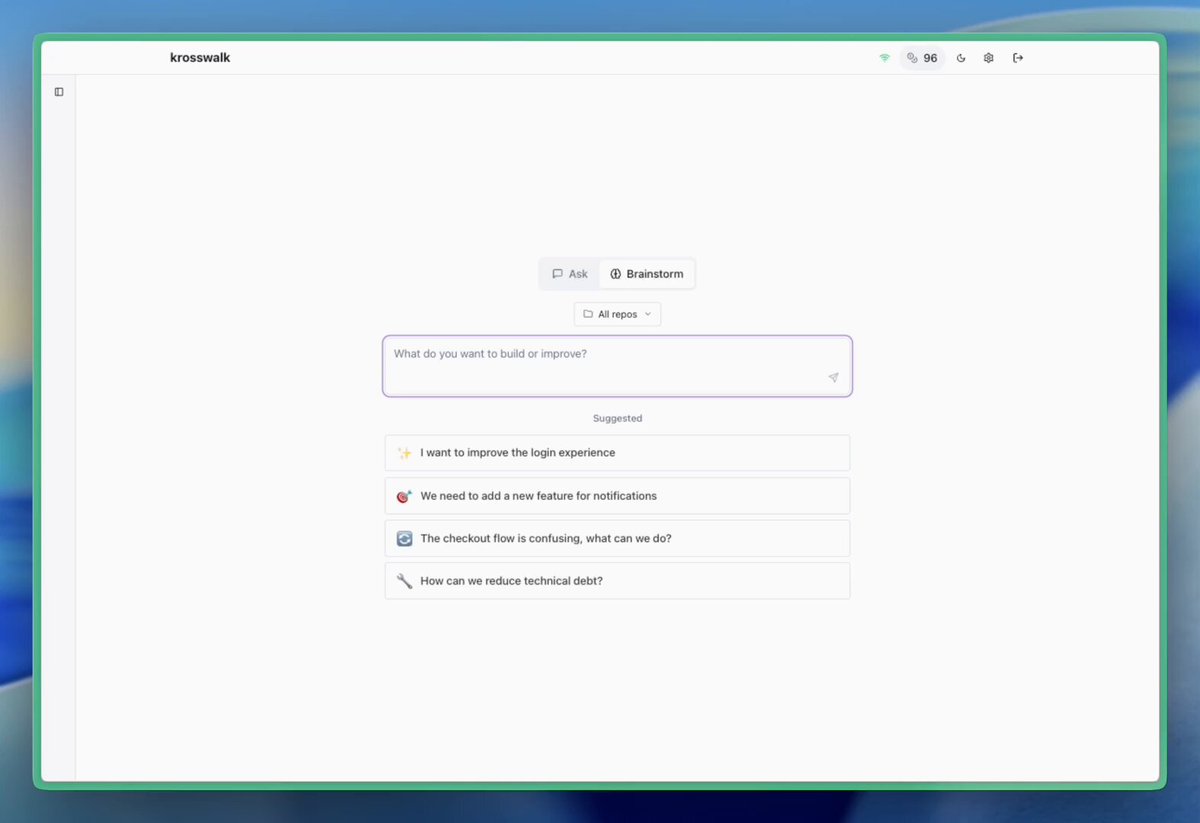
It's called krosswalk - a tool that safely guides product teams to ask questions and build features in the existing codebase - NOT a prototype
ask questions, get answers grounded in the actual code
generate safe, reviewable, WORKING changes that get reviewed by your designers and product team before your engineers review and merge
PMs can finally move from "I wish we could…" to "here's a working prototype."
looking for PMs who feel this pain and want to join the next batch of users -> krosswalk.io
2
4
302
justin 🌵 retweeted

Jun 8
Transfer Portal SS
Having a blast in the Cal Ripken League!
Through 4 games…
.500 Avg
.563 Obp
81% QAB%
Leading league in stolen bases(5)
Lockdown Shortstop
-HS Valedictorian
-3 years of eligibility
-6.5 60 yard dash
-Transferring out of William & Mary
@BUncommitted
1
10
16
3,647
Feb 6
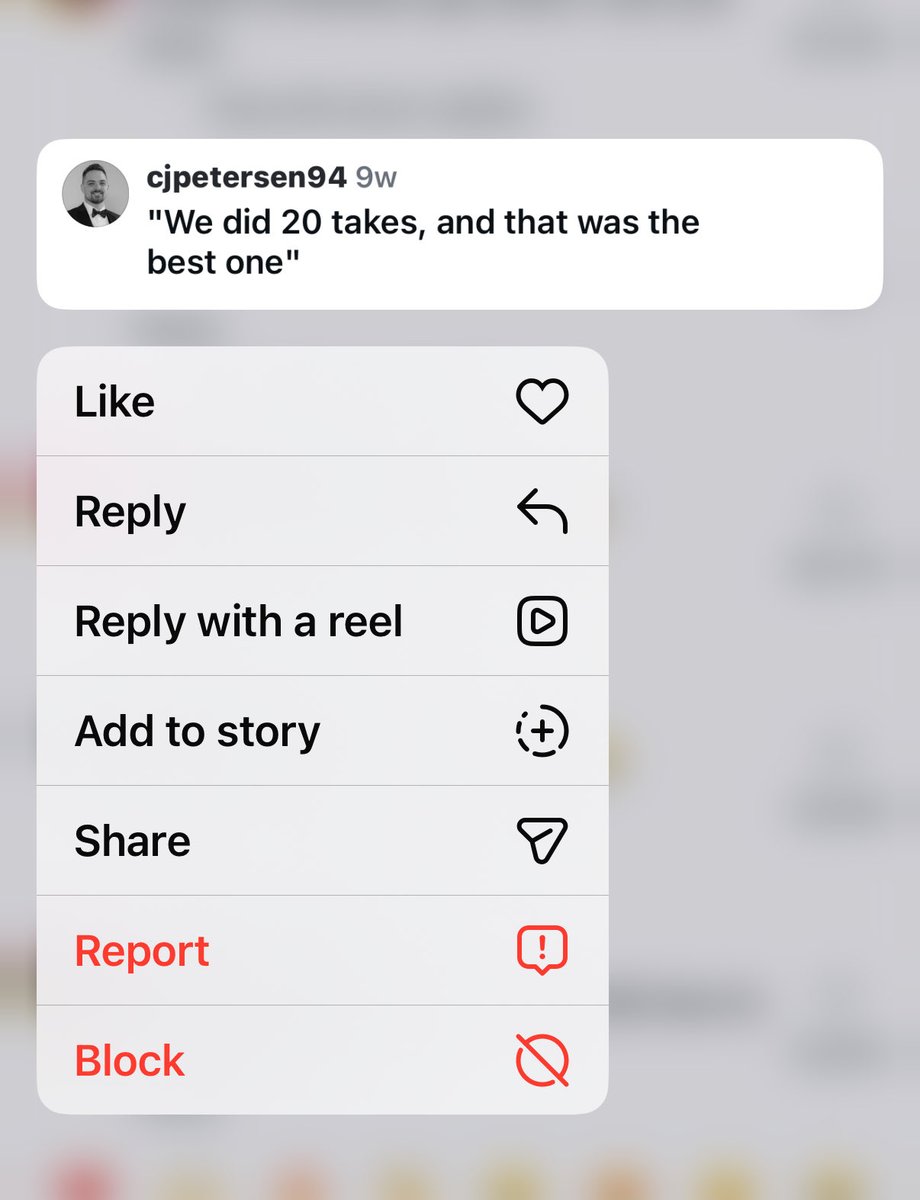
crying tears of joy, we can finally share insta comments 🔥🔥😭
27 Nov 2024

to Instagram: plz allow me to easily share comments from reels- they are simply too good
1
114
Jan 23
the best software teams will be made of 100% builders, differentiated less by title and more by what they optimize for: product intuition vs. systems rigor
the first wave is already here - AI coding tools like claude code and cursor are letting non-technical teammates create real things but only the most innovate teams like ramp are adopting this “all builders” mindset
this isn’t the destination! its just that current tooling is optimized for engineering workflows. the path from “i have an idea” to “this is safe to ship” is still messy.
as more of the team becomes hands-on, we need an interface that makes changes easy to preview, easy to review, and hard to mess up
krosswalk.io is the missing interface
happy shipping 🤠
2
114
Jan 22
prompting is writing
storytelling is writing
reading is your training data
1
47
justin 🌵 retweeted
Jan 18
for 7 years as a PM, I've watched the same story repeat: ambitious product roadmaps vs. the reality of limited dev resources
eventually you just accept it. the feature ideas that never make it. the "maybe next quarter" that never comes
but I've also seen what's possible with high agency product teams (look at teams like Ramp)
they don’t see this invisible separation of responsibility. both the engineering team and product team share the same passion for one thing - shipping responsible product fast
so I've been building something
It's called krosswalk - a tool that safely guides product teams to ask questions and build features in the existing codebase - NOT a prototype
ask questions, get answers grounded in the actual code
generate safe, reviewable, WORKING changes that get reviewed by your designers and product team before your engineers review and merge
PMs can finally move from "I wish we could…" to "here's a working prototype."
looking for PMs who feel this pain and want to join the next batch of users -> krosswalk.io
2
4
302
Jan 19
the best pms I know are obsessed with something completely unrelated to product
1
42
Jan 18
this is inspiring and exactly how I envision all ambitious product teams will work in the next few years!
I've been working on a tool called krosswalk in case there are PMs/designers that are interested in building like the Ramp team!
x.com/JustinChitla/status/20…
Jan 14

This has single-handedly increased our ship velocity by 100x. As a PM, I can directly make code changes, spin up endpoints, change the FE ux, etc directly from my browser or slack. Inspect spins up a PR for my Eng team to review. My day has switched from “can you do this for me” to “can you stamp my PR” 🚀
2
122
Jan 6
the single best thing you can do is constantly reset context - if you’re building a larger feature then I’ve laid out a method that works rly well here: x.com/justinchitla/status/20…
Jan 6

Learn about how we use the filesystem to improve context efficiency for tools, MCP servers, skills, terminals, chat history, and more.
cursor.com/blog/dynamic-cont…
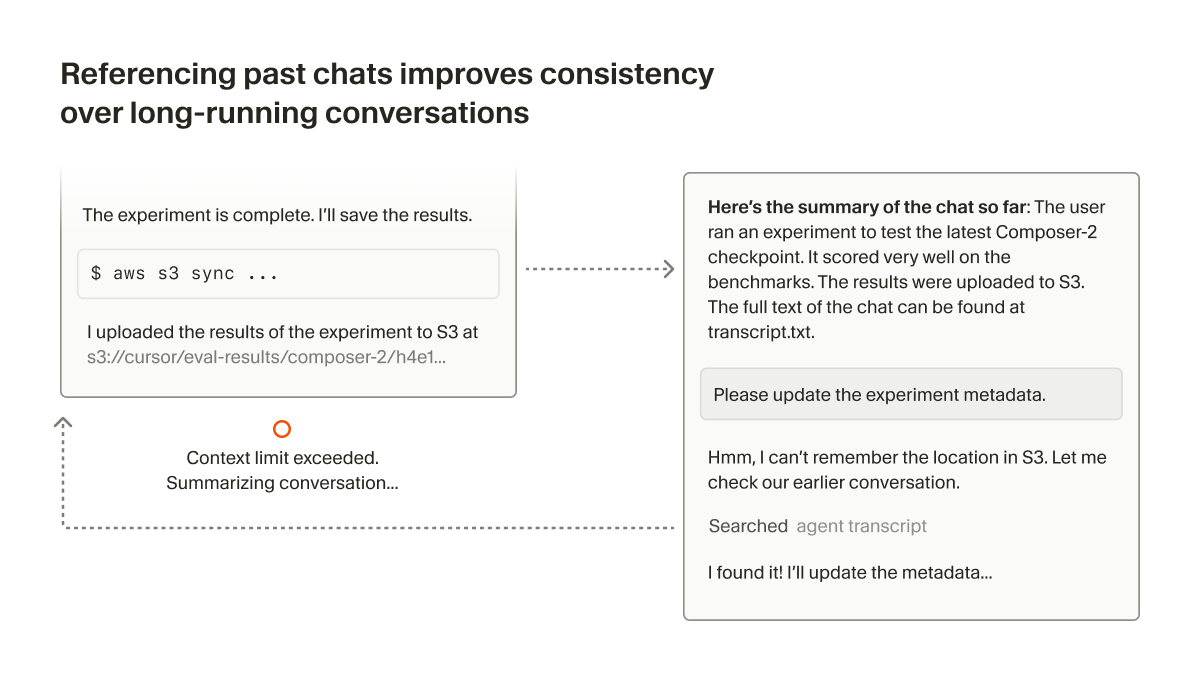
124
Jan 4
how i’m using cursor claude code for consistently better results:
1
1
104
Jan 4
6/
claude code will usually spin up a few sub-agents to investigate what’s needed before implementing.
this is where the quality comes from:
smaller scope, sharper context, fewer bugs.
1
1
84
Jan 4
7/
the magic is the handoff:
cursor ask mode → refine requirements interactively
sprint .md files → turn plan into focused chunks
fresh claude code agents → re-check reality execute precisely
each tool does what it’s best at
48