
Father, Gardener, Juggler, Cricket addict. Founder of NewZealand.AI, Keynote Speaker | #AI #CMO #TEDxAkl ♥️👰♀️👶🐕🦺🐈⬛ 🏏🥃🤹♂️🤖
Joined December 2008
- Tweets 69,202
- Following 4,324
- Followers 23,941
- Likes 6,523
2,925 Photos and videos









Justin Flitter retweeted

Jan 28
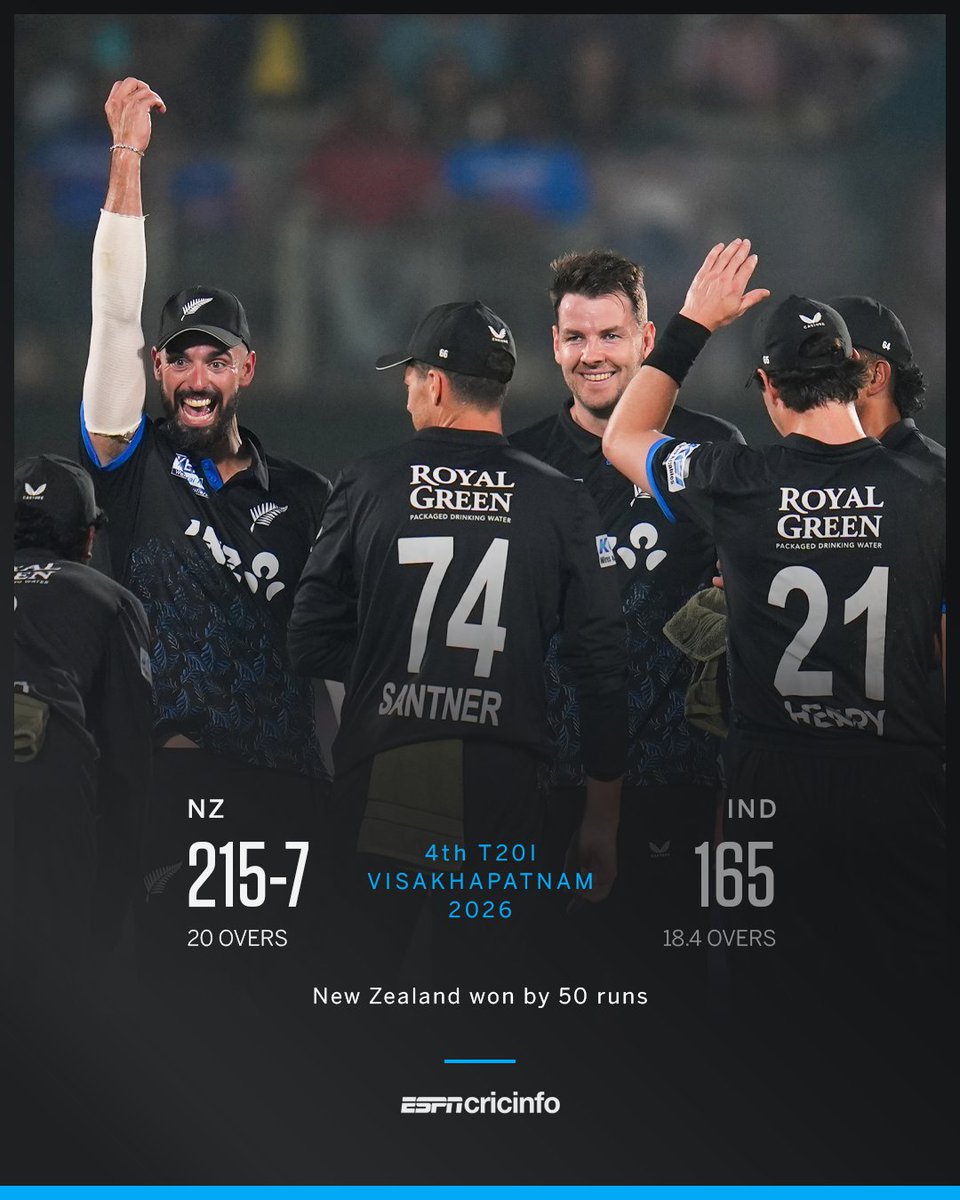
New Zealand get their first win of the series, and it's a big one 💪
12
29
646
10,035
Justin Flitter retweeted

Jan 19
Vance: “Denmark has not done a good job keeping Greenland safe.”
Ummmm…. 400 American children who were shot dead in their classrooms would like to have a word about being kept safe.
85
2,316
13,294
146,205
Justin Flitter retweeted
Jan 14
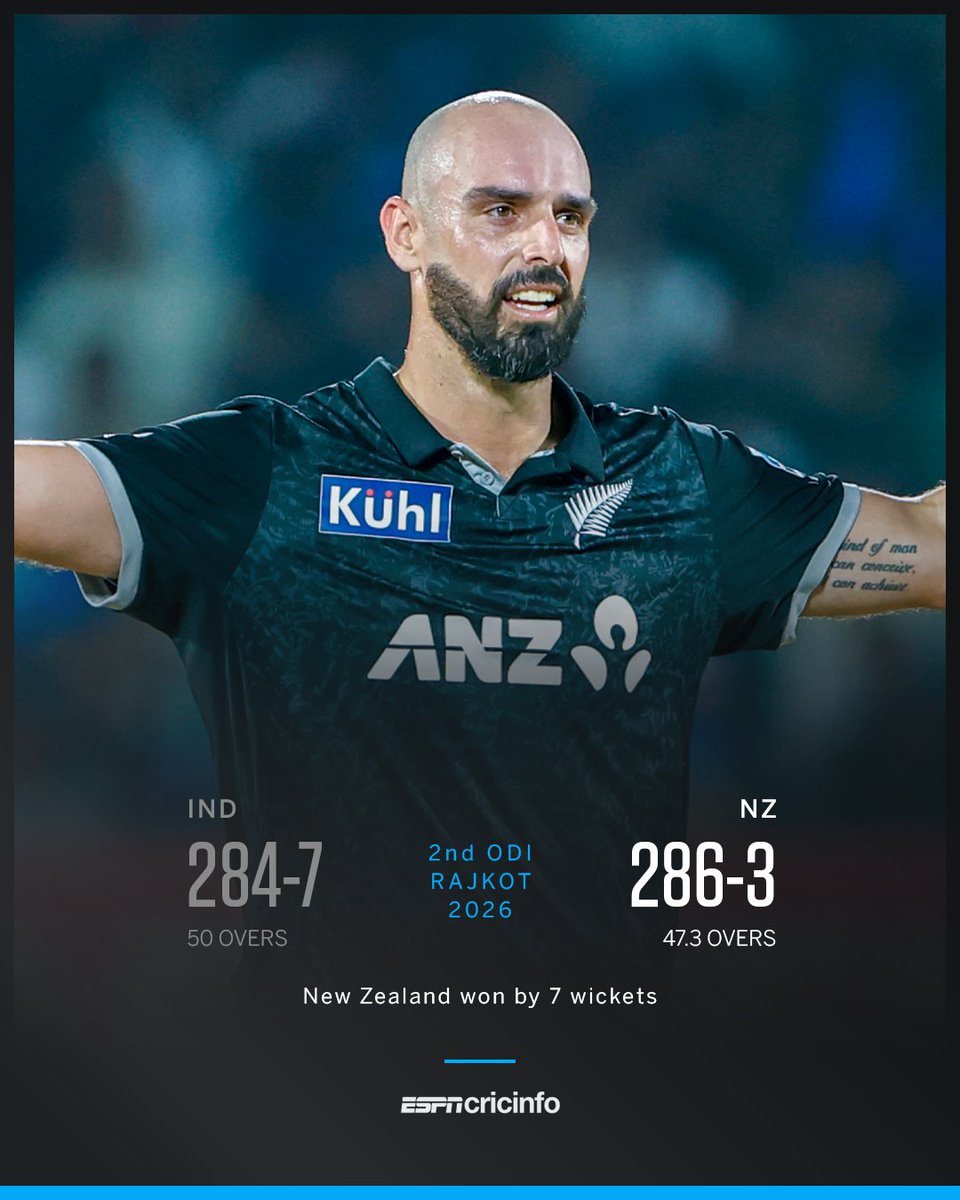
New Zealand make it 1-1 🤜🤛
5
32
610
10,895
Justin Flitter retweeted

30 Oct 2025
📍 Finance Minister Nicola Willis hit TVNZ’s Breakfast yesterday with a barrage against Labour’s proposed 28% Capital Gains Tax (CGT) on residential investment and commercial property gains. Amid declining confidence, Willis warned it would “punish growth,” hurt “everyone who’s saved hard,” and hit “every small business in the country.” A closer look at the policy – and independent commentary – shows most of these claims are wrong or exaggerated.
Labour’s plan is clear: from 1 July 2027, a 28% CGT would apply only to commercial property and residential investment property profits. It exempts the family home, farms, KiwiSaver, shares, inheritances, personal items, and business assets. Revenue raised would fund three free GP visits per year for every New Zealander — a targeted move to improve health access and equity.
Let’s break it down:
“It’s a tax on everyone who’s saved hard.”
False — and misleading. Willis suggests property investors or business owners facing a CGT on sale profits will pass that “cost” on through higher rents or prices. But the CGT applies only when a property is sold and a gain realised — it doesn’t add to operating costs. Ordinary savers with KiwiSaver, shares, or deposits are untouched. There’s no evidence that similar measures overseas drove rent hikes; prices are set by supply, demand, and interest rates, not by a one-off tax. Framing it as a universal burden is inaccurate.
“Damaging to the economy; punishes growth.”
Speculative. OECD and Treasury research show moderate CGTs have little effect on growth and can redirect capital into productive sectors. Australia has taxed property gains for decades without stalling its economy. Labour argues the extra health funding could lift productivity by reducing illness-related absenteeism — an economic positive, not a drag.
“Impacts every small business building a nest egg.”
Misleading. The policy exempts business assets such as goodwill, stock, and plant. Only firms that own and later sell taxable property might face CGT on that gain. Most small operators who lease premises would see no change.
“Landlords will hike rents to compensate.”
Unsubstantiated. No evidence that previous tax changes like the bright-line extension increased rents. Economists agree supply and demand drive rent levels far more than tax settings.
“This is going to be really complicated.”
Overstated. Tax experts such as Professor Craig Elliffe describe Labour’s plan as the “cleanest, simplest version” of a CGT — one rate, two asset classes, and broad exemptions.
Taken together, Willis’s comments rely on fear rather than fact. They echo long-standing tactics that frame any capital-gains tax as an attack on aspiration, when in reality the policy targets a narrow slice of unearned property wealth. Labour estimates nine out of ten Kiwis will not be affected.
Meanwhile, New Zealand’s economy is struggling under the current government. Growth per capita remains negative, unemployment is rising, and Treasury forecasts just 1.4% GDP growth for 2025. Business closures and cost-of-living pressures persist despite large tax cuts tilted toward higher earners. Against that backdrop, painting Labour’s focused CGT as economic vandalism rings hollow.
Labour’s approach is pragmatic: rebalance the tax system, capture windfall property profits, and use that revenue to ease household health costs. Three free GP visits a year mean tangible relief for families and workers — a policy with social and economic dividends.
The real scare story isn’t a targeted CGT; it’s the ongoing failure to fund essential services fairly. Labour’s proposal doesn’t punish success — it simply asks those who profit most from property speculation to contribute their fair share.
🎥 Watch the full segment below to see Nicola Willis’s comments in full context:
👉 Source: TVNZ Breakfast, 30 October 2025
#nzpol
47
56
191
9,509
Justin Flitter retweeted

29 Oct 2025
No Henry
No will O rourke
No Ferguson
No Milne
No jamieson
No sears
No Problem for New Zealand
Still they won a odi series against England after 12 years
Fast bowling depth of @BLACKCAPS is just remarkable 🔥

2
7
87
1,717
Justin Flitter retweeted

22 Oct 2025
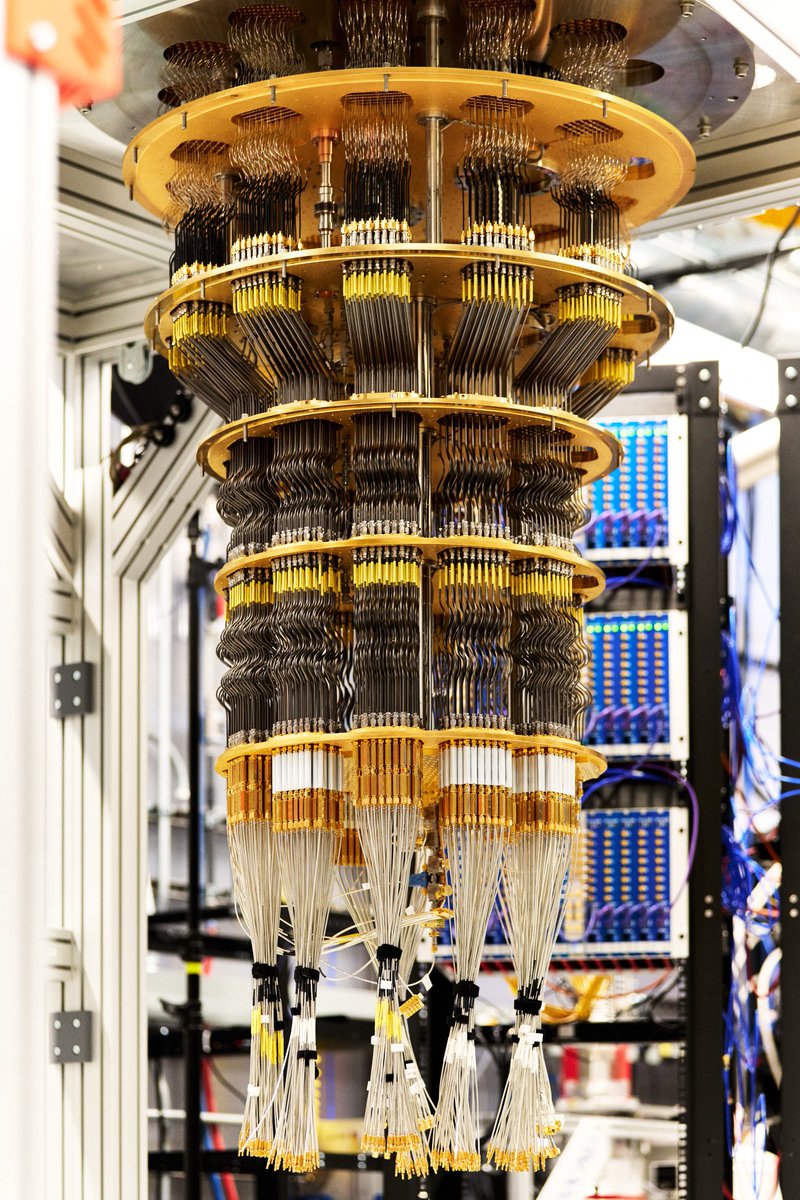
New breakthrough quantum algorithm published in @Nature today: Our Willow chip has achieved the first-ever verifiable quantum advantage.
Willow ran the algorithm - which we’ve named Quantum Echoes - 13,000x faster than the best classical algorithm on one of the world's fastest supercomputers. This new algorithm can explain interactions between atoms in a molecule using nuclear magnetic resonance, paving a path towards potential future uses in drug discovery and materials science.
And the result is verifiable, meaning its outcome can be repeated by other quantum computers or confirmed by experiments.
This breakthrough is a significant step toward the first real-world application of quantum computing, and we're excited to see where it leads.
2,006
7,443
44,765
6,638,761

20 Oct 2025
RT @HelenClarkNZ: There seems to be money for sharply increasing defence spending, new highways, cancelling ferry contracts, landlord tax c…
134
Justin Flitter retweeted

19 Oct 2025
“What’s in that?!” 🤣
Mitchell Marsh was struggling with cramp — if anyone knows what was in that gel that Marnus Labuschagne found so funny, let us know! 😅
55
204
5,457
1,236,871
17 Oct 2025
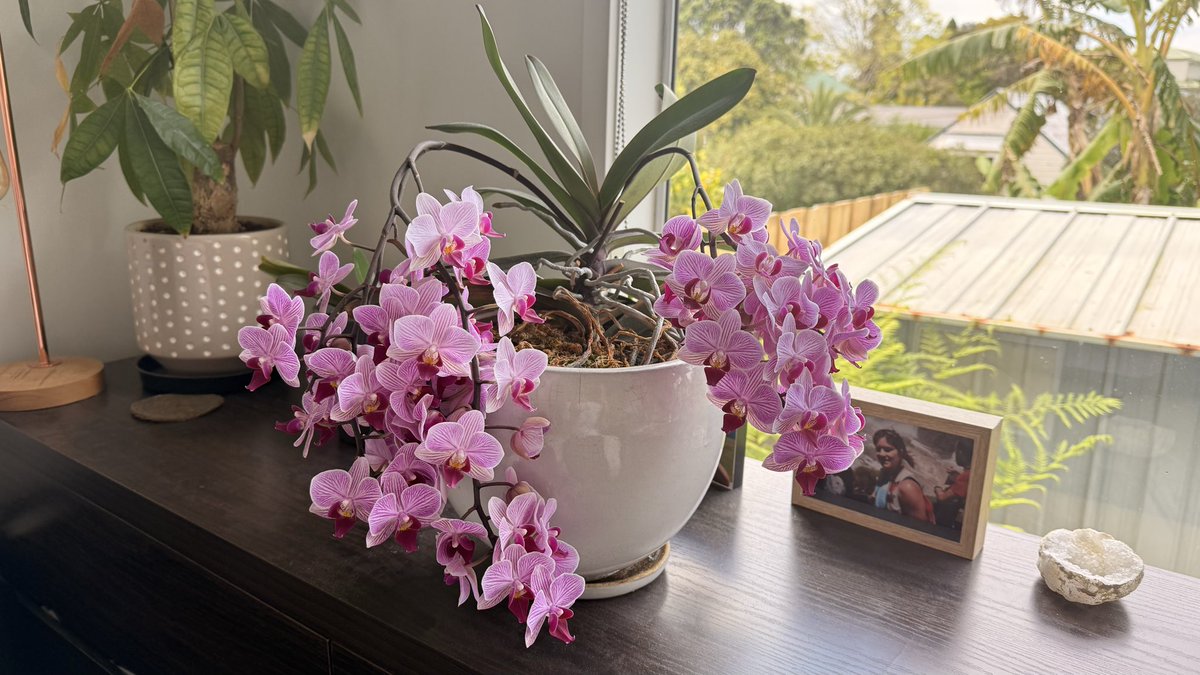
I tried spots all over the house. Year after year no flowers. Last 3 years it’s got better and better. Must love this spot. #orchid
1
11
296
Justin Flitter retweeted

16 Oct 2025
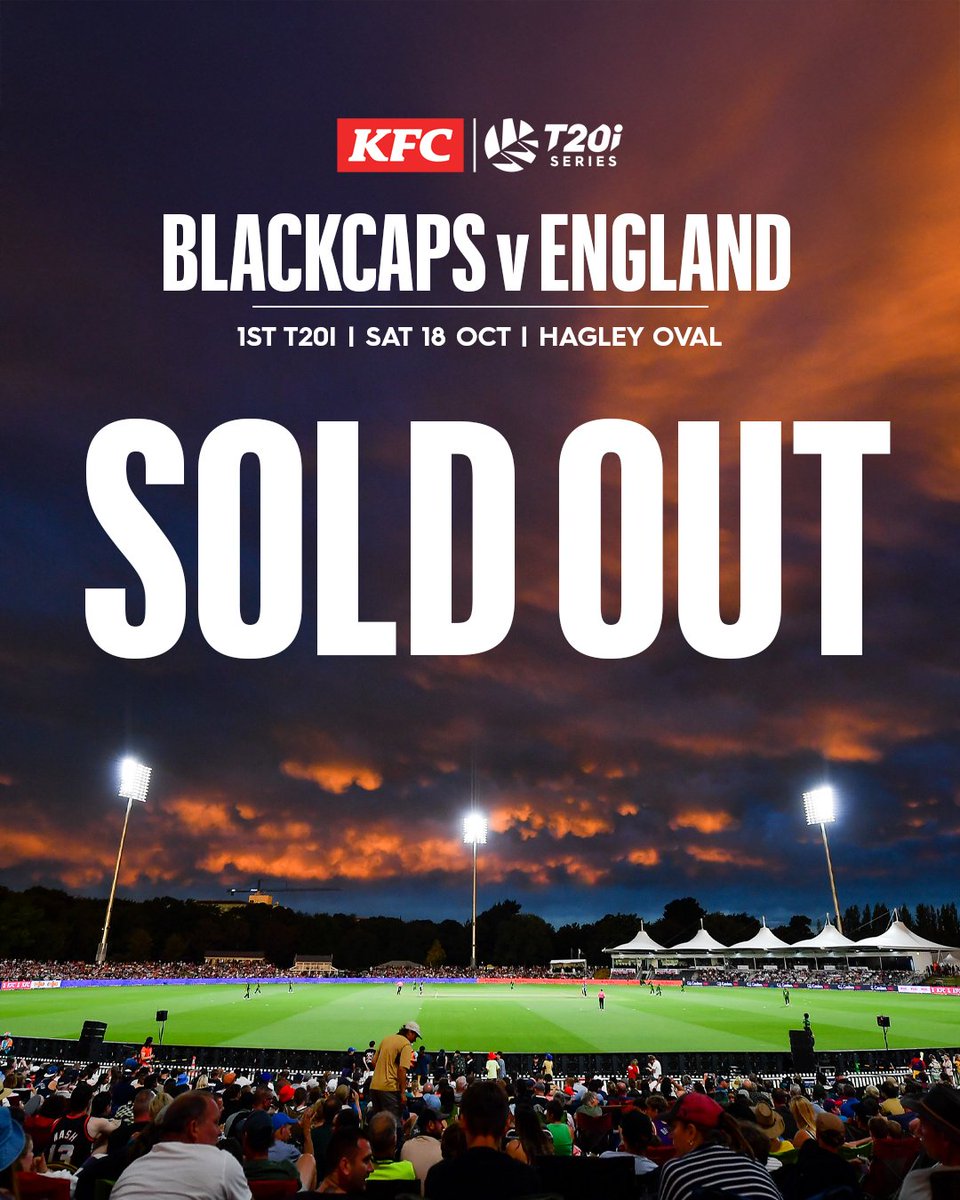
Ōtautahi - Christchurch! Tomorrow night's 1st KFC T20I against England at Hagley Oval is SOLD OUT! 🙌
Just 30% of tickets remain for the 2nd T20I at Hagley Oval on Monday.
Secure yours now | on.nzc.nz/3H6p3KM
4
20
407
12,230
Justin Flitter retweeted

1 Oct 2025
Hands down the most powerful documentary I've seen in Aotearoa—absolutely spectacular. It unpacks the unfair criticism Jacinda Ardern faced and gives her the space to clearly articulate the reasoning behind her decisions. She's a once-in-a-generation leader, and many of her harshest critics came from a place of misogyny or conspiracy-driven thinking, disconnected from reality.

512
312
1,610
50,731
16 Sep 2025
Been great watching our future blackcaps perform so well.
14 Sep 2025

Our XI for New Zealand A's final tour match in South Africa 💪
First ball at 8:00pm NZT! Watch the livestream on Cricket South Africa's YouTube channel and follow the scoring on nzc.nz or the NZC app 📲
#CricketNation
📸 Cricket South Africa

165
12 Sep 2025
The foundations of the house being demolished up the road from us are of an exceptionally high quality
85
Justin Flitter retweeted
8 Sep 2025
What a day for our NZ A Men!
200* overnight for Rhys Mariu
103 (155) for Dale Phillips
50* overnight for skipper Joe Carter
Day two starts at 8pm NZT tonight! Watch the livestream on Cricket South Africa's YouTube channel and keep up to date with the score on the NZC app 📲
📸 Cricket South Africa

3
9
102
6,966
1 Sep 2025
I’ll be watching
1 Sep 2025
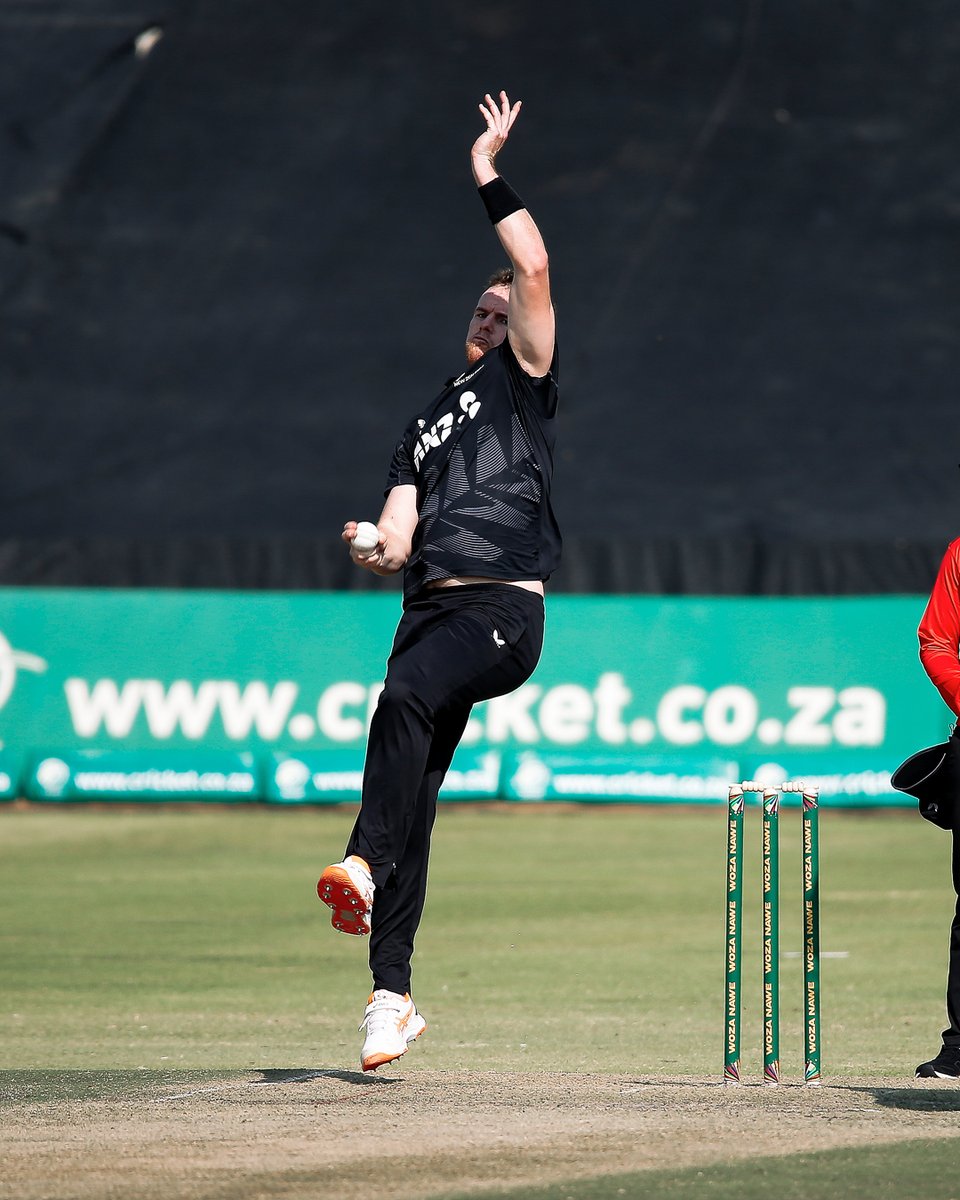
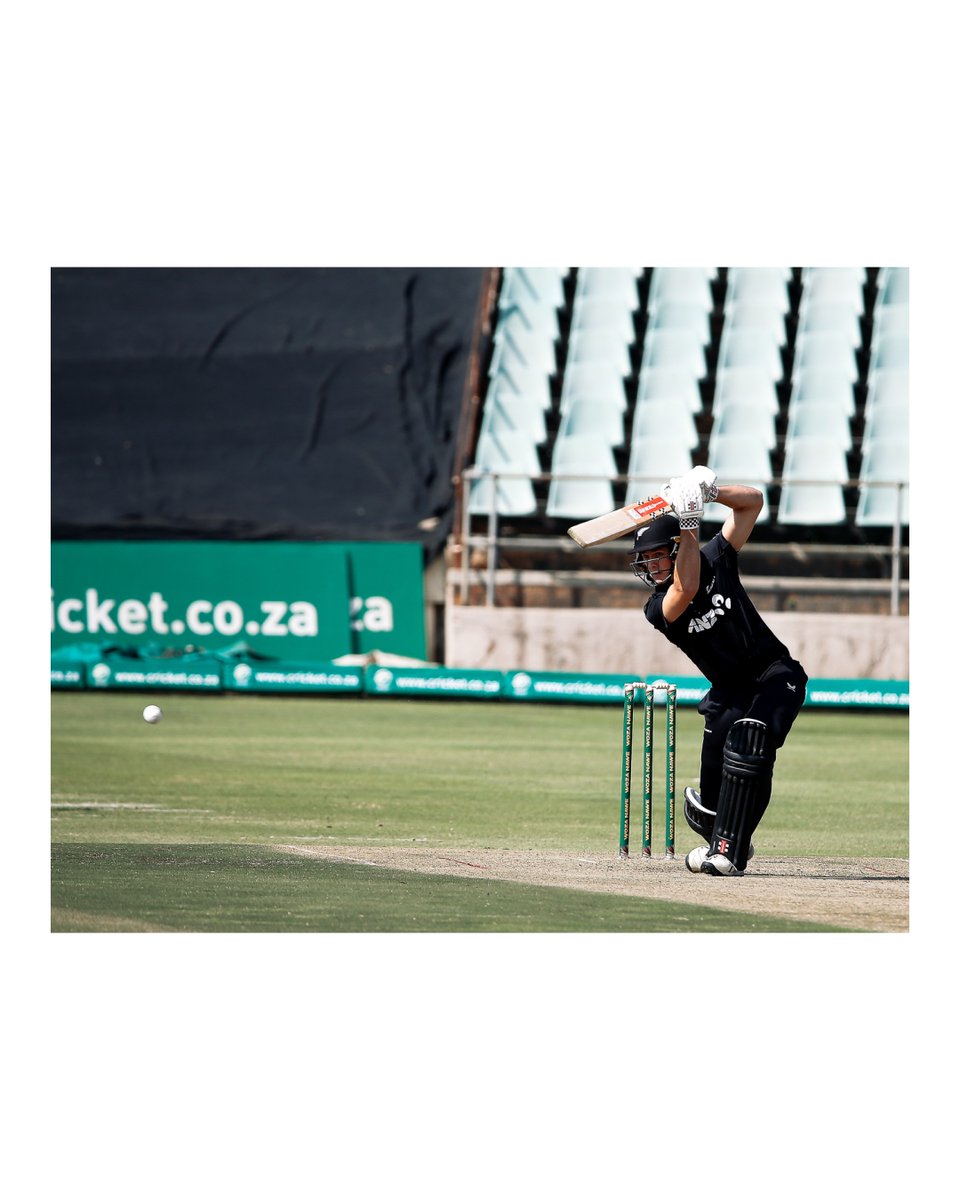
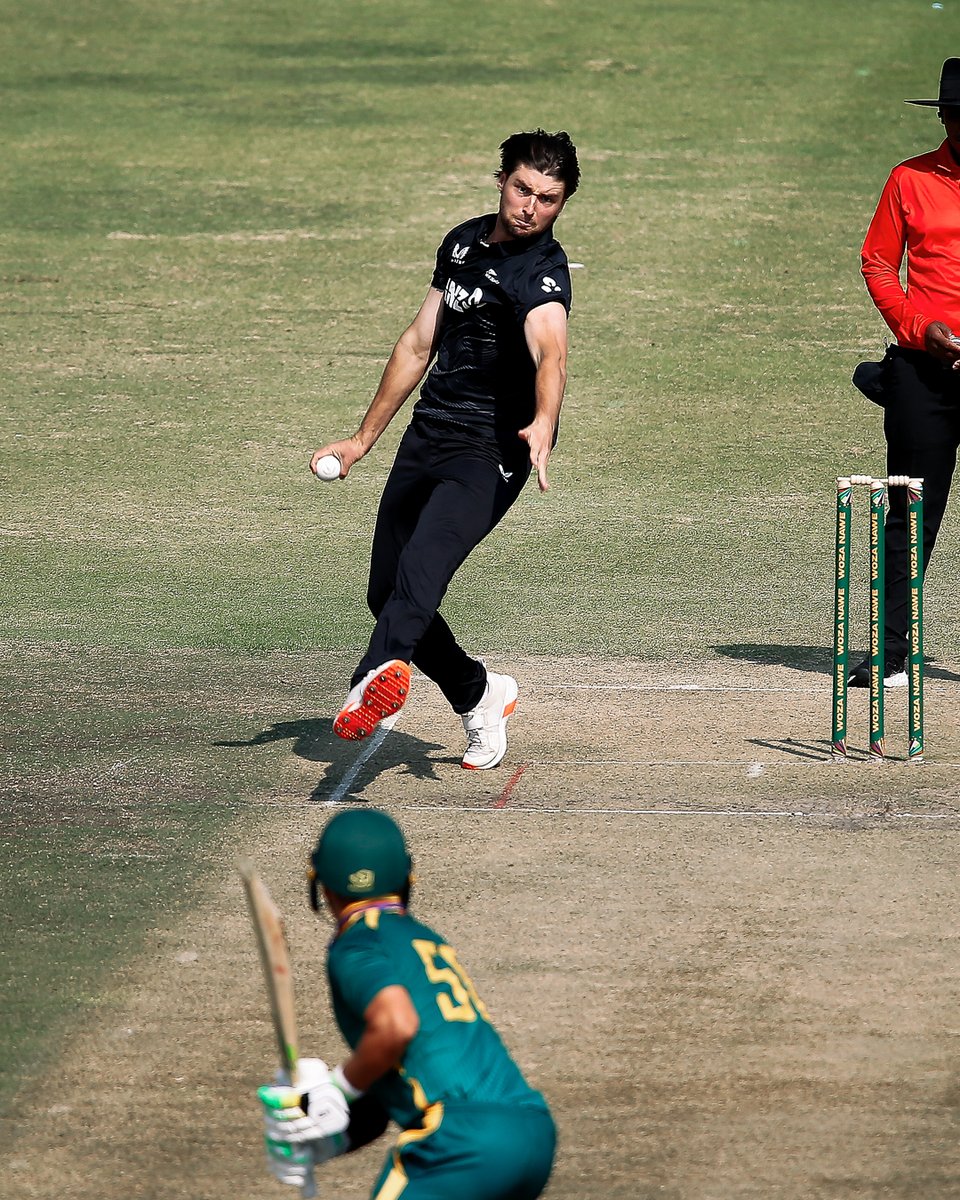
Our NZ A lads are back in action at 8pm this evening in their second one-dayer against South Africa A!
The match will be live-streamed on Cricket South Africa YouTube from 8pm NZT 🖥️
📸 Cricket South Africa

135