
Joined March 2013
- Tweets 9,613
- Following 979
- Followers 1,756
- Likes 15,137
3,237 Photos and videos


Pinned Tweet

Apr 8
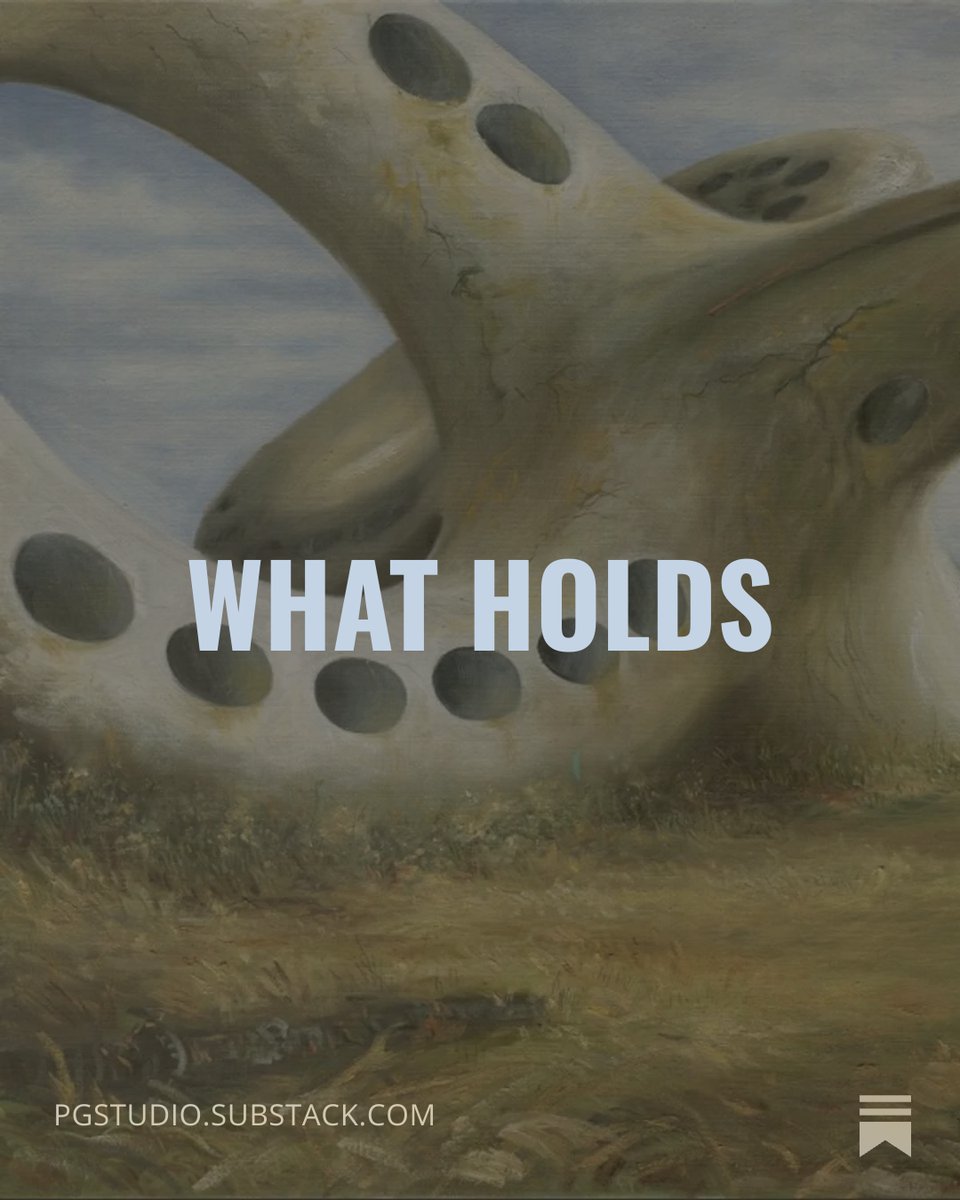
"The Hook"
Production is no longer the constraint.
Images, variations, entire bodies of work can be generated at scale. The ability to make something is widely accessible and increasingly automated.
But attention did not scale with it.
When production becomes abundant, value moves elsewhere. It moves to direction.
1
3
241
Jun 10
Discoverable.. 👁
bitcoinbooks.review/tx-1/
@BitcoinBooksRev @buckethatbtc @BitcoinArtMag @Bitcoinfta
1
44
Kenneth Burris retweeted

NODE | A PHYSICAL SPACE FOR A DIGITAL WORLD
The Silicon Valley institution’s (@nodefnd) founders share what they have learnt from its opening shows with Larva Labs (@larvalabs) and Beeple (@beeple)
By Louis Jebb (@JebbL)
rightclicksave.com/article/n…
8
11
66
3,286
May 30
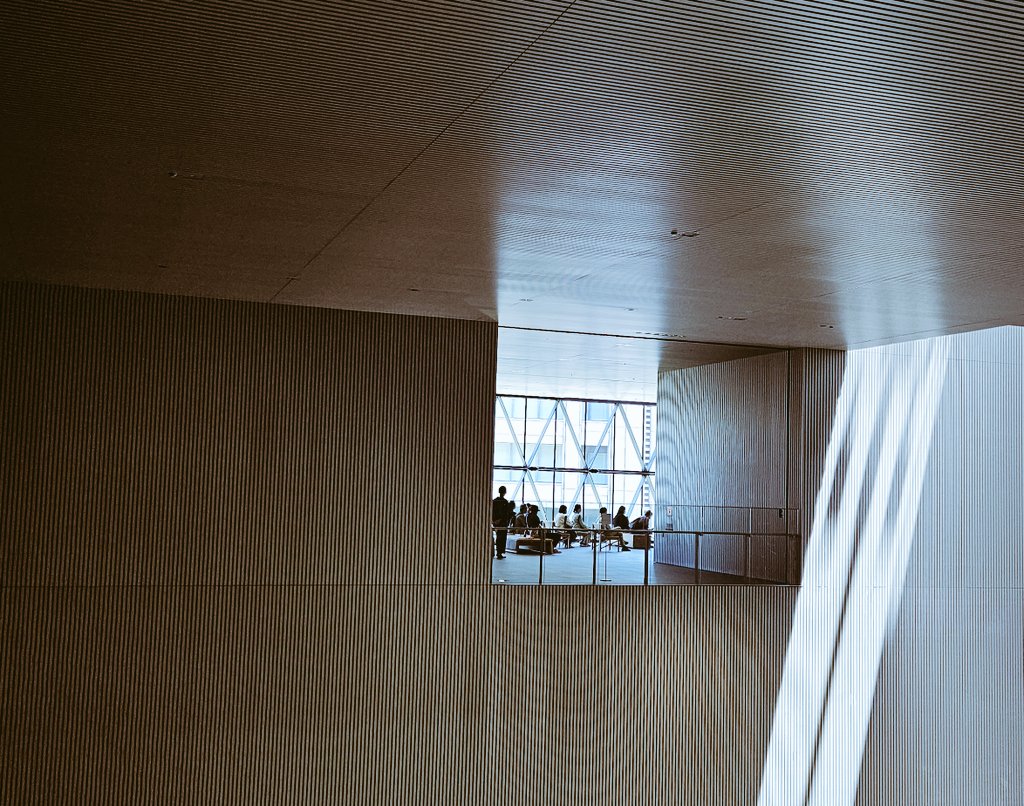
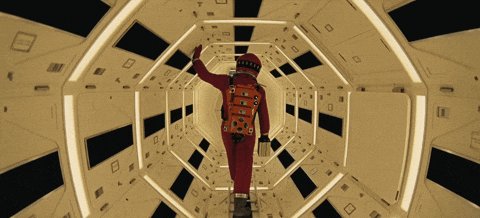
The interior of Nakanoshima Museum of Art breathes like a living machine. If AI ever needs a home, this is it.
1
50
May 29
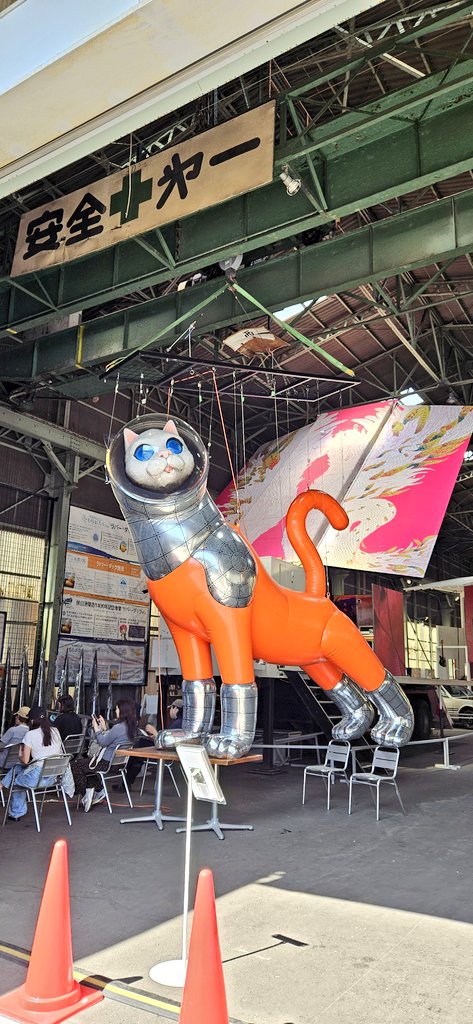
Kenji Yanobe: Taro, Cat, and Sun
What a great studio experience..
2
71
May 20
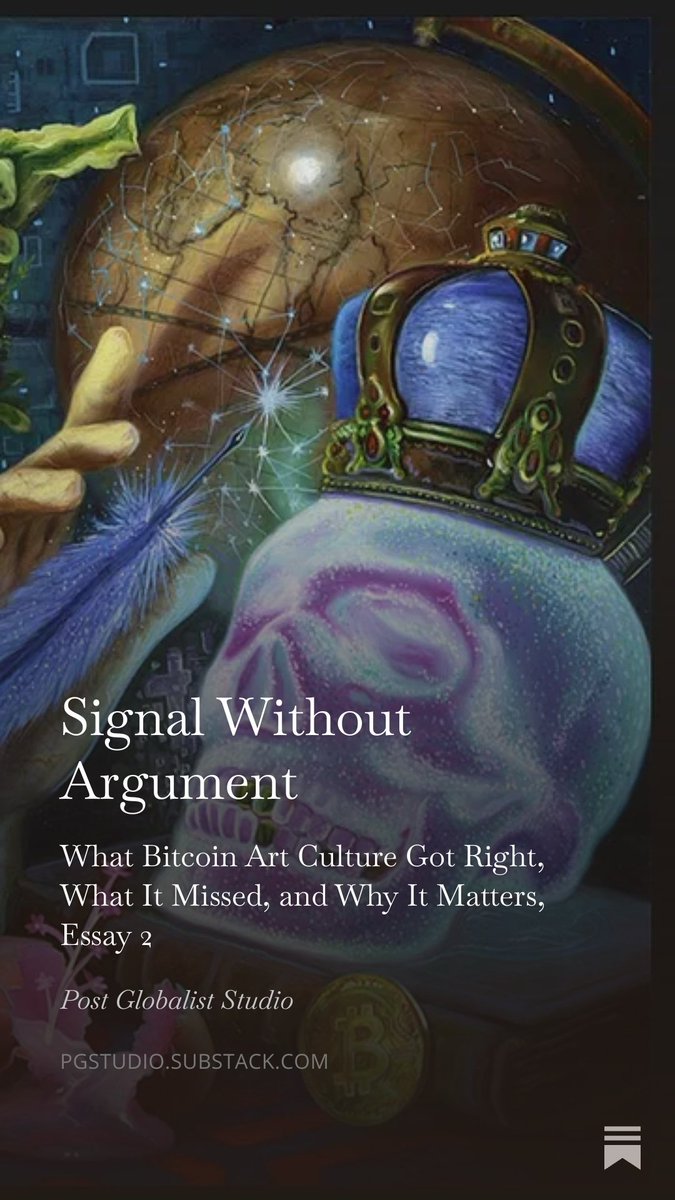
The 1st in a 4 part series, examines a world many are missing and or refuse to listen to.
open.substack.com/pub/pgstud…
1
66
May 10
1/4
I was recently asked to speak about Bitcoin art on a podcast.
I appreciated the invitation, but it made me realize the harder question is not whether Bitcoin has an art culture.
4
1
15
377
May 11
For clarity, this essay is part of a larger sequence.
The first essay credits the early frontier stage of Bitcoin art. This one asks what happens after that stage begins to mature.
I am not dismissing the culture. I am trying to understand what kind of artistic language it can build next.
2
44
May 10
3/4
When I made vanitas work inside Bitcoin culture, I was not trying to decorate the space.
I was asking what value, permanence, death, speculation, and belief look like when money becomes both image and system.
1
2
85
May 10
4/4
Bitcoin art does not need to abandon its history.
But if it wants to grow, it has to become legible beyond recognition, memes, and insider belief.
The next phase will come from work that carries an argument.
open.substack.com/pub/pgstud…
1
6
85
May 8
My time in Japan is helping me think about post-postmodernism differently.
I have been to Japan many times, but this trip has brought something into focus that connects directly to my landscapes, my writing on technology, and the broader question of what comes after the postmodern condition.
Japan does not always treat the old and the new as enemies.
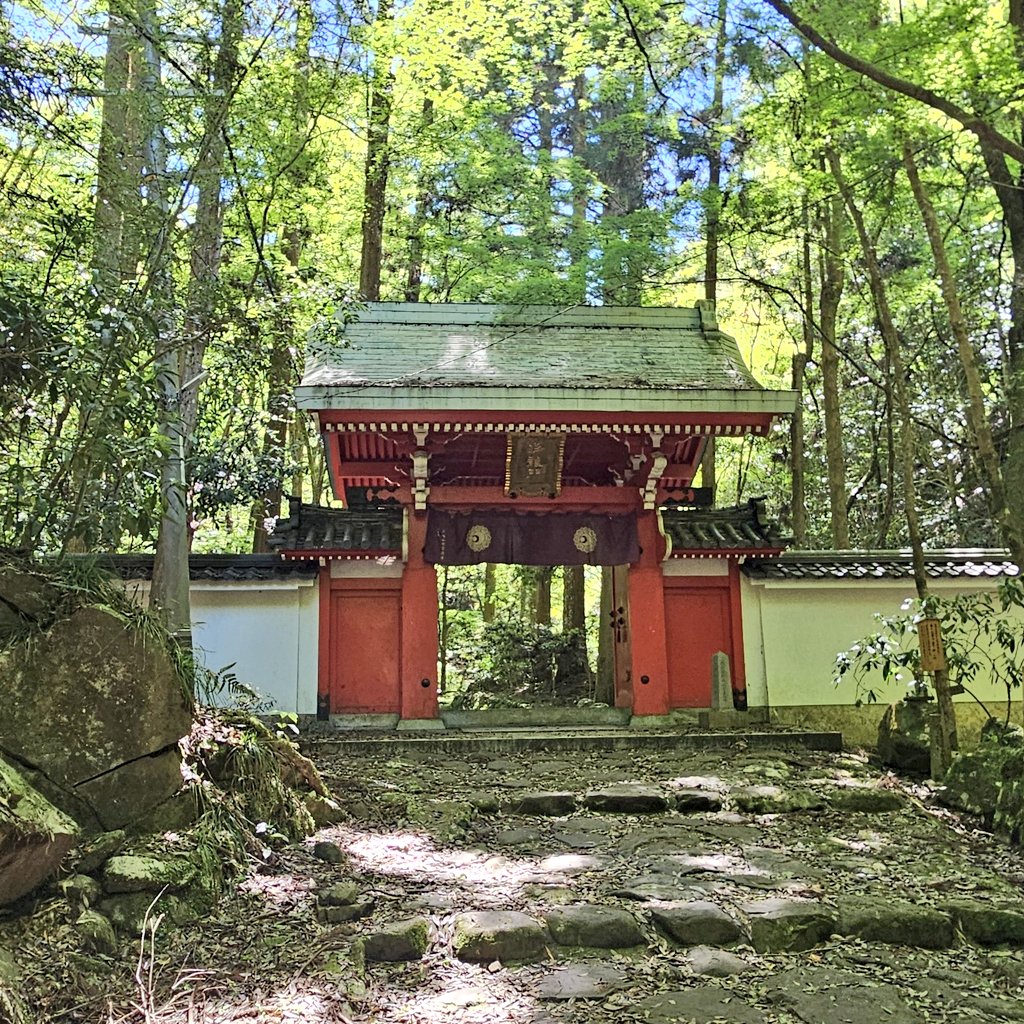
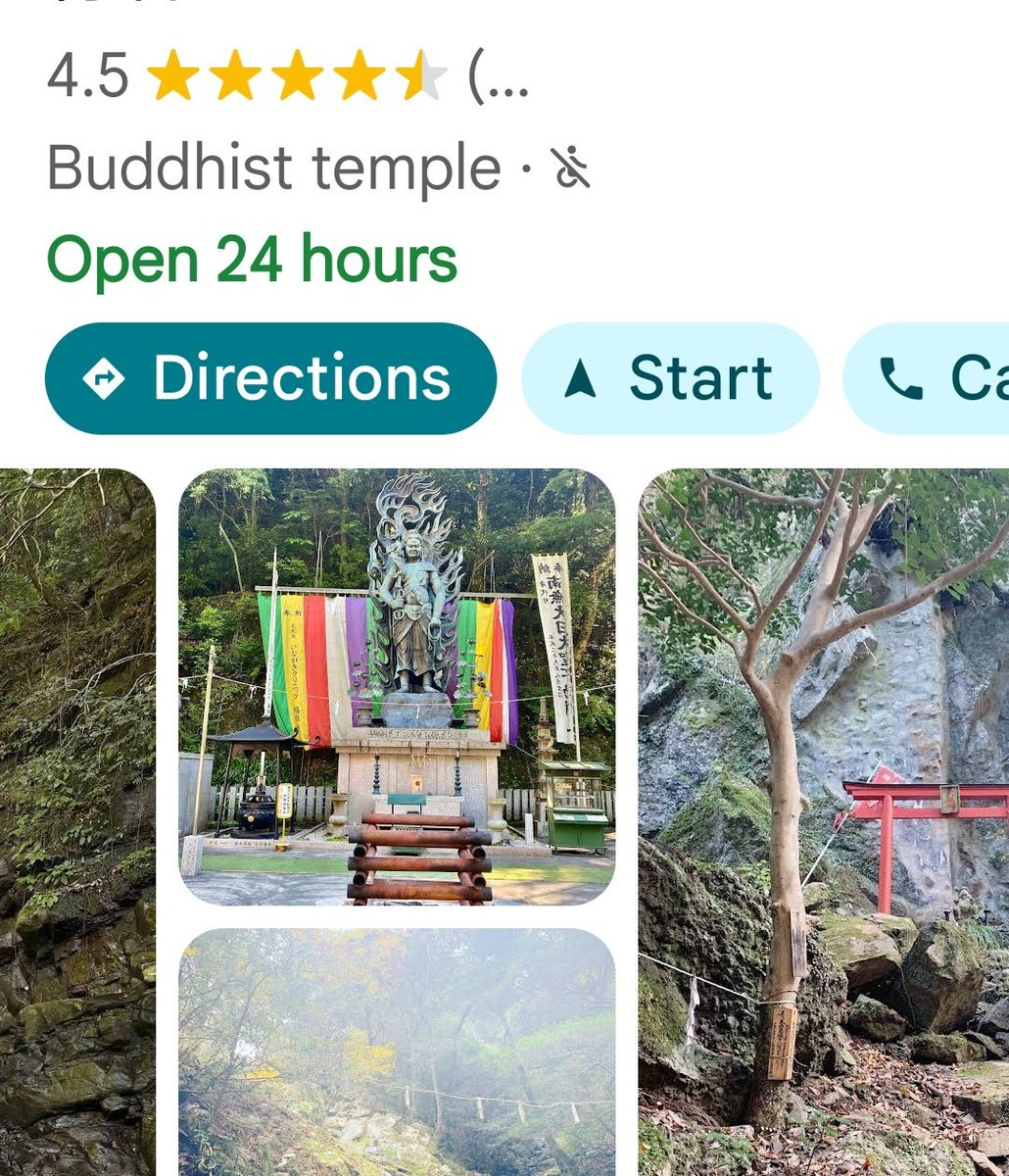
A Buddhist temple can exist in the forest, covered in moss, surrounded by stone, water, trees, ritual atmosphere, and silence, while also existing inside Google Maps, photos, reviews, directions, ratings, and digital navigation.
The temple is not outside technology.
It is now found through technology.
That does not erase the temple. It changes the way the temple exists in contemporary life. The sacred site remains, but it is also indexed, mapped, photographed, translated, and carried through interface.
This is the condition I am interested in: not collapse, not nostalgia, not replacement, but layered continuity.
The old world does not simply disappear. It is absorbed into new systems, reorganized through them, and allowed to continue in a different form.
This also changes how I think about blockchain.
For many Western audiences, blockchain is framed through rupture: escape the banks, reject institutions, leave the system, build outside the old world. That framing has power, but it is not the only way this technology evolves.
In Japan, the more interesting pattern may be absorption.
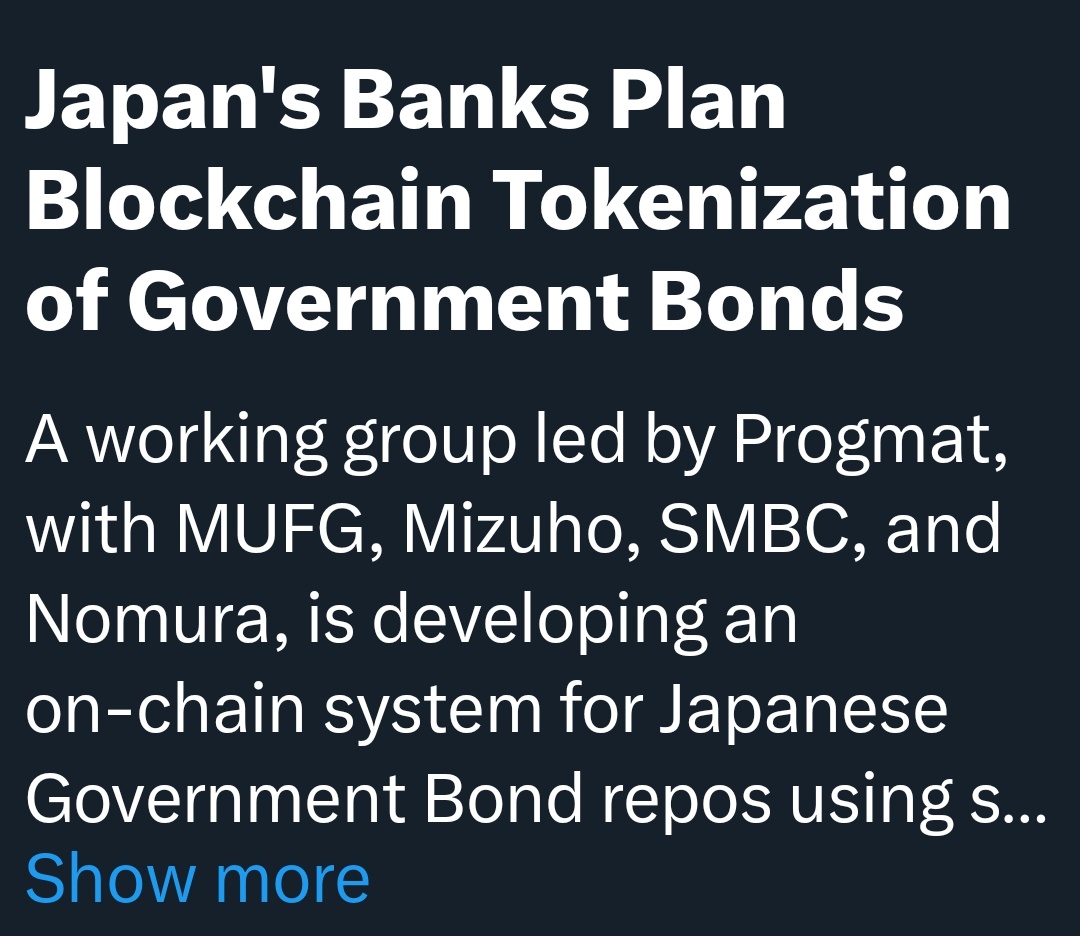
Government bonds moving toward blockchain tokenization are not simply an example of the old system disappearing. They suggest something more complex: an older financial instrument being translated into new rails.
The bond remains a bond, but the conditions around it begin to change: settlement, verification, liquidity, recordkeeping, access, and coordination.
This is where the temple and the bond begin to rhyme.
A temple becomes searchable without ceasing to be a temple. A bond becomes tokenized without ceasing to be a bond.
Both reveal a post-postmodern condition where technology does not only destroy or replace older structures. It layers itself into them.
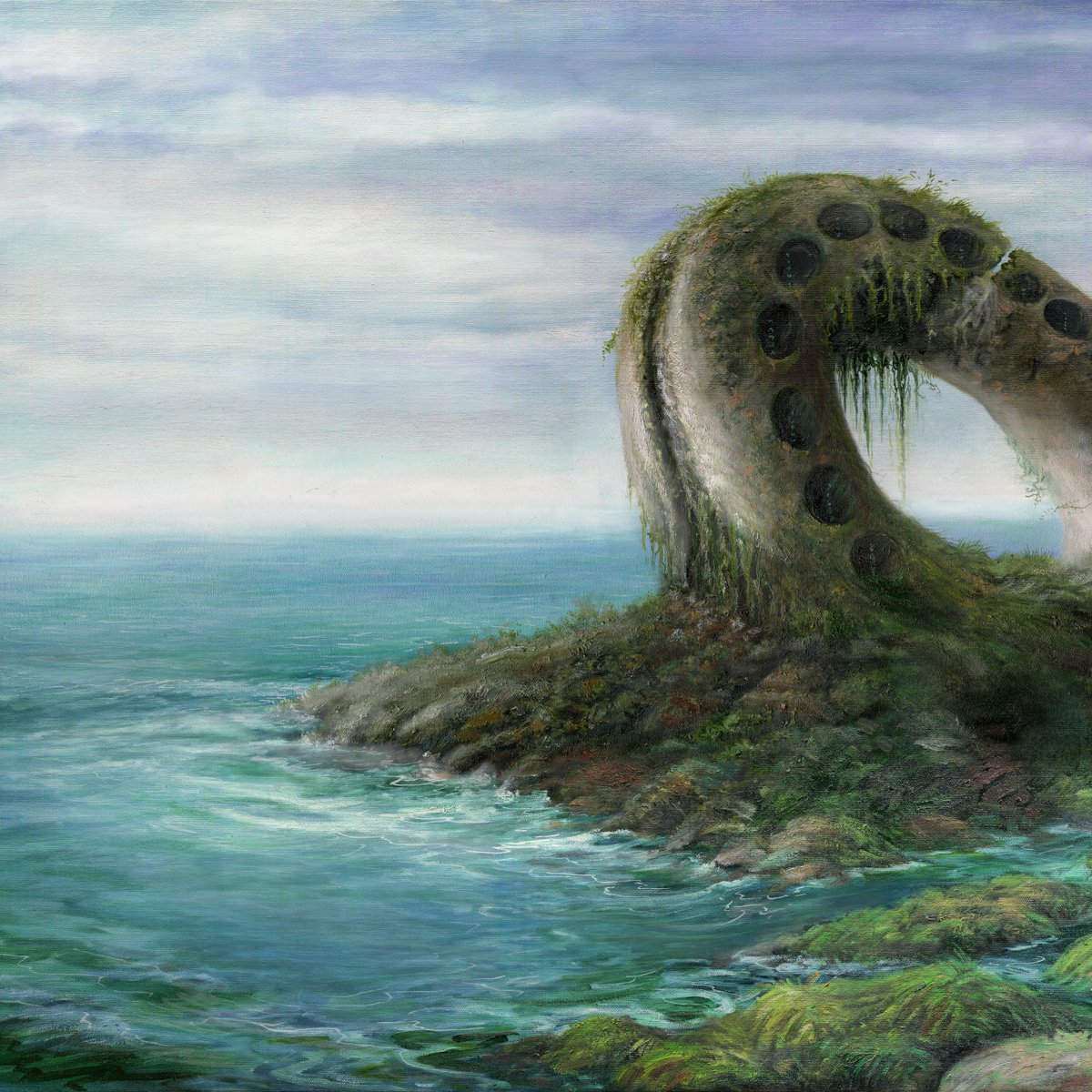
That is the larger essay I am working toward: Japan as a landscape of technological continuity, blockchain not only as rupture but as layer, and my own landscapes as a way of studying what remains after systems evolve.
2
63
May 7
Permanence is not new it just means what in the age of painting in a technology change.
2
46
May 6
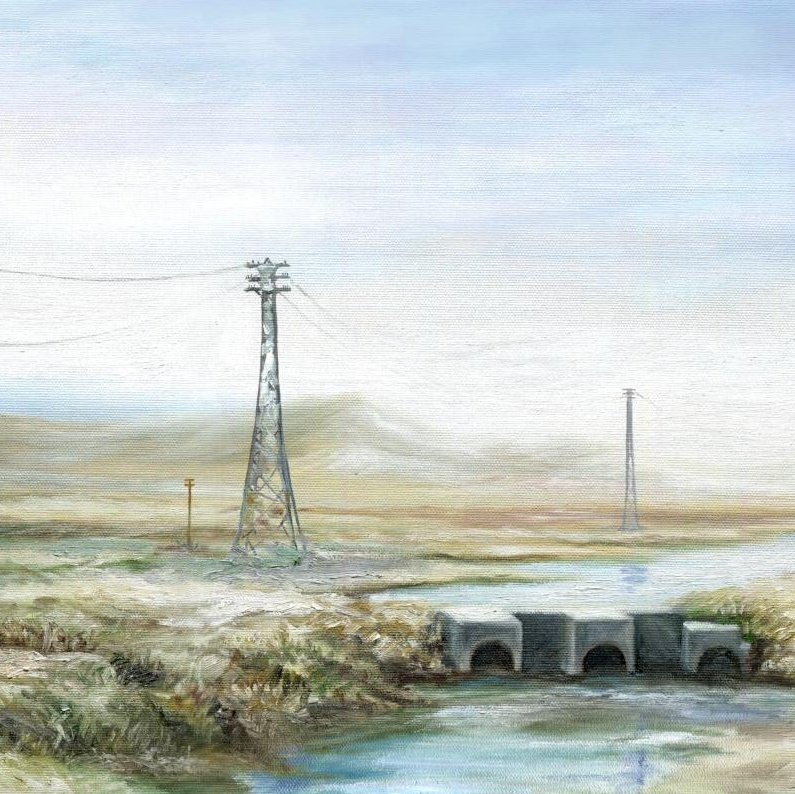
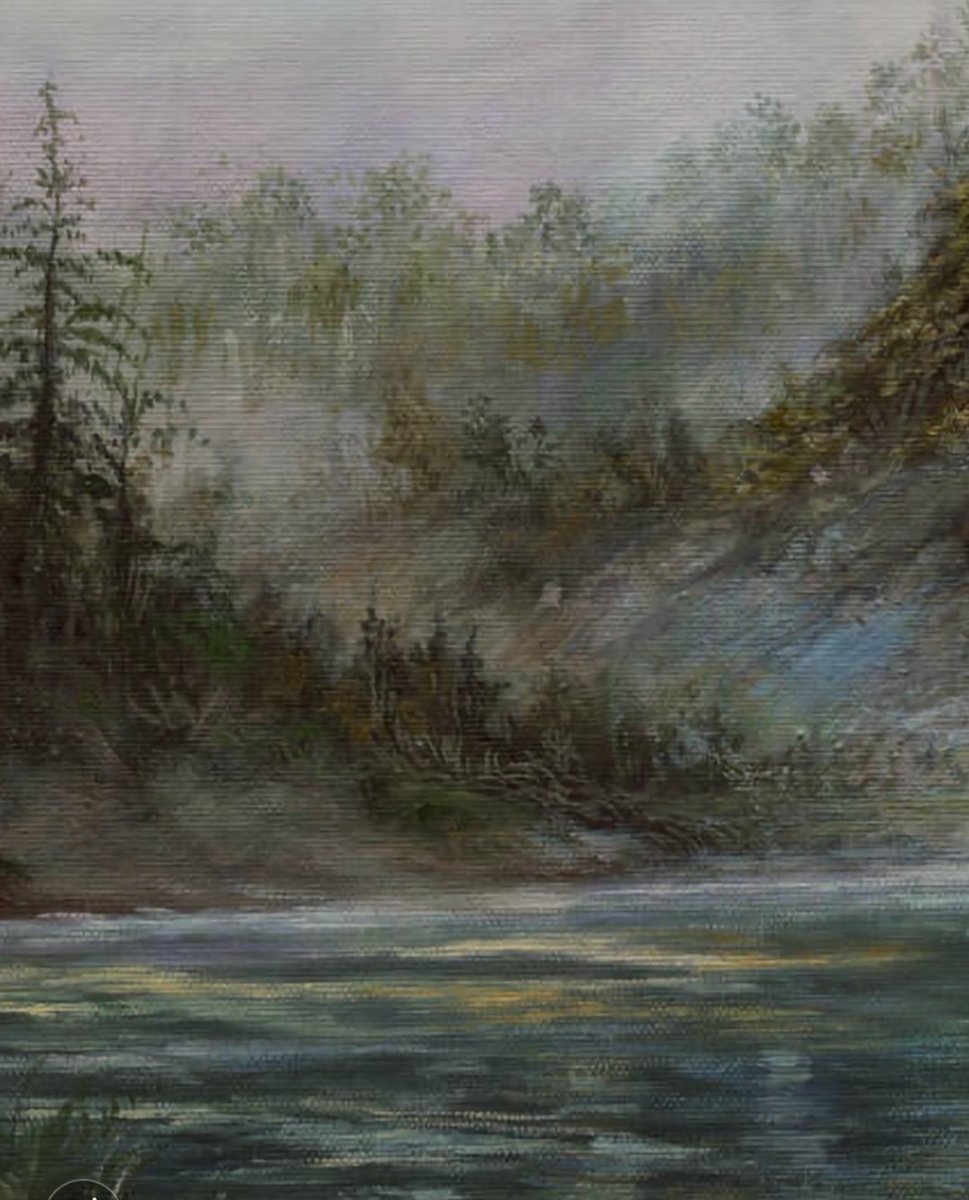
Studying the landscape is Japan's hidden places is a special experience ✨️ color here is rich, deep, and full of spirit.
1
4
66
Kenneth Burris retweeted

May 1
A Robot Economy: Who Gets Rich, Who Gets Left Behind zerohedge.com/personal-finan…
24
45
204
61,478
May 1
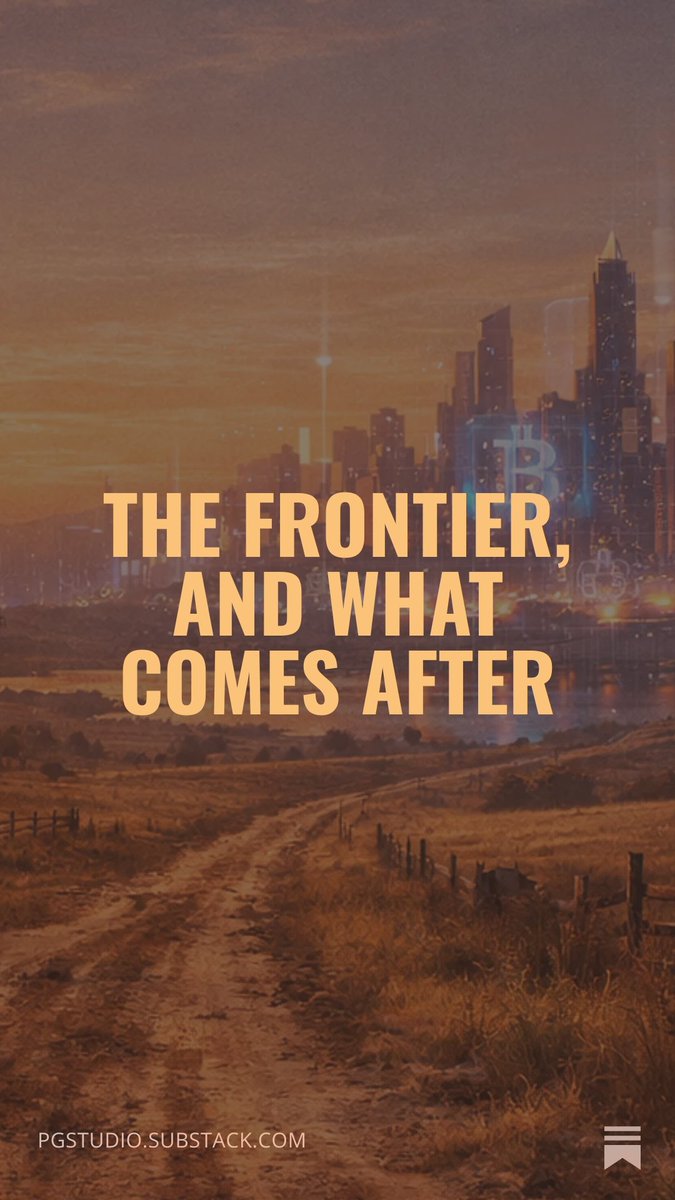
Same mechanisms that build a space quickly can also begin to limit how far it evolves.
The Frontier and what comes After...
open.substack.com/pub/pgstud…
3
45