
Joined November 2025
- Tweets 13
- Following 140
- Followers 26
- Likes 4,625
2 Photos and videos
矽谷大叔KC retweeted

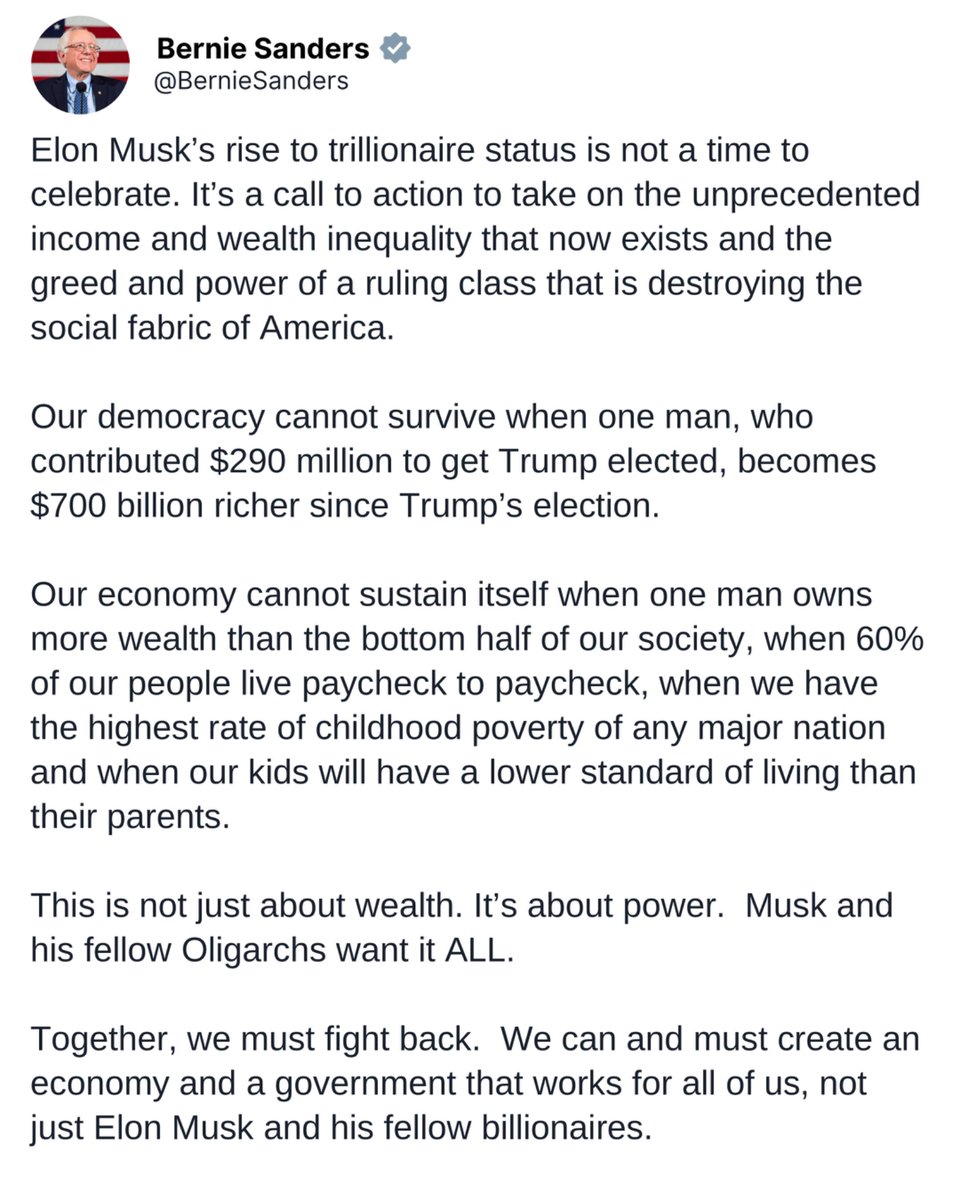
.@BernieSanders , it is a time to celebrate. @elonmusk has created enormous value for society by building @SpaceX, driving down the cost of rocket launches and creating a global satellite communication network that has brought high speed, low-cost internet and communication access to hundreds of millions and eventually billions of people along with critical advantages for our military and our nation’s defense.
SpaceX and its technologies will cause an acceleration in the growth of wages and wealth creation globally, including in some of the poorest communities in the U.S. and around the world.
Access to low-cost, high speed communications everywhere will allow children around the world to be educated, families to build businesses, and life-saving medical knowledge and care to be available everywhere.
SpaceX will materially bring down the cost of compute, advancing AI and humanity.
Meanwhile, 4,000 SpaceX employees yesterday became millionaires, including hourly wage employees who you claim you are trying to help.
The Elon Musks of the world drive growth, global GDP, and provide access to goods and services at lower cost that would otherwise not exist.
Elon’s nominal trillionaire status is due to his ownership of SpaceX, Tesla, Neuralink, the Boring Company and his other initiatives that have brought new technologies that improve our everyday lives.
Elon is not sitting on a trillion dollar pile of cash, jewelry and gold. He is using his controlling stakes in his companies to advance mankind. Elon’s companies don’t pay dividends. They reinvest all of their capital to accelerate innovation and value creation.
Elon is working 24/7 for all of us. He deserves respect and appreciation, not smears.
Bernie, your socialism would never allow a SpaceX to be built. Socialism has only proven to impoverish mankind and lead to death and destruction.
We need to create the conditions for more SpaceXs to be built, not attack the great entrepreneurs who are helping to advance our country.
Jun 12

2,320
5,355
29,281
1,168,559

Jun 11
📝 BTC 熊市期末報告 📑
是時候幫 BTC 把把脈、做個體檢了。 🧐
短短幾個字的標題,有兩個關鍵詞,「熊市」和「期末」。「熊市」指的是價格,「期末」指的是時間。
那麼造成「熊市」,又判斷現在大概處於「期末」的因素有哪些?我們一一拆解。
📌 一、BTC 週期性結構 (BTC Market Cycles)
影響占比:40%
雖然很多人說 BTC 的「四年週期」已經不復存在,主要的論據是礦工減半 (halvings) 後的產出量,已經佔 BTC 市值以及每日交易量很低的比例了。根據 CoinMarketCap 的數據,當前 BTC 每日交易量約為4百億美元 (USD 40B),而礦工目前每日的產出量約為 450 BTC,約相當於2千8百萬美元 (USD 28M),僅佔 0.07%,確實不太可能因為礦工的拋售而影響 BTC 行情。
但是,不變的是投資人的心理,也就是會隨著波動和盈虧,仍然重複著期待、貪婪、FOMO、狂喜 (euphoria)、懷疑、沮喪、恐懼的循環,而這個循環目前仍然大致以四年為週期在進行。所以「四年週期」到底死了沒?可以說它依然存在,只是分界線隨著市場結構的改變而變得比較模糊了。
「熊市」通常分為兩個階段。第一個階段是暴跌,投資人會經歷「價格痛苦」(price-pain),這件事已經發生在去年十一月和今年二月,BTC 從高點總共回撤了大約 50%,讓很多投資人處於浮虧的狀態。但接下來,投資人還需要經歷一段「時間痛苦」(time-pain),也就是我們正在經歷的過程,在「時間痛苦」階段,通常是起起伏伏的盤整,很多投資人會信心崩潰或由於其他原因撐不住而離場。這個行為,從鏈上分析 (on-chain analytics) 的角度看得很清楚。
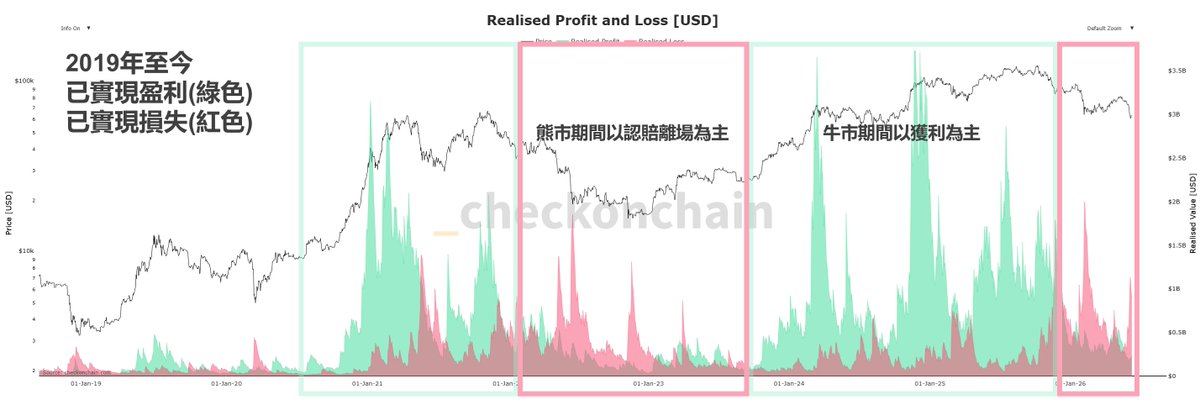
圖一,是2019年至今 BTC 的「已實現利潤和損失」(Realized Profit and Loss),綠色為獲利了結,紅色為認賠離場,可以看到近期的交易,絕大多數都是認賠離場的,也就是之前在較高價位買入的投資人,終於「投降」了,把籌碼交給低位接手的人。
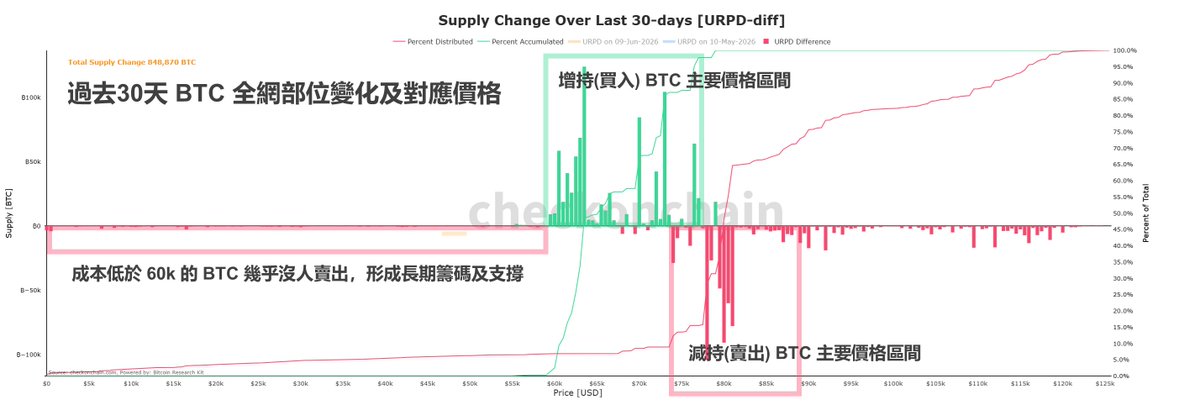
這個現象從圖二看得更清楚。圖二顯示「過去30天 BTC 的交易變化部位」(Supply Change Over the Last 30 Days),綠色表示增加(買入)的 BTC 部位及其對應價格,紅色表示減少(賣出)的 BTC 部位及其對應價格,可以看到認賠離場最多在 74k-81k 買入的區間,這些籌碼在 60k-73k 區間被接手了。而持倉成本低於目前價位的 BTC,已經幾乎沒有人在賣了,形成很好的支撐。
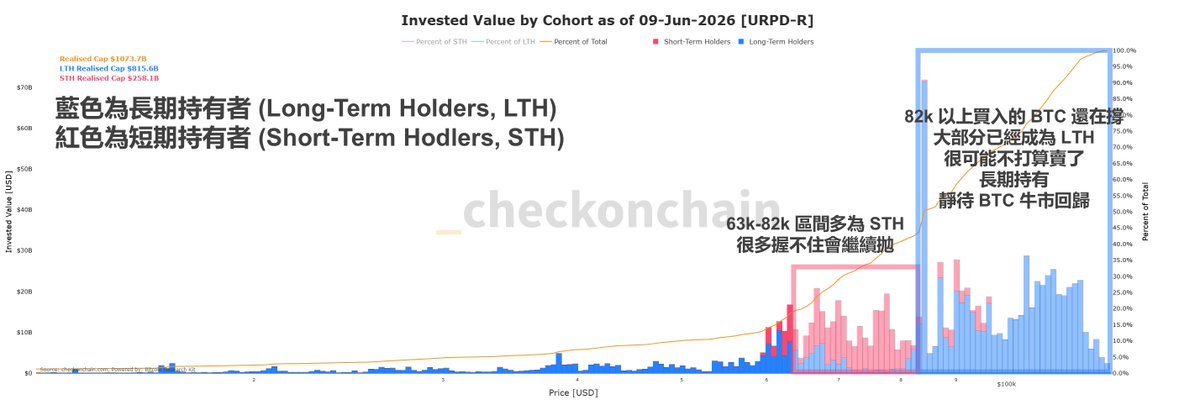
圖三可以看到更有趣的行為。橫軸為 BTC 的價位,藍色柱子為長期持有者 (Long-Term Holders, LTH),紅色柱子為短期持有者 (Short-Term Holders, STH),前面提到認賠最多的在 74k-81k 區間,換句話說,現在離場的絕大多數是近期才買入的「短期持有者」,而「長期持有者」則巍然不動。「長期持有者」通常被比喻為「聰明錢」,因為他們對持有的資產認識較深、經歷較久、浮盈較多,也是牽動 BTC 大週期的主要力量。
熊市末期還有一個特徵,就是實際成交量已經佔總市值的比例在相對低點了,可以參考筆者前面的關於 Sell-Side Risk Ration (SSR) 的分析:
facebook.com/permalink.php?s…
60k 的 BTC「熊市」你見過嗎?我是第一次見到。 😆
但我見過
2015年的熊市,BTC = 0.3k
2018年的熊市,BTC = 3.2k
2022年的熊市,BTC = 15k
這個越來越高的「地板價」,透露的是 BTC 的長期結構。
所以,我猜下一輪「熊市」,說不定會在 150k。 🤔
當然,沒人能預測未來,短期風險在於我們不知道「時間痛苦」會持續多久,長期持有者 (LTH) 會不會也被磨到失去耐心,股市會不會來個大回調拖累 BTC,宏觀環境會不會有突如其來的重大變化… 但我們可以拉長鏡頭看長期趨勢,BTC 價格從這裡越往下,支撐會越強、機率會越低、時間會越短,對於長期投資人來說,大原則是管理好倉位和風險,不會被洗出場。
📌 二、資本的板塊輪動 (Capital Rotation)
影響占比:30%
本輪市場最大的敘事 (narrative) 是什麼?答案很明顯不是降息、不是通膨,當然更不是 BTC,而是 AI。
這波 AI 浪潮的影響,某種程度上已經到「外太空」的等級了。從美股到台股,從晶片到存儲設備,全球資本正以前所未有的速度向 AI 產業鏈集中。資金就像進入上升螺旋一般,被少數具有高成長預期的 AI 標的吸納,包括即將 IPO 的 AI 巨頭,而其他資產類別則面臨不同程度的流動性抽離。
因此,近期受到壓力的並不只有 BTC。
許多成長股、小型股、另類資產,甚至部分商品市場,都出現了資金被重新配置的現象。正如台灣朋友們流傳的那句玩笑話:
「沒有 AI,就只有 BI (悲哀)。」 🥲
幽默中精準反映了當前市場的現實。
值得注意的是,AI 板塊的崛起並非單純的股價上漲,而更像是一場全球的資產重定價 (repricing) 過程。市場已經不再只是用傳統本益比 (PE) 來衡量企業價值、股價高低,而是開始將焦點放在未來數年的營收增長率,以及 AI 對整體產業結構甚至是人類生活方式帶來的顛覆性影響。換言之,市場正在用更高的市盈率相對盈利增长率 (PEG)、更長的時間週期,以及更大的想像空間來評估這些企業。
從歷史角度來看,這有點類似:
1990 年代網際網路的商業化;
2000 年代智慧型手機的普及;
2010 年代雲端運算的崛起;
而 AI 是下一個跨越數十年的超級產業週期 (Supercycle)。
在這樣的背景下,部分原本可能流向 BTC 的風險資本,被短期吸引至 AI 相關資產,其實並不令人意外。
然而,這並不代表 AI 與 BTC 是競爭關係。恰恰相反,從長遠的視角來看,兩者甚至可能成為未來十年最重要的互補性基礎設施。
目前市場大多將 AI 與 BTC 視為兩條平行發展的敘事線,但如果把時間拉長到五至十年,兩者可能產生的交集其實遠比想像中更多。其中至少有三個值得持續探討的方向:
(1.) 長期債務週期 (Long-Term Debt Cycle) 與金融抑制 (Financial Repression):
當全球債務規模持續攀升,各國政府面臨龐大的財政赤字與利息支出壓力時,維持實質負利率、透過貨幣貶值稀釋債務負擔,幾乎成為不可避免的選項。
這也是 Lyn Alden 所說的名言「Nothing Stops This Train」核心邏輯:當債務必須持續擴張,資產價格最終往往會以名目價格 (nominal terms) 持續上升。
AI 預期將推動生產力革命,實質上是降低貨品生產的成本和價格,形成通縮壓力 (deflationary force),而 BTC 則可能成為對抗貨幣貶值的儲值工具 (store of value) 和結算資產。兩者受惠的底層驅動因素,其實有相當程度的重合。
(2.) BTC 算力經濟與 AI 數據中心的融合
AI 的核心需求是算力 (Compute)。
BTC 礦業的核心需求則是電力 (Energy)。
這兩者實際上共享同一套基礎設施:能源、電網、冷卻系統與大型資料中心。
近年來愈來愈多 BTC 礦場及能源企業開始探索:
當電力需求低迷時,將剩餘電力分配給 BTC 礦機;
當 AI 運算需求激增時,切換至高利潤的 AI 運算服務。
未來我們很可能看到更多同時服務 BTC 礦業與 AI 運算的混合型能源基礎設施,他們將產生穩定電價、優化電網的作用。
從這個角度來看,BTC 礦工與 AI 數據中心未必是競爭者,更可能是共享能源網路的合作夥伴和經濟模式。
(3.) AI 經濟模型與 BTC 網路的結合
如果未來 AI Agent 能夠自主執行商業活動、自主購買服務、自主交換數據,那麼它們需要一套原生於網路世界的價值交換系統,BTC 網路恰好提供了這種可能性。
未來的 AI 之間或許不需要銀行帳戶,不需要信用卡,甚至不需要人類中介機構。它們可能直接透過穩定幣、BTC 或閃電網路 (Lightning Network) 完成微支付 (micropayments)、數據交易與機器對機器 (Machine-to-Machine) 的經濟活動。
這個願景距離大規模落地仍有一段距離,但其潛在市場規模,很可能遠超過今天大部分人的想像。
因此,從短期來看,AI 或許正在吸走 BTC 市場的一部分流動性;但從長期來看,AI 與 BTC 更像是同一場全球數位化與貨幣體系重構浪潮中的兩條主線。一個創造信息和智慧 (Intelligence),一個儲存、交換和計算價值 (Value)。
值得關注的是它們最終將如何共同塑造下一個世代的經濟基礎設施。資本終究會重新尋找稀缺性與流動性的平衡點,BTC 仍然是這場全球資產重估浪潮中不可忽視的一環,在未來的某個時間點,BTC 也會再次經歷資產重定價 (repricing) 的過程,就如同去年下半年的黃金,和現在仍然在進行式的 AI。
📌 三、宏觀環境 (Macro Environment)
影響占比:20%
鏈上數據反映的是 BTC 的供需結構,宏觀環境則決定了整個市場池子裡有多少水。而目前的環境,宏觀流動性對 BTC 並不算友善。
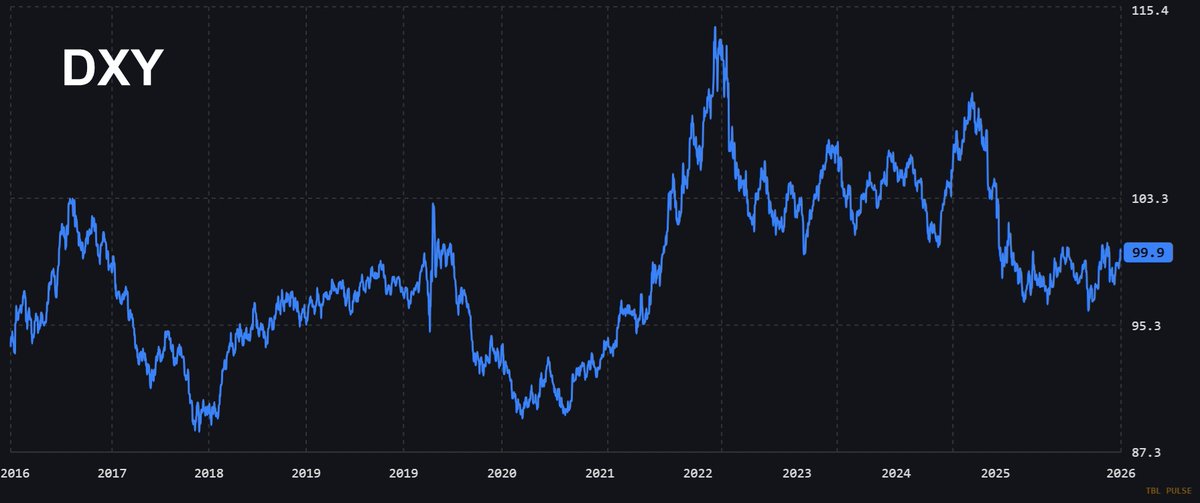
其中最值得關注的指標之一是相對強勢的美元指數 (DXY) (圖四)。
DXY 反映的是全球對美元流動性的需求壓力。當 DXY 下行時,代表美元資金成本下降,有利於融資活動、槓桿擴張、貨幣供給增加以及全球風險資產估值提升;反之,當 DXY 維持高檔甚至持續走強時,反向的作用會對流動性敏感的風險資產形成壓力。
從近年的匯率表現來看,這種現象相當明顯。
美元不僅持續維持對日圓的相對強勢,若將時間尺度拉長,更能發現許多主權貨幣長期處於貶值趨勢之中。例如印度盧比 (INR)、印尼盾 (IDR)、土耳其里拉 (TRY) 以及韓元 (KRW) 等貨幣,相對美元大多呈現長期結構性的弱勢格局。
這背後反映的可能並不只是財政紀律的問題,而是全球資本在爭奪有限的美元流動性。在美元仍是全球儲備貨幣的體系下,當資金成本提高、國債利率上升、美元供給下降時,全球風險資產往往很難獨善其身,BTC 也不例外。
另一方面,市場也正在觀察美聯儲新主席 Kevin Warsh 上任後的政策方向,也根據 Kevin Warsh 的發言開始討論一種相對少見的政策組合:降息 (Rate Cuts) 與縮表 (QT) 並行。
理論上,降息有助於降低資金成本、刺激經濟活動;縮表則持續回收市場流動性。兩者同時進行,某種程度上代表決策者正試圖在控制通膨、維持債市穩定以及支撐經濟成長之間尋找新的平衡點。然而,這樣的政策組合是否真能有效緩解當前高財政赤字、滯脹 (stagflation) 與金融資產估值偏高等結構性問題,市場仍然存在高度分歧。
也正因如此,未來幾個月的貨幣政策走向,將成為影響全球資本市場的重要變數。而 BTC 在這個過程中,某種程度上也扮演著流動性「先行指標」的角色。
接下來除了關注經濟數據與企業獲利之外,還可以留意即將到來的 FOMC 會議 (6月17日),以及美聯儲對利率、資產負債表與未來流動性環境的態度。
但是,BTC 並不需要完美的宏觀環境才能上漲,歷史告訴我們,即使在利率上行、流動性收縮時期,BTC 一樣可能走出大牛市 (例如2017年);而當美元流動性擴張時,BTC 也往往是全球資本市場中最敏感、也最具爆發力的受益者之一。
📌 四、短期市場面因素 (Market Factors)
影響占比:10%
我們正處於一個前所未有的動盪時代。地緣政治衝突、主權債務危機、能源供應問題、科技革命、產業重組,以及日益擴大的貧富差距、階級對立,幾乎每天都在新聞頭條輪番上演。
然而,相較於鏈上數據、資本輪動以及宏觀流動性等因素,近期市場面消息對 BTC 的影響相對有限,更多時候屬於情緒波動,而非趨勢改變。例如,同一個利空,第一次出現時叫做風險;第三次出現時,往往就只是背景噪音。
以近期持續數月的中東局勢為例,無論是伊朗衝突、能源供應疑慮,或地緣政治升溫,市場最初都曾出現明顯避險情緒。然而隨著事件反覆發酵,投資人逐漸適應風險的存在,市場對負面消息的敏感度反而開始下降。從近期美股的行情來看,這種現象尤其明顯。
每當市場出現回調,資金不但沒有大規模撤離,反而有更多在場邊等待的資本選擇逢低布局 (Buy the Dip)。這代表市場整體風險偏好 (Risk Appetite) 依然維持在相對高檔區間。因此,單純的地緣政治事件雖然可能帶來短期波動,但除非演變成系統性金融風險,否則較難改變 BTC 的中期趨勢。
近期另一個受到市場關注的事件,則是 BTC 企業資產儲備的代表 Strategy (那斯達克股票代號:MSTR) 首次出現 BTC 持倉減少的情況。
作為企業持有 BTC 的代表性公司,Strategy 長期以來幾乎等同於「企業版 BTC ETF」和「槓桿 BTC」的存在,其創辦人暨董事長 Michael Saylor 更被許多投資人視為 BTC 最堅定的信仰者之一。
因此,當最新財報揭露公司於今年售出32枚 BTC 時,雖然規模相較其80萬枚 BTC 的總持倉幾乎可以忽略不計,但市場仍難免產生心理層面的聯想與解讀。
其實從資本效率角度來看,這筆交易更像是企業財務管理與營運操作的一部分,而非投資邏輯的改變。值得關注的,並不是賣出了多少 BTC,而是 Strategy 的資產負債表是否依然健康、流動性管理是否嚴謹、融資管道是否持續暢通,以及其利用永續優先股買入 BTC 的模式是否能夠穿越週期。
短期價格會受到新聞影響,但長期價值最終由資產/負債與流動性決定。對 BTC 而言也是如此,真正影響下一輪行情的,仍然是全球流動性的方向和資本配置的變化,以及市場對其貨幣屬性的認知演進,而不是某一天的頭條新聞。
📌 五、總結 (Conclusion)
短期看市場在交易新聞和情緒,中期看市場在交易流動性,長期看市場在交易全球貨幣與結算體系。BTC 的本質,從來不是一檔股票,也不是一個科技專案,而是一場關於全球貨幣網路與金融體系重組的長期實驗。當前的回調,像是週期中的波動,而非故事的終點。
對於長期投資人來說,BTC 正進入回報對風險高度不對稱的「價值區間」(value zone),短期再下跌一波的可能性雖然存在,尤其是如果遵循傳統的「四年週期」理論,那麼見底的時間點預期會在今年下半年,但下跌的幅度已經有限,上漲的空間則巨大。如果有長期的資產配置,也許是一個開始建倉、加倉、DCA、layer in 的好時機。 🔥
圖表來源:
Checkonchain @_Checkmatey_
The Bitcoin Layer @TheBitcoinLayer
#非投資建議 #NFA
facebook.com/permalink.php?s…
1
3,133
矽谷大叔KC retweeted

Yes.
All critics of @saylor should read this.
Notwithstanding our not perfectly aligned discussion on exponential vs power law that I described in a recent article, I really appreciate his role and contribution to the Bitcoin network. His critics miss the point.
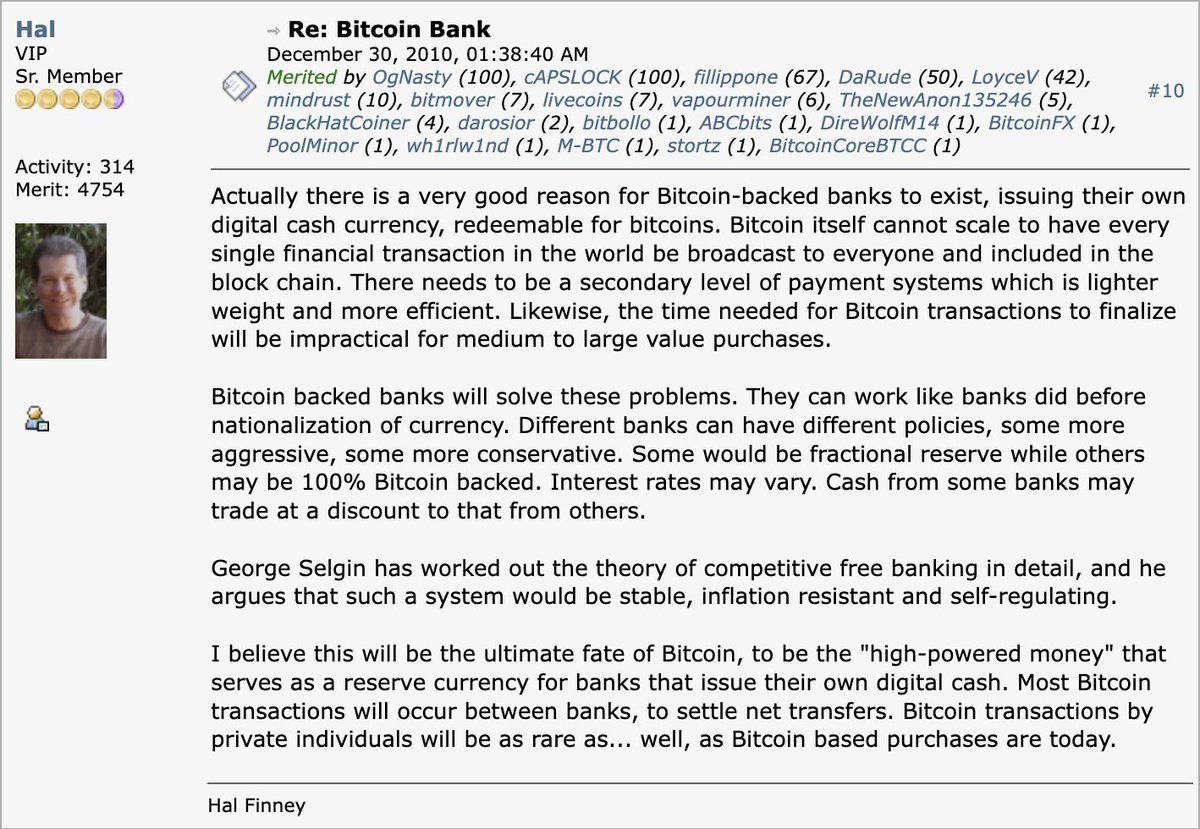
Some of Bitcoin’s earliest supporters, including people like Hal Finney, did not necessarily see the traditional financial system as something that had to be destroyed outright.
Their vision was more subtle and, in many ways, more powerful. Bitcoin would not simply exist outside the financial system as an isolated alternative. Over time, it could force the existing financial system to adapt to Bitcoin’s rules.
In that sense, Bitcoin does not need to “defeat” banks, markets, or institutions in a dramatic final battle. It can bend them toward itself. This is the power of network systems.
The traditional system may continue to exist, but increasingly it would have to settle, price, account, and store value in relation to Bitcoin. Its incentives would gradually be redirected. Its weaknesses would be exposed. Its inflationary assumptions would be challenged. Its trust-based structure would be pressured by a system built on verification, fixed money supply, transparency, and final settlement.
This is an important point. Bitcoin’s ultimate fate may not be the disappearance of finance, but the transformation of finance.
The old system is not necessarily the enemy in itself. The enemy is arbitrary monetary power, debasement, opacity, and forced trust.
Bitcoin offers a different gravitational center. As it grows, the financial system may not vanish, but orbit around it.
May 1

Hal Finney basically described the STRC endgame in 2010.
Bitcoin becomes high-powered money.
Financial institutions issue credit and digital cash on top of it.
Bitcoin settles the base layer.
The market prices different issuers by reserve quality, risk, and redemption confidence.
That is not a betrayal of Bitcoin.
That is Bitcoin eating banking from underneath.
30
57
451
38,614
矽谷大叔KC retweeted
52
58
403
105,386
矽谷大叔KC retweeted

Apr 15
I support Natalie on Jon’s show. And would amplify that to my audience.
She’s a professional journalist that can comment objectively on the topic.
25
36
909
30,842
矽谷大叔KC retweeted

Apr 15
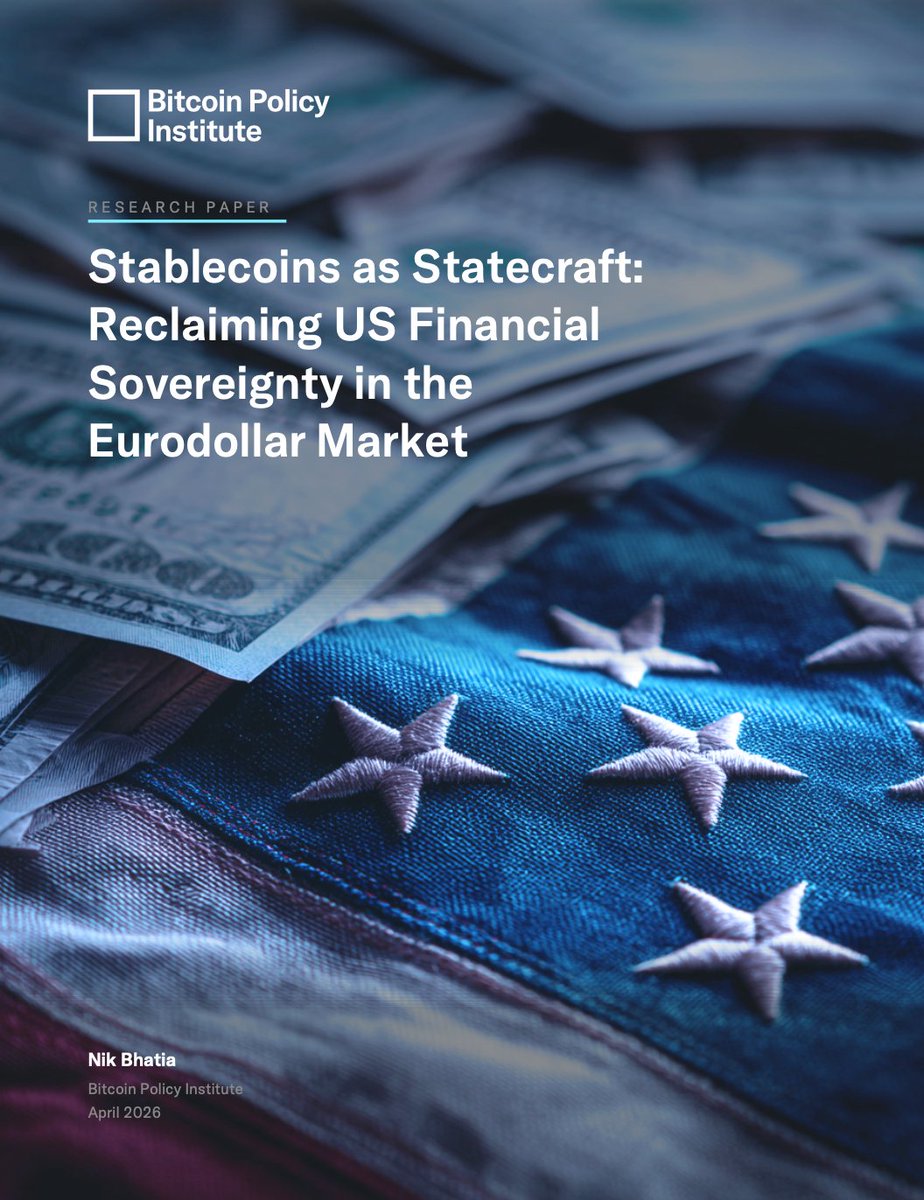
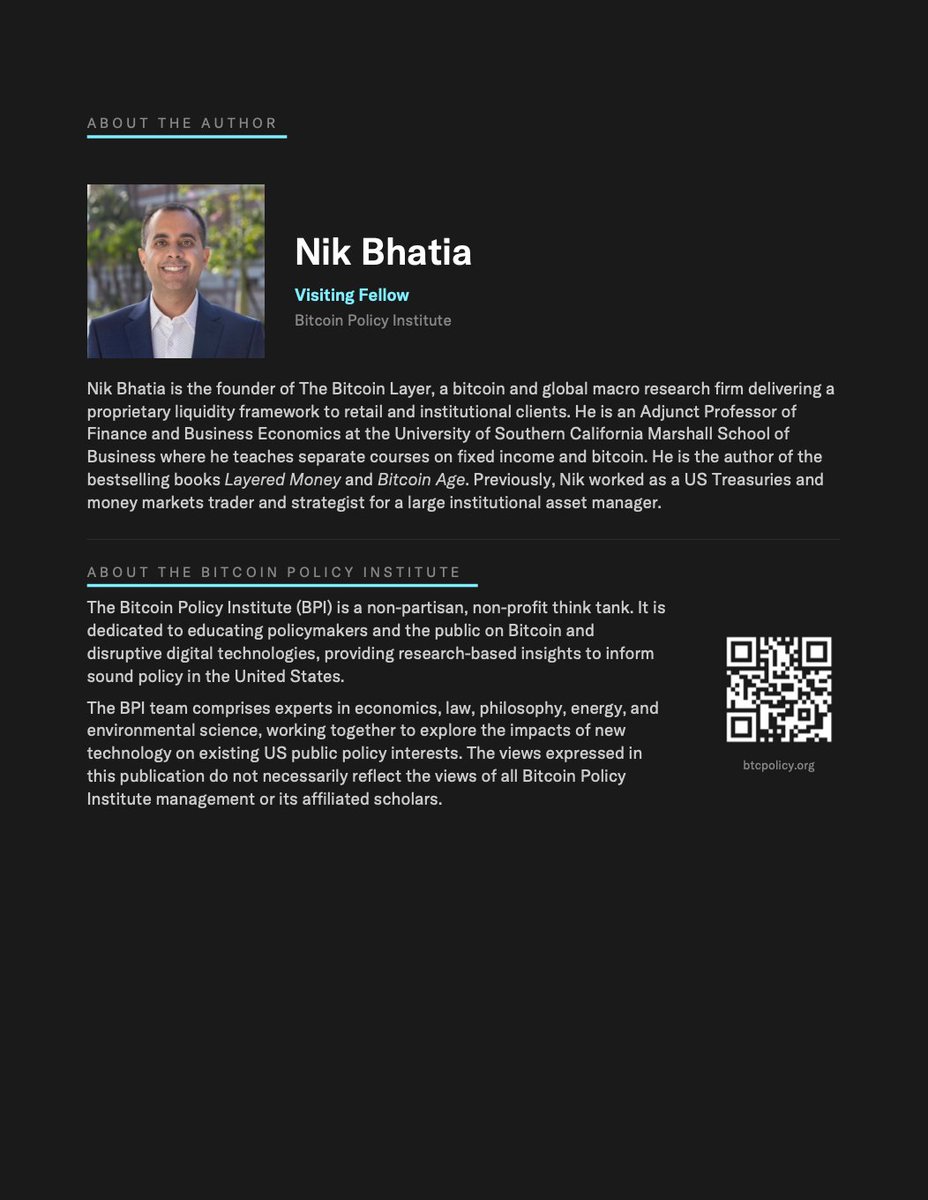
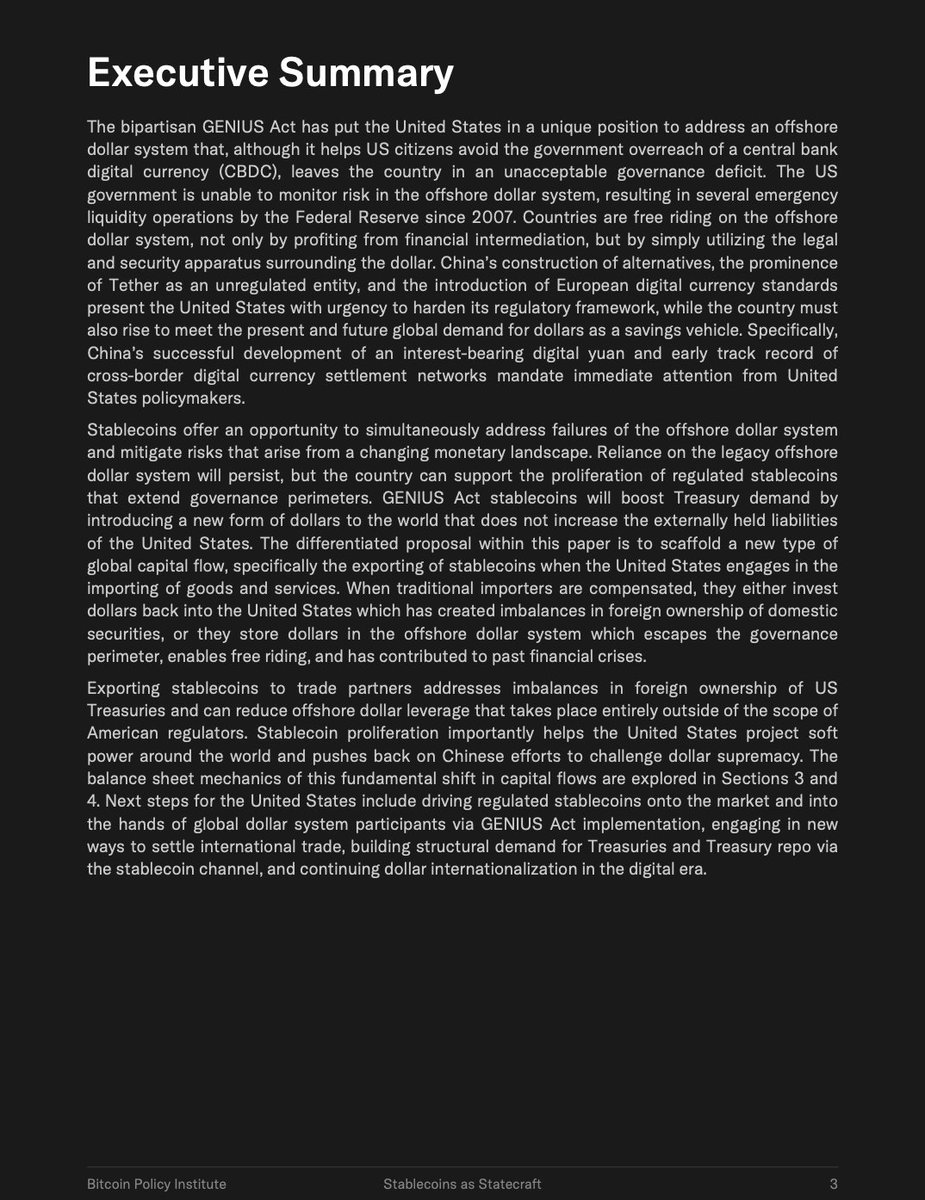
I just published "Stablecoins as Statecraft: Reclaiming US Financial Sovereignty in the Eurodollar Market".
My first policy paper, fighting for Eurodollar system justice, built on a decade of research.
Heading to DC next week to sit down with the US government.
LFG!!!

NEW RESEARCH: "Stablecoins as Statecraft: Reclaiming US Financial Sovereignty in the Eurodollar Market" by @timevalueofbtc.
This paper argues that regulated stablecoins are the most important tool the US has to reassert governance over the global dollar system. 🧵👇

15
23
103
20,819
矽谷大叔KC retweeted

9 Nov 2025
Who owes the United States and other countries debt?
How does the system operate?
Who is believed to have designed or influenced the creation of such a system?
The videos provide a clear and thorough explanation.
283
453
1,440
324,268