
Developing and managing Kenya’s innovation ecosystem to create jobs and wealth. #EnablingInnovation
Joined June 2019
- Tweets 5,535
- Following 206
- Followers 9,144
- Likes 5,564
1,924 Photos and videos

Pinned Tweet

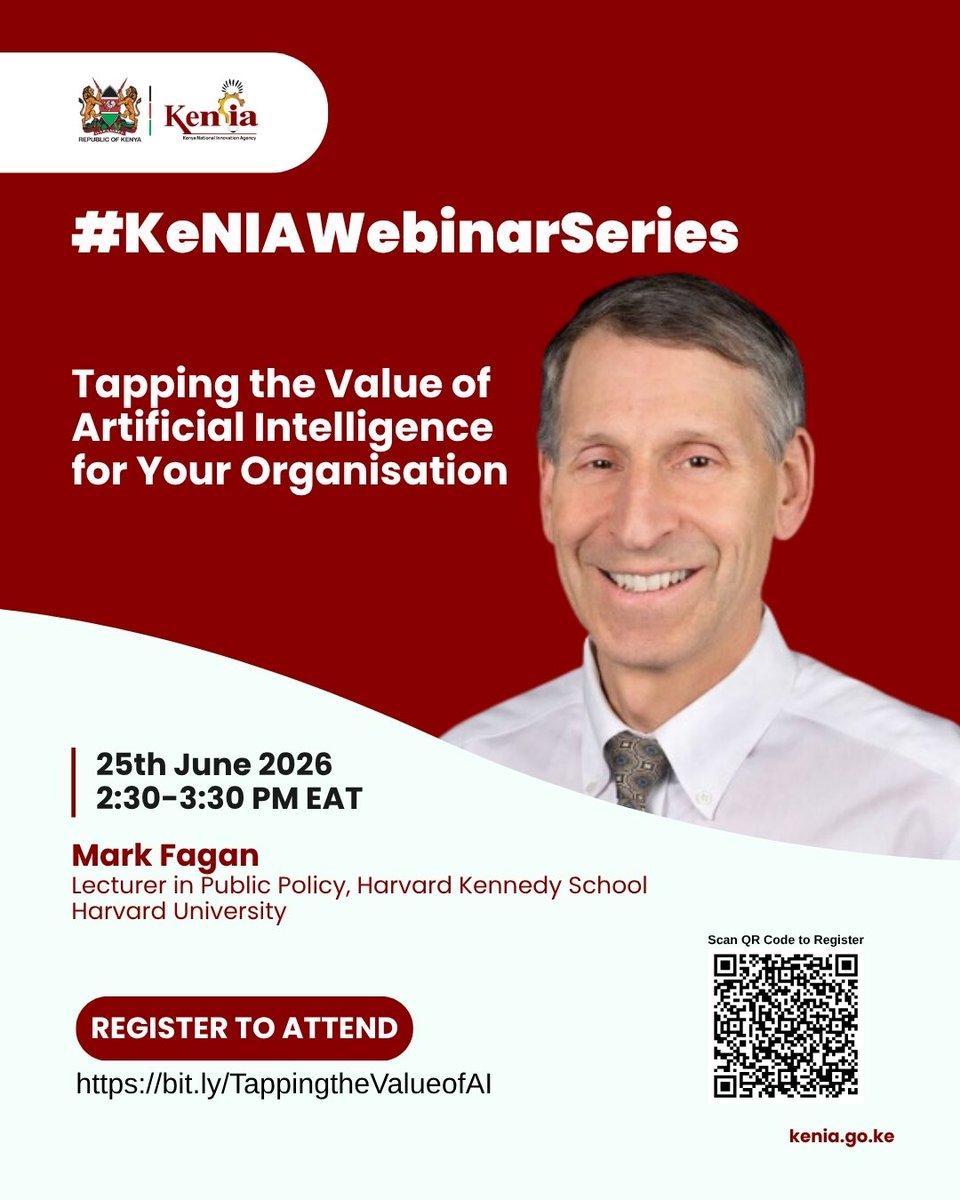
How can your organization unlock the value of #AI?
Join our June edition of #KeNIAWebinarSeries on Tapping the Value of Artificial Intelligence for Your Organization and learn how to identify AI opportunities, lead adoption with confidence, and drive impact even if you're not a technical expert.
Register 👉🏾 events.teams.microsoft.com/e…
#EnablingInnovation #ArtificialIntelligence #Innovation #DigitalTransformation
1
2
121
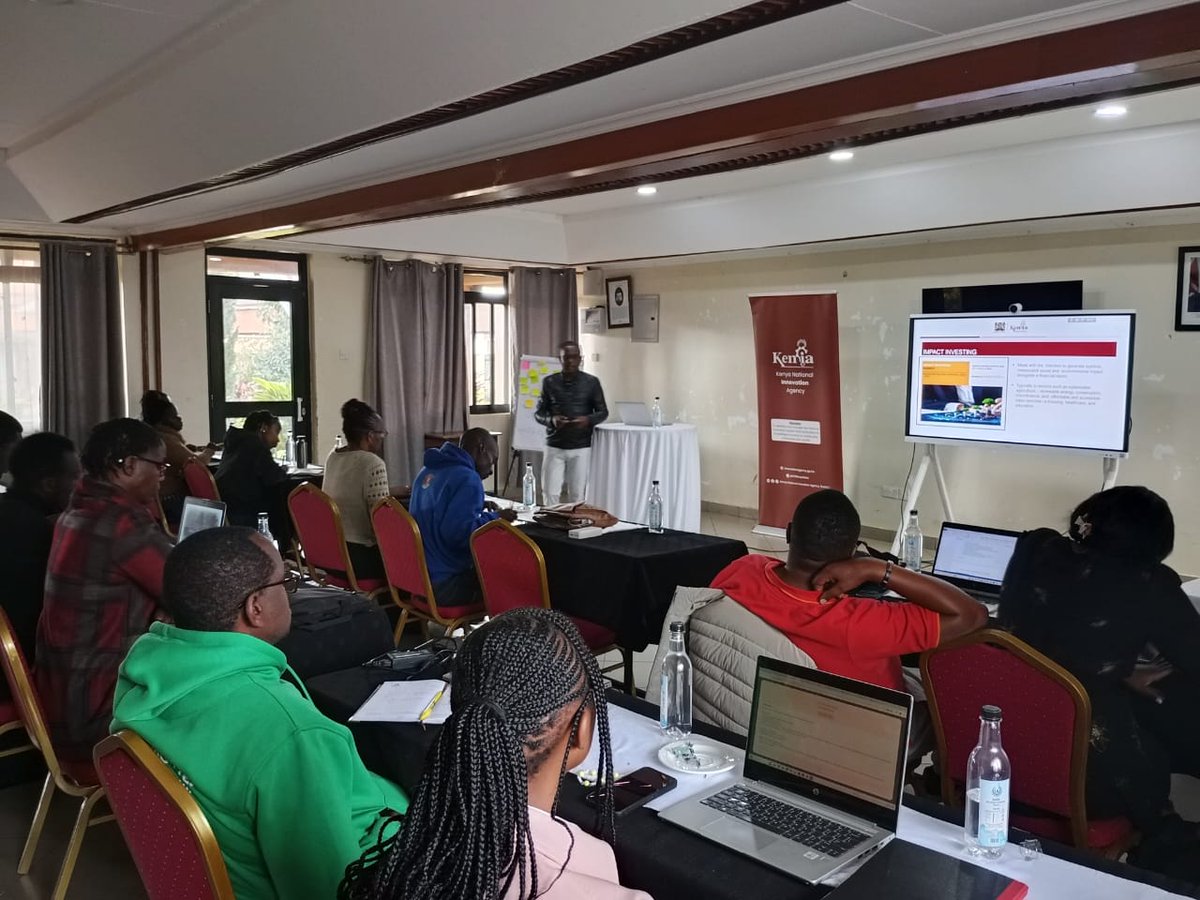
Research to Commercialization (#R2C) Accelerator Programme | Cohort 4 | Week 2 Closing Session | Understanding Funders and Business Formation
As Week 2 of the #R2C Accelerator Programme, Cohort 4, concluded, participants gained valuable insights into research commercialization, funding opportunities, and business formation, strengthening their readiness to build sustainable and investment-ready ventures.
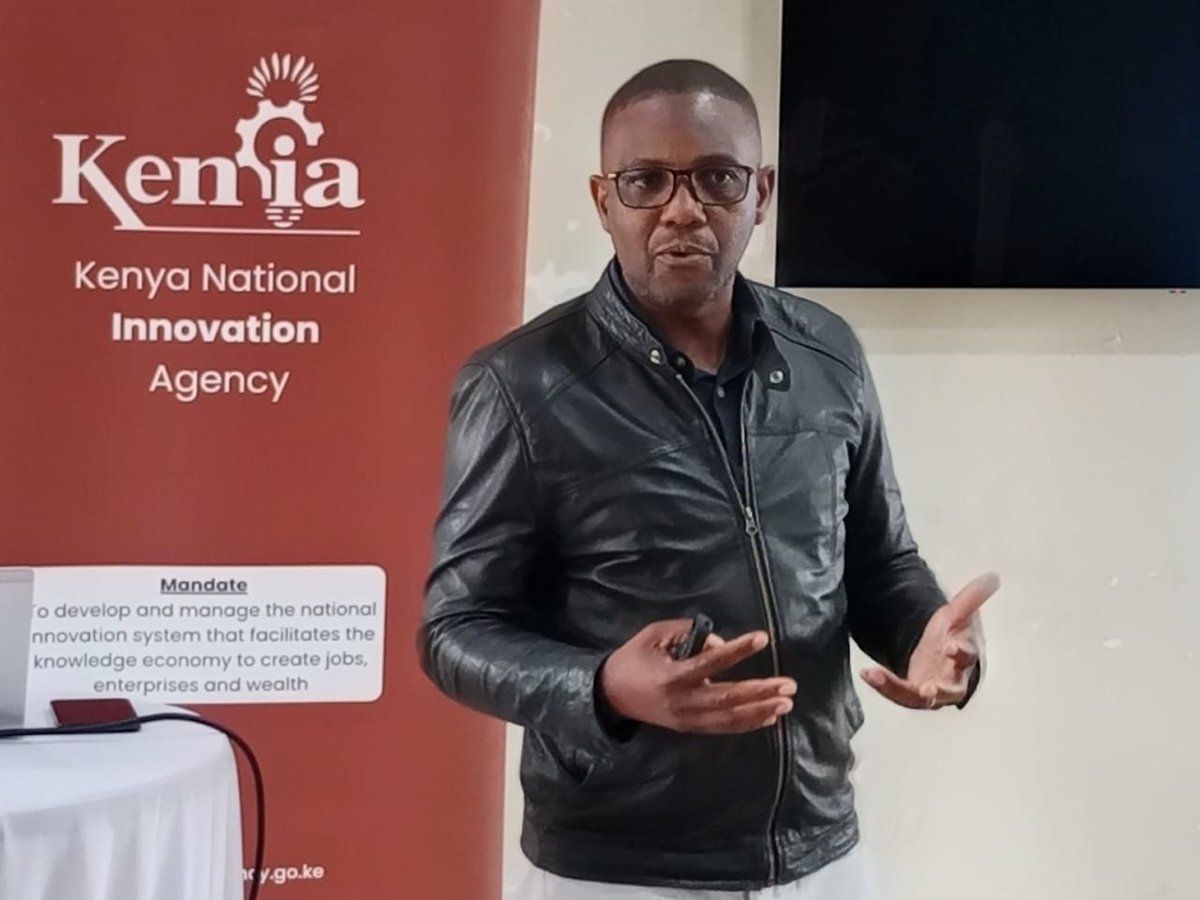
Facilitated by Dennis Maloya, Chief Executive Officer of @Métier Matrix, the first session focused on Types of Funders and Their Mindsets. Participants explored the diverse funding ecosystem, including government agencies, foundations, development partners, impact investors, venture capital firms, and private equity investors. The session highlighted the funding journey from pre-seed and seed financing to Series A and growth-stage investments. Discussions emphasized the factors investors consider when evaluating opportunities, such as market potential, product-market fit, traction, scalability, leadership strength, and the sustainability of the business model.
The second session focused on Business Formation and its role in turning innovations into viable businesses. Participants explored the practical steps involved in setting up and running a business, including business registration, choosing the appropriate legal structure, meeting tax obligations, developing founder agreements, and protecting intellectual property. The discussion also highlighted the importance of good governance and clear operational systems in building investor confidence, reducing business risks, and positioning ventures for sustainable growth and long-term success.
Together, the two sessions provided practical knowledge that will help innovators position their ventures for funding, establish resilient businesses, and successfully transform research outputs into market-ready solutions.
#EnablingInnovations #researchtocommercialisation
1
56
That's a wrap!
Institutionalization of Research to Commercialization in Technical , Vocational Education and Training (TVET) Institutions in Kenya.
Our TVET educators wrapped up the Research to Commercialization (R2C) training from discovery and IP protection to go-to-market strategy. The journey from the workshop to the market just got a whole lot clearer.
#KeNIA #EnablingInnovation
3
76
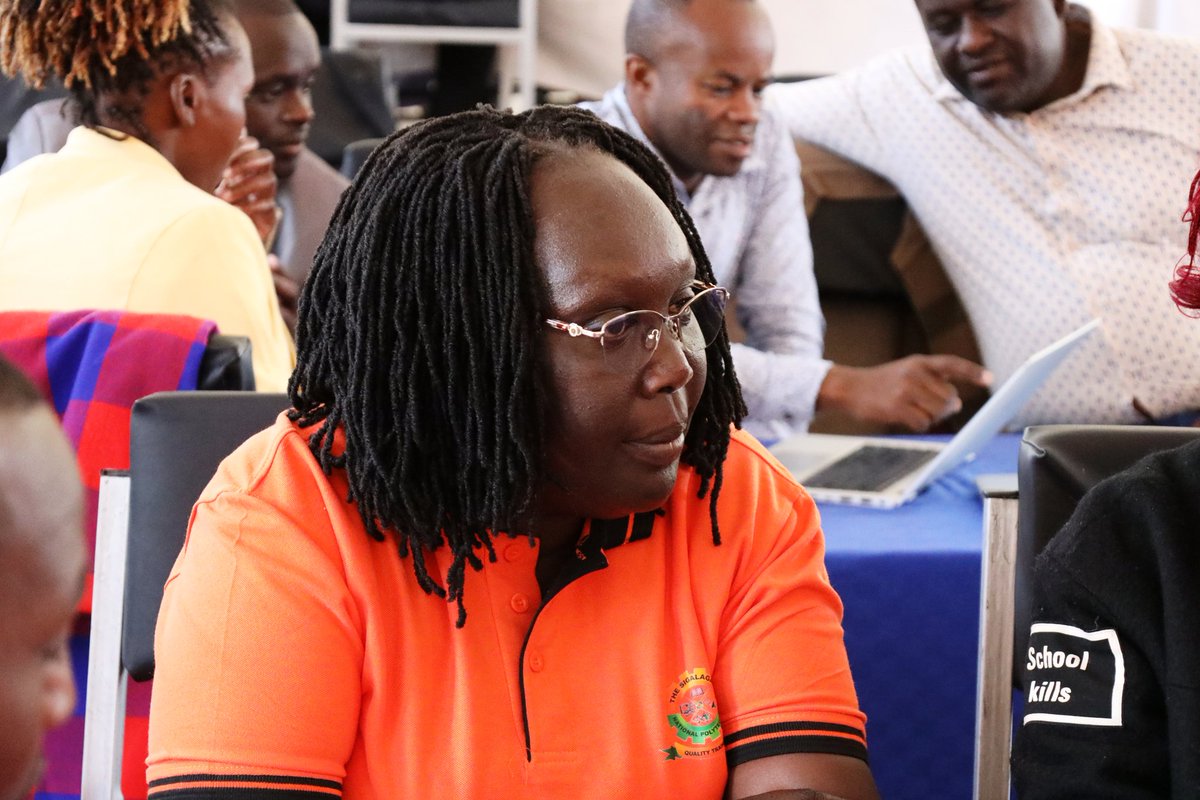
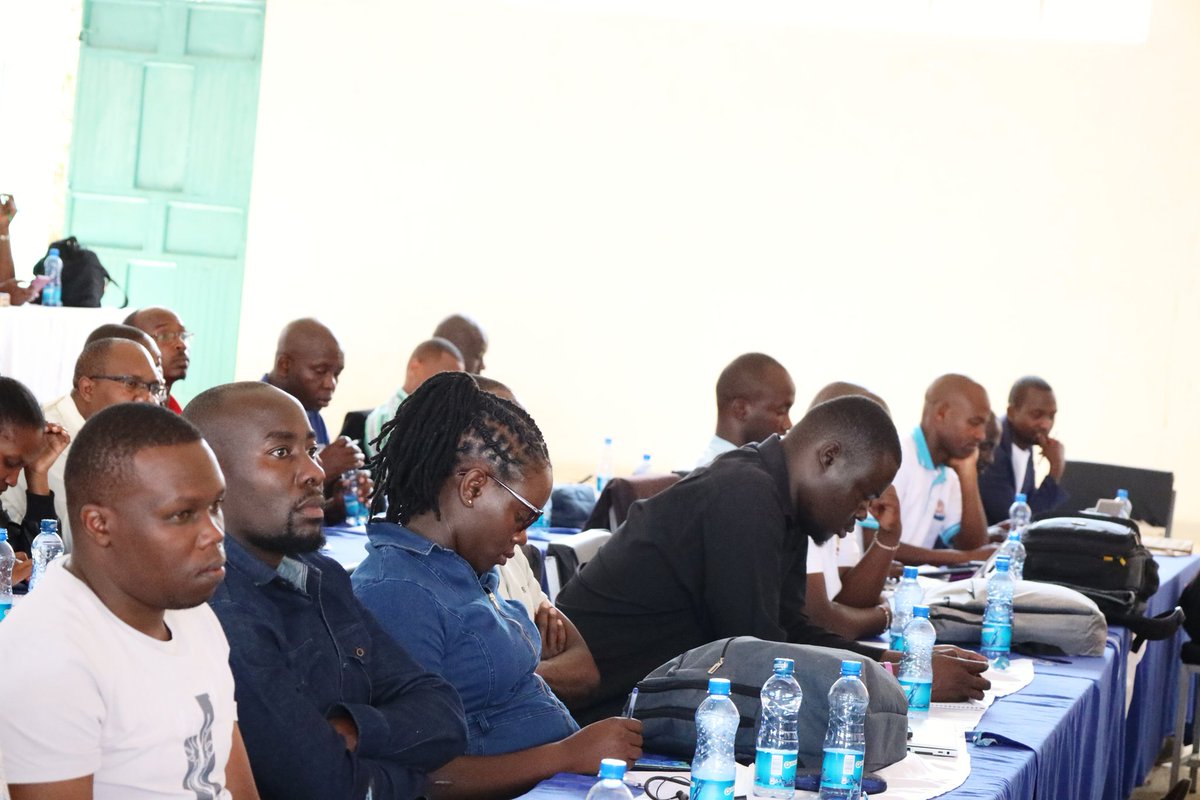
Institutionalization of Research to Commercialization in Technical , Vocational Education and Training (TVET) Institutions in Kenya.
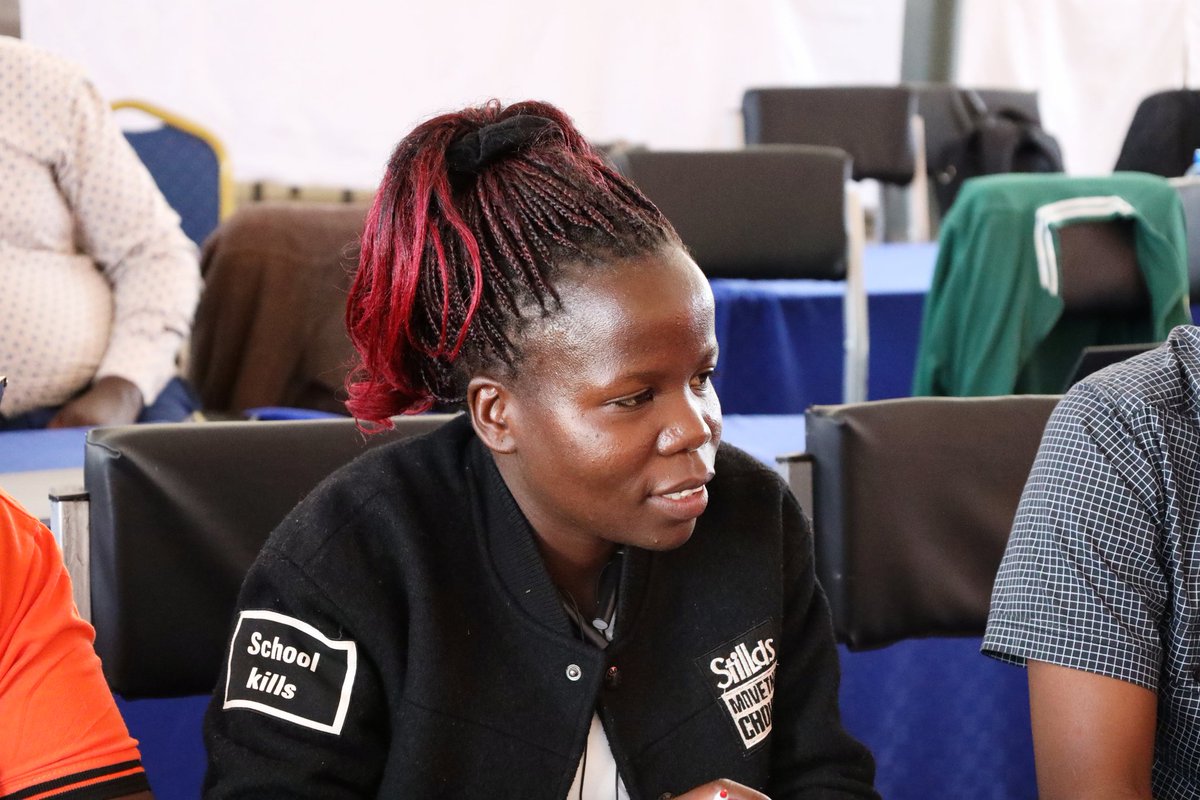
We wrapped up the four-day training with a session on commercialization strategies and go-to-market approaches for TVET innovations in Kenya. Using a solar-powered multi-crop thresher as a practical running example, the session walked participants through the full Research to Commercialization (R2C) journey from surfacing and evaluating ideas, mapping Technology Readiness Levels and protecting intellectual property through KIPI and KECOBO, all the way to choosing a commercialization pathway, structuring licensing agreements, forming spin-offs and planning a market launch. The session emphasized the importance of clarifying ownership early, understanding the different routes to market, winning early customers, tracking the right metrics and scaling carefully to build innovations that can truly reach and serve the market.
#KeNIA #EnablingInnovation
3
100
AI is no longer a luxury tool it is accessible, practical and ready to use.
Institutionalization of Research to Commercialization in Technical , Vocational Education and Training (TVET) Institutions in Kenya.||Day 3
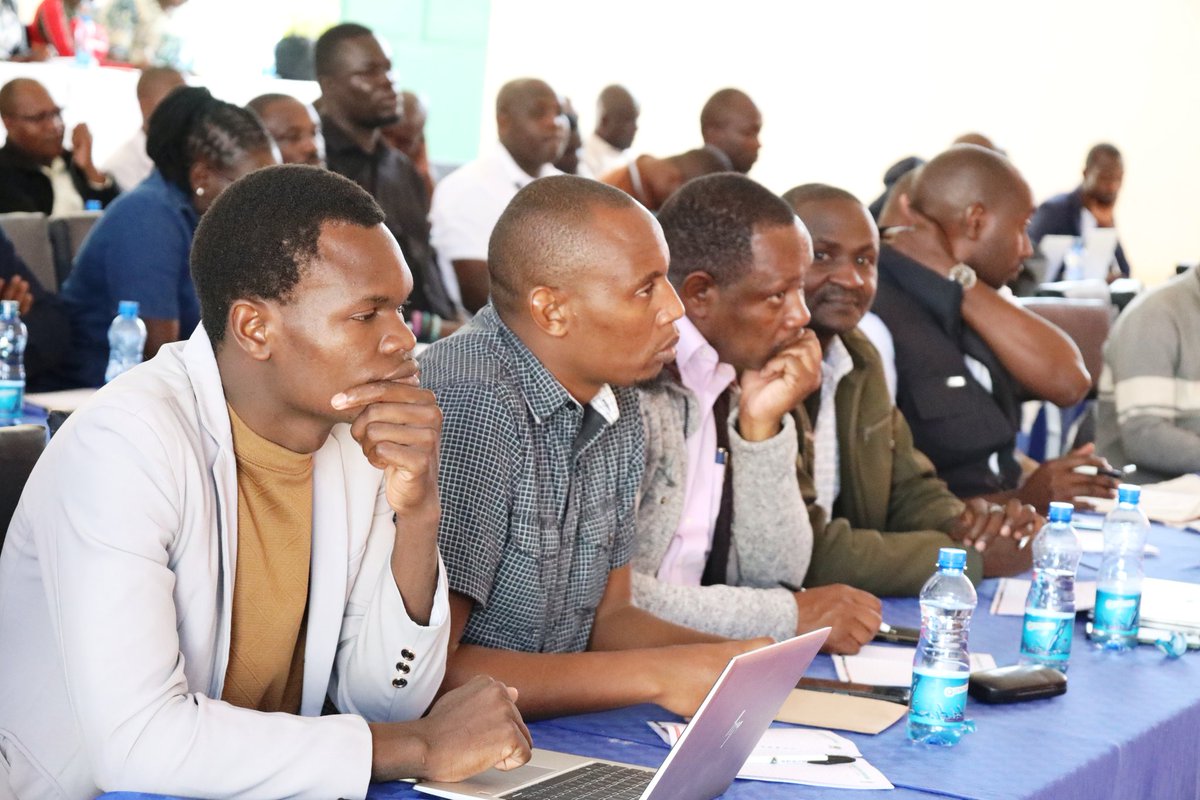
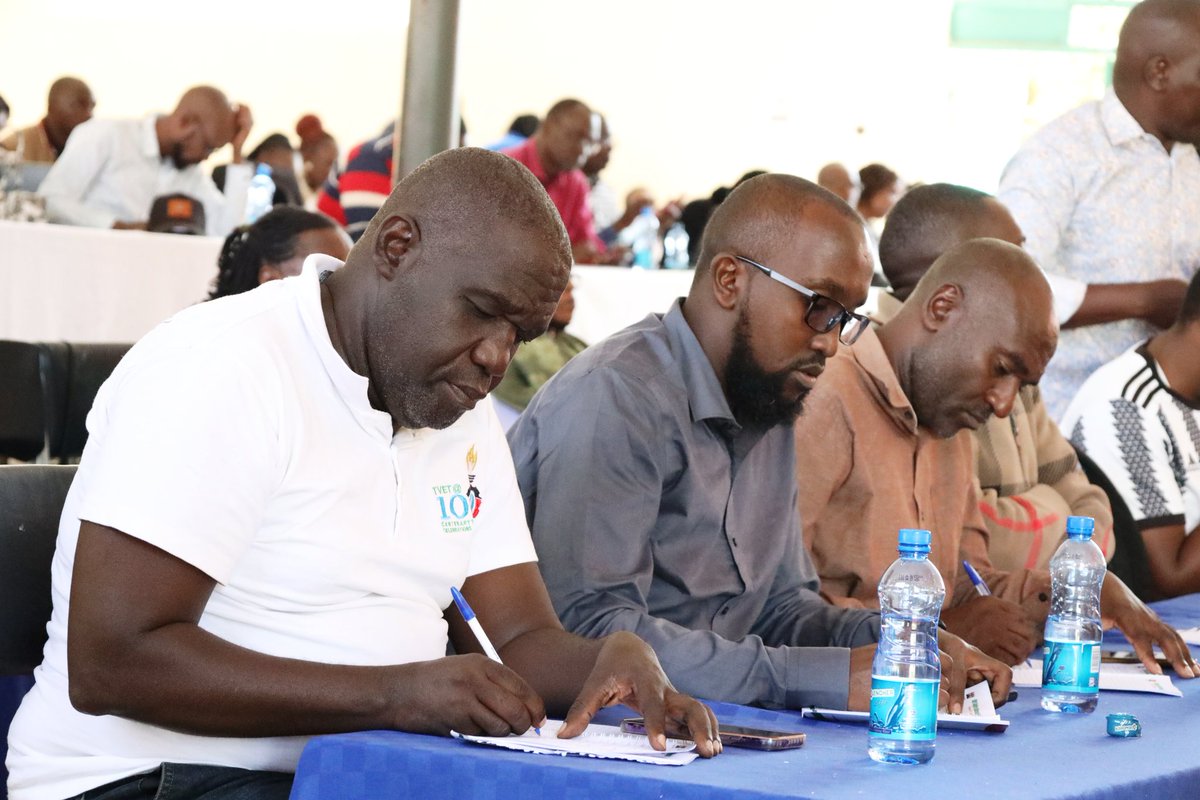
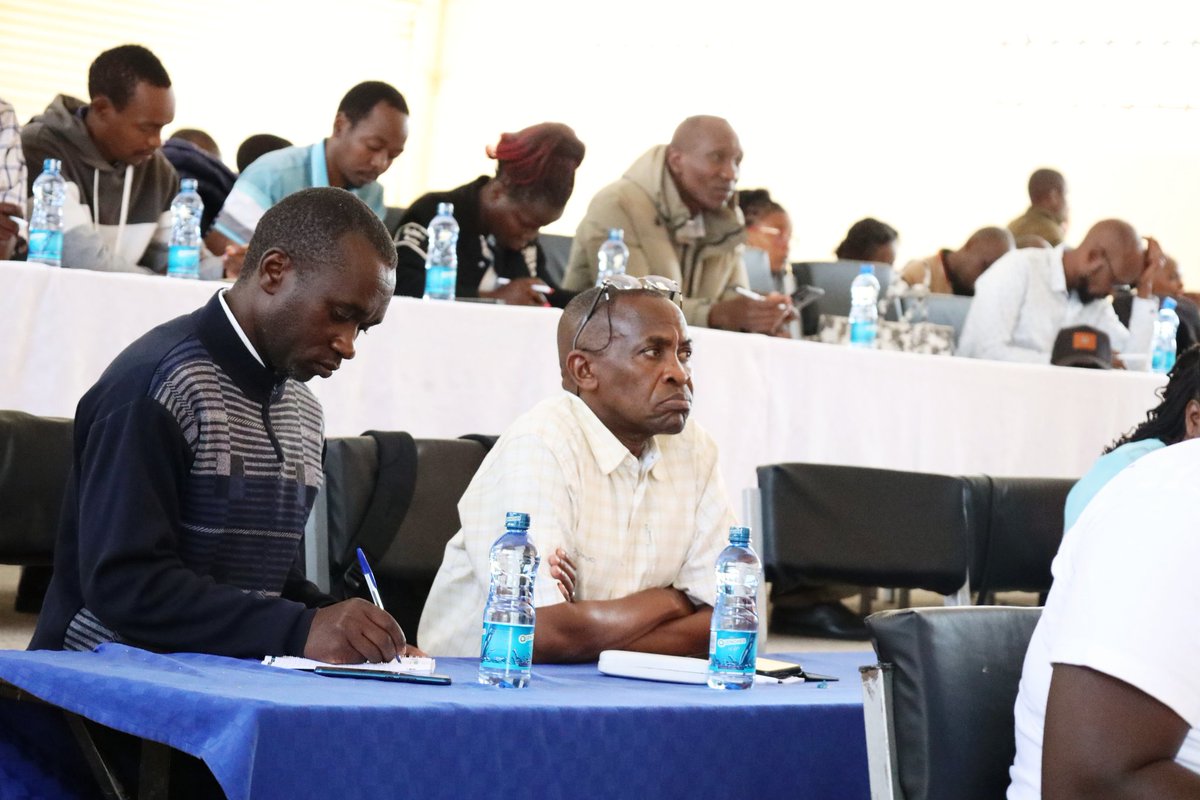
For the first session we covered the full NPD journey: identifying real market gaps through customer insight, validating concepts using the desirability, feasibility and viability framework, moving from problem statement to working prototype and understanding the six-stage product development lifecycle from ideation all the way to commercialisation and sunset.
We also explored how AI is no longer a luxury tool it is accessible, practical and ready to use in any TVET classroom today. Participants were taught how to live AI-powered student feedback assistant and learned how to write structured prompts using the CRAFT framework to get consistently useful results.
#KeNIA #EnablingInnovation
1
9
156
Research to Commercialization (#R2C) Accelerator Programme | Cohort 4 |Innovation Pitch Session
The final session of Day 4 of the Research to Commercialization (R2C) Accelerator Programme featured a five-minute innovation pitch exercise, allowing participants to showcase their innovations and receive feedback on their commercialization potential.
Facilitated by Philip Gondi, Sonia Claire Awino and Yvonne Njeri, the session focused on helping innovators communicate their value proposition, market opportunity, and scalability to potential investors and partners.
The innovators presented diverse solutions addressing challenges across health, agriculture, energy, education, and technology,
1
6
138
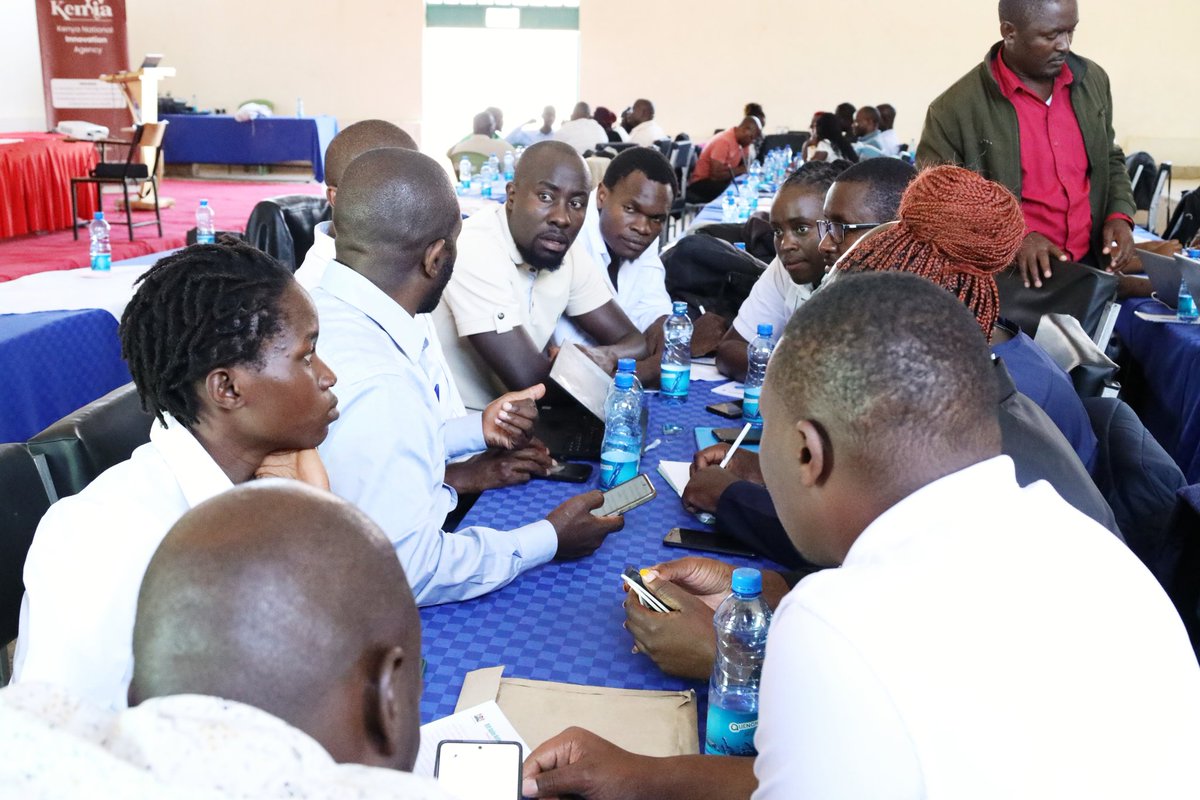
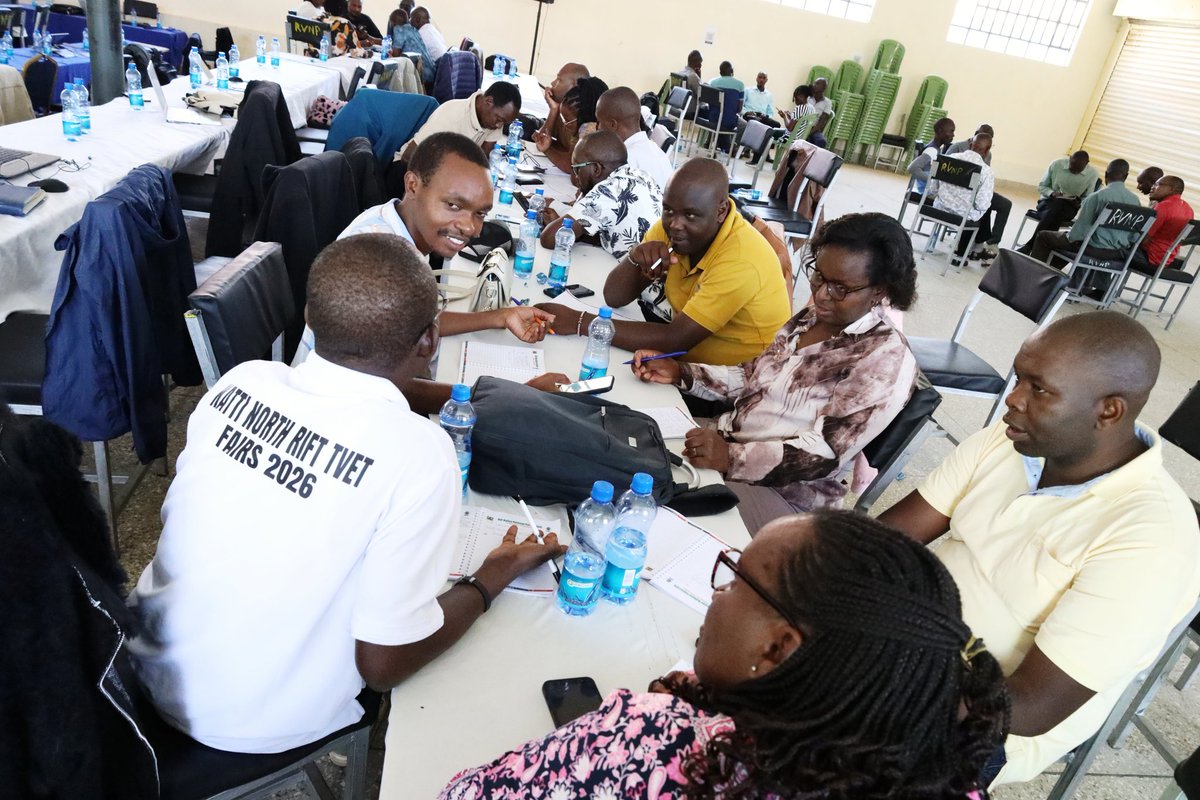
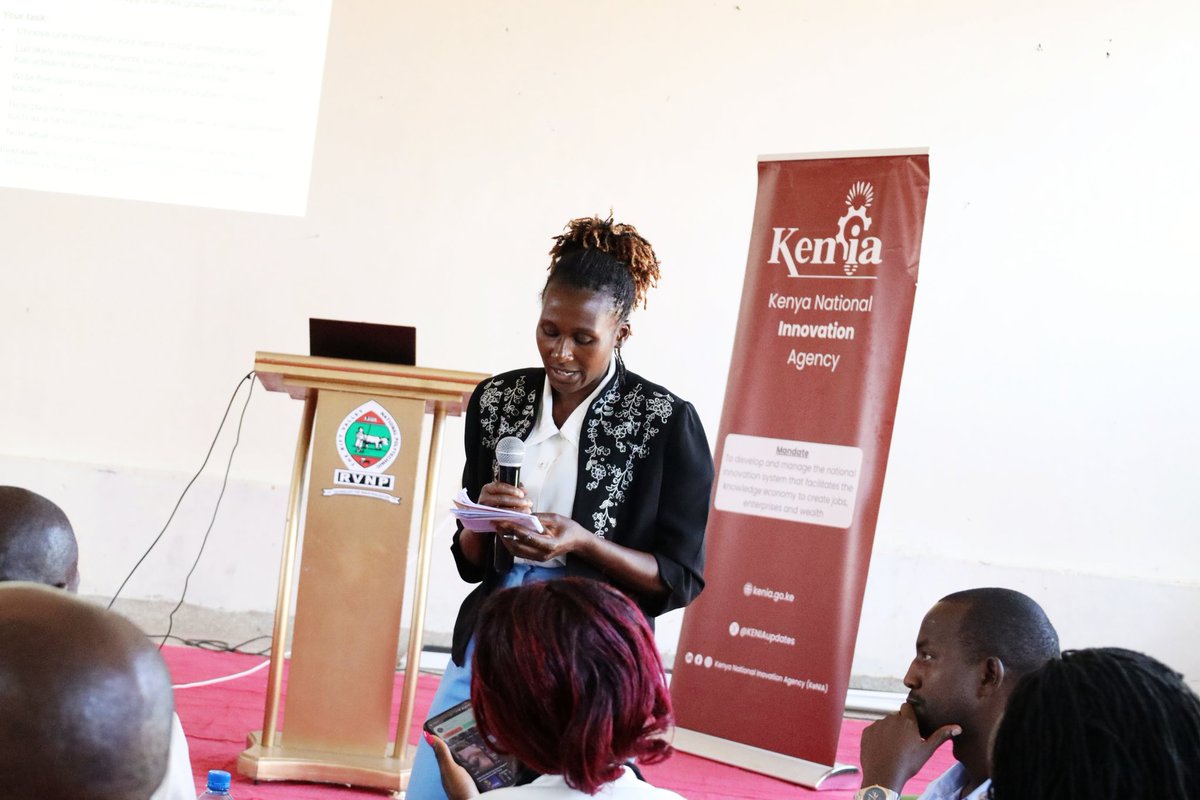
Institutionalization of Research to Commercialisation in TVETS institutions in Kenya training ||Day 3
We wrapped up the day with an engaging session on Market Validation and Customer Discovery for TVET Innovations, aimed at equipping Kenyan TVET institutions with the tools to test, validate and commercialize the innovations they develop. The session guided participants through the critical first step of customer discovery getting out of the building to engage real people, understand their challenges and replace assumptions with solid evidence. From one-on-one interviews and direct observation to focus groups and prototype walkthroughs, practical methods were explored that speak directly to the kenyan TVET context, including conversations with students, Jua Kali artisans, smallholder farmers, local employers and county governments.
The session also covered market validation confirming real demand before scaling and introduced the Technology Readiness Levels (TRL) framework to help institutions honestly assess the maturity of their innovations and plan the next step forward. Feasibility analysis rounded out the day, addressing the technical, financial, operational and legal dimensions of bringing an innovation to life. Through hands-on group activities simulating customer interviews and market sizing exercises, participants left with a clearer roadmap for turning workshop ideas into viable, market-ready solutions. Because at the end of the day, great innovations are not just built they are validated, tested and proven worthy of the market they serve.
#KeNIA #EnablingInnovation #R2C
2
7
145
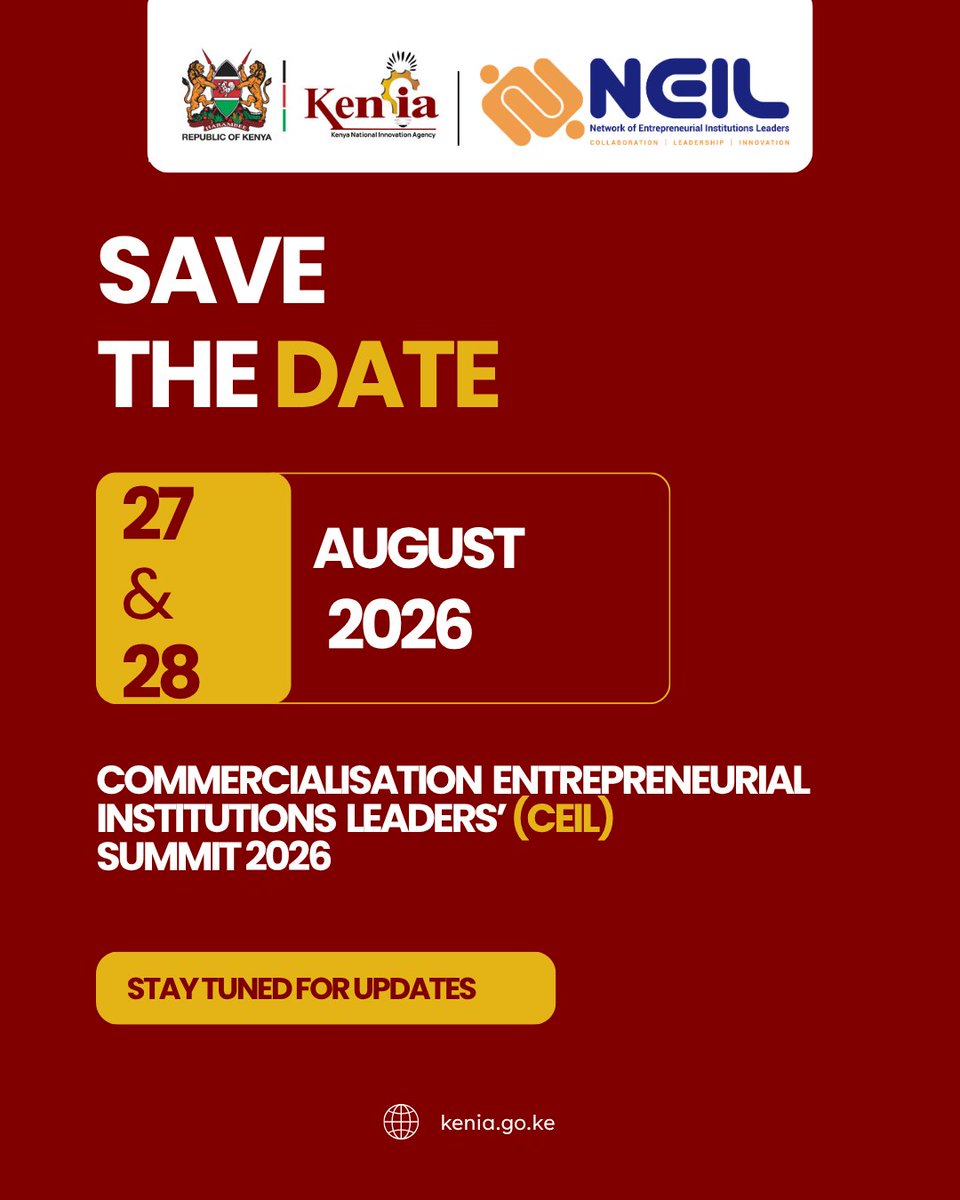
We, Kenya National Innovation Agency (KeNIA), in collaboration with Network of Entrepreneurial Institutions Leaders (NEIL), will be hosting the Commercialisation Entrepreneurial Institutions Leaders (CEIL) Summit 2026.
📅 Mark your calendars: 27 & 29 August 2026
CEIL Summit is a landmark event bringing together stakeholders in entrepreneurial education and innovative research commercialisation. This Summit has been instrumental in the steps we have made in research commercialisation and in building entrepreneurial institutions.
Expect an overview of how much progress we have made since the first CEIL Summit, powerful conversations, and connections that continue to shape the future of entrepreneurial institutions in Kenya and across Africa.
Stay Tuned for Details!
#CEILSummit2026 #EnablingInnovation #InnovationLeadership #entrepreneurialeducation
80
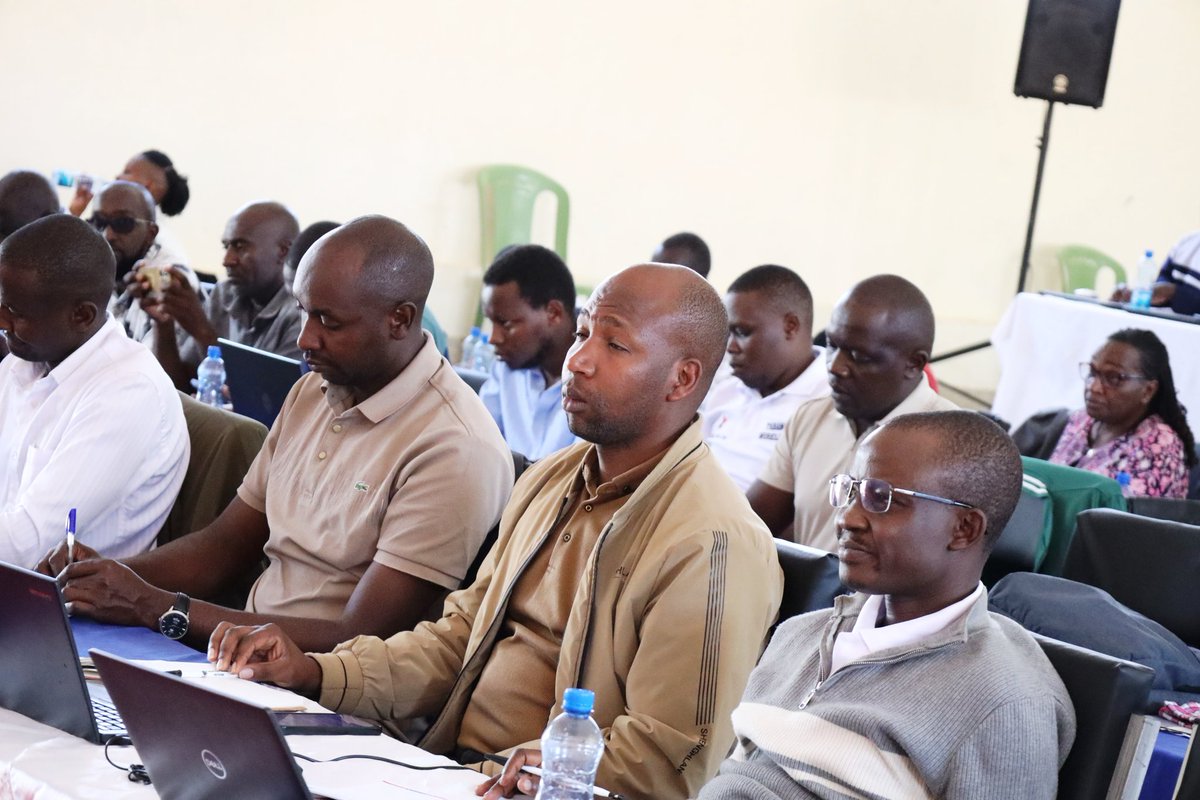
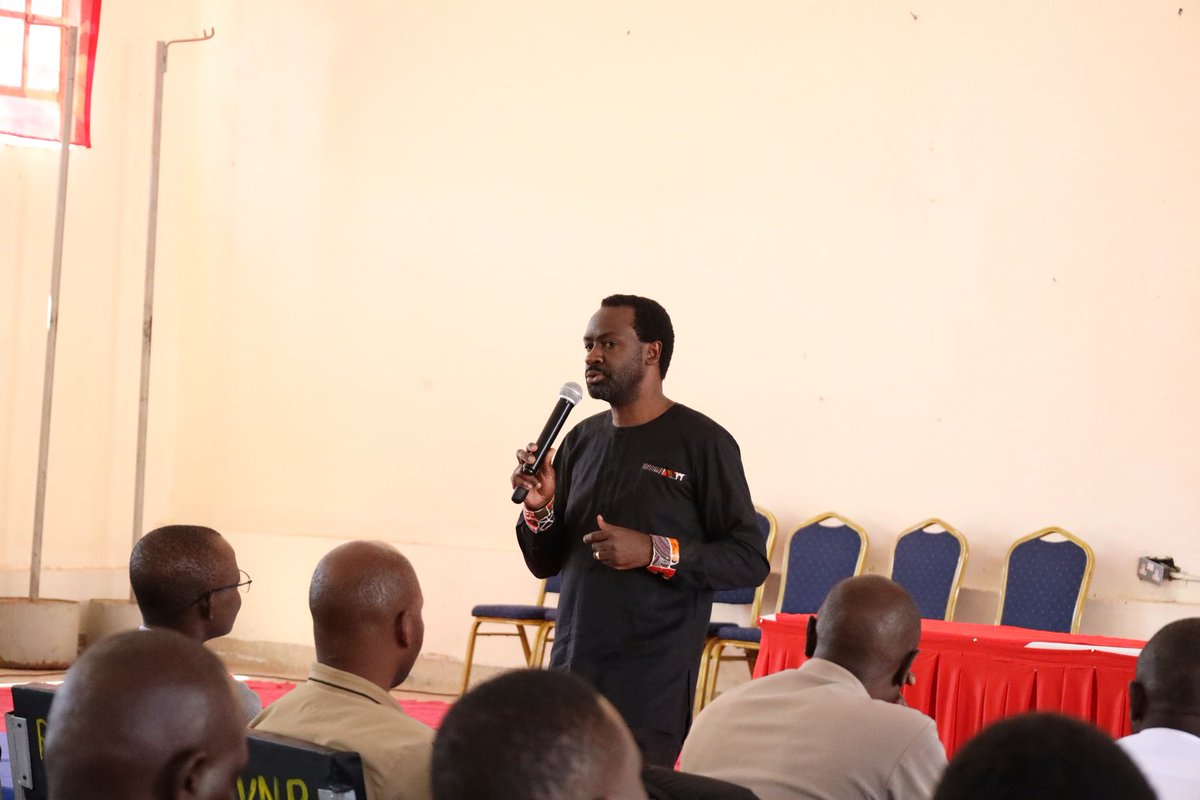
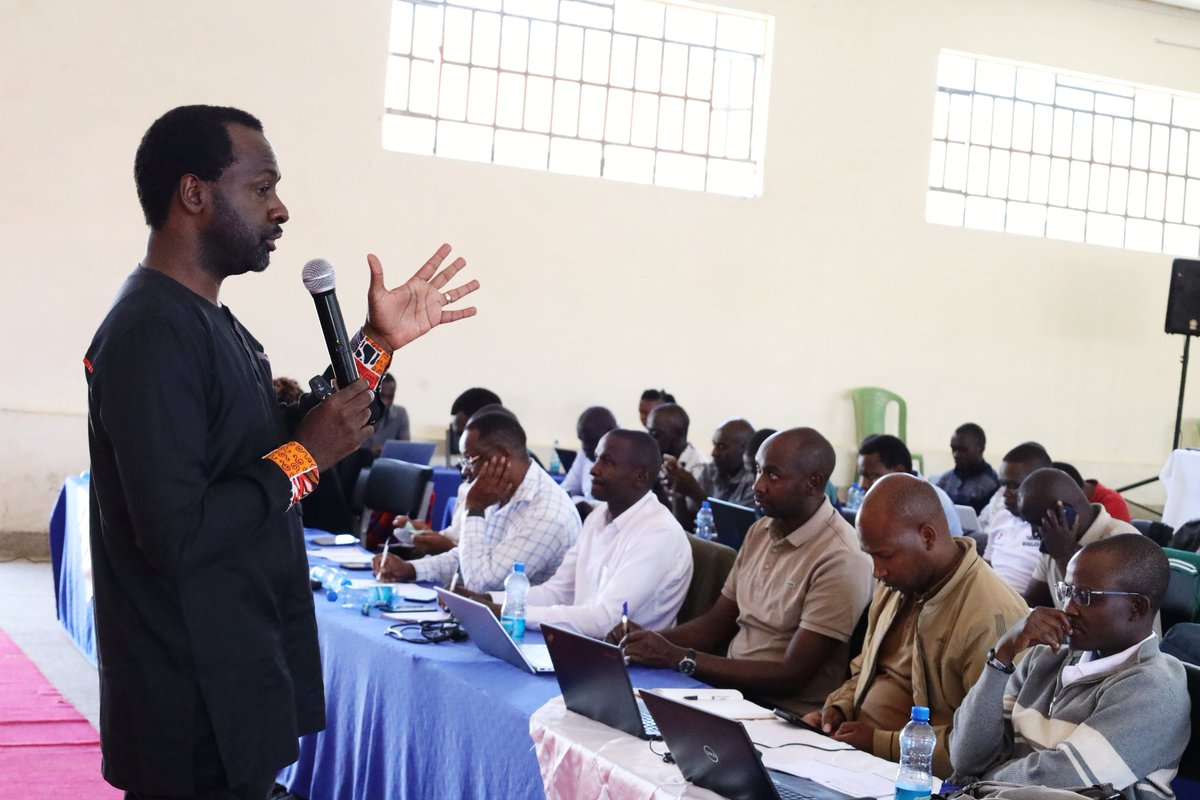
For our second session, we had Joram Mwinamo take us through the world of Collaborations and Partnerships for Innovation in TVETs exploring how institutions can break barriers, embrace open innovation and build meaningful partnerships with startups, universities, incubators and beyond to drive real change.
The session explored the role of collaborations and partnerships as catalysts for innovation within Technical and Vocational Education and Training institutions (TVETs). It opened by challenging participants to reflect on poor service experiences and unresolved inefficiencies underscoring the urgent why behind innovation before examining the barriers that often prevent organisations from innovating despite recognising its value.
A central theme was open innovation: the idea that great ideas do not solely originate from within an organisation. The session outlined three models of open innovation inbound, outbound and coupled and presented a wide range of external collaboration types, from students, startups and universities to incubators, research centres, and joint ventures. Practical mechanisms such as hackathons, innovation challenges, co-creation sessions and public-private partnerships were highlighted as actionable ways to engage partners.
The session also gave honest attention to the challenges of partnerships including confidentiality concerns, cultural clashes, IP sharing and sustainability while balancing these against the tangible benefits: access to new technologies, specialised knowledge, improved stakeholder experiences and enhanced organisational performance.
#KeNIA #Enablinginnovation
1
1
71
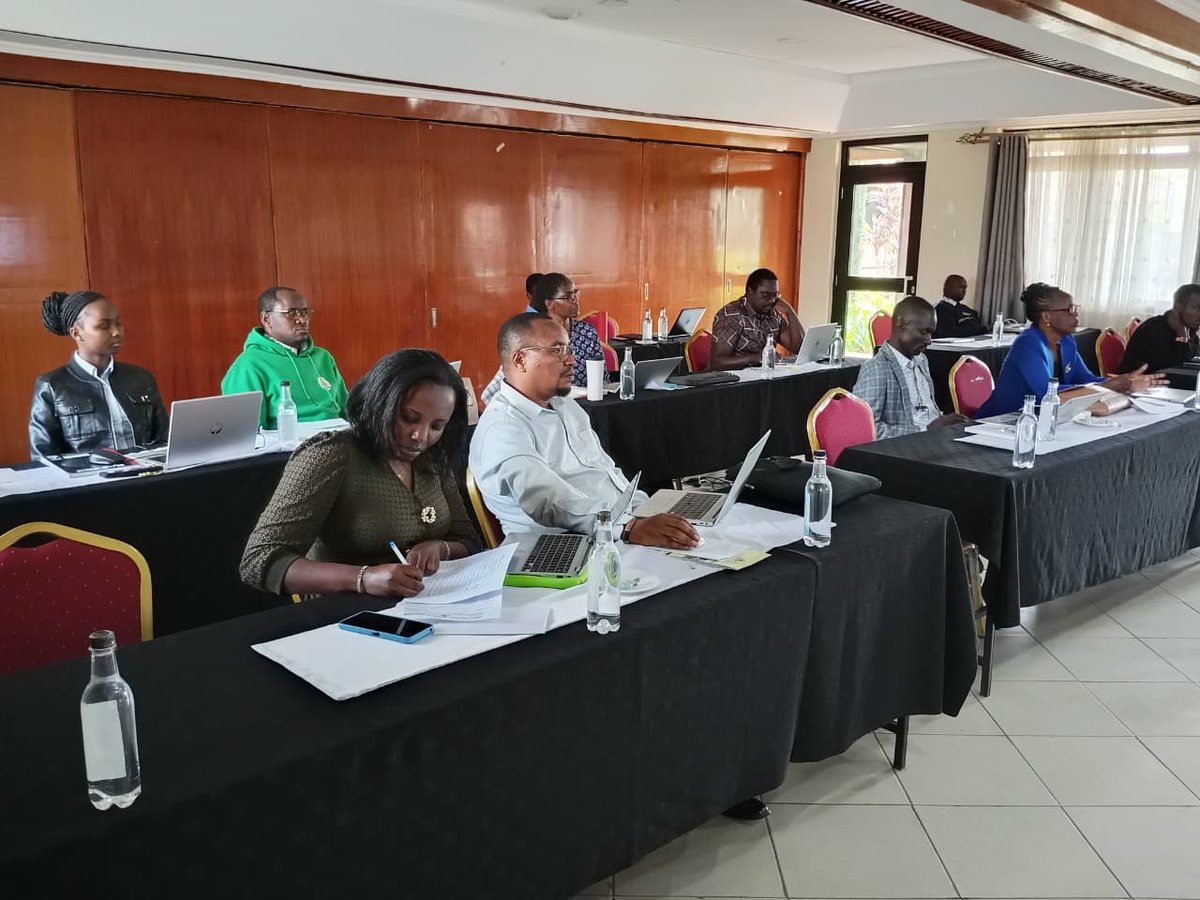
Research to Commercialization (#R2C) Accelerator Programme | Cohort 4 | Week 2, Day 4 |
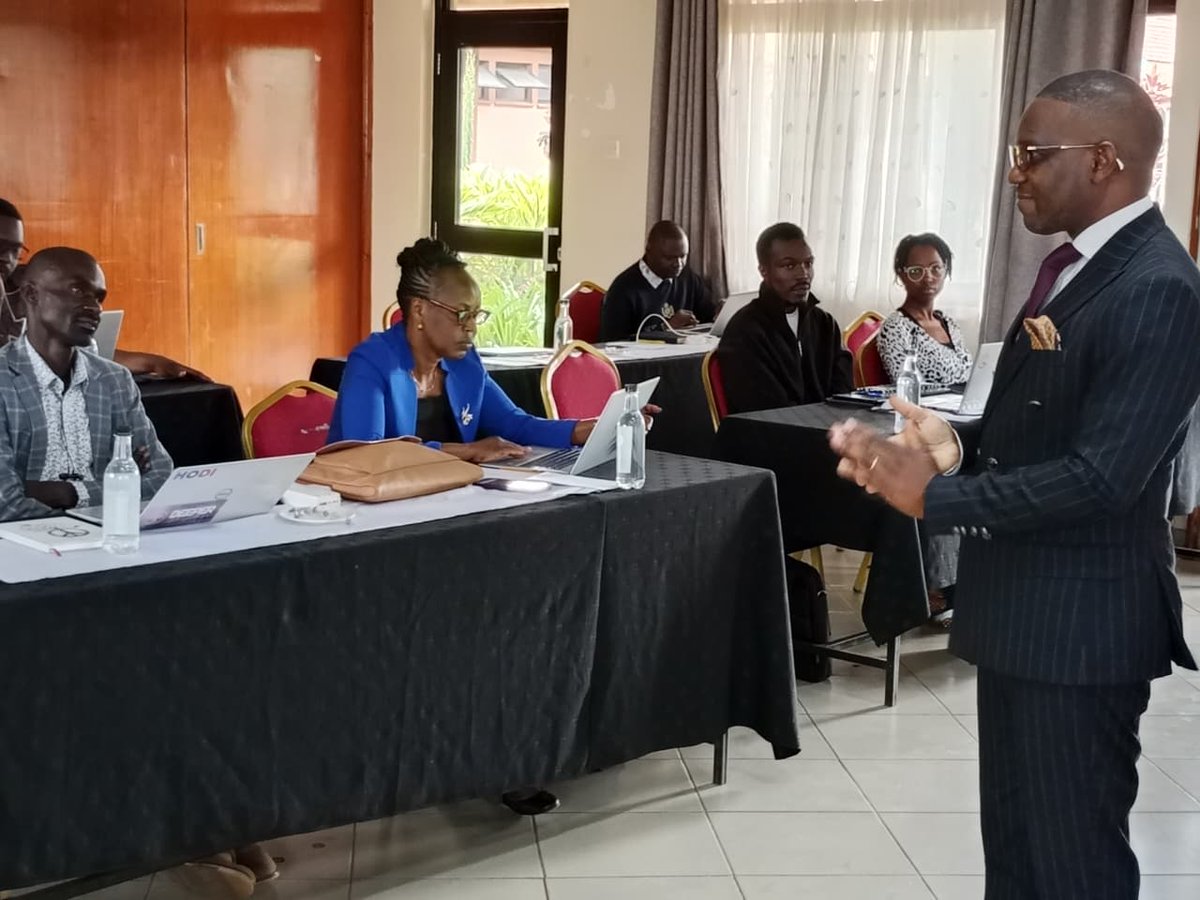
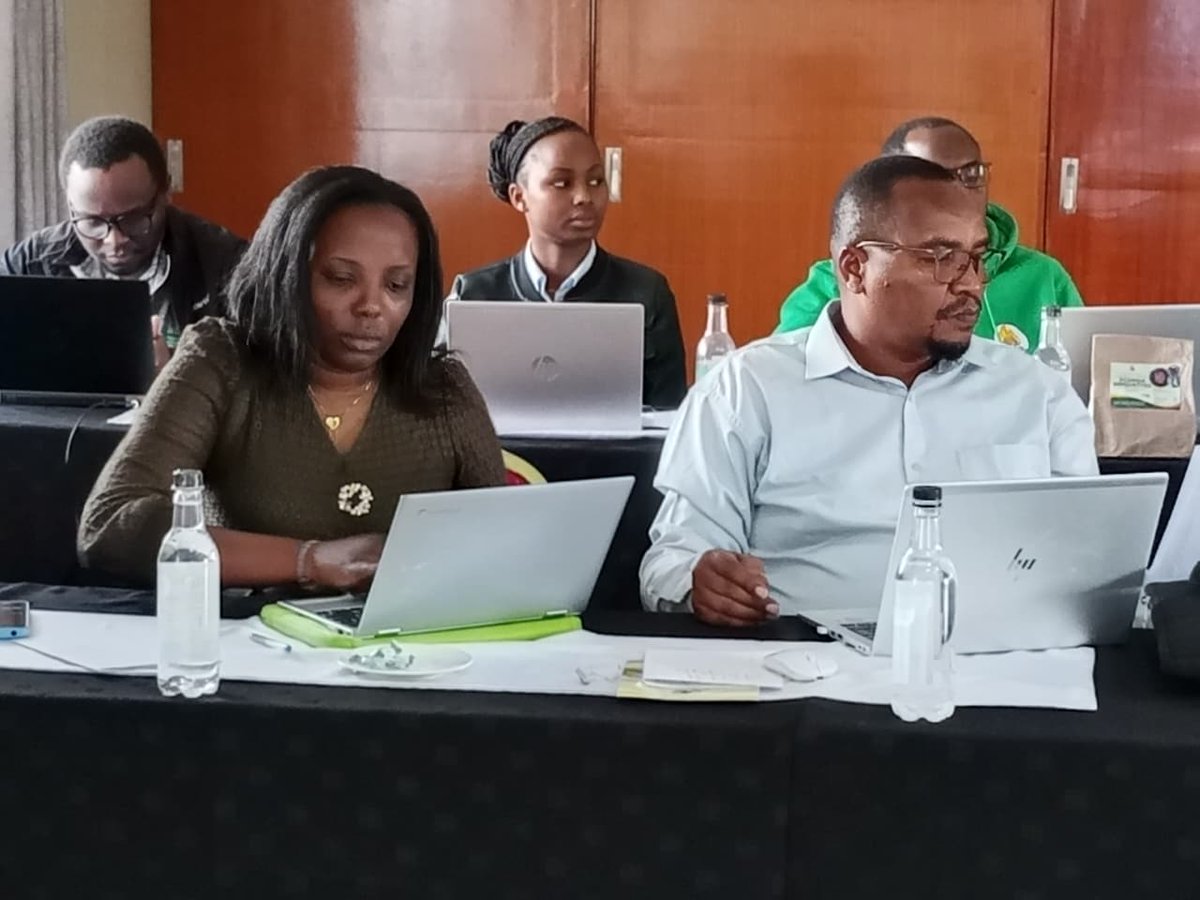
Strong financial management is a critical pillar of successful commercialization, yet it is often overlooked by innovation-driven ventures. To address this gap, the first session of Day 4 of the Research to Commercialization (#R2C) Accelerator Programme focused on Accounting for Innovators, facilitated by Dennis Maloya, CEO of Métier Matrix.
The session introduced participants to accounting fundamentals and its role in building sustainable, investment-ready businesses. The discussion highlighted how effective accounting supports decision-making, resource management, regulatory compliance, and business growth.
Building on this foundation, participants explored key accounting concepts, including the different types of accounting and the principles that guide effective financial management. The discussion highlighted how accurate financial records contribute to better pricing strategies, efficient resource allocation, stronger operational performance, and improved fundraising outcomes. Participants were also guided through the accounting equation, Assets = Liabilities Equity, gaining a clearer understanding of how assets, liabilities, and owners’ equity shape a venture’s financial position.
The session concluded with a practical reminder that commercialization success depends not only on the strength of an innovation but also on the ability to manage finances effectively. The innovators were encouraged to establish proper accounting systems early to improve accountability, attract investors, and support sustainable business growth.
#EnablingInnovations #researchtocommercialization
2
2
75
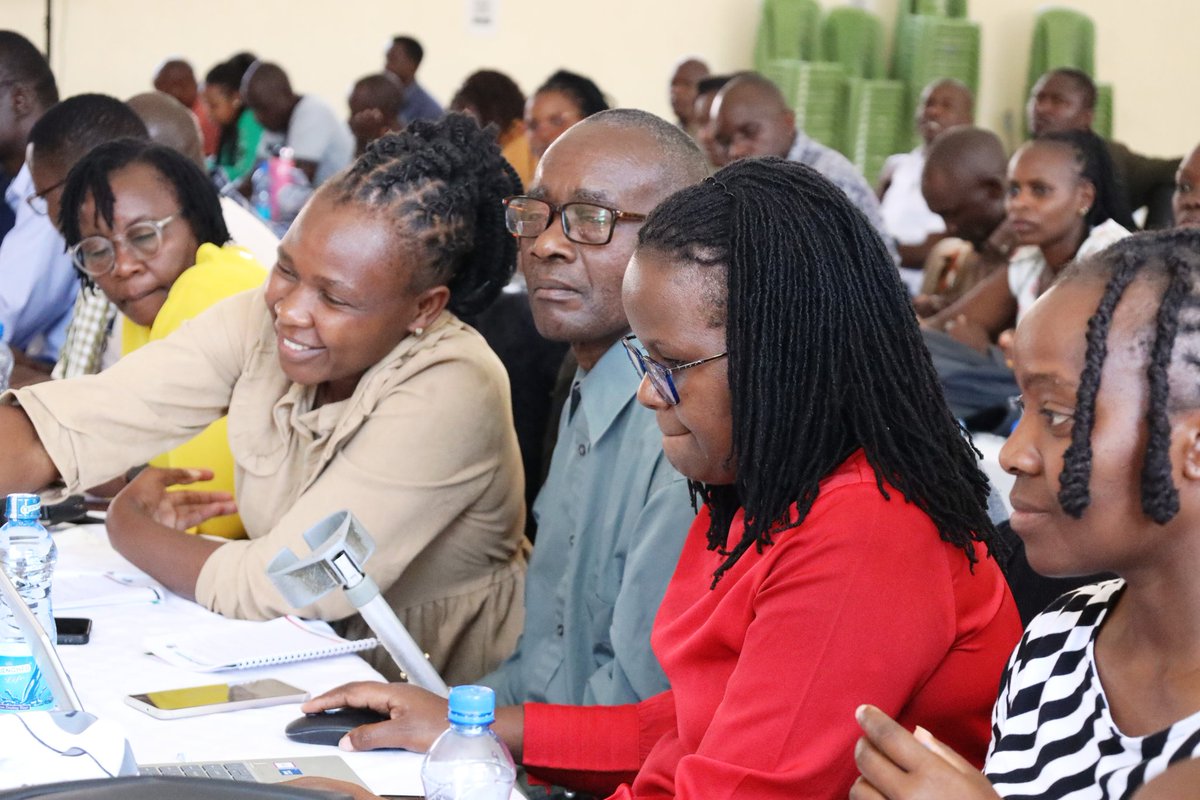
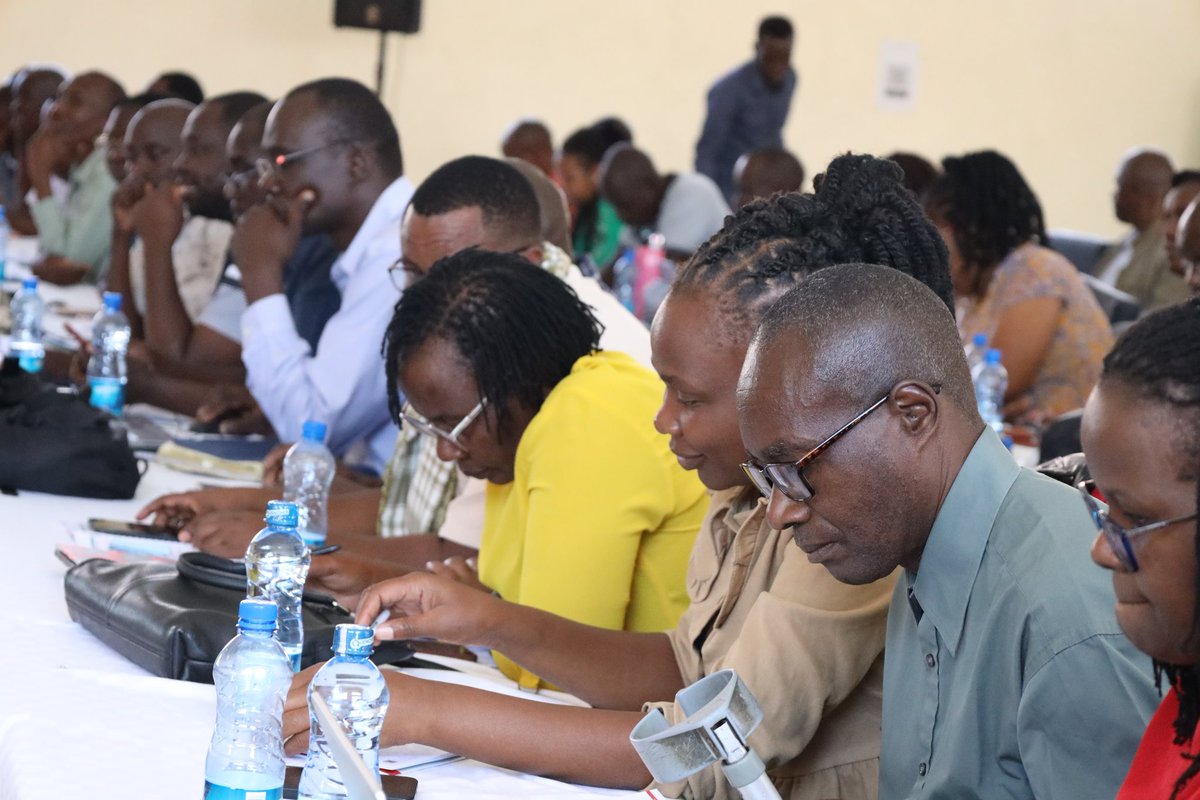
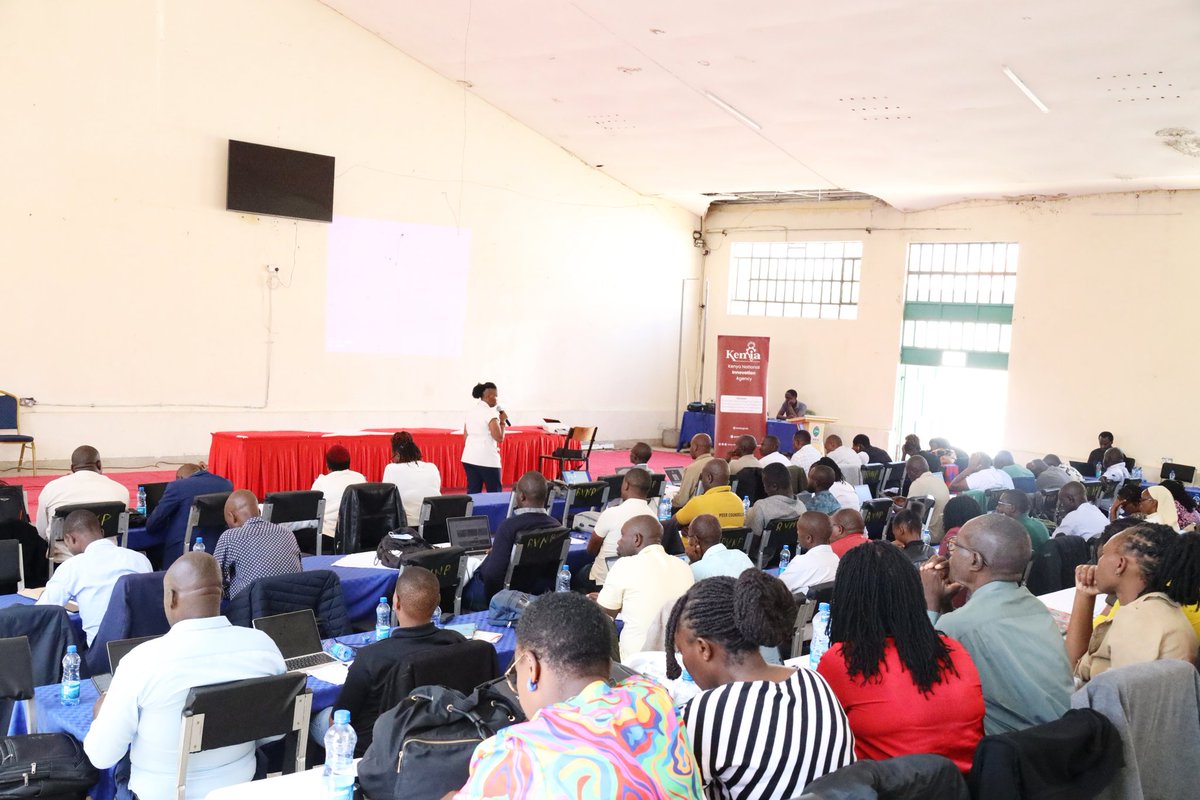
Institutionalization of Research to Commercialisation in TVETS institutions in Kenya training ||Day 3
In today's first session, we broke down the funding and financing landscape for TVETS.
The session covered what a grant proposal really is, the types of grants available government, corporate, multilateral & venture philanthropy and introduced a 7-step fundraising framework covering everything from strategy & prospect research, all the way to securing funding & managing funder relationships post-awards.
The bottom line? Funding is available but it goes to organisations that are strategic, prepared & intentional at every step.
#KeNIA #Enablinginnovation
1
1
93
Day 2 | TVETs Research to Commercialization Training - KeNIA & State Department for TVETs
We wrapped up the day with an insightful session led by Wangechi Wahome on Intellectual Property Rights (IPR). The discussion highlighted how innovators can protect, manage and leverage intellectual property from patents and trademarks to trade secrets and licensing to transform ideas into sustainable and commercially viable ventures.
#KeNIA #Enablinginnovation #IntellectualProperty
1
4
126
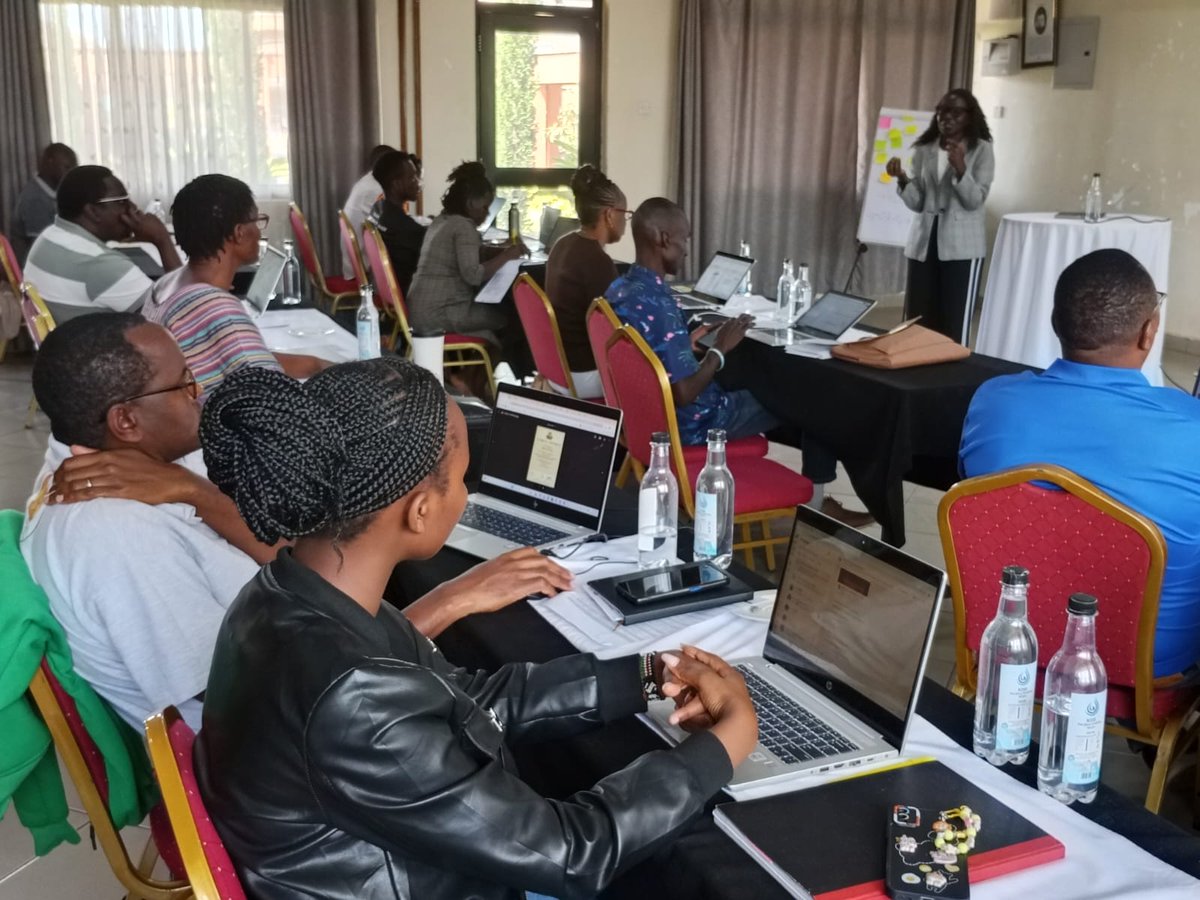
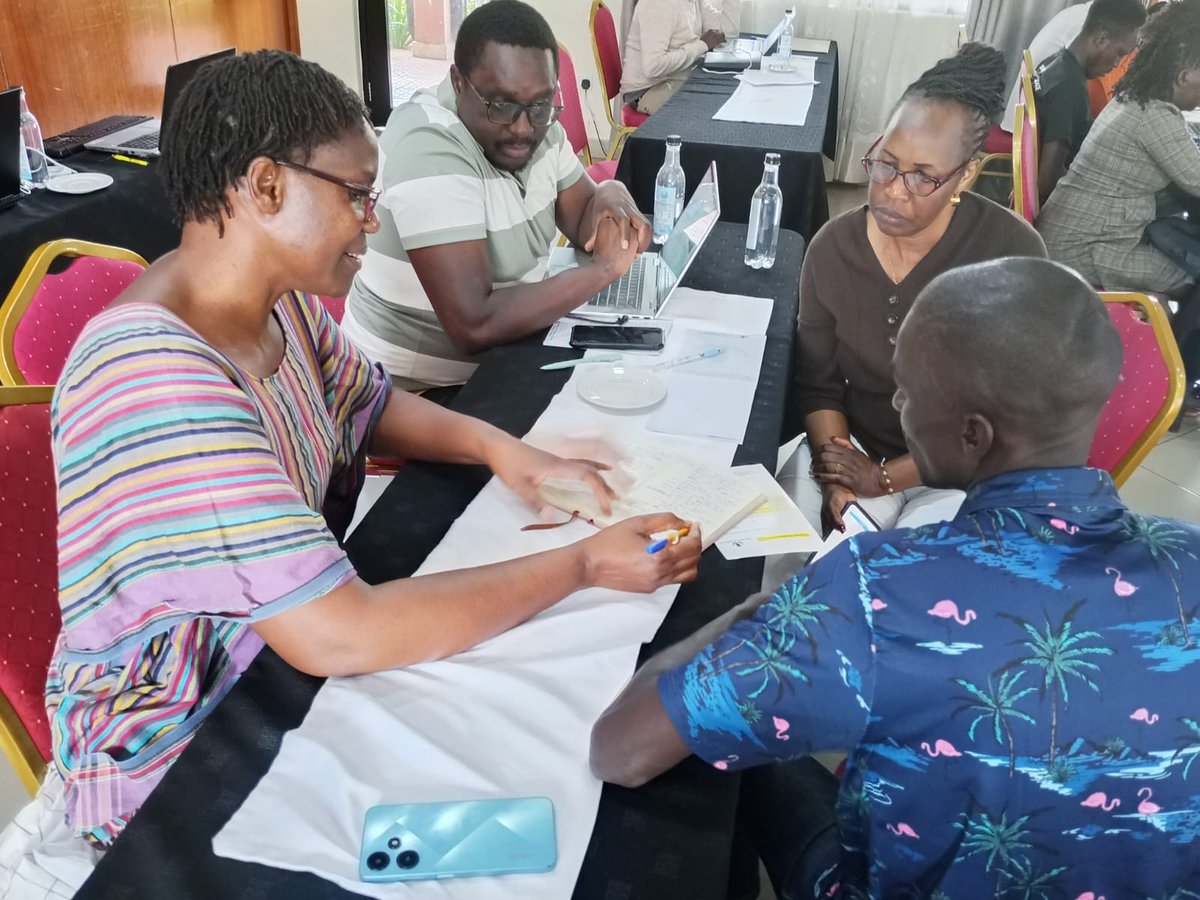
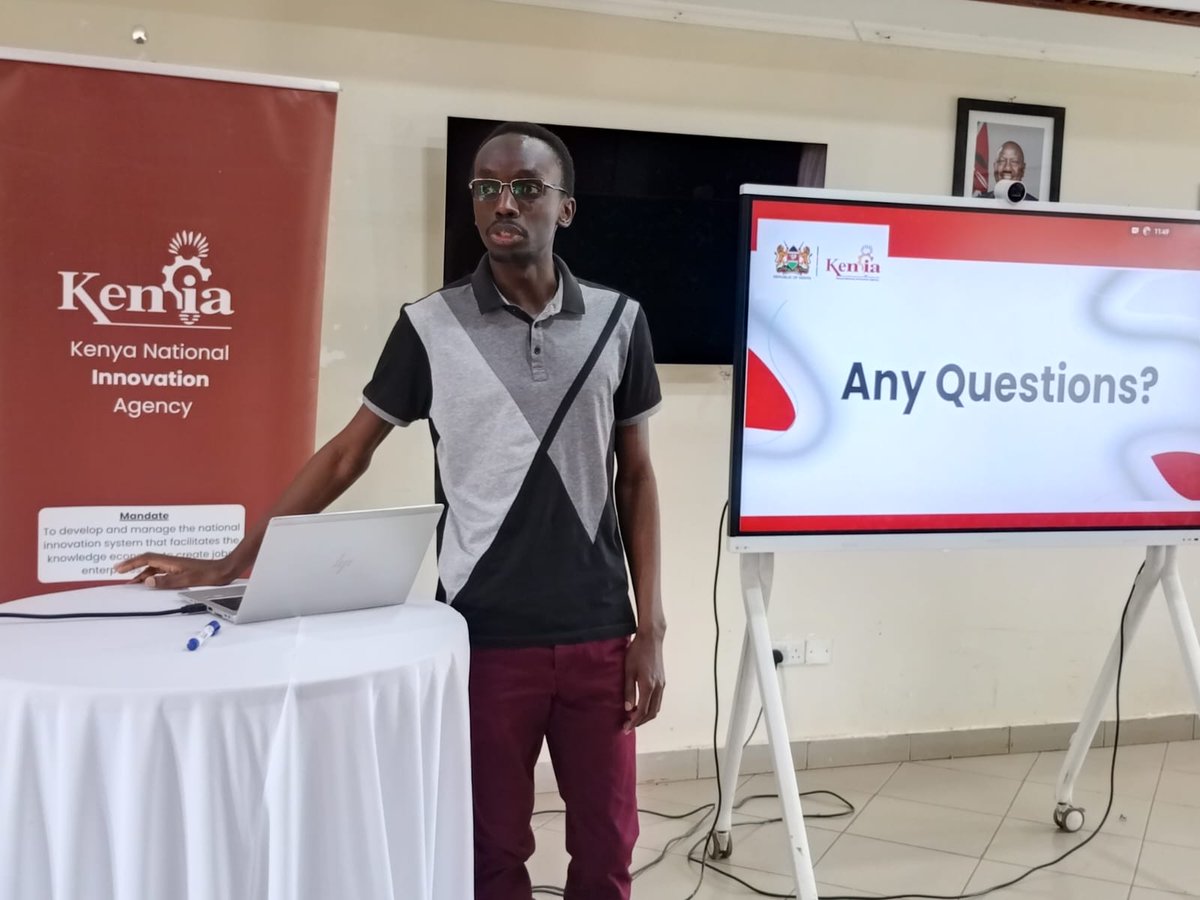
Research to Commercialization (#R2C) Accelerator Programme | Cohort 4 | Week 2, Day 3 | Theory of Change Practical Session
The final session of Day 3 of the Research to Commercialization (#R2C) Accelerator Programme focused on the practical application of the Theory of Change (ToC) as a strategic framework for advancing research commercialization and measuring impact.
Facilitated by Steva Nyawade, a Monitoring, Evaluation, and Learning (MEL) expert, the session provided participants with practical insights and tools for designing commercialization-oriented Monitoring, Evaluation, Accountability, and Learning (MEAL) frameworks. Discussions emphasized the value of evidence-based approaches in demonstrating how research activities and outputs contribute to commercial outcomes, revenue generation, and broader societal impact.
Participants explored the core components of a Theory of Change, including activities, outputs, outcomes, assumptions, and indicators, and examined how these elements can be applied to articulate commercialization pathways and strengthen value propositions.
Key commercialization indicators discussed included patent filings, strategic partnerships, revenue growth, market uptake, and investment mobilization. Through interactive exercises, participants developed Theory of Change models tailored to their innovations, enabling them to map realistic and measurable pathways toward commercialization and long-term impact.
Key highlights from the session included:
Understanding the distinction between activities, outputs, outcomes, and long-term impact.
Identifying critical assumptions and external factors that may influence innovation success.
Developing relevant indicators to monitor progress and measure commercialization performance.
Aligning research outputs with market needs, user demands, and broader societal goals.
#enablingInnovation
1
8
145
Design Thinking requires no special lab. It only requires shifting from 'here is what to know' → to 'here is a problem — how might we solve it together?'
Day 2 | TVET Research to Commercialization Training - KeNIA & State Department for TVET
For the first session with Yvonne Njeri the participants tackled why most TVET innovations never reach the market not because the idea was bad, but because the institution had no pathway to take it forward.
The participants explored the 3 Pillars that make a TVET institution truly innovation-ready:
People -Faculty as innovators, not just knowledge transmitters. Students as co-creators. Institutions that reward innovation outperform those that don't.
Place -You cannot prototype what you cannot touch. From minimum viable labs to shared fabrication models, physical infrastructure matters.
Process - Human-Centred Design (HCD) keeps the end-user at the centre. The costliest mistake? Building what nobody wants.
Then went hands-on with a full 5-Stage Design Thinking Workshop:
✅ Empathise -Understand the real user, suspend assumptions
✅ Define- Frame the right problem using 'How Might We' statements
✅ Ideate - Quantity over quality; wild ideas are welcome
✅ Prototype -Build rough to learn fast, not to impress
✅ Test- Feedback is not failure; it's the fastest path to a stronger idea
#KeNIA #Enablinginnovation #TVETSTraining
2
6
177
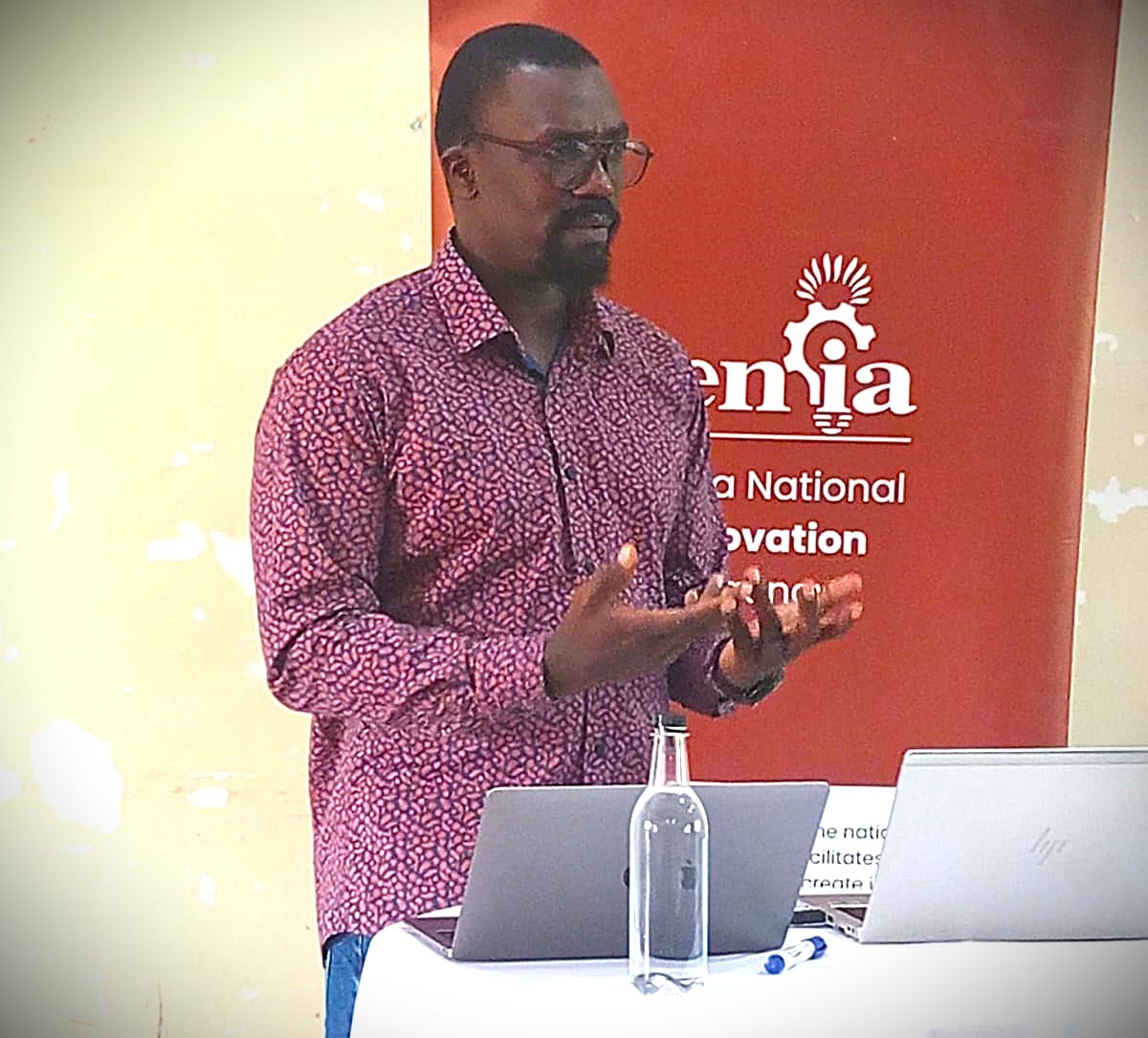
Research to Commercialization (#R2C) Accelerator Programme | Cohort 4 | Week 2, Day 3
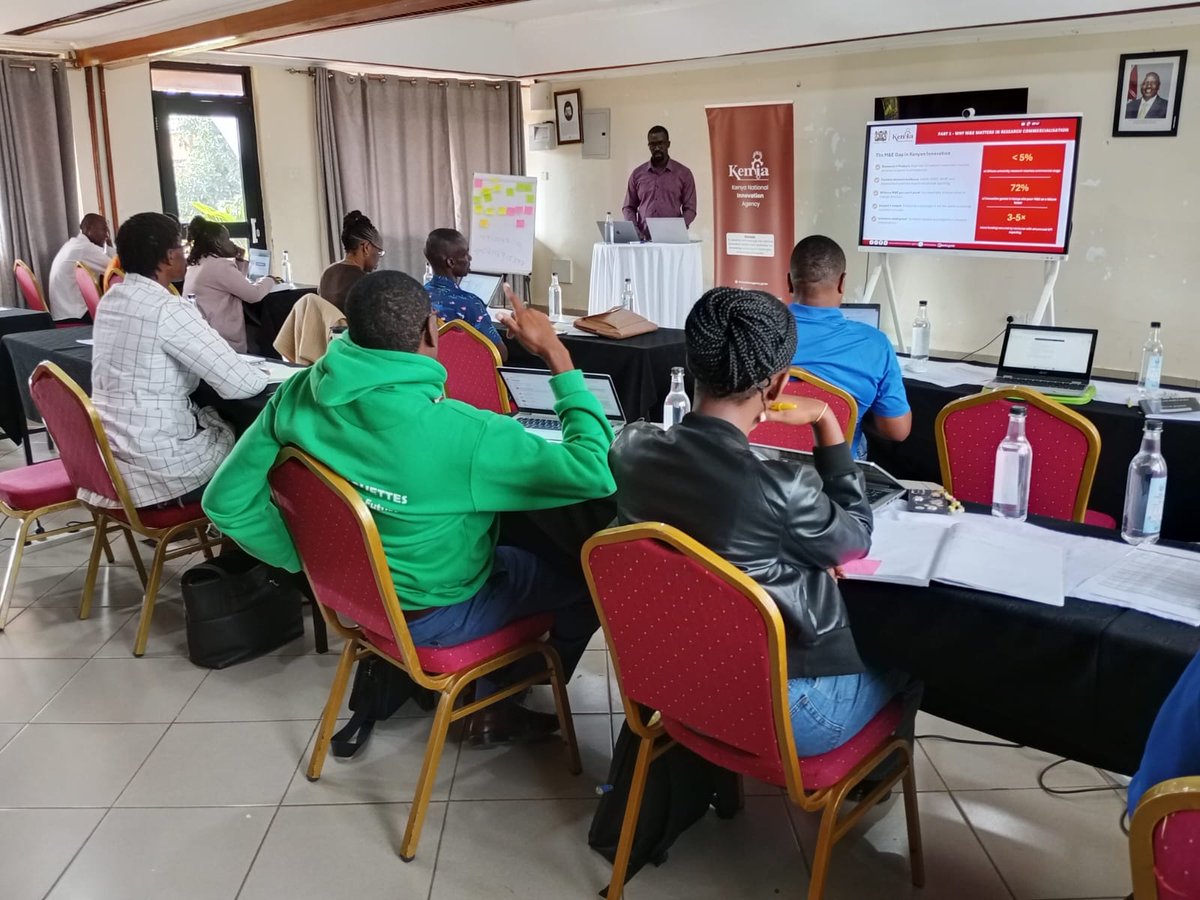
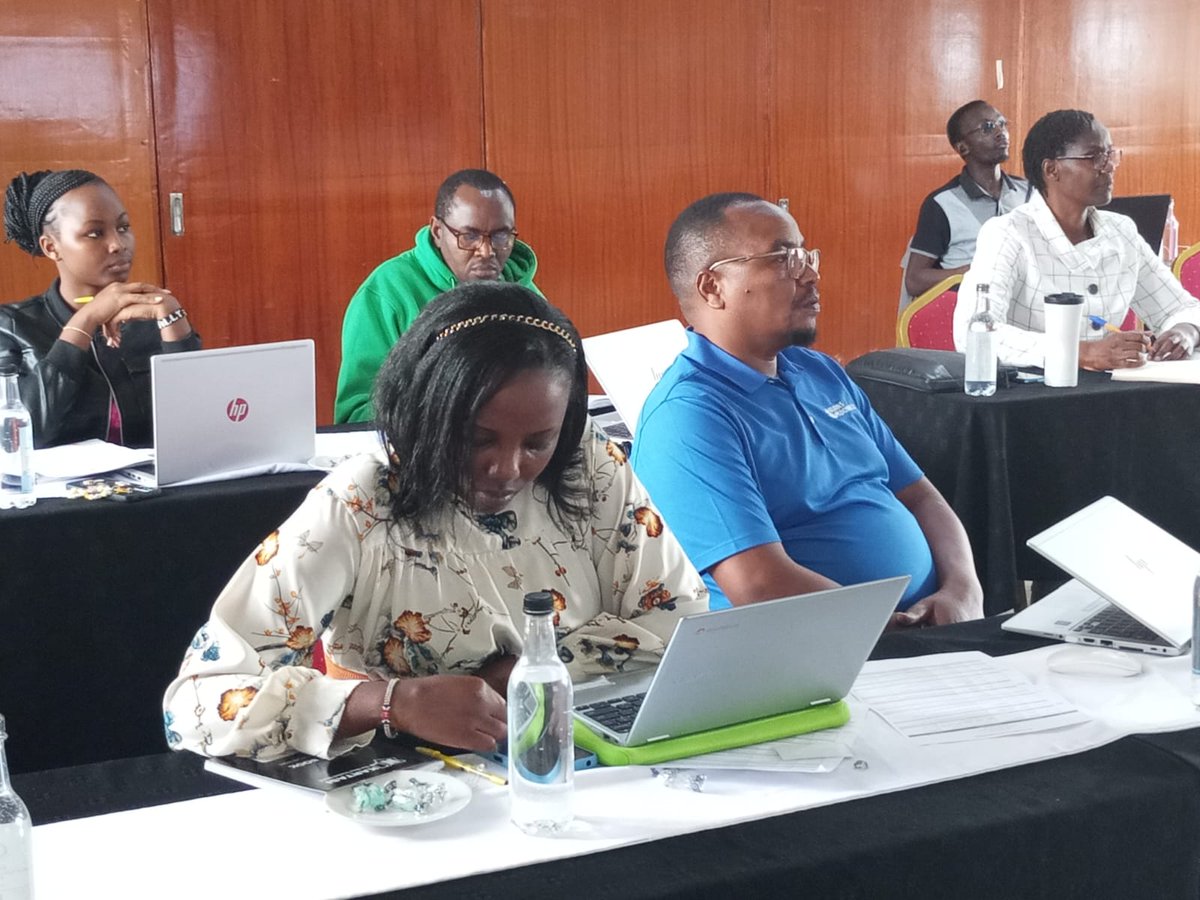
Day 3 of the KeNIA R2C Accelerator Programme began with an insightful session on Monitoring and Evaluation (M&E) for Research Commercialization, led by Daniel Midega , Impact and MEL Expert. The session highlighted the critical role of M&E in attracting investment, demonstrating impact, and supporting the sustainable growth of research-driven innovations.
Participants explored how to move beyond relying solely on academic metrics by tracking evidence of market uptake, revenue potential, user adoption, and the measurable impact of their innovations and research. Through practical discussions, innovators examined how robust M&E frameworks can be used to demonstrate technology maturity, market adoption, business growth, and societal value.
Key Insights Include:
Participants gained valuable insights into the importance of tracking innovation progress across TRLs 1–9 as a means of demonstrating market readiness, reducing investment risk, and strengthening opportunities for funding and commercialization.
The session underscored the need for innovators to monitor key commercialization indicators, including customer adoption, market penetration, revenue growth, and overall business performance, to effectively measure the success and scalability of their innovations.
Participants explored how to develop Specific, Measurable, Achievable, Relevant, and Time-bound (SMART) indicators that provide a structured approach to monitoring progress, evaluating performance, and informing strategic decision-making.
Discussions emphasized the importance of capturing the broader value created by innovations, including employment opportunities, improved livelihoods, environmental sustainability, and positive contributions to community development.
Participants were encouraged to shift their focus from tracking activities and outputs to measuring meaningful outcomes and the tangible impact their innovations generate for end users, communities, and the wider economy.
1
4
103
You cannot improve what you cannot measure.
Institutionalization of Research to Commercialisation in TVETS institutions in Kenya training ||Day 1
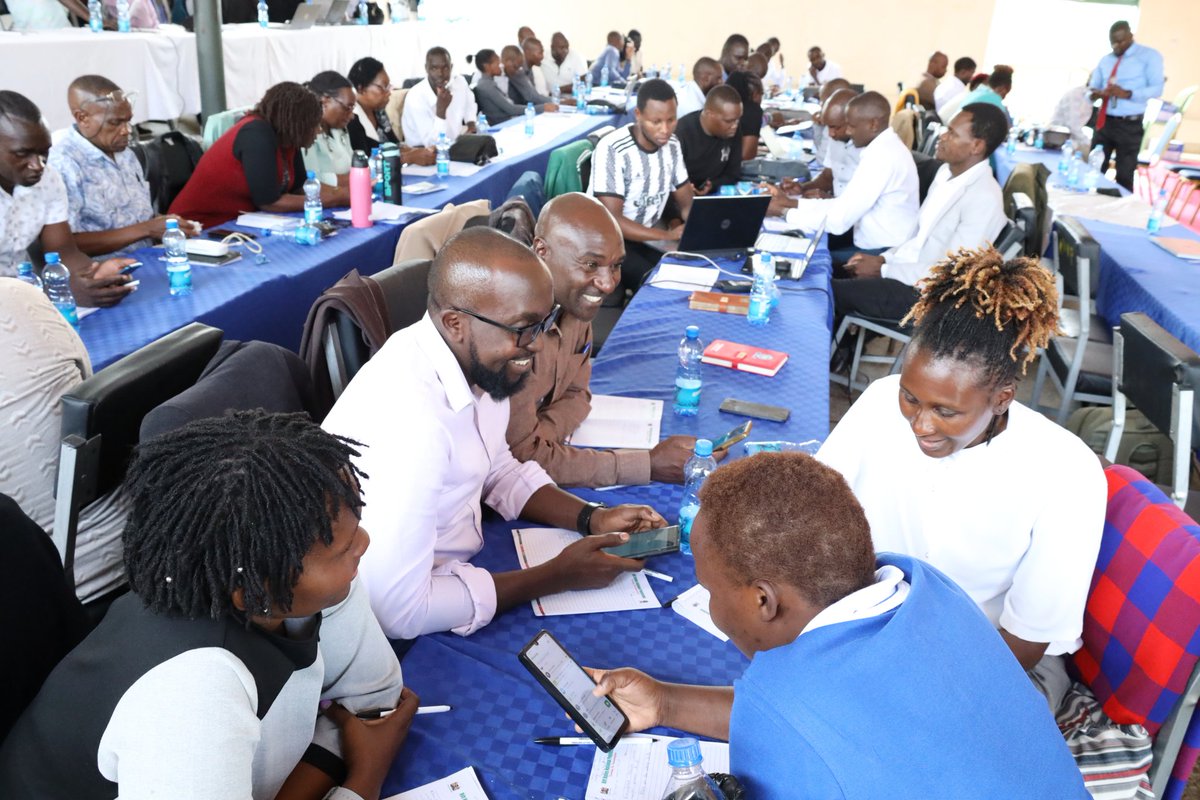
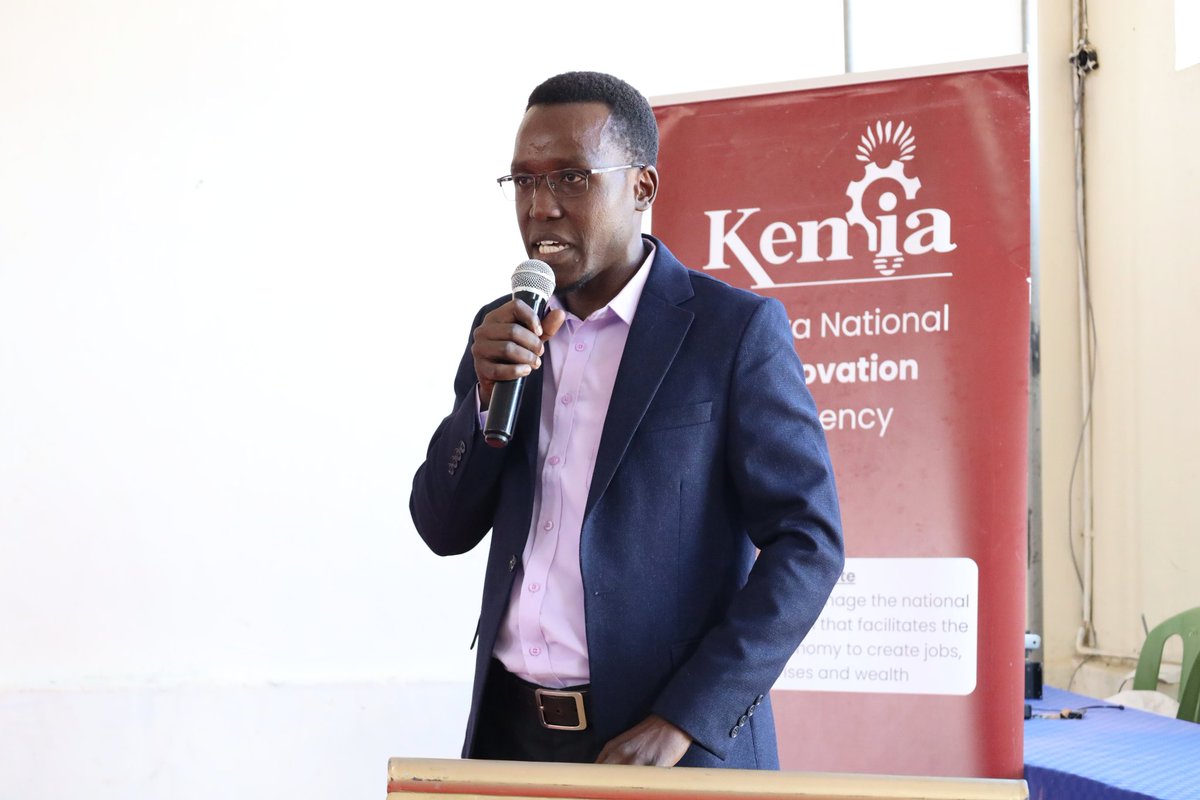
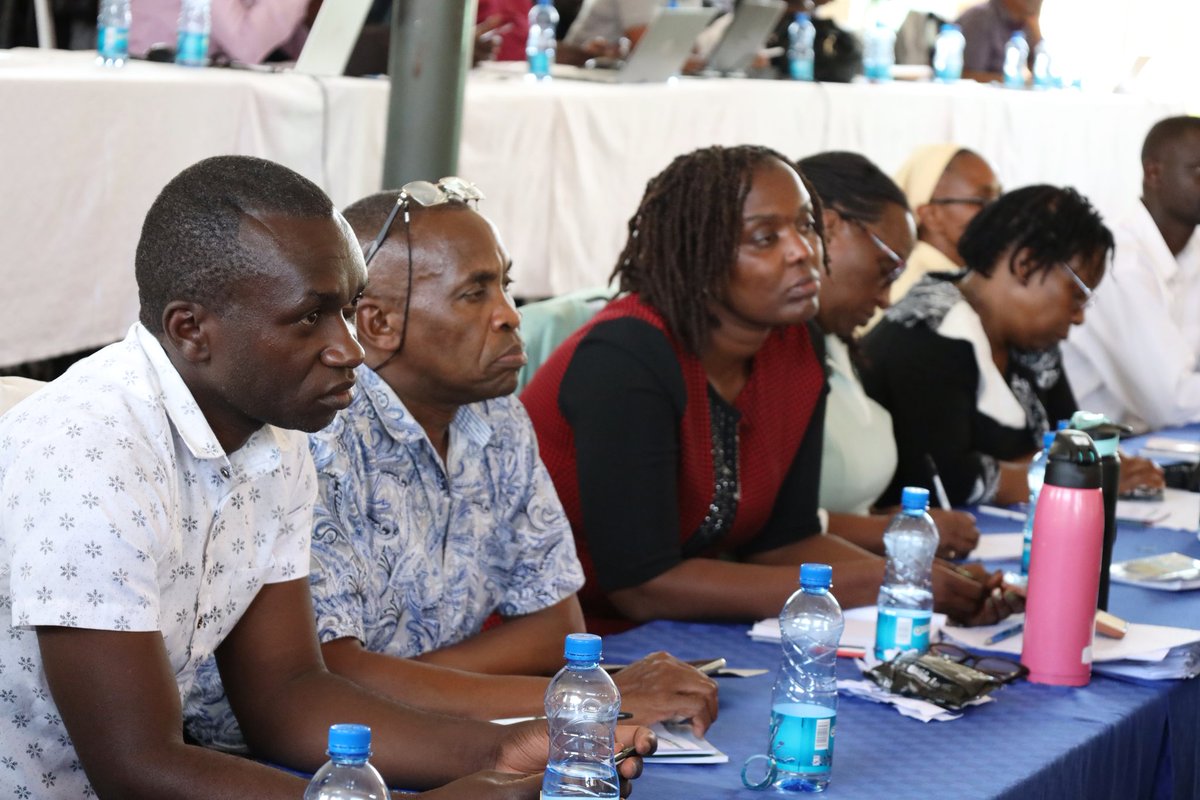
For the afternoon opening session, we had the privilege of having George Osimbo representative from the State Department of TVET Institutions, who challenged participants to cultivate a culture of innovation and entrepreneurship reminding them that TVET institutions exist not just to produce job seekers, but to build job creators who solve real problems and drive economic growth.
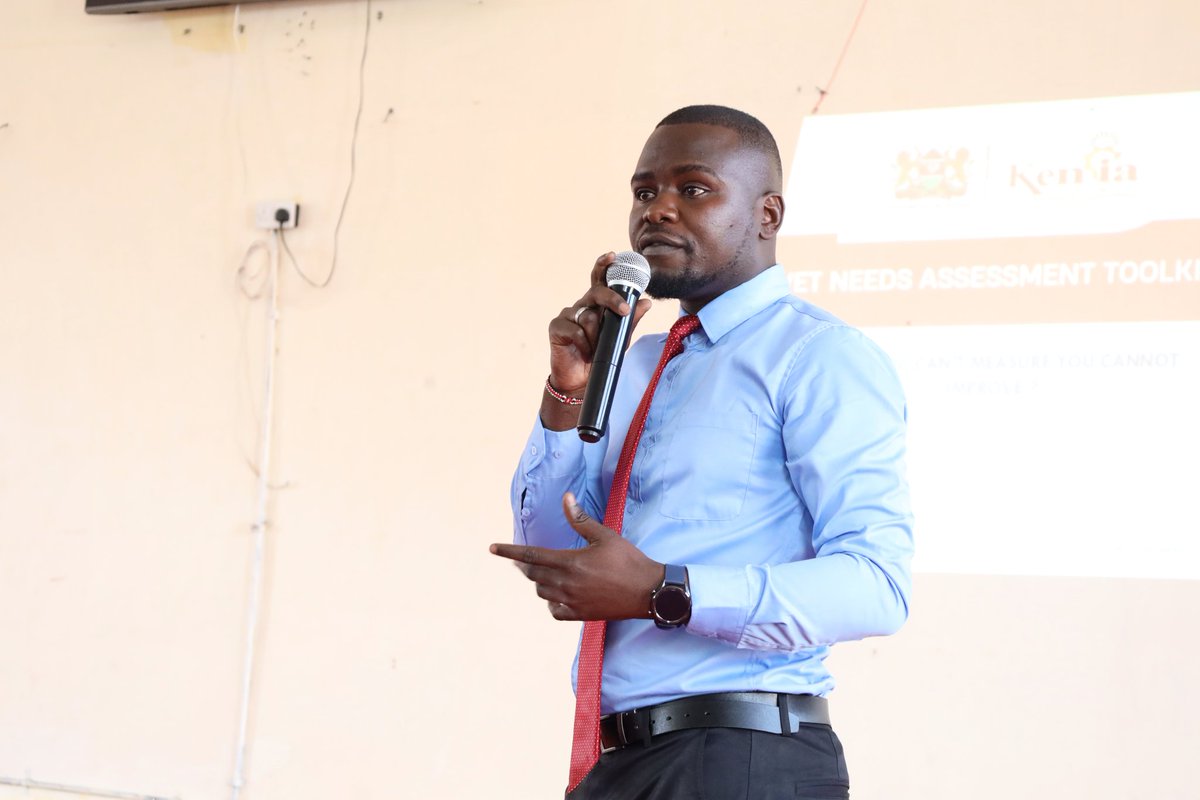
We closed the day with a practical session delivered by Francis Okwara from Kenya National Innovation Agency (KeNIA) who introduced the TVET Needs Assessment Toolkit, a structured framework designed to help TVET institutions honestly evaluate where they stand and chart a clear path forward.
Built around 8 key constructs, from Governance & Leadership and Human Capital, to Industry Linkages, Digital Readiness and Intellectual property Protection the toolkit establishes a credible baseline, identifies gaps and enables evidence-based planning for institutional transformation.
The goal is to move TVETs from passive training institutions to active entrepreneurial ecosystems, with every assessment driving targeted, meaningful intervention.
#KeNIA #EnablingInnovation #TVEts Kenya
1
5
123