
Valuable Information for Producers, Practicing Professional Agronomists, and Soil Scientists. Social media user policy: k-state.edu/social
Joined March 2013
- Tweets 8,749
- Following 212
- Followers 10,015
- Likes 1,028
3,840 Photos and videos




Pinned Tweet

May 29
The Extension Agronomy eUpdate has a new online home. Access to current articles and archived content is being restored as updates continue. Visit the new site here: agronomy.k-state.edu/eupdate… #kstateagronomy
5
9
529
Jun 12
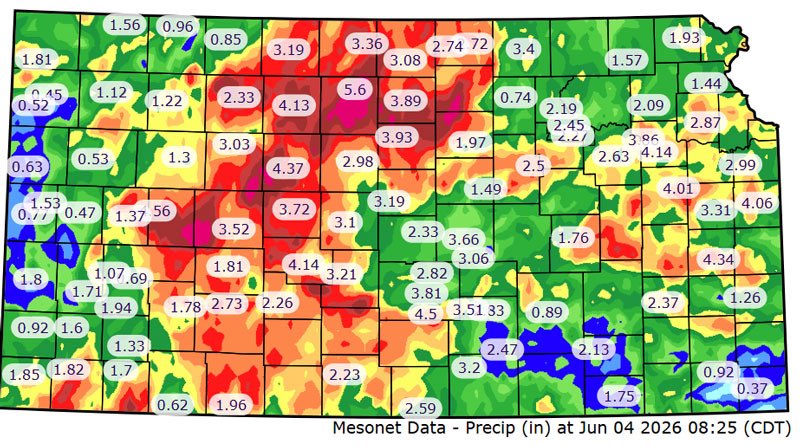
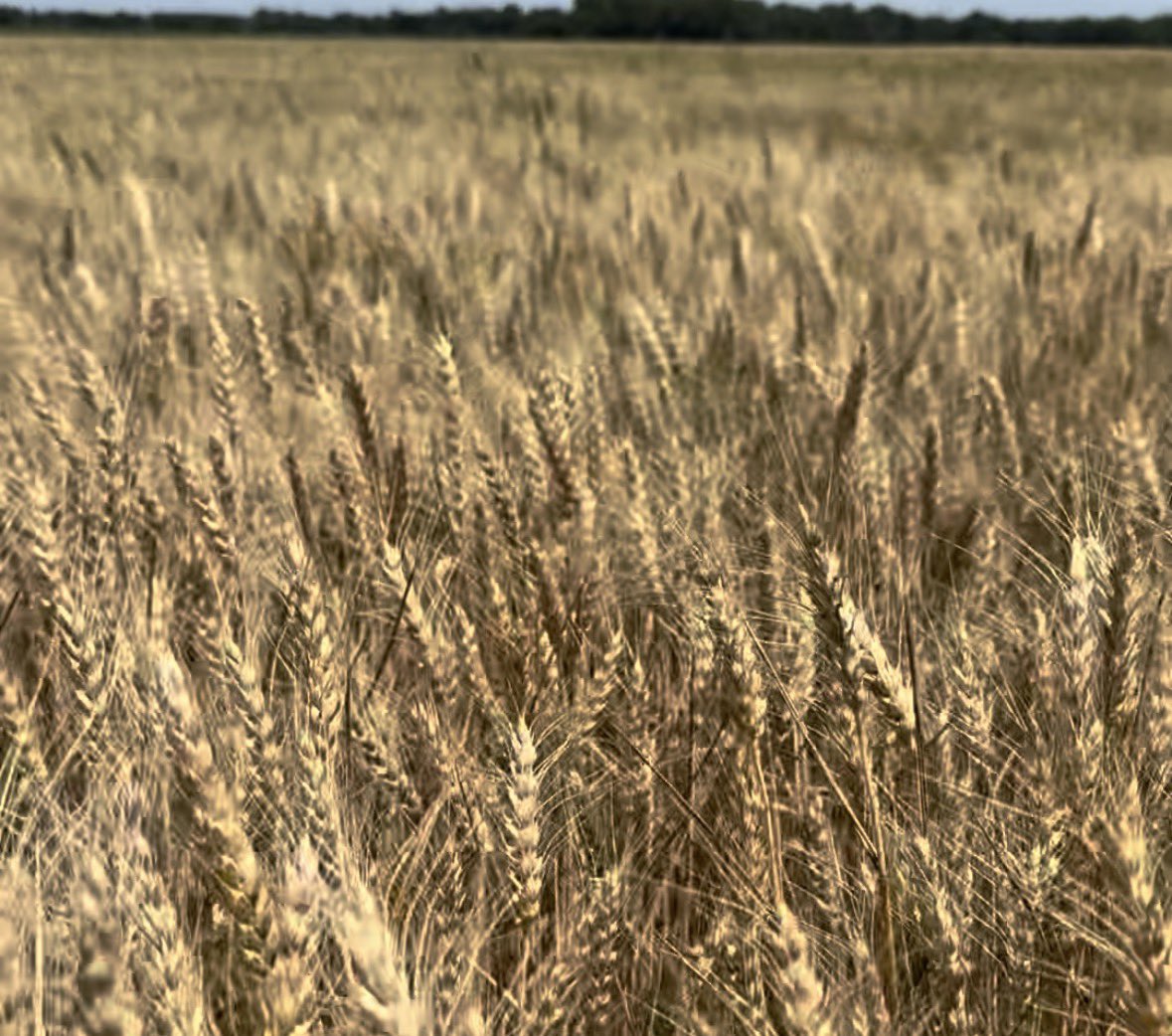
The latest eUpdate is full of content on assessing storm-damaged #wheat and #corn, preharvest weed control in wheat, corn leafhopper update, field bindweed control, using spray drones, monitoring cattle comfort, and the new commercial applicators manual. agronomy.k-state.edu/eupdate…
6
9
510
Jun 11
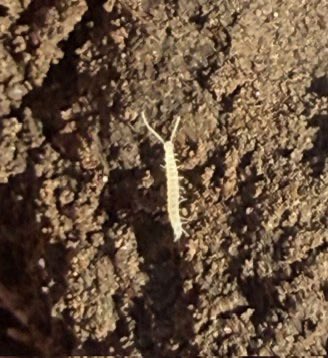
A pest usually associated with backyard gardens is showing up in Kansas no-till organic fields. Learn how to identify and monitor garden symphylan damage: agronomy.k-state.edu/eupdate… #kstateagronomy
1
3
308
Jun 11
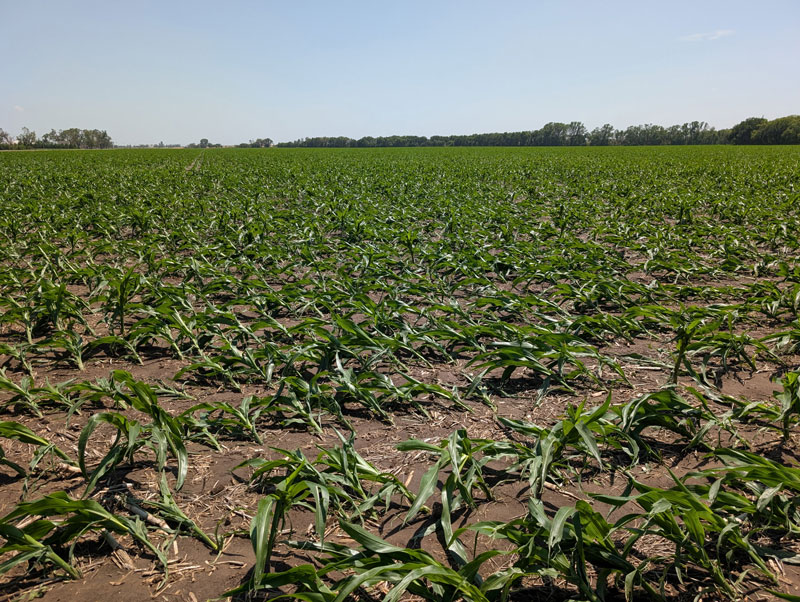
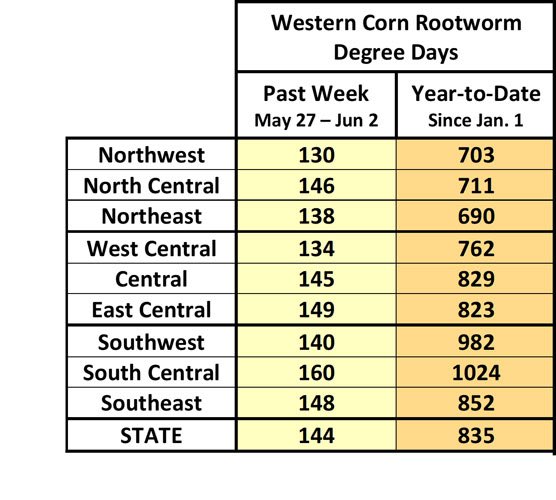
Western corn rootworm egg hatch is underway across Kansas. Now is the time to start planning root evaluations and monitoring management effectiveness. Read more: agronomy.k-state.edu/eupdate… #kstateagronomy
3
7
558
Jun 10
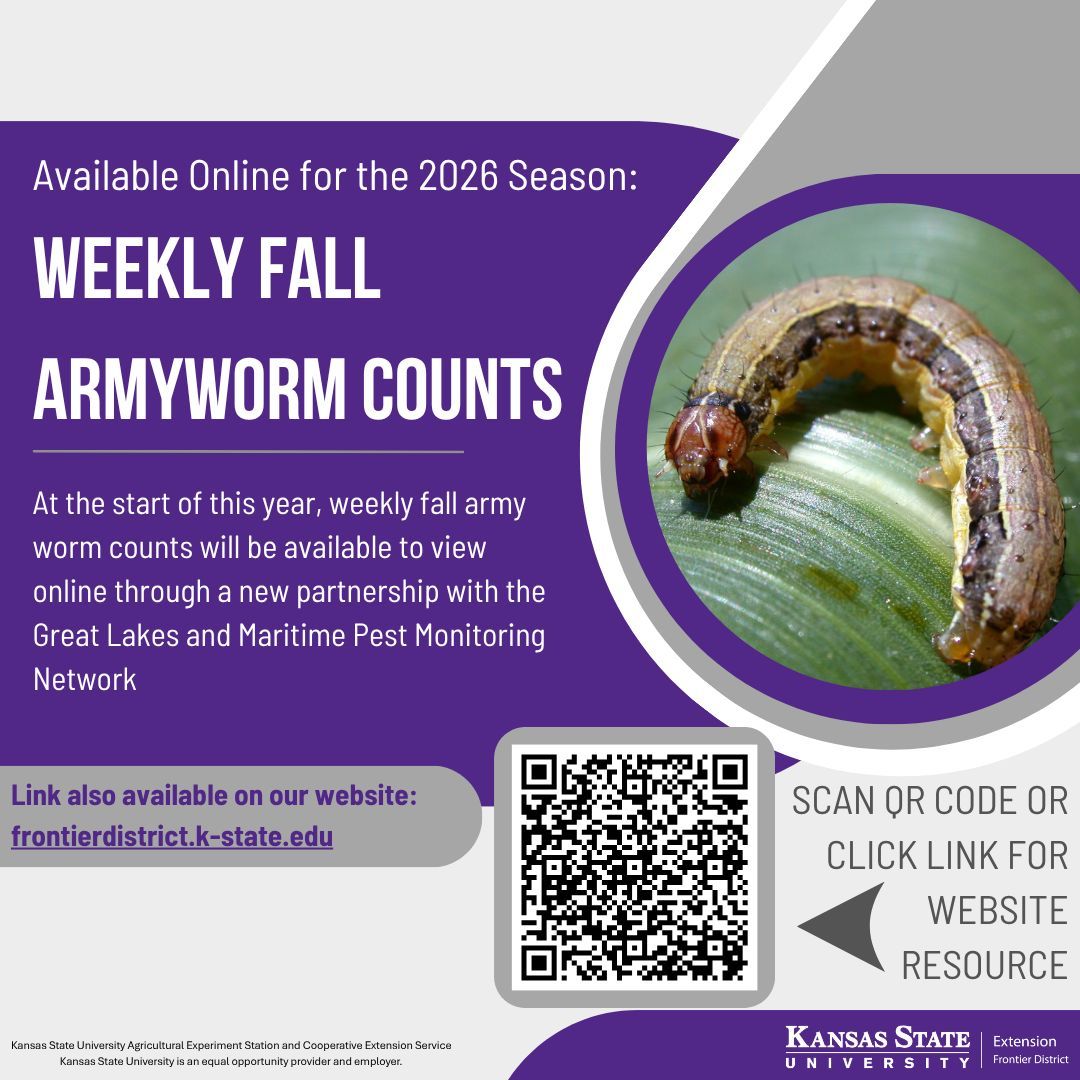
Fall armyworm monitoring is underway across Kansas. Weekly moth counts are now available online to help producers track pest activity and improve scouting decisions: agronomy.k-state.edu/eupdate… #kstateagronomy
2
7
585
Jun 9
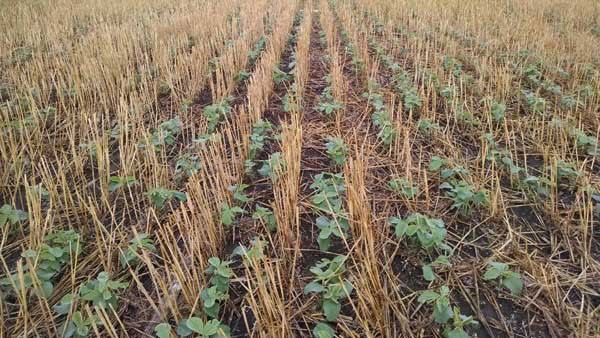
Kansas soybean planting is ahead of average, but recent heavy rains may raise replant questions. See key considerations for late-planted and replanted soybeans: agronomy.k-state.edu/eupdate… #kstateagronomy
1
5
643
Jun 5
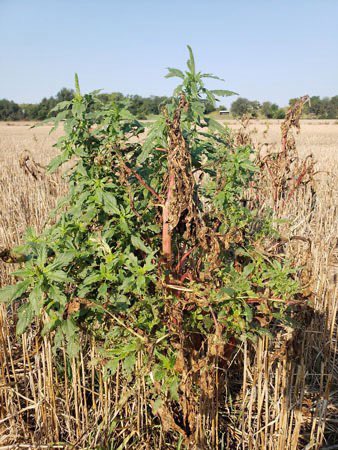
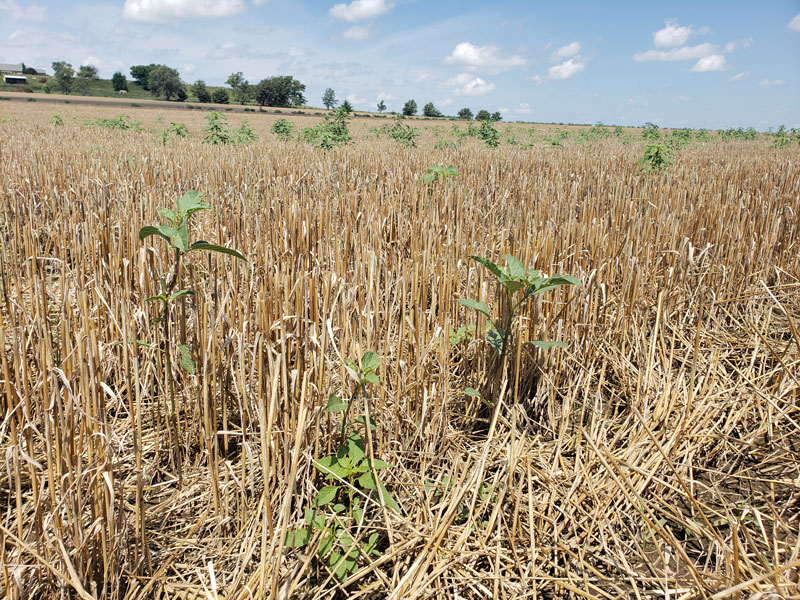
Don’t let weeds steal valuable soil moisture after wheat harvest. Early control and residual herbicides can help protect next year’s crop potential. Learn more: agronomy.k-state.edu/eupdate… #kstateagronomy
2
8
603
K-State Agronomy retweeted

Frontier District is participating in a statewide fall armyworm moth trapping program. Scan the QR code or click the LINK below for access to the fall armyworm counts website resource. The LINK is also located on our website.
LINK: agronomy.k-state.edu/eupdate…
1
1
214
Jun 5
This week's eUpdate has articles on weed control after #wheat harvest, late-planted #soybeans, a new online fall armyworm monitoring network, #corn rootworm status, and more! agronomy.k-state.edu/eupdate…
4
9
908
Jun 4
Join K-State’s Tribune Wheat Field Day on June 9 to hear updates on wheat varieties, wheat streak mosaic, wheat stem sawfly, and crop rotations in western Kansas. Details here: agronomy.k-state.edu/eupdate… #kstateagronomy
2
1
220
Jun 3
There’s still time to attend the remaining Kansas Wheat Plot Tours and see the latest wheat varieties, disease reactions, and agronomic updates across the state. Find a tour near you: agronomy.k-state.edu/eupdate… #kstateagronomy
3
365
Jun 2
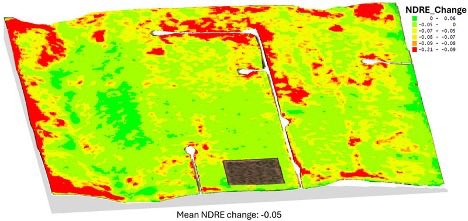
Remote sensing tools can help identify wheat stress, freeze injury, drought impacts, and field variability before problems are visible to the eye. Read more here: agronomy.k-state.edu/eupdate… #kstateagronomy
3
401
Jun 1
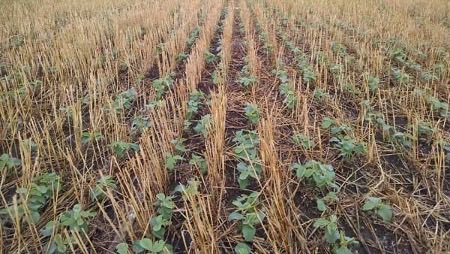
Planning a double crop after wheat? Soybeans, sorghum, sunflowers, and summer annual forages all come with different management considerations and risks. Learn more: agronomy.k-state.edu/eupdate… #kstateagronomy
1
6
493
May 28
The latest eUpdate covers topics on crop options after #wheat, using remote sensing to monitor crops, the remaining 2026 Wheat Plot tours, and the Western KS Wheat Field Day at Tribune. Check it out! #ksag agronomy.k-state.edu/eupdate…
2
5
840
May 26
The K-State Agronomy eUpdate website is currently down. Please stay tuned as we work to restore the site and access to all the eUpdate content.
286
May 22
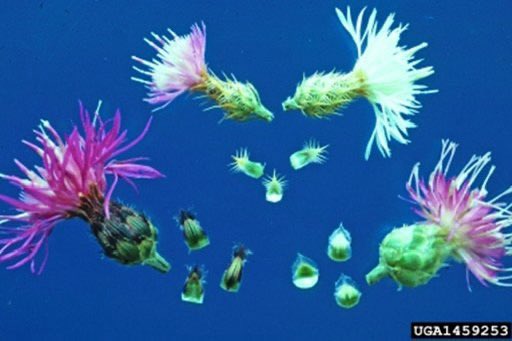
Sericea lespedeza continues spreading across Kansas rangeland and pasture acres. Early summer management timing can make a big difference in keeping this invasive weed in check. Learn more: bit.ly/4nHbOGR #kstateagronomy
1
2
375
May 22
From invasive weeds to insect management and upcoming field events, this week’s Agronomy eUpdate covers timely topics impacting Kansas production agriculture. Read the full issue here: bit.ly/4tPkyMI #kstateagronomy
1
3
374
May 21
The Kansas Soil Health Network Field Day returns June 4 with soil pit demonstrations, cover crop discussions, research updates, and farmer panels focused on soil health management. Learn more here: bit.ly/4fmAL8m #kstateagronomy
1
3
315
May 21
Join K-State Extension on May 27 in Belleville for a Precision Wheat Management Field Day featuring drone demonstrations, imagery analysis, variety trials, and wheat management research. Learn more here: bit.ly/3PfLRBz #kstateagronomy
6
410
May 20
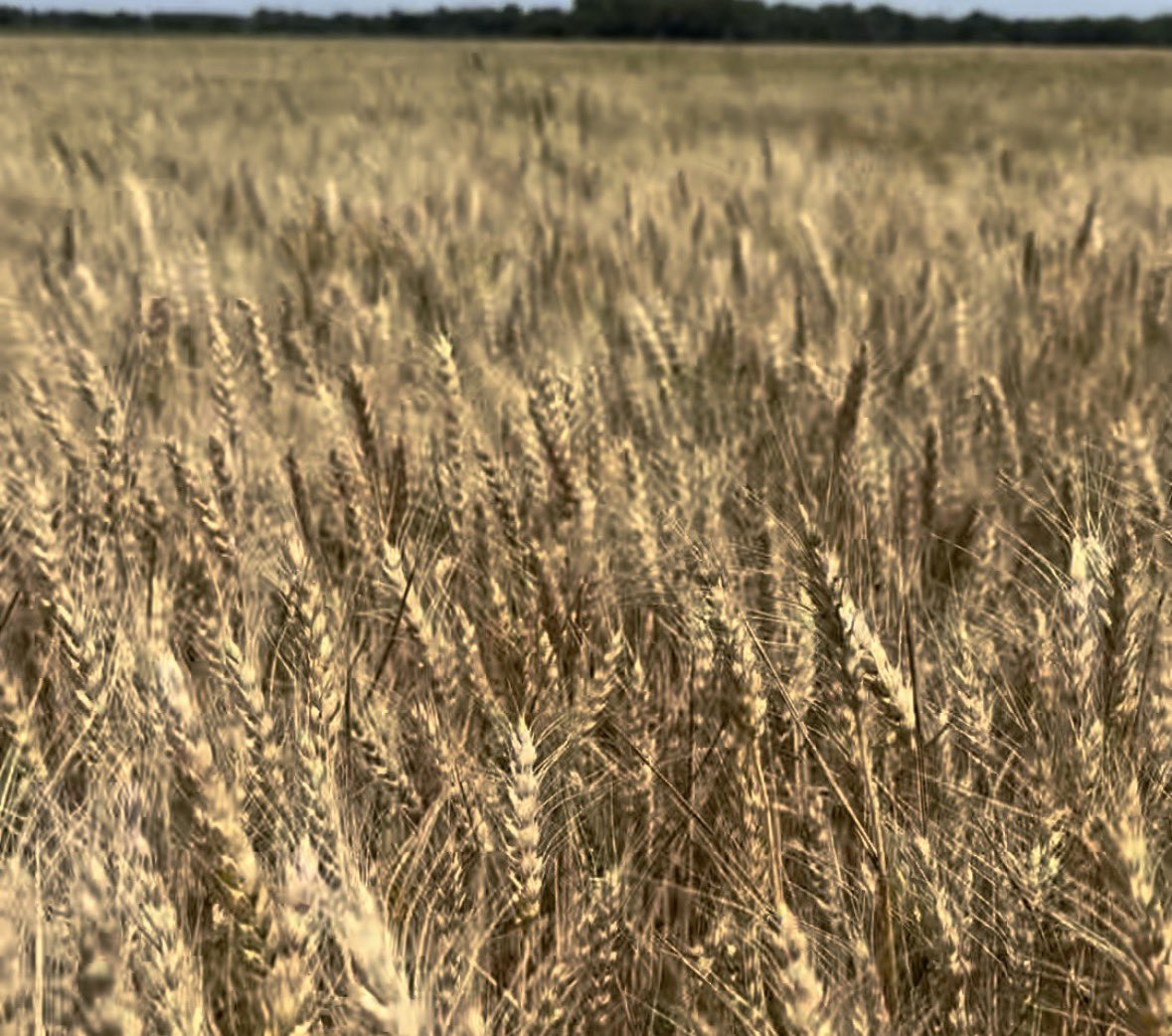
Winter wheat variety plot tours are happening across Kansas from May 14 through June 3, offering a chance to see current and upcoming wheat varieties in the field. Find a tour near you here: bit.ly/3P0Lefa #kstateagronomy
6
420