我是台灣人🇹🇼Model; Yogi; naturalist . Mandarin & English available. 模特、瑜伽、裸體與自然主義 。 雙身|reurl.cc/X2Y4y3。訂閱|onlyfans.com/kunfromtw
Joined April 2019
- Tweets 5,022
- Following 176
- Followers 142,671
- Likes 18,772
1,294 Photos and videos

5h
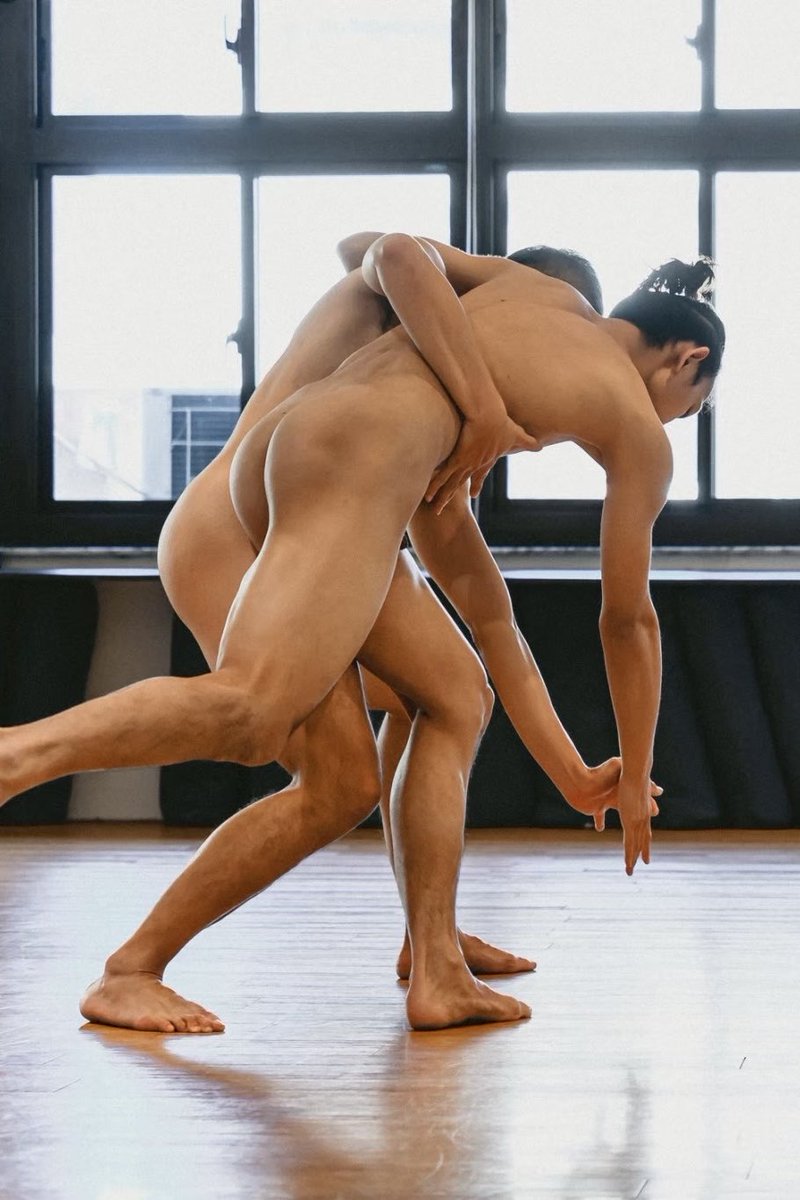
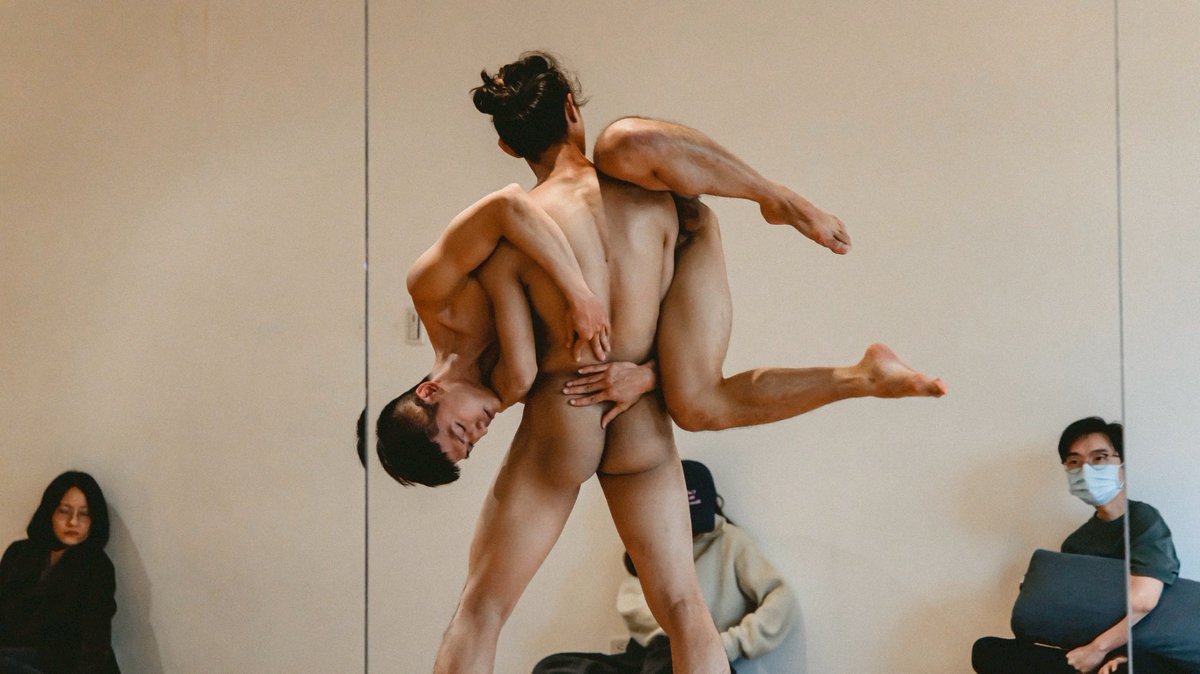
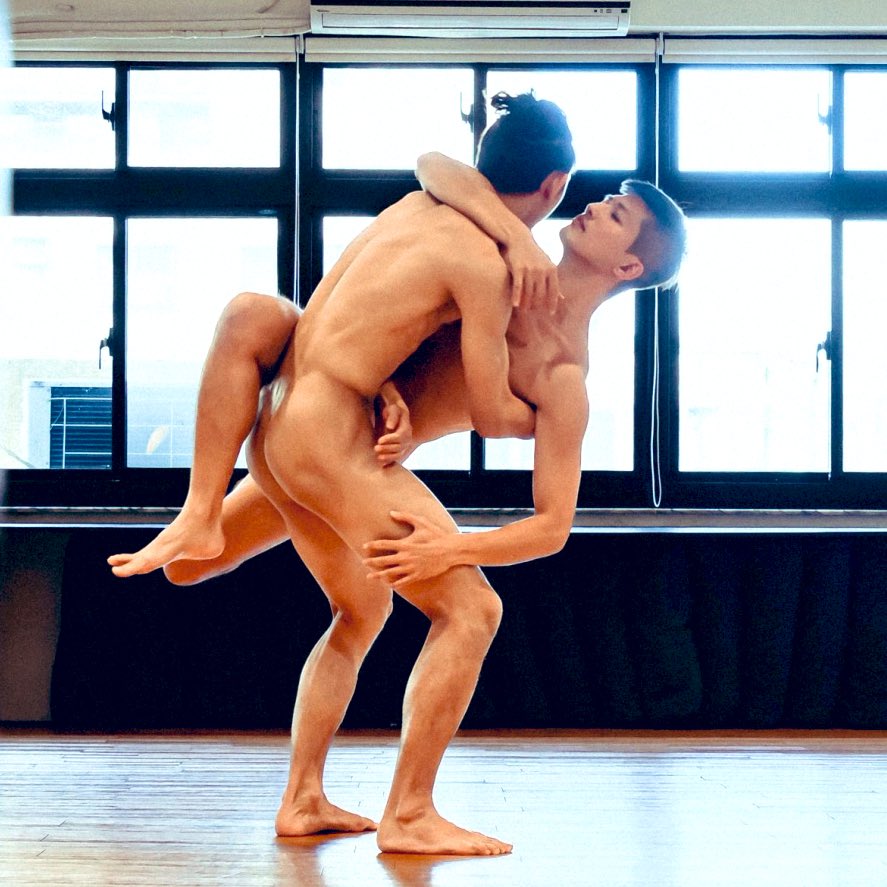
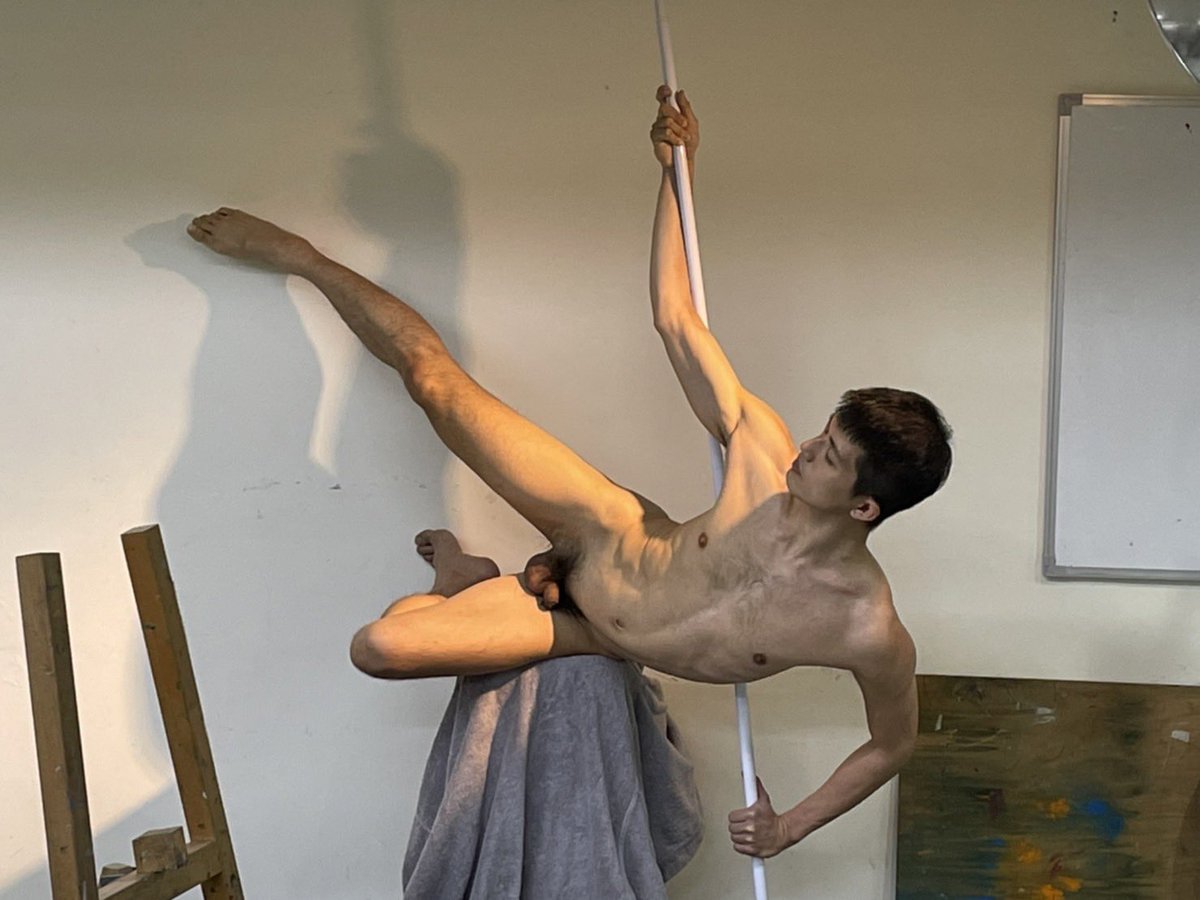
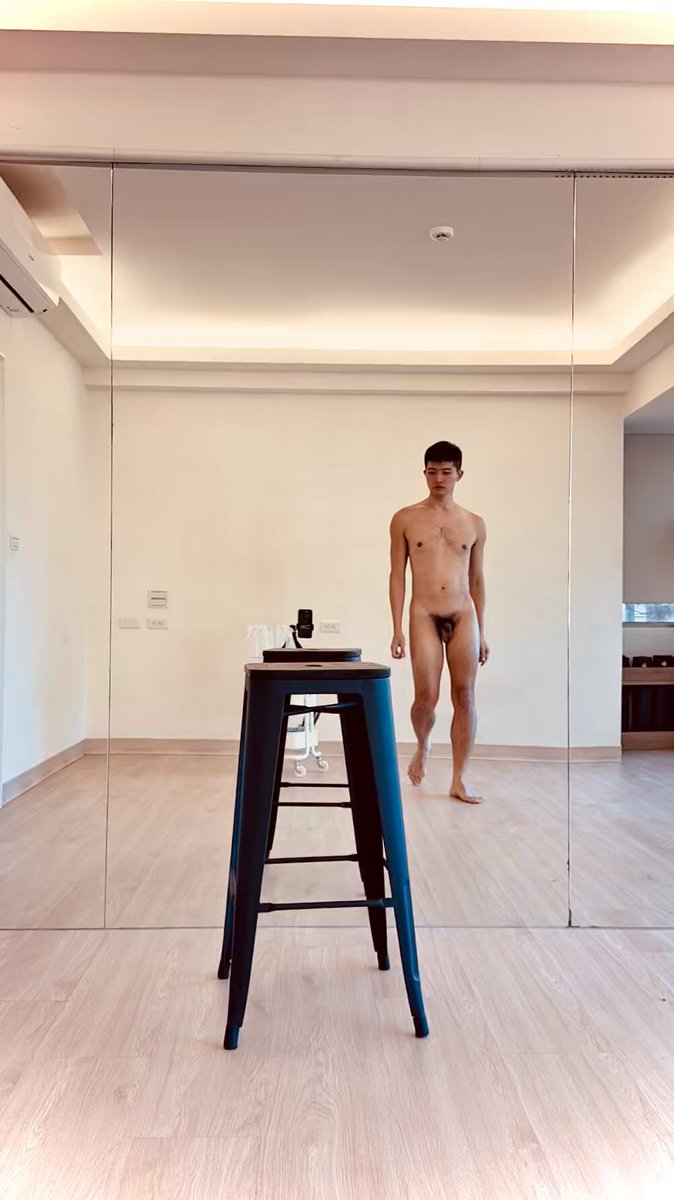
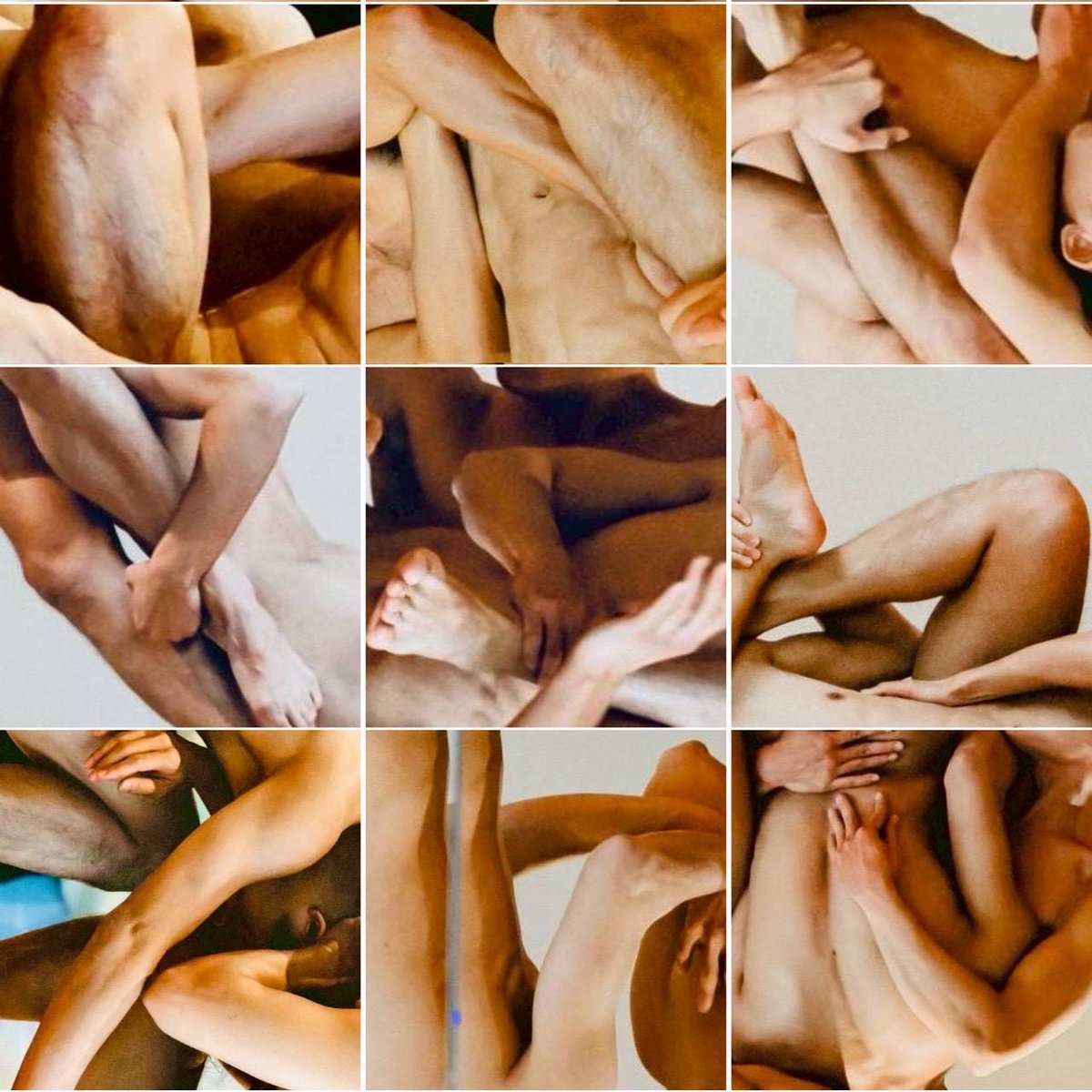
《觀看身體的時候,你也會感到焦慮嗎?》
.
隨著《雙身》的展期接近,票務也動了起來。同時,有觀眾傳私訊給我,問:
.
「哪一個場次沒有攝影?」
「發票的信封會不會有文字?怕家裡人問。」
.
我讀到了一些害怕、一些恐懼
也感受到這個作品的潛力,和使命
.
當了許多年人體模特,我確實感受到
很多人對於直視身體的焦慮,甚至恐懼
.
「我可以安全地觀看嗎?」
.
無論是當人體模特、參演「Temporary title 」我發現,身為演出者的我們一直在問:「我們的身體如何被觀看?」
.
同時,我發現也有另外一股力量,在觀眾的心中洶湧著:「觀看著人體的自己,正在被社會定義成什麼樣的人?」
.
在台灣社會的脈絡裡,赤裸的身體,如果不是在溫泉、淋浴區出現,就容易直接和色情、慾望、精神異常⋯⋯等等概念連結在一起。這樣的連結,或許也延伸到了觀眾的身上:
.
「我去看這個,別人會怎麼看待我?」
.
這樣的侷促感,有點像人們去精神科看病怕被認爲自己怪異、某些男生在女生環繞的瑜伽課上怕被說娘(或被懷疑心懷不軌),同樣的,來看身體的展演,可能擔心自己被當變態——在台灣,會有這樣的想法,我想是很正常的事。
.
畢竟,「直視裸體」本身,本身就挑戰了很多人的界線感。在台灣的社群,對身體的觀看往往充滿矛盾:一方面,充滿非禮勿視的教條;另一方面,各種媒體上又充滿了窺探和獵奇的內容。
.
於是,「我可以這樣看你嗎?」
成了一個脆弱又陌生的提問。
.
「我這樣看是不是怪怪的?」
「我會不會被你誤會?」
「我是不是不該有愉悅的感覺?」
「我需不需要避開某些部位?」
.
我想說的是:別怕,
帶著你的問題一起來吧!
.
我衷心希望,這個作品
可以創造一個自在的空間
讓我們可以一起觀看
讓我們可以互相對話
.
讓我們一起呼吸和屏息
度過這個不一樣的端午假期
展覽連結在我的簡介
1
5
126
8,475
5h
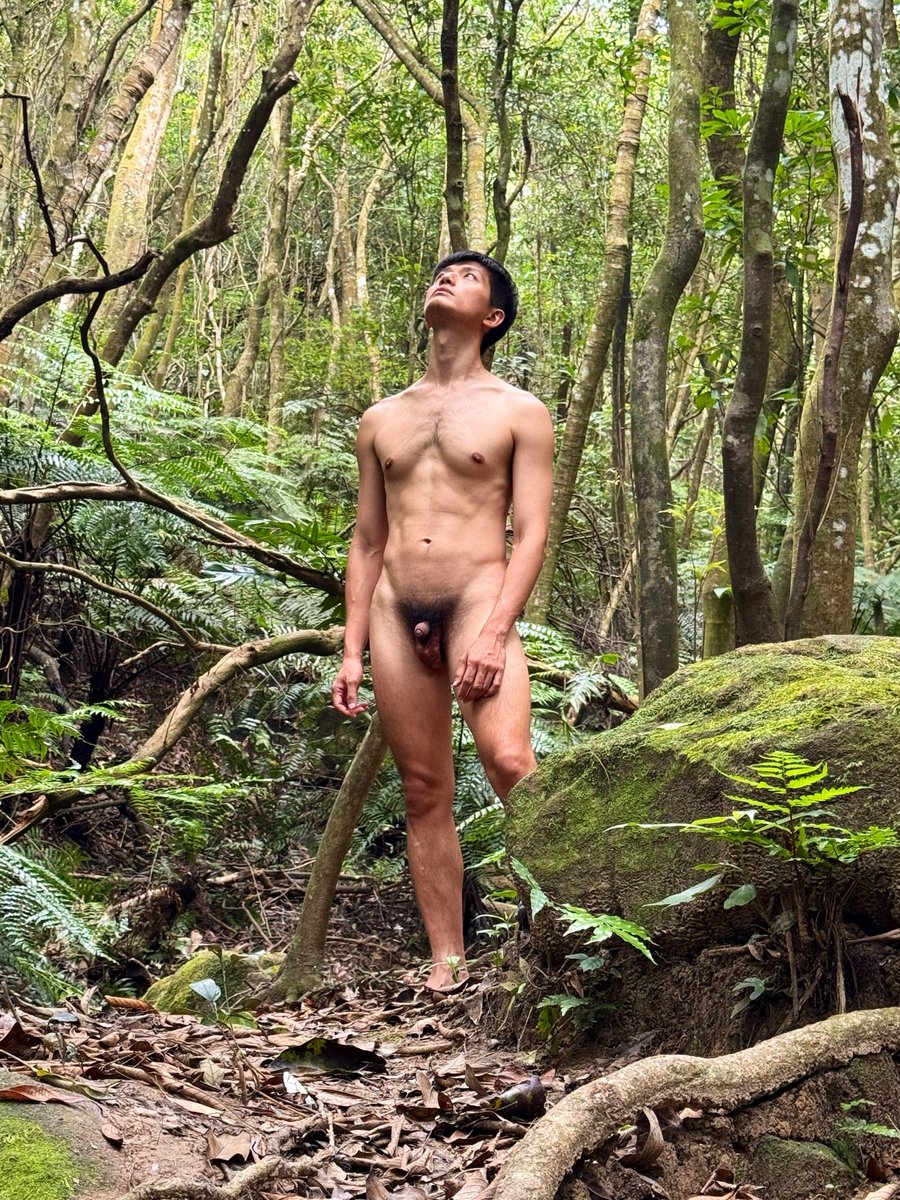
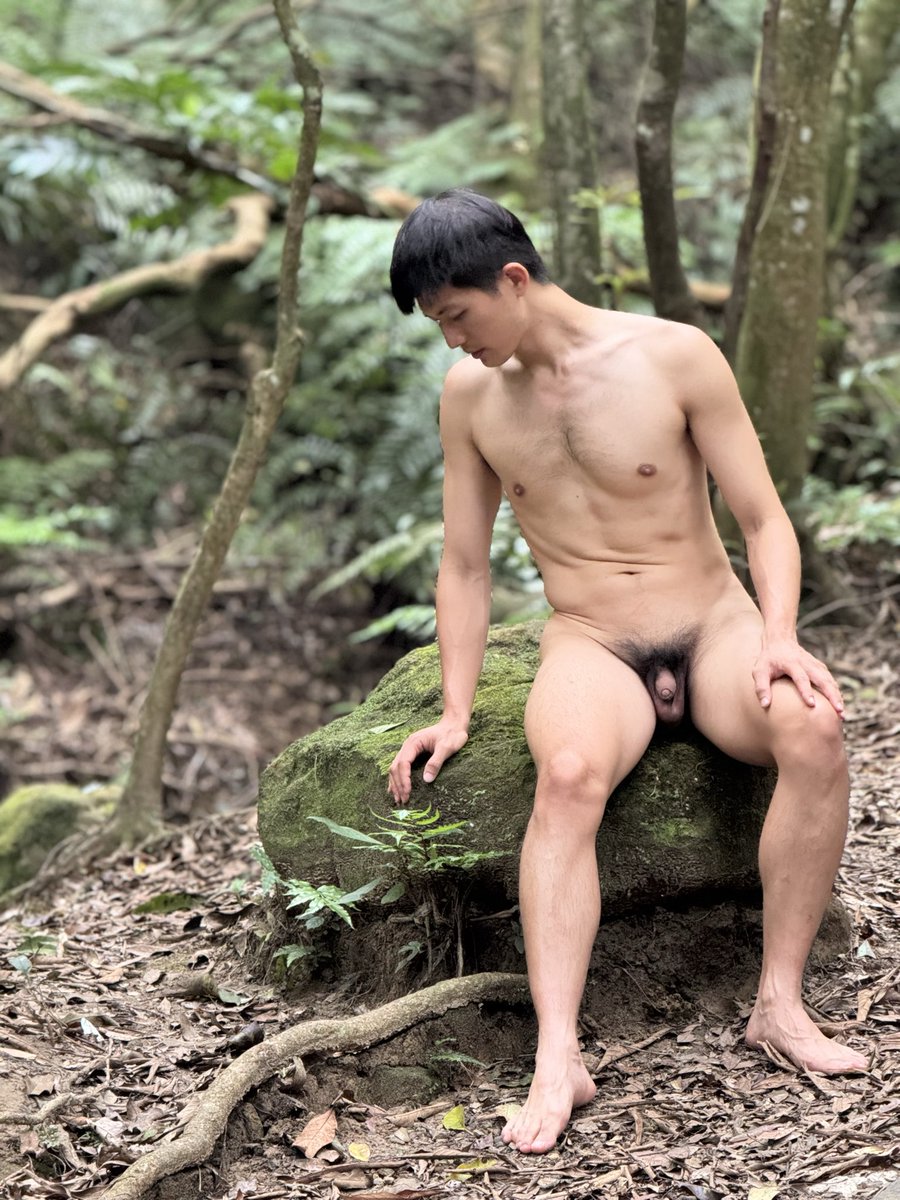
難得有一兩天,台北沒有下雨。
森林裡的氣息,讓人感到鬆弛。
.
展覽倒數一週
《雙身》目前賣出了十幾張票。
.
我心中的目標是100張
但還不知道怎麼做😆
.
你願意幫助我嗎?
.
推銷是我的心魔
但這個作品真的很棒!
我想讓更多人看到
.
如果你願意買票來看我,超讚!
如果你想到誰,也請推薦給朋友們!
告訴他們,有一個特別的展覽
既開放又包容,適合親自坐下來看
.
這個作品適合
對身體的故事充滿好奇的你
對跨界的藝術感到熱情的你
對親身沈浸的體驗渴望的你
.
現場的氣氛
我會說,自在、沈靜又充滿張力
你可以自由入場、移動、和互動
.
而且這個作品是保護級的!
你可以帶著小孩一起來看😄
.
購票網址:reurl.cc/lp190v
5
20
341
6,373
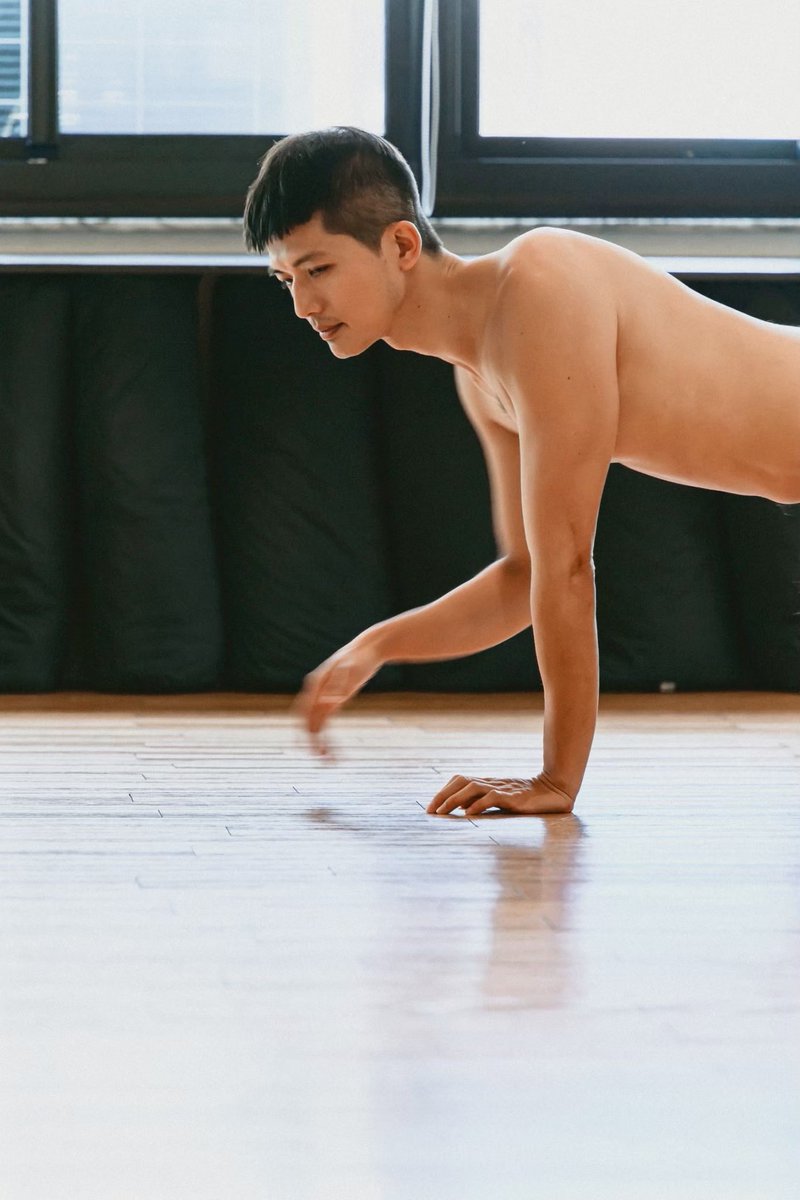
Mar 29
你覺得「看」是賺到,或者「被看」是賺到?
今天我學到了一個很受用的行動模型,剛好可以回答這個時常讓人困惑的問題。這個模型是「Wheel of consent」;中文翻譯成「共識之輪」或者「同意之輪」。由Betty Martin和Robyn Dalzen提出和倡議。
這個模型是由「主動—不動」(I’m doing /they’re doing)和「給予—獲益」(giving a gift/ receiving a gift)兩條軸線,劃出的四個象限:
主動獲益=索取(taking)
主動給予=服務(serving)
不動獲益=享受(accepting)
不動給予=允許(allowing)
這個模型,可以快速的捕捉到「凝視」或「觀看」的互動關係:
我用看滿足我自己:也就是說,我透過觀看而滿足我的某種慾望,包括求知的慾望、性幻想的欲望、正義感的慾望、自我證明的慾望、美感的慾望等等⋯⋯這些是為了我自己的利益,而透過觀看索取某種體驗。
我用看來滿足他人:也就是說,我透過觀看而使人得到利益,例如:當我為了給人鼓勵、讚許而注視;或者為了給予守護與見證;或者為了幫助對方修正而觀察。這些是為了他人的利益,付出我的注意力,所提供的服務。
我被看來滿足自己:當我被觀看感到重視與滋養;當我被觀看時感受到尊重與肯定;當我被觀看時感受到快樂或平靜;當我渴望被看見而有人看見我⋯⋯這些是我基於自己的需求,而「享受」他人的注視、見證或監督。
我被看,來滿足他人:無論是滿足對方的求知慾、性幻想、優越感、審美觀、權力慾、安全感、自我認同⋯⋯是我基於自己的意願但不一定追求愉悅的前提下「允許」對方的行動。
在這個互動模型中,你可以清楚的說出每個當下自己的位置與狀態;也就可以清楚辨識出自己的需求和行動方向。
你比較常渴望觀看,還是被看?你是不是分辨得出來,自己的觀看對他人來說,是一種服務,還是一種索取?
許多的不舒服或紛爭,往往就來自於我認為我在給予,但對方認為我在索取;或者當我以為自己允許,但其實只是在忍受他人的索取。
重點在於,無論是我們要去「索取、服務、享受或允許」,我們都該有喊停的自由。同時,面對他人的「索取、服務、享受或允許」我們也有拒絕的權利。
在真實的世界中,這四個象限往往是不斷動態輪轉的過程。因此,我們需要反覆不斷地練習覺察,來幫助自己和別人建立更深刻而一致的關係。
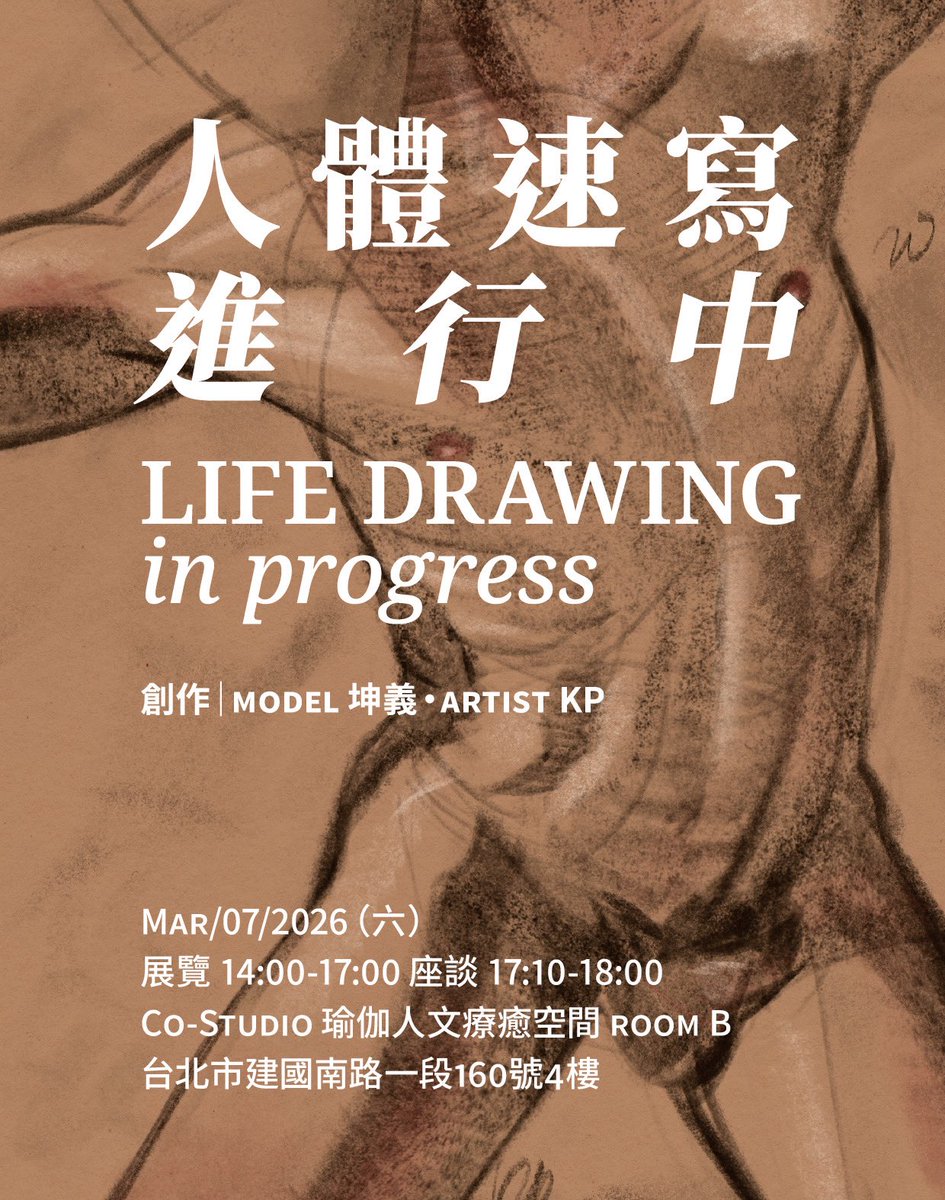
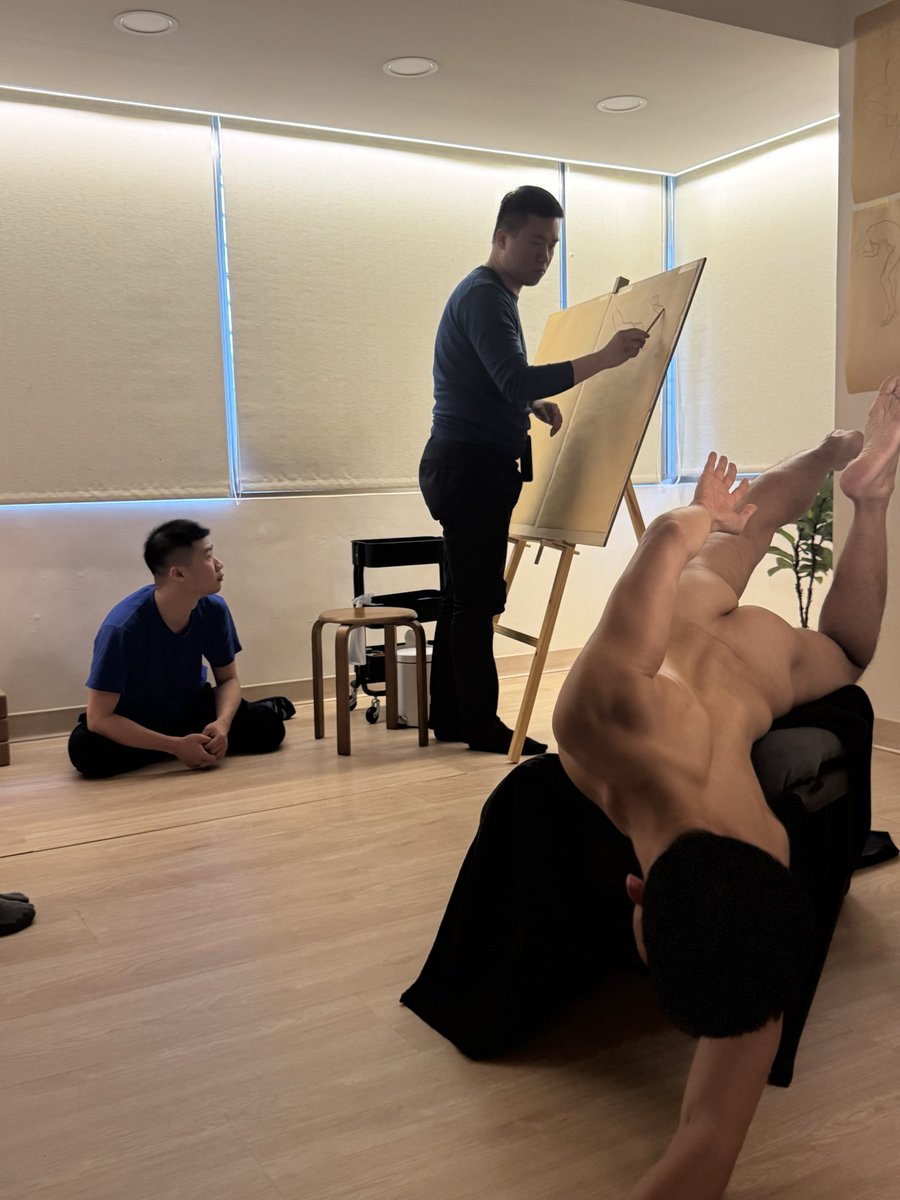
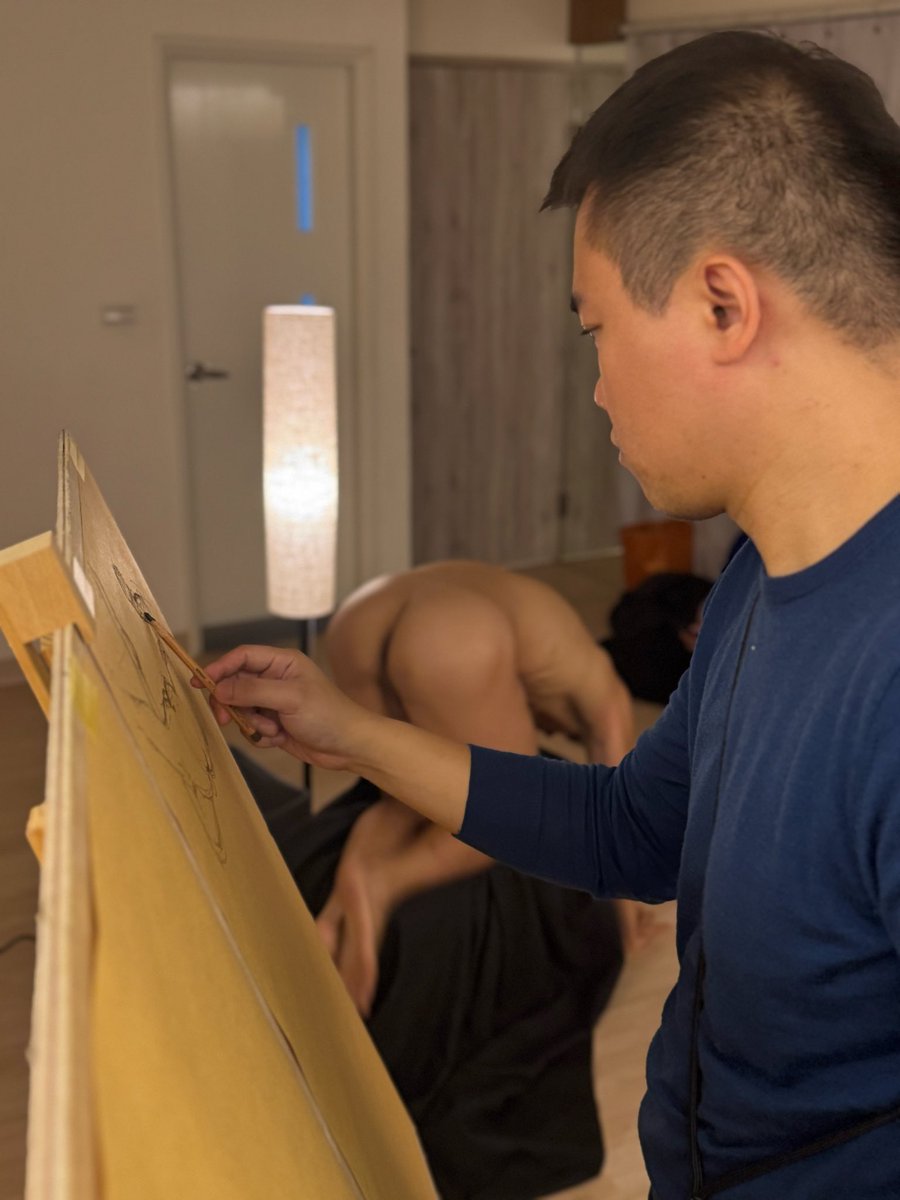
這也是我想透過裸體和你一起探索的世界。五月二日,我們將再一次展出《人體速寫 • 進行中》歡迎來和我一起體驗一場凝視與被凝視的豐盛饗宴!
留言 1,我將親自邀請你
3
32
440
42,404
Mar 26
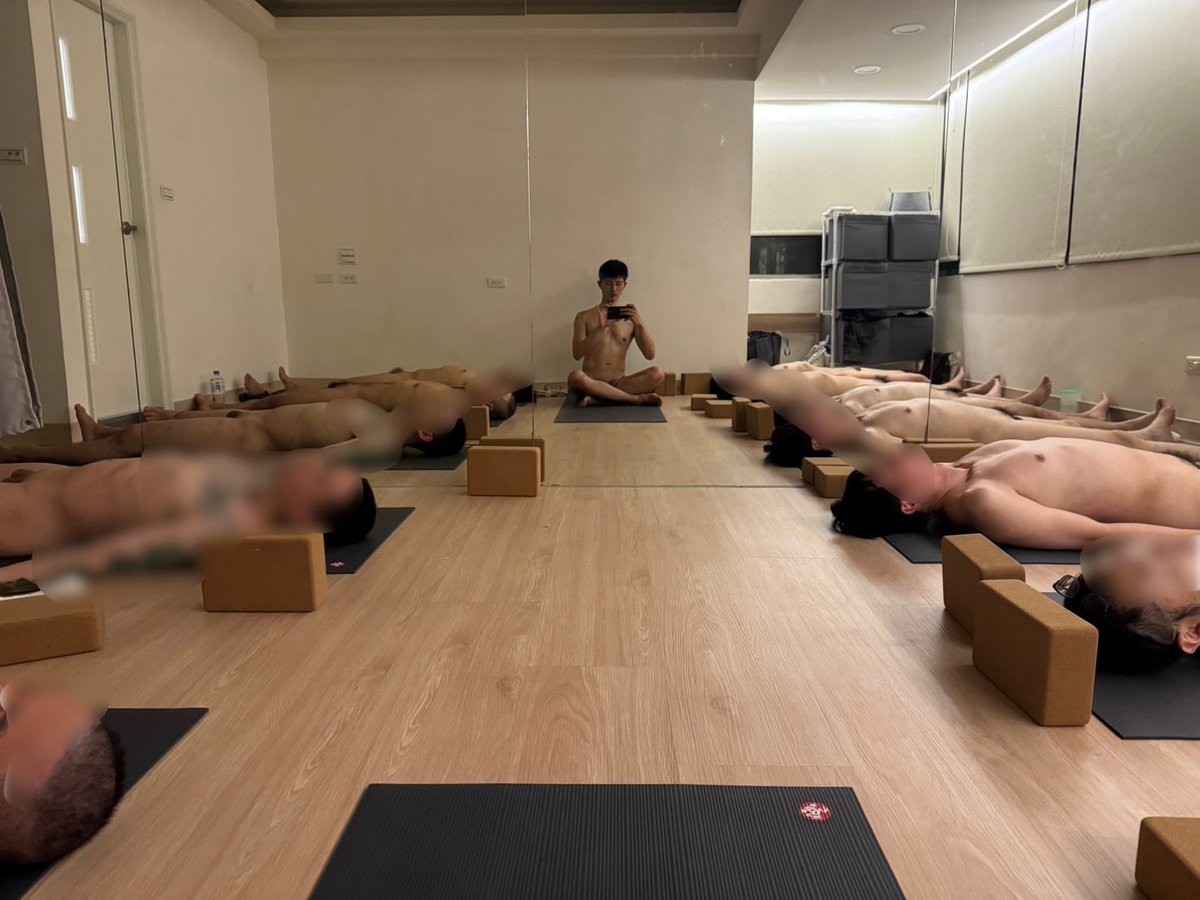
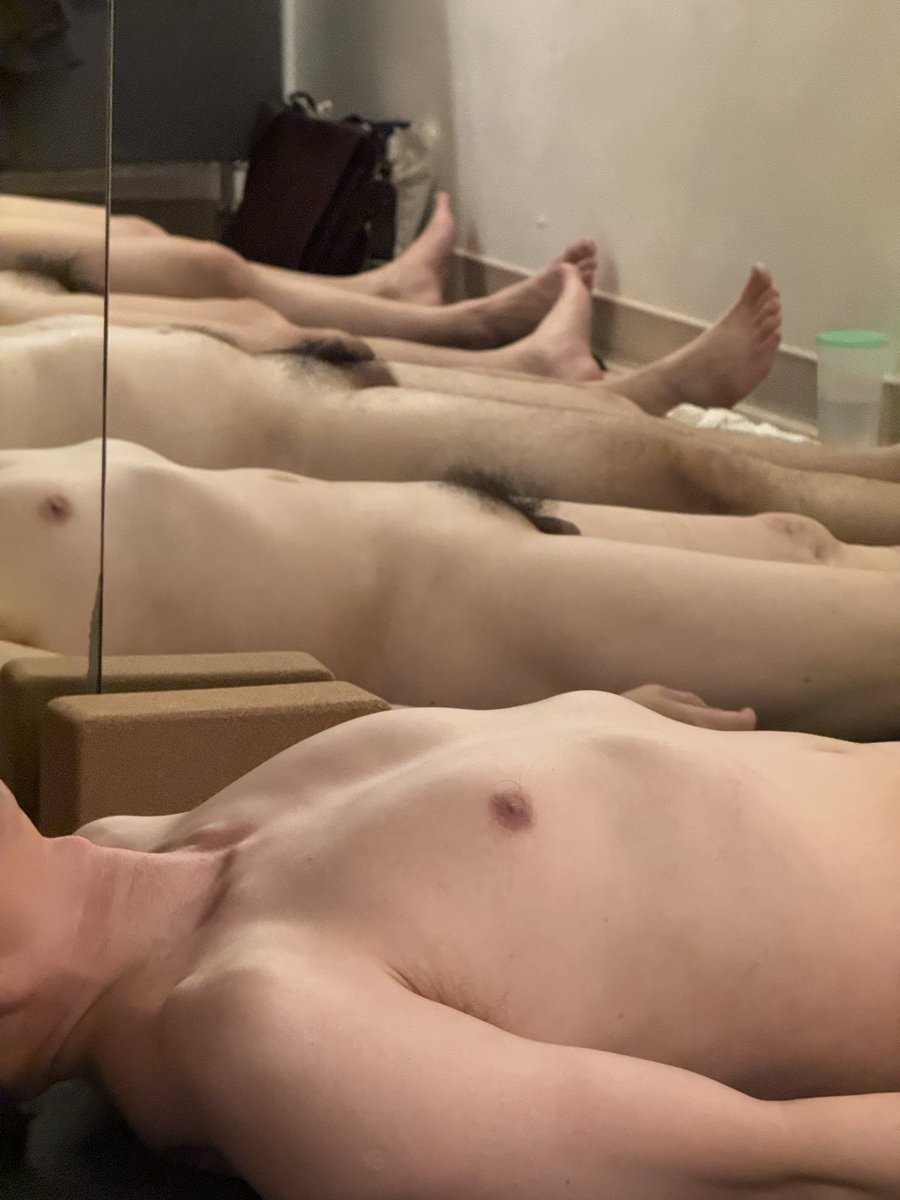
時隔一年多,裸體瑜伽重新開課
瑜伽的意思是「連結、靜心、合一」
透過反覆的回到模擬屍體的狀態
讓靈魂和身體接近經驗上的完整性
當我們不再一直追問裸體的意義
裸體瑜伽的意義就已經完整了
「以前會很用力挑戰自己,今天放下了」
「我覺得放鬆而且很舒服。」
「我覺得呼吸很重要。」
這是一場和自己建立親密的練習
也是一場和身體和解的練習
敬自由
9
25
648
51,755
KUN retweeted

Jan 28
How do you feel about people who see your work as sexually gratifying?
This question stayed with me for a long time. At first, it stirred discomfort and frustration. What if they completely missed the point? What if, instead of dismantling the stigmas and taboos surrounding nudity such as hypersexualization and objectification, I was unintentionally reinforcing them?
But over time, my reflection deepened. I came to understand that as a creator, my responsibility lies in intention, context, and integrity, not in controlling interpretation. I can guide the message, frame the narrative, and be clear about why I create. But once the work exists in the world, it no longer belongs solely to me. It is filtered through each person’s experiences, desires, and social conditioning.
We live in a culture that has been trained to sexualize the naked body. That conditioning does not disappear simply because my work exists. If someone initially approaches it through a sexual lens, that says more about the system we inhabit than about the work itself. And in a digital world saturated with free pornography, those who are only seeking sexual stimulation will quickly move on. My work does not compete in that space, nor is it meant to.
What truly matters is what remains. Those who stay are the ones willing to question. Over time, repetition, presence, and consistency create cracks in deeply rooted beliefs. Slowly, the body stops being a spectacle and starts being seen as what it is: human, natural, and worthy of respect. If my work contributes even slightly to that shift, then it is doing exactly what it was meant to do.

20
111
1,402
71,123
Feb 21
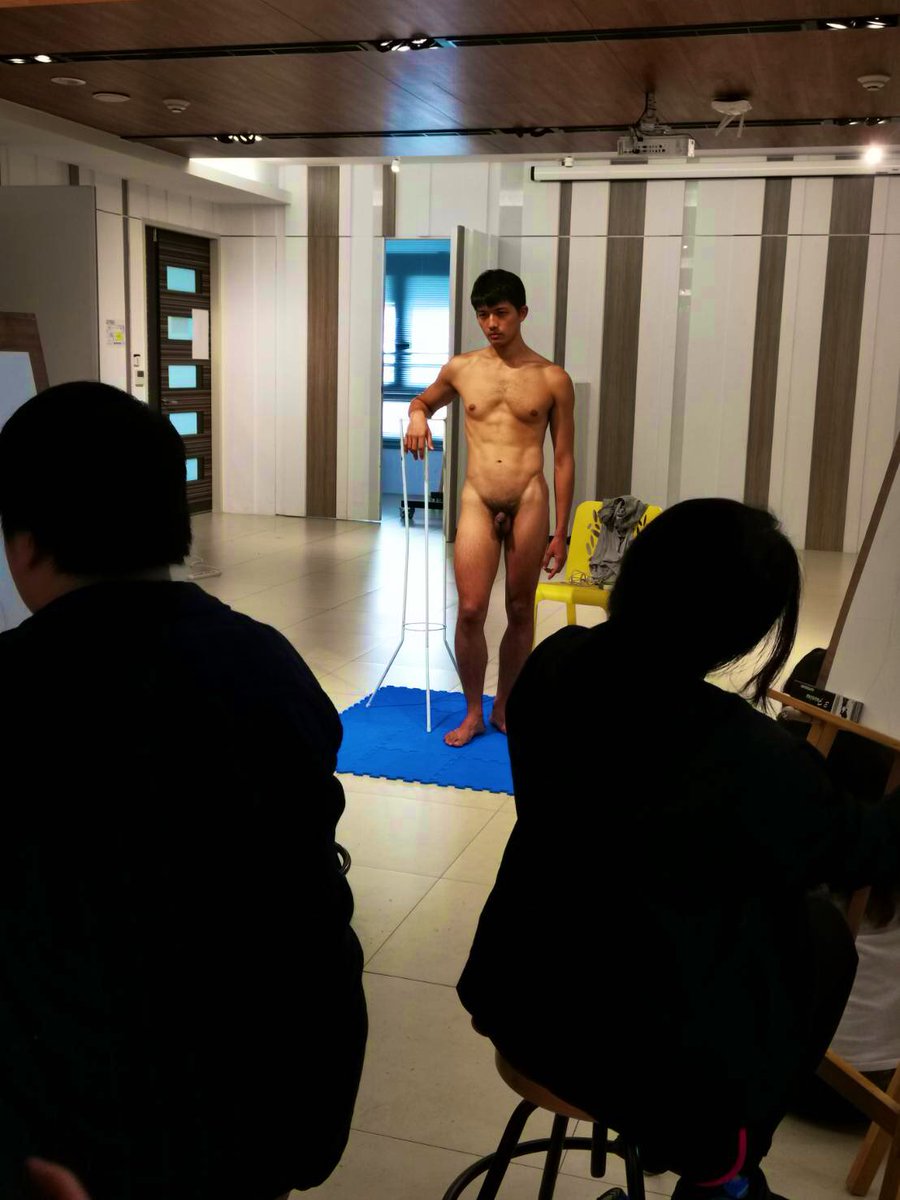
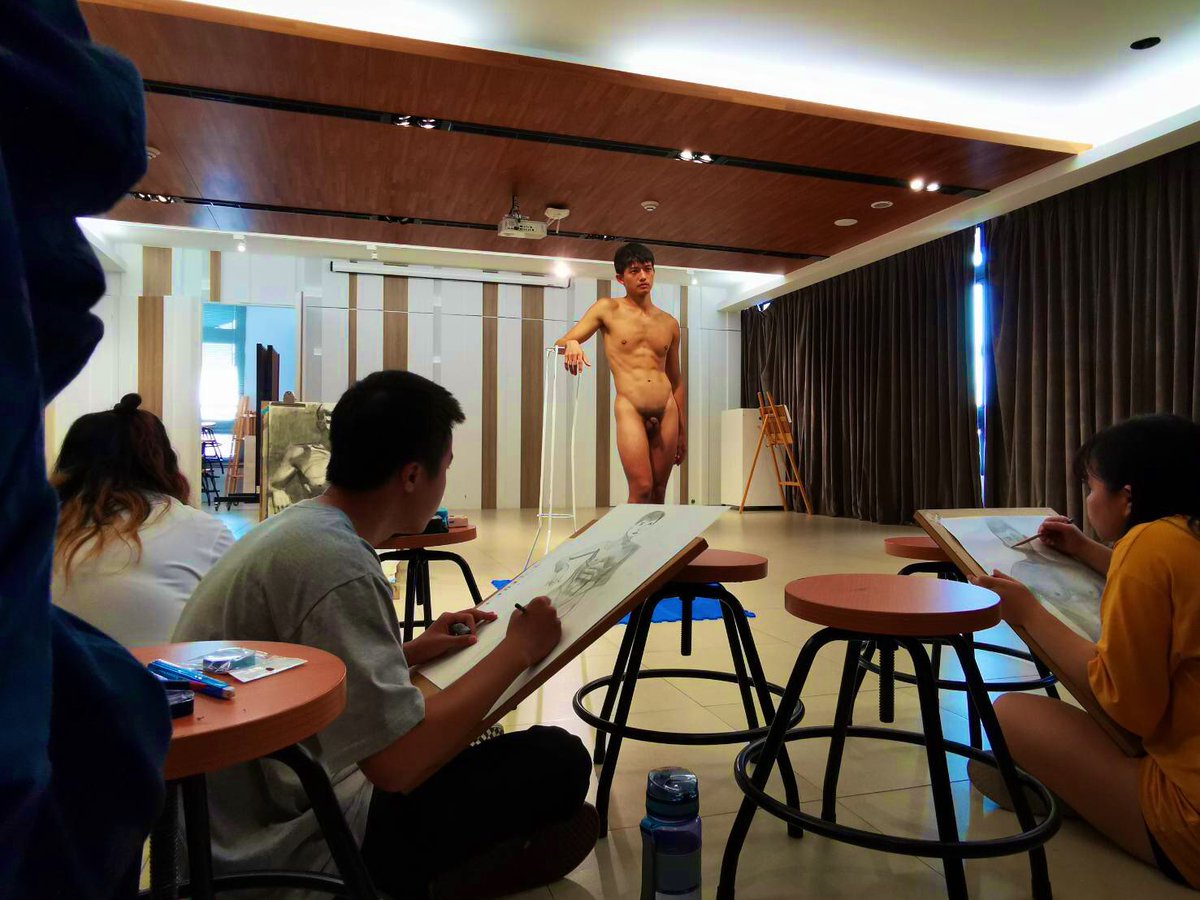
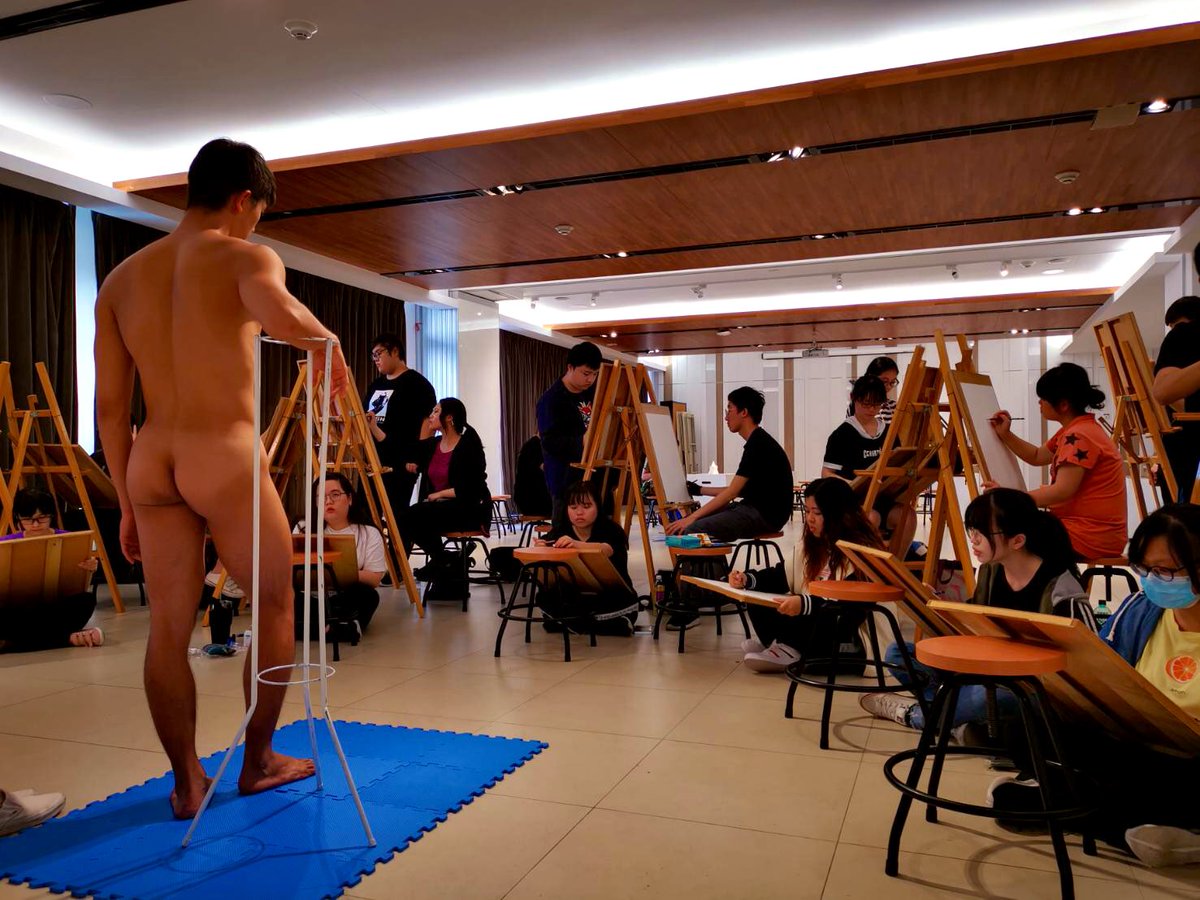
常常有人問我:人體模特怎麼工作?會不會害羞?是不是很累?站在台上你都在想什麼?⋯⋯諸如此類的問題。終於有一天,我忍不住想:你們自己來看看吧!
.
於是,就有了這個作品:
.
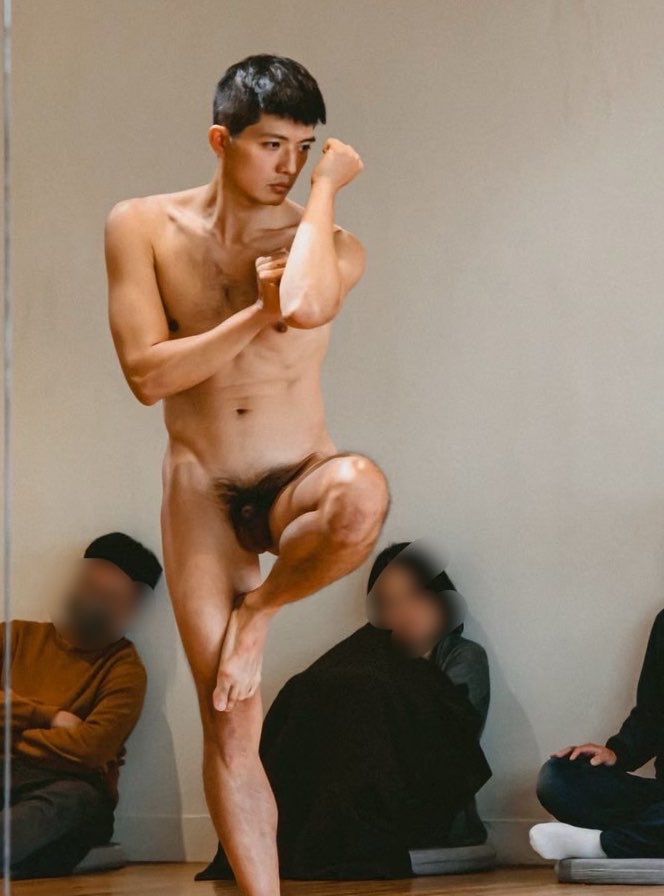
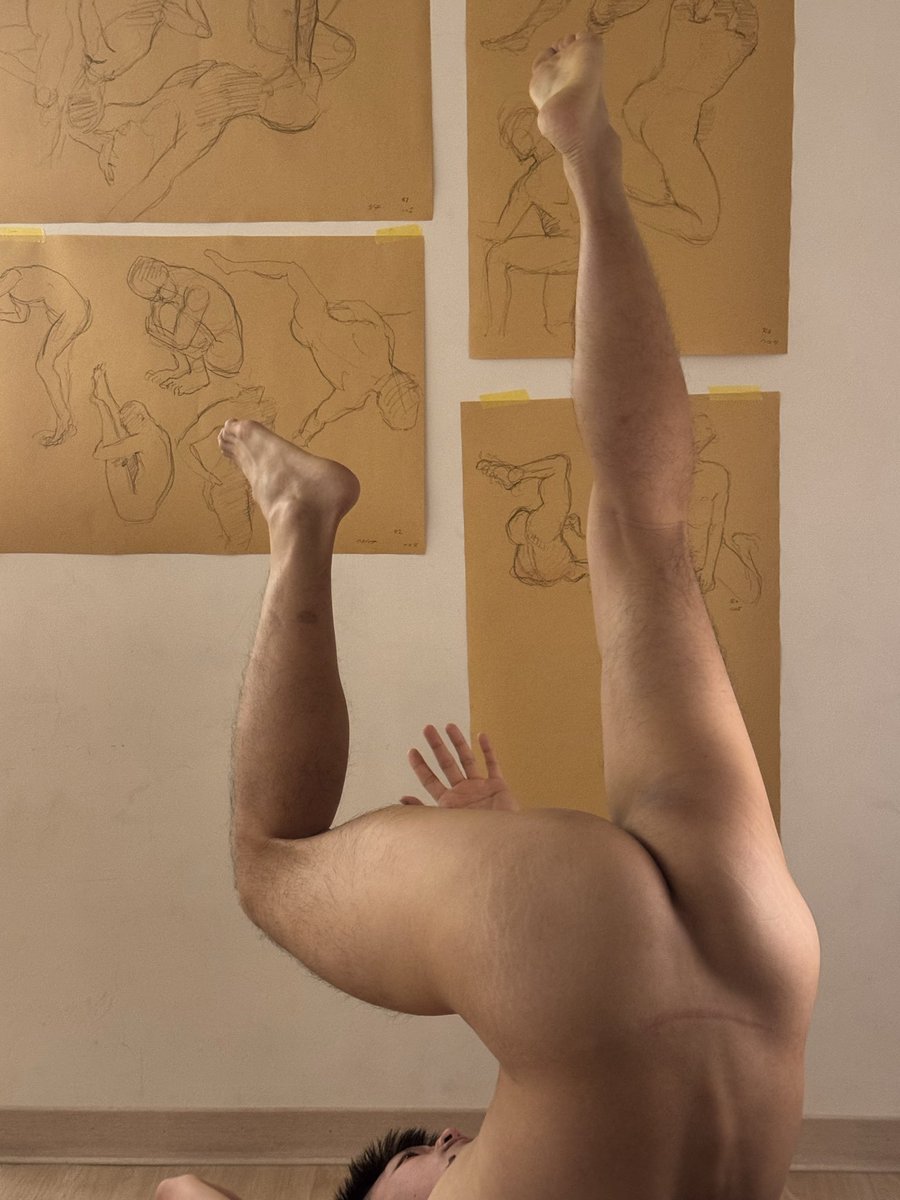
《人體速寫・進行中|Life Drawing, In Progress》
.
這是一個在開放時段內,持續運作的人體畫室。
.
畫家與模特按照經典的時間表,規律工作。
二十分鐘工作,十分鐘休息⋯⋯
.
展覽期間,觀眾可以自由地
來去、移動、觀看、靜默或交談
.
這不是一場表演,也不以完成畫作為目的
而是一場隨著觀看、傾聽與對話展開的旅程
.
工作時段的安靜勞動,和休息時段的閒談
這些互補而有機的片刻,構成作品的核心
.
《人體速寫進行中》關注的不是藝術生產的結果,而是藝術生產尚未完成的狀態;一個正在發生、仍然開放的過程。恰恰是那循環往復,無始無終的勞動過程,構築了包括觀眾在內的,屬於每一位參與者的歸屬空間。
.
媒材|
牛皮紙、炭筆、畫架、身體
.
購票連結:
forms.gle/UZXGnNx9gVguph2dA
1
6
124
33,715
Feb 2
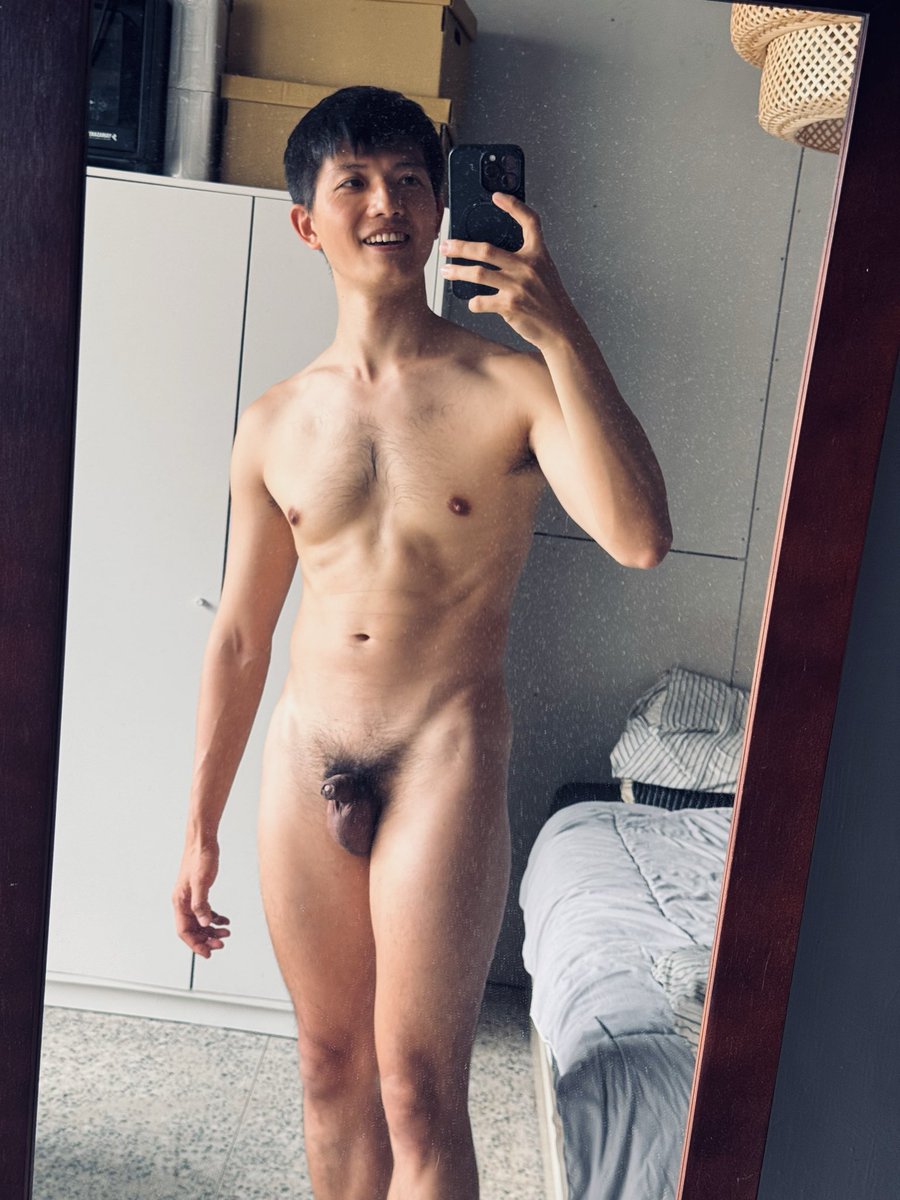
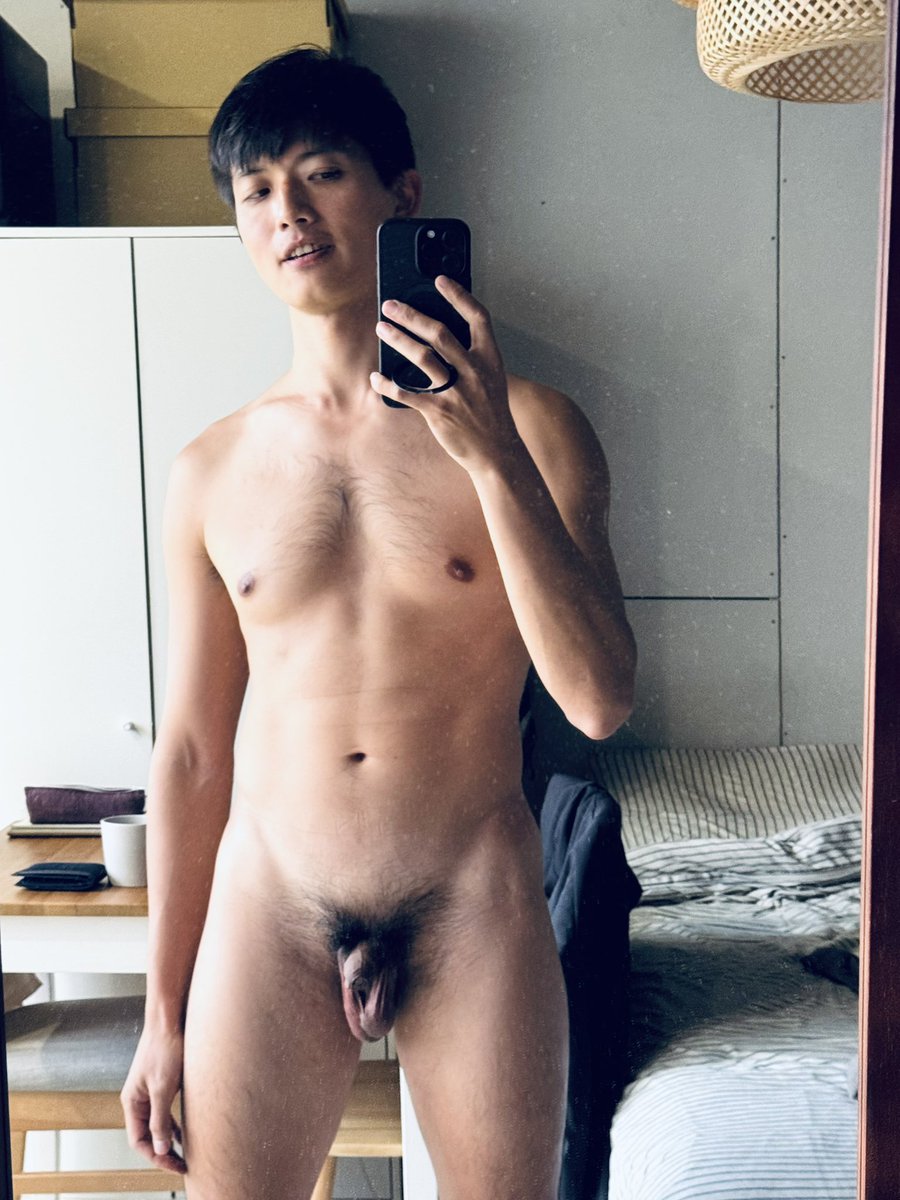
在沒有看過鏡子裡的自己之前
是怎麼知道自己長怎樣的呢?
答案是:別人的反應。
那可能比我們開始會說話還早得多。我們對自己的感受,默默的持續的被別人的眼光和言語塑造。
一旦你開始執著別人的讚美,開始害怕失去現狀;或者你感到厭惡,只想擺脫這張臉或身材,你就會感到焦慮。
每天花一點時間好好看看鏡子裡的自己,你會聽見心裡那些喋喋不休的聲音,也許本來不屬於你的聲音。
好好看喔、好醜喔、黑眼圈好重、包皮好長、這裡高了、那裡胖了、哪裡太瘦、皺紋、皮屑、禿頭、毛太多、毛太少⋯⋯
再看一陣子,你會慢慢的安靜下來,有一股奇異的感覺,好像對鏡子裡的那個人感到有點陌生,甚至有一點好奇。
原來你長這樣。
這樣好看,不,這樣拍光比較好;稍微笑一下?或者站斜一點。放下你的手機!
好。
每天花一點時間看看鏡子裡的自己,也許你會開始對自己產生多一點耐心。看著他深吸一口氣,一起吐氣,沒有人在這個世界上比他更靠近你。
在它成為一張照片以前,他沒有美、沒有醜,只有你懂,它沒有任何的惡意。那不是臭臉,是疲倦;那不是好看,是快樂,是陽光和陰影;你只需要花一點時間放下手機,在鏡子的前面好好看看自己的眼睛。什麼都不必多說。
你不用稱讚自己,也不用抱怨,你只需要在那裡,就可以了。
10
75
1,132
48,706
Feb 2
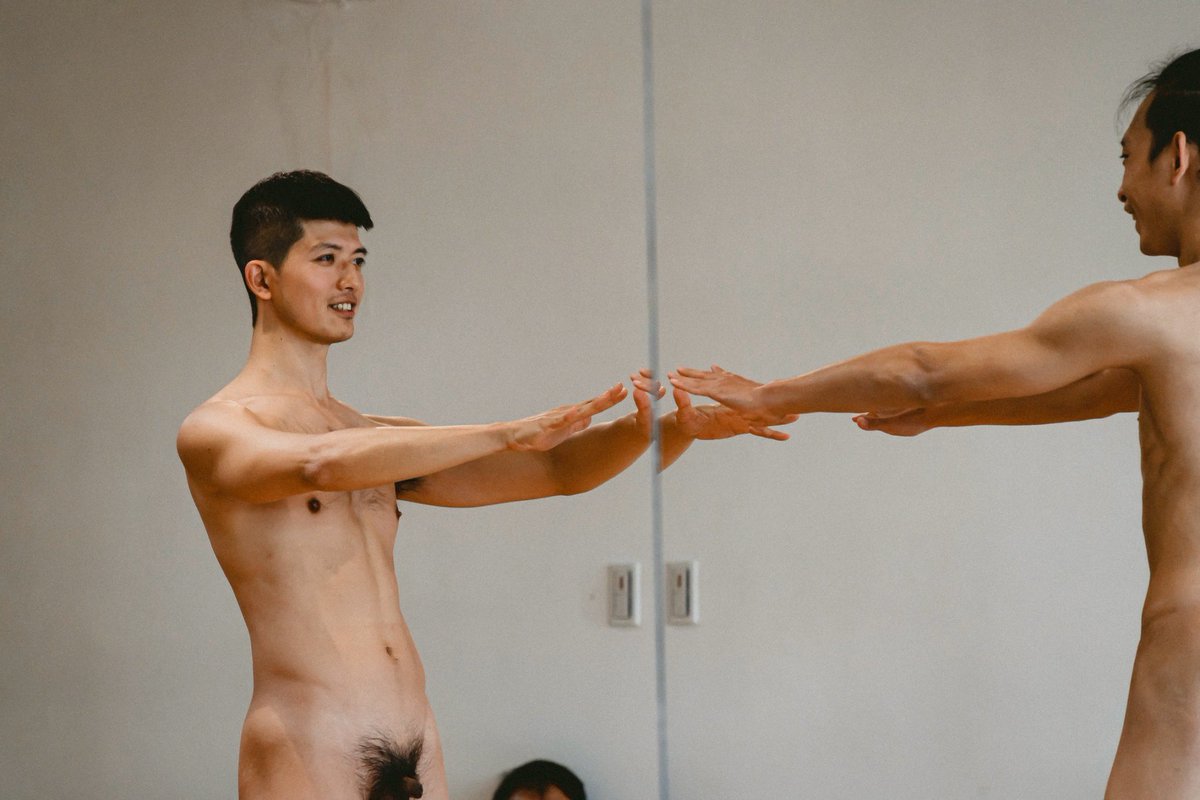
我只能說,真的很好看!《雙身》開展倒數6天,購票連結如下:forms.gle/5mHTEEDCwgLoyEQz6
有些人說沒有收到購票連結,可能是因為重複發送,所以被系統辨識成垃圾訊息了。
所以,我決定直接放上購票連結,邀請大家星期天來看我們。
雖然身為創作者,自己說好看有點不中立,但我想說,即使我們允許觀眾自由進出場,還是有很多朋友一坐下來,就坐了兩個多小時!
「雖然我不知道怎麼解釋,但是⋯⋯」
「真的很好看!」
「希望有更多人看到。」
2月8日下午,來看看吧。


7
44
685
58,309
Feb 2
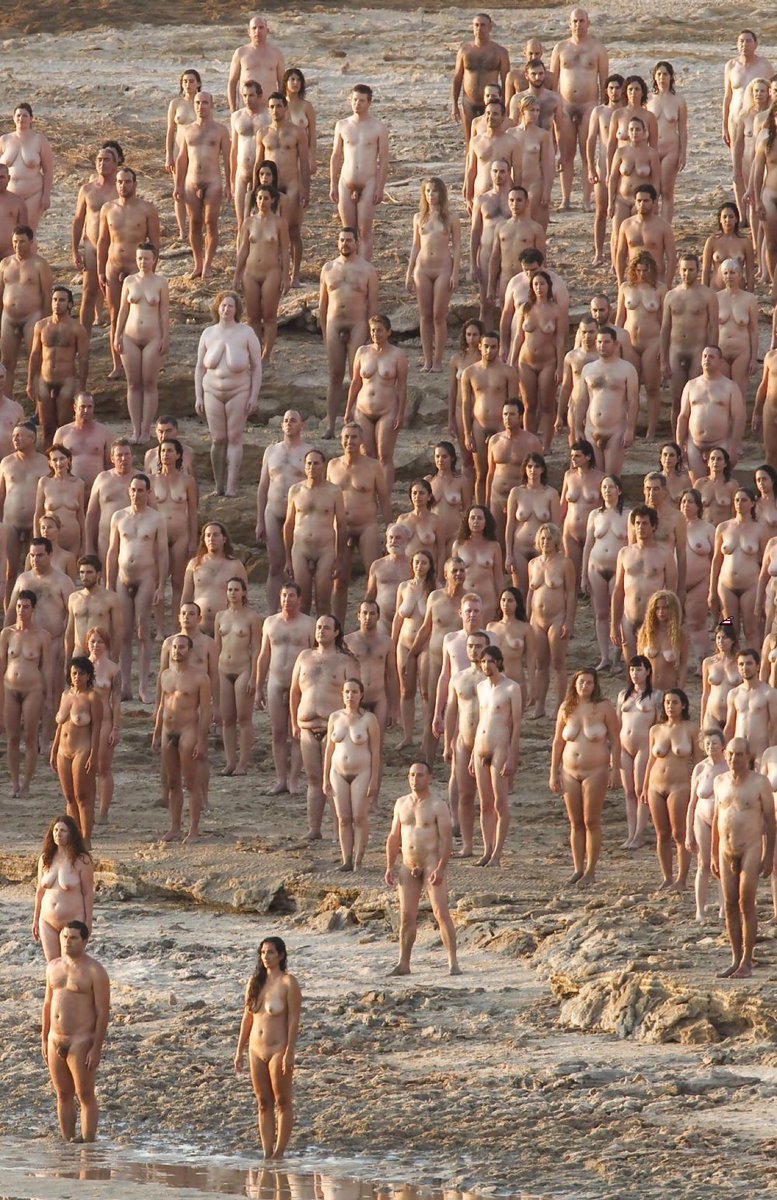
也許,我們在尋找的或許不是「完美的身材」,而是被愛、被認同的感覺。
30 Aug 2022

Surrounded by others of all colors, shapes, sizes, scars, and disfigurements, you realize no one has the “perfect” body (whatever that is), and you know what? You stop worrying about your own body or caring about others.
#NudityIsNatural
1
9
196
42,299
Jan 24
你有多久沒有純粹的看著一副身體了?
讓我們一起找回與自己的親密關係吧!
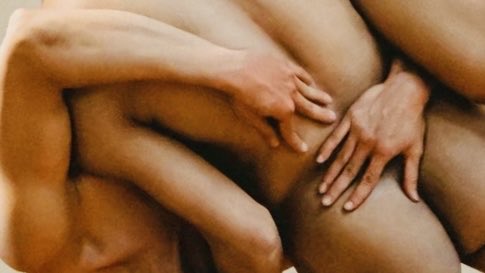
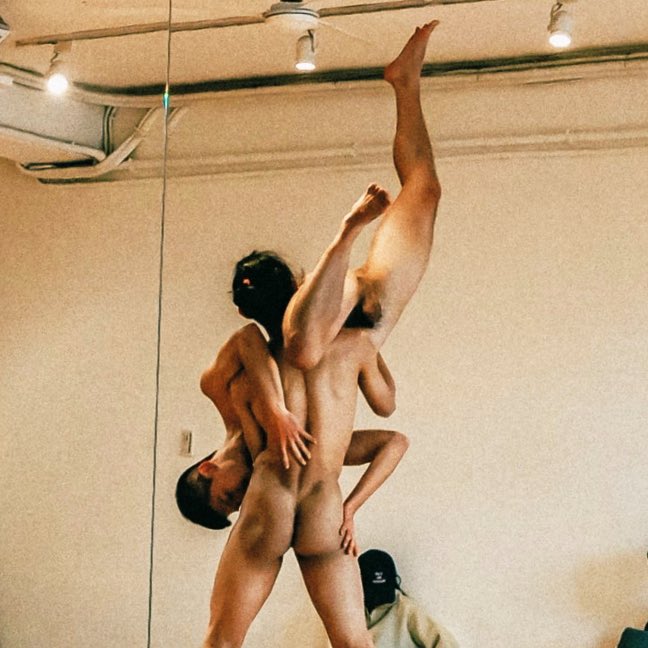
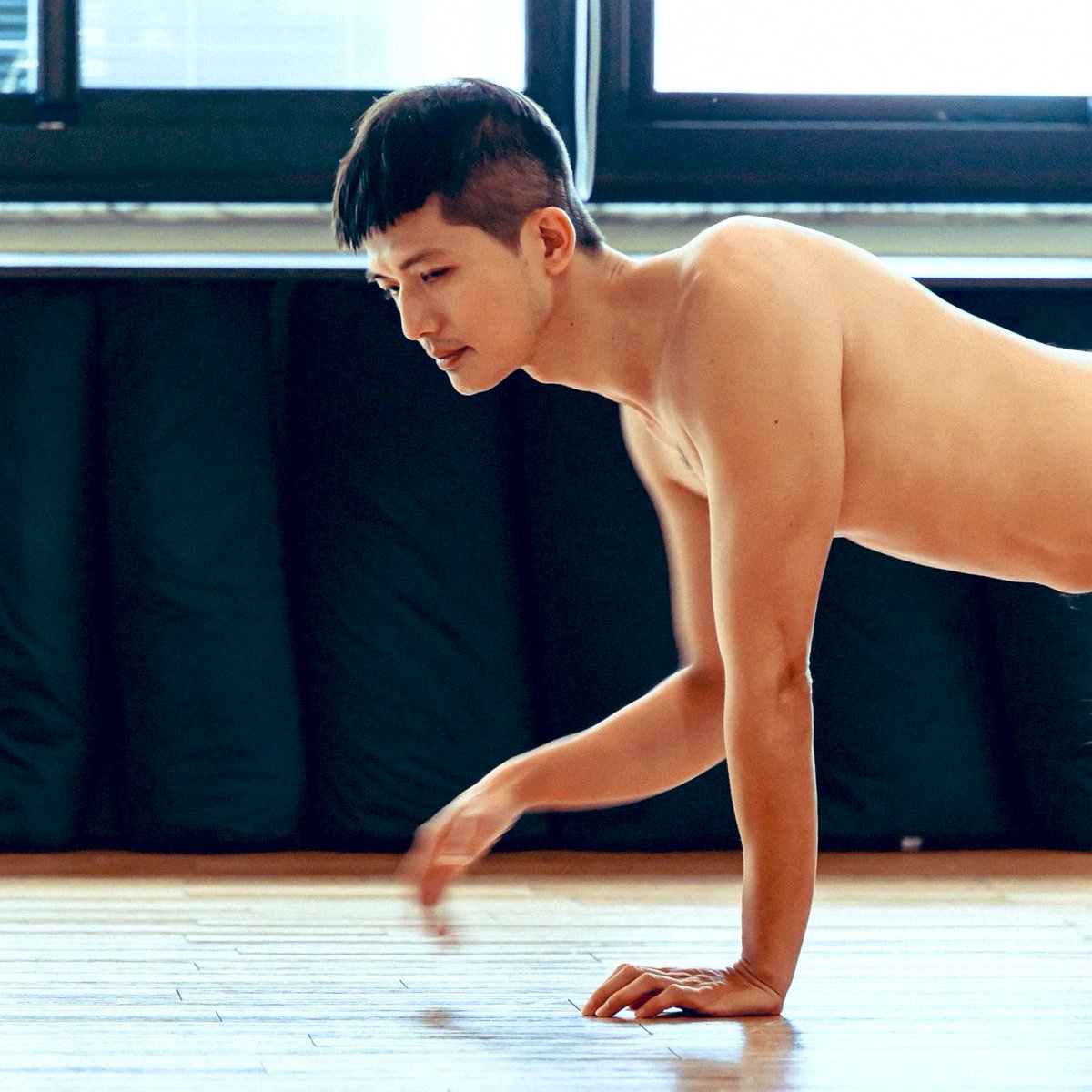
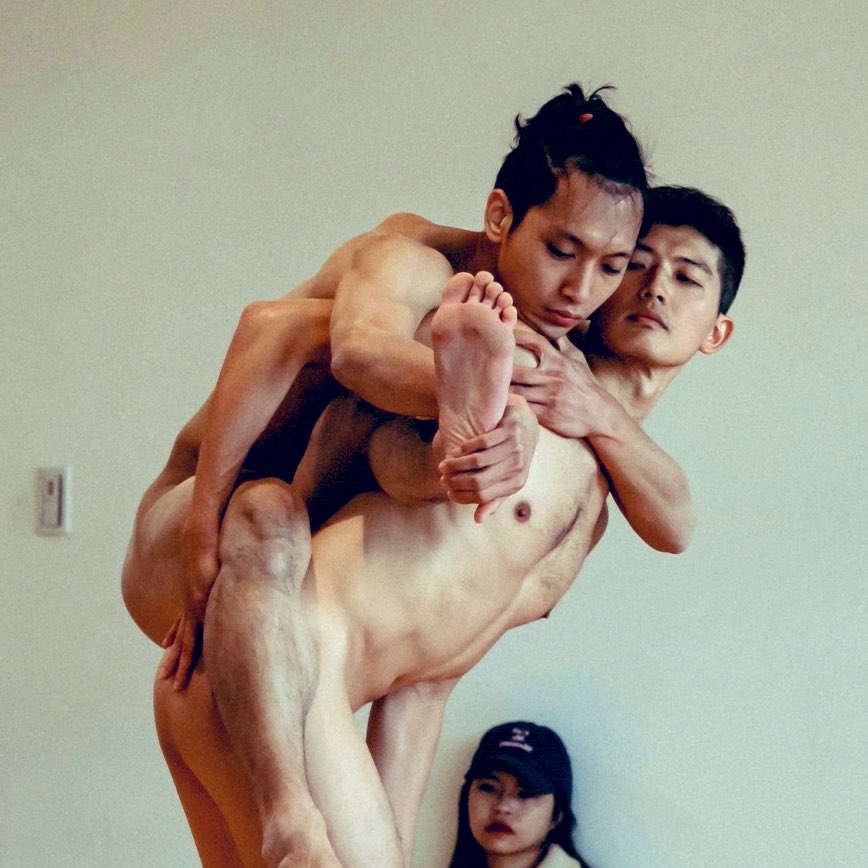
✨雙身|沈浸式人體地景展✨
1月封測場,圓滿落幕!
2月8日口碑場,好評展開!
Artist
@KUNfromTW
@YangSheng29478
🗺️台北市中山區藝文工作室
➡️行天宮站步行3分鐘
📭14:00開展
📪17:00閉展
🎤17:05展後座談
➡️展覽期間,憑票券自由進出
➡️報名請「留言」 1
⚠️我們將會優先發送連結給留言者
⚠️空間有限,為了維護體驗的品質
⚠️本場展演僅開放40位觀眾入場
📜第零場|觀眾回饋
「我從來沒有想過,可以這麼靠近一件作品,因為作品不是靜止的,會在面前延展靠近,然後離開,距離讓觀看變成一種身體經驗,而不只是視覺,那種幾乎能感覺到身體呼吸的接觸感,是以前從未有過的體驗。」——A小姐,服務業
「兩個身體互動時讓我重新感受到這或許是在描繪一段關係,也許是情侶、親人、社會上人與人之間的距離。」——W先生,軟體業
「我最印象深刻的是兩輪高難度橋段回到地面,表演者的表情像性高潮一樣,儘管整場演出沒有色情感,但也許是完成一件大事的滿足和鬆弛,腦子裡第一個想到的就是性高潮。」——S小姐,科技業
⚡️明天(2026年1月25日)開放購票⚡️
➡️報名請「留言」 1
⚠️我們將會優先發送連結給留言者
⚠️空間有限,為了維護體驗的品質
⚠️本場展演僅開放40位觀眾入場
Artist
@KUNfromTW
@YangSheng29478
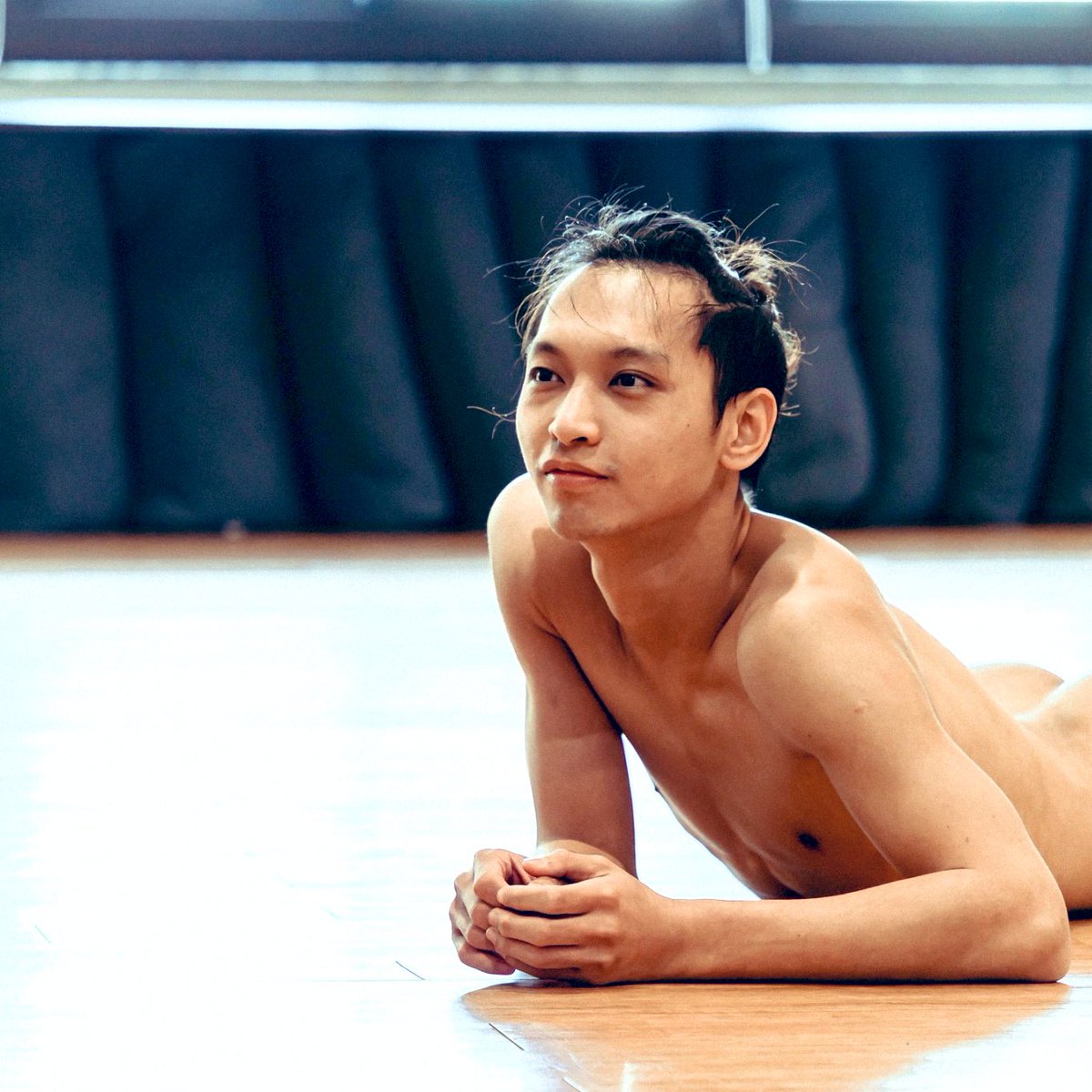
14
20
426
47,003
Jan 6
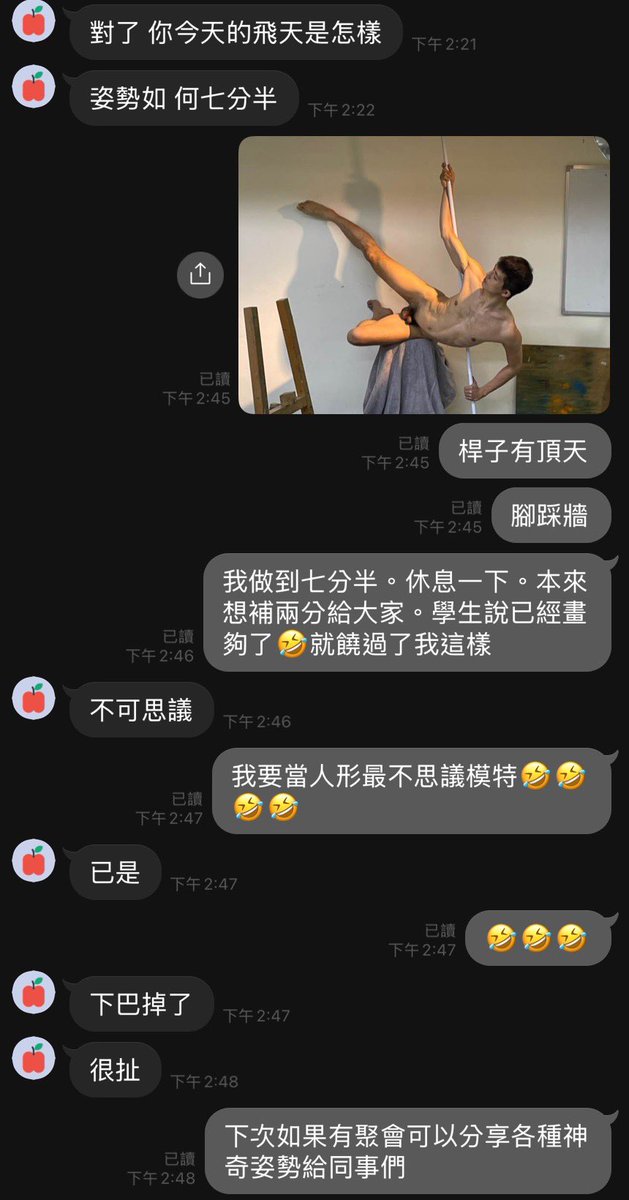
老闆認證台灣最不可思議人體模特!
那一天下班我把照片分享到社群
我老闆也是一位資深模特姊姊
立馬問:
「你今天的飛天是怎樣」
「姿勢怎樣擺到七分半」
「下巴掉了,很扯」
我笑死,說我要當
工作室最不思議模特
她說:已是
我暗爽
畫室裡真的非常精彩
可惜平常沒有人看到
最近在籌備新的作品
昨天剛剛找到合作夥伴
我們將聯手揭開
人體畫室的神秘面紗
你不用會畫畫
只需要睜開你的眼睛
打開你的心,和我們在一起
有興趣來玩的人
可以留言 1
期待見到你
12
26
525
50,963