
An Underground Network of Women Journalists Reporting from Within Afghanistan
Joined September 2023
- Tweets 332
- Following 1
- Followers 1,552
- Likes 7
298 Photos and videos
Pinned Tweet

Apr 15
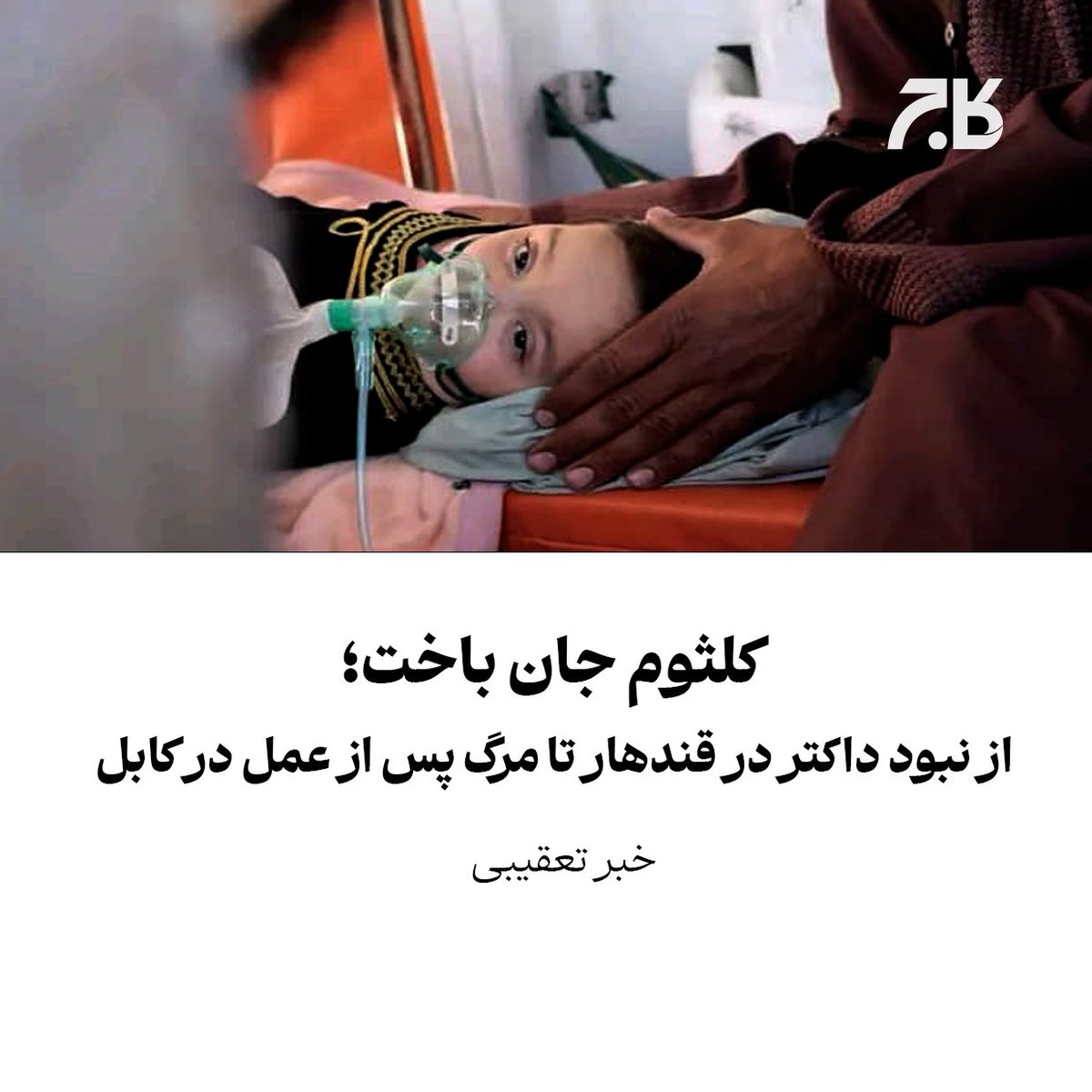
کلثوم، دختر خردسالی که پس از گیرماندن یک قطعه استخوان در گلویش از قندهار به کابل منتقل شده بود، جان باخت.
او در قندهار زندگی میکرد و پس از بروز مشکل، بهدلیل نبود داکتر متخصص، امکان درمان در این ولایت برایش فراهم نشد. کلثوم پس از یک سفر طولانی به کابل رسید و در شفاخانه تحت عمل جراحی قرار گرفت، اما کمتر از دو روز پس از عمل، جان خود را از دست داد.
مرگ کلثوم، بار دیگر واقعیتی تلخ را برجسته میکند: نبود دسترسی به ابتداییترین خدمات صحی در بخشهای مختلف افغانستان.
کارشناسان هشدار میدهند که در شرایطی که محدودیتها بر آموزش، بهویژه برای زنان، ادامه دارد و دسترسی به آموزشهای تخصصی محدود شده است، تأمین نیروی صحی در آینده با چالشهای جدیتری روبهرو خواهد شد.
گفته میشود مواردی مشابه کلثوم در نقاط مختلف کشور رخ میدهد؛ جایی که بیماران تنها بهدلیل نبود امکانات اولیه درمانی، جان خود را از دست میدهند.
1
11
40
4,121
منابع محلی در ولایت کنر میگویند یک دختر ۹ ساله به نام سایره در درهٔ بادیل ولسوالی نرنگ این ولایت، پس از شکنجه و واردشدن ضربات چاقو، بهگونهای بیرحمانه کشته شده است.
به گفتهٔ این منابع، سایره که به خانهٔ مامایش رفته بود، از سوی افراد ناشناس به قتل رسیده است. منابع افزودهاند که شکم او نیز پاره شده و برخی از اعضای داخلی بدنش، از جمله قلب و رودهها، از بدنش بیرون کشیده شدهاند.
خانوادهٔ سایره میگویند او شاگرد صنف سوم مکتب بود و از مسئولان میخواهند عاملان این رویداد را بازداشت کرده و به پنجهٔ قانون بسپارند.
این در حالی است که در جهان از حقوق کودکان، امنیت و آیندهٔ بهتر برای آنان سخن گفته میشود، اما کودکان افغان همچنان از قربانیان اصلی خشونت بهشمار میروند.
قابل یادآوری است که در جریان هفتهٔ جاری، موارد متعددی از خشونت علیه زنان و کودکان در کشور گزارش شده است؛ از جمله تیراندازی به معترضان زن، بازداشت زنان و نیز قتلهای مرموز که نگرانیهای جدی را در میان شهروندان برانگیخته است.
3
2
505
Jun 12
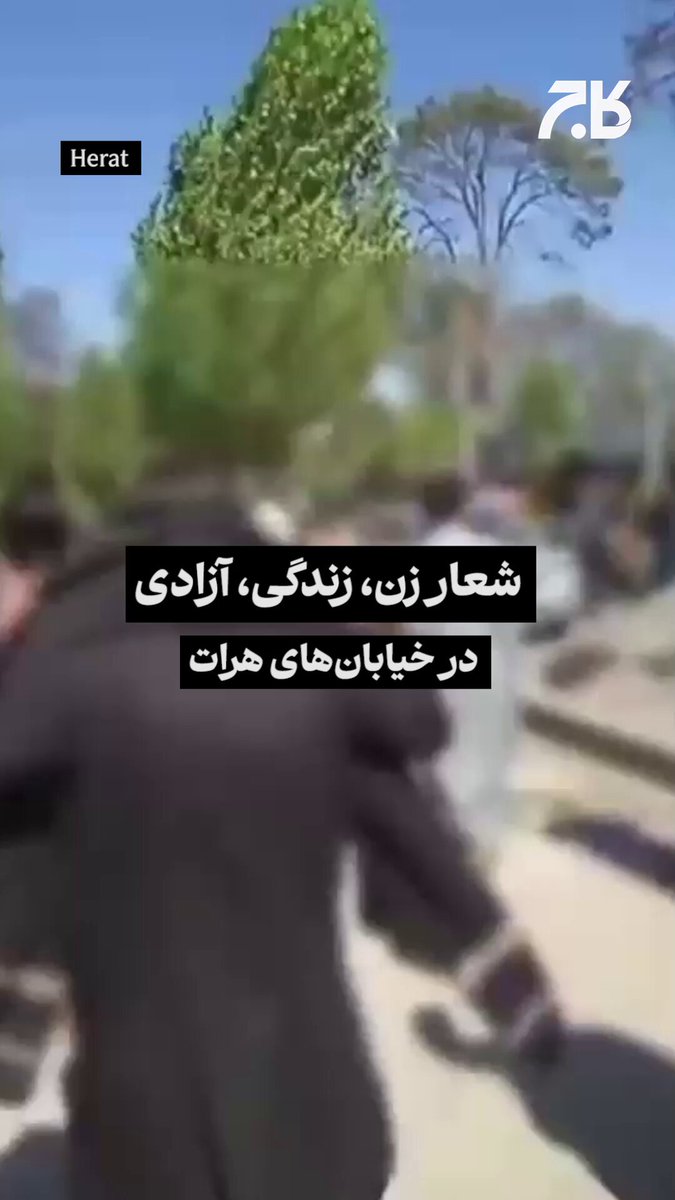
مردم در هرات برای چندمین روز پیهم به برخوردهای زنستیزانه طالبان اعتراض کردهاند. همزمان، شهر چهرهای نظامی به خود گرفته است و طالبان در تلاش برای سرکوب این اعتراضها و خاموشکردن صدای معترضان هستند.
2
1
25
2,112
Jun 11
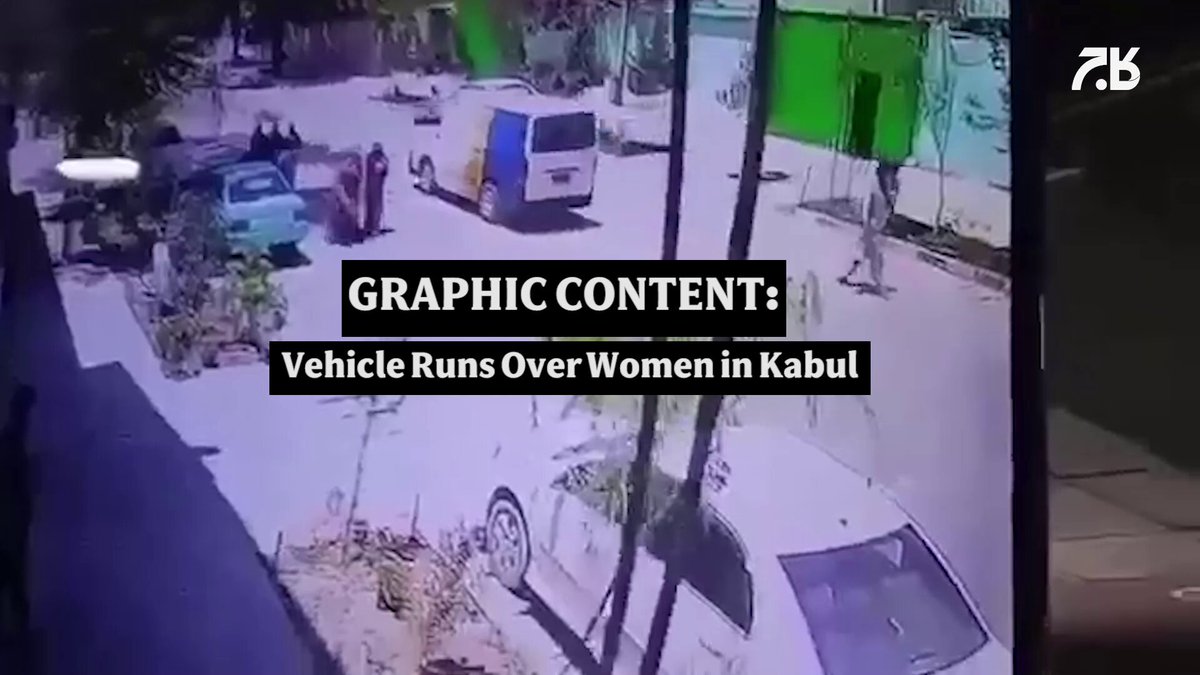
The footage appears to show a vehicle deliberately driving into several women walking on a street in Kabul.
The date and time of the video could not be independently verified.
1
58
Jun 10
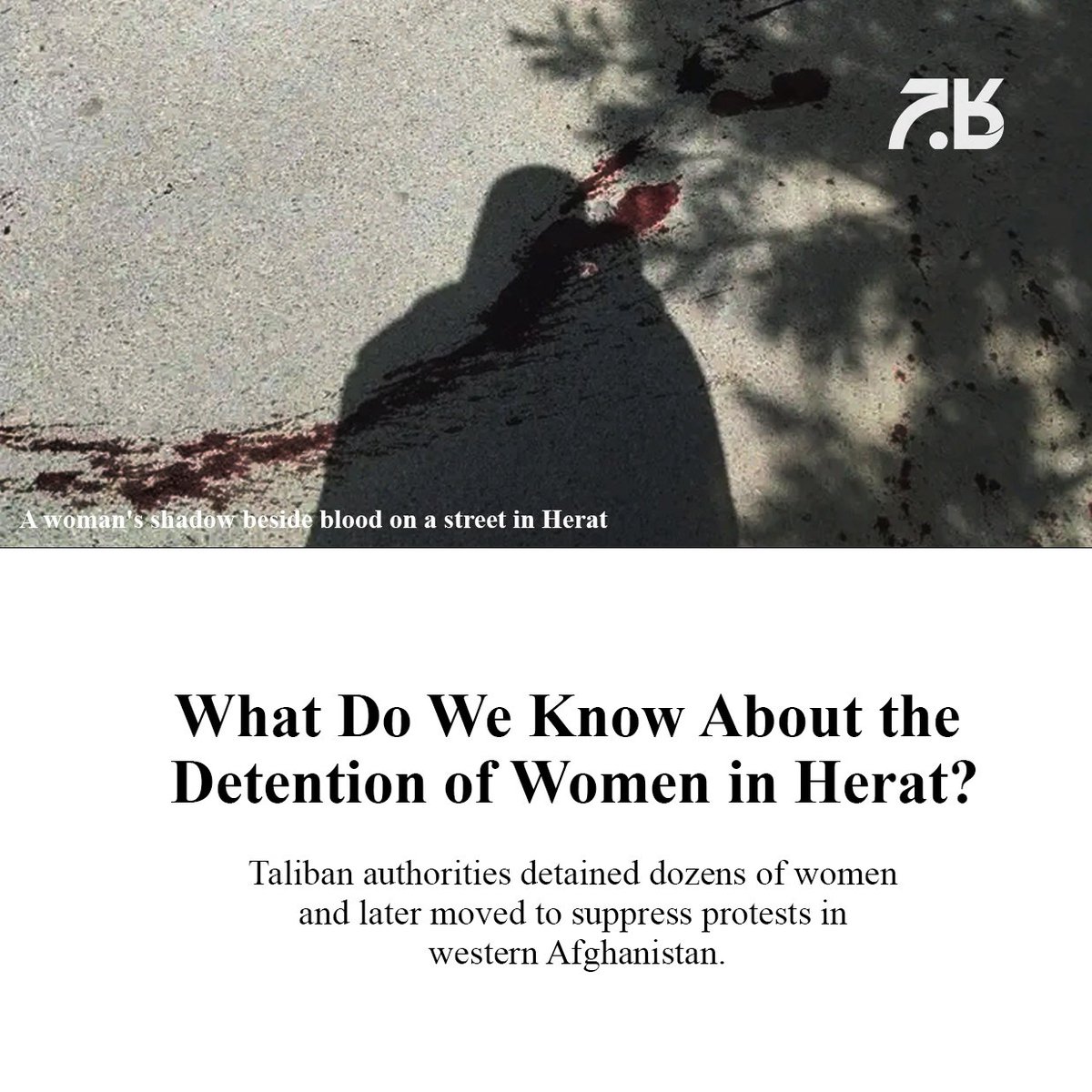
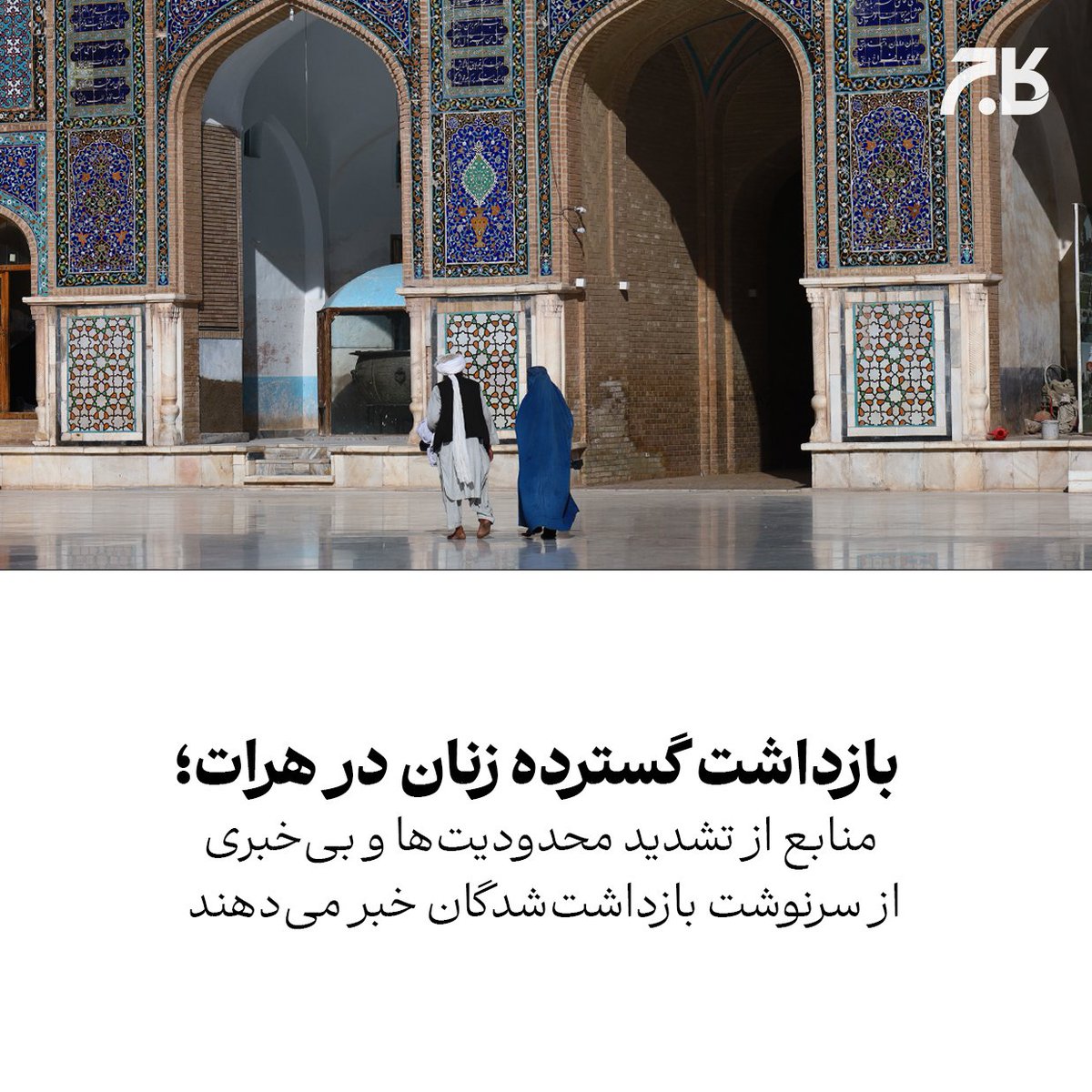
According to local sources in Herat, the latest wave of arrests began after Taliban authorities used Friday sermons to emphasize the enforcement of their interpretation of women’s dress codes.
Sources familiar with the matter told Kaaj that a directive linked to the Ministry for the Propagation of Virtue and Prevention of Vice called on morality officials to take action against women deemed not to be complying with the required hijab rules. According to these sources, the directive was also shared with United Nations officials in Herat.
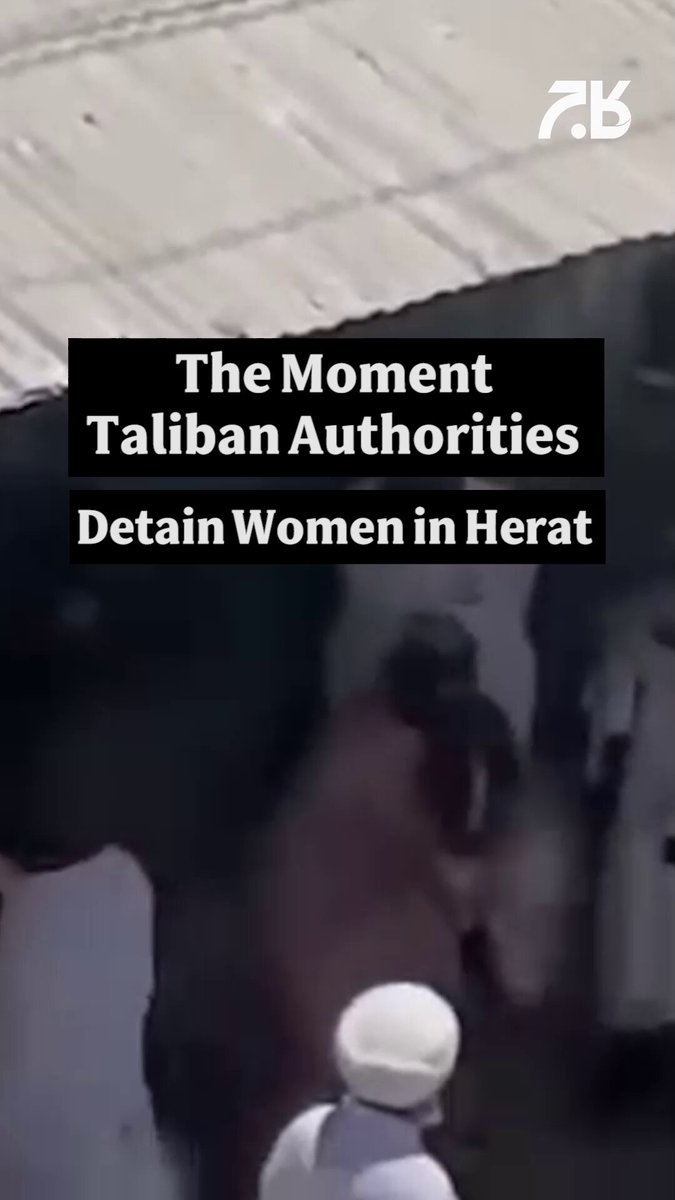
By Saturday, enforcement had begun. Over the following three days, local sources say Taliban authorities detained dozens of women across Herat city and surrounding areas, including from markets, streets, and public spaces. Videos reviewed by Kaaj appear to show women being taken into custody by Taliban authorities.
The arrests quickly spread fear across the city. Families warned daughters not to leave home, women avoided public spaces, and messages circulated through neighborhoods and social media groups about areas where arrests were reportedly taking place.
Taliban officials have denied detaining women. But those denials stand in contrast to witness accounts, family testimonies, and video footage that appears to show women being taken away during the operation.
On Tuesday, anger over the arrests turned into public protest. Residents took to the streets in Herat, where Taliban forces moved to disperse the demonstrations. Local sources reported that several people were killed or wounded, including women and children, but Kaaj could not independently verify the full casualty figures.
The events in Herat have left several questions unanswered: How many women were detained? Where were they taken? Under what legal authority were they held? And if no women were detained, as Taliban officials claim, how should residents understand the videos and testimonies emerging from the city?
For many families in Herat, those questions remain more urgent than official denials.
1
2
98
Jun 8
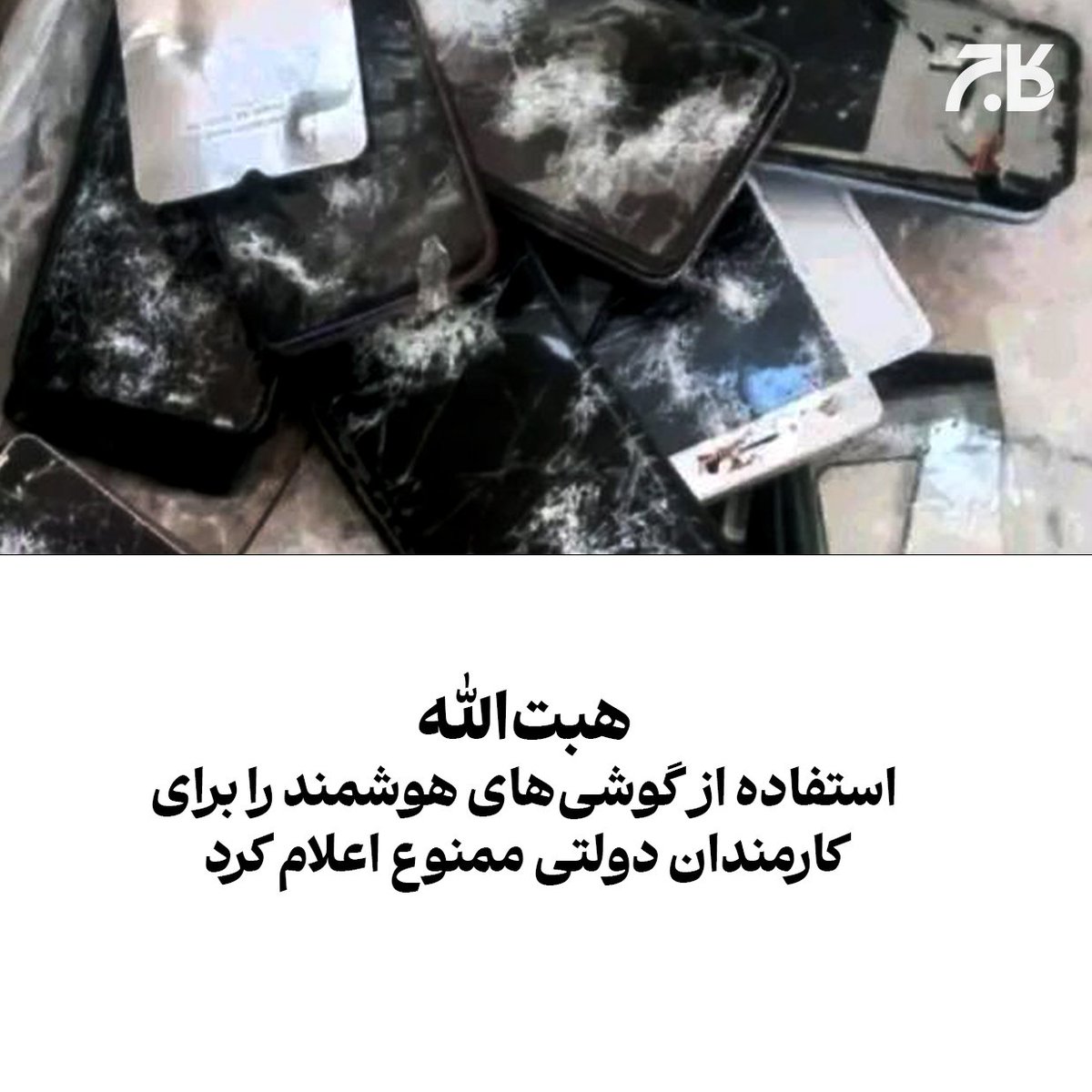
براساس ابلاغیهای که از سوی اداره «نظارت و تعقیب فرامین و احکام» طالبان به محاکم نظامی این گروه در زونهای هشتگانه کشور ارسال شده است، گفته میشود هبتالله آخندزاده استفاده از تلفنهای هوشمند را برای نیروهای طالبان و کارمندان دولتی ممنوع کرده است.
در این ابلاغیه هشدار داده شده است افرادی که از این دستور سرپیچی کنند، «مجرم» شناخته شده و به محاکم نظامی معرفی خواهند شد.
همزمان، در شبکههای اجتماعی تصویری از قوماندانی امنیه ولسوالی برمل ولایت پکتیکا منتشر شده است که در آن ادعا میشود گوشیهای هوشمند ۱۵ کارمند، از جمله یک فرمانده طالبان، شکسته شدهاند.
این اقدام در حالی صورت میگیرد که در سالهای اخیر، بهگونه پیوسته ویدیوهای پنهانی از ادارات طالبان در شبکههای اجتماعی منتشر شده و هر بار بخشی از عملکرد و فضای داخلی این نهادها را آشکار کرده است.
1
109
Jun 8
Video footage shows the moment Taliban authorities detain women during a widening wave of arrests in Herat, western Afghanistan.
According to multiple local sources, Taliban authorities have carried out large-scale detentions of women across Herat for three consecutive days. Sources report that at least 89 women were detained on Saturday and Sunday alone, while additional arrests continued on Monday.
Sources say the detentions were reportedly linked to allegations concerning women's dress and appearance. Taliban authorities have not publicly confirmed the reason for the arrests and have not issued an official statement regarding the operation.
The whereabouts of many of those detained remain unclear, raising growing concern among families and local residents.
3
5
2,135
Jun 7
منابع محلی در هرات میگویند که طالبان پس از اعلامیه اخیر ریاست امر به معروف و نهی از منکر این ولایت درباره رعایت نوع مشخصی از حجاب، موج تازهای از بازداشت زنان را در نقاط مختلف شهر آغاز کردهاند.
منابع معتبر به رسانه کاج گفتهاند که از صبح روز شنبه، دستکم ۶۰ زن از مناطق جاده لیلامی، نخودبریزان و ساحه ۶۴ متره شهر هرات دیروز شنبه بازداشت شدند. به گفته این منابع، یک زن باردار نیز در میان بازداشتشدگان قرار دارد.
منابع افزودهاند که مأموران امر به معروف به باشندگان هشدار دادهاند که در صورت رعایت نکردن حجاب مورد نظر طالبان، روند نظارت و بازداشت زنان ادامه خواهد یافت.
همزمان، امروز یکشنبه منابع دیگر از بازداشت دستکم ۲۱ زن در مناطق الماس شرق، جاده جنوبی مسجد جامع و قصر هرات خبر دادهاند. به گفته آنان، یک پرستار نیز در میان این زنان حضور دارد. همچنین هشت زن دیگر در منطقه جبریل این شهر بازداشت شدهاند.
منابع محلی میگویند طالبان به شماری از دکانداران نیز دستور دادهاند که از ورود یا خرید زنان بدون همراهی یک مرد جلوگیری کنند.
با گذشت چندین ساعت از آغاز این بازداشتها، هنوز هیچ اطلاعاتی درباره محل نگهداری و وضعیت زنان بازداشتشده در دست نیست و خانوادههای آنان از سرنوشت عزیزان خود ابراز نگرانی میکنند.
در تحولی دیگر، منابع از پیدا شدن جسد یک زن در جاده مهتاب شهر هرات خبر میدهند. اعضای خانواده این زن گفتهاند که او خود را با طناب حلقآویز کرده است. طالبان شوهر این زن را بازداشت کردهاند.
فامیل این زن مدعیاند که این او یک روز پیش از مرگش در جریان بازداشتهای اخیر توسط طالبان بازداشت شده بود و پس از آزادی به زندگی خود پایان داده است.
در همین حال، منابع از سرنوشت تلخ یکی دیگر از زنان بازداشتشده خبر میدهند. به گفته آنان، این زن جوان قرار بود شامگاه یکشنبه مراسم عروسیاش برگزار شود. او روز شنبه برای خرید لوازم مراسم حنابندان به مجتمع تجارتی الماس شرق رفته بود که توسط نیروهای طالبان بازداشت شد.
این بازداشتها در حالی صورت میگیرد که محدودیتهای اعمالشده بر زنان در افغانستان طی نزدیک به پنج سال گذشته بهطور پیوسته افزایش یافته است.
2
1
6
707
Jun 6
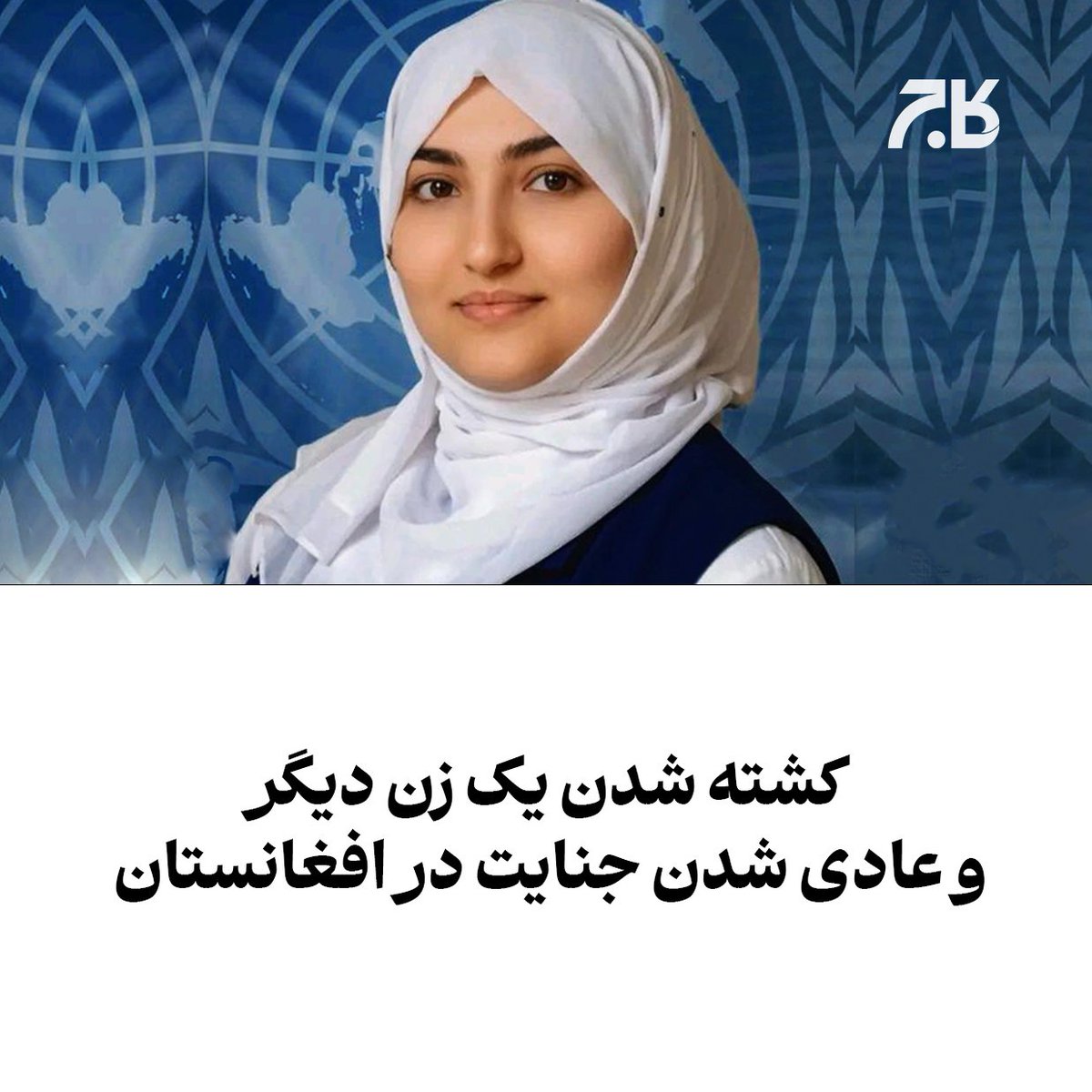
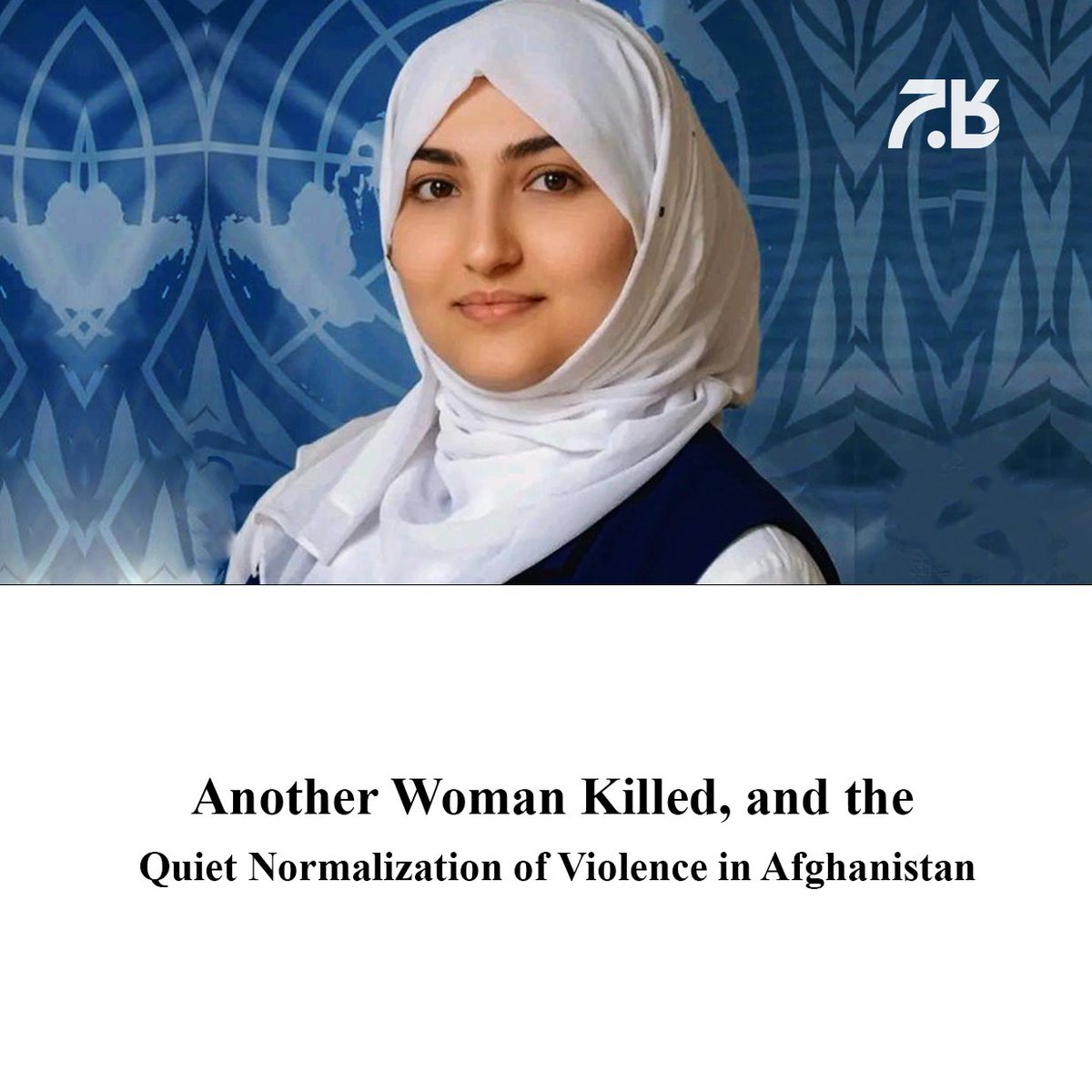
نمایندگی سازمان ملل متحد در افغانستان تایید کرده است که فرشته عمادی، یکی از کارمندان صندوق جمعیت سازمان ملل متحد، در کابل توسط افراد ناشناس به قتل رسیده است.
یوناما با انتشار اعلامیهای ضمن ابراز تاسف عمیق، فرشته عمادی را یکی از اعضای ارزشمند خانواده سازمان ملل خواند و به خانواده و همکاران او تسلیت گفت.
اما در افغانستان امروز، خبر کشته شدن یک زن دیگر دیگر به ندرت به پرسشهای جدی و پاسخهای روشن منجر میشود. نه جزئیات روشنی از چگونگی وقوع این قتل منتشر شده، نه انگیزه عاملان آن روشن است و نه مشخص شده است که کسی در ارتباط با این رویداد بازداشت شده باشد.
قتل فرشته عمادی تنها یک پرونده جنایی دیگر نیست. این رویداد در کشوری رخ میدهد که زنان در سالهای اخیر از آموزش، کار، حضور عمومی و بسیاری از حقوق اساسی خود محروم شدهاند و همزمان خشونت علیه آنان نیز کمتر مورد توجه و پیگیری عمومی قرار میگیرد.
آنچه بیش از خود جنایت نگرانکننده به نظر میرسد، عادی شدن آن است؛ وضعیتی که در آن کشته شدن یک زن، حتی یک کارمند سازمان ملل متحد، تنها برای چند ساعت به خبر تبدیل میشود و سپس در میان دهها بحران دیگر ناپدید میگردد، بیآنکه پاسخ روشنی درباره عاملان، انگیزهها و سرنوشت پرونده ارائه شود.
تا لحظه نشر این گزارش، نه سازمان ملل متحد و نه مقامهای طالبان اطلاعات بیشتری درباره این قتل منتشر نکردهاند. در نتیجه، مهمترین پرسش همچنان بیپاسخ مانده است: چه کسی فرشته عمادی را کشت و چه کسی مسئول پاسخگویی به این جنایت است؟
1
3
239
Jun 6
The United Nations Assistance Mission in Afghanistan (UNAMA) has confirmed that Fereshteh Amadi, an employee of the United Nations Population Fund (UNFPA), was killed by unidentified assailants in Kabul.
In a statement, UNAMA expressed deep sorrow over her death, describing Amadi as a valued member of the United Nations family and extending condolences to her family, friends, and colleagues.
Yet beyond the statement of mourning, few details have emerged. Neither UNAMA nor Taliban authorities have publicly explained how the killing occurred, what may have motivated it, or whether anyone has been arrested in connection with the case.
The death of Fereshteh Amadi comes at a time when Afghan women have already been pushed to the margins of public life through sweeping restrictions on education, employment, mobility, and civic participation. In such an environment, every act of violence against a woman carries significance beyond a single criminal investigation.
Perhaps the most troubling aspect is not only the crime itself, but the growing sense of public resignation that often follows. Killings are reported, condolences are issued, and attention quickly shifts elsewhere, while questions about accountability remain unanswered.
For many Afghans, particularly women, the concern is no longer limited to the act of violence. It is the fear that violence can occur without explanation, without transparency, and too often without visible consequences. Over time, this risks creating a dangerous normalization, where the loss of another woman's life no longer provokes the urgency, scrutiny, or response it deserves.
As of publication, the most basic questions remain unresolved: Who killed Fereshteh Amadi? Why was she targeted? And will anyone be held accountable?
Until those questions are answered, her death remains not only a personal tragedy, but also a reminder of how easily violence can fade into silence.
2
1
650
Jun 5
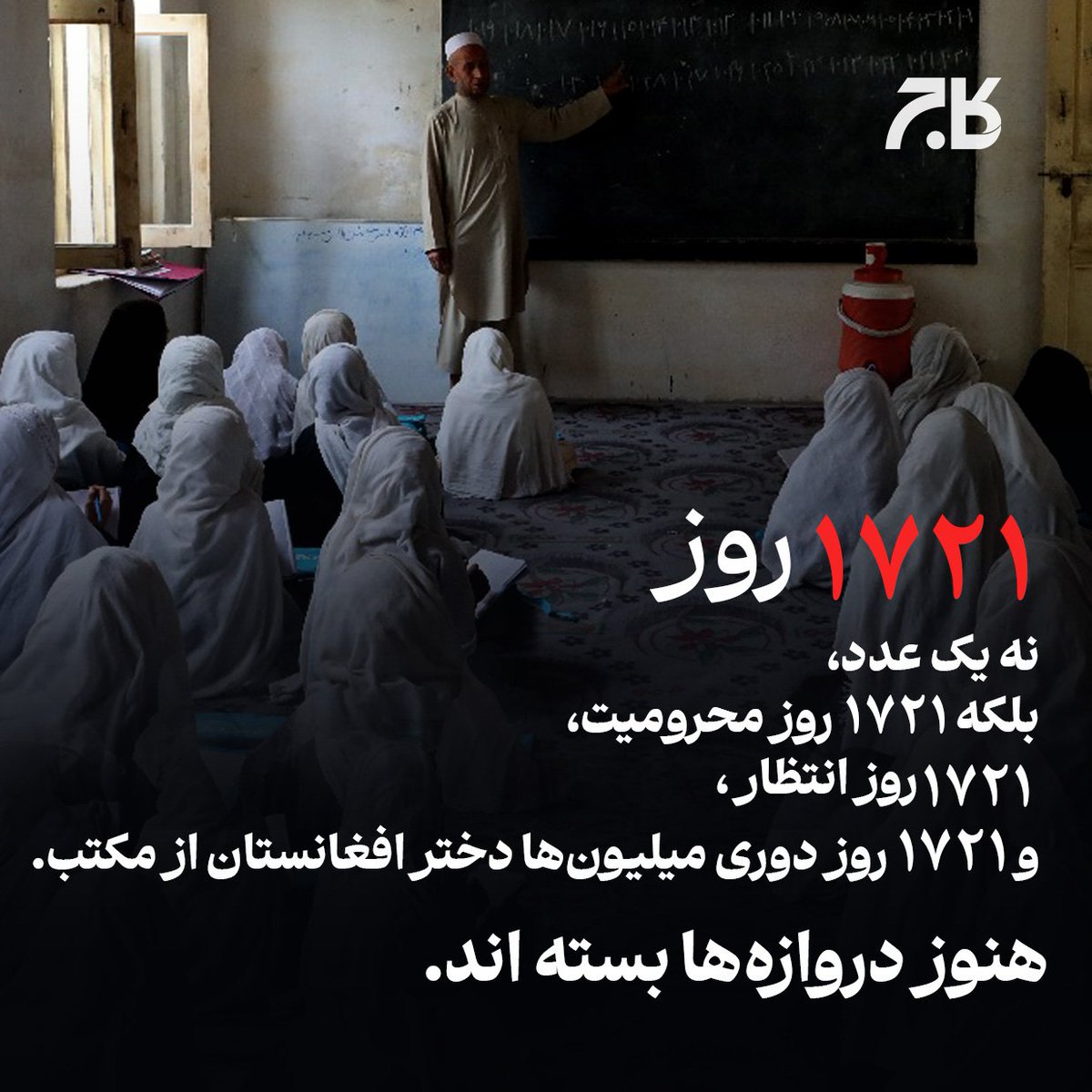
۱۷۲۱ روز
نه یک عدد،
بلکه ۱۷۲۱ روز محرومیت،
۱۷۲۱ روز انتظار،
و ۱۷۲۱ روز دوری میلیونها دختر افغانستان از مکتب.
هنوز دروازهها بستهاند.
54
Jun 3
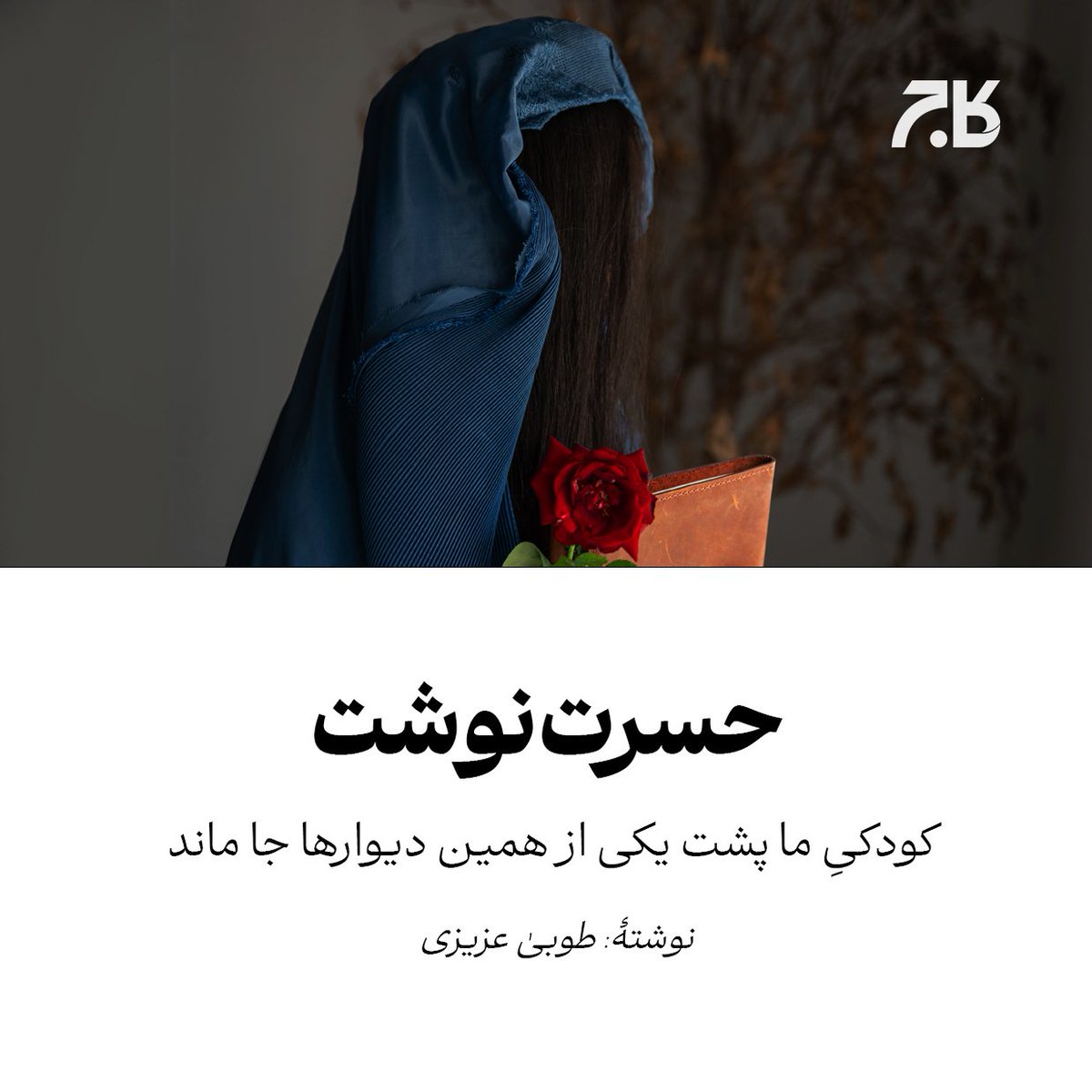
ما دختران افغان، در عصرِ انقراضِ پروانهها
با بالهای نامرئی بزرگ شدیم.
هر صبح، شهر مثل زندانی خسته
درِ آهنیِ خودش را باز میکند
و ما از میان دالانهای ترس عبور میکنیم
در حالی که کودکیمان سالها پیش
پشت یکی از همین دیوارها جا مانده است.
در این سرزمین،
دختر بودن یعنی راه رفتن
با گلدانی از نور، در میانِ طوفانی که
تمام عمرش را صرفِ شکستنِ روشنایی کرده است.
132
Jun 2
سکوت درباره خشونت علیه زنان
در این اصولنامه، تعریف مشخصی از خشونت خانوادهگی، خشونت روانی، اقتصادی یا جنسی وجود ندارد. این در حالیست که پیش از بازگشت طالبان، گزارشهای بینالمللی نشان میداد حدود ۸۷ درصد زنان افغان، دستکم یک نوع خشونت خانوادهگی یا اجتماعی را تجربه کردهاند.
سکوت متن درباره این موضوع، اهمیت زیادی دارد؛ زیرا اصولنامه درباره تفریق زوجین صحبت میکند، اما درباره یکی از مهمترین دلایل فروپاشی خانوادهها، توضیح روشنی ارائه نمیدهد.
غیبت حقوق اجتماعی زنان
اصولنامه تنها بر نکاح، طلاق و تفریق تمرکز دارد و هیچ اشارهای به حقوق اجتماعی زنان، مانند حق آموزش، کار، استقلال اقتصادی یا مشارکت اجتماعی نکرده است.
این موضوع در شرایط امروز افغانستان معنای مهمتری پیدا میکند؛ جایی که زنان از بخش بزرگی از نظام آموزشی و بازار کار کنار گذاشته شدهاند و وابستهگی اقتصادی آنان به خانواده افزایش یافته است.
قاضی؛ محور اصلی سرنوشت نکاح
در بسیاری از مواد، فسخ نکاح تنها با «حکم قاضی» ممکن دانسته شده است.
این یعنی بخش مهمی از سرنوشت ازدواج و جدایی، به تشخیص محکمه وابسته میشود. موضوع زمانی جدیتر میشود که زنان دسترسی محدودی به وکیل، نهادهای حمایتی و روندهای مستقل قضایی دارند. در چنین شرایطی، نقش قاضی تنها حقوقی نیست؛ بلکه به بخشی از ساختار قدرت اجتماعی تبدیل میشود.
نبود اشاره به حقوق بشر و معیارهای جهانی
در متن اصولنامه، تقریباً هیچ اشارهای به اسناد بینالمللی مرتبط با حقوق زنان و کودکان دیده نمیشود.
این در حالیست که افغانستان، پیش از بازگشت طالبان، عضو چندین معاهده بینالمللی درباره حقوق بشر، حقوق کودک و منع خشونت علیه زنان بود. نبود این مفاهیم نشان میدهد که چارچوب اصولنامه بیشتر بر تفسیر فقهی استوار است تا معیارهای معاصر حقوق شهروندی.
نکتهای که متن را جدیتر میکند
اهمیت این اصولنامه فقط در مواد حقوقی آن نیست؛ بلکه در این است که این متن نشان میدهد حکومت چگونه میخواهد رابطه زن، خانواده و قانون را تعریف کند.
وقتی در یک متن حقوقی، نقش ولی و قاضی پررنگتر از استقلال فردی زن باشد، درباره خشونت خانوادهگی سکوت وجود داشته باشد، و حقوق اجتماعی زنان بیرون از متن باقی بماند، آن سند فقط درباره طلاق و نکاح نیست؛ بلکه درباره شکل آینده جامعه و جایگاه زن در آن نیز سخن میگوید.
چه موضوعاتی هنوز نیاز به بحث دارند؟
چند مسئله در این اصولنامه هنوز بهصورت جدی مورد بحث قرار نگرفتهاند:
جایگاه رضایت آزادانه زن در ازدواج، وضعیت زنان قربانی خشونت خانوادهگی، سرنوشت ازدواجهای زیر سن، حق دسترسی زنان به وکیل و عدالت، نقش نهادهای مستقل در نظارت بر تصمیمهای قضایی، و رابطه میان حقوق خانواده و حقوق شهروندی زنان.
اینها موضوعاتیاند که میتوانند در آینده، بحثهای گستردهتری را درباره نظام حقوقی افغانستان ایجاد کنند.
جمعبندی
اصولنامه تفریق زوجین تنها یک متن حقوقی درباره نکاح و طلاق نیست؛ بلکه بخشی از تصویری بزرگتر درباره جایگاه زن در ساختار اجتماعی افغانستان امروز است.
در این متن، خانواده بیشتر بر محور اقتدار مرد، ولی و قاضی تعریف میشود و زن همچنان برای بسیاری از تصمیمهای اساسی زندگی خود، وابسته به ساختار سنتی قدرت باقی میماند.
2
82
Jun 1
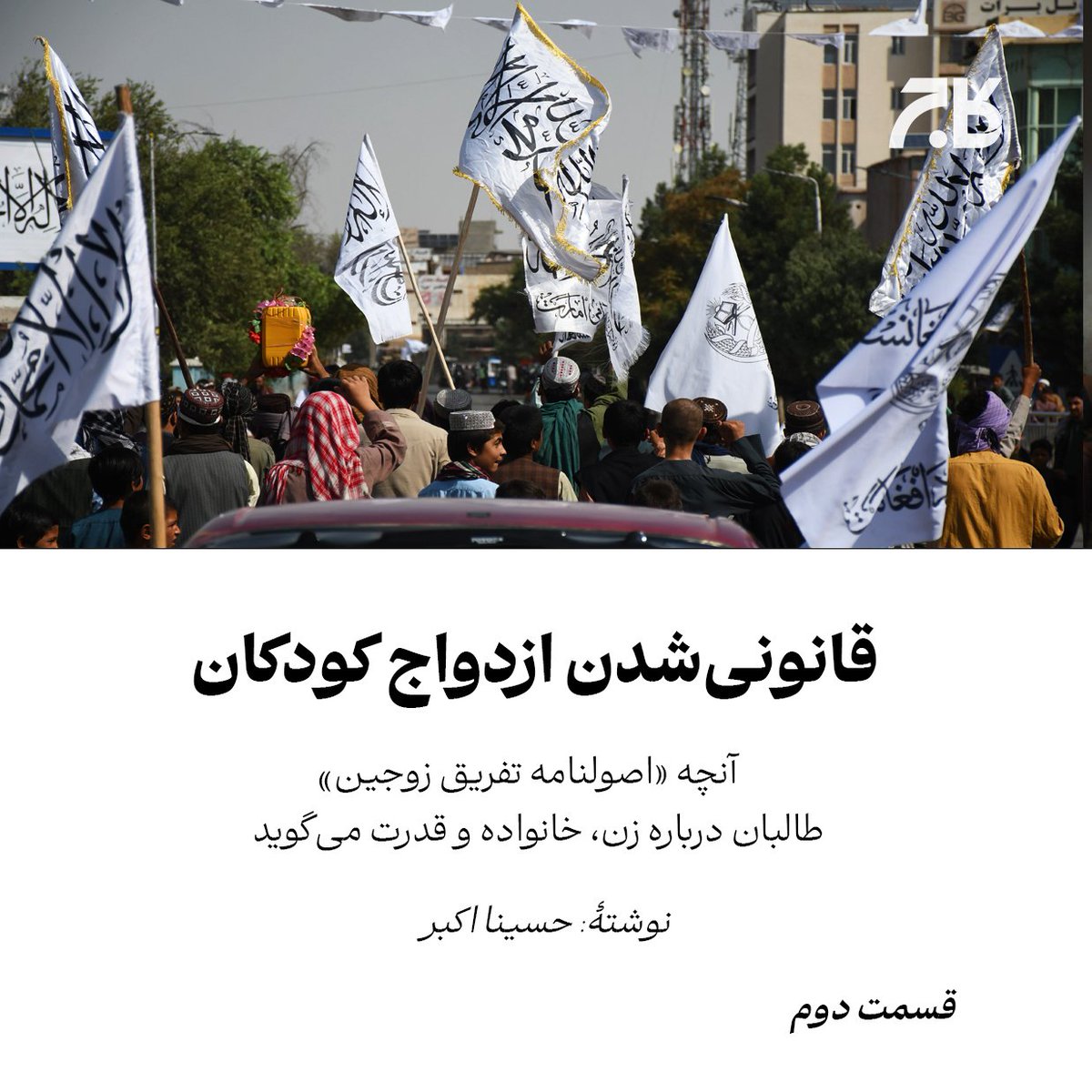
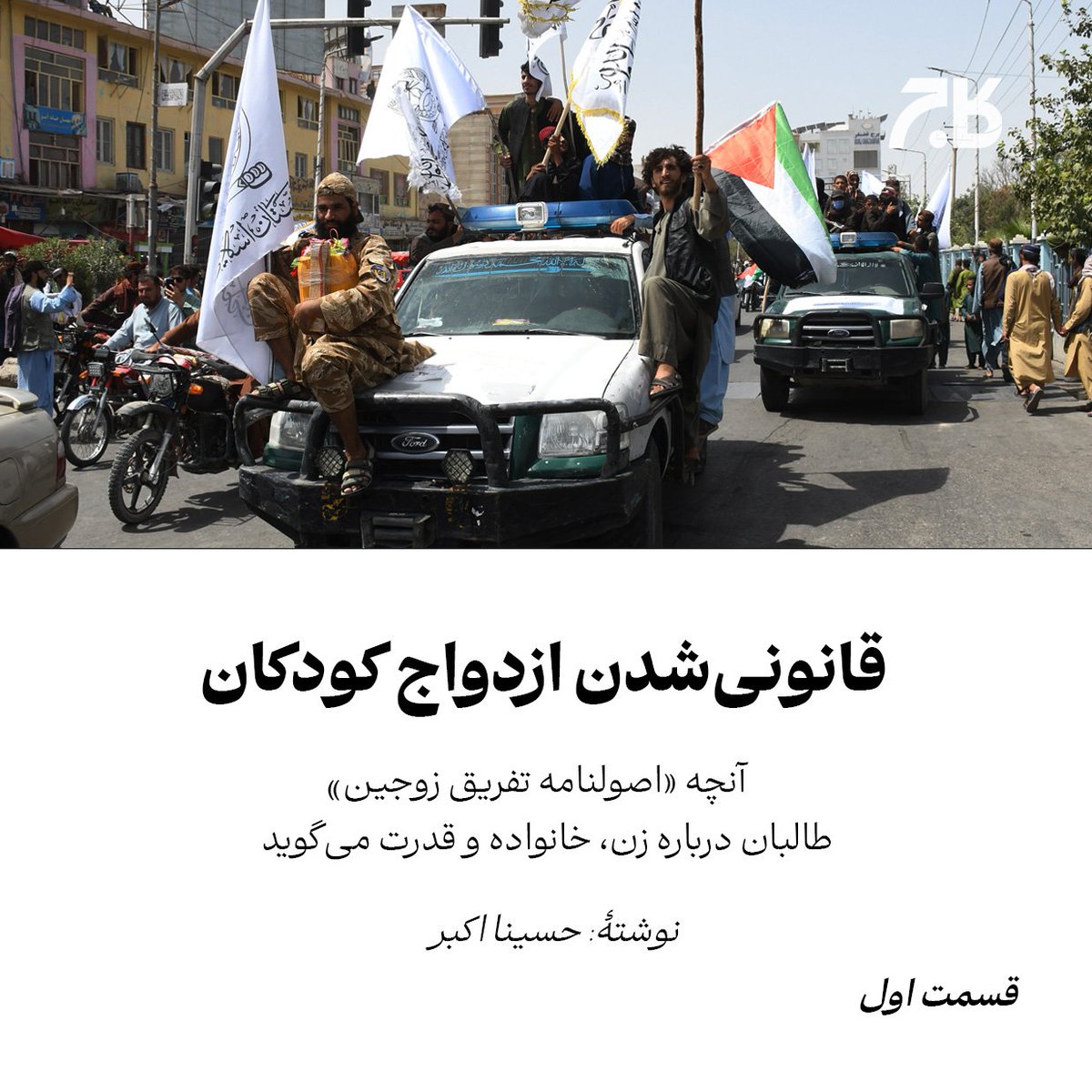
در روزهایی که زنان در افغانستان با محدودیتهای گسترده بر آموزش، کار و حضور اجتماعی روبهرو اند، حکومت طالبان «اصولنامه تفریق زوجین» را بهعنوان یکی از تازهترین اسناد مربوط به حقوق خانواده منتشر کرده است. این اصولنامه در ۳۱ ماده و ۱۲ فصل تنظیم شده و موضوعاتی مانند فسخ نکاح، خلع، غیابت شوهر، خیار بلوغ، رضاعت، لعان، ظهار و جدایی زوجین را توضیح میدهد.
اما یکی از بحثبرانگیزترین بخشهای این متن، موضوع «خیار بلوغ» و قابل تصور بودن ازدواج در سنین پایین در ساختار حقوقی آن است؛ موضوعی که بار دیگر نگرانیها درباره قانونیشدن ازدواج کودکان در افغانستان را برجسته کرده است.
خیار بلوغ و مسئله ازدواج کودکان
در فصل «خیار بلوغ»، اصولنامه توضیح میدهد که اگر دختر یا پسر در کودکی توسط ولی یا خویشاوندان به نکاح داده شده باشند، پس از بلوغ میتوانند درخواست فسخ نکاح کنند.
همین ماده، یکی از حساسترین بخشهای اصولنامه است؛ زیرا نشان میدهد ازدواج در سنین پایین همچنان در ساختار حقوقی قابل تصور است؛ مسئلهای که سالها یکی از بحثبرانگیزترین موضوعات حقوق زنان و کودکان در افغانستان بوده است.
در بسیاری از نظامهای حقوقی معاصر، ازدواج کودکان بهعنوان نقض حقوق کودک شناخته میشود؛ زیرا کودک در سن پایین توان تصمیمگیری آزادانه درباره ازدواج، آینده و زندگی شخصی خود را ندارد. اما در این اصولنامه، اصل نکاح در کودکی نفی نشده، بلکه تنها حق فسخ پس از بلوغ مطرح شده است.
اصولنامه بر چه مبنایی نوشته شده است؟
در متن اصولنامه، تقریباً تمام موضوعات بر مبنای فقه حنفی تنظیم شدهاند؛ از «عدم کفائت» و «خیار بلوغ» گرفته تا «خلع»، «غیابت شوهر»، «ردت»، «لعان» و «ظهار».
در سراسر متن، چارچوب اصلی بیشتر بر رابطه شرعی زوجین استوار است تا مفاهیم مدرن حقوق مدنی. به همین دلیل، مفاهیمی مانند برابری حقوق زن و مرد، استقلال حقوقی زن، رضایت آزادانه و حق انتخاب فردی، حضور بسیار کمرنگی دارند.
زن؛ در متن خانواده، نه بهعنوان فرد مستقل
در بخشهای مختلف اصولنامه، پدر، پدر کلان، ولی و قاضی نقش تعیینکننده در نکاح و فسخ نکاح دارند. حتی در برخی موارد، تصمیم زن وابسته به اجازه ولی یا حکم قاضی دانسته شده است.
این موضوع تنها یک بحث فقهی نیست؛ بلکه مستقیماً به جایگاه زن در ساختار حقوقی مربوط میشود. در این متن، زن بیشتر در چارچوب خانواده و اقتدار مردانه تعریف میشود تا بهعنوان فردی مستقل با حق تصمیمگیری کامل درباره زندگی شخصی خود.
خلع؛ حق جدایی در اختیار چه کسی است؟
در بخش خلع، اصولنامه تأکید میکند که زن باید شوهر را برای طلاق یا خلع «راضی» کند.
در چنین ساختاری، مسیر جدایی بیشتر به رضایت شوهر وابسته میشود. این مسئله زمانی جدیتر میشود که در متن، تعریف مشخصی از خشونت خانوادهگی، خشونت روانی یا فشار اقتصادی دیده نمیشود؛ موضوعاتی که در بسیاری از پروندههای خانوادهگی نقش اساسی دارند.
1
4
1,649
May 31
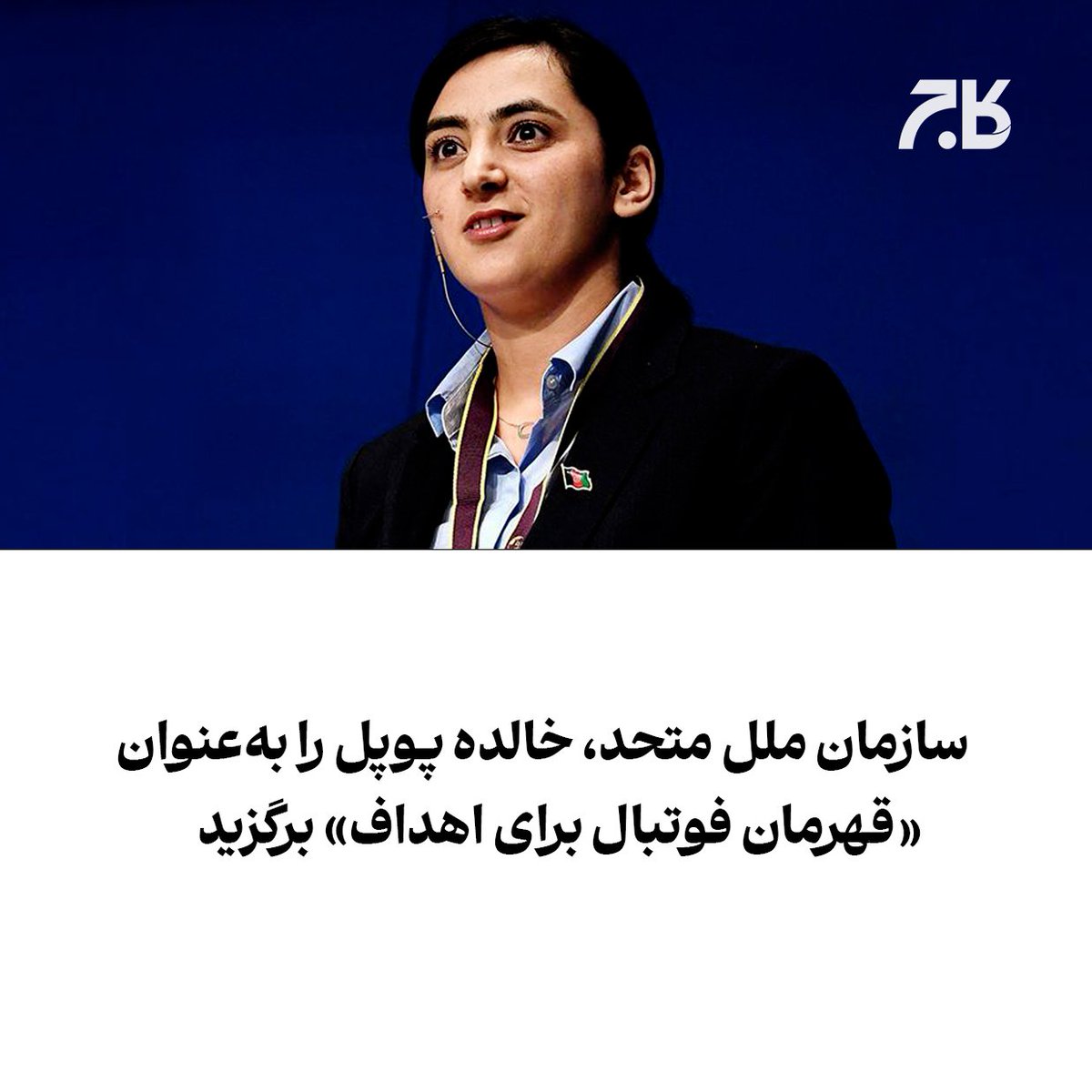
سازمان ملل متحد، خالده پوپل، فوتبالیست افغان در تبعید را در کنار ۱۵ چهره برجستهی فوتبال جهان بهعنوان «قهرمانان فوتبال برای اهداف» معرفی کرده است.
در این فهرست ۱۵ نفره، چهرههای شناختهشدهای چون کارلو آنچلوتی، سرمربی رئال مادرید، و آلیکو انی آلوکو، رئیس باشگاه فوتبال اینتر میلان، نیز حضور دارند. به گفته سازمان ملل متحد، این افراد بهصورت غیررسمی در راستای ترویج پایداری، برابری جنسیتی و حقوق بشر فعالیت خواهند کرد.
خالده پوپل بنیانگذار تیم ملی فوتبال زنان افغانستان است و سالهاست برای توسعه و حمایت از ورزش زنان تلاش میکند. او اخیراً با تلاشهای خستگیناپذیر خود موفق شد فیفا را متقاعد کند تا تیم فوتبال زنان افغانستان در تبعید را به رسمیت بشناسد و زمینه حضور آن در رقابتهای بینالمللی تحت پرچم افغانستان فراهم شود.
پوپل در سال ۲۰۱۶، زمانی که کاپیتان تیم ملی فوتبال زنان افغانستان بود، کشور را ترک کرد و اکنون در دانمارک زندگی میکند.
120
May 30
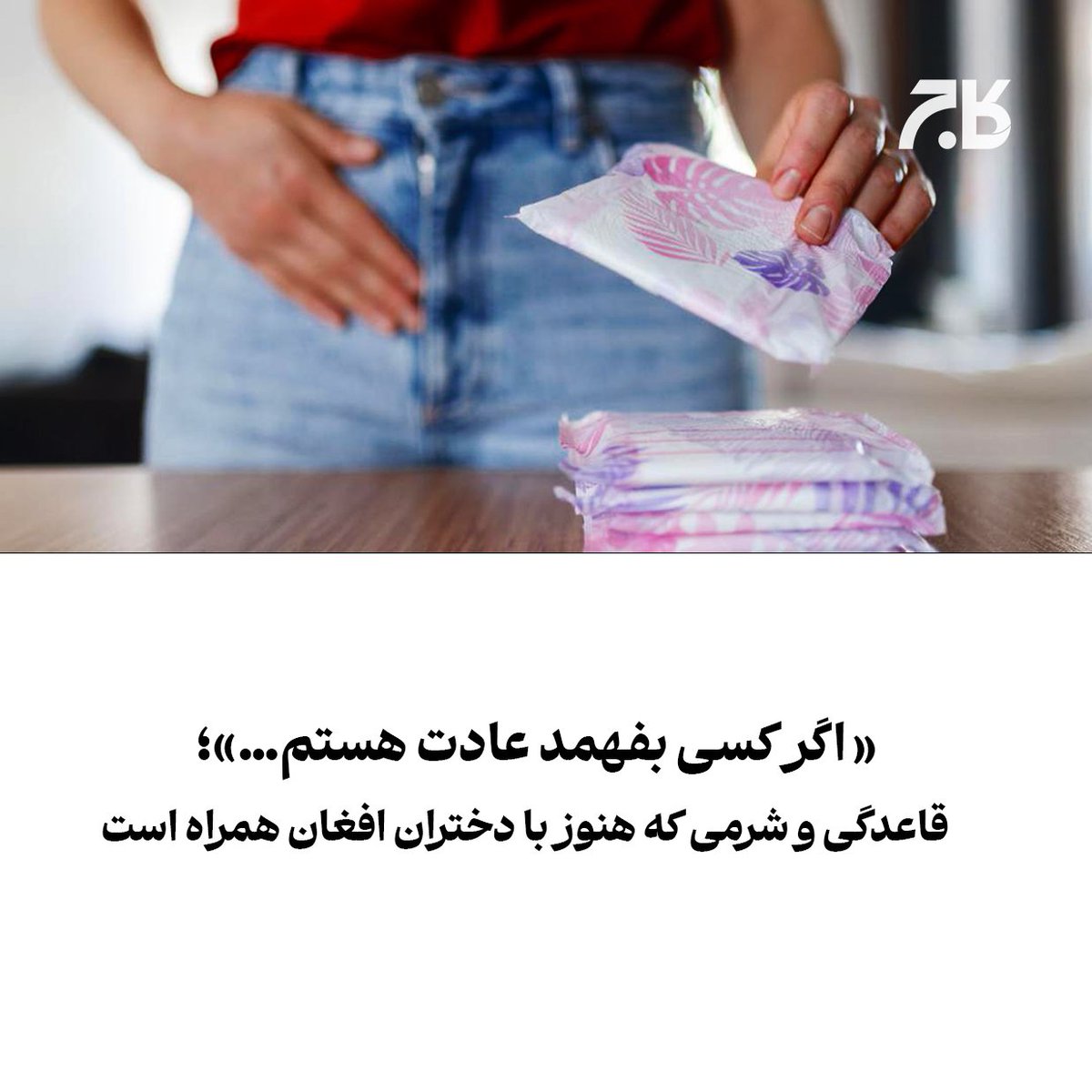
یک روز عادی مکتب بود. ناگهان درد شدیدی در شکمم شروع شد؛ آنقدر شدید که فکر کردم شاید آپاندیس شدهام. نمیفهمیدم چه اتفاقی در بدنم میافتد. فقط میترسیدم و درد داشتم.
وقتی به دستشویی رفتم و خون دیدم، همان لحظه فکر کردم یک مشکل خیلی خطرناک دارم. ترس تمام بدنم را گرفت. گریه کردم، زیاد گریه کردم. هیچکس قبلاً برایم نگفته بود که این میتواند یک چیز طبیعی باشد.
با گریه خودم را به استاد رساندم. او برایم گفت که این قاعدگی است. اما راستش را بگویم، من همان لحظه هم درست نفهمیدم. فقط سر تکان دادم، اما در ذهنم هیچ چیز واضح نبود. نمیدانستم باید چه کار کنم، نمیدانستم نوار بهداشتی چیست و چگونه استفاده میشود. فقط یک حس داشتم؛ شرم.
از آن روز به بعد، هر ماه همین اتفاق تکرار میشود. درد میآید، اما همراهش ترس هم میآید. ترس از اینکه کسی بفهمد، ترس از اینکه لباسام لکه شود، ترس از اینکه کسی سوال کند چرا نماز نمیخوانی. من یاد گرفتم همه چیز را پنهان کنم.
اما سختترین بخش برای من ماه رمضان است. صبحهای که عادت هستم برای سحری بیدار میشوم. در طول روز تظاهر میکنم که روزه هستم. با وجودیکه میدانم روزه بر من واجب نیست، باز هم سخت است که آزادانه آب بخورم یا غذا بخورم. همیشه یک ترس و شرم در ذهنم است: «اگر کسی دید چی؟ اگر پرسید چی؟»
این روایت، تجربه بسیاری از دختران افغان است؛ دخترانی که قاعدگی را نه با آگاهی، بلکه با ترس، شرم و پنهانکاری تجربه میکنند. در بسیاری از خانوادهها، حتی گفتوگو درباره عادت ماهانه هنوز هم دشوار است و دختران تلاش میکنند درد، نوار بهداشتی و حتی نیازهای طبیعی بدنشان را پنهان کنند.
فعالان حوزه سلامت میگویند ادامه این سکوت، تنها یک تابوی اجتماعی نیست، بلکه به یک مسئله صحی نیز تبدیل شده است. نبود آموزش درباره قاعدگی و بهداشت آن باعث میشود بسیاری از دختران اطلاعات کافی درباره مراقبتهای صحی، استفاده درست از وسایل بهداشتی و تغییرات طبیعی بدن خود نداشته باشند؛ موضوعی که میتواند بر سلامت جسمی و روانی آنان تأثیر بگذارد.
این در حالی است که در بسیاری از کشورهای جهان، قاعدگی بخشی از آموزش عمومی و حقوق صحی زنان دانسته میشود. حتی کشورهایی چون جاپان، اسپانیا، کوریای جنوبی، و اندونیزیا برای زنان در دوران قاعدگی رخصتی ویژه کاری در نظر گرفتهاند. سازمانهای جهانی نیز تلاش دارند با نامگذاری ۲۸ می بهعنوان «روز جهانی بهداشت قاعدگی»، سکوت و شرم پیرامون این موضوع را کاهش دهند.
104
May 26
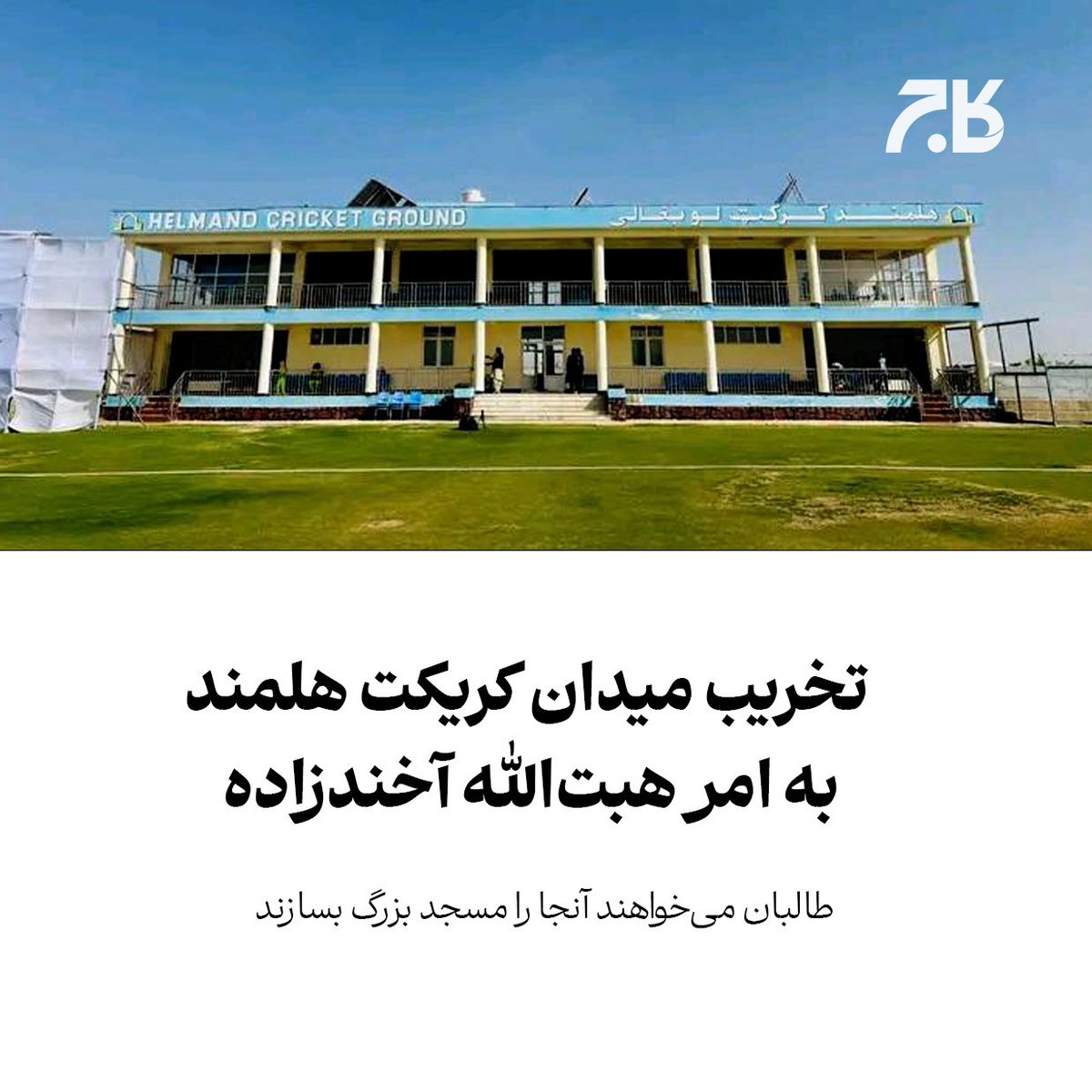
در مکانی که روزگاری صدای شور تماشاگران و برخورد توپ و چوب کریکت شنیده میشد، اکنون قرار است صفهای نماز شکل بگیرد. طالبان در ولایت هلمند روند تبدیل ورزشگاه کریکت لشکرگاه به مسجد عیدگاه را آغاز کردهاند؛ تصمیمی که گفته میشود پس از سفر اخیر هبتالله آخندزاده، رهبر طالبان، به این ولایت اتخاذ شده است.
منابع محلی میگویند پس از این سفر، اداره کریکت هلمند میدان را به ریاست حج و اوقاف واگذار کرده و از بازیکنان خواسته شده وسایل ورزشی خود را از محل خارج کنند.
این ورزشگاه در سالهای گذشته یکی از معدود مکانهای فعال ورزشی در هلمند بود؛ جایی که جوانان برای تمرین، مسابقه و دور ماندن از فضای جنگ و ناامیدی گردهم میآمدند. اکنون بسیاری نگراناند که با حذف این میدان، فرصتهای محدود ورزشی برای جوانان این ولایت بیش از پیش کاهش یابد.
یک بازیکن کریکت در گفتوگو با رسانهها گفته است: «این میدان فقط یک زمین بازی نبود؛ برای بسیاری از ما امید و انگیزه بود.»
طالبان تاکنون جزئیات بیشتری درباره طرح ساخت مسجد و سرنوشت فعالیتهای ورزشی در این مکان منتشر نکردهاند. با این حال، این تصمیم در شرایطی گرفته میشود که در سالهای اخیر محدودیتها بر فعالیتهای فرهنگی و ورزشی در افغانستان افزایش یافته است.
1
5
1,183
May 25
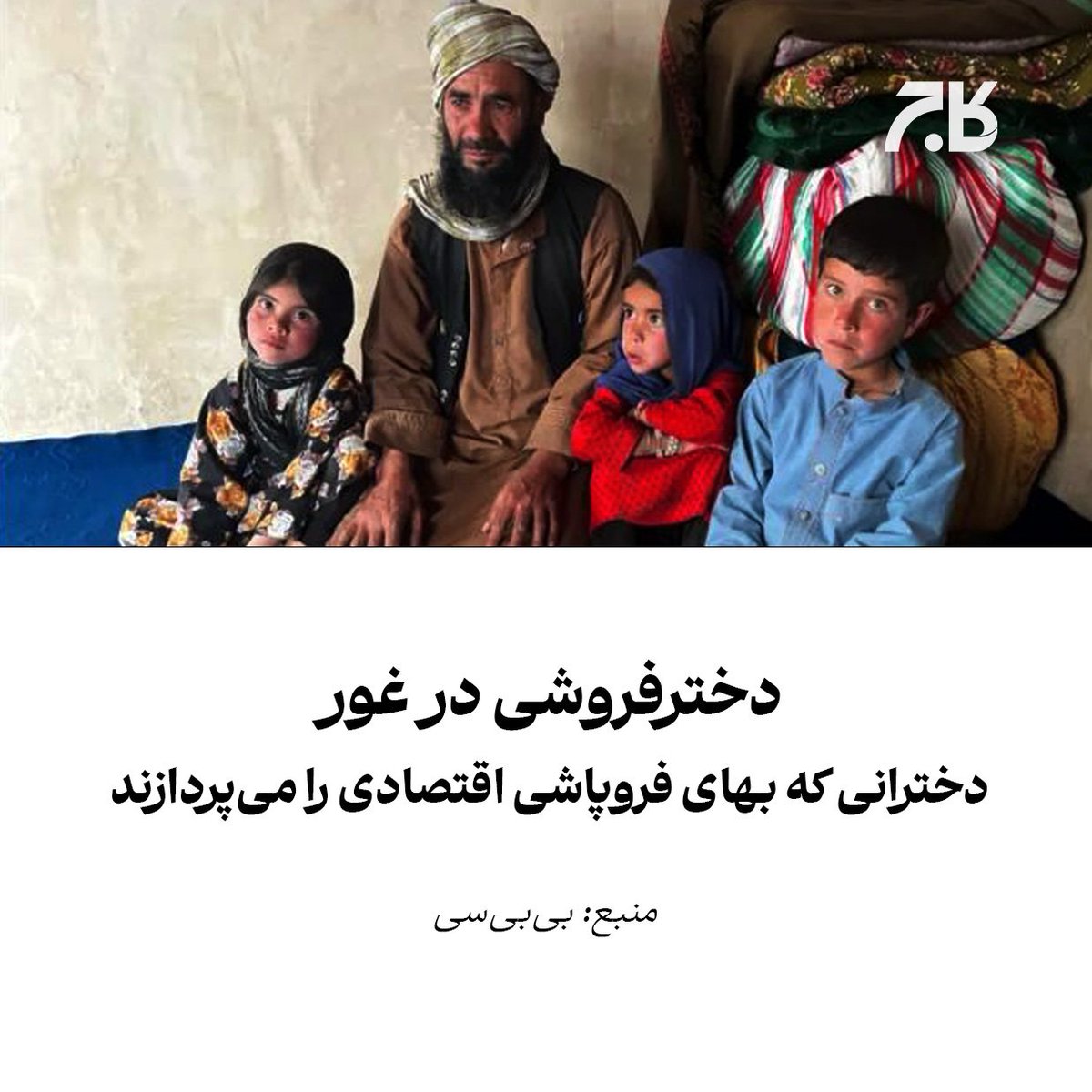
در ولایت غور، جایی که فقر و بیکاری هر روز عمیقتر میشود، برخی خانوادهها میگویند برای زنده ماندن، ناچار شدهاند کودکان دختر خود را بفروشند.
باشندگان این ولایت میگویند نبود کار، گرسنگی و ناتوانی در تأمین ابتداییترین نیازهای زندگی، خانوادهها را به مرزی رسانده که تصمیمهایی بگیرند که زمانی حتی تصورش نیز غیرممکن بود.
یکی از پدران در غور به بیبیسی گفته است: «اگر یکی از دخترهایم را بفروشم، شاید بتوانم چند سال دیگر برای بقیه فرزندانم نان پیدا کنم.»
مرد دیگری گفته است که برای پرداخت هزینه درمان، دختر پنجسالهاش را فروخته؛ زیرا به گفته او «هیچ راه دیگری» برای نجات خانوادهاش نداشته است.
مادر یکی از خانوادهها نیز گفته است: «غذای ما فقط نان و آب گرم است.»
اما آنچه این بحران را تلختر میسازد، فقط فقر نیست؛ این واقعیت است که در افغانستان امروز، دختران بیش از همه بهای فروپاشی اقتصادی را میپردازند. کودکانی که باید در مکتب باشند، حالا به ابزار زندهماندن خانوادههایشان تبدیل شدهاند.
2
174
May 25
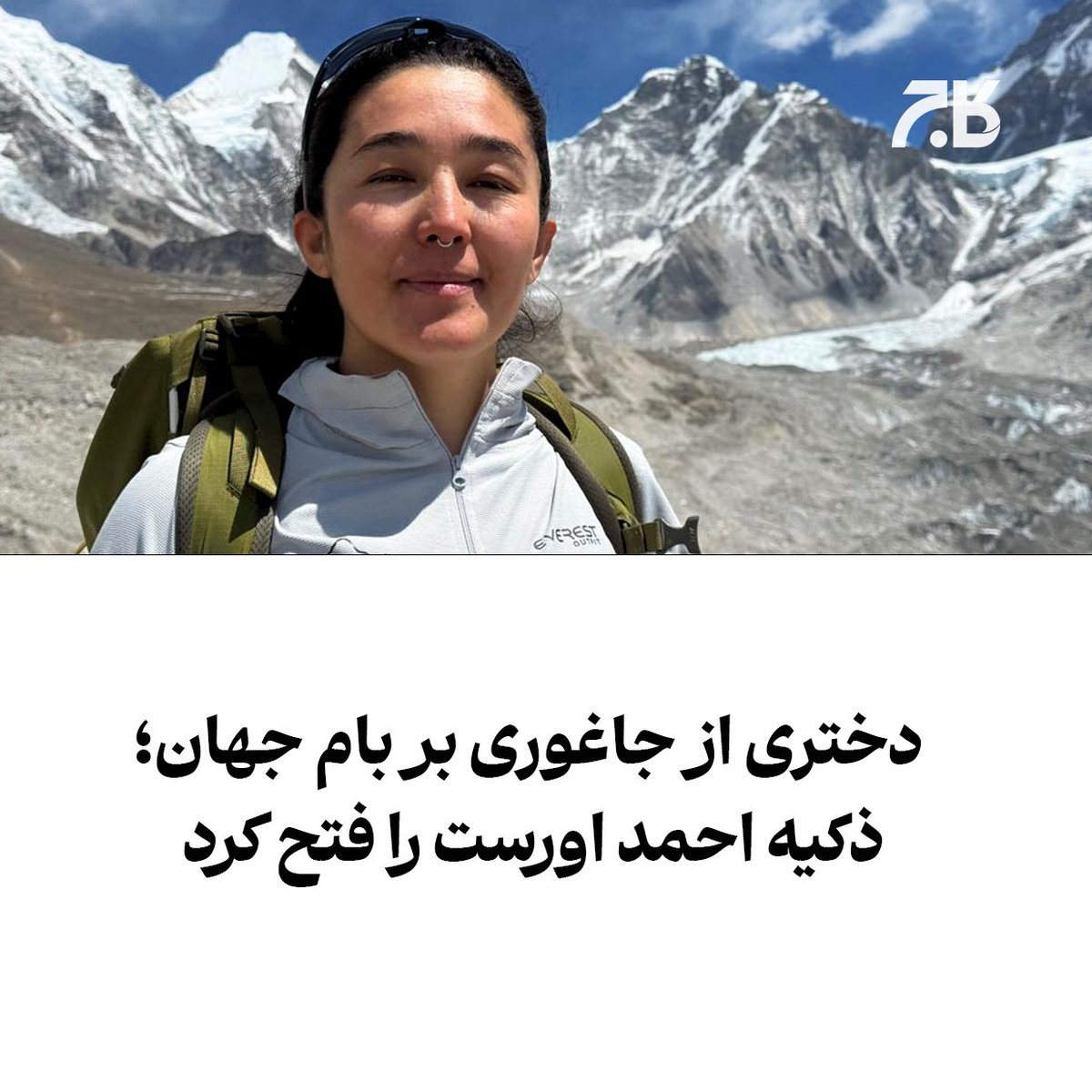
در روزگاری که زنان افغانستان یکییکی از صحنهٔ زندگی حذف میشوند، دختری از جاغوری بر بام جهان ایستاد.
ذکیه احمد، کوهنورد اهل جاغوریِ غزنی، موفق شد قلهٔ اورست، بلندترین نقطهٔ جهان را فتح کند و نامش را بهعنوان نخستین زن اهل افغانستان در فهرست فاتحان این قله ثبت کند.
او بامداد پنجشنبه، همراه با دو راهنمای نپالی، به ارتفاع ۸۸۴۹ متری اورست رسید؛ جایی که ایستادن در آن، برای بسیاری از کوهنوردان جهان نیز رؤیایی دشوار بهشمار میرود.
ذکیه پس از تحولات سیاسی افغانستان، کشور را ترک کرد و اکنون در استرالیا زندگی میکند. او پیش از این نیز چندین قلهٔ مهم جهان، از جمله نوشاخ افغانستان و مونبلان فرانسه را فتح کرده بود؛ اما صعود به اورست، بزرگترین دستاورد ورزشی او تا اکنون دانسته میشود.
او این موفقیت را به زنان و دختران افغانستان تقدیم کرده است؛ اقدامی که باعث شد صعودش برای بسیاری، تنها یک دستاورد ورزشی نباشد. در سالهایی که زنان در افغانستان با محدودیتهای گسترده در آموزش، ورزش و زندگی اجتماعی روبهرو هستند، ایستادن نام یک زن افغان بر بلندترین نقطهٔ جهان، واکنش گستردهٔ کاربران افغان را نیز بهدنبال داشته است.
ذکیه برای رسیدن به این صعود، ماهها تمرین فشرده انجام داده و برای تأمین هزینههای سفرش نیز کارزار جمعآوری کمک مالی راهاندازی کرده بود.
پس از انتشار خبر فتح اورست، بسیاری از کاربران افغان در شبکههای اجتماعی، این موفقیت را لحظهای تاریخی برای زنان افغانستان توصیف کردند؛ لحظهای که نام یک زن افغان، بر بام جهان ثبت شد.
6
207
May 24
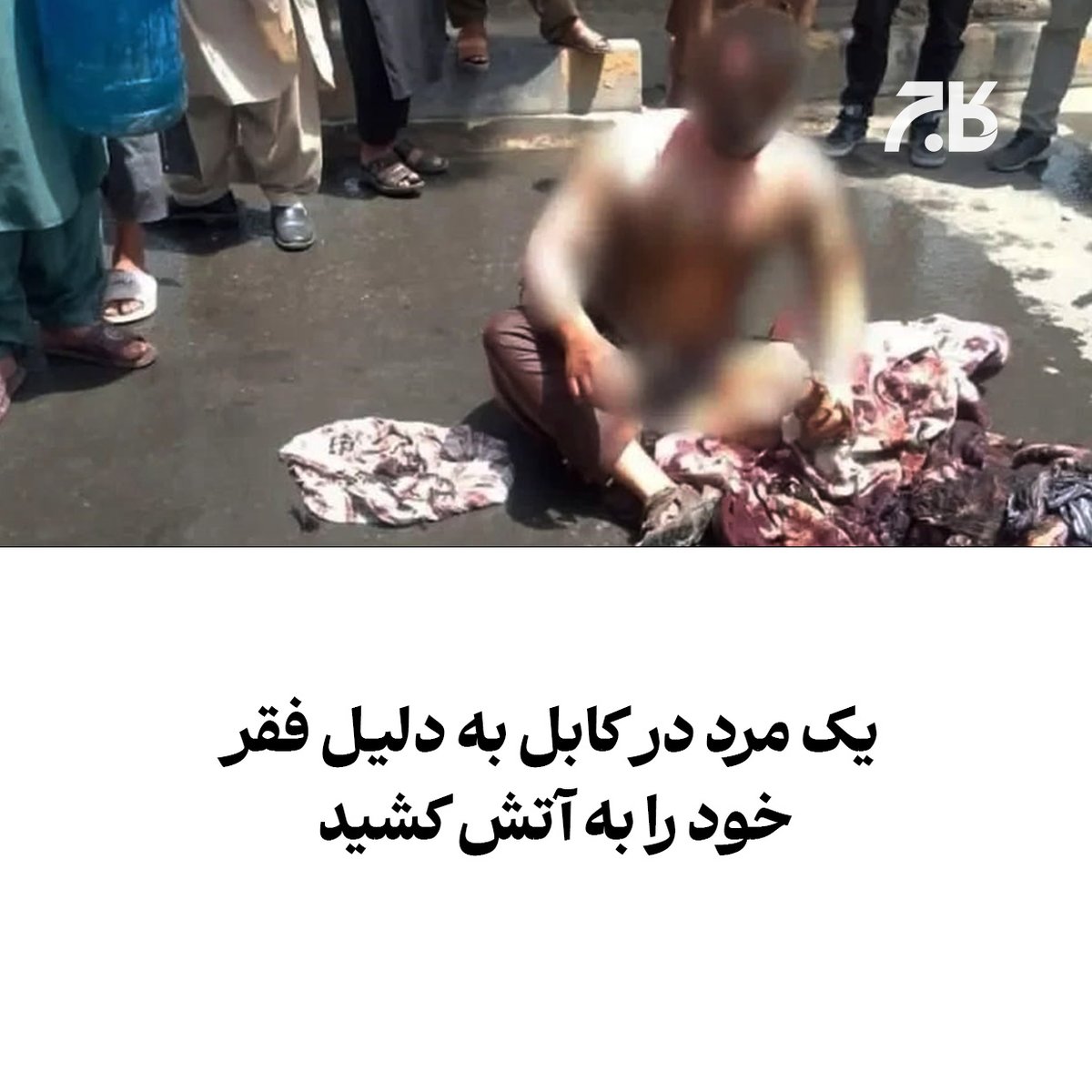
شمس، جوان ۲۷ ساله و فارغالتحصیل رشته انجنیری و کمپیوترساینس، پس از ماهها بیکاری و فشار شدید اقتصادی، در یکی از جادههای کابل خود را به آتش کشید و پس از انتقال به شفاخانه، به دلیل شدت سوختگی جان باخت.
ویدیوهای منتشرشده از محل رویداد، شهروندانی را نشان میدهد که تلاش میکنند آتش را خاموش کرده و جان او را نجات دهند؛ اما شدت جراحات، فرصتی برای زندهماندن باقی نگذاشت.
شمس، متأهل و پدر سه دختر بود. منابع نزدیک به خانوادهاش میگویند فشار تأمین هزینههای زندگی و ناتوانی در پیدا کردن کار، وضعیت روحی و روانی او را بهشدت تحت تأثیر قرار داده بود.
به گفته این منابع، شمس پیش از سقوط حکومت پیشین در یکی از سفارتخانههای خارجی کار میکرد، اما پس از تحولات سیاسی و تغییر شرایط، شغلش را از دست داد. او ماهها در جستوجوی کار بود و بارها از دشواری تأمین مخارج خانواده سخن گفته بود.
این رویداد واکنشهای گستردهای را در شبکههای اجتماعی برانگیخته است. شماری از کاربران، آن را بازتابی از وضعیت دشوار اقتصادی و افزایش ناامیدی در میان جوانان افغانستان دانستهاند؛ نسلی که با وجود تحصیلات دانشگاهی، با بیکاری، فقر و آیندهای نامعلوم روبهرو است.
1
7
1,011