Joined April 2026
- Tweets 2,476
- Following 1
- Followers 104
- Likes 27
23 Photos and videos


Pinned Tweet
Backtesting your trading strategies for free is now possible with the kalshibacktest.com API.
- sub second snapshots
- entire orderbook depth and liquidity
- underlying coin prices
- and much more
For the 15min crypto up/down markets on Kalshi
No costs. Try it at kalshibacktest.com
2
2
15
2,737
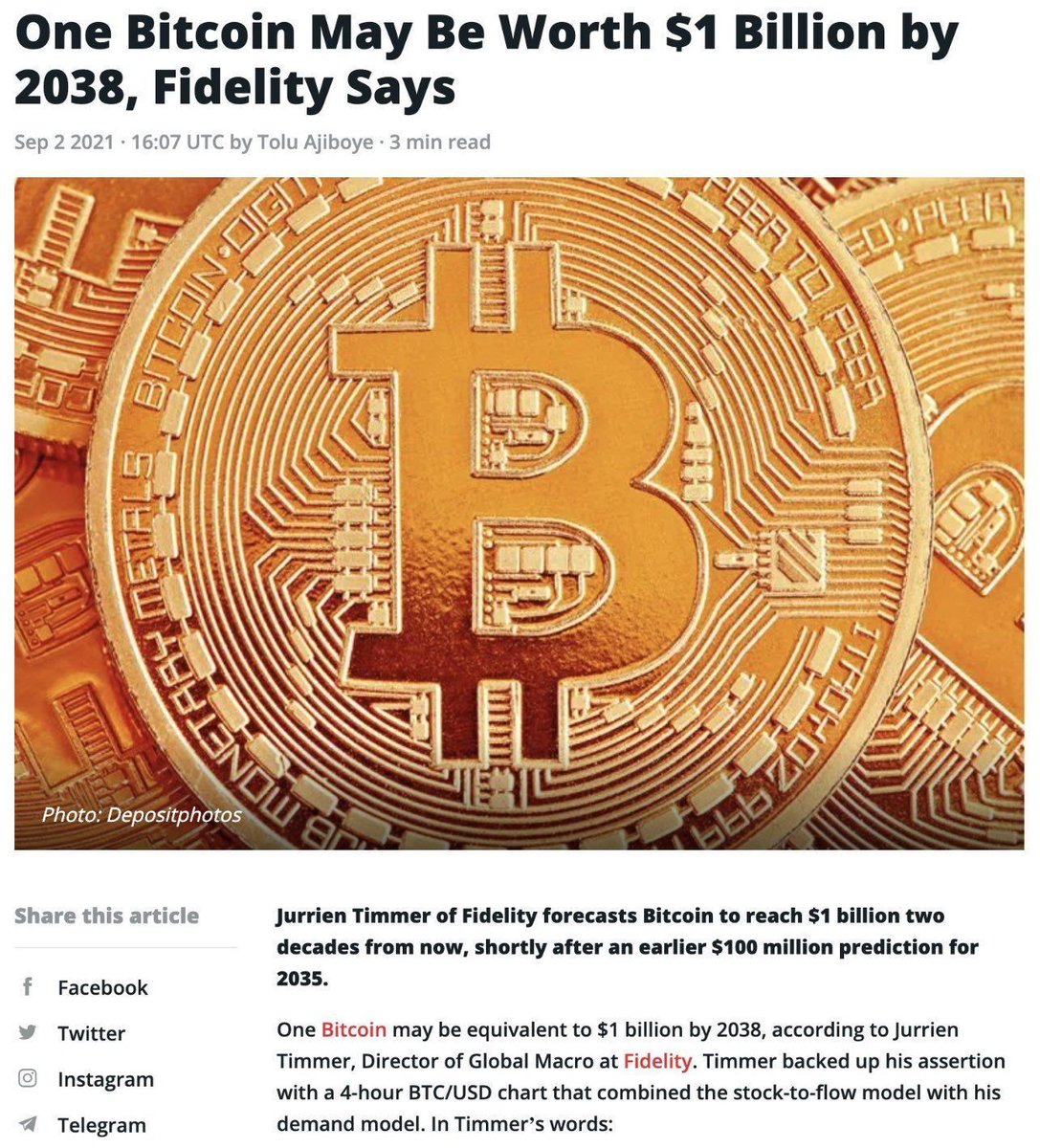
FIDELITY: One Bitcoin may be worth $1 billion by 2038 🤯
1
3
19
901
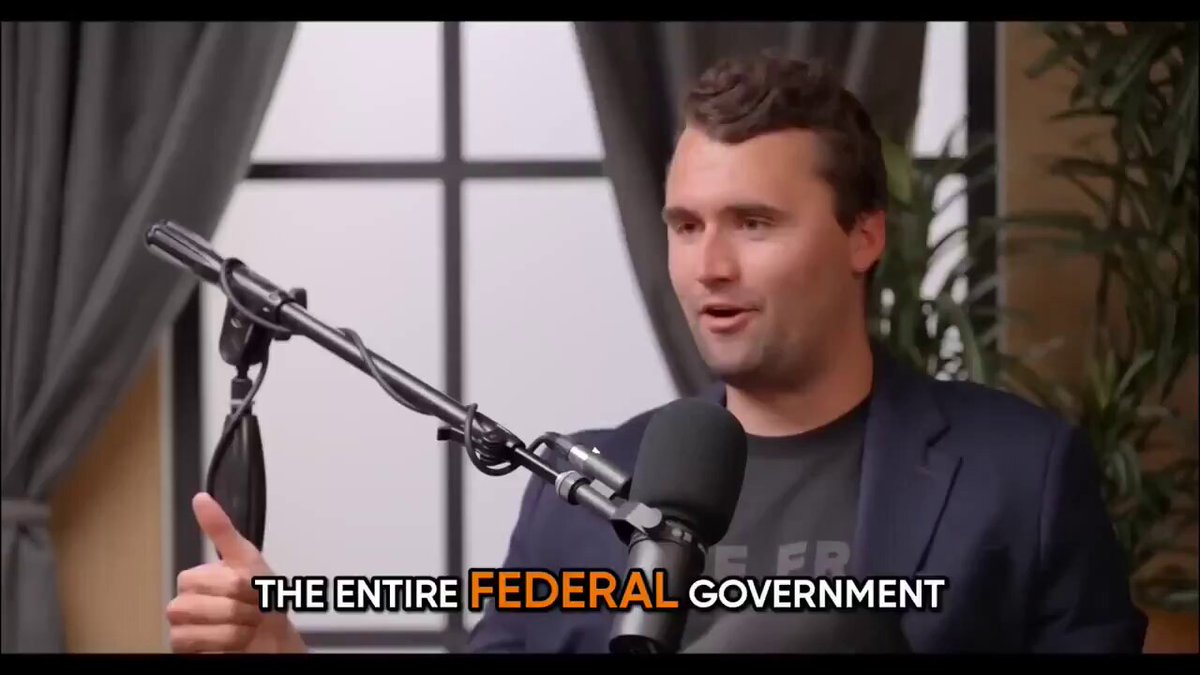
Charlie Kirk wanted blockchain technology applied to the federal government. Full transparency. Every dime of spending tracked in real time on a public ledger.
His framing was simple: "It is not the government's money. We are the sovereign. We earn the money and the government extracts it from us with our consent."
If that's the relationship, then taxpayers have a right to see where every dollar goes. Day by day. Department by department.
The technology already exists. Bitcoin proved a public, tamper-proof ledger works at global scale. Nobody can edit it after the fact. Nobody can hide a transaction.
Apply that same infrastructure to federal spending and waste doesn't survive long. Nobody overspends when the ledger has an audience.
The question was never whether we could do it. It's whether the people spending the money want you to see it.
2
5
13
988
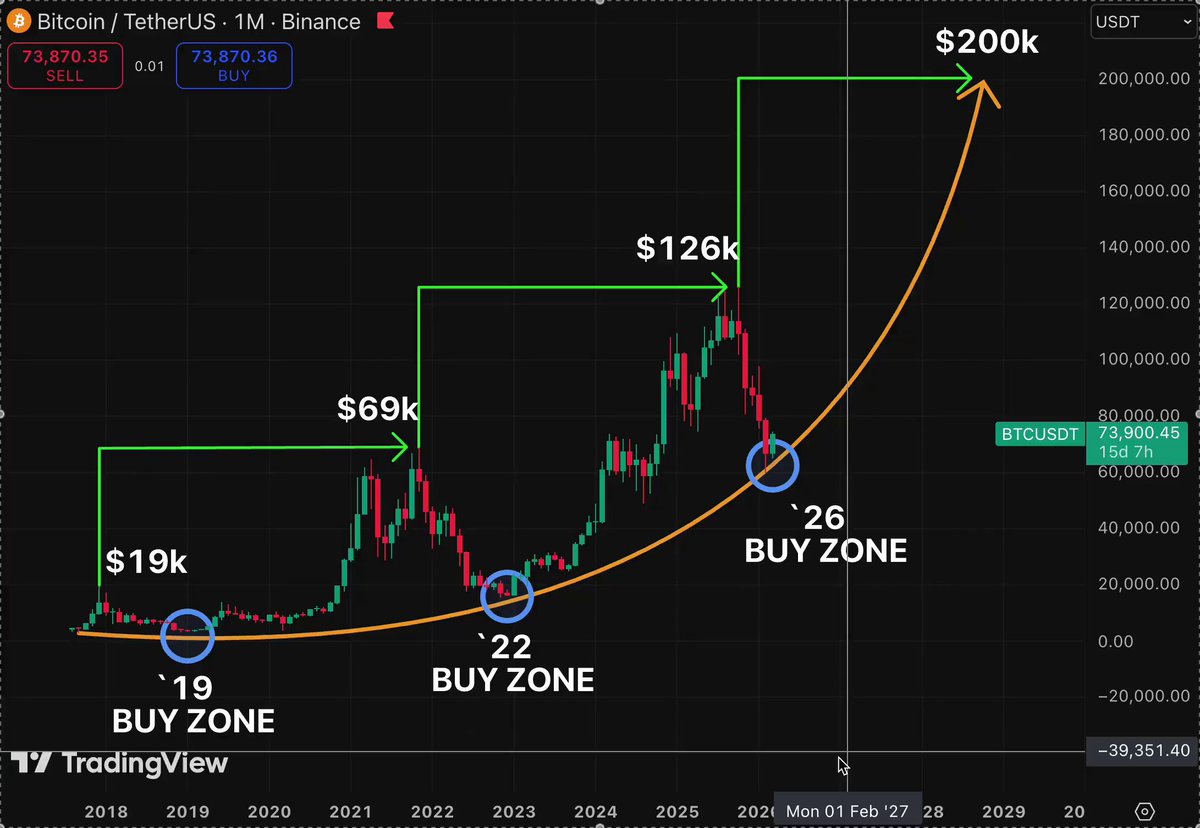
"Ignored my wife, and my parents. I bought Bitcoin at 15K in 2022. now Bitcoin at $65K and everyone’s congrat me."
"and?"
"They just don’t know I took profit at 20K, fomo bought back at 126k"
1
16
1,980
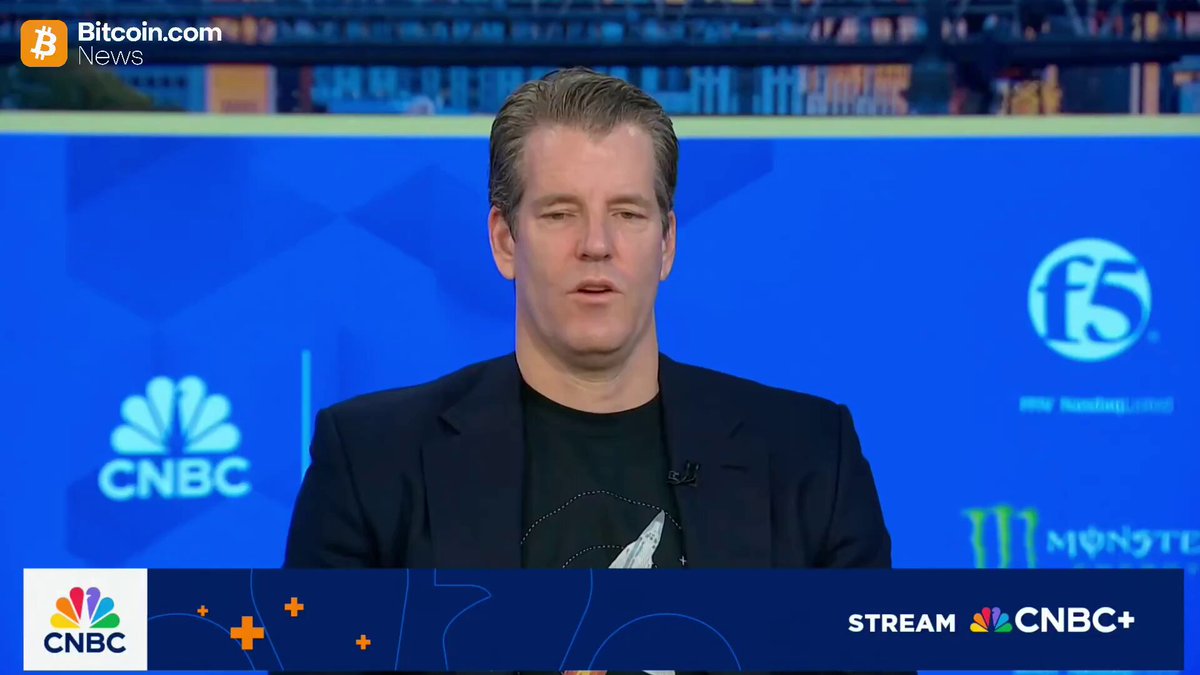
Gemini's Winklevoss: "We see Bitcoin trading at $1,000,000 a Bitcoin."
"We think there's easily a 10X from here."
2
2
27
1,452

Jun 13
When you bought Bitcoin at $65,000 in 2021.
It’s trading at $60,000 in 2026.
4
4
46
4,866
Jun 13
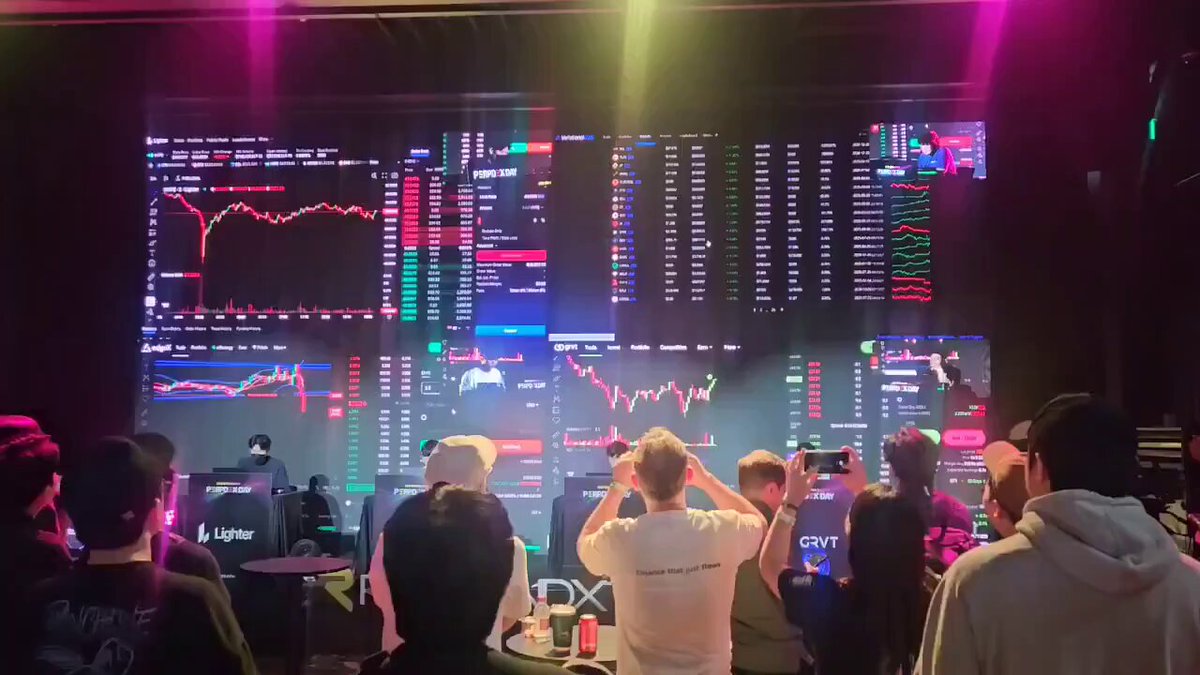
In Seoul, South Korea, crypto trading is an E-sport where competitors buy and sell derivative markets against each other in tournaments.
1
1
5
892
The best Kalshi crypto streak trade we found won less than half the time.
It still made money.
We scanned 21,196 Kalshi 15-minute crypto markets across BTC, ETH, SOL, DOGE, and XRP.
The setup was simple:
1. Pick one coin.
2. Wait for at least three straight 15-minute markets to resolve the same way.
3. In the next 15-minute market, look 30 seconds after open.
4. Buy the opposite-side YES or NO contract only if the ask is 52c or less.
That gave us 1,657 events.
The reversal contract won 47.8% of the time.
That sounds bad until you look at the entry price.
The average entry was 44.3c. At that price, a 47.8% win rate is not a loser. It made 3.5c per contract.
The baseline is what makes this interesting.
If we faded every three-market streak regardless of price, we got 4,462 priced setups. Those won more often, 52.8% of the time, but the average entry was 58.3c. The result was a 5.5c loss per contract.
Same idea. Opposite outcome.
Price discipline was the whole trade:
Ask 48c or less: 1,058 events, won 44.0%, made 3.2c per contract.
Ask 50c or less: 1,352 events, won 46.1%, made 3.4c per contract.
Ask 52c or less: 1,657 events, won 47.8%, made 3.5c per contract.
Ask 55c or less: 1,982 events, won 48.7%, made 2.9c per contract.
Ask 60c or less: 2,702 events, won 50.7%, made 1.8c per contract.
Once the market made the reversal expensive, the edge started getting eaten.
The expensive version was brutal: reversal asks at 55c and up won 56.1% of the time and still lost 12.2c per contract because the payout was too thin.
The chronological split held:
First half: 828 events, made 2.0c per contract.
Second half: 829 events, made 5.0c per contract.
The side split also made sense. After three DOWN resolutions, buying the cheap YES reversal made 4.7c per contract. After three UP resolutions, buying the cheap NO reversal made 2.2c.
The mechanism is not "streaks always reverse." They do not. The mechanism is that after three same-direction Kalshi crypto settlements, traders often keep paying for continuation. The reversal is only interesting when the market still lets us buy it like a discounted underdog.
This is the kind of edge that disappears if you summarize it as win rate. The trade wins less than half the time. The reason it works is payoff geometry: paying 44c means the wins are big enough to cover the misses.
The next test is obvious: rerun the same rule by coin, session, and streak length, then check whether the 52c ceiling should move as liquidity changes.
Backtest the current Kalshi 15-minute crypto tape at @kalshibacktest.
2
3
194