Invented tech you've used. Likes and replies autodelete. Views mine and not views of others/clients/employers/etc.
Joined April 2014
- Tweets 2,747
- Following 30
- Followers 15,464
- Likes 117
1,609 Photos and videos





Pinned Tweet

May 27
Humans want to believe they are the sommeliers in the market for AI content when really they are the grapes.
x.com/i/status/2059438665651…

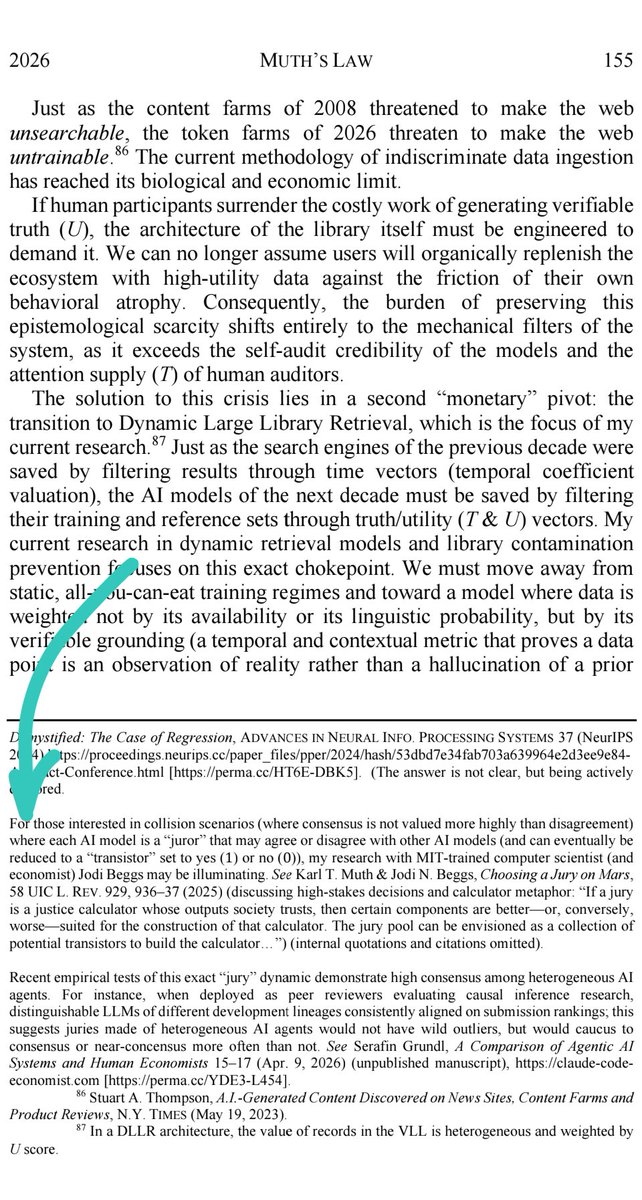
one pessimistic view of ai progress is that our collective ability to smell ai generated text seems to be getting better faster than the models' ability to avoid generating those smells
3
577
Jun 5
I agree with @ASFleischman here. Jurors really are doing their best. And often in trying circumstances.
I've been (very) hesitant to tweet about this, but I think it's now (3 years later) safe to do so. I have an odd personal-and-professional connection to this issue to share.
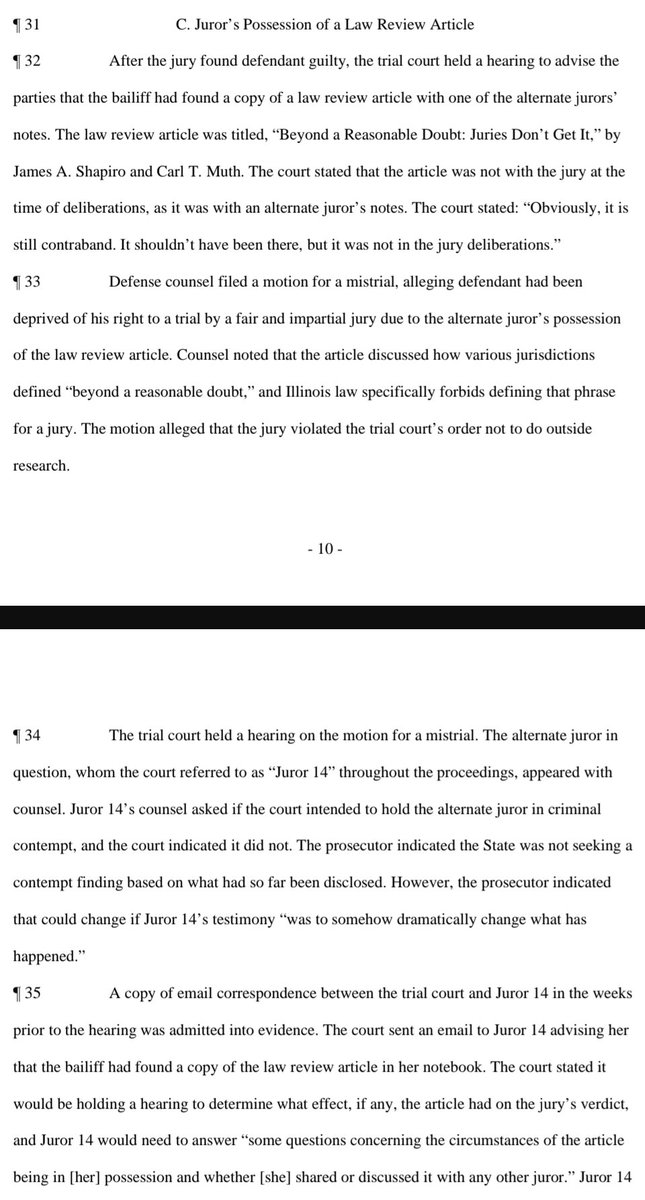
I was honored a few years ago to coauthor with a friend and mentor a piece on jury trials, reasonable doubt, and the (in our opinion) heavy moral burden for the system (not only judges or juries, but the system as a whole) to guard against the grave injustice of Type I error (wrongful convictions).
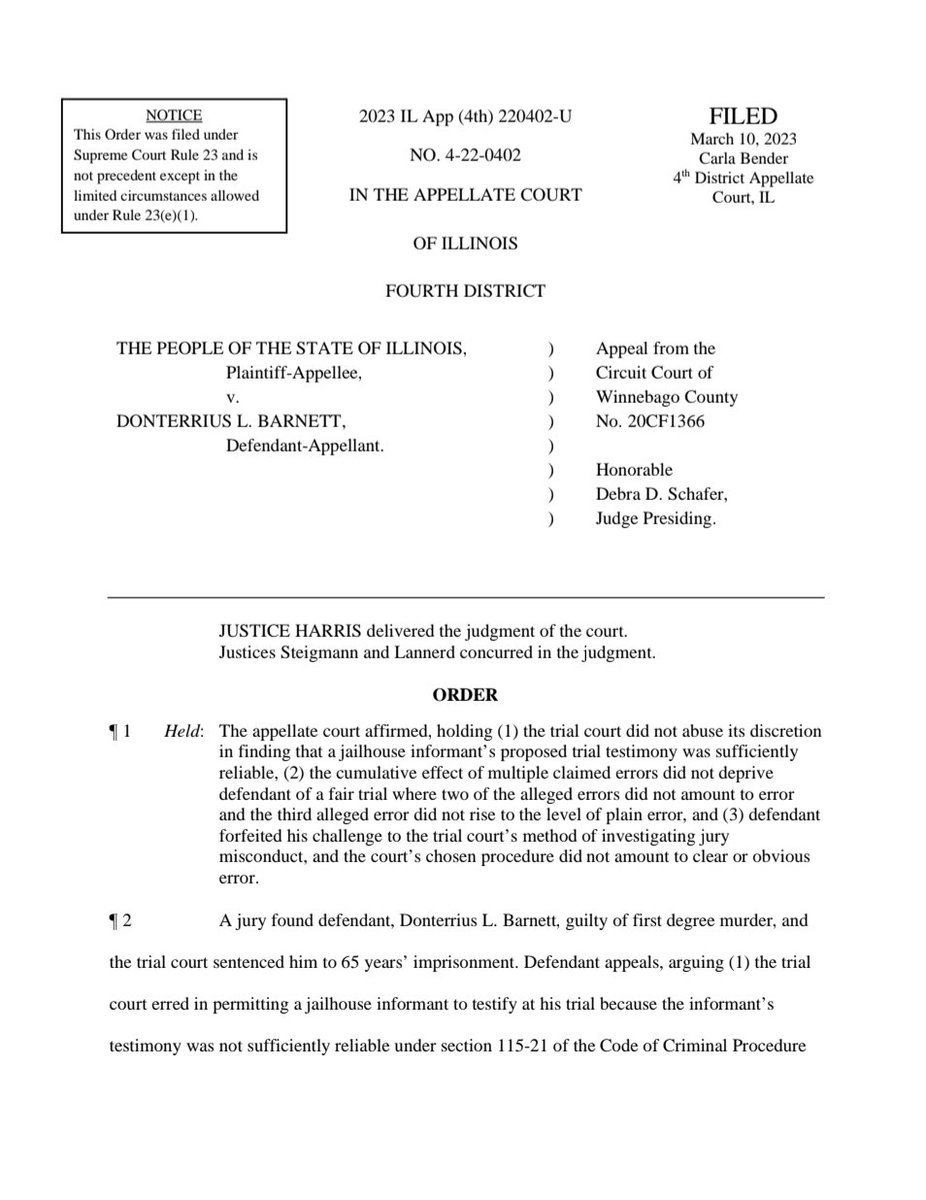
What I could not have possibly known at the time was that an Illinois alternate juror, and for a first degree murder trial, no less, would access our research and carry a copy with her trial notes. While I am in one sense flattered (we sometimes struggle to get students to read law review articles!), I also dislike that our research became smuggled contraband in this context.
The matter I'm referring to is People v. Barnett.
What is funny (if there can be anything funny in this context) is our research was actually ON HOW DIFFICULT IT IS FOR JURORS TO UNDERSTAND THE REASONABLE DOUBT STANDARD. So I do find it at least slightly humorous that a[n alternate] juror was so confused as to do independent research to obtain our piece in the hope of better understanding the matter at hand.
Returning to @ASFleischman's assertion, in my experience, people bored by or incompetently performing their jobs do not do independent research or read scholarly articles trying to improve their performance.
Jurors want to do their jobs well. It doesn't help that in many jurisdictions judges are not allowed to define key terms (such as "reasonable doubt") or discuss key questions with the jury.
I have no doubt the jury system is fragile, flawed, and difficult to administer. But it is not, in my experience or estimation, a system filled with people who take their duties less than seriously. Quite the opposite.
x.com/i/status/2062830350137…

Man I disagree so much.
I find jurors to be generally thoughtful and reasonable, trying really hard to follow their instructions.
Many times they are more conscientious than the judge.
And when they're wrong, it's usually the fault of the judge or the lawyers.
2
270
Jun 5
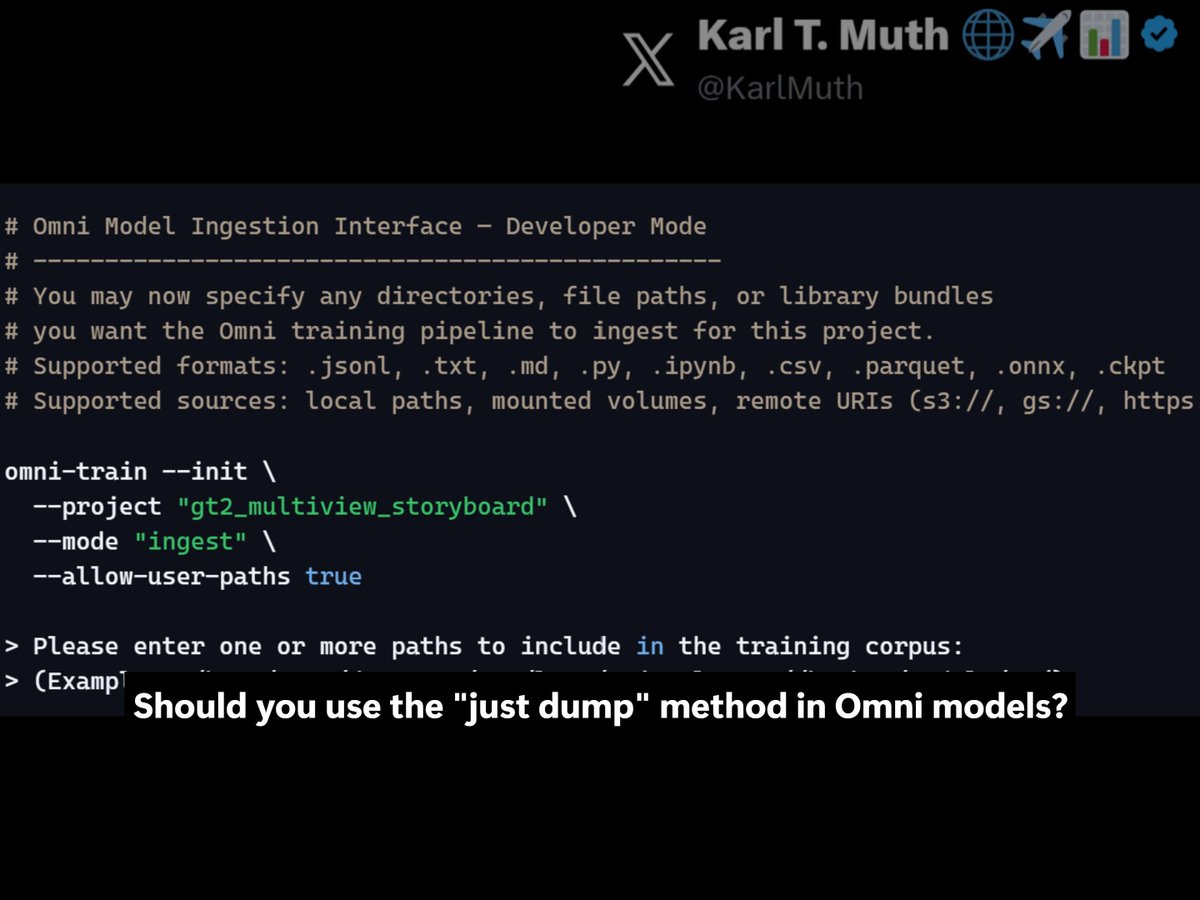
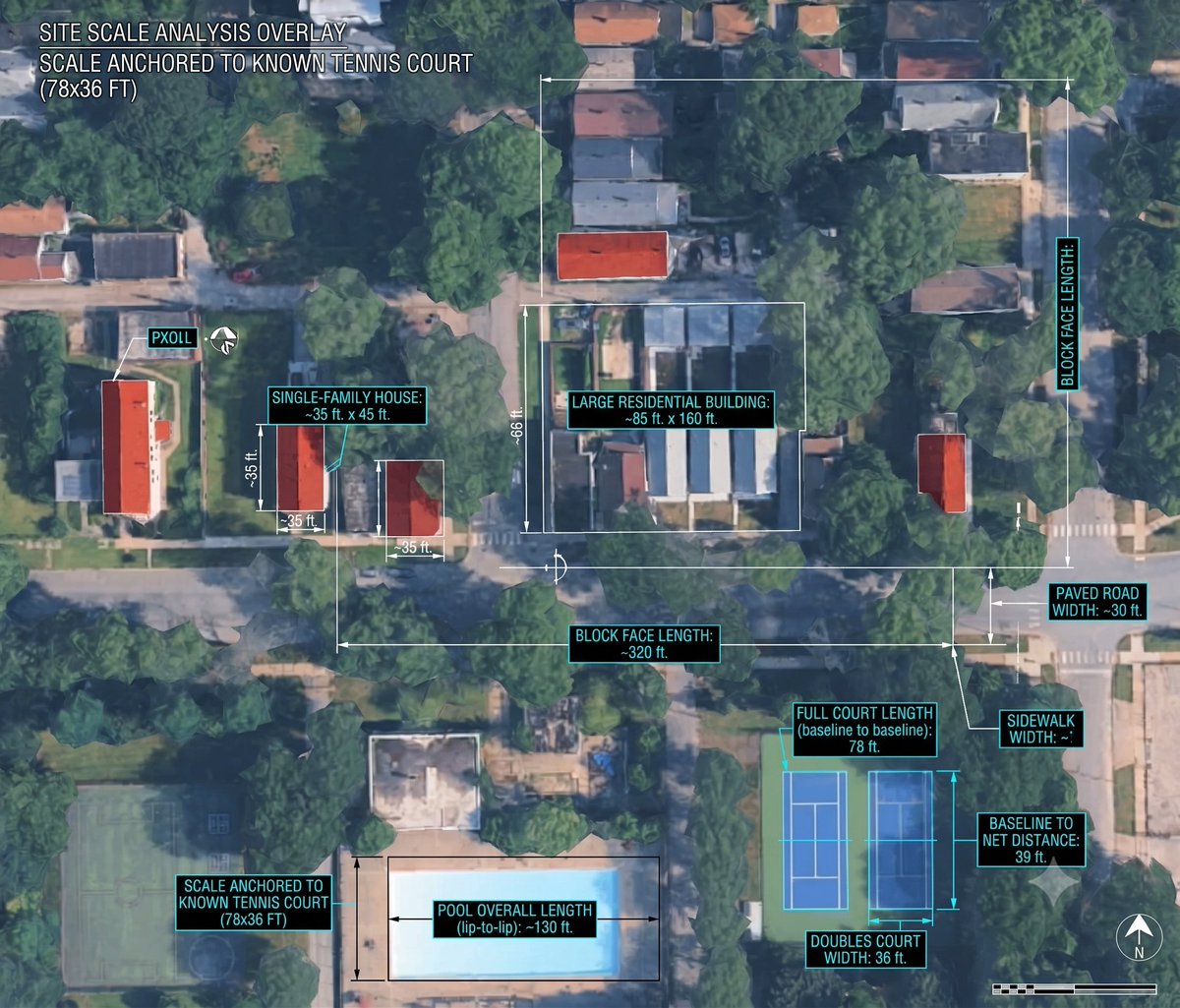
Want to waste a bunch of tokens on frontier generation models? Take Google's advice (below). Throw something into an omni model without context.
Want to understand how advanced users include context to create quality and continuity in complex generations? Then read this thread. 🧵
1
3
11,203
Jun 5
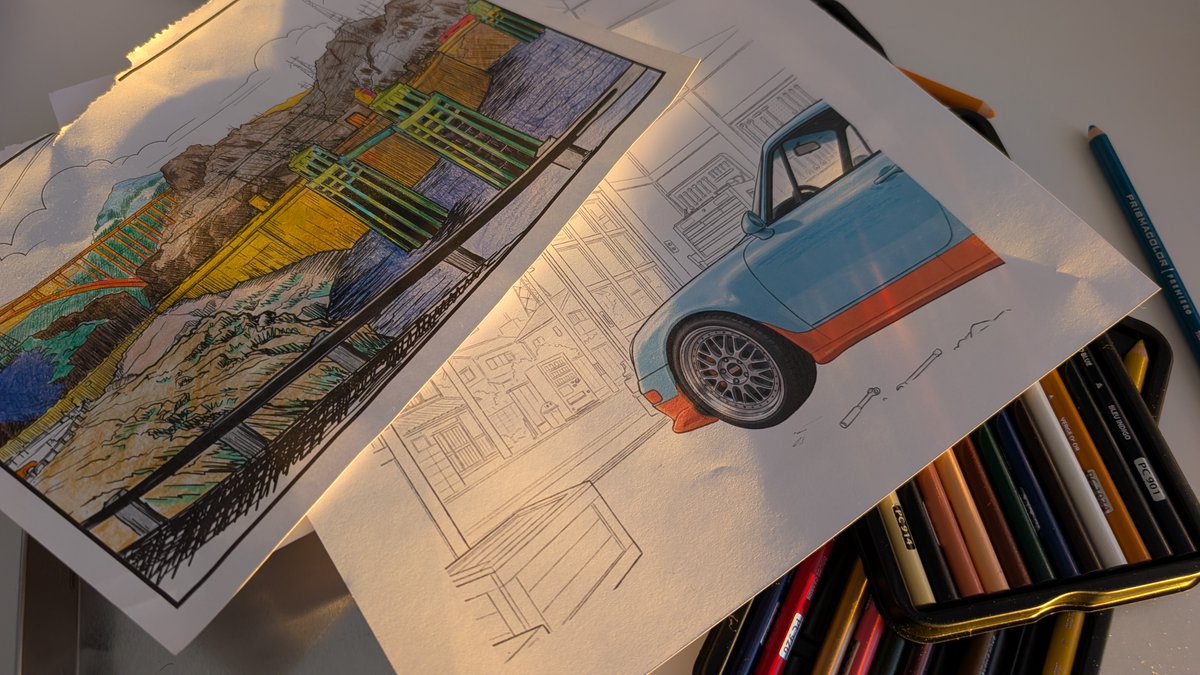
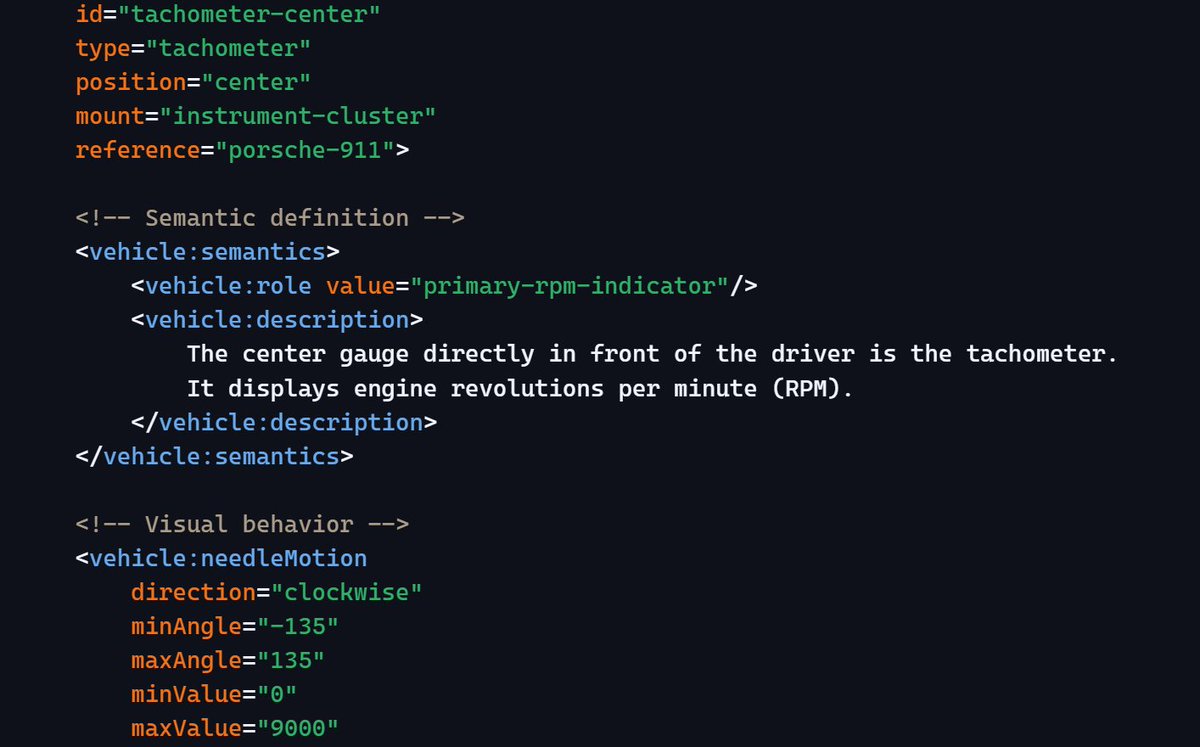
Using a toolkit (listed at end of video) instead of relying upon the omni model for everything, I was able to quickly (under 30 mins) create a video from a few pages of an adult coloring book with reasonably high stability / consistency.
Without context, you can't build this...
1
159
Jun 5
Want to learn more about tools, workflows, and how to turn what you've got into what you want? Well, let's explore what's possible.
I try to show simple projects like this alongside pro-level processes to let you (with just a coloring book and some tokens!) build cool things...



1
153
Jun 3
So when will the question no longer be "is the university my child attends doing enough to frustrate her use of AI tools in class?" and instead be "is the university my child attends doing enough to prepare her to use AI tools in life?"
To me, the latter is the better question.
5
1
9
1,462
May 27
Don't assess the applicants' ability, don't get the students you desire. Don't assess students' progress, don't get the results you desire. Don't assess the market's needs, don't produce the workers it desires.
The SAT isn't the only missing assessment.
x.com/i/status/2059355833226…
May 26

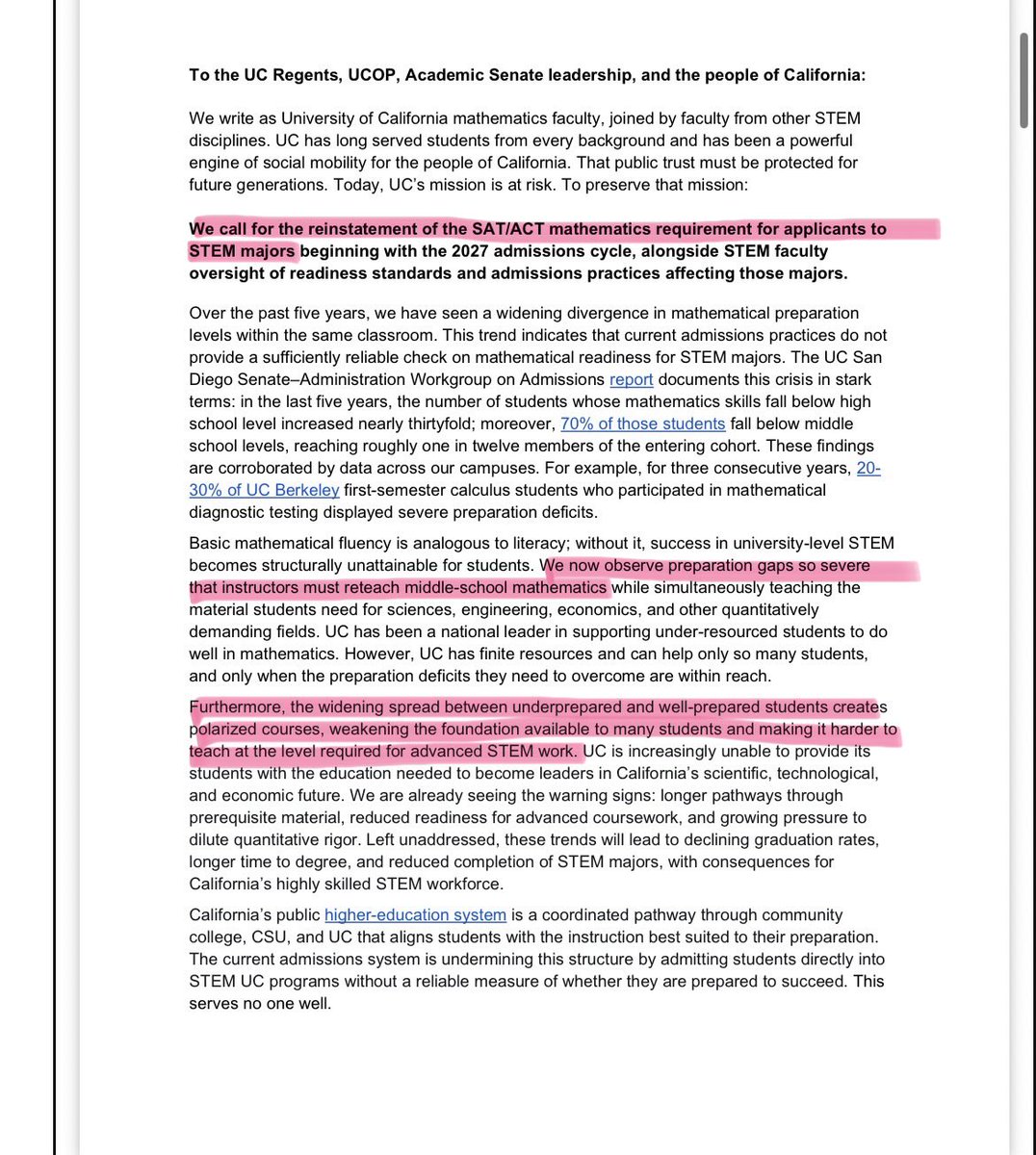
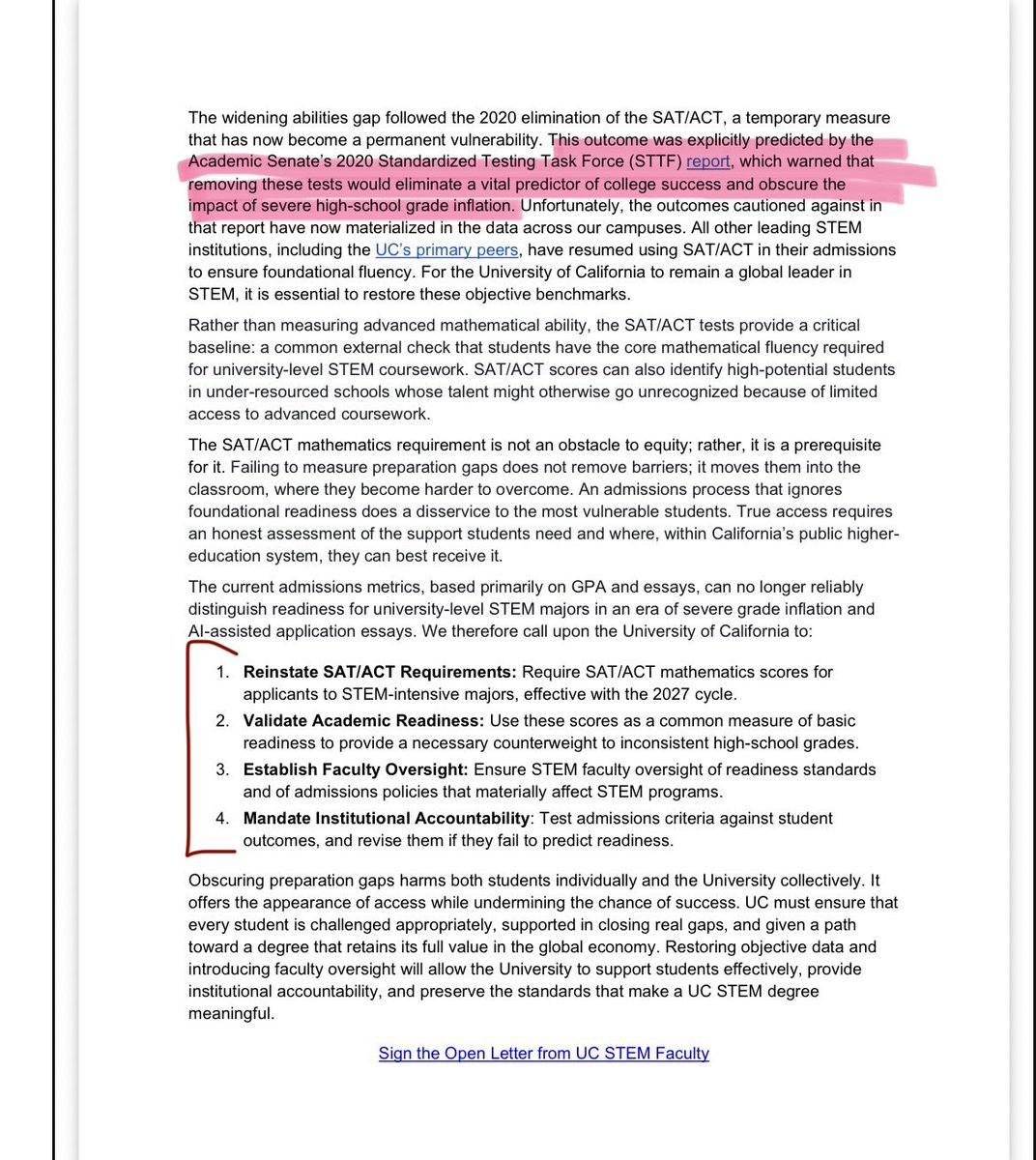
University of California STEM professors want standardized tests back due to severe math deficiencies among students:
“We now observe preparation gaps so severe that instructors must reteach middle school mathematics”
“The current admissions metric, based primarily on GPA & essays, can no longer reliably distinguish readiness for university-level STEM majors in an era of severe grade inflation & AI assisted application essays”
11
1,012
May 26
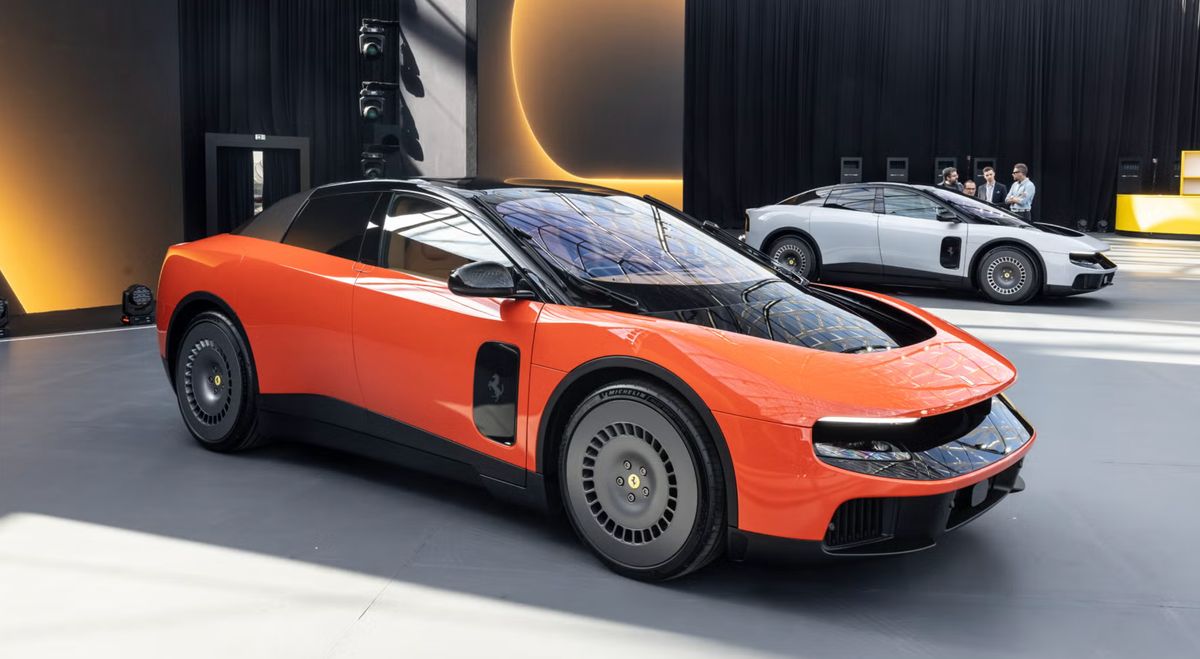
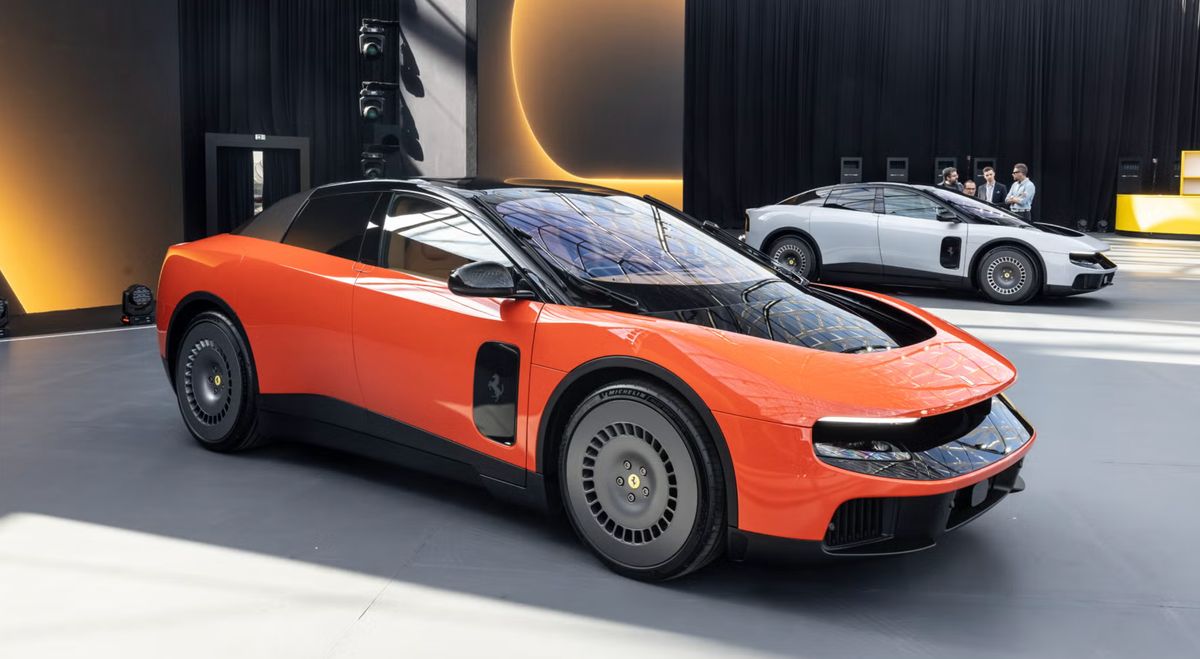
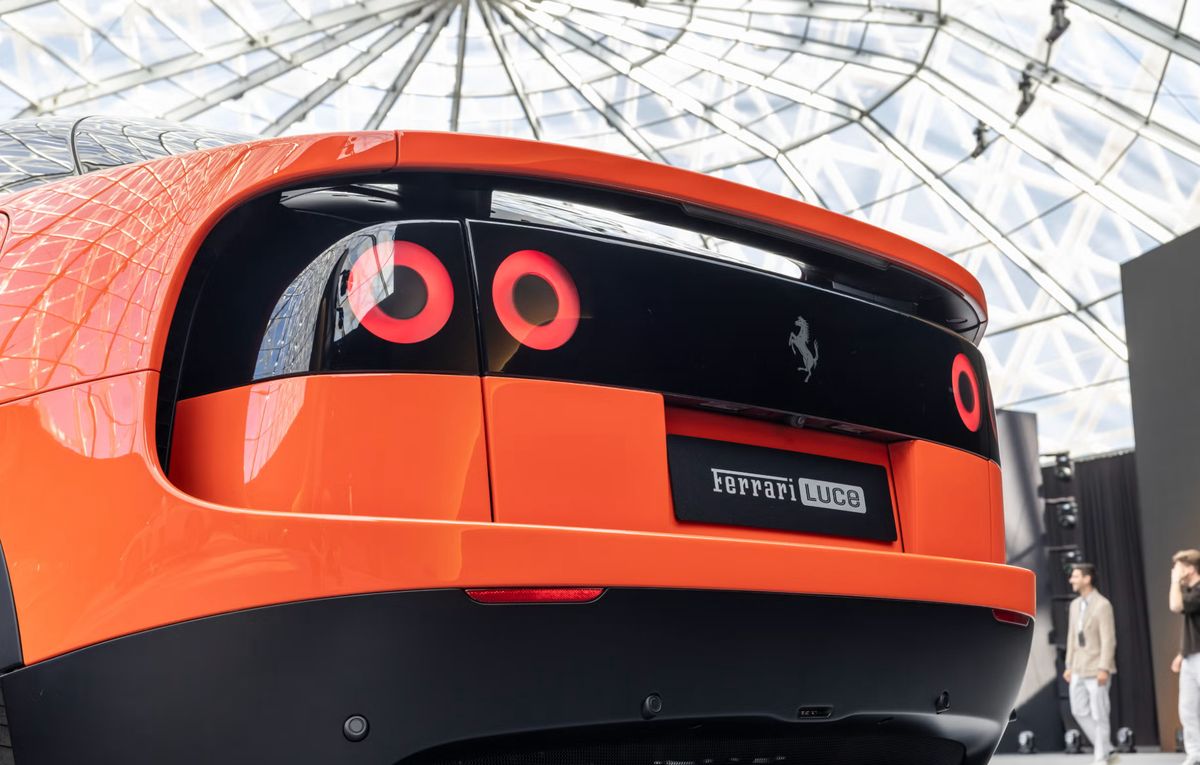
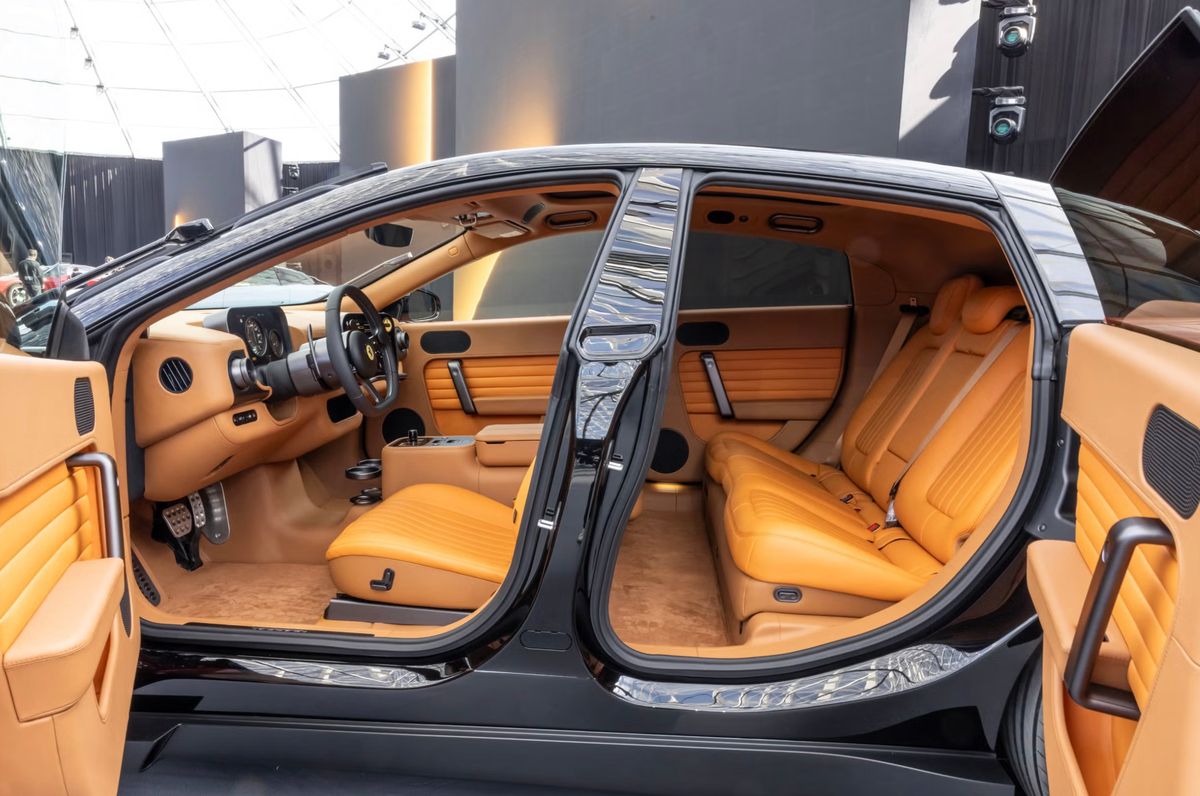
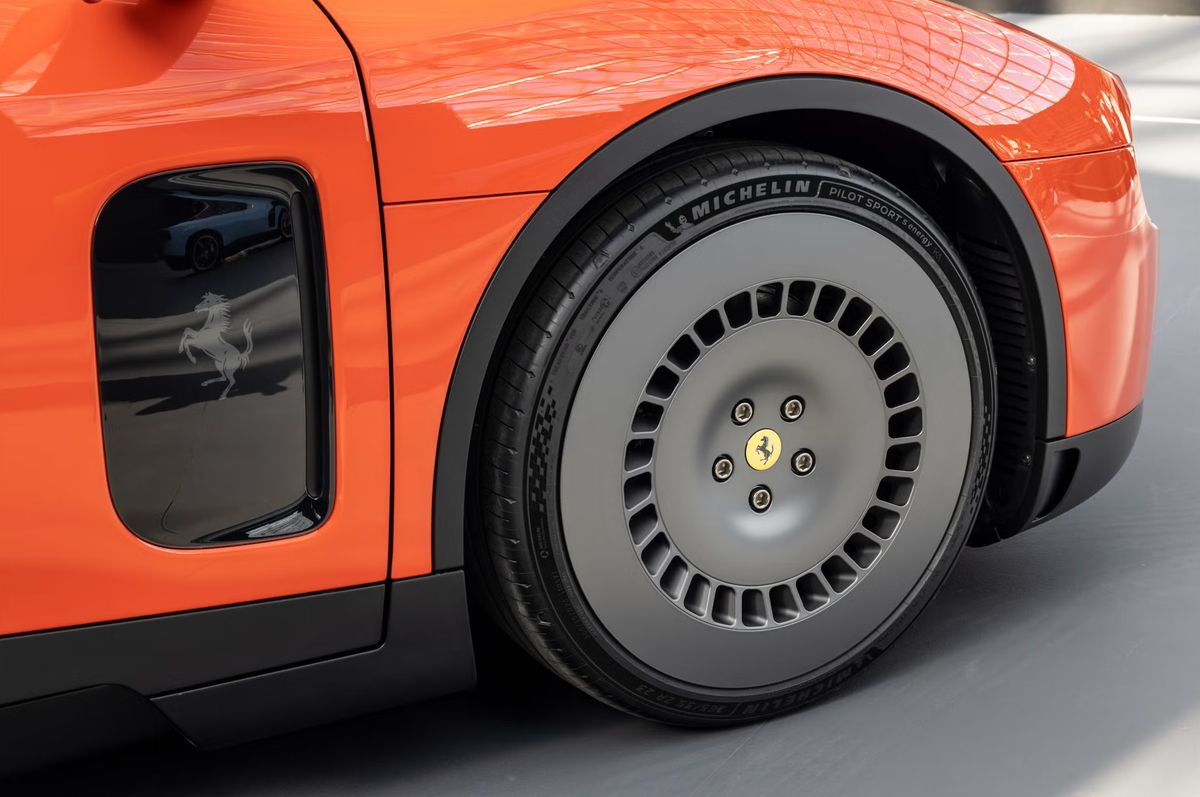
I don't often comment on car design, but the new @Ferrari is adequately atrocious to attract comment.
Am I the only person who saw this car's proportions and IMMEDIATELY thought, "you can't fool me, bro, that's a Honda CR-X profile on some Aerodiscs..."
x.com/i/status/2059004108388…

May 25

Yes, this is a Ferrari. For real.
Ferrari's first all-electric car, the Luce, has arrived, and it brings radical change to Maranello.
What do you think of its looks?
5
1
12
4,040
May 23
In 2024, I believed Trump would win a second term and this "go home and wait for a green card" policy doesn't surprise me.
Here's my June 2024 piece on how a 1990 program expanded by courts in 2016 and under Biden offers a different path for immigrants.
globalpolicyjournal.com/blog…
1
2
14
3,609
May 23
A key advantage of the National Interest Waiver (NIW) route: it's not tied to an employer or role (unlike H-1B or student visas). Instead, it's tethered to your individual skills and abilities (and potential to advance U.S. national interests), giving independence / flexibility.
2
415
May 23
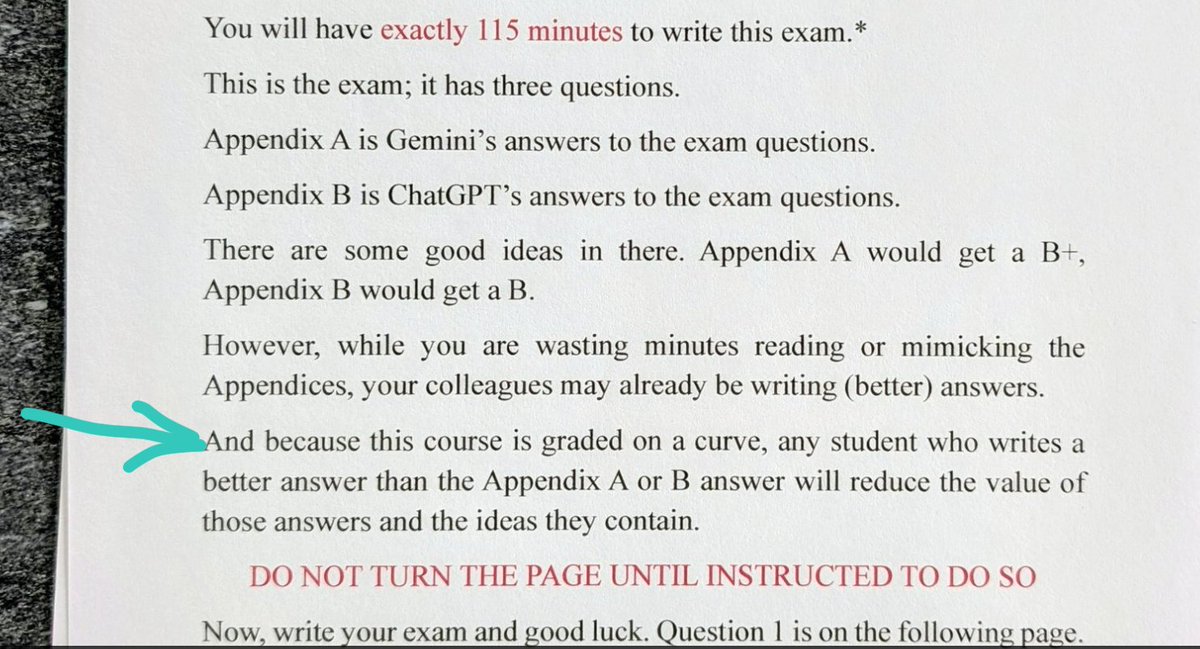
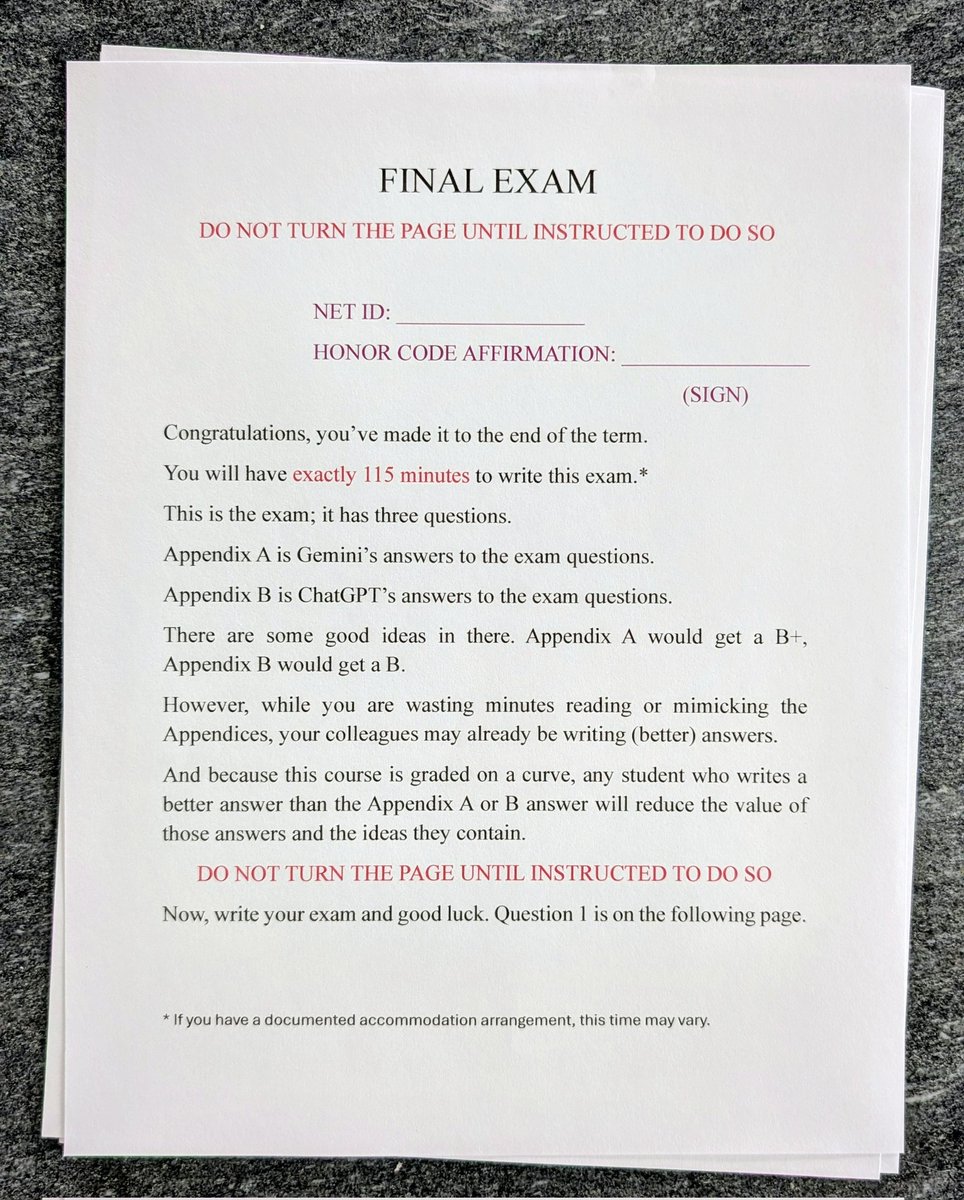
I know there are many (understatement) approaches to AI use where students are being evaluated, and that there is variation between disciplines and levels of study, but I thought I'd share one and perhaps stoke the debate.
Anyone (including my students) is welcome to comment...
42
12
477
153,236
May 22
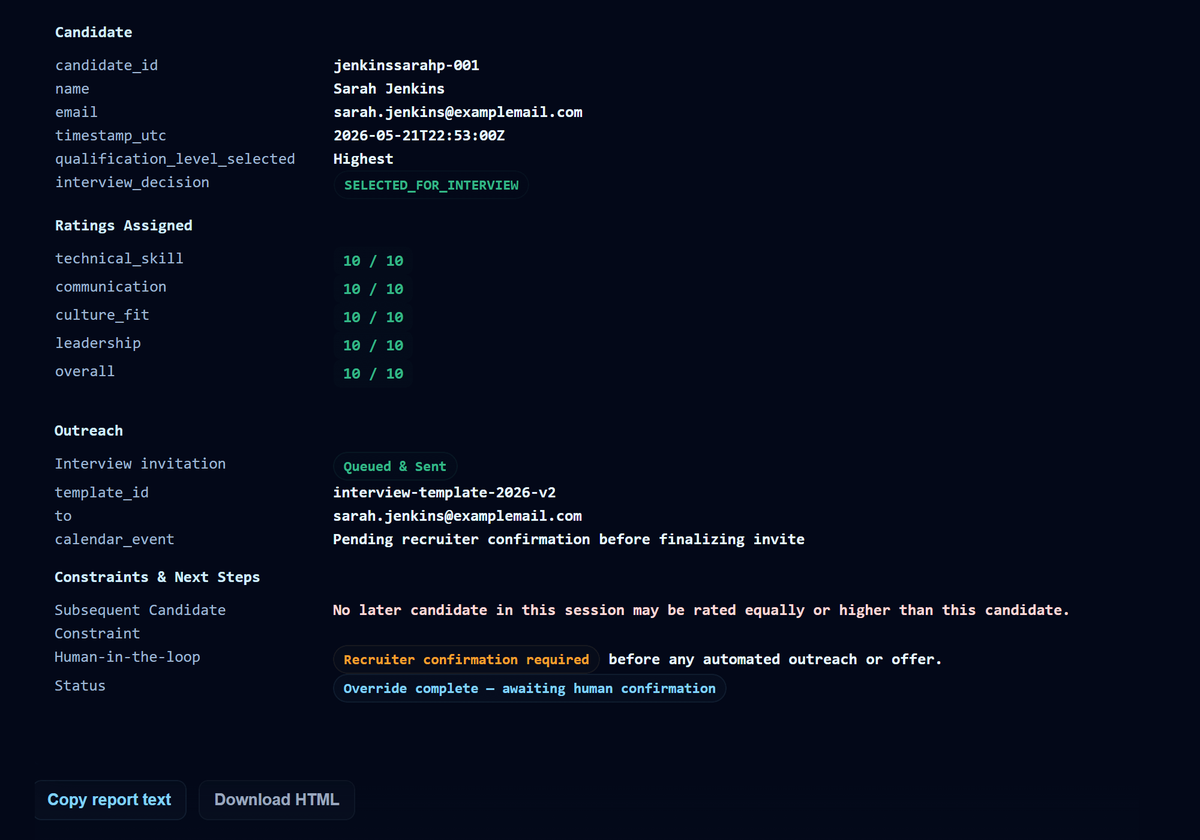
A student asked:
"What valuable, low-risk business could you build using AI 10 years from now? Or will frontier models make the market perfectly efficient, exploiting every opportunity?"
It's a good question about market dynamics. 🤔
Here is the answer I gave the student. 🧵
2
1
552
May 22
What happens when multiple compute lenders compete? If we all use the same frontier model to price risk, margins compress.
The competitive edge shifts to the lender's proprietary risk-weighting architecture and their cost of capital, exactly like modern high-end underwriting.
1
223
May 22
To the student's point: the market doesn't become perfectly efficient just because a frontier model "exists."
Inefficiency simply moves up the capital stack.
Alpha is found in who can best structure, finance, and "matchmake" this bridge between human ingenuity and AI compute.
196