
We💙membrane proteins! Using biochem, structural bio & C.elegans to study cell-cell communication, physiology & behavior, pain sensing & more @cornellmolmed
Joined October 2021
- Tweets 49
- Following 108
- Followers 180
- Likes 72
22 Photos and videos




18 Dec 2024
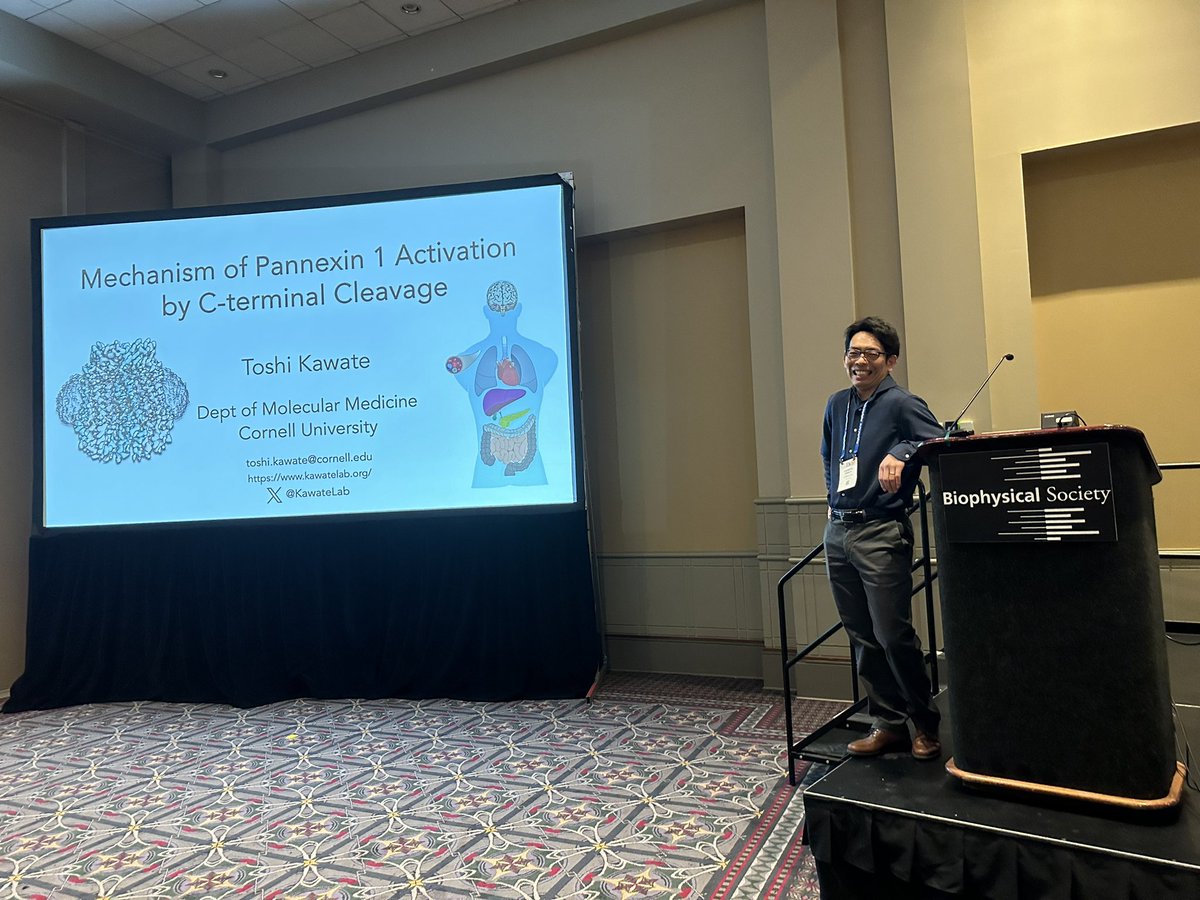
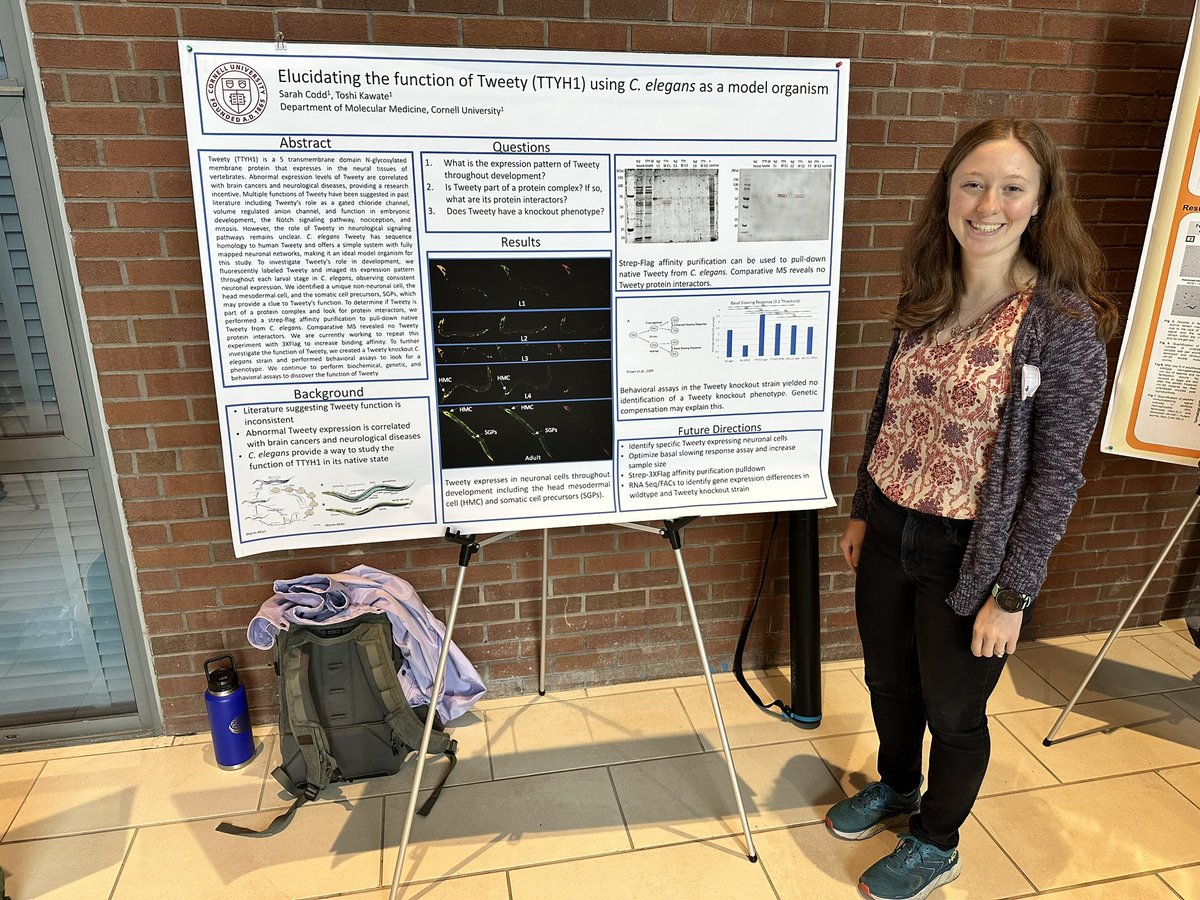
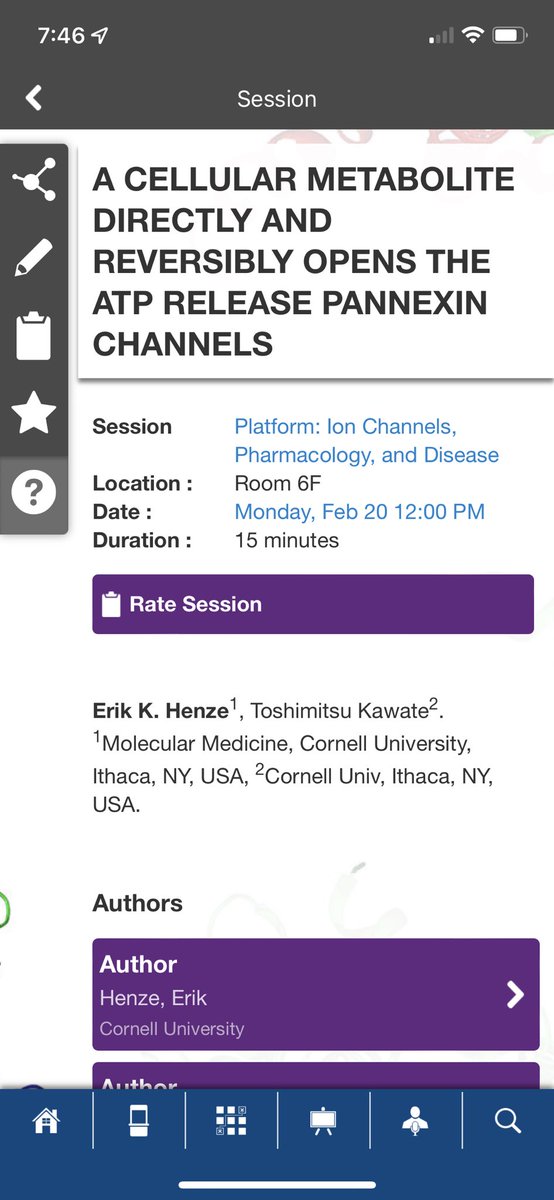
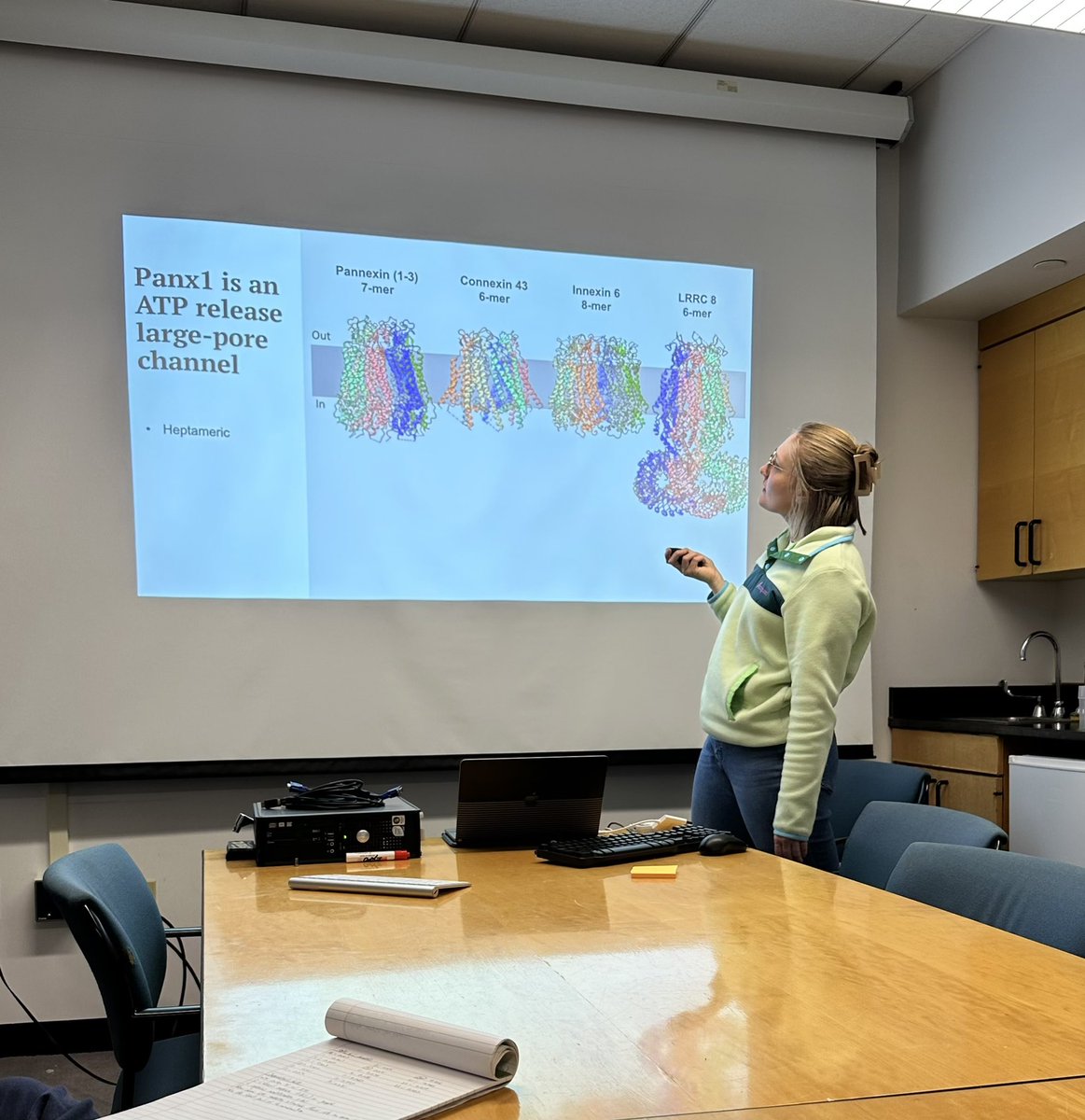
Could not be more exciting to share our latest findings about the mechanism of ATP release via the Pannexin 1 ion channel! Check it out 👉 The C-terminal activating domain promotes pannexin 1 channel opening | PNAS pnas.org/doi/10.1073/pnas.24…
2
3
151
18 Dec 2024
Our structural studies revealed that when exposed, the cytoplasmic domain, dubbed the c-terminal activating domain (CAD) can compete with the N-terminus to occupy a cytosolic pocket, which forces the N-terminus to reorient into the pore.
2
117
18 Dec 2024
This study puts forth a mechanism by which c-terminal cleavage liberates the CAD causing the repositioning of the N terminus to promote Panx1 channel opening.
78
18 Dec 2024
We analyzed the electrostatic free energy of the cytosolic NTD, finding a positively charged region inside the pore that could accumulate negatively charged anions like ATP. In the reoriented NTD conformation this negative region is diminished reducing accumulation of ions there.
67
Kawate lab retweeted

29 Mar 2024
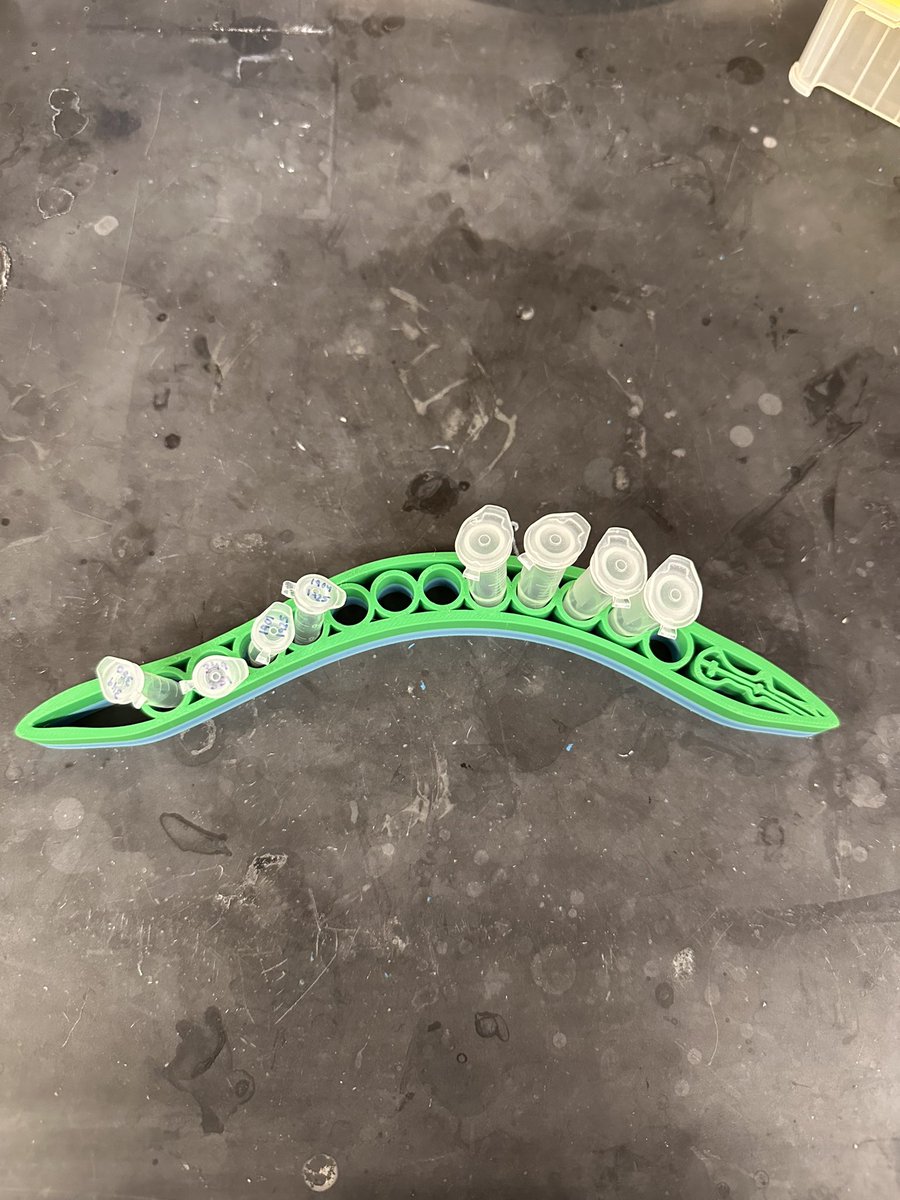
When nematodes become nemaTUBE holders 🪱🧪 (thanks for the nematode @korethegenius and the pun @jacqueline_ehr !)
2
8
289
13 Mar 2024
🚨🚨check it out!! We got 3D models of our C.elegans localization studies!! 🪱@sarahkcodd
1
4
10
663
8 Mar 2024
4
14
487
5 Mar 2024
Congrats to our department-mates! We’ve been eagerly following this story at our @CornellMolMed seminars & so excited to see it out!
4 Mar 2024

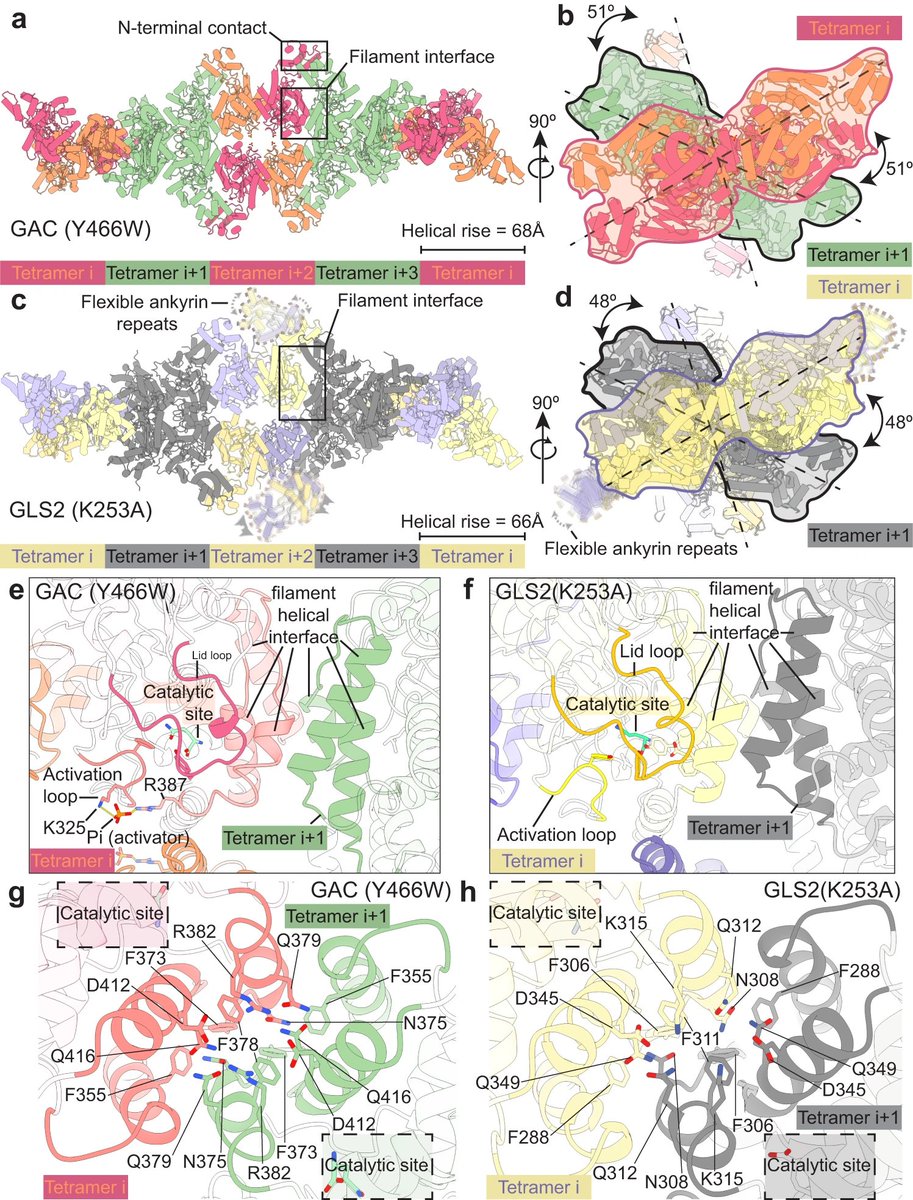
Check out our latest paper about glutaminase filament on @NatureComms! In this paper, we used #CryoEM and light scattering to show that the filament formation of glutaminase is coupled with its activity. nature.com/articles/s41467-0…
6
304
Kawate lab retweeted

Its #LabFeatureFriday! Head over to our LinkedIn to learn more about Graduate Student @jacqueline_ehr and her work in the @KawateLab here at @cornellvet
bit.ly/3OQlej5
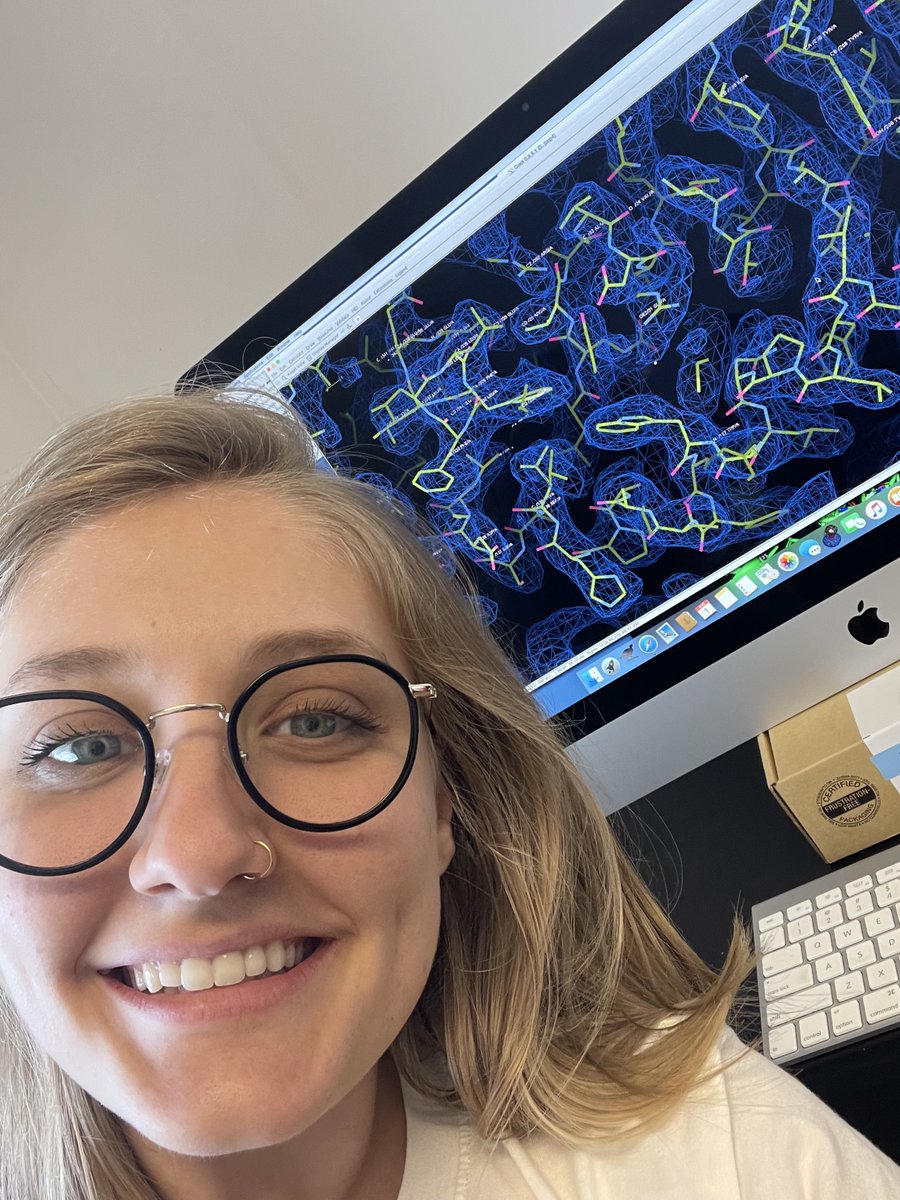
ALT Jacqueline Ehrlich smiling in front of an Apple desktop displaying images of her research.
2
8
371
14 Feb 2024
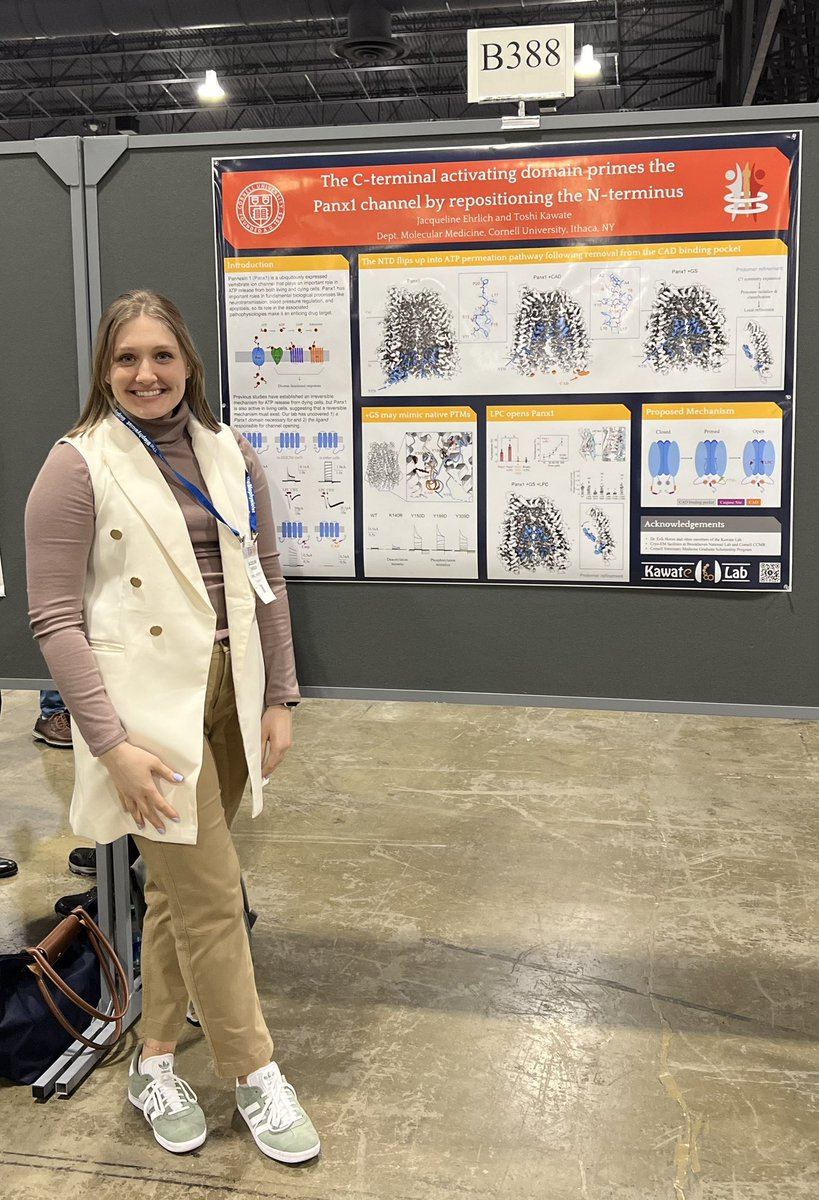
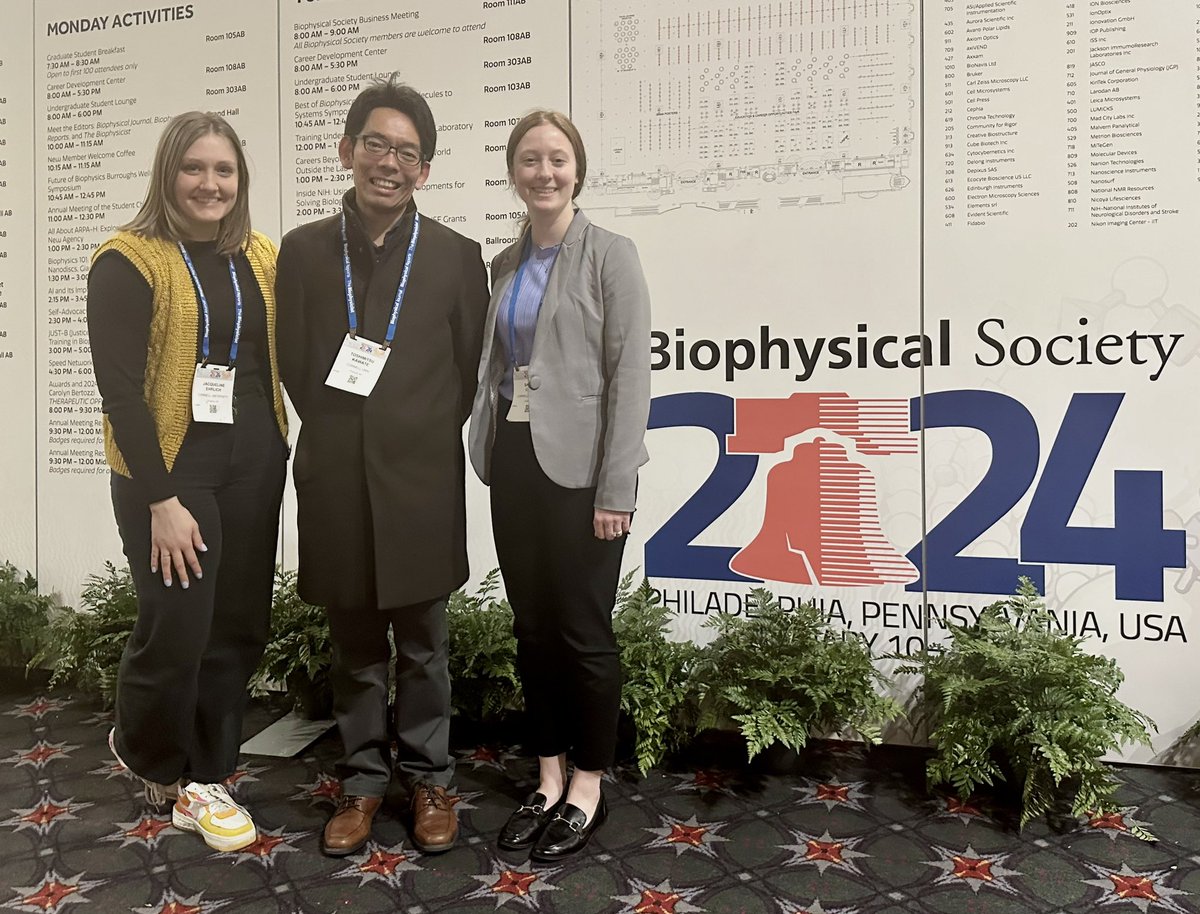
We got our Philly (fill-y lol) ! Always a pleasure to share our work with the #BPS community. Headed back to 📍Ith feeling inspired & refreshed 💆♀️
2
2
15
345
10 Feb 2024
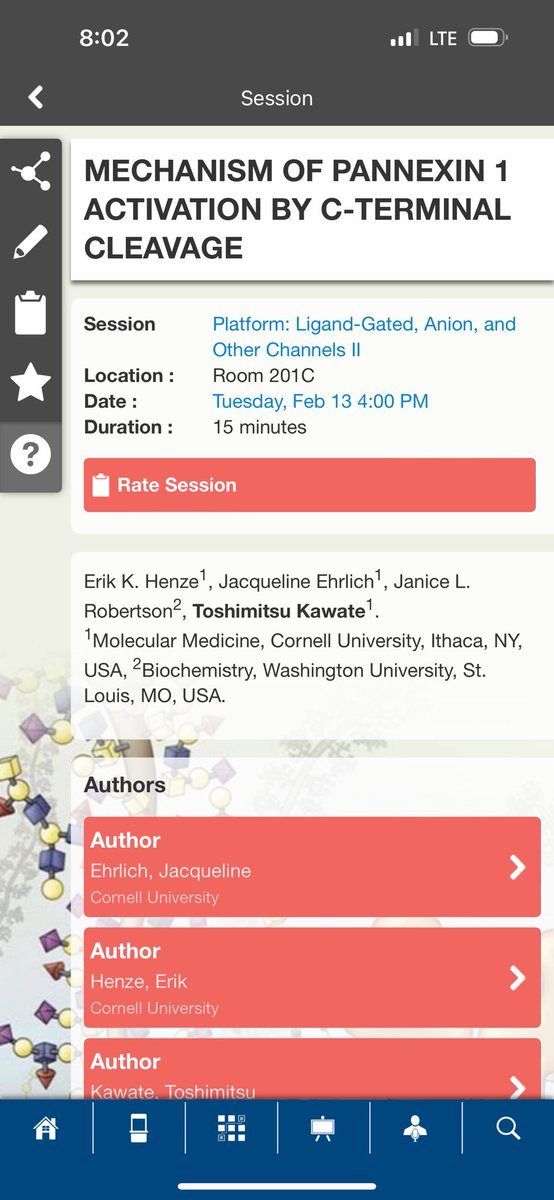
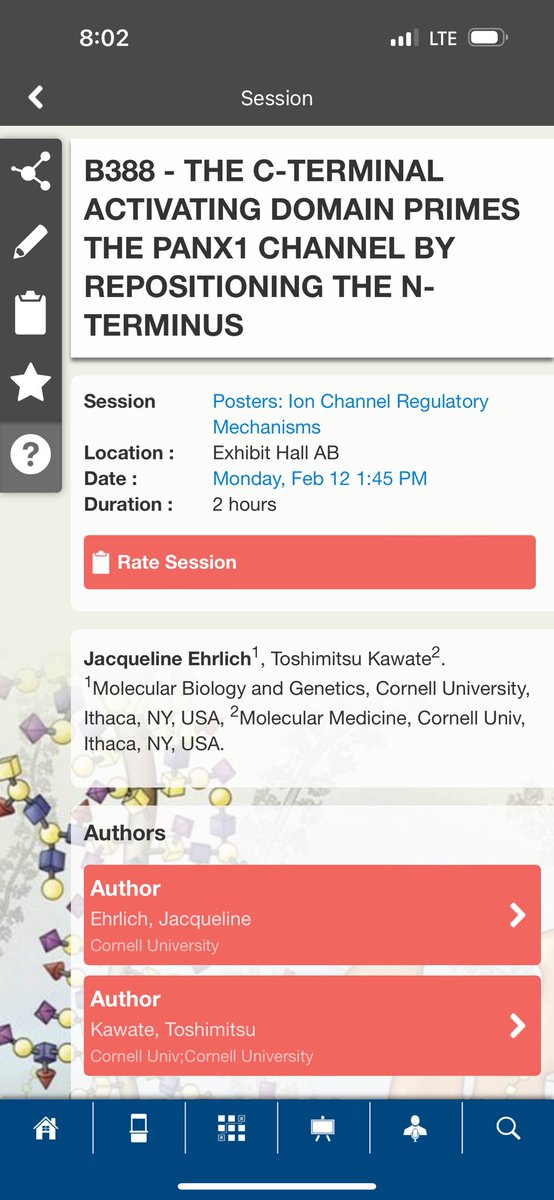
Kawate lab is en route to #BPS2024! Let’s talk about Pannexins at Toshi’s platform session on Tuesday & @jacqueline_ehr poster presentation on Monday 🤜🤛
1
2
14
341
Kawate lab retweeted

6 Dec 2023
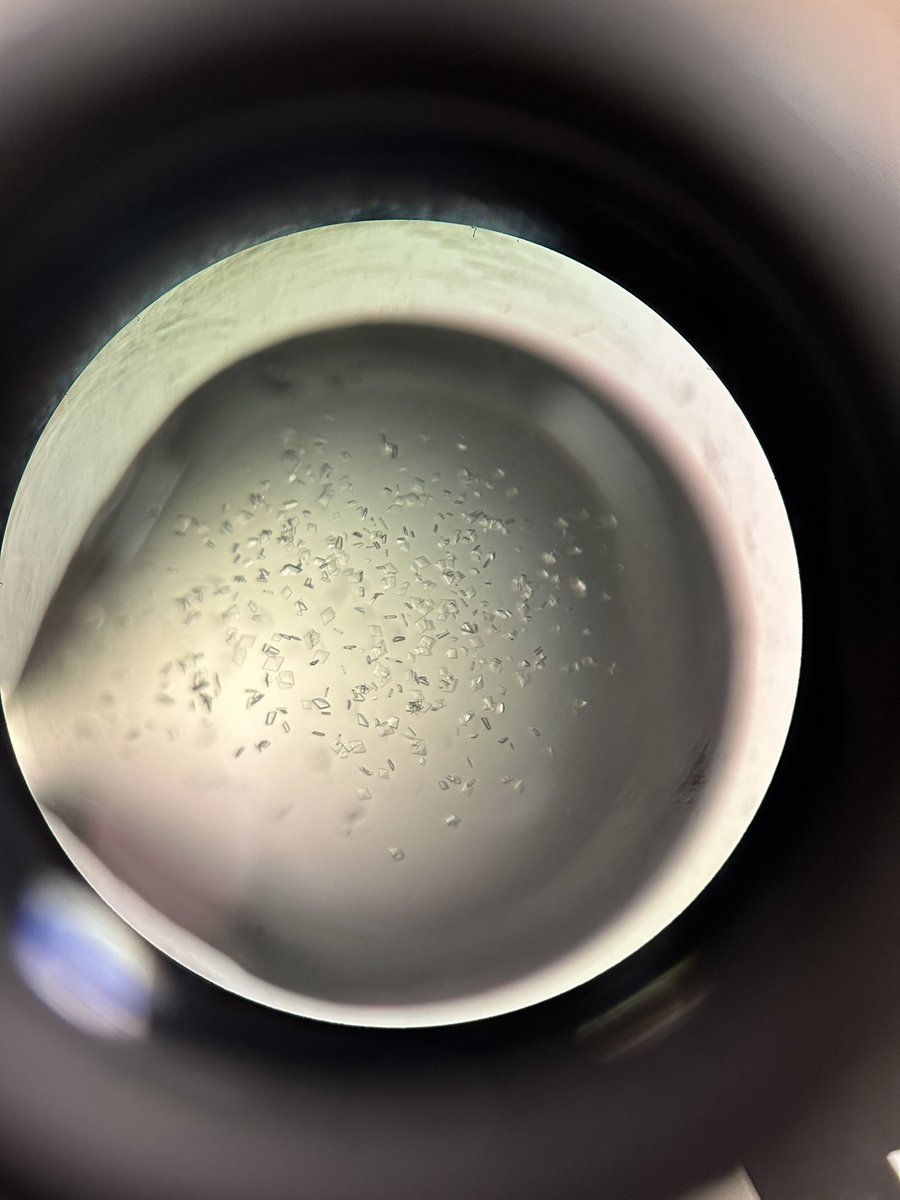
Hear me out … a jewelry store that sells diamonds in the shape of your protein crystals
1
3
20
2,173
Kawate lab retweeted
26 Oct 2023
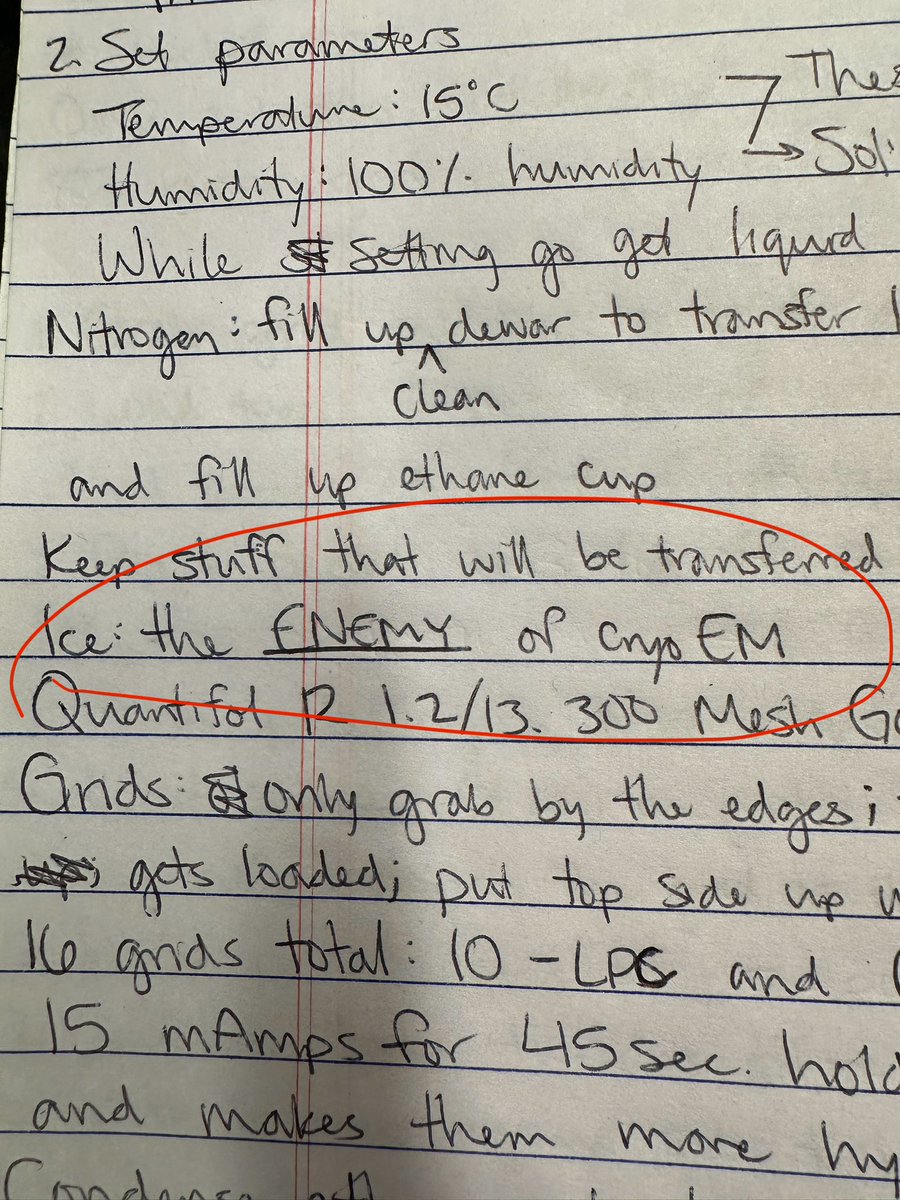
Ran across this in my rotation students notes … I guess I really emphasized it🤔
3
1
10
837
Kawate lab retweeted
22 Sep 2023
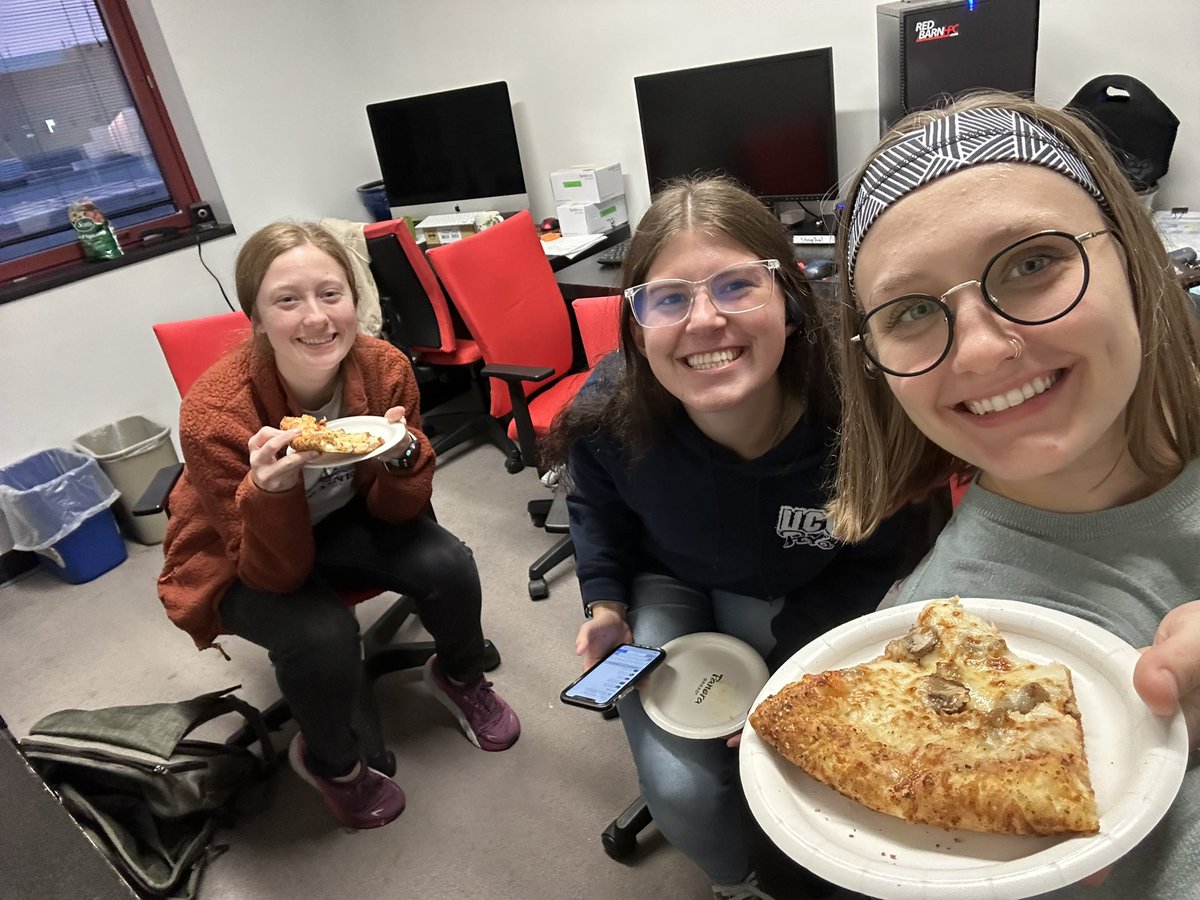
Sometimes you have to purify proteins late on Friday night and sometimes your coworkers turn it into a pizza and dance party 🫶
2
3
14
948
Kawate lab retweeted
2 Sep 2023
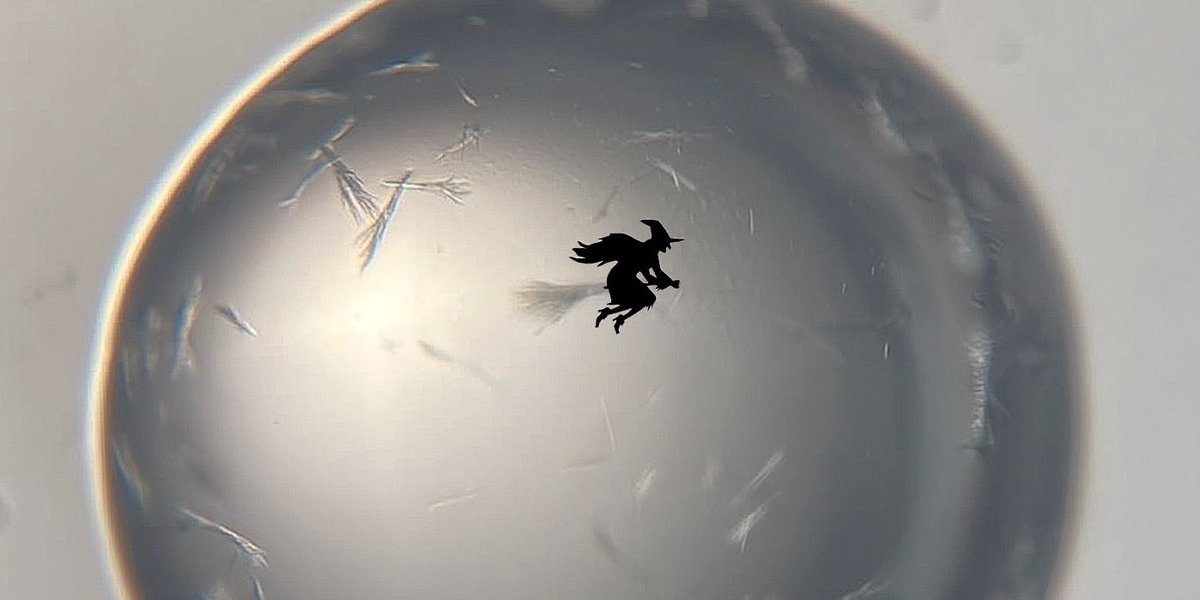
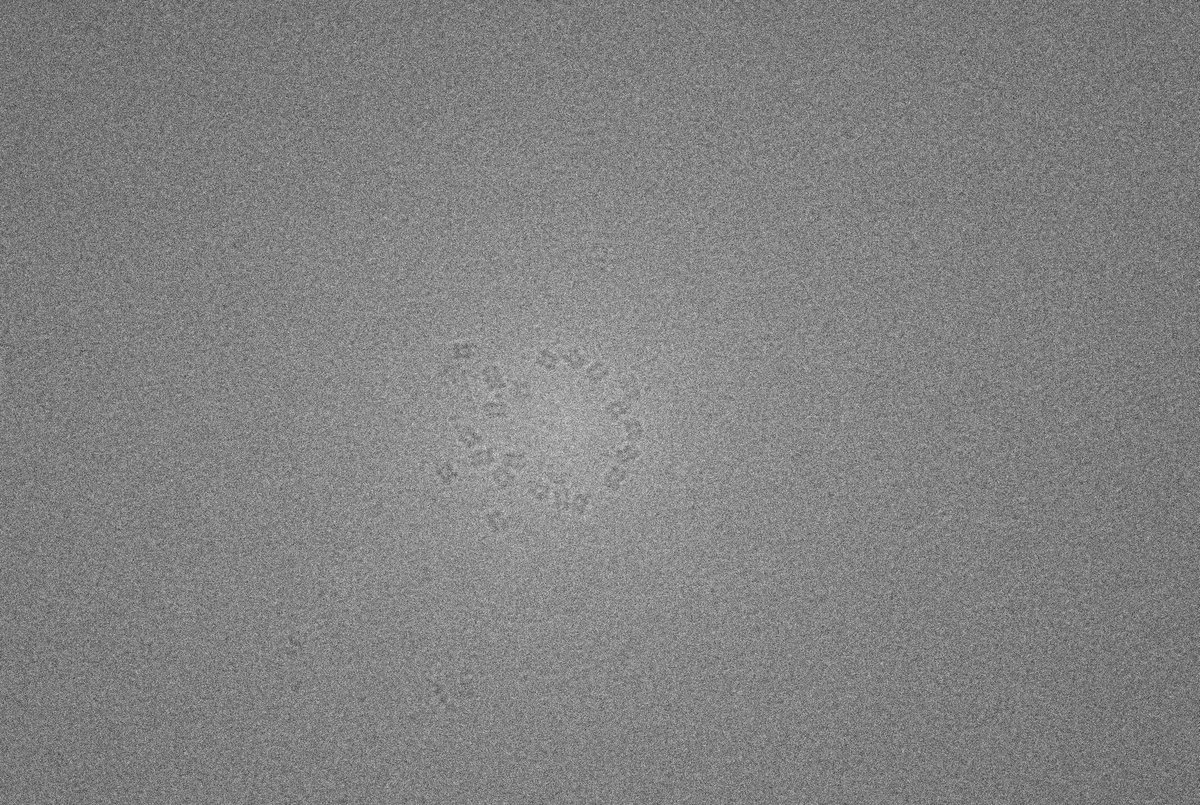
It looks like my proteins are having a meeting in the middle of my grid … a macromolecular assembly if you will
5
8
122
13,677
23 Aug 2023
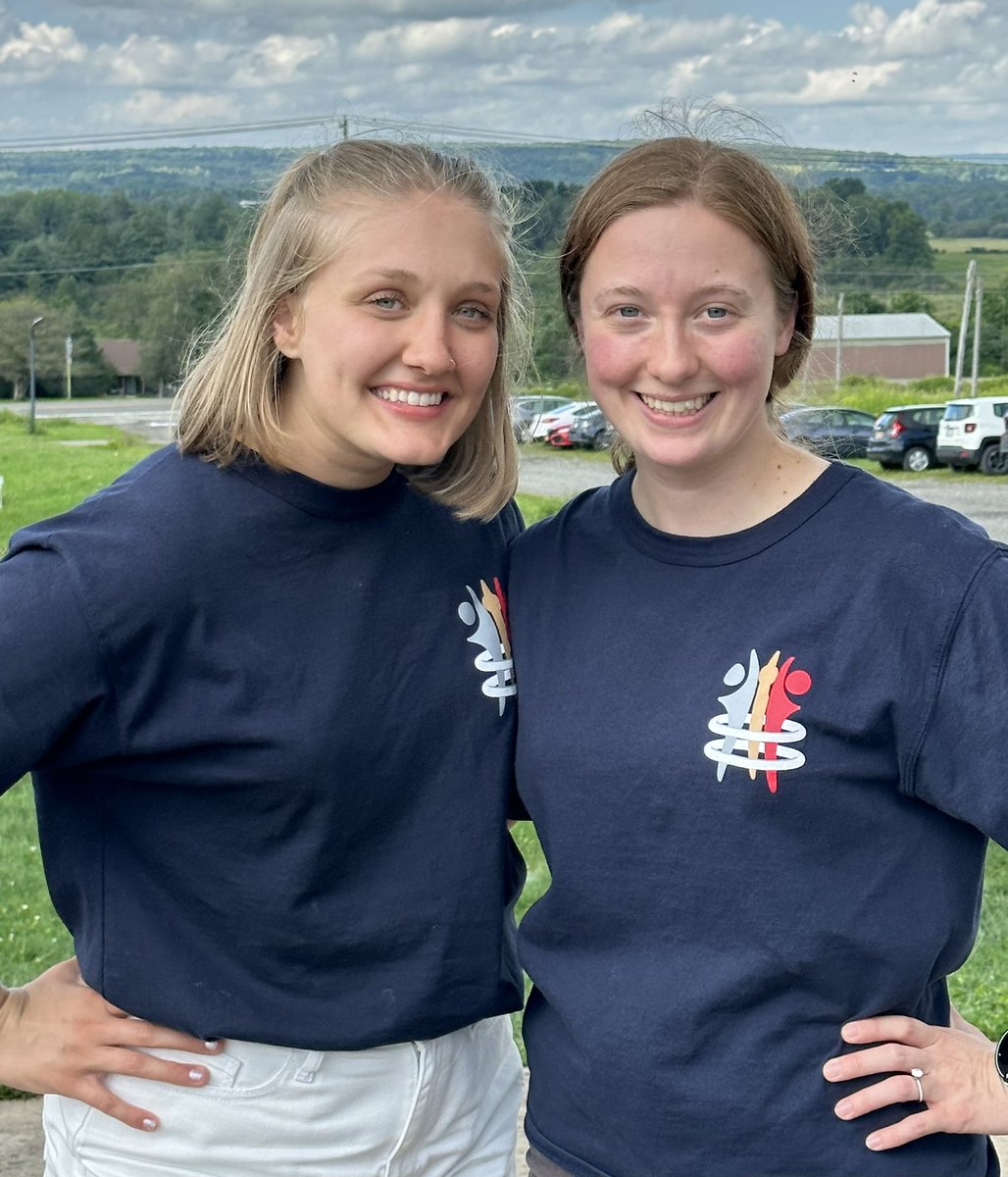
#NewProfilePic Our new logo makes its debut! Can anyone identify the membrane protein that Toshi used as his design inspiration??
1
3
10
779
Kawate lab retweeted
The @KawateLab is recruiting new students! Visit kawatelab.org/ to learn more about the research they do in Structure and Molecular Mechanisms, Physiology and Behavior, and Painometer Development.
2
2
2,228
17 Aug 2023
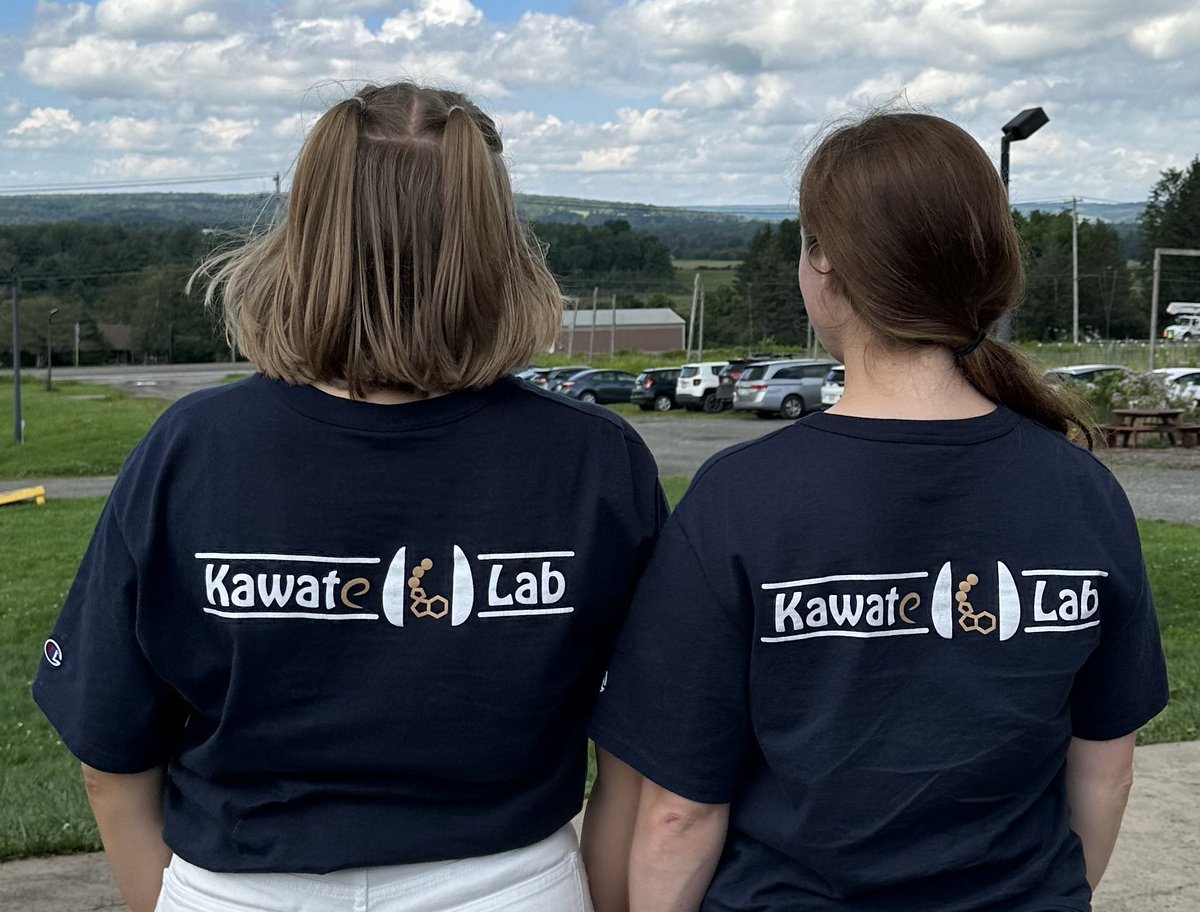
We had a great time getting to know the incoming @CornellMBG students at the departmental retreat yesterday! We’re recruiting new students to the Kawate Lab in the department of @CornellMolMed. Join us if membrane proteins, C. elegans, or structural biology could be your thing!
1
13
601