
Clinical Human Factors Research Practitioner. Disrupting conventional views of error, safety and performance improvement in healthcare. tinyurl.com/myh83jpr
Joined December 2011
- Tweets 3,830
- Following 642
- Followers 2,712
- Likes 10,549
99 Photos and videos

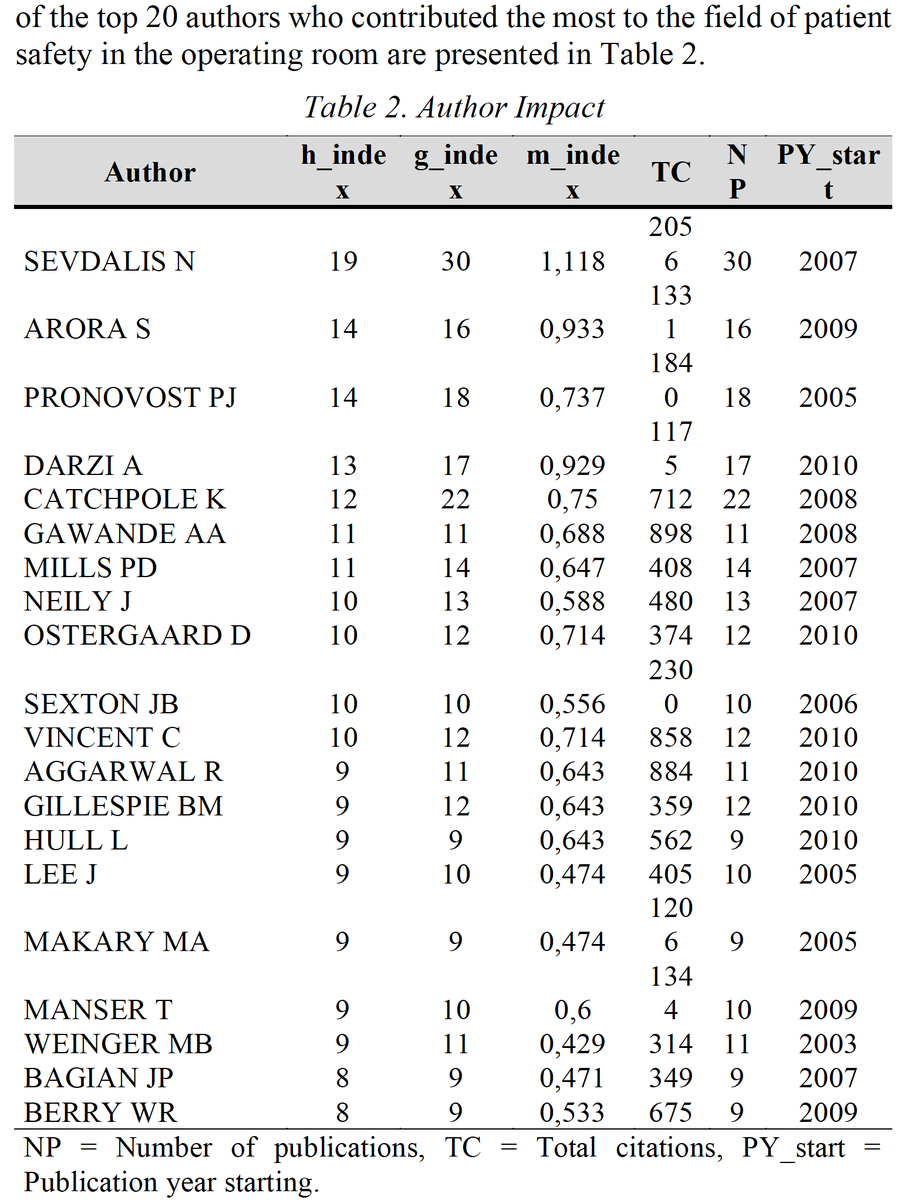
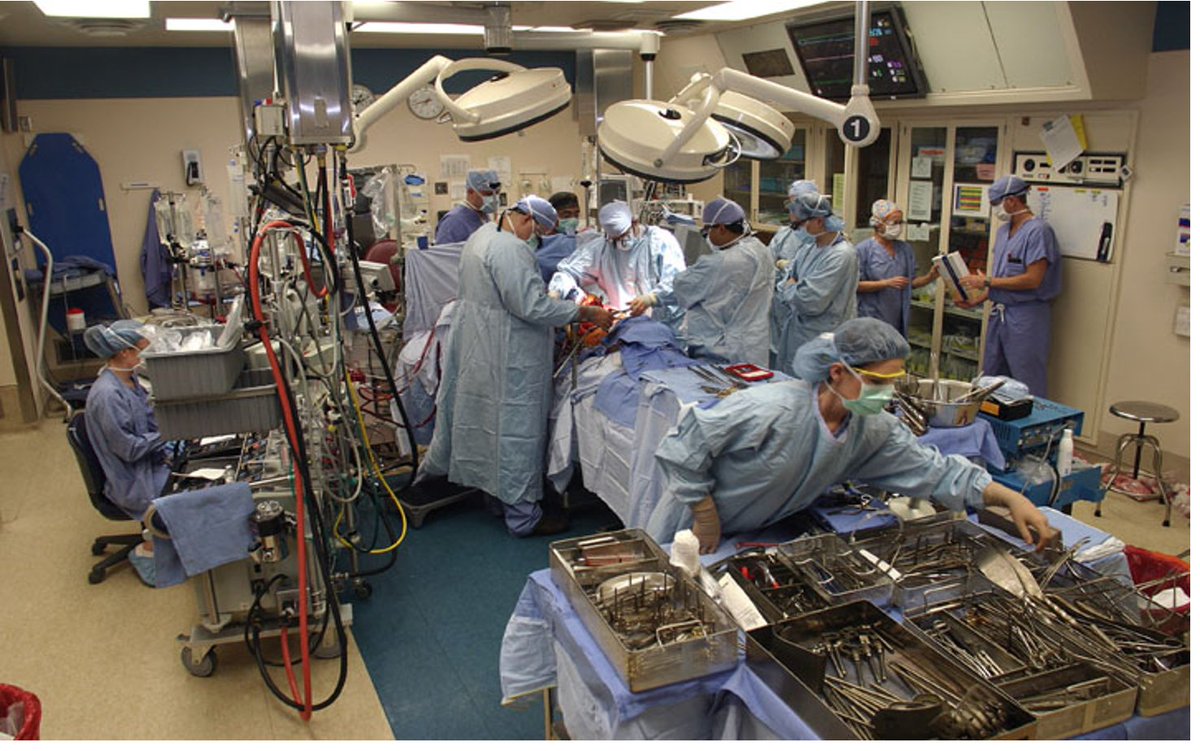
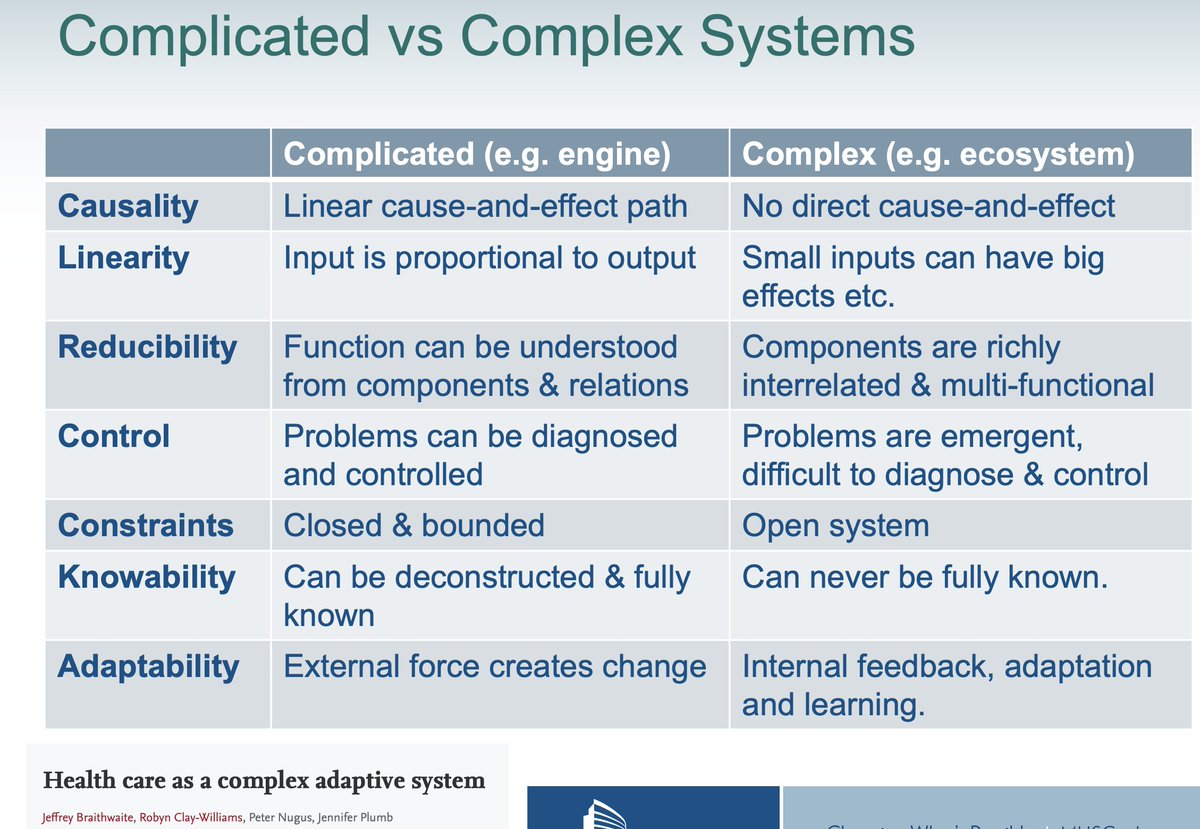

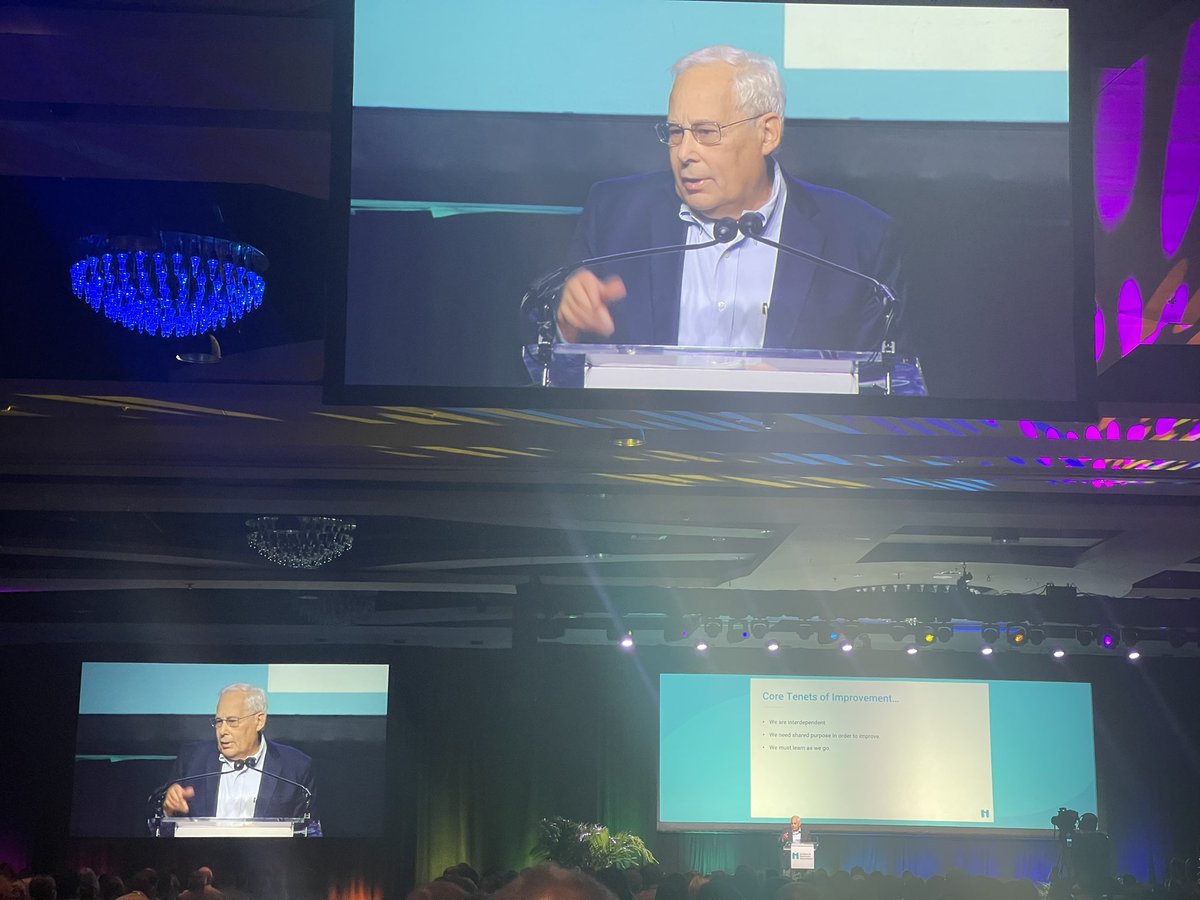
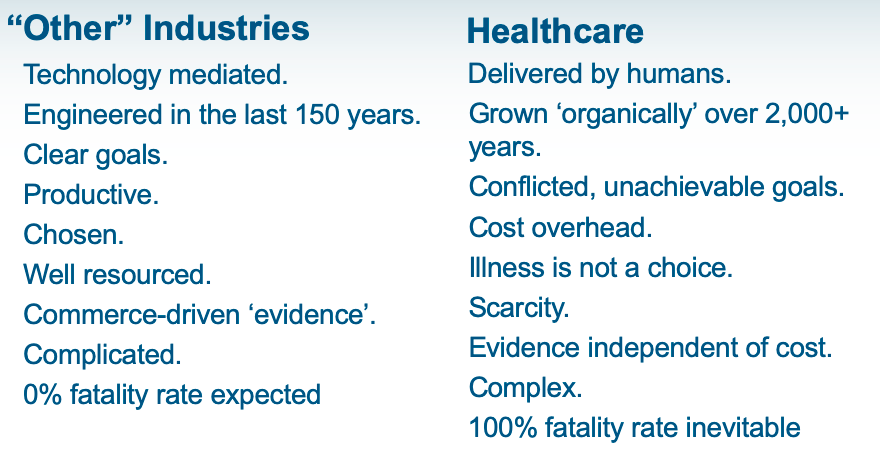
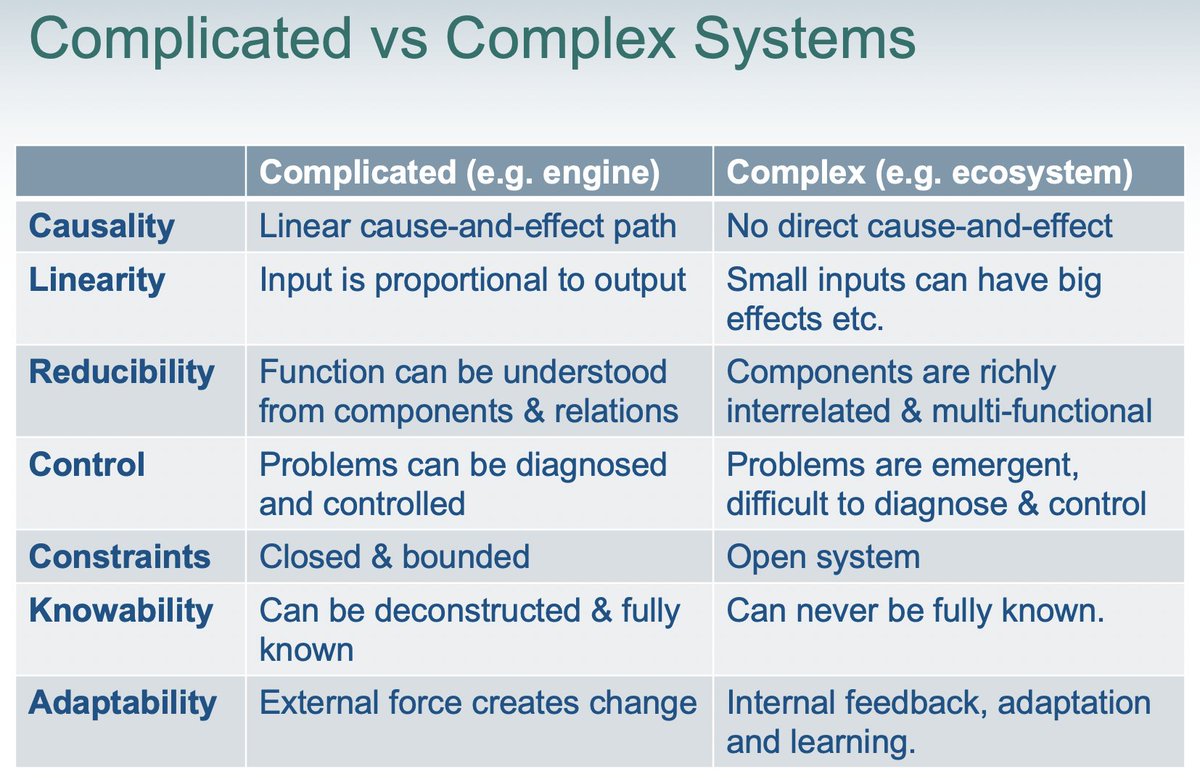
Ken Catchpole retweeted

27 Oct 2024
“Don’t vote for Donald Trump.” - Rob Delaney
60
187
4,435
311,429
Ken Catchpole retweeted

25 Oct 2024
Trevor Kletz (whose work I’ve become a big fan of lately) would apparently often repeat “There's an old saying that if you think safety is expensive, try an accident.”
I wish more would understand this.
1
10
717

14 Oct 2024
Responding to a grant when the reviewers clearly don't have the faintest clue about safety science (because of the chronic misunderstandings continually perpetuated in healthcare) is no fun. How do you address "Encoding information on labels means people won't read it" nonsense?
3
1
1
545
10 Oct 2024
It's tragic and frustrating how healthcare continues to ignore the lessons of safety science, human factors, joint cognitive systems, and complex adaptation, instead doubling down on simplistic notions of "error", blame, trying harder, person vs system, and linear determinism.
8
19
57
6,880
Ken Catchpole retweeted

18 Sep 2024
"Rarely, if ever, has a presidential campaign collapsed from seeming assurance into utter chaos as Trump-Vance has. The campaign seems to have stumbled into a strange unintended message:'Let’s go to war with Taylor Swift to stop Haitians from eating dogs'"
theatlantic.com/politics/arc…
37
307
901
115,476
Ken Catchpole retweeted

4 Sep 2024
🚀LEAP Applications Due 9/9/24! Check out our website for more info: cedars-sinai.edu/research-ed…
1
2
411
Ken Catchpole retweeted

18 Jan 2024
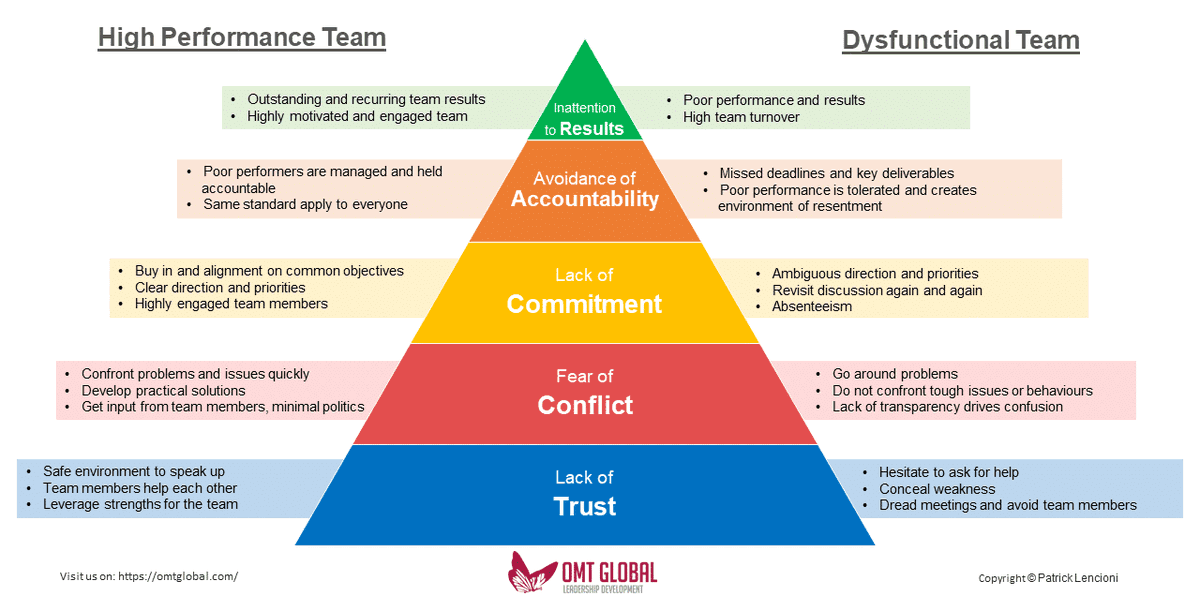
🌟Can you make crucial, complex decisions as a team quickly, thoroughly, with agreement & commitment?🌟
🚶♂️I will walk you through an example from our GP surgery this week...
We decided which online tool to use (central software for our patients & team) in ONE hour. Here's how ⬇️
1
11
28
4,695
22 Aug 2024
I’ve seen this many times. How individuals and institutions that can’t think in terms of systems, see error as a moral failing, and can’t admit there are serious management and organizational issues, want to blame one individual for everything.
20 Aug 2024

Regarding scapegoating and Lucy Letby, I think there is a misunderstanding about how institutional scapegoating can work
1
5
34
8,078
Ken Catchpole retweeted
19 Aug 2024
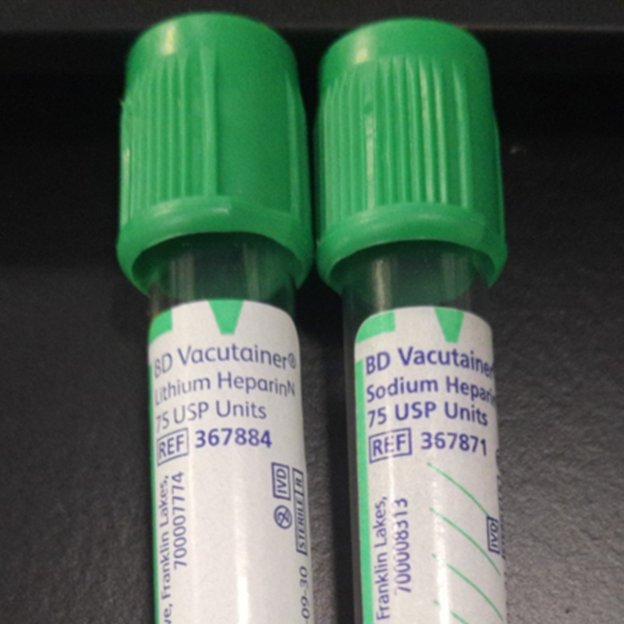
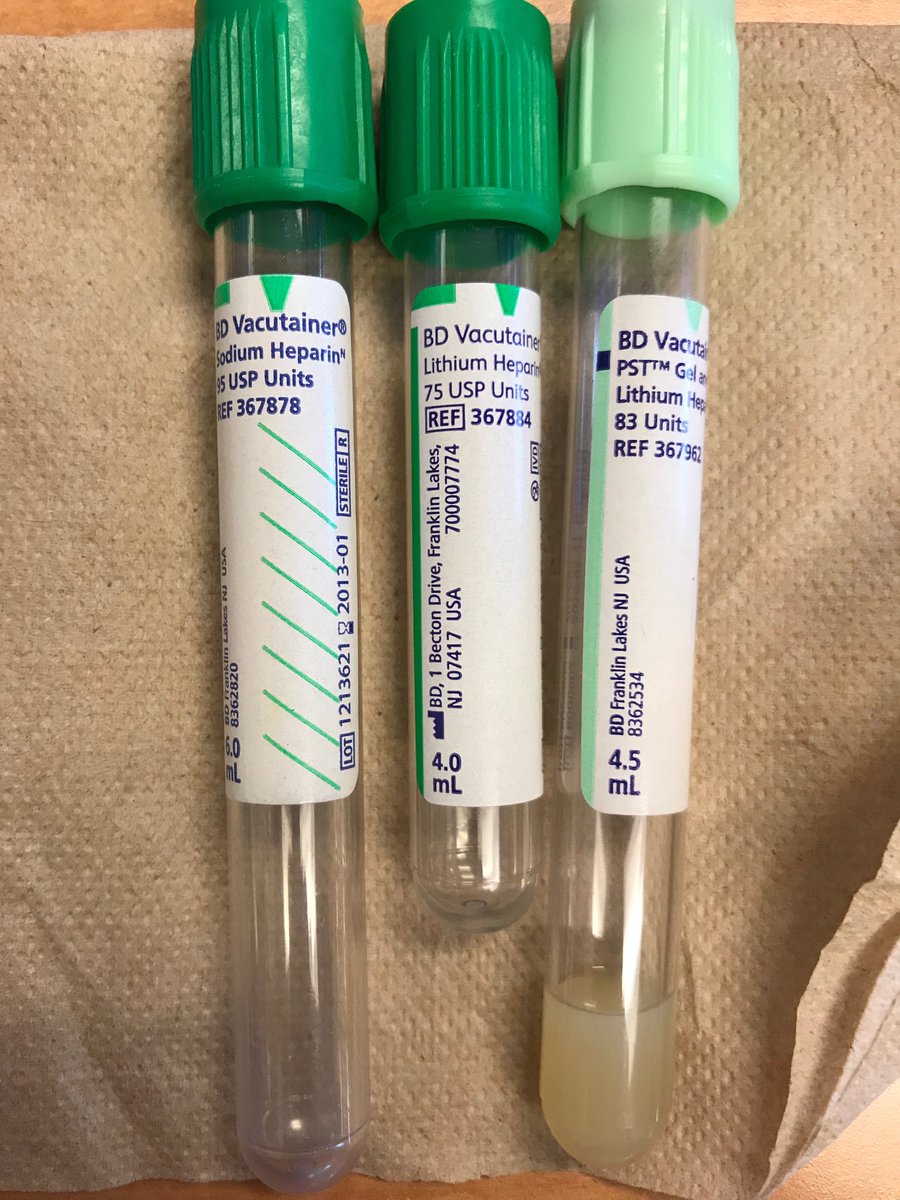
We talk about #lookalike vials in #anesthesia. What about #lookalike tubes??
We have both of these & use them in different POC testing devices in the OR. Thanks to Dr. Mayrin Correa Medina for showing me this
Also check out @ClinChemMD's post: x.com/ClinChemMD/status/9760…
@APSForg
20 Mar 2018

#PearlOfLabMedicine #Vacutainer #preanalyticerror Lithium heparin LiH tubes w/out gel are same shade of green As sodium heparin NaH tubes w/out gel. don’t forget to investigate in cases of unexpected isolated elevated sodium levels
1
3
7
1,135
Ken Catchpole retweeted

15 Aug 2024
When your healthcare trust invites #humanfactorsergonomics to the table in contributing to a culture of continuous improvement and you’ve been working towards this for years ! Thanks to those who have inspired and supported ! @StevenShorrock @ClinicalHF @CIEHF
6
1
42
1,847
Ken Catchpole retweeted

8 Aug 2024
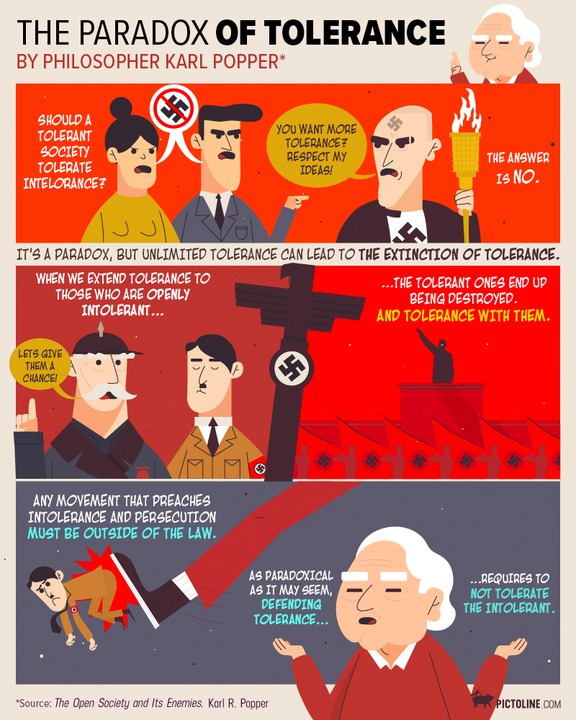
Karl Popper's paradox of tolerance is a concept that addresses a seeming contradiction within the idea of tolerance, the acceptance of different views and practices. Popper, who was our patron, discussed this paradox in his 1945 book, 'The Open Society and Its Enemies.' The paradox is based on the observation that if a society is tolerantly indiscriminate and extends tolerance to those who are intolerant, the ability of the society to be tolerant will eventually be undermined and destroyed by the intolerant.
Popper argues that in order to maintain a tolerant society, it must be intolerant of intolerance. This doesn't mean that we should always suppress the expression of intolerant beliefs. However, Popper suggests that society must reserve the right to prevent intolerant groups or individuals from destroying the tolerance of society as a whole. He essentially proposes a rational limit to tolerance, suggesting that we shouldn't tolerate intolerance to the extent that it leads to the destruction of tolerance itself.
The paradox lies in the counterintuitive idea that in order to maintain a tolerant society, there must be some form of intolerance (namely, against intolerance). It raises important ethical and practical questions about how societies can and should balance the values of freedom of expression and tolerance with the need to protect themselves against forces that would undermine those very values.
Graphic by @pictoline.
25
250
571
46,431
Ken Catchpole retweeted

6 Aug 2024
A look at NHS Patient Safety Strategy and PSIRF enablers and recent developments in the US. From Compliance to Collaboration: Learning From... : Journal of Patient Safety journals.lww.com/journalpati… With @KenCatchpole and Olivia Lounsbury.
7
21
890
Ken Catchpole retweeted

5 Aug 2024
I’m so excited to see this important article finally come out. Still can’t believe the amazing #team I get to work with! Thank you all! #HumanFactors #error #diagnosticerror #seips #patientsafety #systemsthinking
@UICAHS @HFES @UICnews
1
2
4
474
2 Aug 2024
4th visit to @StanfordCAPE this time exploring ECMO troubleshooting through simulation.
1
3
285
Ken Catchpole retweeted

17 Jul 2024
Delighted - call for abstracts HEPS2025 is open! IEA endorsed conference on Healthcare System Ergonomics & Patient Safety HEPS2025.com @PeterLachman @KenCatchpole @davidjvaughan @wiig_siri @HorsleyCarl @MarkSujan @NationalQPS @PsychologyTCD
6
13
2,538
Ken Catchpole retweeted

4 Jul 2024
Please vote.

1,323
4,678
42,233
2,019,123
Ken Catchpole retweeted

3 Jul 2024
Please help us share! @HFES @werner_ne @rupavaldez @theInnovativeU @KenCatchpole @carayonp @MeganSalwei
1
2
183
3 Jul 2024
Excited to have been elected to the Chair of the International Ergonomics Association's Healthcare Ergonomics Technical Committee. Seems like the right time to be "joining the dots" internationally on HF/E x Healthcare.
19
4
71
2,883
Ken Catchpole retweeted

12 Jun 2024
🗨️I was placed in a position where the environment, the task, the tools and the staffing all mean failure is more likely and success is probably due to the people involved🗨️
A new blog on the hub today by a nurse reflecting on a recent clinical shift pslhub.org/learn/improving-p…
1
11
26
4,596