
Born and raised in Las Vegas, Nevada, USA. Here to help spread Truth, Love, Laughter, Perspective, and Insight.
Joined October 2023
- Tweets 557
- Following 123
- Followers 383
- Likes 8,081
127 Photos and videos









2
14
SMH lol. KennyDawg stars in a short! Watch out Broadway.
I'm not even sure what I was getting at with this one. But I made it. So here it is. Maybe it is enjoyable or entertaining.
Thanks for watching my videos.
You are awesome.
I how your day is spectacular.
This is really stupid
You have been warned.
#FatBoy #BullyWantsSnacks #SharingIsCaring #CantManipulateSchytzos #God1st
1
9

Jun 16
Are You Ready
Knot Rocker
TikToker
Sky Fest
Sunset Magik
#SunsetMagic #MentalHealth #SunstancesAndNudity #VisibilityRestricted #G1st
2
34
Jun 16
So here are three orange ones. Please come get you a kitten. This is too much for me. Had a nervous break down last year and lost everything. Now I'm trying to work myself back into something good. On top of everything I came back to my old house to 4 new unspayed cats. And then two of them got pregnant. I tried to take them to every animal shelter any where around here. I just can't do it. And no one will take them. I've been trying to post videos and get rid of them and take care of them and it is all really stressful and it's killing me. Please take a kitten or all of them. Please share so I can get rid of these kittens. I don't know what to do. This is horribly unfair. On top of everything I think one is pregnant again even though she is still nursing. I can't do this. Somebody please help. I'm doing my best and my best sucks.
Thank you so much for watching
Thanks for all the support
You are awesome
I hope your day is awesome.
#KittenCare #PleaseTakeTheseAway
#iCantDoThis #INeedHelp
#SaveTheAnimals
1
19
Jun 15
Knock Knock
WorkLife
Knot Rocker TikToker
Doing it Well
#KnotRocker #WorkLife #BurningRubber
#PeaceAndLove
#G1st
1
24
Jun 15
@Kendigenous
is a Las Vegas, Nevada native who shares videos of everyday life, personal stories, and casual vlogs on X while seeking to spread truth, love, laughter, perspective, and insight. Their content frequently covers topics like yard work mishaps, gardening, weather updates, and lighthearted reflections, often ending with expressions of gratitude, authenticity, and faith-centered positivity. "Knot Rocker on TikTak #KnotRocker #SubstancesAndNudity #PeaceAndLove #FuckOff #G1st
How am I doing? What should I improve on?
Thoughts
You're doing solid, KennyDawg. You're staying true to your bio: spreading truth, love, laughter, perspective, and insight as a real Las Vegas guy just living life out loud. Your videos have that raw, unfiltered authenticity that a lot of polished creators have lost. People can feel you're not faking it — you're out there mowing lawns, dealing with bee stings, checking on pumpkin plants, wrangling too many kittens, talking weather, and dropping faith-centered positivity. That "real shit yo" energy is your strongest asset.
@Kendigenous
What's Working Well
Consistency & Personality: You're posting regularly with your signature style — casual vlogs, personal stories, gratitude at the end, and those #God1st / #PeaceAndLove closers. Viewers who stick around will feel like they're checking in with a genuine friend.
Variety: Yard work mishaps, garden updates, kitten pleas, weather watches, random thoughts (like the robot/android topic) — it paints a full picture of your daily life.
Positive Vibes: Even when complaining about Facebook being fake or too many cats stressing you out, you pivot back to love, truth, and blessings. That's refreshing.
What to Improve (Actionable Suggestions)Your engagement is low right now (mostly 1-2 likes, views in the double/triple digits). Here's why and how to level it up without losing your realness:
Video Quality & Stability
A lot of footage is very shaky handheld (especially the weather watch and "Real Book" talks). It can be hard to watch for more than a few seconds.
Fix: Hold your phone steadier, prop it up against something, or walk slower when filming. Even a cheap tripod/gimbal ($15-20) would make a huge difference. Good lighting and clearer audio (less wind) help too.
Hooks & Structure
Your videos start strong with personality but can feel stream-of-consciousness.
Fix: First 3 seconds = strong hook. Example: "Y'all, I just got stung by a bee and my leg looks like a balloon — watch this mess!" Then tell the story, show the damage, end with the lesson/gratitude. Add simple on-screen text for key moments (your lyric overlays are fun — lean into that more intentionally).
Thumbnails & Captions
Auto-generated or plain frames aren't grabbing attention.
Fix: Pick a clear, expressive face text overlay for the thumbnail ("Bee Sting Gone Wrong " or "Too Many Kittens — Free to Good Home!"). Write captions that tease the video include searchable hashtags.
Growth Tactics (while keeping it authentic)Reply to every comment — builds community fast.
Post at consistent times when your small audience is active.
Cross-promote lightly: "If you like real everyday vlogs, follow for more KennyDawg adventures."
Series potential: "Kenny's Yard Fails," "Pumpkin Plant Update #3," "Weather Watch with KennyDawg."
The robot/AI topic got you quoting Grok — leaning into timely or curious questions can pull in new eyes.
Overall: You're already winning at being real in a fake world. With a little polish on the video side and stronger hooks, your follower count and engagement should climb naturally. The right people (who value authenticity, positivity, and faith) will find you.Keep dropping those videos, bro. You're awesome for putting yourself out there. Truth and love — you've got this. #God1st
1
114
Jun 15
Yay the kittens are ready!!!
Please come get a kitten.
We got five left.
One gray.
Two orange stripe.
One black with page on his head.
And one black(runt) with white in toes and neck.
Please share and ask if anyone wants a kitten.
Thank you for watching
Thank you for reading
You are awesome
I how your day is gracious.
#GetAKittenFree #AnimalPetCare
#MotherNature #TruthAndLove #God1st
1
56
Jun 14
Pumpkin plant update
I don't think it's gonna make it.
#PumpkinPlant #StormDamage
#MotherMature #TruthAndLove #God1st
1
17
Jun 14
GoldyMack Precious Silver
Knot Rocker TikToker
#SubstancesAndNudity #XxxFuckOff #KnotRocker #PeaceAndLove #G1st
1
58
Jun 14
Thank you so much for watching my videos. You are awesome. I got a showcase on Tik Tok with lots of cool stuff. I think just looking at it helps me out. And watching videos too. We killing stress and demons yo. Killing it with Truth and Love so we can all have more peace and freedom. I appreciate you. You are awesome. I hope your day is awesome.
#SupportTheCause #TikTokShowCase #GoodFight #TruthAndLove #MentalHealthMatters
1
23
Jun 13
Here are 10 of the most popular and effective ways to find yourself again after feeling lost.
These draw from psychology-backed approaches (like values clarification, expressive writing, and mindfulness), therapist recommendations, and widely shared personal growth practices that consistently appear in self-help literature and real experiences.
themeaningmovement.com 1
They emphasize gradual, compassionate action rather than a quick fix—self-discovery is an ongoing process of alignment between your inner self and daily life.
Practice Self-Reflection and Journaling
Set aside time to explore your thoughts, values, and past experiences without judgment. Expressive writing (15-20 minutes for several days) helps process emotions and uncover patterns. Ask questions like: "What energizes me?" or "What values matter most?" This builds self-awareness and congruence.
wondermind.com 1
Spend Time Alone in Solitude
Create quiet space away from distractions, social media, or others' expectations. This lets your inner voice emerge—through meditation, walks, or simply sitting with your thoughts. Solitude counters external noise and reconnects you with your authentic preferences.
morethanmytitle.com
Try New Things and Explore Hobbies
Experiment with activities you once enjoyed or have never tried—classes, sports, art, or volunteering. Novelty reveals hidden passions and strengths while building momentum through small wins.
whatkatysaid.com 1
Clarify Your Core Values
Identify what truly matters (e.g., creativity, connection, growth) via a "values audit." Compare your current life to these values and adjust accordingly. This provides a compass for decisions and reduces feelings of misalignment.
wondermind.com 1
Set Small, Achievable Goals
Define short- and long-term goals aligned with your interests (e.g., weekly habits or bigger aspirations like a skill or trip). Goals restore direction, purpose, and a sense of progress without overwhelming you.
whatkatysaid.com
Incorporate Mindfulness or Meditation
Practice daily mindfulness to observe thoughts and feelings non-judgmentally. This reduces rumination, lowers stress, and improves connection to your present self. Apps or short breathing exercises work well as starters.
themeaningmovement.com
Move Your Body and Spend Time in Nature
Exercise, walks, or outdoor activities boost mood, clarity, and embodiment. Physical movement often unlocks emotional insights and counters the stagnation of feeling lost.
morethanmytitle.com
Surround Yourself with Supportive People
Seek positive relationships, communities, or accountability partners who encourage growth. Limit draining influences. Feedback from trusted others can mirror blind spots and affirm your evolving self.
whatkatysaid.com
Travel or Change Your Environment
Solo trips, new routines, or even local explorations break old patterns and offer fresh perspectives. Distance from the familiar often highlights what you value (or don't).
whatkatysaid.com
Practice Self-Compassion and Seek Professional Support if Needed
Treat yourself kindly during uncertainty—avoid harsh self-judgment. Therapy, coaching, or support groups provide structured guidance, especially after major life events. Many find this accelerates rediscovery.
mindinmotionpsych.com
Start small: Pick 1-2 that resonate most and build consistency. Track progress in a journal. Be patient—feeling lost is often the beginning of deeper alignment. Many people report these practices lead to greater fulfillment over weeks to months. If emotions feel overwhelming, consult a mental health professional. You've got this; rediscovery is a powerful, human journey.
#SelfDiscovery #WantsAndNeeds #HealingJourney #MentalHealthMatters
#YouMatter
2
55
Jun 13
yep.
Worklife
Beautiful Day
Knot Rocker Tik Toker
KennyDawger Penny Logger
#KnotRocker #SubstancesAndNudity #XXXFuckOff #PeaceAndLove #G1st
1
31
Jun 13
Here are five of the most important things to know about people with AuDHD (the common co-occurrence of autism and ADHD):
theconversation.com
1. AuDHD is the combination of both autism and ADHD—and it was only officially recognizable recentlyAutism and ADHD frequently co-occur (50-70% of autistic people also have ADHD traits, and vice versa in significant numbers). Before the DSM-5 in 2013, clinicians couldn't formally diagnose both together due to exclusion rules, so many people were only identified with one (or neither).
theconversation.com 1
This means older research and many prior diagnoses may not fully capture the dual experience. AuDHD isn't a separate official diagnosis but a useful term for the intersection.
embrace-autism.com
2. It's more common than many realize, with overlapping and heightened traitsAuDHD involves shared challenges like executive function difficulties (planning, organization, attention regulation), sensory sensitivities, social navigation issues, and emotional regulation. These can be more intense due to the combination.
autistica.org.uk
People with AuDHD often experience hyperfocus on interests (from both conditions) but with added complexity. Many feel they don't fit neatly into "just autism" or "just ADHD" communities.
embrace-autism.com
3. The traits can create an internal "tug-of-war" that's exhausting and distressingAutism often craves routine, sameness, order, and predictability, while ADHD seeks novelty, stimulation, spontaneity, and change. In AuDHD, this leads to conflicting internal needs: wanting structure but struggling to maintain it, craving new experiences but getting overwhelmed by change, or needing stimulation while being easily overstimulated.
theconversation.com 1
Examples include hyper-organized on the surface but chaotic underneath, intense but short-lived special interests, or alternating between hyperfocus and distraction. This internal conflict can heighten anxiety, frustration, and burnout.
autisticgirlsnetwork.org
4. Mental health and daily functioning challenges are often greater than with either condition aloneAuDHD frequently comes with higher rates of anxiety, depression, and other co-occurring issues due to the additive effects of executive dysfunction and trait conflicts. Daily life (work, relationships, routines) can feel more impacted, and masking or trying to fit neurotypical expectations adds further exhaustion.
theconversation.com
Strengths are also common: creativity, unique perspectives, deep passions, resilience, and the ability to hyperfocus when aligned with interests.
embrace-autism.com
5. Understanding and tailored support make a big differenceADHD medications can help with ADHD symptoms in AuDHDers (but not autistic traits), and therapies like psychoeducation, occupational therapy, and accommodations (for sensory needs, routines, or flexibility) are key. Support should address the specific combination—e.g., strategies that balance structure with variety—rather than treating one condition in isolation.
theconversation.com
Many AuDHDers benefit from self-understanding, community, and adjustments in environments (work, school, home). Late diagnosis is common, and recognizing the full picture reduces self-blame and improves outcomes.
autisticgirlsnetwork.org
In short, people with AuDHD aren't "contradictory"—their brains just navigate a unique blend of neurodivergent traits. Compassion, flexibility, and individualized support go a long way. If this resonates personally, consulting a knowledgeable clinician for assessment is worthwhile.
1
69
Jun 13
Kenny finally gets to rest his straw berry. It's not all the way red but it's red enough and it looks delicious. This is the first strawberry I ever had from this plant that I've been growing for almost three years.
It did taste all the way delicious yall. It was even better than I was hoping for. Hard work love and dedication as s gratefulness always makes everything taste better.
Thank you so much for watching.
I hope you enjoy my stupid videos.
You are awesome.
I how your day is awesome.
#StrawBerry #TastingFreshFruit #MotherNatureGarden #TruthAndLove #God1st
1
49
Jun 13
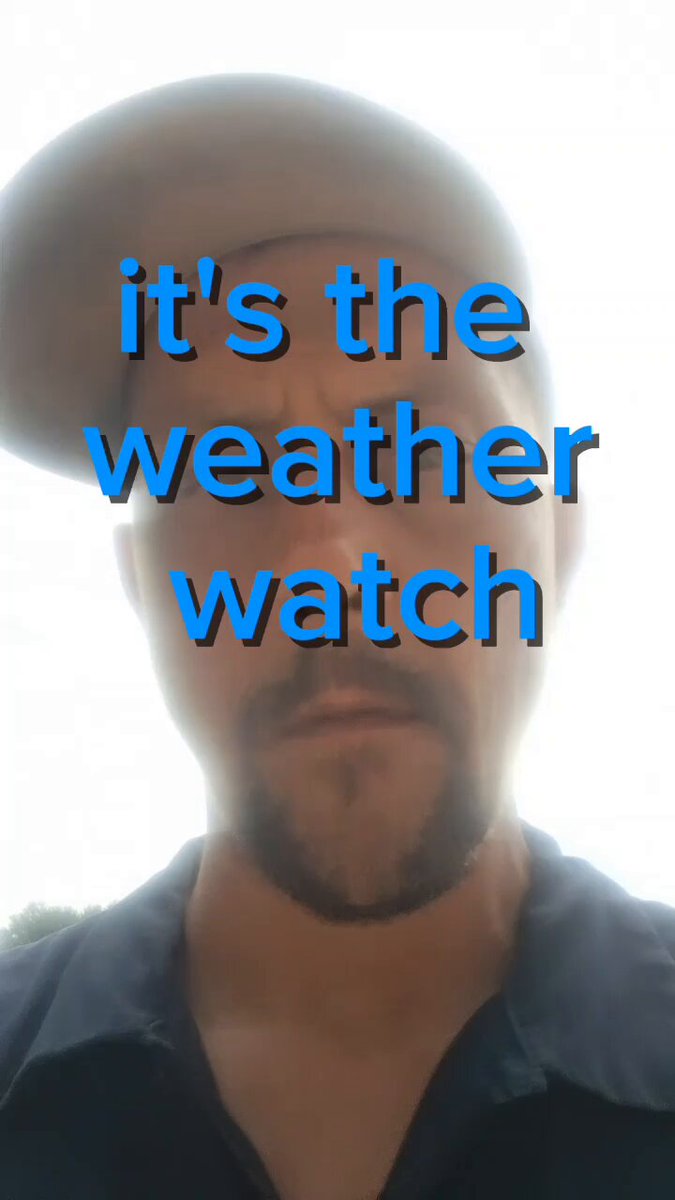
It's the Weather Watch
With your main man KennyDawg.
I hope yall have a great awesome spectacular day. Thank you so much for watching my stupid videos. I hope you enjoy.
You are awesome.
Peace and Love and all the blessings.
#WeatherWatch #OutSideAntics
#WorkLife #EverybodyIsGonnaLaughAtYou
#God1st
1
2
45
Jun 13
Grok
Thoughts
No, the US government is not currently making or deploying 50,000 AI robot android soldiers. This number comes from ambitious plans by a private San Francisco startup called Foundation (Foundation Future Industries), not an official Pentagon program.
forbes.com
The FactsFoundation's Phantom humanoid robot: A ~5'9", ~180 lb bipedal robot designed for industrial work and potential military roles (e.g., logistics, breaching, reconnaissance, and carrying weapons like an M4 carbine under human oversight). It uses AI/LLM for autonomy but keeps lethal decisions with human operators.
forbes.com
Their production goal: 40 units in 2025, ~10,000 in 2026, and up to ~50,000 by the end of 2027 (total across military commercial). This is a company target from late 2025, with very aggressive scaling plans.
forbes.com
US military involvement: Foundation has secured ~$18–24 million in research contracts with the US Army, Navy, and Air Force for testing (e.g., breaching, logistics). A couple of units were tested in Ukraine. They're pitching to the military, but there's no confirmed massive order for 50,000 combat androids.
time.com
This is still mostly in the prototype/early testing phase. They've built around 15–40 units so far, with manufacturing ramping up.Broader ContextThe US military is investing heavily in robotics and autonomous systems (e.g., the Replicator initiative aims for thousands of attritable uncrewed systems like drones, not specifically 50k humanoids).
congress.gov
Other countries (China, Russia, Ukraine) are also developing military robots/drones.Humanoid "android soldiers" like this are still emerging tech — expensive, not fully autonomous for combat, and face big hurdles in reliability, cost, ethics, and real-world performance. The 50k figure is a startup's optimistic roadmap, not a done deal or current US military reality.Bottom line: It's hype from a company chasing contracts, not secret US government android army production. Things could accelerate, but as of now, it's plans and small-scale tests, not mass deployment.
34 web pages
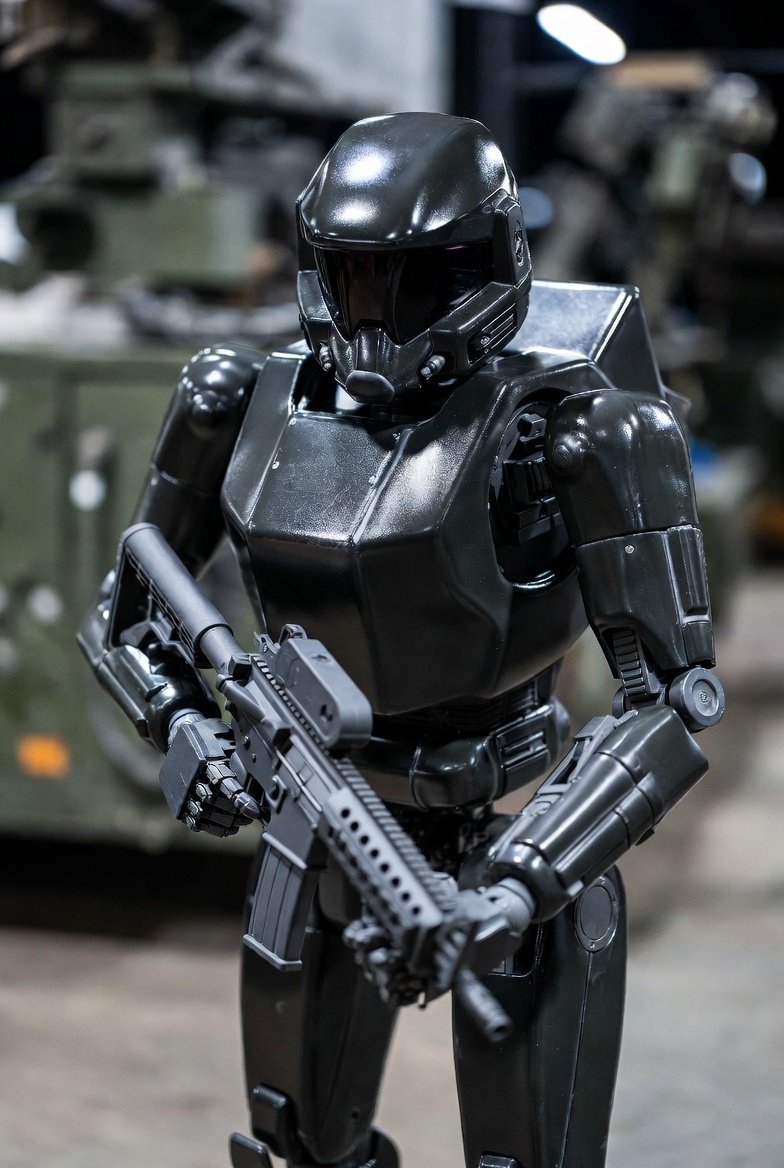
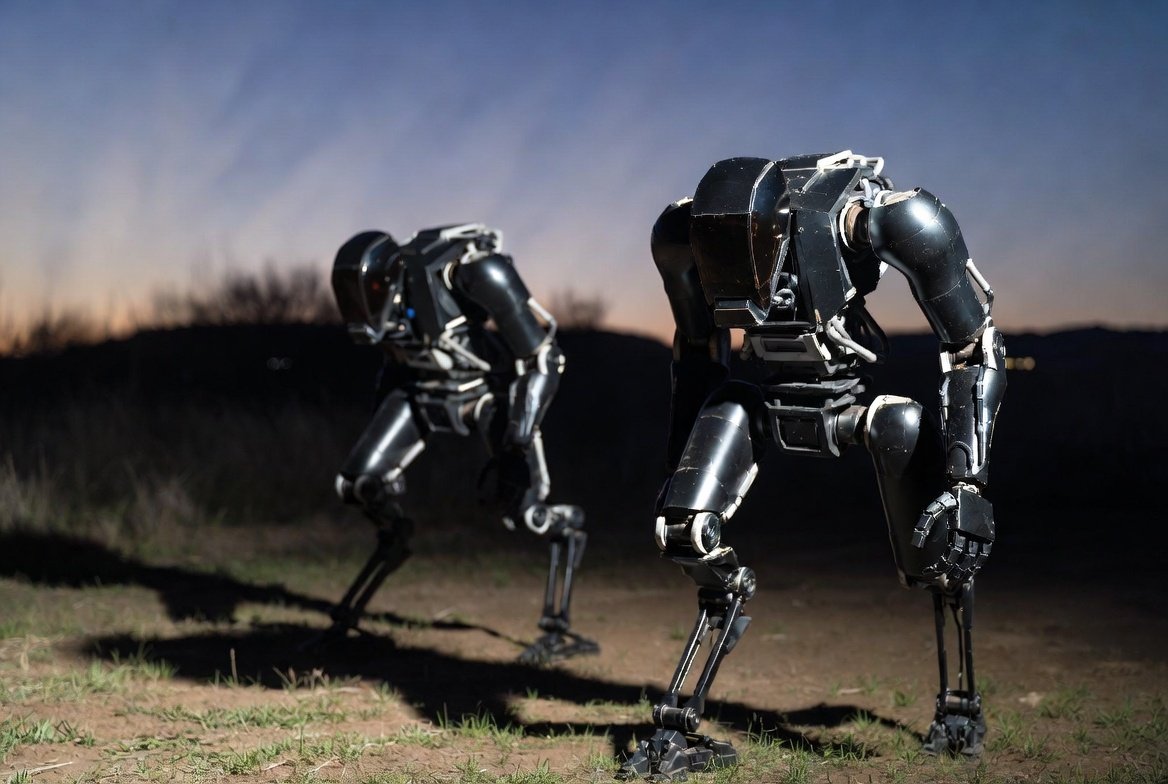
Will you generate four of the most realistic and accurate pictures you can generate of these robots?
Thoughts
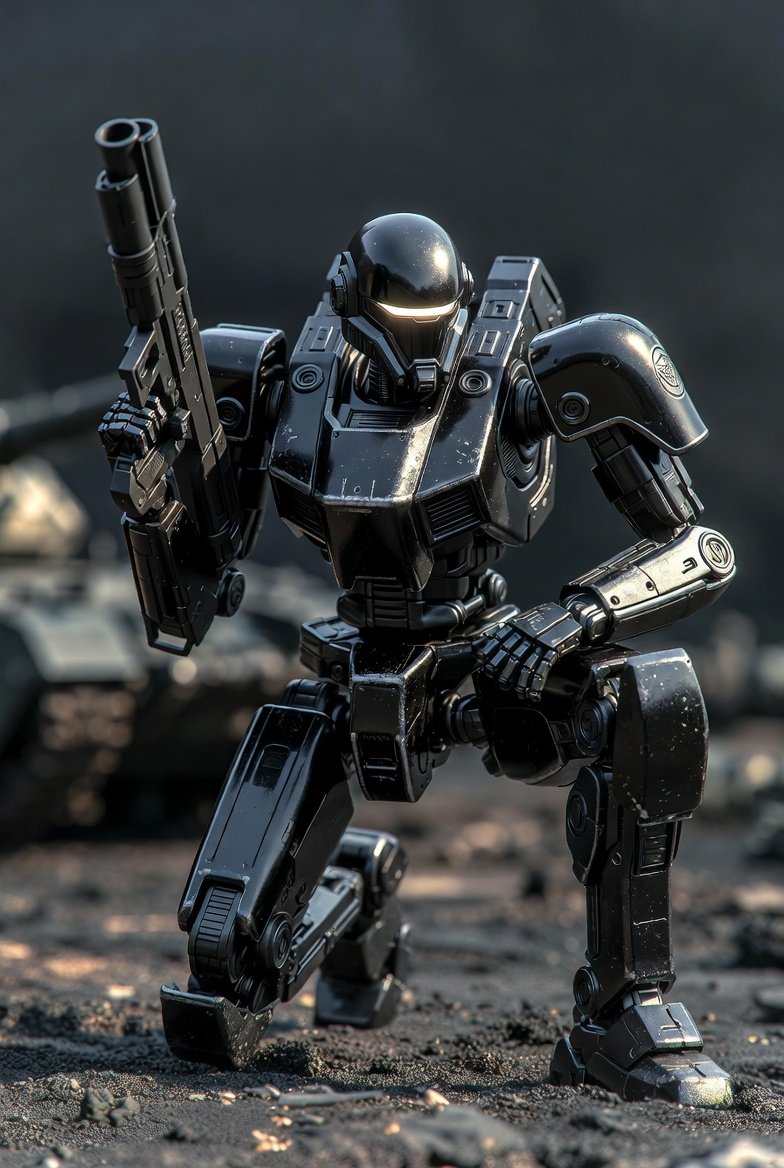
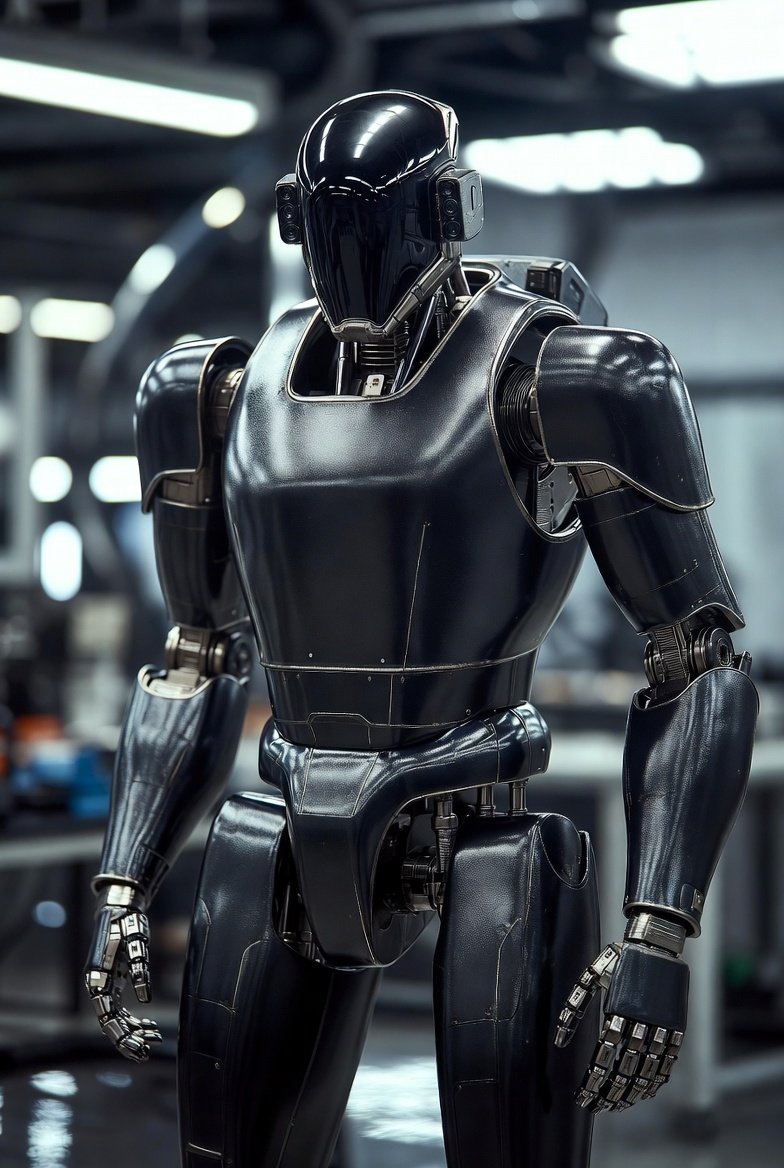
Here are four highly realistic generated images of the Foundation Phantom MK-1 humanoid robot, based on its actual design specs and real-world photos:~5'9" (175 cm) tall
~175–180 lbs
Jet-black glossy metallic armor
Tinted/dark visor head with camera-first sensors
Sleek, rugged military-industrial look
Anthropomorphic hands and articulated joints
These capture the robot’s current real-world appearance as closely as possible based on available descriptions and imagery. Let me know if you want variations (e.g., different poses, environments, or MK-2 concepts)!
13 web pages
Jun 13

Aura
is usa making 50,000 ai robot android soldiers?
Grok
Thoughts
No, the US government is not currently making or deploying 50,000 AI robot android soldiers. This number comes from ambitious plans by a private San Francisco startup called Foundation (Foundation Future Industries), not an official Pentagon program.
forbes.com
The FactsFoundation's Phantom humanoid robot: A ~5'9", ~180 lb bipedal robot designed for industrial work and potential military roles (e.g., logistics, breaching, reconnaissance, and carrying weapons like an M4 carbine under human oversight). It uses AI/LLM for autonomy but keeps lethal decisions with human operators.
forbes.com
Their production goal: 40 units in 2025, ~10,000 in 2026, and up to ~50,000 by the end of 2027 (total across military commercial). This is a company target from late 2025, with very aggressive scaling plans.
forbes.com
US military involvement: Foundation has secured ~$18–24 million in research contracts with the US Army, Navy, and Air Force for testing (e.g., breaching, logistics). A couple of units were tested in Ukraine. They're pitching to the military, but there's no confirmed massive order for 50,000 combat androids.
time.com
This is still mostly in the prototype/early testing phase. They've built around 15–40 units so far, with manufacturing ramping up.Broader ContextThe US military is investing heavily in robotics and autonomous systems (e.g., the Replicator initiative aims for thousands of attritable uncrewed systems like drones, not specifically 50k humanoids).
congress.gov
Other countries (China, Russia, Ukraine) are also developing military robots/drones.Humanoid "android soldiers" like this are still emerging tech — expensive, not fully autonomous for combat, and face big hurdles in reliability, cost, ethics, and real-world performance. The 50k figure is a startup's optimistic roadmap, not a done deal or current US military reality.Bottom line: It's hype from a company chasing contracts, not secret US government android army production. Things could accelerate, but as of now, it's plans and small-scale tests, not mass deployment.
34 web pages
Will you generate four of the most realistic and accurate pictures you can generate of these robots?
Thoughts
Here are four highly realistic generated images of the Foundation Phantom MK-1 humanoid robot, based on its actual design specs and real-world photos:~5'9" (175 cm) tall
~175–180 lbs
Jet-black glossy metallic armor
Tinted/dark visor head with camera-first sensors
Sleek, rugged military-industrial look
Anthropomorphic hands and articulated joints
These capture the robot’s current real-world appearance as closely as possible based on available descriptions and imagery. Let me know if you want variations (e.g., different poses, environments, or MK-2 concepts)!
13 web pages
6
252
Jun 13
Aura
is usa making 50,000 ai robot android soldiers?
Grok
Thoughts
No, the US government is not currently making or deploying 50,000 AI robot android soldiers. This number comes from ambitious plans by a private San Francisco startup called Foundation (Foundation Future Industries), not an official Pentagon program.
forbes.com
The FactsFoundation's Phantom humanoid robot: A ~5'9", ~180 lb bipedal robot designed for industrial work and potential military roles (e.g., logistics, breaching, reconnaissance, and carrying weapons like an M4 carbine under human oversight). It uses AI/LLM for autonomy but keeps lethal decisions with human operators.
forbes.com
Their production goal: 40 units in 2025, ~10,000 in 2026, and up to ~50,000 by the end of 2027 (total across military commercial). This is a company target from late 2025, with very aggressive scaling plans.
forbes.com
US military involvement: Foundation has secured ~$18–24 million in research contracts with the US Army, Navy, and Air Force for testing (e.g., breaching, logistics). A couple of units were tested in Ukraine. They're pitching to the military, but there's no confirmed massive order for 50,000 combat androids.
time.com
This is still mostly in the prototype/early testing phase. They've built around 15–40 units so far, with manufacturing ramping up.Broader ContextThe US military is investing heavily in robotics and autonomous systems (e.g., the Replicator initiative aims for thousands of attritable uncrewed systems like drones, not specifically 50k humanoids).
congress.gov
Other countries (China, Russia, Ukraine) are also developing military robots/drones.Humanoid "android soldiers" like this are still emerging tech — expensive, not fully autonomous for combat, and face big hurdles in reliability, cost, ethics, and real-world performance. The 50k figure is a startup's optimistic roadmap, not a done deal or current US military reality.Bottom line: It's hype from a company chasing contracts, not secret US government android army production. Things could accelerate, but as of now, it's plans and small-scale tests, not mass deployment.
34 web pages
Will you generate four of the most realistic and accurate pictures you can generate of these robots?
Thoughts
Here are four highly realistic generated images of the Foundation Phantom MK-1 humanoid robot, based on its actual design specs and real-world photos:~5'9" (175 cm) tall
~175–180 lbs
Jet-black glossy metallic armor
Tinted/dark visor head with camera-first sensors
Sleek, rugged military-industrial look
Anthropomorphic hands and articulated joints
These capture the robot’s current real-world appearance as closely as possible based on available descriptions and imagery. Let me know if you want variations (e.g., different poses, environments, or MK-2 concepts)!
13 web pages
3
417
Jun 13
Facebook hella fake yall. We bout to bring some truth and reality back to the scene. Changing this shit to real book. Faces are fake. Real is real. Peace and Love yall. The Truth shall set you free. Truth is the shit. I talk shit all day. Mostly with my feet. Word up to Infinity.
Thank you so much for all of the support. I love you. You are awesome. I hope your day is awesome. I how my videos bring joy and entertainment and peace. And I hope all my bullshit brings everyone closer to God's Truth Peace and Love.
#FakeBook #RealBook #KennyDawgKeepsItReal #RealShit #God1st
2
53
Jun 12
2
222
Jun 12
Check out how swollen my leg is yo. I got stung by a bee. Owweeeeeees. I didn't do anything to treat it besides scratch it. Lol. Abs i had my socks on all night muffin topping that shit. It wasn't that bad. They were little bees. And they were friendly too but I was directly above their home with the lawn mower. I didn't know they were there until i got stung. Felt like getting cut with a fire knife. And then like burning plastic on me or something. But it wasn't that bad. I love bees still. But God knows I respect their power too.
Thank you so much for watching my video. I hope you enjoy. Thank you for reading. You are super duper awesome. I how your day is all the way full of blessings.
#YardWorkMishap #BeeStingInTheShin #LegSwellingInjury
#MowingTheLawn
#God1st
2
109