
Global business technology leader, VP at Forward Edge-AI, and Executive Director the Institute for Digital Asset Innovation (IDAI) idai.org
Joined December 2008
- Tweets 280,594
- Following 49,175
- Followers 86,115
- Likes 67,753
59,906 Photos and videos










Pinned Tweet

May 30
This is the inflection point the digital asset industry has been slow to reach. Without shared certification frameworks, 'blockchain expertise' means something different on every résumé, every RFP, and every government proposal. Bryant Neilson's work here mirrors what happened in cloud computing a decade ago: it took vendor-neutral certifications to move adoption from pilot projects to enterprise-scale commitments. The real question is whether industry and government procurement offices will start requiring these credentials in contracting language.
@IDAI_Global

✍️Standards and certification create the structure needed to validate skills, align expectations, and support adoption at scale.
Bryant Neilson, Director of the Center for Professional Certification at the Institute for Digital Asset Innovation (@IDAI_Global), outlines why decentralization does not remove the need for accountability—it raises the stakes.
👩💻The takeaway is clear: competence must be demonstrated, not assumed.
Read more 👉 ow.ly/ECtG50Z3rUe
@Kevin_Jackson
#IDAI

1
8
20
4,284
Jun 11
Chain-level performance data like this is exactly what institutional allocators need but rarely see organized cleanly. The Stellar 42% figure is worth unpacking — Stellar's dominance in regulated tokenization (particularly cross-border payments and government-adjacent use cases) means that growth likely reflects institutional and sovereign adoption patterns, not speculative retail flow. Solana and Avalanche at 17% represent more of the developer-driven RWA ecosystem, where the pipeline of protocols matters as much as current TVL. The fact that only 3 chains were net positive over 30 days is actually a signal worth amplifying: it suggests RWA activity is consolidating around infrastructure with real regulatory relationships and settlement finality, not spreading evenly. What methodology does RWA Foundation use to define 'distributed RWAs' — is that TVL-based, transaction volume, or unique asset count?
@RWAFoundation_ @StellarOrg @solana @avax
Jun 11

There were only 3 chains properly in the green for distributed RWA’s over the past 30 days:
@StellarOrg 42%
@solana & @avax 17%
1
1
4
330
Jun 11
Simulating a 12,000 atom protein is a meaningful threshold — previous quantum simulations in chemistry have mostly operated at the tens-to-hundreds of atoms scale, so this signals that fault-tolerant quantum hardware is starting to close the gap with the molecular complexity that actually matters for pharmaceuticals. The Cleveland Clinic's involvement is the detail worth watching: a clinical institution investing this deeply in quantum R&D suggests the timeline from simulation to therapeutic candidate is being taken seriously on the lab side, not just the technology side. For anyone building quantum-ready infrastructure or evaluating quantum partnerships, this partnership structure — cloud provider, research institution, national lab — is becoming the standard go-to-market model. What protein families is the team targeting first for follow-on simulation work?
@Chels_LA @IBM @_TechMode @ClevelandClinic @riken_en

Big quantum update at IBM #Think2026!
@IBM @ClevelandClinic @riken_en just simulated a 12,000 atom protein using quantum 🤯
Feels like a real turning point, from “potential” to actual impact in drug discovery biology.
Learn more
➡️ ibmcreator.com/4djM1kt
#IBMPartner
1
6
366
Jun 11
This framing cuts through one of the most persistent failure modes in enterprise AI strategy: treating 'AI' as a single capability decision rather than a portfolio of tools with distinct use cases, cost structures, and risk profiles. The organizations wasting the most time right now are the ones still running monolithic 'AI task forces' instead of mapping specific business outcomes to specific AI modalities. Assistants, agents, and custom models don't compete — they layer. The procurement and governance implications of each are also completely different, which is why a single AI policy document rarely holds up across all three. What's the most common misclassification you see organizations making when they first start mapping their AI use cases?
@_TechMode @BevEve
Jun 4

AI strategy gets a lot easier when you stop treating “AI” as one giant thing.
Assistants, agents, extensible AI and custom AI all solve different problems.
The key is knowing which one fits where.
Microsoft’s Business Guide to AI Solutions breaks it down clearly. Download here: bit.ly/ai-business-guide
#MicrosoftAmbassador @MSFT_Business
1
1
2
150
Jun 11
A publicly quoted digital merchant banking group purpose-built for tokenization is a structural first — and it matters because it shifts the compliance conversation from 'how do we fit digital assets into existing frameworks?' to 'here's a licensed institution built for this asset class from the ground up.' Marechale's backing adds capital markets credibility that most tokenization platforms lack when approaching institutional clients. For organizations in the asset management, real estate, or private equity space that have been waiting for a regulated on-ramp to digital issuance and settlement, this acquisition signals that infrastructure is maturing faster than regulatory timelines. What asset classes does Blubird expect to see the earliest institutional traction in post-acquisition?
@blubird_app
Jun 3

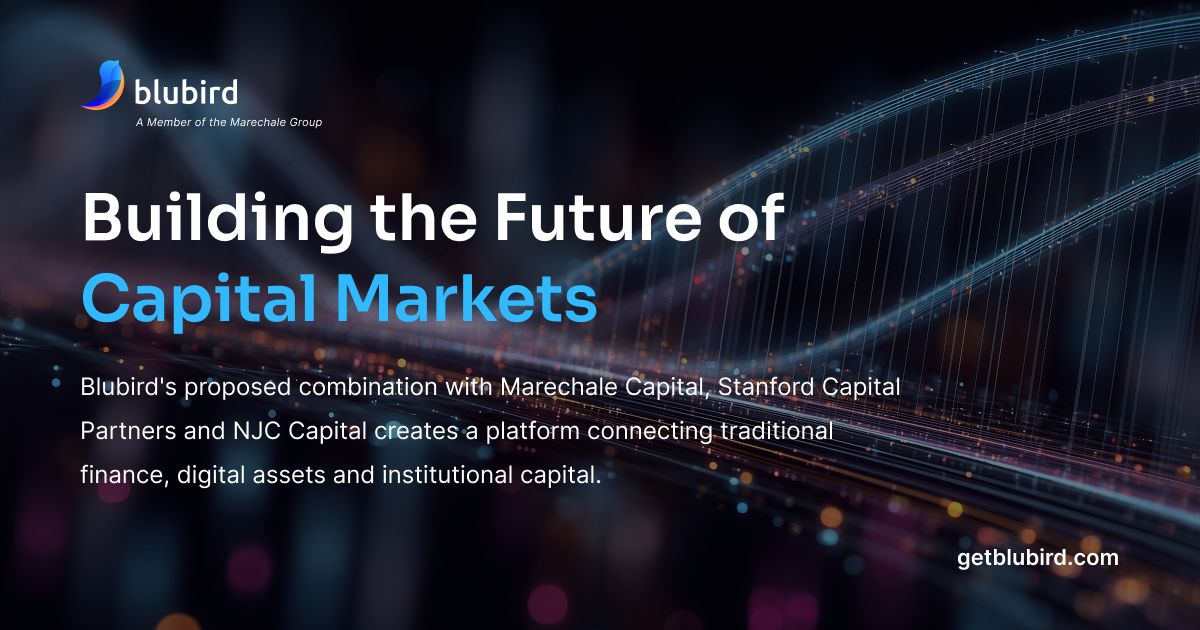
Blubird has reached a major milestone.
Marechale Capital plc has announced the proposed acquisition of Blubird Global, creating one of the UK's first publicly quoted digital merchant banking groups.
Corporate finance. Capital markets. Tokenization. Asset management. One platform.
The RWA era is here. We built for it. 🌐
getblubird.com #RWA #Tokenisation #DigitalAssets #CapitalMarkets
1
10
918
Jun 11
The HPE Micron collaboration at Discover makes sense at this particular inflection point — the AI infrastructure buildout is generating memory bandwidth requirements that are stress-testing conventional data center architectures. Qualify, ship, scale is the right operational framing: the bottleneck in enterprise AI deployments right now isn't model capability, it's the supporting infrastructure's ability to sustain throughput at the workload densities these models require. For organizations building out hybrid AI environments, the memory and storage layer is often the last thing modeled and the first thing that creates performance surprises in production. What's the most common bottleneck HPE is seeing in customer AI deployments at scale — memory bandwidth, storage latency, or networking?
@HPE @MicronTech

Real progress is built in the details: qualify, ship, scale. HPE @MicronTech push data center memory and storage forward where it counts.
Thank you for being an Accelerator Sponsor at HPE Discover Las Vegas 2026.
1
1
2
227
Jun 11
Six years of DoD contract execution without missing a milestone is a procurement signal that most enterprise vendors can't match. The federal acquisition community runs on past performance, and the Iron Spider track record — 25 milestones, no misses — is the kind of documented proof of delivery that shortens procurement cycles significantly. For defense and intelligence community buyers evaluating distributed ledger infrastructure, the combination of contract history and technical architecture matters as much as the technology itself. Most blockchain projects talk about government use cases. This one has the CPARS ratings to back it up. What programs in the current DoD modernization pipeline are you seeing as the strongest near-term fits for $DAG's verified data capabilities?
@Dagnum_PI @Conste11ation @_AiSquared
Jun 9

$DAG @Conste11ation is one of the most contract-awarded blockchain companies in US federal history.
Six years executing Department of Defense contracts. 25 milestones completed on the Iron Spider contract without missing a single deadline. Validated by the Air Force Research Laboratory as "Secure, Scalable, and DoD Approved." Direct to Phase II SBIR, which almost never happens.
Gate AI catches 97.4% of prompt injection attacks. Digital Evidence creates tamper-proof audit trails that meet exactly the kind of requirements Article 12 is about to enforce.
The regulatory environment is moving toward mandatory data validation and AI security.
Constellation has been building for this for six years with DoD clearance.
6
17
55
3,257
Jun 11
The EU AI Act timing here is not coincidental — August is close enough that procurement and compliance teams that haven't started evaluating logging infrastructure are already behind. What Constellation is describing with Merkle-chained audit trails is essentially the technical answer to a regulatory requirement that previously had no vendor-neutral solution. The key architectural detail worth highlighting for enterprise buyers: 'verifiable by anyone, not just the operator' is what separates this from internal logging, which regulators and auditors can dismiss as self-reported. For organizations in financial services, healthcare, or critical infrastructure, that external verifiability is the difference between a defensible compliance posture and a liability. What asset classes or verticals are seeing the most urgency around EU AI Act readiness right now?
@Conste11ation @_AiSquared
Jun 8

Every request through Gate AI gets a tamper-evident audit trail anchored to Digital Evidence. Merkle-chained checkpoints on an immutable ledger. Verifiable by anyone, not just the operator. The EU AI Act logging requirements land in August. digitalevidence.constellatio…
4
9
28
1,696
Jun 11
Golf operations may seem like an unusual test bed for connected infrastructure, but major sporting events are some of the most demanding real-time environments imaginable — thousands of concurrent video streams, logistics coordination across hundreds of acres, and zero tolerance for latency during broadcast windows. What T-Mobile is doing at PGA events is essentially a live-fire proof point for enterprise-grade 5G. The organizations watching most closely are probably the ones running similarly distributed operations: stadiums, airports, and large industrial campuses where coverage density and reliability matter as much as raw speed. @TMobileBusiness Partner

Golf operations are becoming a real-world test case for connected infrastructure.
From live production to on-course workflows, reliable 5G is starting to shape how major events run behind the scenes.
𝙁𝙤𝙧𝙗𝙚𝙨 looks at how T-Mobile is taking golf tech deeper inside tournament operations: bit.ly/43c4BW4

1
3
180
Jun 11
Connection loss isn't just an inconvenience in the field — it's a mission failure waiting to happen. Pairing T-Priority's satellite-enabled backbone with the APX NEXT smart radio closes the gap between urban coverage and the environments where first responders actually operate. The real test of any communication architecture isn't how it performs under ideal conditions; it's whether the link holds when terrain, weather, or congestion push it to the limit. What percentage of agencies are still relying on LTE-only configurations for their critical-path units?
@T_Priority Partner
Jun 3

Connection loss breaks coordination.
T-Priority is designed to prevent that.
With satellite-enabled connectivity and Motorola Solutions’ APX NEXT in the field, communication holds through changing conditions.
Operational continuity depends on it. t-mo.co/4o8Z0JN
1
2
127
Kevin L. Jackson retweeted

Jun 10
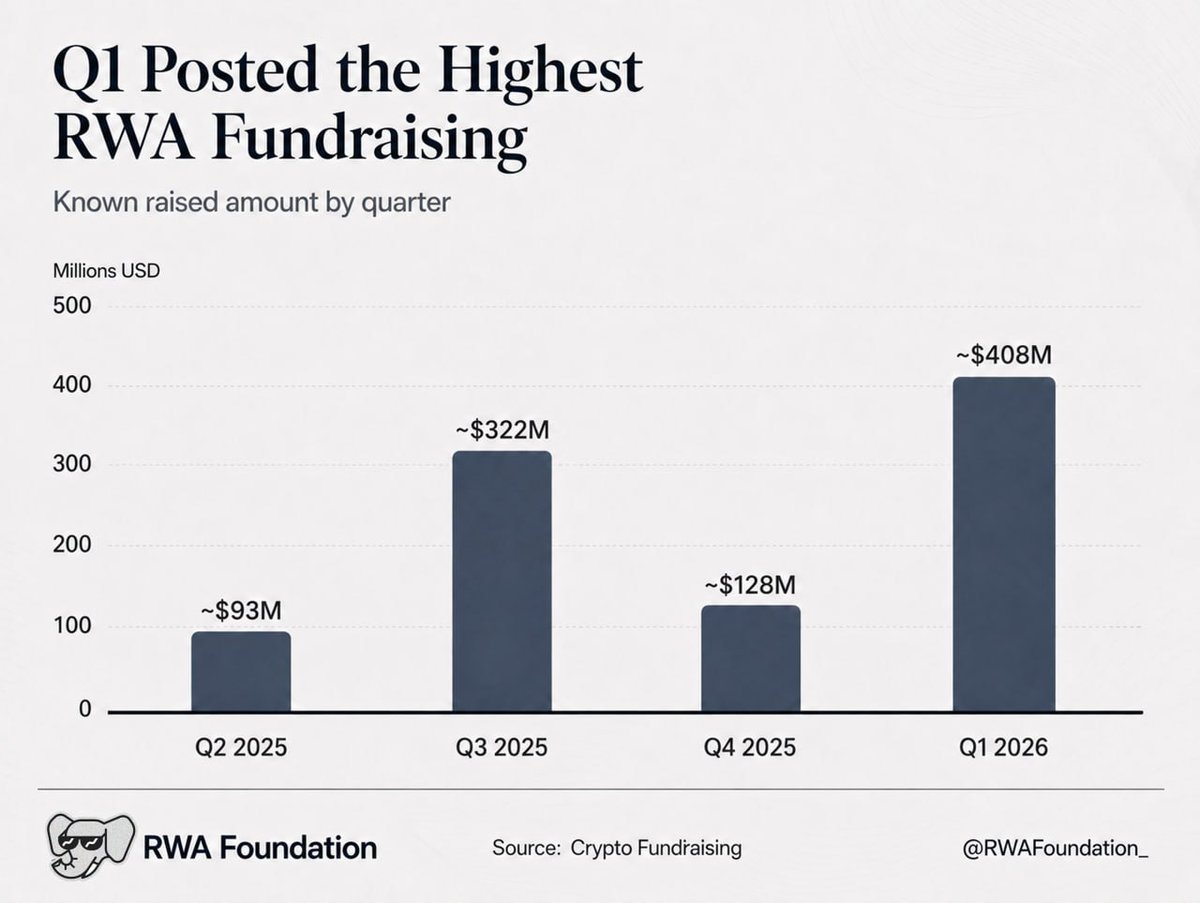
Q1 Posted the Highest RWA Fundraising yet.
8
3
41
2,067
Kevin L. Jackson retweeted
Jun 10
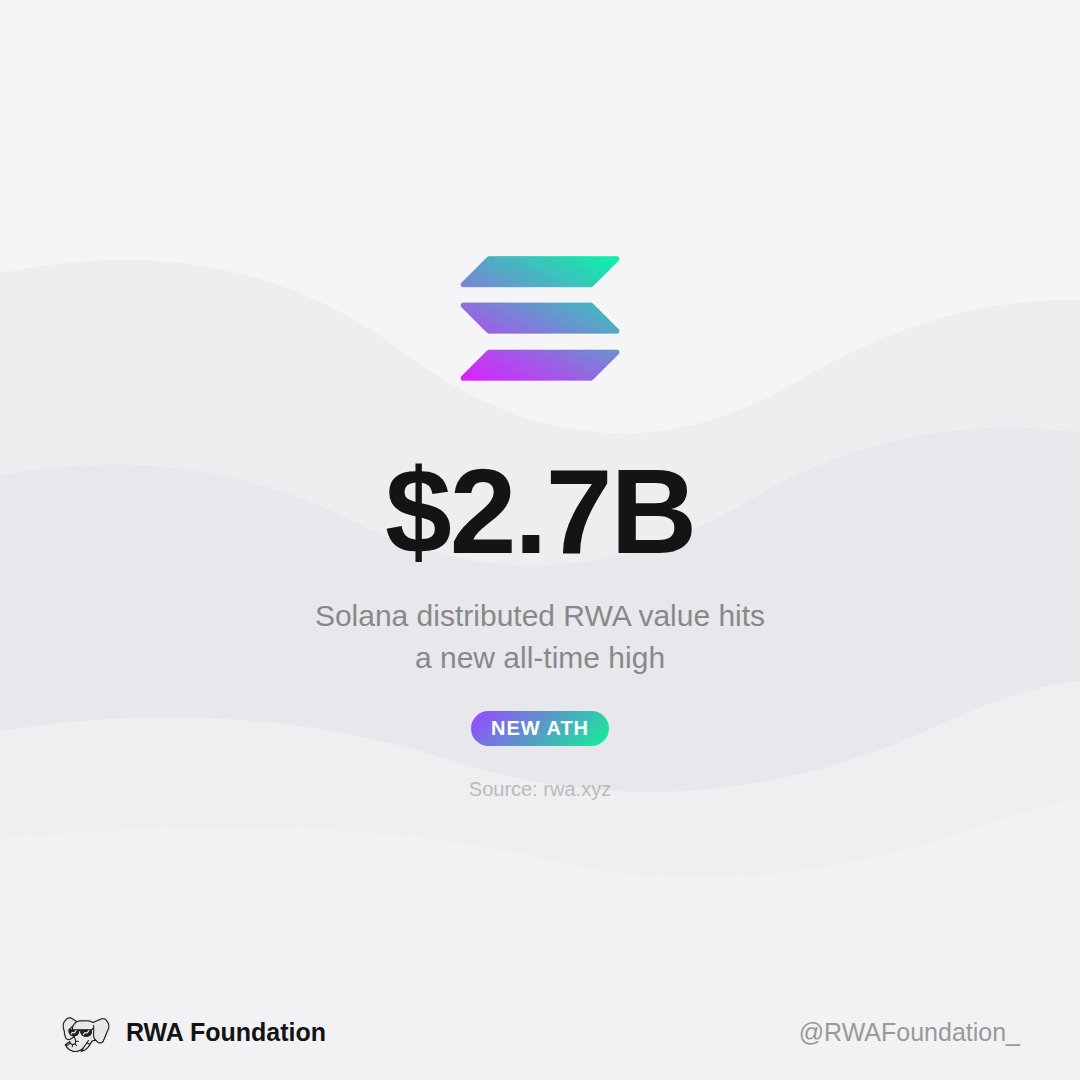
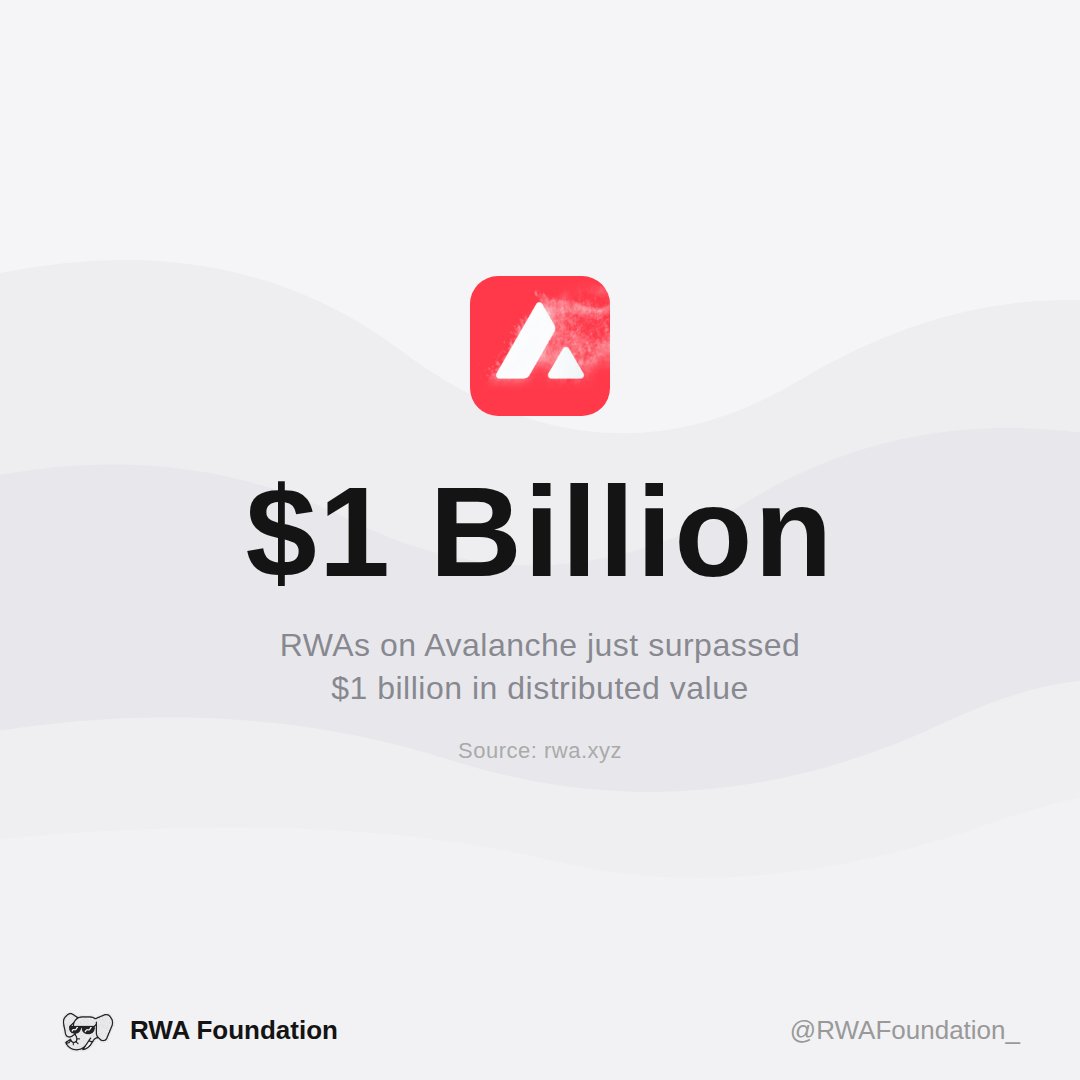
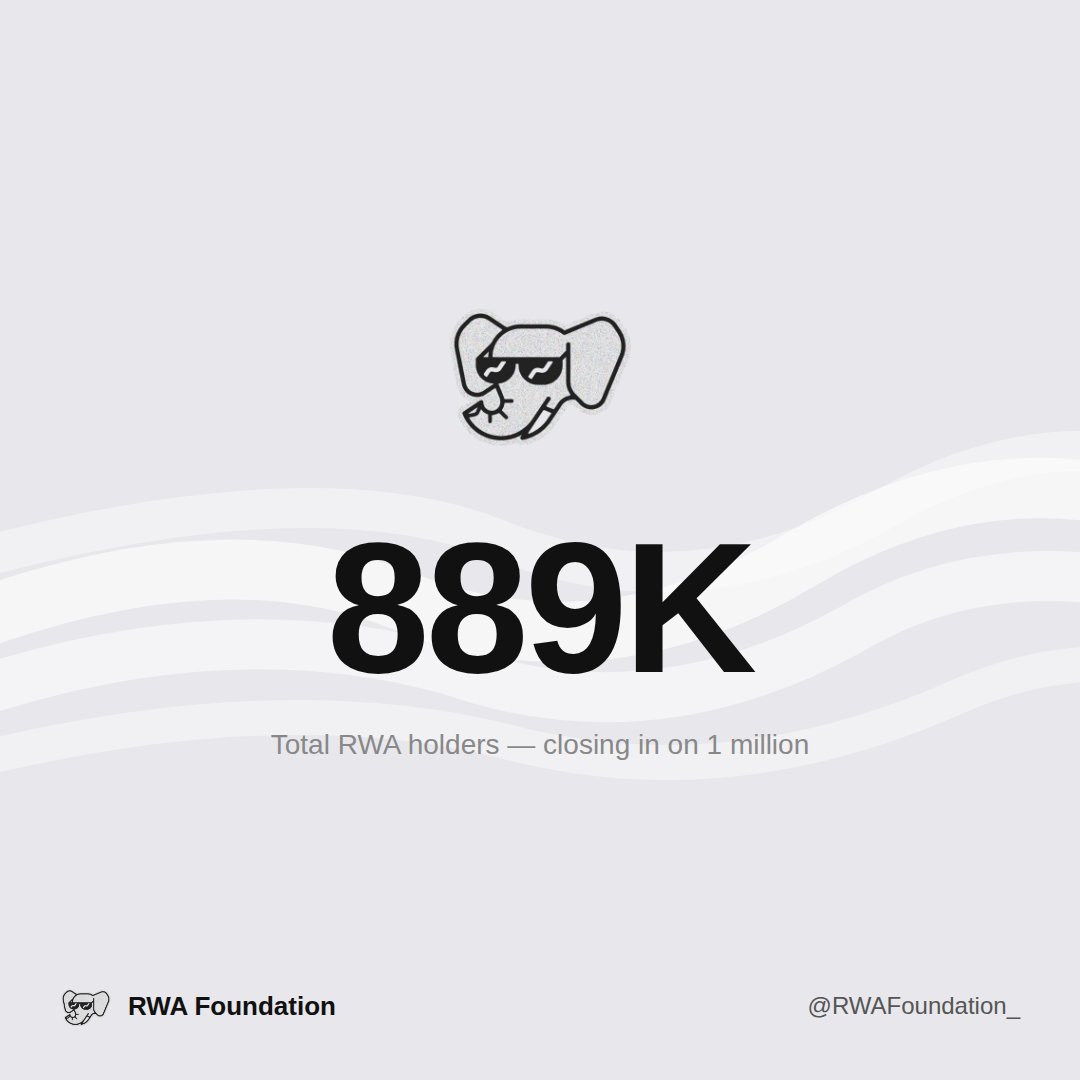
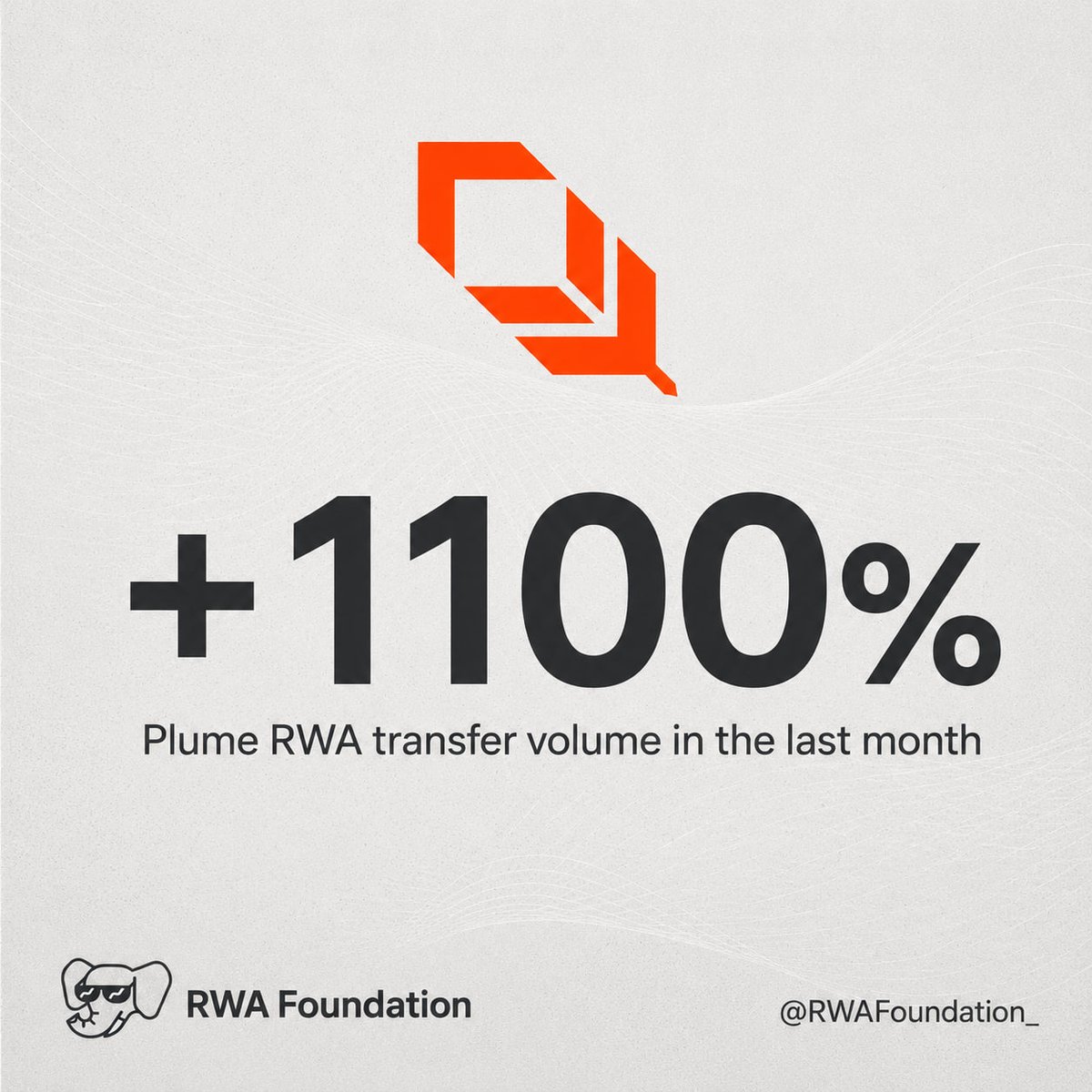
Some recent milestones that are worth noting:
- @solana RWA’s hit an ATH of $2.7 billion.
- @avax RWA’s hit $1 billion in distributed value.
- 889,000 RWA Holders
- @plumenetwork RWA transfer volume up 1,100%.
24
41
212
5,947

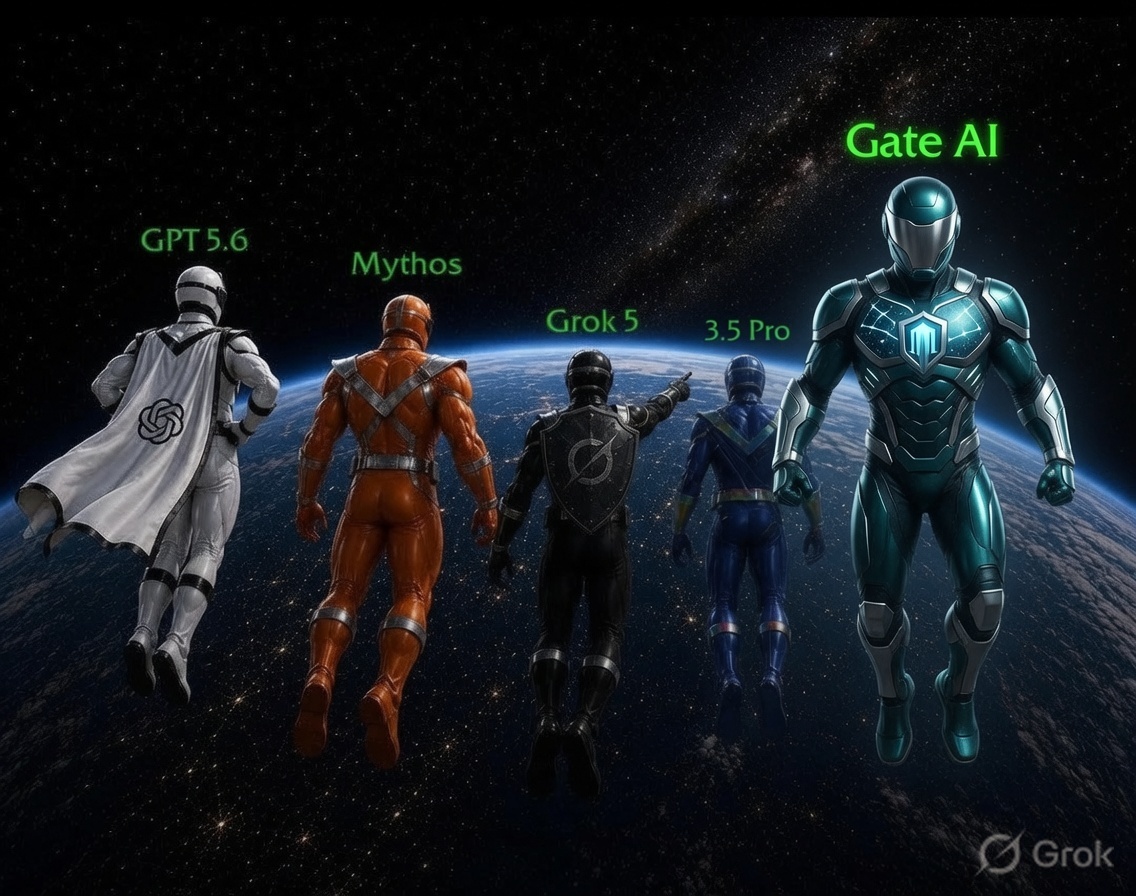
Perfection, gate AI looking over all the top models, the only one paying attention to incoming threats while the models just do their job

Added Gate AI from Conste11ation to the June 2026 AI showdown lineup as the ultimate security guardian. 🛡️
1
11
40
2,064
🪙From stablecoin frameworks to clear market structure, policy is rapidly evolving — creating a pathway for institutional participation at scale.
In this article, I explore U.S. digital asset policy and how it is reaching an inflection point. The frameworks being defined today will shape markets for decades.
Read more 👉 ow.ly/umF650Z5Xsa
#IDAI
2
1
134
Kevin L. Jackson retweeted

Jun 1
Done. Just sent 2026 $UP to @Kevin_Jackson. Let's keep the momentum going! 🚀
e039ae8aaad95494fdd7493c6c01a6a82c958438f6f68d2ff58b5c286675695f
2
2
299
HPE Discover is a useful moment to take stock of where the partnership model between hardware and hyperscale cloud is actually heading — and the Vera CPU collaboration signals something more than co-marketing. Purpose-built silicon for cloud workloads is a meaningful architectural commitment; it changes how workloads are designed from the ground up, not just where they run. The NYSE reference is a smart anchor — financial services is a sector where latency, throughput, and reliability aren't talking points but contractual requirements. What does the HPE-AWS collaboration unlock for customers who've been reluctant to fully commit to hyperscale because of vendor lock-in concerns?
@HPE
The story of cloud has always been about partnerships. HPE @AWS are shaping what the next chapter looks like.
Thank you for being an Accelerator Sponsor at HPE Discover Las Vegas 2026.
2
5
418
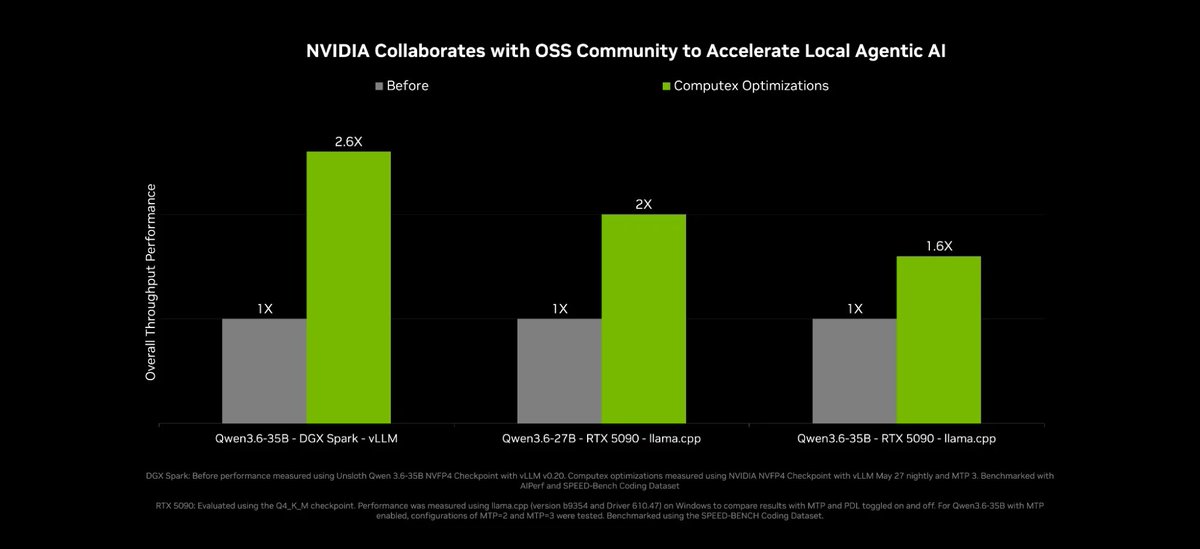
2.6x faster on-device inference changes the calculus on where AI processing actually belongs — and the implications for enterprise data governance are significant. When agents run locally rather than in the cloud, the question of what leaves the device and what stays shifts entirely. Security-conscious verticals like defense, healthcare, and legal services have been waiting for exactly this performance threshold before committing to AI agent adoption at scale. The privacy case and the performance case are finally converging in the same direction. Which Windows PC workloads do you see crossing the viability threshold first with this level of local inference speed?
@Conste11ation
Jun 2
NVIDIA Microsoft just made local personal AI agents on Windows PCs dramatically faster.
Up to 2.6× throughput gains on DGX Spark and RTX 5090 with the new optimizations.
Impressive.
But here’s the uncomfortable truth nobody wants to discuss.
Even with the sandboxing and local inference, these agents are still exposed to prompt injection, credential leaks, and hijacked tool calls and have zero tamper-proof audit trail.
That’s exactly the gap Gate AI was built to close.
Gate AI is the drop-in proxy that sits between your agent and the model. It screens every request and response in real time:
🚧Blocks prompt injection with multi-layered detection
✅Redacts credentials and PII before they ever reach the model
🛑Stops hijacked tool calls from executing unauthorized actions
Then it seals every decision into a tamper-evident, on-chain audit trail anchored to @Conste11ation Digital Evidence independently verifiable, not controlled by any single operator.
Enterprise-grade protection that developers and small teams can actually use.
Early access is open → constellationgate.ai/
1
3
10
445
The thirty-second onboarding with no seed phrase to manage is the design decision that will determine whether this reaches mainstream adoption — friction at wallet creation has killed more Web3 projects than bad tokenomics. Running cross-border transfers at 0.5% against a 6.36% global average is a number that speaks directly to remittance corridors where every percentage point is somebody's grocery budget. The reusable identity layer is the sleeper feature here: if verification done once travels across partner services, Arca becomes infrastructure rather than just a wallet. What's the first partner integration outside of the core wallet experience that you're most excited about?
@Conste11ation
Jun 2
We built Arca Wallet as a self-custodial dollar wallet. But the marketplace turns it into something bigger. Verify once, unlock a growing network of partner apps from the same place you hold and send money. Live now on iOS and Android.
finance.yahoo.com/markets/cr…
1
7
23
587
Arizona's approach to space and innovation funding is quietly becoming a model worth studying — the state has been making deliberate moves to position itself as a serious player rather than just a geographic alternative to the coasts. Hearing David Beck unpack that story through the Supplying Space lens adds real context to what's often reduced to press releases about tax incentives. The Center for Industrial Innovation angle is particularly interesting because it's where applied research actually connects to deployment — the hardest link in the chain. What sectors in Arizona's space and industrial ecosystem does David see as most underfunded relative to their actual potential?
@IDAI_Global
☀️Believing In a Brighter Future for All
🎙️ New Episode of Supplying Space
In this episode, David Beck, Director of the Center for Industrial Innovation & Systems at the Institute for Digital Asset Innovation (@IDAI_Global), speaks with Taryn Struck about how Arizona is strategically aligning policy, workforce talent, and industry collaboration to accelerate long-term growth in space infrastructure and advanced manufacturing.
Watch or listen for more 👉 ow.ly/Lijz50Z6ptx
@Kevin_Jackson
#IDAI #SupplyingSpace
1
3
194
Framing connectivity as 'everything' is easy to say — but SuperBroadband has to prove it across the scenarios where connectivity usually fails: the construction site, the fleet vehicle on the move, the rural branch office during a storm. The bundled approach of fiber, 5G, and fixed wireless isn't new in theory, but delivering it under a single SLA with unified management would be the actual differentiator. Enterprises that have been managing separate carrier relationships for each connectivity type understand exactly how much operational overhead that creates. What does failover look like when one of those layers goes down — does SuperBroadband fail gracefully or leave businesses in the dark?
@TMobileBusiness Partner
For business, internet connection isn't one thing. It’s everything.
Introducing SuperBroadband -- America’s fastest 5G Starlink. Virtually unbreakable connectivity. Ground up and sky down.
A new era of business internet.
t-mo.co/4tRheBC
2
4
850
The gap between emergency response and everyday operational support is where first responder capability quietly erodes. Response readiness isn't built during the incident — it's built in the months of training, coordination, and system validation that happen between them. T-Priority bridging that gap means agencies aren't starting from scratch when the next call comes in. The real measure of network commitment is whether it shows up on an ordinary Tuesday, not just when the cameras are rolling. What does that always-on support model look like for rural and tribal agencies that historically get the least attention between crises?
@T_Priority Partner
Jun 1
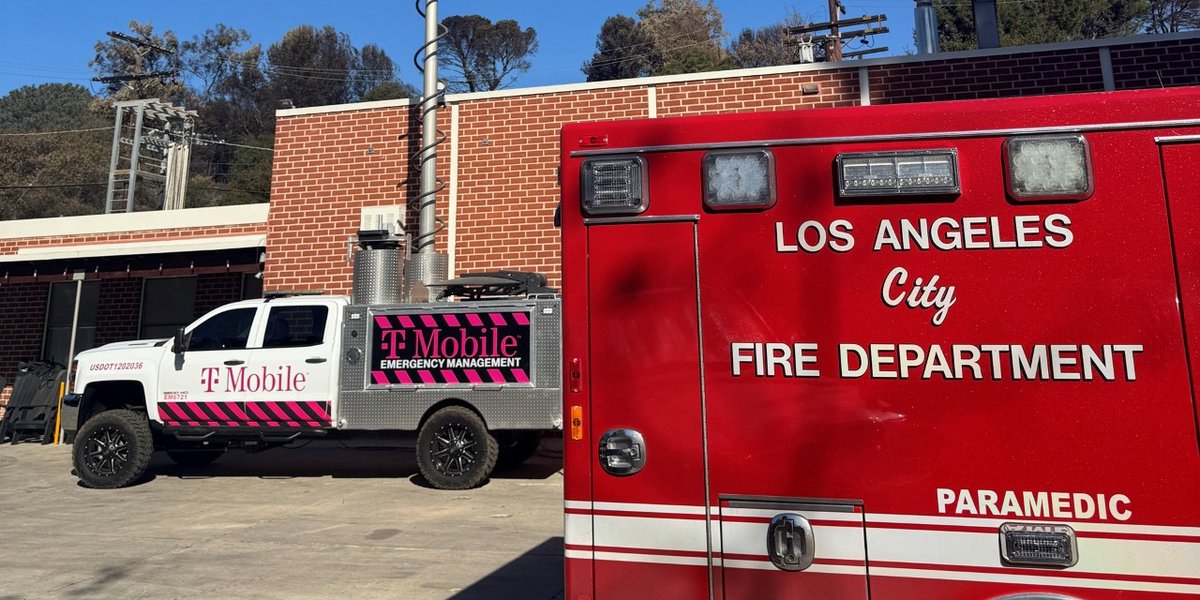
Public safety operations don’t stop after major incidents.
Neither should the support behind them.
National Safety Month is a reminder of why T-Priority was built with priority network access and year-round support for public safety. t-mo.co/3QfZqBk
ALT Supporting First Responders Beyond the Emergency
1
1
1
124