
Joined March 2024
- Tweets 592
- Following 184
- Followers 1,656
- Likes 212
316 Photos and videos






Jun 12
I remember my first encounter with @rorynotsorry.
It was right around the time we decided to pull out of the main GLP space. He posted a Substack article about companies that removed GLPs and mentioned ours, except he got the information wrong and had us mixed up with another company out of Florida.
I only knew Rory from TikTok before he started Crush, where he would rate vendors in the space. Needless to say, he was rough on some vendors, but he had never mentioned my company. Until that article.
I was heated. So heated that I created a profile under the name he claimed, I was something like mynameisnotduncanyoufuckingloon, just to set the record straight.
He quickly apologized and corrected the article. Then he wanted to talk on the phone. Needless to say, he's as good as gold in my book.
We both carry the same philosophy: just wanting to offer the best products we can for our customers. Anyone who does that is grade X for excellent (credit @rorynotsorry). We may have differing opinions on some things, but at the end of the day we can both agree that we care deeply about what we do as business owners.
6
2
79
6,838
Jun 12
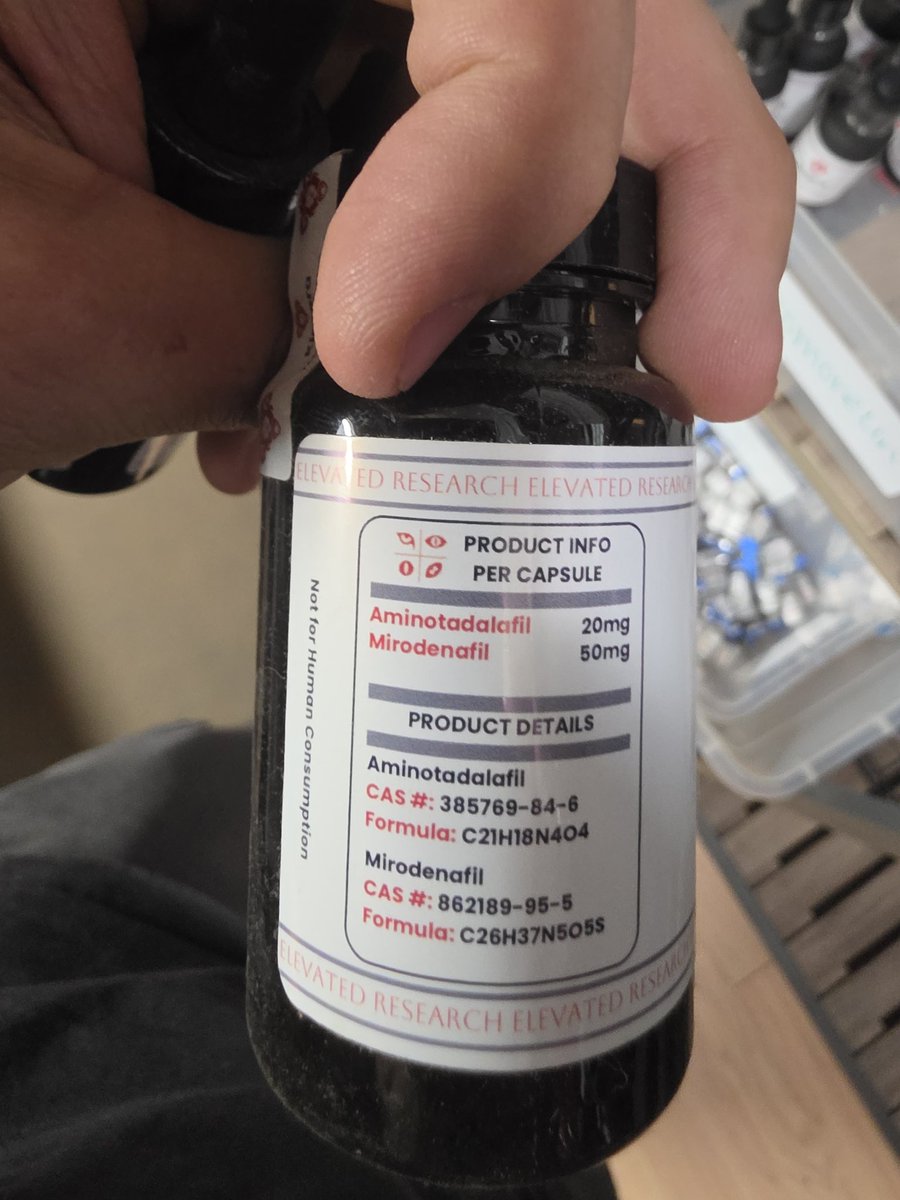
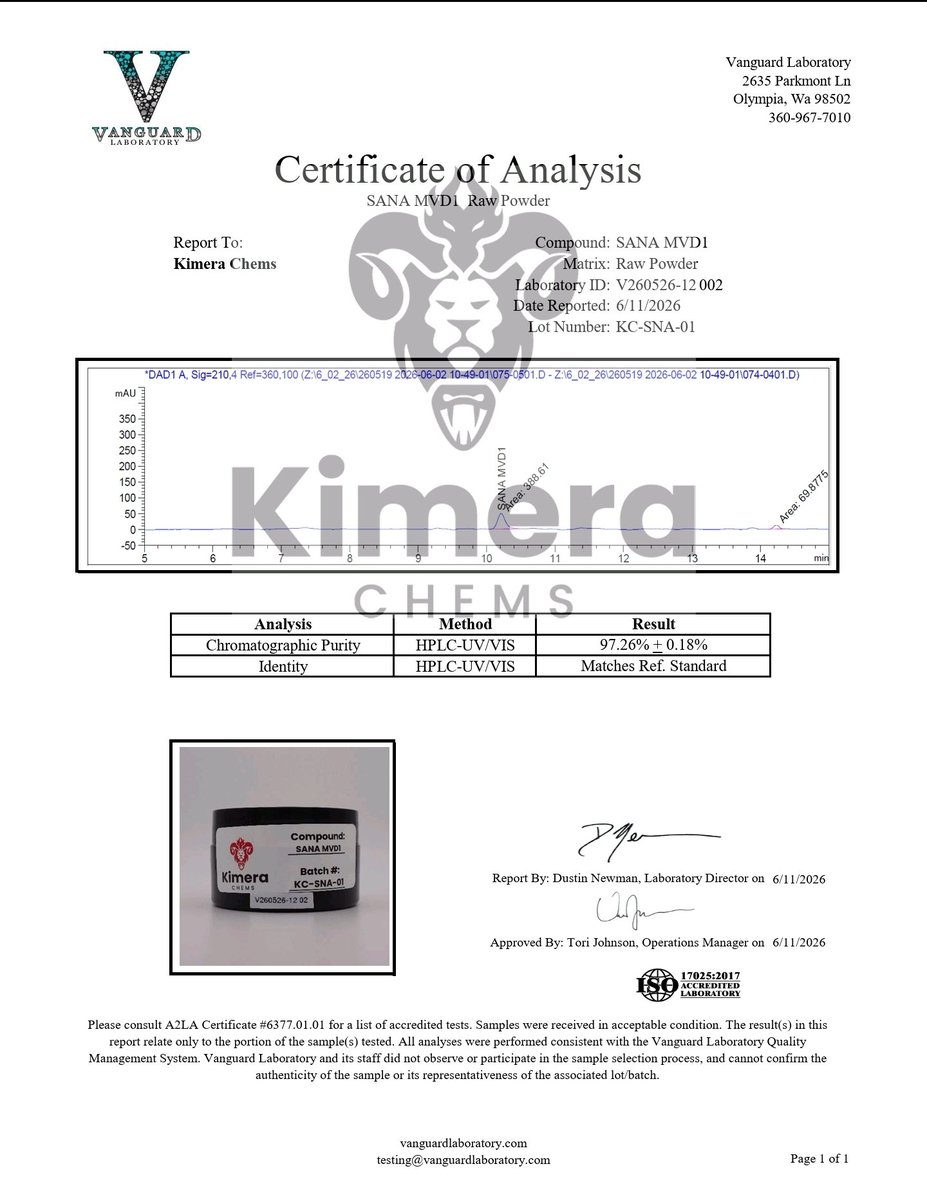
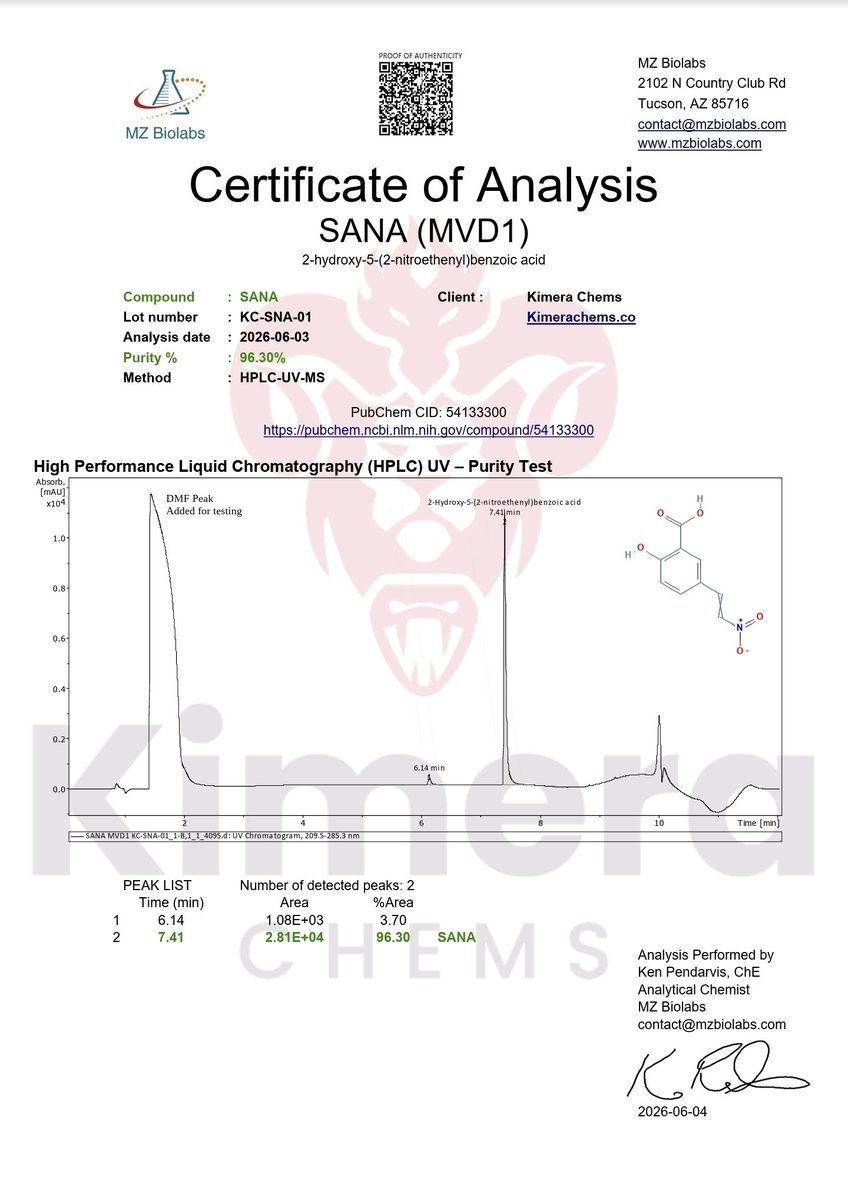
NOW IN STOCK: SLU-PP-915 SANA (MVD1) capsules
Code KIMERA10 for 10% off
Two of the most-requested metabolic research compounds just landed in the Kimera Chems catalog.
-- SLU-PP-915 --
The next-generation ERR (estrogen-related receptor) agonist in the SLU-PP series. A research tool in the exercise-mimetic space, SLU-PP-915 has drawn interest in models of oxidative metabolism, mitochondrial biogenesis, and fatty acid utilization. For groups building on the SLU-PP-332 literature, 915 is the natural next reference point.
-- SANA (MVD1) --
A nitroalkene derivative of salicylate (salicylic acid nitroalkene) with a genuinely novel mechanism. Published work in Nature Metabolism (2025) reports that SANA activates creatine-dependent thermogenesis -- driving non-shivering heat production in both brown and white adipose tissue and increasing mitochondrial respiration and energy expenditure.
What makes it a standout research tool: the thermogenic effect is independent of UCP1 and AMPK, and is abolished when creatine is depleted -- pointing to a distinct, creatine-driven energy-expenditure pathway rather than the canonical routes. That separates it mechanistically from appetite-axis compounds and makes it a clean probe for energy-balance and metabolic work. Now in a standardized capsule format for lot-to-lot consistency across protocols.
Every lot:
- Third-party COA verified for identity and purity
- Standardized capsule format for reproducibility
Research-use-only materials. Not for human consumption. Not for therapeutic or diagnostic use. Intended strictly for laboratory research by qualified professionals.
Both are live now. Specs or COA questions? Drop them below or reach out directly.
Kimera Chems -- Elevated Research.
@Vanguard_Lab @dustin_newman
2
28
4,802
Jun 11
When the wife asks for a new desk...
Well, I don't need to explain the rest 😂
1
12
674
Jun 10
Happy Wednesday!
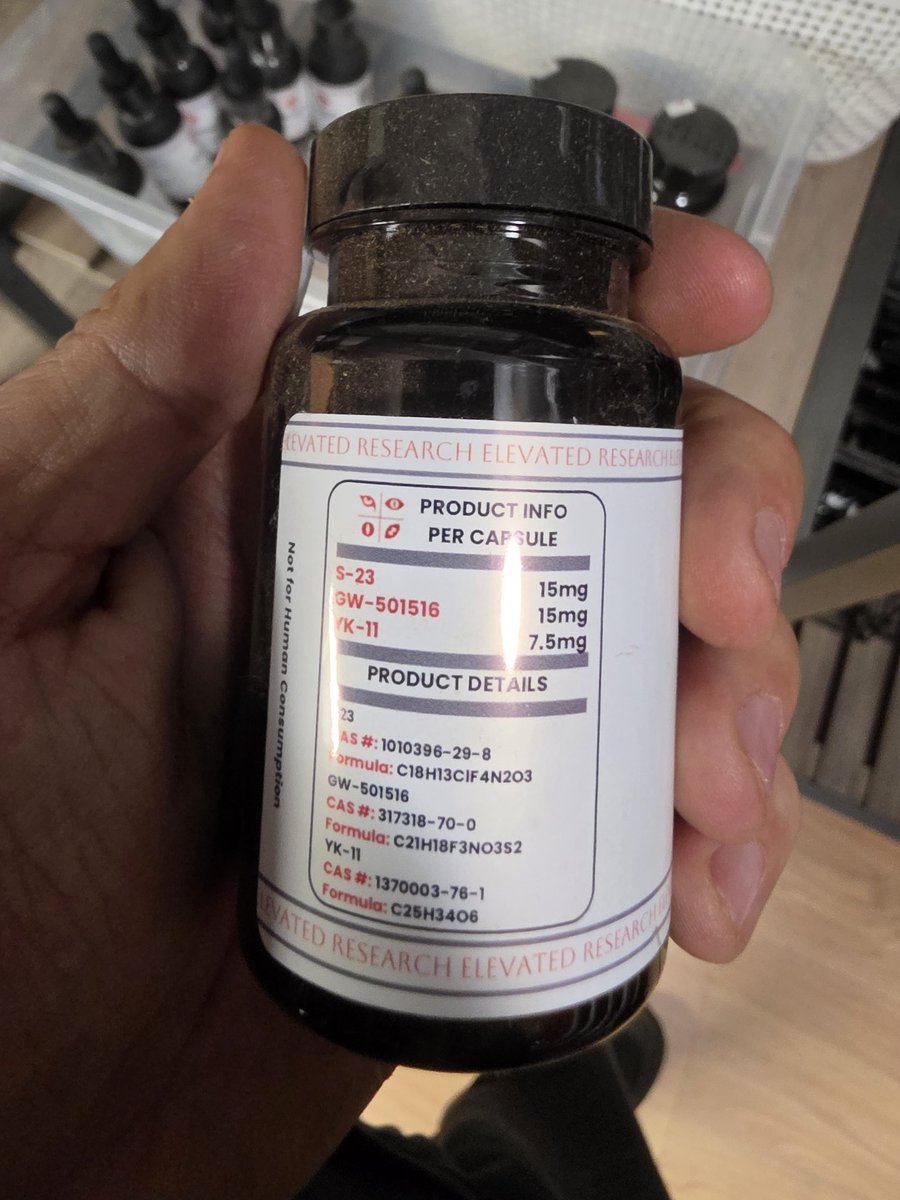
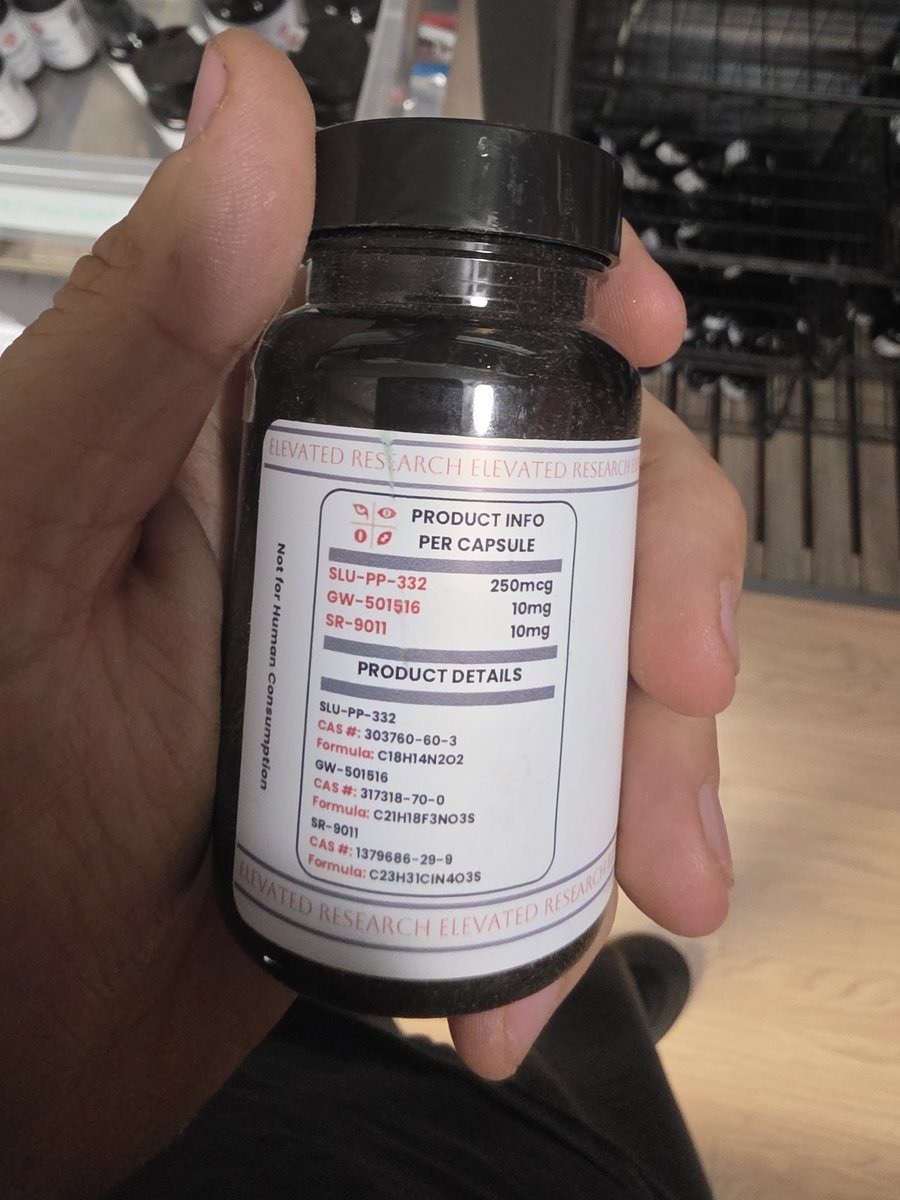
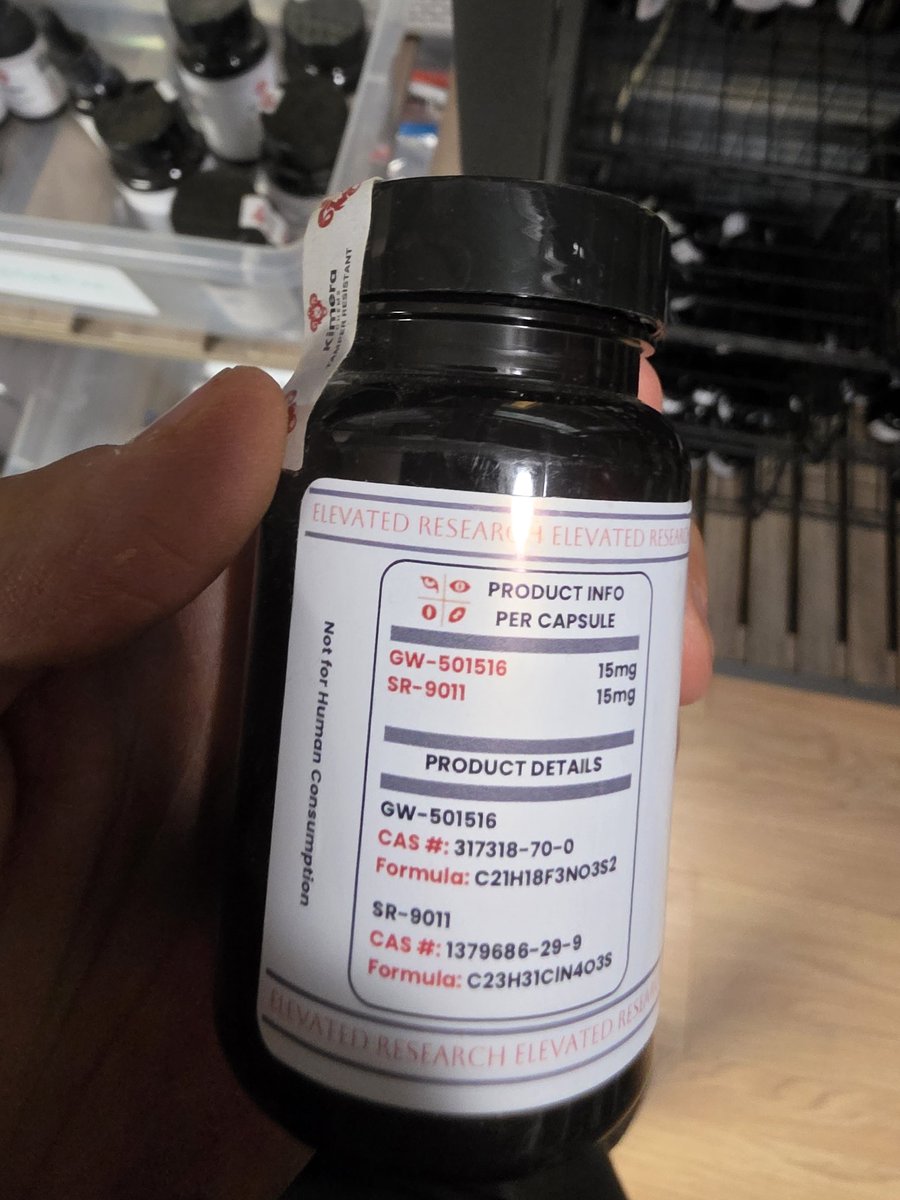
As we were moving to our new fulfillment center, we found some old inventory we discontinued several months ago.
Instead of tossing it, we decided to put it back out heavily discounted.
This stacks with any code, so you can use KIMERA10 or any other available discount code.
All sales are final, while supplies last. For research use only.
2
2
26
4,802
Jun 9
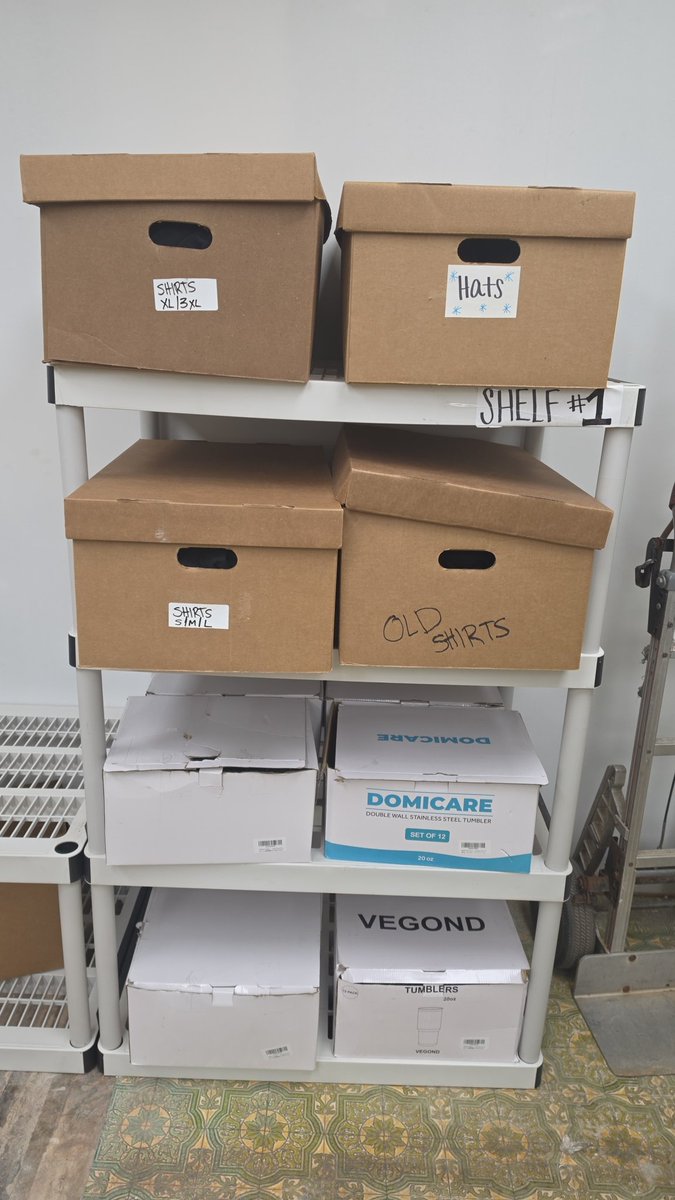
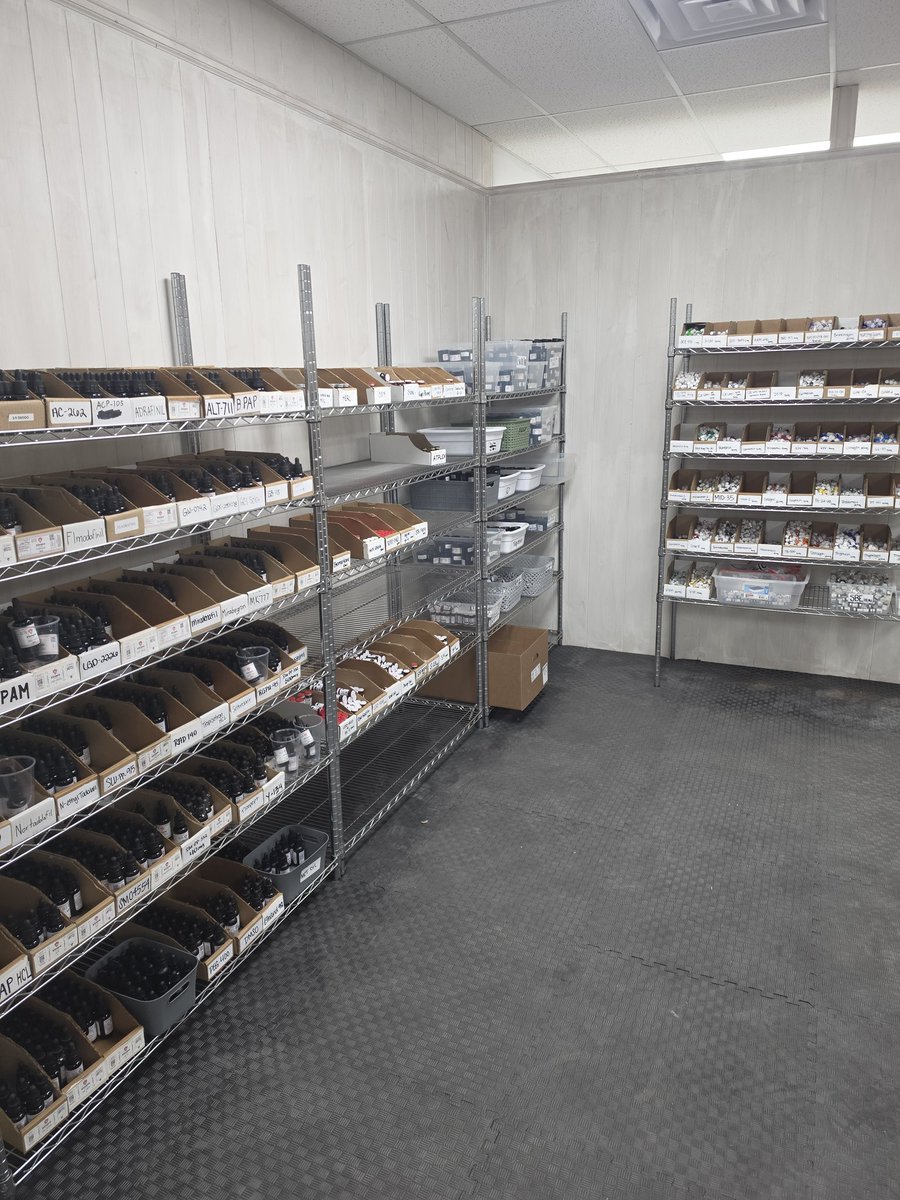
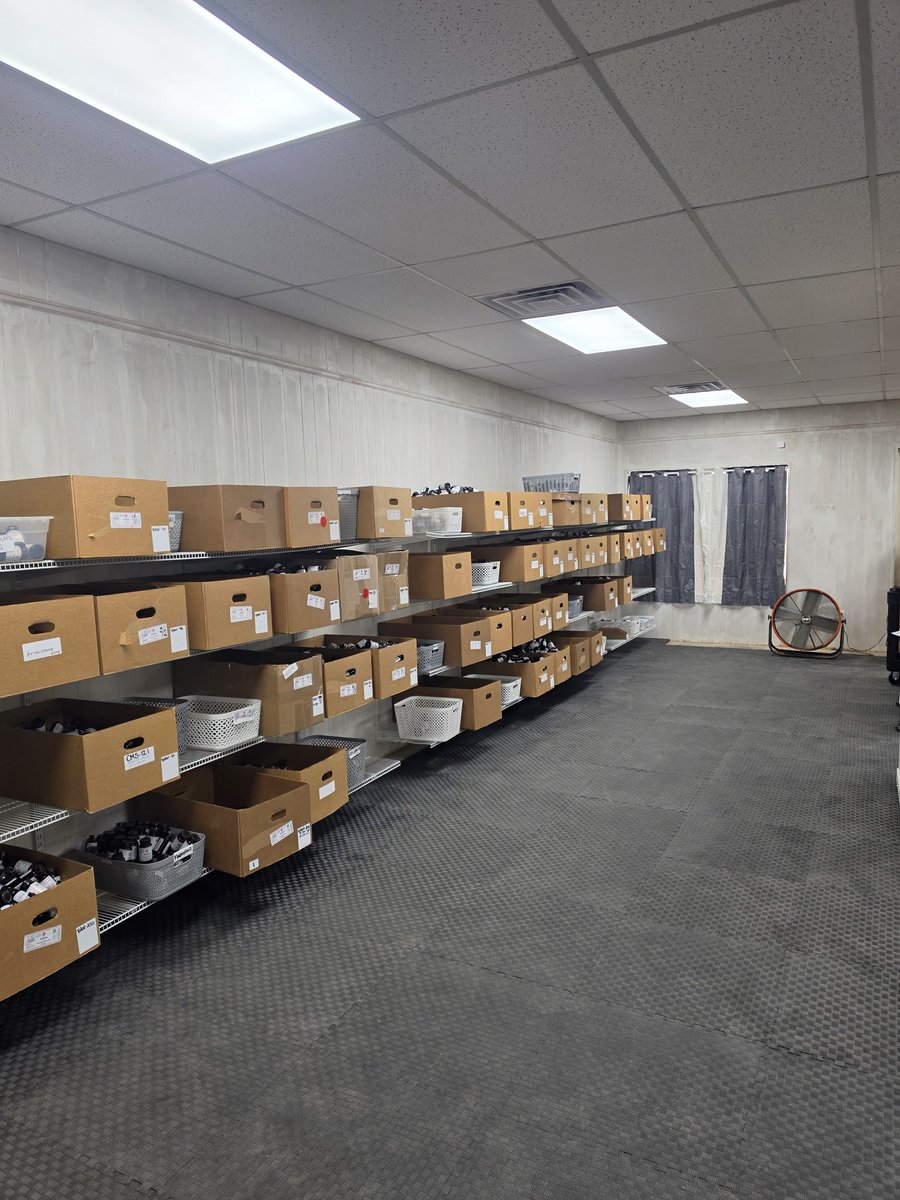
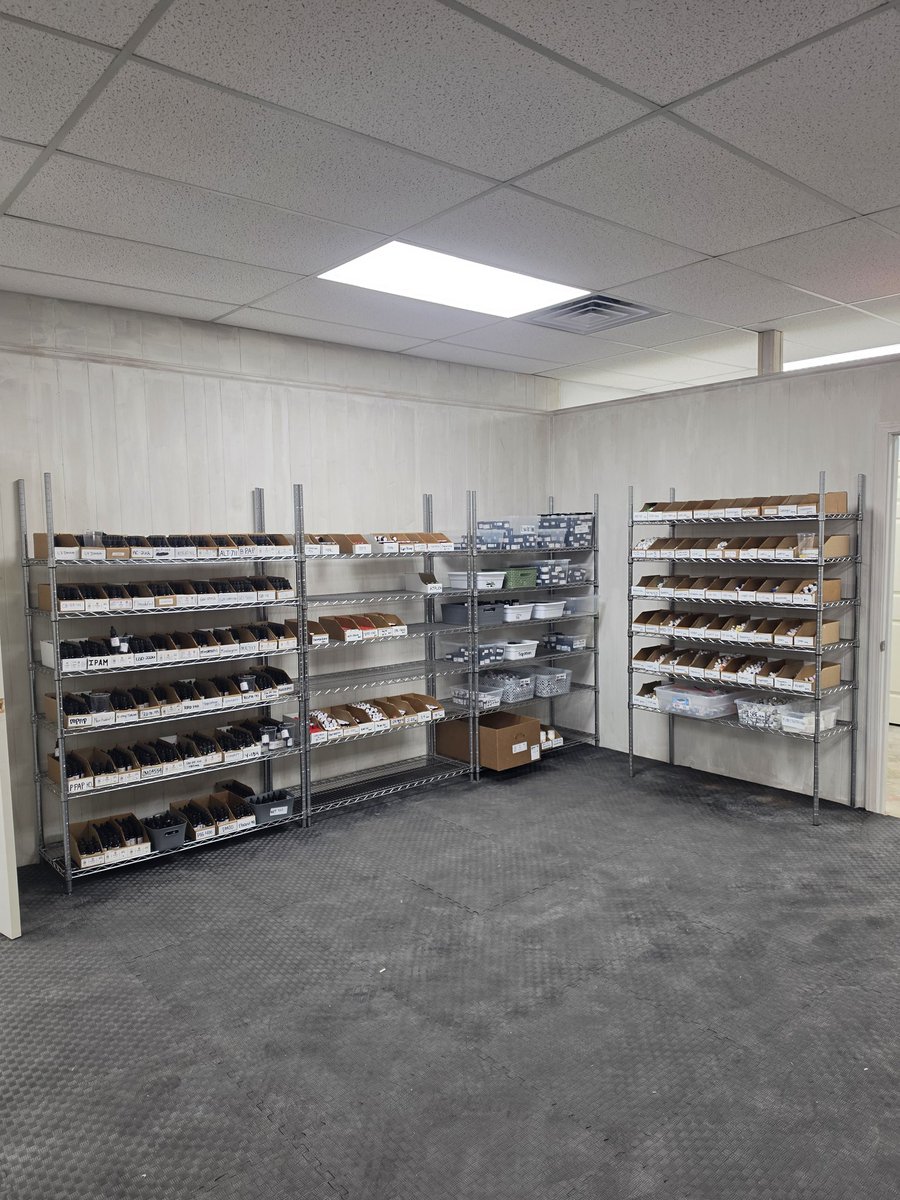
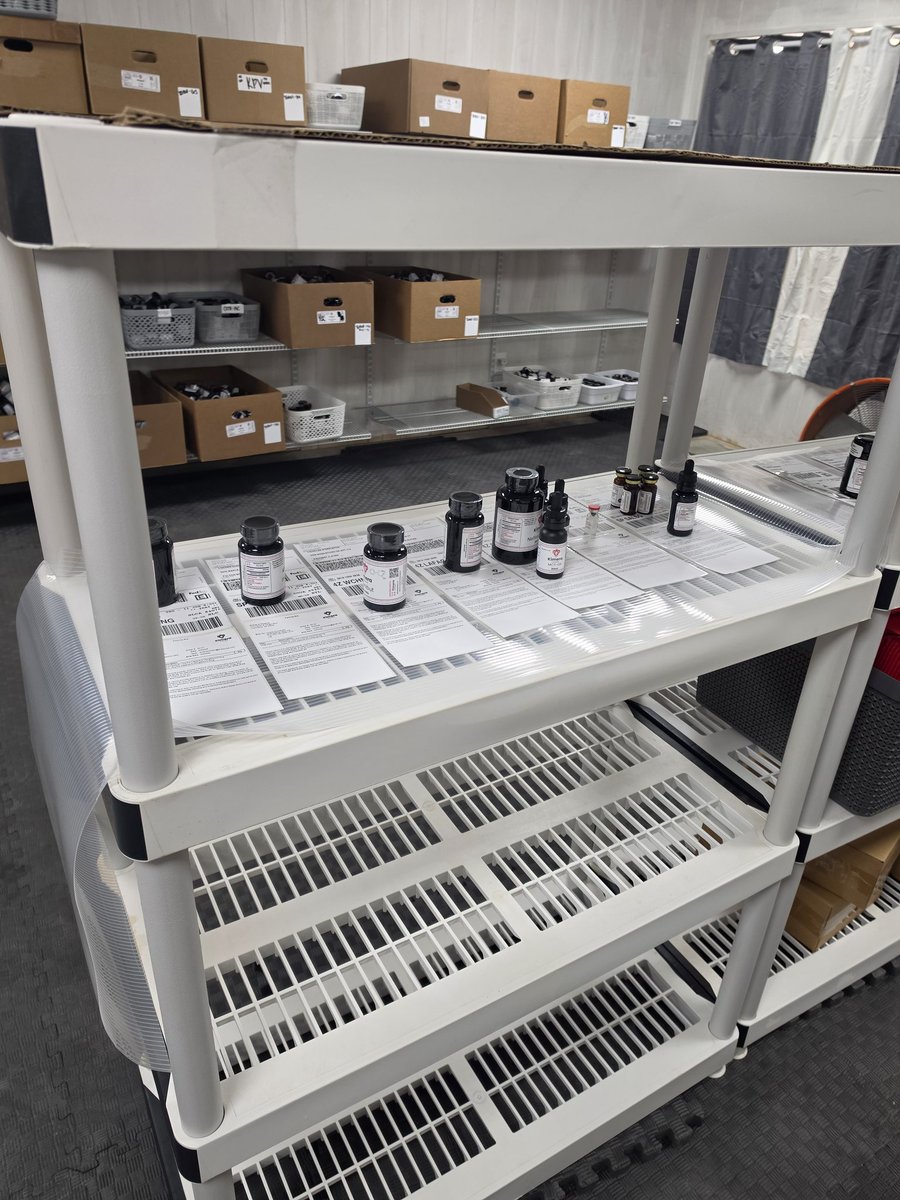
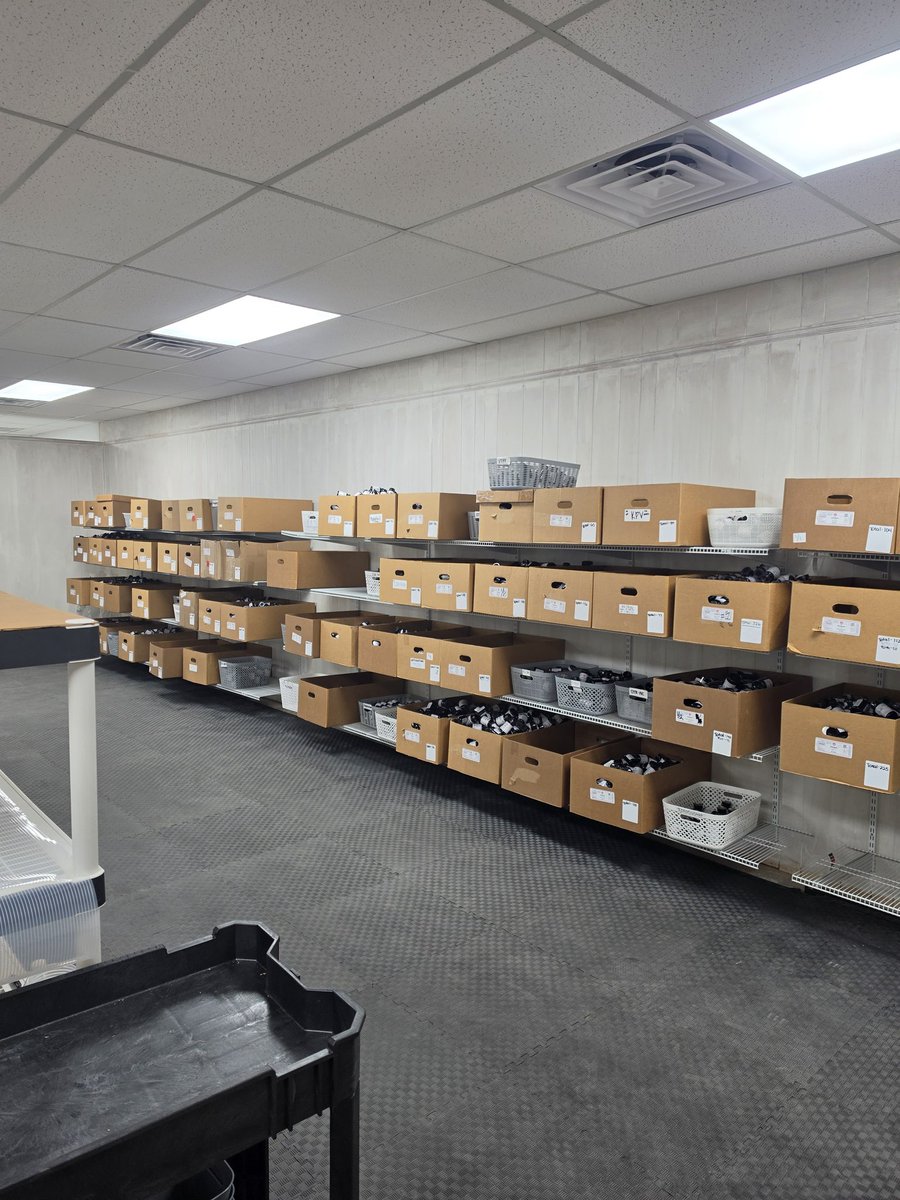
We got our new fulfillment center up and operational. This makes everything much more organized and streamlined.
Excited for the new beginnings and growth.
Thanks everyone for your trust and support!
14
3
99
6,688


Jun 9
BDNF is one of the most important proteins in cognitive pathway research.
BDNF stands for brain-derived neurotrophic factor.
It is studied for its role in helping neurons survive, grow, maintain function, and form new synaptic connections.
In research terms, BDNF matters because it is closely connected to neuroplasticity.
That means the brain’s ability to adapt, reorganize, and build new connections.
Why BDNF matters:
- It supports neuron survival
- It contributes to synaptic connection formation
- It plays a role in neuroplasticity research
- It appears in cognitive pathway studies
- It is relevant to neuroprotective research model
This is also why Semax is frequently discussed in connection with BDNF signaling.
Semax is studied for its relationship with neurotrophic activity and cognitive pathway mechanisms, which makes BDNF one of the key terms researchers need to understand before interpreting that data.
Simple way to think about it:
BDNF helps researchers study how the brain maintains, adapts, and protects neural connections.
1
5
492
Jun 8
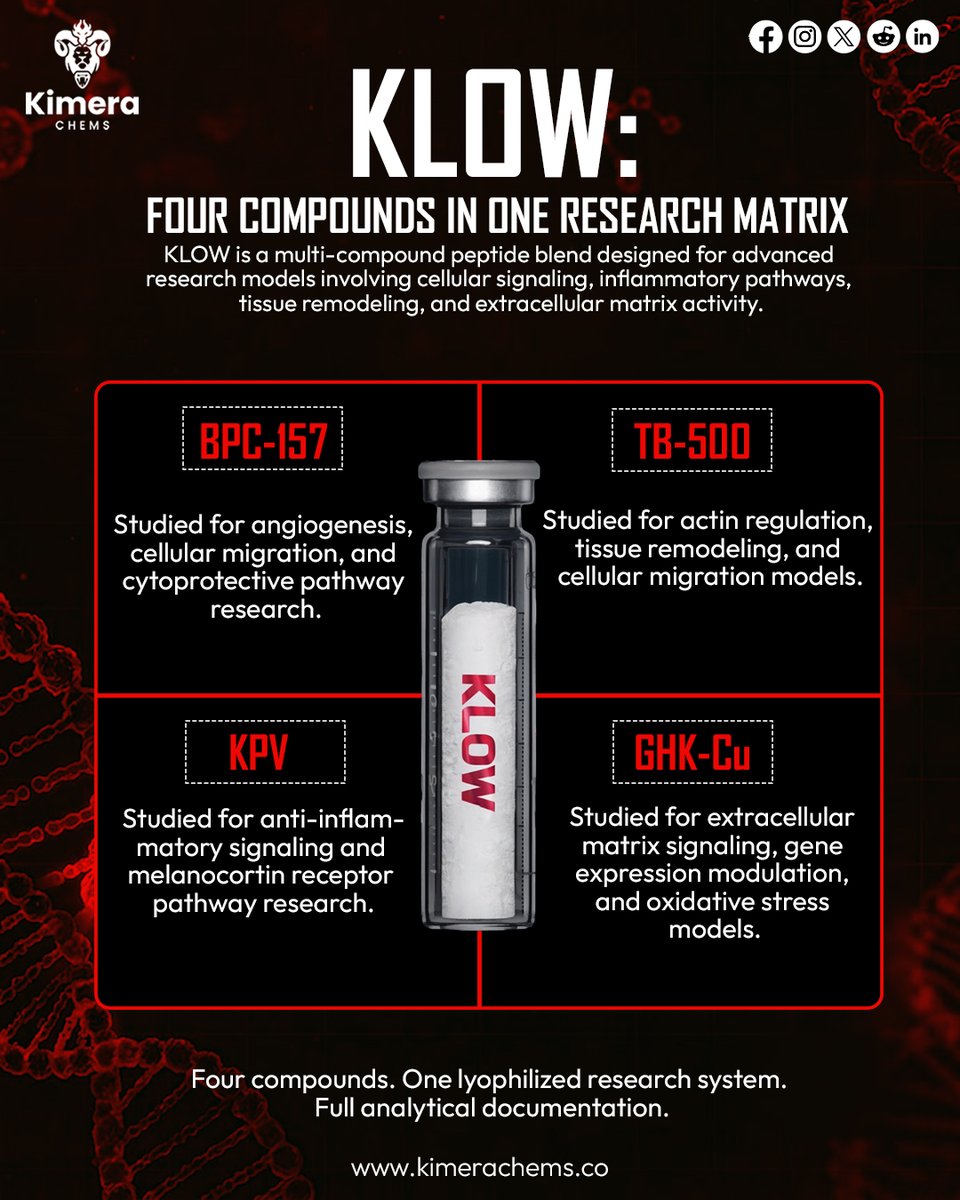
KLOW is not just four names on a label.
It is a four-compound research matrix.
Each compound inside KLOW brings a different research profile to the system.
What is inside KLOW?
BPC-157
Studied in angiogenesis, cellular migration, and cytoprotective pathway research.
TB-500
Studied for actin regulation, cellular migration, and tissue remodeling models.
KPV
Studied for anti-inflammatory signaling and melanocortin receptor pathway research.
GHK-Cu
Studied for extracellular matrix activity, gene expression modulation, and oxidative stress models.
The reason this blend matters is simple:
Biological systems rarely operate through one isolated pathway.
KLOW gives researchers a way to examine multiple mechanisms within the same lyophilized matrix, instead of looking at each compound as a completely separate variable.
Why researchers study it:
• Multi-compound pathway interaction
• Tissue remodeling models
• Inflammatory signaling research
• Cellular migration studies
• Extracellular matrix pathway work
HPLC tested. Lyophilized. COA available by batch.
For laboratory research use only.
1
2
21
1,496
Jun 8
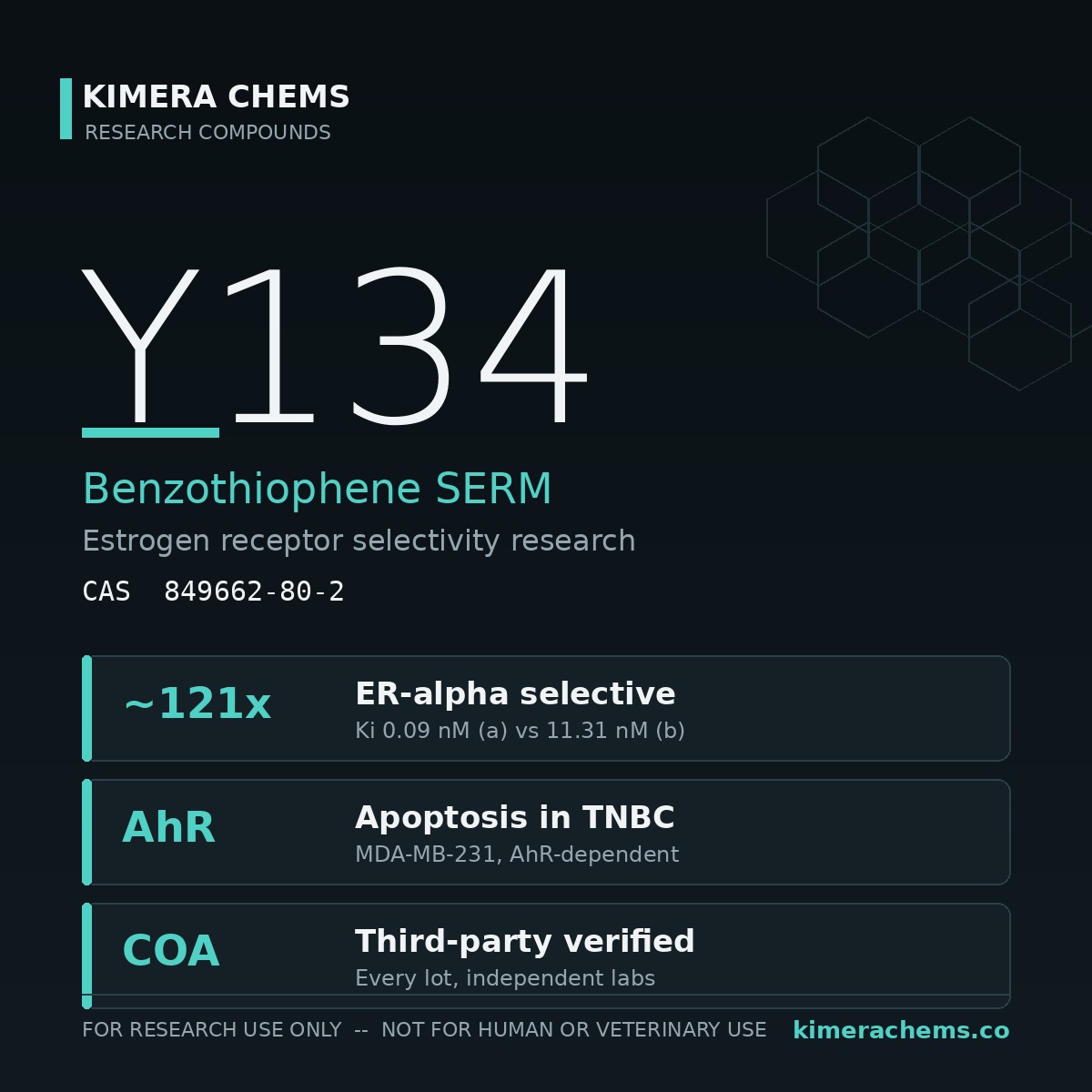
Y134 -- a benzothiophene SERM built for estrogen receptor selectivity research
KIMERA10 for 10% off
Y134 (CAS 849662-80-2) is one of the most ER-alpha-selective selective estrogen receptor modulators described in the published literature, and one of the more under-characterized tool compounds available to researchers working on receptor selectivity, tissue-specific signaling, and non-classical estrogen receptor pathways.
Origin and chemistry
Y134 was first reported by Ning and colleagues in 2007 (British Journal of Pharmacology), developed at Fudan University with support from China's Ministry of Science and Technology. Structurally it belongs to the benzothiophene SERM family -- the same chemotype as raloxifene and arzoxifene -- but Y134 replaces raloxifene's hydroxyethylpiperidine side chain with an isopropylpiperazine moiety. That single modification yields a markedly different selectivity and safety profile in preclinical models.
Receptor pharmacology
The headline number is selectivity. In binding assays Y134 shows a Ki of roughly 0.09 nM at ER-alpha versus 11.31 nM at ER-beta -- a separation of about 121-fold in favor of ER-alpha. That places it among the most ER-alpha-selective SERMs on record, making it a useful probe for studies that need to isolate ER-alpha-driven transcriptional events from ER-beta background.
Functionally it behaves as a classic mixed agonist/antagonist: antagonist activity in breast and reproductive tissue, agonist activity in bone, and no meaningful cross-reactivity at mineralocorticoid, glucocorticoid, androgen, or progesterone receptors in the reported screens. That clean off-target profile is part of what makes it attractive as a reference SERM in comparative work.
The AhR and triple-negative angle
The most interesting and least-discussed feature of Y134 is its activity beyond the classical estrogen receptor. In published cell work, Y134 activates aryl hydrocarbon receptor (AhR)-mediated transcription and induces apoptosis in MDA-MB-231 cells -- a triple-negative breast cancer line that lacks ER expression entirely. Knockdown of AhR sharply reduced Y134-induced apoptosis, indicating the effect is AhR-dependent rather than ER-mediated. Y134 also induced apoptosis in hepatoma cell models, broadening its relevance to liver-tissue and receptor-crosstalk work.
This gives Y134 a documented mechanism extending past ER-positive systems into ER-negative, AhR-driven biology -- a far richer research narrative than "another raloxifene analog," and a real point of differentiation for investigators studying AhR crosstalk, TNBC models, or dual-pathway compounds.
Preclinical safety signal
In zebrafish embryo toxicity testing, Y134 showed a meaningfully better safety profile than raloxifene itself -- notable for a compound in the same structural family.
Published research parameters (reference only)
In vivo work in ovariectomized rats used oral Y134 in the 1 to 3 mg/kg/day range, benchmarked against raloxifene at 3 mg/kg/day. In vitro, antiproliferative responses in MCF-7 and T47D lines fall in the low-nanomolar window, with little cytotoxicity reported below the 10 micromolar ceiling. These figures describe the published experimental record only and are provided strictly to orient laboratory study design.
Where it fits
Y134 sits at the leading edge of the raloxifene scaffold lineage: raloxifene to arzoxifene to Y134. For groups building an estrogen-receptor-modulator reference panel, it pairs naturally with SERD-class and triphenylethylene-class tool compounds to cover the major mechanistic families in one comparative set. For labs that need a single, well-characterized ER-alpha-dominant SERM as an assay anchor, Y134 is a strong default choice.
Every lot ships with third-party COA verification.
Strictly for in vitro and laboratory research use. Not for human or veterinary use. Not a drug, food, or dietary supplement.
Y134 is in catalog now at kimerachems.co
1
6
580
Jun 3
SLU-PP-915
Code KIMERA10 for 10% off
The ERR-agonist research space has centered on one molecule for two years. SLU-PP-332 got the attention -- pan-ERR agonist, a reported ~50% increase in endurance capacity in sedentary mice, widely tagged in coverage as an "exercise mimetic." The limitation that held it back as a research tool: 332 has poor oral bioavailability and is active mainly by injection in animal models, which narrows the chronic oral-dosing studies it can support.
SLU-PP-915 addresses that limitation.
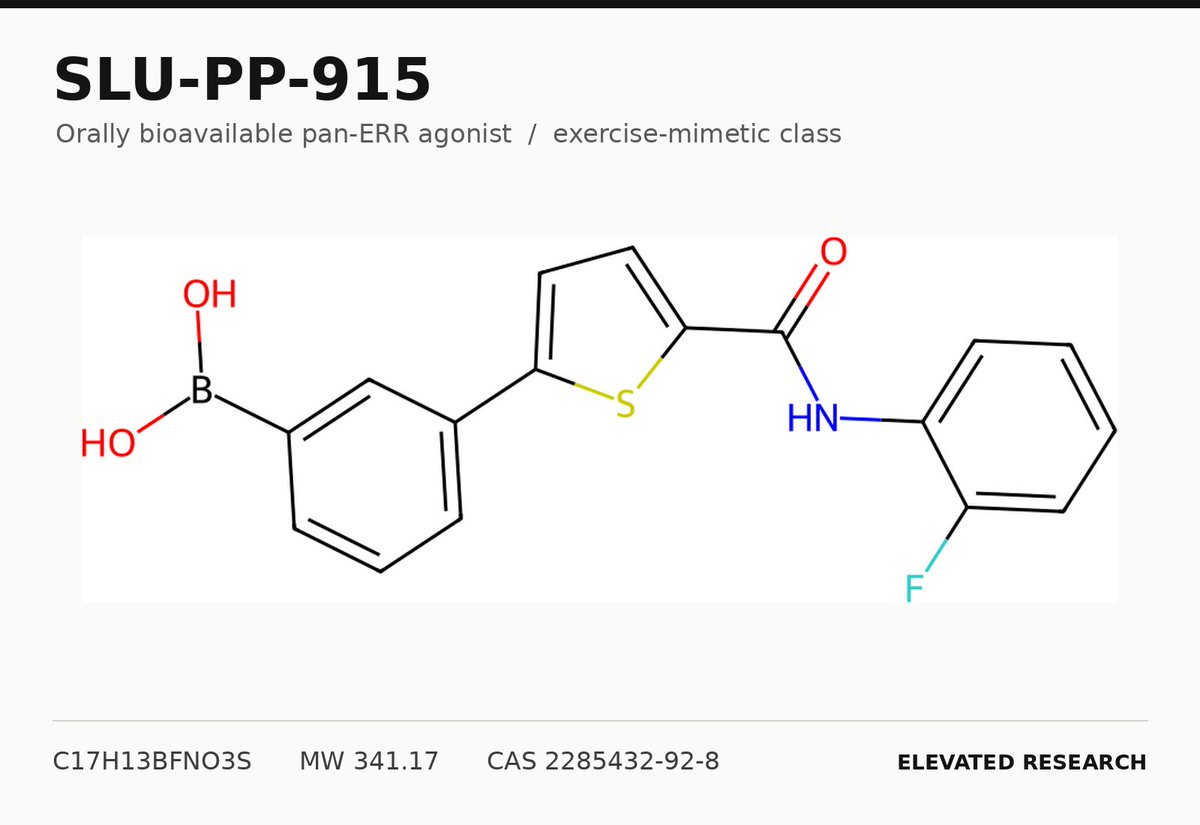
Same lab (Burris group, out of Saint Louis University), same target, different chemistry. Where 332 is built on an isoxazole, 915 is a 2,5-disubstituted thiophene carrying a boronic acid moiety. That structural pivot is the whole story: 915 is orally bioavailable and holds up in vivo while keeping the pan-agonist profile across all three estrogen-related receptors.
The design route is worth knowing. 915 came out of the ERRgamma ligand-binding crystal structure solved with GSK-4716, a known acyl-hydrazide agonist. The team swapped the central hydrazide for a five-membered heterocycle and worked through a series of disubstituted thiophenes; the boronic-acid analog fell out as the lead. Structure-guided, not a screening accident.
The numbers:
ERRalpha -- EC50 ~414 nM
ERRbeta -- EC50 ~435 nM
ERRgamma -- EC50 ~378 nM
ERRs are orphan nuclear receptors. Despite the name they are not driven by estrogen -- they are master regulators of mitochondrial biogenesis, oxidative phosphorylation, fatty acid oxidation, and the Krebs cycle, upstream of how a cell partitions and burns fuel. That is the same transcriptional axis sustained aerobic training remodels over time. The premise behind the ERR agonist programs is to activate that program pharmacologically rather than through the physiological exercise stimulus.
What the preclinical work shows for 915:
Aerobic capacity. In mice, 915 improved running distance and duration on par with 332 when dosed IP, with comparable efficacy orally once exposure is accounted for. That oral durability is the reason the molecule was made.
Ddit4 induction. 915 drove DNA-damage-inducible transcript 4 -- an acute-exercise-responsive gene -- to levels matching or exceeding treadmill running in mice, depending on the muscle examined. Notably it stacked with training in the model rather than substituting for it: animals that ran AND received 915 showed further elevation in Ddit4 and mitochondrial gene expression beyond either condition alone.
Cardiac metabolism. Work on the pan-ERR series in pressure-overload heart failure models showed improved pumping function, driven mainly through ERRgamma, via upregulated cardiac fatty acid metabolism and mitochondrial function, without worsening hypertrophy. There is an autophagy angle too: ERR activation induced the autophagy-lysosome pathway through TFEB in cardiomyocytes.
Indications discussed in the literature for the class: obesity, type 2 diabetes, MASH, heart failure, sarcopenia, and the muscular dystrophies -- broadly, conditions where mitochondrial output and oxidative capacity are rate-limiting. All preclinical.
One analytical note on how the field is treating this class. 915 has already been run through LC-HRMS/MS metabolite characterization, with seven Phase-I metabolites mapped and reference work done for anti-doping screening. Detection methods getting built this early, well ahead of any approval, is a marker of how seriously the analytical community is taking ERR agonists.
Structurally it is a clean small molecule: C17H13BFNO3S, MW ~341.2, CAS 2285432-92-8. The boronic acid is not decoration -- it is the feature that delivered oral exposure.
332 established the mechanism in vivo. 915 makes that mechanism tractable for oral, longer-duration preclinical study.
For laboratory research use only. Not for human consumption. Not a drug, supplement, or medical product. Nothing here is medical advice or a claim of safety or efficacy in humans.
2
2
21
1,301
Jun 2
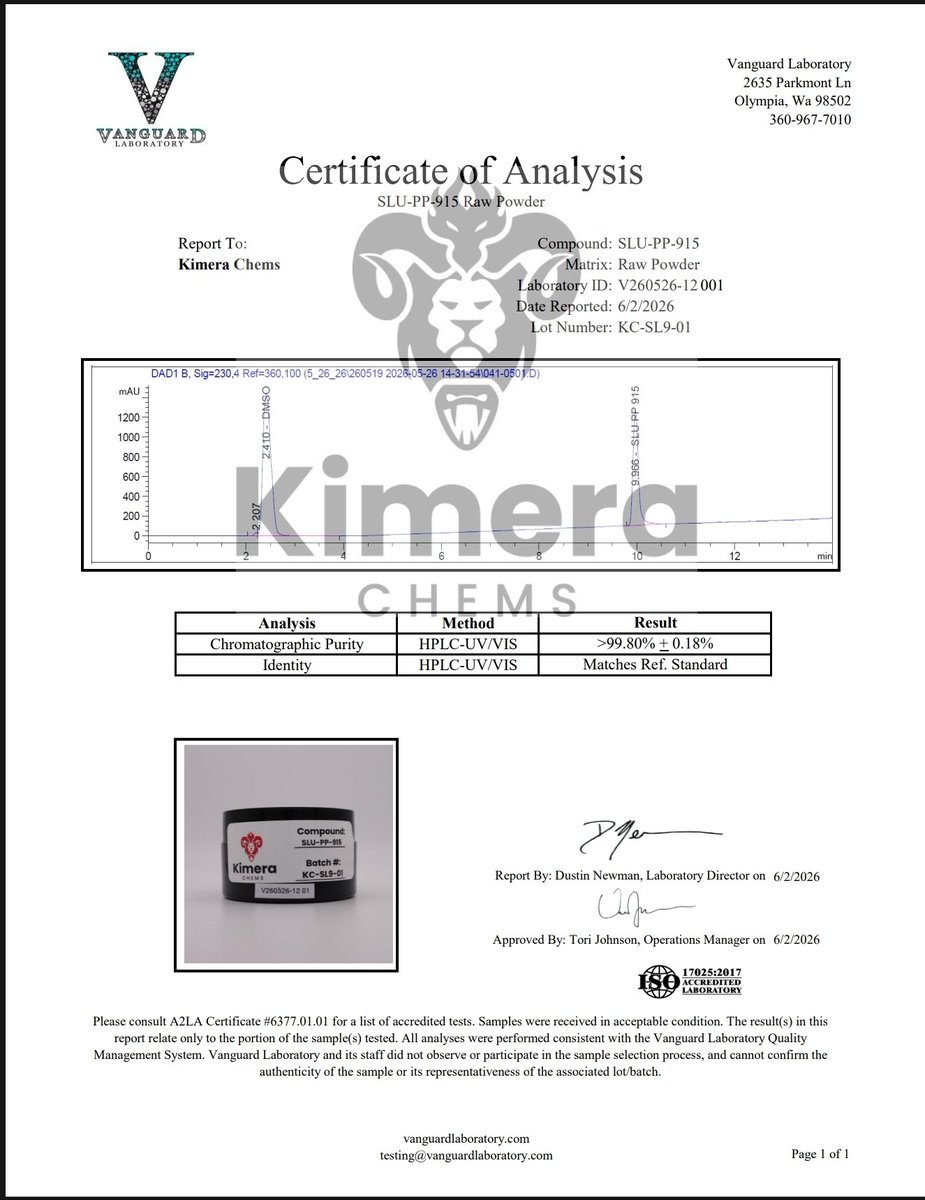
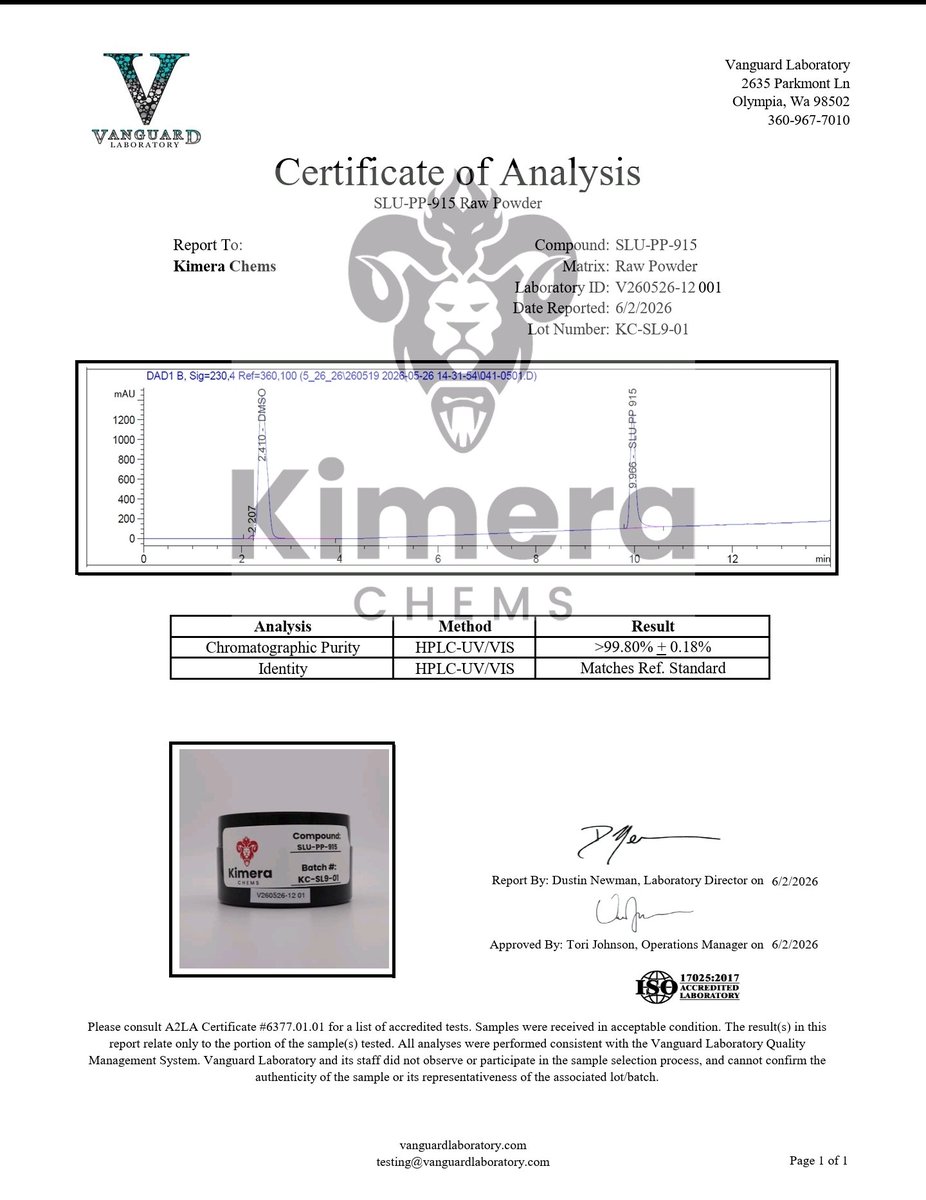
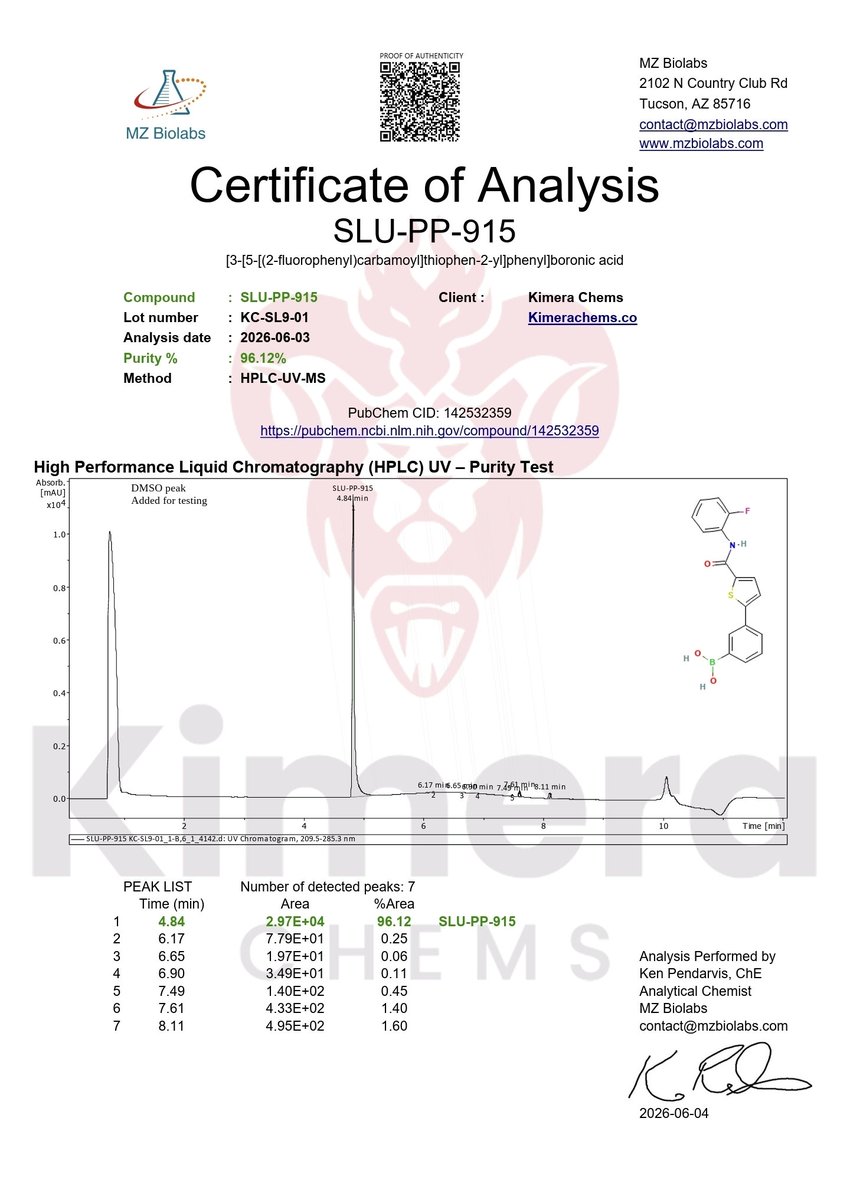
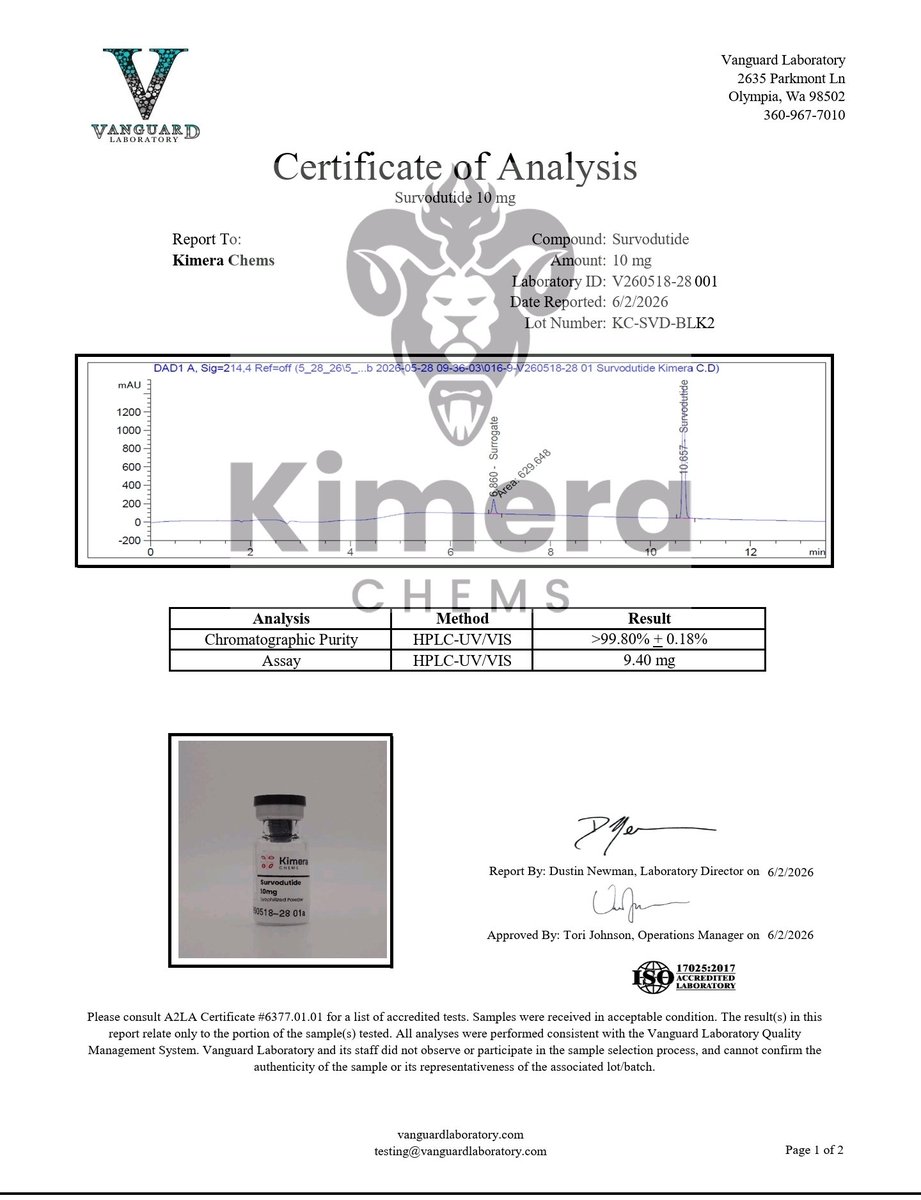
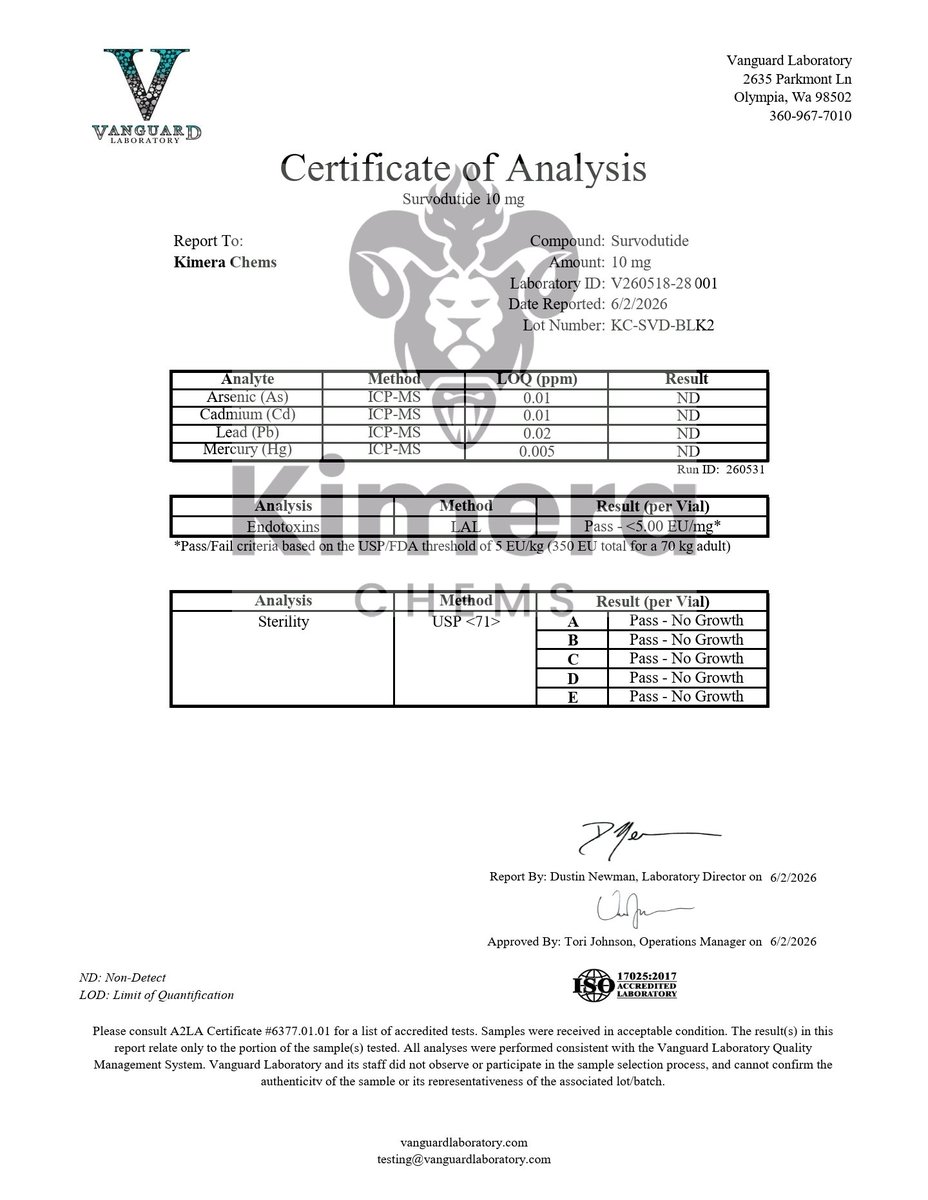
Fresh COAs hot off the press.
KIMERA10 for 10% off your order
SLU-PP-915 passed ✅️
Powder and Liquids in stock
Capsules should be in shortly
Survodutide passed ✅️ all check marks
Elevate your research
@Vanguard_Lab
@tread_on_them
2
21
2,574
Jun 2
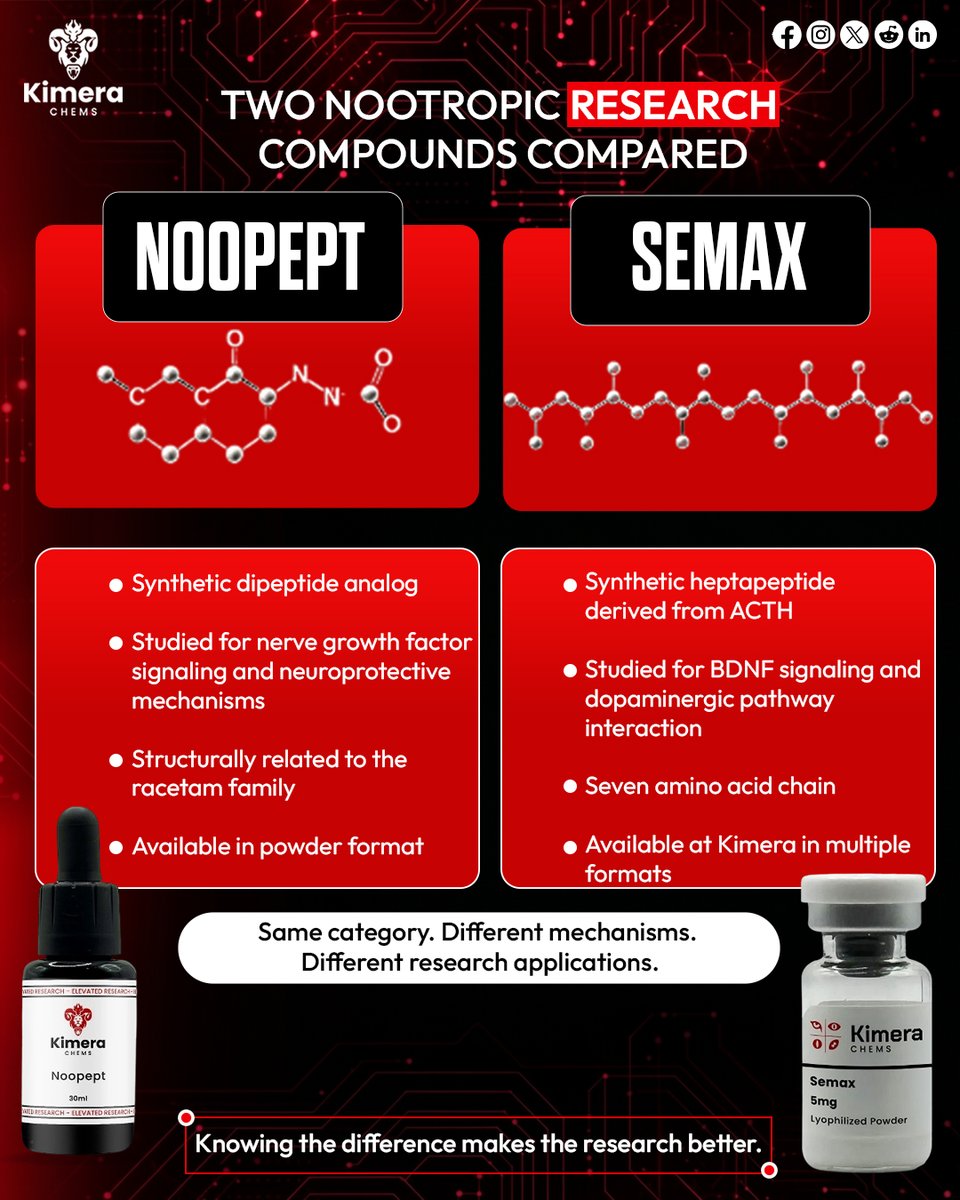
Both nootropic research compounds. Both available at Kimera. Not interchangeable.
Here is the difference:
NOOPEPT
- Synthetic dipeptide analog
- Structurally related to the racetam family
- Studied for nerve growth factor signaling
- Neuroprotective mechanism research
- Available in powder format
SEMAX
- Synthetic heptapeptide, seven amino acids
- Derived from adrenocorticotropic hormone
- Studied for BDNF signaling
- Dopaminergic pathway interaction research
- Available at Kimera in multiple formats
Same category on the label. Completely different science underneath. Knowing which one suits your research question is not optional. It is the starting point.
3
15
901
Jun 2
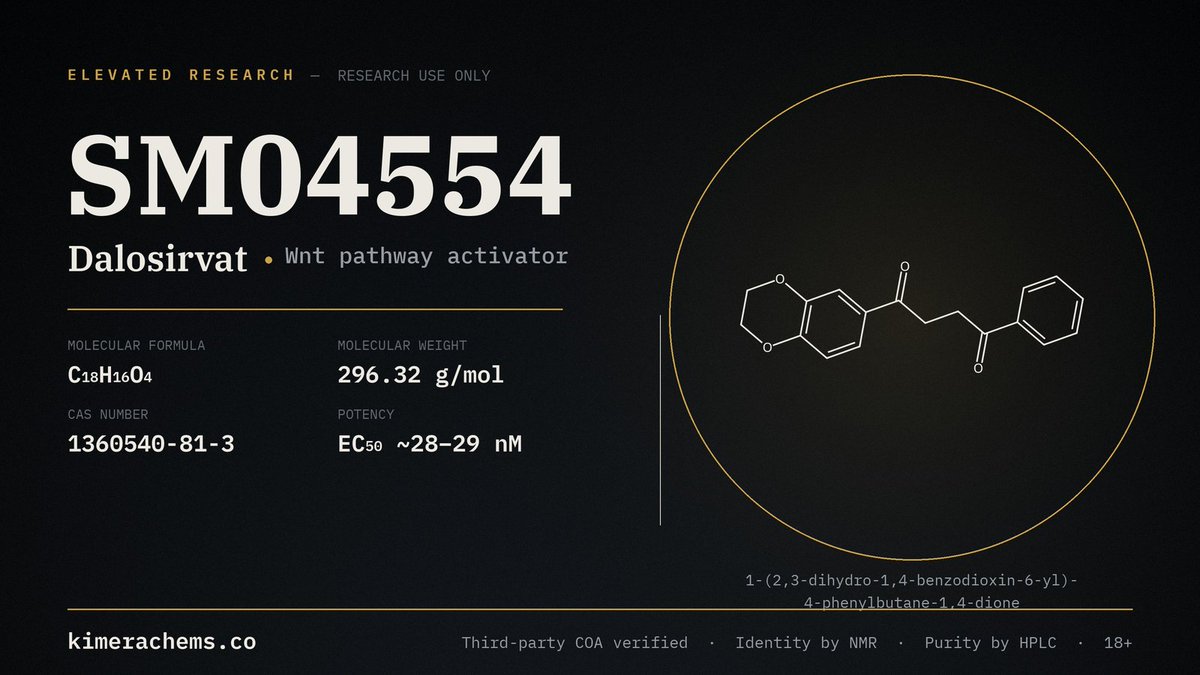
SM04554 -- the Wnt pathway compound that does not play by the usual hair-research rules.
If you follow follicle biology, you already know the standard cast: DHT blockers, androgen receptor antagonists like RU58841, prostaglandin analogs, vascular agents. Almost all of them work by slowing loss or extending the growth phase. SM04554 sits somewhere else entirely, and that is exactly why it is worth a research spotlight.
Now also carrying the generic name Dalosirvat, SM04554 is a small-molecule activator of the Wnt/beta-catenin signaling pathway. Chemically it is a 1,4-diketone: 1-(2,3-dihydro-1,4-benzodioxin-6-yl)-4-phenylbutane-1,4-dione. Molecular formula C18H16O4, molecular weight roughly 296.3 g/mol, CAS 1360540-81-3. It came out of the diketone / hydroxyketone catenin-pathway activator chemistry and is reported with an EC50 in the high-nanomolar range, around 28-29 nM in the originating work.
Why the Wnt angle matters: the Wnt/beta-catenin pathway sits upstream of follicle biology itself, not off to the side. In preclinical work, activating this pathway has been associated with increased total and nuclear beta-catenin and, in depilated rodent models, increased hair growth and follicle number. That is a different mechanistic question than "how do we slow loss." It is closer to "can we re-engage the follicle program." For a research setting, that distinction is the entire point of looking at this molecule instead of another antiandrogen.
SM04554 was developed and evaluated as a topical agent for androgenetic alopecia, which tells you it was engineered to act locally at the scalp rather than systemically. If you are modeling topical delivery, partition behavior, or local versus systemic exposure, that topical-first design history is useful context to build around.
Now the part that actually separates good material from garbage: the chemistry. SM04554 is an unsymmetrical 1,4-diketone. One carbonyl sits against a benzodioxane ring, the other against a plain phenyl, bridged by a two-carbon chain. On C-13 NMR that produces a pair of distinct ketone carbons, a pair of sp3 oxygenated carbons from the dioxane ring, and a pair of methylene carbons from the butanedione bridge. On mass spec you expect a clean M H near 297 and M Na near 319 for that ~296 mass. If something labeled "SM04554" does not produce that diketone fingerprint, it is not SM04554. Diketone and hydroxyketone scaffolds get confused, and that difference wrecks reproducibility before you even start.
One more reason this one stands out: it is simply not a compound most suppliers bother to source or test properly. Novel scaffolds with thin public reference data are exactly where sloppy identity slips through unnoticed. That is the whole reason every compound that carries this name goes through independent third-party COA verification first. Identity by NMR, purity by HPLC, mass confirmation by MS. The label has to match the data sheet, and the data sheet has to match the molecule. No "trust me," no hand-waving.
Handling, for the people who care about clean data: treat it like any sensitive small-molecule diketone. Store cold and dry, protect from prolonged light and heat, keep stock solutions aliquoted to avoid repeated freeze-thaw, and bring sealed material to room temperature before opening to limit condensation on your sample. Reproducible results start with material that has not degraded on the shelf.
Strictly research use only. Not for human consumption. Not a drug, not a cosmetic, not a treatment of any kind. Intended for in-vitro and laboratory research by qualified individuals only. Must be 18 to purchase.
If you work in follicle biology, Wnt signaling, or topical-delivery modeling and you want material with a COA you can actually verify against the molecule, this is one to put on the bench.
Elevated Research.
kimerachems.co
1
8
950
Jun 1
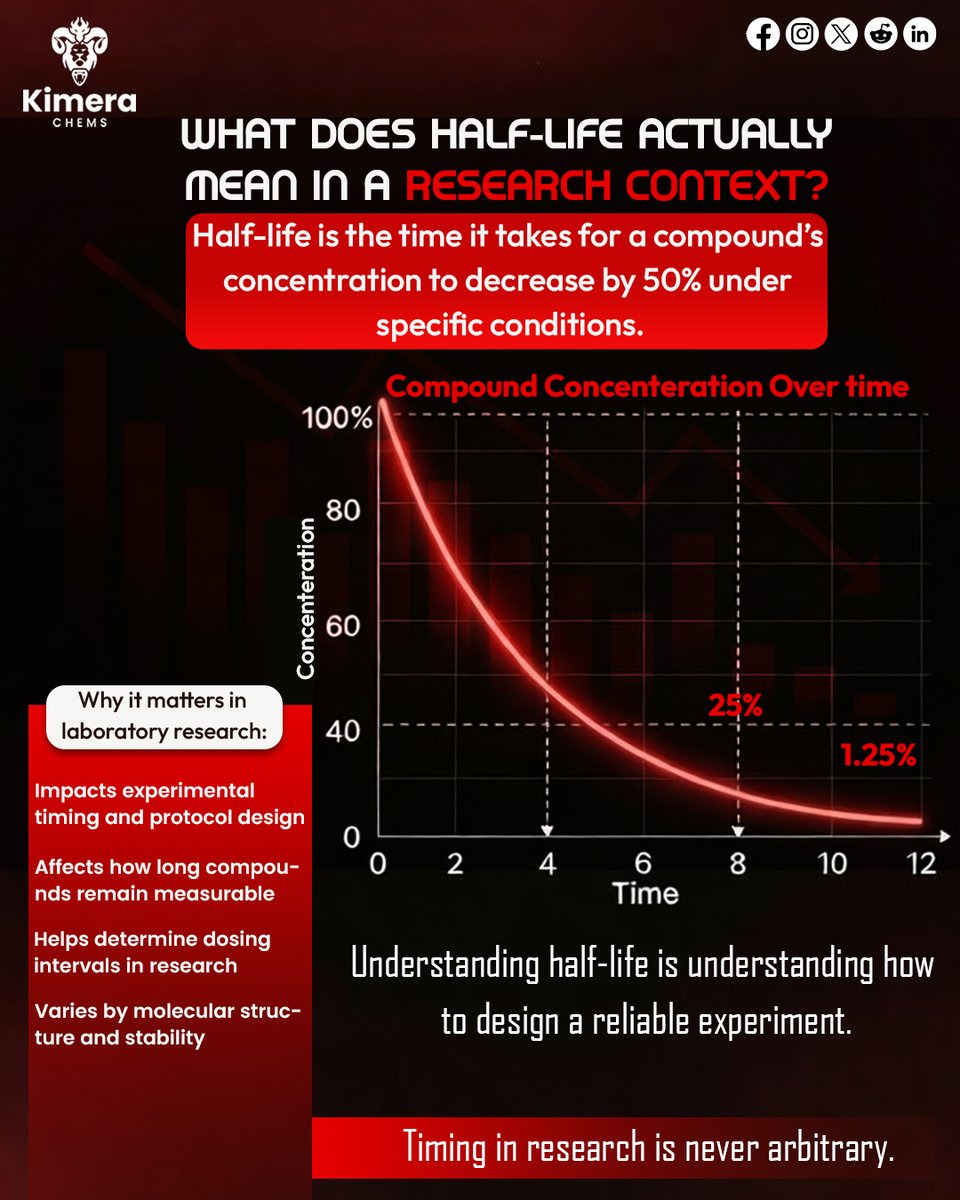
What does it mean by Half-Life?
Half-life is the time it takes for a compound's concentration to drop by 50% under defined conditions. In experimental design this is not a background detail. It determines how timing is structured across the entire protocol, how intervals between measurements are planned, and whether the concentration at the point of measurement reflects what was intended at the point of preparation.
Two compounds reconstituted at the same concentration on the same day can be at completely different activity levels by the time a measurement is taken, purely because their half-lives differ. That difference does not show up as an obvious error. It shows up as inconsistent results that are difficult to trace back to their source.
Half-life is not just a number on a data sheet. It is a design variable. Treat it like one.
2
1
14
1,378
May 31
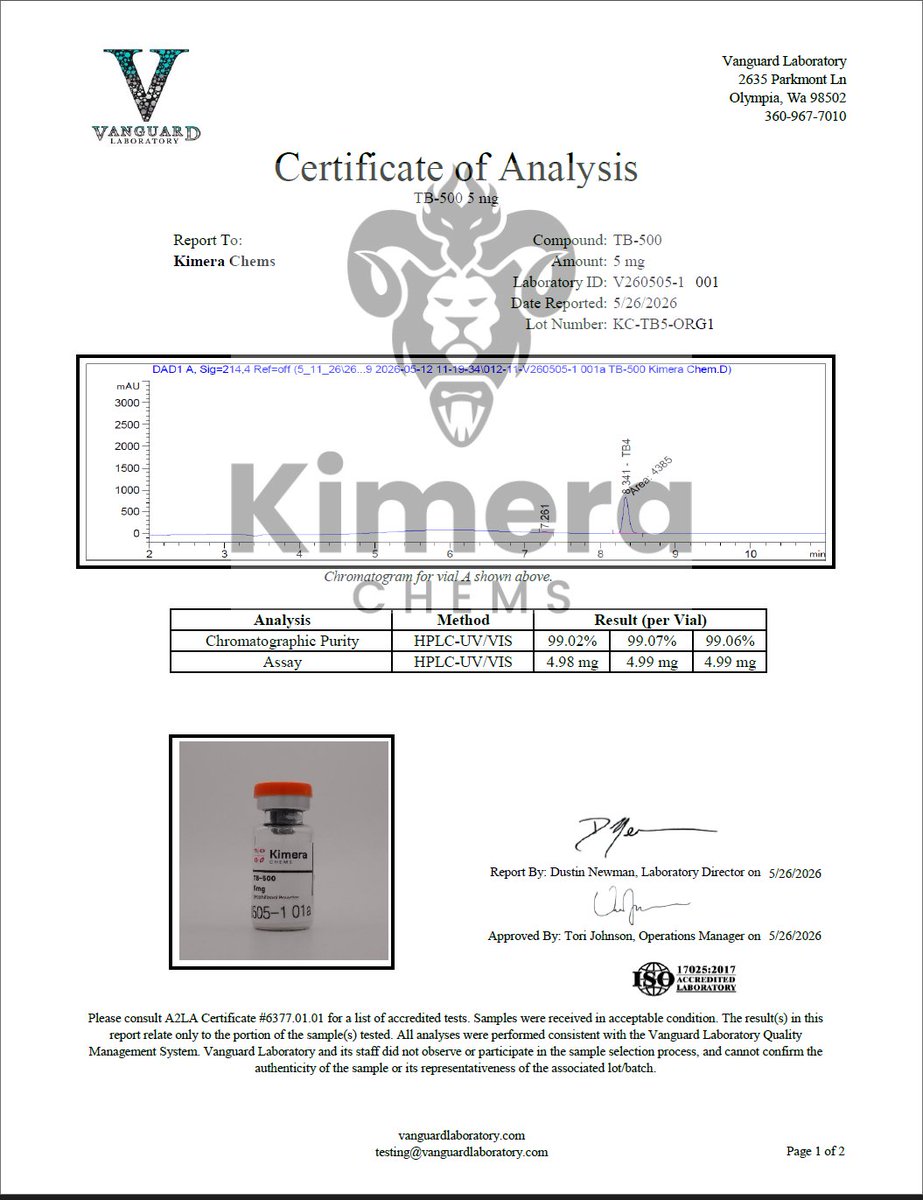
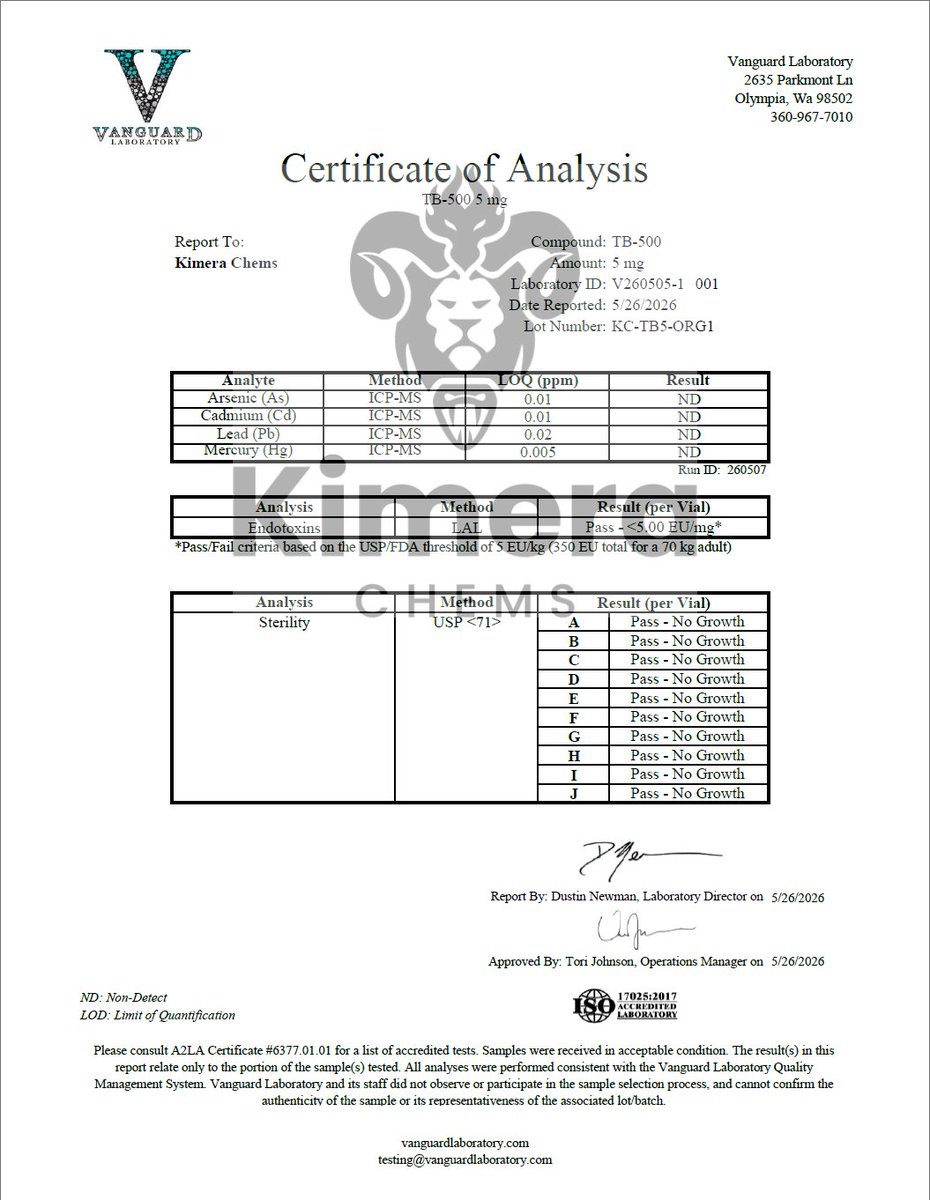
TB-500 Passed
3x Purity & Conformity
1x Heavy Metals
1x Endotoxins
10x USP-71 Sterility
@Vanguard_Lab @tread_on_them
3
36
3,517