
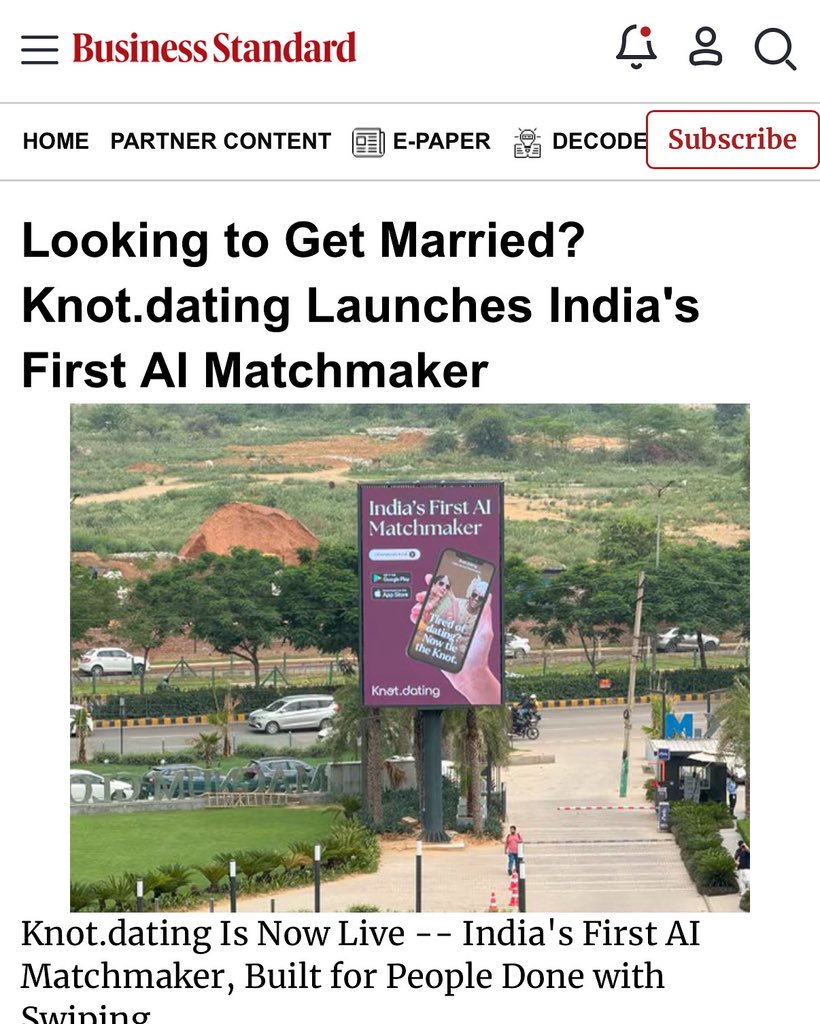
India’s First AI Matchmaker! Tired of dating? Now tie the knot. Not just another matrimony app – it’s private, 100% verified.
Joined October 2024
- Tweets 125
- Following 1
- Followers 780
- Likes 731
3 Photos and videos

Pinned Tweet

3 Aug 2025
Kabhi kabhi rejection sirf “no” se nahi hota, CTC se bhi hota hai 💔
11
4
56
156,963
Knot.dating retweeted

Jun 2
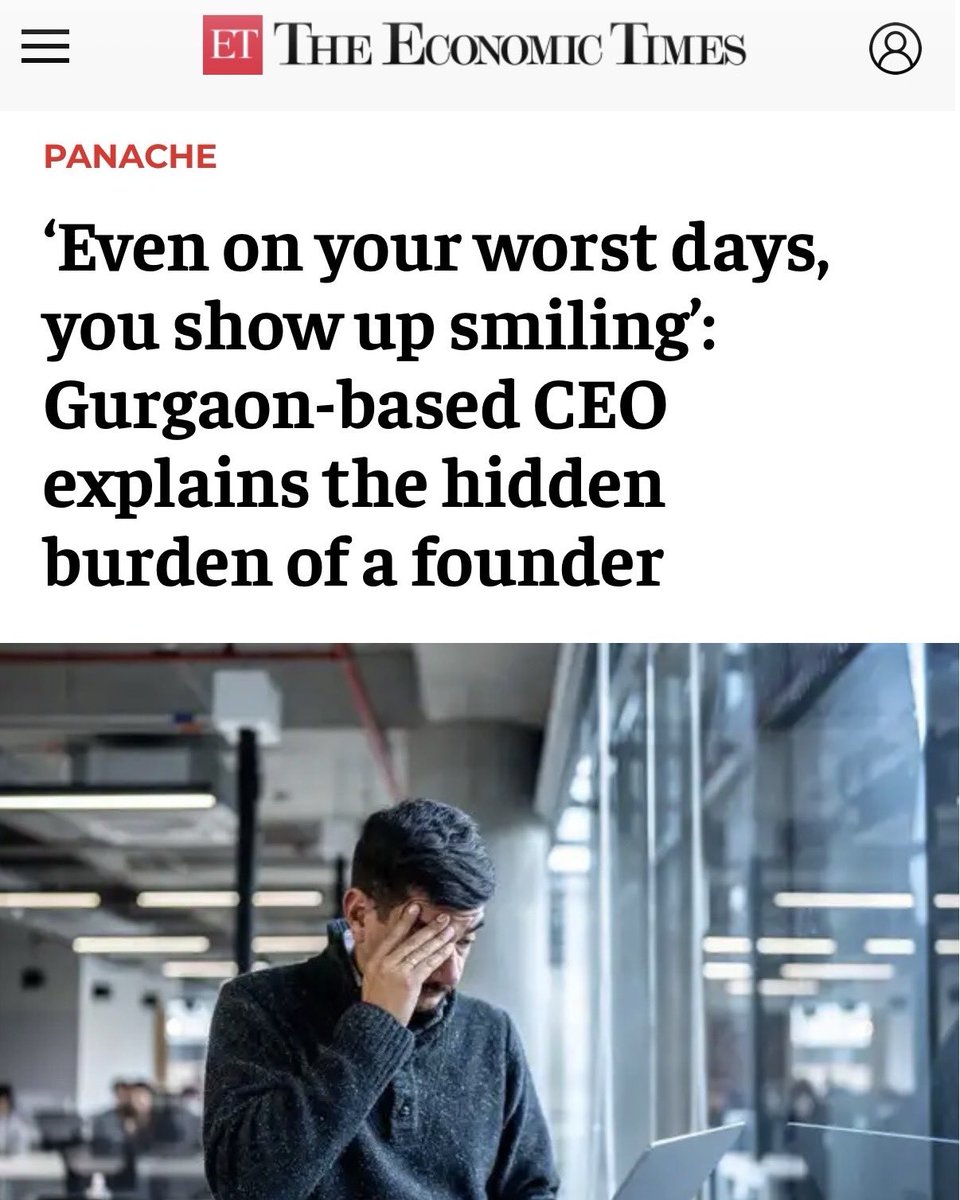
I’ve been carrying this thought for more than a decade. Yesterday I put it in words.
Glad this conversation is reaching more people.
It’s having the conviction to ask people to follow you, and the accountability to face them when you’re wrong.
Real battles: Yesterday, you were confident, certain, and you asked them to trust you. Today, the result says otherwise.
Now walk into the same room and face the same people.
The moment where ego, credibility, and responsibility collide.
And at the chai-sutta shop downstairs, the discussion begins: ‘Kal toh bada hero ban raha tha. Bola tha na nahi chalega.’😅
Only one way through: We made the best decision we could with what we had. We executed fully. It didn’t work. Now we learn and move.
No excuses, no drama, no blame. That’s it.
The battle in your head never ends.
10
4
15
4,817
Knot.dating retweeted
May 26
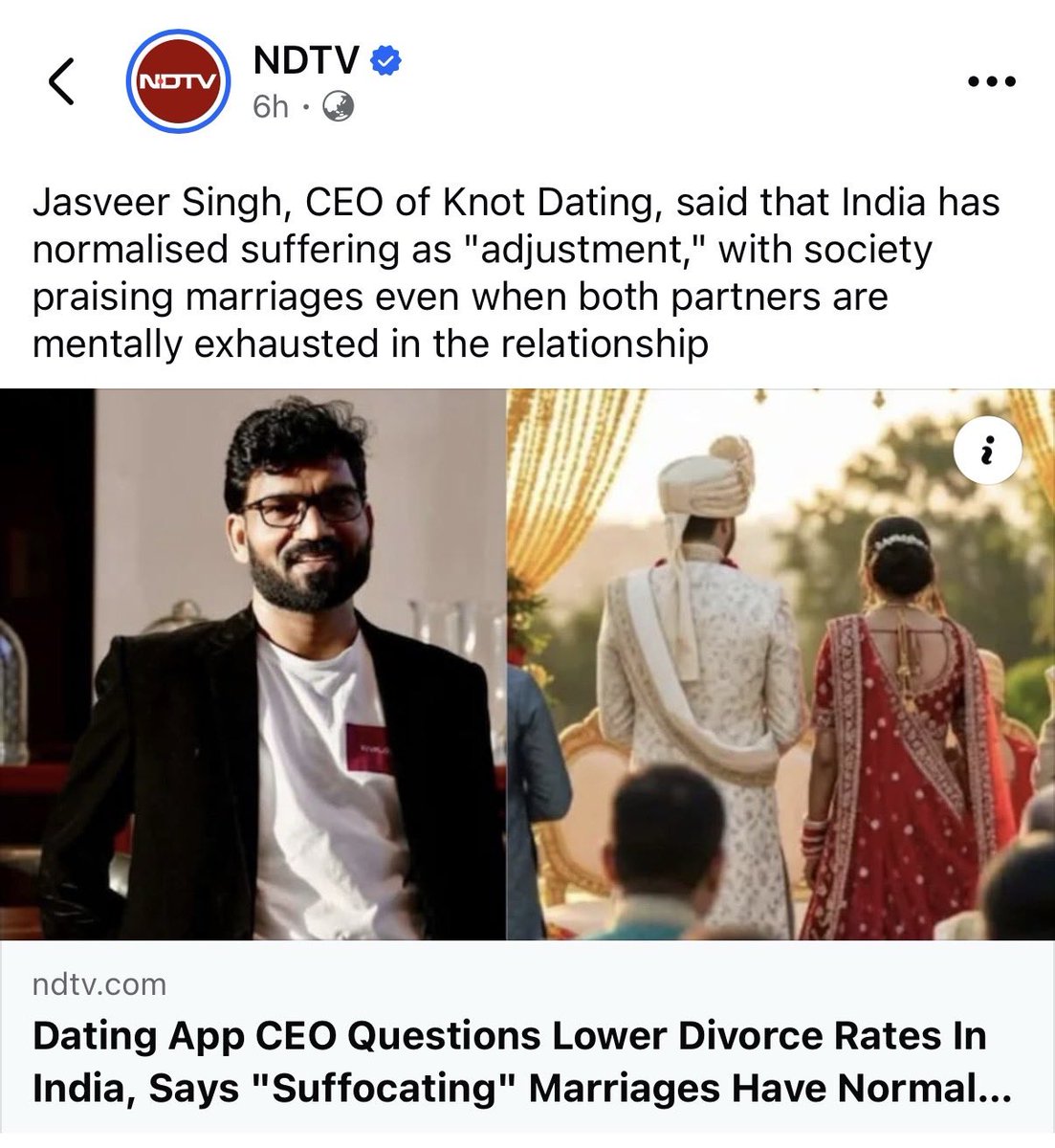
The most dangerous relationship advice in India is ‘adjust karo.’ It has destroyed more lives than divorce ever will.
Low divorce rates are meaningless if millions are mentally dead inside their marriages, too scared to leave because of society.
You are not saving a marriage. You are saving society’s image.
Divorce should not be taboo. Unhappy marriages should be.
49
52
162
13,819
Knot.dating retweeted
May 25
This is the story before the headlines, podcasts, and virality.
One of the few times I’ve spoken this openly about my startup journey.
10
10
33
2,737
Knot.dating retweeted
May 20
Most dating and matrimony apps don’t want you to get married.
5
7
21
1,921
May 8
Good conversations change everything, and real connection begins when people meet.
May 8

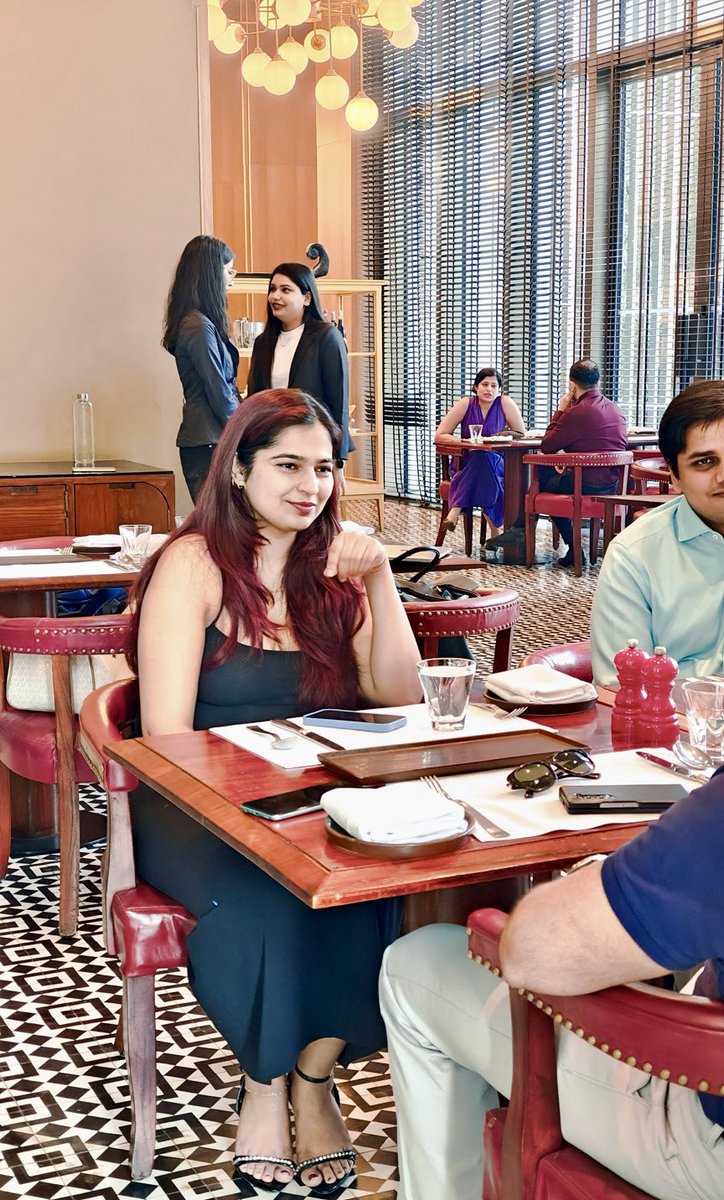
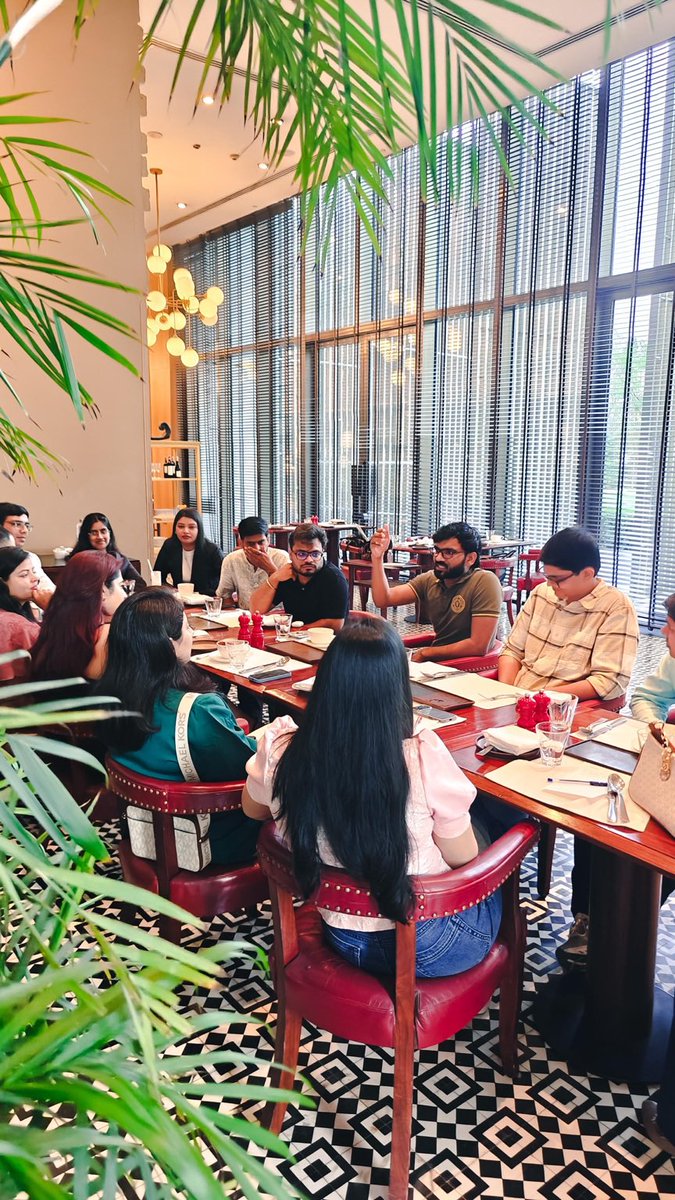
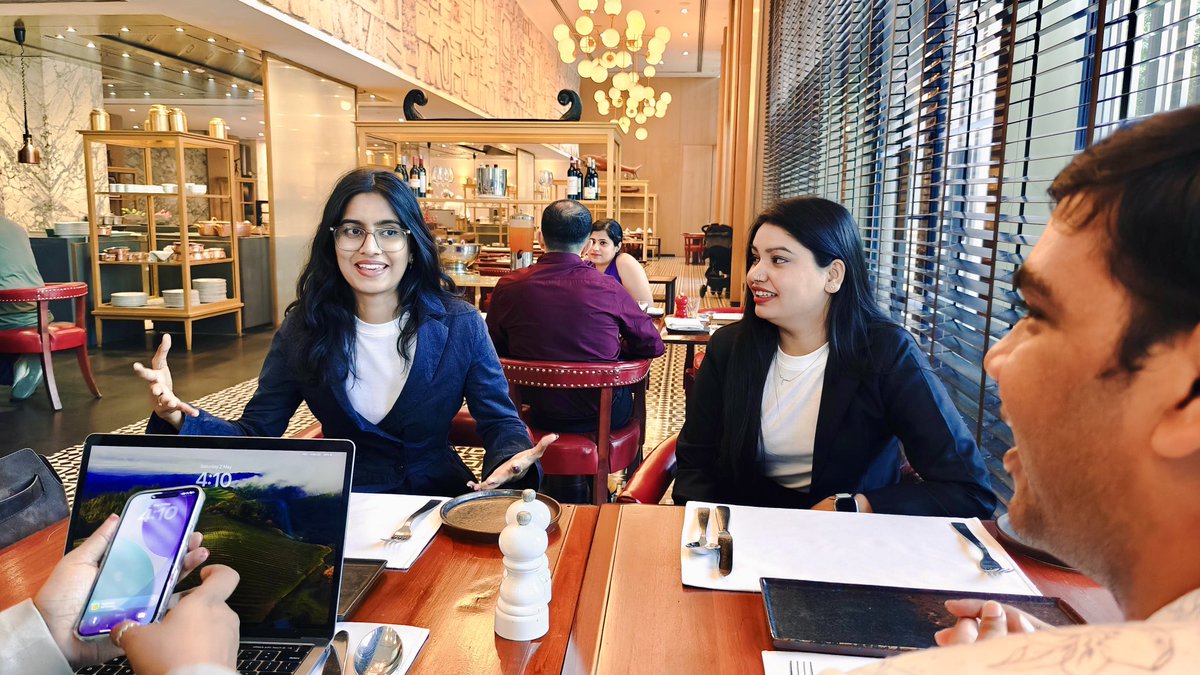
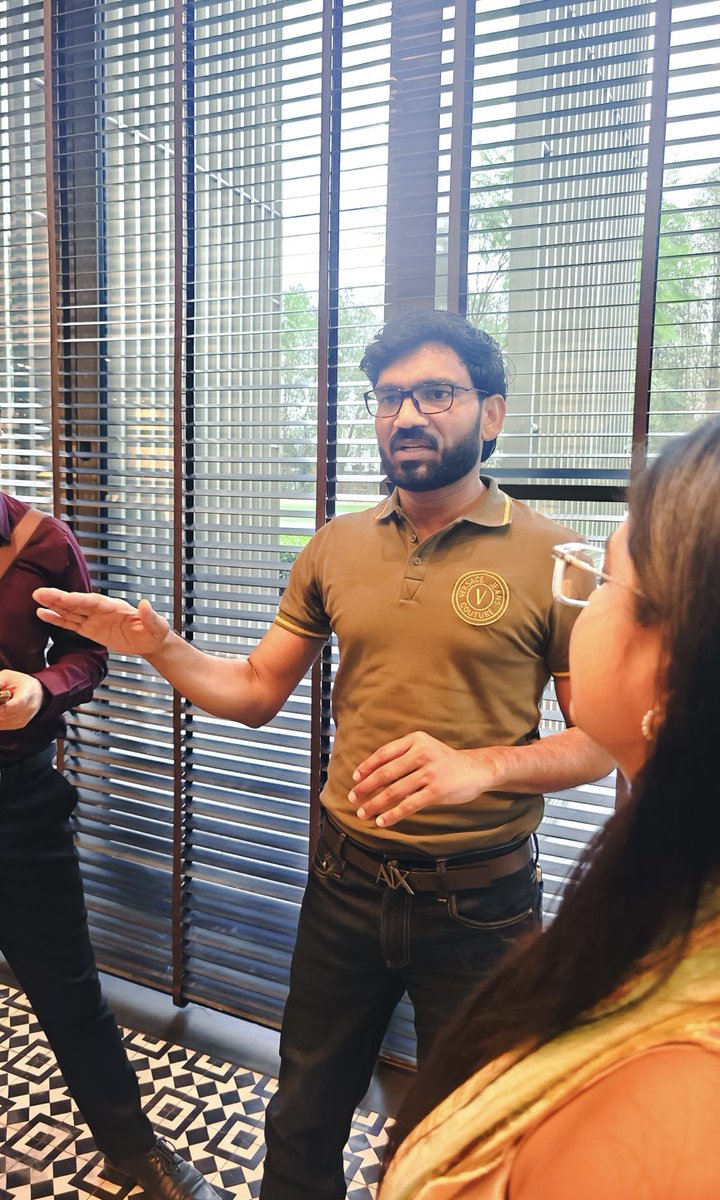
We hosted our second private Knot evening at Grand Hyatt Gurgaon.
Small room, curated people, one-to-one conversations. This is where things actually begin.
Founders, consultants, operators, CAs, PMs, engineers from different backgrounds, same intent.
1
2
1,782
Knot.dating retweeted
May 8
We hosted our second private Knot evening at Grand Hyatt Gurgaon.
Small room, curated people, one-to-one conversations. This is where things actually begin.
Founders, consultants, operators, CAs, PMs, engineers from different backgrounds, same intent.
14
10
57
14,095
May 6
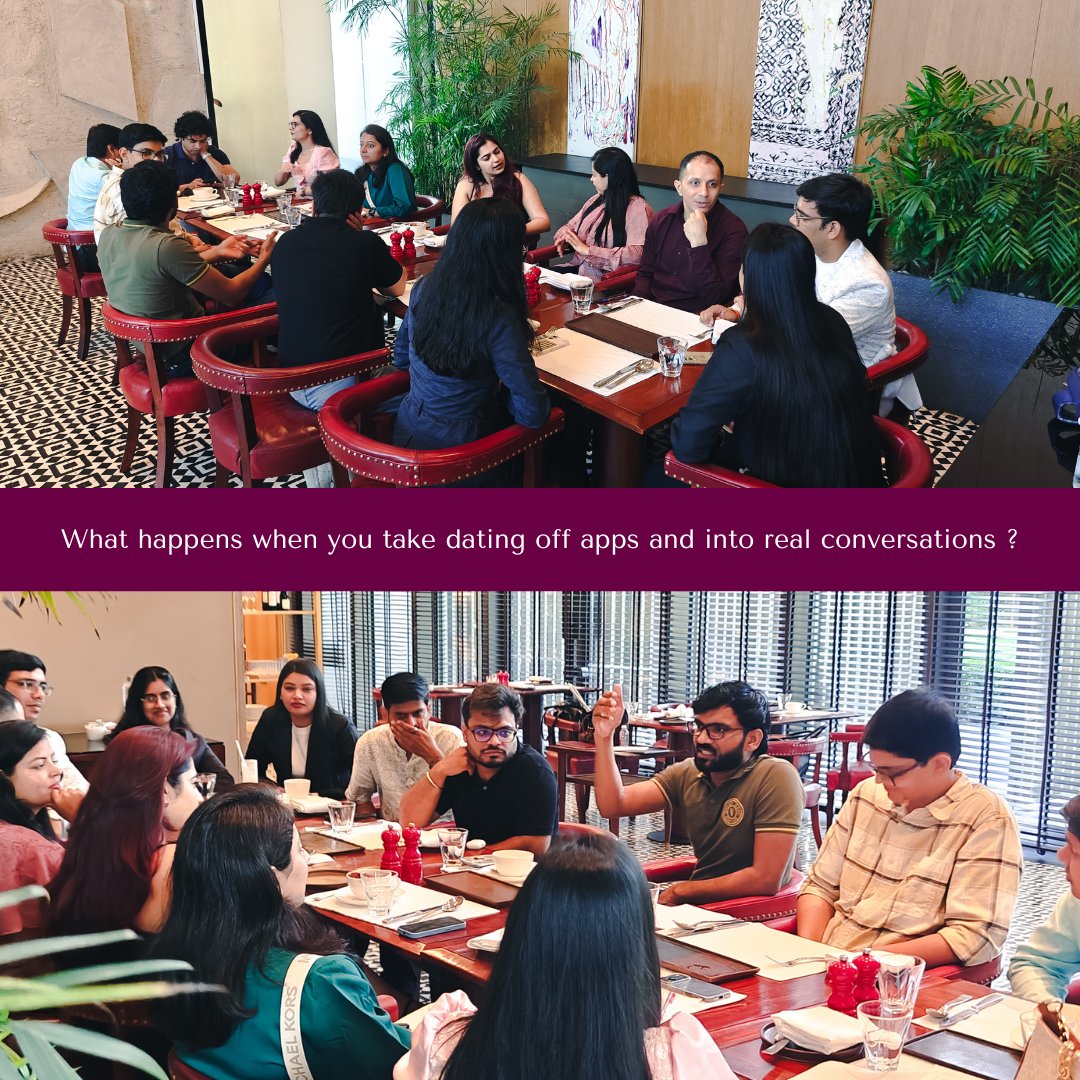
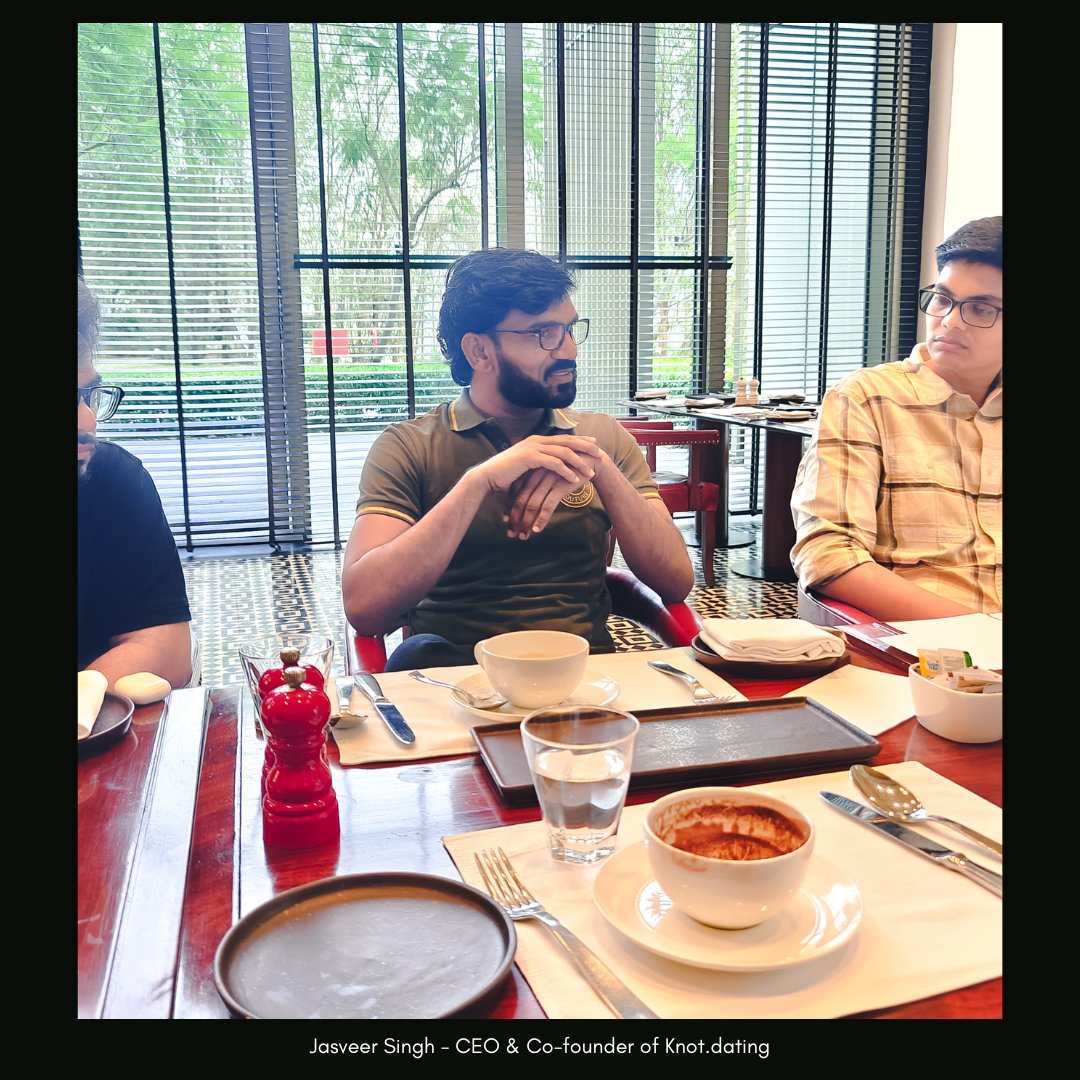
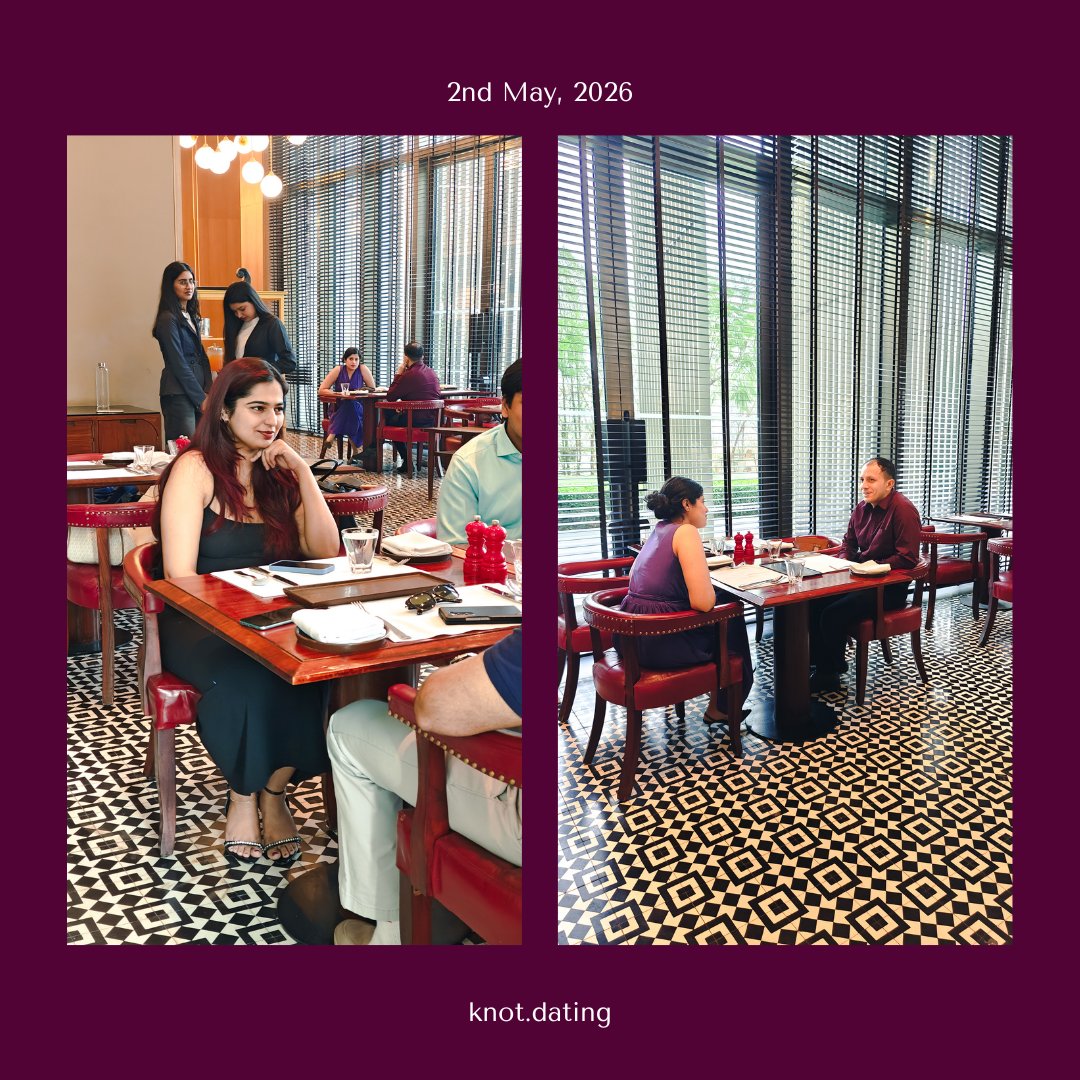
What happens when you take dating off the app and into a room full of real people?
Magic, apparently. 💜
Our members had an evening at the Grand Hyatt — no profiles, no pressure.
This is what we built Knot Dating for. #KnotDating
500
Knot.dating retweeted
May 6
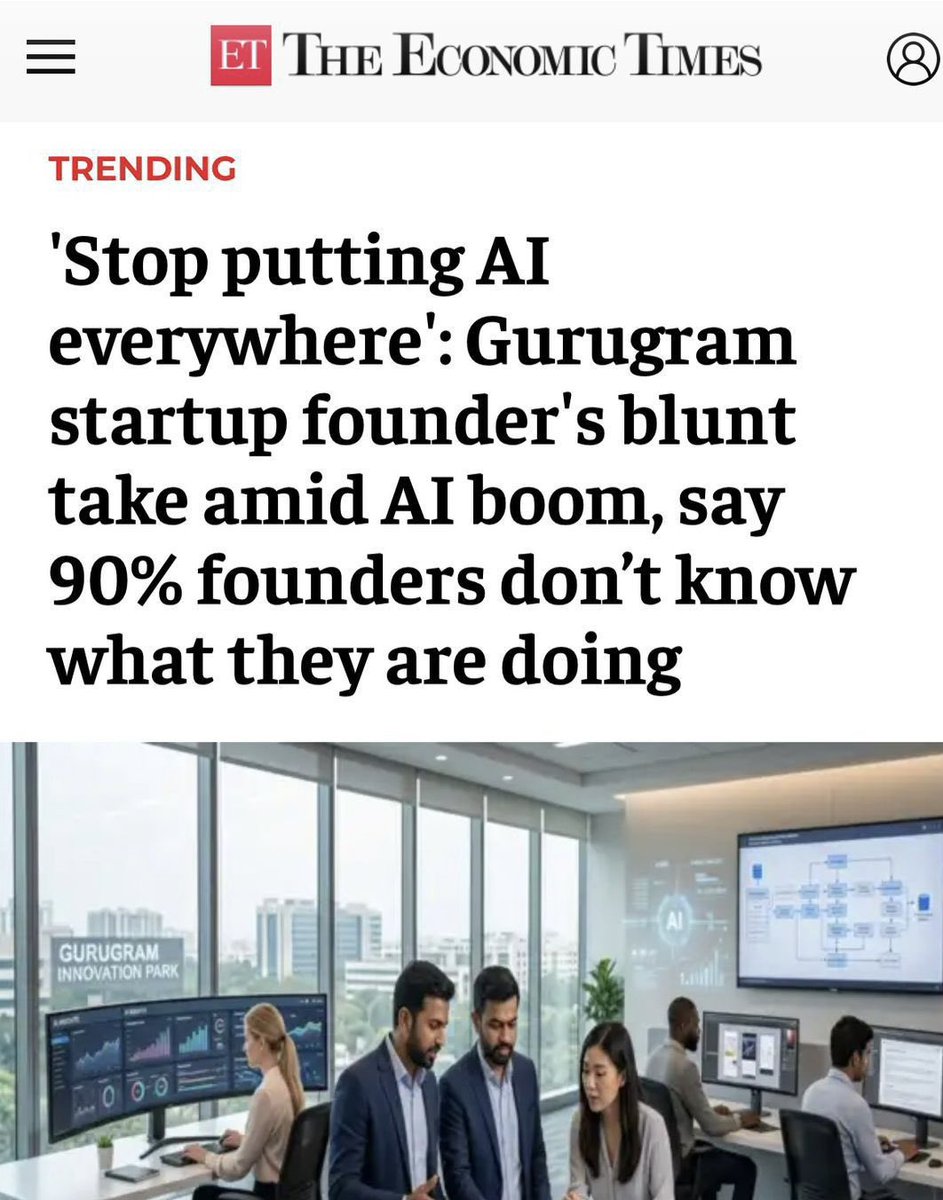
Didn’t expect this to become news. I’m not anti AI, I’m anti lazy thinking
Most founders are adding AI without understanding the users, the problem, or the execution.
6
3
15
1,121
Knot.dating retweeted
May 2
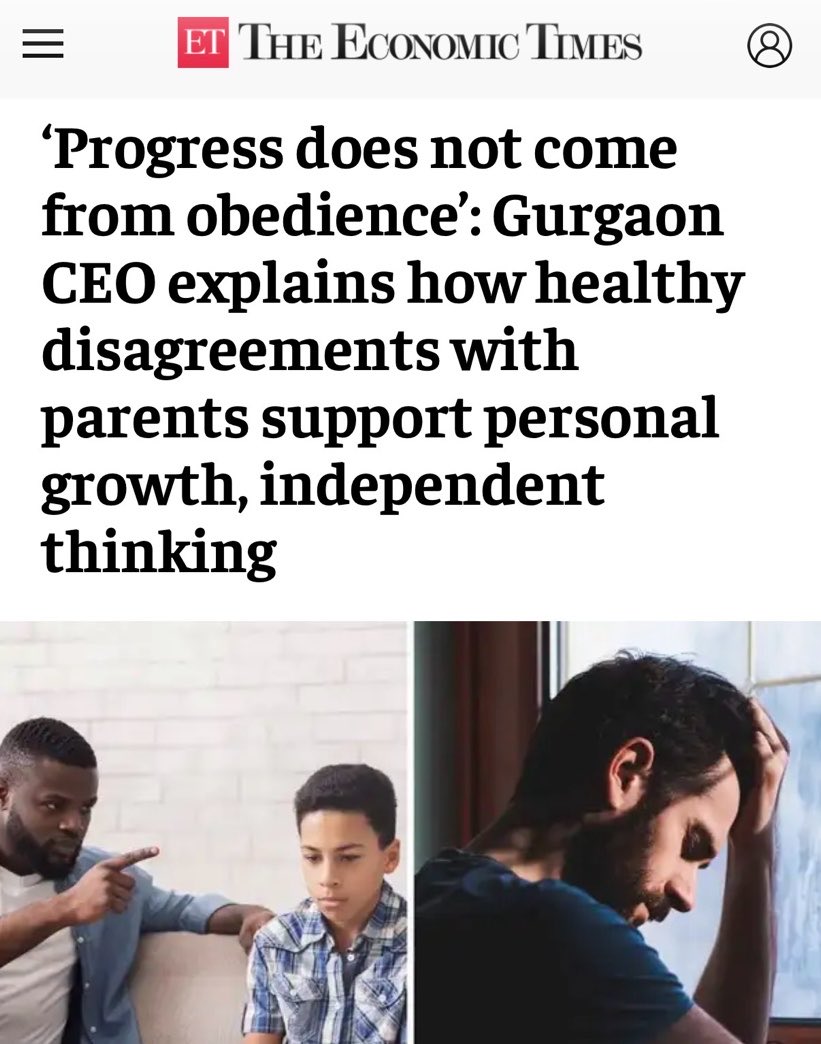
Good to see this getting wider reach. This conversation was needed 🙌
Most people don’t have a problem with their parents, they have a problem with not being allowed to think differently.
14
11
43
2,240
Knot.dating retweeted
Apr 30
Everyone’s doing podcasts. I finally gave in. Life would’ve felt incomplete otherwise 😅
Anyway, most asked question: how to raise seed funding.
My two cent. Or do kodi…
10
8
26
2,144
Apr 24
An evening designed for better conversations. Join us.
Apr 24
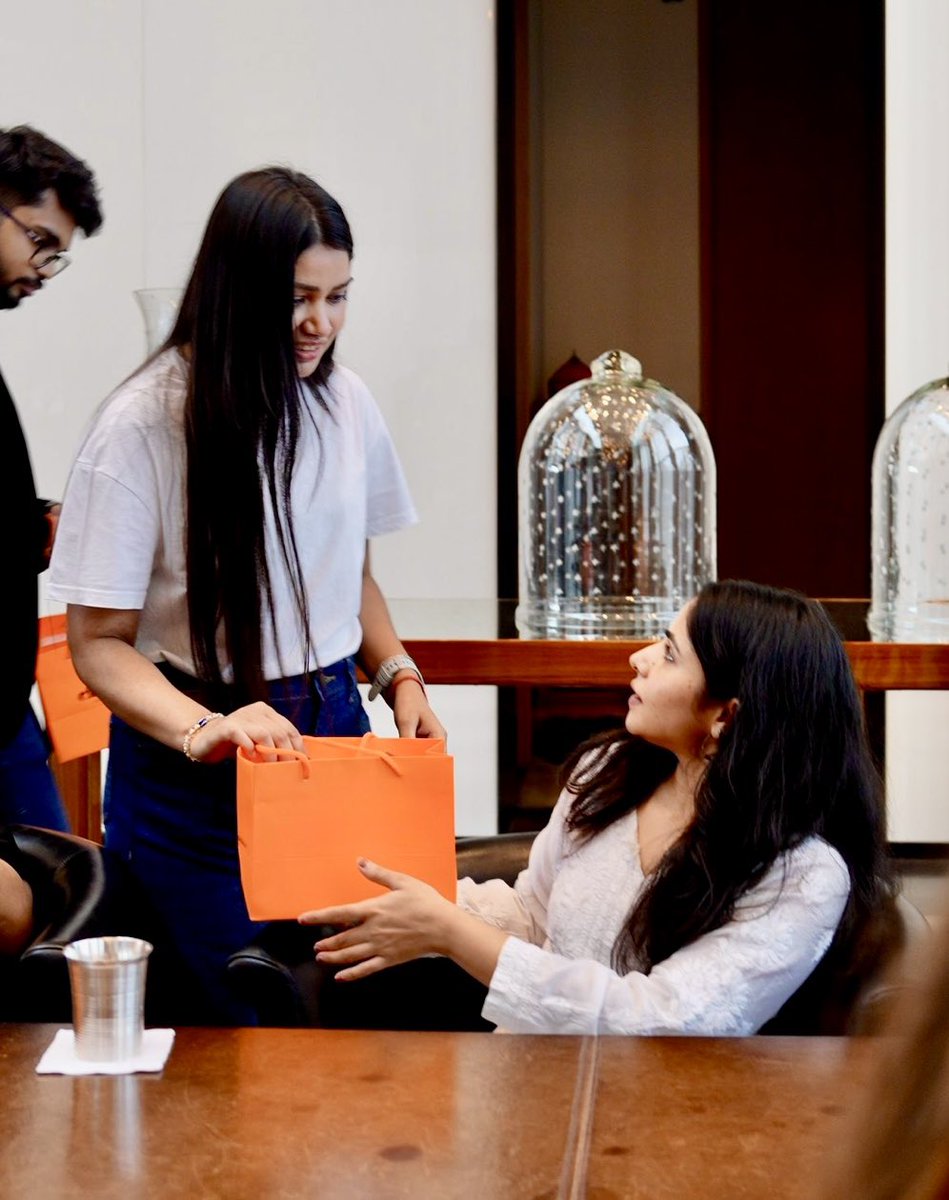
In person is where things actually begin. We’re hosting a private Knot evening at Grand Hyatt Gurgaon.
A room designed for better conversations.
2nd May 2026, Saturday, 3 PM
Request invite: knot.dating/event-invite
Very soon: Bangalore and Mumbai
1
2
664
Knot.dating retweeted
Apr 24
In person is where things actually begin. We’re hosting a private Knot evening at Grand Hyatt Gurgaon.
A room designed for better conversations.
2nd May 2026, Saturday, 3 PM
Request invite: knot.dating/event-invite
Very soon: Bangalore and Mumbai
3
1
14
1,862
Apr 17
No ads. Just conversations ❤️
Apr 17
1.2 million views. Not sponsored, not paid.
We’ve spent zero on marketing till now. In fact, Knot Dating doesn’t even have a marketing team.
2
3,556
Knot.dating retweeted
Apr 17
1.2 million views. Not sponsored, not paid.
We’ve spent zero on marketing till now. In fact, Knot Dating doesn’t even have a marketing team.
18
12
65
12,385
Apr 13
Interesting perspective by our founder
Apr 13
People are going broke just to look rich for one night.
This isn’t an Indian problem. A leading South African newspaper reached out and did an interview.
Same psychology. Different country.
Here is the interview:
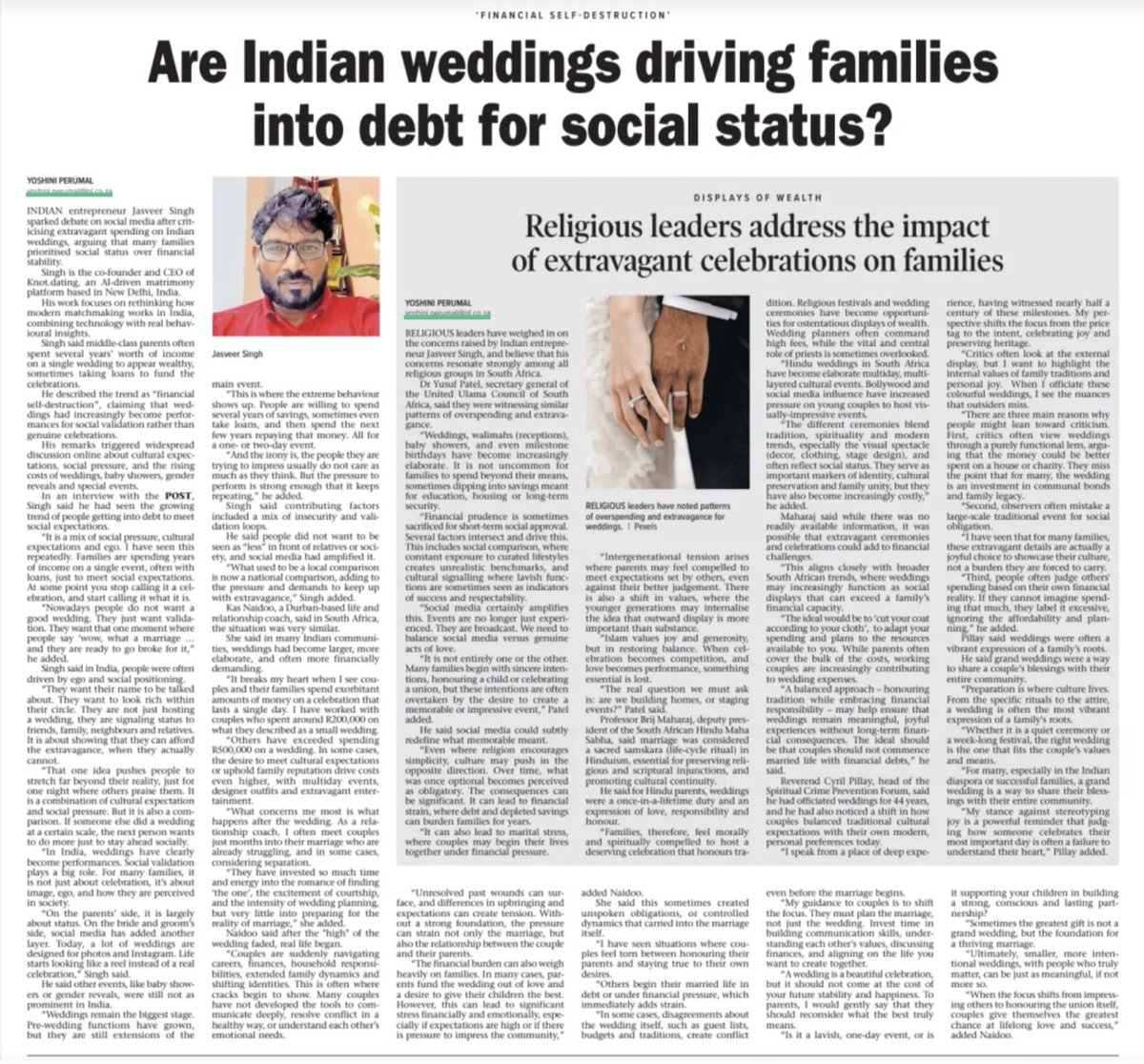
INDIAN entrepreneur Jasveer Singh sparked debate on social media after criticising extravagant spending on Indian weddings, arguing that many families prioritised social status over financial stability.
Singh is the co-founder and CEO of Knot Dating, an AI-driven matrimony platform based in New Delhi, India.
In an interview with the POST, Singh said he had seen the growing trend of people getting into debt to meet social expectations.
“It is a mix of social pressure, cultural expectations and ego. I have seen this repeatedly. Families are spending years of income on a single event, often with loans, just to meet social expectations. At some point you stop calling it a celebration, and start calling it what it is.
“Nowadays people do not want a good wedding. They just want validation. They want that one moment where people say ‘wow, what a marriage … and they are ready to go broke for it,” he added.
Singh said in India, people were often driven by ego and social positioning.
“They want their name to be talked about. They want to look rich within their circle. They are not just hosting a wedding, they are signaling status to friends, family, neighbours and relatives. It is about showing that they can afford the extravagance, when they actually cannot.
“That one idea pushes people to stretch far beyond their reality, just for one night where others praise them. It is a combination of cultural expectation and social pressure. But it is also a comparison. If someone else did a wedding at a certain scale, the next person wants to do more just to stay ahead socially.
“In India, weddings have clearly become performances. Social validation plays a big role. For many families, it is not just about celebration, it’s about image, ego, and how they are perceived in society.
“On the parents’ side, it is largely about status. On the bride and groom’s side, social media has added another layer. Today, a lot of weddings are designed for photos and Instagram. Life starts looking like a reel instead of a real celebration,” Singh said.
He said other events, like baby showers or gender reveals, were still not as prominent in India.
“Weddings remain the biggest stage. Pre-wedding functions have grown, but they are still extensions of the main event.
“This is where the extreme behaviour shows up. People are willing to spend several years of savings, sometimes even take loans, and then spend the next few years repaying that money. All for a one- or two-day event.
“And the irony is, the people they are trying to impress usually do not care as much as they think. But the pressure to perform is strong enough that it keeps repeating,” he added.
Singh said contributing factors included a mix of insecurity and validation loops.
He said people did not want to be seen as “less” in front of relatives or society, and social media had amplified it.
“What used to be a local comparison is now a national comparison, adding to the pressure and demands to keep up with extravagance,” Singh added.
3
3,128
Knot.dating retweeted
Apr 13
People are going broke just to look rich for one night.
This isn’t an Indian problem. A leading South African newspaper reached out and did an interview.
Same psychology. Different country.
Here is the interview:
INDIAN entrepreneur Jasveer Singh sparked debate on social media after criticising extravagant spending on Indian weddings, arguing that many families prioritised social status over financial stability.
Singh is the co-founder and CEO of Knot Dating, an AI-driven matrimony platform based in New Delhi, India.
In an interview with the POST, Singh said he had seen the growing trend of people getting into debt to meet social expectations.
“It is a mix of social pressure, cultural expectations and ego. I have seen this repeatedly. Families are spending years of income on a single event, often with loans, just to meet social expectations. At some point you stop calling it a celebration, and start calling it what it is.
“Nowadays people do not want a good wedding. They just want validation. They want that one moment where people say ‘wow, what a marriage … and they are ready to go broke for it,” he added.
Singh said in India, people were often driven by ego and social positioning.
“They want their name to be talked about. They want to look rich within their circle. They are not just hosting a wedding, they are signaling status to friends, family, neighbours and relatives. It is about showing that they can afford the extravagance, when they actually cannot.
“That one idea pushes people to stretch far beyond their reality, just for one night where others praise them. It is a combination of cultural expectation and social pressure. But it is also a comparison. If someone else did a wedding at a certain scale, the next person wants to do more just to stay ahead socially.
“In India, weddings have clearly become performances. Social validation plays a big role. For many families, it is not just about celebration, it’s about image, ego, and how they are perceived in society.
“On the parents’ side, it is largely about status. On the bride and groom’s side, social media has added another layer. Today, a lot of weddings are designed for photos and Instagram. Life starts looking like a reel instead of a real celebration,” Singh said.
He said other events, like baby showers or gender reveals, were still not as prominent in India.
“Weddings remain the biggest stage. Pre-wedding functions have grown, but they are still extensions of the main event.
“This is where the extreme behaviour shows up. People are willing to spend several years of savings, sometimes even take loans, and then spend the next few years repaying that money. All for a one- or two-day event.
“And the irony is, the people they are trying to impress usually do not care as much as they think. But the pressure to perform is strong enough that it keeps repeating,” he added.
Singh said contributing factors included a mix of insecurity and validation loops.
He said people did not want to be seen as “less” in front of relatives or society, and social media had amplified it.
“What used to be a local comparison is now a national comparison, adding to the pressure and demands to keep up with extravagance,” Singh added.
7
7
25
6,288
Knot.dating retweeted
Mar 31
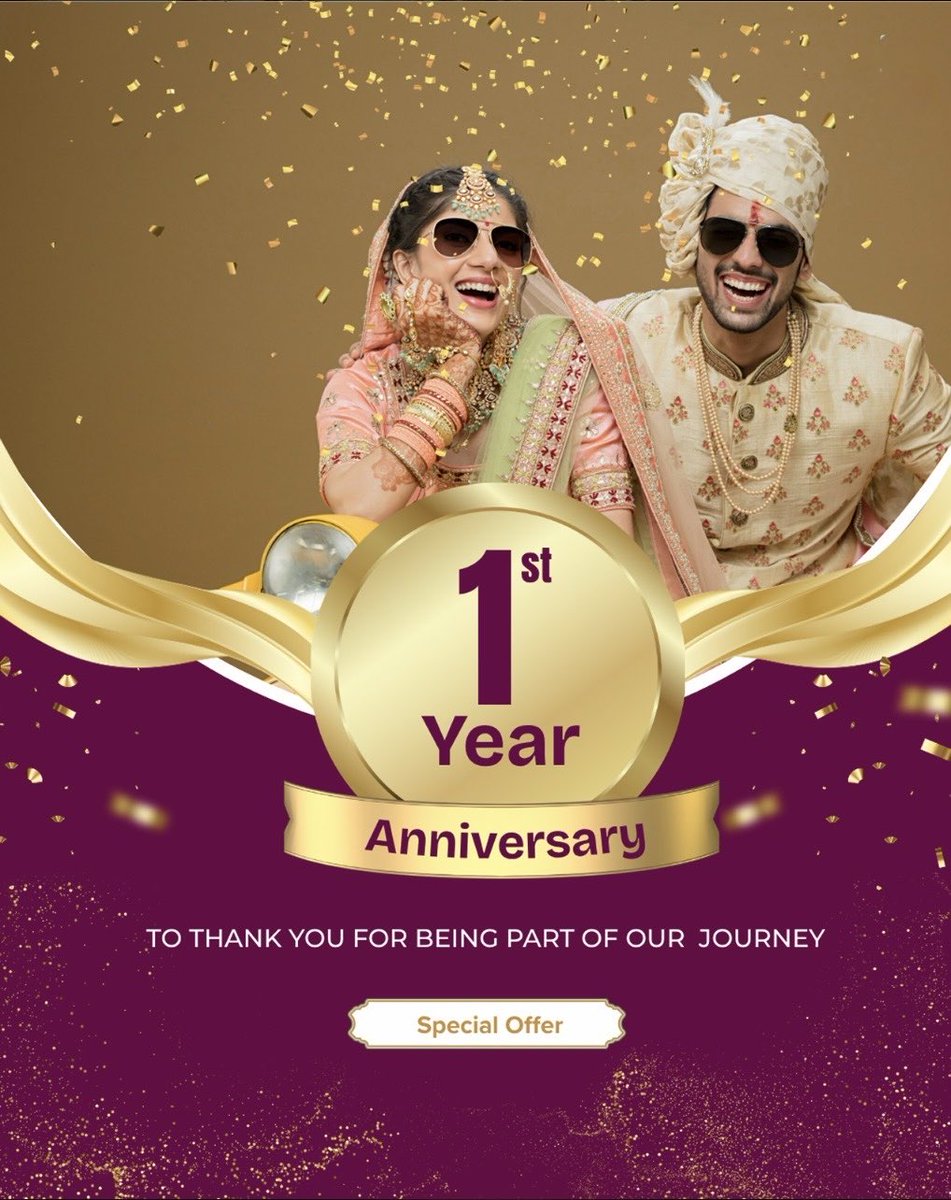
Today Knot completes one year. And no, this is not day zero.
Somewhere along the way, calling everything ‘day zero’ became a founder ritual. IPO, still day zero. Success, still day zero. It sounds humble, but most of the time it is just fake humility.
One year means one year. Work happened. Wins happened. Mistakes happened. Scars happened. The game has moved.
We did not just build another matrimony or dating product. We rewrote the playbook.
Gender ratio - One of the biggest problems in this industry. Too many men, too few women. 80:20 is the norm. We broke it. Knot is at 60 percent women and 40 percent men. The problem was never the market. It was the approach.
Then comes marketing - We spent zero on marketing. Zero! Not low spend. Not optimized spend. Zero.
People across India know Knot. Some agree, some don’t. But they know us. Knot has been consistently viral. Not once, repeatedly. Week after week.
Attention was earned, not bought. When a founder is willing to speak clearly, distribution works very differently.
Then there is team size - Most people will not believe how lean we are. No army of people doing meetings about meetings. We don’t even have a marketing team. Very sharp focused on product, tech and speed of execution.
Then profitability - We chose a different path. Knot became profitable in less than a year. That matters. Profitability is not just a finance metric it proves users are willing to pay and the business model works.
Then came the legal side - Growth attracts resistance. As we started gaining attention and making incumbents uncomfortable, notices followed. We handled it and kept building.
This was not a clean journey. There was noise, pressure, and troll. Friction is part of change. And somewhere in the middle of all this, acquisition offers also came in.
We got offers serious ones - Knot is not being built to become a quick line item inside someone else’s deck. Selling early would have been the easy move. We did not choose easy.
But the most important thing is this - We did not play safe! We built in public, faced criticism in public, learned in public, and kept moving forward.
Questions on Knot, me, virality, or the 50L filter, drop them. I’ll take a few today.
9
5
28
3,974
Mar 26
Welcome to Knot ❤️ you’re officially on the other side now 😄
Mar 26

Just had a sync up with my manager for this year's hike.
Finally, after working for 3.5 years, I can say I'm qualified to be on @KnotDating
1
3
2,088
Mar 25
Knot was built without chat. Most matches don’t fail after meeting. They fail on chat.
Mar 25
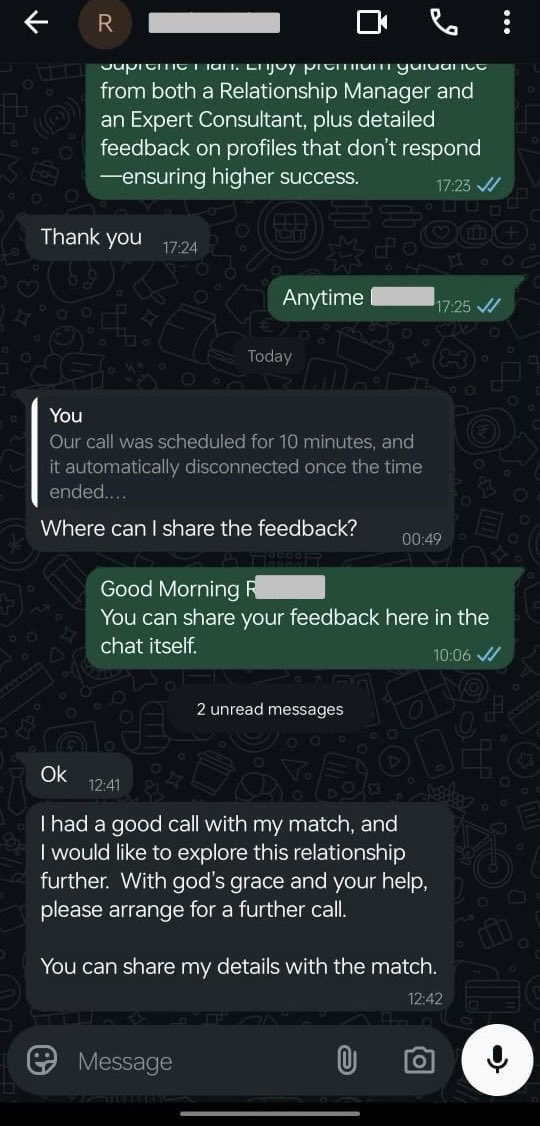
If you’re looking for marriage, stop chatting on dating or matrimony apps immediately. It’s completely a waste of time.
Most conversations die there (busy-free). A direct call helps you understand tone and how someone communicates, your decision becomes quick, yes or no.
Otherwise you end up wasting weeks going back and forth, 10 days of chat equals a 15 min conversation.
At Knot, ‘match to meet’ Close the gap fast. Everything starts after meeting. Appearance and personality matter for both genders, that’s reality.
4
1,636
Knot.dating retweeted
Mar 25
If you’re looking for marriage, stop chatting on dating or matrimony apps immediately. It’s completely a waste of time.
Most conversations die there (busy-free). A direct call helps you understand tone and how someone communicates, your decision becomes quick, yes or no.
Otherwise you end up wasting weeks going back and forth, 10 days of chat equals a 15 min conversation.
At Knot, ‘match to meet’ Close the gap fast. Everything starts after meeting. Appearance and personality matter for both genders, that’s reality.
8
2
28
7,960