Profile of @ERC_Research #Consolidator project #KnowStudents and the Centre for the History of Renaissance Knowledge #HRKCentre placed at #IFiS @PAN_akademia.
Joined June 2021
- Tweets 458
- Following 143
- Followers 293
- Likes 863
226 Photos and videos
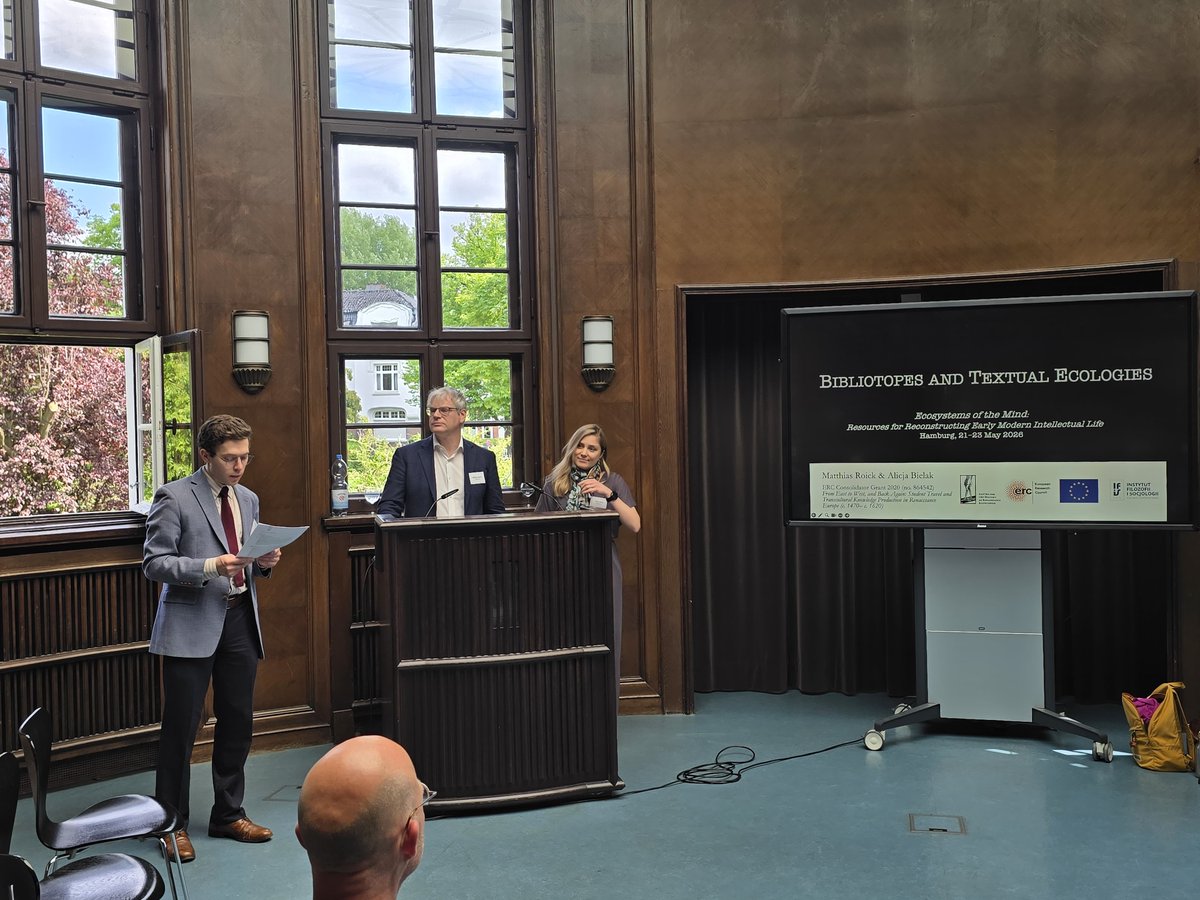
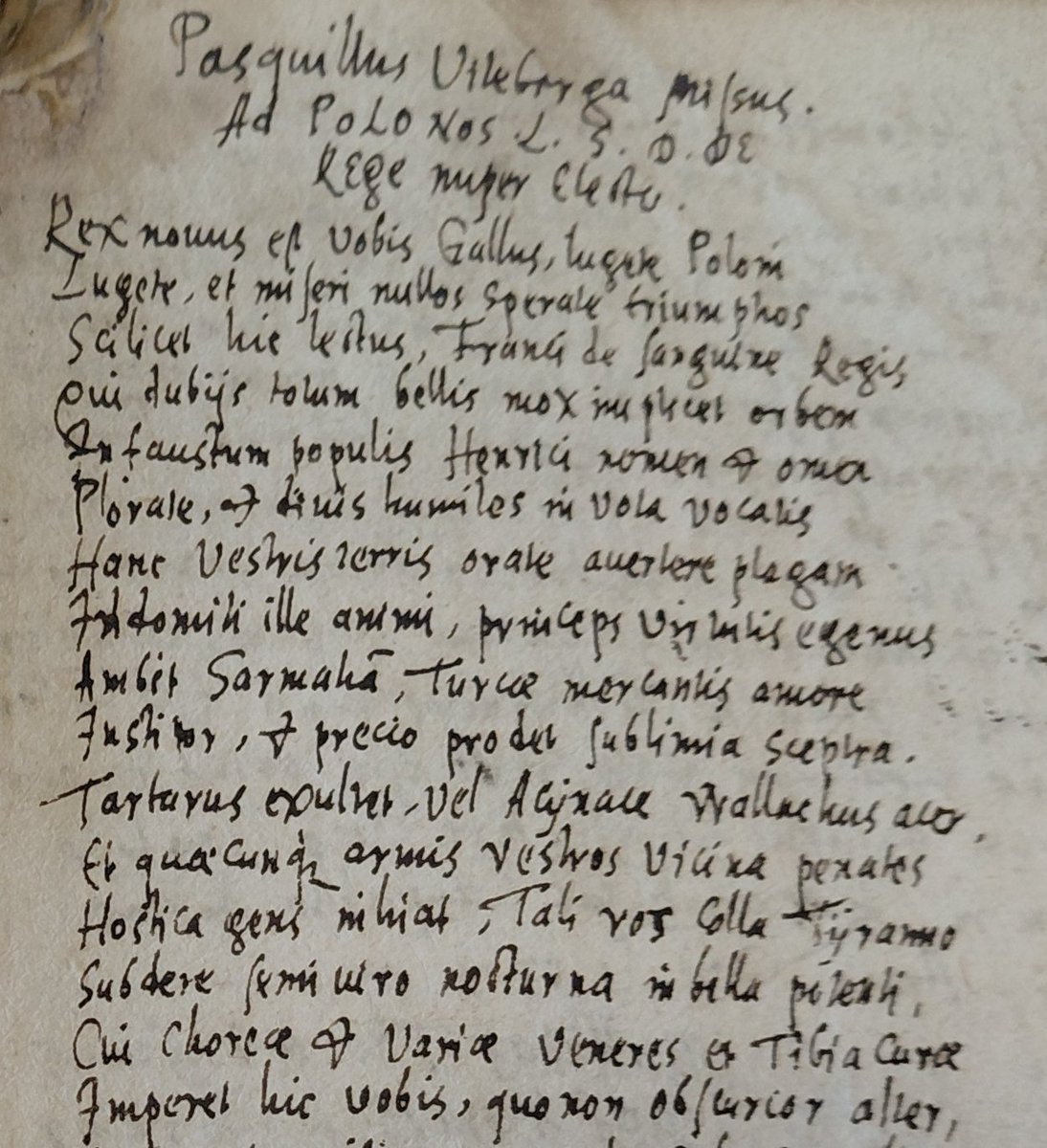

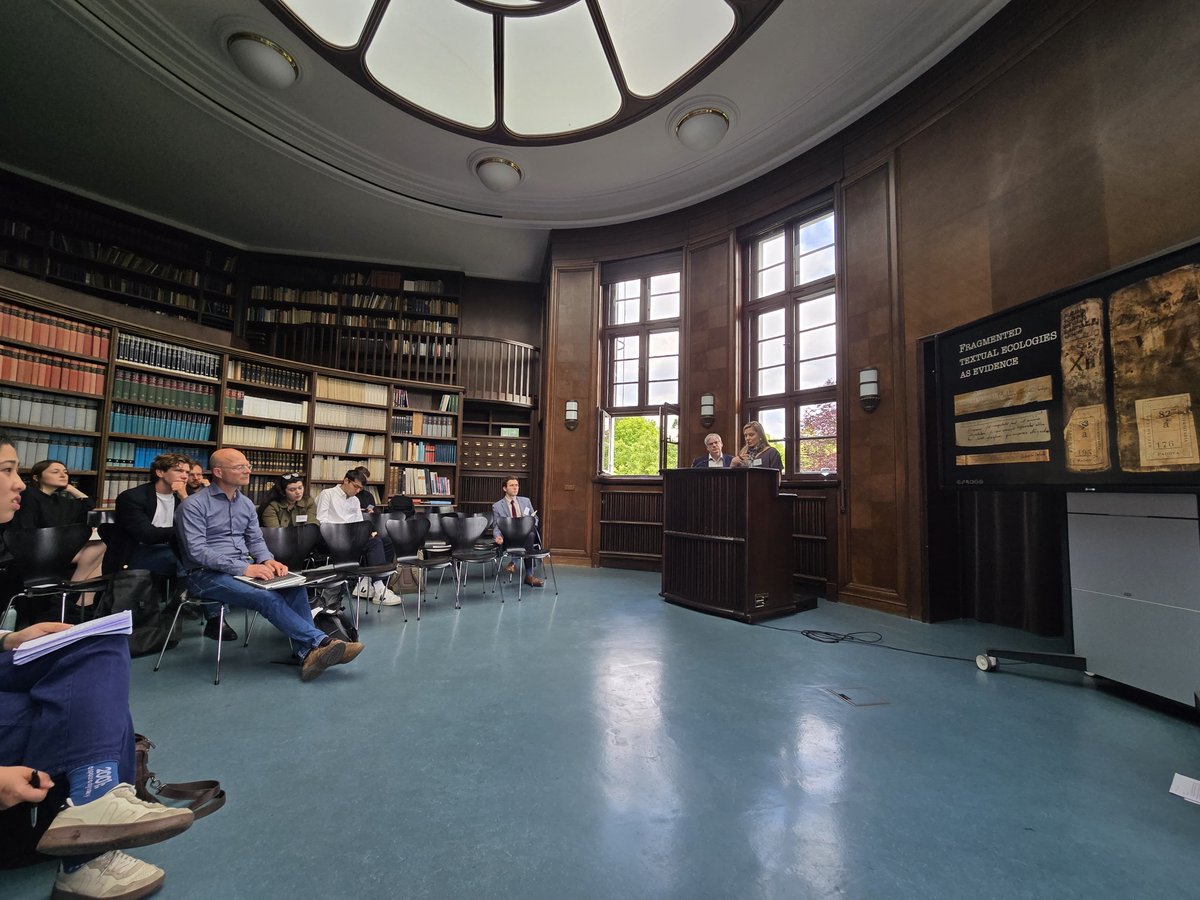
Great insights from Hamburg! 🏛️ Matthias Roick and Alicja Bielak recently spoke at the "Ecosystems of the Mind" conference at Warburg-Haus, organized by Tomás Antonio Valle.📚✨
More: facebook.com/ERC.KnowStudent…
1
72
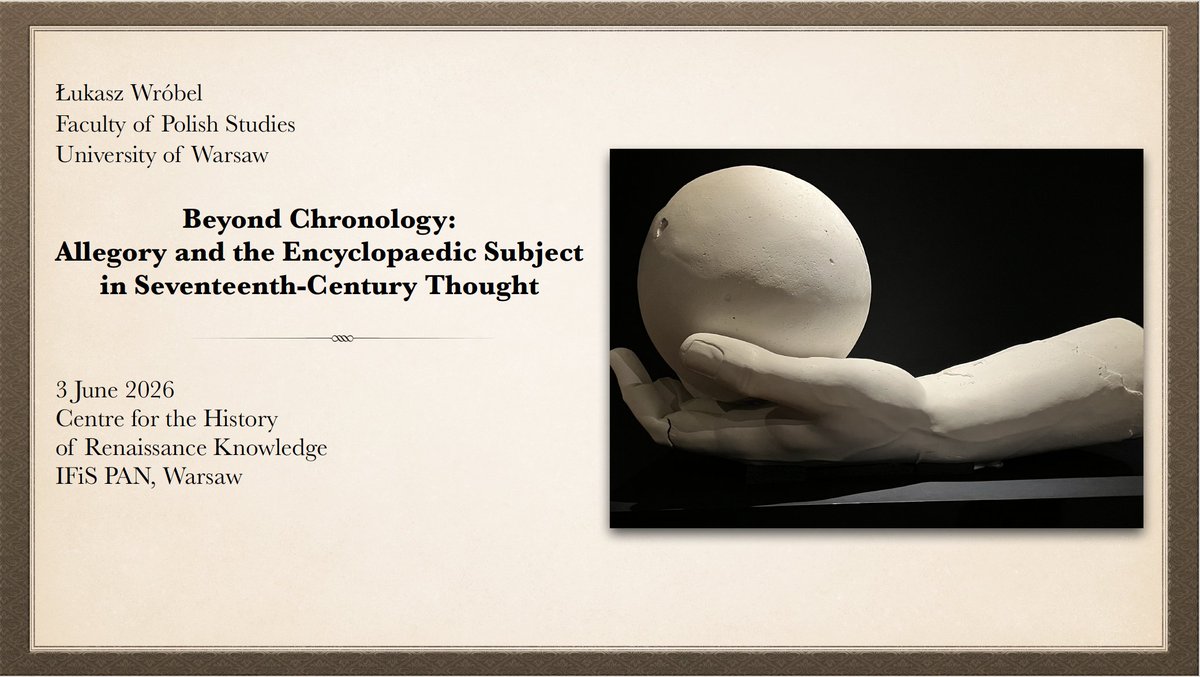
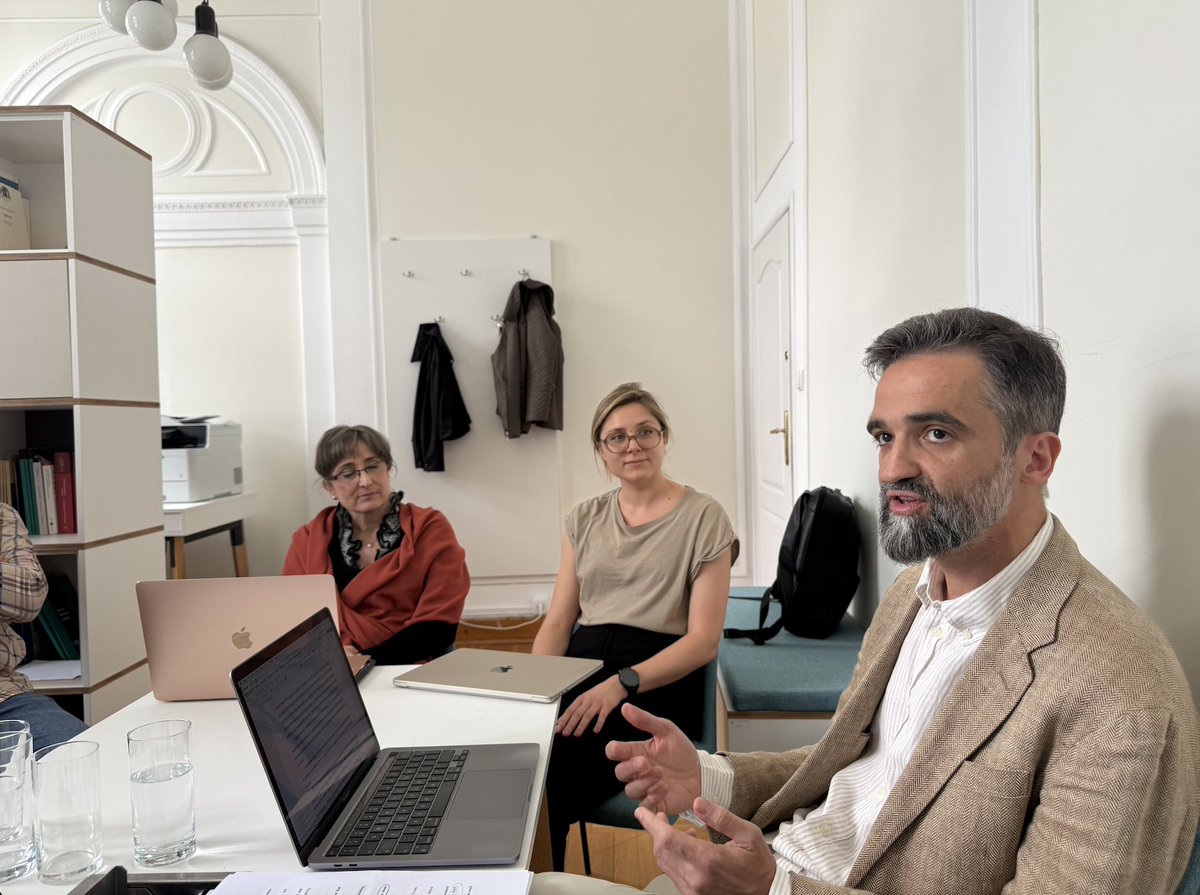
We had the absolute pleasure of hosting dr Łukasz Wróbel (University of Warsaw) for our Renaissance Mind seminar! A truly fascinating lecture on 17th-century thought & allegory. Huge thanks to dr Wróbel and to everyone who joined the brilliant discussion! 📚✨
1
40
Early modern universities weren't just institutions of mass learning - they also functioned as the "think tanks" of 16th-century political propaganda. 🏫
Read more: facebook.com/ERC.KnowStudent…
4
148
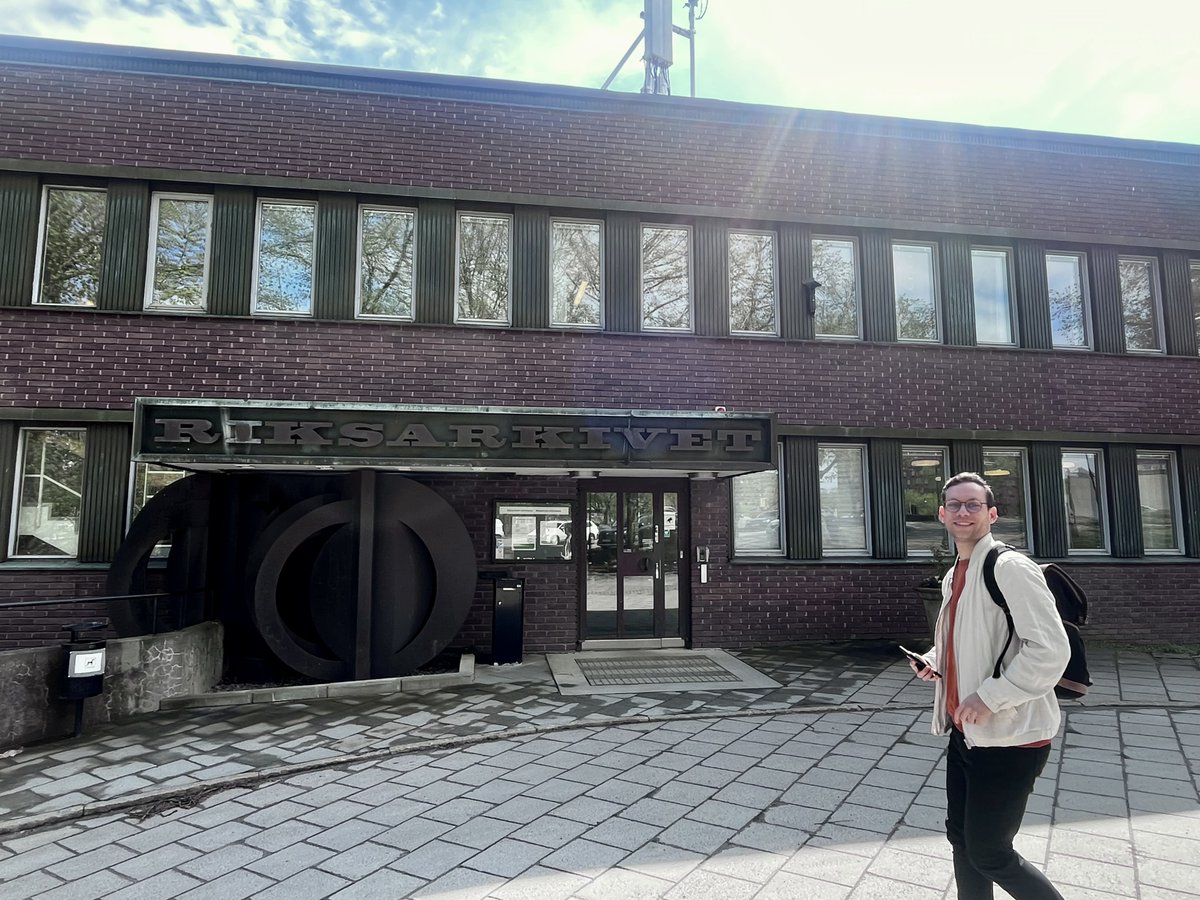
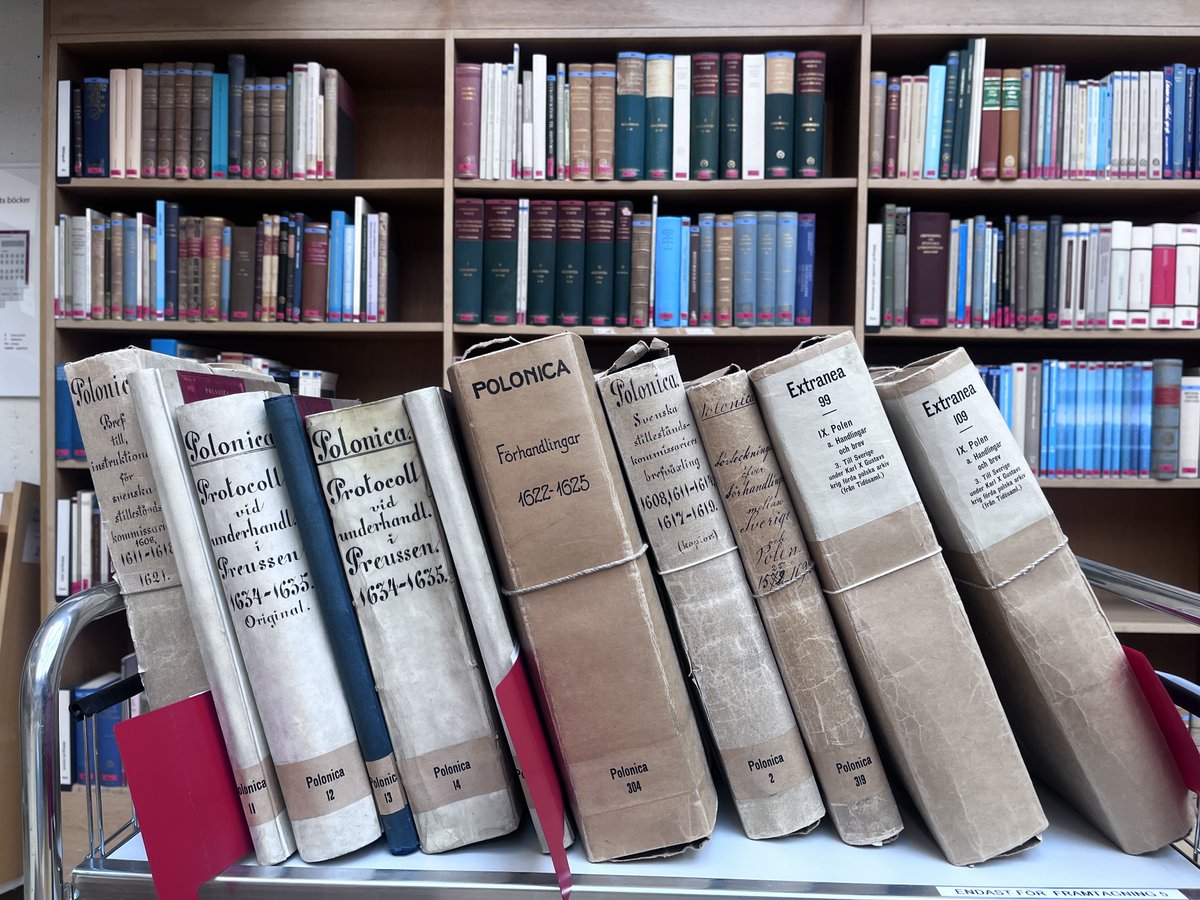
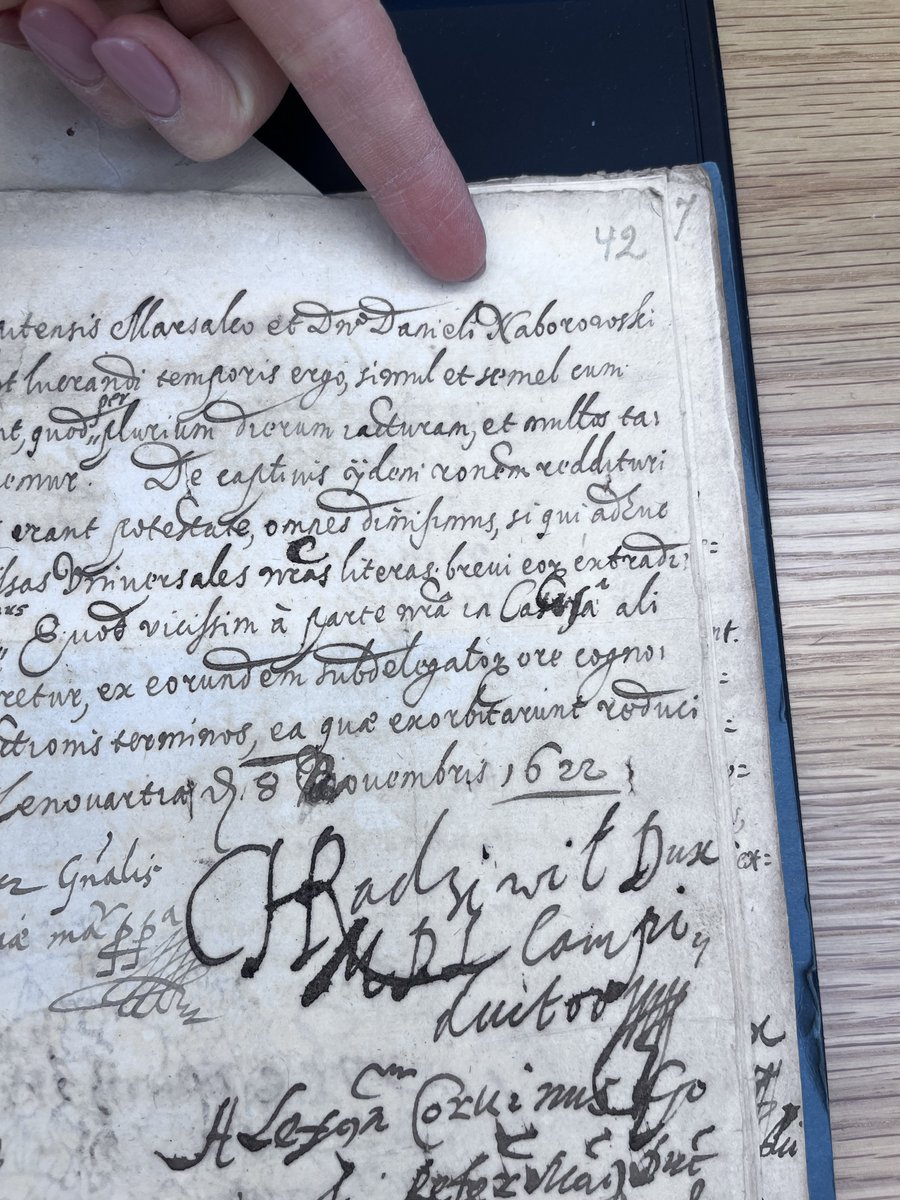
Over 50 folders of hidden history! 🇸🇪 The NPRH team just returned from Sweden, uncovering uninventoried letters from Polish royalty and major new diplomatic insights into Daniel Naborowski's life in the 1620s–30s.
Full details here: facebook.com/ERC.KnowStudent…
1
36
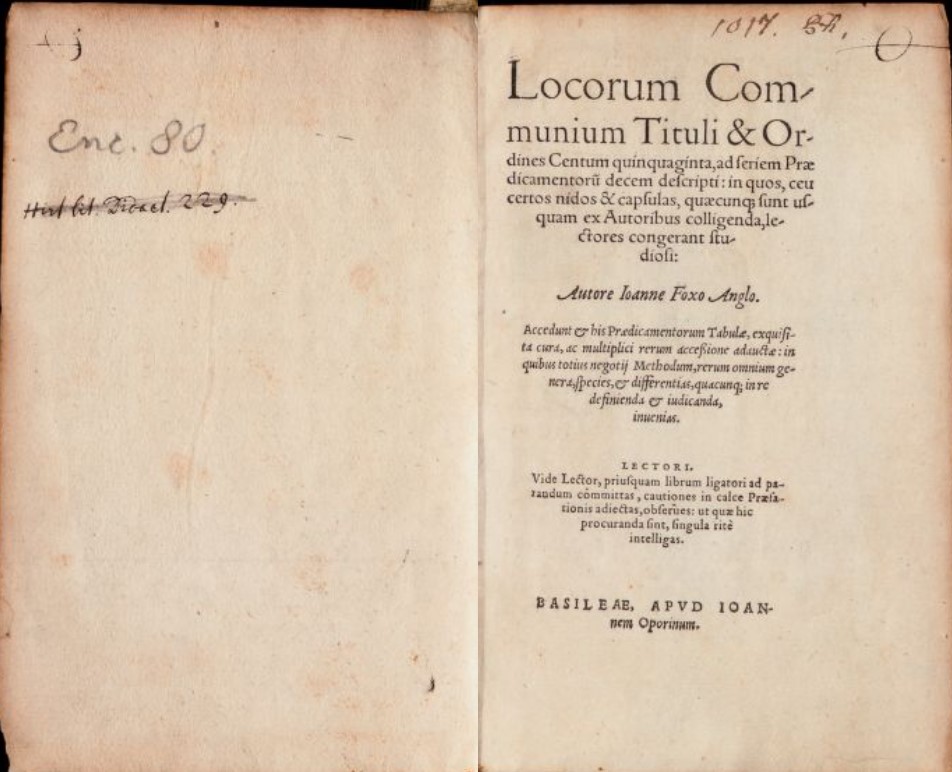
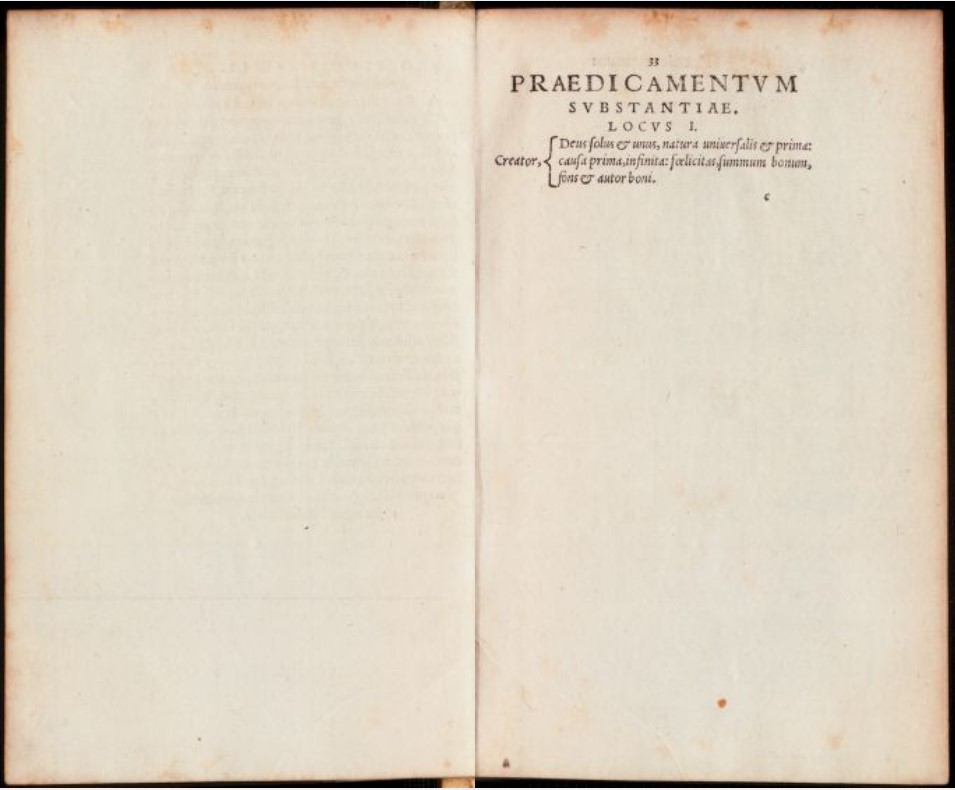
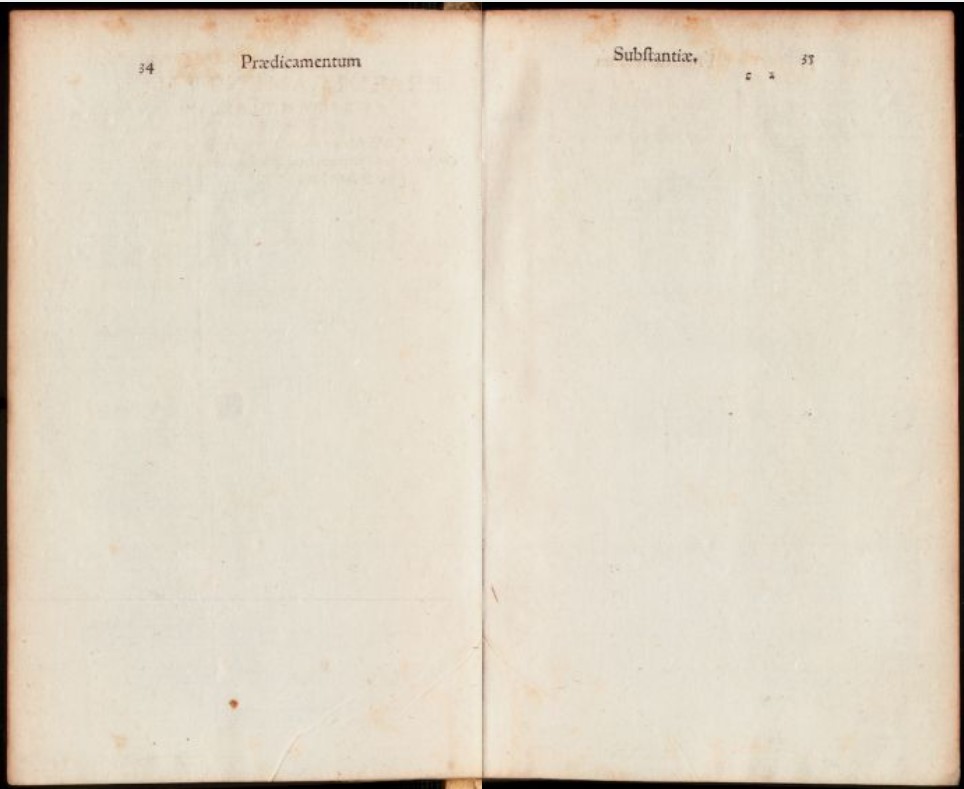
The Renaissance "Commonplace-Book" was the ultimate tool for structuring thought. 🏛️ Invented by John Foxe and inspired by Erasmus, it organized the world into 10 categories, starting with the most important: The Creator.
More: facebook.com/ERC.KnowStudent…
2
10
317
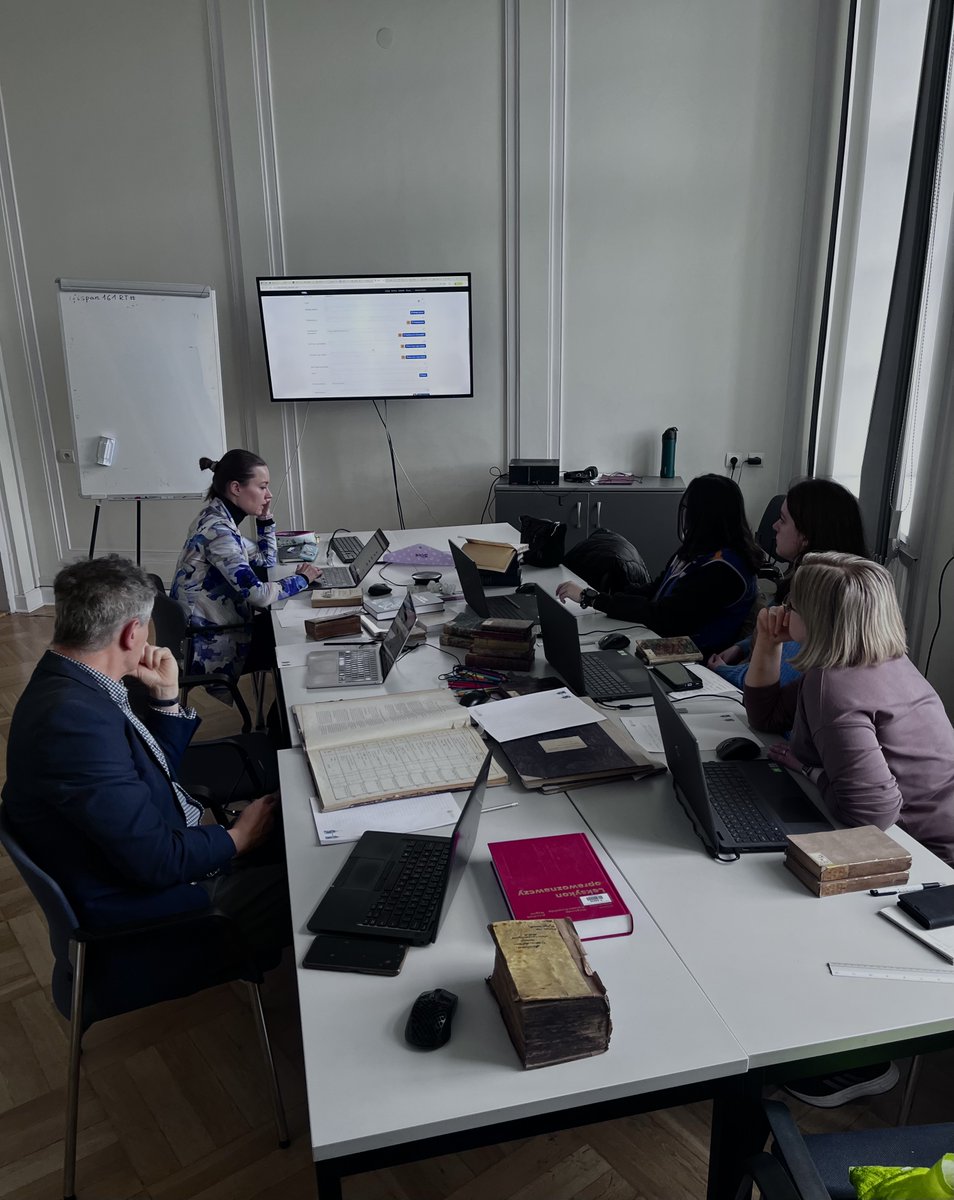
Our librarians recently participated in a training session on provenance research and the new Polish Provenance Database. Created in partnership with CERL, this tool allows us to trace book histories and usage patterns from 1501 to 1900. More: facebook.com/ERC.KnowStudent…
1
2
118
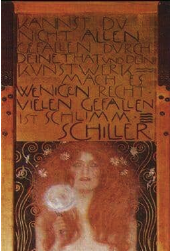
Truth doesn’t dress up. She is Unverborgenheit -unconcealment. But in a world obsessed with filters and engagement, is there any room left for the raw, naked truth? More: facebook.com/ERC.KnowStudent…
1
47
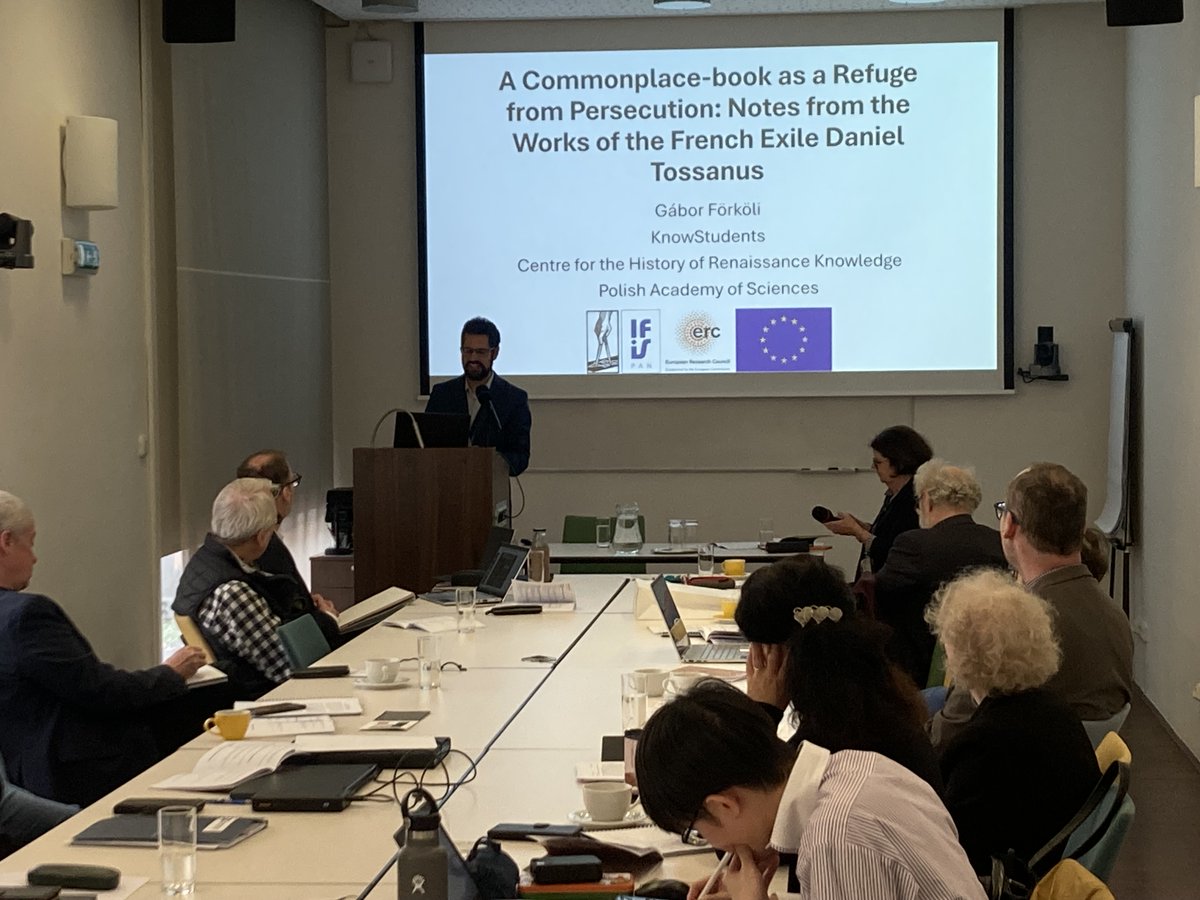
We are pleased to inform that Gábor Förköli took part in the "Manuscript Practices and the Making of Exile Communities in the Early Modern Period" conference. Paper: "A Commonplace-book as a Refuge from Persecution: Notes from the Works of the French Exile Daniel Tossanus.📜🖋️
2
60
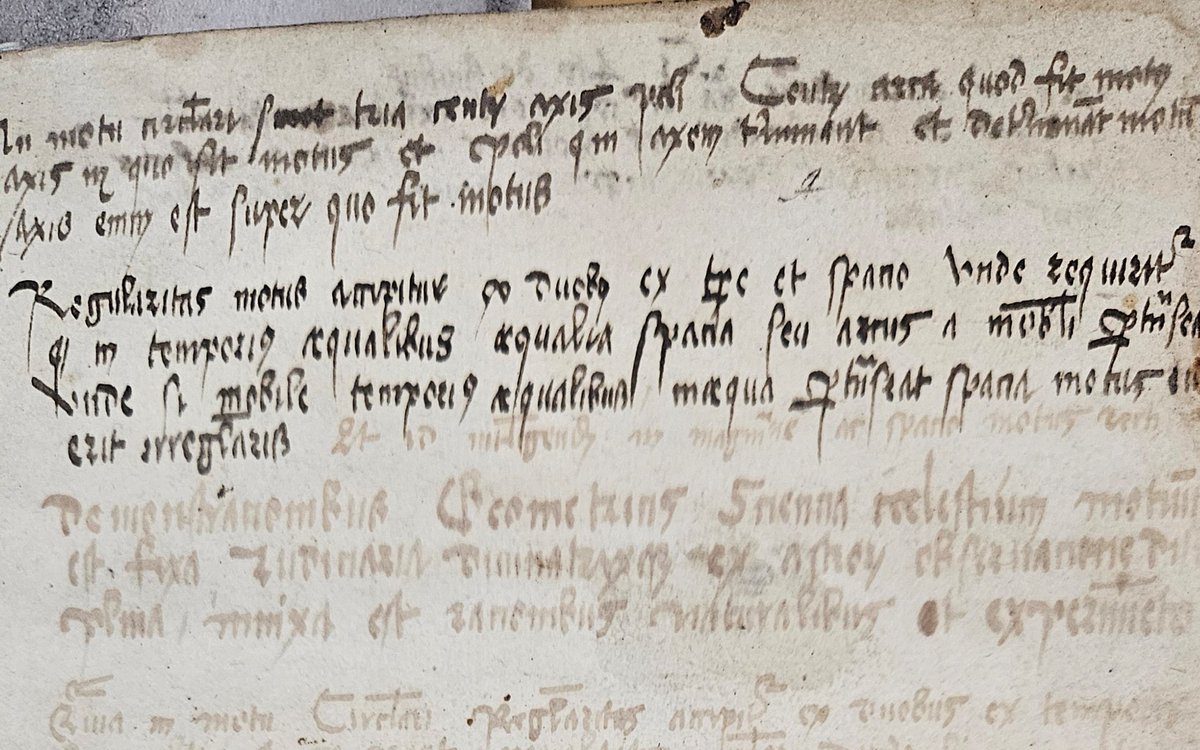
New archival evidence confirms 16th-century Kraków as a scientific powerhouse. A student note reveals a culture of "radical criticism," shifting from dogmatic astronomical tables toward empirical rigor. 📜🔭
More: facebook.com/ERC.KnowStudent…
4
52
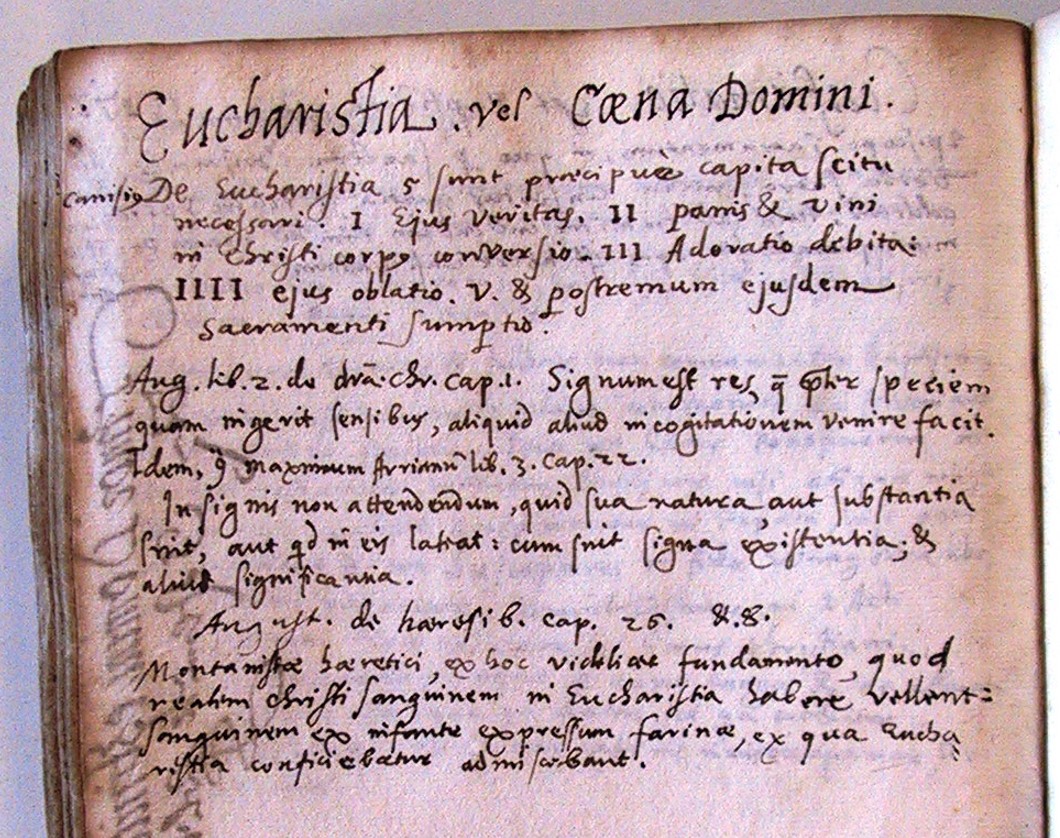
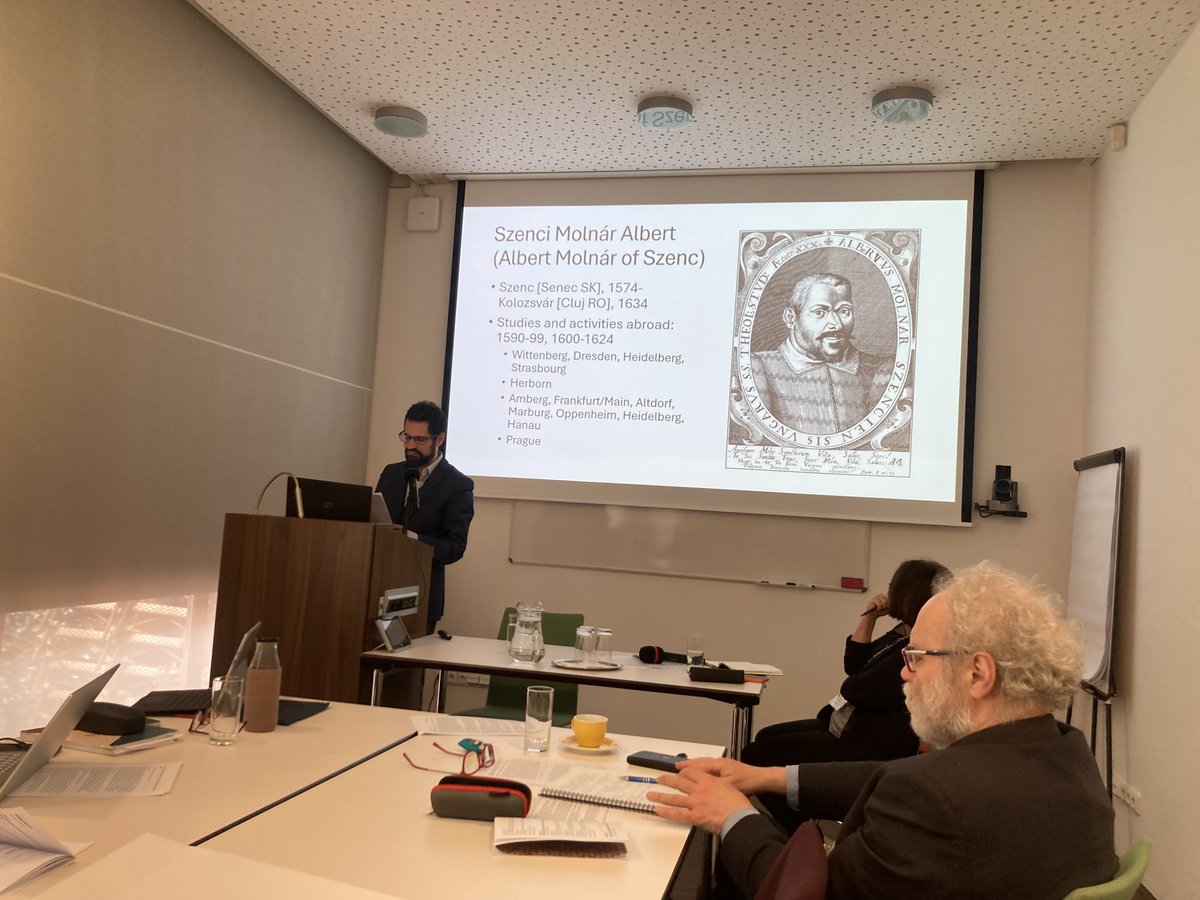
Albert Szenci Molnár (1574–1634) weaponized St. Augustine’s De haeresibus to delegitimize the Lutheran "Real Presence." By applying ancient Montanist blood libels, he framed the doctrine as a precursor to inhumane absurdity. 📜
More: facebook.com/ERC.KnowStudent…
1
1
47
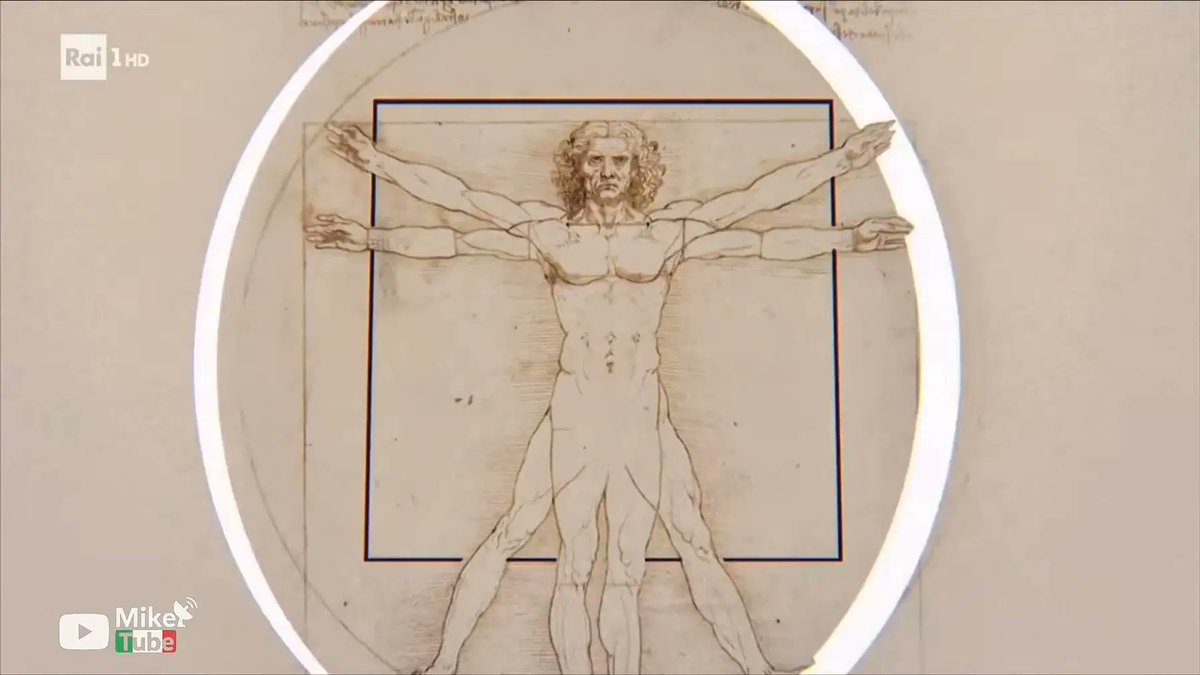
The modification of Leonardo’s Vitruvian Man for the 2026 Olympic Games has sparked a deep philosophical debate. Does removing male attributes enhance inclusivity or erase the historical foundation of the work?
Find out here: facebook.com/ERC.KnowStudent…
2
32
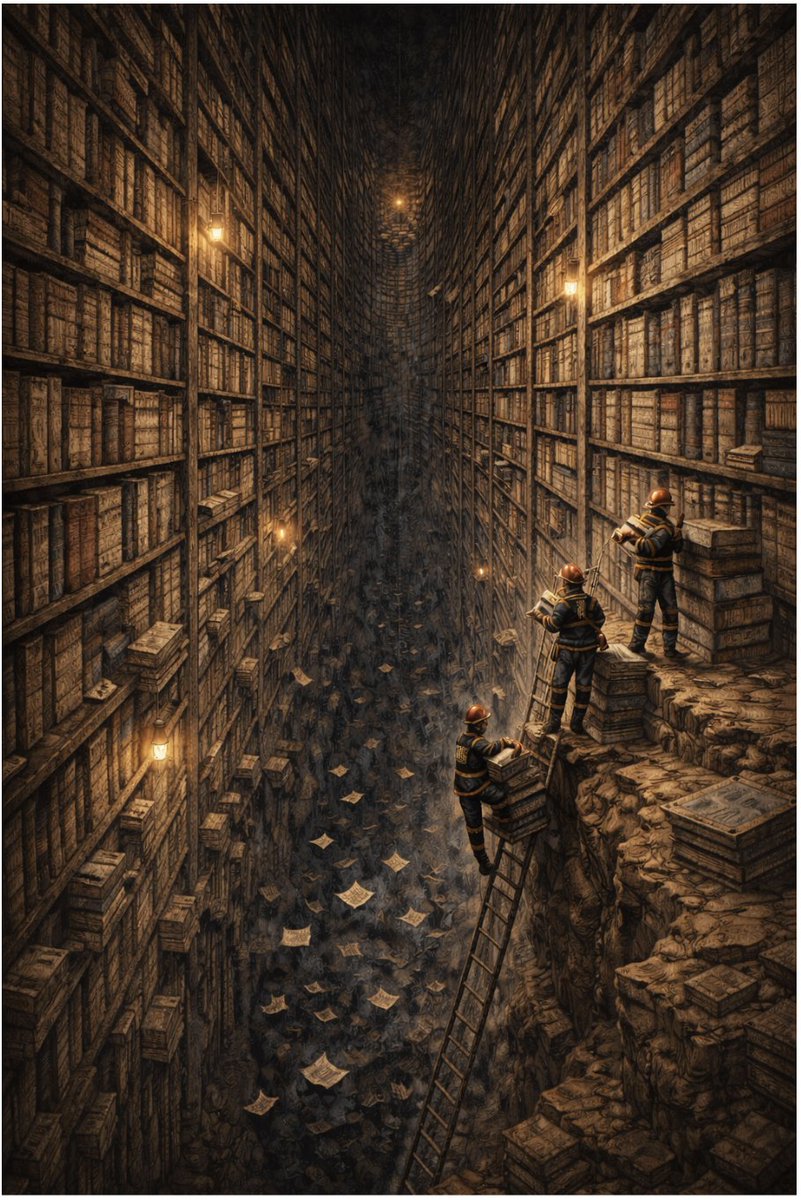
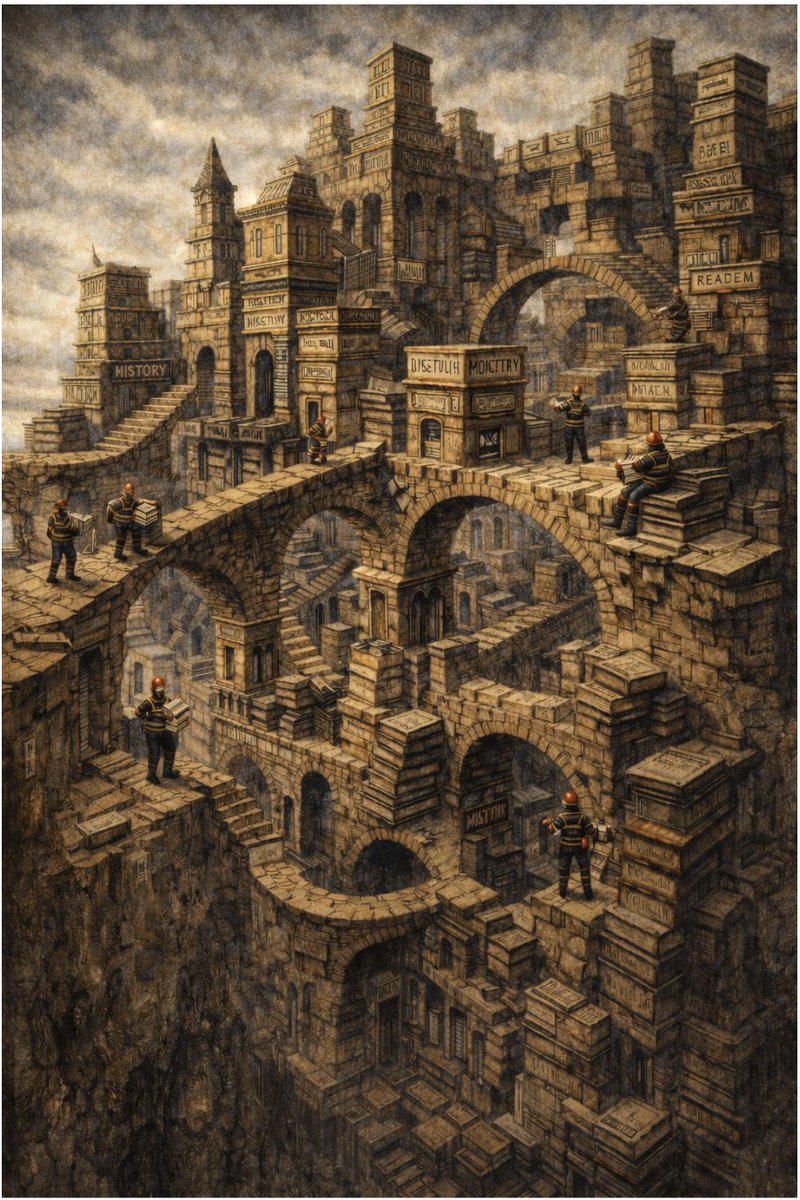
Texts aren't just paper, they are living ecosystems. 🌿 in Sicily, firefighters saved books hanging over a precipice after a landslide
It’s a powerful metaphor for scholarly work: retrieving fragments from fragile landscapes before they’re lost forever.
facebook.com/ERC.KnowStudent…
1
30
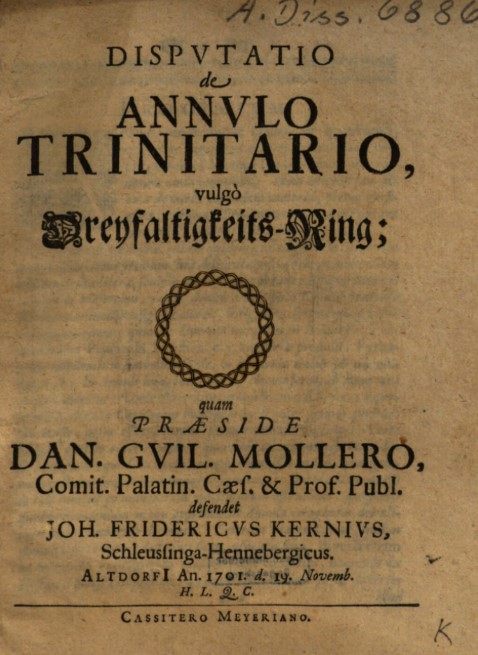
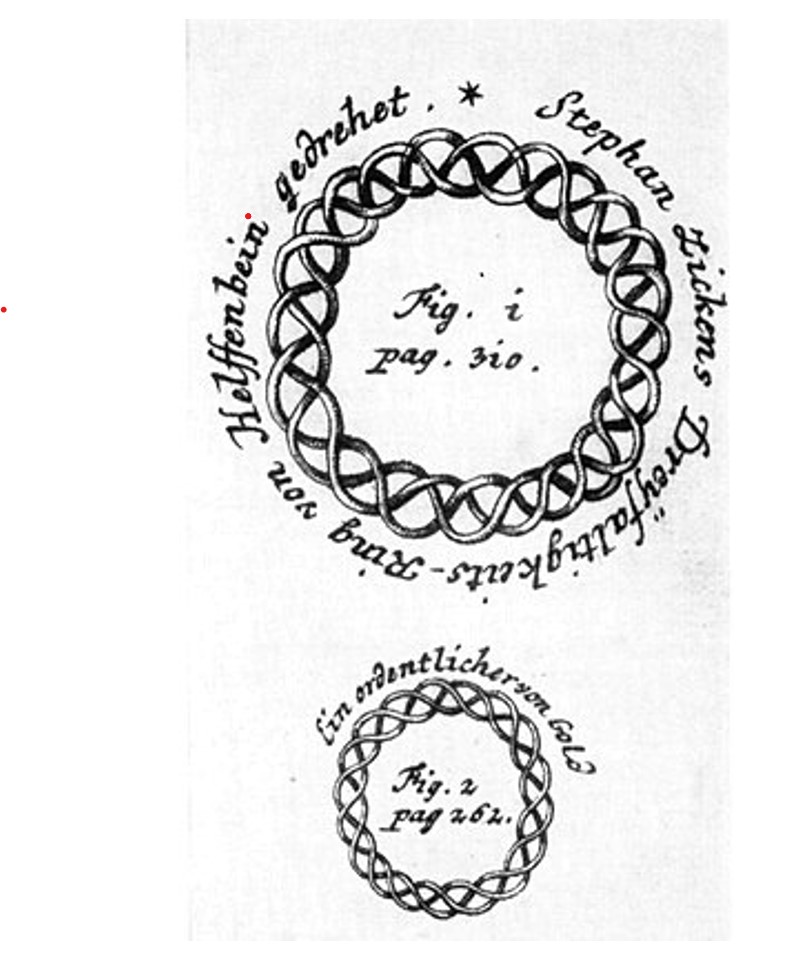
Ever heard of "Material Piety"? From Jesuit crucifixes with hidden tubes that "bled" to 17th-century Nuremberg’s intertwined Trinity Rings, early modern faith was surprisingly high-tech. Spirituality meets ingenious engineering!
More: facebook.com/ERC.KnowStudent…
1
25
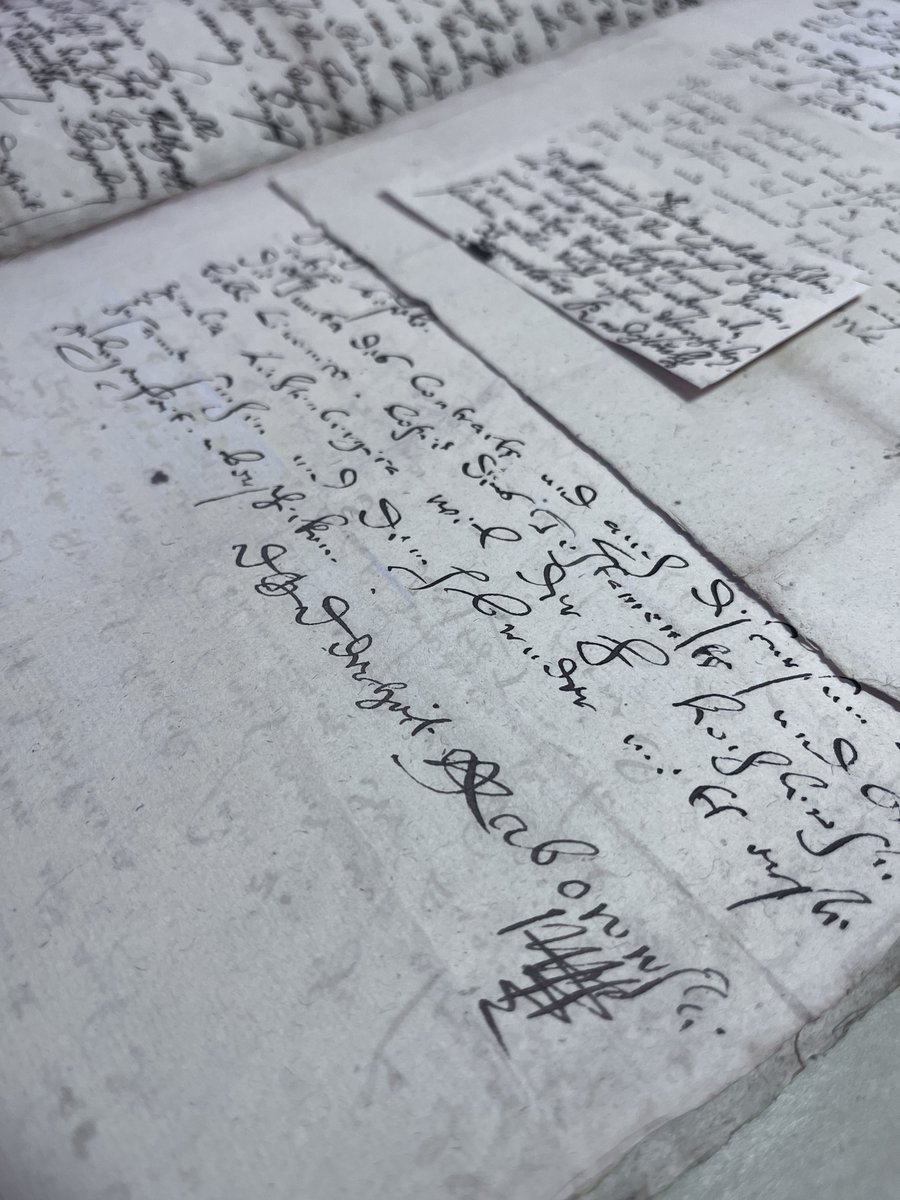
The NPRH team has found 8 previously unknown letters by Daniel Naborowski in Berlin. They reveal a man navigating the highest circles of power - Prussian Dukes, Brandenburg royalty, and "diamonds that outshine us." 💎📖
More: facebook.com/ERC.KnowStudent…
1
5
107
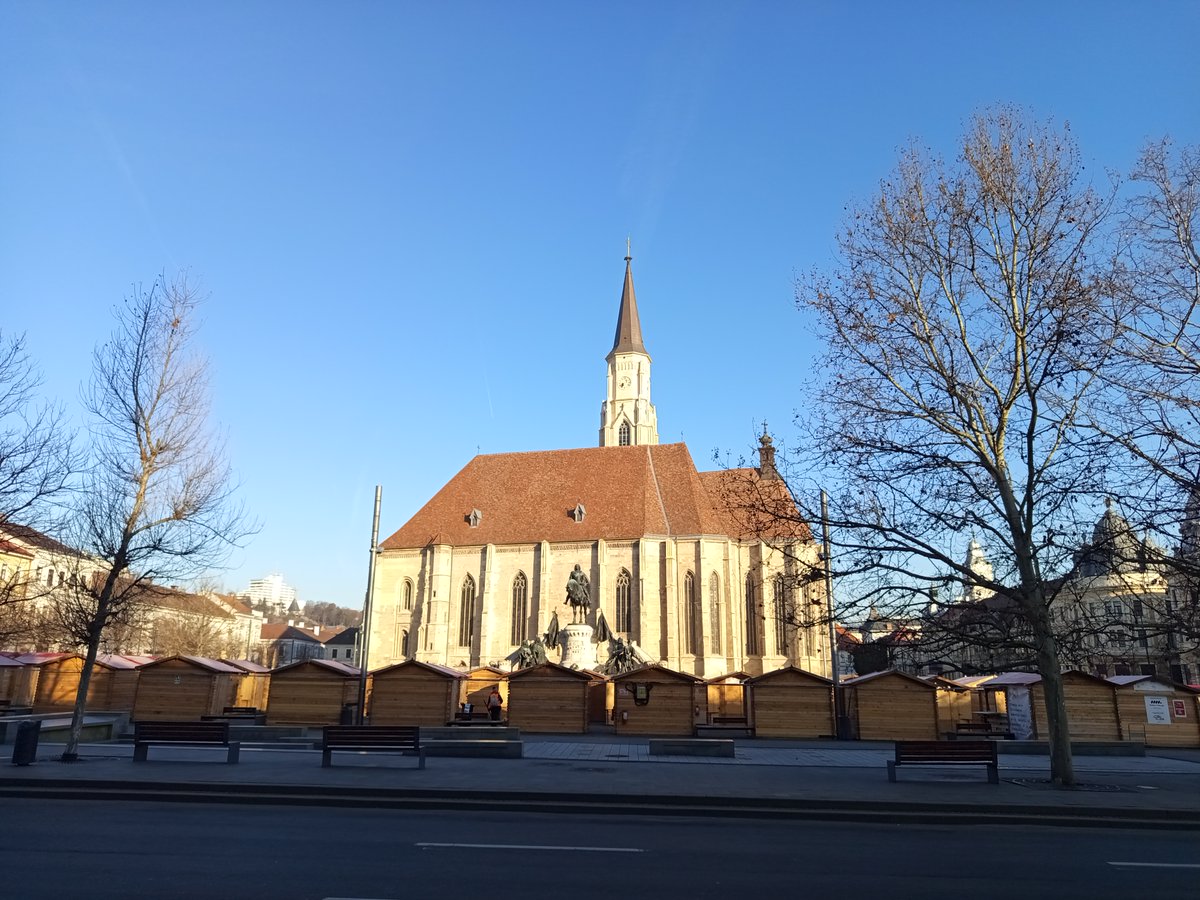
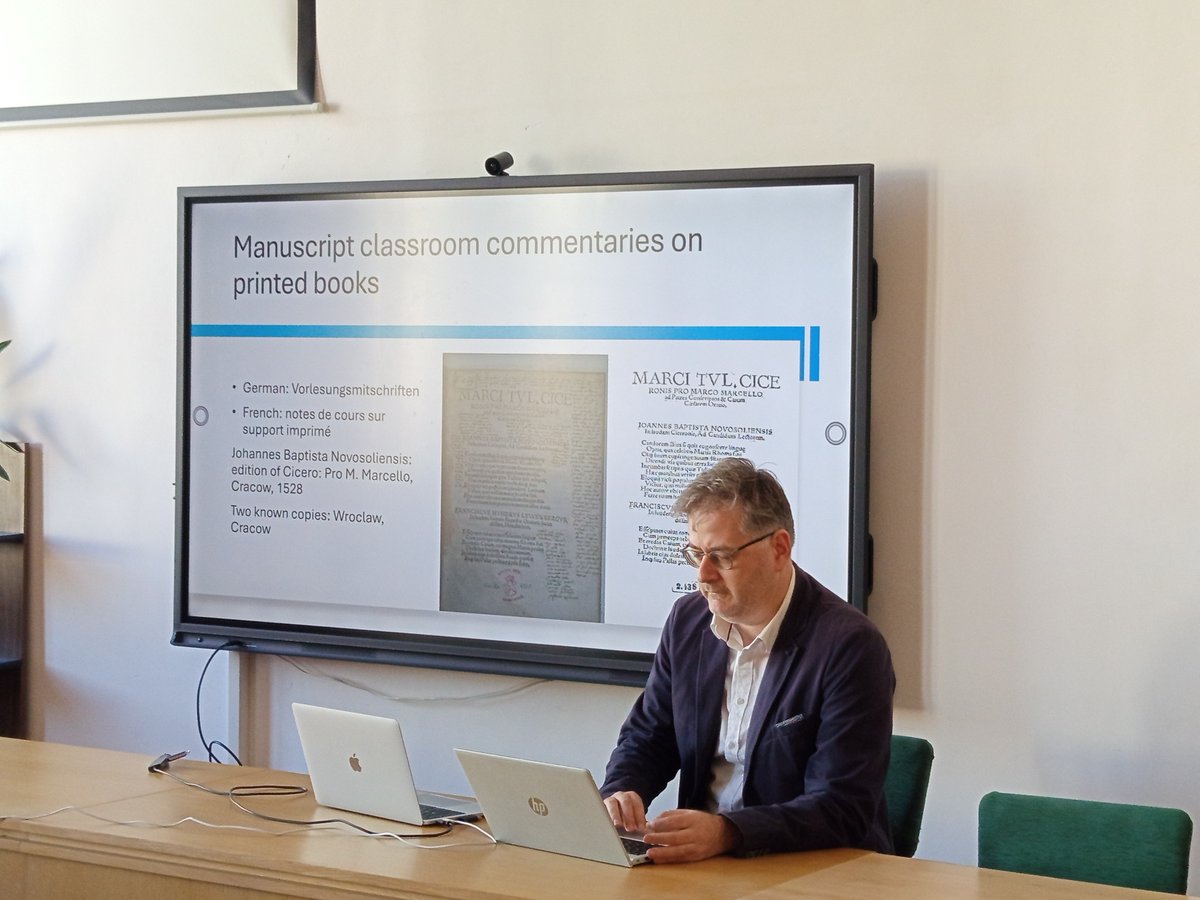
What do margins tell us about history? ✍️
Prof. Farkas Gábor Kiss & Dr. Gábor Förköli joined the Paratextual Elements Workshop in Cluj-Napoca (Feb 27-28). From Johannes Honterus to Antitrinitarian refutations, they explored the hidden layers of the book.
facebook.com/ERC.KnowStudent…
3
51
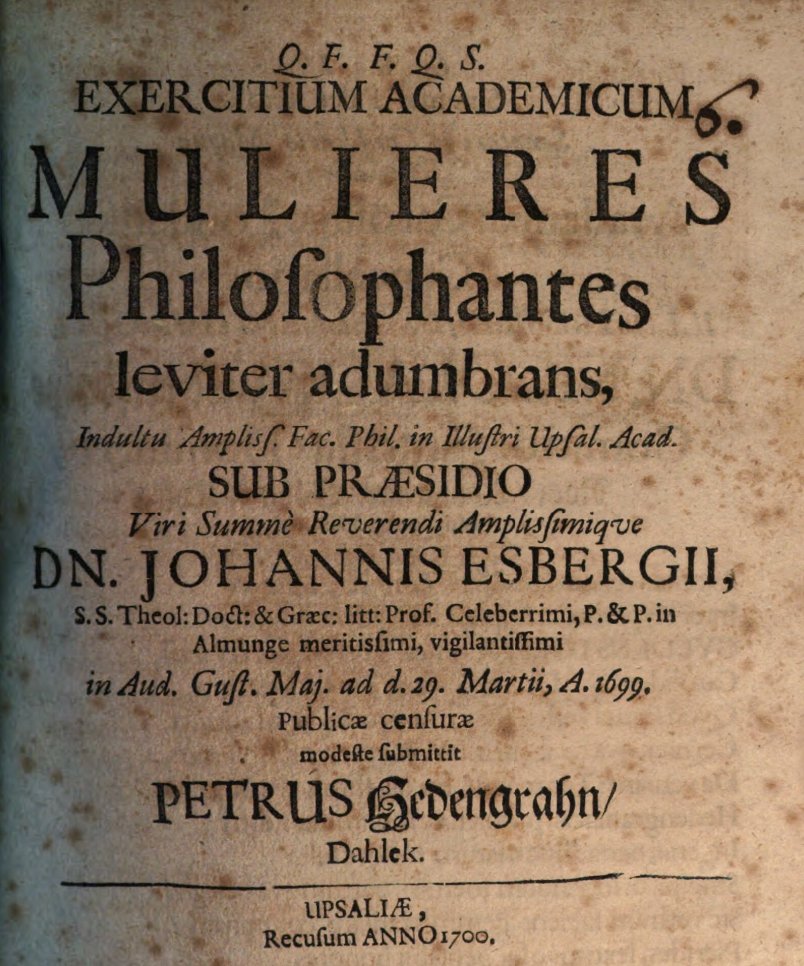
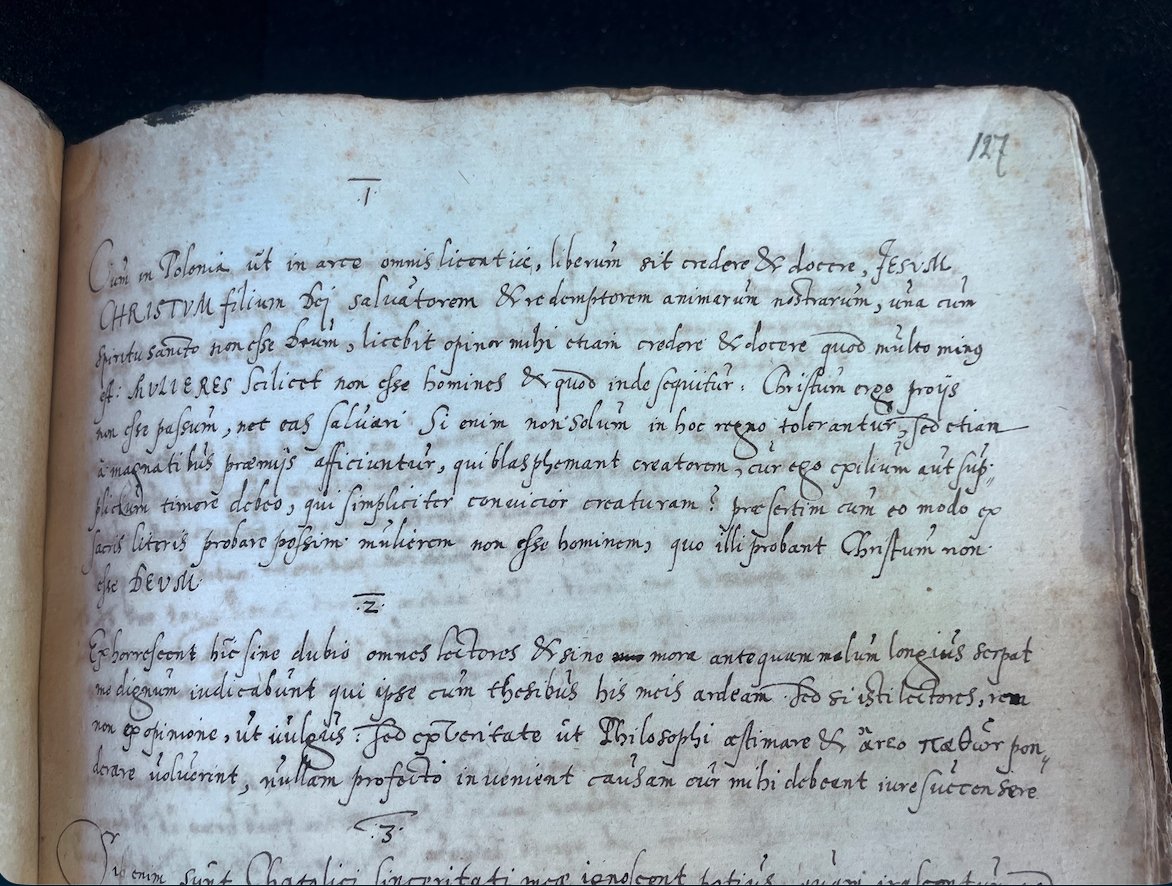
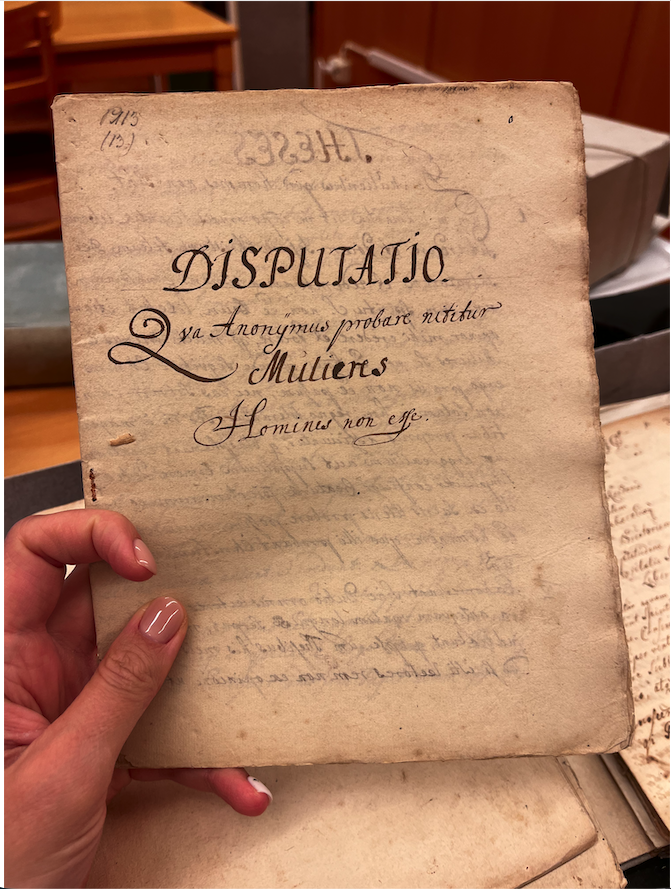
“Is a woman a human being?” - a question debated in early modern academic texts.
From medieval verses to 17th-century confessional polemics, manuscripts in Uppsala and Berlin reveal how scholars argued about women.
Full story on Facebook 👇
facebook.com/ERC.KnowStudent…
5
13
783
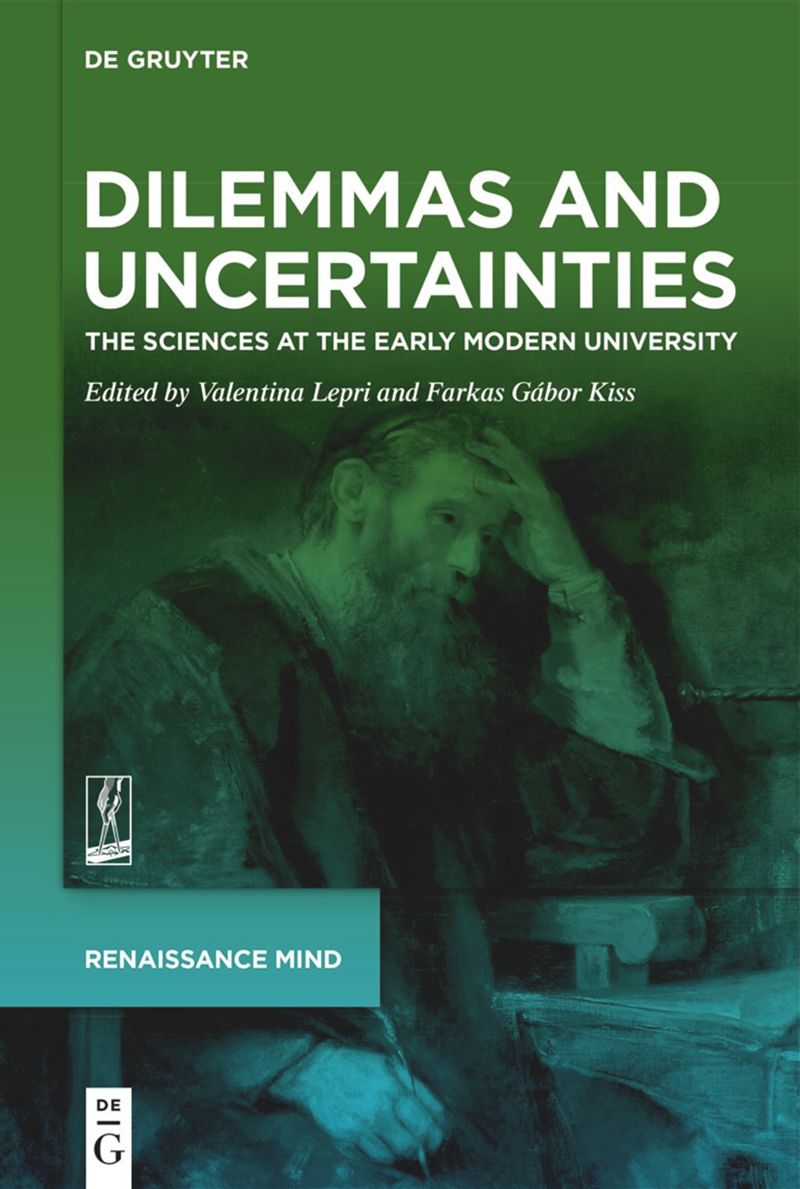
📢 New Release! 📚
Renaissance Mind Vol. 4 is finally here: "Dilemmas and Uncertainties: The Sciences at the Early Modern University." Edited by Prof. Valentina Lepri & Prof. Farkas Gábor Kiss.
Best part? It’s OPEN ACCESS. Read it for free now!
degruyterbrill.com/document/…
1
9
34
972
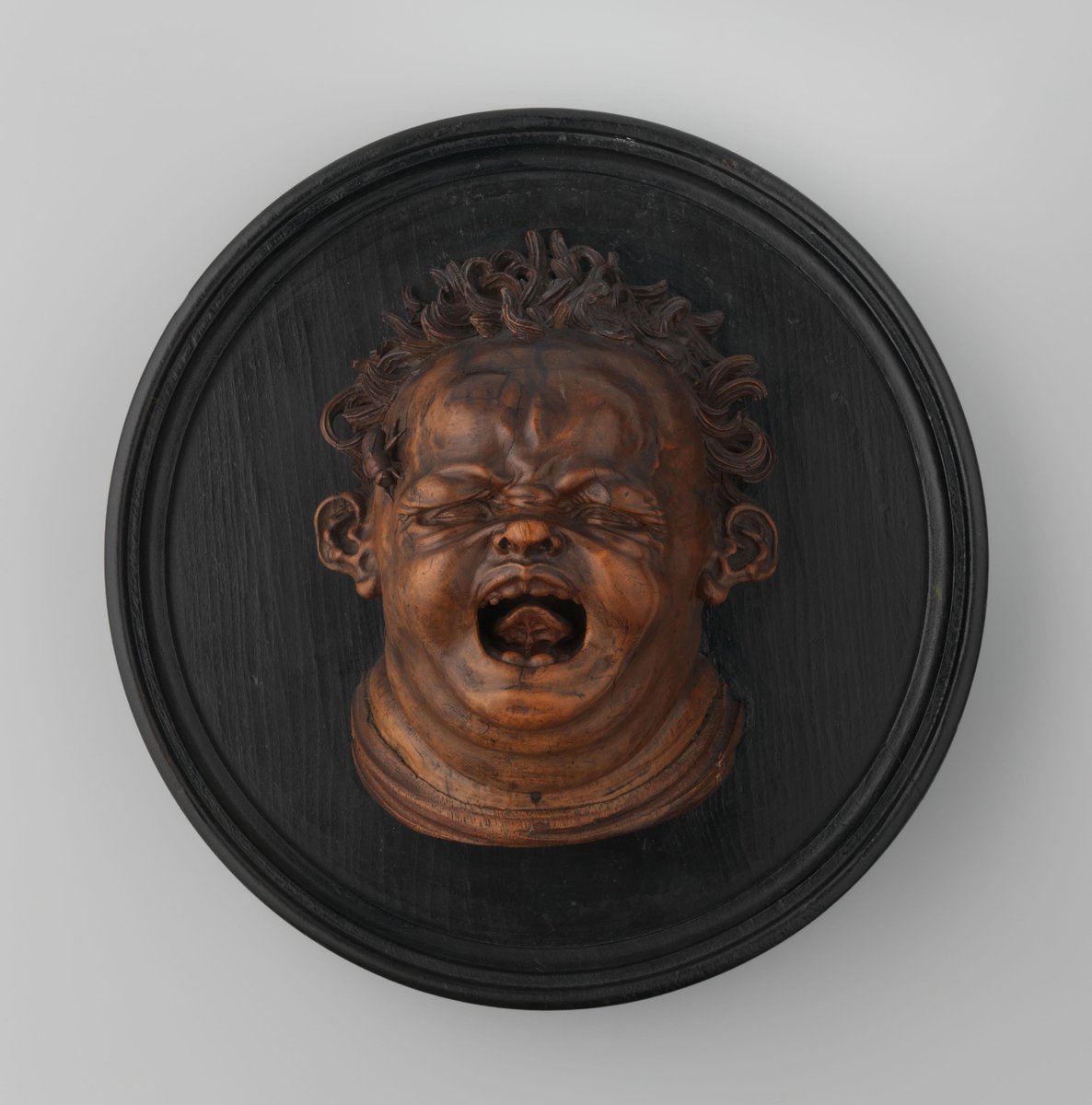
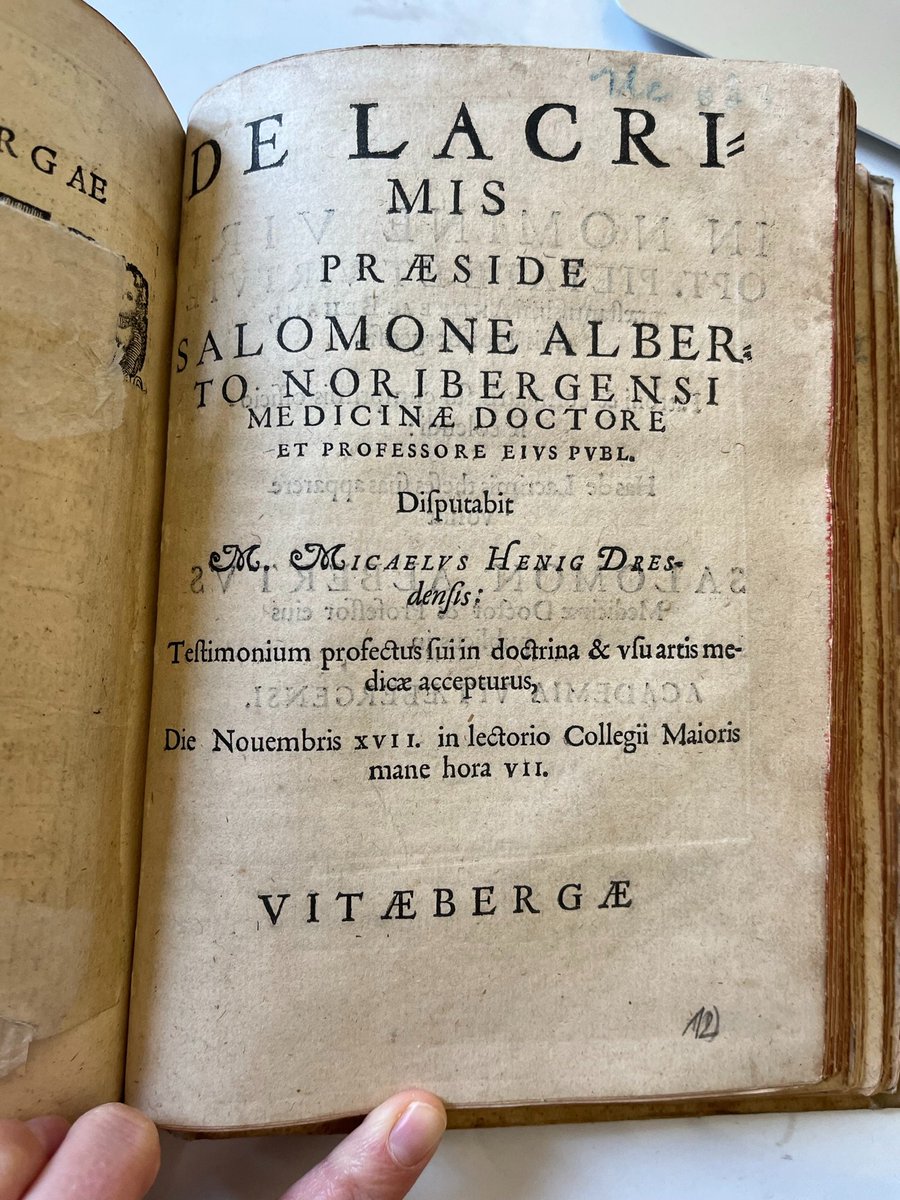
“Boys cannot cry”? A Renaissance physician disagreed. In De lacrimis (1581), tears were framed not only as emotional excess, but as a necessary regulator shaped by culture, character, and the body. Early modern medicine was more nuanced than we think.
2
29
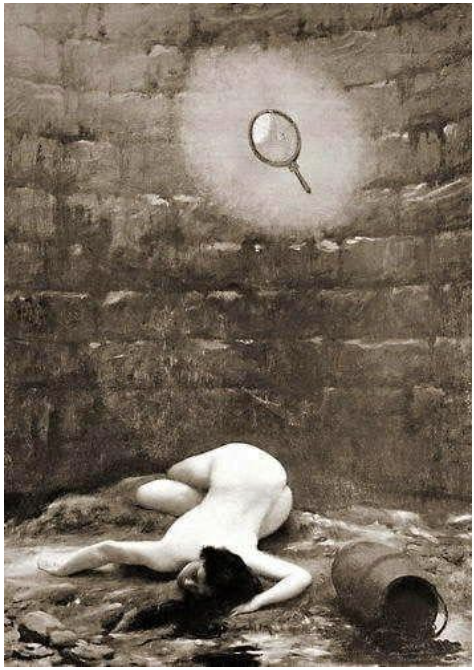
A new week, a new episode of “Truth is in a Well” (Part 2).
Why did Truth end up hidden? From Democritus to a modern parable of lies, masks, and shame.
👉 Read the full story facebook.com/ERC.KnowStudent…
20
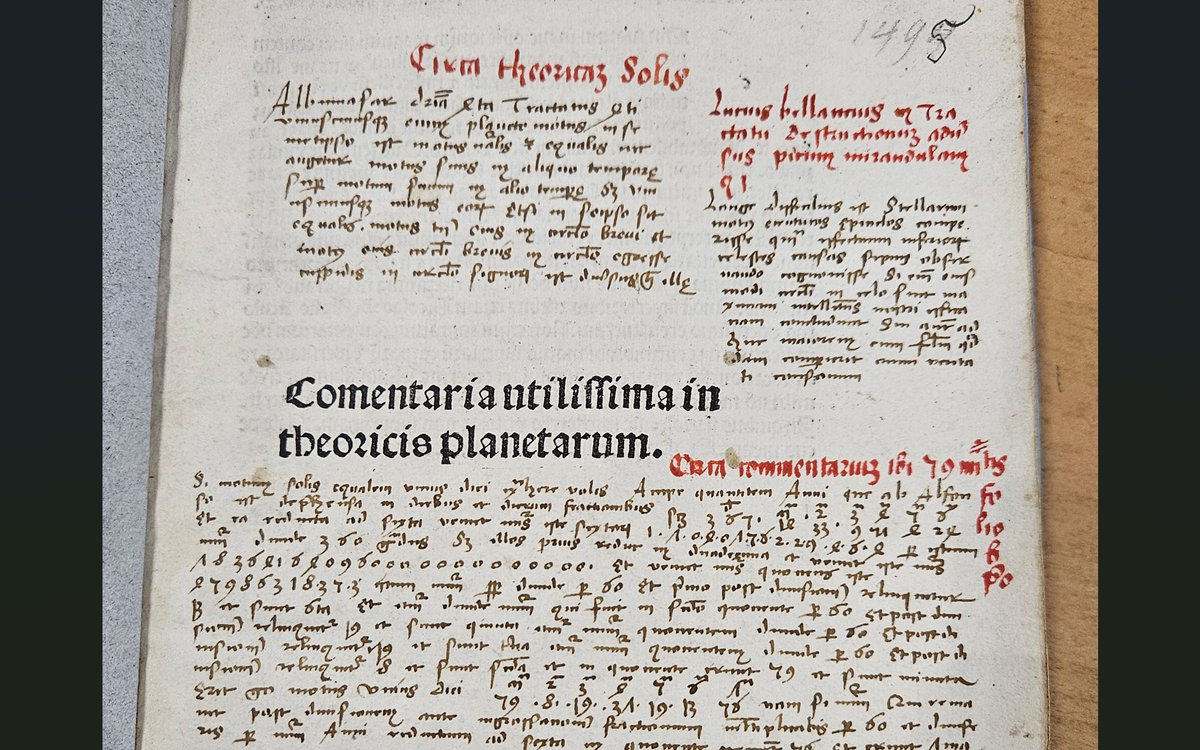
A marginal note uncovered in a copy of Albert of Brudzewo’s commentary (c. 1505) paraphrases Bellanti’s defense of astrology. It proves how rapidly ideas traveled from Italy to Kraków - a fascinating glimpse into 16th-century science.
More: facebook.com/ERC.KnowStudent…
2
34