Joined January 2022
- Tweets 27,185
- Following 694
- Followers 15,462
- Likes 32,723
7,122 Photos and videos






Pinned Tweet

13 Sep 2025
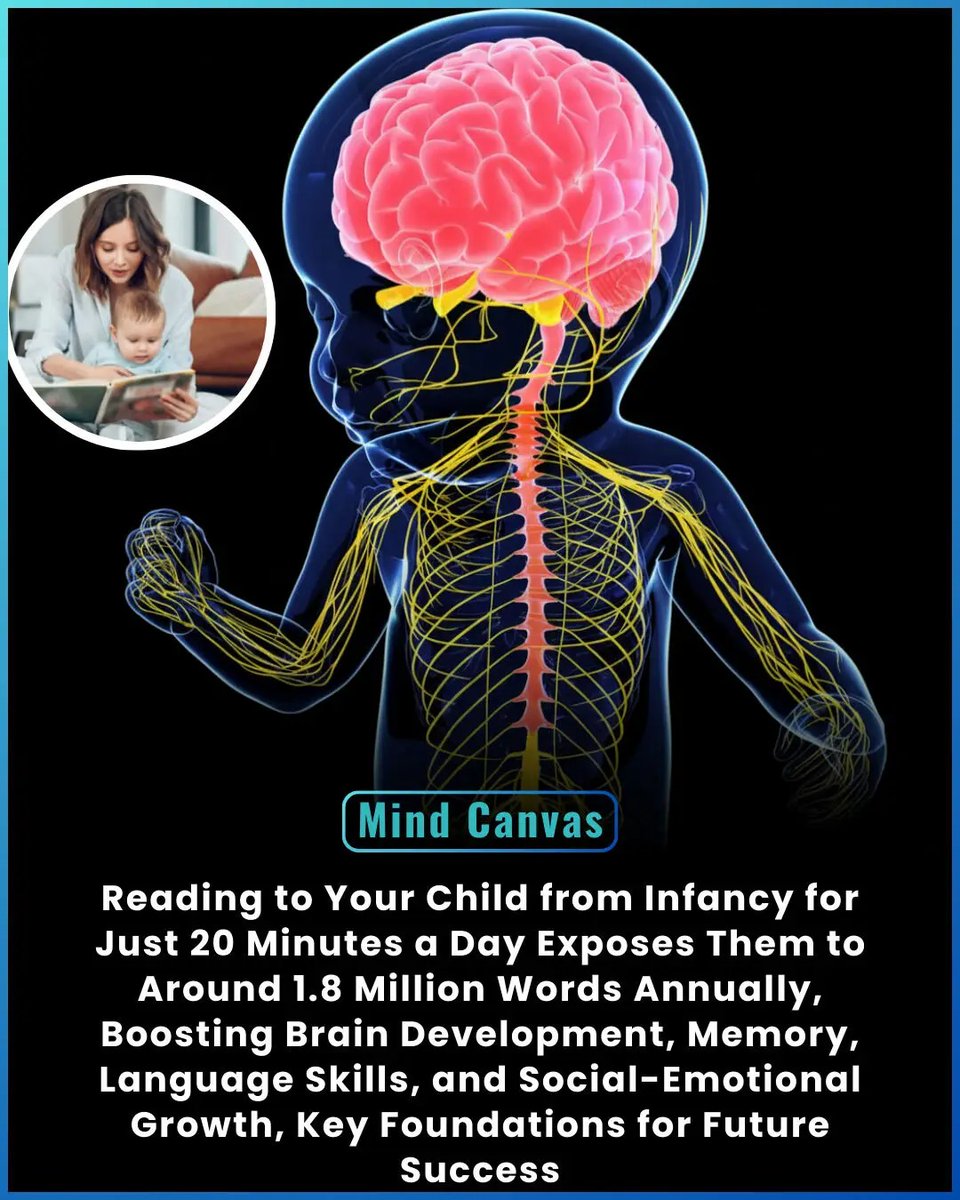
Reading to your child for just 20 minutes a day may seem like a small gesture, but it is one of the most powerful investments you can make in their future. Experts estimate that consistent daily reading from infancy exposes a child to roughly 1.8 million words each year. This enormous volume of language input has profound effects on brain development, shaping neural pathways that are essential for learning, communication, and emotional intelligence.
The early years of life are a period of rapid brain growth. During this time, synapses, connections between neurons, are forming at an extraordinary rate. Hearing new words, sentences, and stories during shared reading strengthens these connections, improving memory and language acquisition. Children exposed to frequent reading develop larger vocabularies, better comprehension skills, and a stronger foundation for later literacy.
Beyond language, reading also nurtures social-emotional development. When a parent or caregiver reads aloud, children learn to interpret tone, understand emotions, and engage with complex characters and situations. This helps them develop empathy, problem-solving skills, and the ability to navigate social interactions. Shared reading creates a bond between adult and child, fostering feelings of safety, trust, and curiosity-key ingredients for lifelong learning and well-being.
2
20
2,396
14 Sep 2025
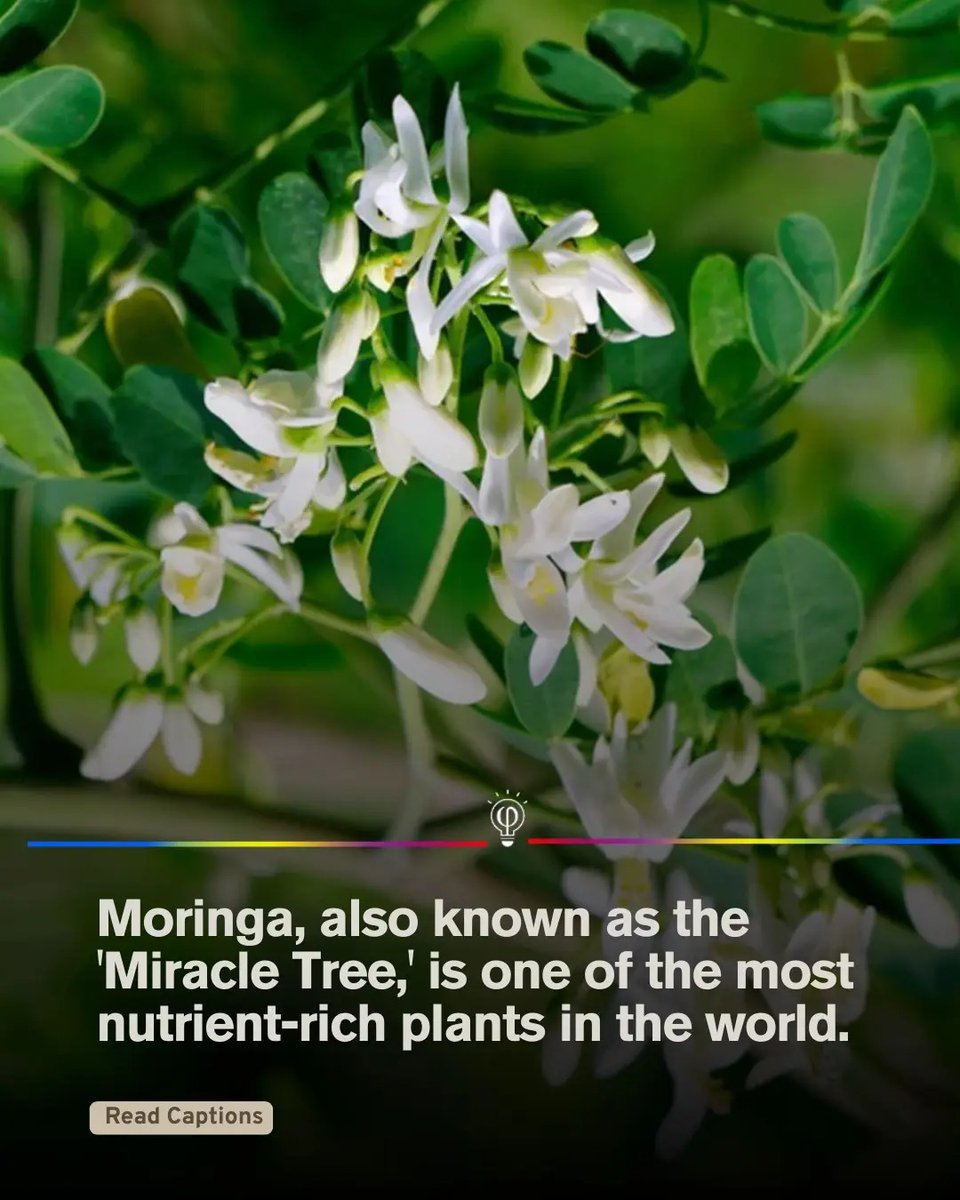
Moringa, known as the 'Miracle Tree,' is packed with nutrients that make it one of the healthiest plants on Earth. Its leaves are rich in vitamins, minerals, and protein, helping boost energy, strengthen bones, and support immunity. For centuries, people have used it as both food and medicine.
16
1,079
7 Sep 2025
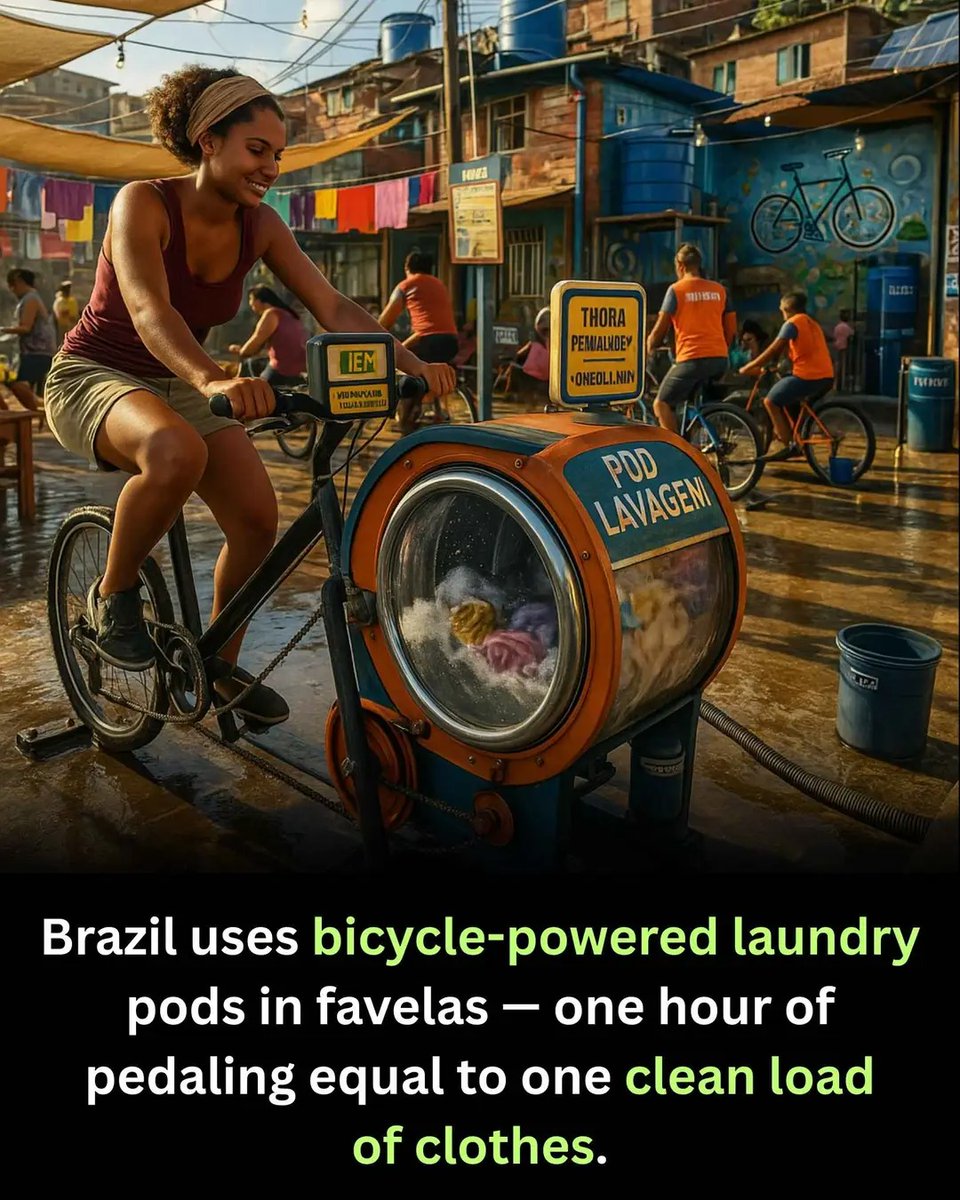
In Brazil's favelas, where access to reliable electricity and washing machines can be limited, an ingenious solution is helping families keep clothes clean - bicycle-powered laundry pods. These compact, human-powered machines use pedal energy to wash an entire load of laundry, making them both eco-friendly and accessible. Just one hour of pedaling generates enough motion to clean a full load, no electricity required.
The pods are built with a simple design: a stationary bike frame connected to a sealed drum filled with water, detergent, and clothes. As the rider pedals, the drum spins vigorously, agitating the laundry much like a traditional washing machine. A secondary cycle allows for rinsing and even partial drying through centrifugal force. It's exercise, sustainability, and practicality rolled into one.
For residents in underserved communities, these machines are more than a novelty - they save money, reduce reliance on costly utilities, and provide a cleaner, healthier way to manage daily life. They also cut water waste compared to hand-washing, since the pods are engineered to use minimal water per load. Some local initiatives even organize shared laundry stations, where neighbors can take turns pedaling and washing for their households.
2
2
10
863
7 Sep 2025
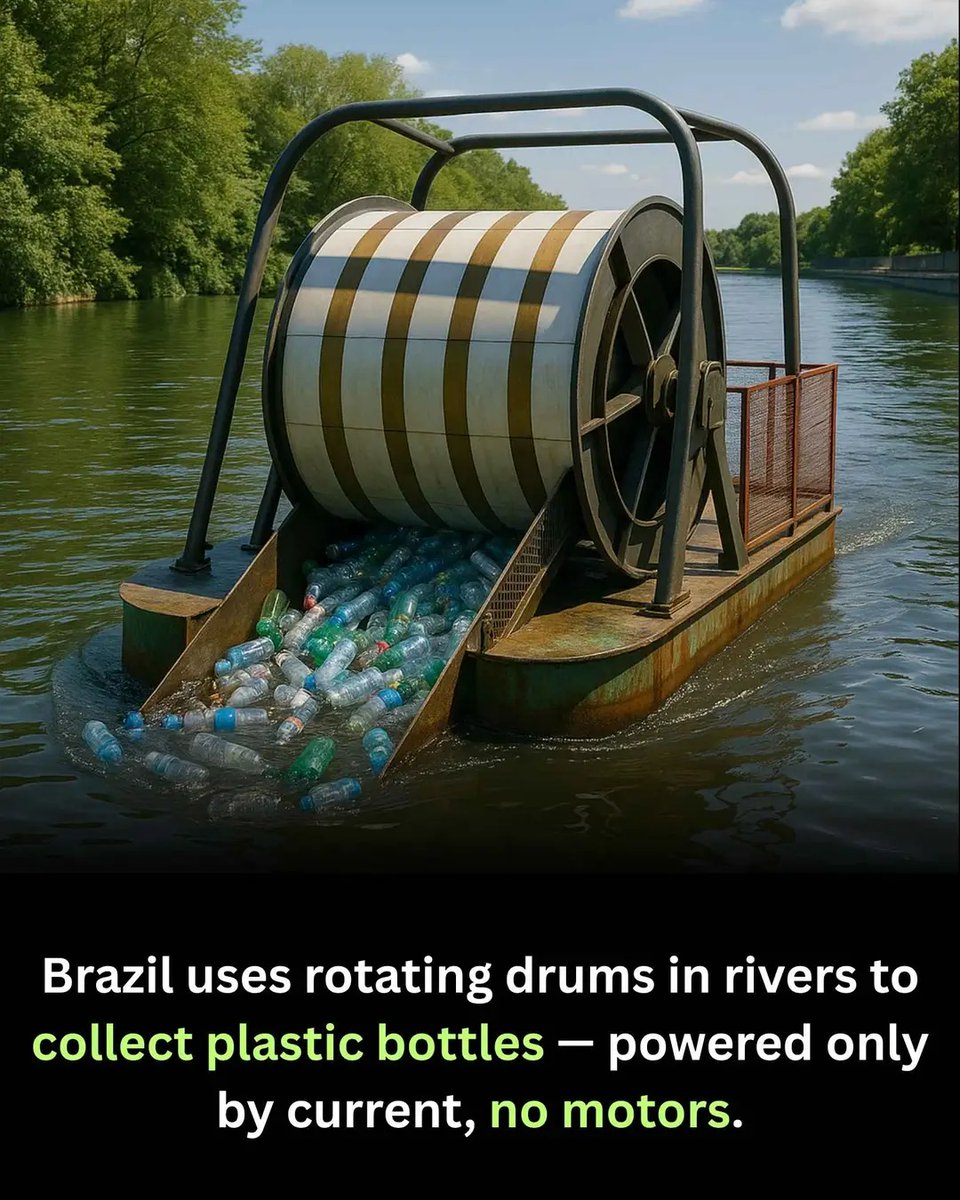
In Brazil, a simple yet powerful invention is helping clean up rivers - rotating drums placed directly in the water to collect plastic bottles and floating waste, all powered by the natural flow of the current. These eco-friendly devices, known as "trash wheels" or current-powered collectors, require no motors, no fuel, and no electricity - just the steady movement of water to keep them spinning and sweeping.
The system works like a gentle river treadmill. As the current turns the drum's paddles, a conveyor mechanism lifts plastic bottles, bags, and debris from the surface and guides them into an attached bin or storage net. The entire process is mechanical and self-sustaining, operating 24/7 as long as the river flows. It captures thousands of plastic items before they can drift downstream into larger waterways or the ocean.
These devices are especially effective in urban rivers and polluted drainage canals where plastic waste accumulates quickly. Made from durable, corrosion-resistant materials, the drums are easy to maintain and designed to withstand varying flow speeds and water levels.
By harnessing the river's own energy to clean itself, Brazil's rotating drums offer a low-cost, low-tech solution to a massive environmental problem. They protect marine life, reduce pollution, and raise public awareness without a drop of fuel. all
3
10
950
7 Sep 2025
The World's Superpowers in the coming generations:
1. China 🇨🇳
2. Israel 🇮🇱
3. USA 🇺🇸
4. Russia 🇷🇺
5. Kenya 🇰🇪
6. Finland 🇫🇮
7. Rwanda 🇷🇼
8. Ethiopia 🇪🇹
9. Indonesia 🇮🇩
10. Eurozone
11. South Africa 🇿🇦
12. Canada 🇨🇦
13. Singapore 🇸🇬
14. United Kingdom 🏴
15. Sudan 🇸🇩
16. India 🇮🇳
17. Australia 🇦🇺
18. Switzerland 🇨🇭
19. UAE 🇦🇪
20. Mexico
Based on adaptive abilities, the influence of youth in modern politics, and other factors beyond Eurocentrism.
1
7
1,496
7 Sep 2025
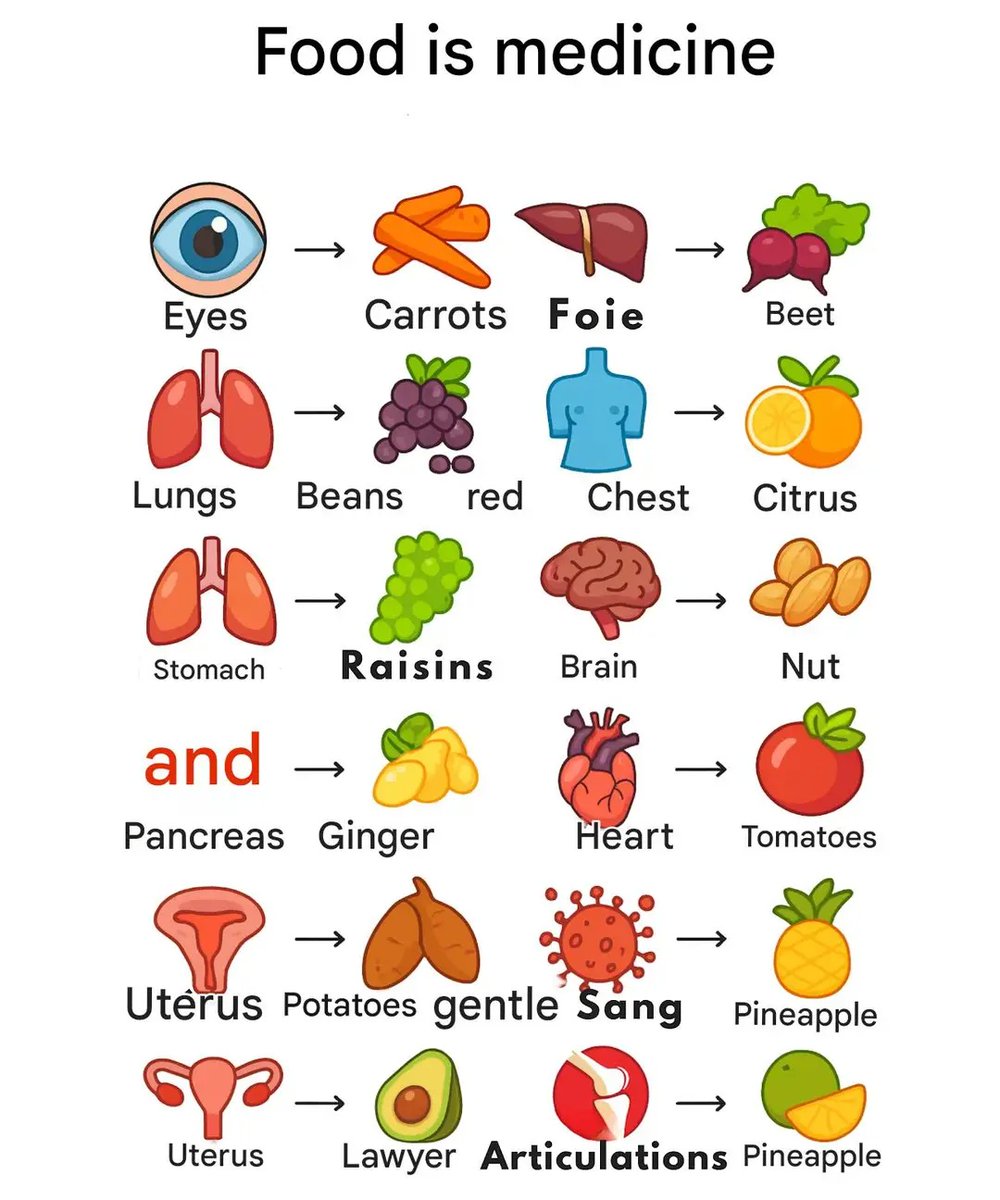
Food as Medicine: 12 Foods and Their Benefits
Eating well is more than just fueling the body-each food you consume can have a positive impact on your health. Here are 12 foods and their benefits:
1 Carrots carotene. Protect your vision with beta-
2 Red Beans are rich in fiber. Support kidney health and
3 Grapes antioxidants. Great for the lungs, packed with
4 Ginger aids digestion. Stimulates the stomach and
5 Sweet Potato Balances the pancreas with its complex sugars.
6 Avocado healthy fats. Supports uterine health with
7 Beetroot in iron. Detoxifies the liver and is high
8 Citrus Fruits chest with vitamin C. Strengthen the lungs and
9 Nuts 3s. Boost brain function with omega-
10 Tomatoes Protect the heart and are rich in lycopene.
Promotes blood 11 Pomegranate health with powerful antioxidants.
Eases joint discomfort 12 Pineapple with bromelain.
10
538
7 Sep 2025
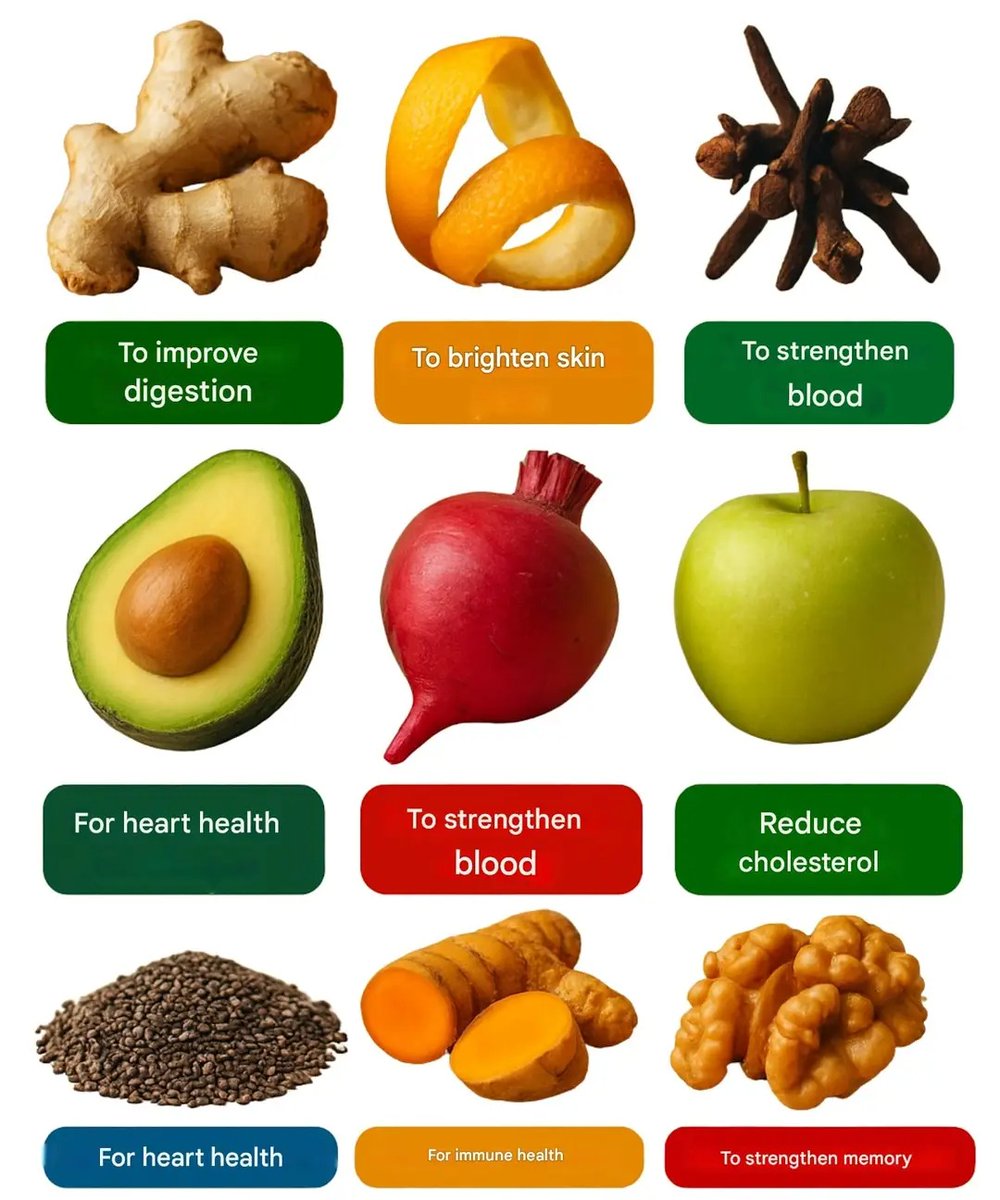
1. Fresh ginger ← to support digestion
2. Orange peel ← to brighten the skin
3. Clove to relieve tooth pain ←
4. Avocado ← to boost collagen production
5. Beetroot ← to strengthen the blood
6. Green apple ← to help lower cholesterol
7. Chia seeds ← to promote heart health
8. Fresh turmeric ← to support immunity
9. Walnuts ← to enhance memory
6
597
6 Sep 2025
🇨🇦Canada is known for Maple Syrup 🥞
🇰🇪Kenya is known for Black Tea ☕
🇨🇭Switzerland is known for Chocolate 🍫
But what is India🇮🇳 known for?
5
5
722
2 Sep 2025
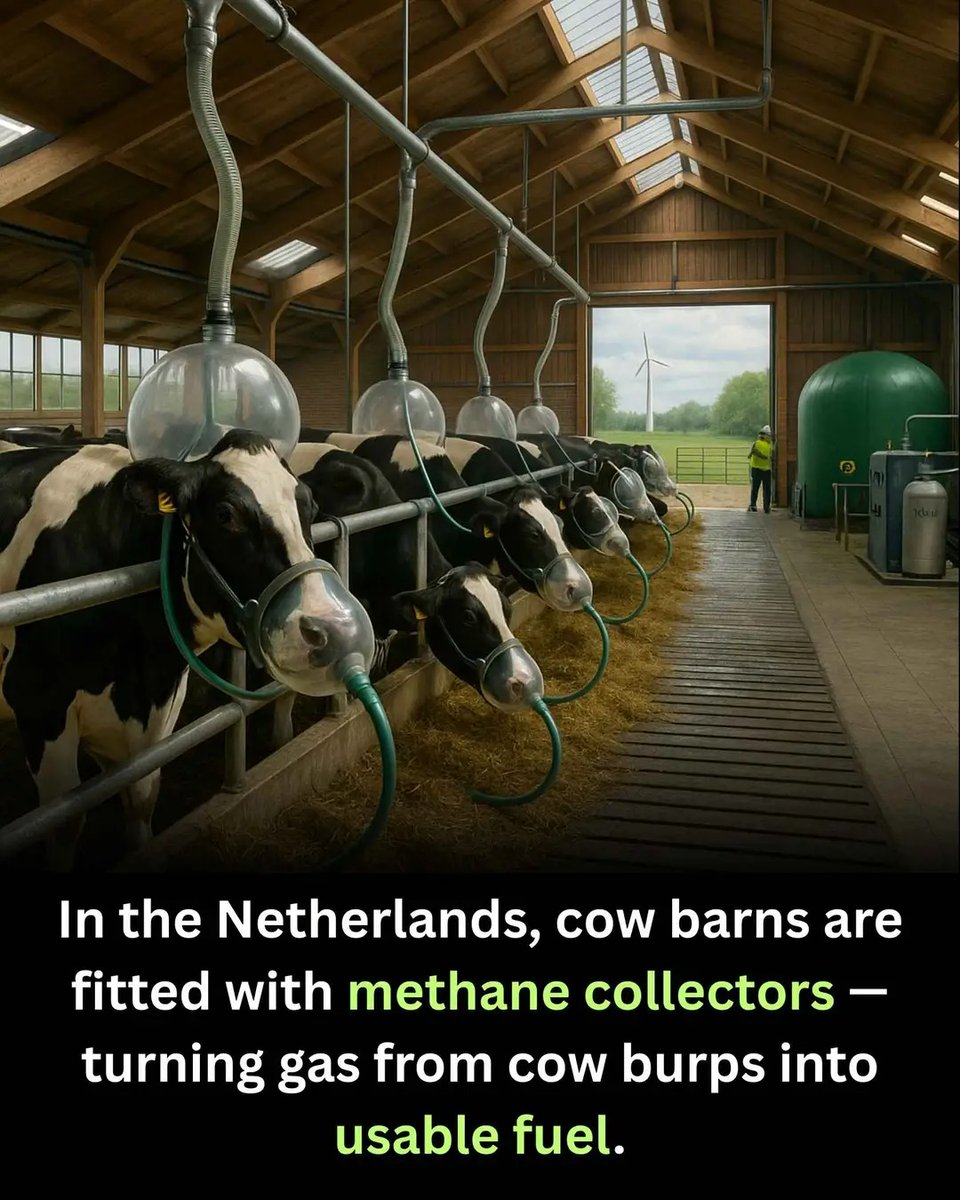
In the Netherlands, farms are becoming unlikely energy producers - thanks to cow burps. Dutch engineers have started fitting cow barns with methane collectors that capture gas directly from the air inside. The goal? To trap methane released during digestion and turn it into usable biofuel, transforming one of agriculture's biggest climate problems into a clean energy solution.
Cows naturally release large amounts of methane, mostly through belching. Methane is a potent greenhouse gas, over 25 times more powerful than carbon dioxide in trapping heat. Instead of letting it drift into the atmosphere, these barns use special ventilation systems and canopy-style collectors above feeding areas to trap the methane-rich air.
Once collected, the gas is purified and processed into biomethane a renewable fuel that can power farm equipment, generate electricity, or even feed into the local energy grid. Some farms use it to run tractors or heat their own operations, creating a sustainable loop where cows help power the very land they graze on.
8
489
2 Sep 2025
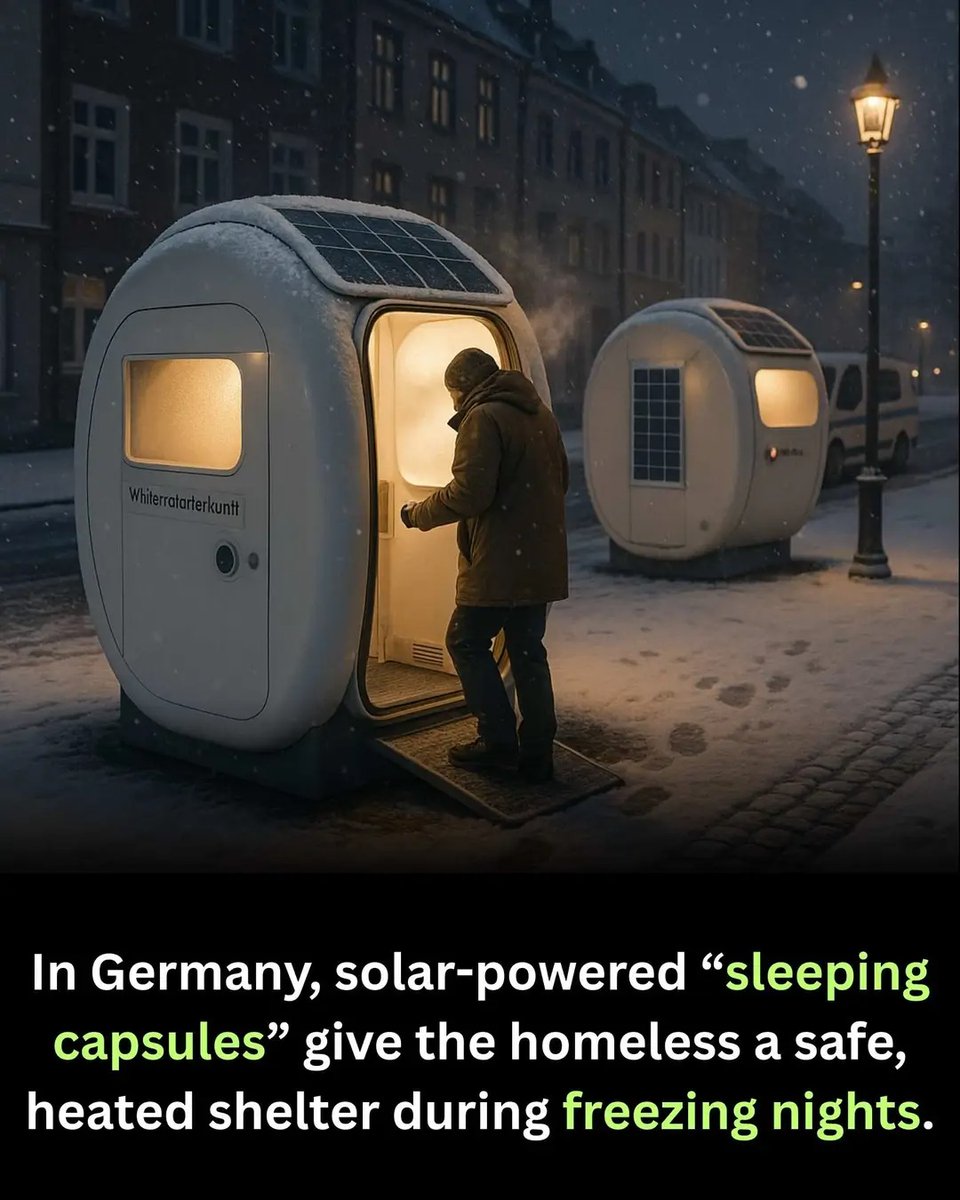
In Germany, a unique and compassionate innovation is offering warmth and dignity to those most in need - solar-powered sleeping capsules designed specifically for the homeless. These futuristic pods, often placed in parks or near public buildings, provide a heated, weatherproof shelter during freezing nights, when exposure can be life-threatening.
Made from durable, insulated materials, the capsules are equipped with solar panels that power internal heating, lights, and ventilation systems. Each unit is big enough for one or two people to lie down comfortably, with enough room to store personal belongings. Doors can be locked from the inside for safety, and motion sensors notify local outreach teams when a capsule is occupied - not to invade privacy, but to offer medical help or food if needed.
Unlike traditional shelters, these pods are open 24/7 and don't require paperwork or waiting lists. They offer privacy, security, and immediate relief from the cold. Many are designed to be waterproof, windproof, and easy to clean, making them a practical solution for cities dealing with rising homelessness and harsh winter conditions.
2
15
614
1 Sep 2025
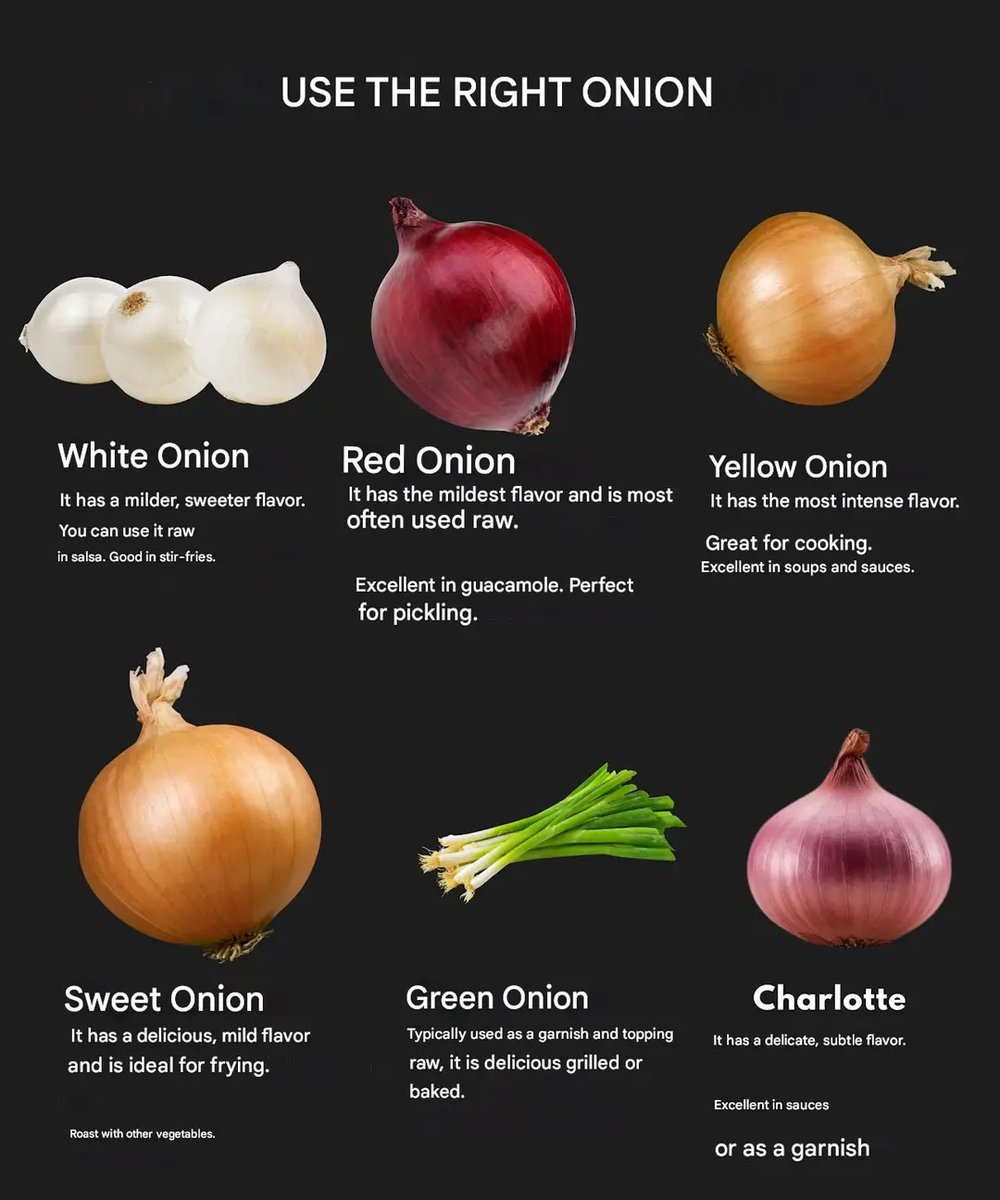
1 White Onion
With a mild, slightly sweet flavor, it's perfect for using raw in salsas or quick sautés.
2 Red Onion
Its mild taste makes it ideal for guacamole, pickling, and adding vibrant color to salads.
3 Yellow Onion
Known for its richer, deeper flavor, it's great for cooking, especially in soups, sauces, and roasts.
4 Sweet Onion
With its naturally sweet taste, it's excellent for frying or roasting alongside other vegetables.
5 Green Onions
Fresh and crunchy, they make a great garnish for raw dishes and are also delicious when grilled or roasted.
6 Shallots
With a delicate flavor, they're perfect for sauces, dressings, and as an elegant garnish for various dishes.
1
13
691
1 Sep 2025
China discovered 300,000 tons of thorium, enough to provide clean energy for millennia. That figure aligns with older official estimates of the country's thorium reserves.
However, newer geological assessments-especially around the Bayan Obo mining site-suggest the total thorium could be around 1 million tonnes, which would dramatically exceed the 300,000-ton number and still holds the potential to meet energy needs for thousands of years.
In short, 300,000 tonnes is a valid reported figure, but emerging studies indicate even greater reserves could fundamentally reshape China's long-term clean energy strategy

4
20
2,181
1 Sep 2025
In a groundbreaking step toward sustainable hydration, scientists in Switzerland have developed edible water bubbles made from seaweed extract - offering a deliciously clever alternative to plastic bottles. These biodegradable orbs are filled with clean drinking water and can be popped straight into your mouth, leaving no packaging waste behind. Once swallowed, there's nothing left to throw away not even a cap.
These seaweed-based bubbles, often the size of a cherry tomato, are made using a natural membrane that keeps the water sealed inside. They're tasteless, vegan, and completely safe to consume. In mass events like marathons, concerts, and outdoor festivals, where plastic bottles pile up by the millions, these bubbles are being tested as a futuristic solution to the plastic crisis.
The innovation doesn't just stop at hydration. The same technique can be used to encapsulate energy drinks, fruit juices, or even liquid medicines - opening the door to a whole new era of waste-free, portable consumption. They're lightweight, easy to transport, and break down naturally if discarded, causing zero harm to the environment.

12
586
1 Sep 2025
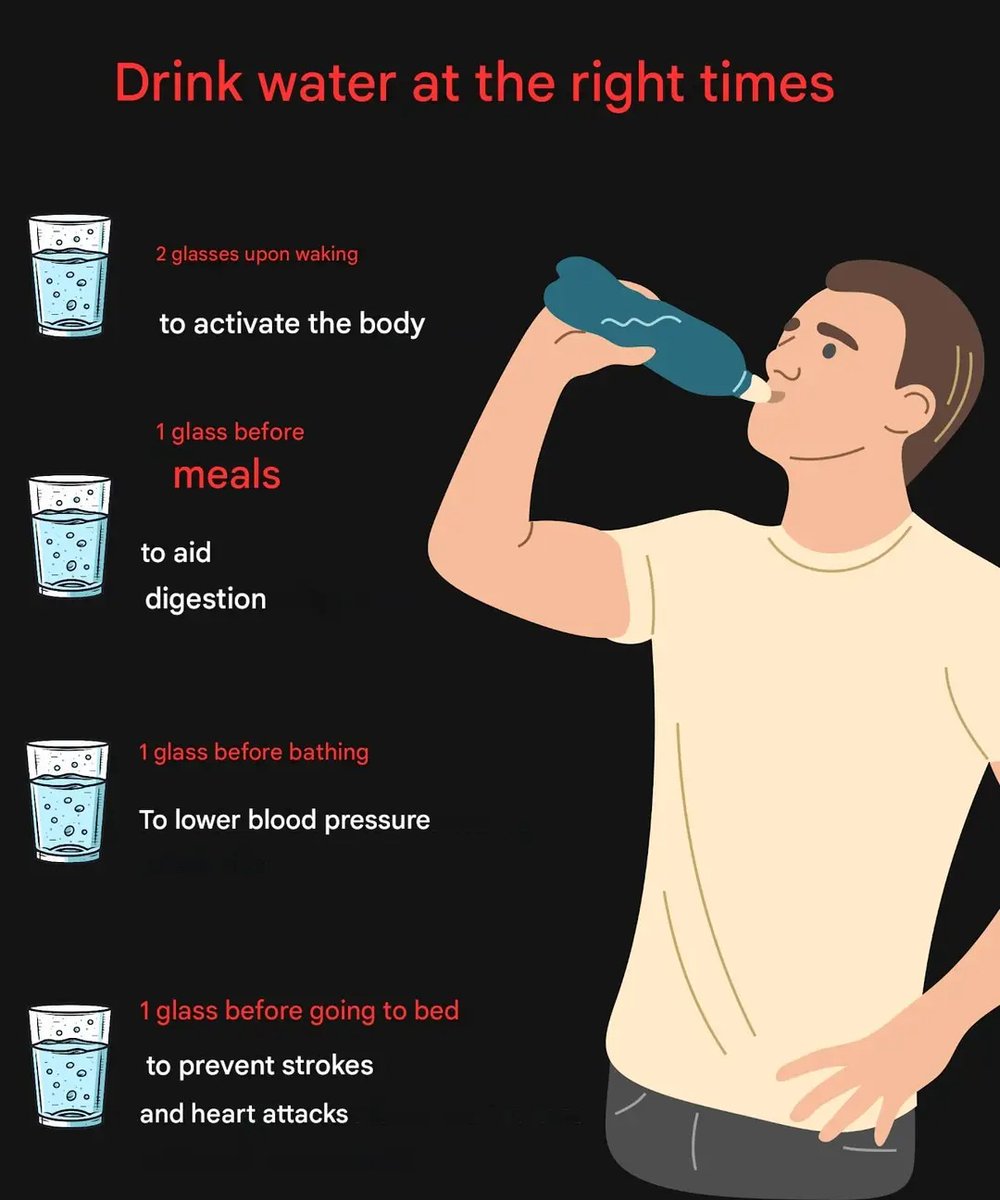
Drink water at the right times
2 glasses right after waking up → kickstart your body
1 glass before meals ← aids digestion
1 glass before a shower ← helps regulate
blood pressure
1 glass before bed stroke and heart attack ← reduces the risk of
Staying hydrated is more than just a habit; it's a vital step for your health!
7
500
1 Sep 2025
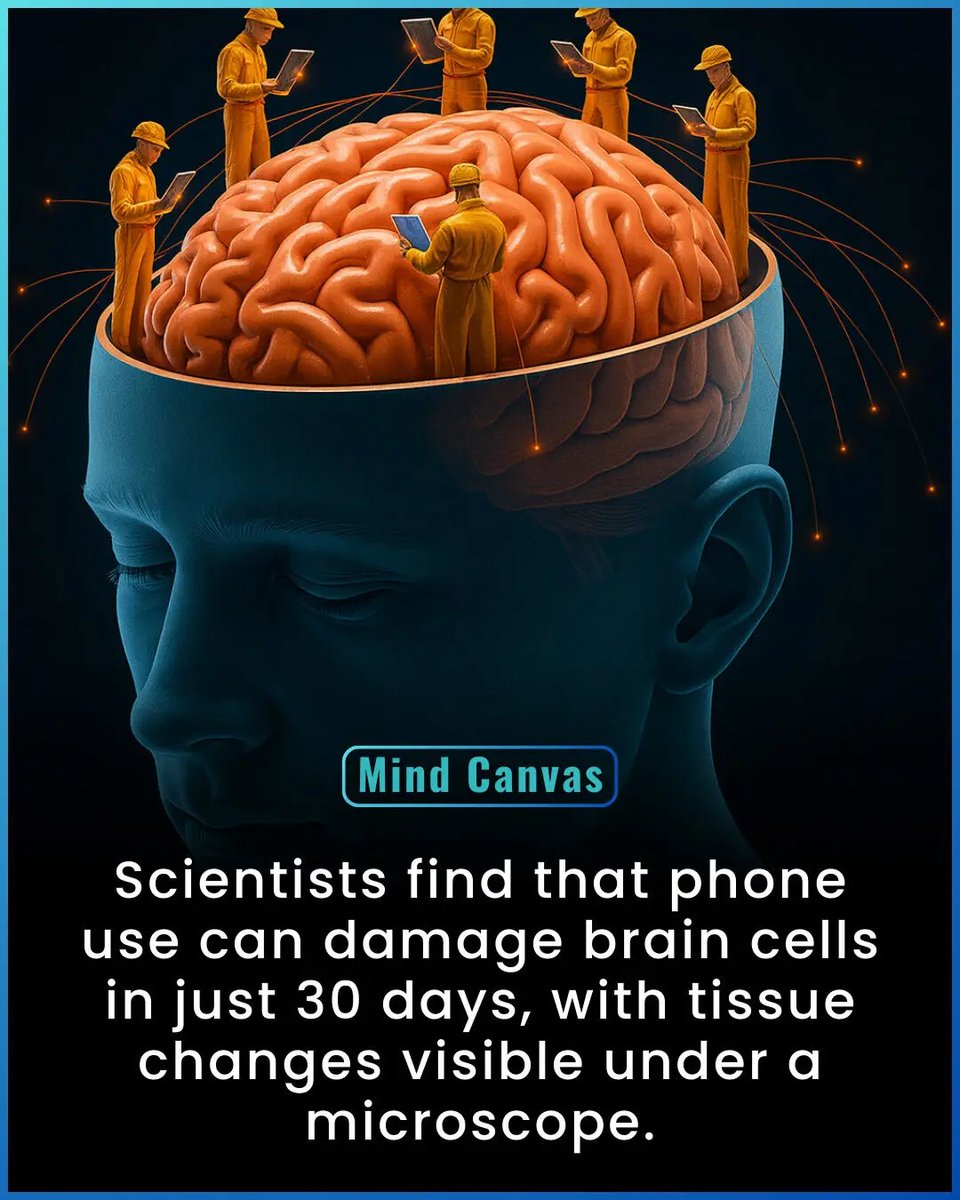
Smartphones have become an indispensable part of modern life, but recent studies suggest they may have unexpected effects on the brain. Scientists have discovered that excessive smartphone use can lead to measurable brain tissue changes in as little as 30 days. Under the microscope, these changes resemble subtle damage to brain cells, highlighting the need to understand how digital habits affect our neural health.
The research indicates that prolonged exposure to smartphone screens, especially for hours at a time, can increase oxidative stress in brain cells. Oxidative stress occurs when harmful molecules overwhelm the brain's natural protective mechanisms, potentially causing cell damage or death. In addition, the constant stimulation from notifications, scrolling, and multitasking may overwork certain neural circuits, contributing to cognitive fatigue and reduced memory performance.
Beyond the cellular level, heavy smartphone use is linked to behavioural changes that affect mental health. Studies have observed increased anxiety, disrupted sleep, and difficulty focusing among individuals who spend excessive time on their devices. Blue light emitted by screens can interfere with melatonin production, making it harder to fall asleep and reducing the restorative quality of sleep. Poor sleep further impacts brain health, impairing learning, memory, and emotional regulation.
9
428
31 Aug 2025
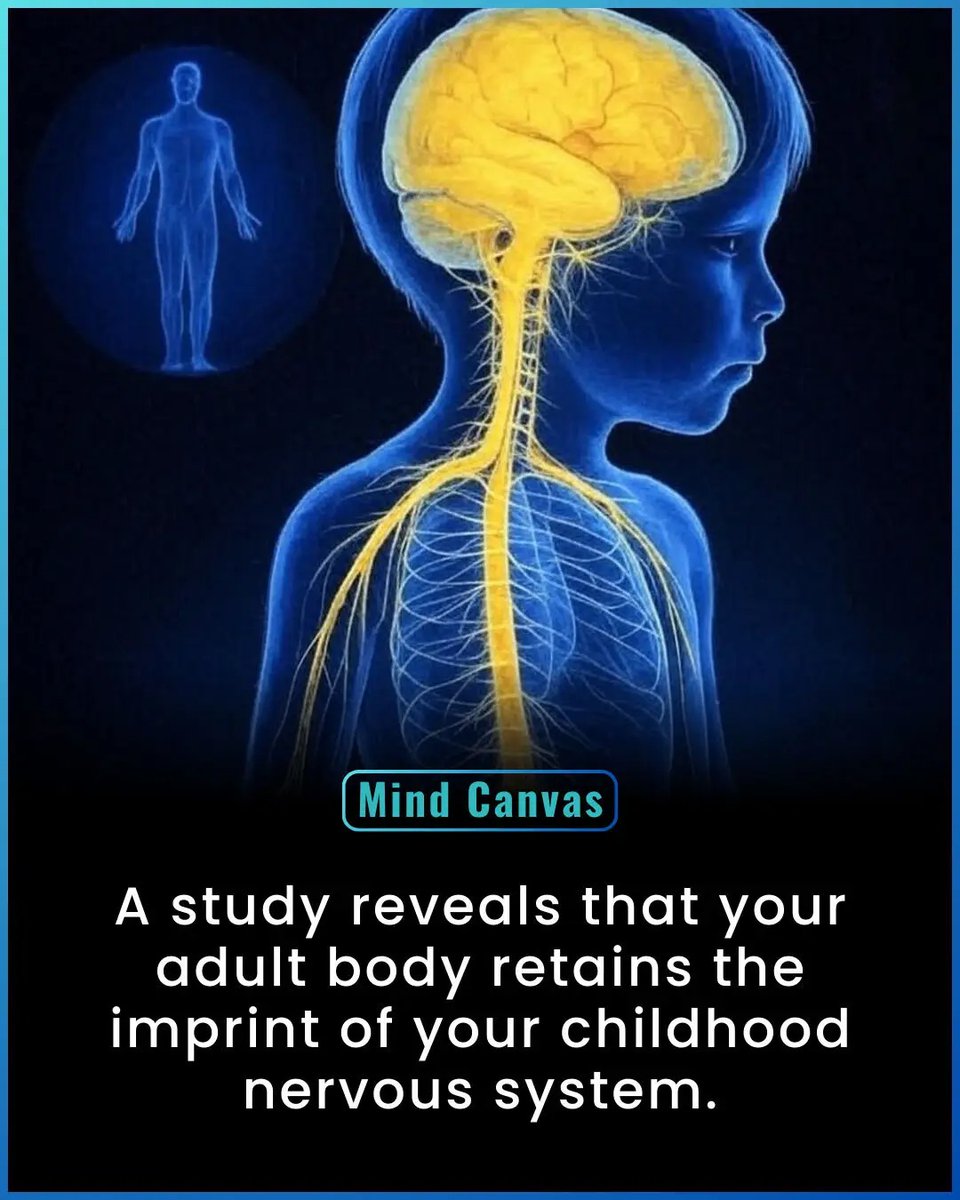
Recent research has revealed that our adult bodies carry a hidden record of our childhood experiences, particularly through the nervous system. This groundbreaking insight demonstrates that early life events, from nurturing moments to stress or trauma, leave lasting imprints that shape how our bodies and minds function throughout life.
The nervous system, which includes the brain, spinal cord, and peripheral nerves, is highly sensitive during childhood. Experiences in these formative years influence the development of neural circuits, stress responses, and even physical health. Positive early experiences, such as consistent care and emotional support, can strengthen neural pathways that support resilience, emotional regulation, and social connection. Conversely, chronic stress, neglect, or trauma in childhood can leave the nervous system in a heightened state of alert, affecting both mental and physical health in adulthood.
Scientists have observed that these early imprints are not just psychological-they manifest in the body. Adults who experienced high stress in childhood may have altered immune responses, increased sensitivity to stress, and even changes in posture, muscle tension, and pain perception. This phenomenon explains why some patterns, like anxiety, chronic tension, or emotional reactivity, persist even when the original circumstances no longer exist.
1
8
417
31 Aug 2025
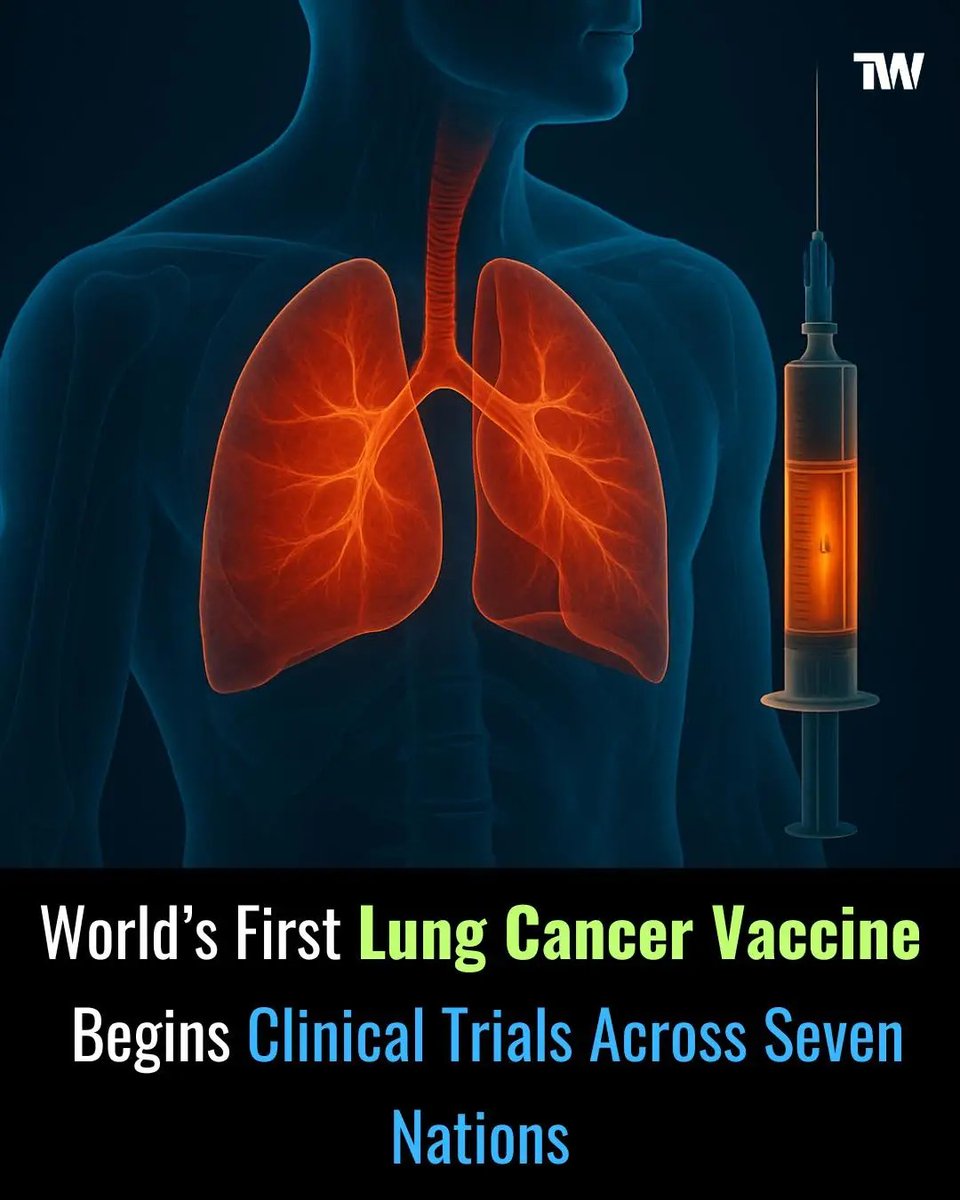
The world's first therapeutic lung cancer vaccine, CIMAvax-EGF, is now entering phase II and III clinical trials in 7 countries-including the U.S., Cuba, Japan, Serbia, Colombia, Paraguay, and several European nations!
What Makes It Special?
Unlike traditional vaccines, CIMAvax doesn't prevent cancer-it treats it.
By blocking Epidermal Growth Factor (EGF), a key protein that fuels tumor growth in non-small cell lung cancer (NSCLC), this vaccine trains the immune system to starve cancer cells of their lifeline.
Born in Cuba, this revolutionary treatment has been in use there since 2011, already helping late-stage patients live longer.
Now, global trials aim to test its power in earlier-stage cancers and other EGF-related tumors.
In the U.S., the vaccine is being tested in collaboration with Roswell Park Comprehensive Cancer Center after research restrictions were eased.
With lung cancer still the #1 cause of cancer deaths worldwide, this innovation could transform cancer care, especially in low-resource regions.
2
2
6
451
31 Aug 2025
For decades, birth control has largely been seen as a responsibility shouldered by women, but science is now shifting the balance. Researchers have developed a temporary male birth control shot that could last up to two years, offering a reversible, long-term solution for men seeking to manage fertility. This innovation represents a significant step forward in reproductive health and family planning.
The injectable contraceptive works by temporarily suppressing sperm production without affecting hormone levels, libido, or long-term fertility. Unlike surgical procedures such as vasectomy, this method is fully reversible, allowing men to regain normal sperm production once the effects wear off. Clinical trials have shown that the treatment is both effective and safe, with minimal side effects, making it a promising alternative to existing methods.
Male birth control shots could have a profound impact on reproductive choices and gender equality. By providing men with a reliable, long-lasting contraceptive option, couples can share the responsibility of family planning more equally. This could also reduce the burden on women, who often rely on pills, implants, or other hormonal methods that may have side effects or require daily attention.

1
6
424
31 Aug 2025
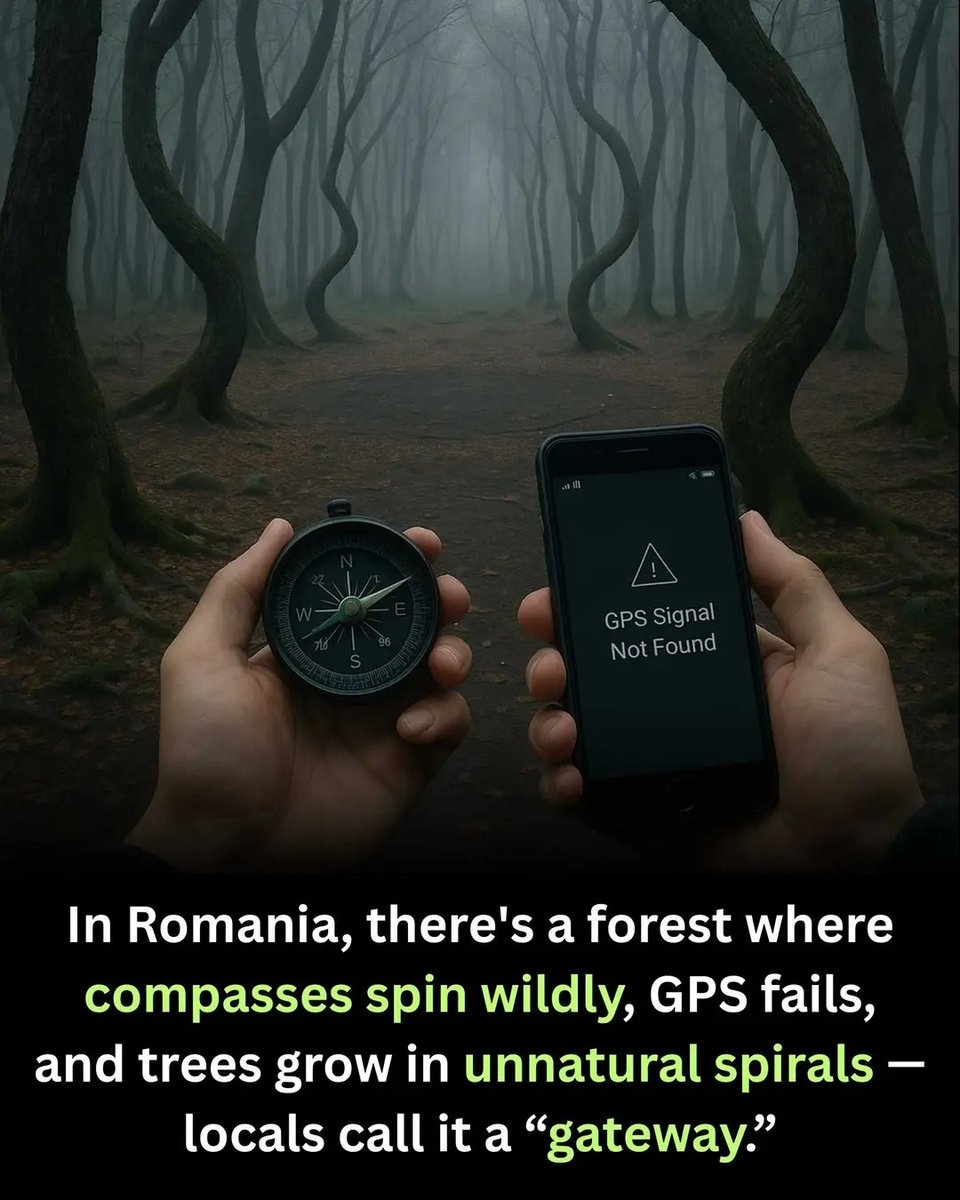
Just west of Cluj-Napoca lies Hoia Baciu, the Transylvanian forest locals nickname a gateway. Paths thread past corkscrewed trunks and a near-perfect clearing where grass thins and shrubs refuse to take hold, fueling tales of shepherds vanishing and clocks losing minutes. Hikers swap stories of compasses drifting, phones glitching, and a shiver that arrives before the wind-otherworldly enough that the place is called the Bermuda Triangle of Romania.
Plenty of earthly causes lurk behind the eeriness. Twisted trees can result from wind shear, phototropic stress, coppicing, or spiral grain formed as trunks brace against slope and snow. Patchy vegetation often traces to soil compaction, past fires, grazing, or subtle chemistry differences. Compasses "spinning" are usually momentary needle wander from nearby metal, power lines, or your own phone; GPS dropouts come from dense canopy, multipath reflections, or solar weather. Add low light, crooked horizons, and the brain's pattern-hunting habits, and the forest becomes a ready-made stage for strange impressions.
Visit at dusk and you'll see why folklore sticks: the quiet is thick, the geometry uncanny, and city glow halos the pines like stage lights. Go with curiosity, stay on marked trails, and let mystery and ecology share the same walk. In Hoia Baciu, both stories are worth hearing.
1
6
505