
Having Christ in your heart is the best way to keep the demon out of your head.
Joined November 2023
- Tweets 9,446
- Following 393
- Followers 650
- Likes 51,851
61 Photos and videos




Jun 12
x.com/libsoftiktok/status/20… Democrats kill those who get in their way. Well, they try anyway.
Jun 11

Melissa Hortman was the ONLY Democrat Rep to vote against taxpayer funded healthcare for illegals in Minnesota.
She was the deciding vote.
This was the last vote she cast before she was kiIIed.
Never forget.
1
71
Jun 8
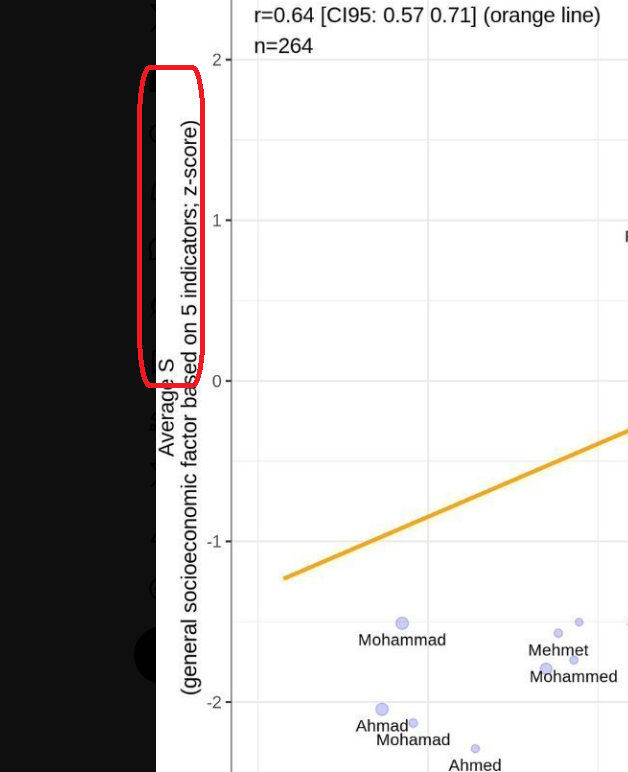
x.com/WallStreetApes/status/… This man expresses the views of Democrats perfectly.

This is the PERFECT example of why foreigners should not be allowed to run for office
Zul Mohammed just ran for Mayor of Carrollton, Texas. He’s from Pakistan
“No vet has made any sacrifice. I want to make that clear. I do not support the US military. No, I do not support the United States. I look down on both entities. I want to make that clear”
I can’t think of a better example of why only natural born citizens should be allowed to run for office
Also he is a Muslim, which further enforces the classic “I do not support the United States”
We need new election eligibility laws
97
Jun 2
x.com/MeganSuspended/status/… Killed by an electric scooter. If you think the manufacturers of anything "green" care about responsible quality standards, think harder. Like street thugs rioting or doctors putting poison in your veins, EV makers are "elites" and you are just fodder.
Jun 1

My friend’s house caught fire in the early hours, this morning.
Everyone was asleep.
Her and her 11yo managed to jump out the windows and survive.
Her husband went back into the inferno to save their 3yo little boy. He didn’t make it. Their youngest son died.
My friend’s husband has 80% burns to his body and he’s in a coma in hospital tonight. Its touch and go whether he will make it through the night.
Their two, much loved dogs, also perished in the fire.
The cause - the battery of an electric scooter caught fire.
May I ask - that those inclined - please say a prayer for this beautiful, young family tonight. This sort of loss is inconsolable 🙏
His name was Jordan and he was a superhero.

7
134
Jun 1
x.com/Patrickkerby58/status/… Not forgetting.
Jun 1

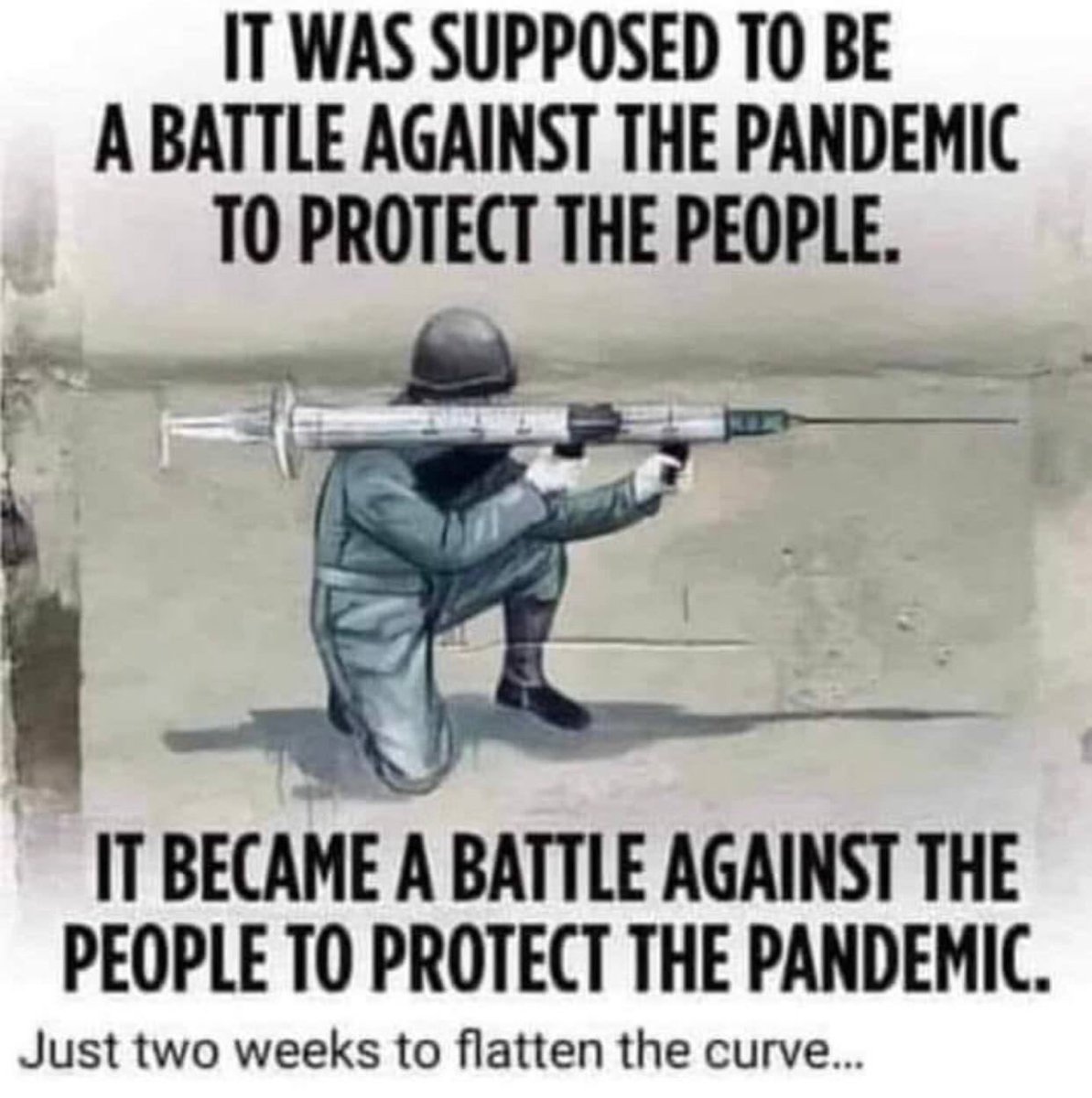
Pharma wants you sick, most doctors are cowards, and government does not know its place.
1
5
55
May 5
X is now saying that my account "may contain spam or be engaging in other types of inauthentic behaviors." Bullshit! They just don't like the fact that I called them out as being liberals. There was nothing spam or inauthentic. They KNOW that!!!!
1
65
May 3
Why is every post X put here "For you" liberal propaganda? I am clearly not liberal. 100%. But X pushes it on me anyway.
48
Apr 26
x.com/iluminatibot/status/20… The FBI was created via an Executive Order. It could be ended by one too.
Apr 24

FBI Whistleblower Garret O'Boyle: "The FBI will crush you. This government will crush you and your family if you try to expose the truth about things they are doing that are wrong."
71
Apr 23
x.com/felixprehn/status/2046… WHAT???
Apr 22

96 licensed doctors just got charged with stealing $14.6 billion from Medicare using AI-generated voice recordings of patients who never gave consent.
Not scam artists. Not some overseas fraud ring. 96 American doctors with medical degrees and active licenses.
They used artificial intelligence to generate fake voice recordings of patients "consenting" to receive medical equipment that was never manufactured, never shipped, and never delivered. Fake urinary catheters. Fake braces. Fake medical devices billed to your tax dollars at full retail price.
One single scheme. $14.6 billion. From Medicare, which is funded by the payroll taxes taken from your check every two weeks.
The equipment companies sent paperwork to Medicare showing patient consent. The consent was AI-generated audio. The patients never made a phone call. Never spoke to anyone. Never received anything.
$14.6 billion in fake invoices processed and paid before anyone noticed.
For context, NASA's entire annual budget is $25 billion. 96 doctors stole more than half of NASA's budget through fake voice recordings.
This is not new. This is the system operating as designed.
Federal prosecutors estimate that 10% of all Medicare spending is fraudulent. That's roughly $80 billion per year in taxpayer money that goes to people and companies billing for services that never happened.
The government just created a national anti-fraud task force. They're offering whistleblowers 30% rewards for exposing fraud. They estimate $250-$500 billion in total annual taxpayer fraud across all government programs.
The companies building fraud detection infrastructure are the clearest beneficiaries:
Palantir (PLTR). Already has CMS contracts for healthcare fraud analytics. The executive order guarantees expanded government spending on exactly the type of data surveillance platform they build. When the government needs to find $500 billion in fraud, it needs software to do it.
UnitedHealth (UNH). Owns Optum, which processes the data for a quarter of all US healthcare transactions. They benefit from fraud crackdowns because fraudulent providers drive up costs across the entire system. When fake claims disappear, legitimate claims become more profitable.
Veeva Systems (VEEV). Builds compliance and data tracking infrastructure for the healthcare industry. When regulatory scrutiny increases, companies spend more on compliance software.
HCA Healthcare (HCA). The largest non-PE hospital operator. Every fraudulent provider that gets shut down sends patients to legitimate facilities. HCA has returned 1,200% since 2011 and picks up market share every time the system gets cleaned up.
For broader healthcare disruption exposure: Hims & Hers (HIMS), which bypasses the insurance system entirely and just surged 25% after HHS cleared 12 new peptides for direct-to-consumer use. Amazon delivering prescriptions same-day. Cost Plus Drugs at manufacturing cost plus 15%.
The healthcare system loses $80 billion a year to fraud. That's not waste. That's theft. And the tools being built to stop it are a multi-decade investment thesis that nobody in retail is talking about.
every week i break down the institutional moves behind healthcare, fraud detection, and the money flows nobody covers on TV. former banker.
felixfriends.org/live
(96 doctors stole $14.6 billion from medicare using AI-generated fake patient consent recordings. the equipment was never made. never shipped. never delivered. billed at full price. for context thats more than half of nasa's entire budget. the government estimates $80 billion in medicare fraud per year. they just built a task force and are paying whistleblowers 30% of whatever they find. 96 doctors. AI voice recordings. $14.6 billion. nobody went to prison yet.)
59
Apr 15
x.com/SternDrewCrypto/status… It's time for legal action.
Apr 13

🚨 SHOCKING CONFESSION: Cleveland Clinic Director Breaks Down in Tears, Apologizes to ALL His Vaccinated Patients!
“I didn’t provide informed consent. Absolutely deplorable on my part and I apologize to my patients.”
This is the moment the dam breaks wide open. A former top medical director at the prestigious Cleveland Clinic is crumbling on camera, admitting the unthinkable: doctors were never giving patients the full truth about the shots.
He confesses medical schools teach zero about real vaccine contents, true safety data, or proper informed consent. No honest discussion of risks. No mention of the massive secret payouts for injuries. Just push, jab, and move on.
Neides ran the Wellness Institute and was one of the first in line to promote and administer the vaccines. Now he calls his own actions deplorable and begs forgiveness from every patient he vaccinated.
How many more doctors know the truth but stay silent out of fear? How deep does this suppression run? Big Pharma billions, captured regulators, media attacks on anyone who questioned the narrative, all while “informed consent” was treated like a joke.
This is not one man’s regret. This is a massive red pill for the millions who trusted the system and rolled up their sleeves.
The apologies are starting. The Great Awakening is here.
Share this far and wide before they bury it. Demand real answers.
What did they know and when did they know it?
83
Apr 14
x.com/JohnnyFSE/status/20430… This is a great tool!
Apr 11

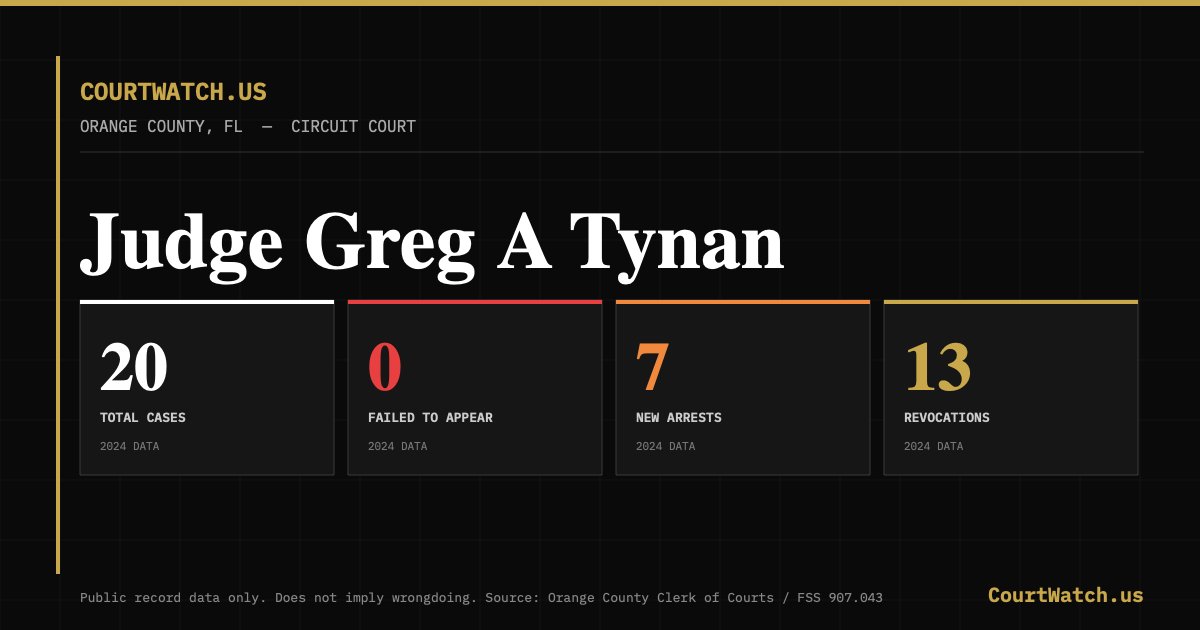
I built CourtWatch.us — a free public database for American citizens who deserve safer communities.
You can track which judges released defendants who then got rearrested, skipped court, or violated their release conditions. All public records. All free.
I started with Orange County FL and will be expanding to all 67 Florida counties and eventually every state in the country. This first batch of info is from 2024 and since public reports are released in March/April for the previous year, data is behind. But I wanted to see if this is plausible. After adding 2024,I'll add 2025 and then figure out how to get real-time-data uploaded.
It's in beta — would love to know what you think 👇
Numbers don't lie, but criminals do.
courtwatch.us
@bennyjohnson @jockowillink @GrantCardone @LauraLoomer @nickshirleyy @j_fishback
59
Apr 11
x.com/DataRepublican/status/… Thune is a traitor. He must be removed!

Hello Senator Thune,
At 3 AM on Friday, March 27th, in a near-empty chamber, you passed a bill by voice vote that excludes all funding for ICE and CBP.
Let me repeat that: voice vote. No roll call. No record of who was there. No accountability. Just you, Barrasso, and a handful of senators shuffling paper in the dead of night while America slept.
You could have demanded a recorded vote. You chose not to.
You could have held the line for five more days until the House returned. You chose not to.
You could have used the same procedural tools Democrats have used against you for 40 days. You chose not to.
Instead, you gave Chuck Schumer exactly what he asked for, DHS funding minus immigration enforcement, and called it a win. Then you walked to the cameras and blamed the Democrats.
Let's be precise about what you did:
1. You caved to a demand Democrats made on Day 1 of this shutdown. Forty-one days of supposed hardball negotiation, and you settled for their opening offer.
2. You handed them a template. The next time Democrats want to defund any agency — ICE, CBP, or anything else — they now know: just shut down DHS and wait. John Thune will fold at 3 AM.
3. You punted to reconciliation. "Good possibility," you said. Not "we will." Not "guaranteed." Just maybe. Meanwhile, ICE operates on fumes from last year's bill with no certainty of future funding.
The precedent you set:
You have argued for months that the filibuster is sacrosanct. That the 60-vote threshold protects minority rights. That we cannot bend Senate rules for policy wins.
But at 3 AM on Friday, you bent every norm that actually mattered:
• Voice vote to avoid accountability
• Empty chamber to avoid debate
• Midnight deal to avoid scrutiny
• Immediate recess to avoid questions
You'll bend the rules to avoid a fight. You just won't bend them to win one.
What you've actually accomplished:
Democrats demanded ICE restrictions. They got ICE defunded.
Not reformed. Not restrained. Defunded.
And you're out here tweeting about how Democrats are the "Defund the Police" party while you just voted to defund border enforcement at 3 in the morning.
The question you should answer:
Why did this deal have to happen at 3 AM?
Why couldn't it happen at 3 PM, with cameras rolling and every senator on record?
You know why. Because you didn't want your voters to see what surrender looks like.
Here's my message: We saw it anyway.
Stop hiding behind "Democrat obstruction." You're the Majority Leader. You set the schedule. You control the floor. You chose this outcome.
Own it.
36
Mar 31
x.com/Kiradavis/status/20387… This is disturbing. And inspiring.
Mar 30

I have a habit of stopping by airport chapels when I have the time. Most of them have closed down in the US in major airports, but DFW reopened theirs and they’re basically mosques. I had a very uncomfortable experience praying in the chapel on Palm Sunday, but I refused to leave while the Muslims were being so nasty. I refused to leave what is meant to be a temple of the Lord, especially on Palm Sunday. I had a long layover so I waited them out. One man grew frustrated after about 30 minutes and left, but not before others came in. They were clearly having conversations about me in Arabic. They weren’t being shy about letting me know they were talking about me. But I sat and prayed and read the Bible and I did not leave until the last Muslim had cleared out. It was actually a very scary experience given how isolated the chapel was, but I think we need to start staking ground.
127
Mar 27
Every post I see falls into 2 categories: 1) Look at this horrible thing Democrats support 2) "Republicans are going to lose badly in November." Talk about misplaced defeatism!
56
Mar 27
Mar 26

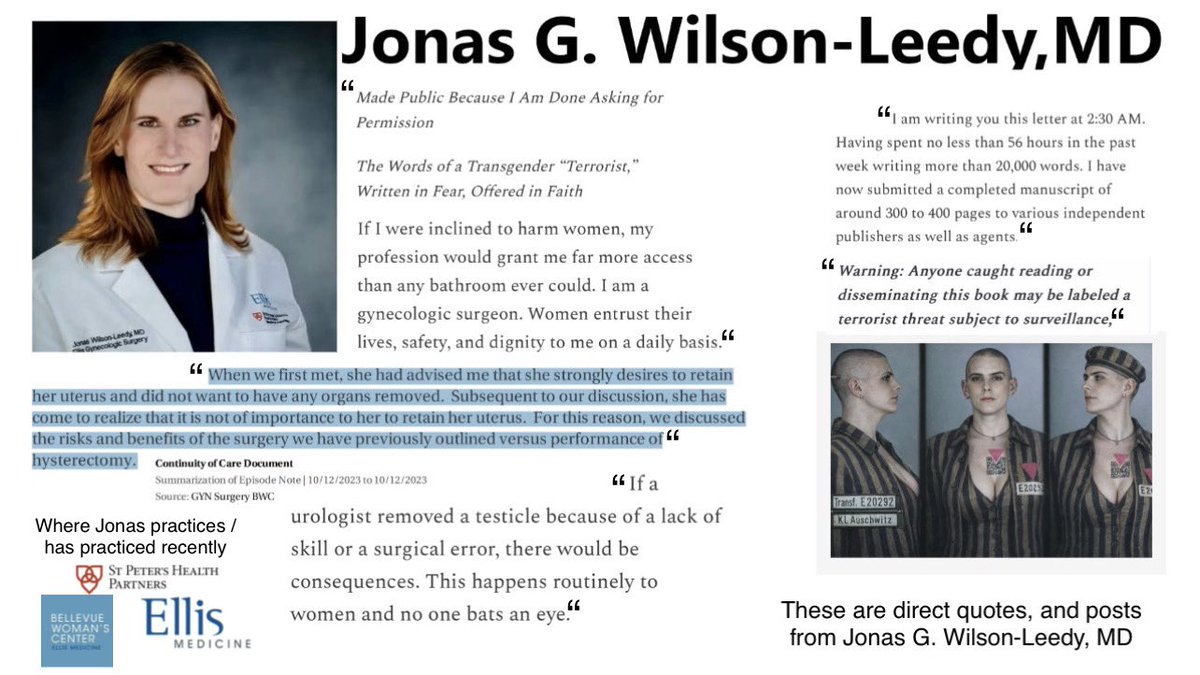
Just about 2 1/2 years ago, this doctor convinced my wife to have a total hysterectomy based off of MRI results and he said her uterus was destroyed by lesions, even drew a picture of her uterus and a bunch of lesions on it. In his notes and the pathology report it was stated her uterus was perfectly healthy, yet he still took it out. When we had the MRI re-looked at after the fact, there was no signs of the lesions he told my wife were there. We have a 19 minute long recording from the two week follow up where he admits to doing wrong, including withholding information and options. We had a law firm lined up and New York State Department of Health look like they were going be cracking down on him. However, shortly after he transitioned in the beginning of last year, New York State dropped the case. It took local politicians to get it reopened. Please help me share the story because hundreds of thousands of women have unnecessary hysterectomies every single year. It’s a multi billion dollar industry.
45
Mar 27
x.com/Lunar_Outlaw/status/20… This is "healthcare" in America now.
Mar 26
Just about 2 1/2 years ago, this doctor convinced my wife to have a total hysterectomy based off of MRI results and he said her uterus was destroyed by lesions, even drew a picture of her uterus and a bunch of lesions on it. In his notes and the pathology report it was stated her uterus was perfectly healthy, yet he still took it out. When we had the MRI re-looked at after the fact, there was no signs of the lesions he told my wife were there. We have a 19 minute long recording from the two week follow up where he admits to doing wrong, including withholding information and options. We had a law firm lined up and New York State Department of Health look like they were going be cracking down on him. However, shortly after he transitioned in the beginning of last year, New York State dropped the case. It took local politicians to get it reopened. Please help me share the story because hundreds of thousands of women have unnecessary hysterectomies every single year. It’s a multi billion dollar industry.
21
Mar 27
Man, I never saw the Repubs so enthusiastic about losing an election! We have VA and NYC out there showing America how bad Dems are, and all kinds of illegals doing violence, so you would think Reps would be looking fwd to victory. But, no, they're fired up about losing. Sigh...
1
22
Mar 27
x.com/EYakoby/status/2037395… It's almost as if it's really just about power.
Mar 27

Over a week ago, it was revealed that Zohran Mamdani’s wife is racist, homophobic, antisemitic, anti-white, and loves suicide bombers.
The New York Times has not published a single article on it.
Weird.
42