You Will Never Walk Alone
Joined June 2016
- Tweets 5,929
- Following 1,995
- Followers 2,397
- Likes 29,402
24 Photos and videos




24 Nov 2021

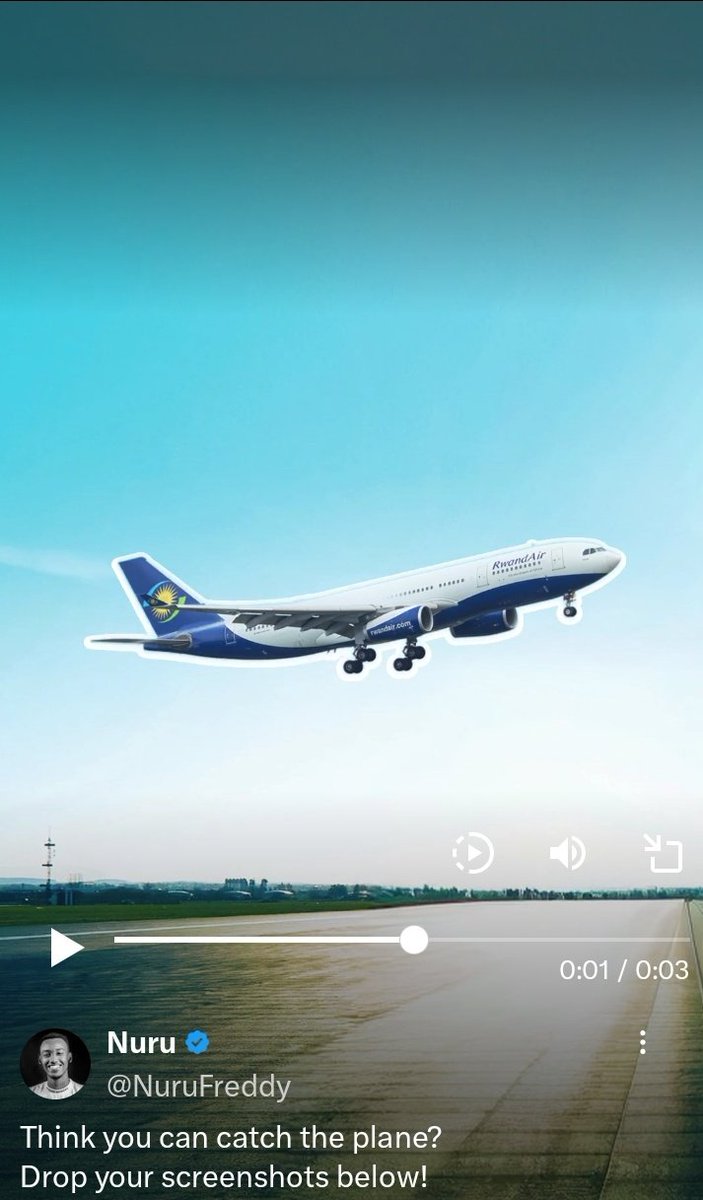
Ride to your office and back home without compromising on comfort and friendly budget.
Ride with us!
#RideBetter #Twagiye #RwOT

1
3
18
Negb retweeted

2h
7-passenger cab? Fully electric or Hybrid cab?
Why settle for one option when you can choose the ride that suits your needs?
More space. More comfort. More choices.
Call 9191 and let us know your preferred cab type, or book through the YEGO App.
#RideBetter #Twagiye

2
2
20
Negb retweeted

Jun 12
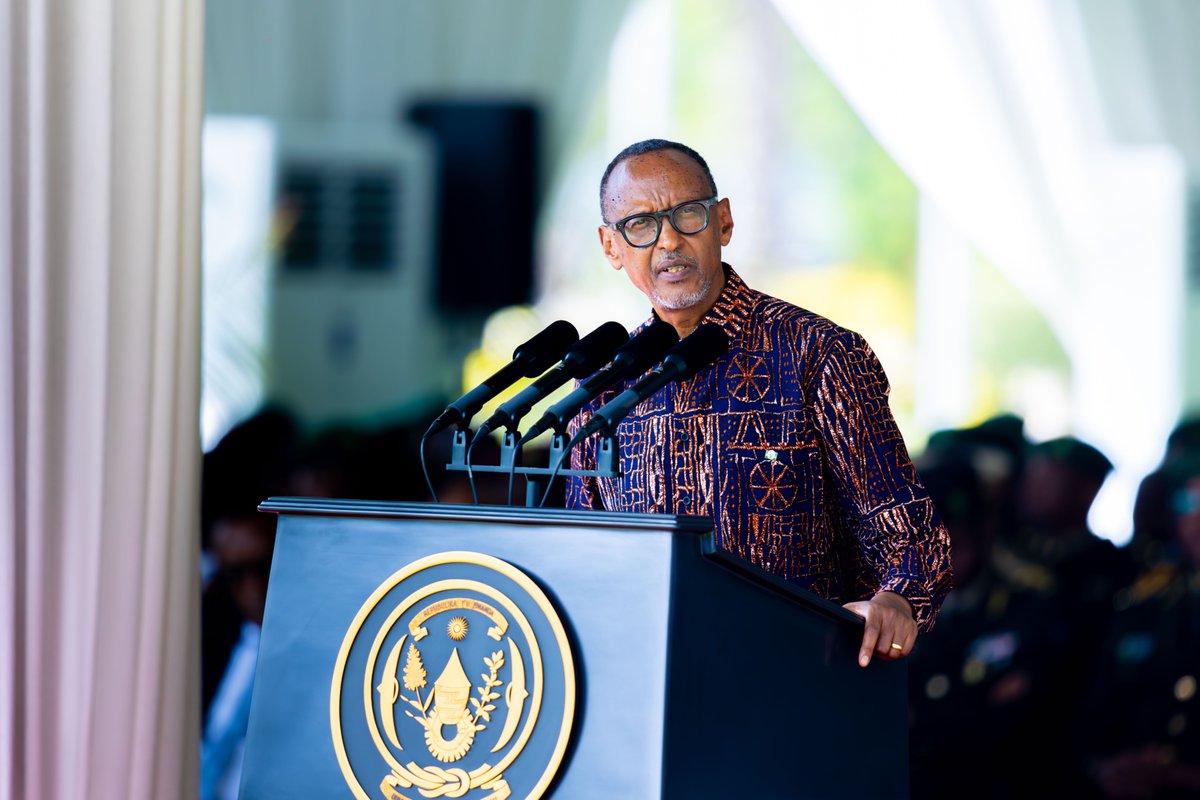
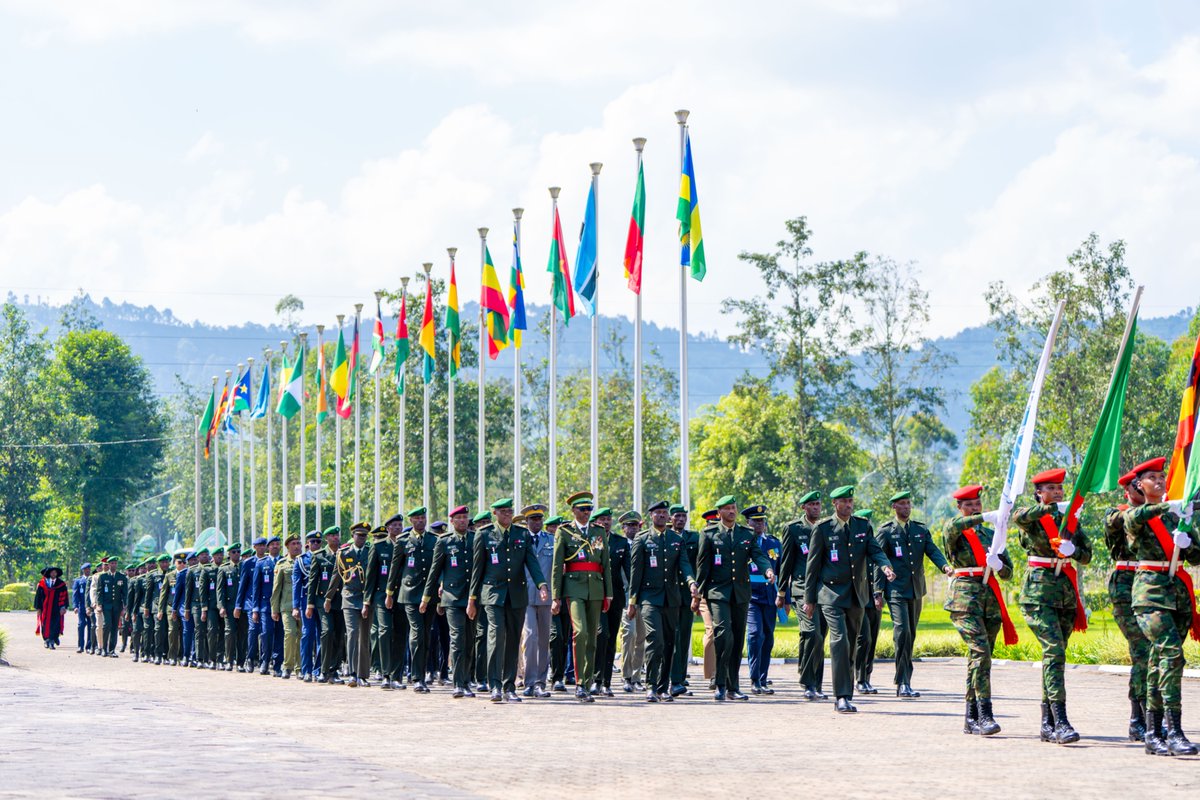
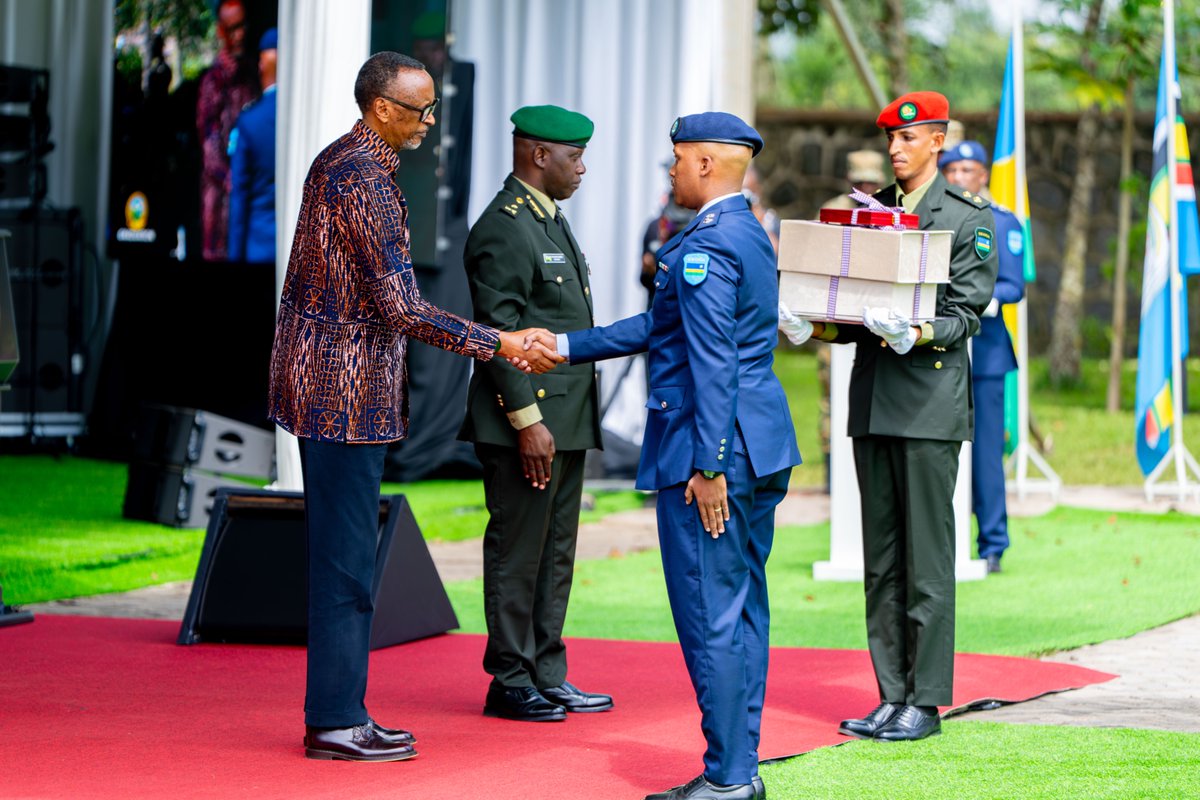
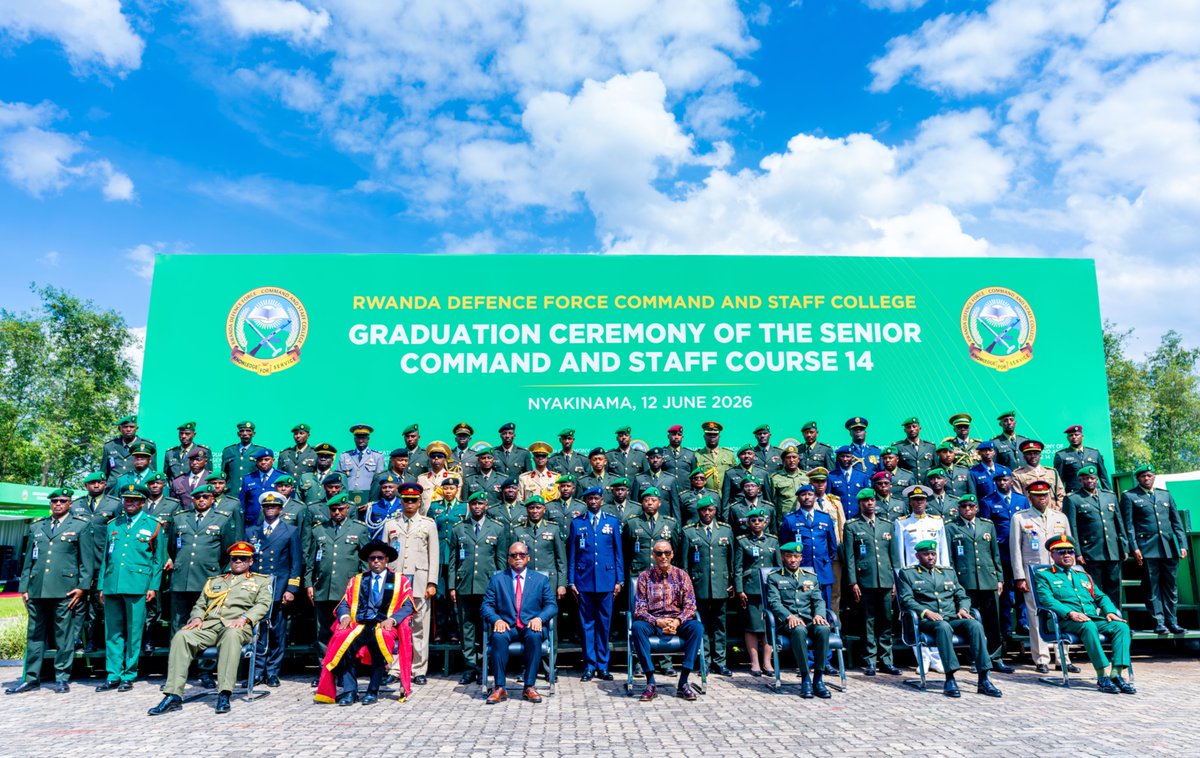
His Excellency President Paul Kagame, Commander-in-Chief of the Rwanda Defence Force (RDF), today officiated the graduation ceremony of senior officers who successfully completed Intake 14 of the Senior Command and Staff Course at the RDF Command and Staff College in Musanze District.
This year’s course brought together 108 senior officers, including 27 officers from 19 friendly countries across Africa and Asia, reflecting the growing importance of regional and international military cooperation.
The ceremony was attended by senior government officials, military leaders, diplomats, family members, and other distinguished guests who gathered to celebrate the achievements of the graduating officers.tinyurl.com/3p7vhw3b
=======================
Nyakubahwa Perezida Paul Kagame, Umugaba w’Ikirenga w’Ingabo z’u Rwanda, uyu munsi yayoboye umuhango wo gutanga impamyabumenyi kuri ba Ofisiye bakuru barangije icyiciro cya 14 cy’amasomo yo ku rwego rwa ba Ofisiye Bakuru mu Ishuri Rikuru ry' Ingabo z' u Rwanda riherereye i Nyakinama mu karere ka Musanze.
Abasoje amasomo uyu mwaka ni ofisiye 108 barimo 27 baturutse mu bihugu 19 by’inshuti muri Afurika na Aziya, bikaba bigaragaza akamaro k’ubufatanye bwa gisirikare ku rwego rw’akarere n’amahanga.
Uyu muhango witabiriwe n’abayobozi bakuru muri Guverinoma, abayobozi b’ingabo, abadipolomate, imiryango y’abarangije aya masomo ndetse n’izindi nshuti zaje kwishimira ibyo abo ba Ofisiye bagezeho.
tinyurl.com/2x2b4uvx
9
180
591
18,663
Negb retweeted
Jun 8
𝐄𝐒𝐄 𝐖𝐀𝐑𝐀𝐁𝐈𝐌𝐄𝐍𝐘𝐄?
Ubu YEGO yongereye umubare w’imodoka 𝐍𝐒𝐇𝐘𝐀, izikoresha 𝐀𝐌𝐀𝐒𝐇𝐀𝐍𝐘𝐀𝐑𝐀𝐙𝐈, n’izifite 𝐈𝐌𝐘𝐀𝐍𝐘𝐀 𝟕.
Mbese ni umunyenga gusa gusa!
Hamagara 9191 utumenyeshe ubwoko bw’imodoka wifuza kugendamo, tuyikugezeho mu kanya nk’ako guhumbya!
#RideBetter #Twagiye
1
3
6
157
Negb retweeted
Jun 4
Still paying the old way?
Your next ride could be just a tap away.
Link your Visa or Mastercard in the #YegoApp and enjoy quick, secure, cashless payments.
#RideBetter #Twagiye

1
2
4
119
Negb retweeted
May 27
#EidMubarak to all celebrating!
May this special day bring happiness, generosity, and beautiful moments with loved ones.
#EidAlAdha

4
5
53
Negb retweeted

May 24
#DRC #Urgent #Updates
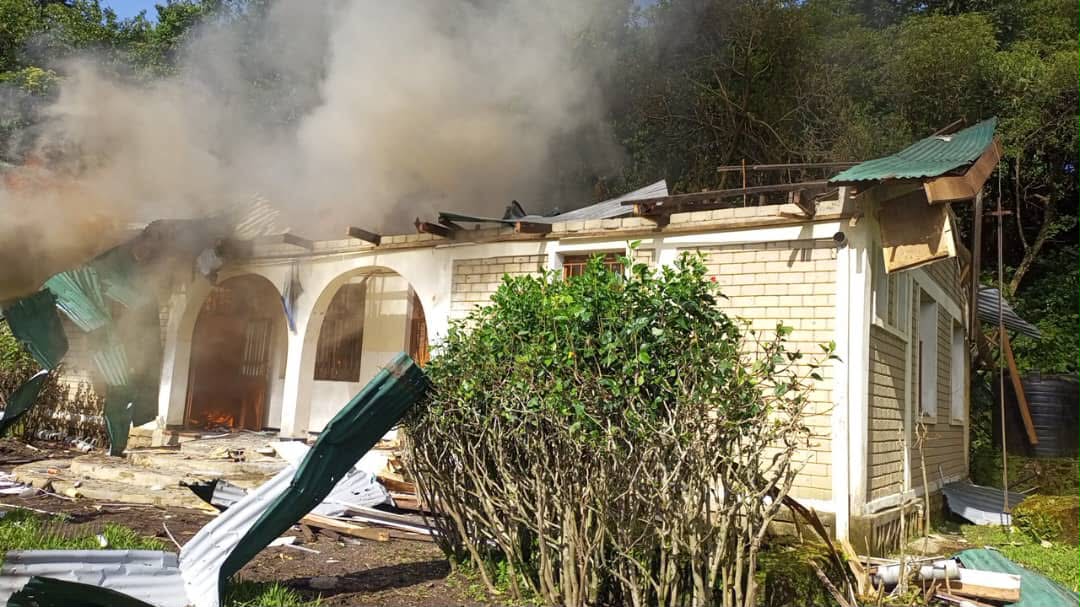
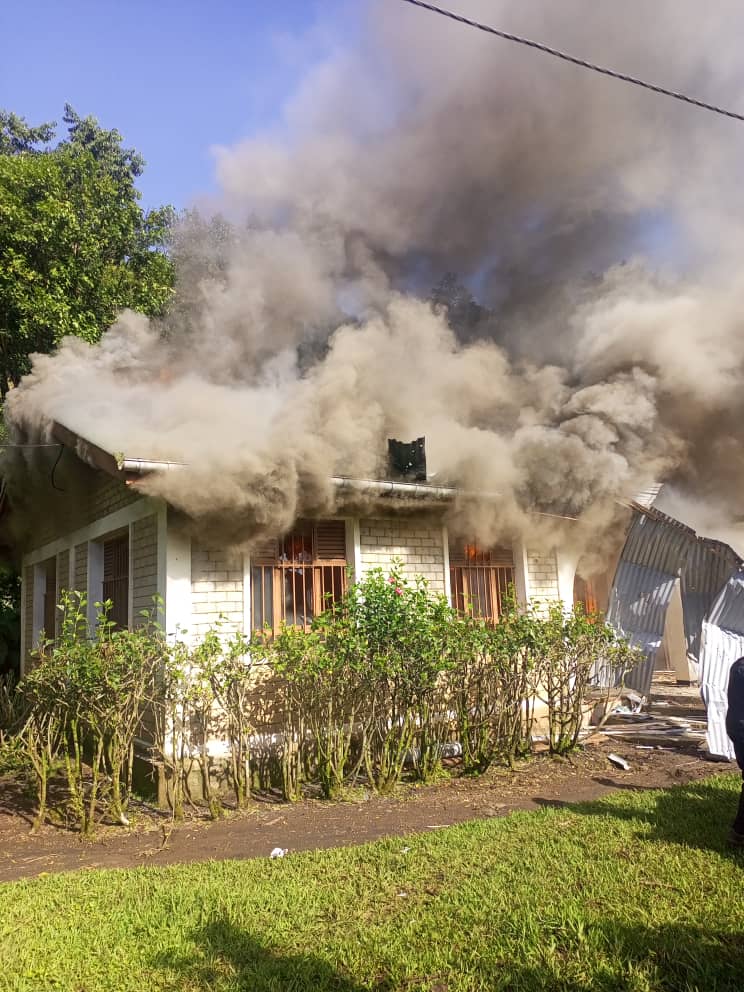
This morning, the violence continued. At approximately 07:35 a.m., a CH-4 enemy drone reportedly shelled the populated area of Rumangabo, including residential zones and the Rangers camp, causing damage to civilians and their property. Parts of the residential area were left on fire, further deepening fear and insecurity among the local population.
What is most troubling is not only the attacks themselves, but also the continued silence from those who claim to stand as mediators and guarantors of peace. Such silence risks placing them on the wrong side of history. Selective outrage only reinforces the perception that some civilian lives are treated as more valuable than others.
If similar events were attributed to AFC/M23, international condemnation would likely be immediate and overwhelming. Yet when civilians in Rubaya and Rumangabo are targeted, the response from many international actors remains muted. These double standards are becoming impossible for the population to ignore.
The people of this region remember the consequences of indifference. They know what happens when violence against vulnerable communities is minimized, ignored, or politically rationalized. No people should ever again be abandoned to fear, displacement, or extermination while the world watches in silence.
There is only one sustainable path forward: a serious political solution that guarantees security, dignity, and the safe return of refugees to their homeland. Military terror against civilians will never resolve this conflict. Refugees have an undeniable right to return home, and peace cannot be built through intimidation or collective punishment.
The international community must choose whether it truly stands for peace and justice, or whether strategic interests and access to resources will continue to outweigh the lives of innocent people. Minerals can be obtained through fair partnership and cooperation; they should never come at the cost of civilian suffering and bloodshed.
The people of eastern Congo deserve protection, justice, and equal consideration under international law, not silence when they become victims.
76
63
141
10,313
Negb retweeted

May 18
#VisitRwanda with #GamaTravelAndTourAgency @gamatourtravel @visitrwanda_now
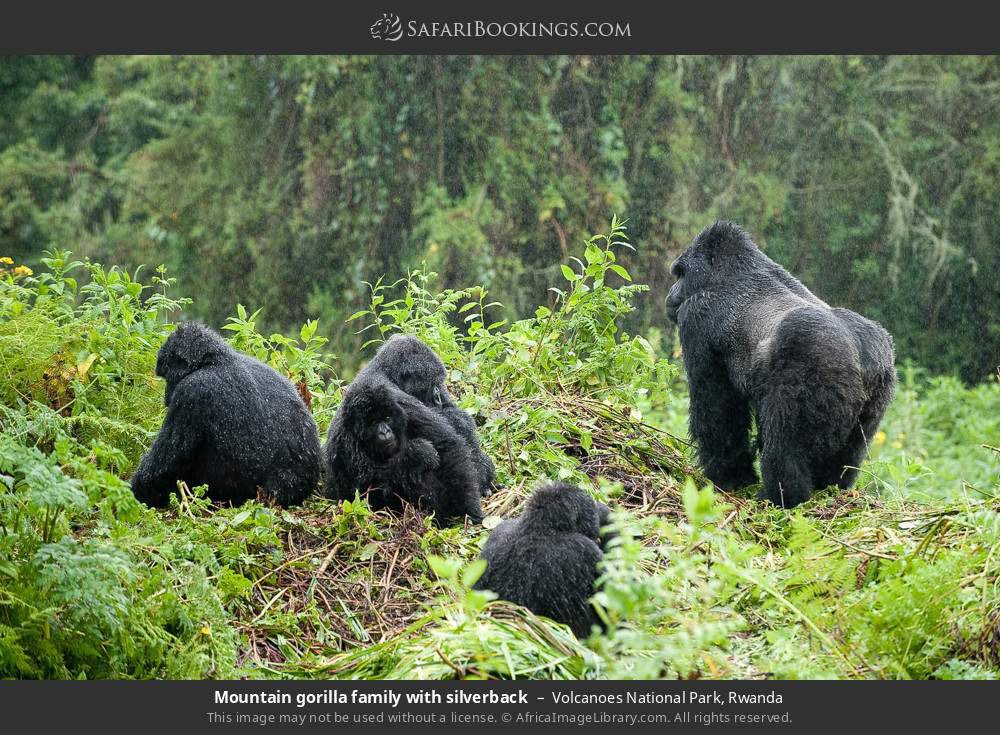
Discover the unforgettable Mountain Gorilla trekking experience in Rwanda with Gama Travel and Tour Agency.
This one-day adventure starts from Kigali at 5:30 a.m. and takes visitors to Volcanoes National Park, home to the endangered mountain gorillas. With the help of professional guides, visitors trek through the forest to see gorillas in their natural habitat, a unique and memorable experience.
After the trek, guests enjoy lunch, receive certificates, and return to Kigali.
Many visitors praise Gama Travel and Tour Agency for its professionalism, good organization, and excellent service.
Reviews:
safaribookings.com/review/p8…
Tour Itinerary:
safaribookings.com/tours/t11…
5
34
42
1,774
Negb retweeted
May 15
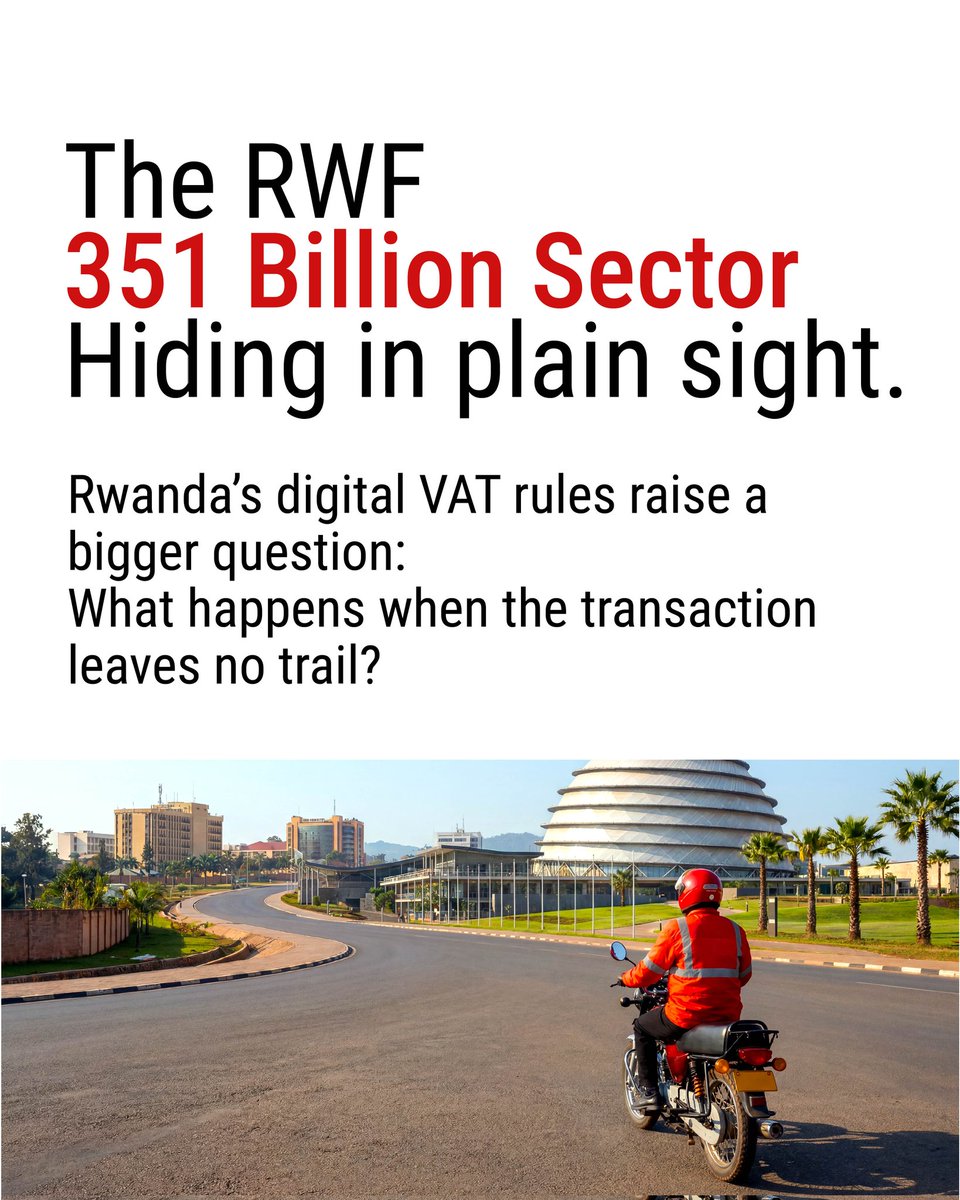
The RWF 351 Billion Sector Hiding in Plain Sight. Rwanda’s new VAT rules make one thing clear: tax follows transactions that leave a trail. But what happens when the activity is real, money changes hands, and the service is consumed - yet the transaction disappears the moment it ends?
The real question is not only whether a service should be taxed, but whether the transaction can be seen clearly enough to be taxed fairly. Digital VAT is straightforward. Streaming subscriptions, cloud invoices, software licences, and online ads all leave records.
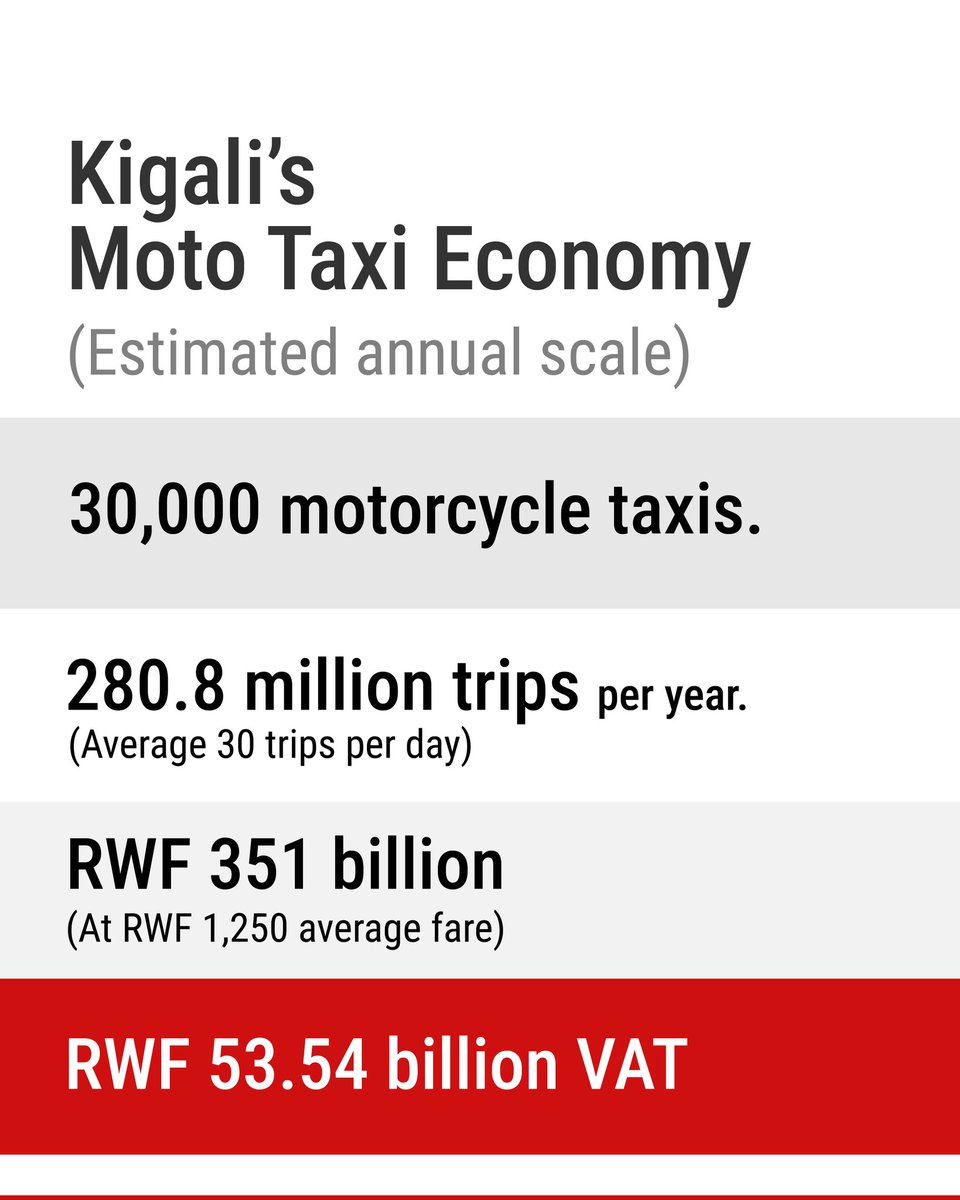
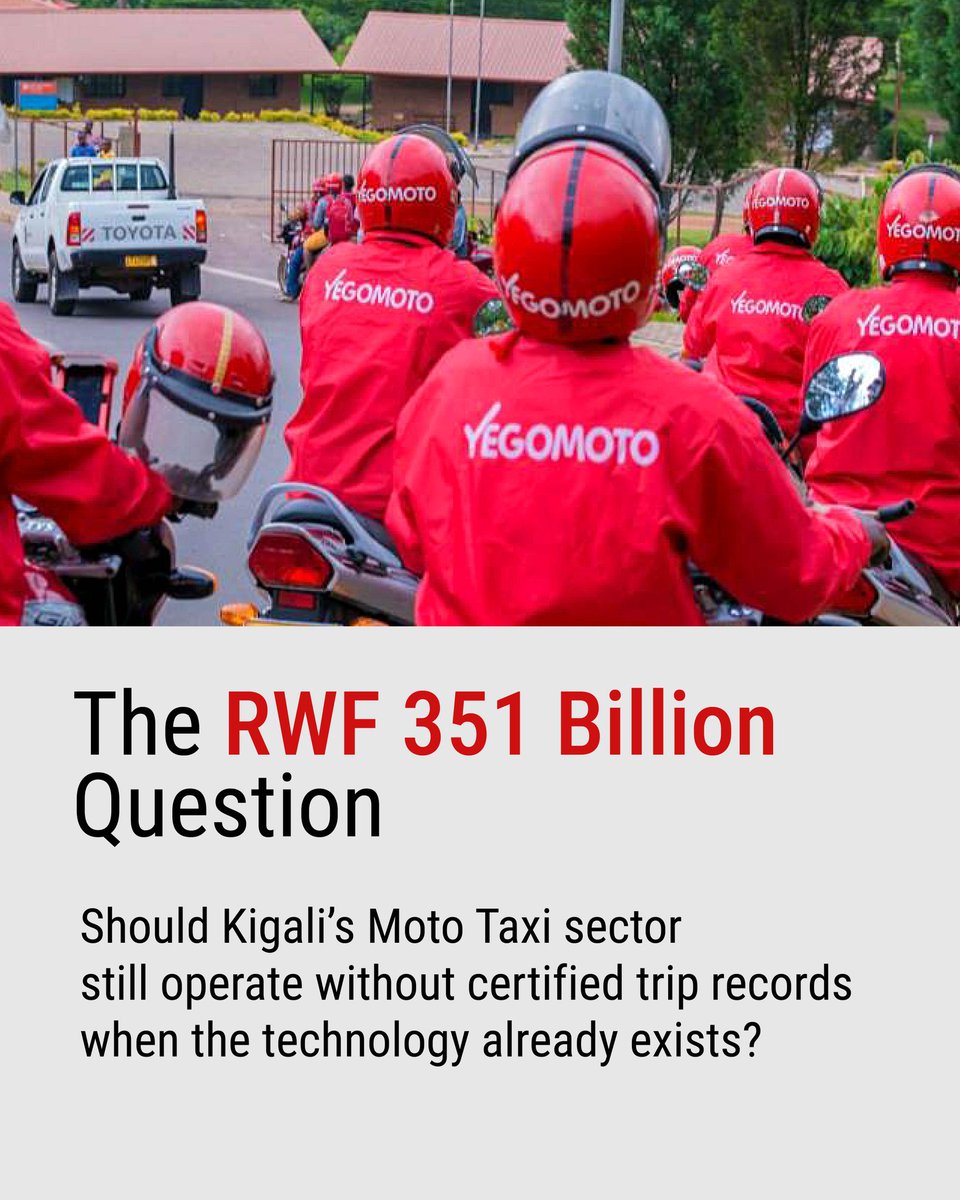
The harder question sits much closer to home - moving through Kigali traffic every day. Moto taxis are central to the city’s mobility system, yet over 99.9% of rides are still hailed on the street and settled without any formal digital record.
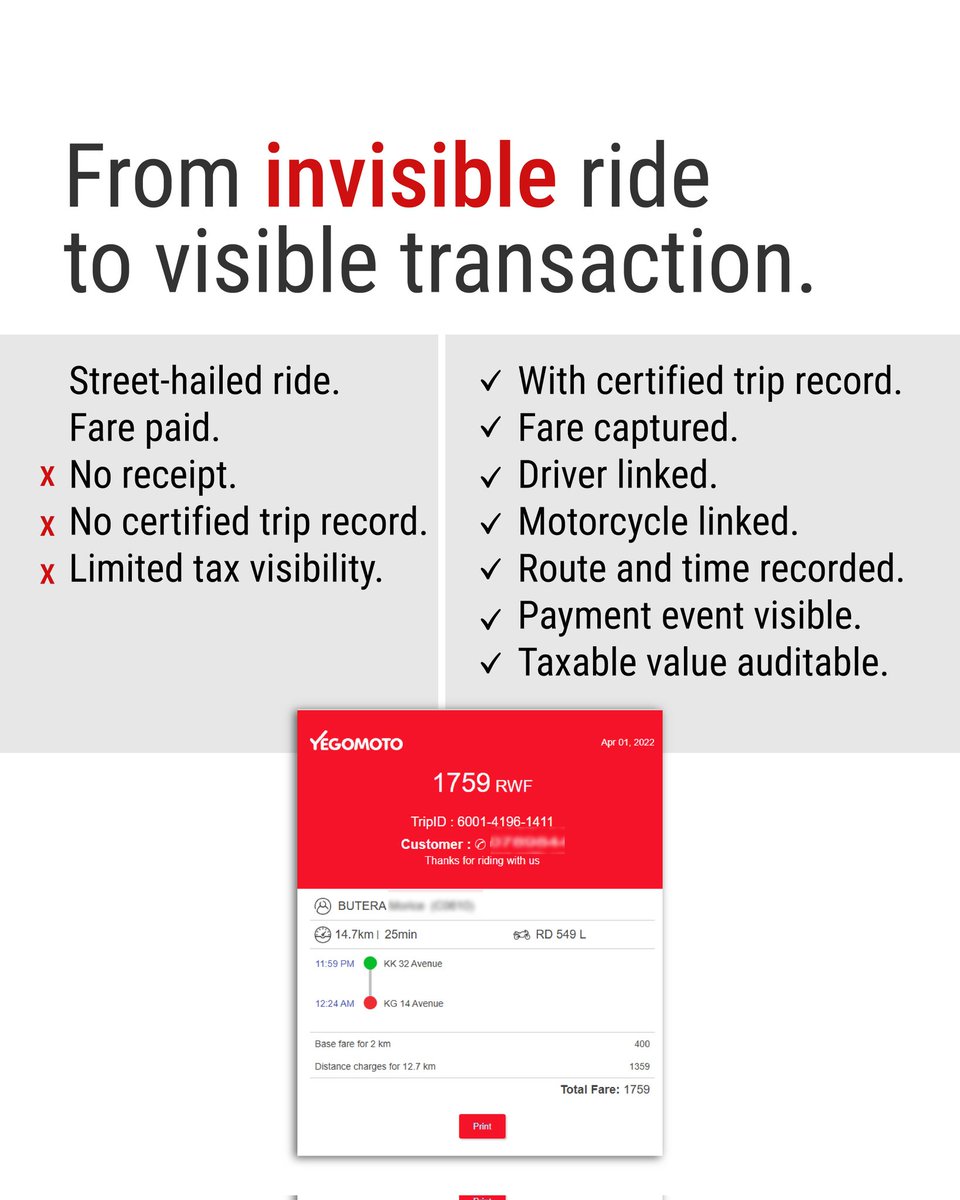
The ride happens. The fare is paid. The driver moves on. And the transaction disappears without a trace.
If treated as VAT-inclusive, the embedded VAT is approximately RWF 53.54 billion per year. That is not a rounding error. It is a visibility question for a major domestic revenue stream.
This is where intelligent connected fare meters deserve a fresh look. Not just fare calculators - but transaction infrastructure capturing: fare, trip, driver, motorcycle, route, time, payment event, and taxable value.
Once that record exists, multiple public benefits follow: fare transparency, driver earnings history, operator visibility, regulatory clarity, and VAT compliance.
1
2
9
925
Negb retweeted
May 12
Genzura ko feri za moto yawe ziregeye neza.
Ubundi Turindane #TugereyoAmahoro
Spiro #EnergyOnTheMove
12
36
48
2,119
Negb retweeted
May 12
Malariya ntaho yagiye, urabyibuka se?
Zirikana ko utemerewe kwirara ahubwo Menya uko yandura nuko wayirinda ubundi tugire u Rwanda ruzira Malariya.
Kurandura Malariya Bihera Kuri Njye!
#ZeroMalariaRW
#MenyaWirindeRW
#TogetherForHealthRW
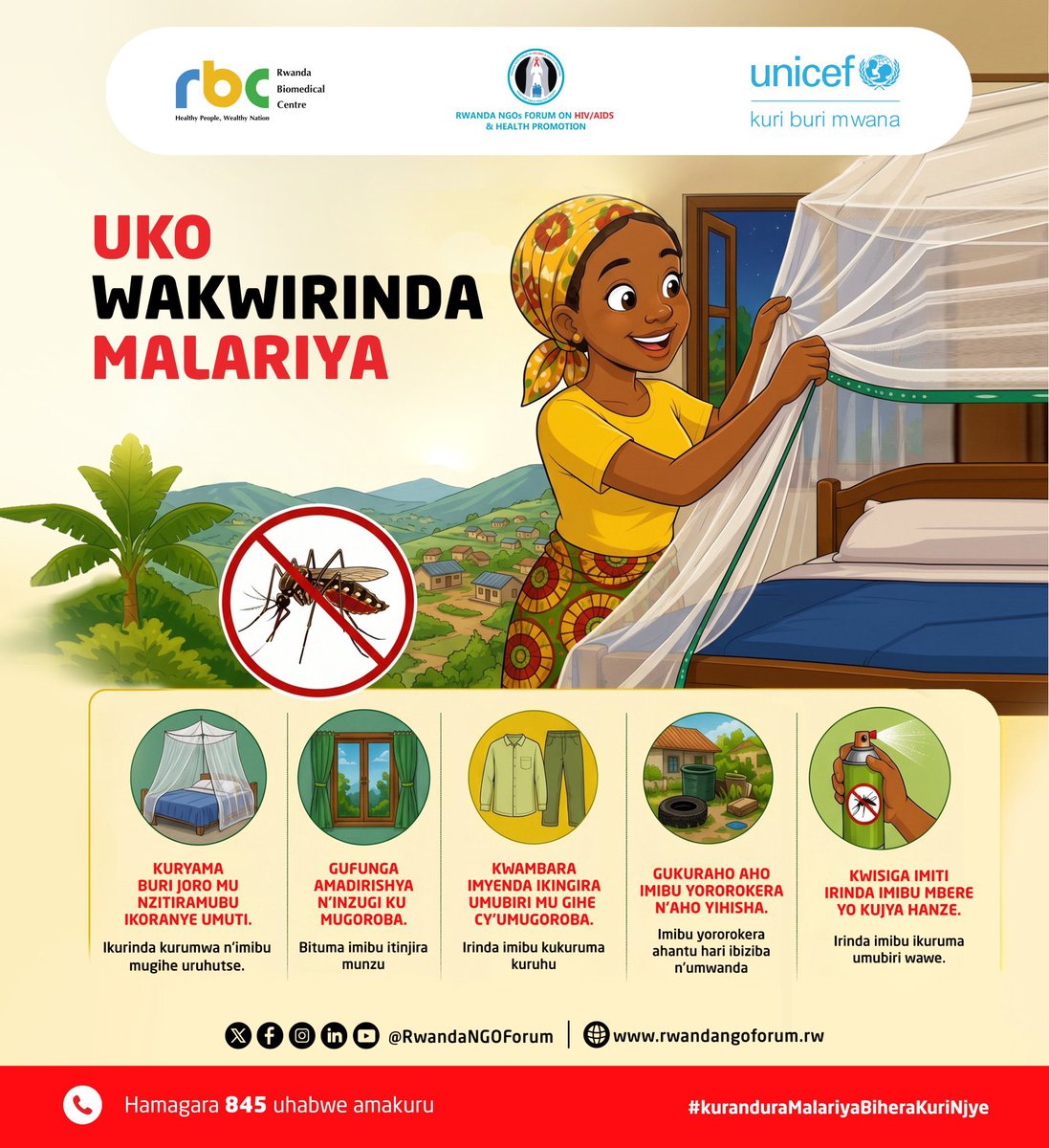
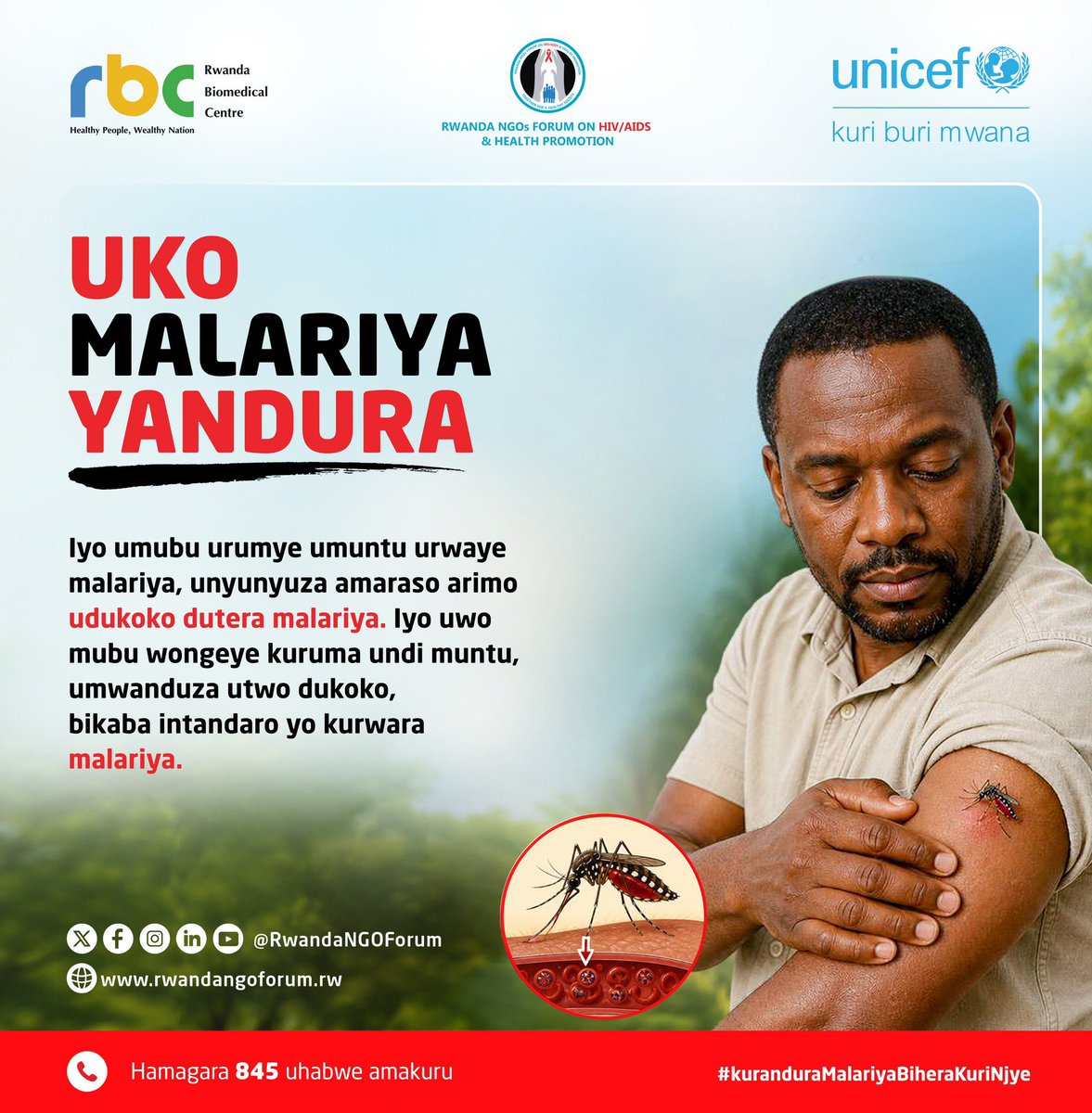

🦟 UKO MALARIYA YANDURA N'UKO YAKWIRINDWA.
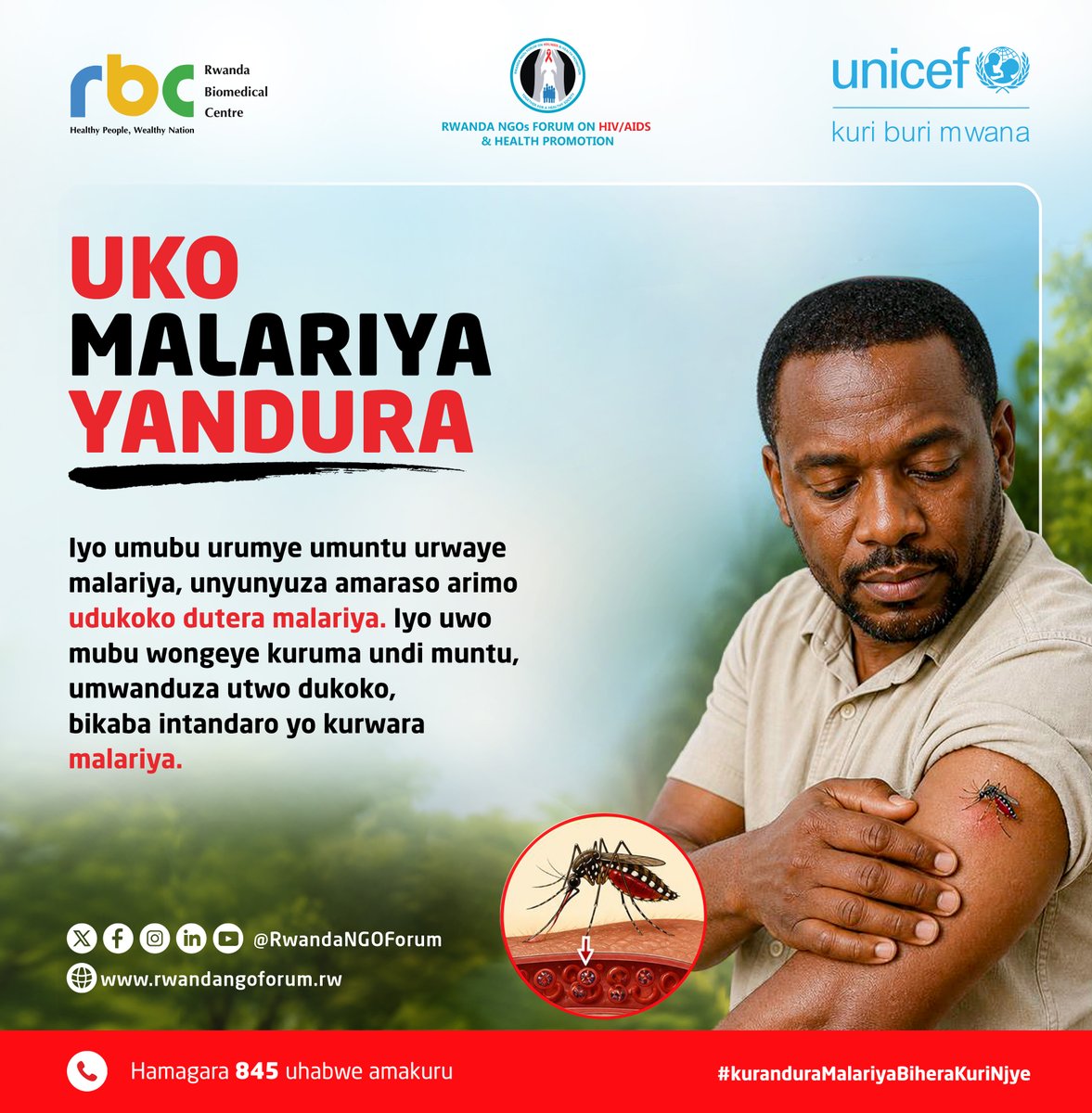
Malariya ntabwo yandurira mu gusuhuzanya cyangwa gusangira ibikoresho. Yandura binyuze mu kurumwa n’umubu w’ingore wo mu bwoko bwa Anofele wanduye agakoko gatera Malariya.
Iyo umubu urumye umuntu urwaye Malariya, unyunyuza amaraso arimo udukoko dutera iyo ndwara. Iyo wongeye ukaruma undi muntu, umushyiramo utwo dukoko bikaba intangiriro yo kurwara Malariya.
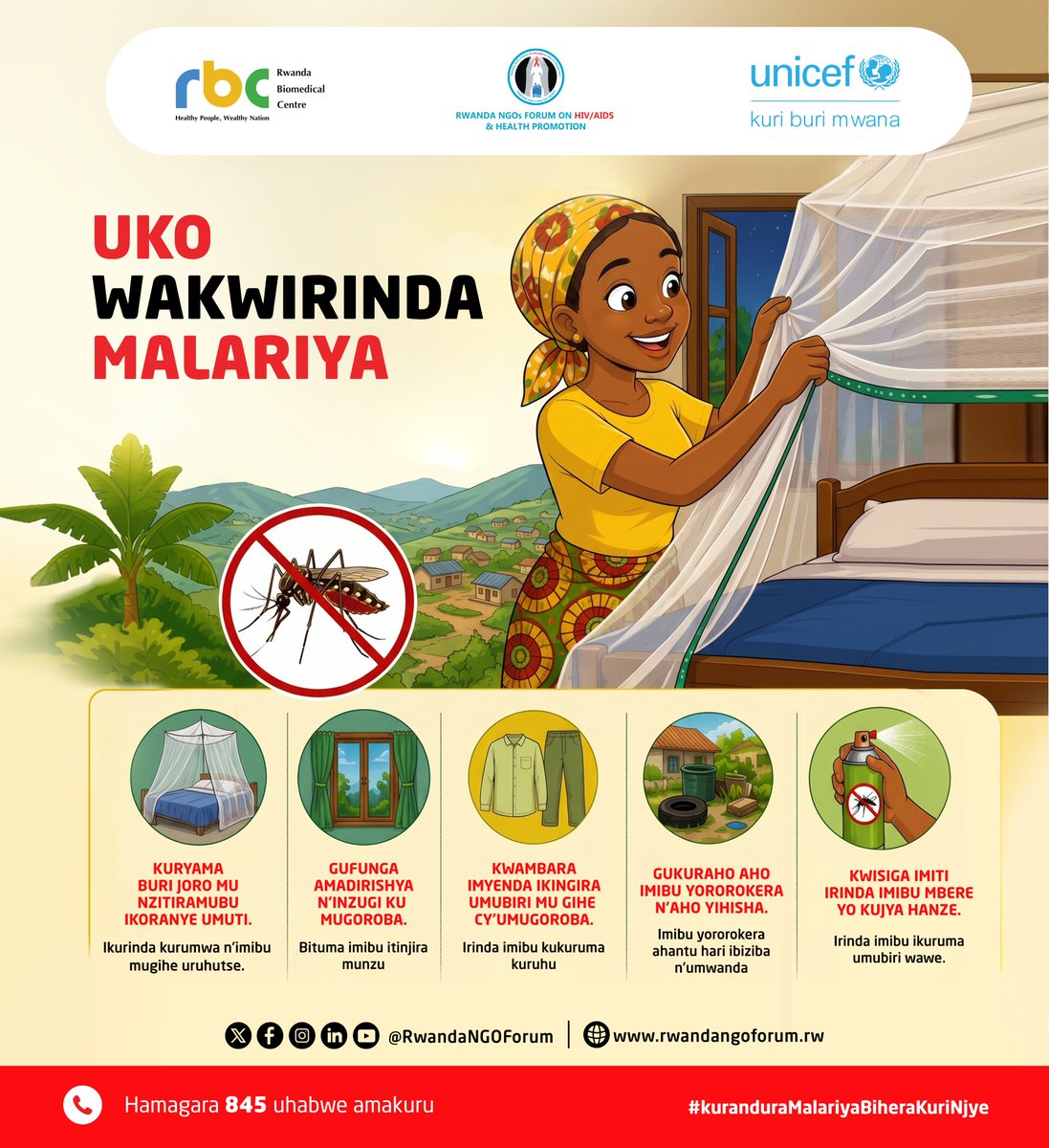
📢 Menya uburyo wakwirinda kwandura Malariya:
✅ Ryama mu nzitiramubu
✅ Irinde ahororokera imibu hafi y’urugo
✅ Gufunga amadirishya nimugoroba
✅ Ihutire kujya kwa muganga hakiri kare igihe ufite ibimenyetso
Ubumenyi ni intwaro ikomeye mu kurwanya Malariya 💚
Kurandura Malariya Bihera Kuri Njye!
#ZeroMalariaRW
#MenyaWirindeRW
#TogetherForHealthRW
#RCCERw
There's a new version of this post
14
32
41
1,752
Negb retweeted
May 12
Amakuru yizewe ava kuri banyirayo!
Nawe rero hitamo amavuta ya Castrol Power1, ugire urugendo runoze, rufite ubwiza, umutekano n’imbaraga zidasanzwe za Moteri Ya Moto.
Wayasanga kuri buri Station ya @RUBiSEnergyRw mu Gihugu hose🥳
#Power1NiNeza
#CastrolPower1
10
29
37
2,091
Negb retweeted
May 9
Wiriwe neza nshuti yanjye @FelixUriho!
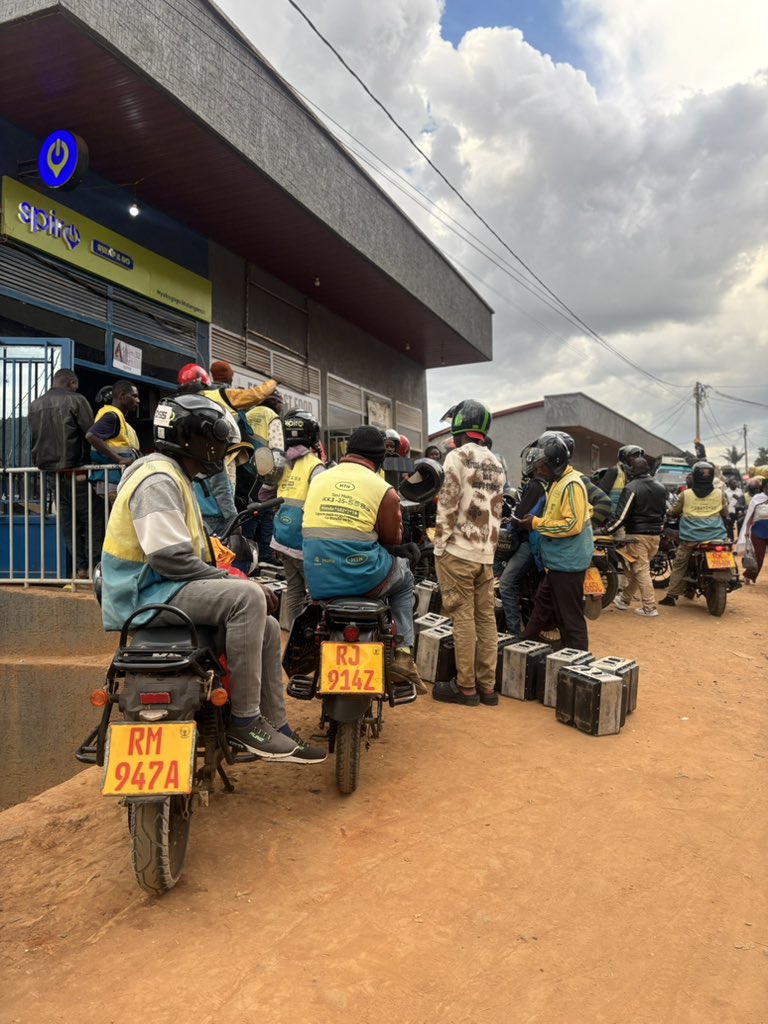
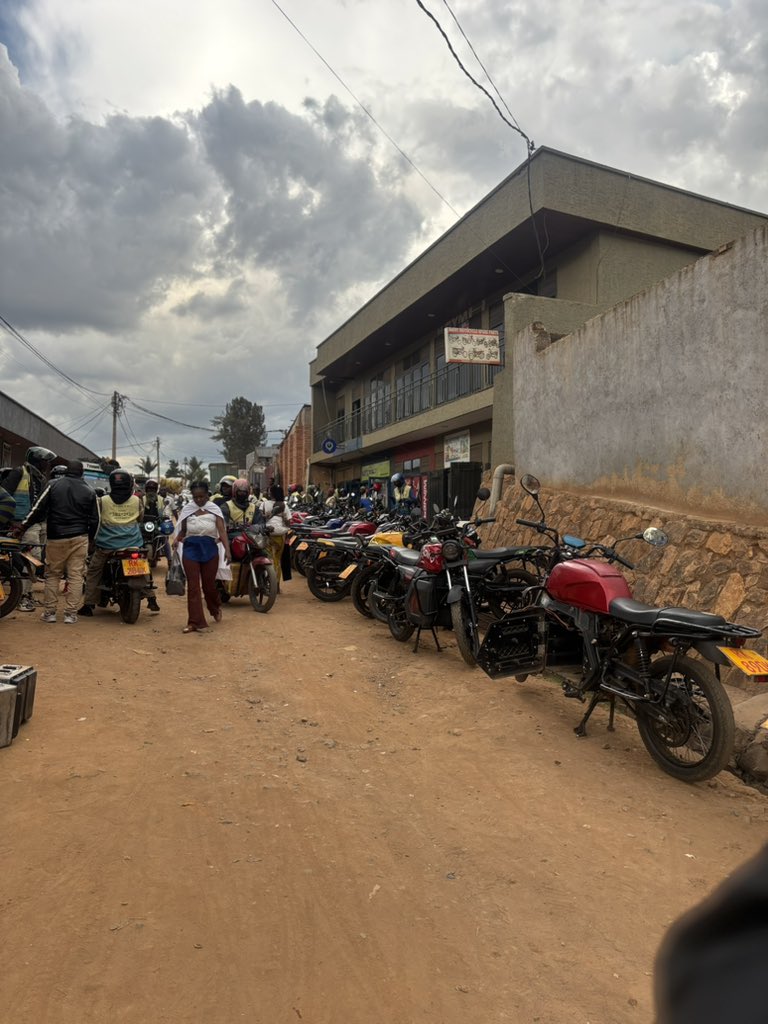
Kuva ibiciro by’ibikomoka kuri peteroli byazamuka, umubare w’abakoresha moto zikoresha amashanyarazi wakomeje kwiyongera cyane. Ibi byatumye n’abakenera bateri ku ma station biyongera ku buryo bugaragara. Ni yo mpamvu rimwe na rimwe umumotari ashobora kugera kuri station agasanga hari abandi benshi bamutanze baje gusimbuza bateri, bikamusaba gutegereza iminota irenze iyo yari asanzwe amara ahabwa serivisi.
Amakuru nakuruye neza nuko ubuyobozi bwa SPIRO bwamaze kubona ahakeneye kongerwa imbaraga, kandi amakuru ahari ni uko hari ingamba ziri gushyirwa mu bikorwa kugira ngo iki kibazo kibonerwe igisubizo kirambye mu gihe cya vuba.
Hagati aho kandi, hari bamwe mu bamotari bakunda kwibanda kuri station zo ku mihanda minini cyangwa ahantu hari urujya n'uruza, bigatuma izo station zihoraho umurongo w'abategereje service kurusha izindi. Nyamara station zo mu nkengero cyangwa muri karitsiye usanga na zo zifite bateri zihagije kandi zitariho umurongo w’abategereje.
Ni byiza ko abamotari bagerageza gukoresha station zitandukanye, cyane cyane iziri muri karitsiye, kuko akenshi usanga serivisi zihuta kandi bateri zihari ku bwinshi.
Stay Blessed!
May 9

Izi moto z’ishanyarazi kugirango ubone battery bisigaye bisaba gutegereza amasaha nk’atatu utonze umurongo🥶
Niba ari ikibazo cy’amastations make, niba ari system icumbagira, ntawamenya.
9
28
43
8,874
Negb retweeted
May 9
Happy #MothersDay to all the incredible moms out there! We celebrate you always!

1
2
77
Negb retweeted

May 9
#RDC
1. Des Congolais innocents ont été tués hier à #MUSHAKE, Masisi, dans des bombardements mieux identifiés, connus, observés et documentés.
2. Ces actes criminels qui ont fait plus de trente (30) morts et plusieurs blessés ont été perpétrés par le régime illégitime de Kinshasa, qui se prévaut fièrement du soutien des États-Unis d’Amérique pour justifier ses actes, appuyé par ses alliés de l’armée burundaise, des mercenaires colombiens et américains, des FDLR, des Wazalendo et autres forces négatives à sa solde.
3. Ces faits exigent une condamnation claire et une identification sans ambiguïté du responsable- le régime corrompu et sanguinaire de Kinshasa.
4. Il est profondément regrettable de constater que Monsieur Félix Tshisekedi se sert de ses accords miniers avec les États-Unis pour se prévaloir d’une impunité absolue, en se permettant d’une part, de massacrer des populations civiles sans défense et, d’autre part, de violer tous les accords de paix sans en être tenu pour responsable.
5. Le Département d’État américain, par l’entremise de son Bureau des Affaires africaines, se montre curieusement incapable de désigner clairement le responsable pourtant connu de tous pour ces bombardements par drones, de le condamner et de prendre les mesures de sanction qui s’imposent.
6. Cette ambiguïté est, à tout le moins, profondément regrettable. Sa prise de position, à la fois timide et équivoque, est indigne de la gravité des faits.
7. En renvoyant indûment dos à dos victimes et responsables, la réaction du Bureau des affaires africaines discrédite et fragilise la médiation, de même qu’elle soulève des interrogations sérieuses quant au respect des principes de neutralité, d’impartialité et de crédibilité indispensables à sa réussite manifestement compromise.
219
158
428
53,985
Negb retweeted
May 7
Uyu mu Rayon ndamwemeye cyaane!
Yagiye kureba umukino wa Rayon i Muhanga kuri Spiro || Spichou 🥳
Thanks @kwizigira for this video 🫡
4
23
39
3,175
Negb retweeted
May 7
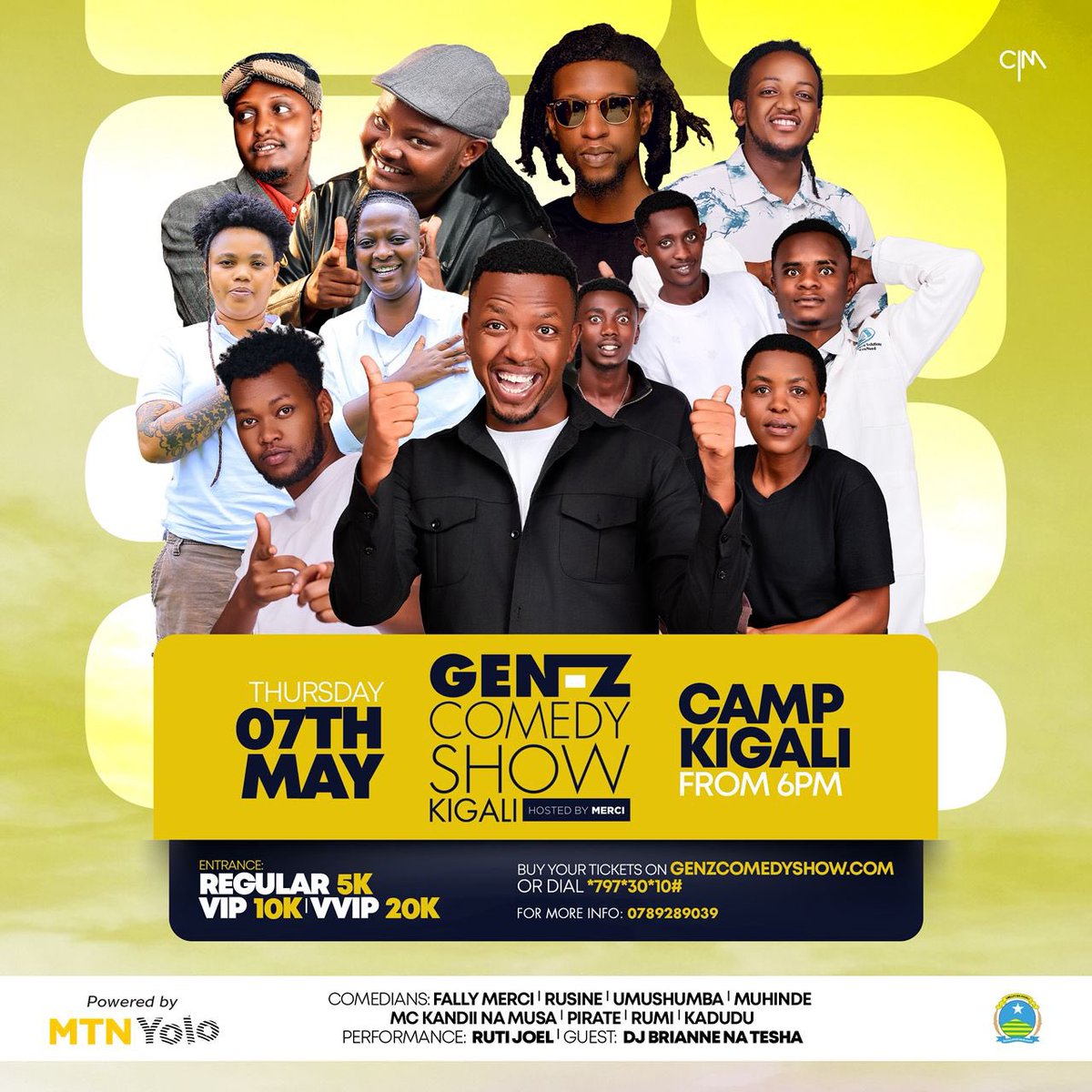
Uyu mugoroba duhurire muri Gen Z Comedy Show || Iseka rusange 🥳
Ni Camp Kigali, Saa 18:00
Aho abanyarwenya dukunda batumara stress 😂
Na @RutiJoel muri Gakondo aradutaramira🔥
Gura itike kuri genzcomedyshow.com cg *797*30*10#
Uriteguye se?
7
25
31
1,384
Negb retweeted
Apr 29
This morning, as part of the #Kwibuka32 commemoration, World Vision Rwanda (@WVRwanda) is visiting the Nyanza Genocide Memorial in @KicukiroDistr to honor the victims of the 1994 Genocide against the Tutsi and reaffirm its commitment to promoting peace and unity.
#Kwibuka32
11
30
34
3,000
Negb retweeted
Apr 29
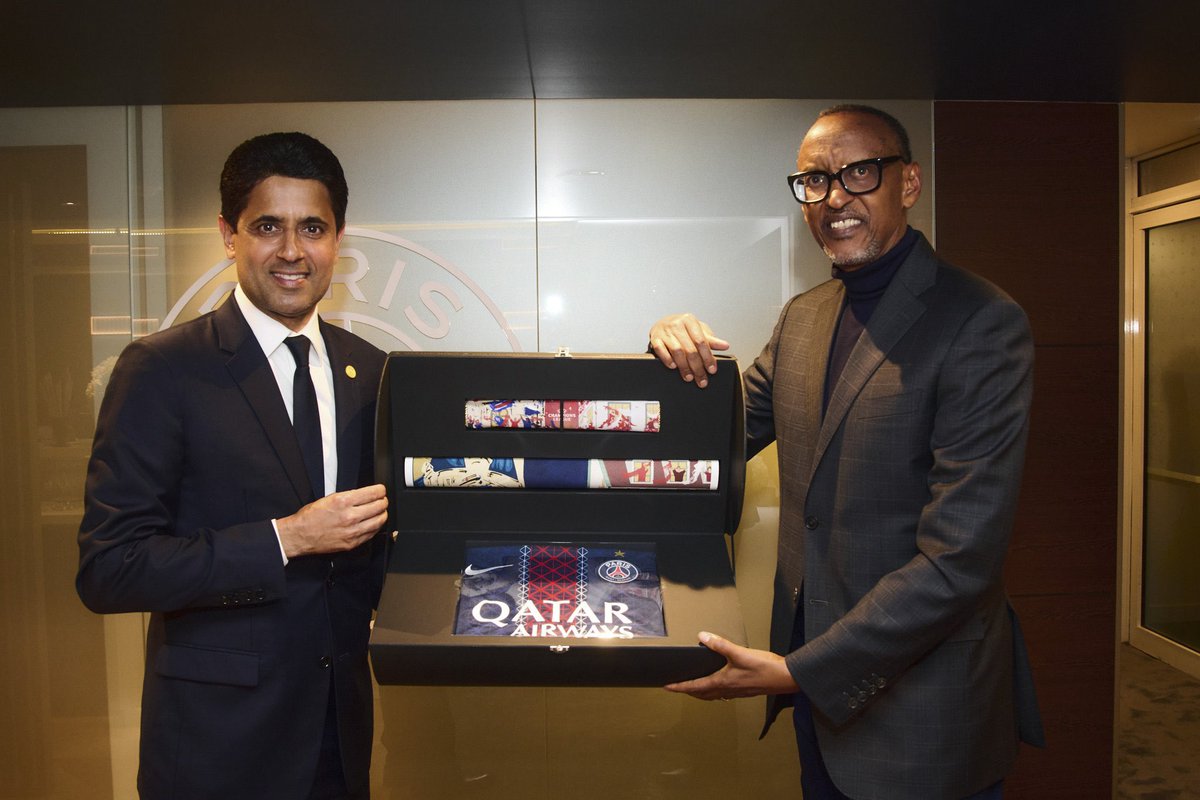
Kuberwa😍
Uwambika President wacu bwite akwiye indabo ze 💐
11
34
269
8,482
RT @LawrenceKanyuka: Mise au point du Mardi 28 avril 2026 sur la guerre imposée par le régime de Kinshasa.
En date du 17 avril 2026, à Mon…
113
Negb retweeted
Apr 25
Nonaha;
Mu Karere ka @KicukiroDistr hari kwizihirizwa umunsi mpuzamahanga wo kurwanya Malariya ku rwego rw’igihugu, Ufite Insanganyamatsiko igira iti “Kurandura Malariya Bihera Kuri Njye: Turabishoboye, Tubikore”.
Ni igikorwa cyabanjirijwe n’umuganda rusange usoza ukwezi aho abaturage bakoze umuganda wo gusukura, gutema ibihuru hagamijwe gukuraho ubwororokero n’ubwihisho bw’imibu.
Abaturage bahawe inzitiramibu zikoranye umuti zizabafasha gukomeza kwirinda Malariya basabwa kuziraramo buri joro.
Ni igikorwa cyabereye mu Murenge wa Gahanga mu Kagali ka Kagasa ari naho higanje Malariya mu Karere ka Kicukiro kurusha ahandi, umwaka ushize abaturage ibihumbi 114 ku baturage barenga ibihumbi 400 batuye Kicukiro barwaye malariya.
Ni igikorwa cyateguwe na @RBCRwanda n’abafatanyabikorwa barimo @RwandaNGOForum, @sfhRwanda, @Sfrwanda1 n’abandi benshiii
#KuranduraMalariyaBiheraKuriNjye
#EndMalaria
#ZeroMalariaStartsWithMe
#TurandureMalariya
12
47
64
2,545